
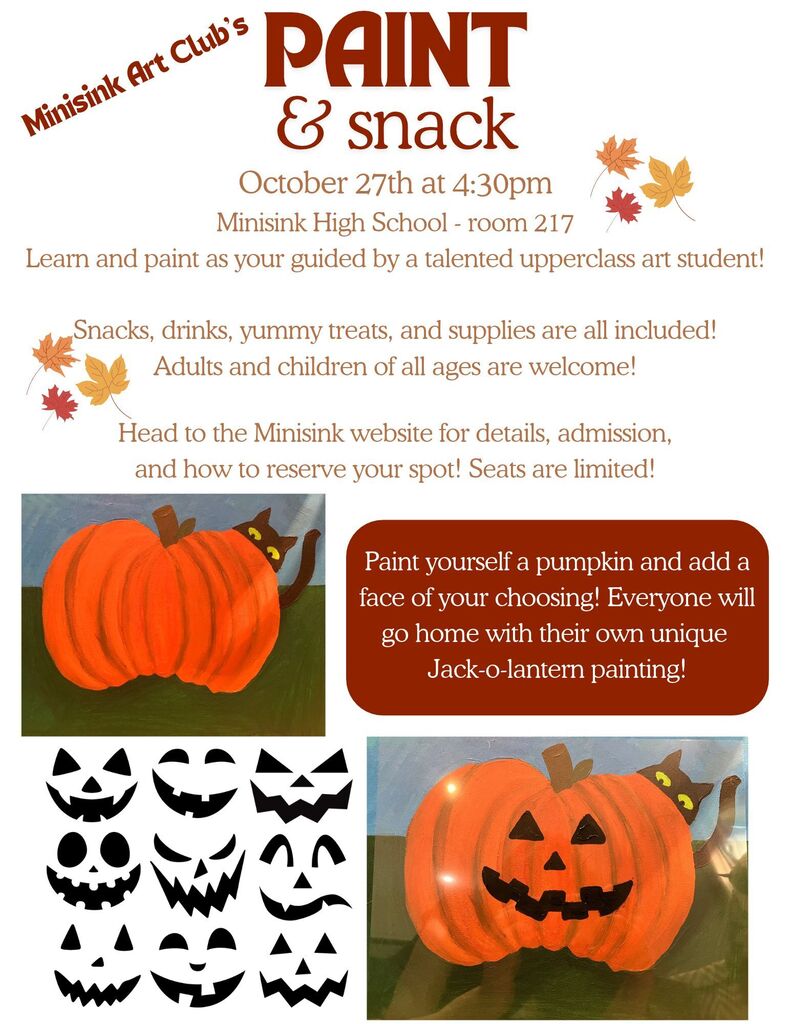
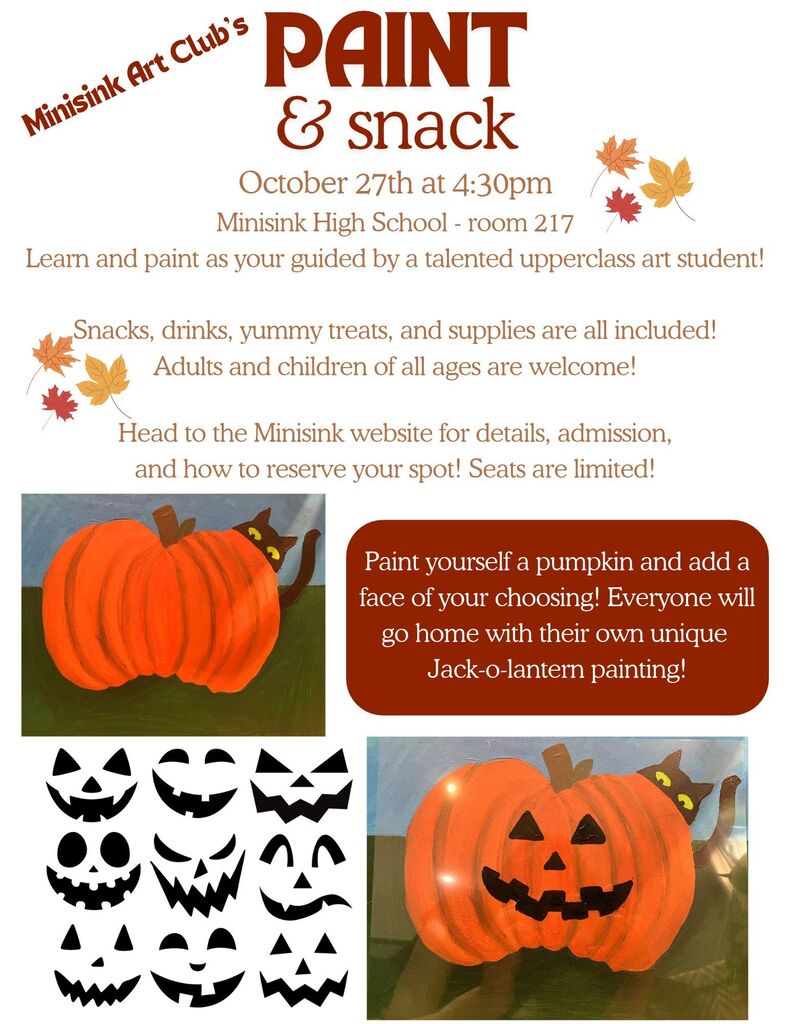
DO NOT MISS OUT! The High School's Art Club is back with its wonderful PAINT & SNACK fundraiser on Tuesday, Oct. 27 --- just in time for Halloween! Create a wonderful Jack-o-lantern painting which will be destined to become a permanent Halloween decoration!
Everyone is welcome, including children of all ages!
Pricing (cash at the door):
Adults - $12
Children/students - $10
Siblings discount: $5 per additional sibling
PLEASE NOTE: Seating is limited and will be capped at 25 attendees. CLICK HERE to register: https://docs.google.com/forms/d/e/1FAIpQLSfNvVoDTsAgdIhaDFLVWhaN6X5CnahtHyEfGmbEWpFB0LD6rg/viewform
Everyone is welcome, including children of all ages!
Pricing (cash at the door):
Adults - $12
Children/students - $10
Siblings discount: $5 per additional sibling
PLEASE NOTE: Seating is limited and will be capped at 25 attendees. CLICK HERE to register: https://docs.google.com/forms/d/e/1FAIpQLSfNvVoDTsAgdIhaDFLVWhaN6X5CnahtHyEfGmbEWpFB0LD6rg/viewform
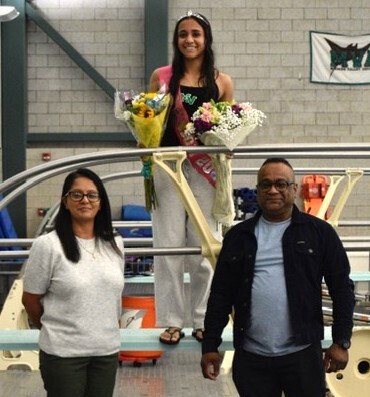
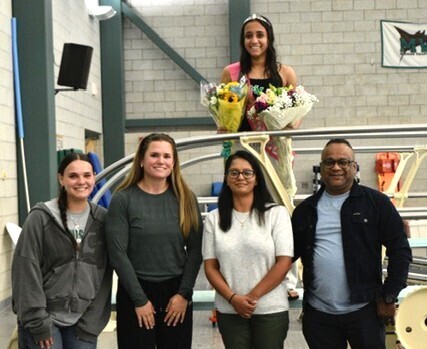
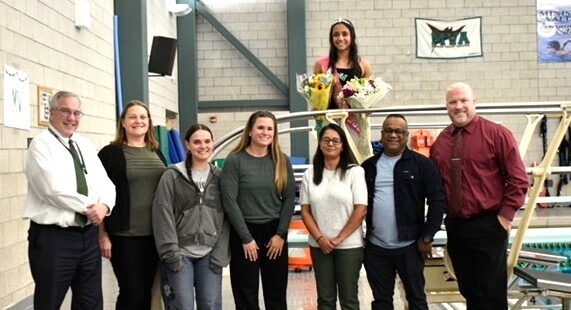
Congratulations to Senior varsity swimmer Madelyn Archibald, who was honored for her many contributions to the team’s success at her recent Senior Night!
“Madelyn has been on the team for three years and plans to pursue a bachelor’s degree in psychology after Minisink,” said Head Coach Samantha Woodward. “Her favorite memory of being on the team was her freshman year, because it was a new adventure for her. For next season, Madelyn encourages her teammates to stay determined and keep pursuing their goals no matter the environment.”
“Madelyn has been on the team for three years and plans to pursue a bachelor’s degree in psychology after Minisink,” said Head Coach Samantha Woodward. “Her favorite memory of being on the team was her freshman year, because it was a new adventure for her. For next season, Madelyn encourages her teammates to stay determined and keep pursuing their goals no matter the environment.”
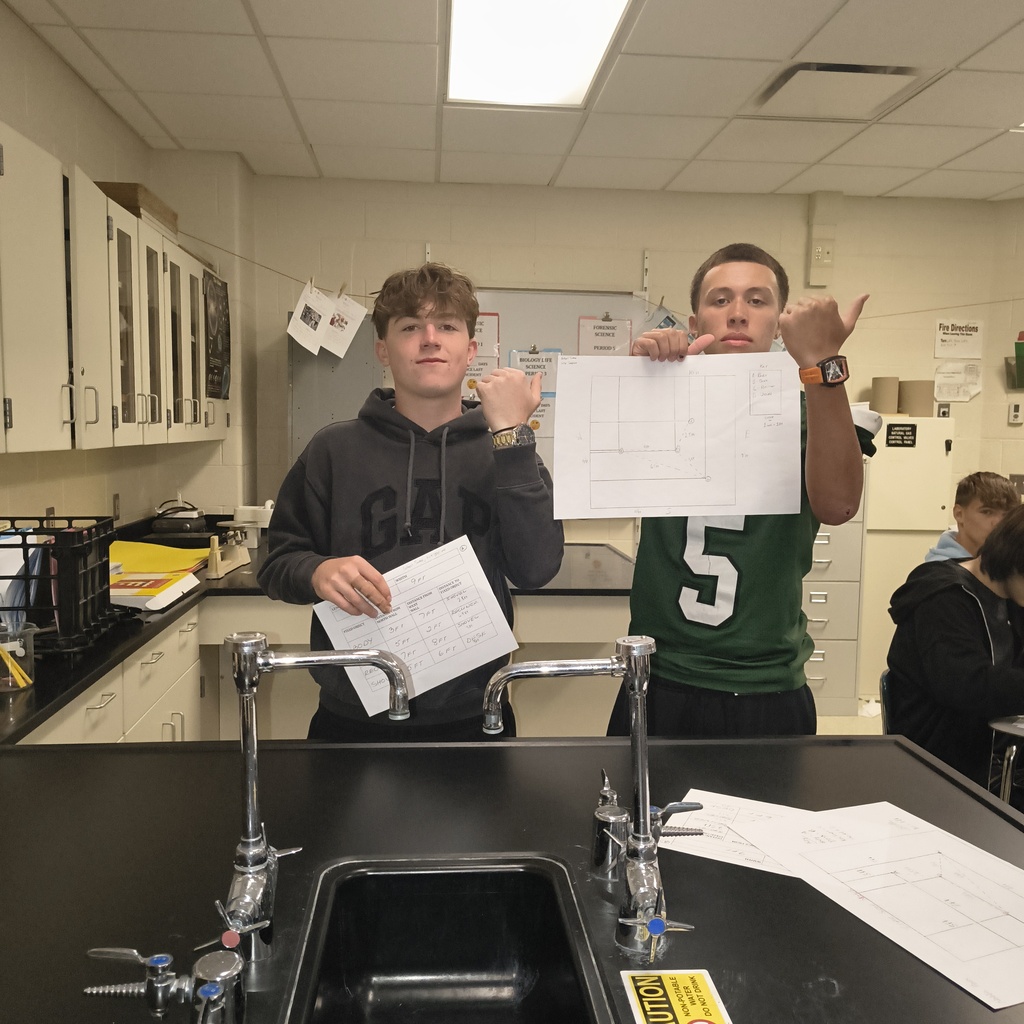
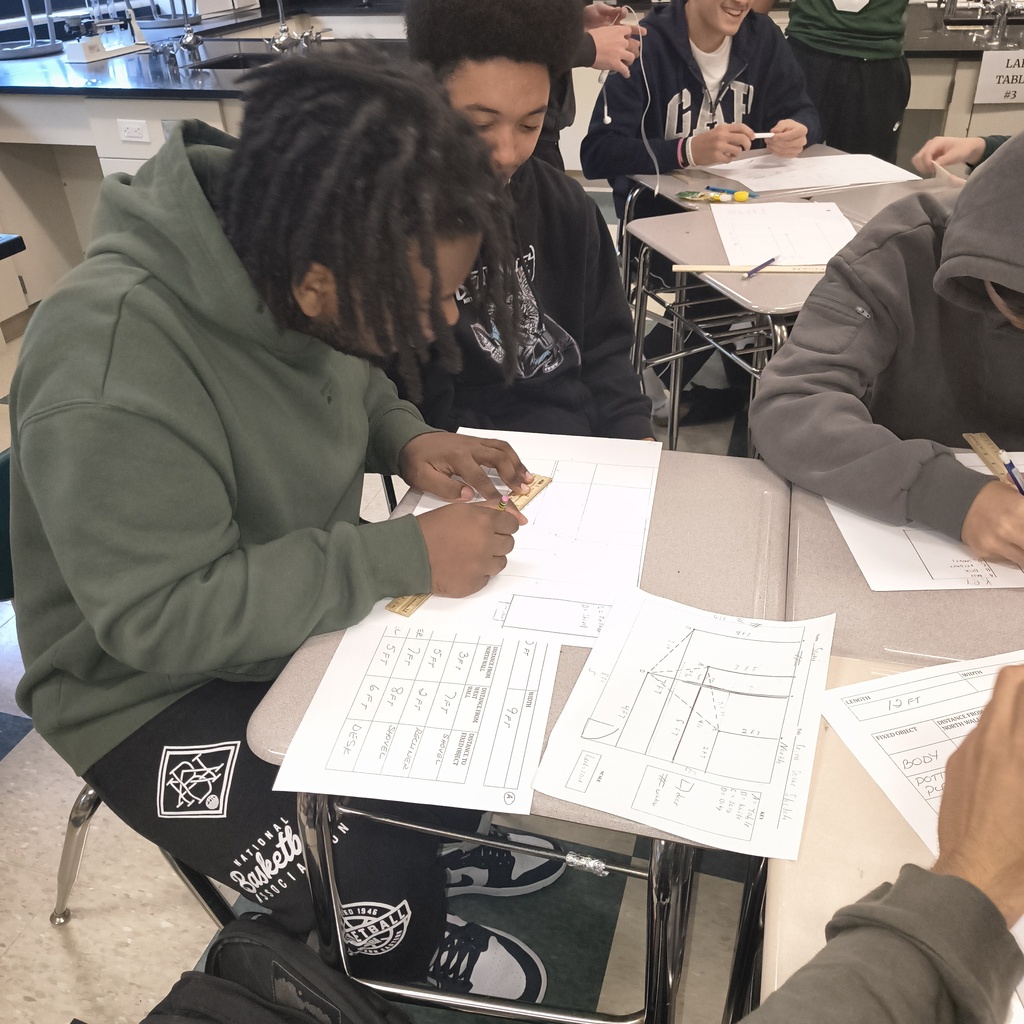
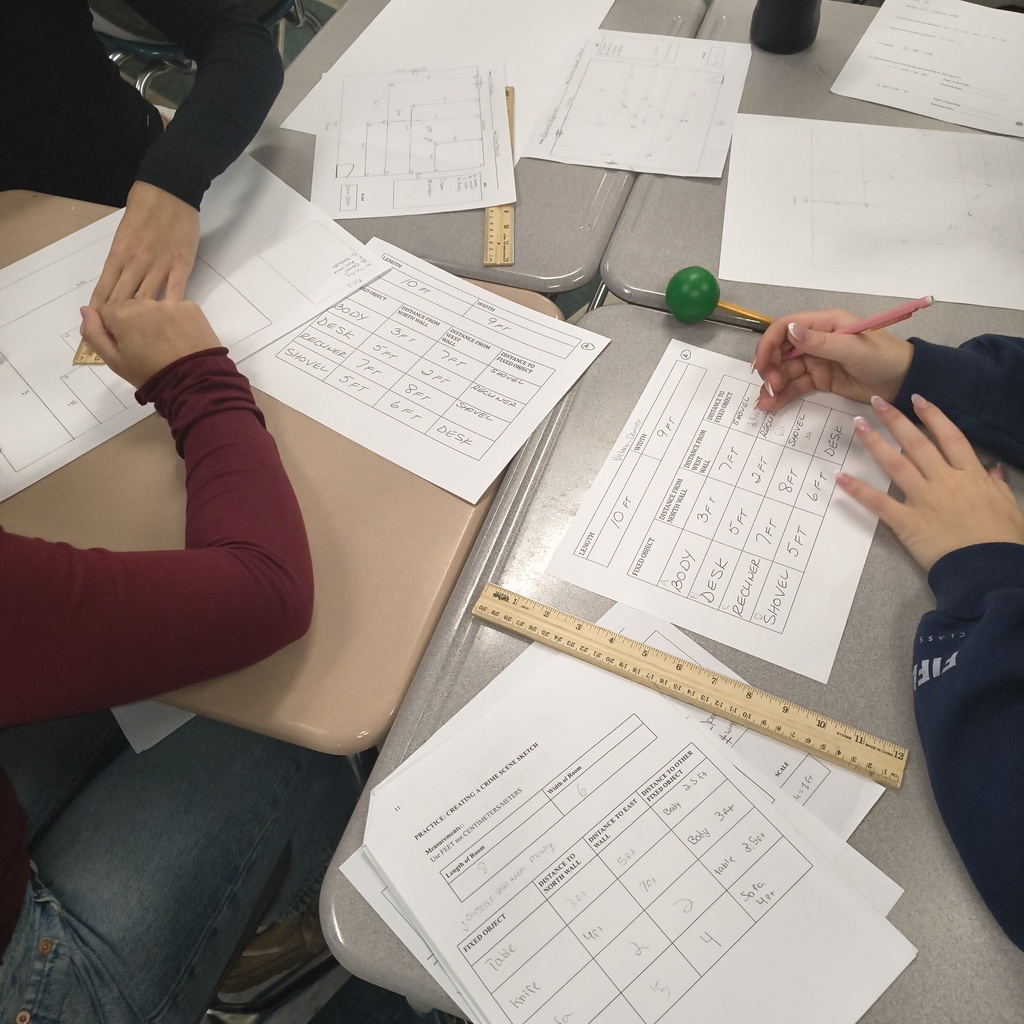
Students in Gina McNulty’s High School Forensic Science class were recently tasked with creating a crime scene sketch using measurements of room size, object locations and proportions.
“An important part of any investigation is the crime scene sketch,” said Ms. McNulty. “This document provides a bird’s-eye view of the crime scene. Students in the Forensic Science course have learned how to create a crime scene sketch using a series of measurements that help establish scale, proportion and the relationship between objects. They did an excellent job!”
The lesson reinforced how precision and attention to detail are essential in forensic investigations. By translating measurements into an accurate visual representation, students practiced skills investigators use to document a crime scene, preserve important details and help reconstruct what may have happened
“An important part of any investigation is the crime scene sketch,” said Ms. McNulty. “This document provides a bird’s-eye view of the crime scene. Students in the Forensic Science course have learned how to create a crime scene sketch using a series of measurements that help establish scale, proportion and the relationship between objects. They did an excellent job!”
The lesson reinforced how precision and attention to detail are essential in forensic investigations. By translating measurements into an accurate visual representation, students practiced skills investigators use to document a crime scene, preserve important details and help reconstruct what may have happened
SALE EXTENDED TO NOV. 5!
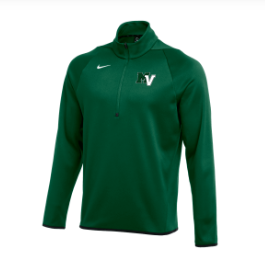
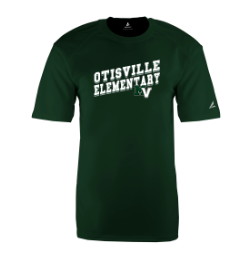
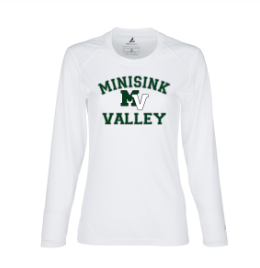
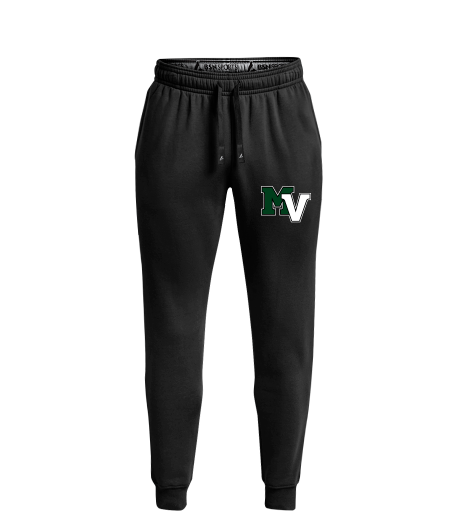
It's time to stock up on Minisink Valley --- and Otisville --- swag! Make sure your family is dressed to rep our district this school year! All proceeds benefit the great work of the Minisink Valley PTO!
CLICK HERE to see all that's available and place your order --- there's something for everyone in ALL buildings: https://bsnteamsports.com/shop/v6EVCoauUF?utm_source=flyer&utm_medium=pdf&utm_campaign=store_shop&utm_content=store_link
It's time to stock up on Minisink Valley --- and Otisville --- swag! Make sure your family is dressed to rep our district this school year! All proceeds benefit the great work of the Minisink Valley PTO!
CLICK HERE to see all that's available and place your order --- there's something for everyone in ALL buildings: https://bsnteamsports.com/shop/v6EVCoauUF?utm_source=flyer&utm_medium=pdf&utm_campaign=store_shop&utm_content=store_link
DO NOT MISS OUT! The High School's Art Club is back with its wonderful PAINT & SNACK fundraiser on Tuesday, Oct. 27 --- just in time for Halloween! Create a wonderful Jack-o-lantern painting which will be destined to become a permanent Halloween decoration!
Everyone is welcome, including children of all ages!
Pricing (cash at the door):
Adults - $12
Children/students - $10
Siblings discount: $5 per additional sibling
PLEASE NOTE: Seating is limited and will be capped at 25 attendees. CLICK HERE to register: https://docs.google.com/forms/d/e/1FAIpQLSfNvVoDTsAgdIhaDFLVWhaN6X5CnahtHyEfGmbEWpFB0LD6rg/viewform
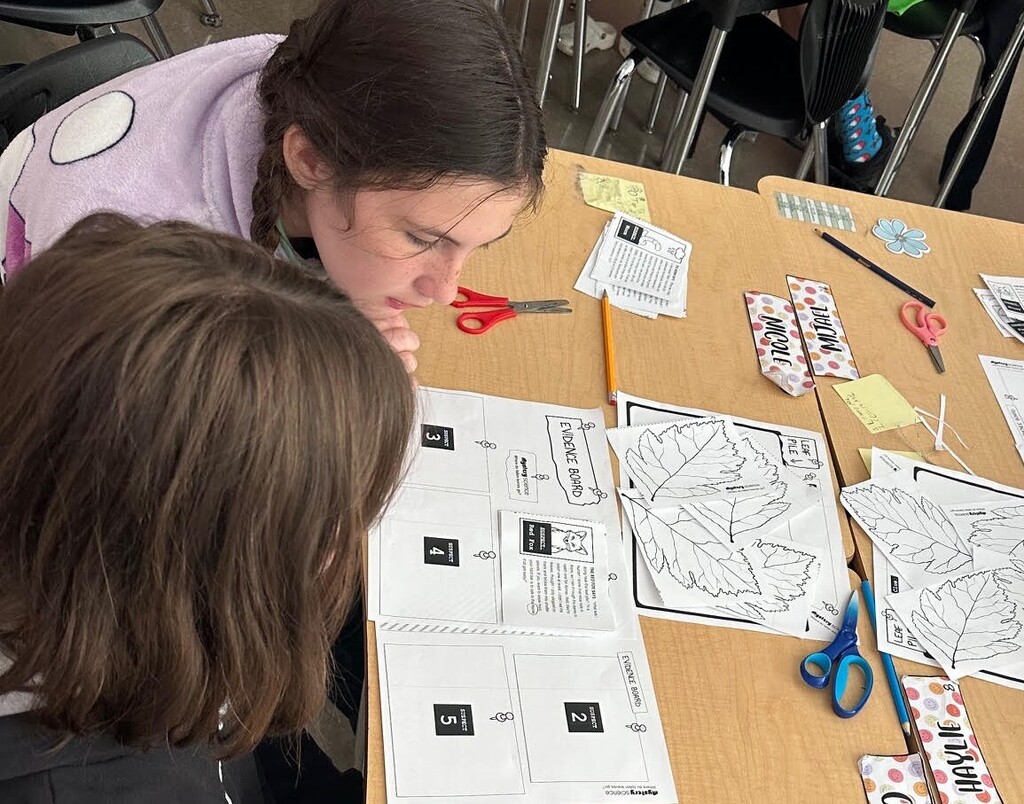
The Case of the Disappearing Leaves!
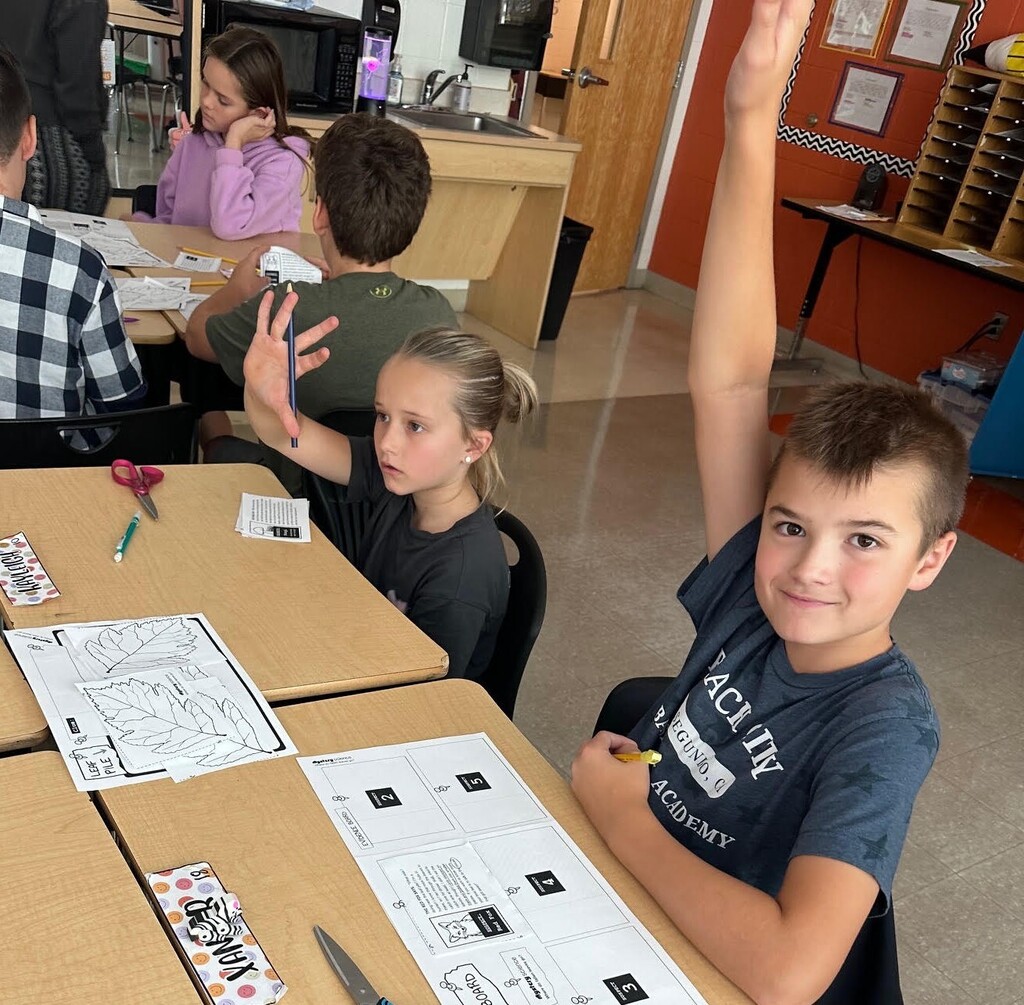
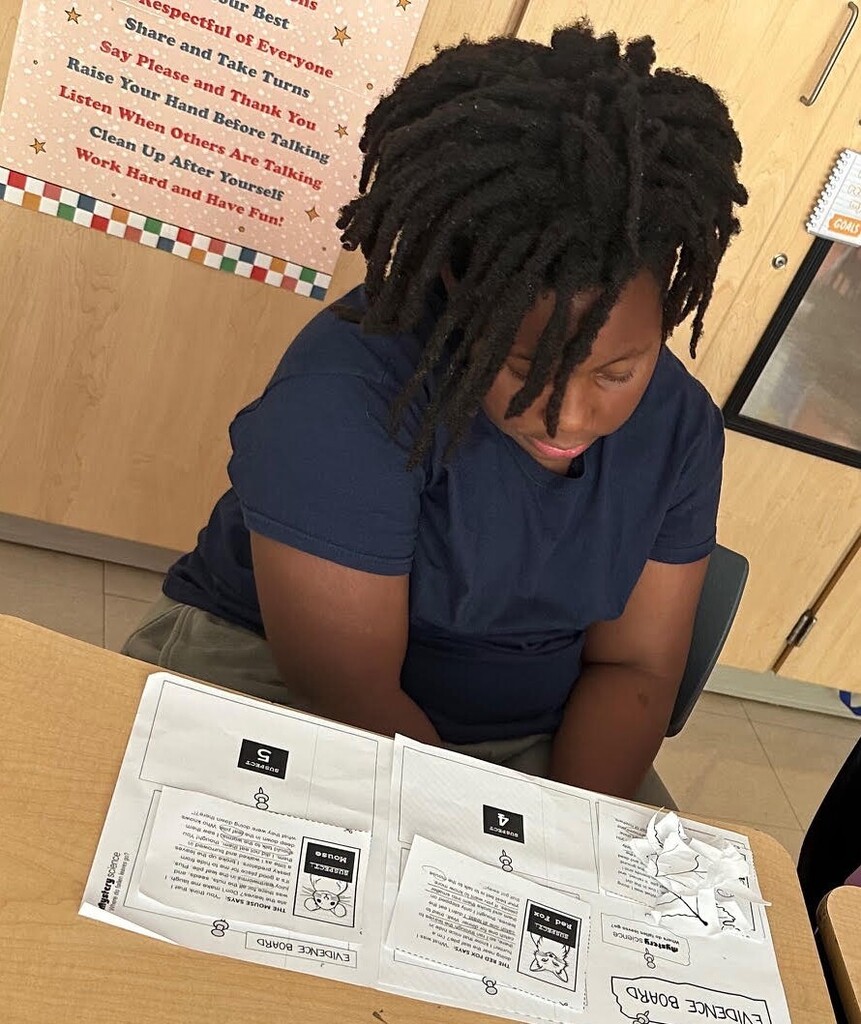
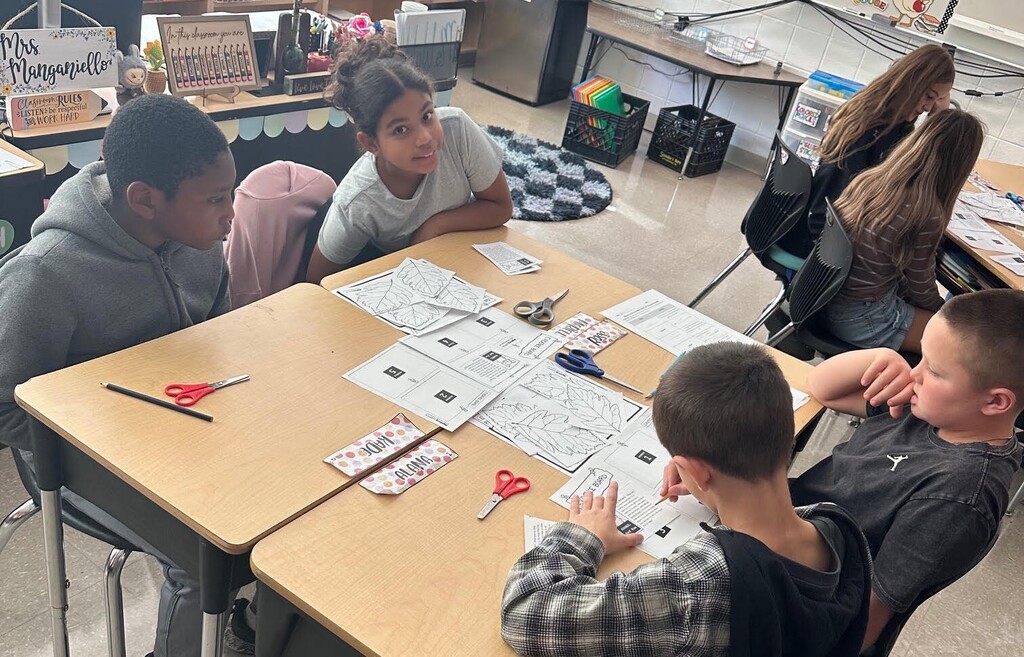
Where do all those fallen leaves go? That’s the mystery Kelly Manganiello and I Lynch’s fifth-graders at Otisville Elementary recently set out to solve during their Mystery Science unit!
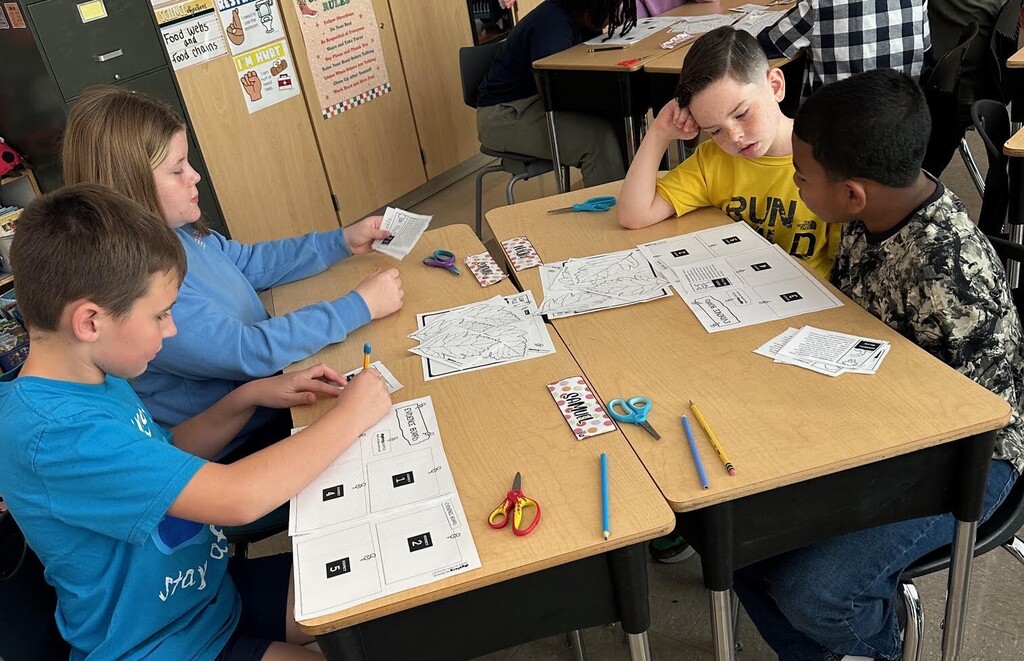
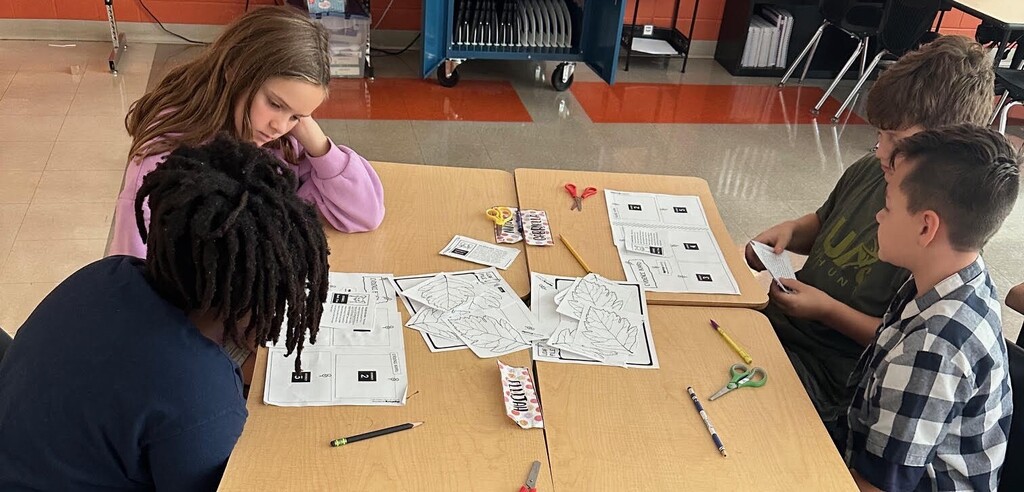
Working in pairs as “Decomposer Detectives,” students gathered clues from “suspects” on the forest floor, investigated the organisms responsible for breaking down fallen leaves, and built models to show what happens to that once-crunchy pile of leaves over time.
The big science lesson? Matter doesn’t simply disappear! Decomposers, such as fungi and other tiny organisms, help break down dead plant material, returning nutrients to the environment and keeping the cycle of life moving.
So the next time you see a pile of leaves slowly disappearing, you’ll know there’s some pretty important science happening beneath your feet!
Where do all those fallen leaves go? That’s the mystery Kelly Manganiello and I Lynch’s fifth-graders at Otisville Elementary recently set out to solve during their Mystery Science unit!
Working in pairs as “Decomposer Detectives,” students gathered clues from “suspects” on the forest floor, investigated the organisms responsible for breaking down fallen leaves, and built models to show what happens to that once-crunchy pile of leaves over time.
The big science lesson? Matter doesn’t simply disappear! Decomposers, such as fungi and other tiny organisms, help break down dead plant material, returning nutrients to the environment and keeping the cycle of life moving.
So the next time you see a pile of leaves slowly disappearing, you’ll know there’s some pretty important science happening beneath your feet!
KINDERGARTEN APPLE SCIENTISTS AT WORK!
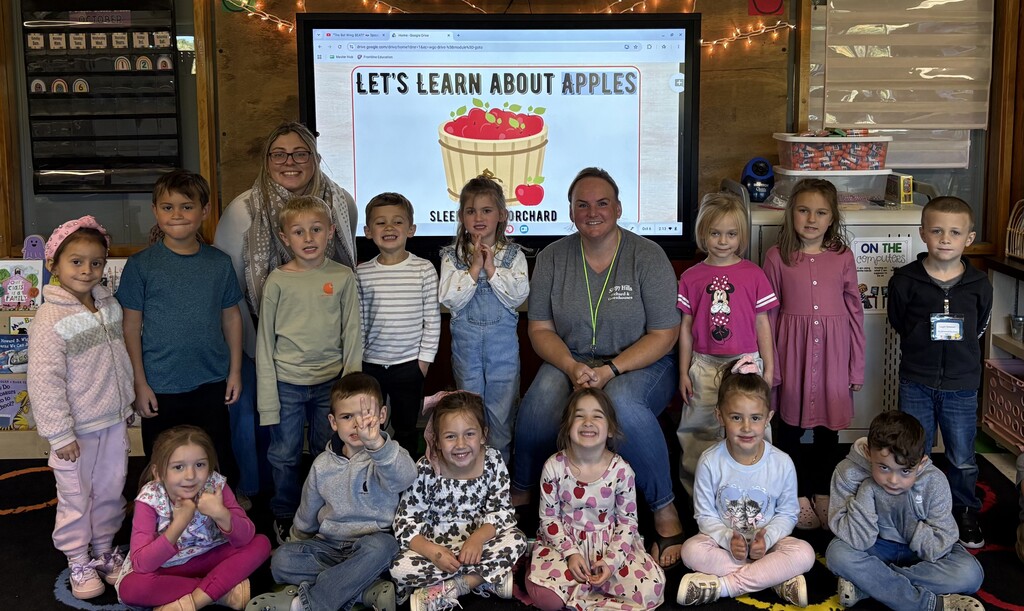
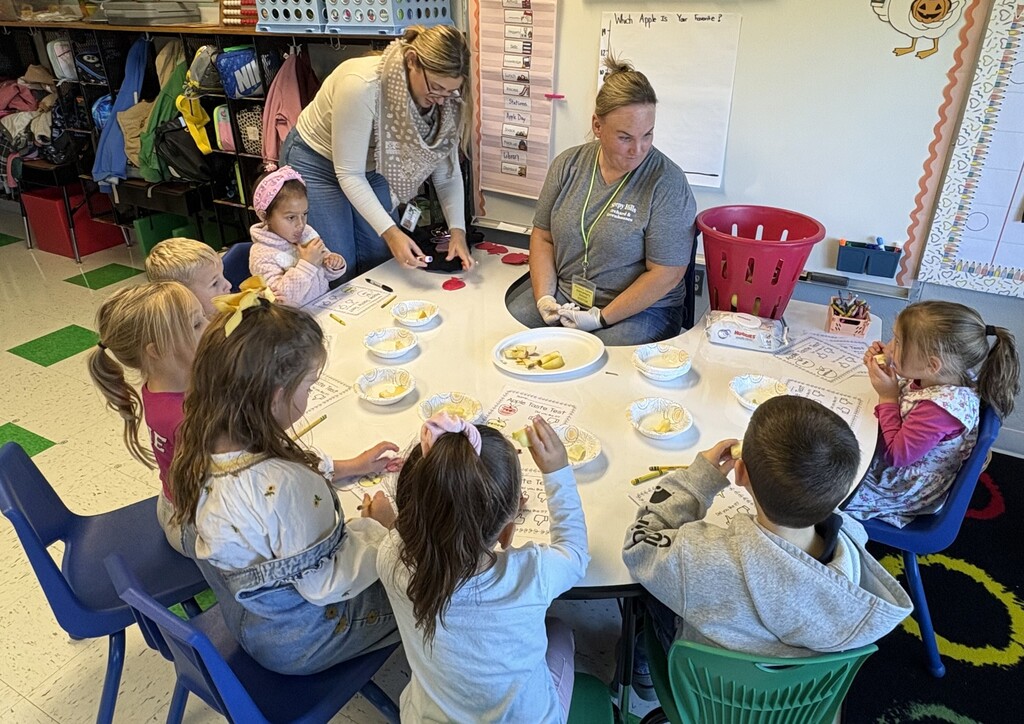
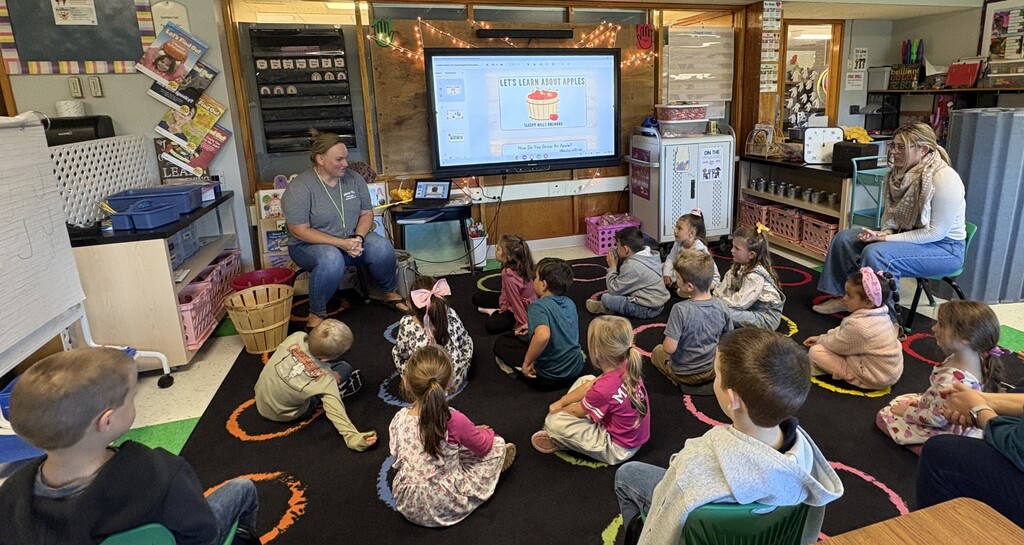
Angela Dombal and Jordan Procak’s ES kindergarteners had a deliciously fun learning adventure when “Amy Apple” from Sleepy Hills Orchard recently stopped by for a visit!
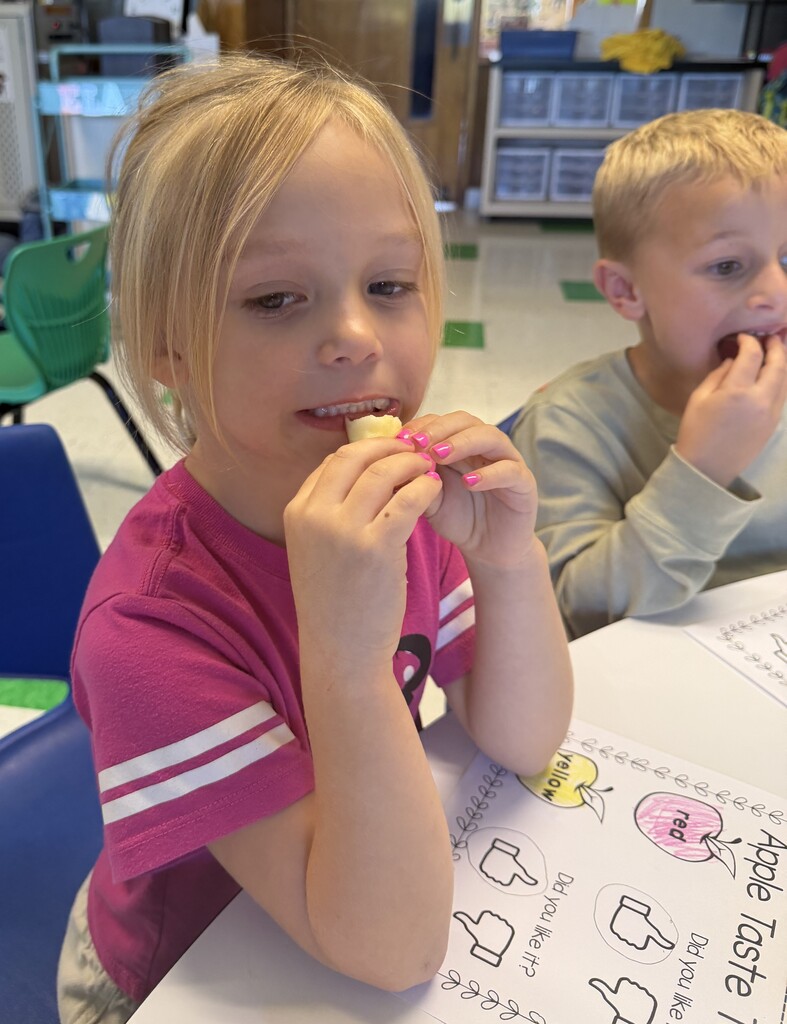
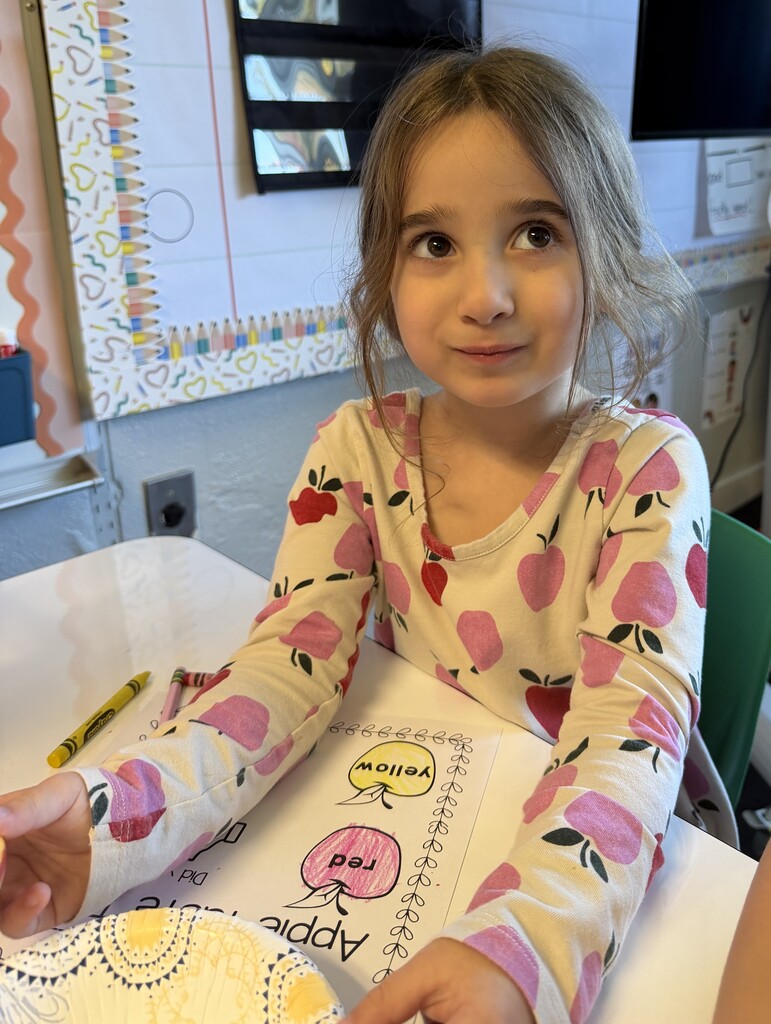
These little scientists put their sense of taste to the test, sampling different apples and making observations to decide which one was their favorite. But there was much more to discover than which apple tasted best! “Ms. Apple” spoke them about learned about how apples grow, what parts of the country they grow in and how a simple piece of fruit connects to the world around them.
Their visit even gave students a chance to turn science into art with an adorable apple-stamping craft!
Experiences like this give our youngest students a chance to use their senses, ask questions, make observations, explore where food comes from and connect classroom learning to the real world — while having a pretty tasty time doing it!
Angela Dombal and Jordan Procak’s ES kindergarteners had a deliciously fun learning adventure when “Amy Apple” from Sleepy Hills Orchard recently stopped by for a visit!
These little scientists put their sense of taste to the test, sampling different apples and making observations to decide which one was their favorite. But there was much more to discover than which apple tasted best! “Ms. Apple” spoke them about learned about how apples grow, what parts of the country they grow in and how a simple piece of fruit connects to the world around them.
Their visit even gave students a chance to turn science into art with an adorable apple-stamping craft!
Experiences like this give our youngest students a chance to use their senses, ask questions, make observations, explore where food comes from and connect classroom learning to the real world — while having a pretty tasty time doing it!
Apples, apples everywhere — and a whole lot of learning, too!
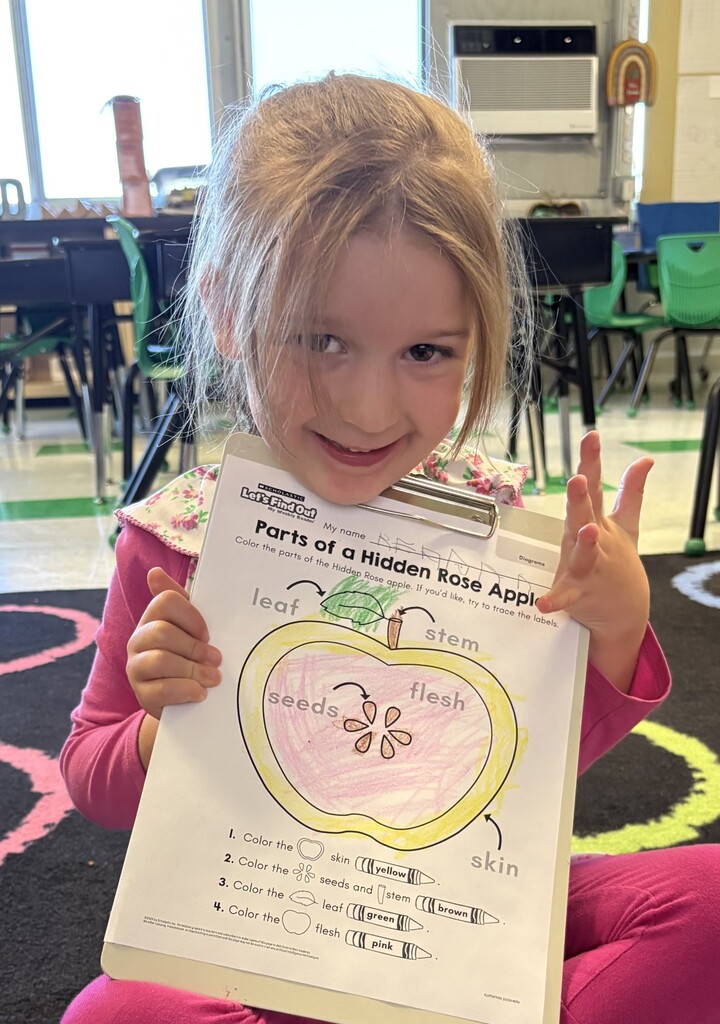
Marjori Bobish’s ES transitional kindergarteners have been on an apple-filled learning adventure, and these little ones are becoming quite the apple experts! They’ve been discovering how apples grow, learning about the different parts of an apple and exploring how something that starts on a tree eventually makes its way to our tables.
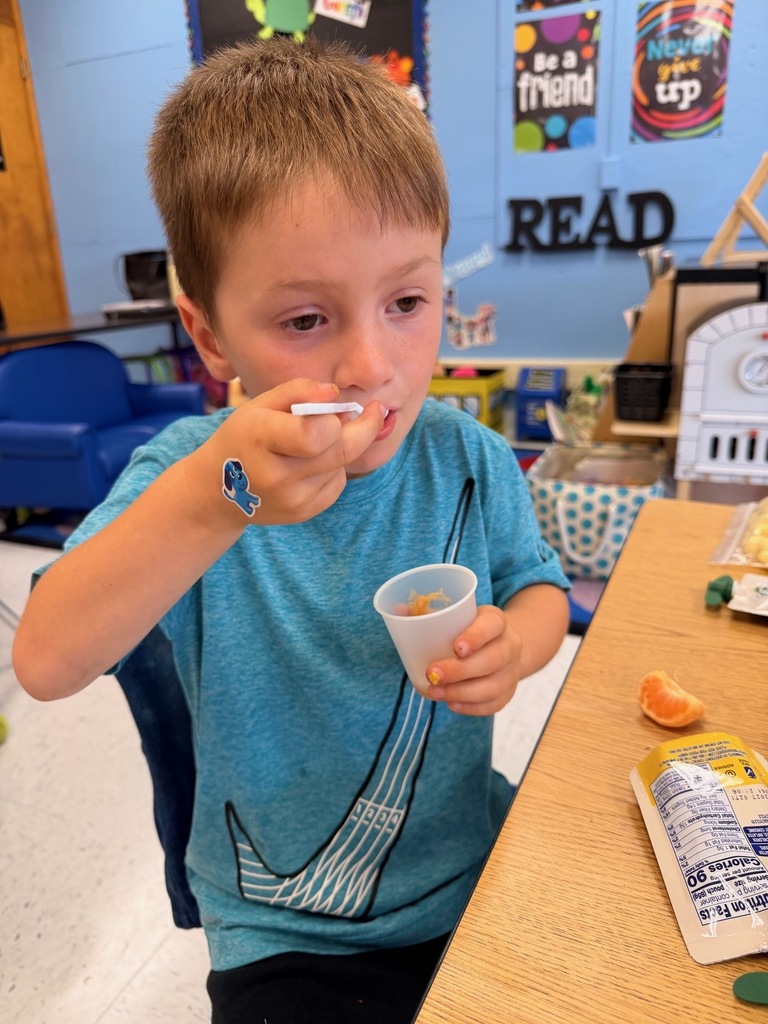
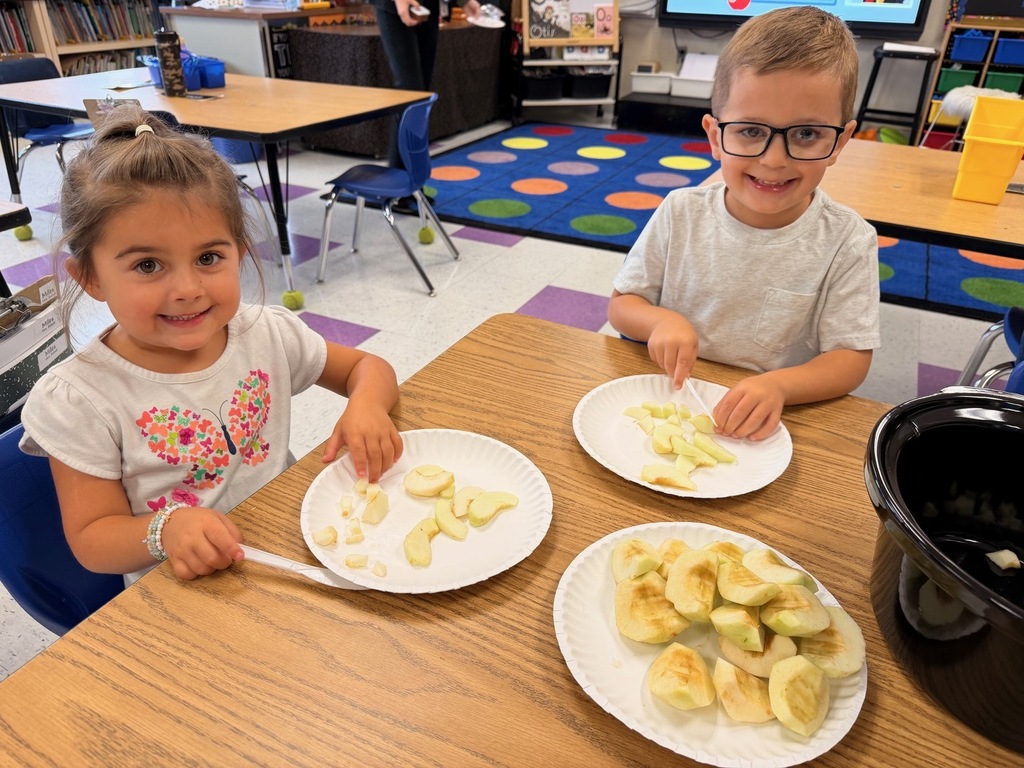
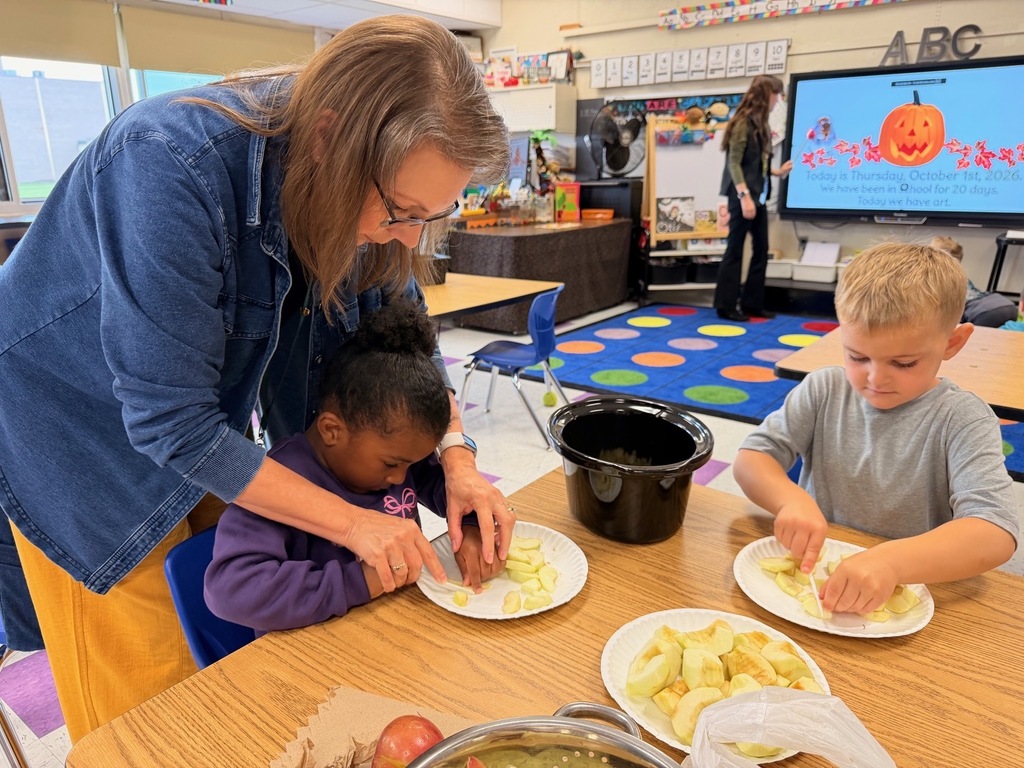
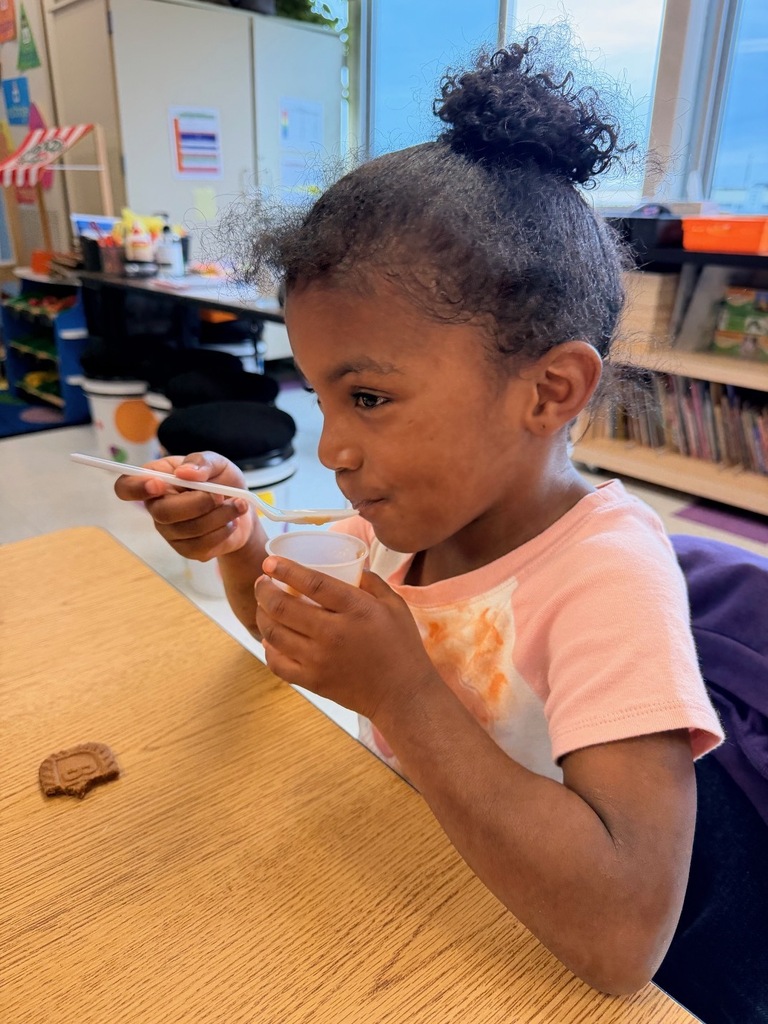
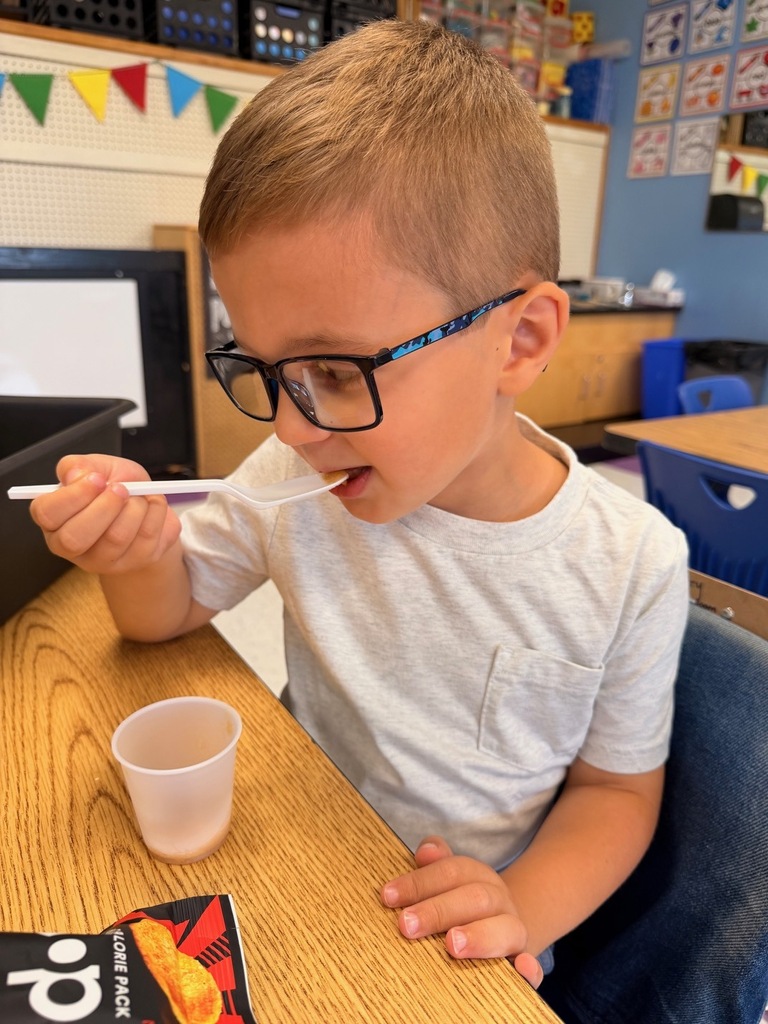
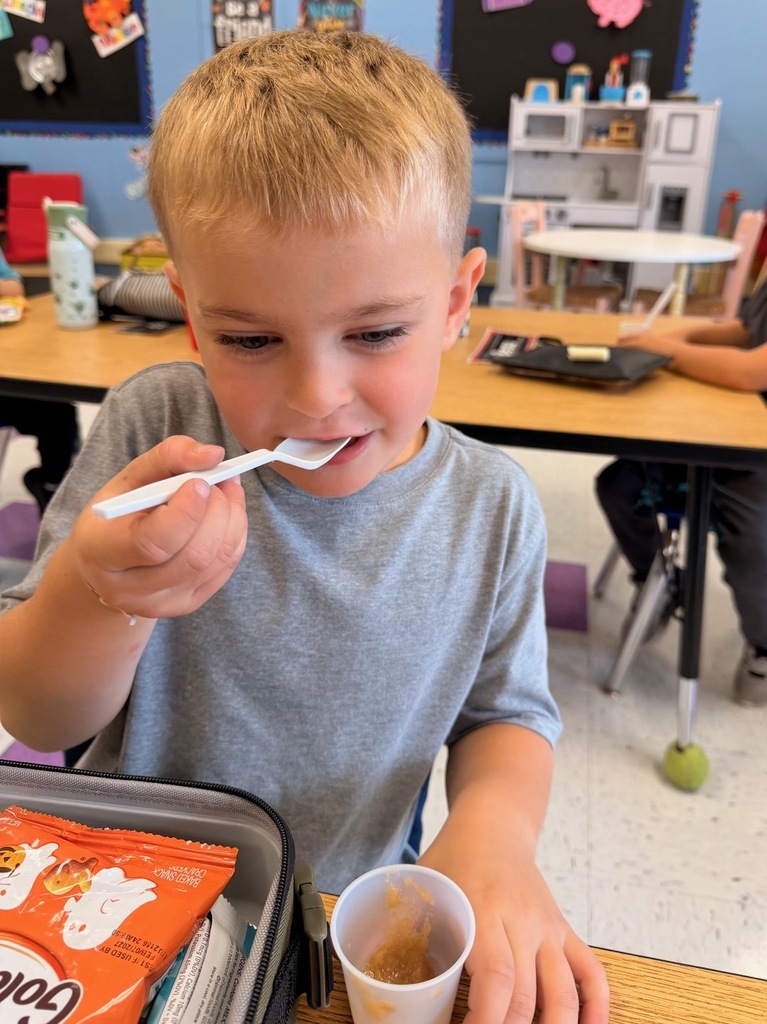
Then came the delicious part of their learning — making their very own applesauce! With a little guidance and plastic knives, students carefully cut their apples, giving them some wonderful practice with fine motor skills, hand-eye coordination and following directions.
And, of course, there was an important final step in this very serious scientific investigation: The taste test! The verdict was unanimous — homemade classroom applesauce is pretty delicious!
What might look like a simple apple activity is actually giving these young students opportunities to observe, explore, build independence, strengthen important skills and connect what they learn in the classroom to the world around them. And when the lesson ends with a cup of applesauce, that’s even better!
DID YOU KNOW
• Applesauce was a practical way to use apples. Before modern refrigeration, turning apples into sauce was one way people could preserve and enjoy apples after the harvest season.
• Applesauce has European roots. Recipes for cooked apples and apple sauces appeared in European cookbooks as far back as the Middle Ages, long before applesauce became a common American food.
• Applesauce is especially popular in the U.S., particularly in the Northeast, Applesauce has become a familiar way for families to use the many apples available during harvest time.
Marjori Bobish’s ES transitional kindergarteners have been on an apple-filled learning adventure, and these little ones are becoming quite the apple experts! They’ve been discovering how apples grow, learning about the different parts of an apple and exploring how something that starts on a tree eventually makes its way to our tables.
Then came the delicious part of their learning — making their very own applesauce! With a little guidance and plastic knives, students carefully cut their apples, giving them some wonderful practice with fine motor skills, hand-eye coordination and following directions.
And, of course, there was an important final step in this very serious scientific investigation: The taste test! The verdict was unanimous — homemade classroom applesauce is pretty delicious!
What might look like a simple apple activity is actually giving these young students opportunities to observe, explore, build independence, strengthen important skills and connect what they learn in the classroom to the world around them. And when the lesson ends with a cup of applesauce, that’s even better!
DID YOU KNOW
• Applesauce was a practical way to use apples. Before modern refrigeration, turning apples into sauce was one way people could preserve and enjoy apples after the harvest season.
• Applesauce has European roots. Recipes for cooked apples and apple sauces appeared in European cookbooks as far back as the Middle Ages, long before applesauce became a common American food.
• Applesauce is especially popular in the U.S., particularly in the Northeast, Applesauce has become a familiar way for families to use the many apples available during harvest time.
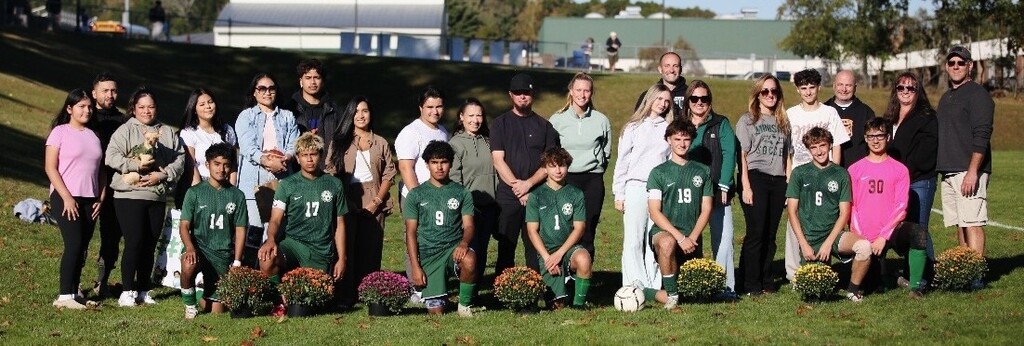
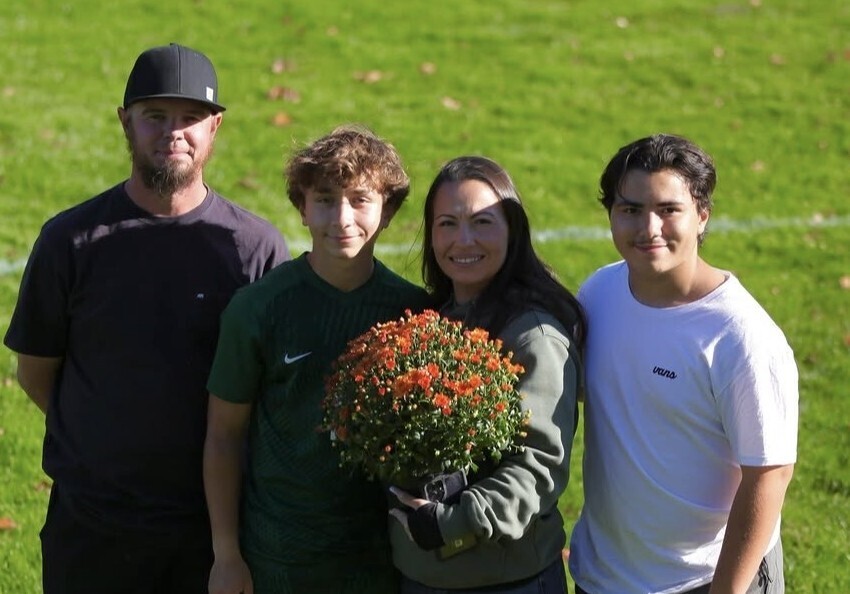
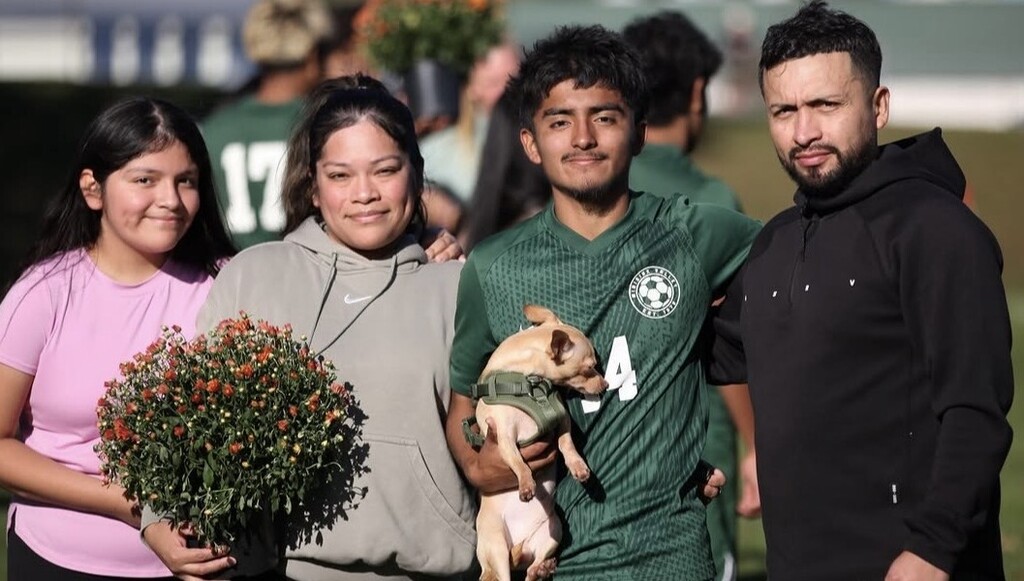
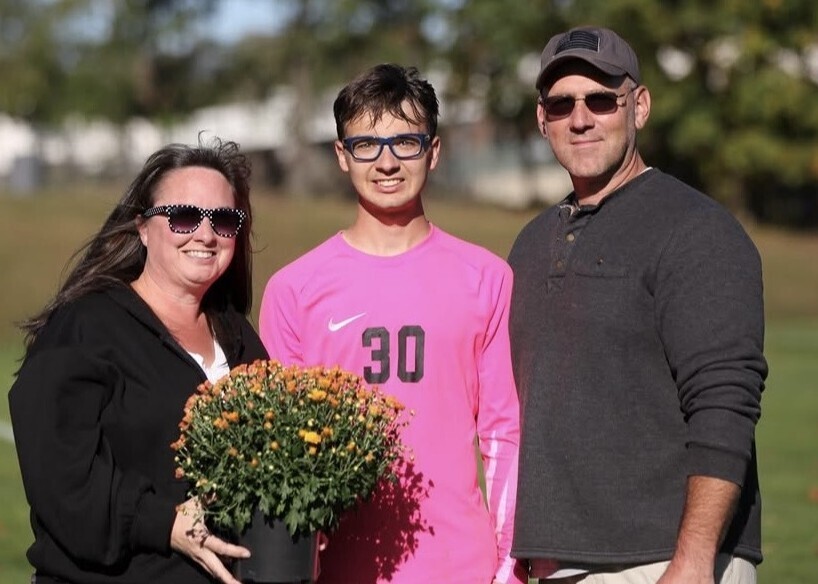
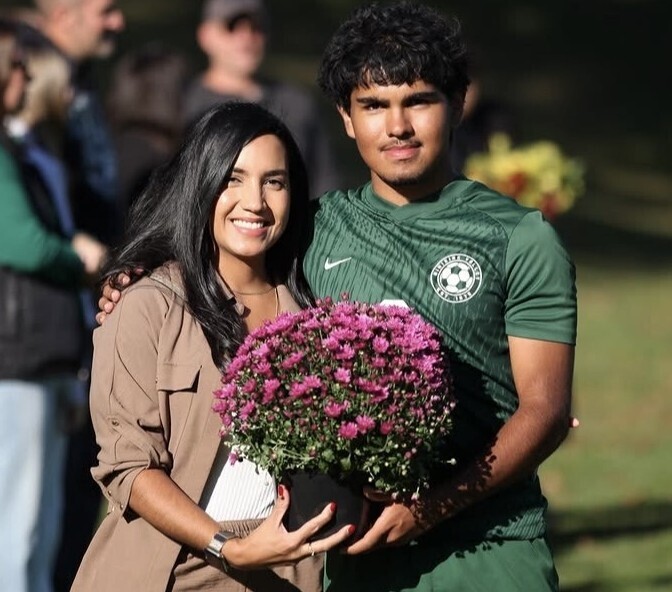
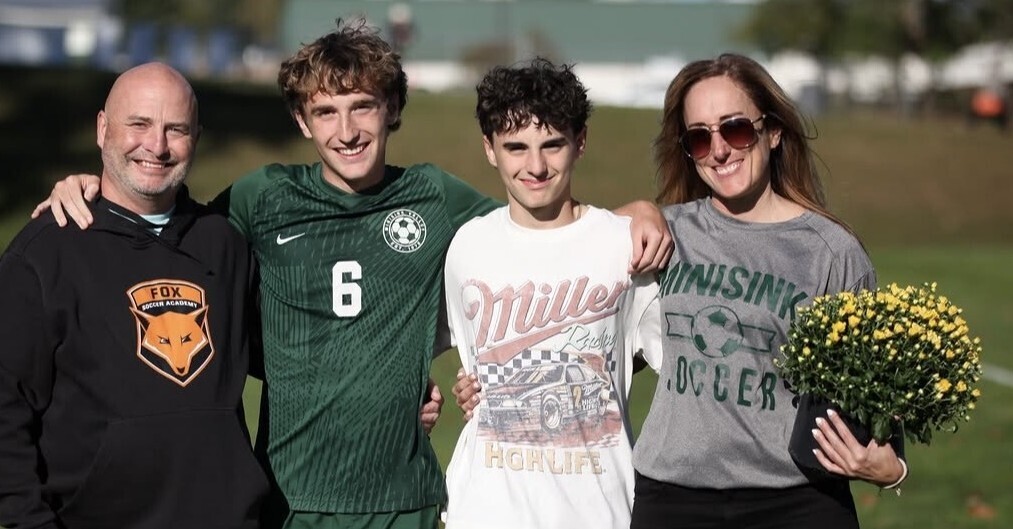
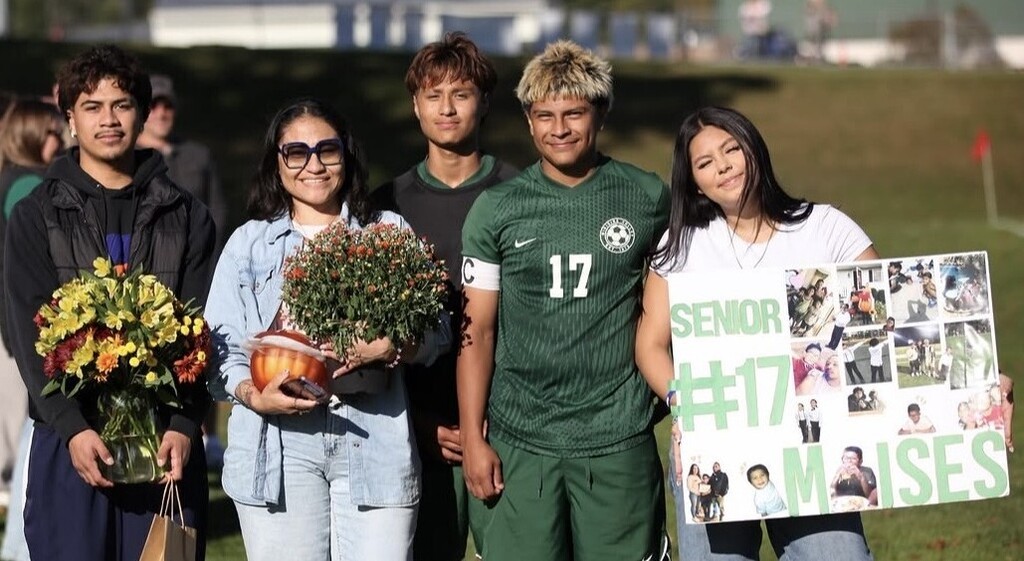
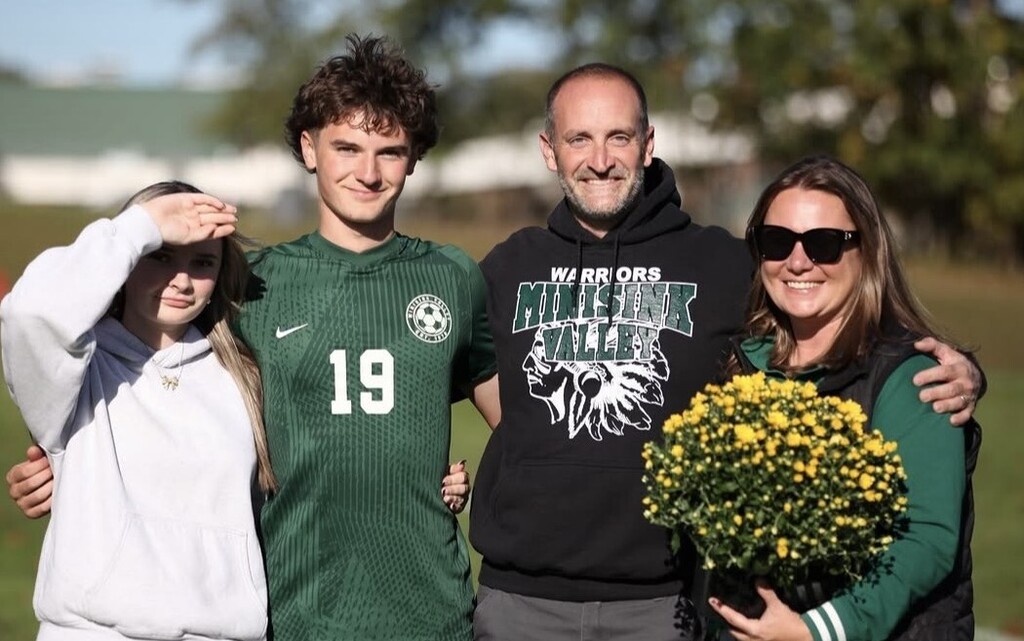
Congratulations to the seven senior members of the Boys Varsity Soccer team who were honored during their recent Senior Night: Ivan Acevedo (center back), Isaac Blanco (right back), Colin Homan (center midfield), Moises Escamilla (left back), Camren Cuellar (center back), Joseph Higby (GK), and Jon Mausling (right forward). THANK YOU for your many contributions to the team’s success! Good luck and best wishes!
“Coach McDonald, Coach Sakadelis and I are extremely proud of each of them for their respectful character, class, and willingness to show up every day despite obstacles and challenges,” said Head Coach Jordan Mootz. “I enjoy the challenge of coaching these boys and teaching them in physical education. With the different personalities they bring, I know they’ll will be great members of society outside of just soccer with honorable careers.”
“Coach McDonald, Coach Sakadelis and I are extremely proud of each of them for their respectful character, class, and willingness to show up every day despite obstacles and challenges,” said Head Coach Jordan Mootz. “I enjoy the challenge of coaching these boys and teaching them in physical education. With the different personalities they bring, I know they’ll will be great members of society outside of just soccer with honorable careers.”
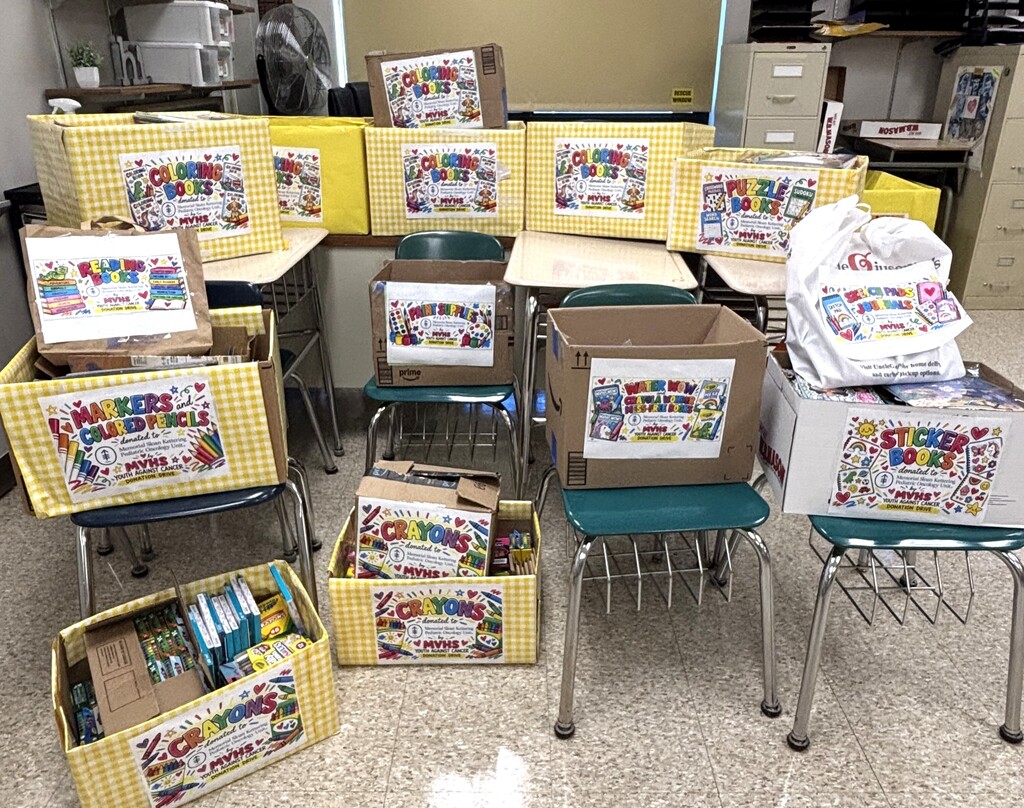
That’s a lot of coloring books — and an even bigger act of kindness!
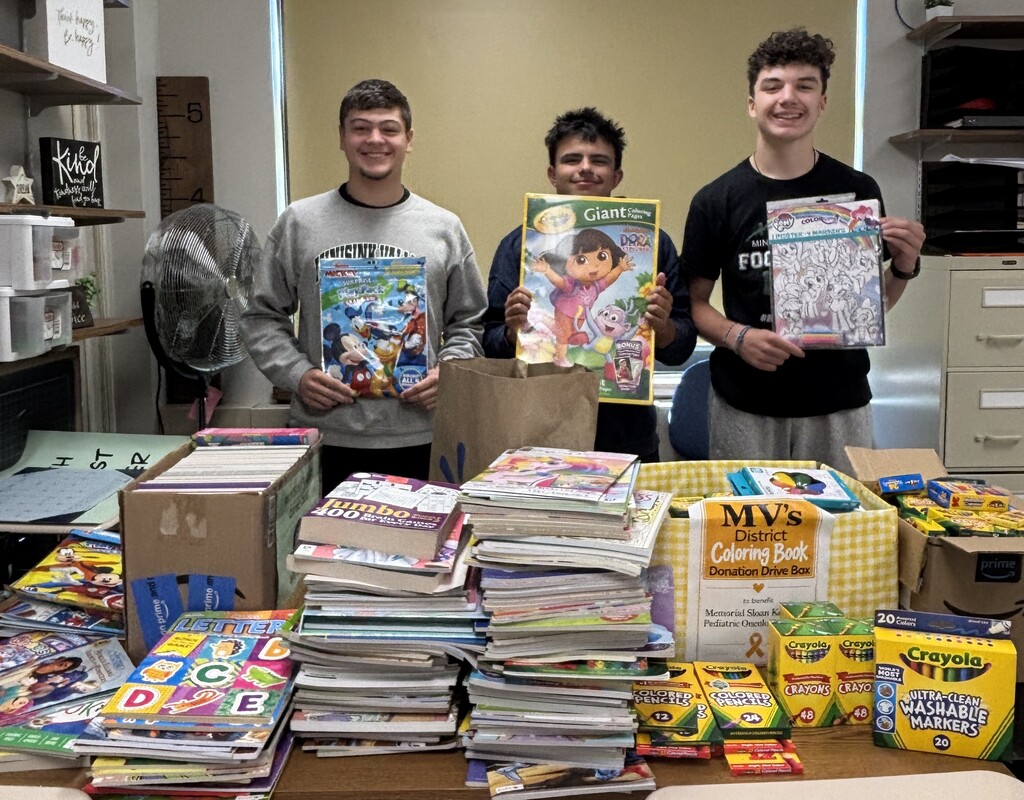
Members of the High School’s Youth Against Cancer (YAC) Club recently gathered to sort through the generous donations collected during the club’s Coloring Book Collection Drive, held as part of its community outreach efforts in recognition of September’s National Pediatric Cancer Awareness Month.
All of the collected items are being donated to pediatric oncology patients at Memorial Sloan Kettering Cancer Center in New York City, with the hope that these gifts bring smiles, creativity and a little bit of joy to young patients facing a difficult time.
And there was plenty to sort! Donations included coloring books, sticker books, mess-free activity books, puzzle books, journals, sketchbooks, crayons, colored pencils markers and much more.
But these items represent more than art supplies. For a child undergoing cancer treatment, a coloring book or journal can offer a welcome distraction, a creative outlet and a few moments when the focus can shift away from doctor visits and treatment. The YAC Club’s effort gives our students and greater school community an opportunity to turn compassion into something tangible and reminds us that even a small gesture can make a meaningful difference to someone they may never meet.
Efforts like this are also important because they give students a chance to see firsthand what it means to be part of a community that cares.
“Seeing our Minisink Valley community come together has been truly heartwarming,” said YAC Club advisor Erin Natalizio. “This drive is a success because of the generosity and kindness of our community members.”
Members of the High School’s Youth Against Cancer (YAC) Club recently gathered to sort through the generous donations collected during the club’s Coloring Book Collection Drive, held as part of its community outreach efforts in recognition of September’s National Pediatric Cancer Awareness Month.
All of the collected items are being donated to pediatric oncology patients at Memorial Sloan Kettering Cancer Center in New York City, with the hope that these gifts bring smiles, creativity and a little bit of joy to young patients facing a difficult time.
And there was plenty to sort! Donations included coloring books, sticker books, mess-free activity books, puzzle books, journals, sketchbooks, crayons, colored pencils markers and much more.
But these items represent more than art supplies. For a child undergoing cancer treatment, a coloring book or journal can offer a welcome distraction, a creative outlet and a few moments when the focus can shift away from doctor visits and treatment. The YAC Club’s effort gives our students and greater school community an opportunity to turn compassion into something tangible and reminds us that even a small gesture can make a meaningful difference to someone they may never meet.
Efforts like this are also important because they give students a chance to see firsthand what it means to be part of a community that cares.
“Seeing our Minisink Valley community come together has been truly heartwarming,” said YAC Club advisor Erin Natalizio. “This drive is a success because of the generosity and kindness of our community members.”
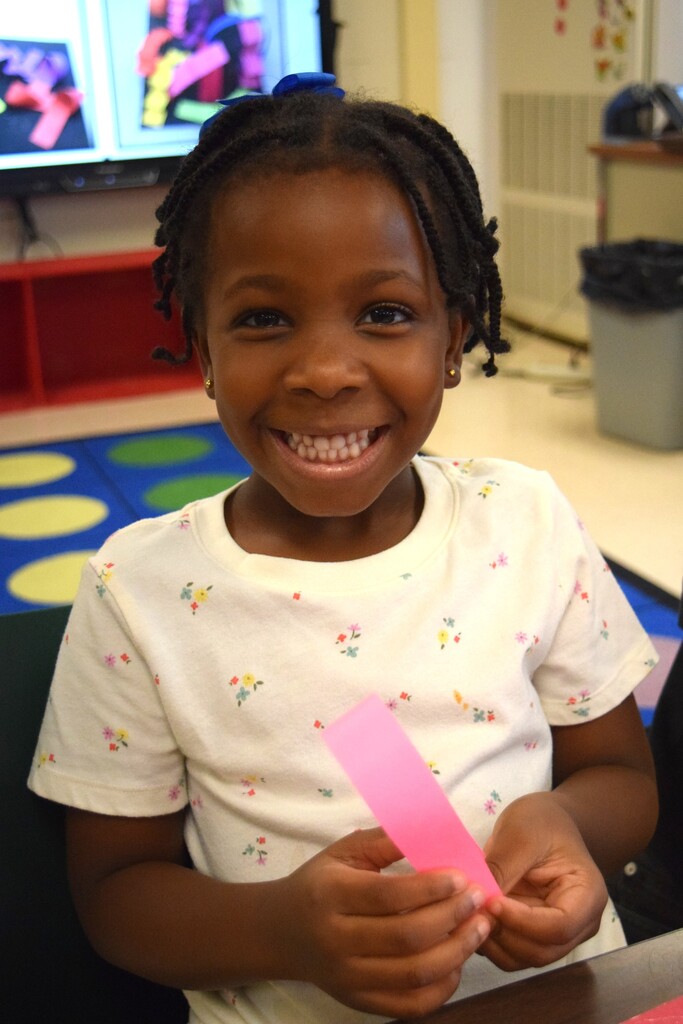
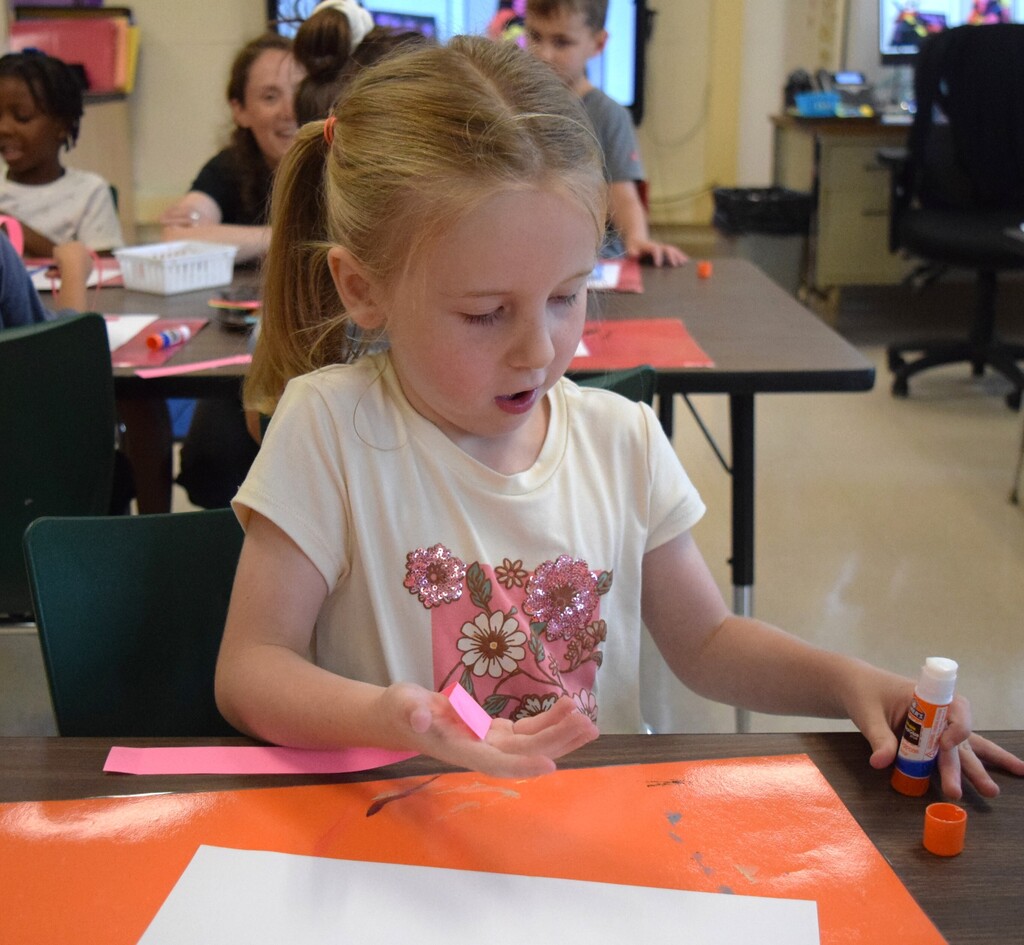
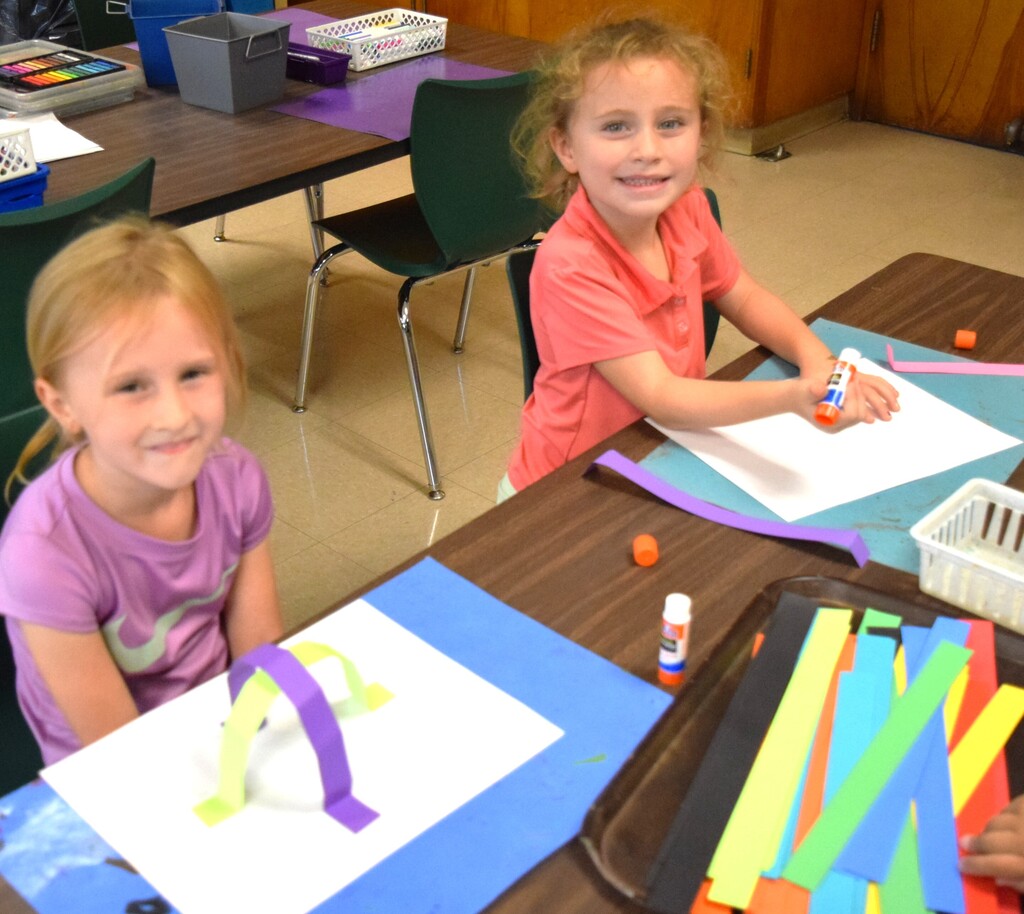
3D LINE SCULPTURES!
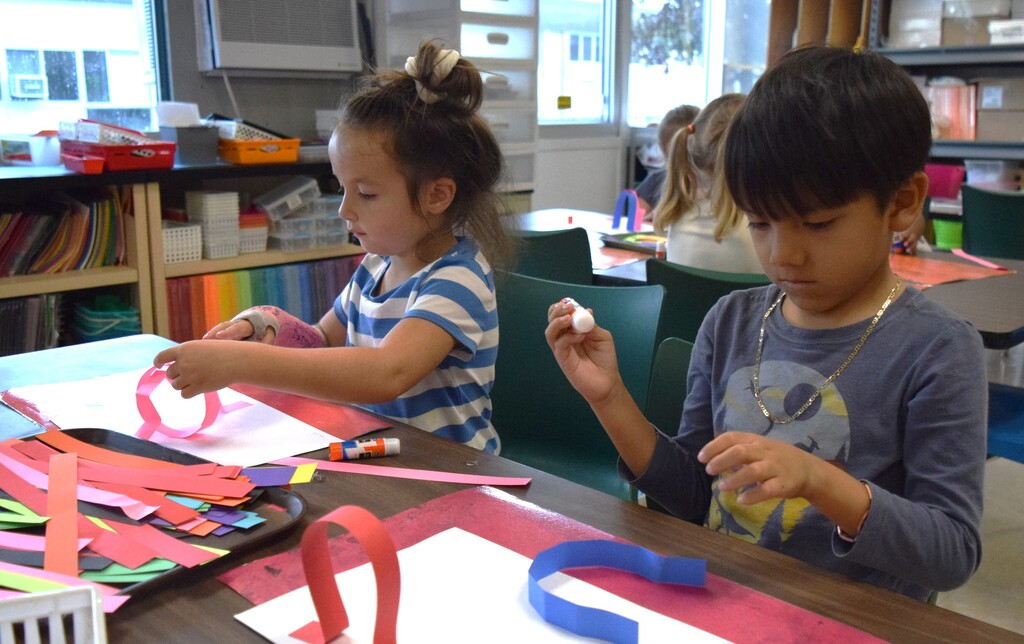
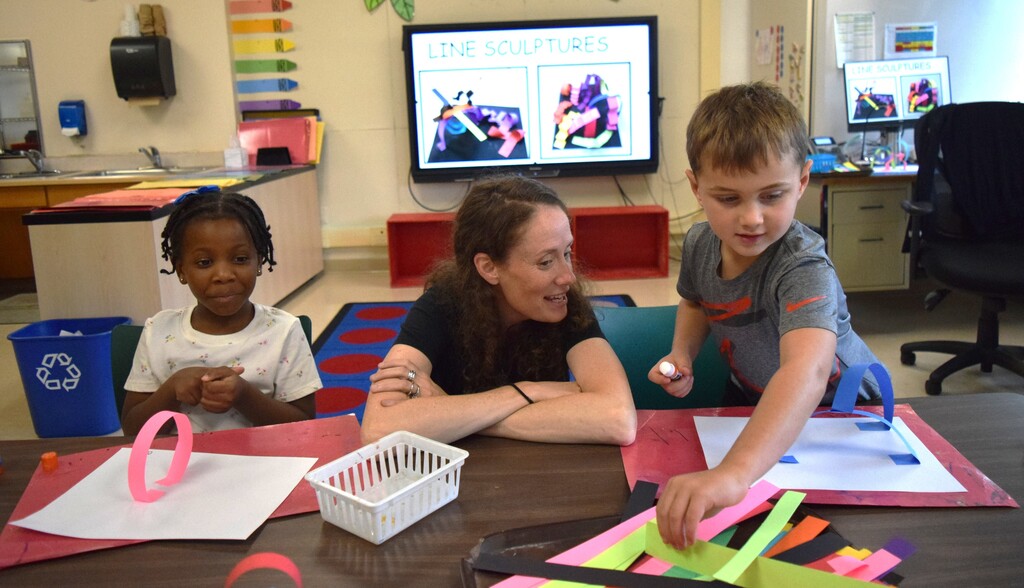
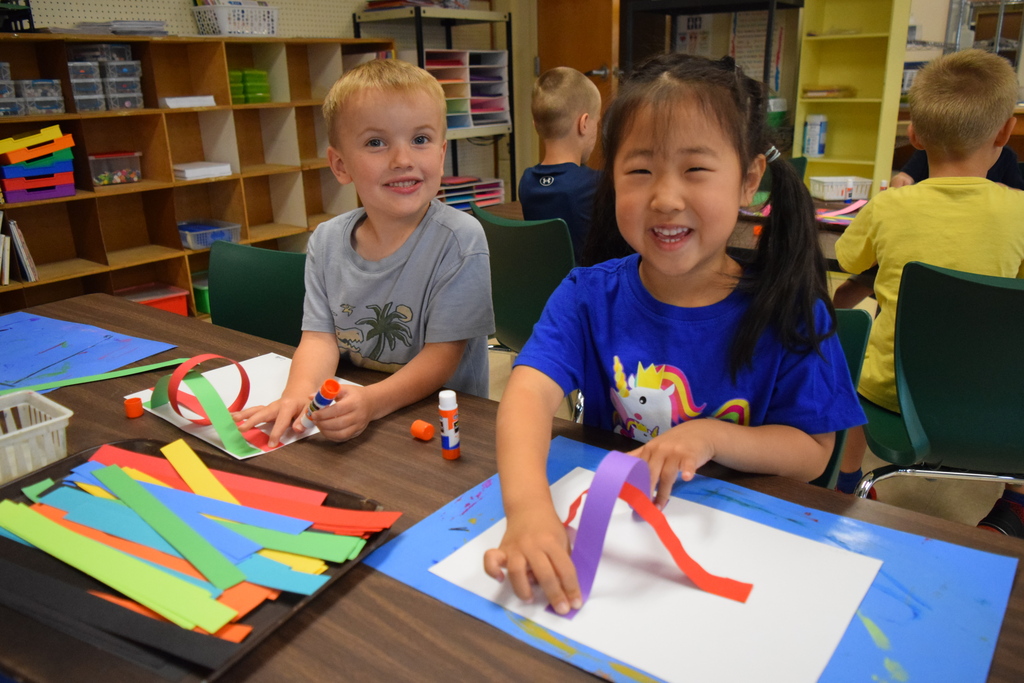
Take a peek at the beautiful artwork being created by Ilana Kaufman’s ES art kindergarten students! No one does it better!
DID YOU KNOW
Creating 3D line sculptures with construction paper is a fantastic art project for kindergarten students because it helps them transition from flat, two-dimensional thinking into tactile, three-dimensional creations!
There are other benefits, too: Their creations are helping to further develop fine motor skills; teach spatial awareness and form; introduce the concepts of "line" and "sculpture"; and build problem-solving and engineering skills!
Take a peek at the beautiful artwork being created by Ilana Kaufman’s ES art kindergarten students! No one does it better!
DID YOU KNOW
Creating 3D line sculptures with construction paper is a fantastic art project for kindergarten students because it helps them transition from flat, two-dimensional thinking into tactile, three-dimensional creations!
There are other benefits, too: Their creations are helping to further develop fine motor skills; teach spatial awareness and form; introduce the concepts of "line" and "sculpture"; and build problem-solving and engineering skills!
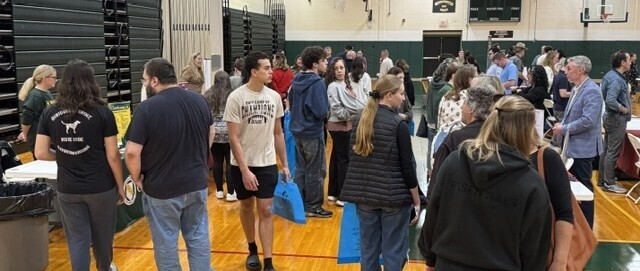
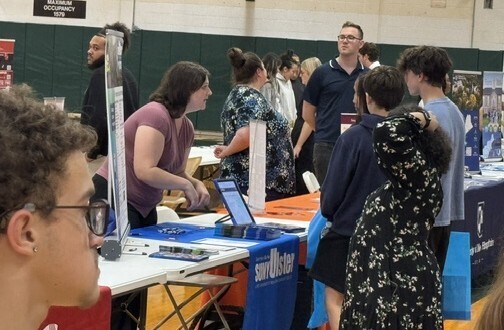
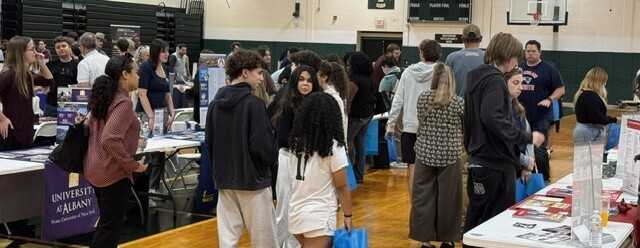
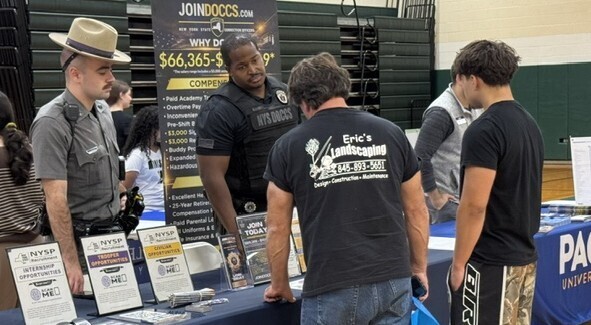
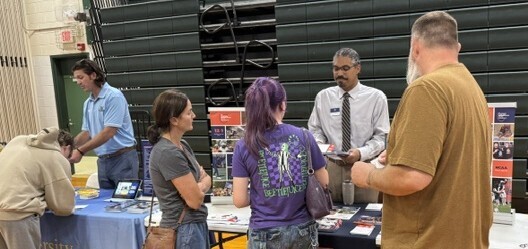
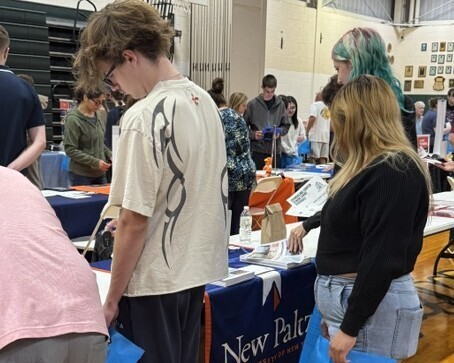
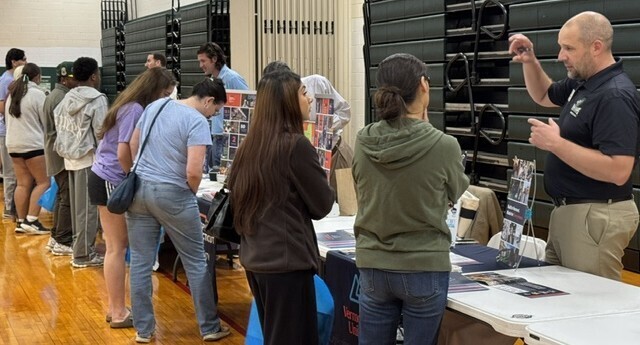
WOW! Our best-attended College Fair yet! Nearly 300 people joined us last evening for the High School’s Financial Aid and College Fair Night!
A BIG THANK YOU to everyone who helped make the event such a success, particularly our outstanding Guidance/Counseling Department team, the families who attended and our college/university/trade school/law enforcement partners who took the time to connect with our students.
Events like this provide juniors, seniors and their families with valuable opportunities to explore postsecondary options, ask questions and gather information that can help them make informed decisions about life after high school. Meeting directly with college representatives allows students to learn more about academic programs, campus life, admissions requirements and what makes each institution unique. Conversations about financial aid are equally important, helping families better understand the resources available to them and plan for the costs of higher education.
Just as importantly, these face-to-face conversations can help students discover opportunities they may not have previously considered and feel more confident as they prepare for this next chapter. Having families and students explore these options together helps ensure that decisions about the future are informed, thoughtful and aligned with each student's goals.
A BIG THANK YOU to everyone who helped make the event such a success, particularly our outstanding Guidance/Counseling Department team, the families who attended and our college/university/trade school/law enforcement partners who took the time to connect with our students.
Events like this provide juniors, seniors and their families with valuable opportunities to explore postsecondary options, ask questions and gather information that can help them make informed decisions about life after high school. Meeting directly with college representatives allows students to learn more about academic programs, campus life, admissions requirements and what makes each institution unique. Conversations about financial aid are equally important, helping families better understand the resources available to them and plan for the costs of higher education.
Just as importantly, these face-to-face conversations can help students discover opportunities they may not have previously considered and feel more confident as they prepare for this next chapter. Having families and students explore these options together helps ensure that decisions about the future are informed, thoughtful and aligned with each student's goals.
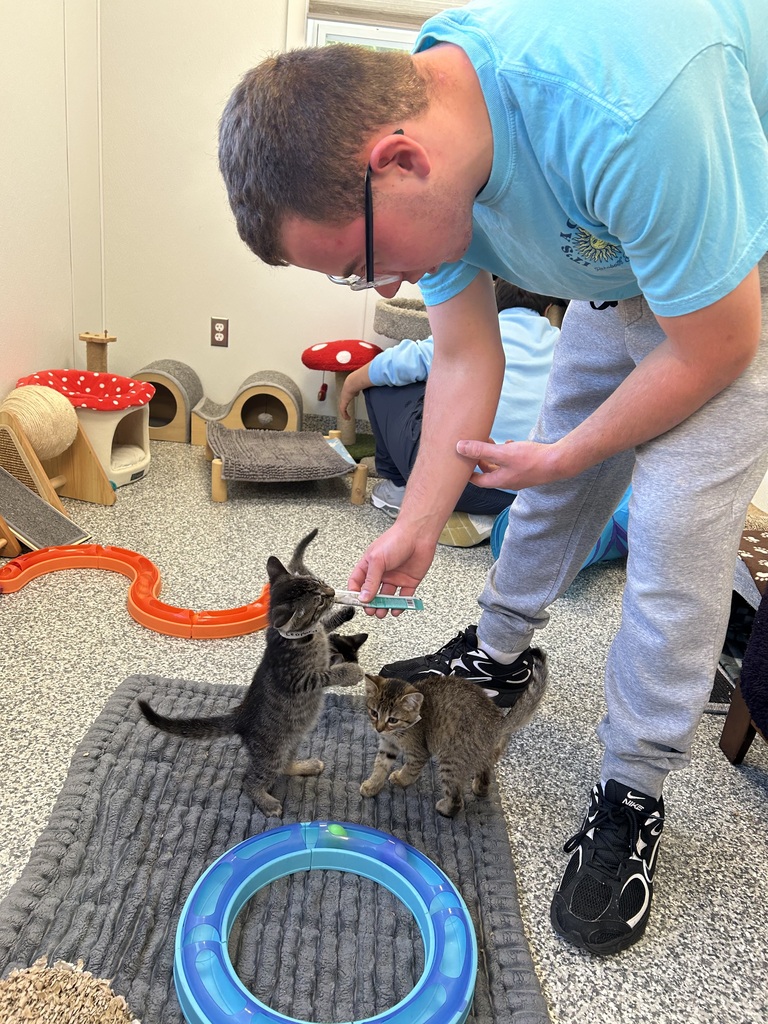
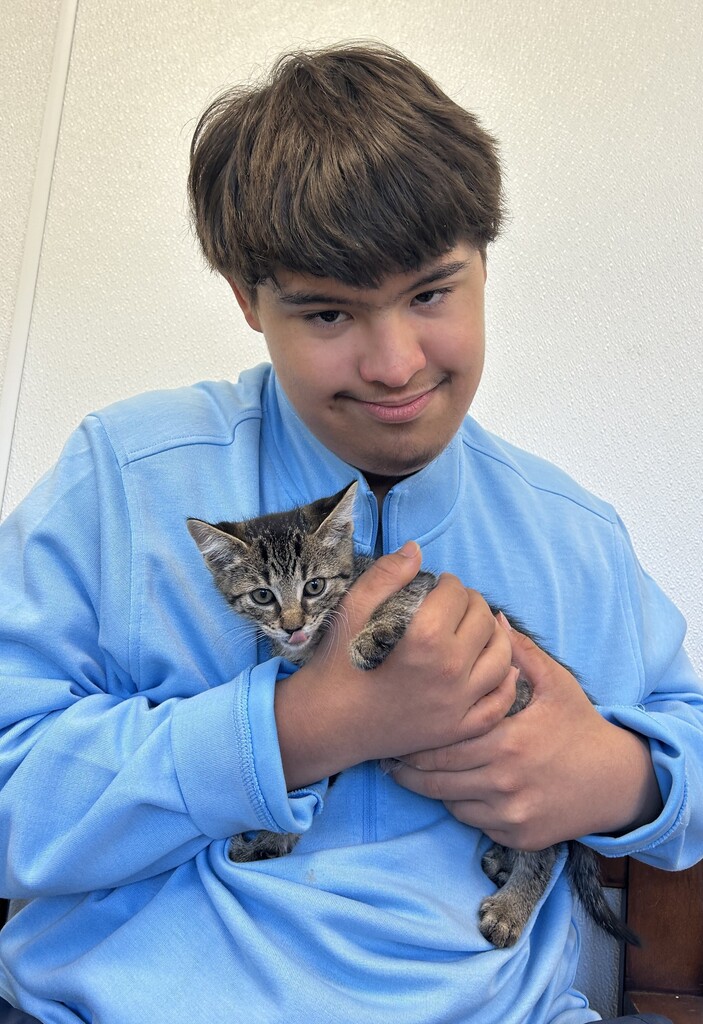
A little kindness goes a long way — especially when it comes with four paws and wagging tails!
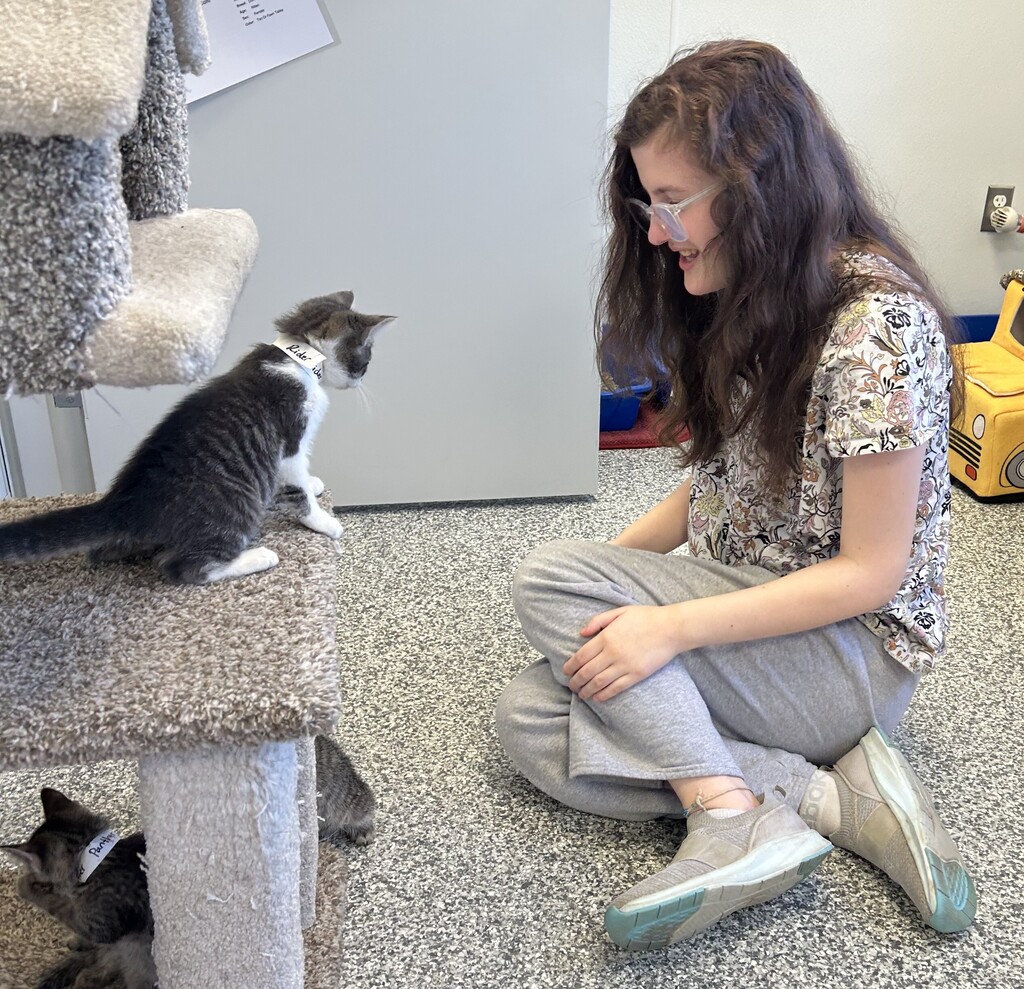
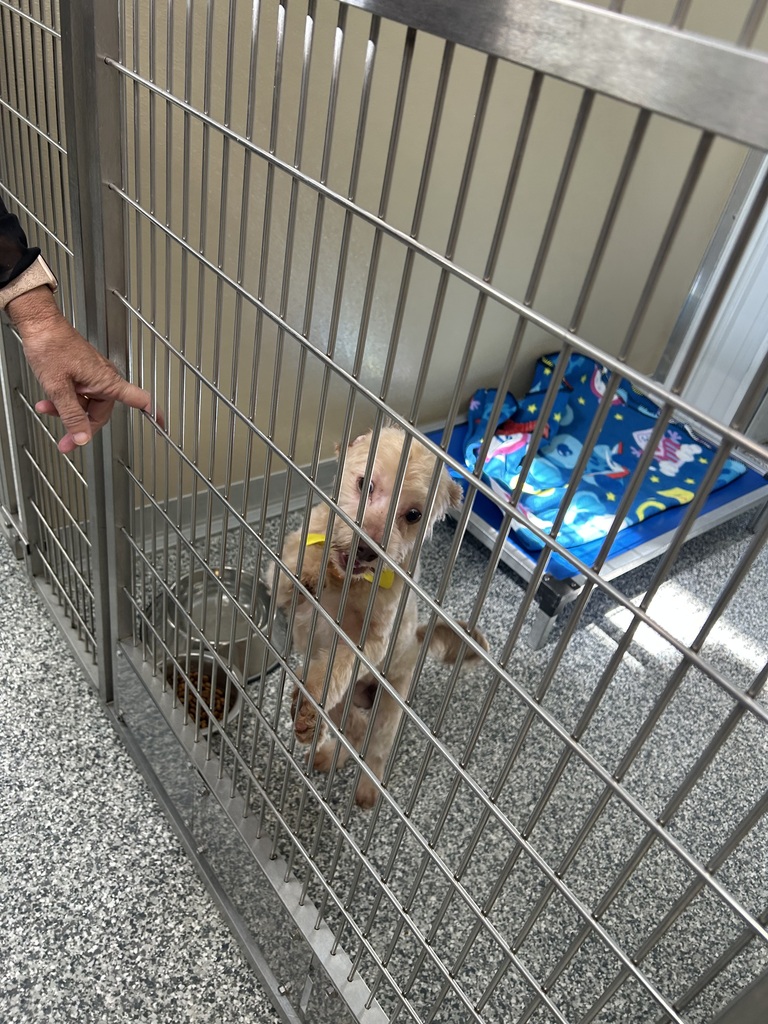
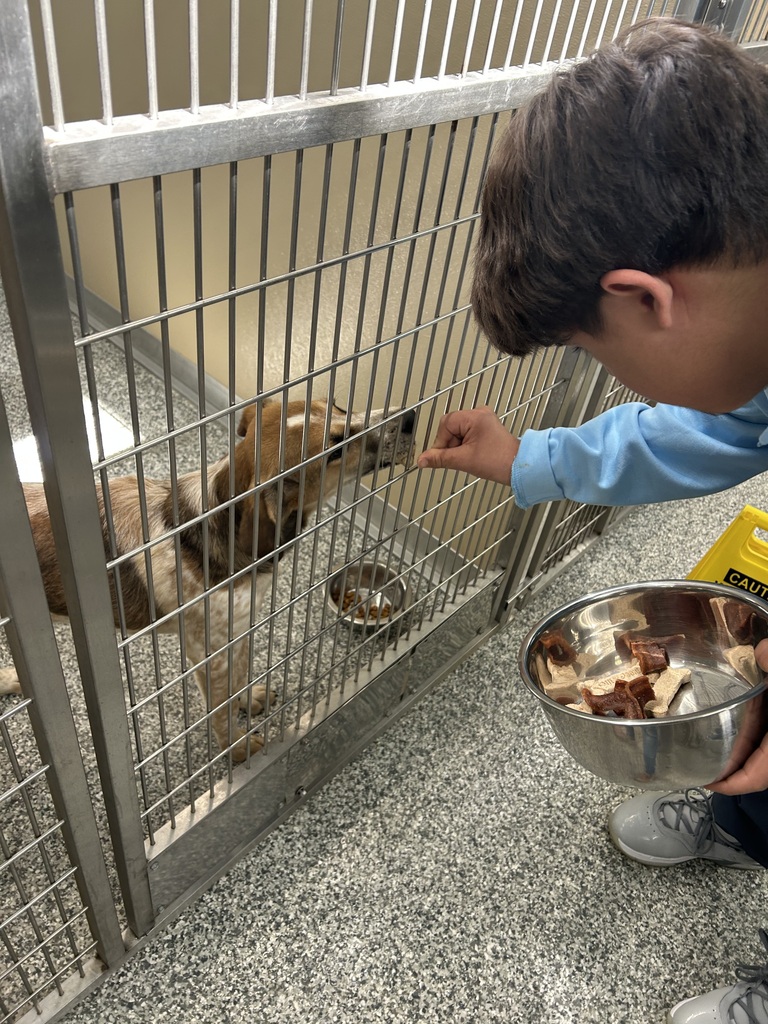
Christine Ertola’s High School Career Achievement Program (CAP) students recently spent time volunteering at the Middletown Humane Society, where they socialized with cats, spent time with the animals and treated the dogs to some well-deserved goodies!
“Our students spent the day giving back to their community,” Mrs. Ertola said. “These experiences are so much more than volunteering — they provide meaningful opportunities to build job skills, responsibility, confidence and connections within our community.”
Experiences like these bring learning to life! By working with others, caring for animals and participating in a community setting, students can practice valuable everyday skills, discover their strengths and build independence — all while making a difference in the lives of others.
Christine Ertola’s High School Career Achievement Program (CAP) students recently spent time volunteering at the Middletown Humane Society, where they socialized with cats, spent time with the animals and treated the dogs to some well-deserved goodies!
“Our students spent the day giving back to their community,” Mrs. Ertola said. “These experiences are so much more than volunteering — they provide meaningful opportunities to build job skills, responsibility, confidence and connections within our community.”
Experiences like these bring learning to life! By working with others, caring for animals and participating in a community setting, students can practice valuable everyday skills, discover their strengths and build independence — all while making a difference in the lives of others.
A little creativity can go a long way toward feeling calmer and more centered!
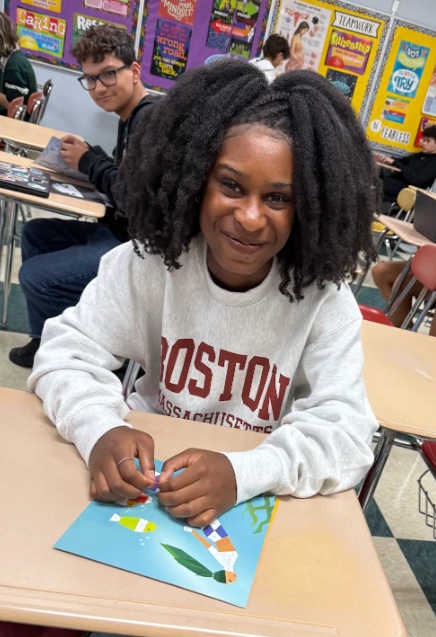
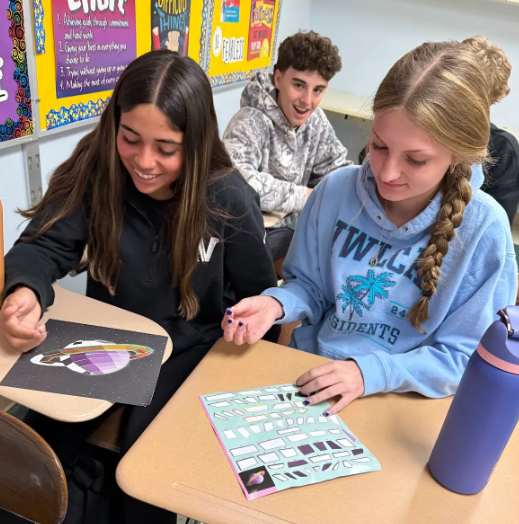
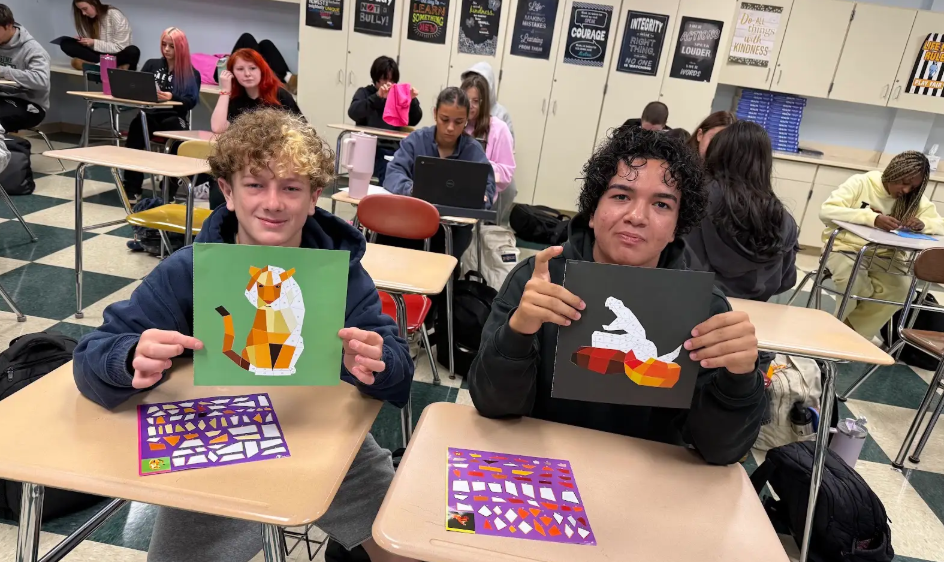
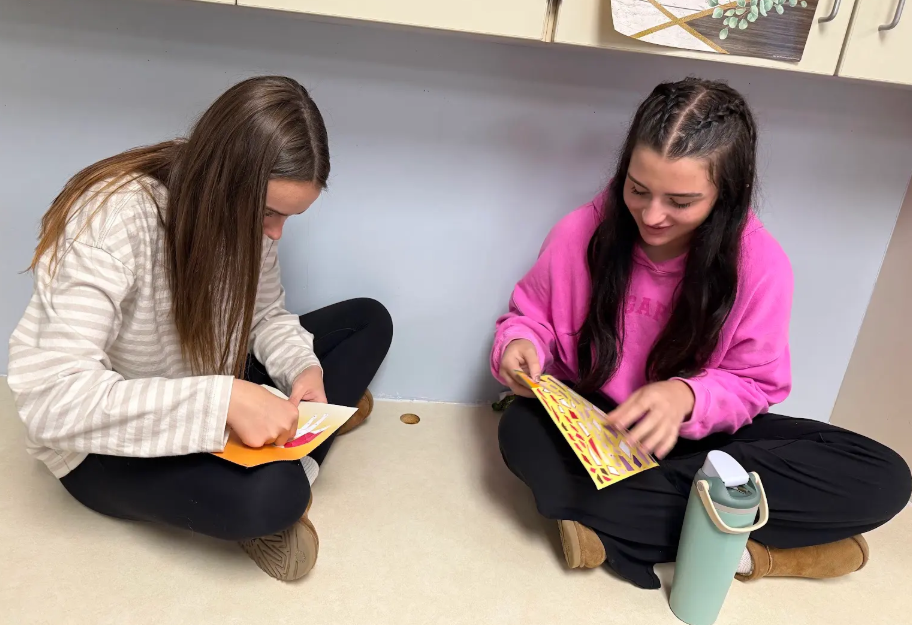
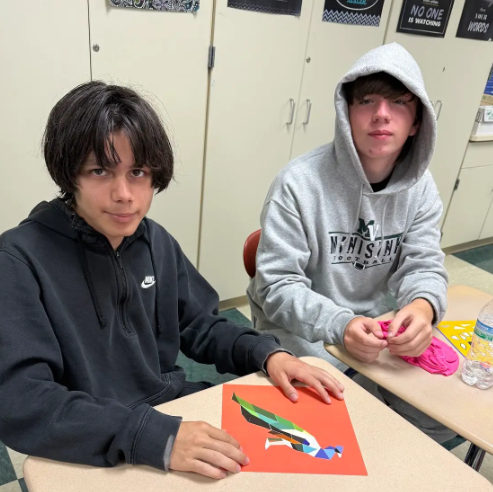
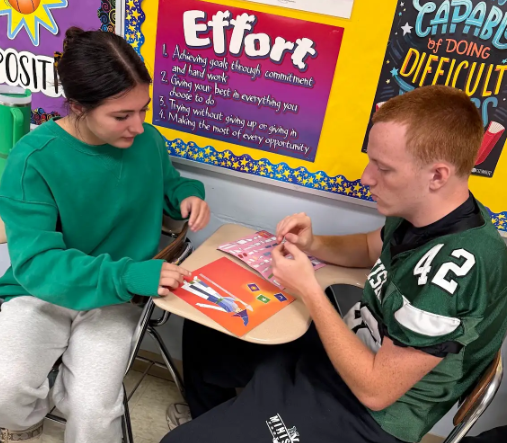
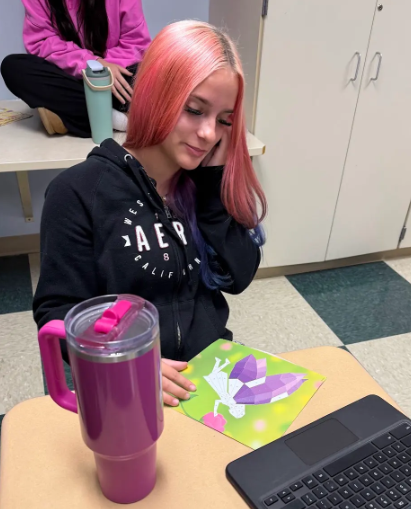
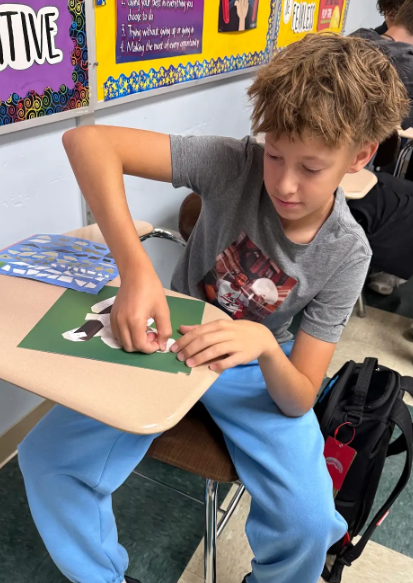
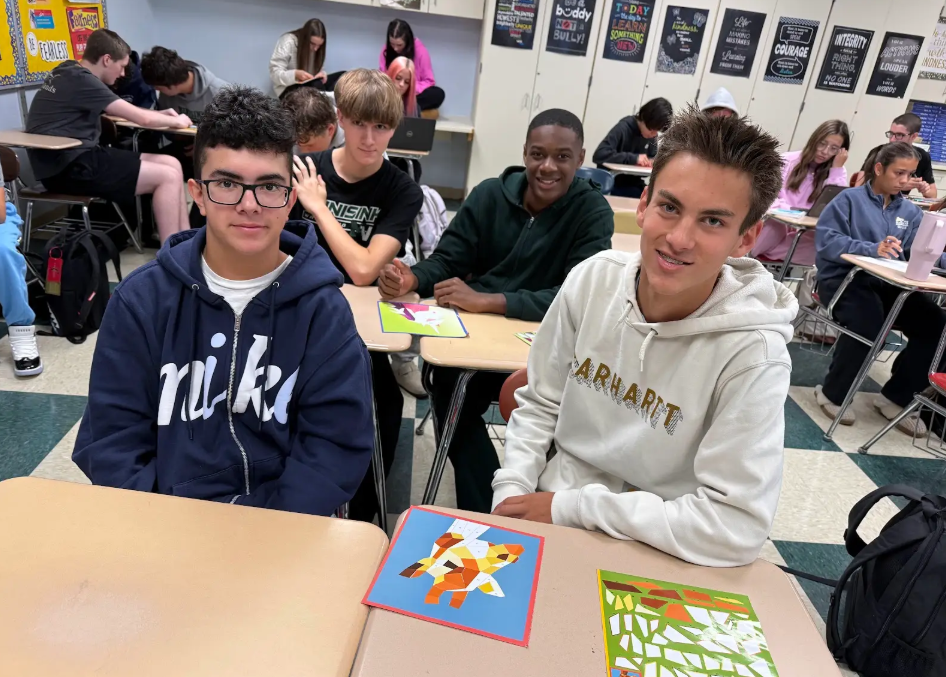
As part of their health curriculum on identifying individual coping strategies, Danielle Zamorski’s High School health students recently explored how sticker painting can serve as a simple, relaxing activity to support mental and emotional wellness.
By matching small, numbered stickers to specific spaces, students practiced focusing their attention on one manageable task at a time. The repetitive, hands-on process encourages mindfulness, helps quiet racing thoughts and offers a welcome mental break from the daily responsibilities and routines of busy school days and everyday stressors.
There’s also something rewarding about watching a project come together, one sticker at a time! Completing small sections provides a sense of progress and accomplishment, helping students experience the satisfaction of seeing their efforts take shape.
The best part? This easy, accessible activity is one students can recreate at home or during quiet study time whenever they need a moment to unwind, refocus and recharge. Sometimes, a little creative time is just what the mind needs!
As part of their health curriculum on identifying individual coping strategies, Danielle Zamorski’s High School health students recently explored how sticker painting can serve as a simple, relaxing activity to support mental and emotional wellness.
By matching small, numbered stickers to specific spaces, students practiced focusing their attention on one manageable task at a time. The repetitive, hands-on process encourages mindfulness, helps quiet racing thoughts and offers a welcome mental break from the daily responsibilities and routines of busy school days and everyday stressors.
There’s also something rewarding about watching a project come together, one sticker at a time! Completing small sections provides a sense of progress and accomplishment, helping students experience the satisfaction of seeing their efforts take shape.
The best part? This easy, accessible activity is one students can recreate at home or during quiet study time whenever they need a moment to unwind, refocus and recharge. Sometimes, a little creative time is just what the mind needs!
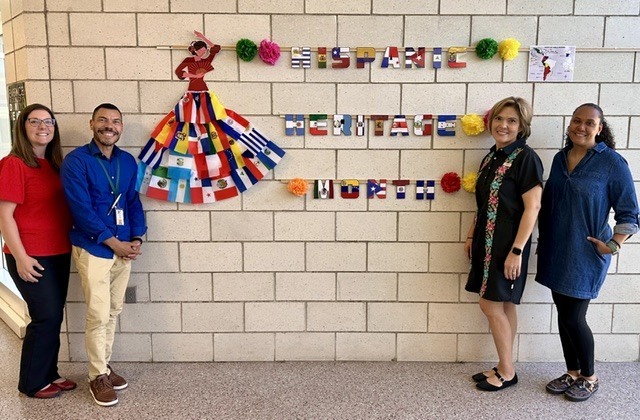
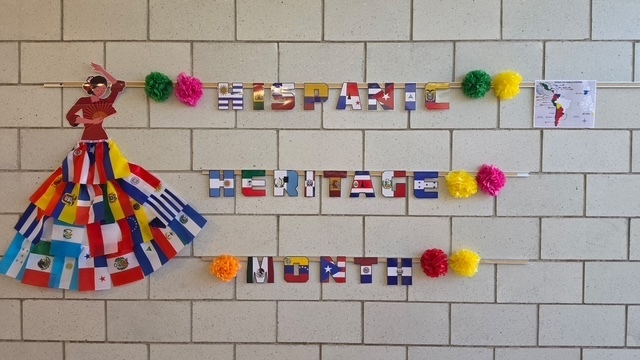
Sometimes the best lessons are the ones that help us see our world — and one another — a little more fully! The Middle School has been celebrating Hispanic Heritage Month with a variety of cultural lessons and activities designed to help students learn more about the rich histories, traditions and contributions of Hispanic and Latino communities.
Observed each year from Sept. 15 through Oct. 15, Hispanic Heritage Month recognizes the cultures and contributions of people whose roots trace to Spain, Mexico, the Caribbean, and Central and South America. The timing is meaningful, too: Sept. 15 marks the independence anniversary of Costa Rica, El Salvador, Guatemala, Honduras and Nicaragua, with Mexico and Chile celebrating their independence on Sept. 16 and Sept. 18.
Taking time to recognize observances like Hispanic Heritage Month gives students opportunities to look beyond their own experiences, discover new traditions and perspectives, and appreciate the many cultures and histories that help shape our world.
Observed each year from Sept. 15 through Oct. 15, Hispanic Heritage Month recognizes the cultures and contributions of people whose roots trace to Spain, Mexico, the Caribbean, and Central and South America. The timing is meaningful, too: Sept. 15 marks the independence anniversary of Costa Rica, El Salvador, Guatemala, Honduras and Nicaragua, with Mexico and Chile celebrating their independence on Sept. 16 and Sept. 18.
Taking time to recognize observances like Hispanic Heritage Month gives students opportunities to look beyond their own experiences, discover new traditions and perspectives, and appreciate the many cultures and histories that help shape our world.
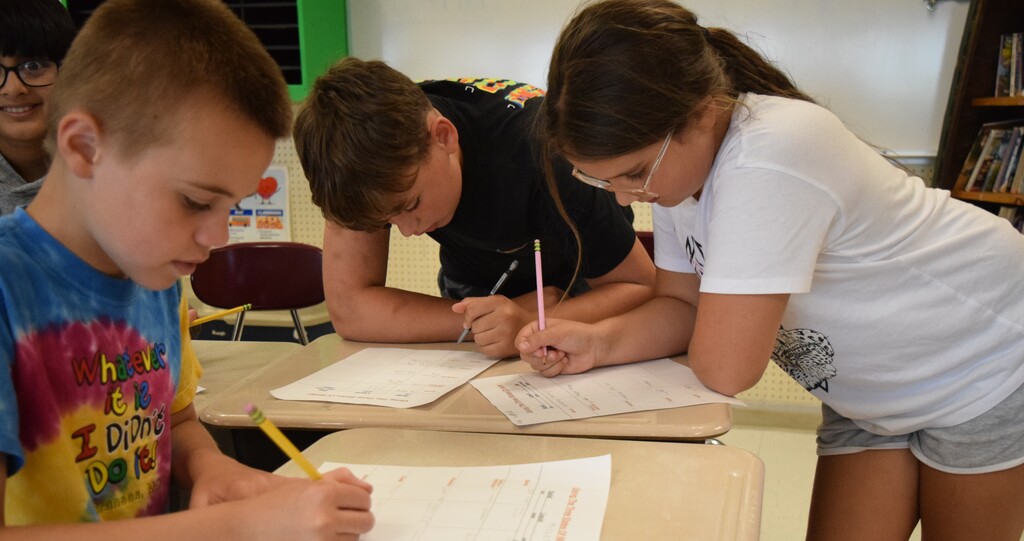
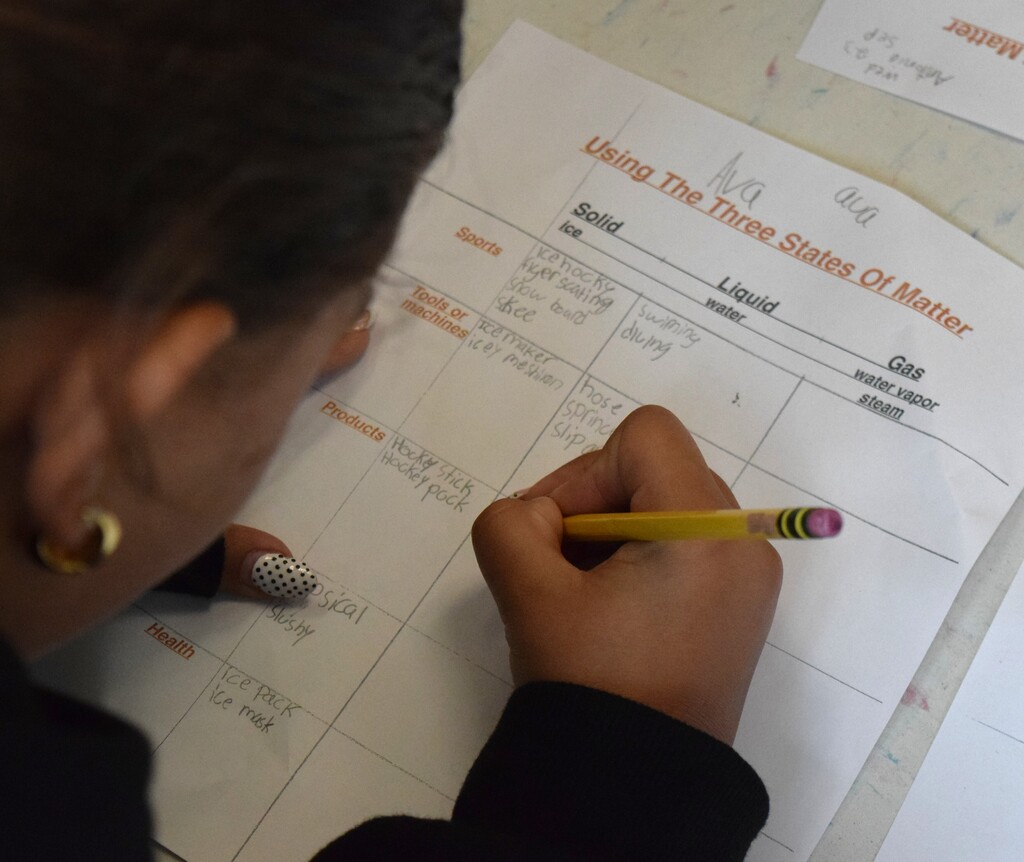
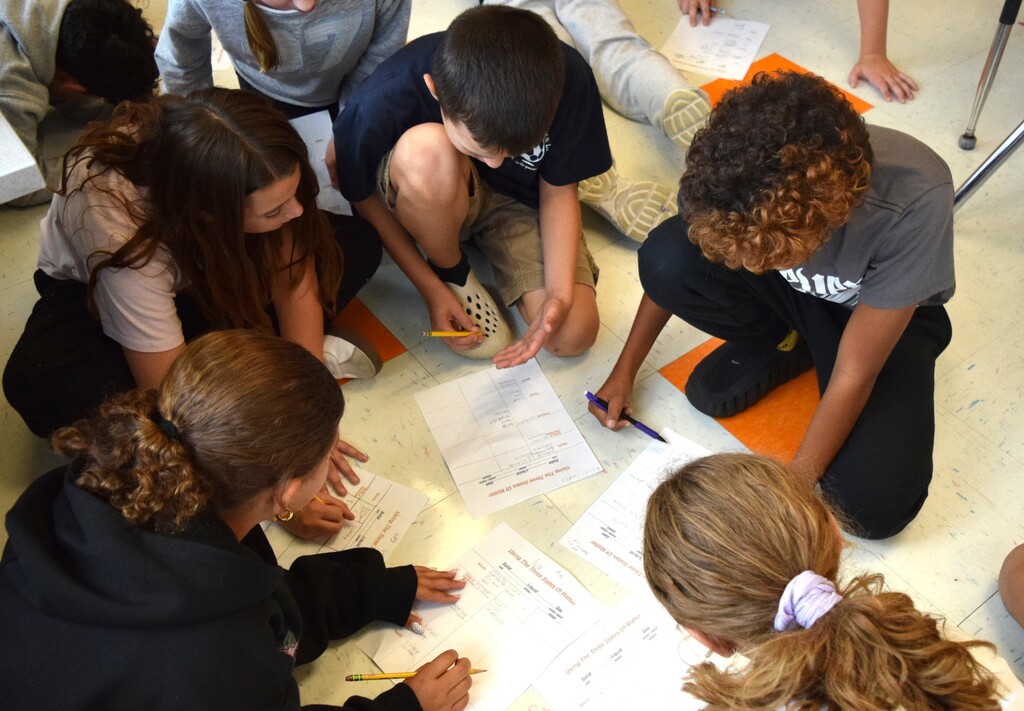
Science was in a solid state of fun in Michael Conklin’s IS fifth-grade classroom!
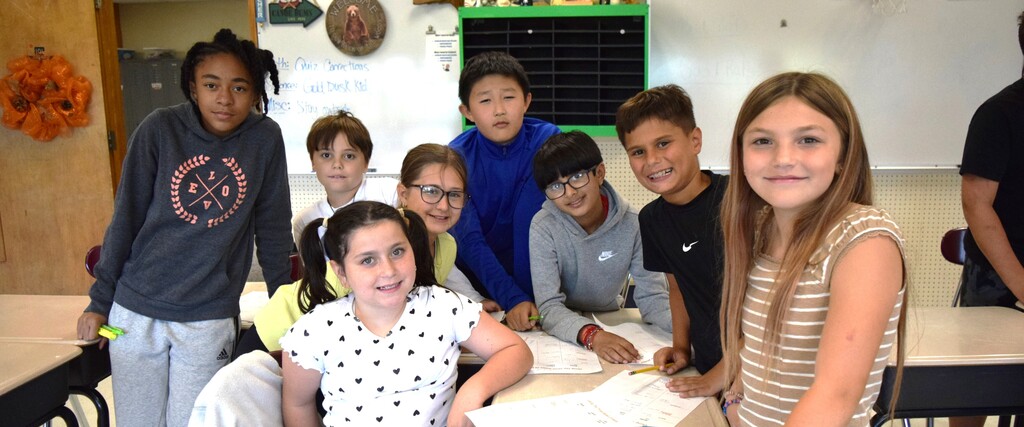
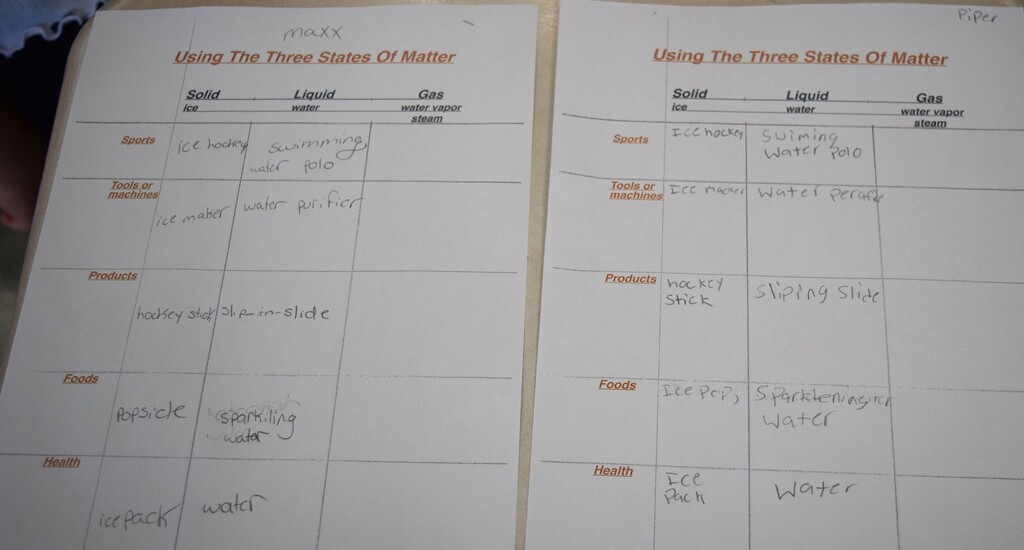
Students put their knowledge of the three states of matter to the test with a challenge using the concepts of water, ice and water vapor. Working in teams, they brainstormed examples of each state in everyday categories such as sports, foods and health, putting their scientific thinking and creativity to work!
From liquid water to solid ice to gaseous water vapor, students explored how the same substance can exist in different states of matter. Teamwork + critical thinking + science = a pretty solid lesson!
POP QUIZ! Can you name all three states of matter? We’ll give you a hint: Solid, liquid and gas!
Students put their knowledge of the three states of matter to the test with a challenge using the concepts of water, ice and water vapor. Working in teams, they brainstormed examples of each state in everyday categories such as sports, foods and health, putting their scientific thinking and creativity to work!
From liquid water to solid ice to gaseous water vapor, students explored how the same substance can exist in different states of matter. Teamwork + critical thinking + science = a pretty solid lesson!
POP QUIZ! Can you name all three states of matter? We’ll give you a hint: Solid, liquid and gas!
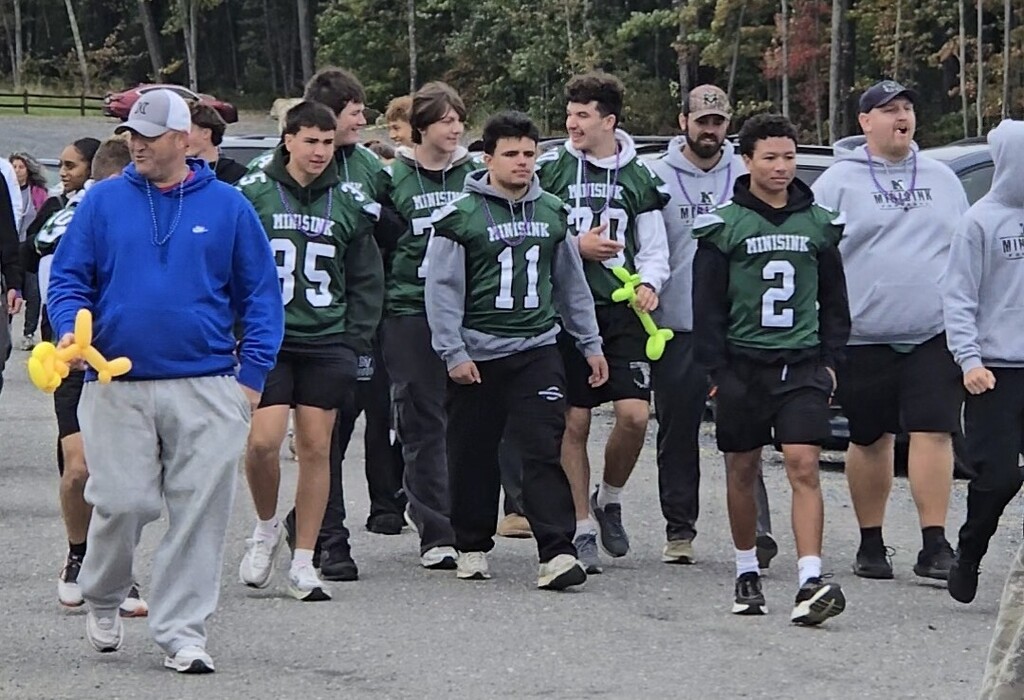
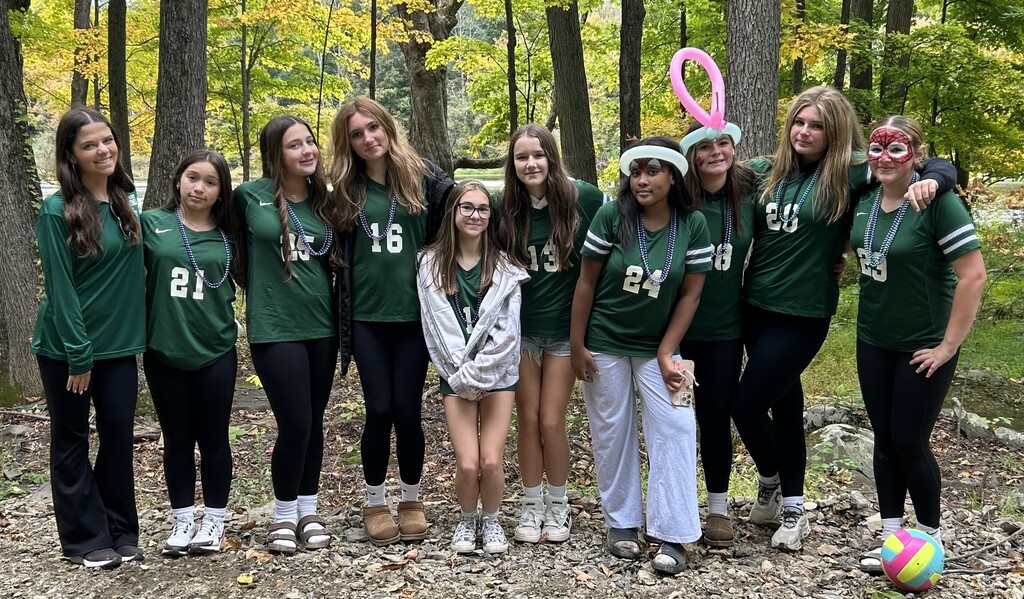
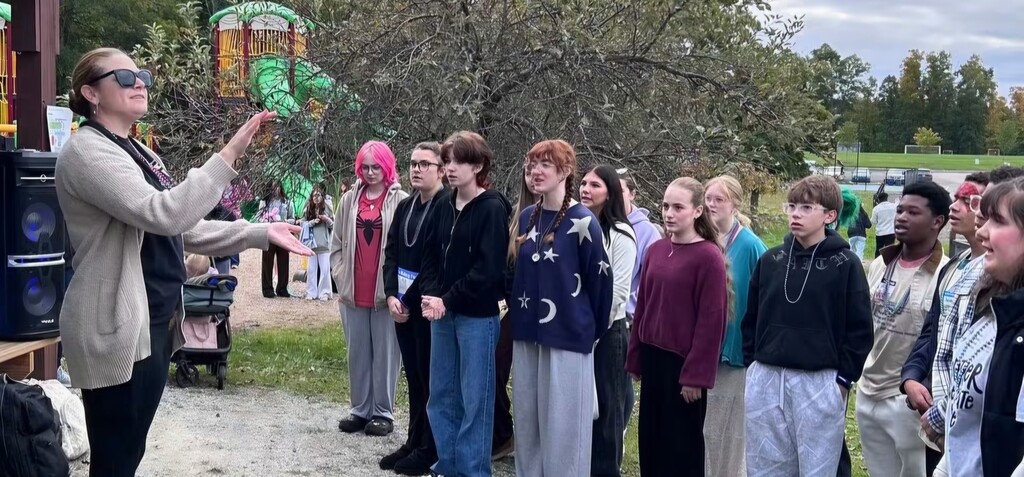
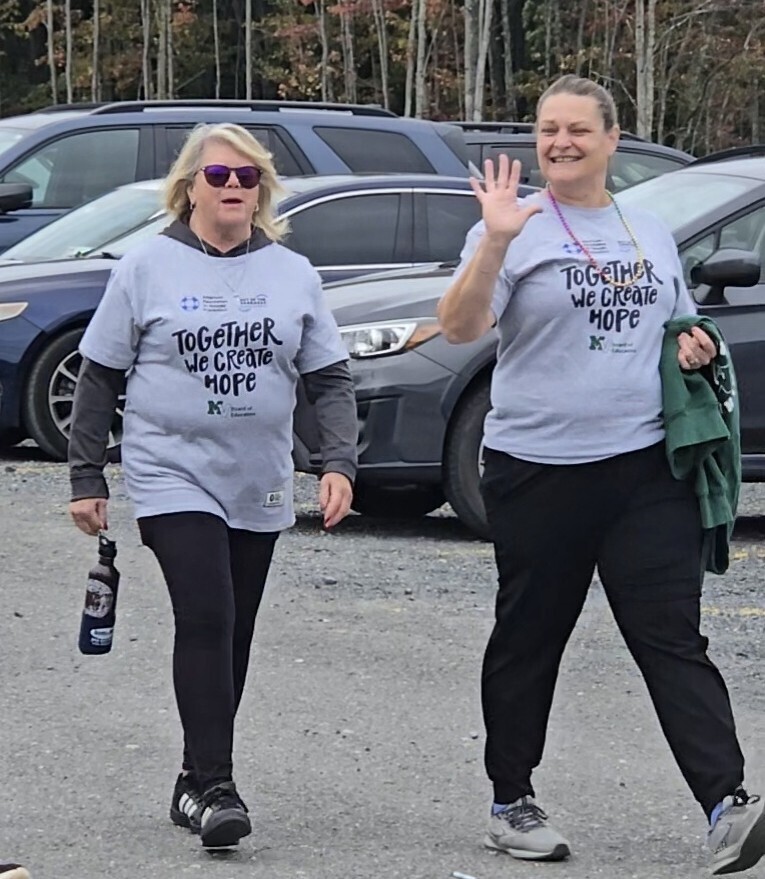
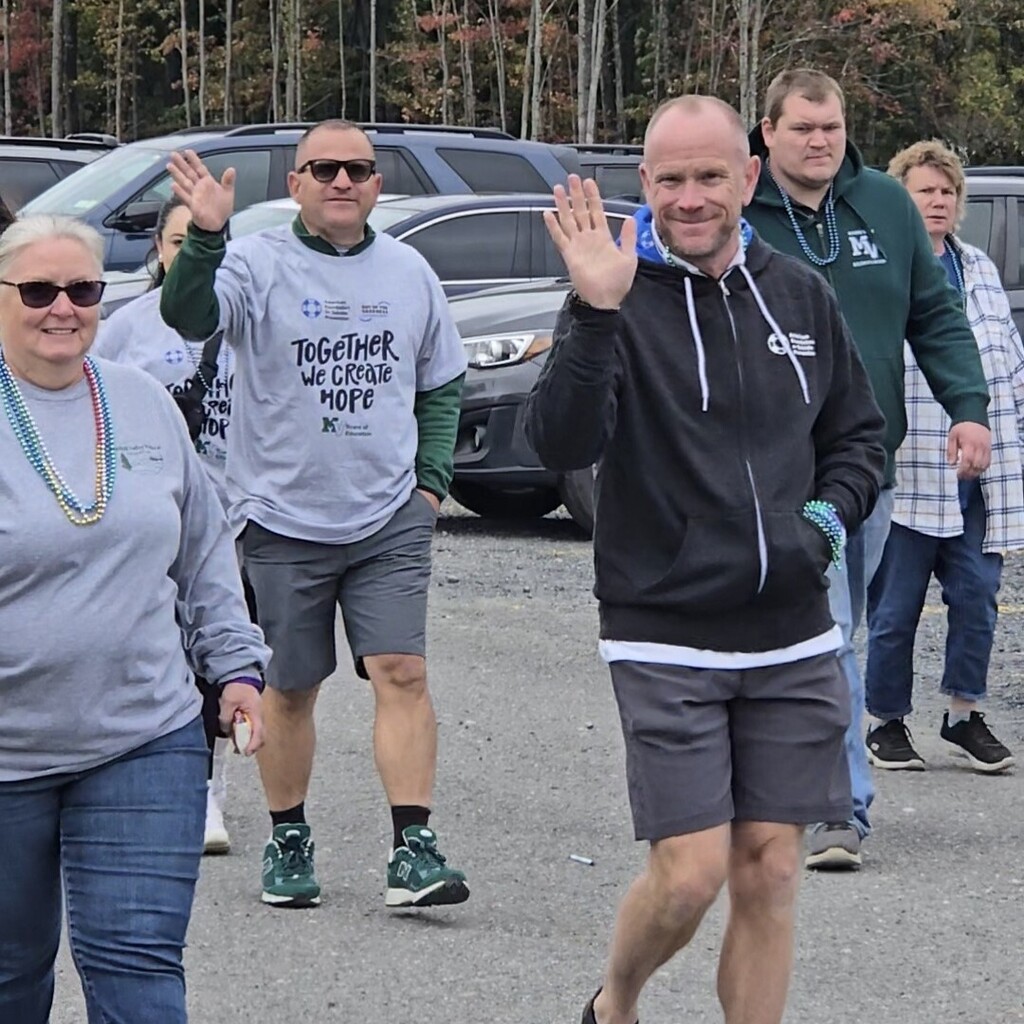
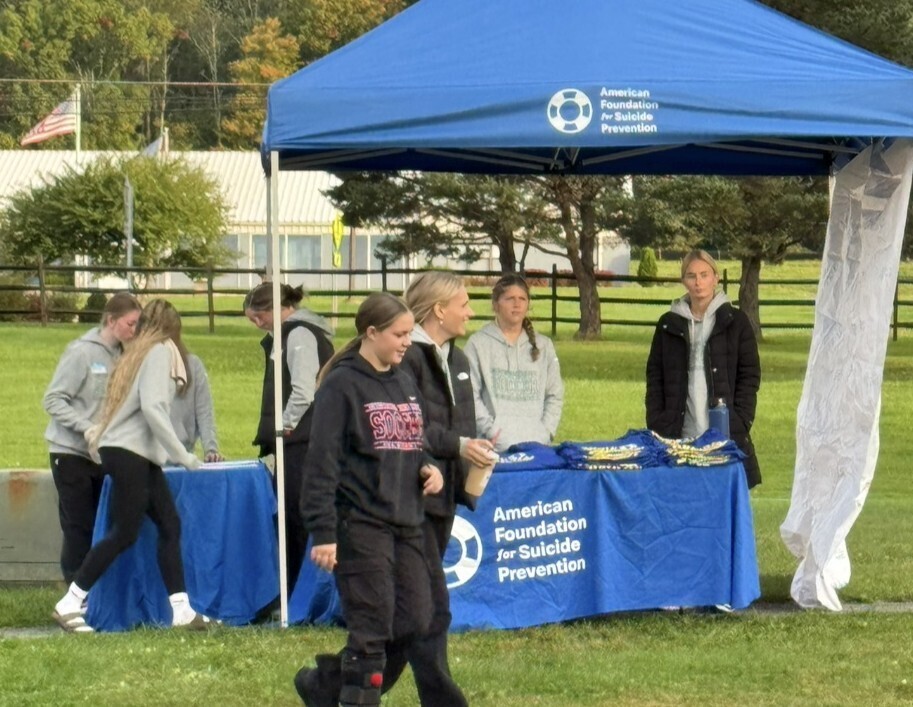
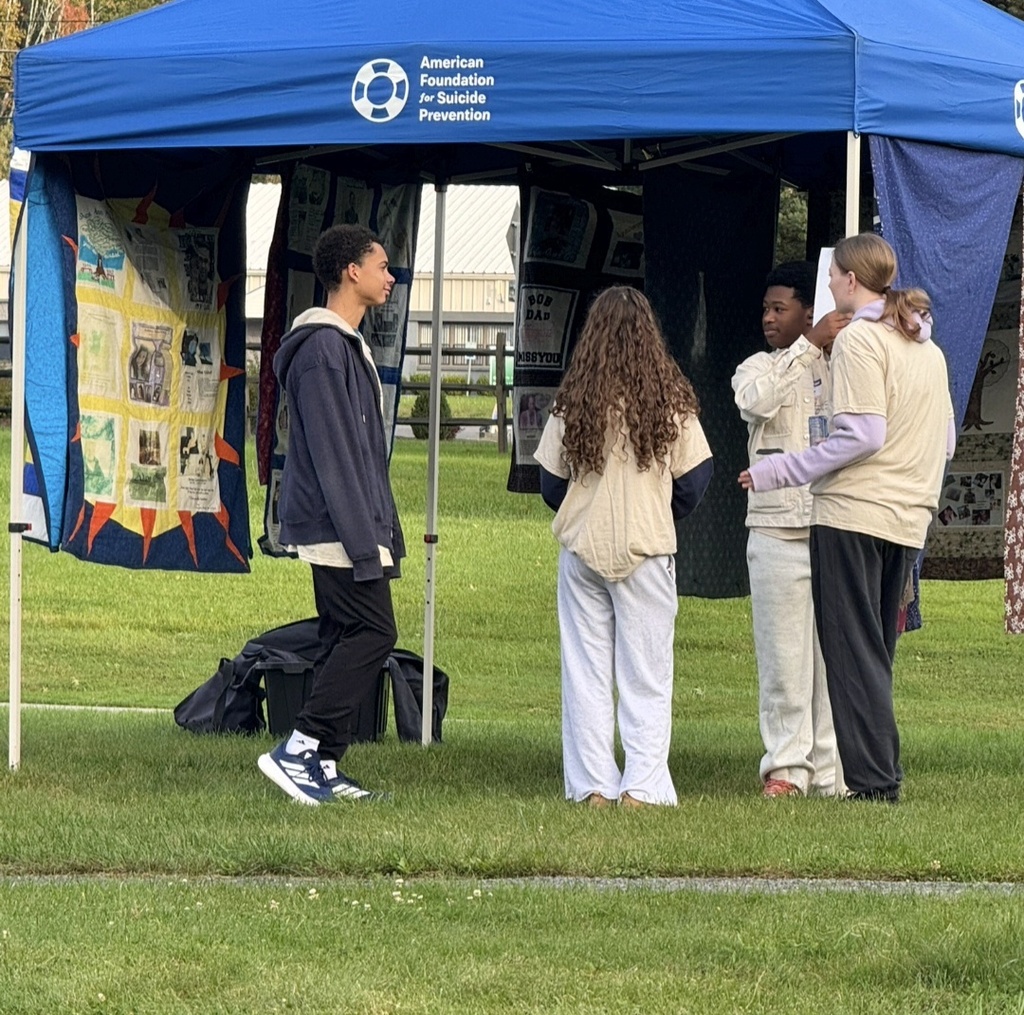
Kudos to the students, faculty and Board of Education members who who represented Minisink Valley with distinction and participated in the 2026 “Rockland & Orange Counties Out of the Darkness Community Walk,” which took place Oct. 4 the Town of Greenville Park in Port Jervis.
The event drew around 500 registered participants and raised approximately $50,000 for suicide prevention, education and advocacy programs. The walk was an opportunity to offer a supportive, non-competitive space for remembrance, healing, and mental health awareness.
“At its heart, suicide prevention starts with just one thing: Being kind and compassionate to everyone,” said Susan Papa, advisor of the High School’s Mental Health Club.
The club seeks so raise mental health awareness through events such as fairs, walks and tabling; educate the school community with presentations, guest speakers and student panels; advocate for improved mental health services and policies; and support peers with signature National Alliance on Mental Illness (NAMI) programs and training from NAMI state organizations and affiliates.
IMPORTANT REMINDER: Anyone in crisis or looking for support can contact the 988 Suicide & Crisis Lifeline by calling or texting 988 24 hours a day, seven days a week.
The event drew around 500 registered participants and raised approximately $50,000 for suicide prevention, education and advocacy programs. The walk was an opportunity to offer a supportive, non-competitive space for remembrance, healing, and mental health awareness.
“At its heart, suicide prevention starts with just one thing: Being kind and compassionate to everyone,” said Susan Papa, advisor of the High School’s Mental Health Club.
The club seeks so raise mental health awareness through events such as fairs, walks and tabling; educate the school community with presentations, guest speakers and student panels; advocate for improved mental health services and policies; and support peers with signature National Alliance on Mental Illness (NAMI) programs and training from NAMI state organizations and affiliates.
IMPORTANT REMINDER: Anyone in crisis or looking for support can contact the 988 Suicide & Crisis Lifeline by calling or texting 988 24 hours a day, seven days a week.
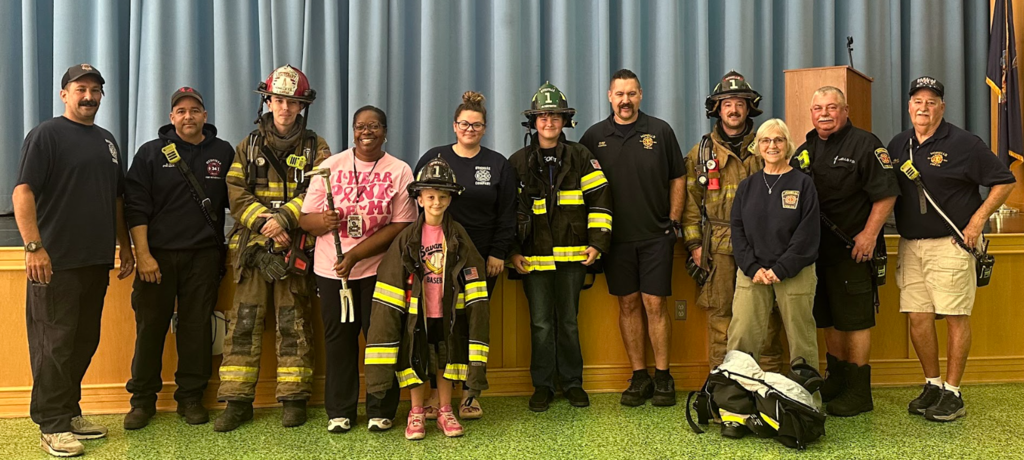
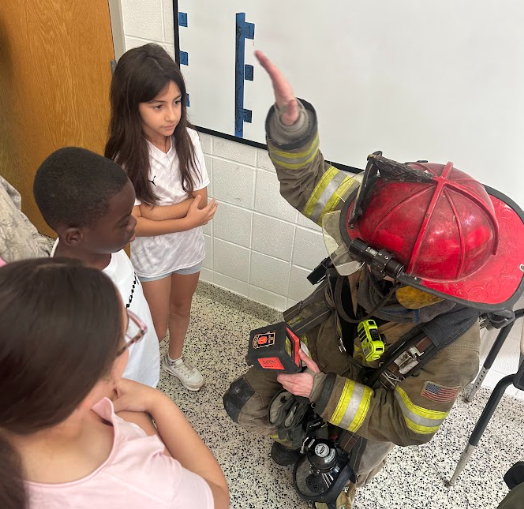
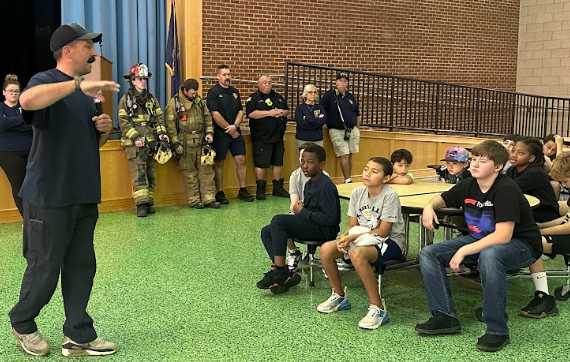
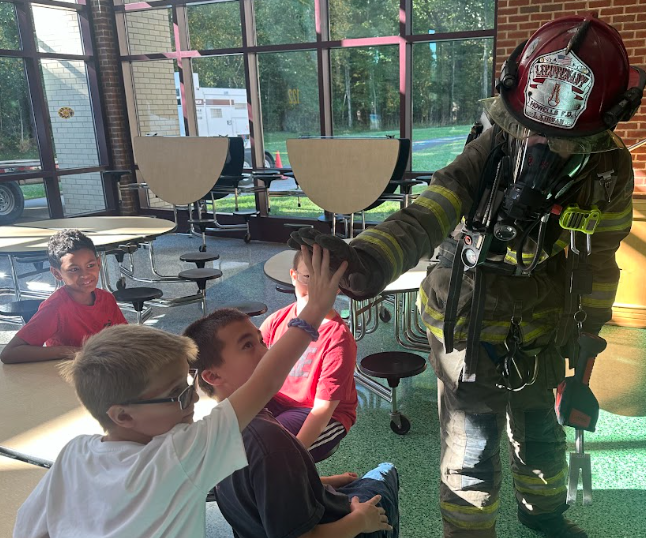
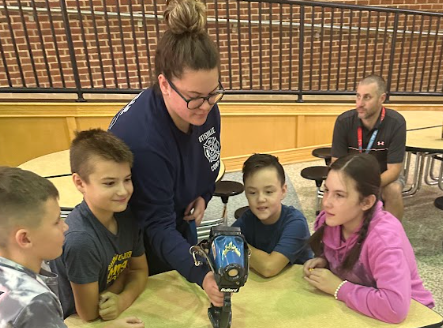
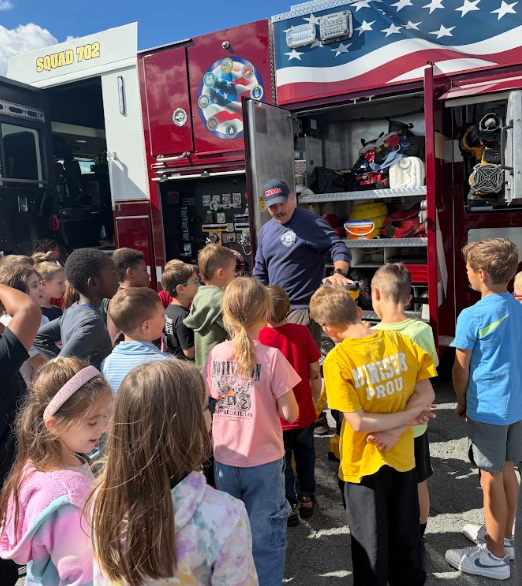
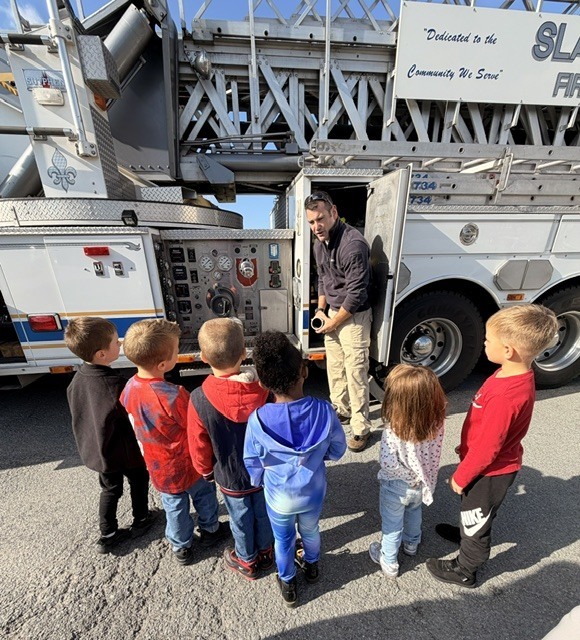
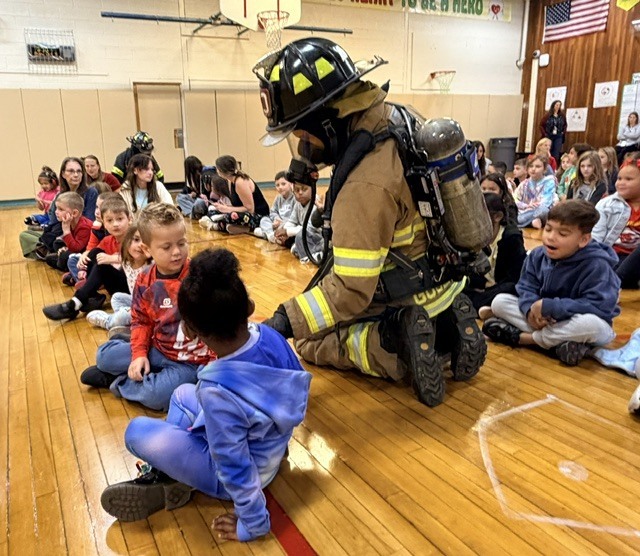
Our wonderful firefighter partners returned to Otisville Elementary on Oct. 2 to have important conversations with our fourth- and fifth-graders about fire safety awareness.
Fire safety is a lesson that never gets old! As students grow, it’s important to keep building their knowledge about recognizing risks, making safe choices and knowing what to do in an emergency. We appreciate our local firefighters for helping ensure the entire Otisville school community has ongoing, age-appropriate education that can make a real difference when it matters most.
Fire safety is a lesson that never gets old! As students grow, it’s important to keep building their knowledge about recognizing risks, making safe choices and knowing what to do in an emergency. We appreciate our local firefighters for helping ensure the entire Otisville school community has ongoing, age-appropriate education that can make a real difference when it matters most.
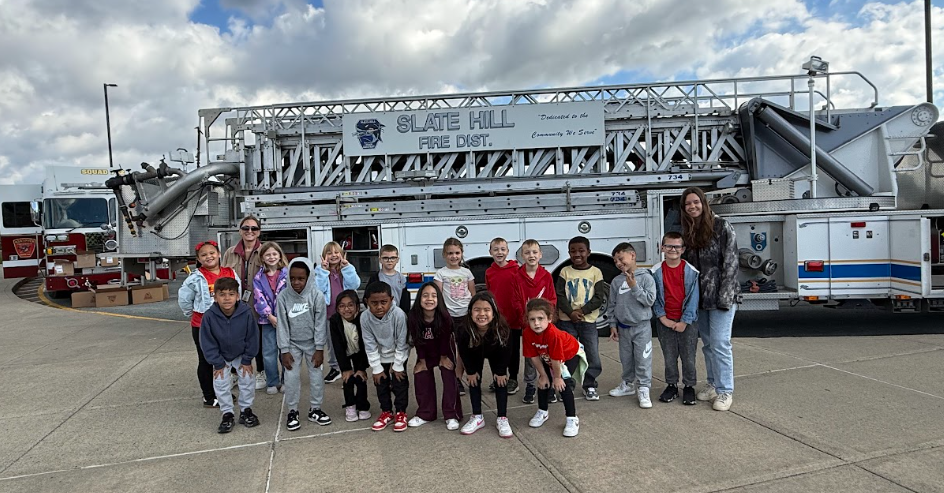
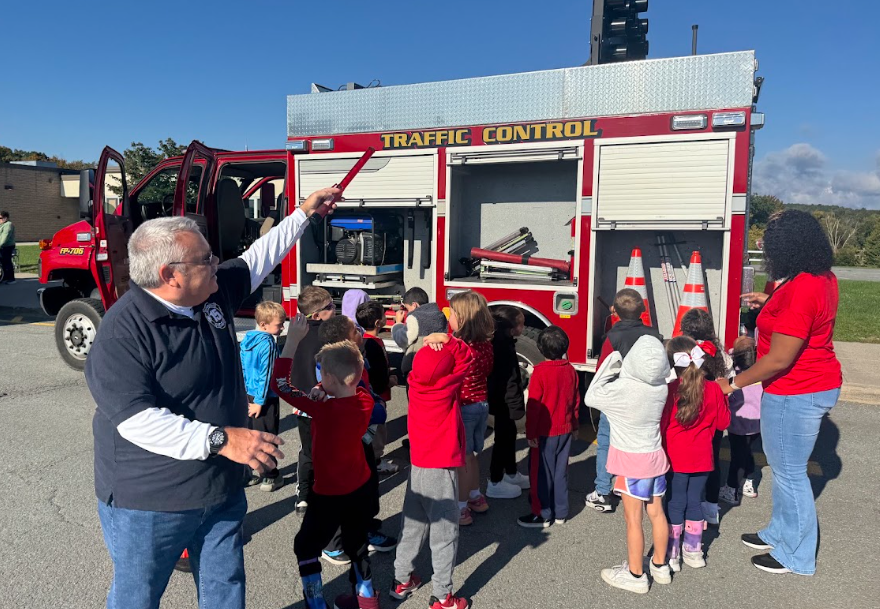
A visit from our firefighter friends is always a big hit — especially when the fire trucks roll in!
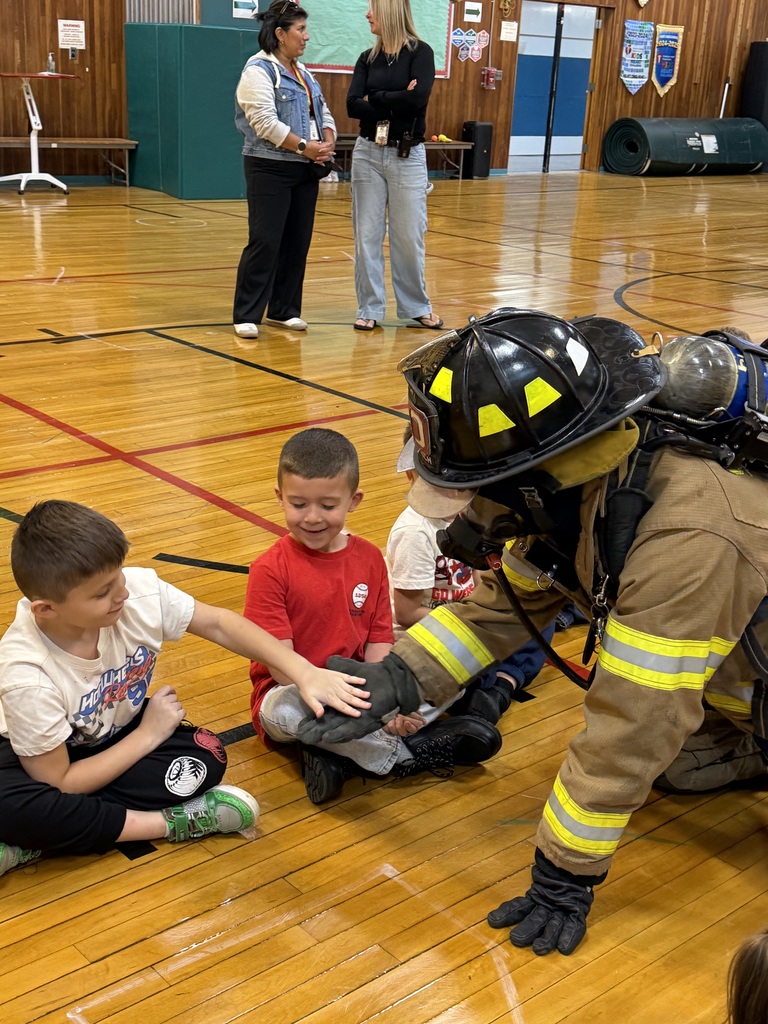
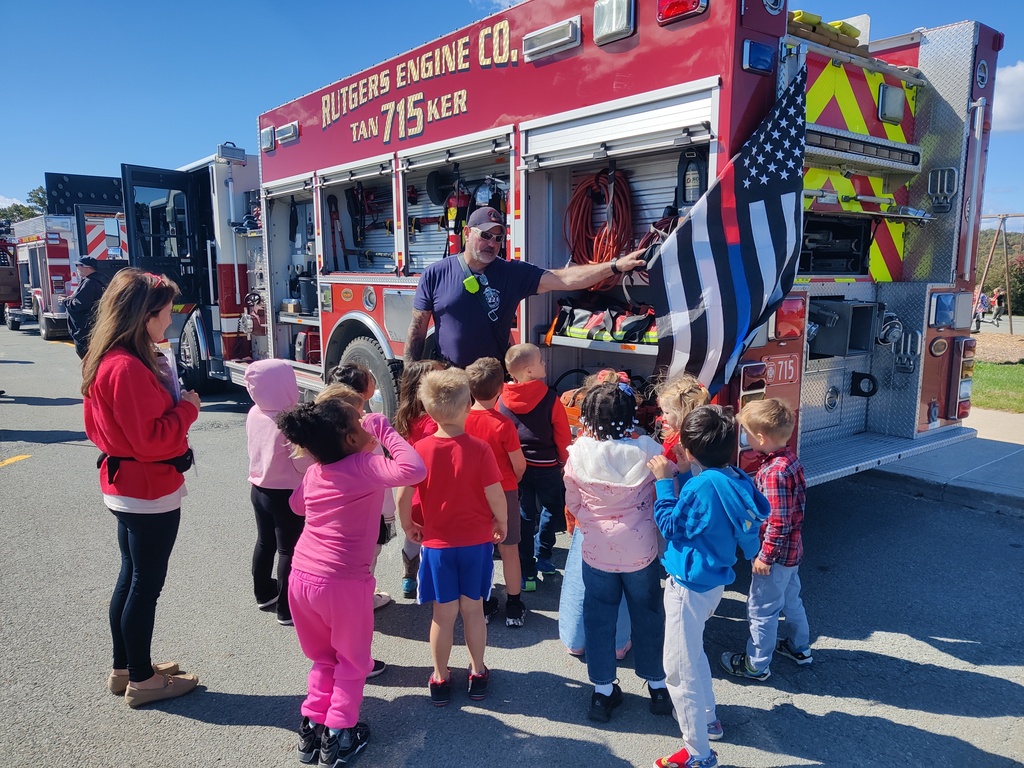
Our K–2 students had a memorable Fire Safety Day on Oct. 5, when local firefighters stopped by the Elementary School to turn important safety lessons into a hands-on learning experience.
Students got to see the trucks and equipment up close, watch firefighters demonstrate their gear and hear age-appropriate reminders about what to do in an emergency. While the trucks and gear may have stolen the show, the real goal was helping our youngest students un
derstand how to recognize potential dangers, make safe choices and know what to do if a fire ever occurs.
Lessons like these are especially valuable for young children because fire safety isn't something they should have to figure out in an emergency. Learning about escape routes, having a family plan and knowing where to meet outside gives children simple information they can remember — and practice — long before they may ever need it.
PLUS! Getting to meet the firefighters who serve our community helps children see them as trusted helpers they can turn to when they need assistance.
A huge THANK YOU to our firefighter partners for spending part of your busy day with our youngest students and helping make fire safety education engaging, memorable and meaningful. We’re grateful for all you do for our schools and our community!
See more photos on the district's Facebook page: https://www.facebook.com/MinisinkValleyCSD/posts/pfbid02abW6Kqe57Dii6aMZCwduz8b8FztxFfJaHWznXfZsXUNbnmVsSt8AEEBUBB5om2uHl?__cft__[0]=AZiO-MfQjP0PhjLA7kevgC1ubuVgq855YTWxwugzKFaKz8pEtiFt1dj7TWnE6ucDu3j1TqeJRjbZOj8DwolSeXA6MPxuWxEuTO4Ah_MYn47el8bJXs_eP96XeMqaJfQ9bL05vPLHiM-xAQvMBzEX3rb3yArD2dUnxYduvnH4LnjlFP390rtJQ7OJvPw&__tn__=%2CO%2CP-R
Our K–2 students had a memorable Fire Safety Day on Oct. 5, when local firefighters stopped by the Elementary School to turn important safety lessons into a hands-on learning experience.
Students got to see the trucks and equipment up close, watch firefighters demonstrate their gear and hear age-appropriate reminders about what to do in an emergency. While the trucks and gear may have stolen the show, the real goal was helping our youngest students un
derstand how to recognize potential dangers, make safe choices and know what to do if a fire ever occurs.
Lessons like these are especially valuable for young children because fire safety isn't something they should have to figure out in an emergency. Learning about escape routes, having a family plan and knowing where to meet outside gives children simple information they can remember — and practice — long before they may ever need it.
PLUS! Getting to meet the firefighters who serve our community helps children see them as trusted helpers they can turn to when they need assistance.
A huge THANK YOU to our firefighter partners for spending part of your busy day with our youngest students and helping make fire safety education engaging, memorable and meaningful. We’re grateful for all you do for our schools and our community!
See more photos on the district's Facebook page: https://www.facebook.com/MinisinkValleyCSD/posts/pfbid02abW6Kqe57Dii6aMZCwduz8b8FztxFfJaHWznXfZsXUNbnmVsSt8AEEBUBB5om2uHl?__cft__[0]=AZiO-MfQjP0PhjLA7kevgC1ubuVgq855YTWxwugzKFaKz8pEtiFt1dj7TWnE6ucDu3j1TqeJRjbZOj8DwolSeXA6MPxuWxEuTO4Ah_MYn47el8bJXs_eP96XeMqaJfQ9bL05vPLHiM-xAQvMBzEX3rb3yArD2dUnxYduvnH4LnjlFP390rtJQ7OJvPw&__tn__=%2CO%2CP-R
Twinkle, twinkle, little star… look who knows just who they are!
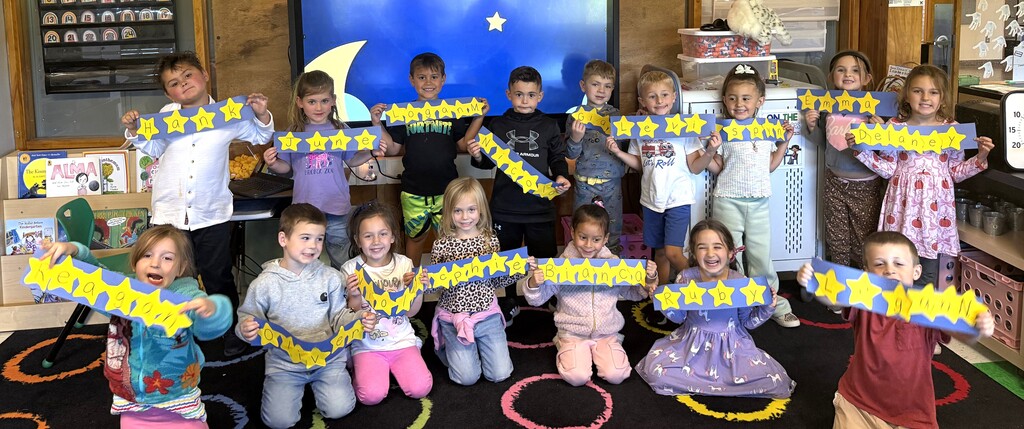
Angela Dombal’s and Jordan Procak’s ES kindergartners recently enjoyed a starry little adventure as part of their CKLA curriculum, reading “Twinkle, Twinkle, Little Star!”
For kindergarteners, an activity connected to “Twinkle, Twinkle, Little Star” can support several early literacy skills such as building familiarity with language; recognizing letters; connecting letters to meaningful words; and even developing early writing skills!
Then came the fun part! Their little hands got busy sorting, arranging and organizing letters to spell their names just right before gluing them onto their very own paper stars.
Activities like this help our youngest students build letter recognition and practice name writing and fine motor skills!
Angela Dombal’s and Jordan Procak’s ES kindergartners recently enjoyed a starry little adventure as part of their CKLA curriculum, reading “Twinkle, Twinkle, Little Star!”
For kindergarteners, an activity connected to “Twinkle, Twinkle, Little Star” can support several early literacy skills such as building familiarity with language; recognizing letters; connecting letters to meaningful words; and even developing early writing skills!
Then came the fun part! Their little hands got busy sorting, arranging and organizing letters to spell their names just right before gluing them onto their very own paper stars.
Activities like this help our youngest students build letter recognition and practice name writing and fine motor skills!