
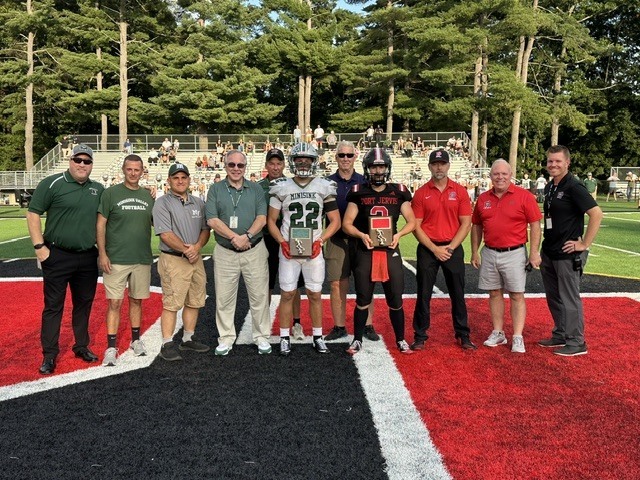
Congratulations to Senior Christopher Thorpe and Mason Lisberg of Port Jervis High School, who were named the recipients of the 2026 John Bell Award during last week’s football game against Port Jervis.
Athletic Director Tim Bult, Assistant Coach Scott Hendershot, Board of Education President Anthony Monaco, Superintendent Brian Monahan and Head Coach Kevin Gallagher presented the awards along with former Minisink Assistant Coach Tim Simmons, Port Jervis Head Coach Damien Striharsky, Port Jervis Superintendent Dr. John Bell and Port Jervis Athletic Director J.J. Gass.
The award honors the memory of Coach Bell, a respected Port Jervis player in the 1960s and longtime Minisink Valley teacher and coach. The teams established the award to honor a member of their team who has demonstrated the qualities that Coach Bell lived by: Dedication, sportsmanship, loyalty and school pride. Kudos to Chris and Mason!
Athletic Director Tim Bult, Assistant Coach Scott Hendershot, Board of Education President Anthony Monaco, Superintendent Brian Monahan and Head Coach Kevin Gallagher presented the awards along with former Minisink Assistant Coach Tim Simmons, Port Jervis Head Coach Damien Striharsky, Port Jervis Superintendent Dr. John Bell and Port Jervis Athletic Director J.J. Gass.
The award honors the memory of Coach Bell, a respected Port Jervis player in the 1960s and longtime Minisink Valley teacher and coach. The teams established the award to honor a member of their team who has demonstrated the qualities that Coach Bell lived by: Dedication, sportsmanship, loyalty and school pride. Kudos to Chris and Mason!
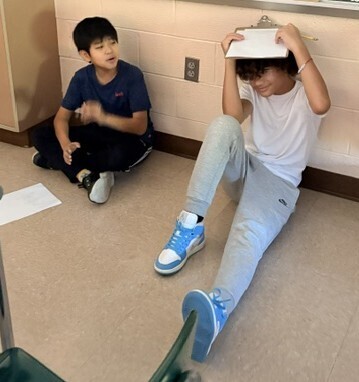
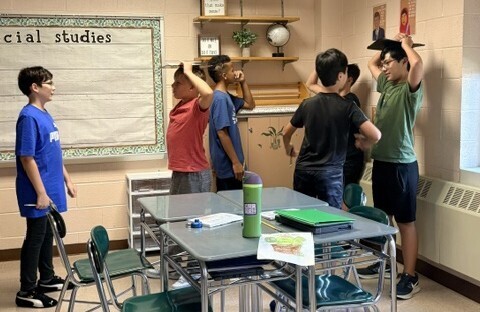
Listen up! Sixth-grade ELA students in Kaitlin Velasquez’s sixth-grade ELA students recently discovered that giving—and following—good directions is harder than it sounds!
Students teamed up, with one becoming the “director” and the other the artist. The director was given a word such as “person,” “tree,” “boat” or “house” and had to describe it without actually saying what it was. No peeking! The student-artist had to rely completely on their partner’s directions to create the mystery drawing.
And those directions had to be specific. Shapes, lengths, locations and details all mattered. Meanwhile, the student-artists had to listen carefully and turn those words into a picture in their heads—and then onto paper.
It was fun. It was challenging. And there were definitely some unexpected works of art!
But there was a bigger lesson behind the activity: good communication depends on both speaking and listening. Students saw firsthand how important it is to give clear, detailed information and to listen closely when someone else is communicating with you—skills that matter in ELA, in school and everywhere else!
Who knew a simple drawing could teach so much about communication?
Students teamed up, with one becoming the “director” and the other the artist. The director was given a word such as “person,” “tree,” “boat” or “house” and had to describe it without actually saying what it was. No peeking! The student-artist had to rely completely on their partner’s directions to create the mystery drawing.
And those directions had to be specific. Shapes, lengths, locations and details all mattered. Meanwhile, the student-artists had to listen carefully and turn those words into a picture in their heads—and then onto paper.
It was fun. It was challenging. And there were definitely some unexpected works of art!
But there was a bigger lesson behind the activity: good communication depends on both speaking and listening. Students saw firsthand how important it is to give clear, detailed information and to listen closely when someone else is communicating with you—skills that matter in ELA, in school and everywhere else!
Who knew a simple drawing could teach so much about communication?

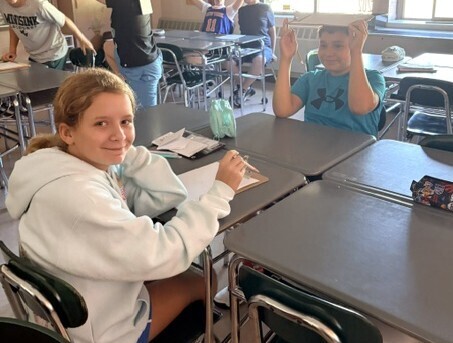
There’s something special about being read a good story, isn’t there? And when that story comes with a meaningful lesson, even better!
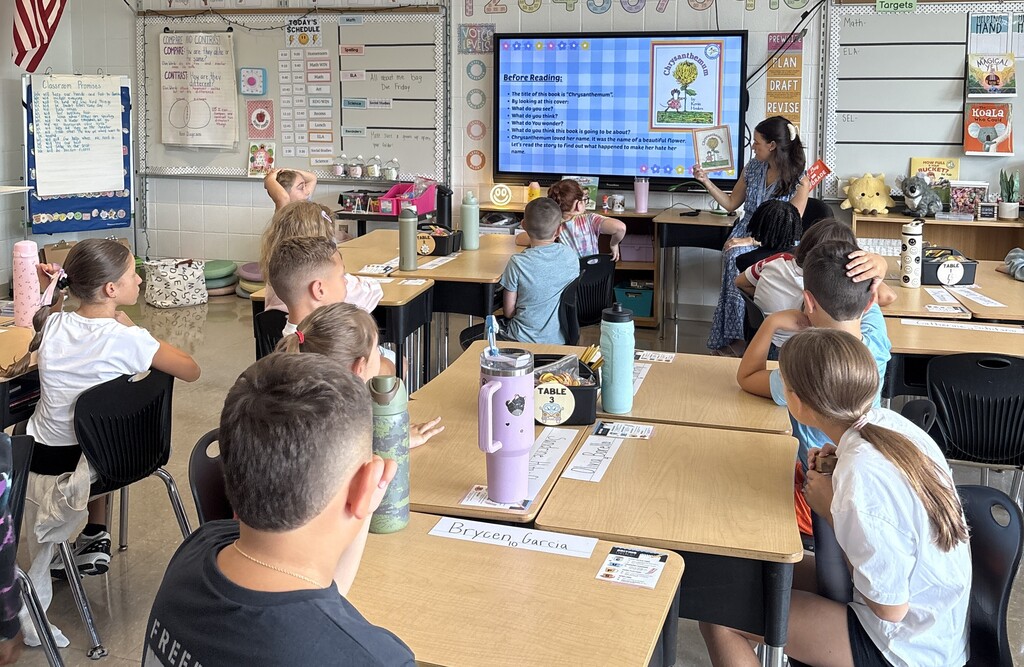
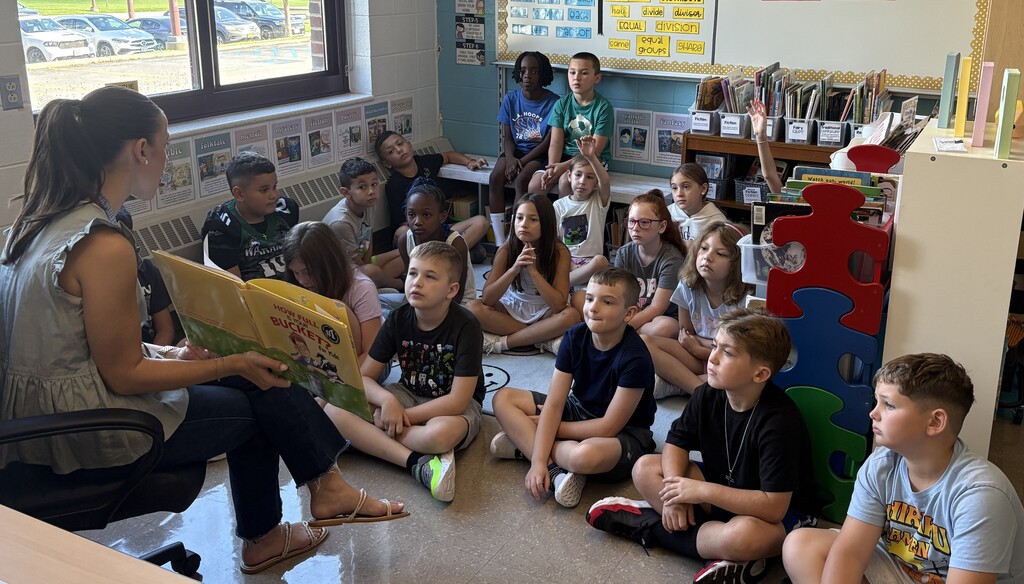
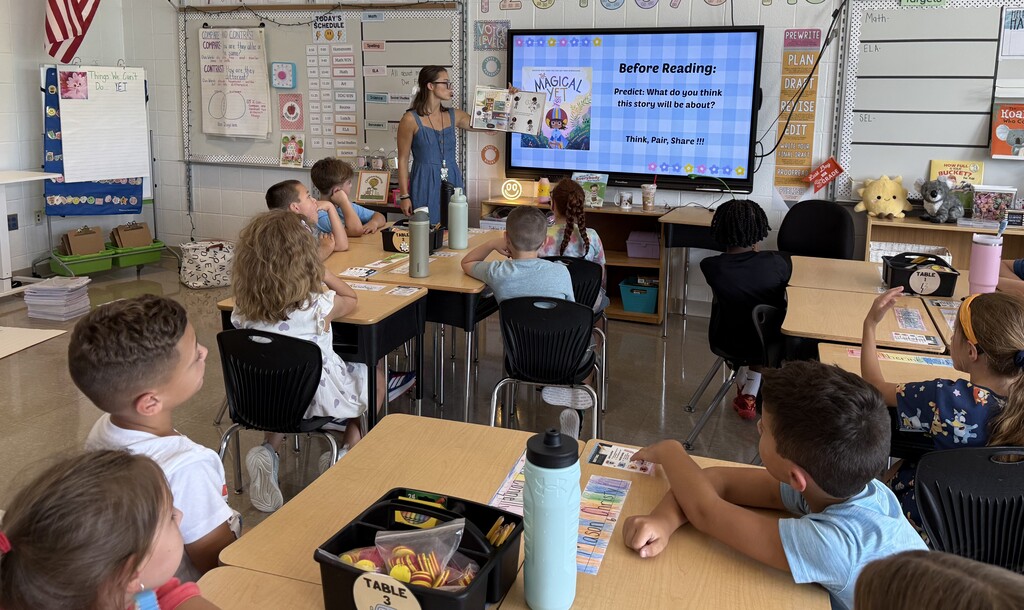
Rachel Forde and Julia Ferguson’s Otisville third-graders recently enjoyed three wonderful stories, each offering a lesson they can carry with them throughout the school year:
“Chrysanthemum” by Kevin Henkes — Students talked about the importance of never name-calling, appreciating their names and understanding what makes each of them unique. Afterward, they decorated their desk name tags in creative ways that represent who they are.
“The Magical Yet” by Angela DiTerlizzi — This story reminded students that just because they can’t do something yet doesn’t mean they won’t be able to someday! Students discussed things they are still learning to do as they enter third grade and used those ideas to help set personal and academic goals for the year.
“How Full Is Your Bucket?” by Tom Rath and Mary Reckmeyer — Students explored what it means to be a “bucket filler” and how small acts of kindness can make someone’s day better. They then wrote about a time when they filled someone else’s bucket and created a picture to go along with their writing.
Three stories, three important lessons — and plenty of opportunities for our third-graders to put those lessons into action!
Rachel Forde and Julia Ferguson’s Otisville third-graders recently enjoyed three wonderful stories, each offering a lesson they can carry with them throughout the school year:
“Chrysanthemum” by Kevin Henkes — Students talked about the importance of never name-calling, appreciating their names and understanding what makes each of them unique. Afterward, they decorated their desk name tags in creative ways that represent who they are.
“The Magical Yet” by Angela DiTerlizzi — This story reminded students that just because they can’t do something yet doesn’t mean they won’t be able to someday! Students discussed things they are still learning to do as they enter third grade and used those ideas to help set personal and academic goals for the year.
“How Full Is Your Bucket?” by Tom Rath and Mary Reckmeyer — Students explored what it means to be a “bucket filler” and how small acts of kindness can make someone’s day better. They then wrote about a time when they filled someone else’s bucket and created a picture to go along with their writing.
Three stories, three important lessons — and plenty of opportunities for our third-graders to put those lessons into action!



A LITTLE COLOR CAN BRIGHTEN A CHILD’S DAY.!
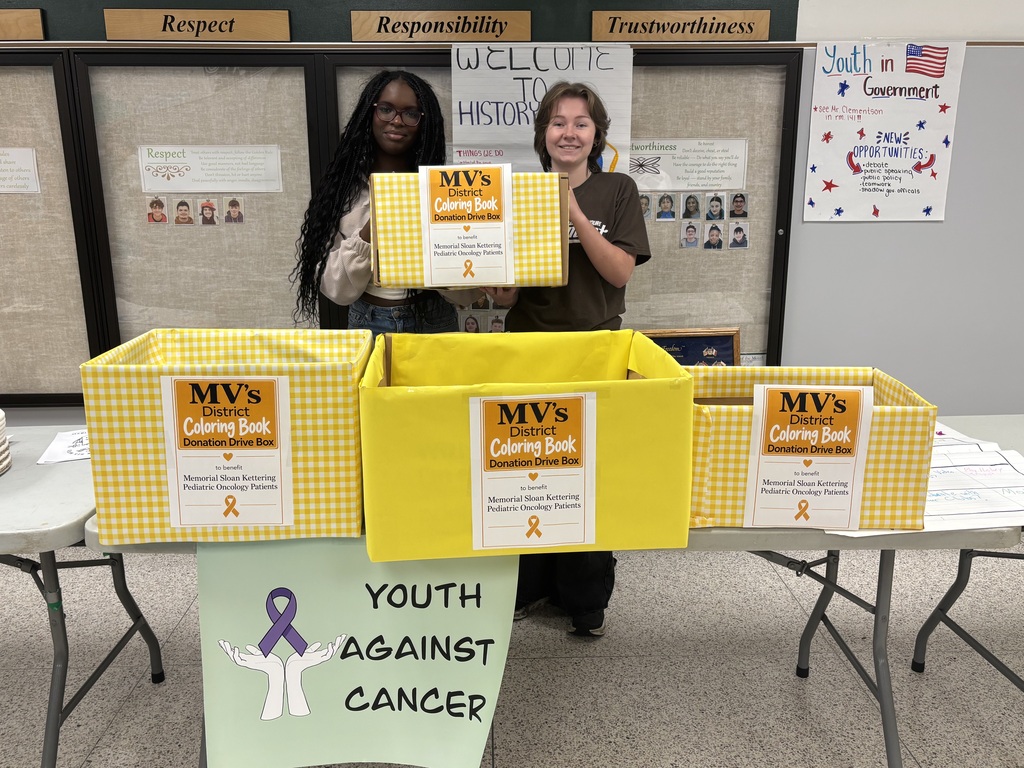
September is Pediatric Cancer Awareness Month, and the High School’s Youth Against Cancer (YAC) Club is giving our Minisink Valley community a simple way to help make a difference.
YAC is hosting a district-wide Coloring Book Donation Drive to benefit patients in the Pediatric Oncology Unit at Memorial Sloan Kettering Cancer Center in New York City. Donations will be accepted through Sept. 30.
For children spending time in the hospital, a coloring book, puzzle or new set of crayons can provide a welcome distraction, a creative outlet and a few moments of fun during a difficult time. Every donation, big or small, can help bring a little brightness to their day.
WHAT CAN YOU DONATE?
• Coloring books
• Crossword puzzle books
• Word search books
• Adult coloring books
• Paint-by-sticker books
• Paint-by-water books
• Crayons
• Colored pencils
• Markers
Please remember: All donated items must be new due to infection-control requirements.
WHERE TO DONATE
High School: Outside the School Store (lower level) and outside the Library (upper level)
Middle School: Near the main entrance
Intermediate & Elementary School: Greeter’s entrance
Otisville: Main lobby
Transportation: Office
You can also give donations to ANY student who can make the drop-off for you in their respective building.
If you’re shopping, running errands or simply looking for an easy way to help, consider adding a coloring book or a pack of crayons to your cart. It may be a small gesture for you—but it can mean a lot to a child.
Thank you for helping YAC bring a little more color, creativity and comfort to children facing cancer. Reach out to advisor Erin Natalizio at enatalizio@minisink.com with any questions. And please share this with family and friends!

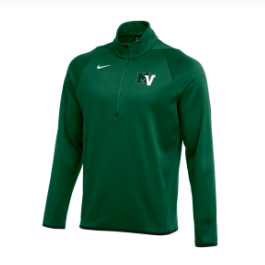
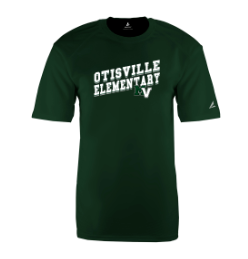
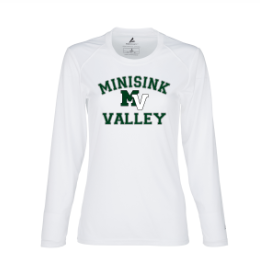
It's time to stock up on Minisink Valley --- and Otisville --- swag! Make sure your family is dressed to rep our district this school year! All proceeds benefit the great work of the Minisink Valley PTO!
CLICK HERE to see all that's available and place your order --- there's something for everyone in ALL buildings:
https://bsnteamsports.com/shop/sSxyhfqZwV?utm_source=flyer&utm_medium=pdf&utm_campaign=store_shop&utm_content=store_link&fbclid=IwY2xjawUPwwNwZG9mAWV4dG4DYWVtAjEwAGJyaWQRMTZVUHpLdVJkUnVTenJydnJzcnRjBmFwcF9pZBAyMjIwMzkxNzg4MjAwODkyAAEeRvNGON5ZHf9Svm0CPUF_likYzSo0EtgWizwziBonqgS46OFR9lIM_ChwTsI_aem_niO-4aY3xjO2B5hf_7FZKw
CLICK HERE to see all that's available and place your order --- there's something for everyone in ALL buildings:
https://bsnteamsports.com/shop/sSxyhfqZwV?utm_source=flyer&utm_medium=pdf&utm_campaign=store_shop&utm_content=store_link&fbclid=IwY2xjawUPwwNwZG9mAWV4dG4DYWVtAjEwAGJyaWQRMTZVUHpLdVJkUnVTenJydnJzcnRjBmFwcF9pZBAyMjIwMzkxNzg4MjAwODkyAAEeRvNGON5ZHf9Svm0CPUF_likYzSo0EtgWizwziBonqgS46OFR9lIM_ChwTsI_aem_niO-4aY3xjO2B5hf_7FZKw
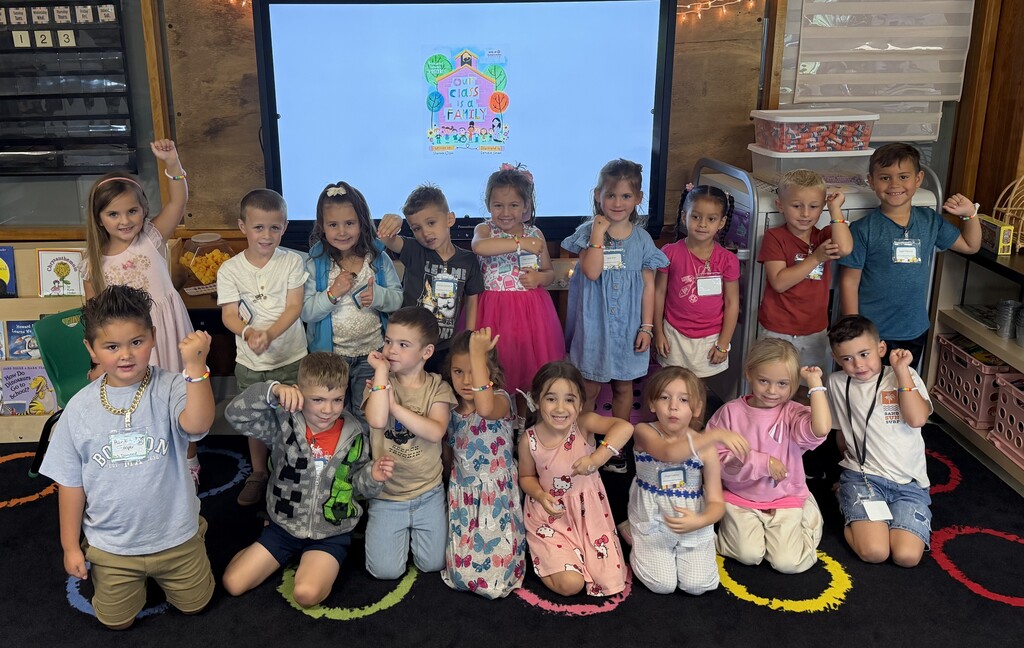
SO CUTE! Angela Dombal and Jordan Procak's ES kindergarteners recently read Shannon Olsen's "Our Class Is a Family" and created matching bracelets to represent that their classroom family is connected and cares for one another.
Each color on their bracelets represents something that makes their class family special:
Red – Kindness
Orange – Respect
Yellow – Sharing
Green – Helping each other
Blue – Sharing
Purple – Making memories together
Each color on their bracelets represents something that makes their class family special:
Red – Kindness
Orange – Respect
Yellow – Sharing
Green – Helping each other
Blue – Sharing
Purple – Making memories together
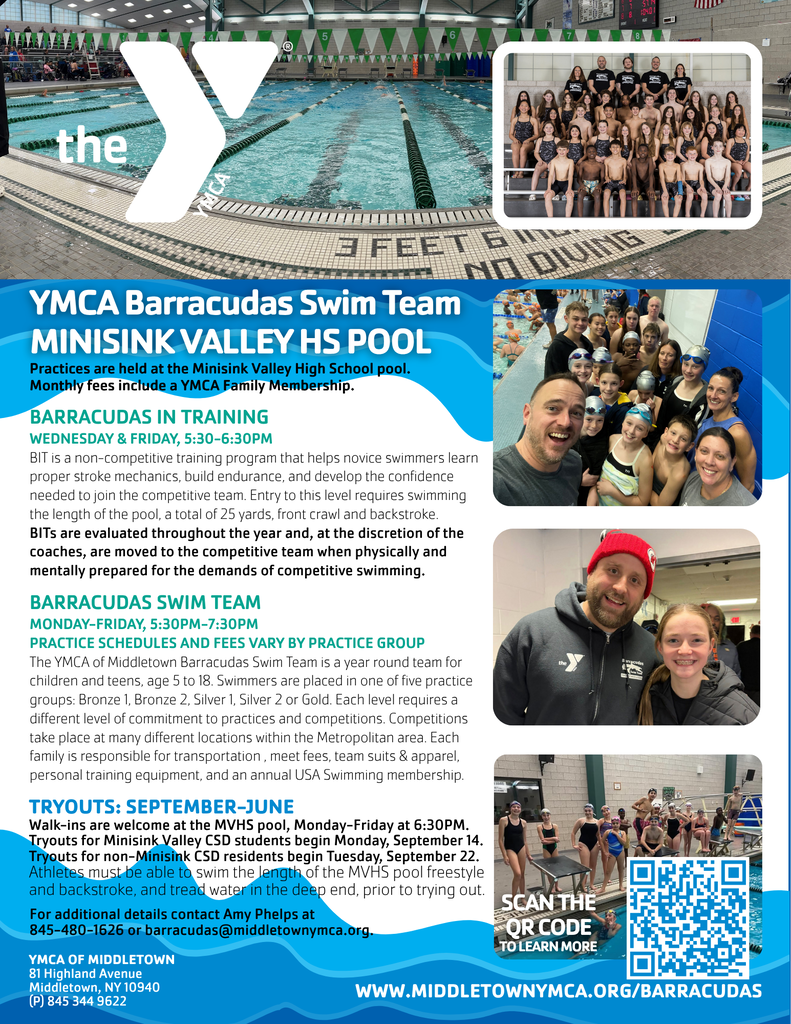
SWIM! Our long-time and trusted partners at the Middletown YMCA are looking for swimmers at the district's pool! See the details below and thanks for sharing!
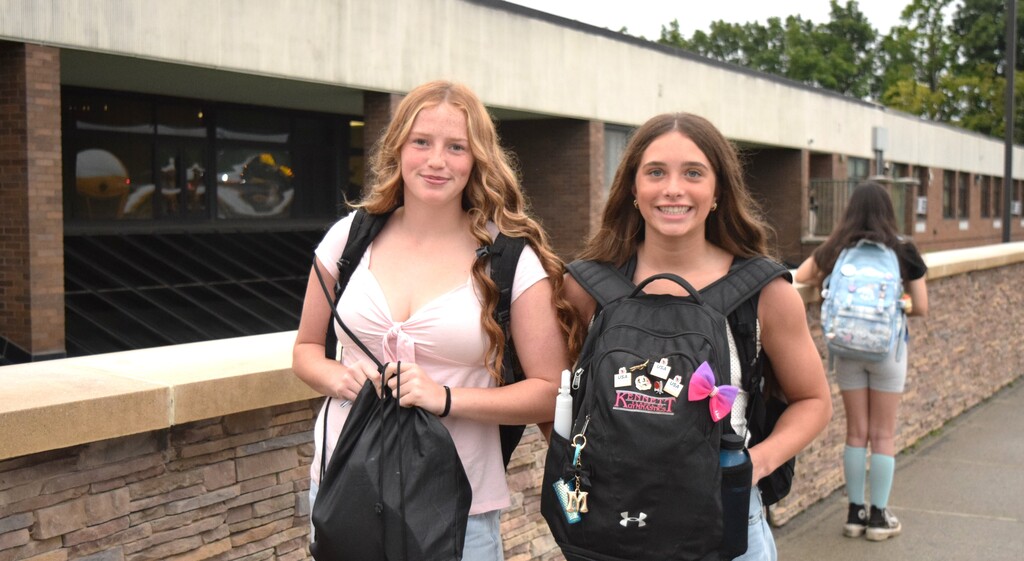
Happy first day of school!
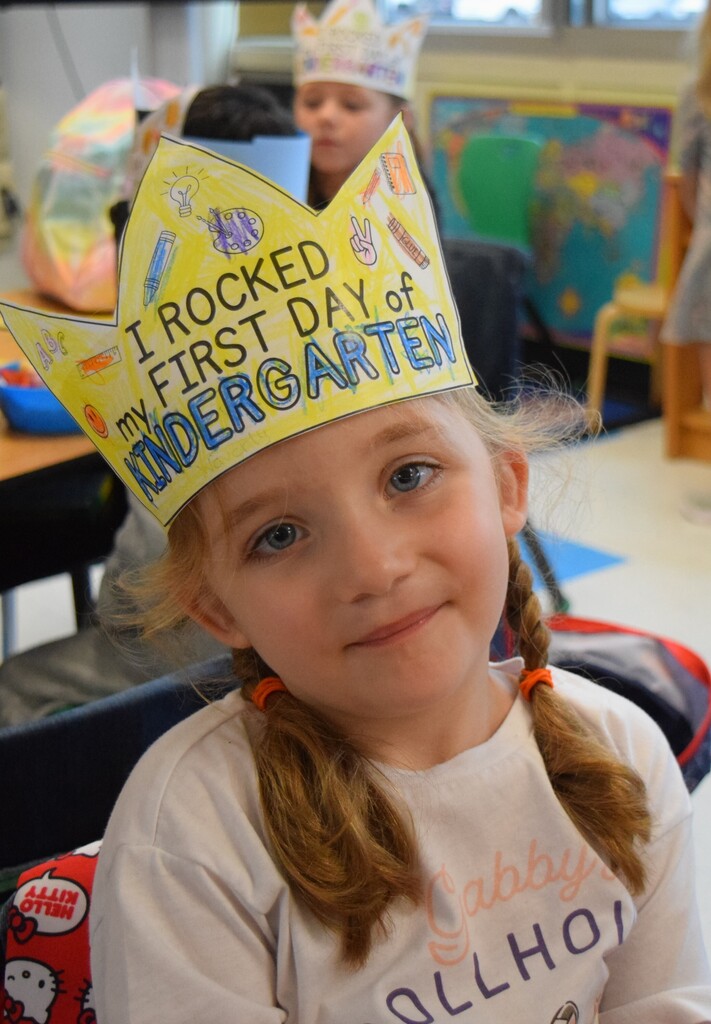
Happy first day of school!

Happy first day of school!
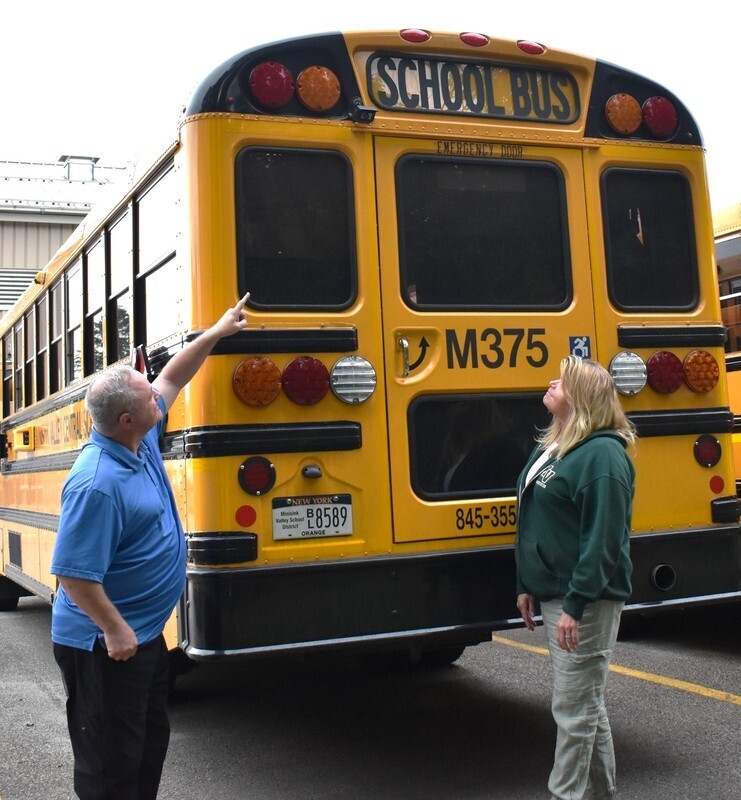
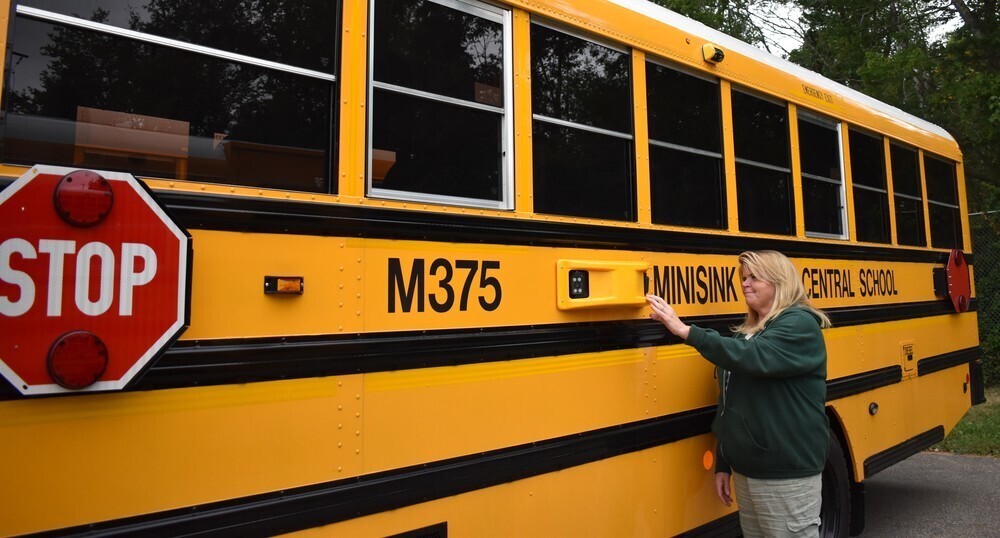
FRIENDLY REMINDER: STOP for those red lights! The Minisink Valley Transportation Department is a member the BusPatrol AI-Enabled Stop-Arm School Bus Safety Program. Every bus in the district’s fleet is now equipped with cameras to catch vehicles that illegally pass stopped school buses. We're NOT kidding!
These AI-powered cameras capture violations, including license plates, from multiple angles, and the footage is reviewed and processed by BusPatrol before being forwarded to law enforcement for potential citation issuance. The system’s intent is to reduce illegal passing incidents and improve student safety during boarding and deboarding.
Cameras were installed at no cost to the district or taxpayers, because the program is funded by the revenue collected from violators who illegally pass a stopped school bus.
In New York State, the violation fine is $250. Subsequent violations within an 18-month period are subject to a $25 increase in the penalty, up to a maximum of $300. Ignoring the payment of a fine could result in suspension of the violator's license.
To learn more, visit: https://buspatrol.com/
These AI-powered cameras capture violations, including license plates, from multiple angles, and the footage is reviewed and processed by BusPatrol before being forwarded to law enforcement for potential citation issuance. The system’s intent is to reduce illegal passing incidents and improve student safety during boarding and deboarding.
Cameras were installed at no cost to the district or taxpayers, because the program is funded by the revenue collected from violators who illegally pass a stopped school bus.
In New York State, the violation fine is $250. Subsequent violations within an 18-month period are subject to a $25 increase in the penalty, up to a maximum of $300. Ignoring the payment of a fine could result in suspension of the violator's license.
To learn more, visit: https://buspatrol.com/
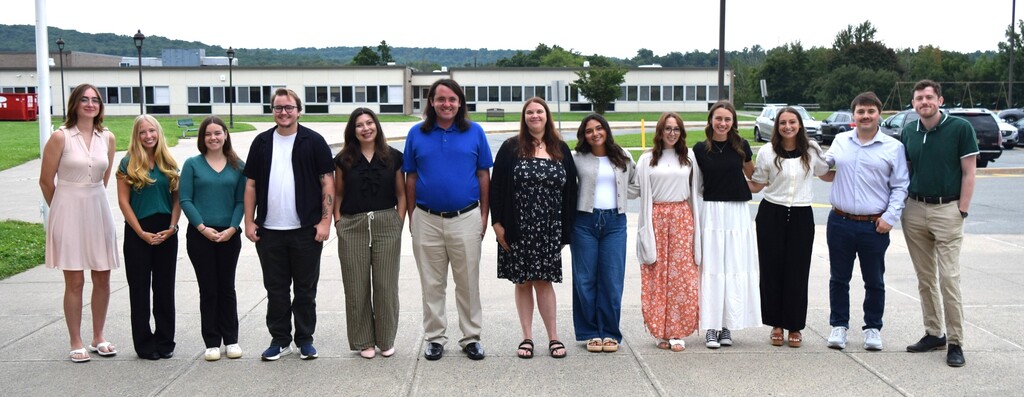
Sept. 2 is the first day of school—and a special day for our newest faculty and staff members as they begin their Minisink Valley journey and meet their students for the first time!
Please join us in welcoming them to Minisink Valley! We’re excited to have them as part of our school community and know they will have a positive and lasting impact on our students:
High School
--- Rory Bosley, school psychologist
--- William Branson, special education teacher
--- Joseph Renna, science teacher
Middle School
--- Audrey Jones, ENL teacher
--- Jenna Waligroski, special education teacher
Otisville Elementary
--- Janeal Chertok, speech/language pathologist
--- Isabella Lynch, teacher
--- Jelena Sanchez, school psychologist
--- Kendall Tullino, teacher
Intermediate School
--- Kaitlin Hansen, teacher
--- Shana Steir, teacher
--- Paige Stuart, speech/language pathologist
Elementary School
--- Sierra Sheridan, special education teacher
See you soon!
Please join us in welcoming them to Minisink Valley! We’re excited to have them as part of our school community and know they will have a positive and lasting impact on our students:
High School
--- Rory Bosley, school psychologist
--- William Branson, special education teacher
--- Joseph Renna, science teacher
Middle School
--- Audrey Jones, ENL teacher
--- Jenna Waligroski, special education teacher
Otisville Elementary
--- Janeal Chertok, speech/language pathologist
--- Isabella Lynch, teacher
--- Jelena Sanchez, school psychologist
--- Kendall Tullino, teacher
Intermediate School
--- Kaitlin Hansen, teacher
--- Shana Steir, teacher
--- Paige Stuart, speech/language pathologist
Elementary School
--- Sierra Sheridan, special education teacher
See you soon!
BACK BY REQUEST!
CALL FOR PHOTOS!
Get ready, Minisink Valley...the FIRST DAY of the 2026-27 school year is next week!
Share your student's FIRST DAY OF SCHOOL photo with us for a photo gallery!
CALL FOR PHOTOS!
Get ready, Minisink Valley...the FIRST DAY of the 2026-27 school year is next week!
Share your student's FIRST DAY OF SCHOOL photo with us for a photo gallery!

SUPPLIES DROPPED. CLASSROOMS CHECKED. PRINCIPALS MET. LET’S DO THIS!
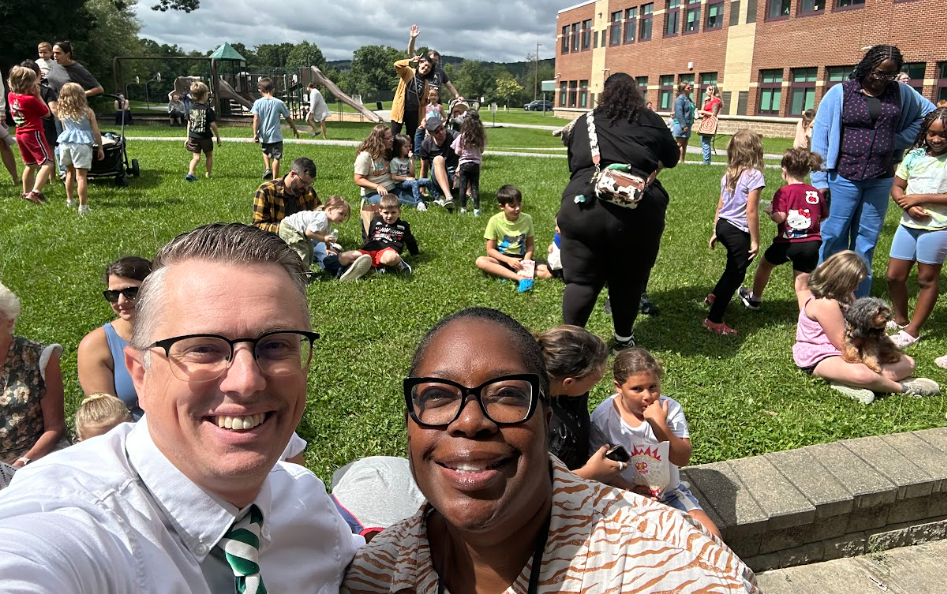
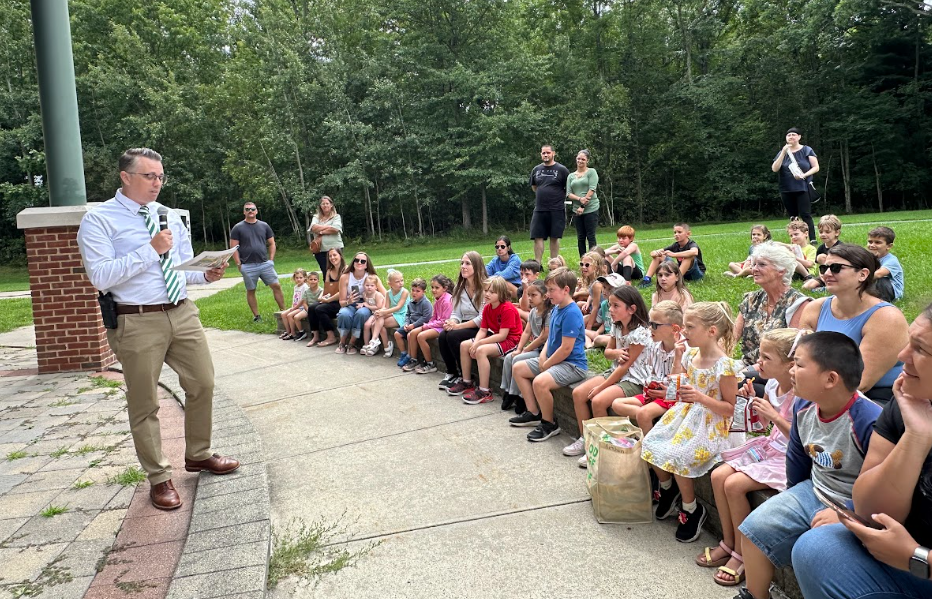
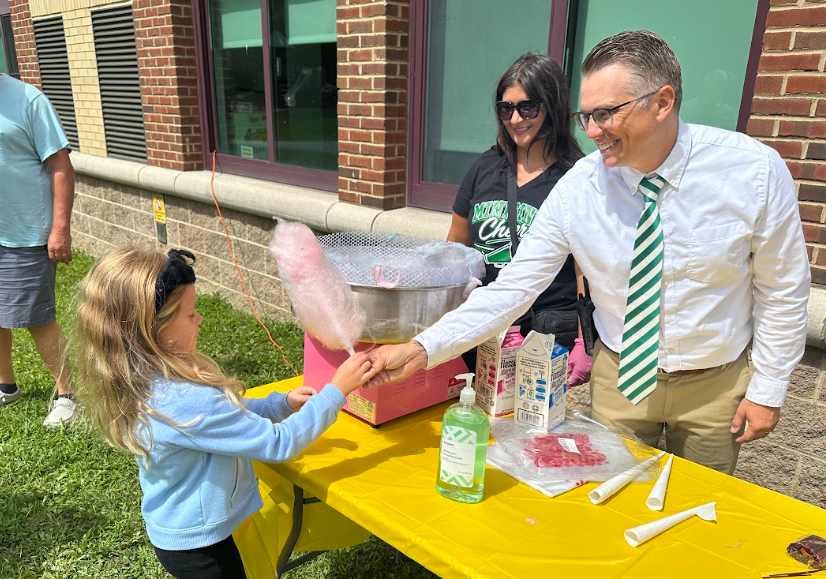
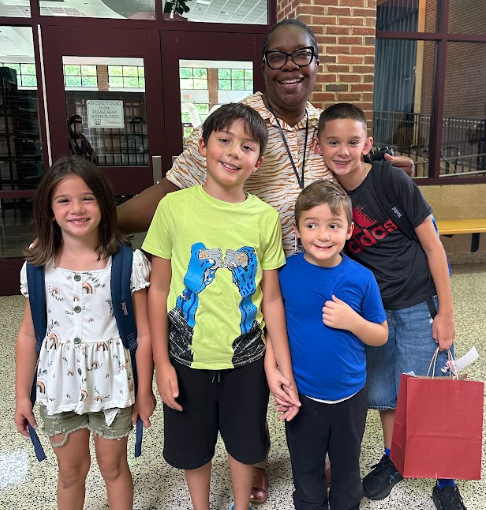
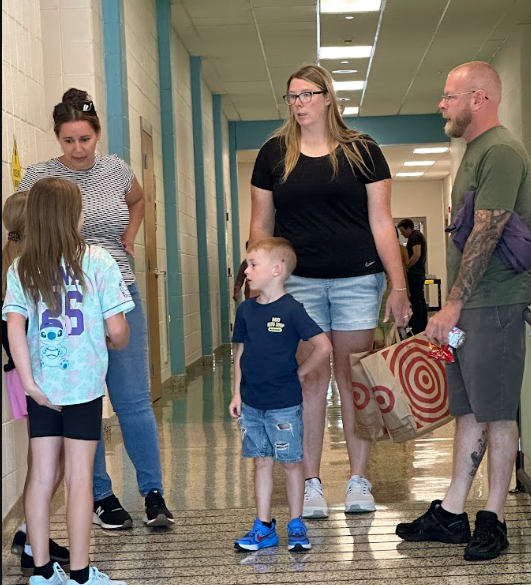
Today, Aug. 25, was all about getting a little more comfortable before the big day! Otisville students and families stopped by to drop off their school supplies, check out their classrooms, and officially meet Principal Paul Voigtland, the school’s new principal and say hello to Assistant Principal Nikachi Griffin! (Plus there were some really cool snacks and photo ops, too!)
It may have only been a quick visit, but those first important hellos, classroom peeks, and, now... school supplies set at desks, are already making the new school year feel a whole lot closer!
The countdown is officially on… Sept. 2, here we come! See you soon, Otisville!
Today, Aug. 25, was all about getting a little more comfortable before the big day! Otisville students and families stopped by to drop off their school supplies, check out their classrooms, and officially meet Principal Paul Voigtland, the school’s new principal and say hello to Assistant Principal Nikachi Griffin! (Plus there were some really cool snacks and photo ops, too!)
It may have only been a quick visit, but those first important hellos, classroom peeks, and, now... school supplies set at desks, are already making the new school year feel a whole lot closer!
The countdown is officially on… Sept. 2, here we come! See you soon, Otisville!
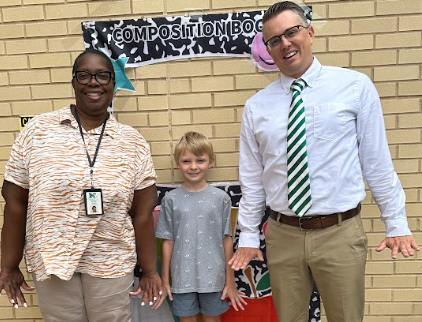
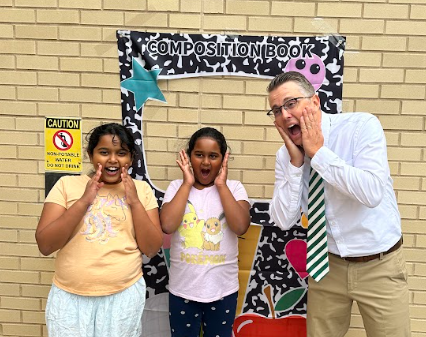
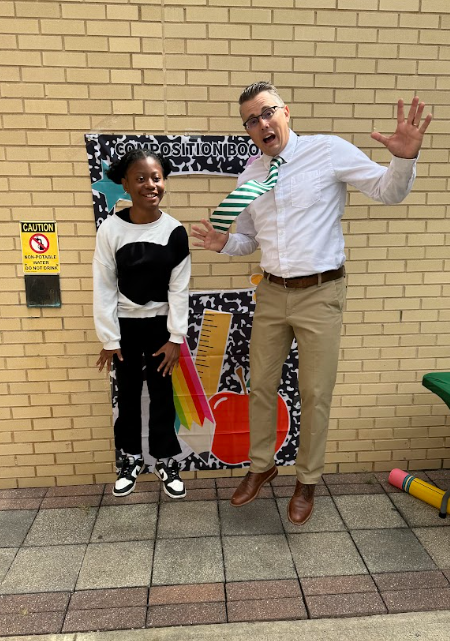
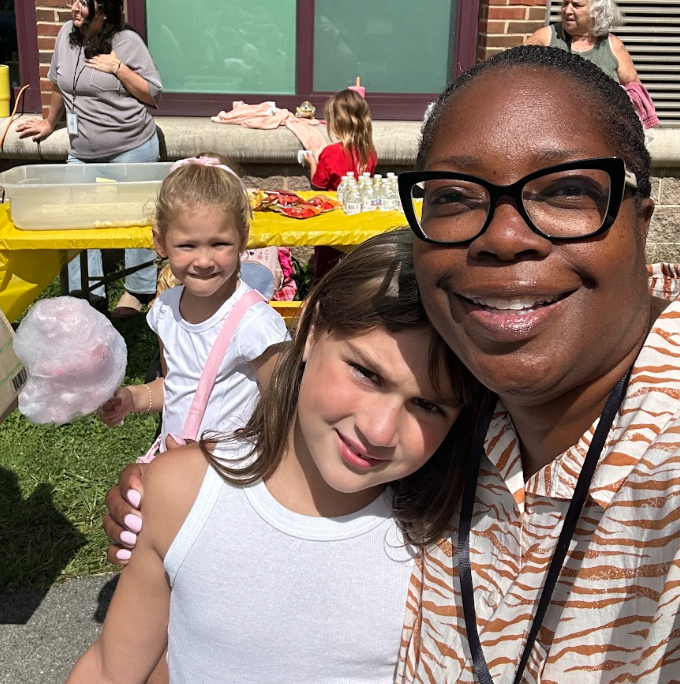
NEW SUPPLIES.... NEW BEGINNINGS. ...NEW SCHOOL YEAR LOADING....
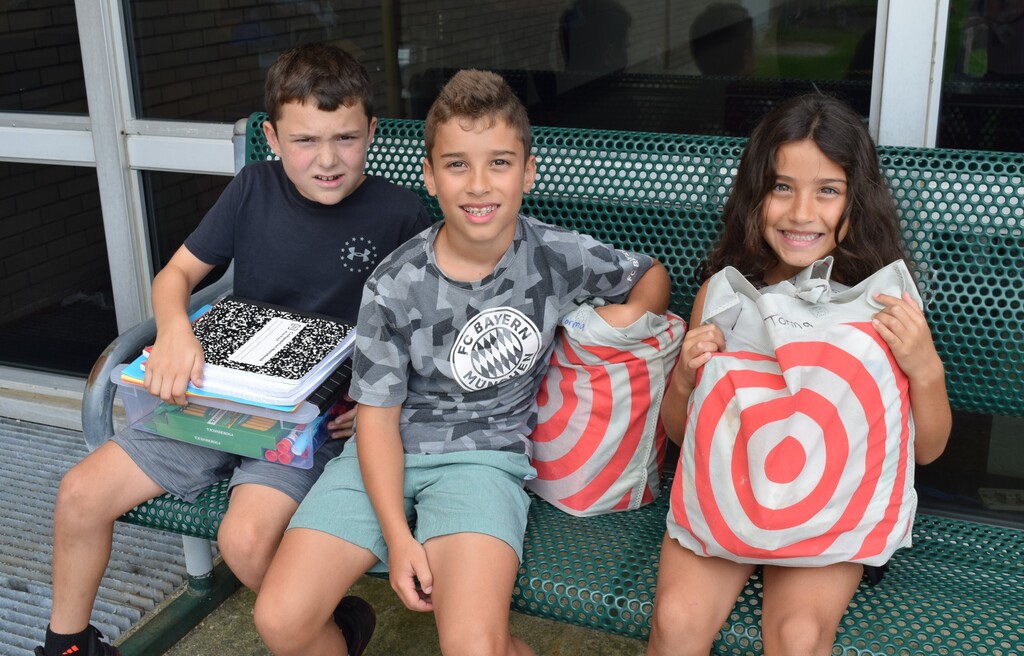
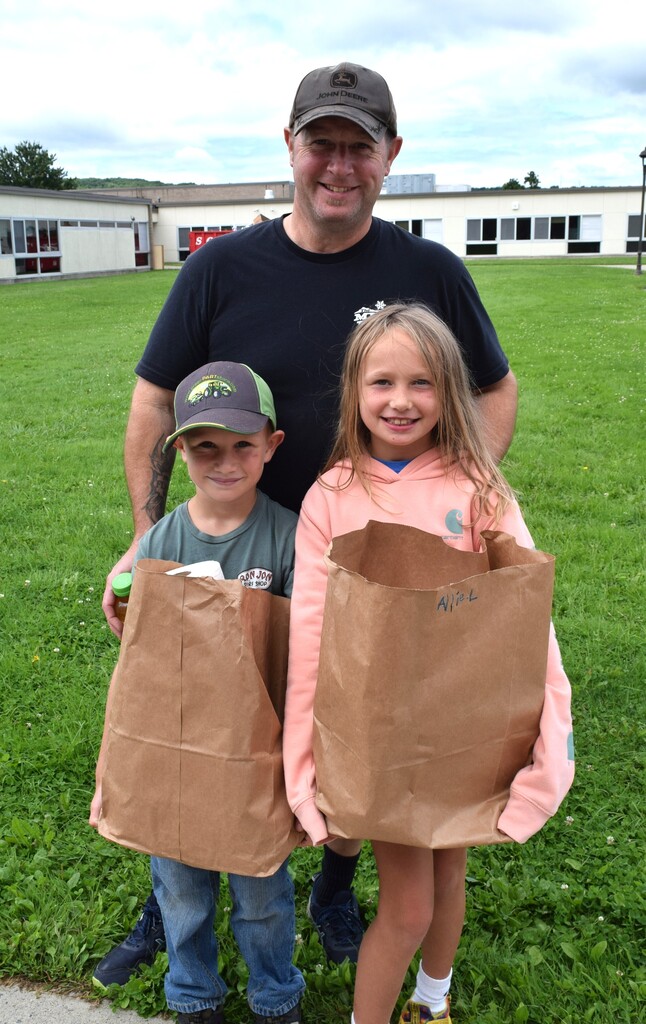
There’s something about bringing those brand-new school supplies into the building that makes the start of a new school year feel REAL.
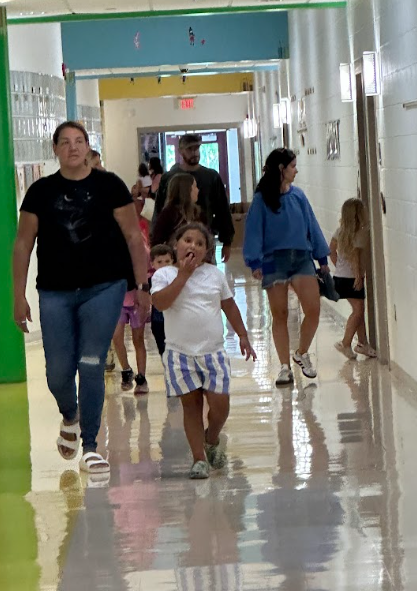
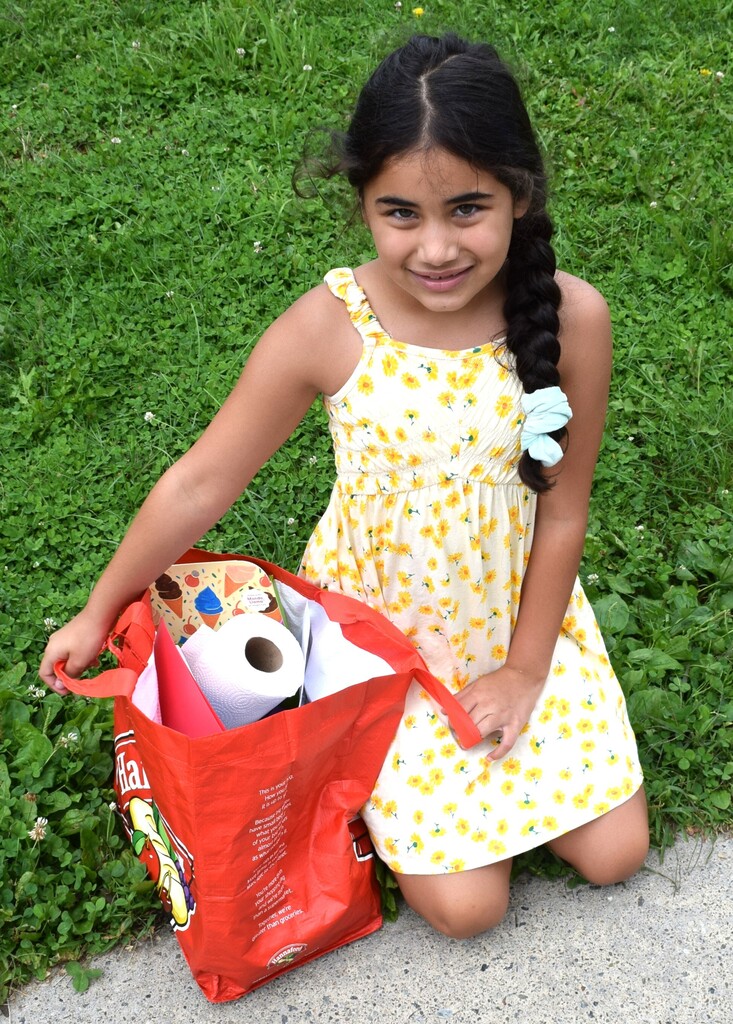
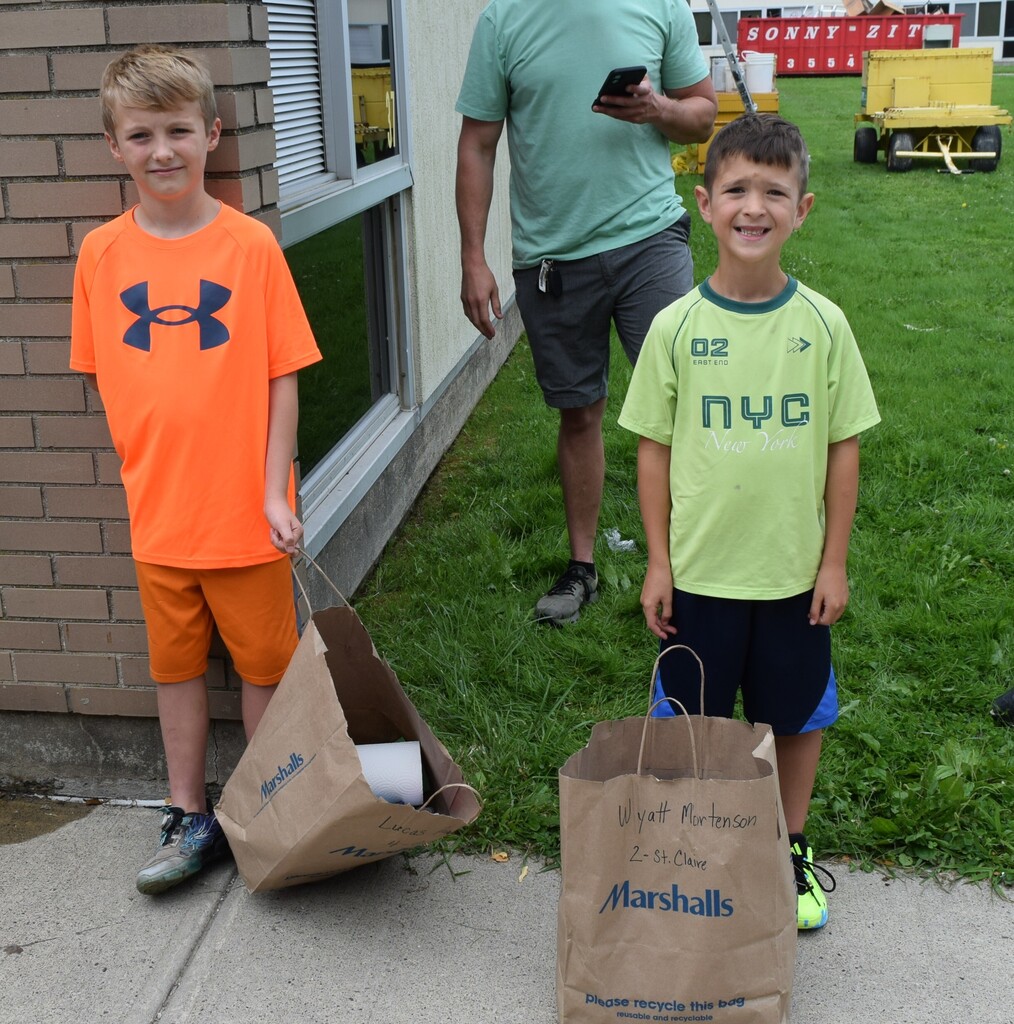
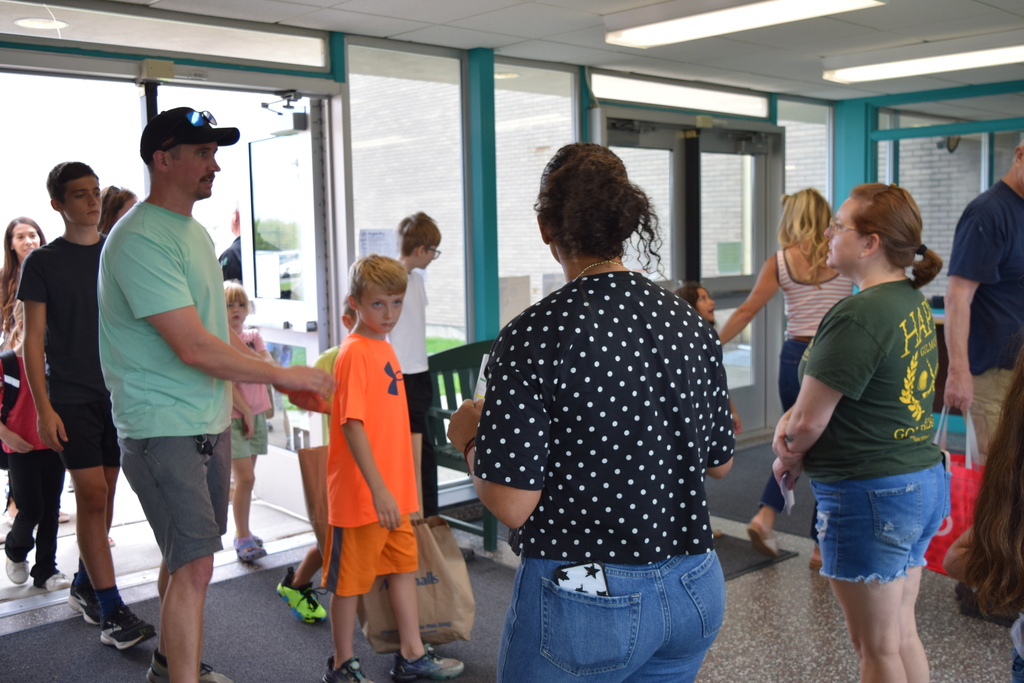
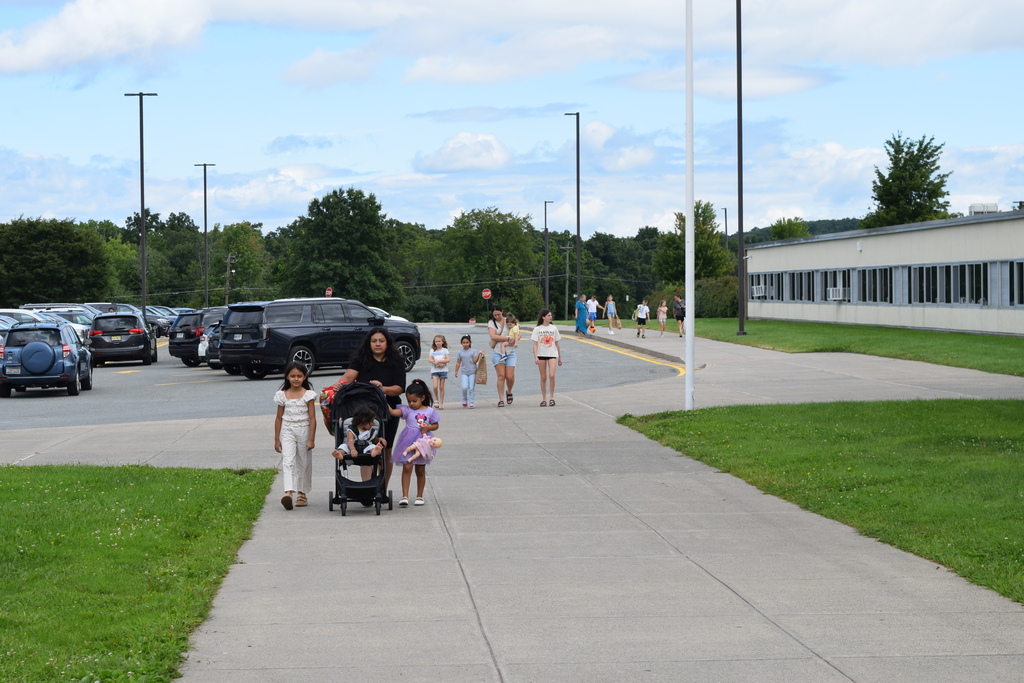
Today, Aug. 25, our Intermediate and Elementary students get their first little glimpse of the year ahead — dropping off their supplies, checking out their classroom, and getting a feel for where they’ll be spending so much time in the months to come.
It may only take a few minutes, but for our students, it’s one of those small moments that builds big excitement for what’s ahead. School opens Sept. 2! See you soon, Intermediate School and Elementary School students!
Otisville kindergarten families:
Join the Otisville PTO for its annual Boo Hoo/Yahoo Breakfast on Wednesday, Sept. 2 at 9:15 a.m . Details are here:

Elementary/Otisville/Intermediate school families:
It’s not too late! Need before or after school childcare? Our longstanding partnership with the Middletown YMCA’s “Club Kid” Program, which is again being offered at Minisink Valley for the 2026-27 school year at our ES/IS and Otisville campuses, could be your solution!
Club Kid provides safe, fun, and supervised care before and after school at Otisville Elementary and the Intermediate/Elementary schools and follows the district’s calendar.
The AM Club Kid program helps children start the day right with activities such as arts and crafts, games, and quiet time for school projects.
In the PM Club Kid program, children have the opportunity to participate in activities, have snacks, homework time, arts and crafts, outside play, gym time and other special events to create a diverse afternoon full of fun.
For registration information and to register online: https://operations.daxko.com/Online/2140/ProgramsV2/Search.mvc
For additional information, contact Krystal Cable at 845-395-1005 or 845-421-3647; or email to: kcable@middletownymca.org
Club Kid is registered and licensed by the New York State Office of Child and Family Services (OCFS).
It’s not too late! Need before or after school childcare? Our longstanding partnership with the Middletown YMCA’s “Club Kid” Program, which is again being offered at Minisink Valley for the 2026-27 school year at our ES/IS and Otisville campuses, could be your solution!
Club Kid provides safe, fun, and supervised care before and after school at Otisville Elementary and the Intermediate/Elementary schools and follows the district’s calendar.
The AM Club Kid program helps children start the day right with activities such as arts and crafts, games, and quiet time for school projects.
In the PM Club Kid program, children have the opportunity to participate in activities, have snacks, homework time, arts and crafts, outside play, gym time and other special events to create a diverse afternoon full of fun.
For registration information and to register online: https://operations.daxko.com/Online/2140/ProgramsV2/Search.mvc
For additional information, contact Krystal Cable at 845-395-1005 or 845-421-3647; or email to: kcable@middletownymca.org
Club Kid is registered and licensed by the New York State Office of Child and Family Services (OCFS).

Minisink Valley families:
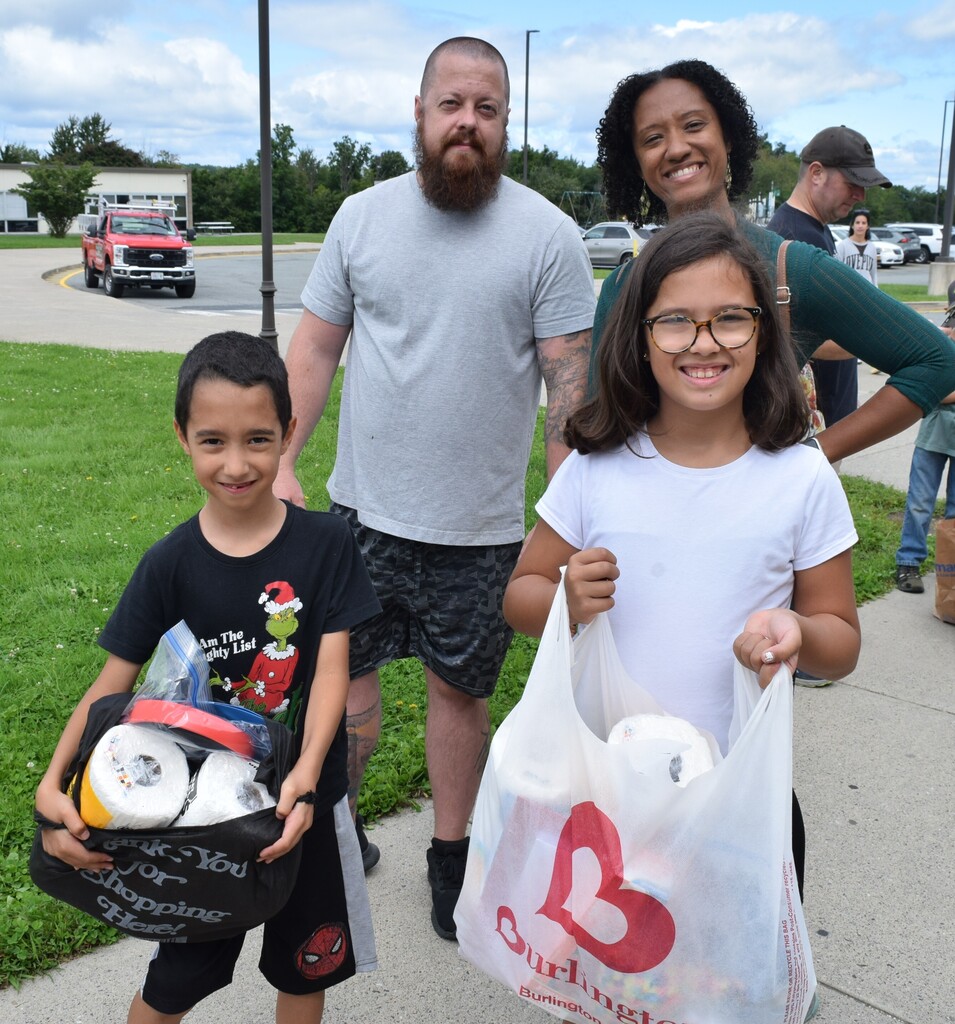
The distribution of supplies collected via the High School's Future Business Leaders of America (FBLA) Club's annual school supply collection drive during these past weeks will take place in front of the Middle School on Thursday, Aug. 20 and Friday, Aug. 21 from 11 a.m. to 3 p.m. each day.
This location change is due to work being finalized at the high school.
Families who are in need of school supplies are invited to stop by during these dates and times.
Thank you to everyone who donated to this effort and to the FBLA for organizing this collection drive and distributing supplies on these days.
The distribution of supplies collected via the High School's Future Business Leaders of America (FBLA) Club's annual school supply collection drive during these past weeks will take place in front of the Middle School on Thursday, Aug. 20 and Friday, Aug. 21 from 11 a.m. to 3 p.m. each day.
This location change is due to work being finalized at the high school.
Families who are in need of school supplies are invited to stop by during these dates and times.
Thank you to everyone who donated to this effort and to the FBLA for organizing this collection drive and distributing supplies on these days.

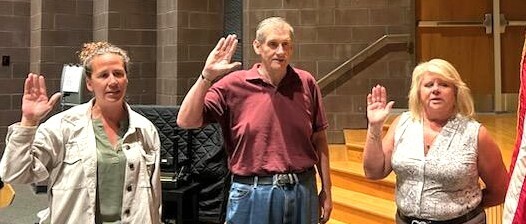
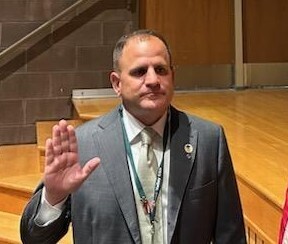
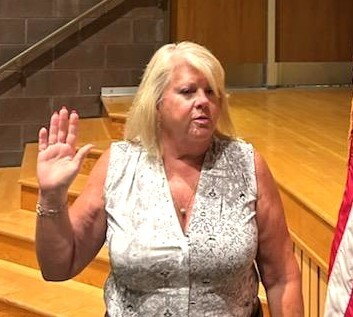
Last week’s Board of Education Reorganization Meeting included the swearing-in of three board members who were re-elected by the community this past May. Please join us in congratulating Patricia Reynolds, Shawn Cahill and Ruth Luis as they begin new terms of service.
During the meeting, Board member Anthony Monaco was elected and sworn-in as President of the Board of Education, and Ms. Luis was elected and sworn-in as Vice President.
The Board of Education plays a vital role in shaping the future of the school district. Working on behalf of the community, board members establish district policies, adopt budgets, set long-term goals and make decisions that support student achievement, educational programs and responsible stewardship of district resources. Their leadership helps ensure the district remains focused on providing high-quality educational opportunities for all students.
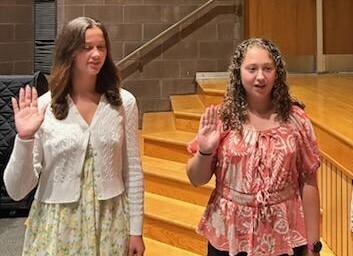
Also sworn in were Senior Madilyn Greenberg and recently selected junior Morgan Varian as the Board of Education’s student ex-officio members. Their participation provides valuable student perspective as the Board considers issues affecting the school community.
With gratitude and appreciation, we thank all of our Board of Education members for their continued commitment to serving the district, its students, faculty, staff, administration and the greater Minisink Valley community.
During the meeting, Board member Anthony Monaco was elected and sworn-in as President of the Board of Education, and Ms. Luis was elected and sworn-in as Vice President.
The Board of Education plays a vital role in shaping the future of the school district. Working on behalf of the community, board members establish district policies, adopt budgets, set long-term goals and make decisions that support student achievement, educational programs and responsible stewardship of district resources. Their leadership helps ensure the district remains focused on providing high-quality educational opportunities for all students.
Also sworn in were Senior Madilyn Greenberg and recently selected junior Morgan Varian as the Board of Education’s student ex-officio members. Their participation provides valuable student perspective as the Board considers issues affecting the school community.
With gratitude and appreciation, we thank all of our Board of Education members for their continued commitment to serving the district, its students, faculty, staff, administration and the greater Minisink Valley community.