
May 13, 2026

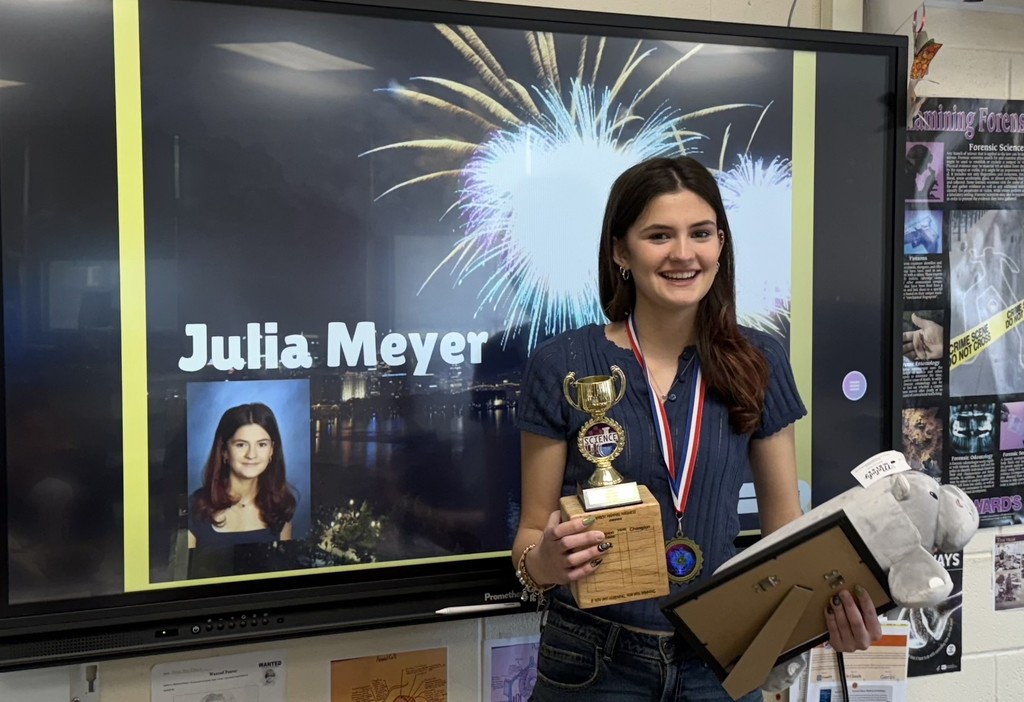
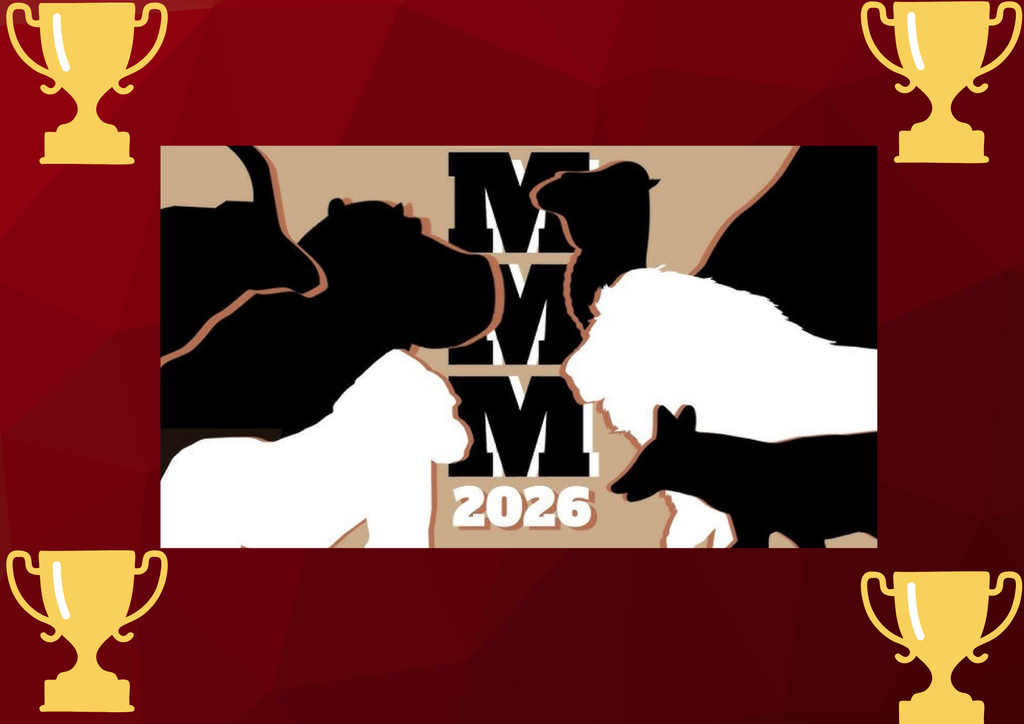
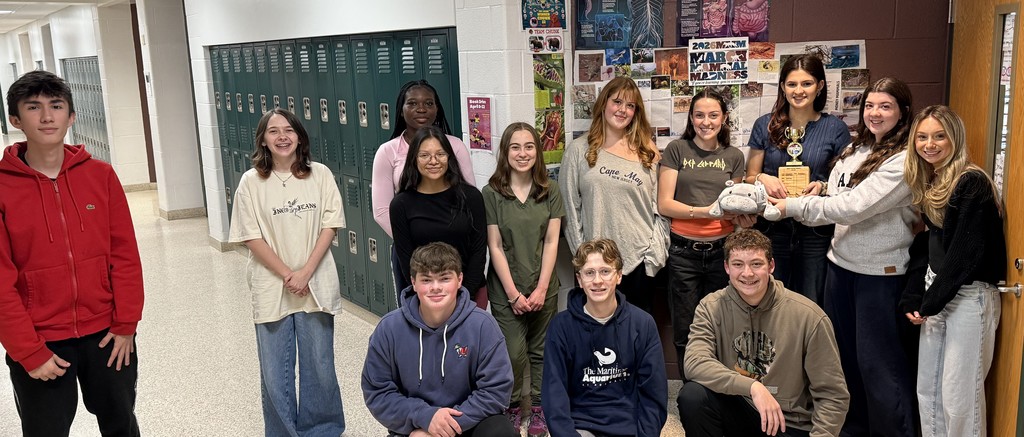
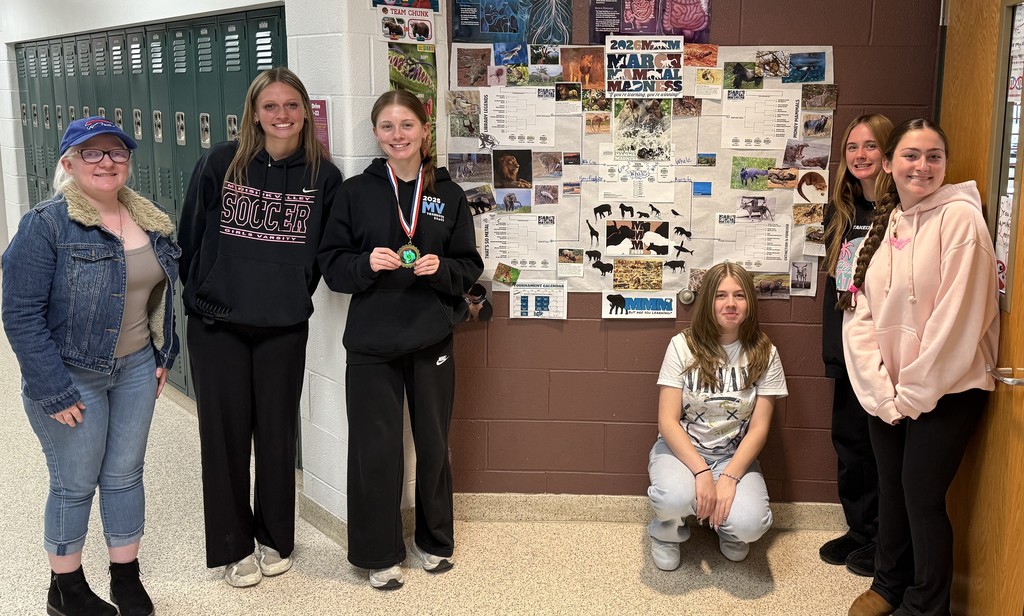
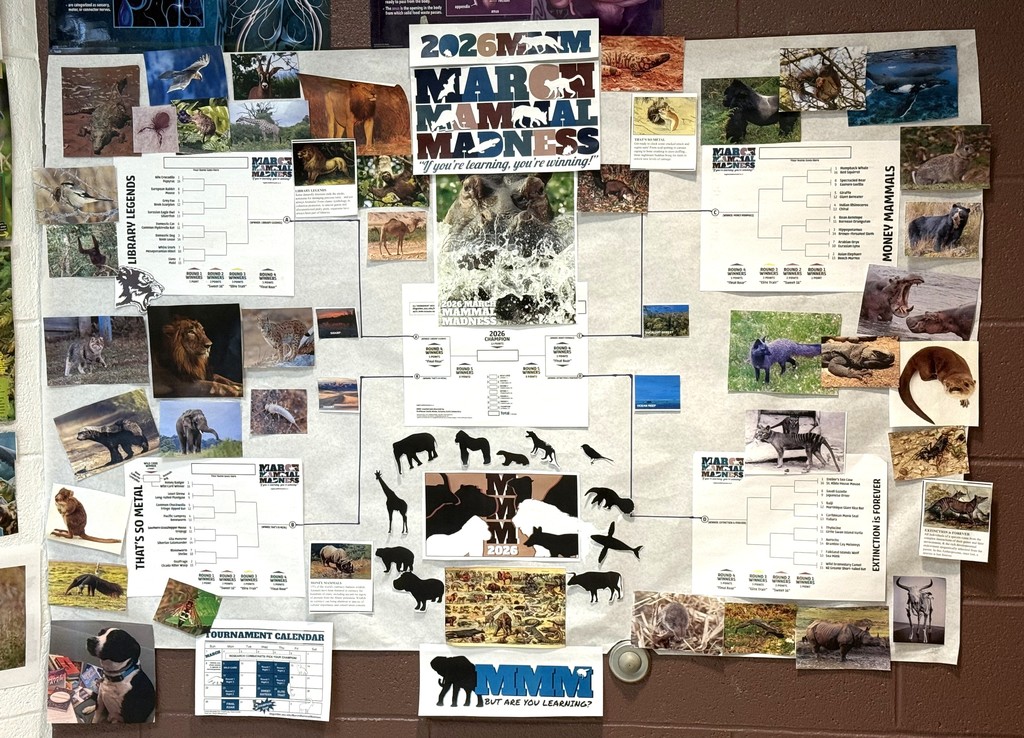
Brendan McGann’s College Biology students again participated in Arizona State University’s recent March Mammal Madness (MMM) an annual science tournament inspired by NCAA March Madness! Kudos to Julia Meyer, the class’s champion!
Created in 2013 by scientist Katie Hinde, the competition pits animals against each other in hypothetical battles judged using real ecological and evolutionary science. Participants fill out brackets predicting winners, while scientists determine outcomes based on factors like anatomy, behavior, habitat, and predator-prey dynamics.
Although it began as a classroom activity, MMM has grown into a major educational event used by teachers, libraries, and museums worldwide. The tournament includes not only mammals but also birds, reptiles, insects, extinct species and occasionally mythical creatures! Matchups are presented in dramatic sports-commentary style, blending humor and storytelling with scientific research and evidence.
Here’s how it works:
• A tournament bracket is released each February or March.
• Players fill out predictions just like a basketball bracket.
• Matchups are narrated live in dramatic play-by-play style on social media and ASU platforms.
• Scientific citations and ecological evidence determine the likely winner.
• Chance and environmental context matter too — terrain, weather, disease, social behavior, and even luck can change outcomes.
One year might feature:
• elephants vs. rhinos
• extinct animals vs. modern species
• deep-sea predators
• mythological creatures
• social insect colonies
• or bizarre “why not?” matchups.
The event is especially famous for its storytelling. The battle writeups read like sports commentary crossed with nature documentaries. Scientists and artists collaborate to produce original artwork, educational resources, habitat maps, and species profiles.
The event is designed to make science engaging and accessible. Educators use it to teach evolution, ecosystems, biodiversity, probability, and critical thinking, while students experience science through competition and storytelling!
(BTW, the 2026 Arizona State University March Mammal Madness champion was the Humpback Whale. It defeated the Nile Crocodile in the championship “Final Roar.”)
Created in 2013 by scientist Katie Hinde, the competition pits animals against each other in hypothetical battles judged using real ecological and evolutionary science. Participants fill out brackets predicting winners, while scientists determine outcomes based on factors like anatomy, behavior, habitat, and predator-prey dynamics.
Although it began as a classroom activity, MMM has grown into a major educational event used by teachers, libraries, and museums worldwide. The tournament includes not only mammals but also birds, reptiles, insects, extinct species and occasionally mythical creatures! Matchups are presented in dramatic sports-commentary style, blending humor and storytelling with scientific research and evidence.
Here’s how it works:
• A tournament bracket is released each February or March.
• Players fill out predictions just like a basketball bracket.
• Matchups are narrated live in dramatic play-by-play style on social media and ASU platforms.
• Scientific citations and ecological evidence determine the likely winner.
• Chance and environmental context matter too — terrain, weather, disease, social behavior, and even luck can change outcomes.
One year might feature:
• elephants vs. rhinos
• extinct animals vs. modern species
• deep-sea predators
• mythological creatures
• social insect colonies
• or bizarre “why not?” matchups.
The event is especially famous for its storytelling. The battle writeups read like sports commentary crossed with nature documentaries. Scientists and artists collaborate to produce original artwork, educational resources, habitat maps, and species profiles.
The event is designed to make science engaging and accessible. Educators use it to teach evolution, ecosystems, biodiversity, probability, and critical thinking, while students experience science through competition and storytelling!
(BTW, the 2026 Arizona State University March Mammal Madness champion was the Humpback Whale. It defeated the Nile Crocodile in the championship “Final Roar.”)