
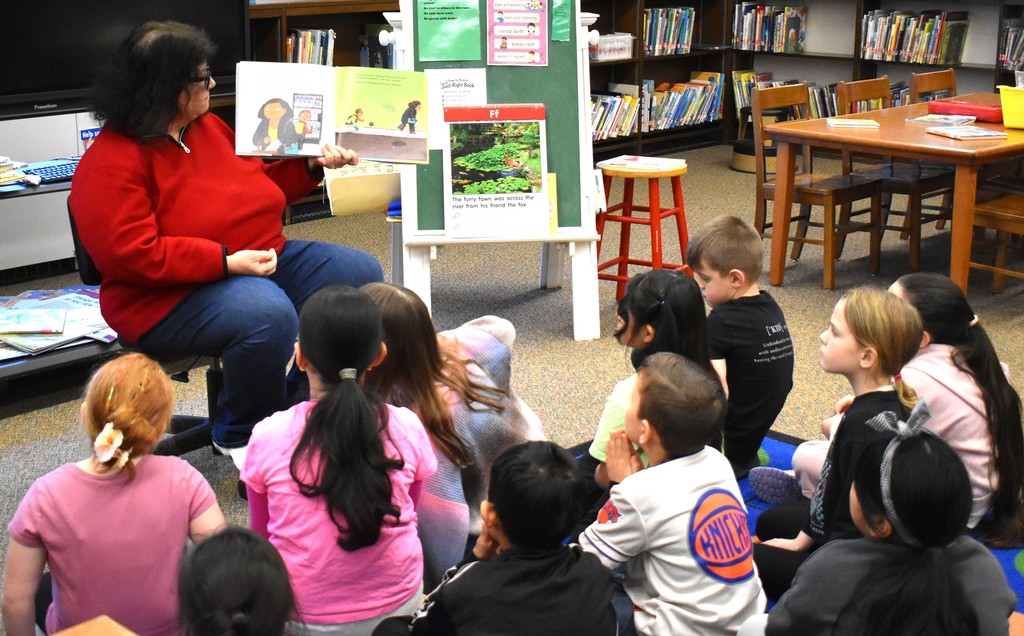
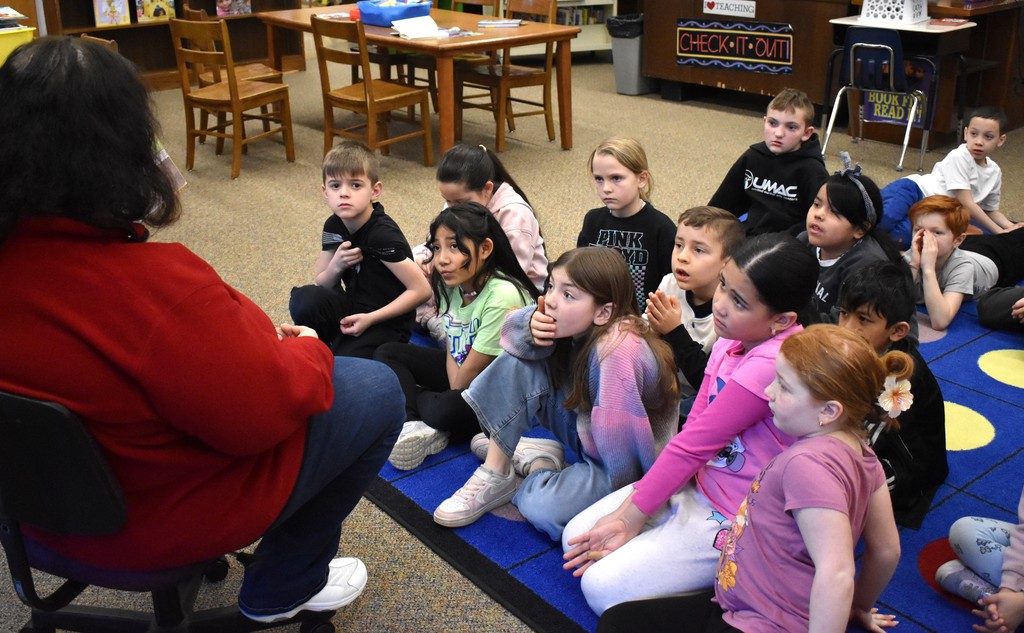
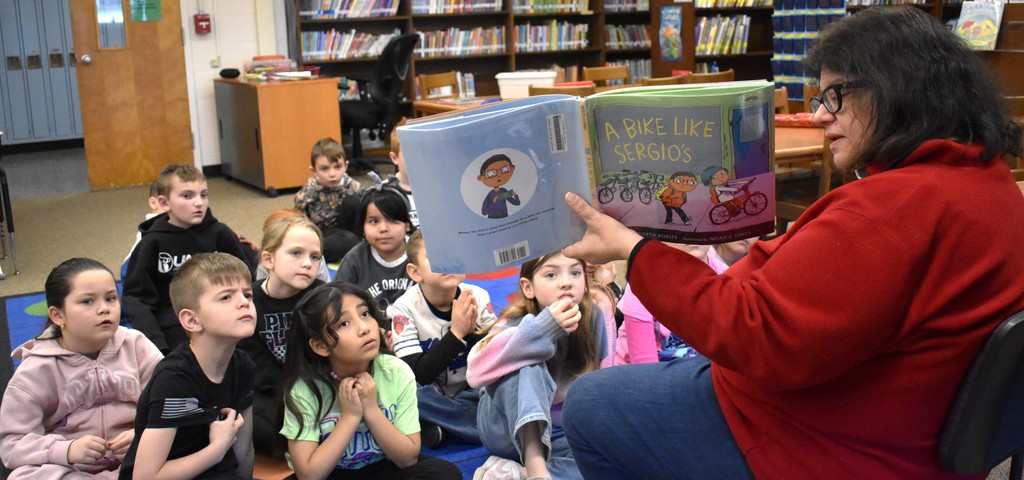
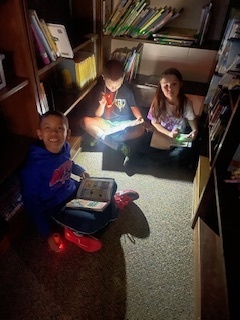
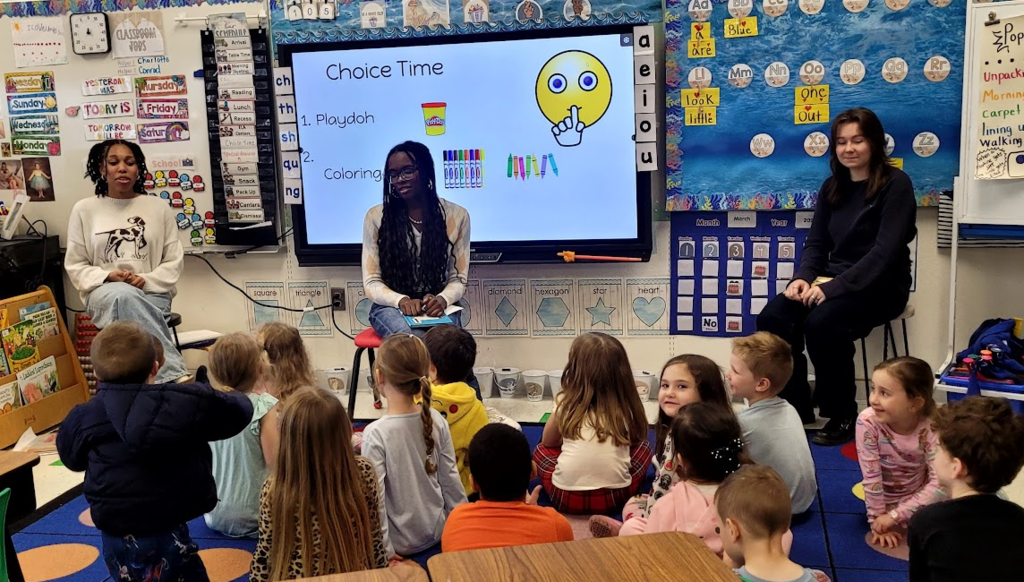
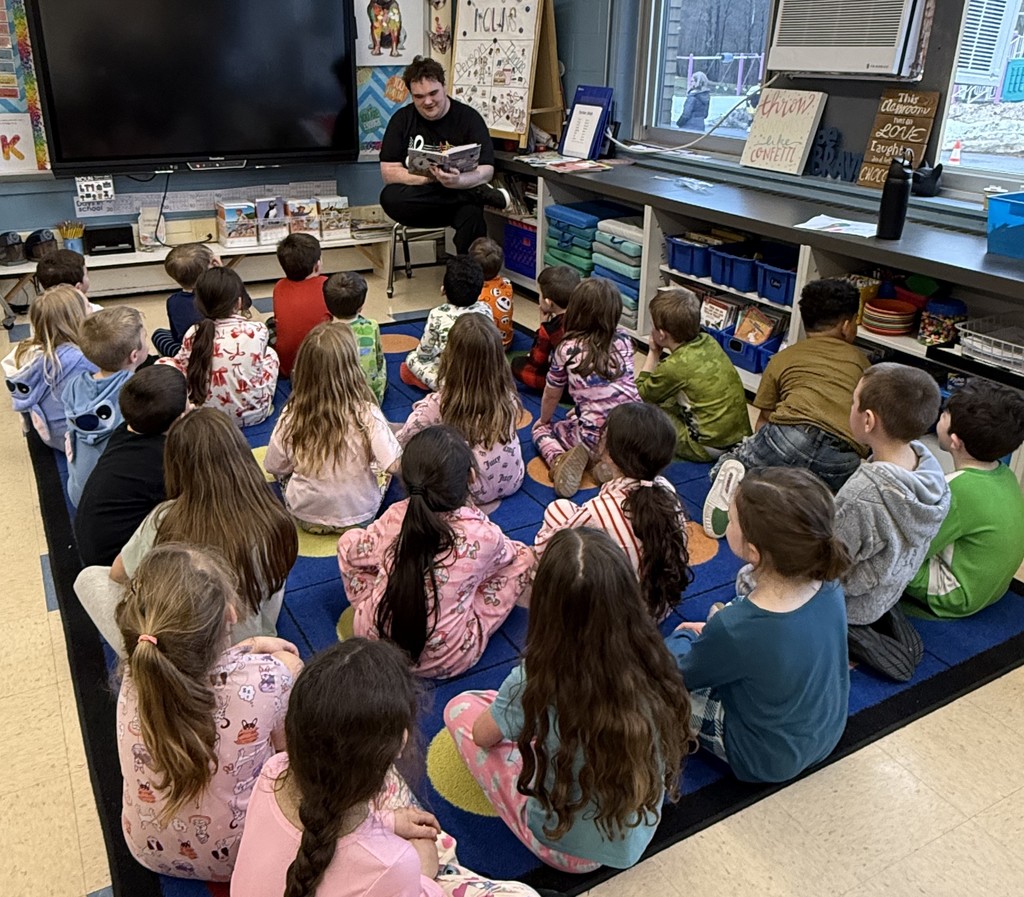
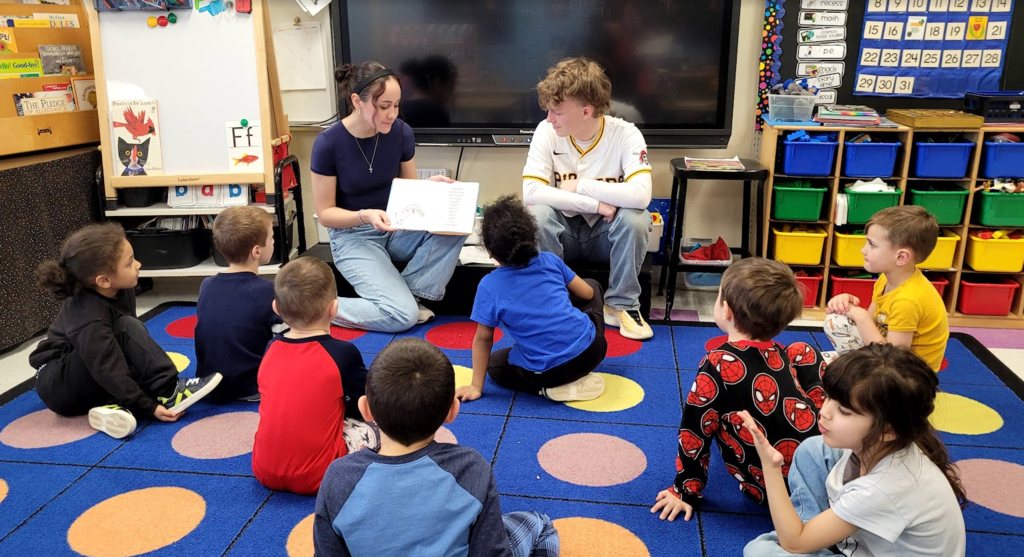
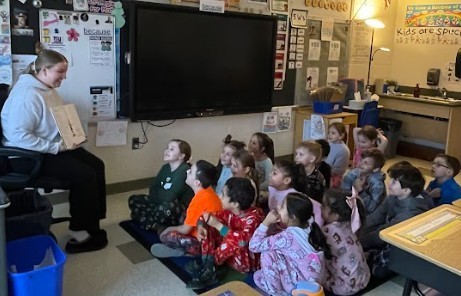
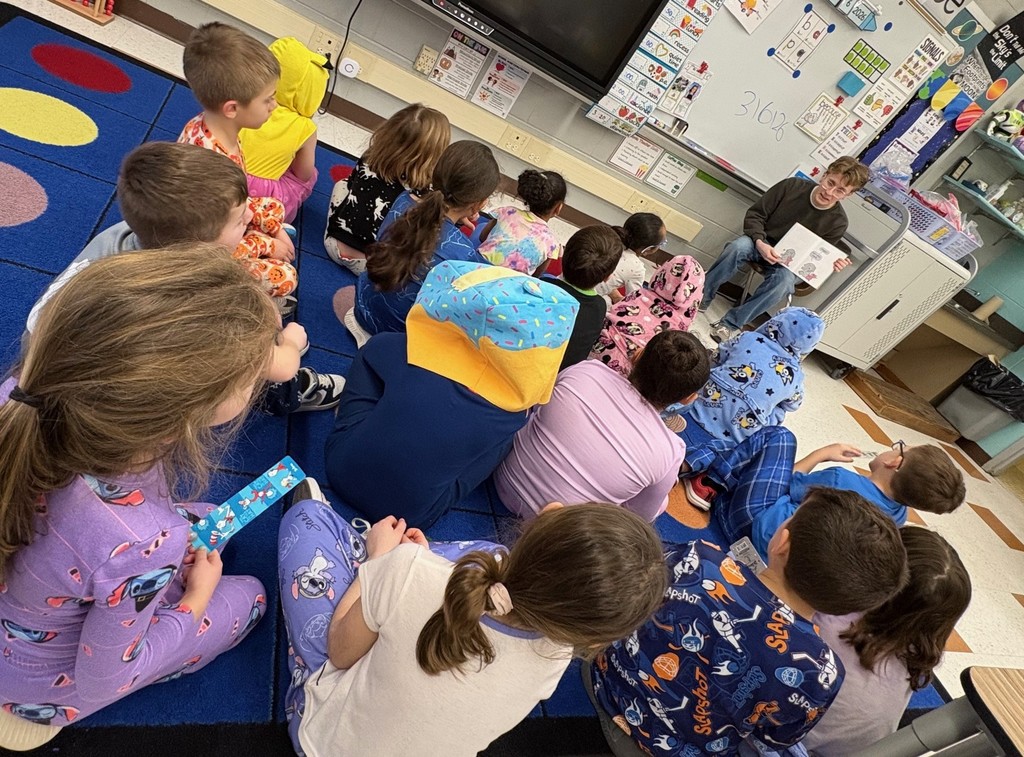
Take a peek at Mia McLean’s ES library students as she reads to them Maribeth Boelts’ “A Bike Like Sergio’s.” It’s the story of a boy named Ruben who longs for a new bike like his friend Sergio's but can't afford one. When he finds a lost $100 bill, he faces a moral dilemma: Keep the money for the bike or return it, ultimately learning that doing the right thing and valuing family and friends is more important than material possessions.
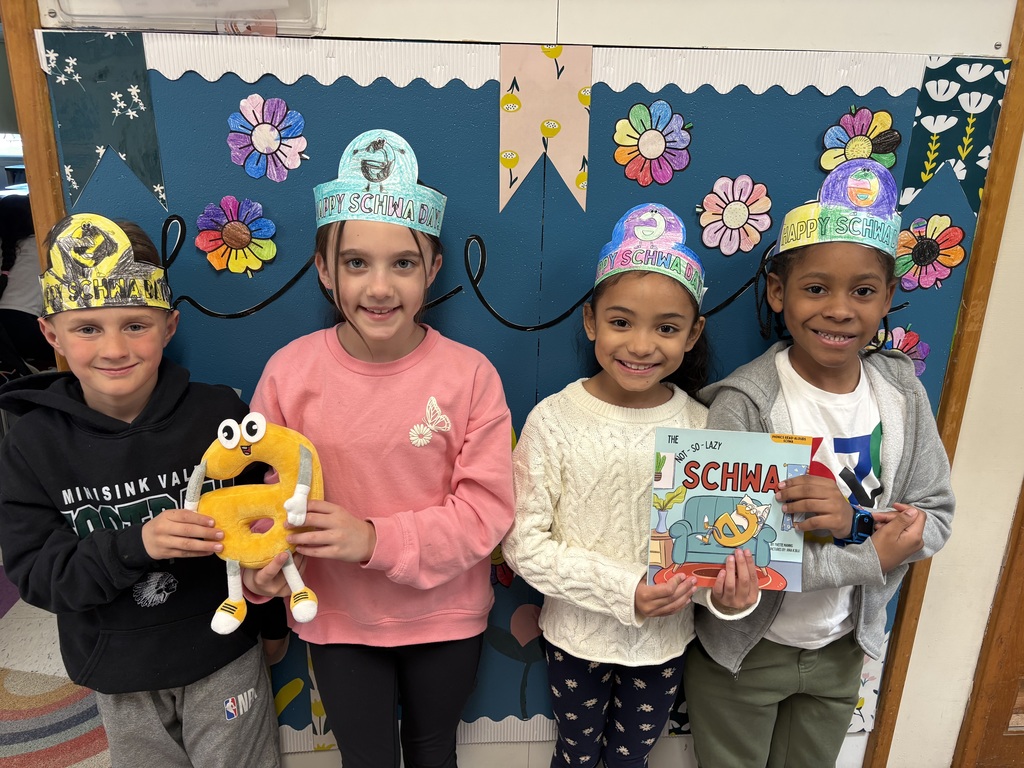
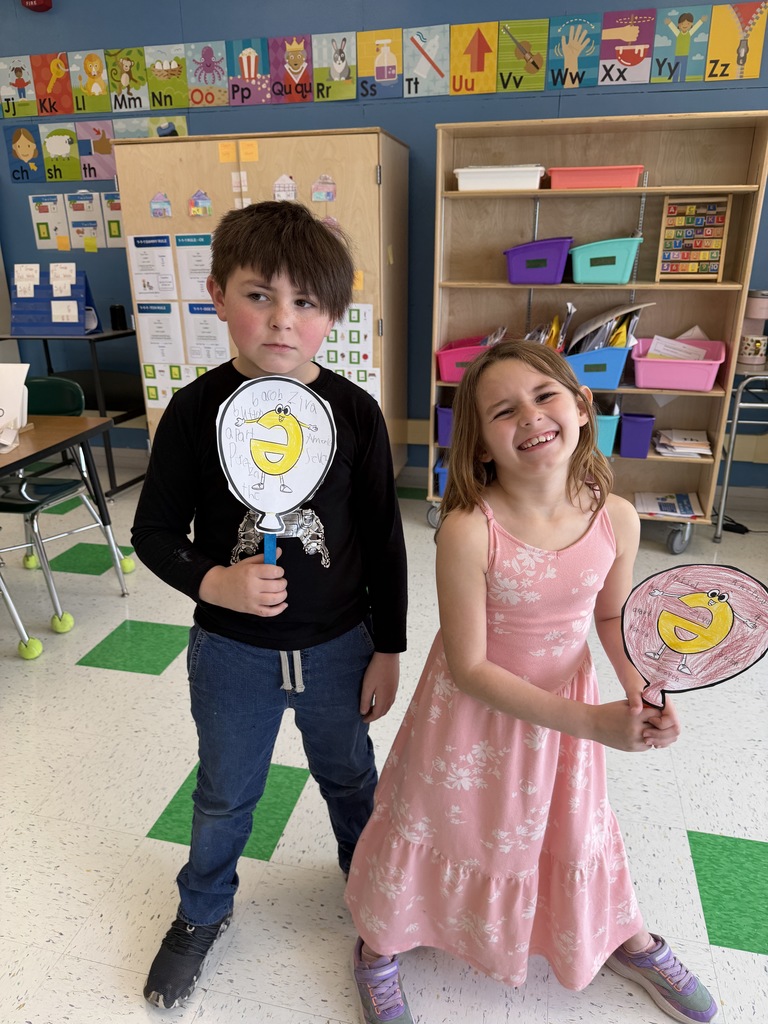
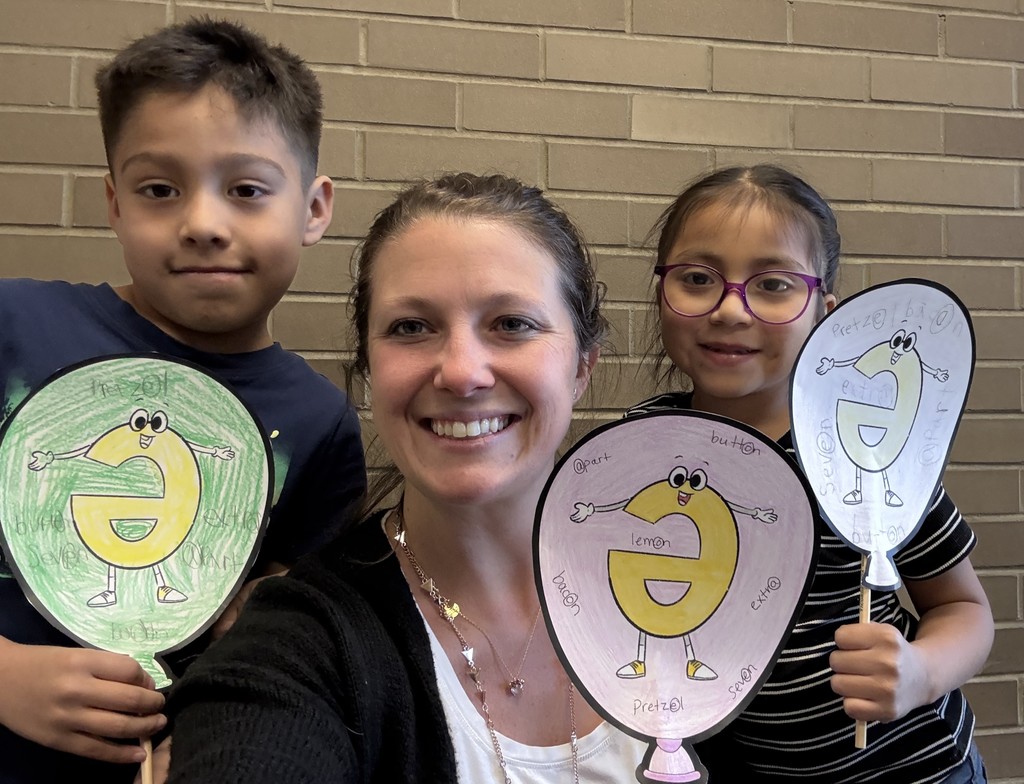
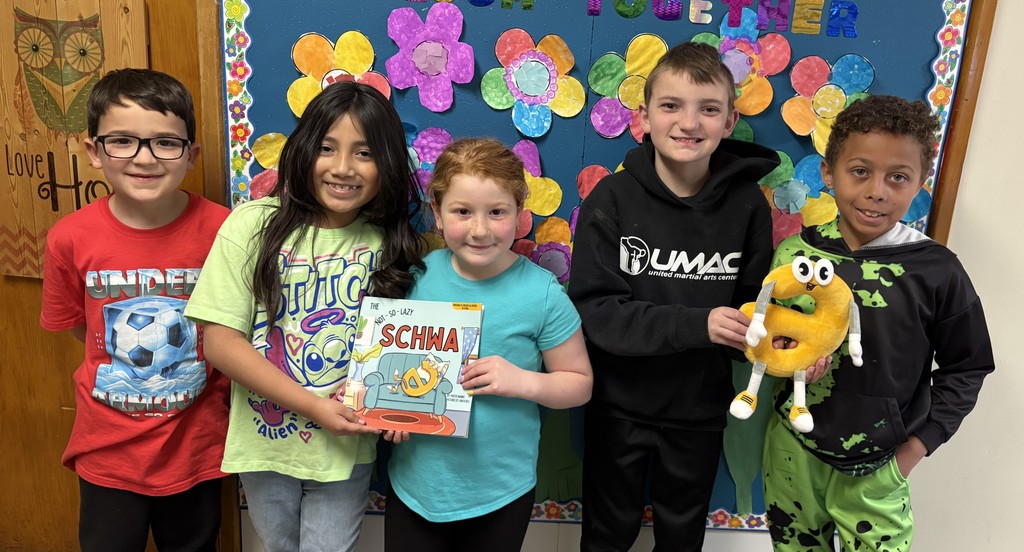
The schwa (ə) may be the quietest vowel in the English language, but it’s also the most common — a soft little superstar hiding in unstressed syllables of words like “about,” “sofa” and “banana.”
Even though it rarely takes center stage, the schwa helps our words glide smoothly and naturally. That’s why this unofficial holiday gives students, teachers and word-loving humans everywhere a chance to cheer on the sound that does so much…while asking for so little.
Whether you’re a budding linguist or just someone who appreciates a quirky language celebration, National Schwa Day is the perfect reminder that even the quietest sounds deserve a big round of applause.
DID YOU KNOW
Understanding the schwa is important for young readers because it helps them make sense of the many English words that don’t sound the way their spelling suggests. Since the schwa appears in thousands of unstressed syllables, recognizing it strengthens decoding skills, improves spelling, and leads to smoother, more natural reading fluency. It also helps young students notice patterns in prefixes, suffixes and word structure, giving them stronger morphological awareness. Most importantly, understanding the schwa reduces frustration and builds confidence by showing readers that these “mystery vowels” actually follow predictable patterns.
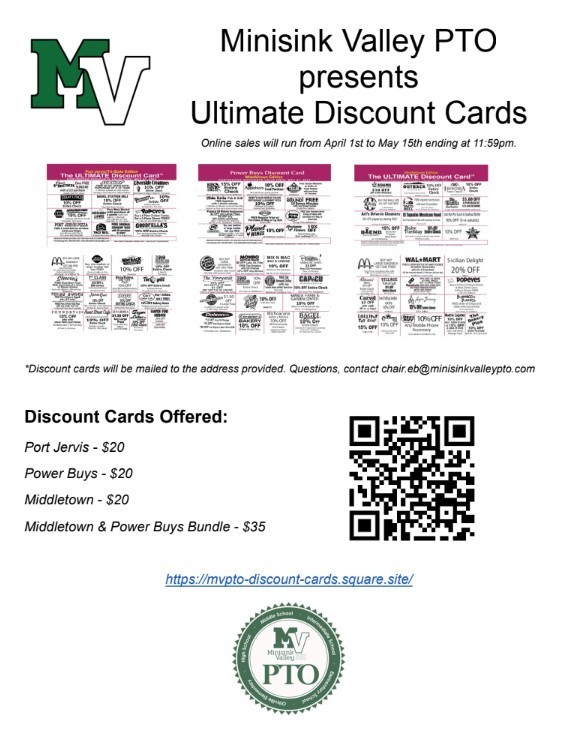
It's ULTIMATE DISCOUNT CARD time!
Support the great work of the Minisink Valley PTO by purchasing a card....or two! Order by May 15 by scanning the QR code!
Or: click here: https://mvpto-discount-cards.square.site/
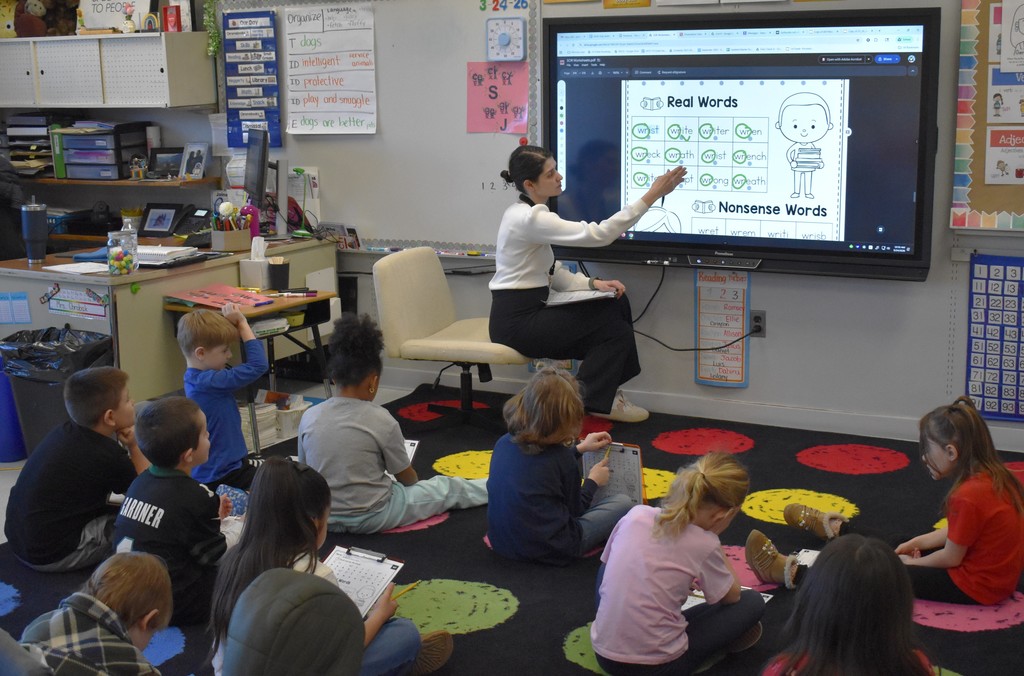
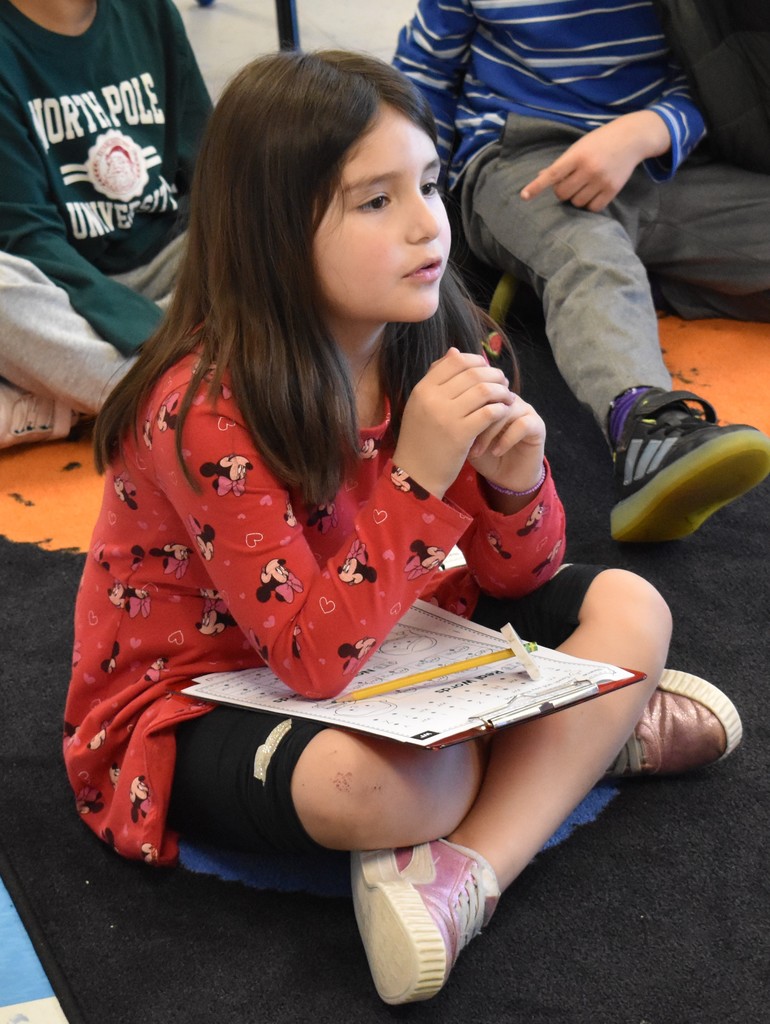
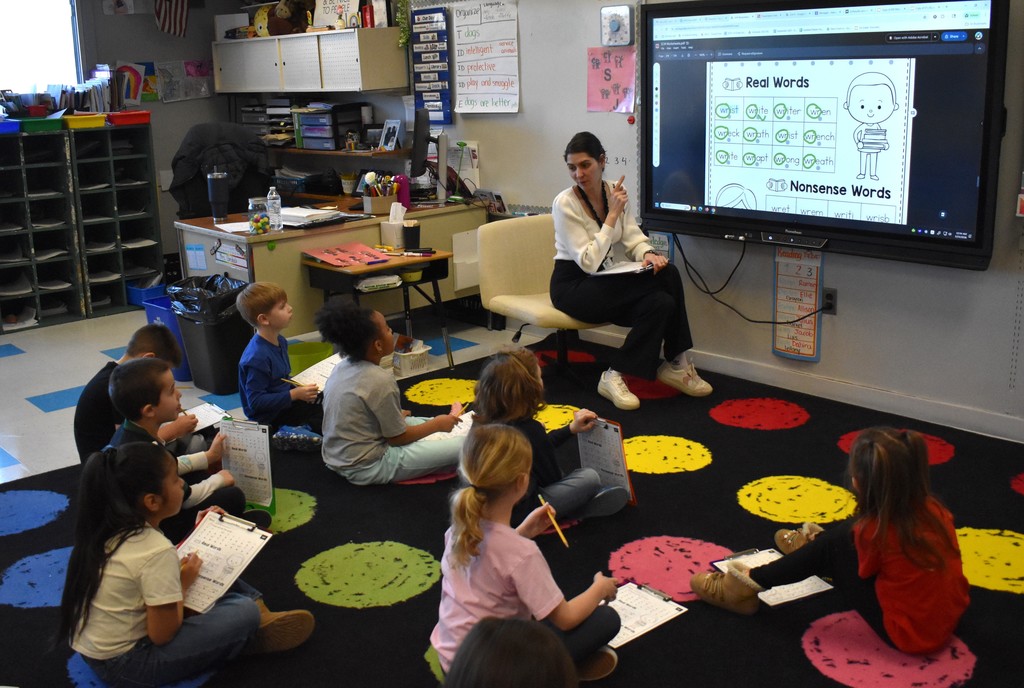
English has many silent letters because its spelling reflects its history. Words were borrowed from other languages, pronunciations changed over time, and spelling rules were standardized long before speech fully caught up. Silent letters often show a word’s origin, meaning, or relationship to other words.
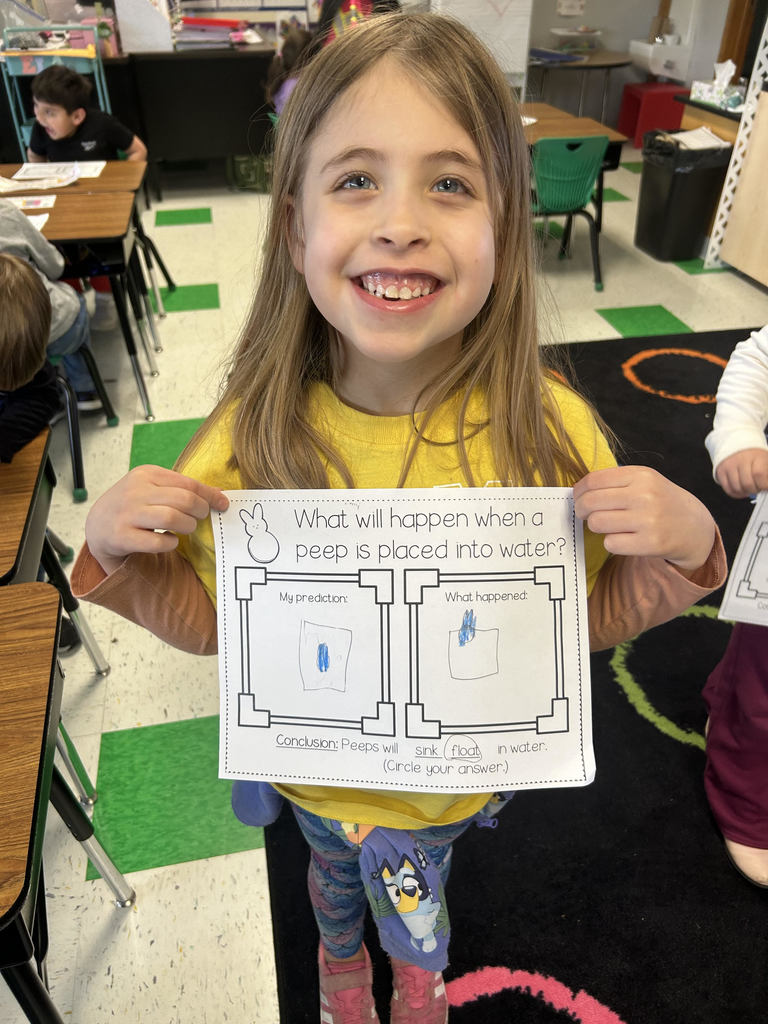
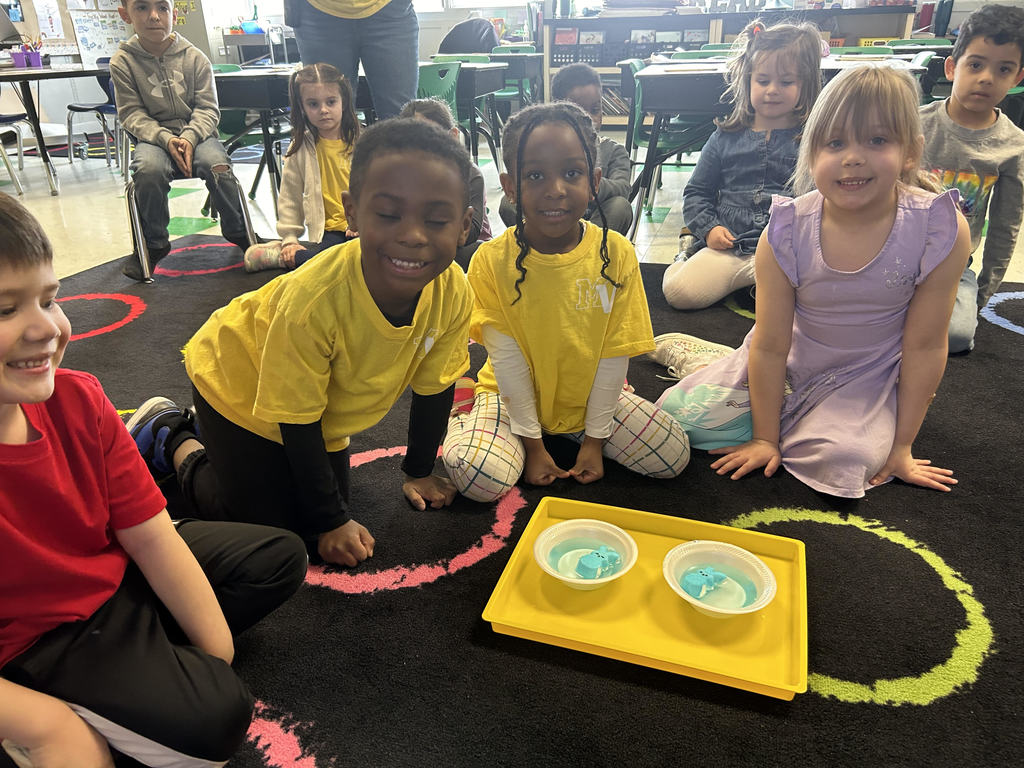
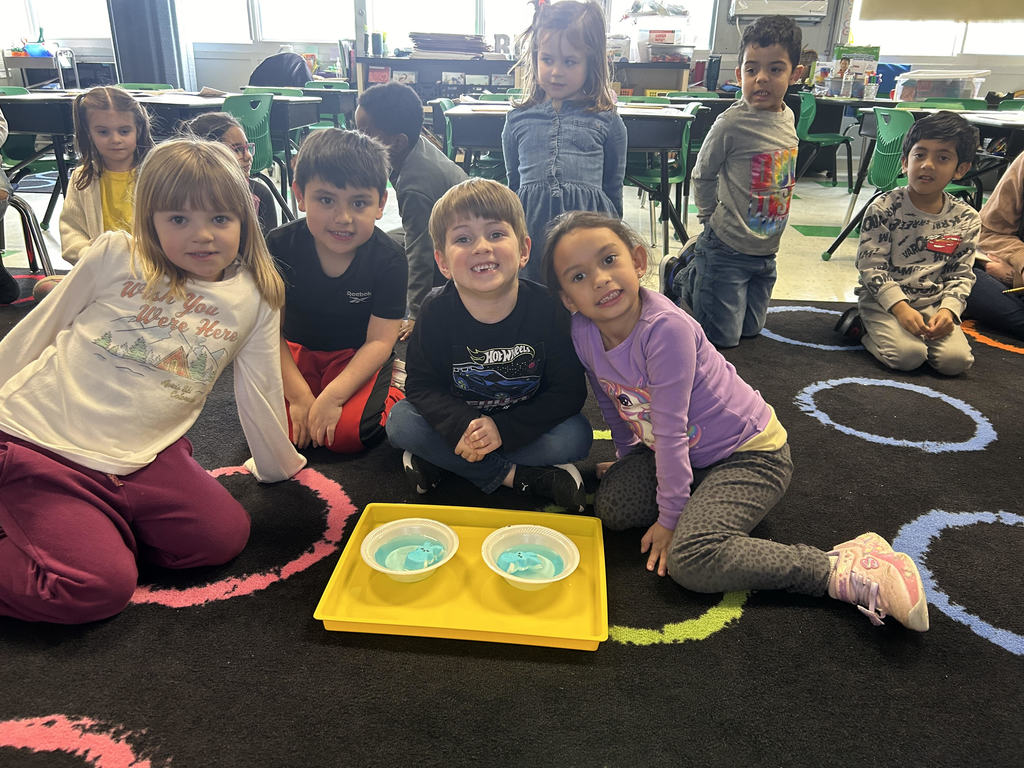
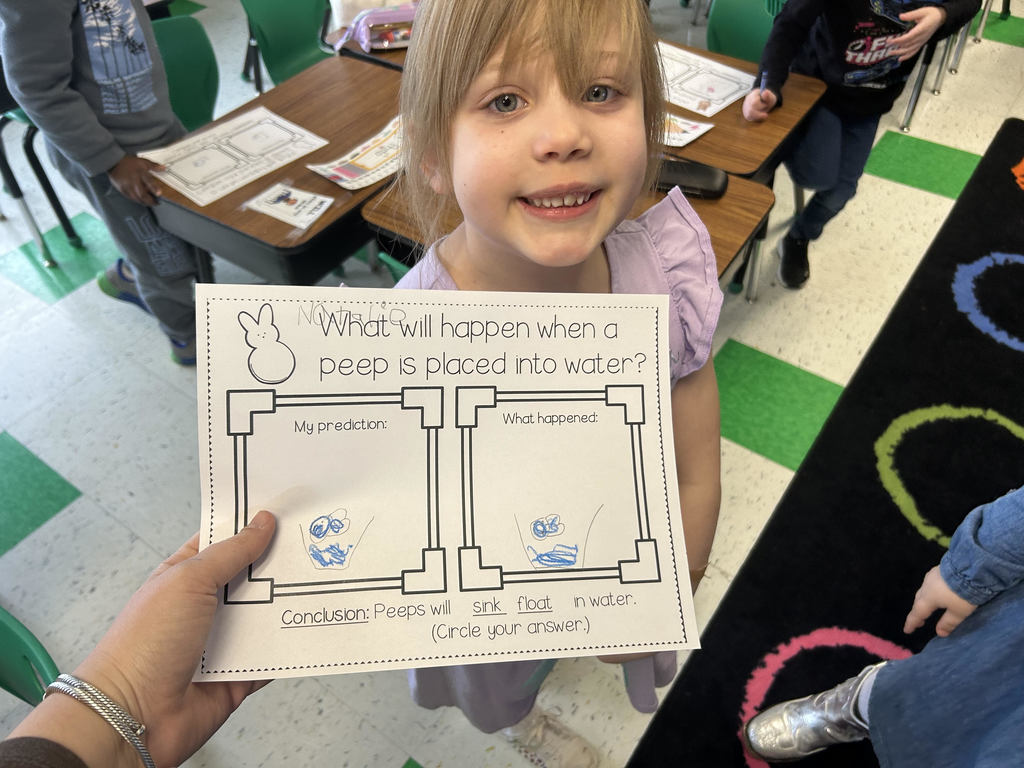
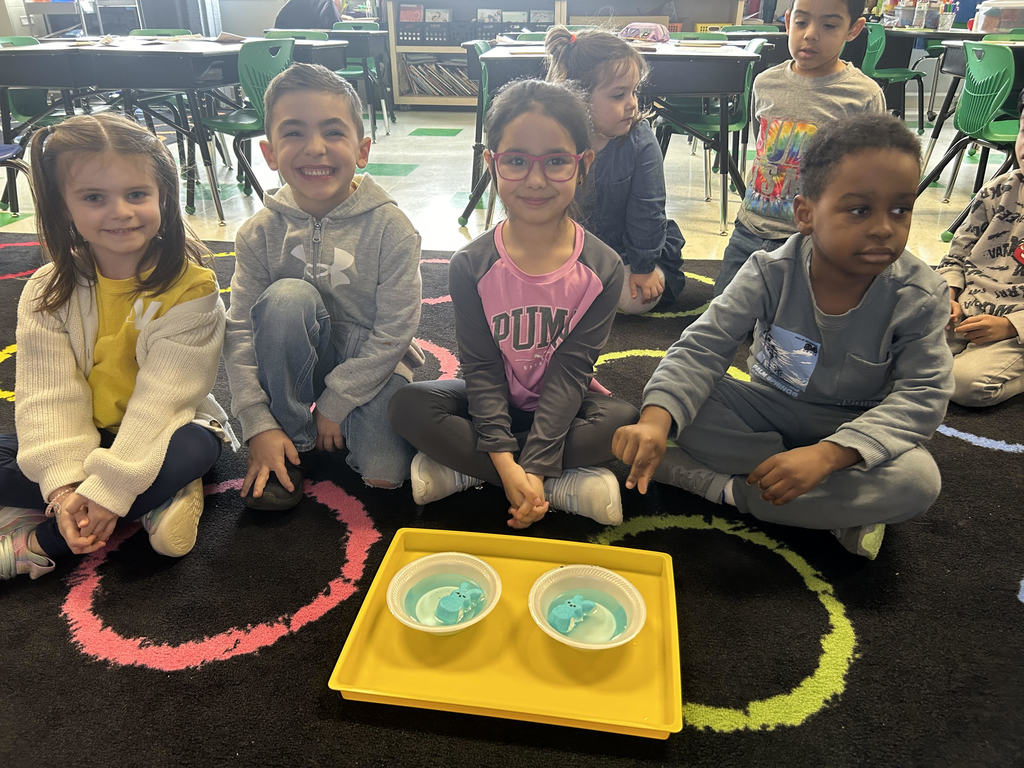
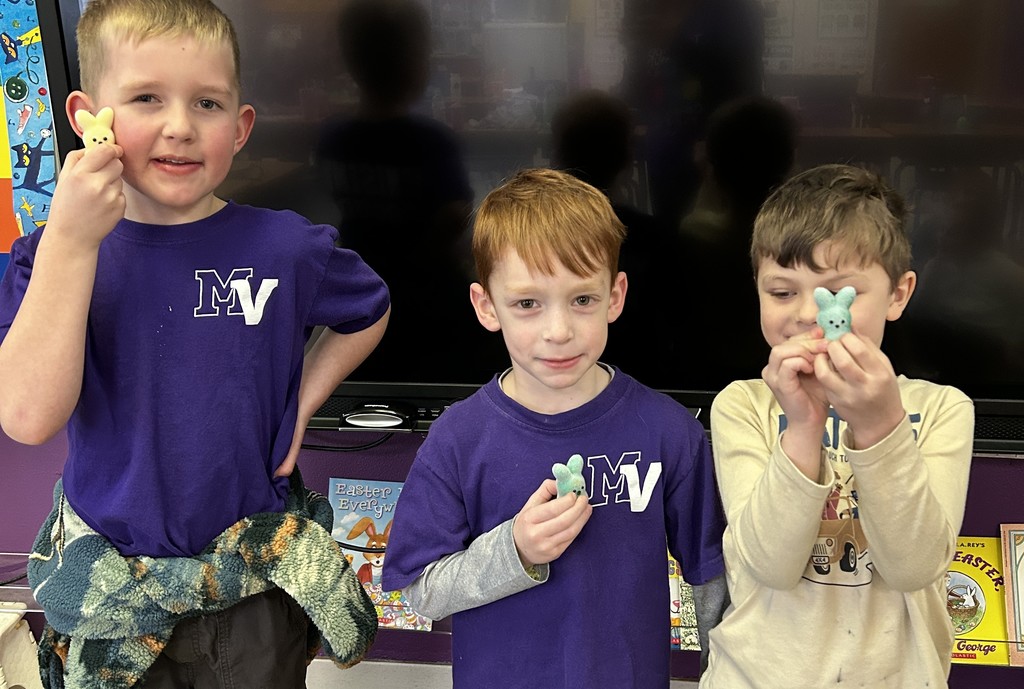
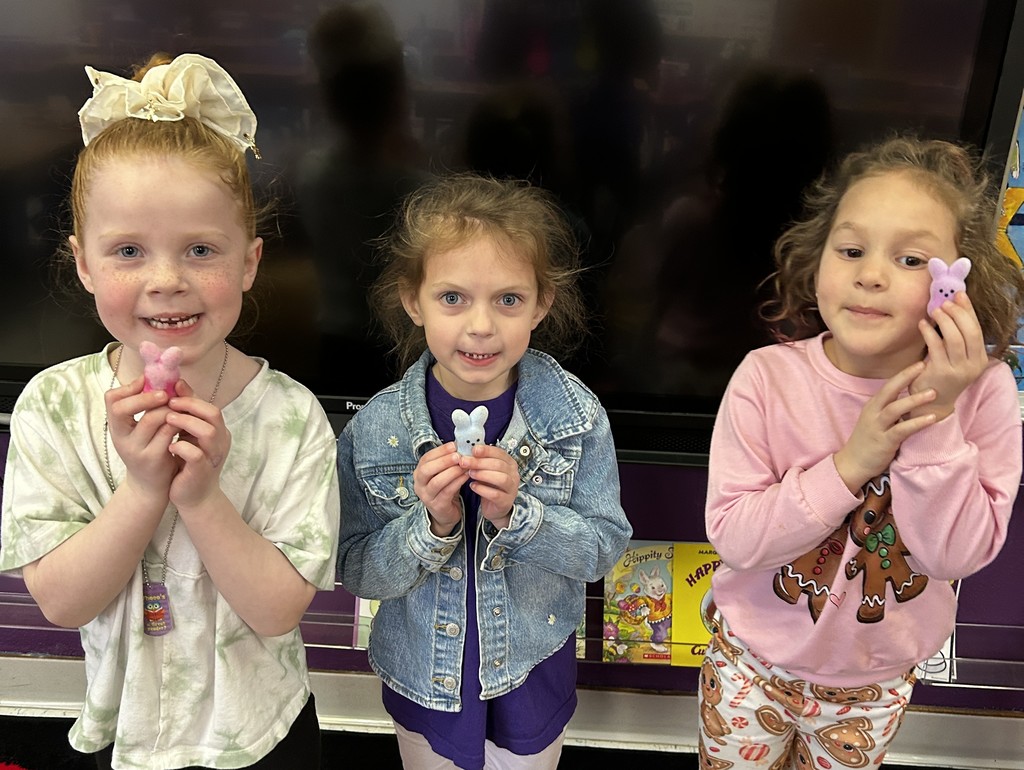
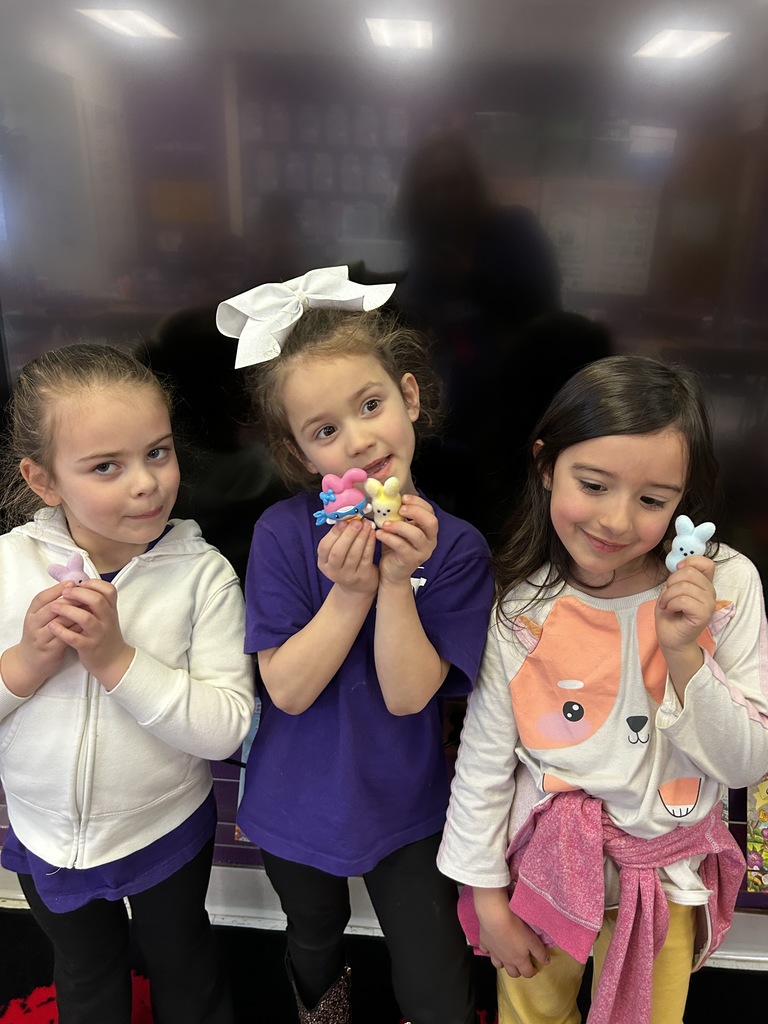
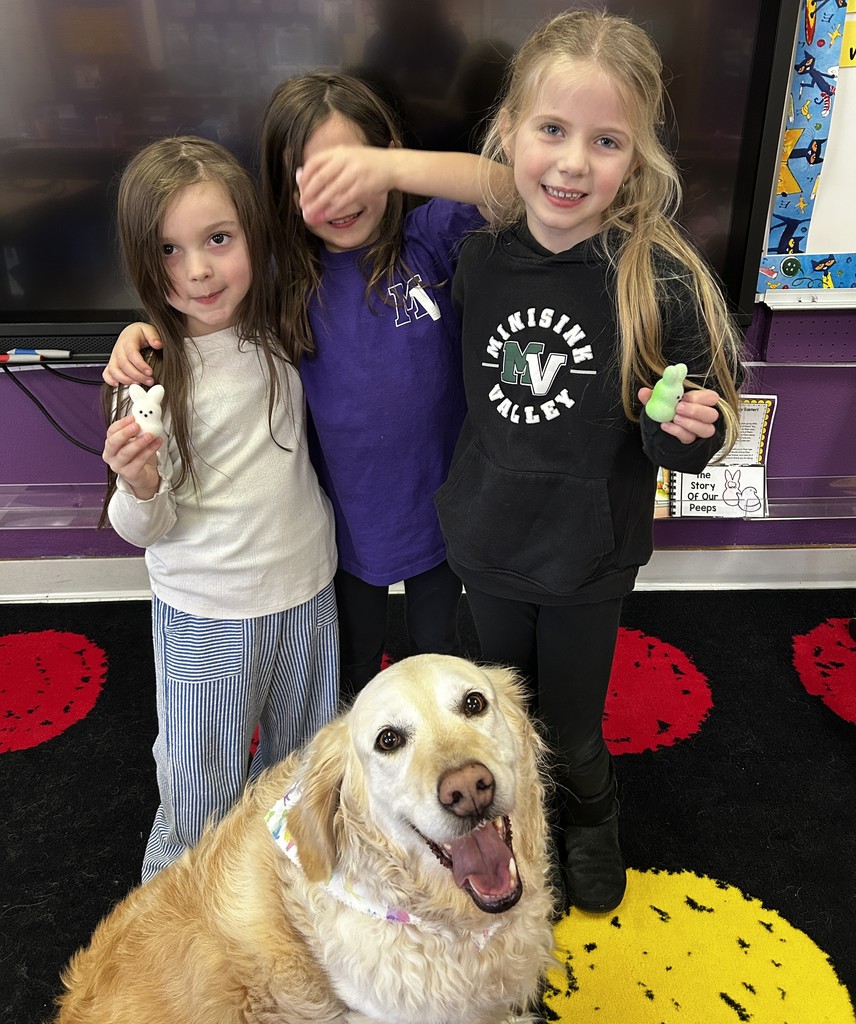
Students made thoughtful predictions, tested their ideas, and observed what happened when their colorful PEEPS took a dip. Giggles, wide eyes, and excited chatter quickly filled the room as young scientists discovered the answer together!
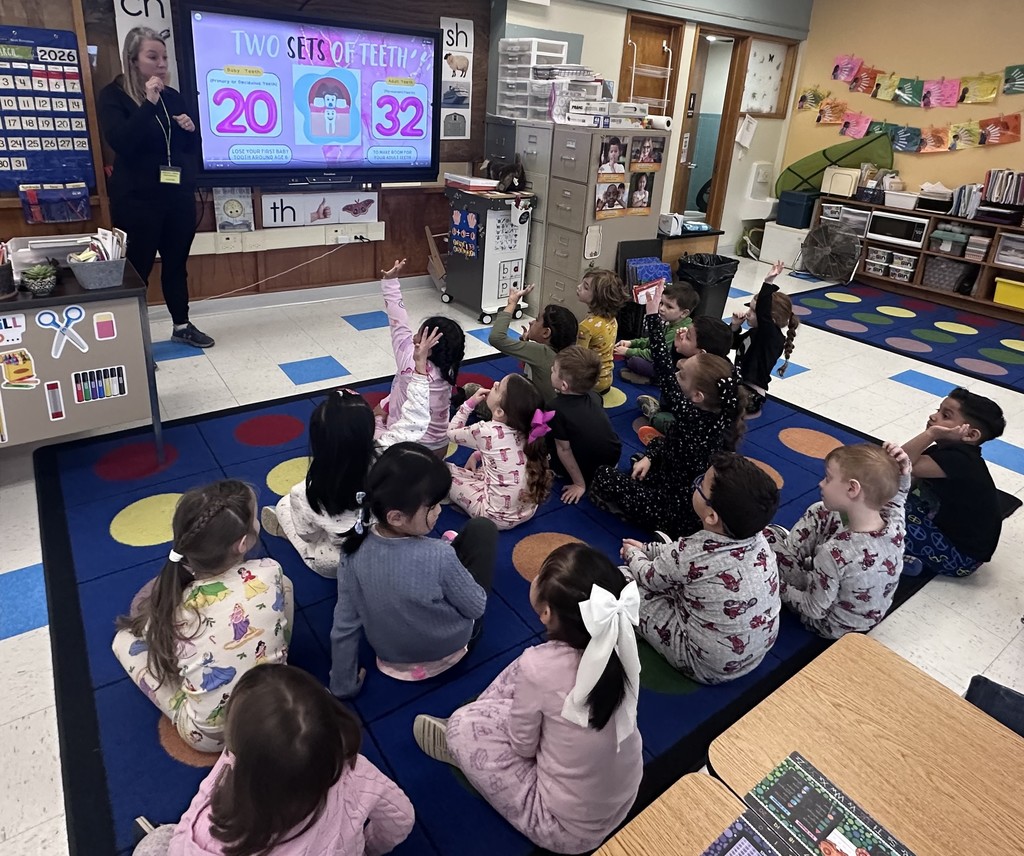
This simple, cheerful experiment wasn’t just fun—it was fantastic early STEM learning. Students were introduced to the idea of density in a hands-on, age-appropriate way, exploring how some objects float because they are less dense than water. They also practiced using scientific thinking vocabulary like "predict," "observe" and "compare."
These simple STEM lesson matter in kindergarten because they build curiosity about science as well as critical thinking skills. These little students also develop early science habits, such as noticing details, asking questions, and sharing findings.
The big reveal? PEEPS float! They’re puffed with air, so they sit on top of the water like happy, pastel marshmallow boats!
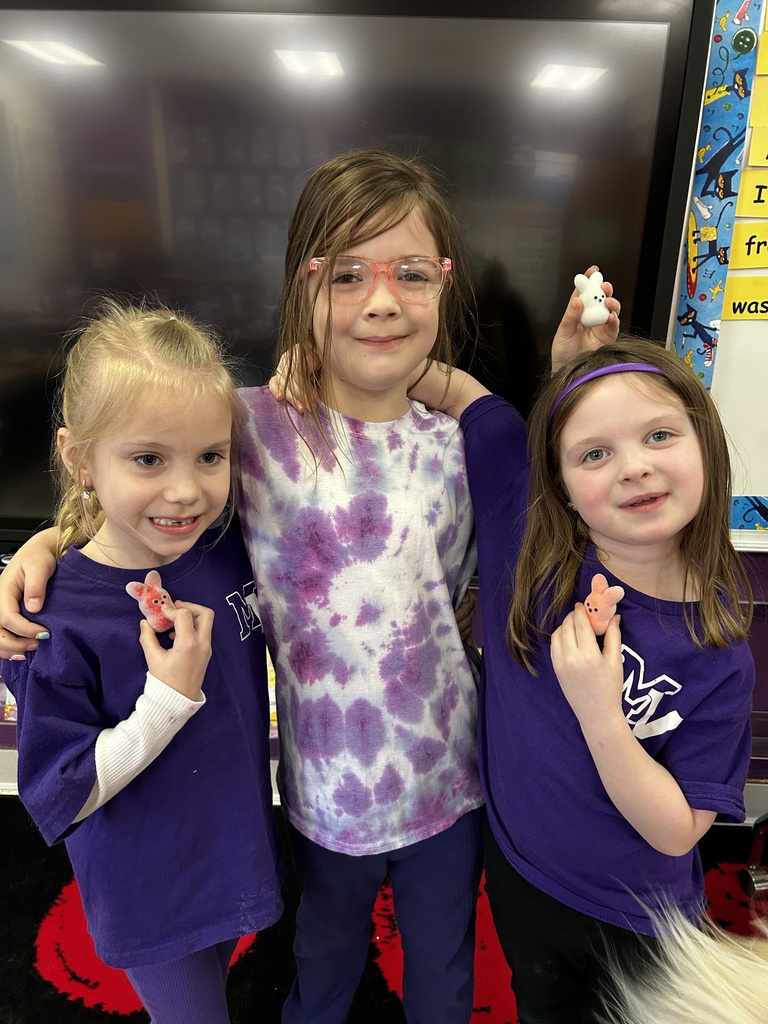
Each PEEP was issued a birth certificate and a name chosen by its proud student parent. Some PEEPS were even treated to fun adventures outside of school and arrived each morning dressed in adorable outfits! Throughout the week, students created baby books, practiced measurement activities with their new friend, and made plenty of sweet memories.
By the end of the project, every PEEP had found a forever home with its student—proof of just how much care and heart the children put into the experience.
This playful project teaches big lessons in a small, kid-friendly way. By caring for their PEEPS, students practiced responsibility, empathy, and nurturing behaviors. They learned routines, problem-solving, and how it feels to care for something fragile and important. Projects like this build social-emotional skills, strengthen independence, and help young learners understand what it means to be dependable—all while having fun!
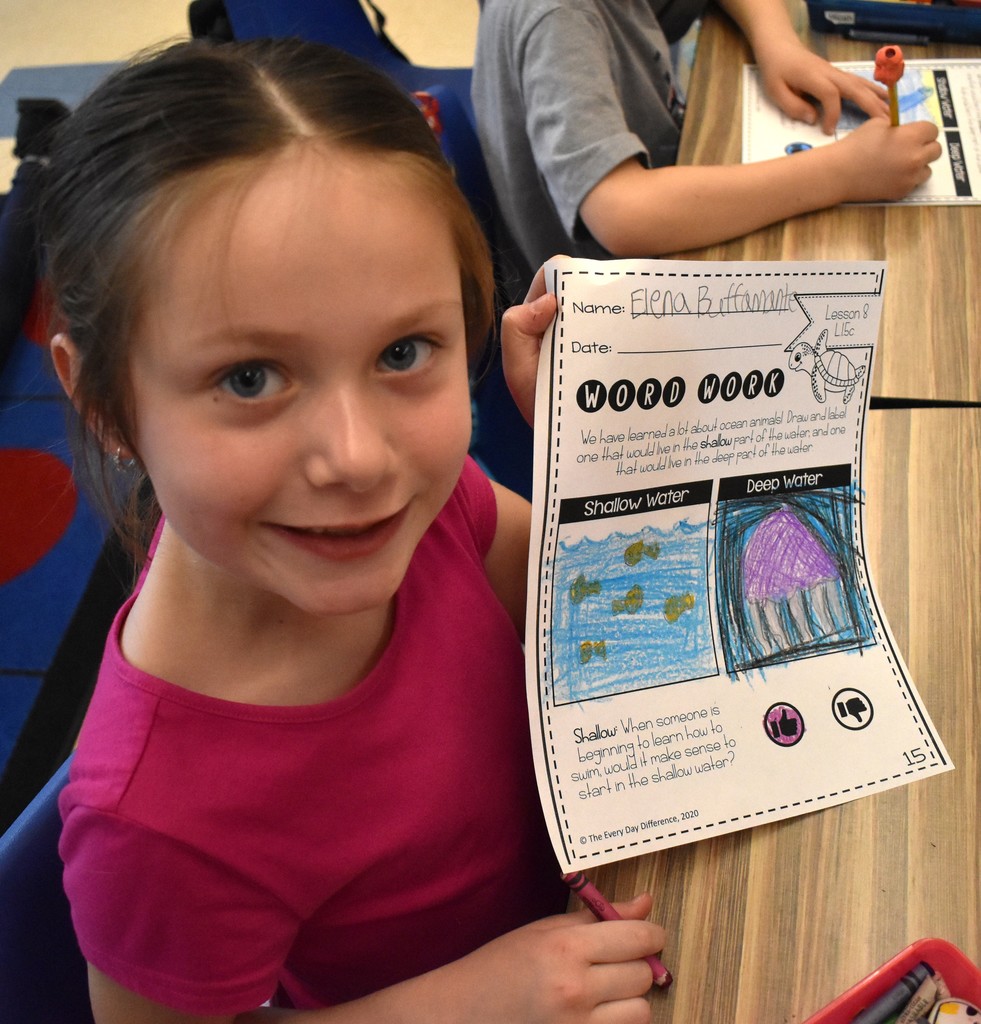
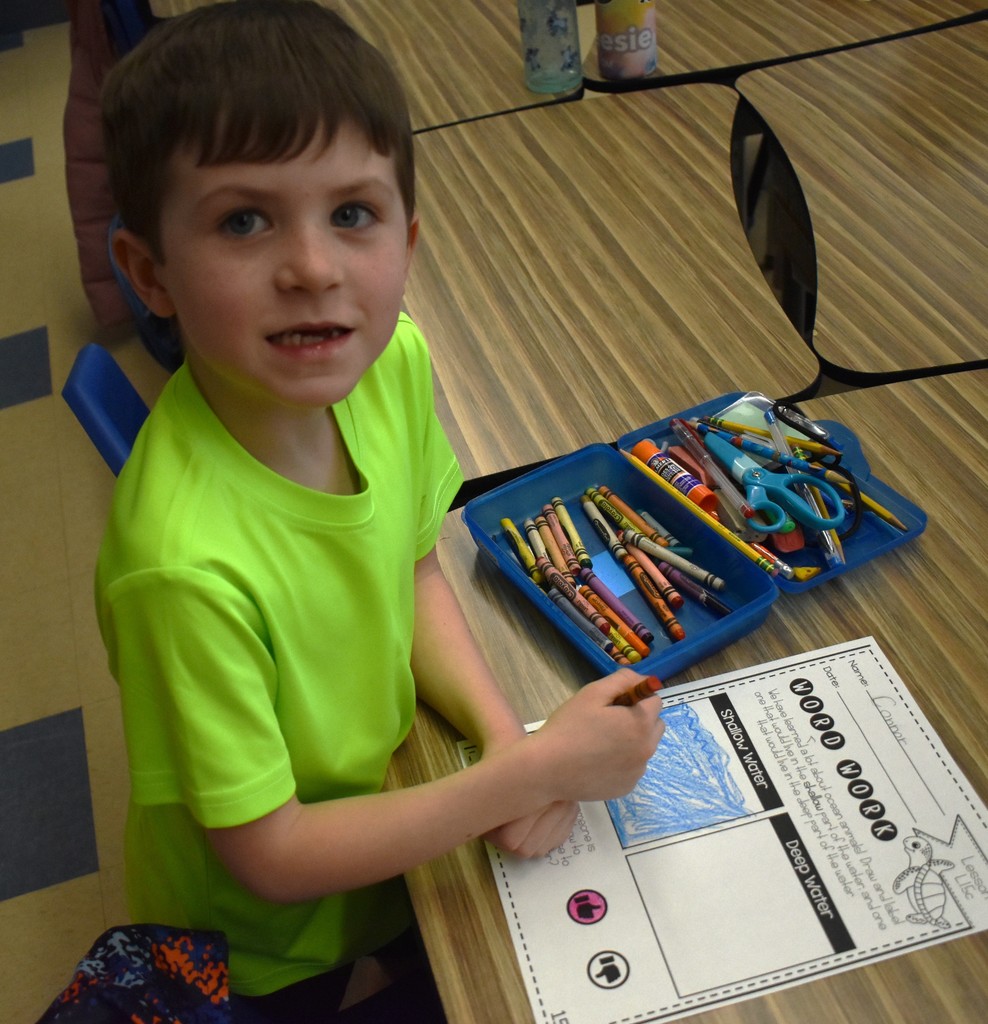
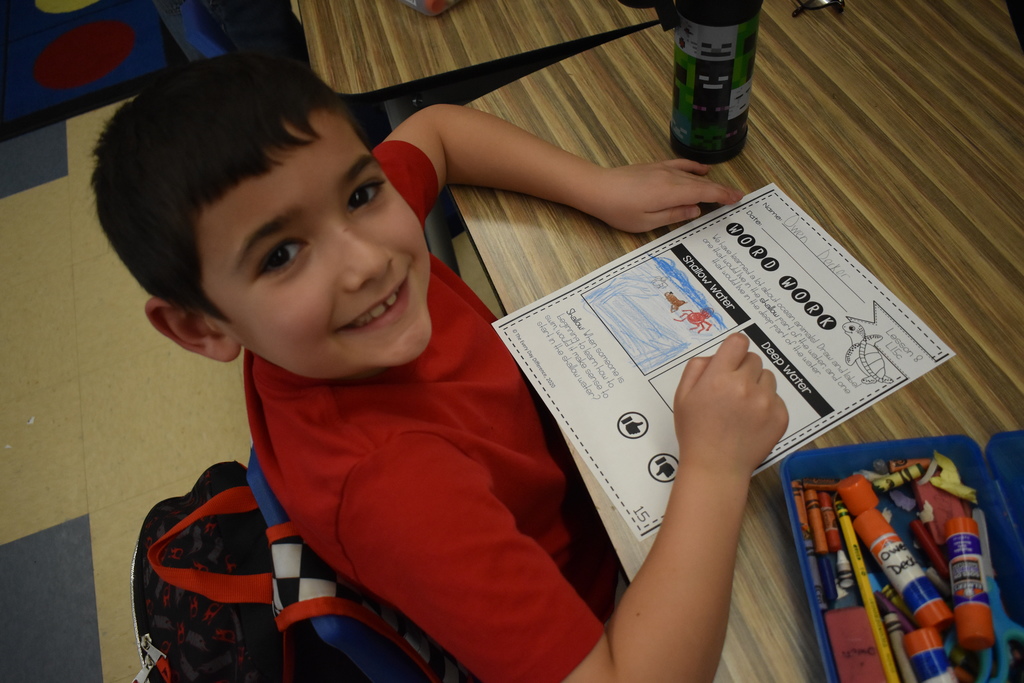
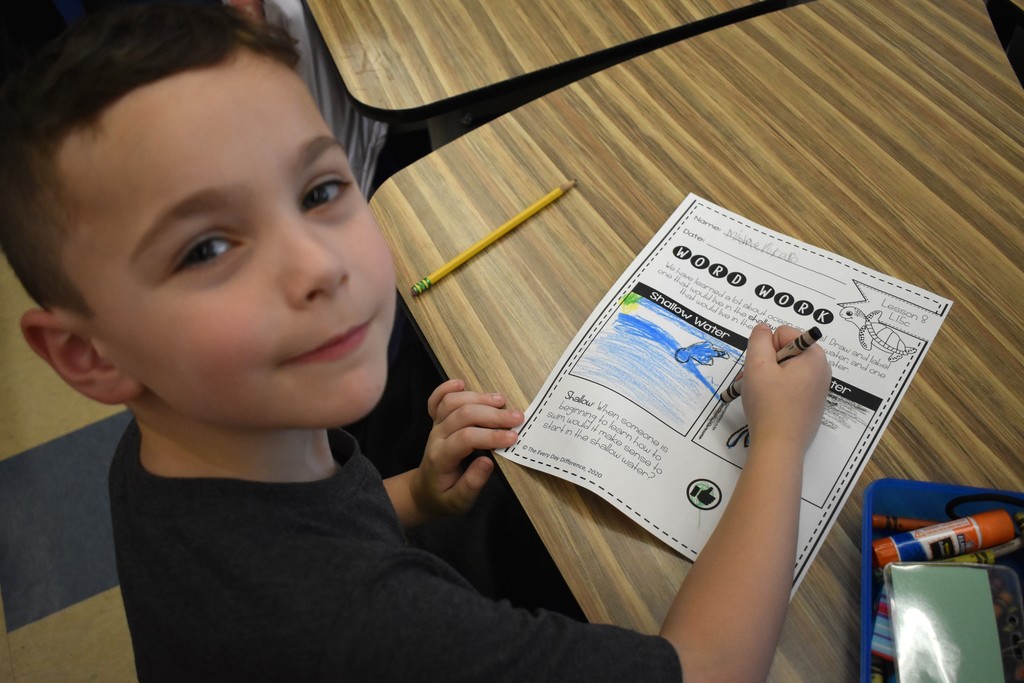
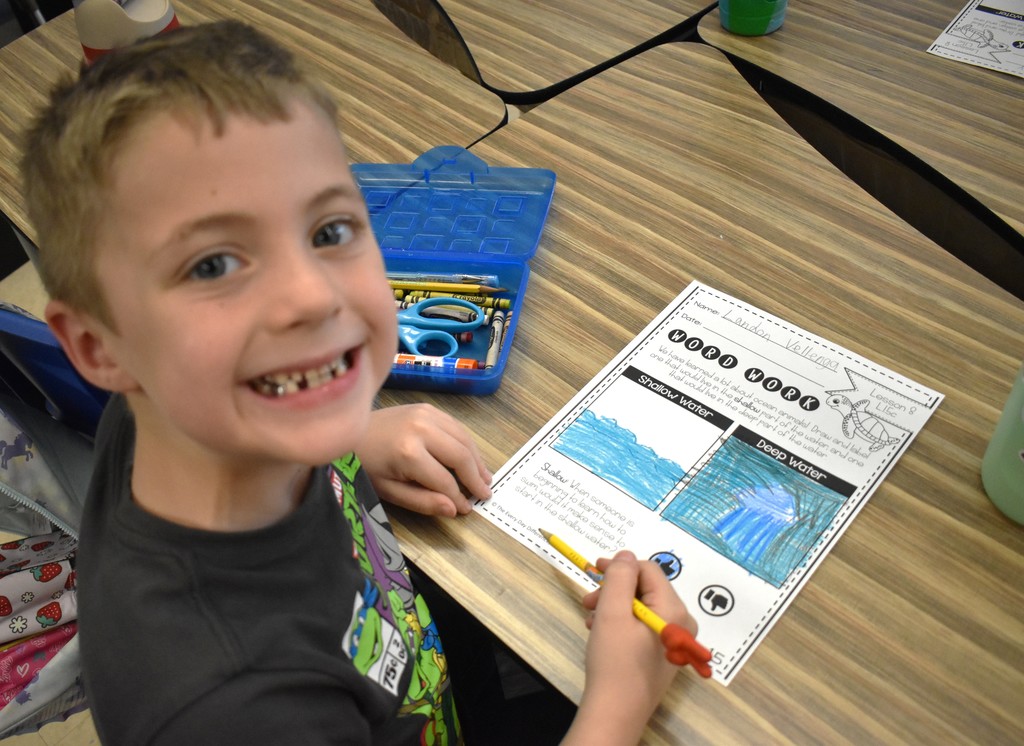
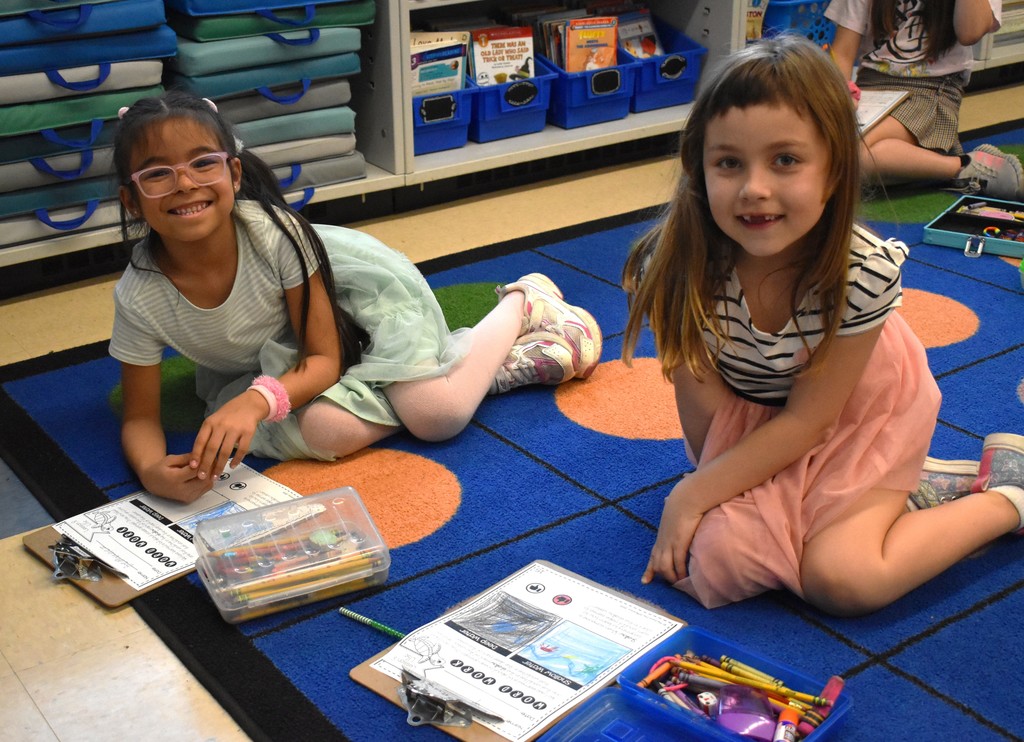
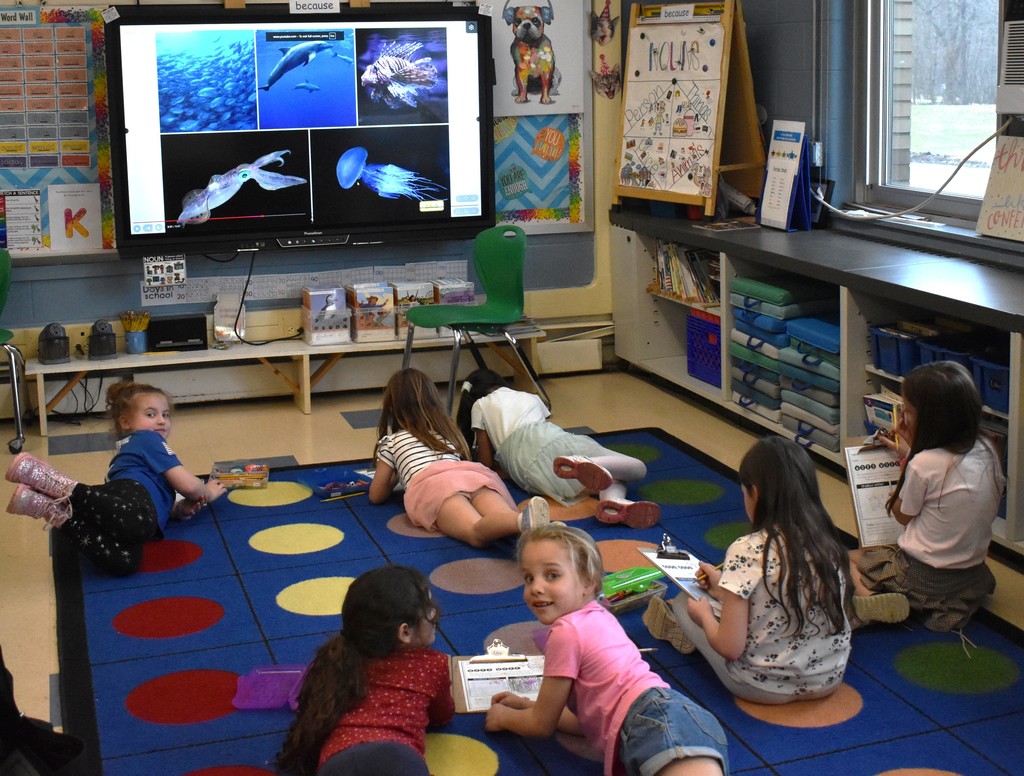
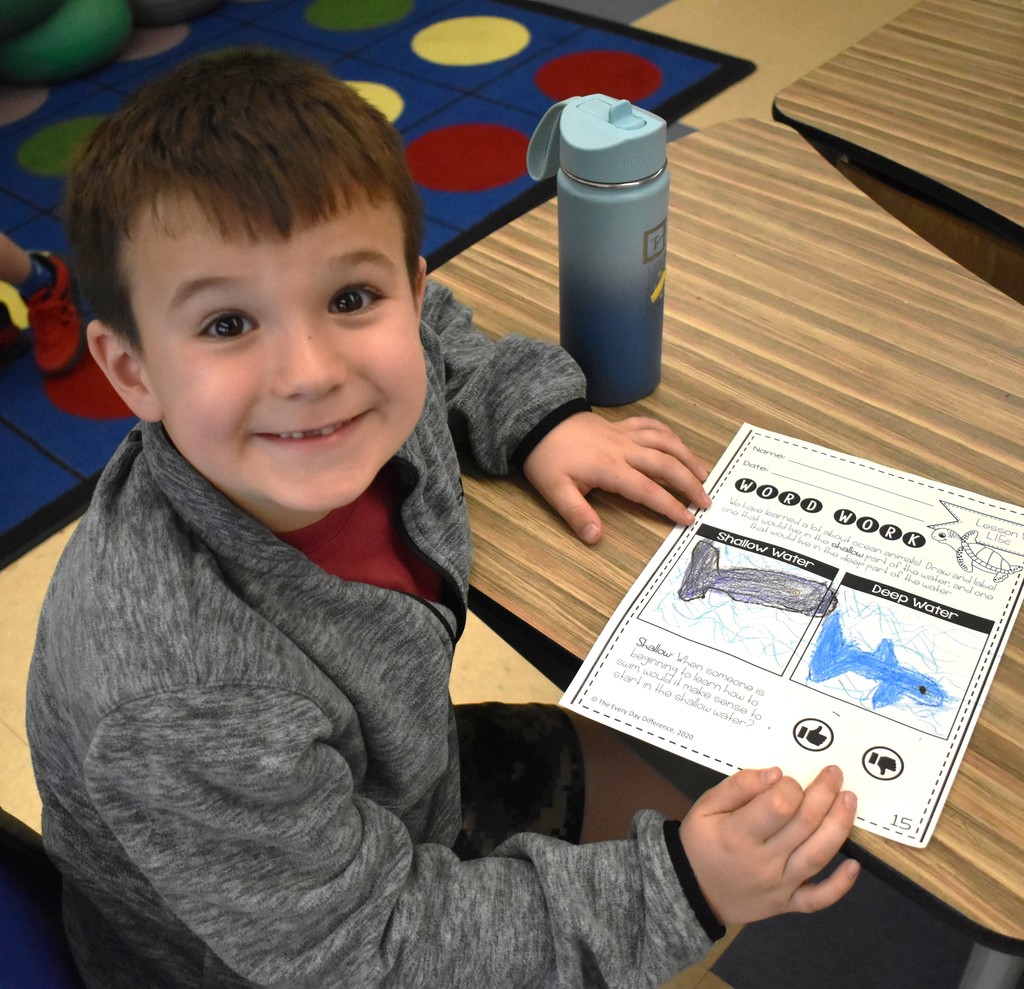
And, of course, it’s always fun to have a drawing and coloring component to their studies. Take a peek at these students and their drawing of their selected shallow versus deep water ocean animals. Their artwork is terrific!
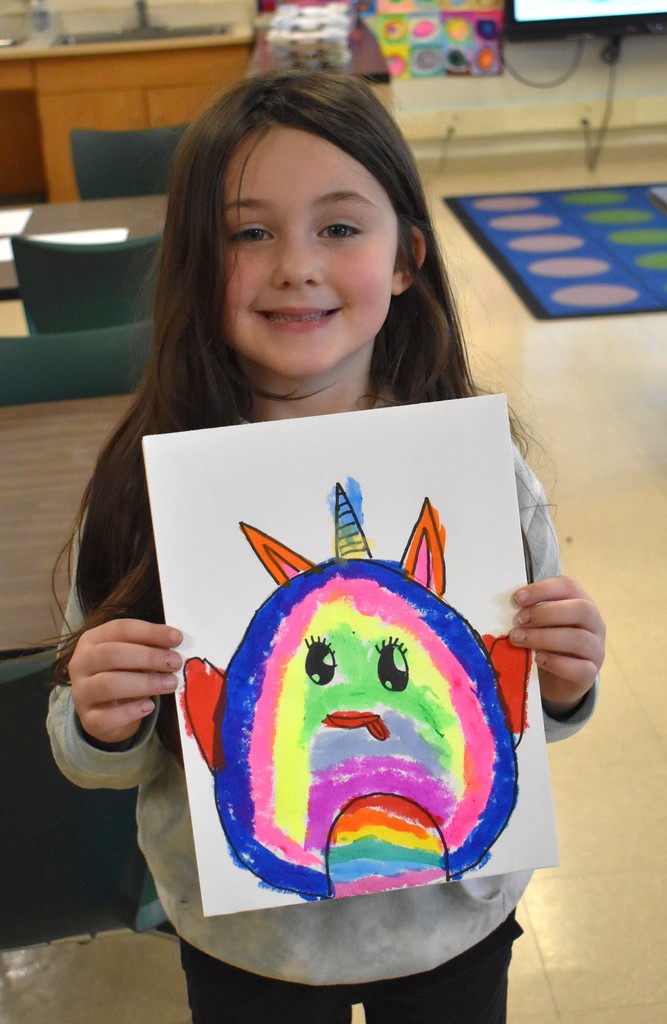
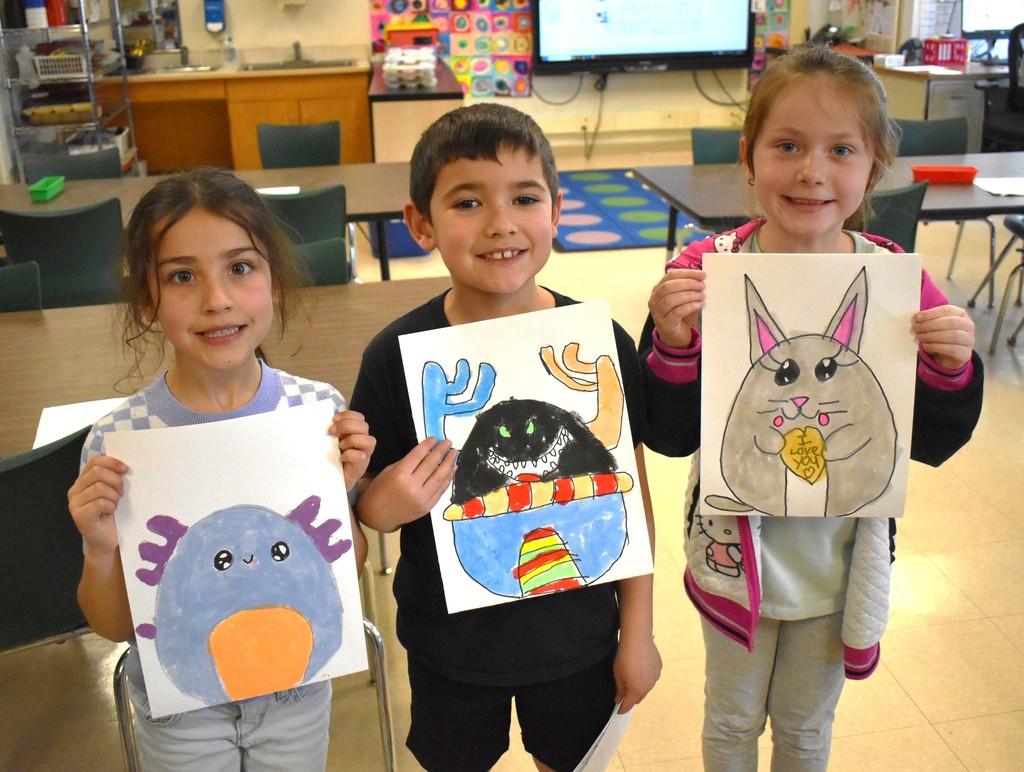
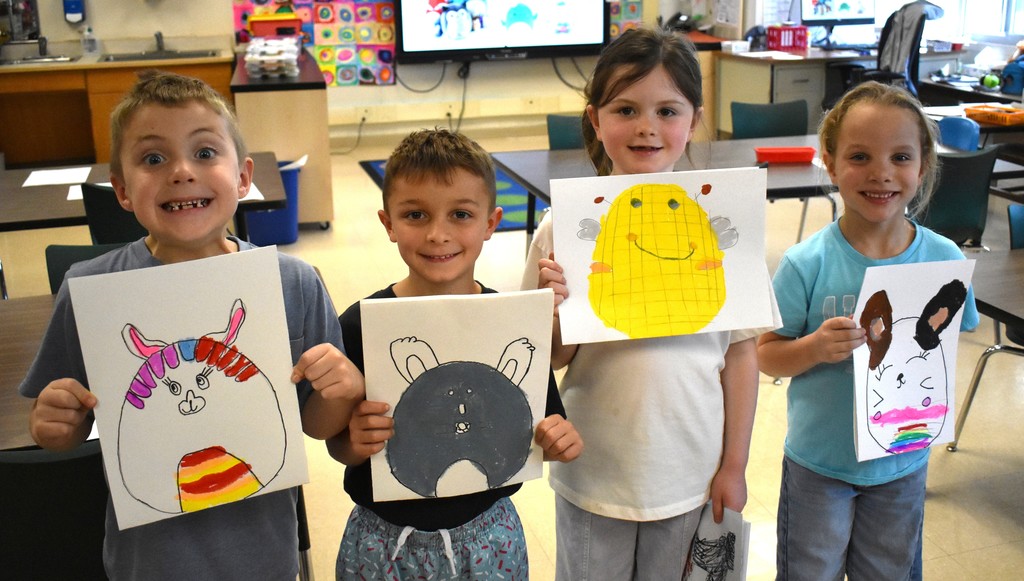
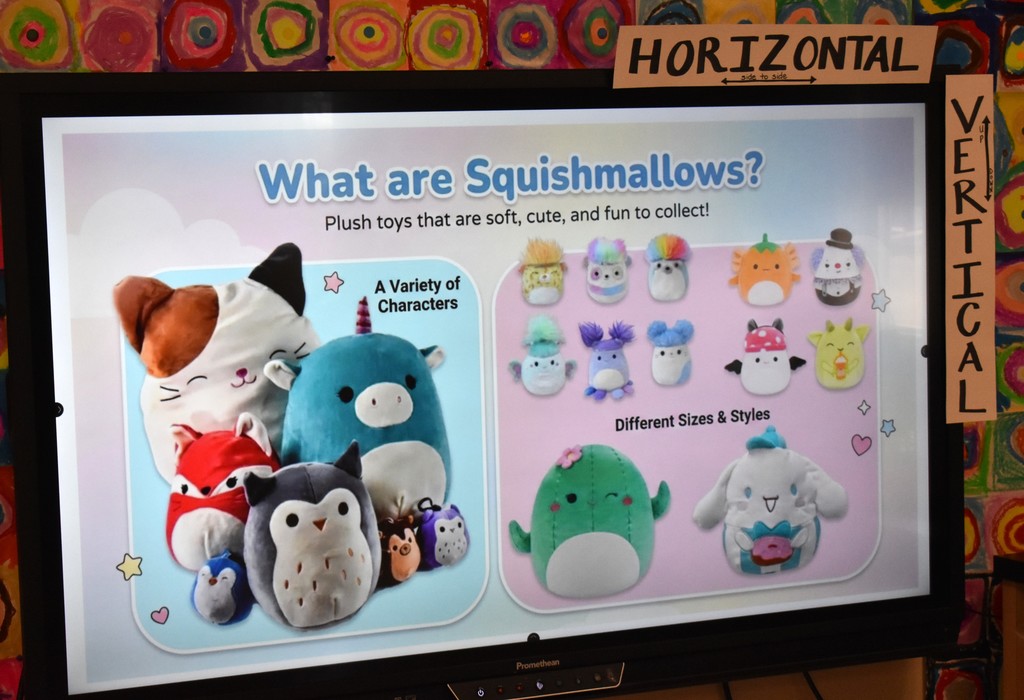
Ilana Kaufman’s ES first-grader art students have been busy bringing their imaginations to life! Each student created a bright, colorful drawing of their favorite Squishmallow—or designed a totally unique one they wish existed. Who knows… maybe their idea will be the next must-have Squishmallow!
We’re guessing most homes have at least one of these cuddly characters around. Squishmallows are beloved for their ultra-soft, marshmallow-like feel, simple adorable designs, and perfectly huggable shape. They can be pillows, toys, comfort buddies and even collectible treasures.
Since launching in 2017, Squishmallows have become wildly popular — especially during the 2020 pandemic, when people of all ages turned to them for a little extra comfort and stress relief. Each character even has its own fun “bio,” and with rare ones to find, collecting them has become a delightful “thrill of the hunt!”
Take a look at our students’ creative Squishmallow-inspired masterpieces—you might just spot the next fan favorite!
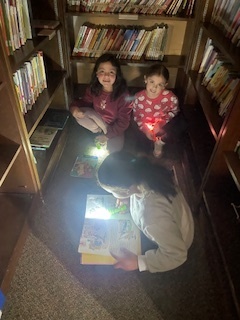
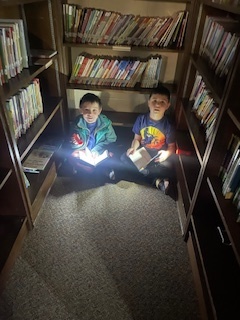
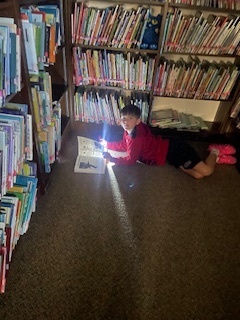
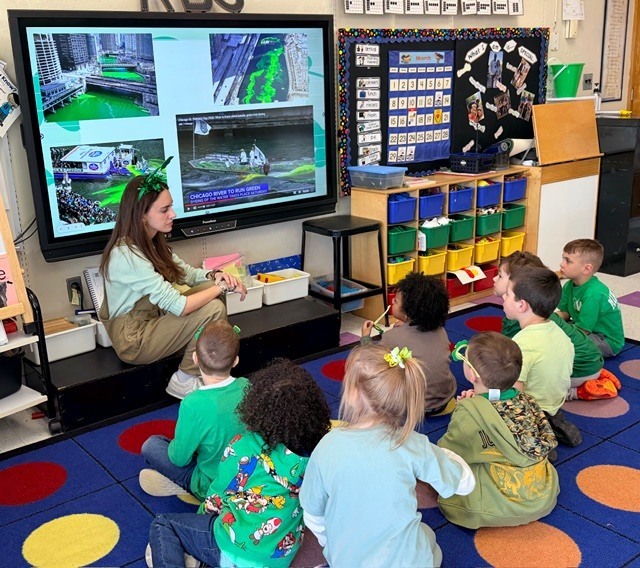
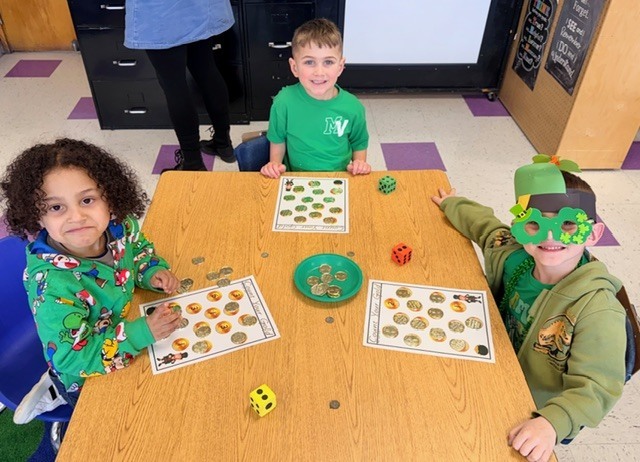
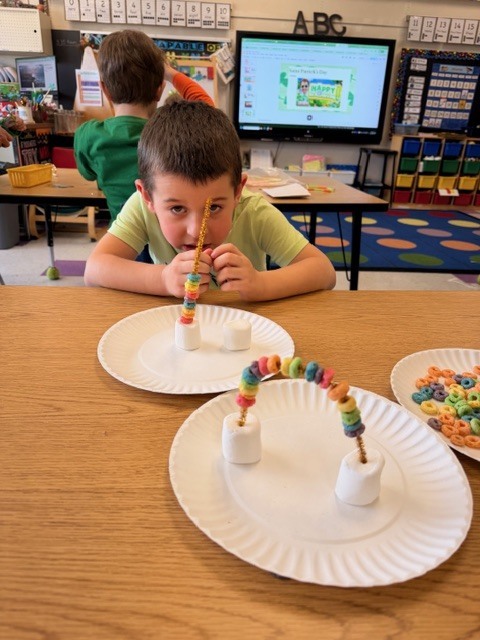
Marjori Bobish’s ES transitional kindergarteners had a wee bit of Irish magic in their day as they celebrated St. Patrick's Day yesterday! They explored festive traditions from far-off places like Chicago, where the river runs bright green on March 17, tried their luck with a “Count Your Gold” game and whipped up edible rainbows worthy of a mischievous leprechaun using Fruit Loops cereal and marshmallows! What a fun day of learning!
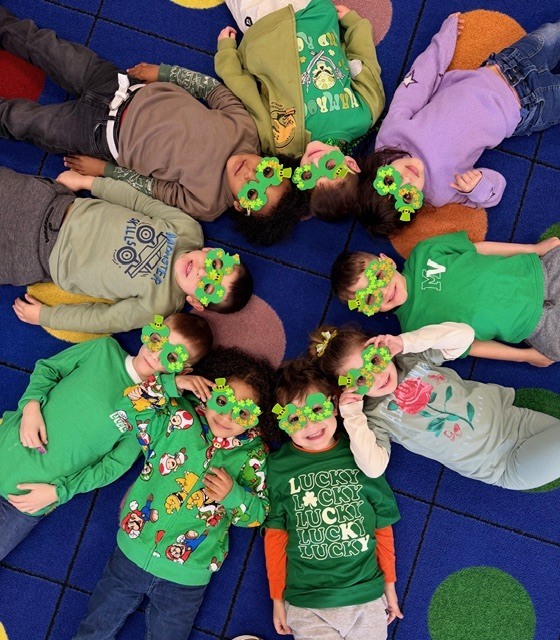
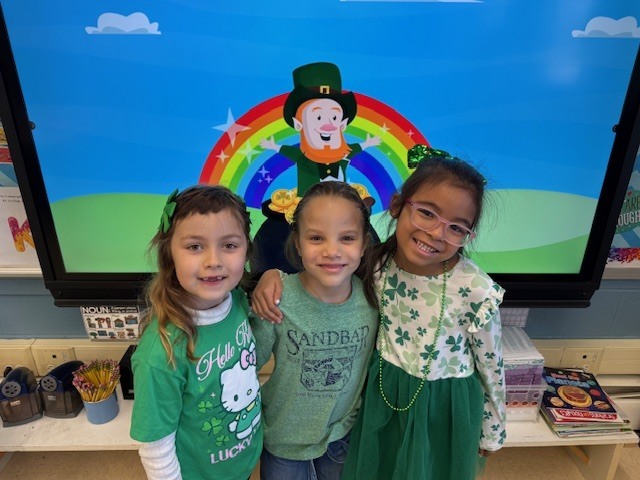
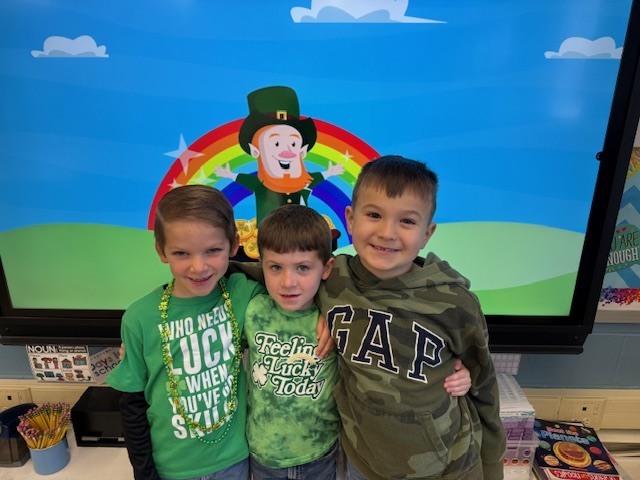
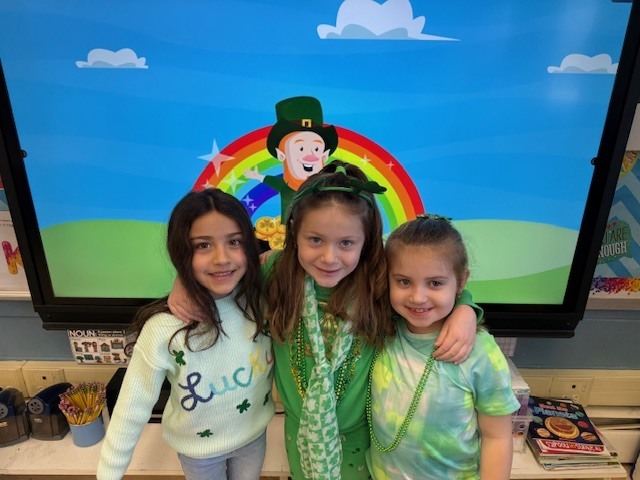
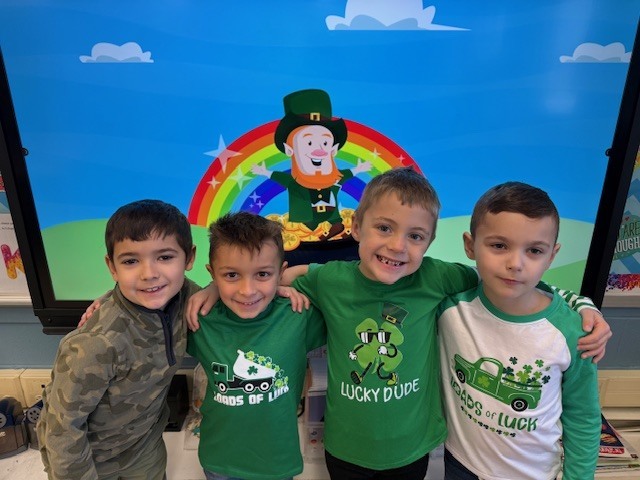
Green is the color of the day, as Jen DiSimone's ES first-graders are reminding us, as they wish us all a very Happy St. Patrick's Day!
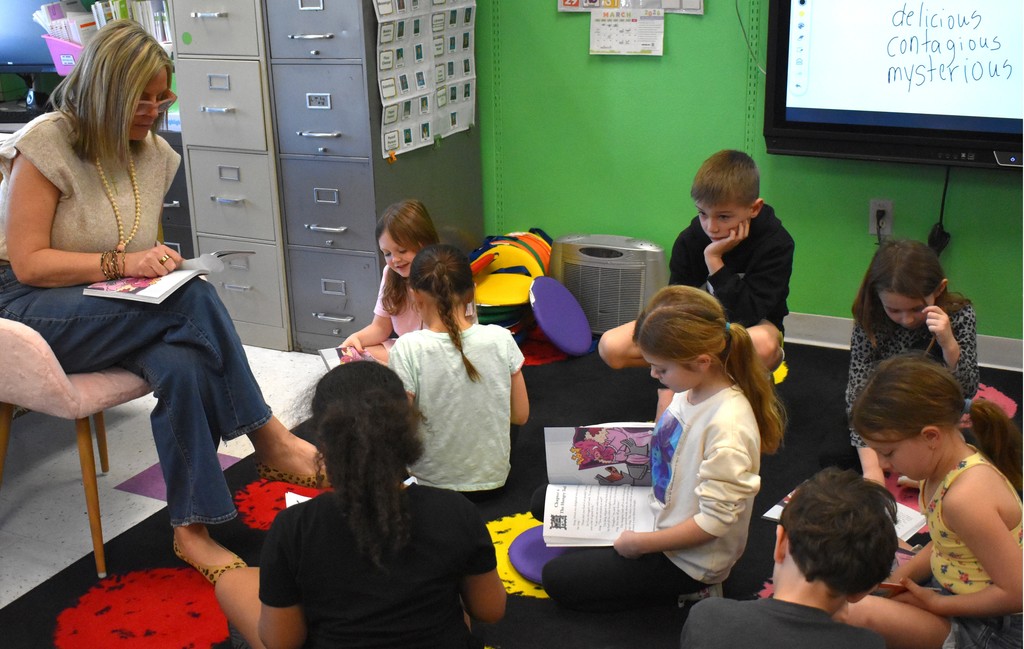
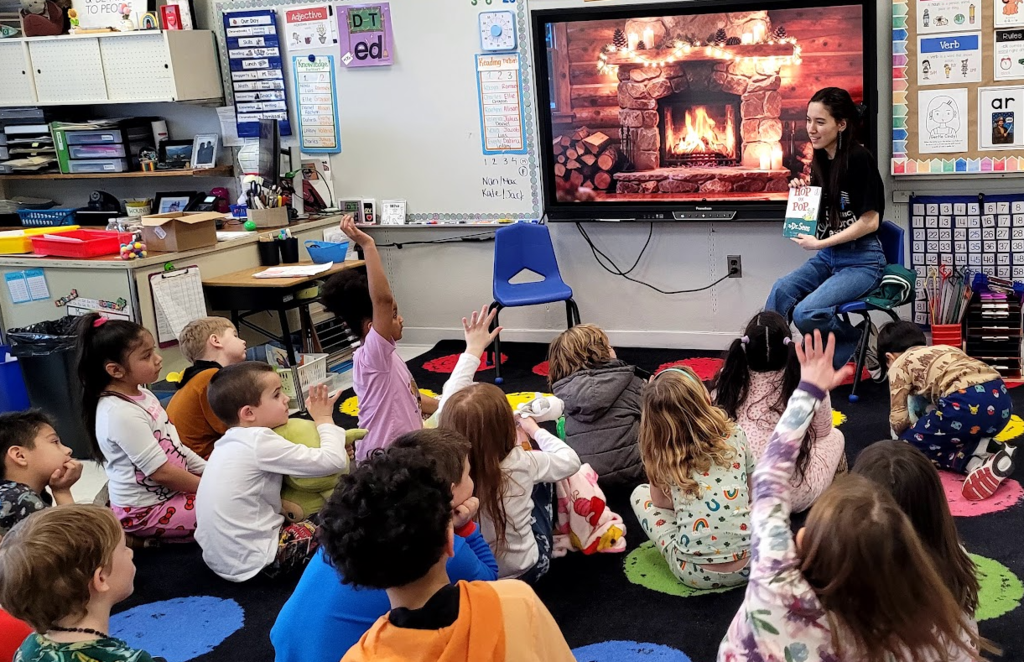
"POP” Choral reading! Which group is next?
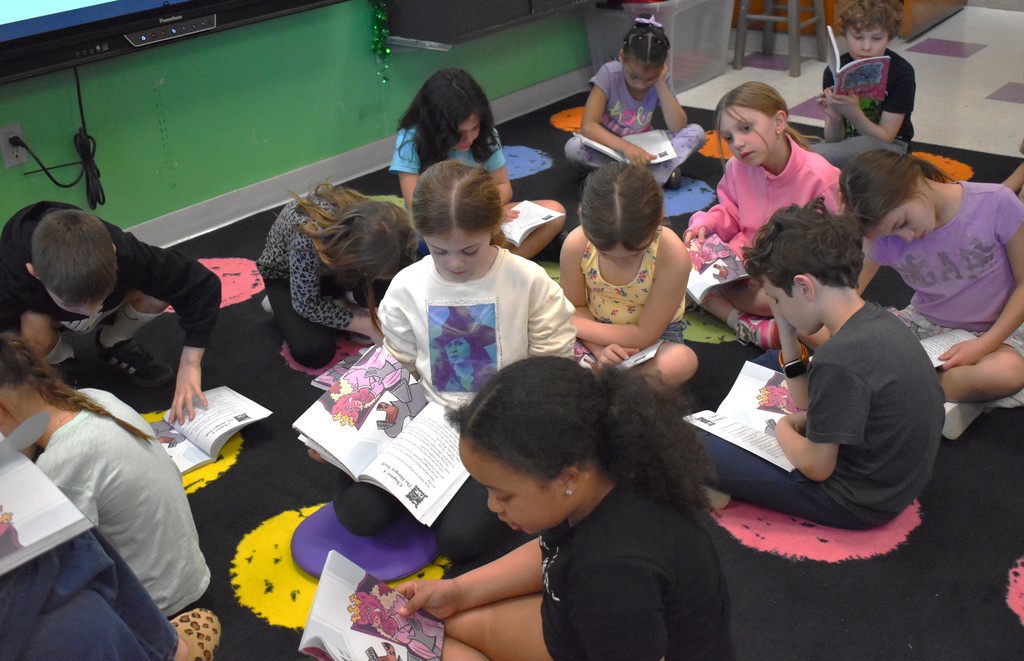
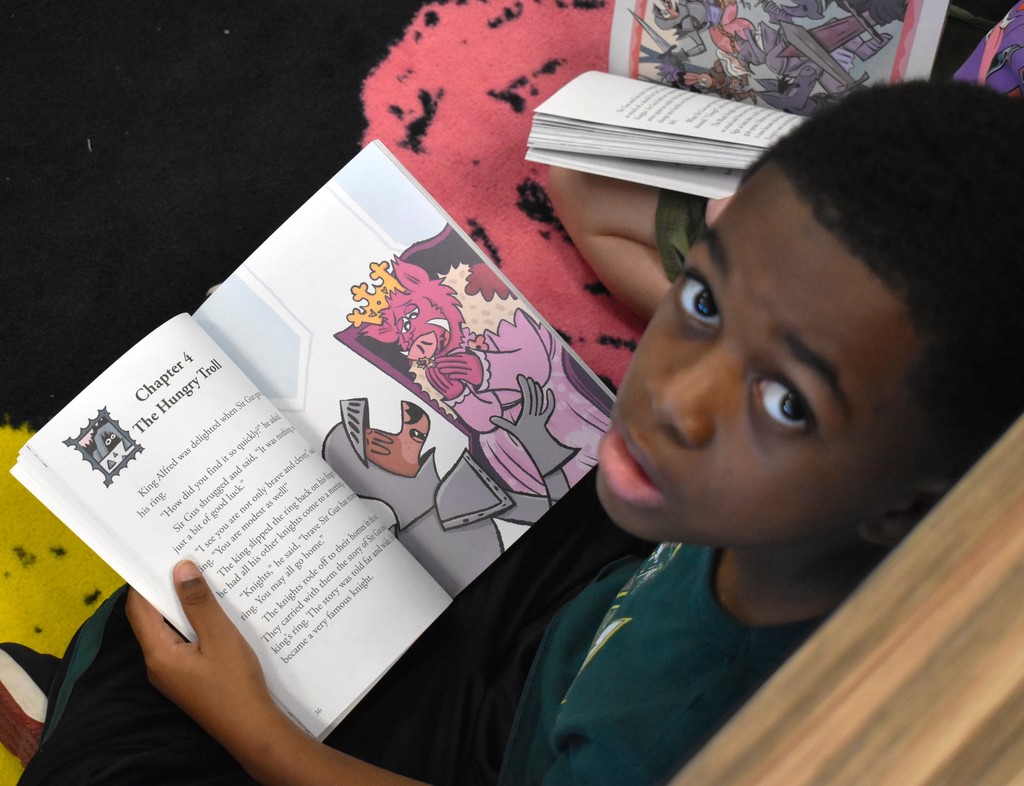
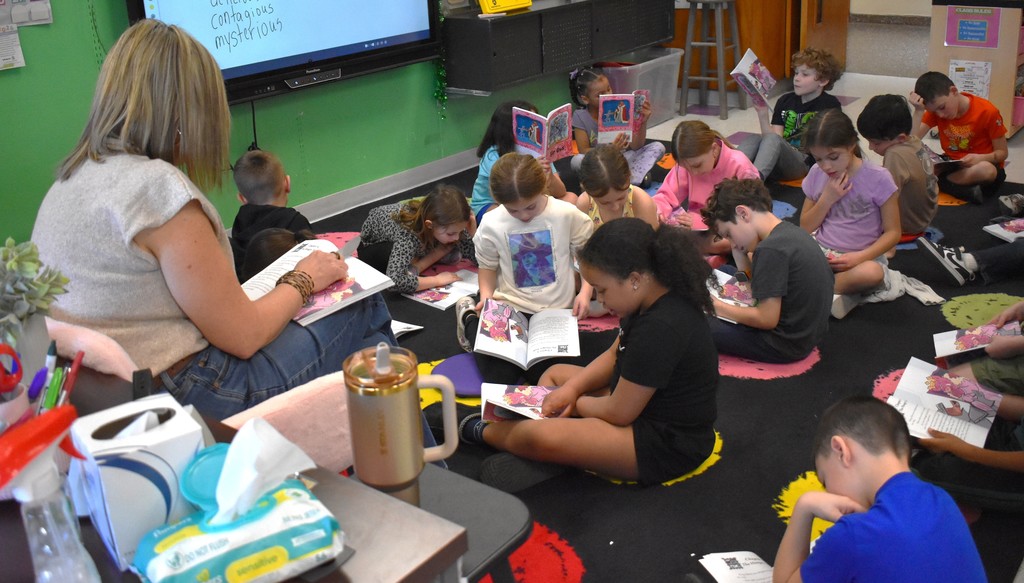
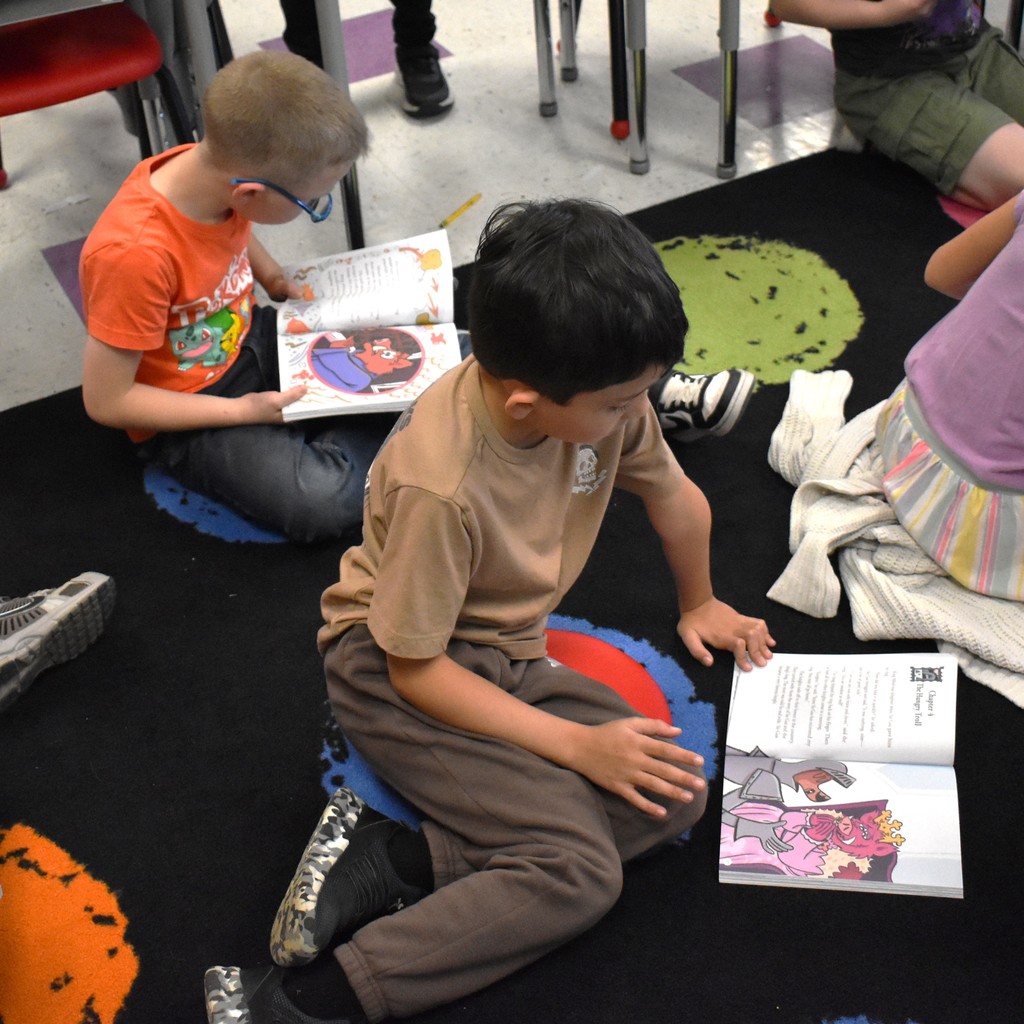
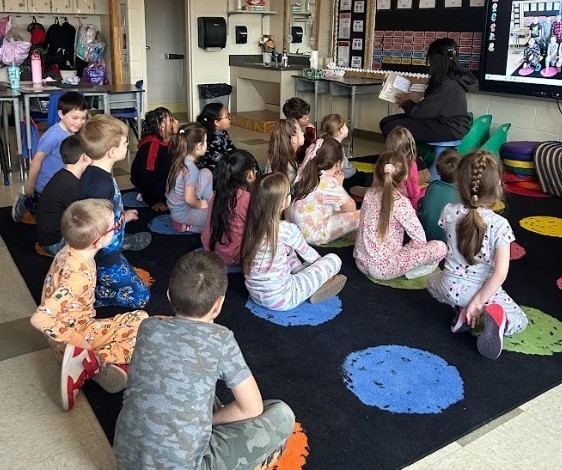
Tracey Salinardi’s ES second-graders have been doing choral reading as part of their ongoing ELA work. It’s an instructional strategy where a teacher and students (or groups of students) read a text aloud in unison. Choral reading helps build fluency, self-confidence and motivation for young readers.
In this instance, groups of students needed to be spontaneously prepared for their choral reading assignment. Who would she pick? They all needed to be ready! First, it was students who were at Table 4, then Table 5, then all the girls in the class...and then all the boys.
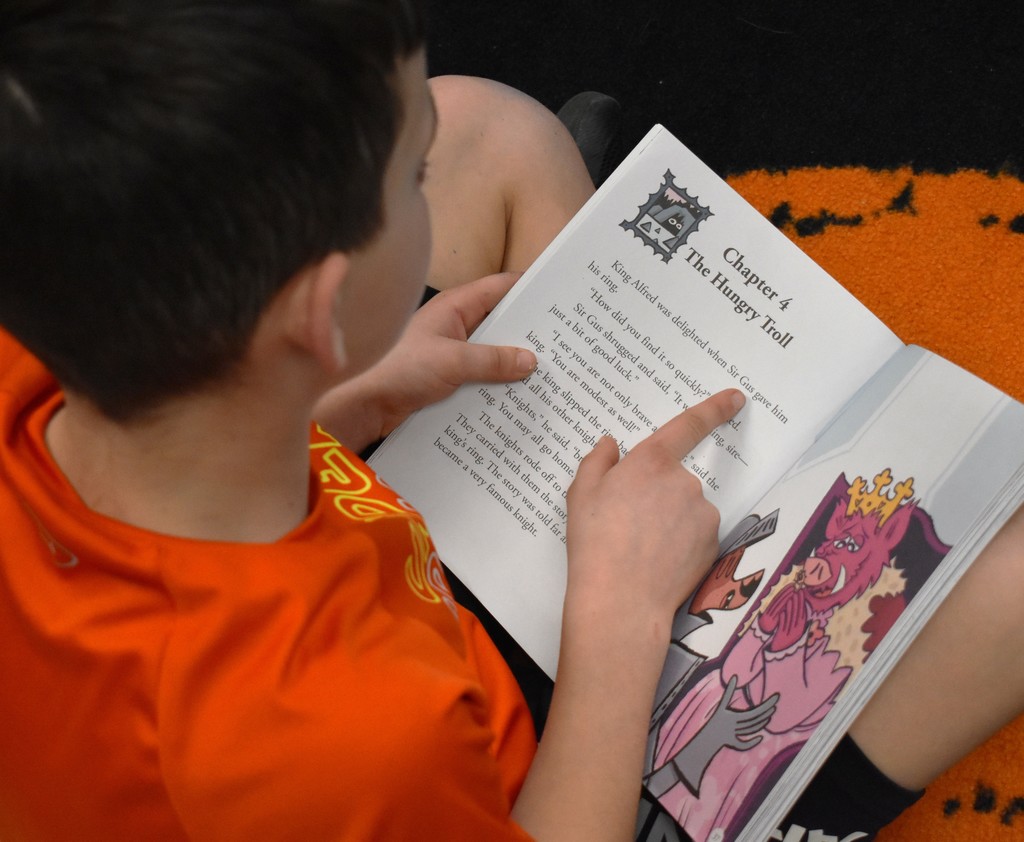
Their choral reading came from Chapter 4 of a story called “The Hungry Troll.” It’s about a cowardly, but lucky knight, named Sir Gus, who faces a hungry troll to retrieve King Alfred's stolen ring. Despite his fear and ridiculous antics, Gus's "good luck" prevails, allowing him to recover the ring and impress the king, who praises him as brave and clever.
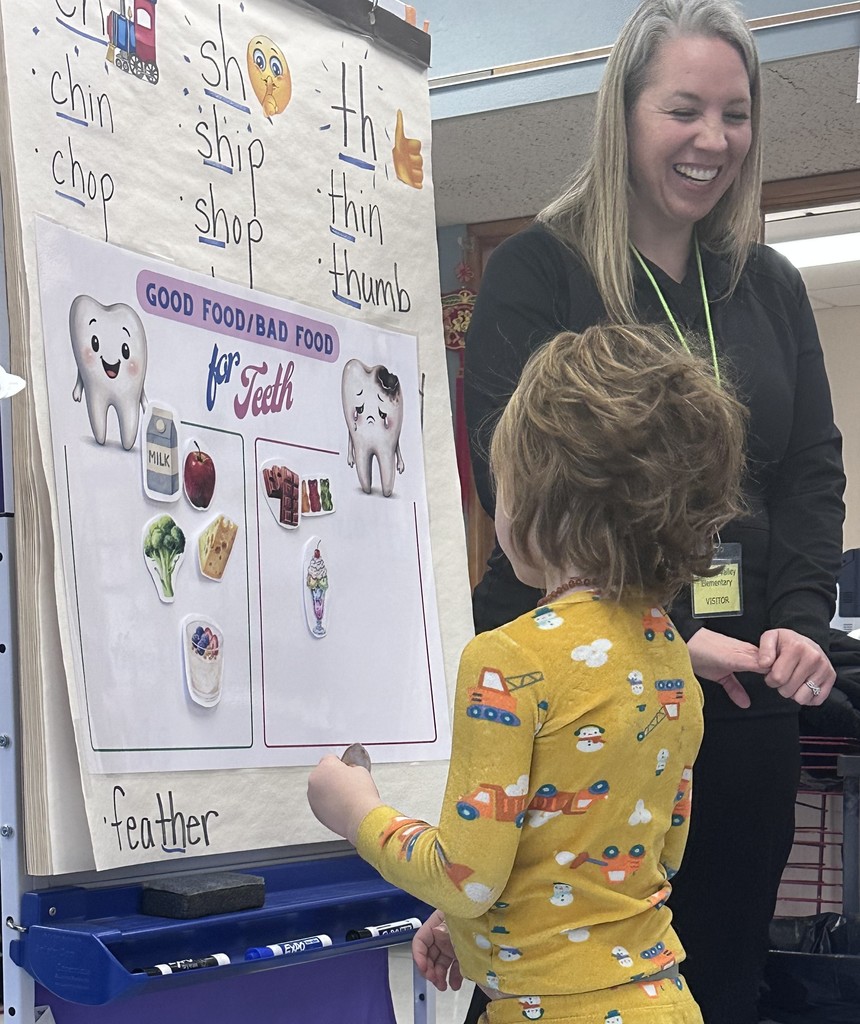
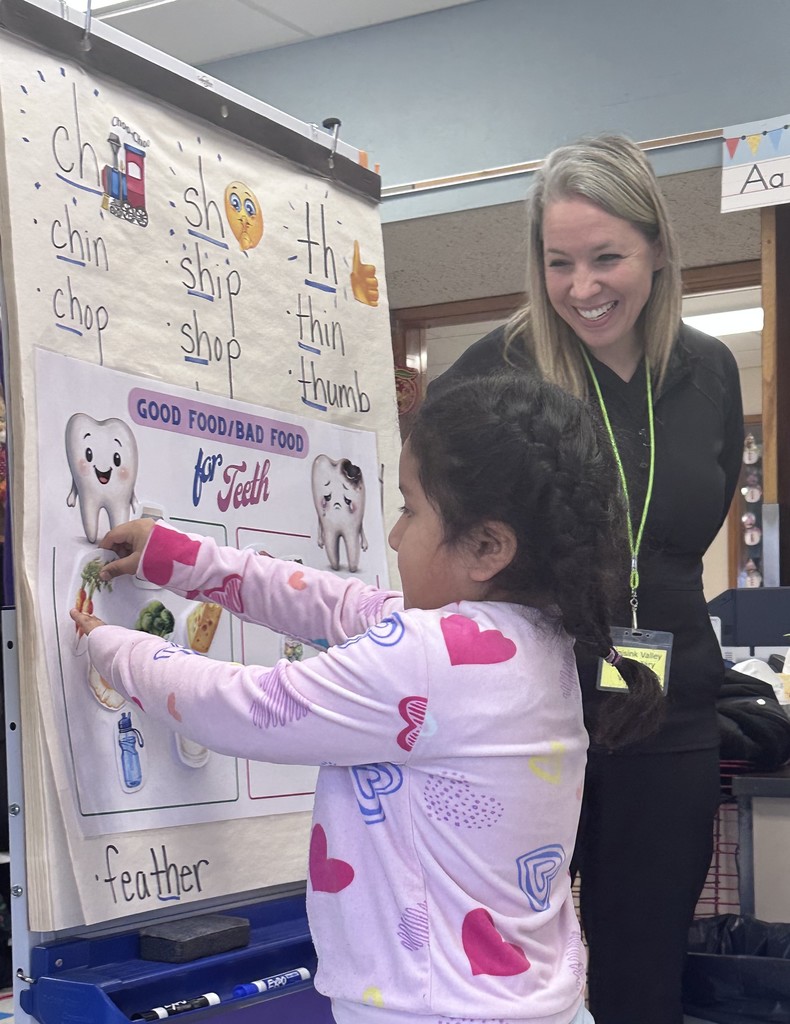
In schools both big and small, down the hall and up the stairs,
Something wonderful happens when a story is shared!
All year long, our schools unite—what a marvelous sight—
The High School and Elementary working together just right.
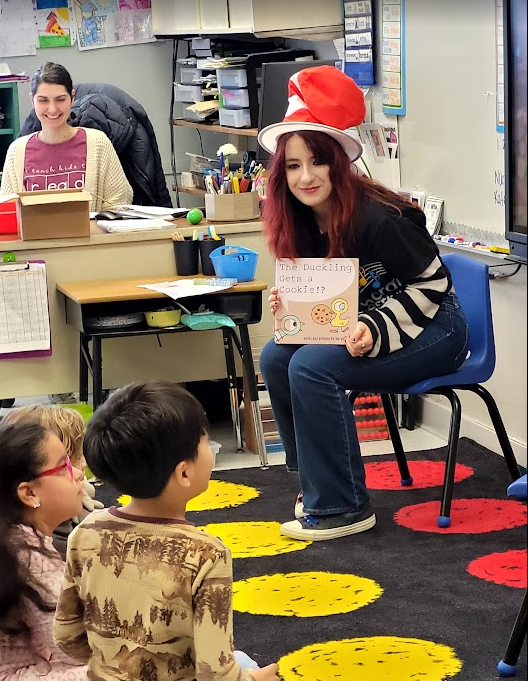
They partner and plan, they laugh and they read,
Planting the tiniest, book-loving seed.
And what was the reason for such a recent fine day?
Why, Read Across America, hip-hip-hooray!
A day for all readers—both grown-ups and youth—
To celebrate stories, imagination, and truth.
Though March 2 was the official date on the chart,
Schools celebrated all week with books at the heart.
For that special day, as many folks know,
Is the birthday of the great Dr. Seuss, long ago!
His whimsical tales, with rhymes that delight,
Helped spark this celebration of reading just right.
The afternoon sparkled—it ran like a dream—
Thanks to a truly terrific team!
A cheer for our librarians who helped lead the way:
Mia McLean and Stephanie Byrne —hooray, hooray, hooray!
And thanks to the Elementary teachers so kind,
Who nurture young readers and curious minds.
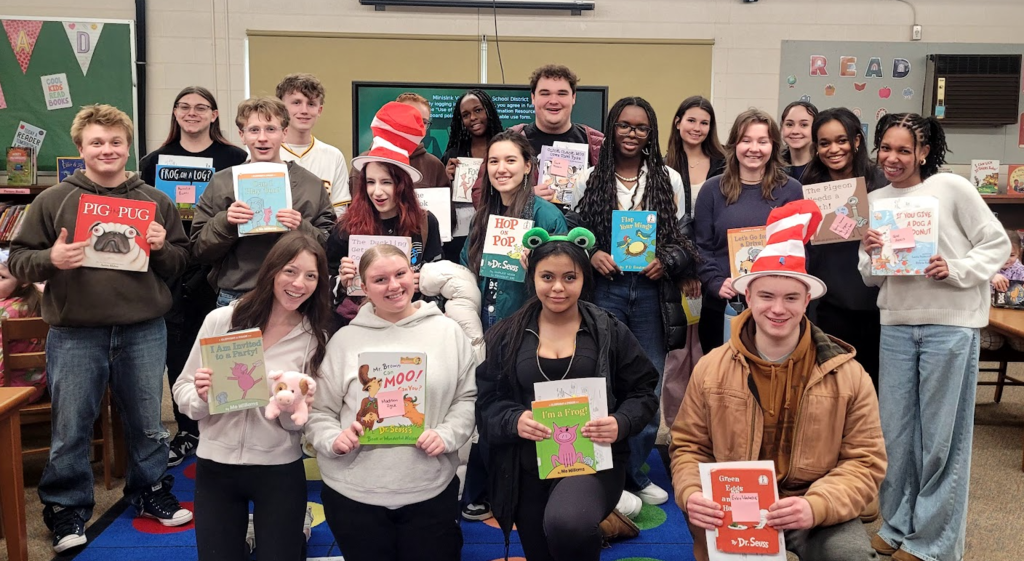
Plus a marvelous crew of High School students who came
To read and bring stories and joy just the same:
Lana Besson, Joshua Geller, Natalie Butts too,
Trystan Rosario and Elliot Mankoo.
Chloe Alexis and Jaelis Roa,
Evan Washalski helped stories grow-a!
Sunshine Vance and Samiyah McKenzie joined in with cheer,
Madison Zysk made the pages appear.
Jazlin Sessoms and Heather Day,
Gavin McGinnis read... hip-hip-hooray!
Kathleen Gutierrez and Hana Ebbert too,
Madisyn Nunez-Troy joined the crew.
Mariah Sierra and Hannah Ringus—three cheers, we say!
For helping make reading the star of the day.
For when schools come together and stories take flight,
Young readers discover a wonderful sight:
That books are adventures, both cozy and grand—
The best kinds of journeys are held in your hand!
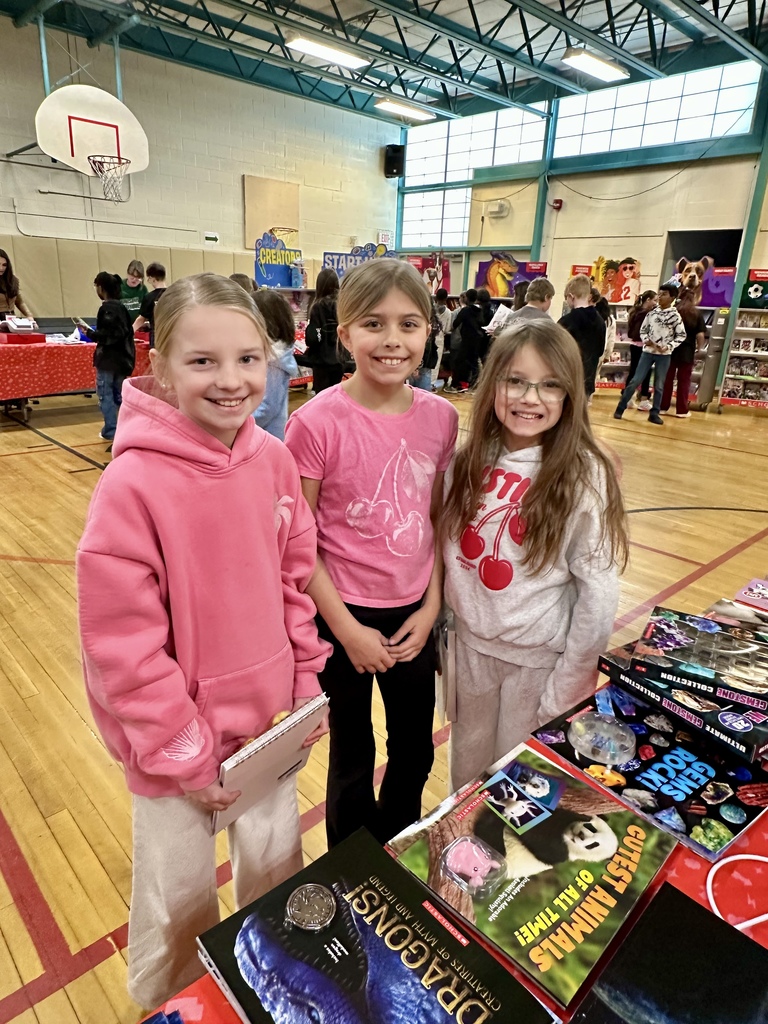
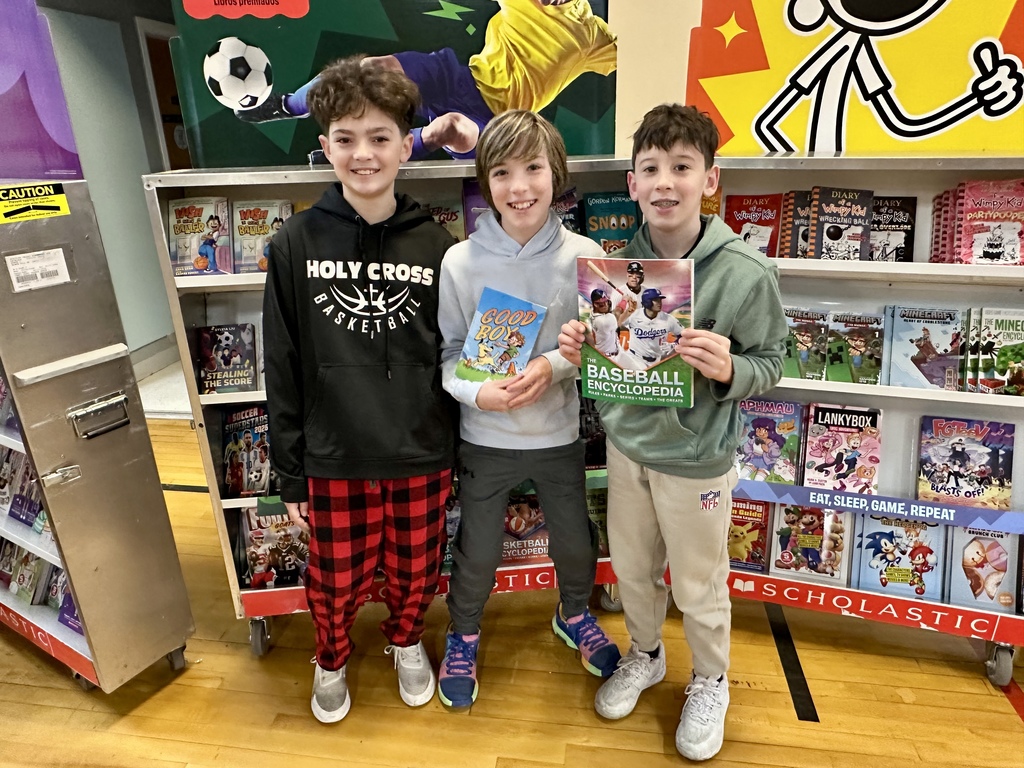
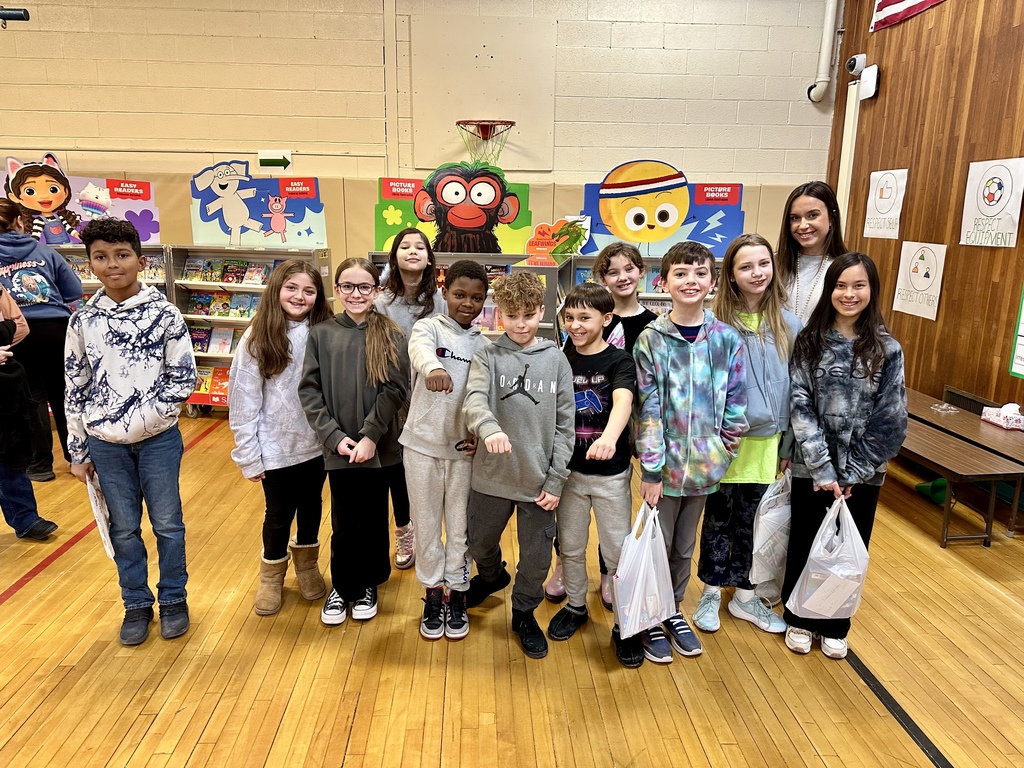
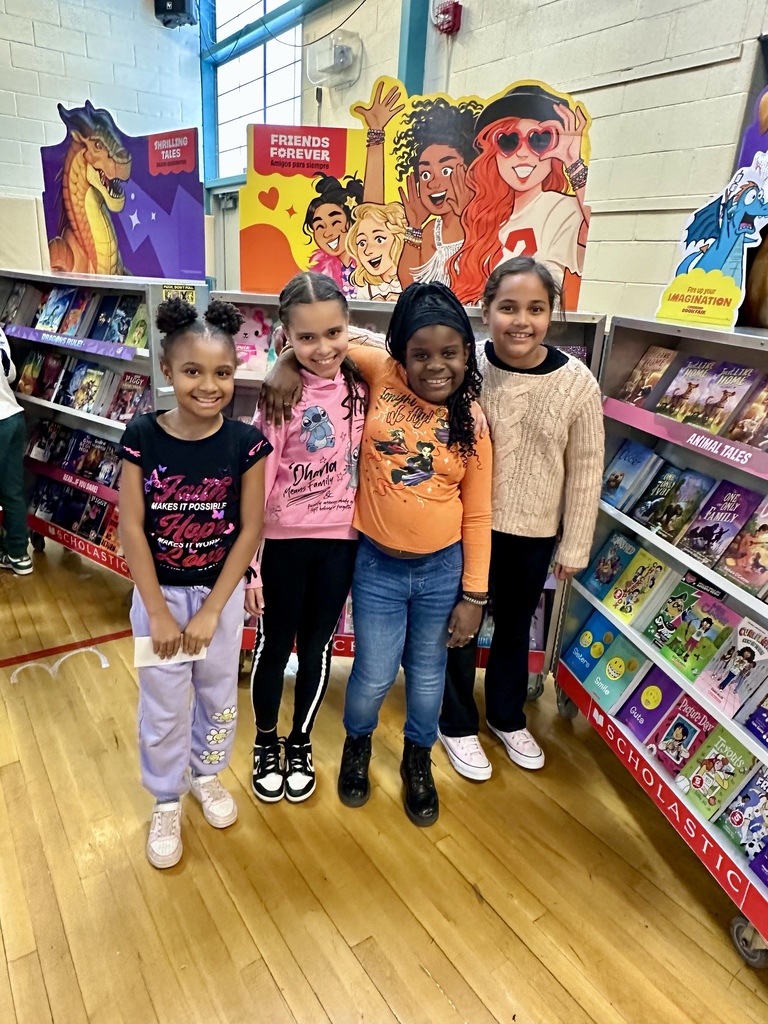
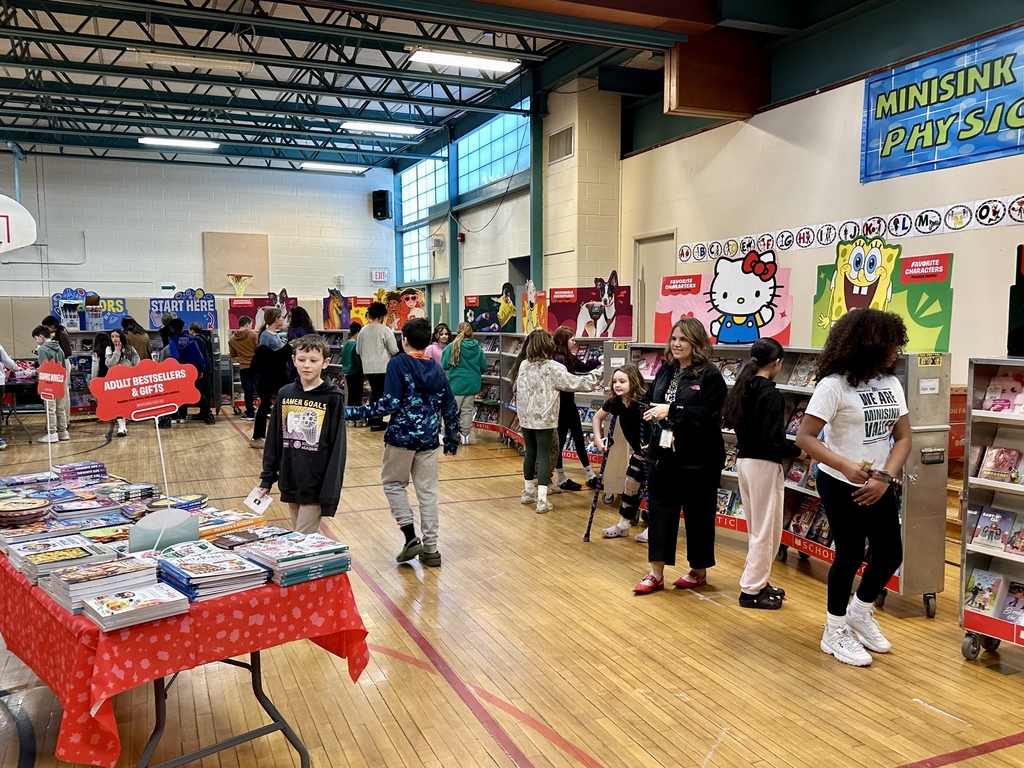
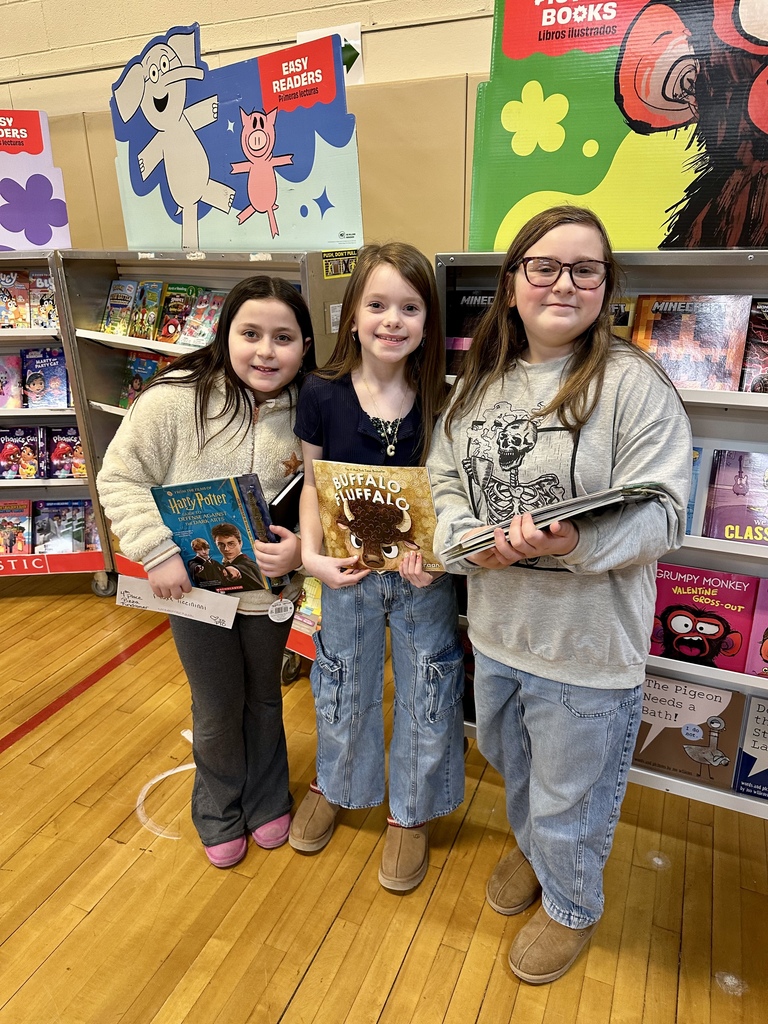
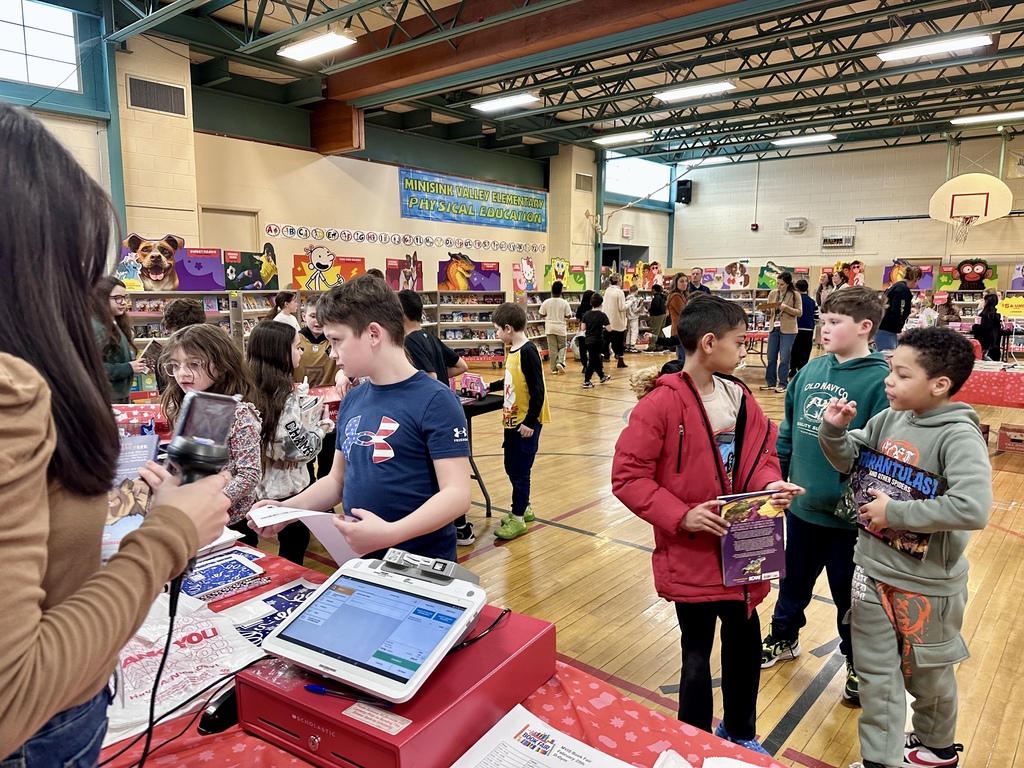
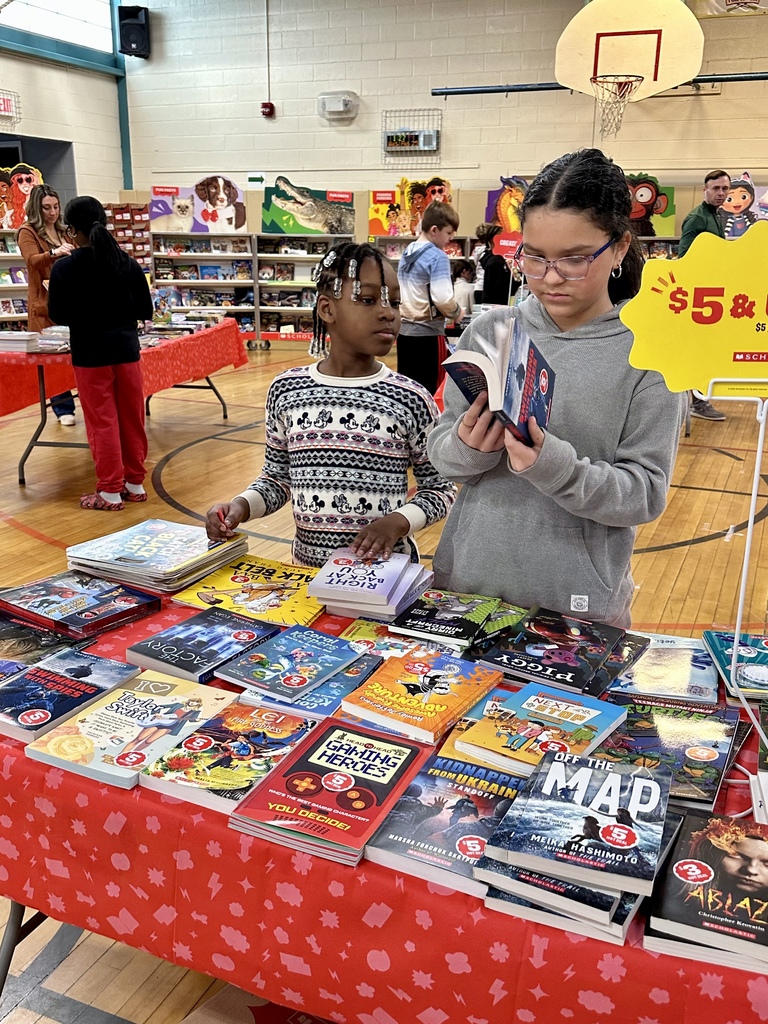
Our students absolutely LOVE Book Fairs! From flipping pages to finding “the one,” book fairs motivate students to read by offering exciting choices they can explore on their own. They also reinforce classroom learning by strengthening vocabulary, comprehension, communication and speaking skills!
Plus, every book fair visit helps students build a cozy little library at home — one book at a time!
Take a peek at this week's IS/ES Scholastic Book Fair and see our happy readers in action! Thank you to the IS/ES PTOs for all their organizational work and staffing to make the book fair days possible!
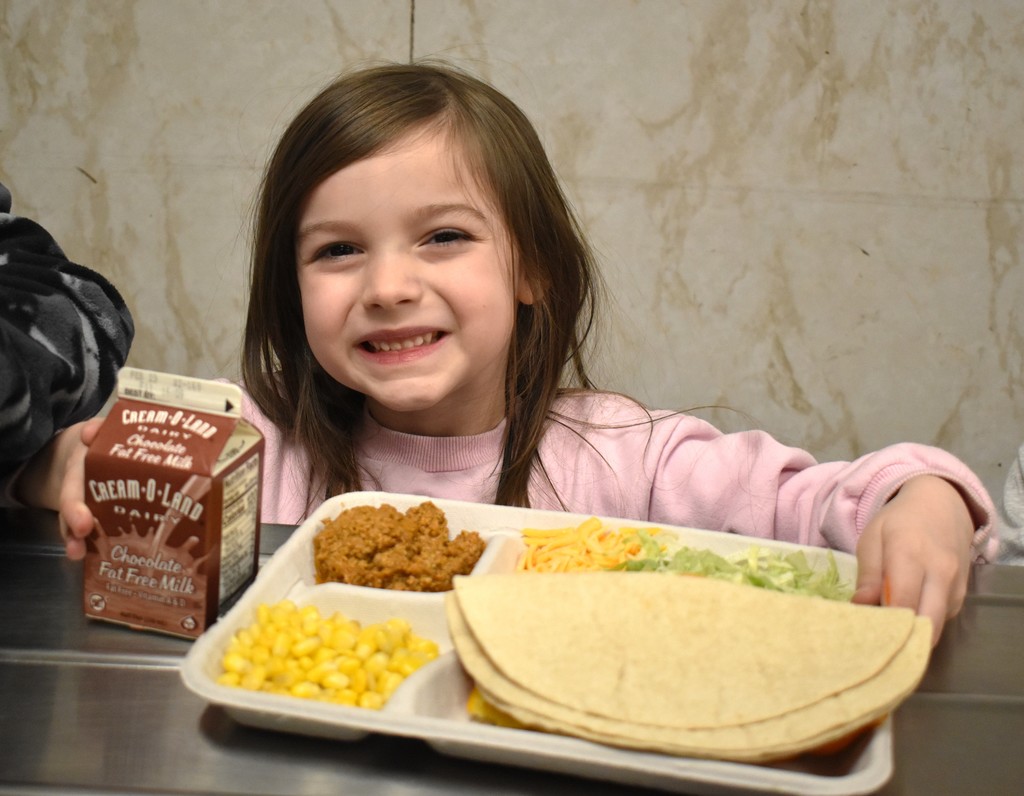
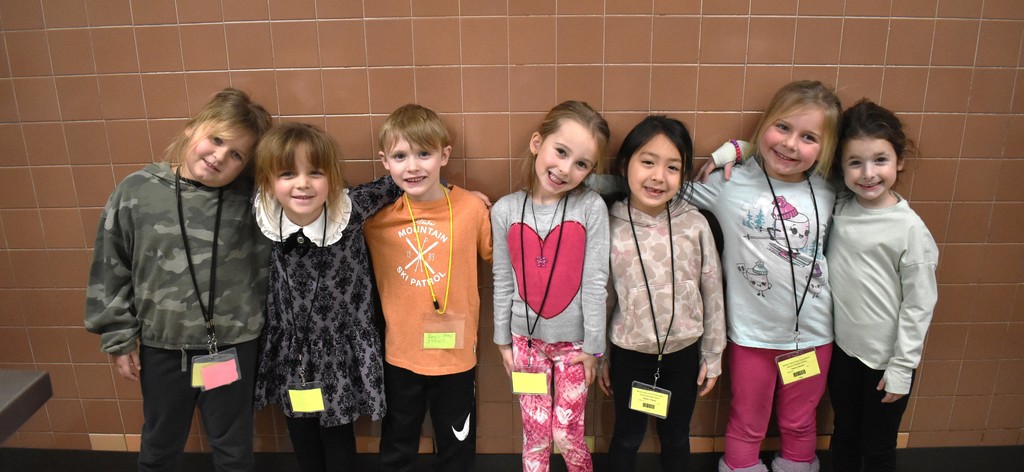
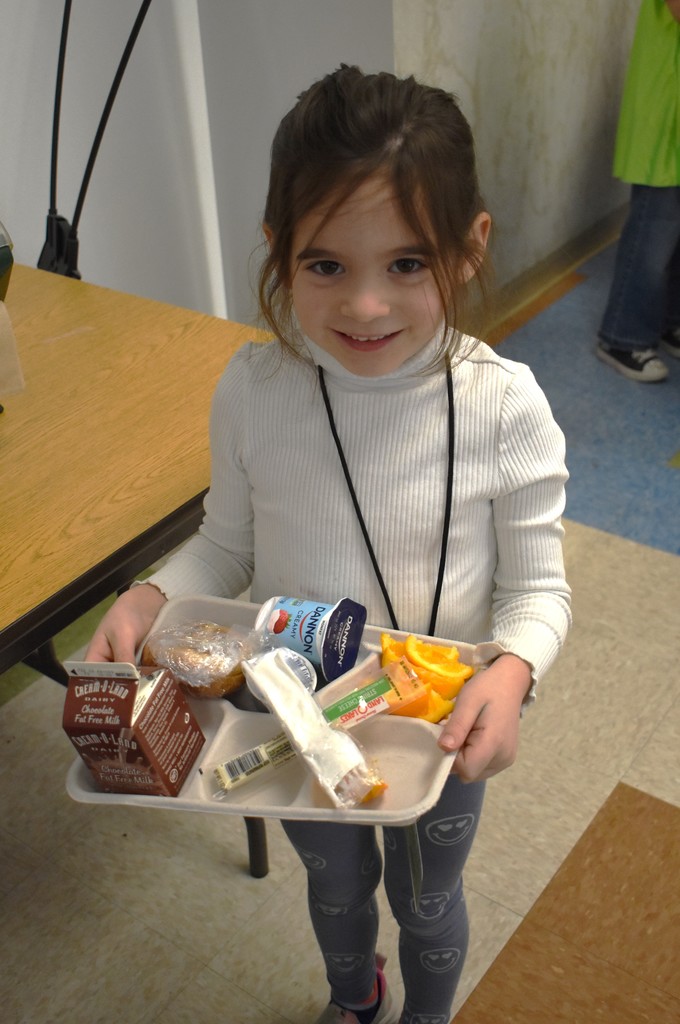
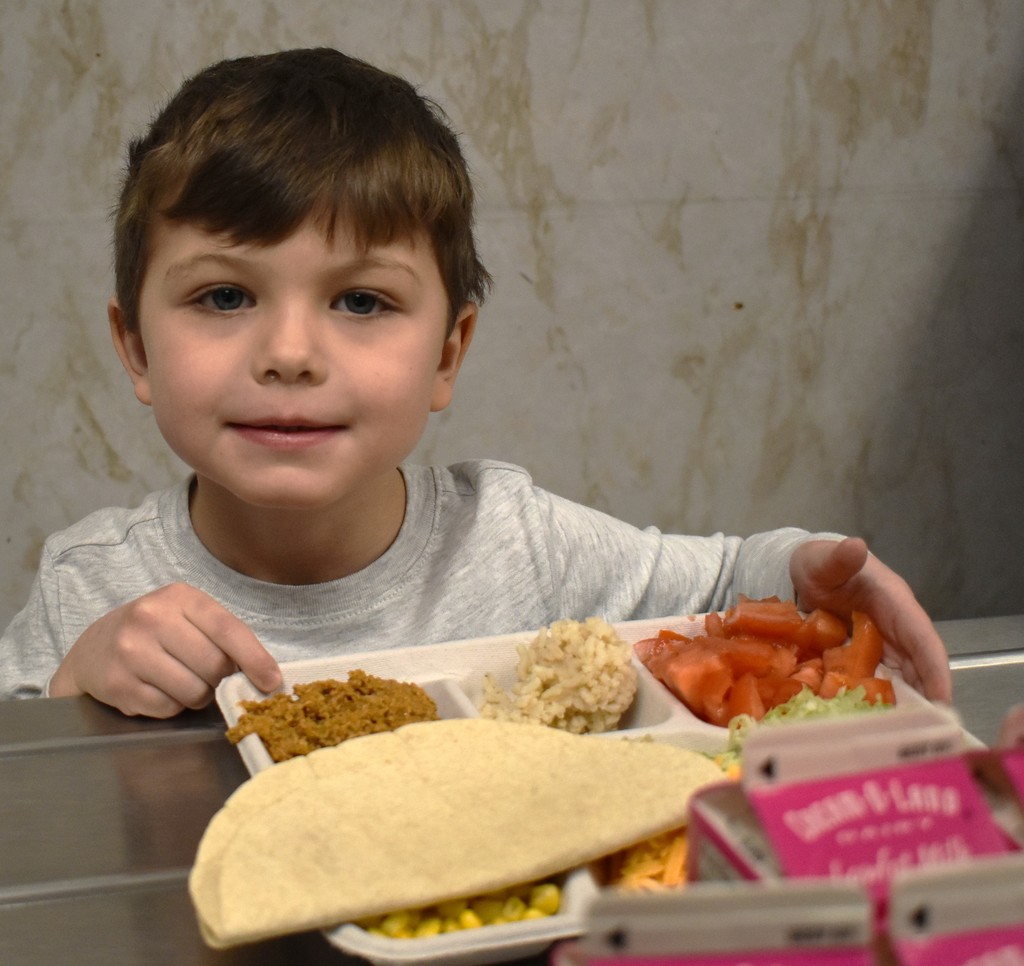
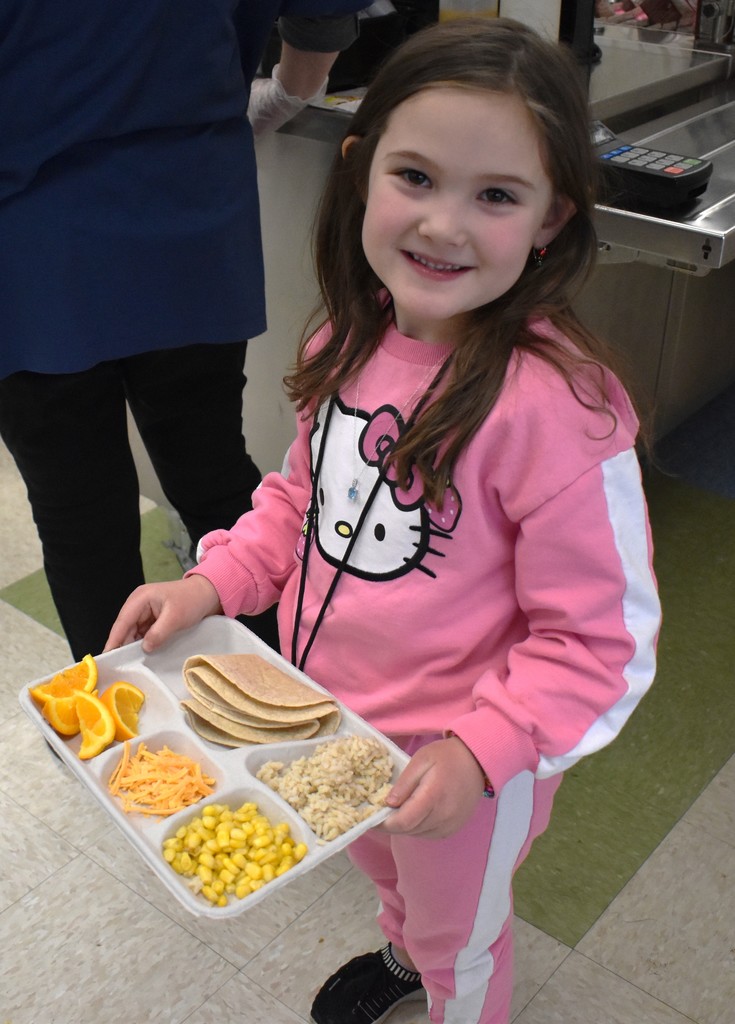
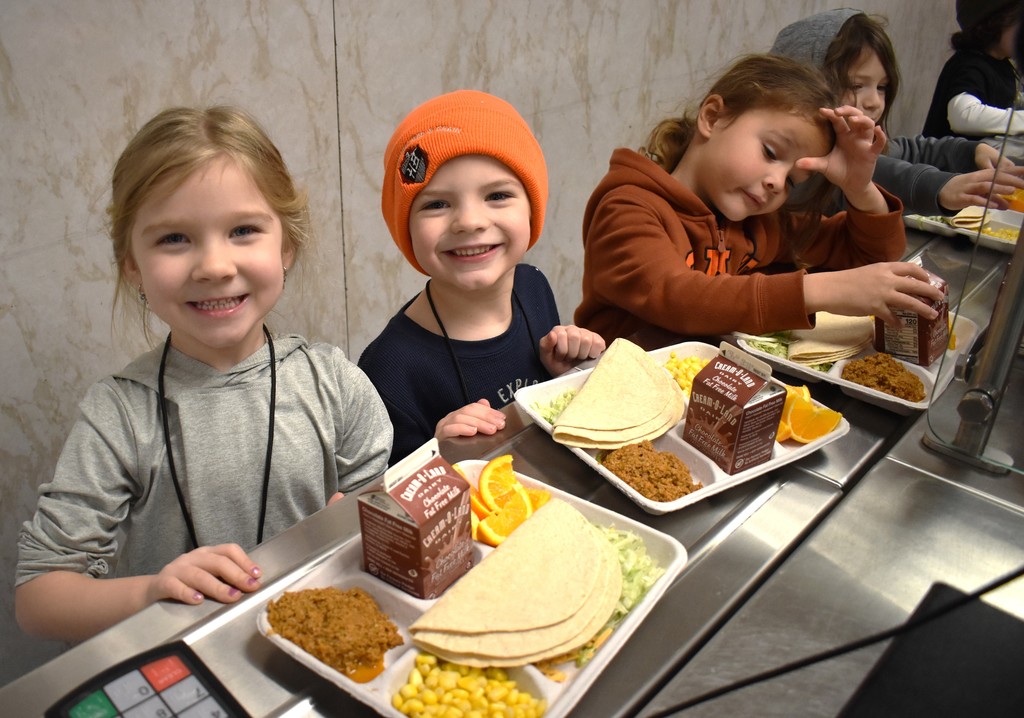
Our ES kindergarteners are growing up right before our eyes! They’re so much more confident in the cafeteria than they were at the beginning of the school year — and just as adorable as ever! From making big lunch choices to enjoying social time with their friends, these little ones are building important life skills every day! Take a peek at these little cutie pies and their happy faces!
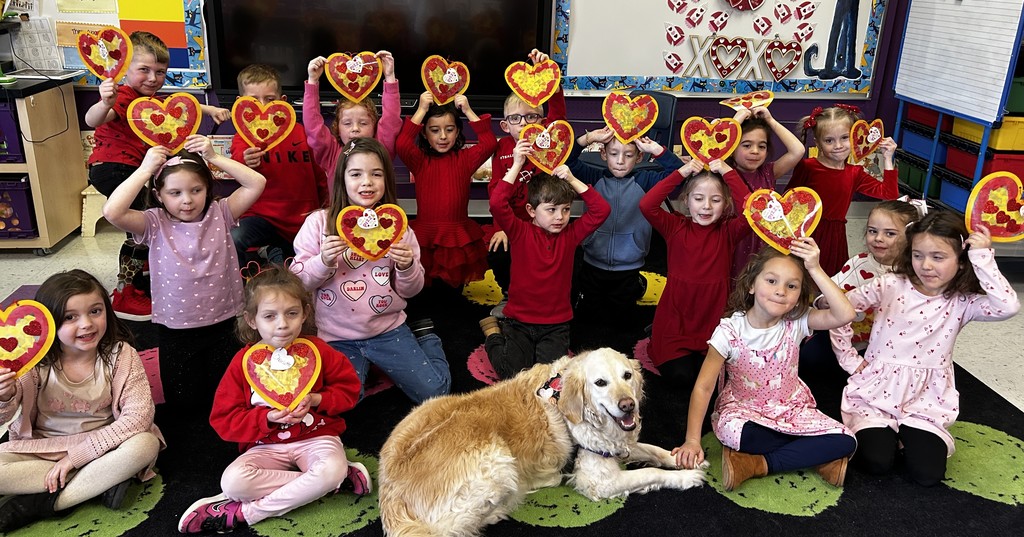
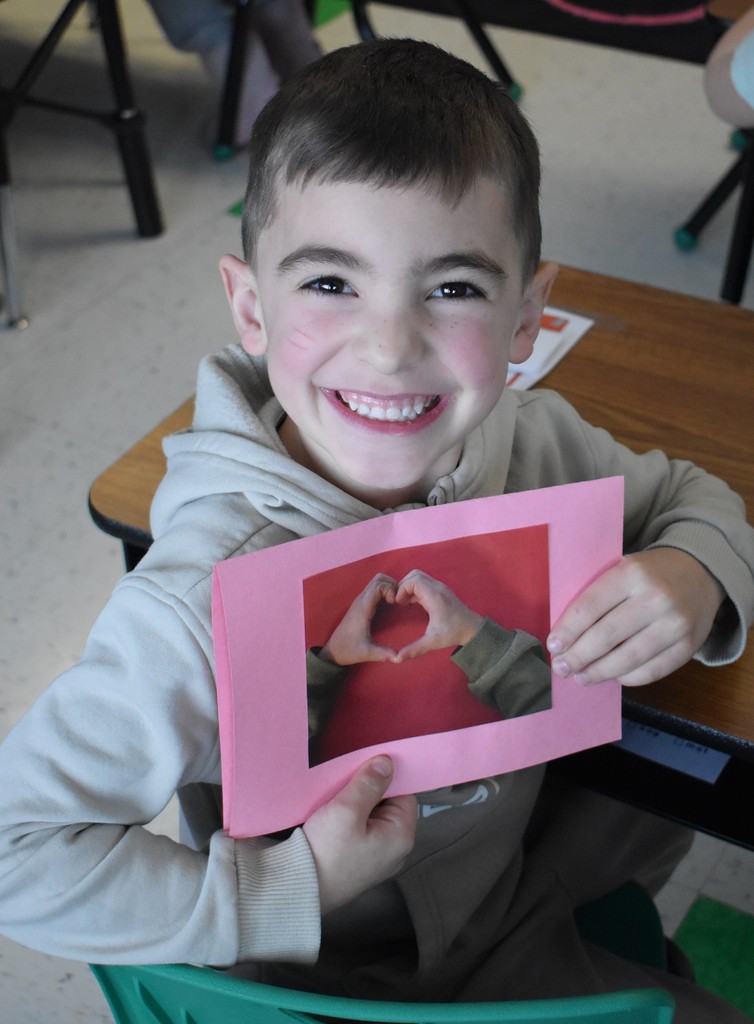
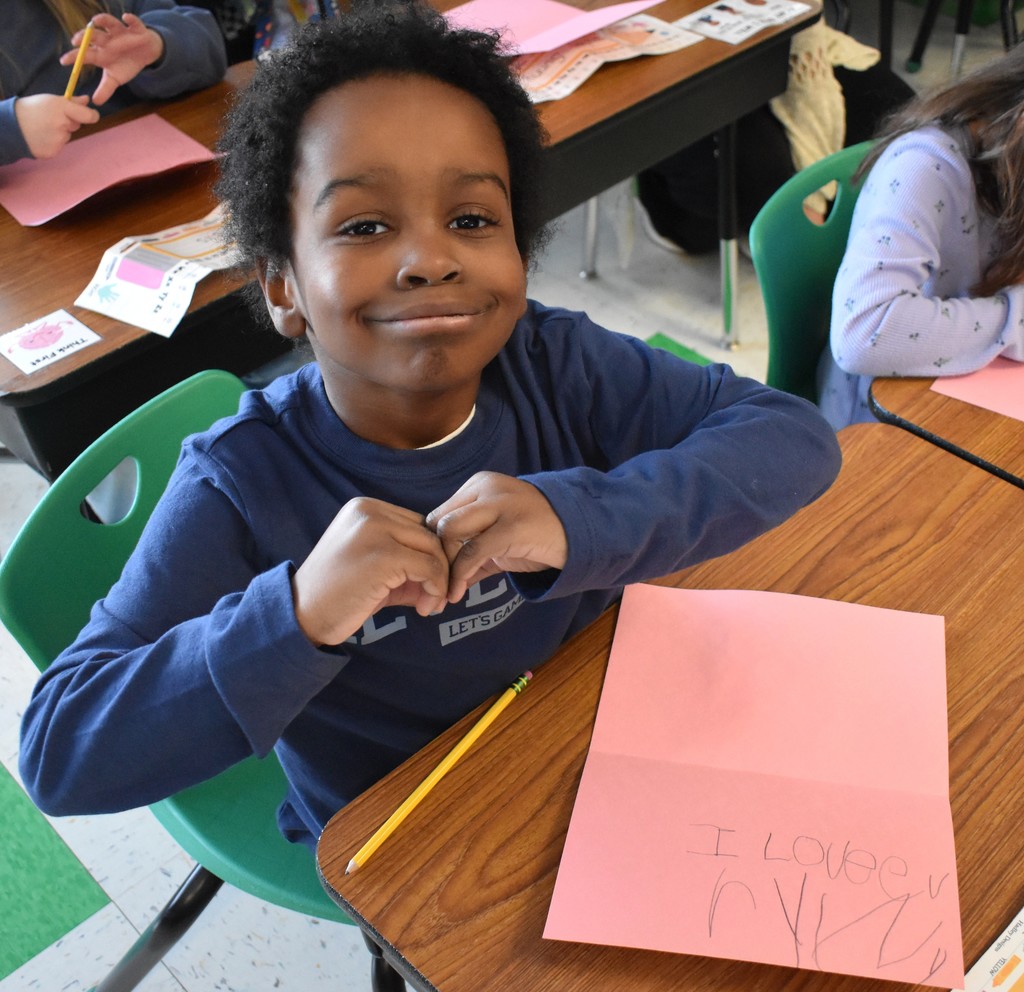
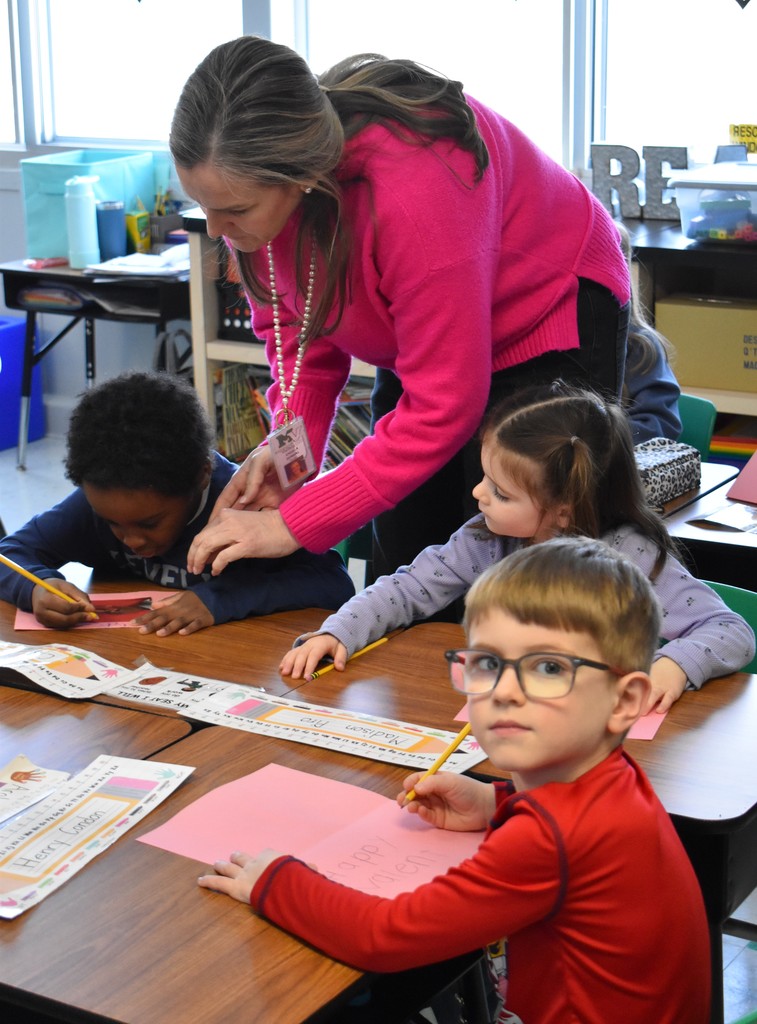
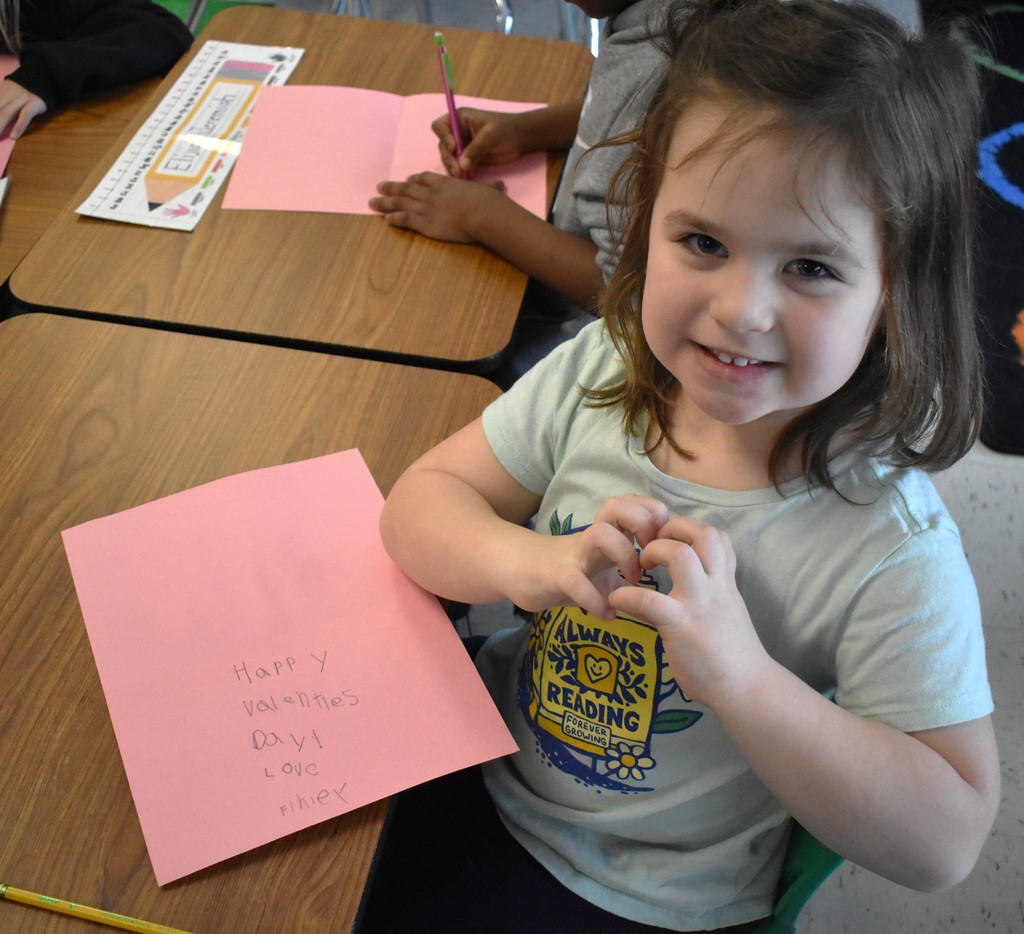
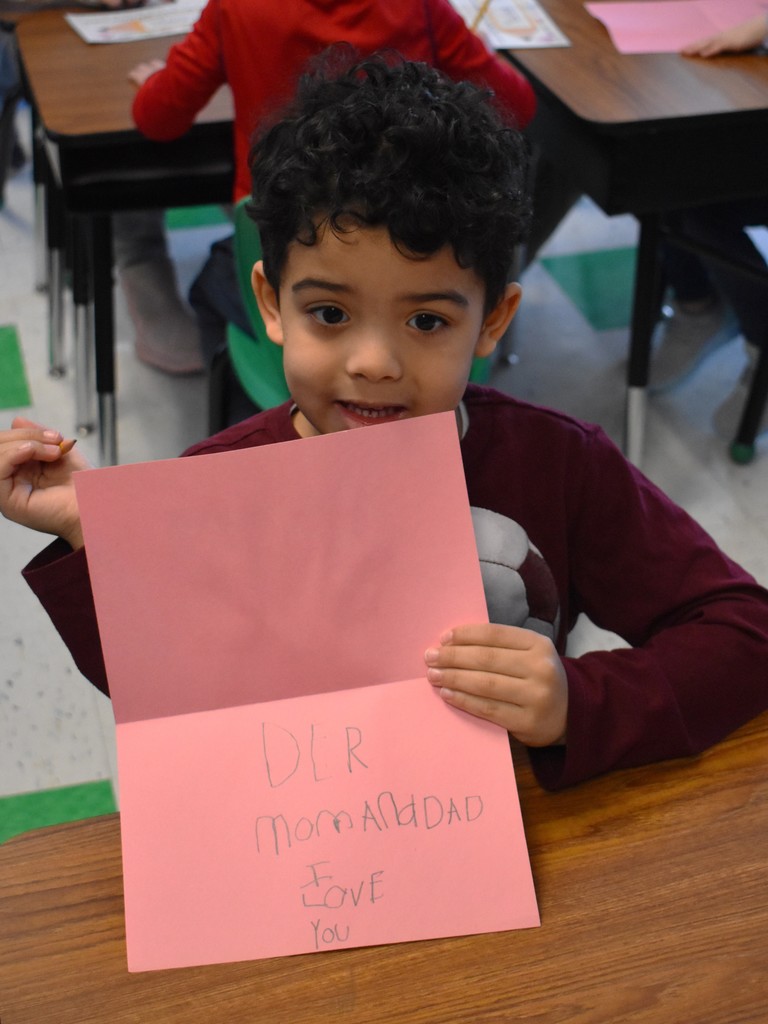
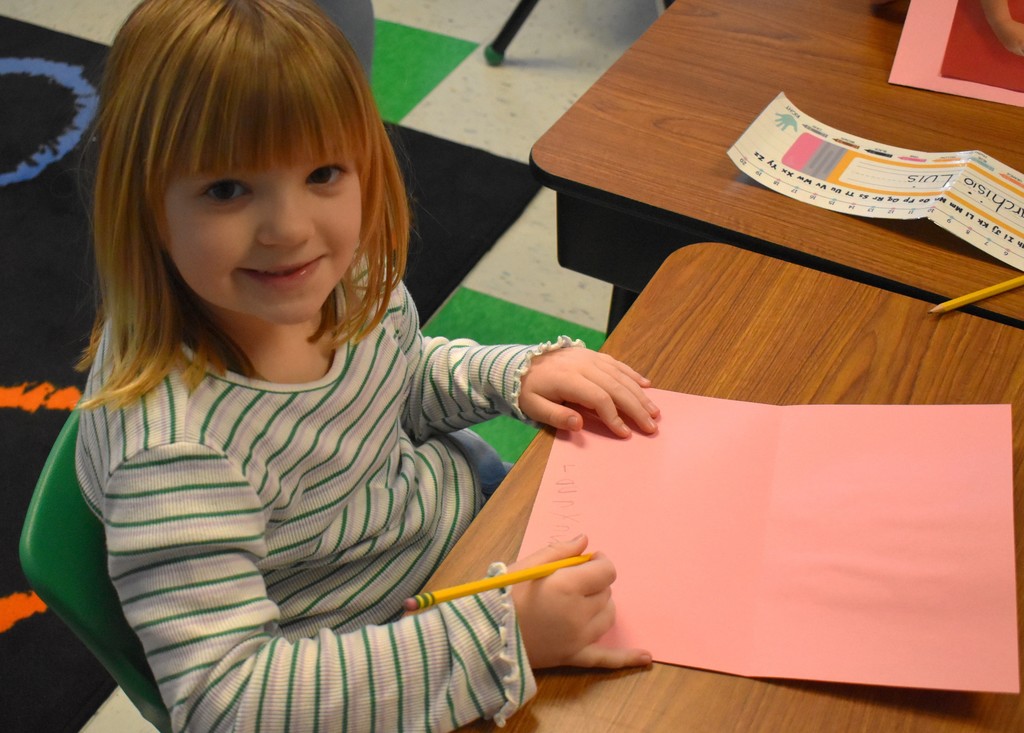
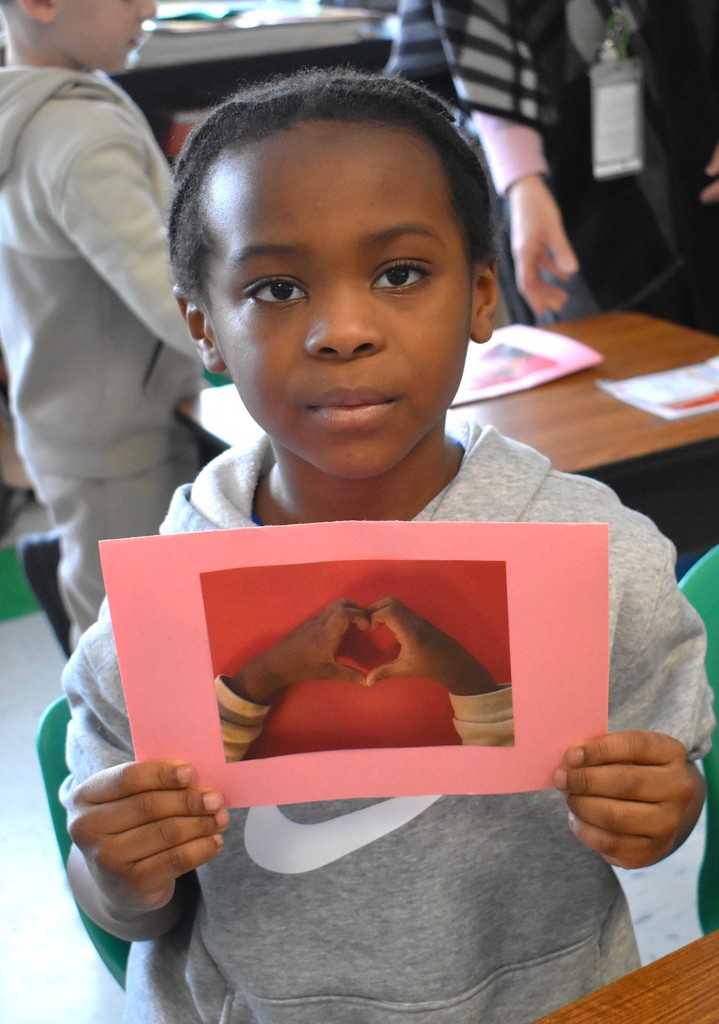
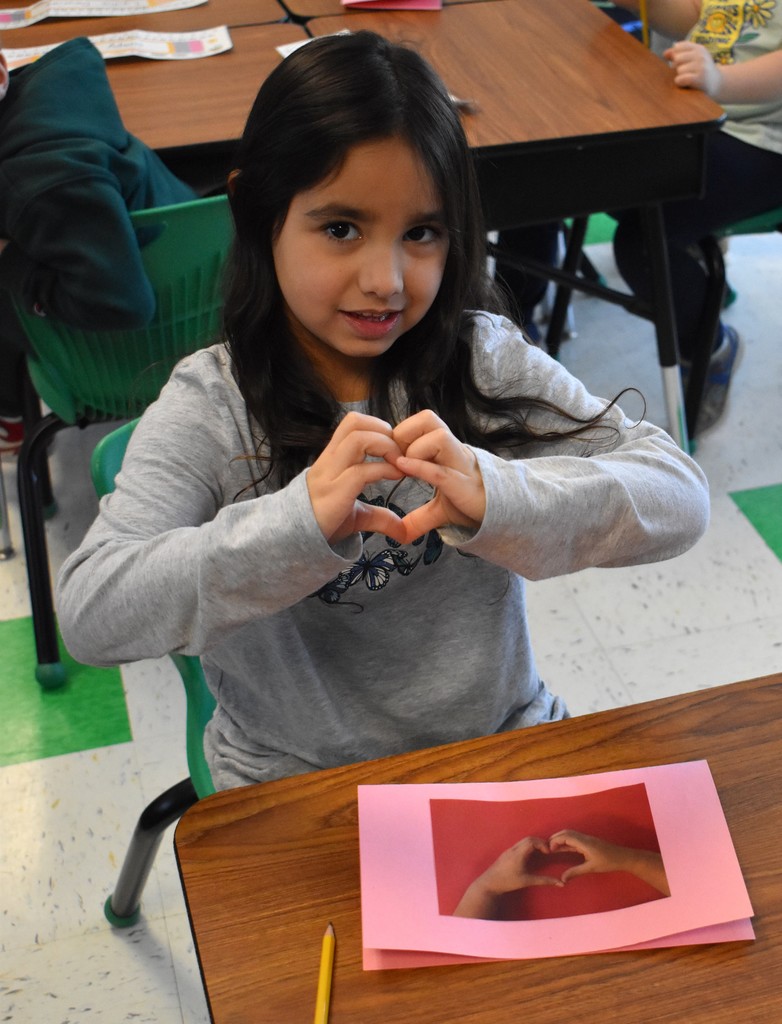
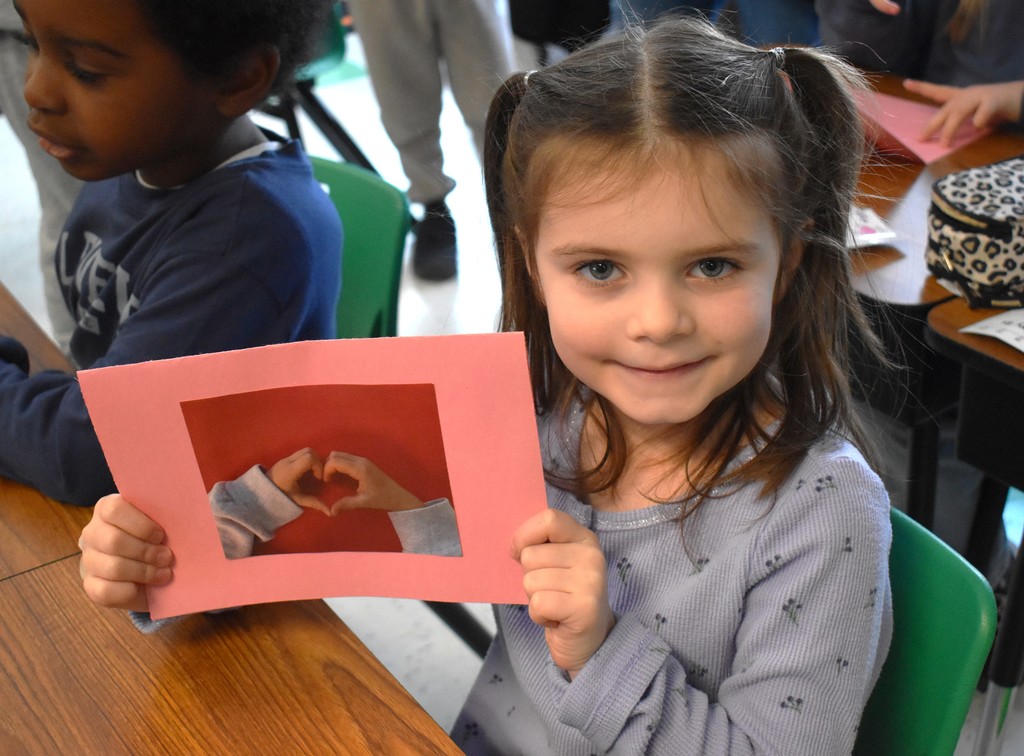
This includes Angela Dombal’s ES kindergarteners, who made wonderful Valentine cards featuring hand-heart designs and personalized messages. This art activity doubled as a meaningful ELA and penmanship lesson, too, as students were encouraged to write whatever loving thoughts they wished to share.
Many of these little writers also proudly showed off their knowledge of a new punctuation symbol they learned this week: The exclamation mark! By using it at the end of their sentences, students learned how punctuation helps writing show excitement, joy, and strong feelings — perfect for Valentine’s Day. This lesson helped connect spoken expression to written words, builds reading comprehension and encourages expressive writing as they continue to grow as confident writers.