
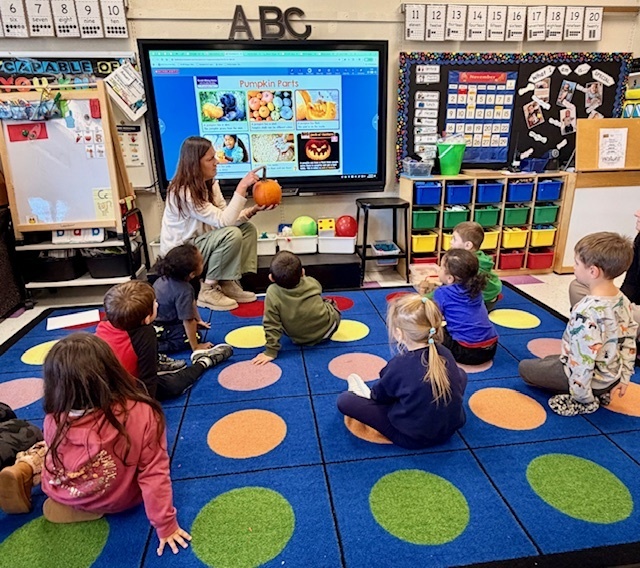
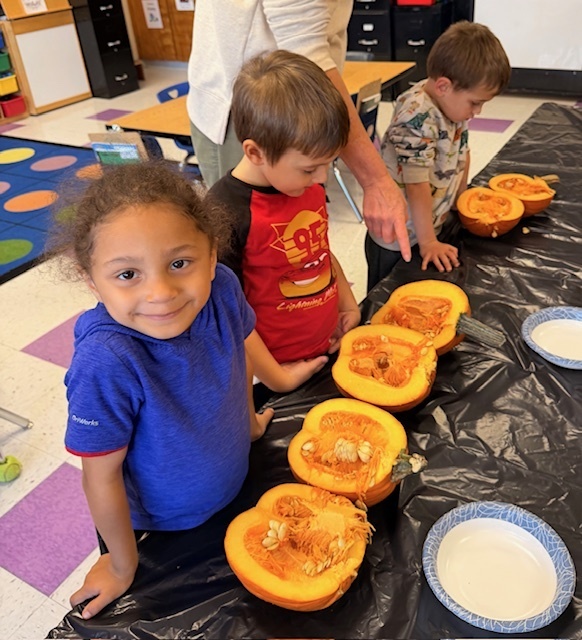
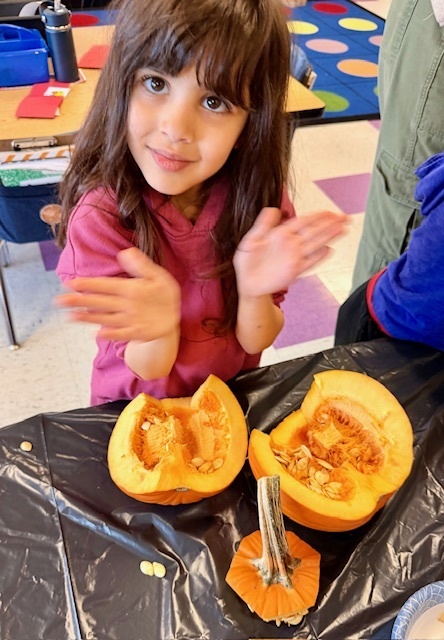
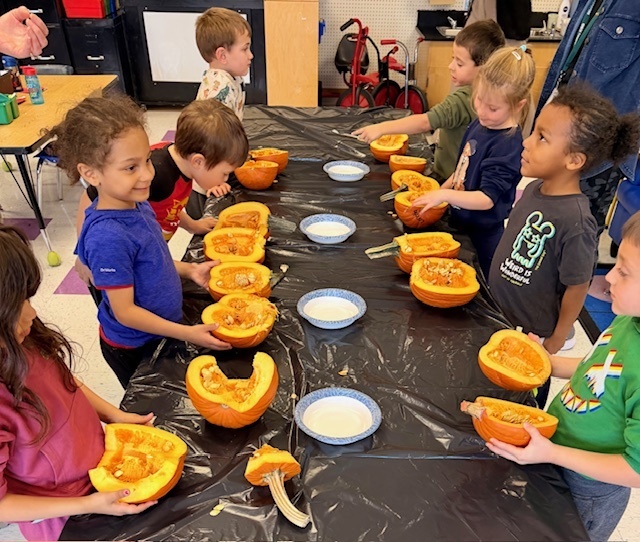
• Sight: Students observed color and shape
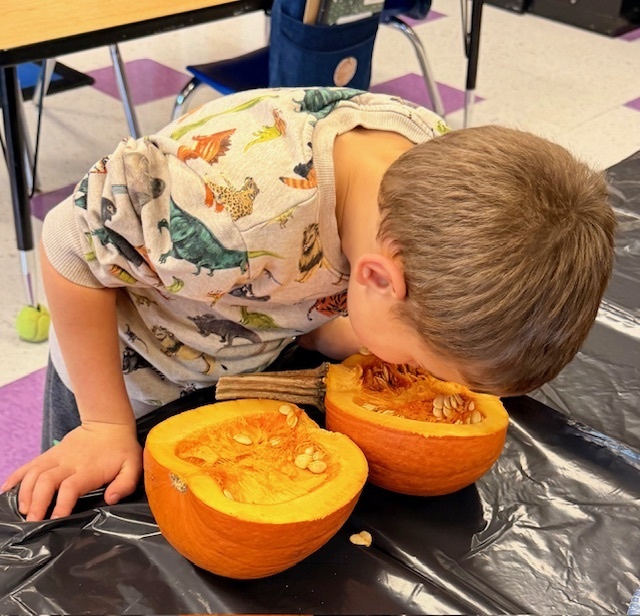
• Sound: students listened to the knock of a ripe one or the scraping of seeds
• Smell: Students noticed the earthy scent inside
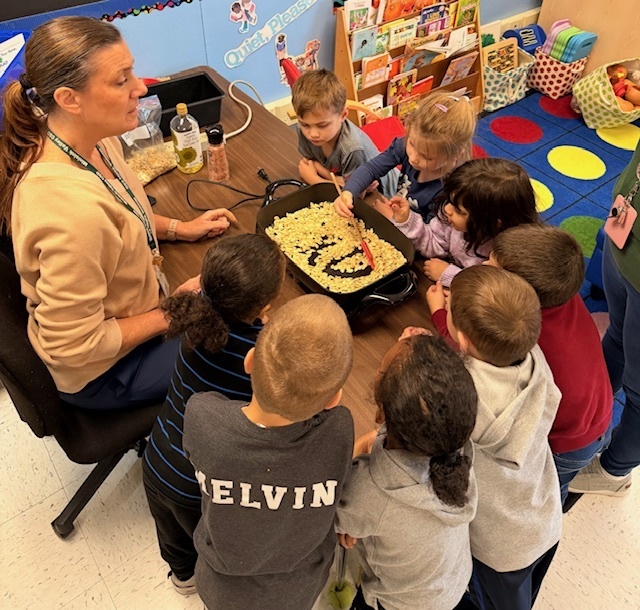
• Taste: Students tried roasted seeds
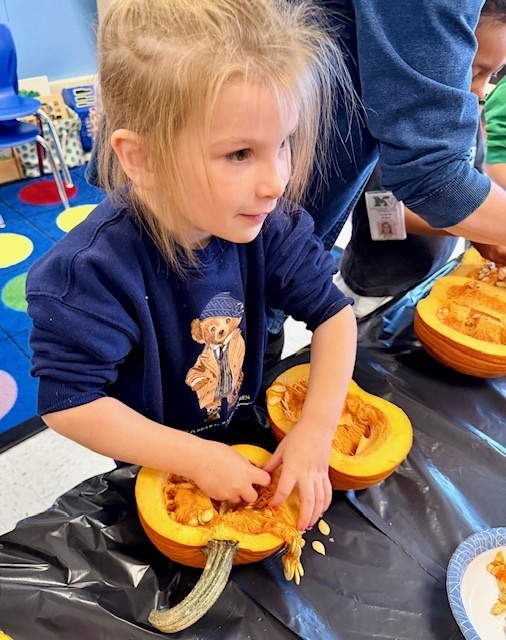
• Touch: Students felt the smooth rind and slimy insides
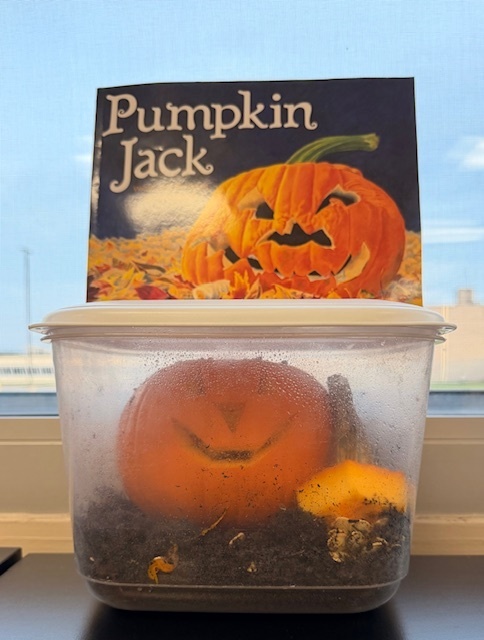
They also listened to Will Hubbell’s “Pumpkin Jack,” a story about a boy named Tim who carves a jack-o'-lantern he names Jack. After Halloween, the pumpkin rots in the garden, and Tim buries the remains. In the spring, a new plant sprouts from the seeds, which Tim tends to, and it eventually grows into a new pumpkin plant. By the next Halloween, a new pumpkin has ripened, and Tim carves a new jack-o'-lantern, completing the life cycle of a pumpkin.
Then, they collectively undertook a science experiment with their own version of “Pumpkin Jack” and will be watching how it decomposes with the expectation that a new pumpkin plant will grow in the spring. They’ll see firsthand how a pumpkin’s life cycle takes place.
Students also learned new, “big” vocabulary words, too, like seeds, stem, shell, flesh, pulp, vine, roots and more!
•Pumpkins are fruits that grow on vines and come in many colors, including orange, white, and green. They contain seeds and a stringy pulp inside, and you can eat the seeds after roasting them. Native Americans have been growing pumpkins for over 5,000 years, and the word "pumpkin" comes from the Greek word “pepon,” meaning "large melon". The word also connects with the Latin word “peponem” and the French word “pompom.”
•They’re cultivated in every continent in the world except Antarctica. Pumpkins are found in many dishes, from pies and porridges to soups and curries. You can even cook and eat pumpkin seeds. In addition, some cultures use pumpkins for medicinal purposes.
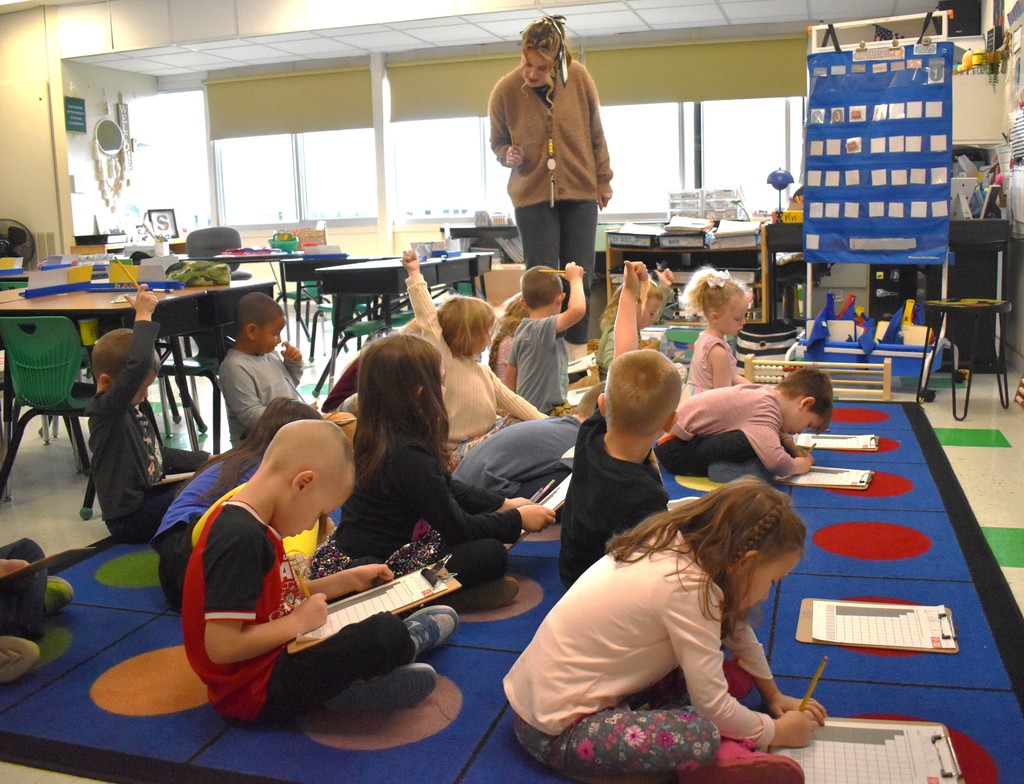
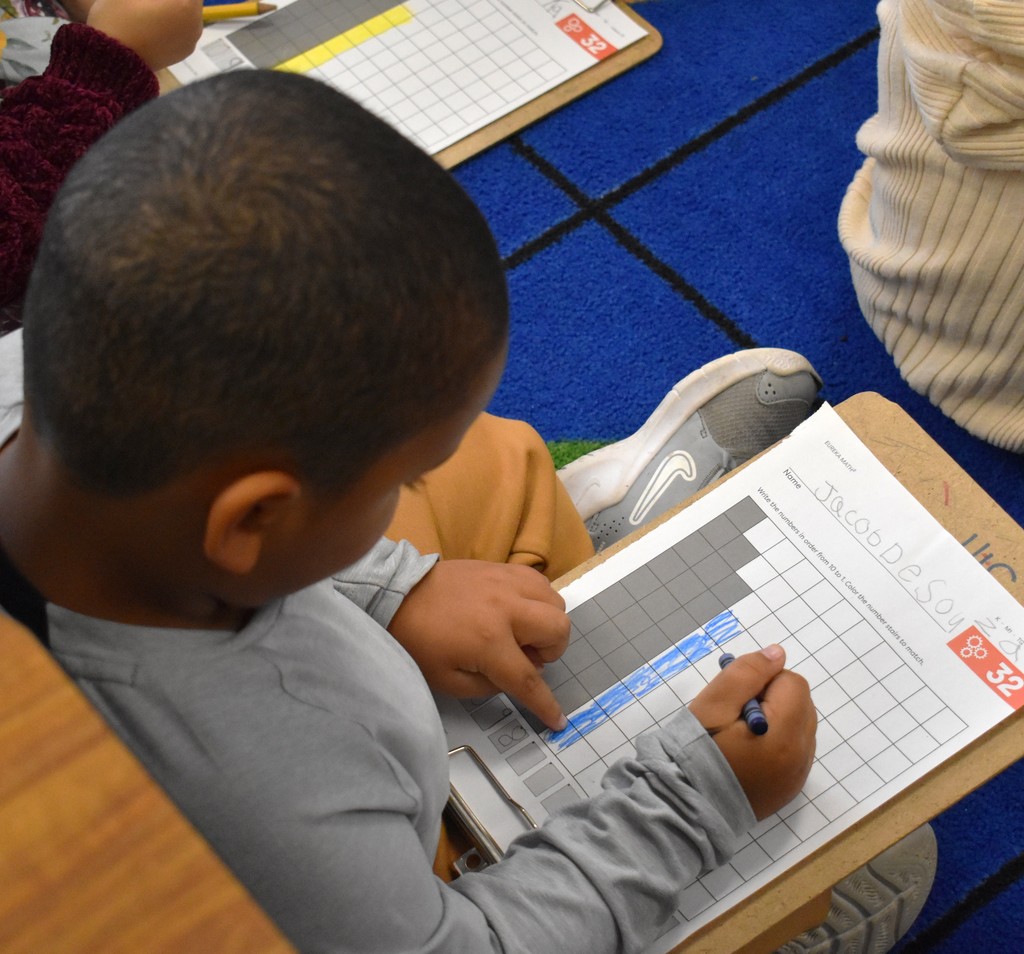
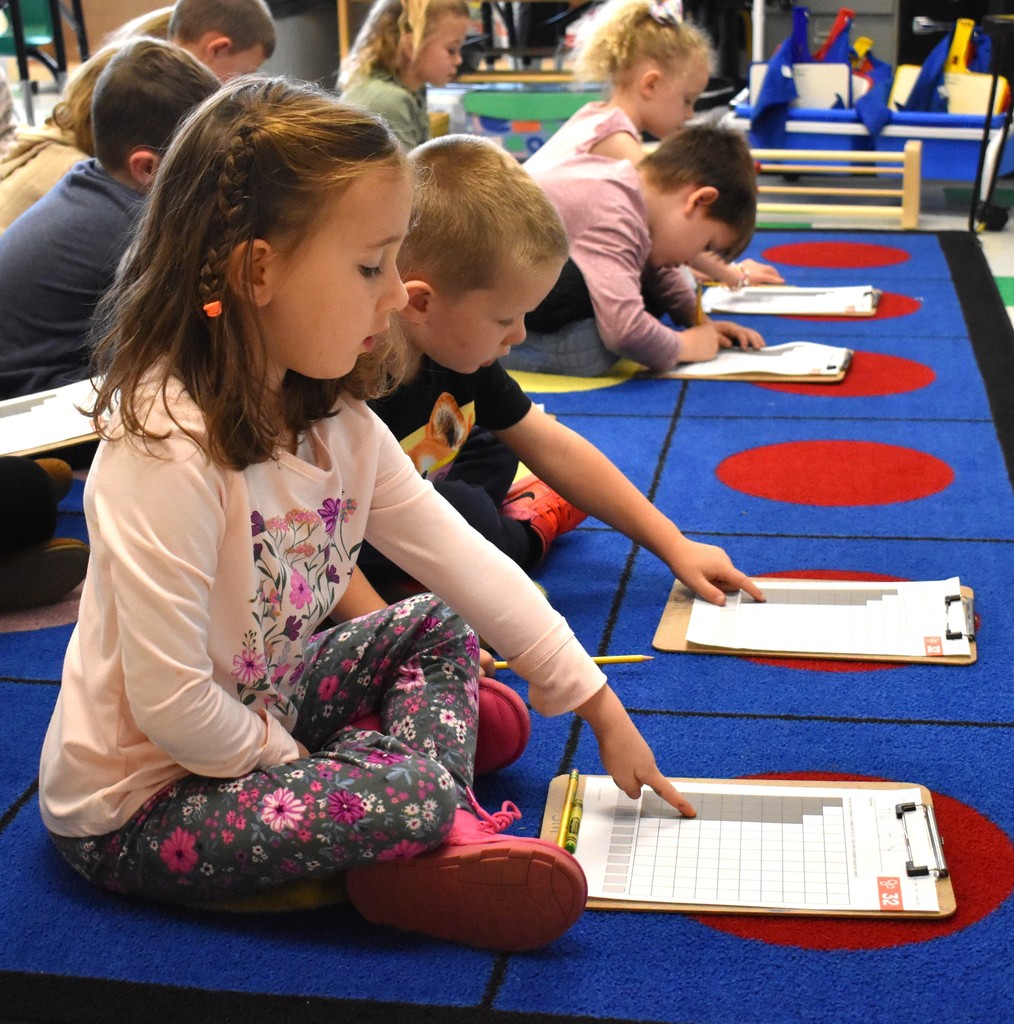
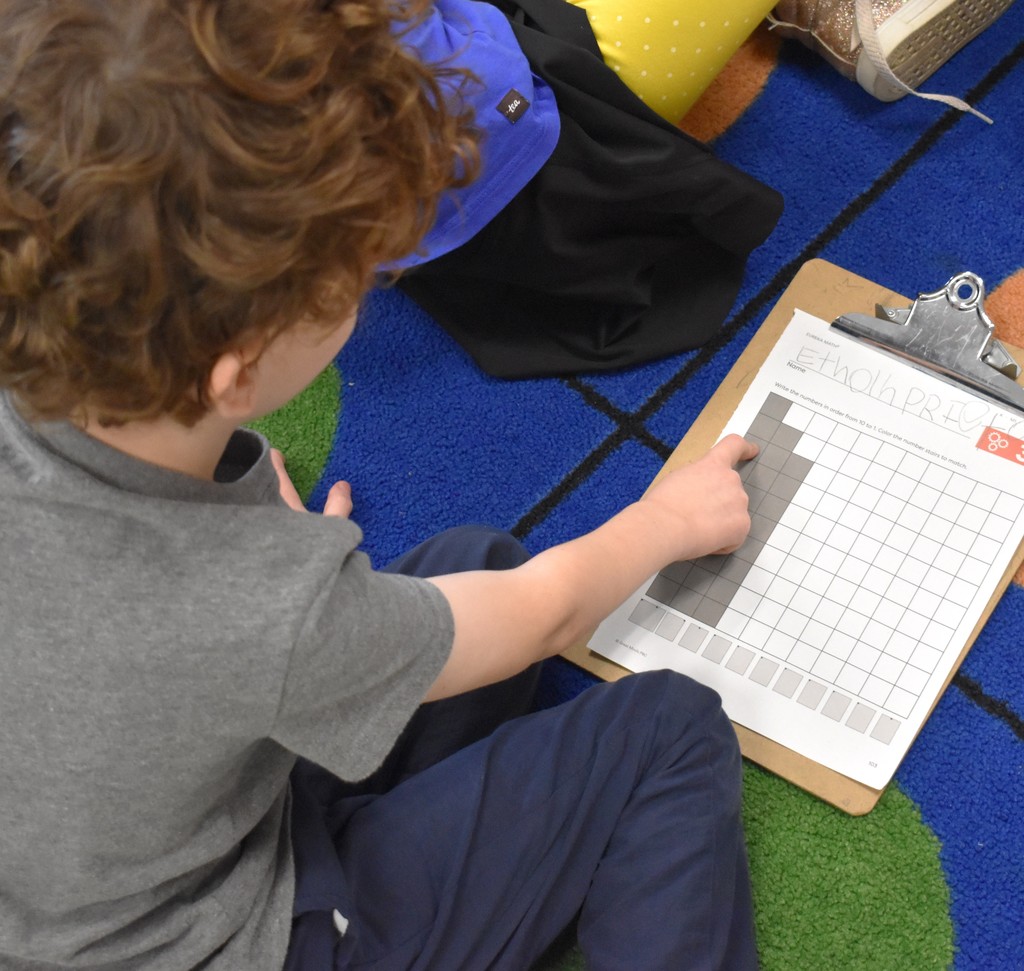
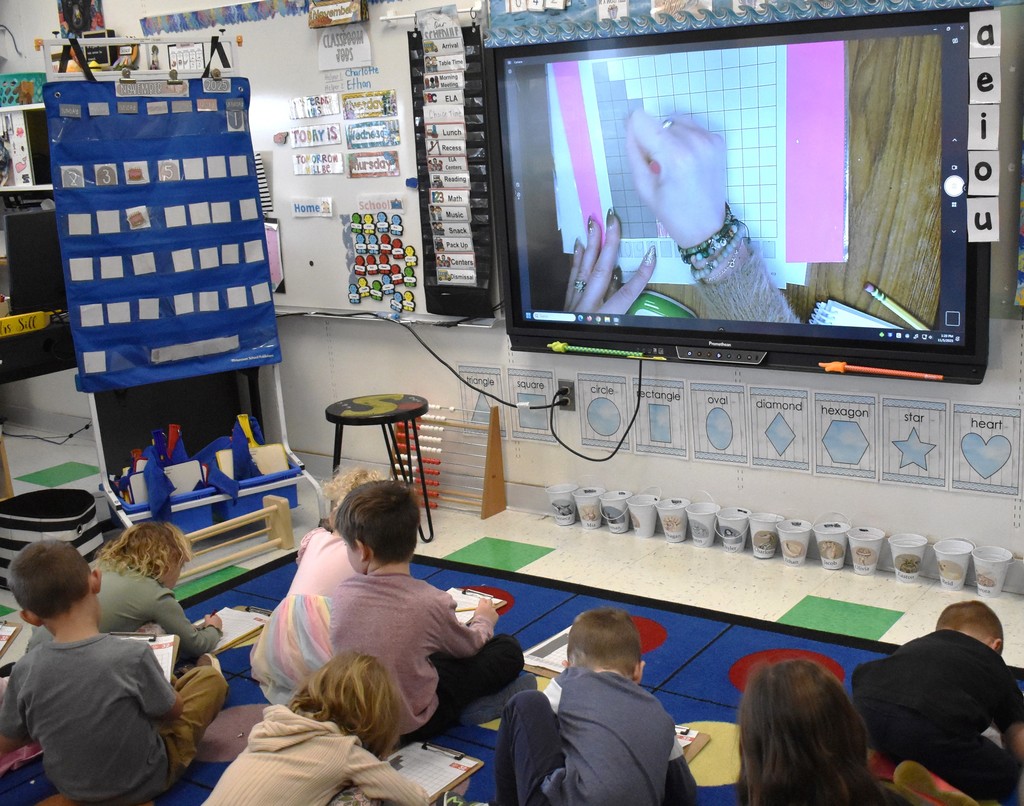
This "color the stairs" concept refers to a visual and hands-on activity where students arrange linking cubes to create "number stairs." By coloring each step to represent a number, they can see that each subsequent step is one more and can also see the one less pattern as they count down. This exercise helps build a foundational understanding of number order, one-to-one correspondence, and the concepts of adding one and subtracting one.
Did you know Minisink Valley’s Facebook page features thousands of great photos and information which show what’s going on at Otisville Elementary, Minisink Valley Elementary, Minisink Valley Intermediate School, Minisink Valley Middle School and Minisink Valley High School?
Over 8,400 people (and growing!) in the greater Minisink Valley area “follow” the district’s page. Join them! It’s a great source of information!
Visit the district's Facebook page and be sure to “like” us: https://www.facebook.com/MinisinkValleyCSD

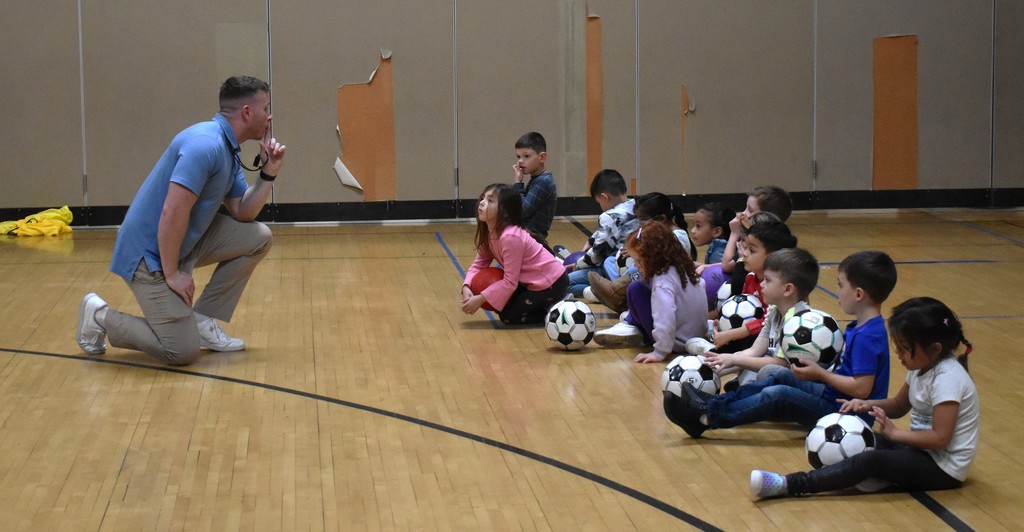
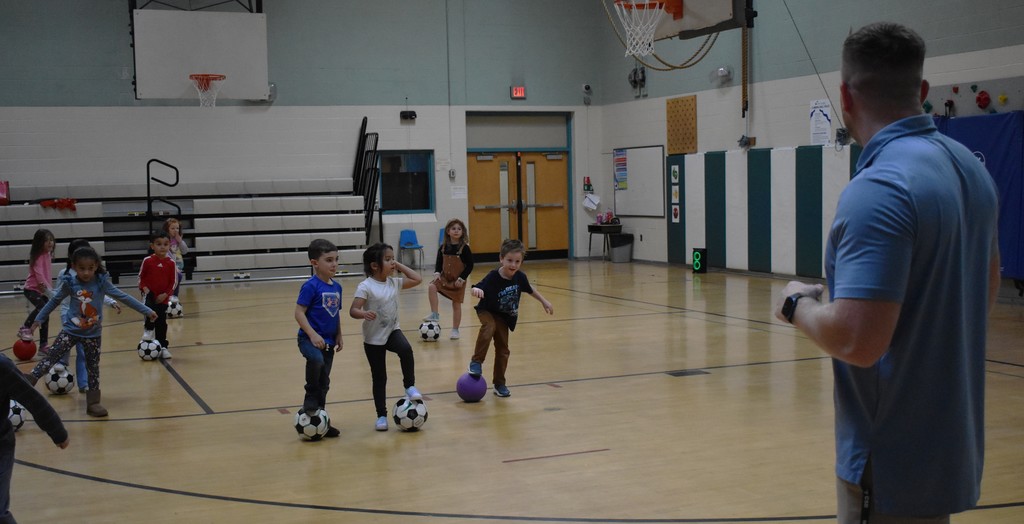
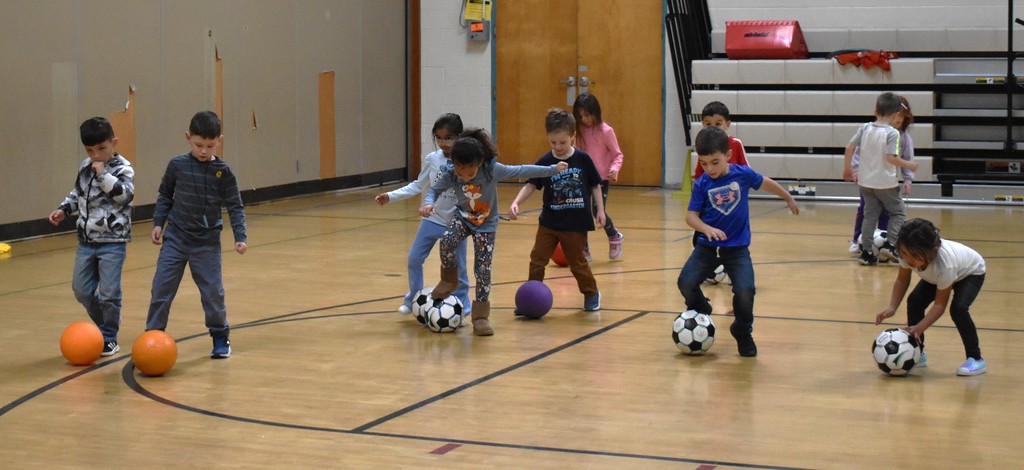
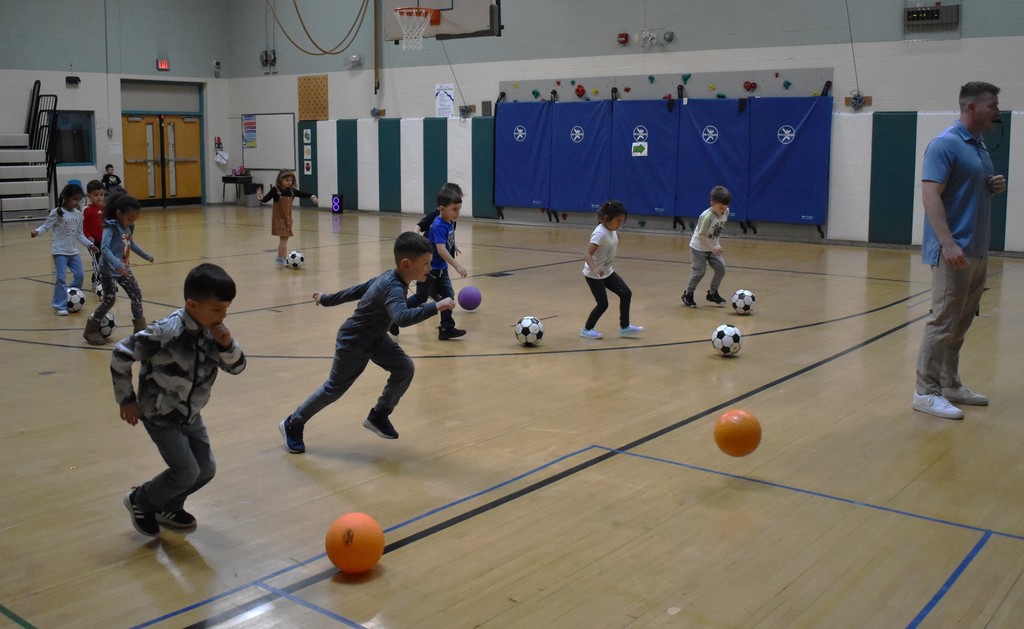
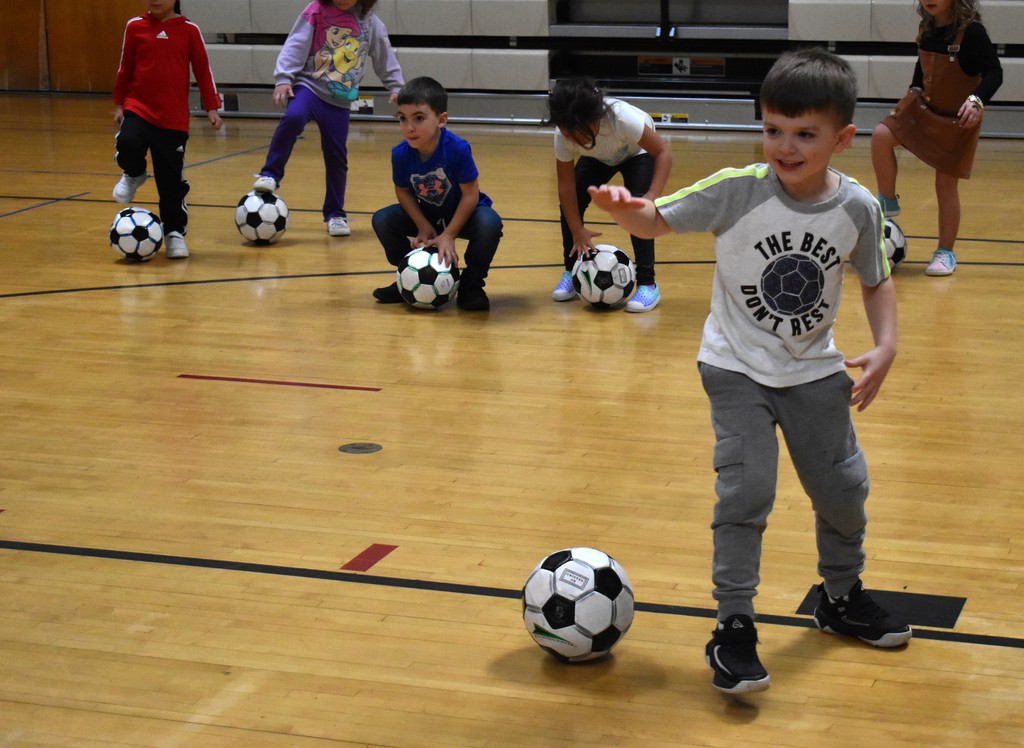
Jonathan Sakadelis has been introducing his ES kindergarten physical education students to soccer! They've been learning how to move the ball down the field by playing a game we all know: "Red Light, Green Light, 1, 2,3!" Plus, they've been learning how to trap, or stop, the ball. These cutie-pies are doing really good as novice beginners, too! There's probably some future varsity players in this group!


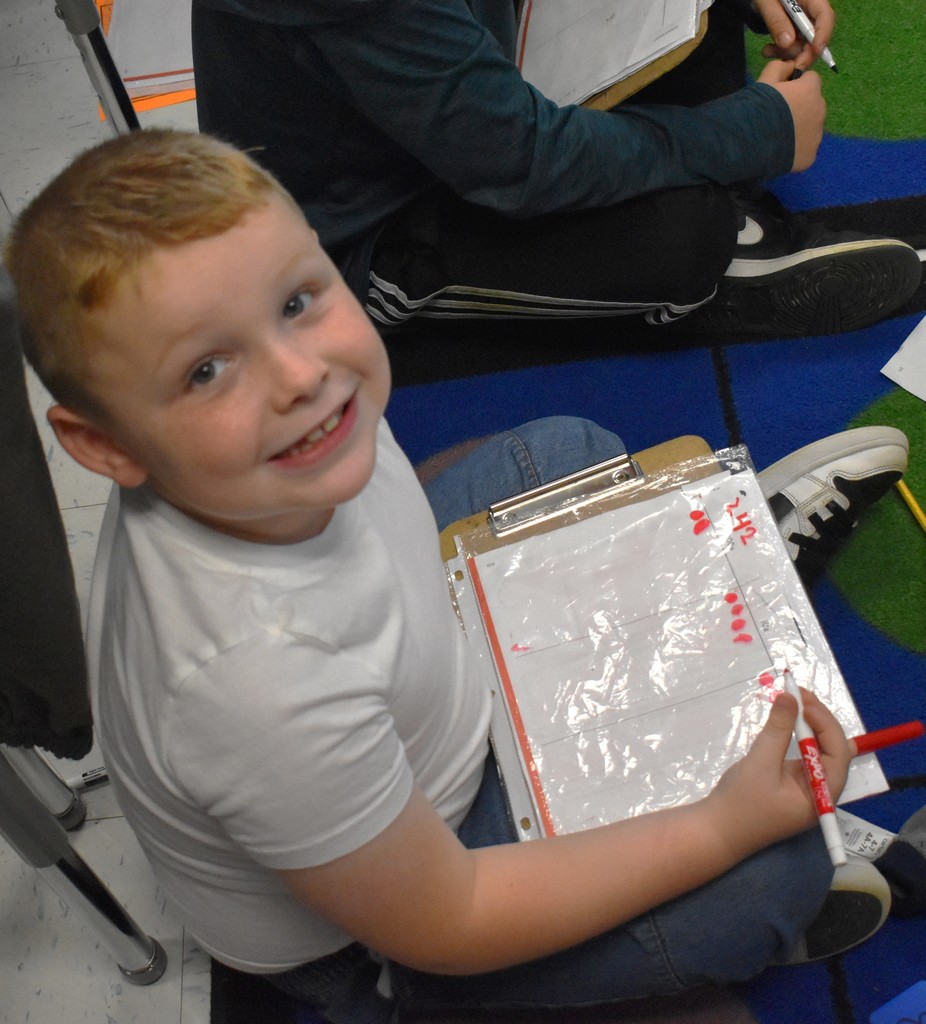
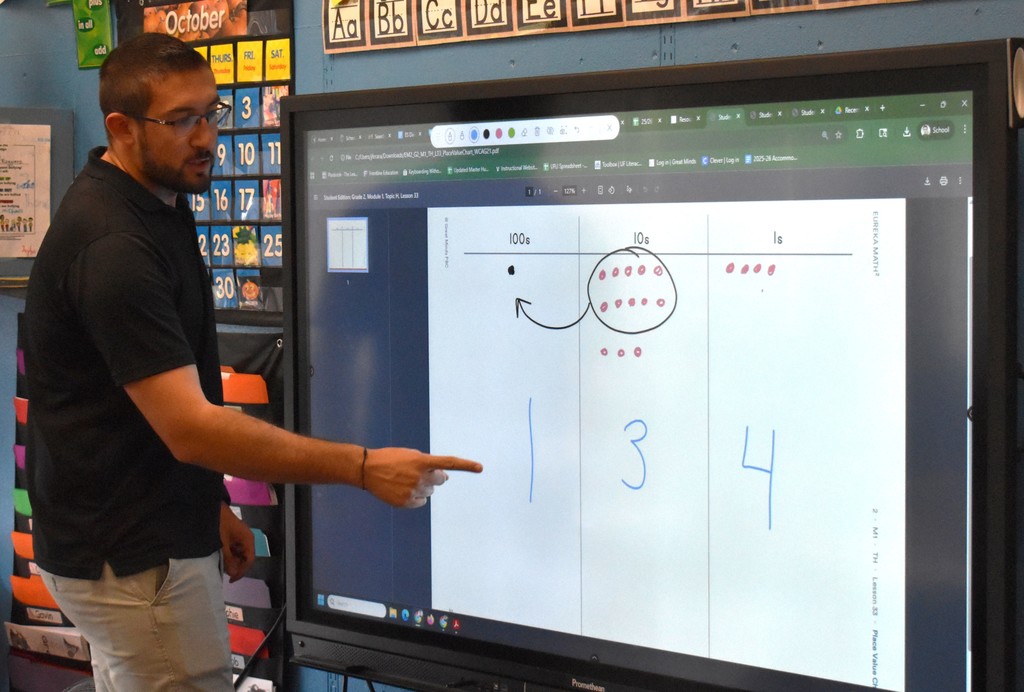
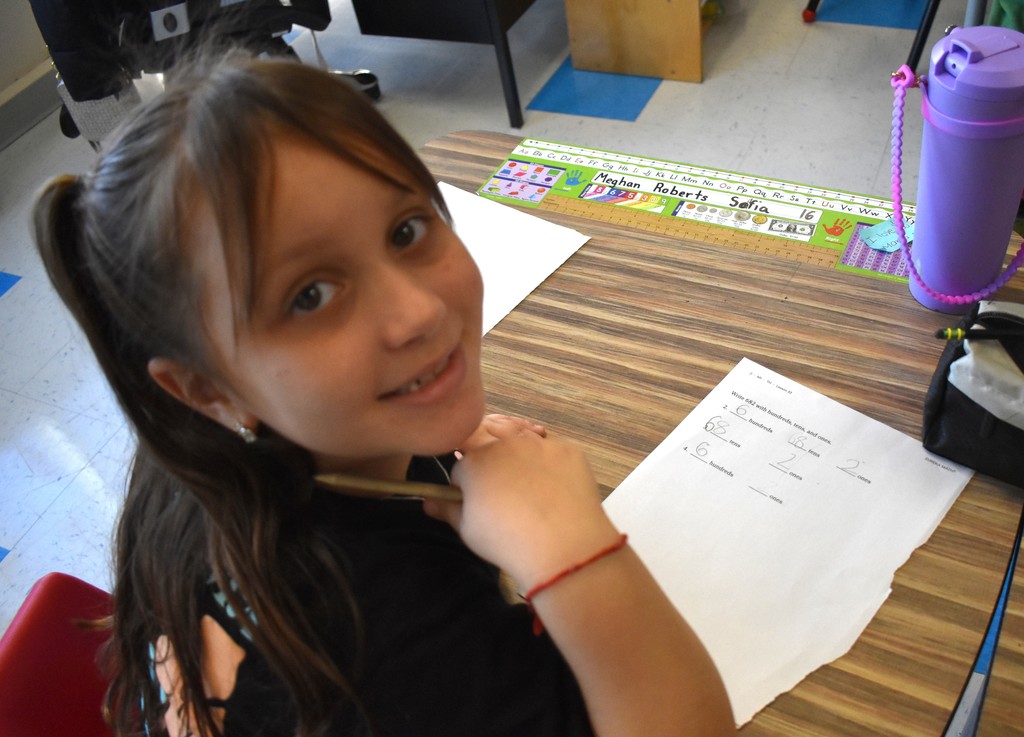
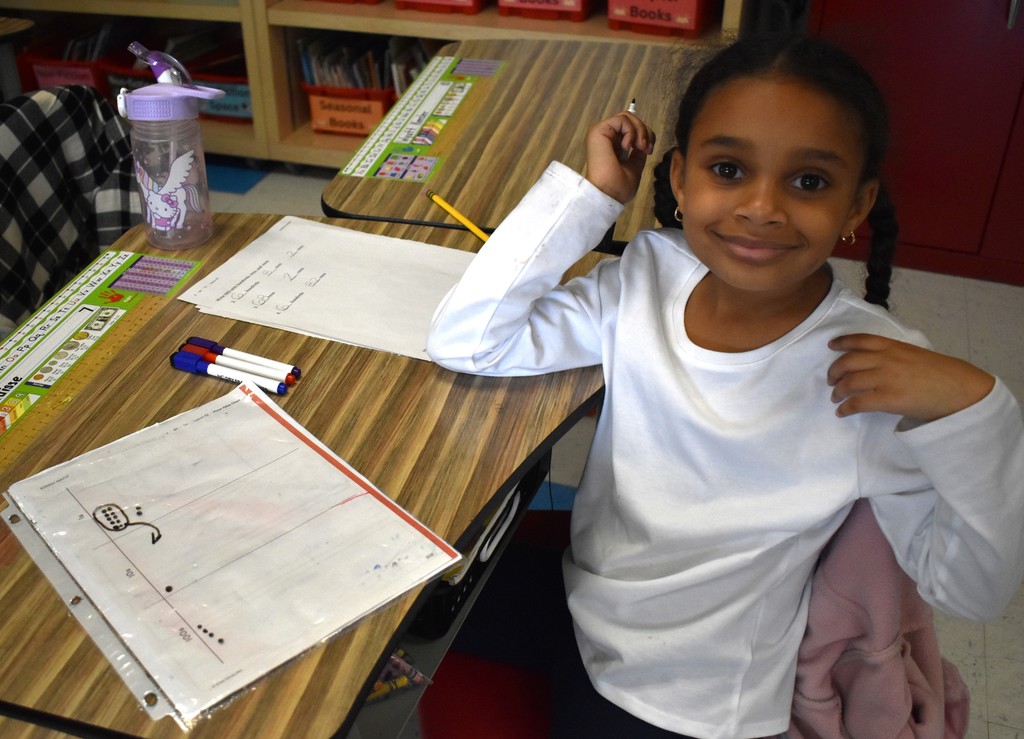
As they progress in this work, students will be moving toward regrouping and borrowing when adding and subtracting. Right now, they been practicing bundling groups of 10s and moving them to the appropriate place value to accurately represent the number. This practice of unbundling and bundling numbers becomes the baseline for addition and subtraction strategies.
An HTO chart is a place value chart used in elementary education with columns for “hundreds,” “tens,” and “ones” to help students visualize and understand numbers. It’s a foundational tool for teaching concepts like addition, subtraction, and multiplication by showing how numbers are composed and how regrouping works (i.e.: trading 10 ones for a 10).

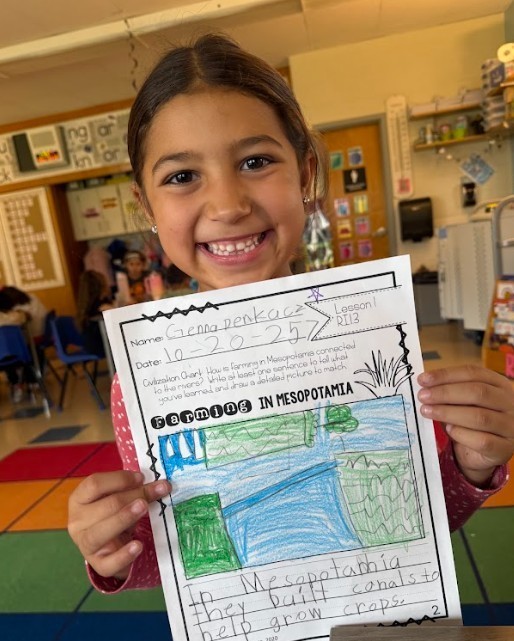
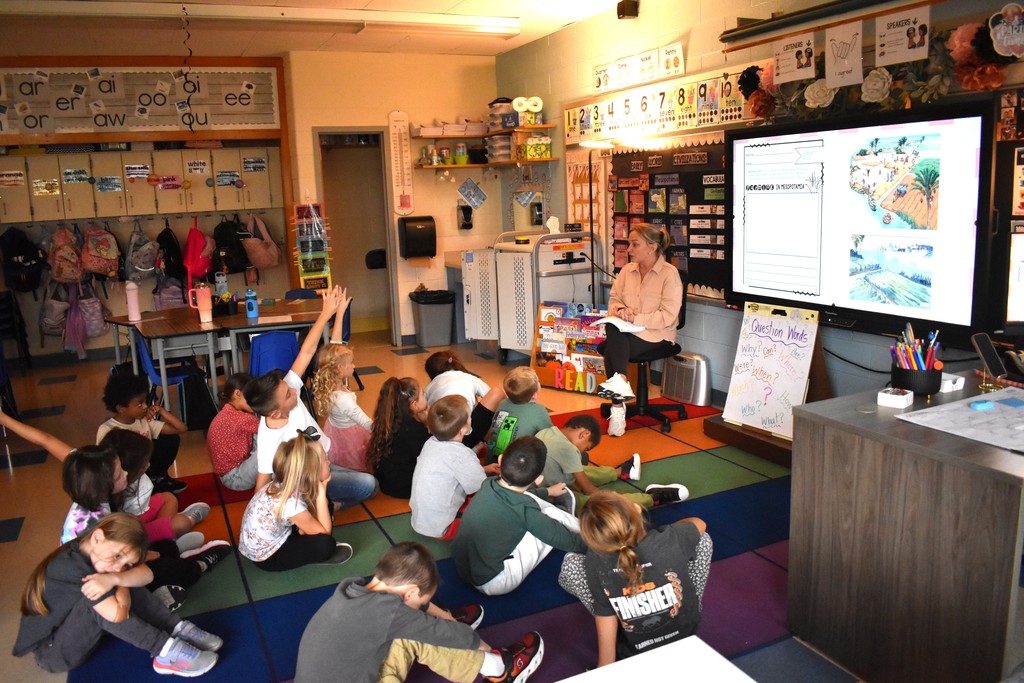
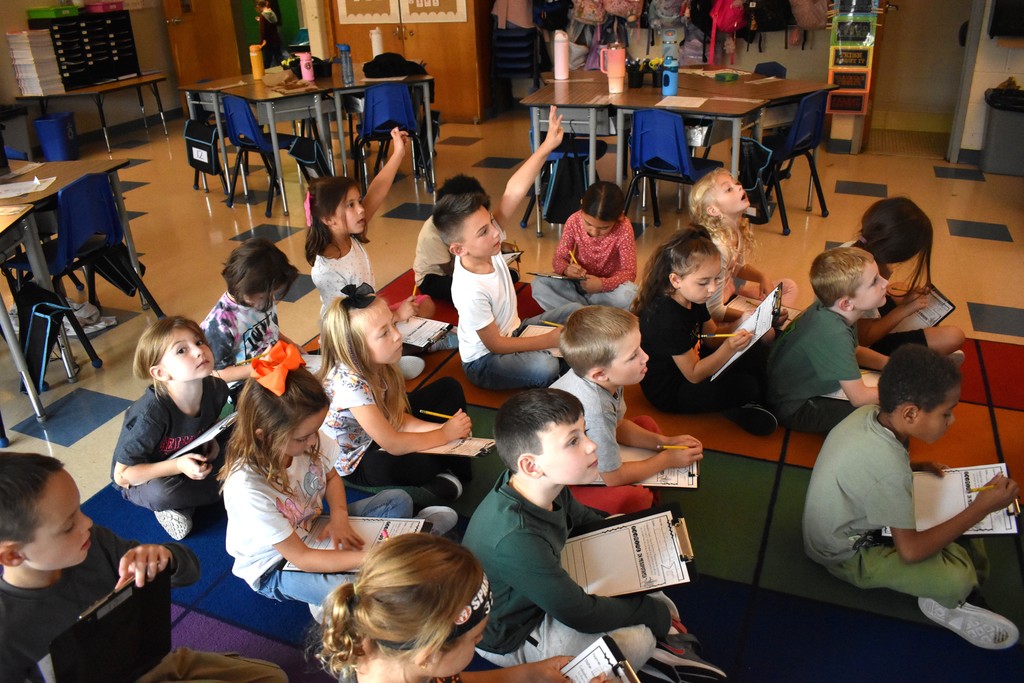
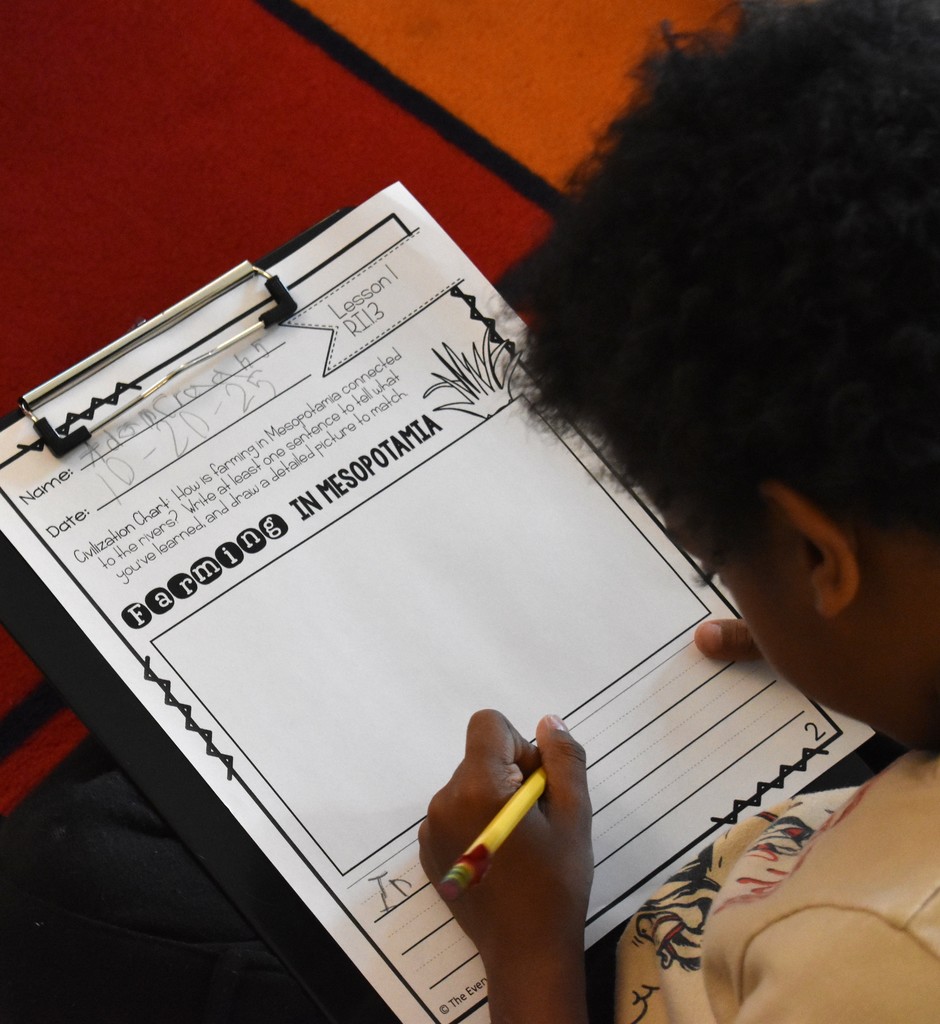
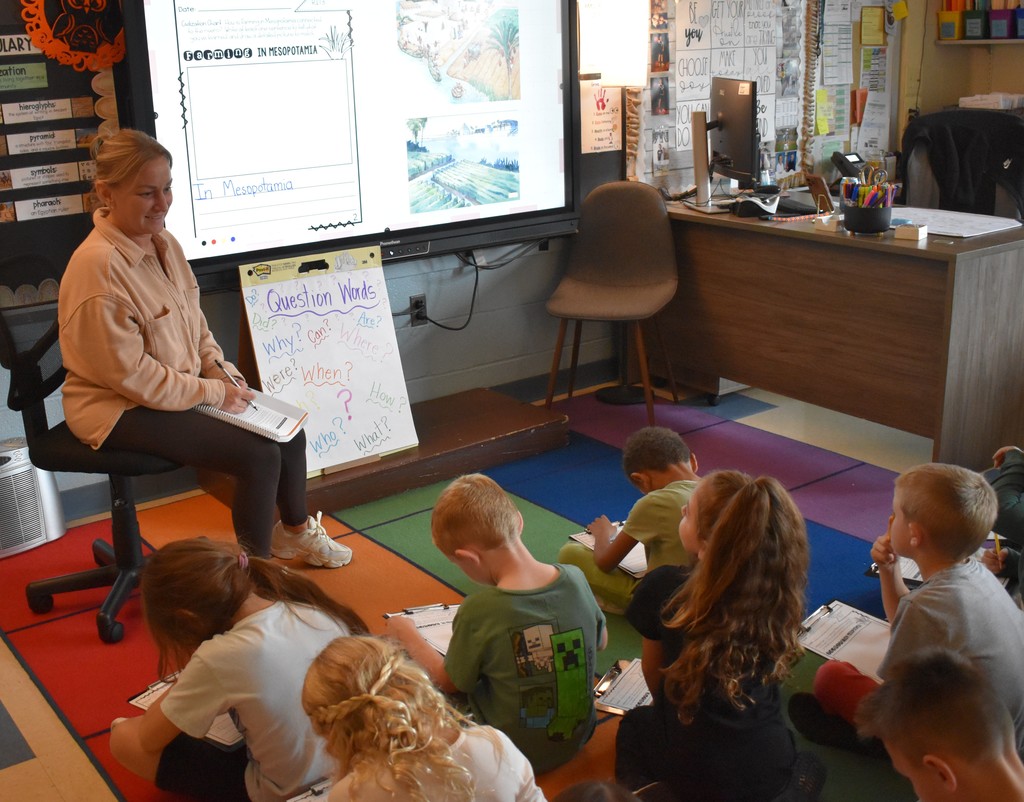
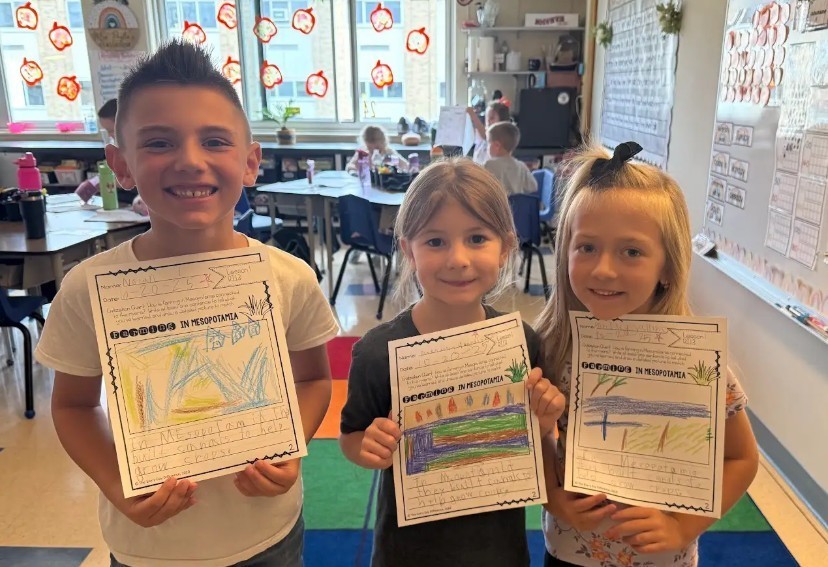
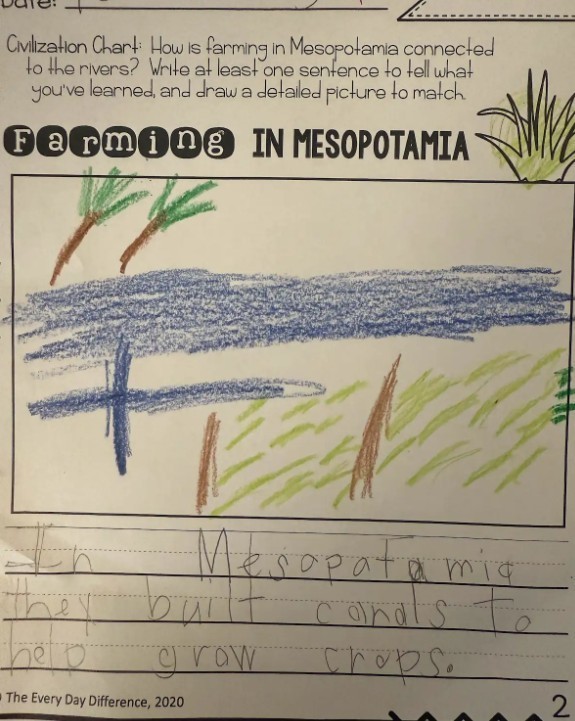
Jen Paglia’s ES first-graders, like all district first-graders, are learning about Mesopotamia during their CKLA (Core Knowledge Language Arts) lessons about early world civilizations.
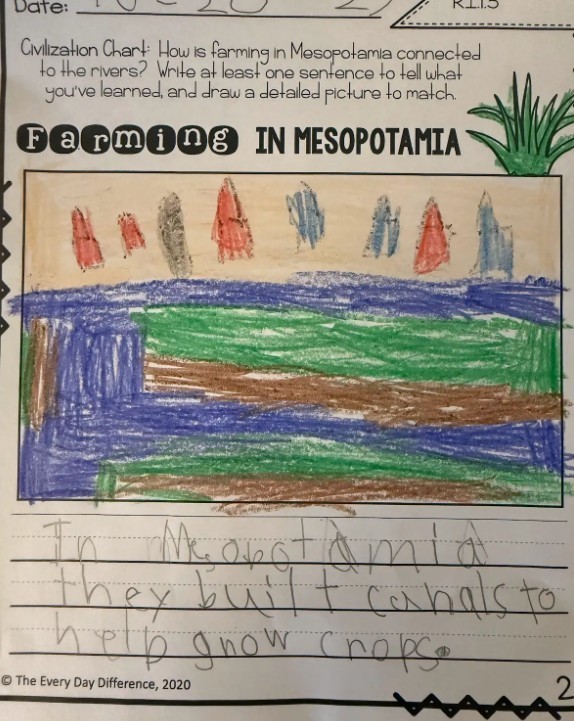
First-grade students study Mesopotamia to learn the foundational concepts of early civilizations, such as the importance of rivers, farming, and writing. It’s also a great introduction to world history, introducing students to different cultures and civilizations while highlighting early human achievements that shaped the world. Lessons like this also help students to continue to develop critical thinking skills through the comparison or contrasting of ancient civilizations. Plus, it’s always a great idea to take crayons and draw a picture of what they’ve been talking about, too!
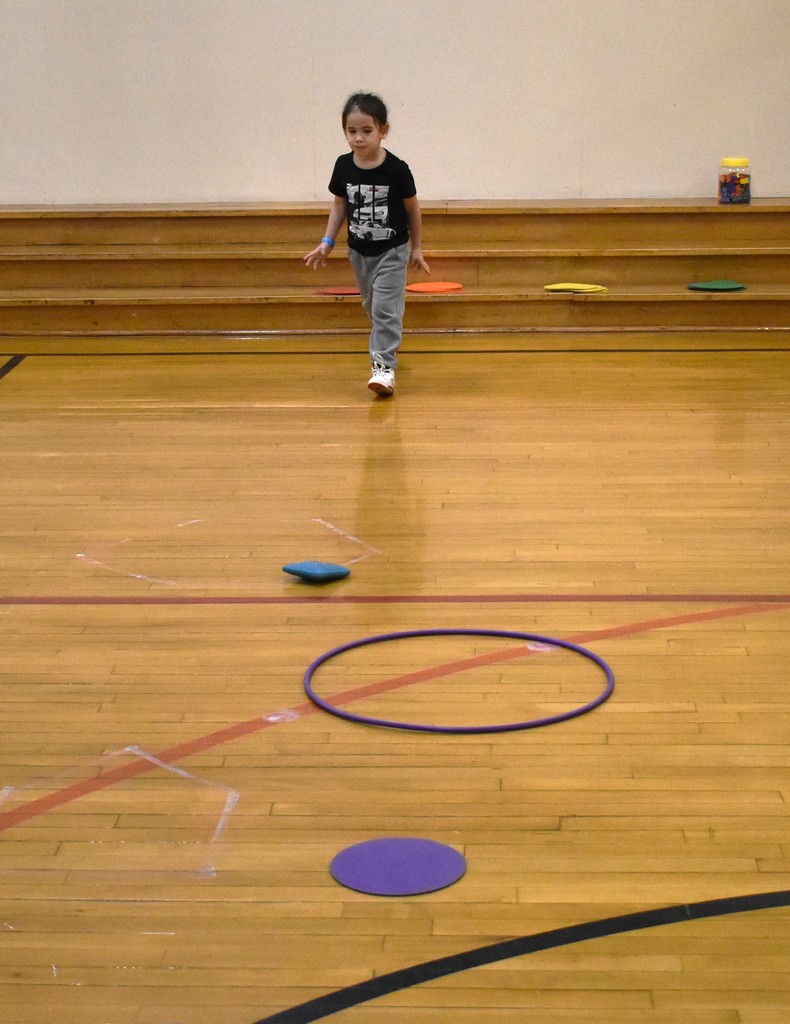
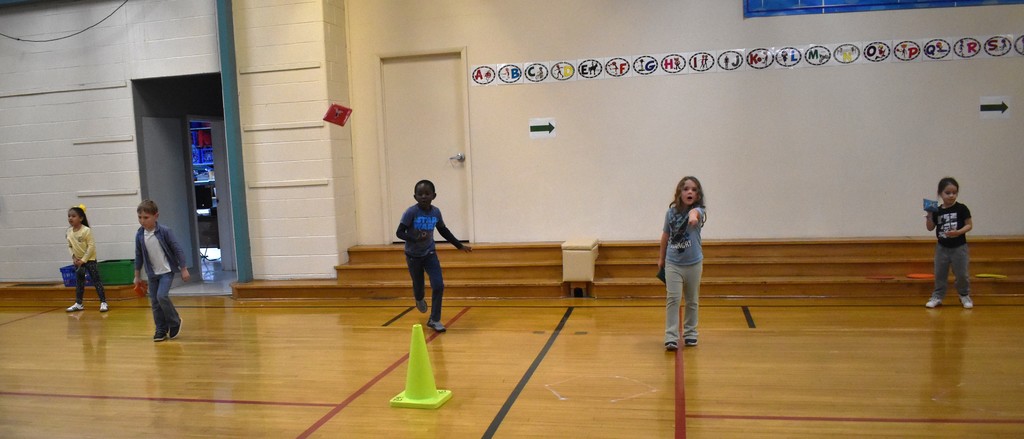
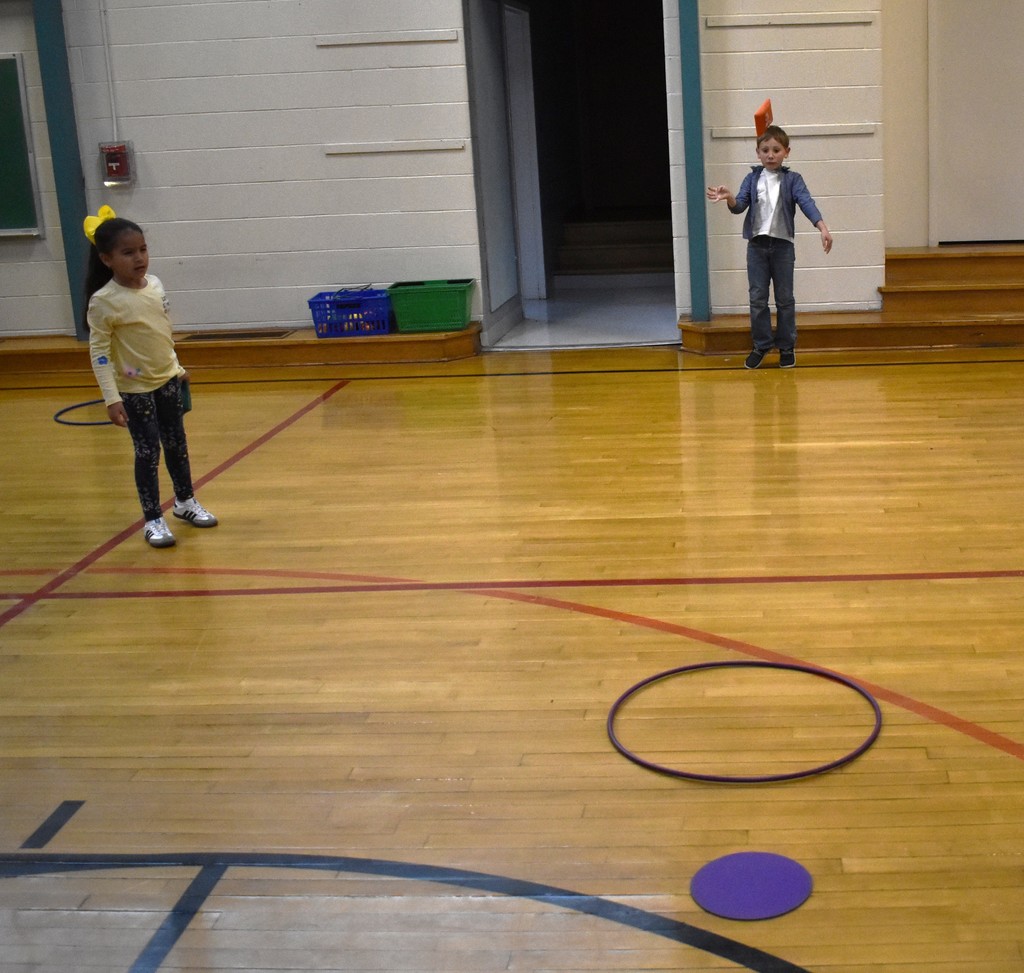
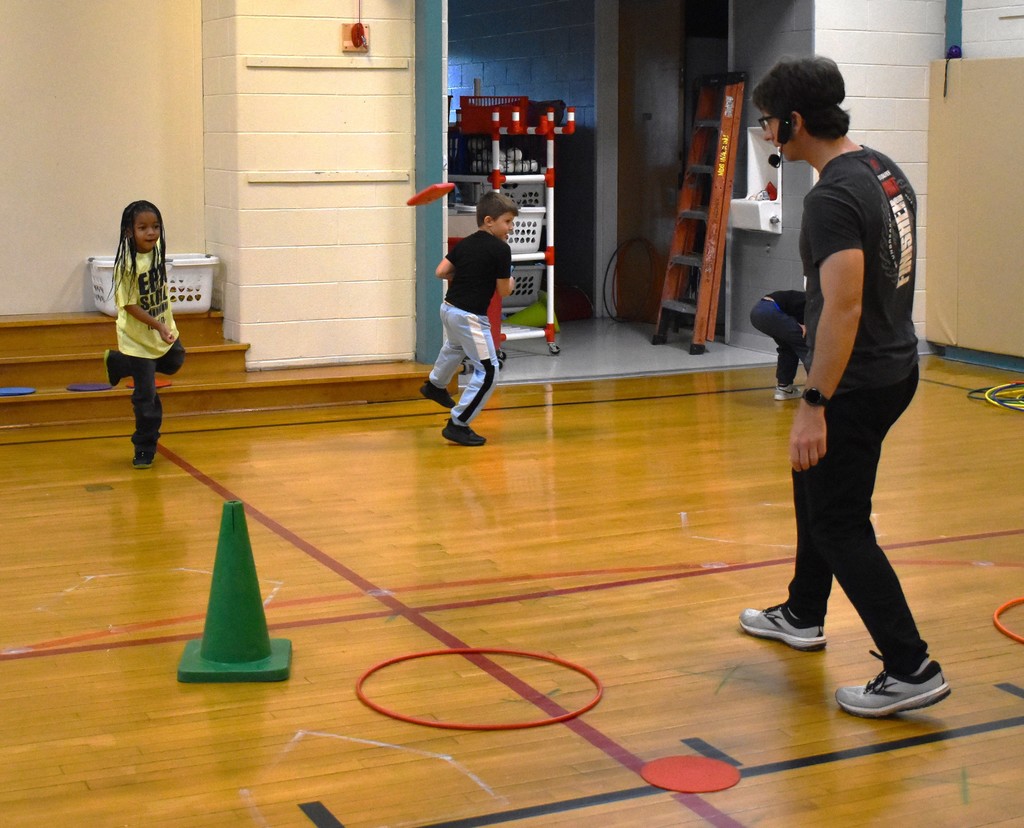
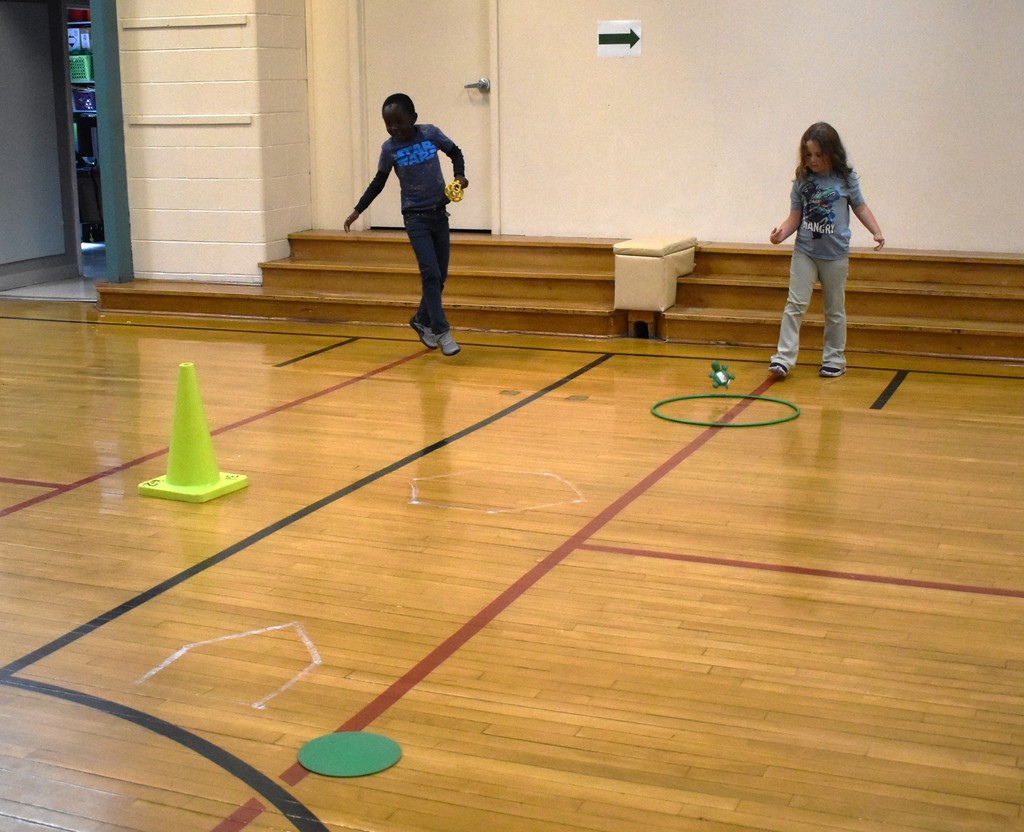
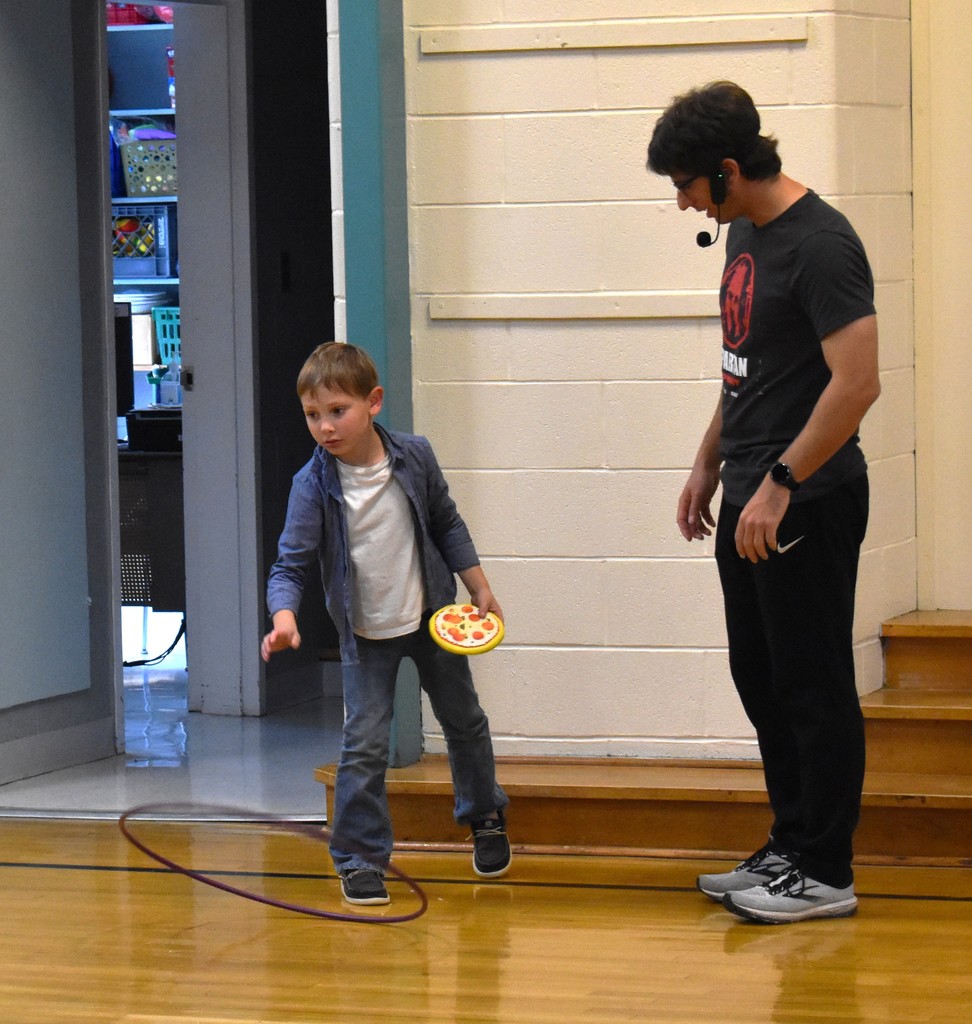
Students need to apply greater or lesser force depending on the item and distance they are throwing and they’re doing this through their activity is called "Flip the Hoop." Students start at the black line with a bean bag and hula hoop. Every time they throw their bean bag into the hoop, they flip it over toward the middle of the gym. When they flip their hoop all the way to the middle of the gym where their polyspot (non-slip marker) is located, they can trade their bean bag in for a new item to throw!
Learning to throw underhand is important for young students because it develops fundamental motor skills, such as hand-eye coordination and large muscle control, and is a foundational skill for many sports and activities. It's easier for children to learn due to its simpler motion and lower velocity, making it a good starting point for building confidence and strength before moving on to more complex overhand throws. Also: Mastering underhand throwing helps with skills like spatial awareness and balance, which are crucial for a child's overall physical development.
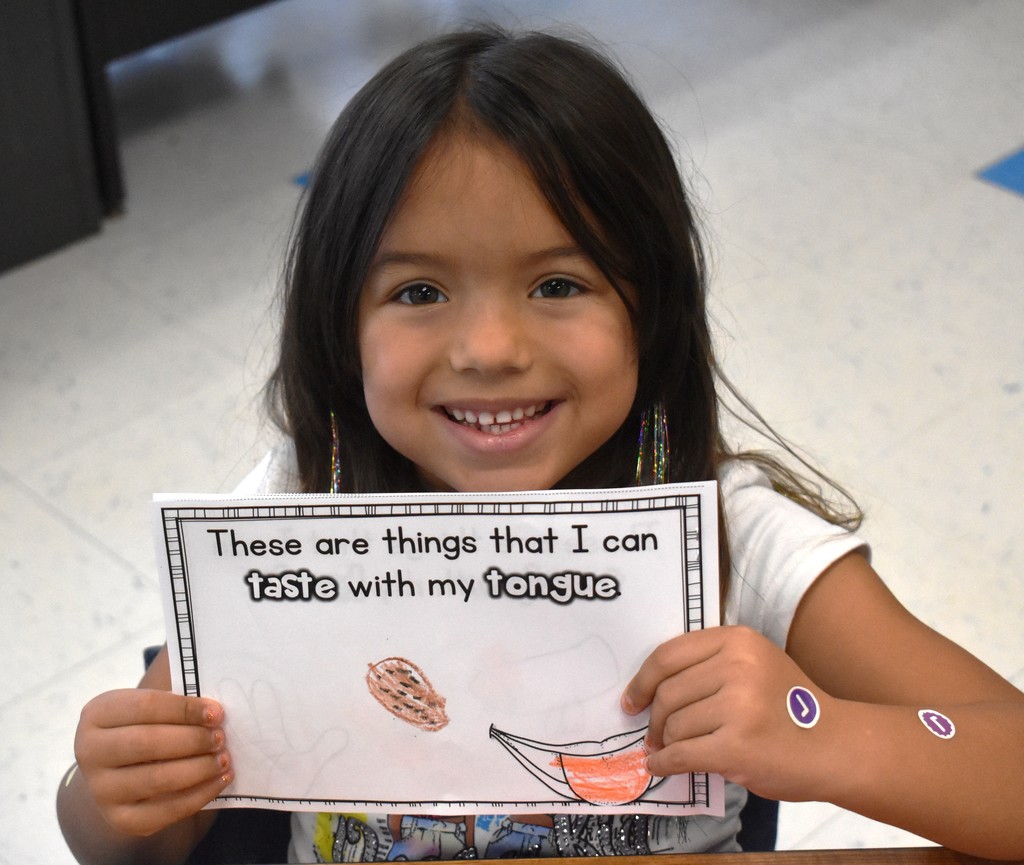
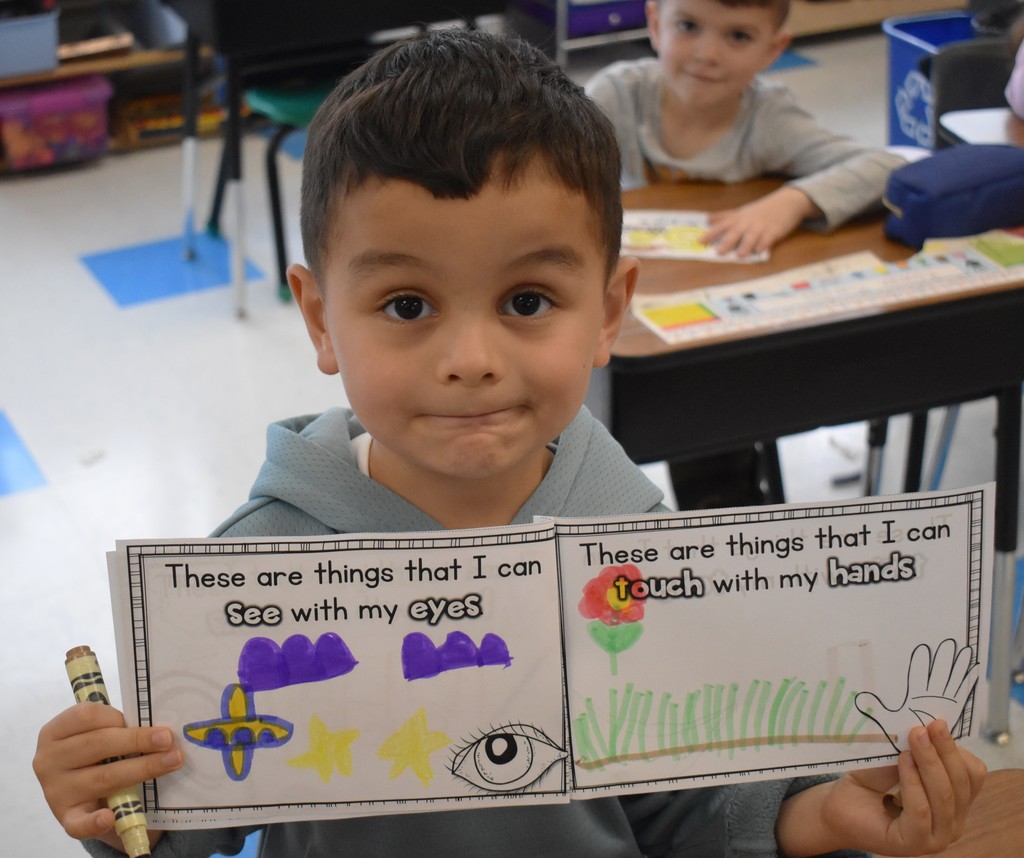
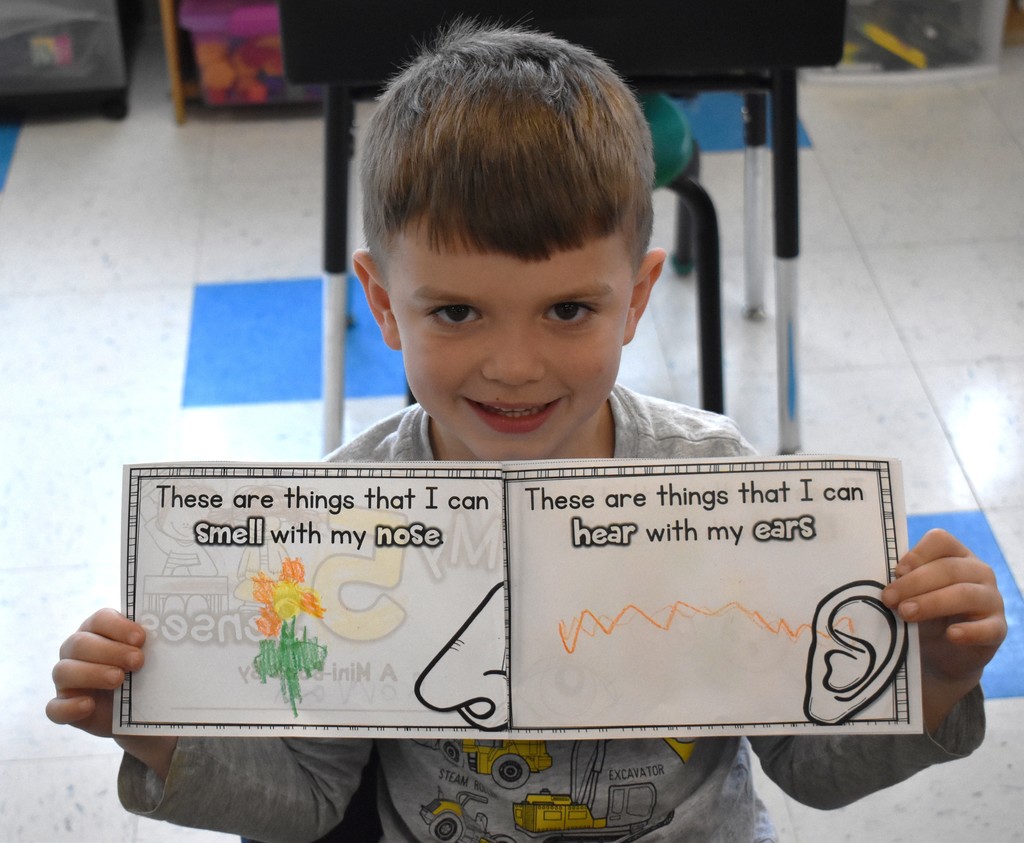
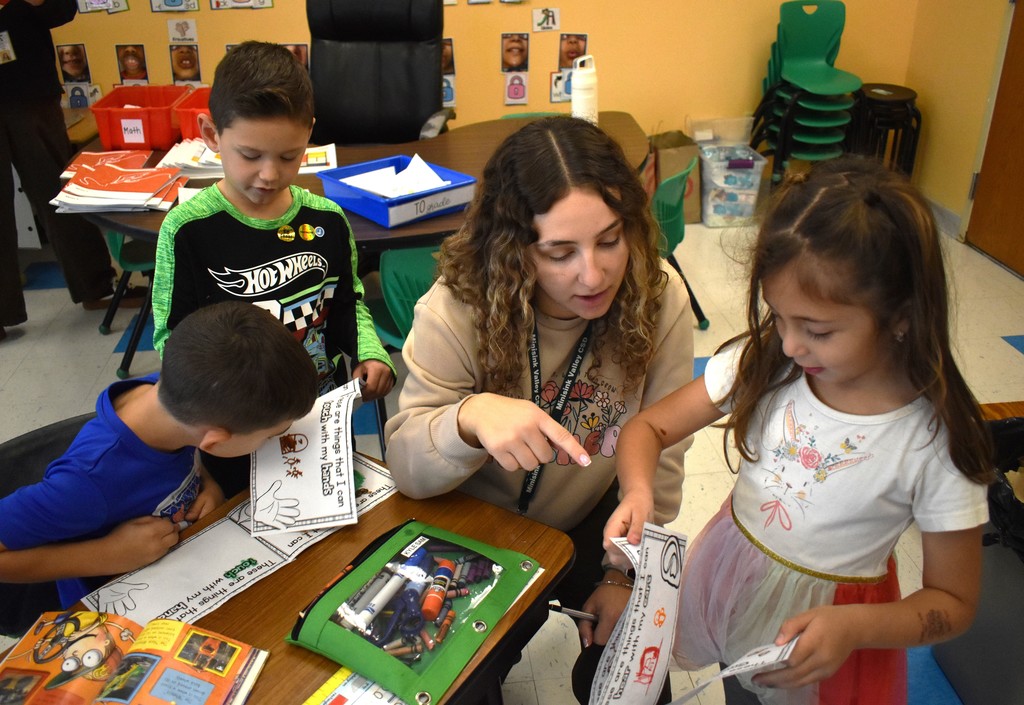
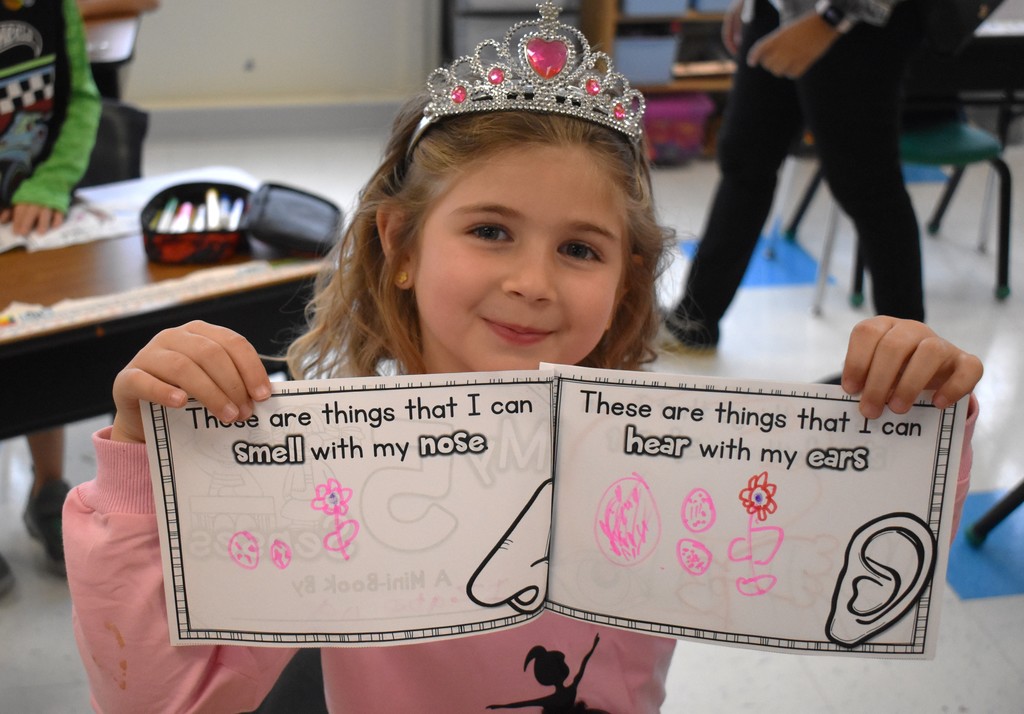
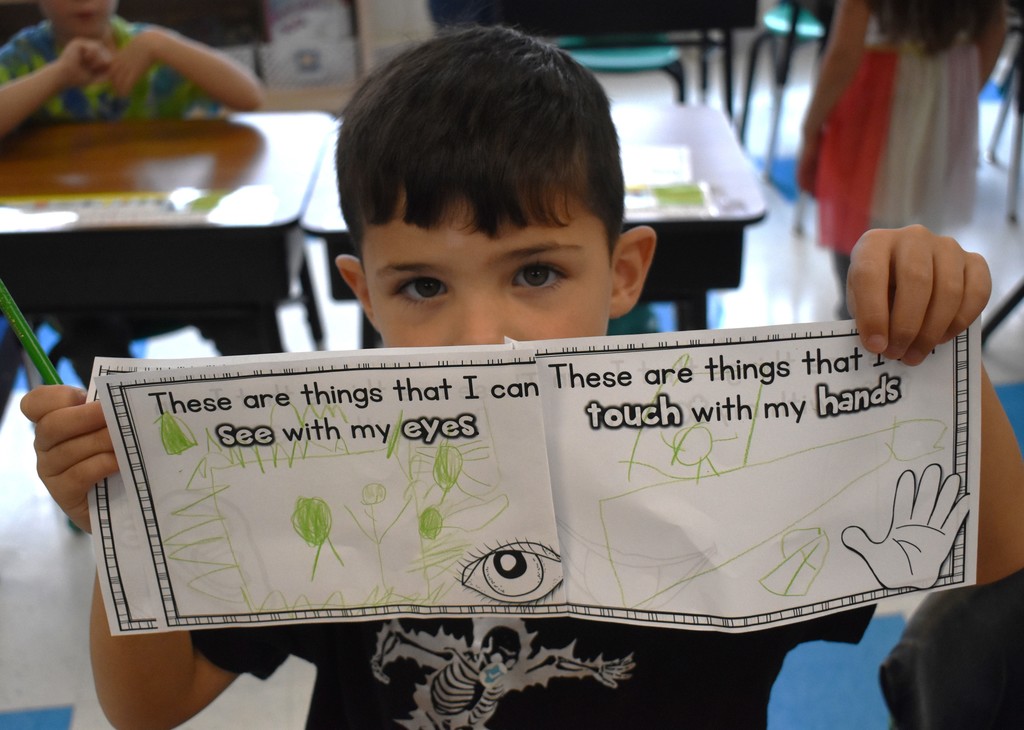
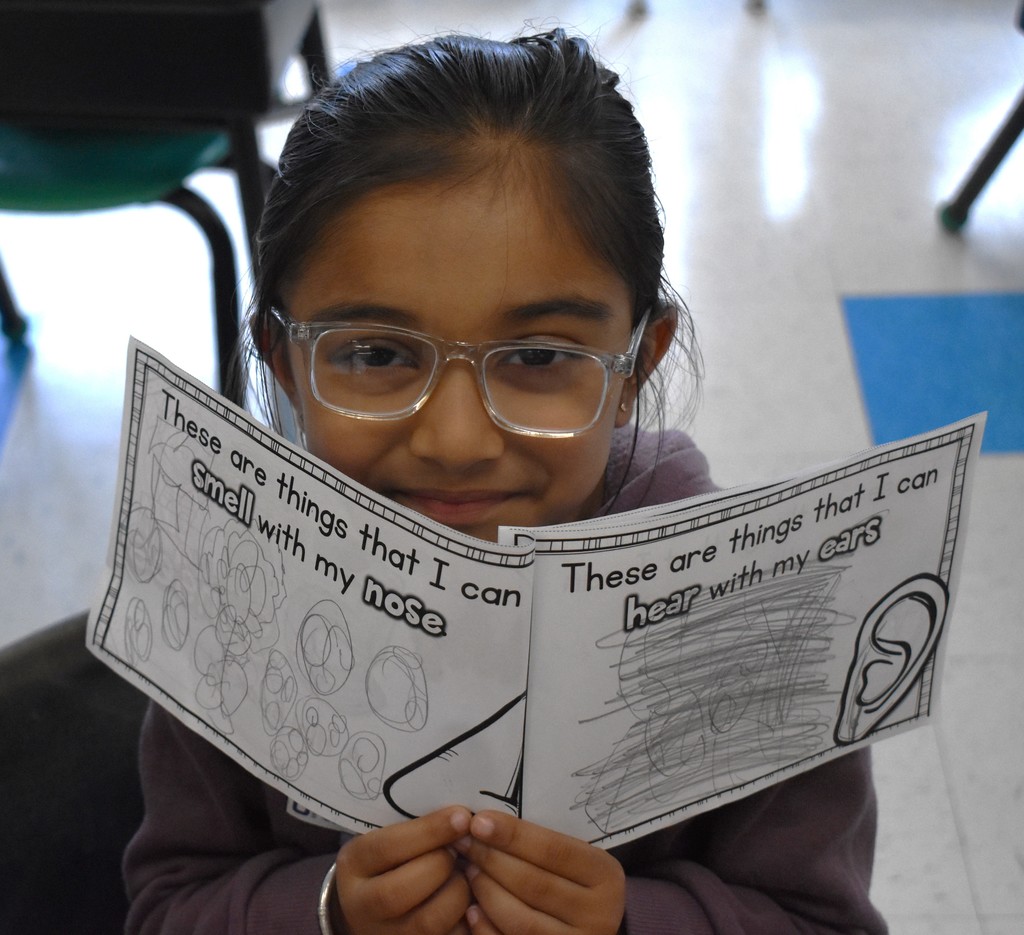
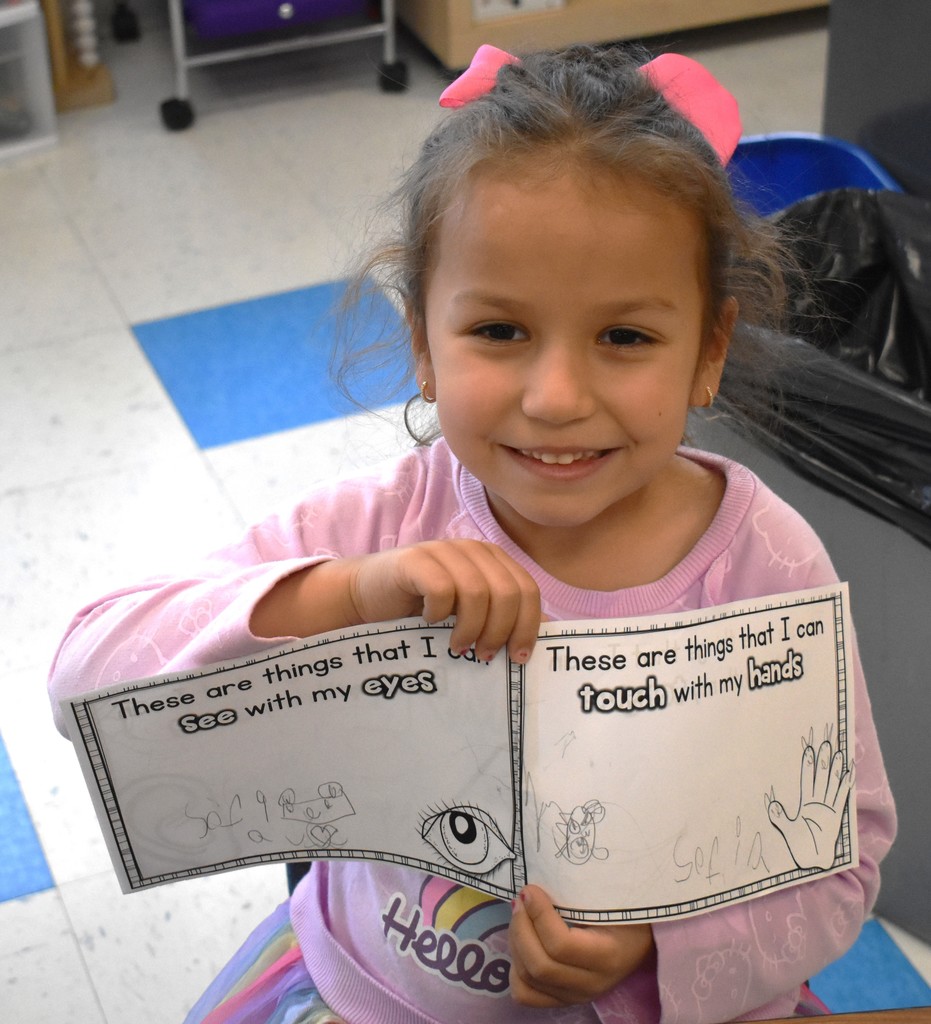
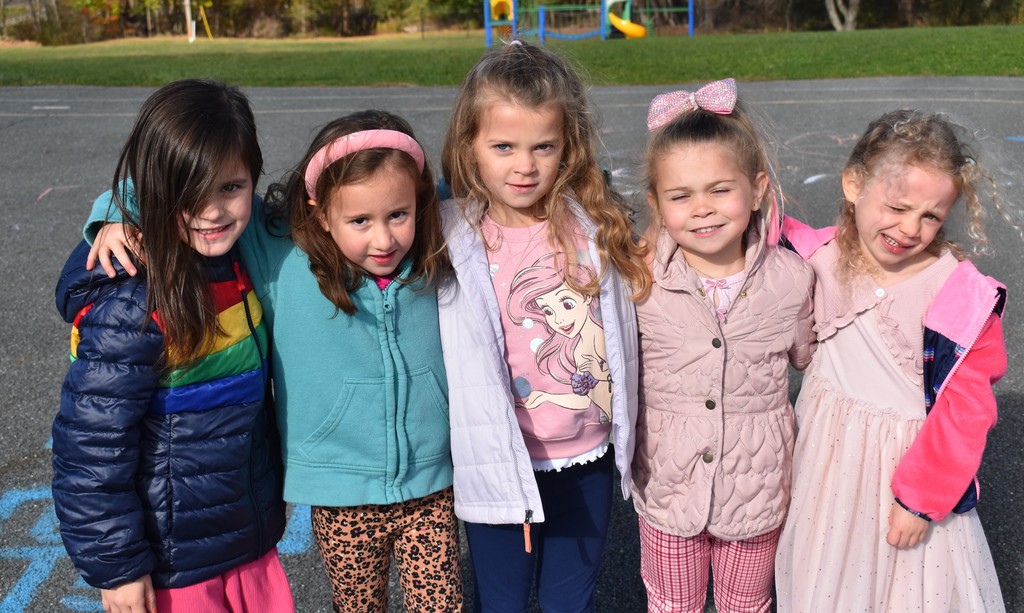
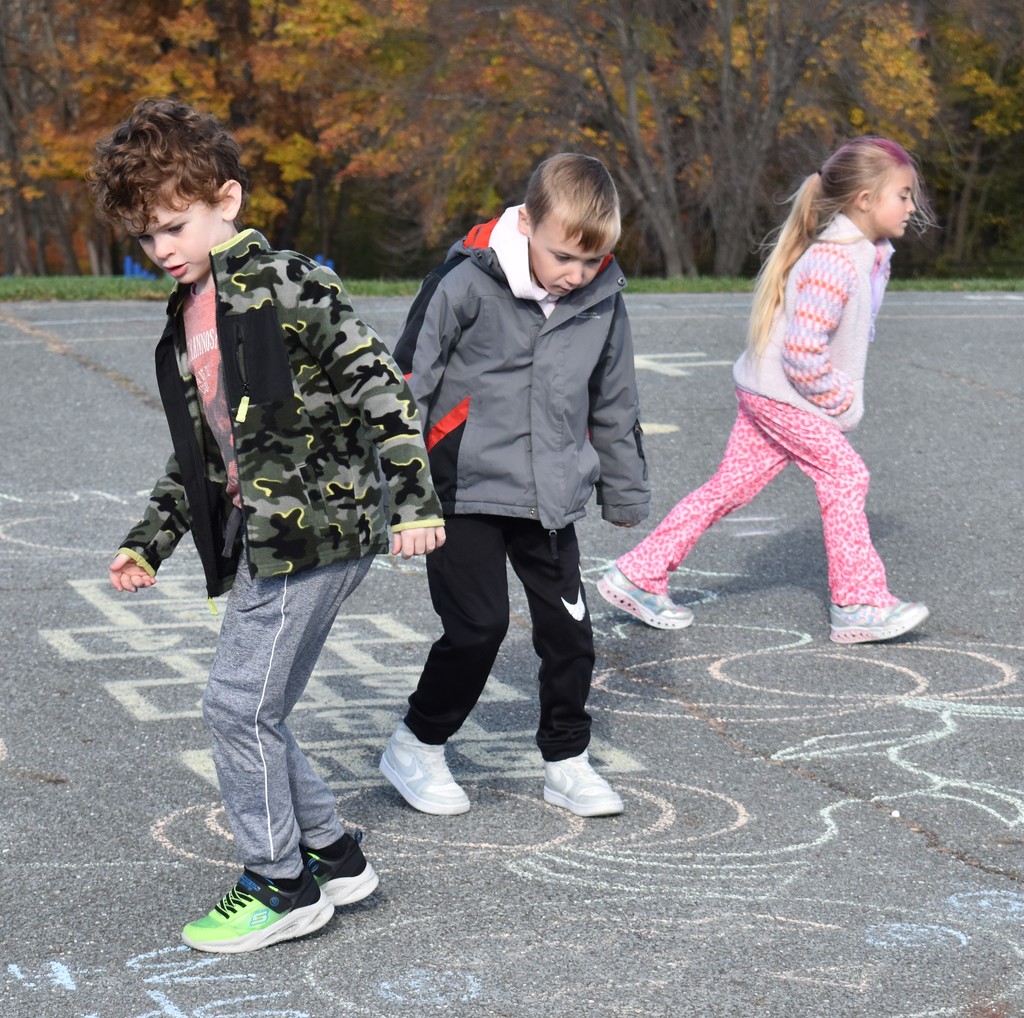
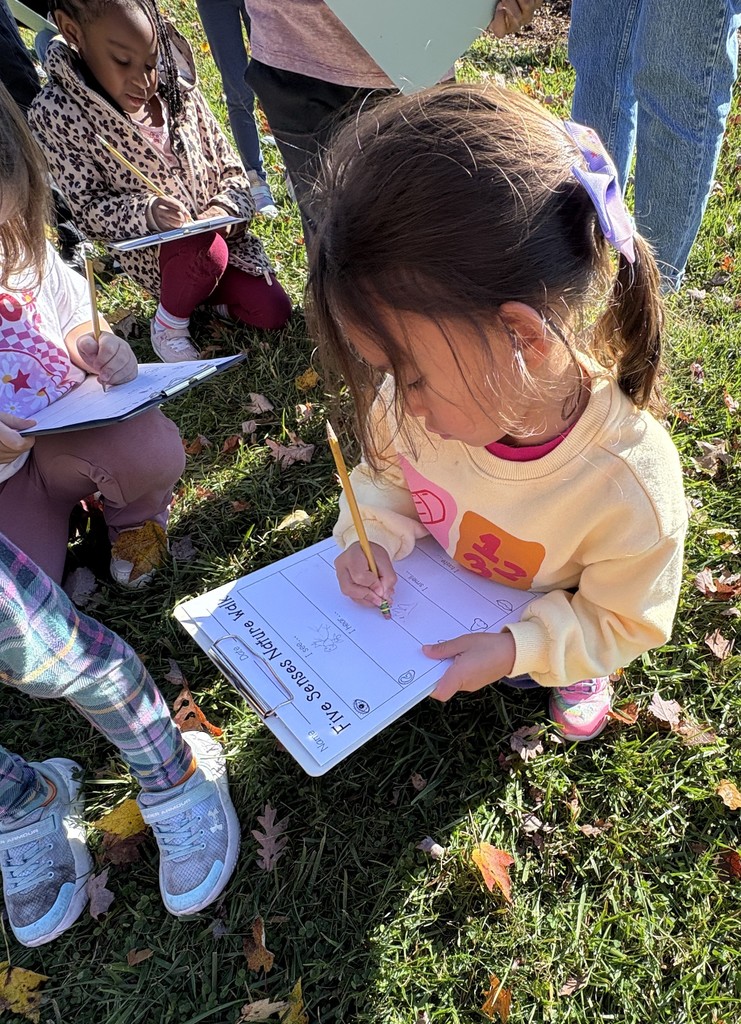
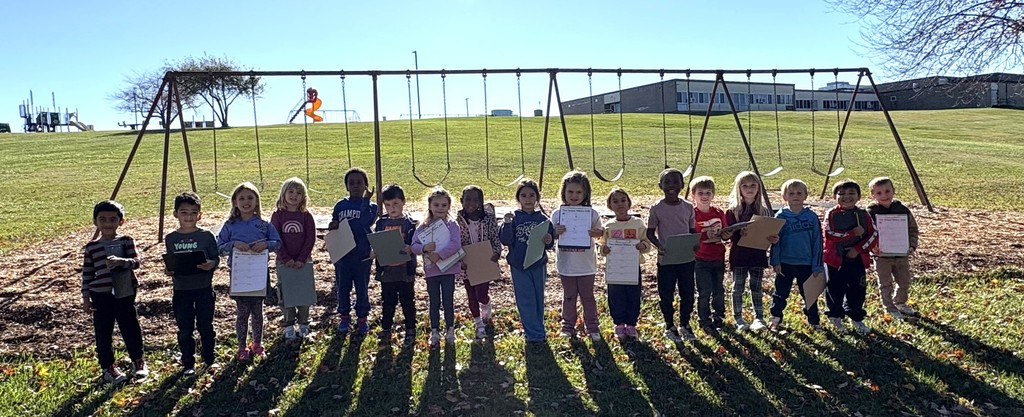
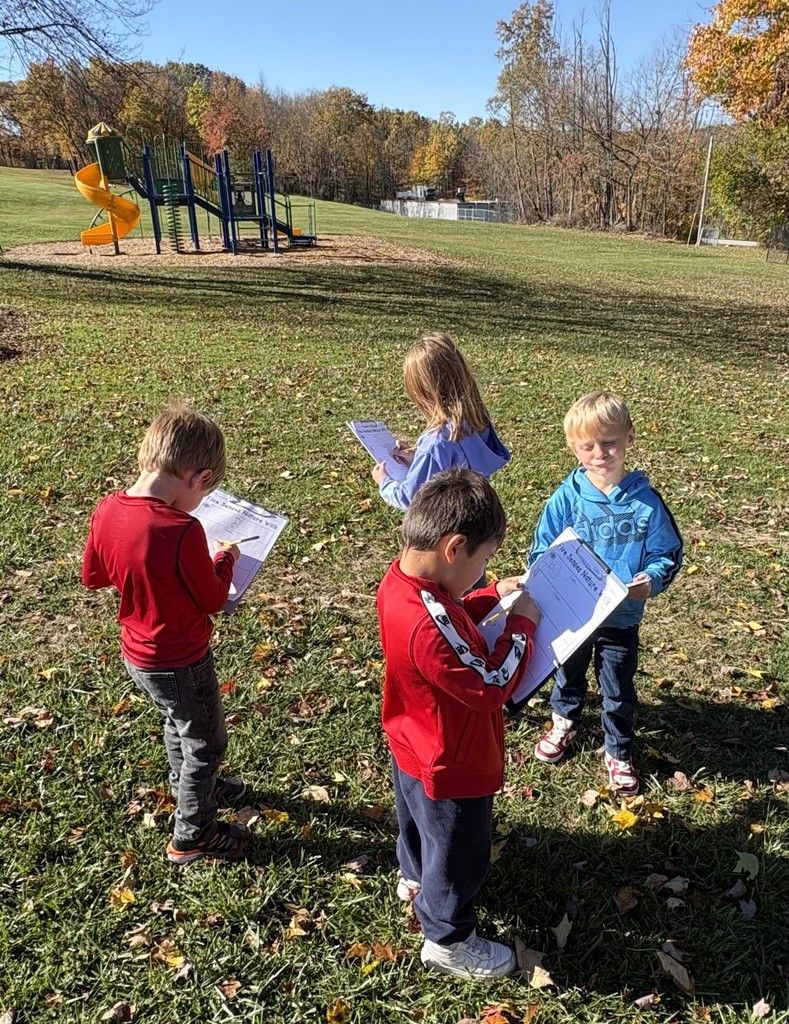
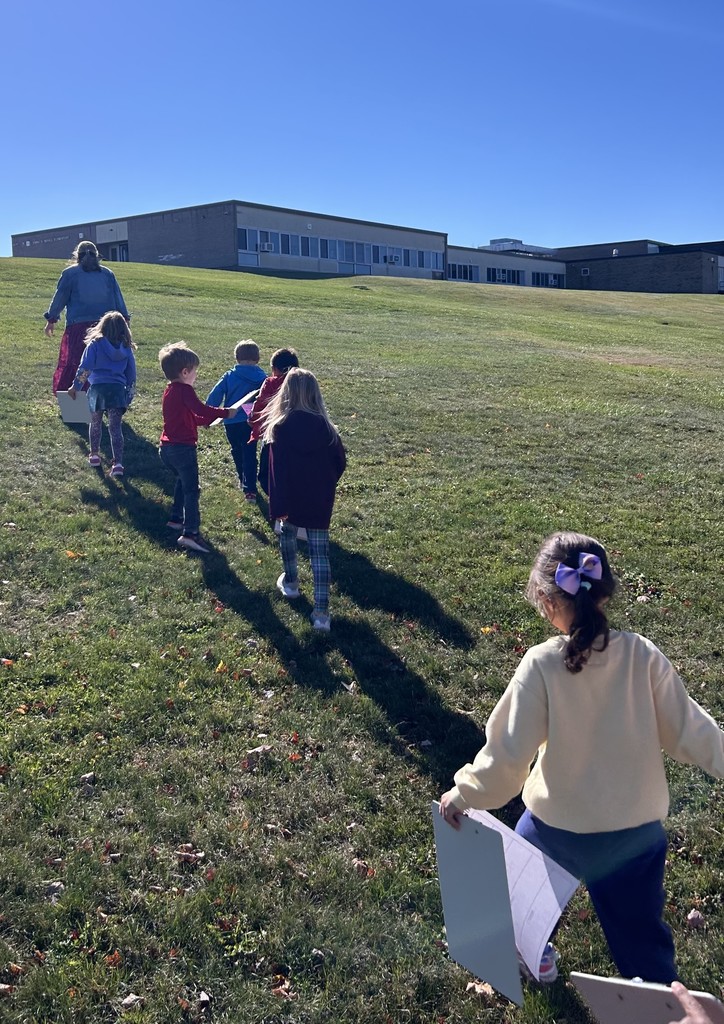
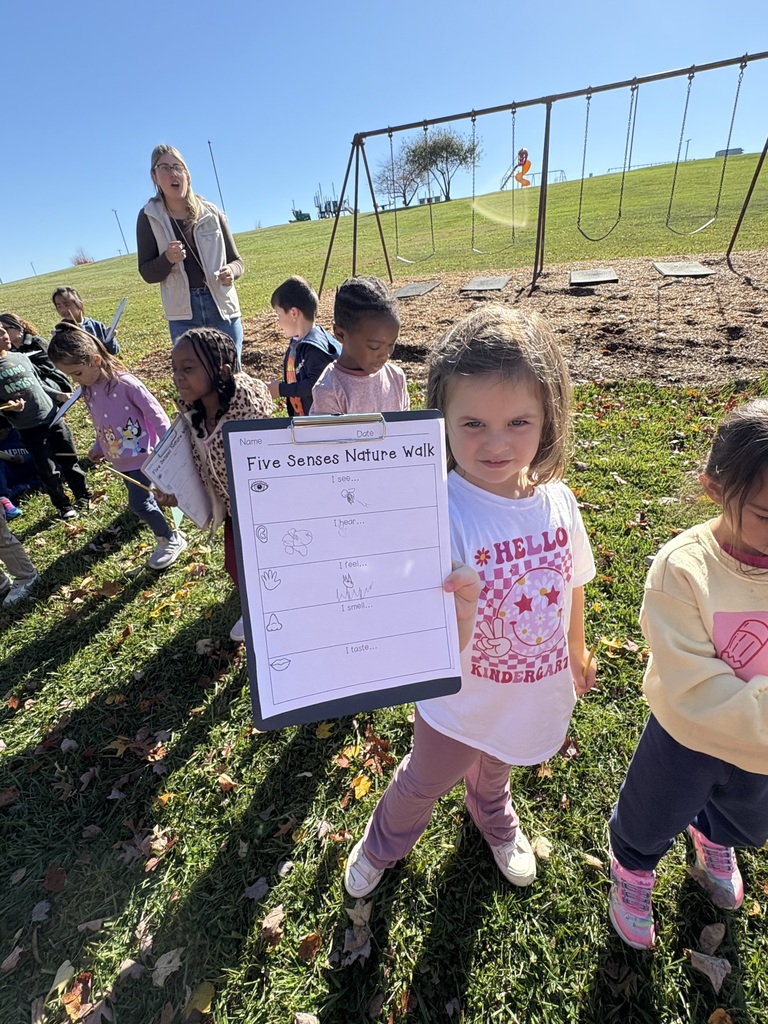
Do you know them? We’ll help: The five traditional senses are sight, hearing, smell, taste, and touch. These senses are used to perceive the world through sensory organs like the eyes, ears, nose, tongue. and skin. Kindergarteners learn about the five senses to develop observational skills, build language, and lay the foundation for scientific thinking. This knowledge helps children understand how their bodies work, how to interact with the world and how to describe their experiences, all while nurturing curiosity and cognitive development!
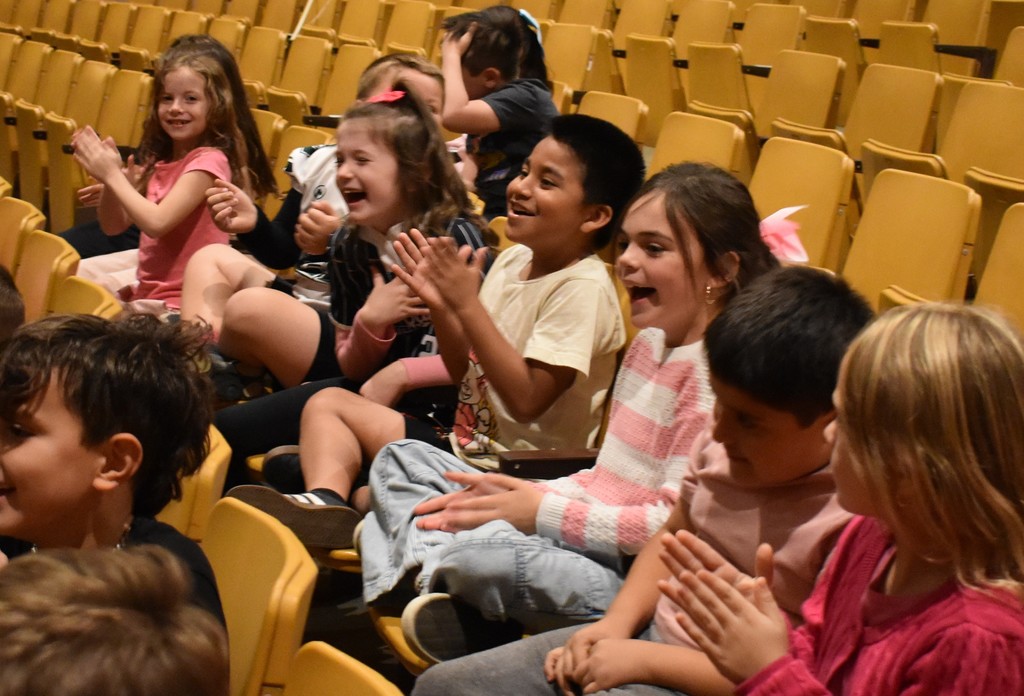
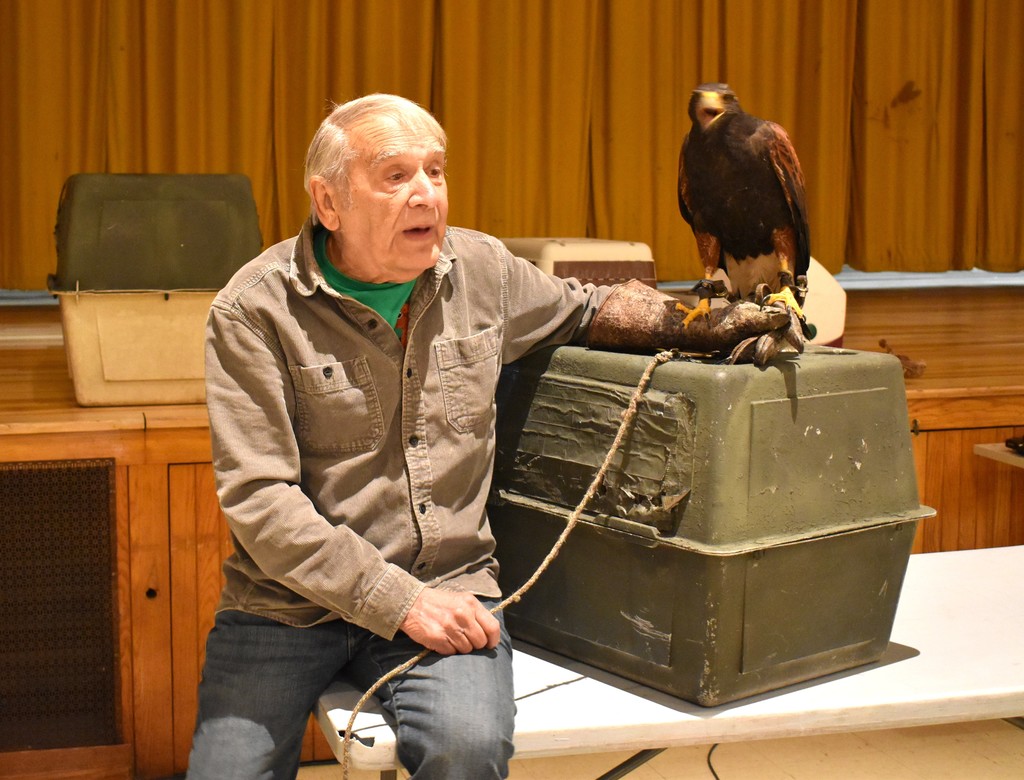
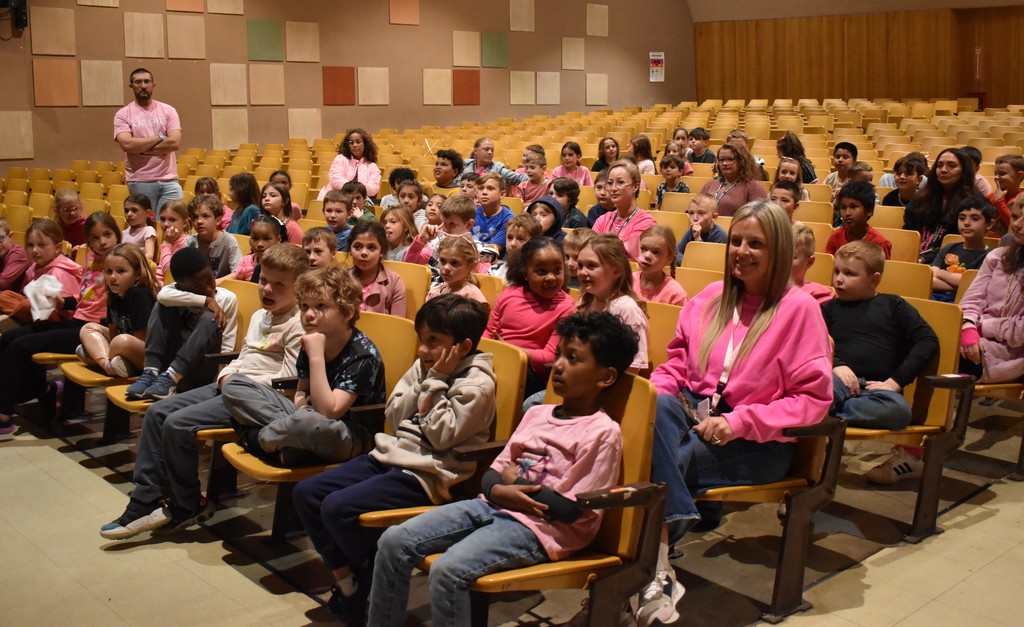
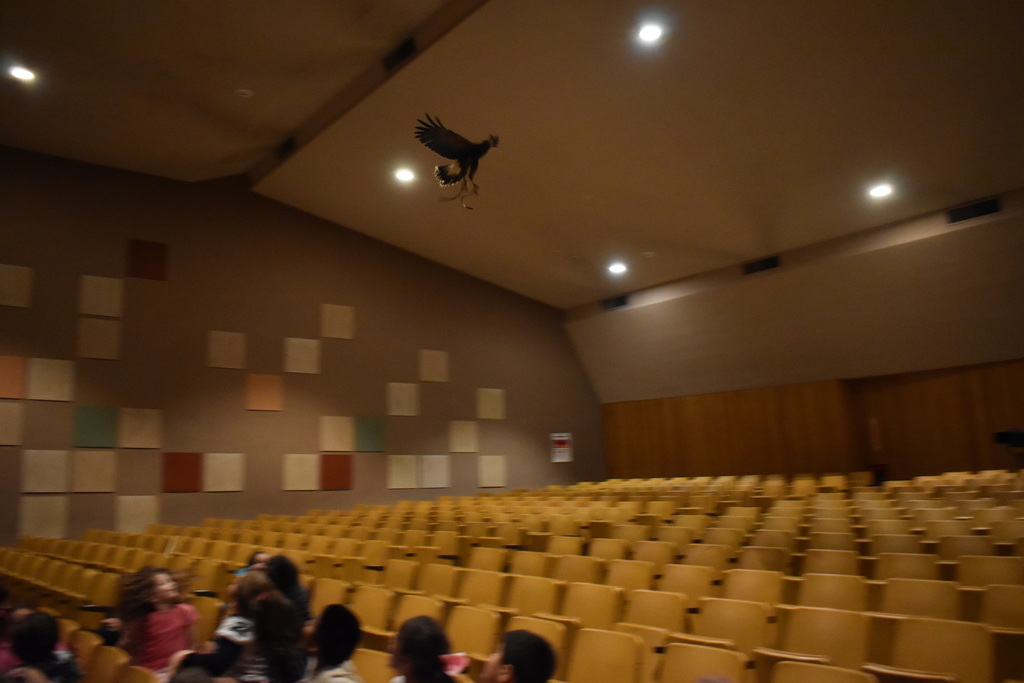
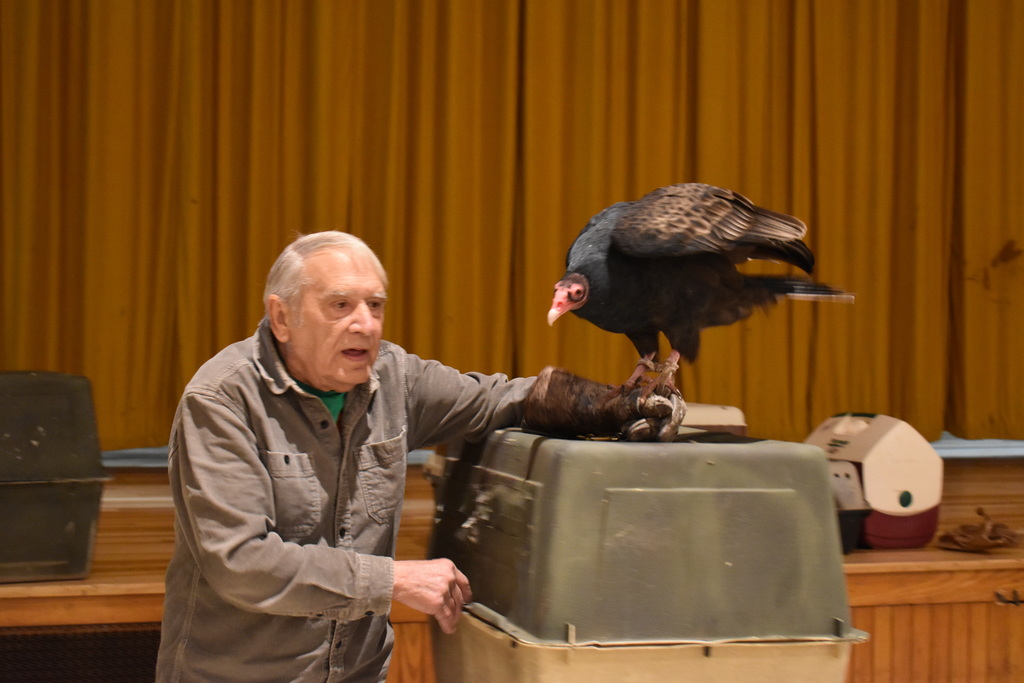
Elementary School second-graders were treated to a special visit by Bill Robinson of Robinson’s Wildlife Lectures of Saugerties this past Friday! They met a turkey vulture, falcon and "other friends" during his "Birds of Prey" presentation!
Mr. Robinson, the founder and past president of the New York State Falconry Association and a member of the state’s Falconry Advisory Board, brought some of his “birds of prey friends” and “other friends” to meet students. Mr. Robinson routinely gives talks to students of all grade levels about these creatures of the wild while also teaching field biology, ornithology and animal life courses at SUNY New Paltz.
His presentation supports the district’s elementary science curriculum and was made possible through the generosity of the Elementary PTO! Thank you to the PTO for sponsoring this terrific enrichment program to support classroom instruction!
VERY COOL: Mr. Robinson and his birds and animals have appeared on The Today Show, Good Morning America, The David Letterman Show; and his trained falcons have appeared in many movies, including “The Royal Tenenbaums!”
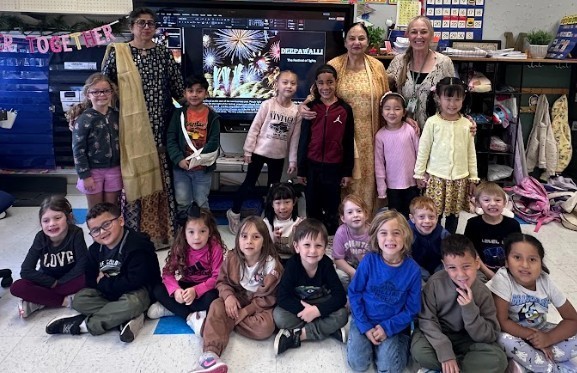
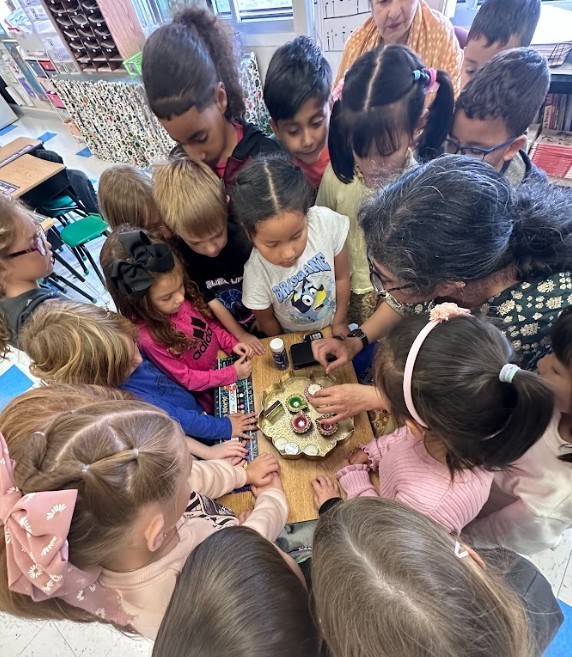
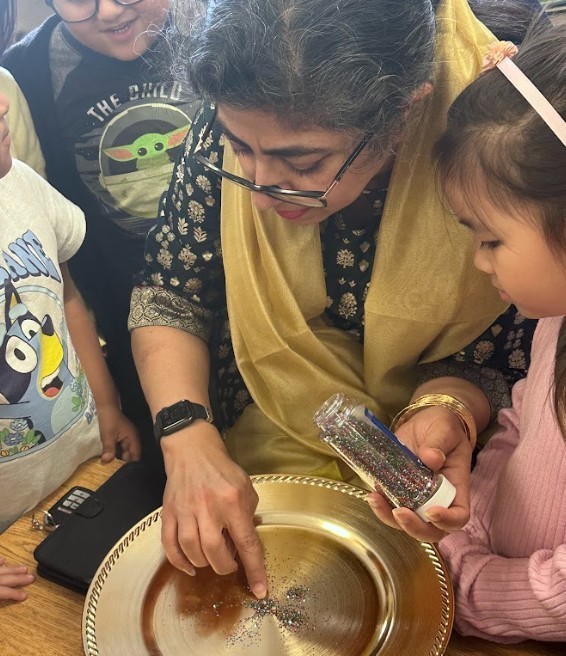
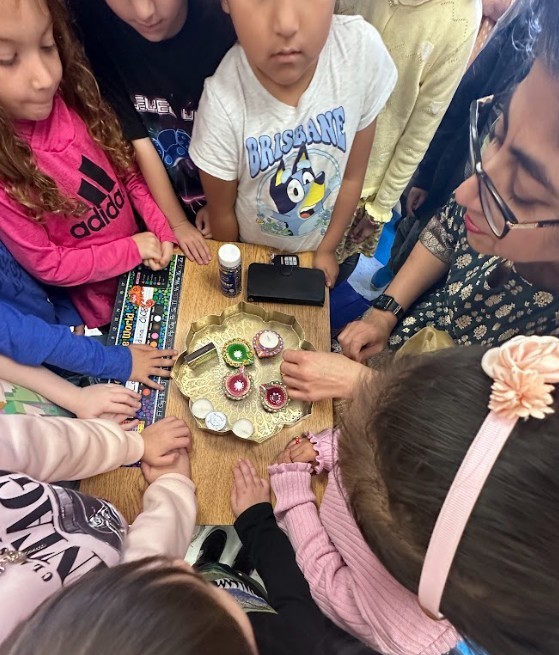
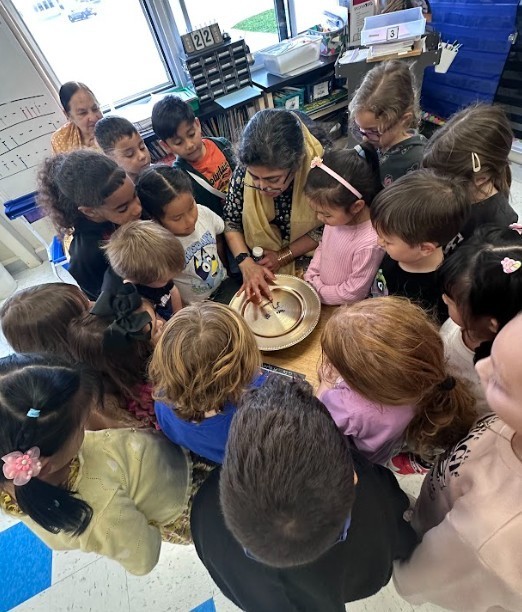
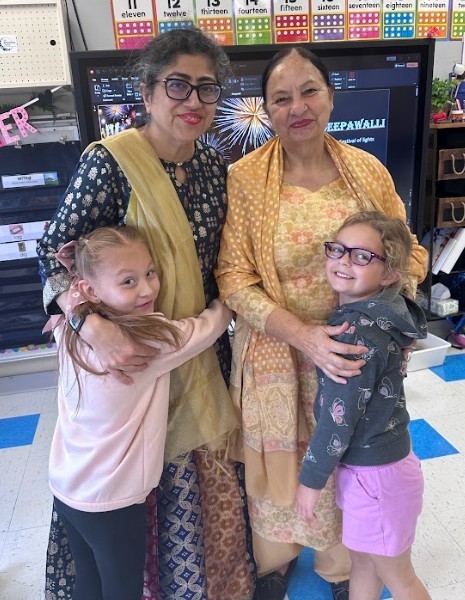
Sally Mankoo’s ES kindergarteners spent time yesterday, Oct. 22, with Minisink Valley resident Simran Cheema and her mother-in-law who is visiting from India and learned about Diwali! These little students had a wonderful time learning about Diwali traditions from their special visitors!
Diwali is the "Festival of Lights," a five-day holiday celebrated by Hindus, Jains, Sikhs and some Buddhists that symbolizes the victory of good over evil, light over darkness, and knowledge over ignorance. It is celebrated with the lighting of lamps and candles, feasting, gift-giving, and prayer, with the specific stories behind it varying by religion.
•The word Diwali (or Deepavali as it’s sometimes called) means “row of lights” in an ancient language of India, called Sanskrit. During this festival, people decorate their homes with lights and oil lamps, called “diyas.”
•For many people, Diwali honors Lakshmi, the Hindu goddess of wealth. The lights and lamps are said to help Lakshmi find her way into peoples’ homes, bringing prosperity in the year to come.
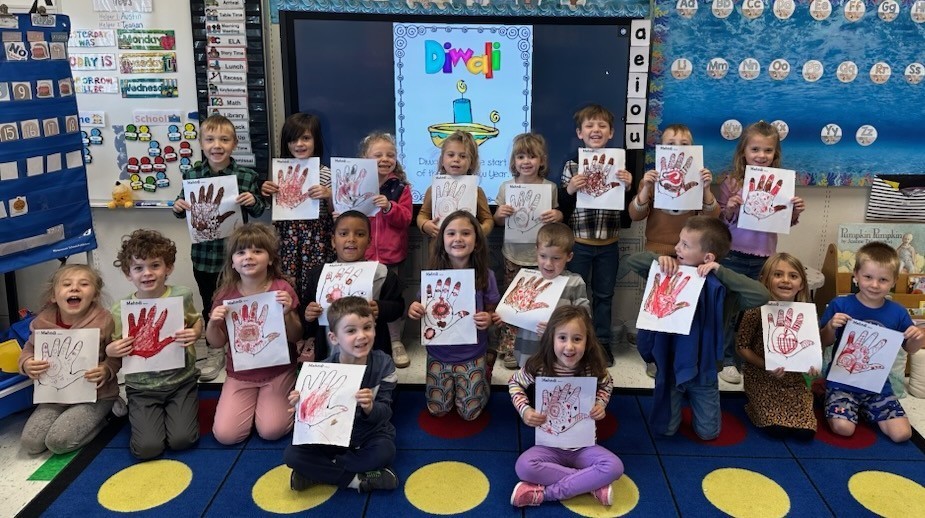
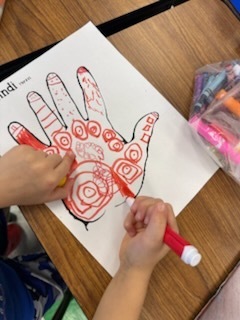
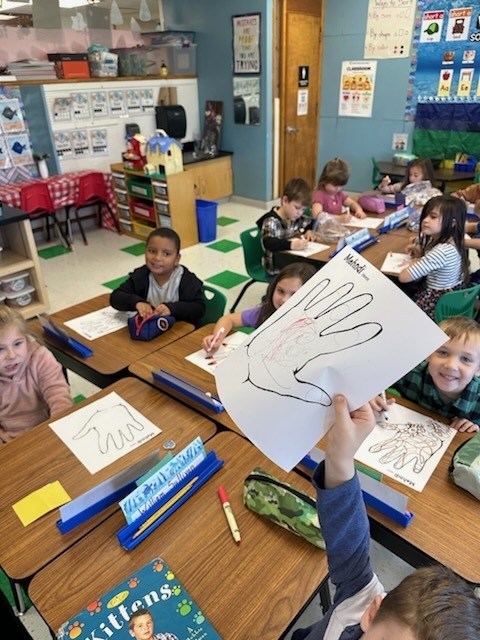
These designs are temporary, intricate patterns drawn on the skin using a paste made from the henna plant. The art is a temporary "tattoo" used for celebrations like weddings and festivals, and in the Indian culture, are often floral or paisley designs. The finished design typically ranges in color from reddish-brown to a deep burgundy and can last one to three weeks.
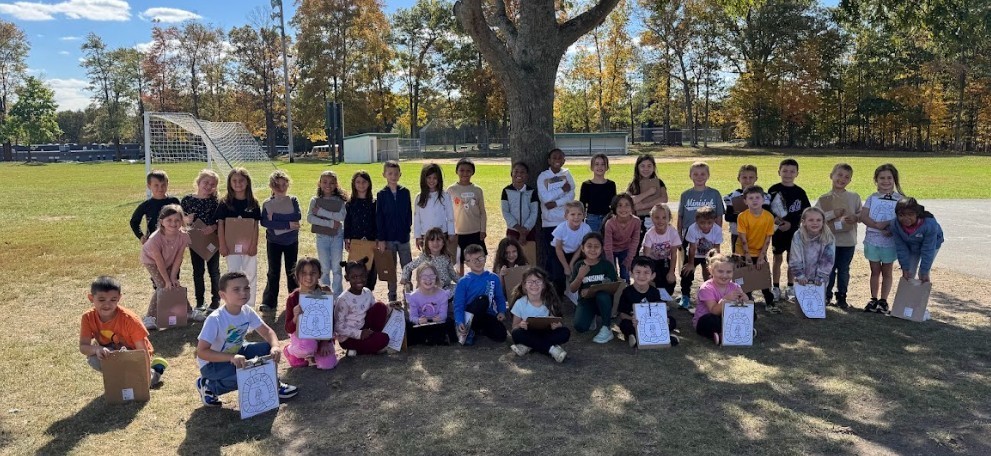
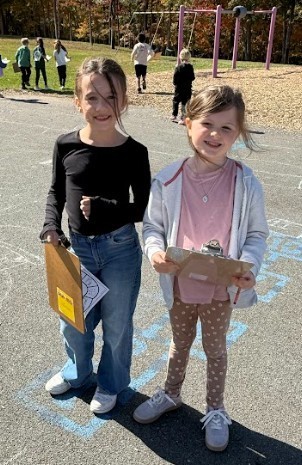
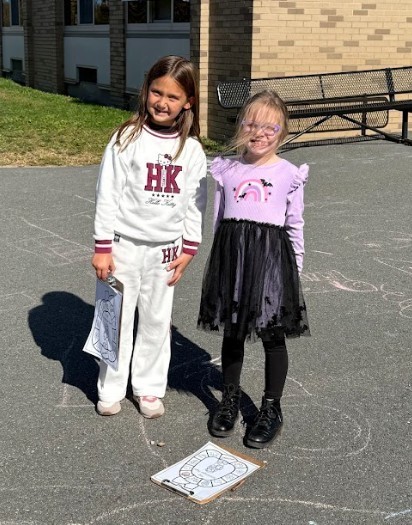
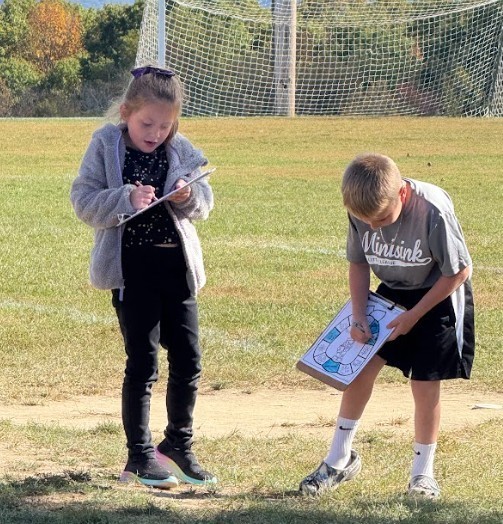
Students created their own designs on paper with markers and learned that henna dye comes from the hyena plant and dries into a reddish/dark brown after application. Take a look!
They also learned about Rangoli designs, which are decorative, colorful patterns made on the floor or tabletop using materials like colored powders, rice flour, rice, and flower petals. Originating from the Indian subcontinent, these designs are intended to welcome guests and deities, symbolize prosperity, and are a part of many festivals like Diwali. What a fun cultural lesson!
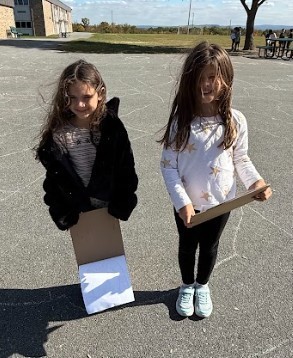
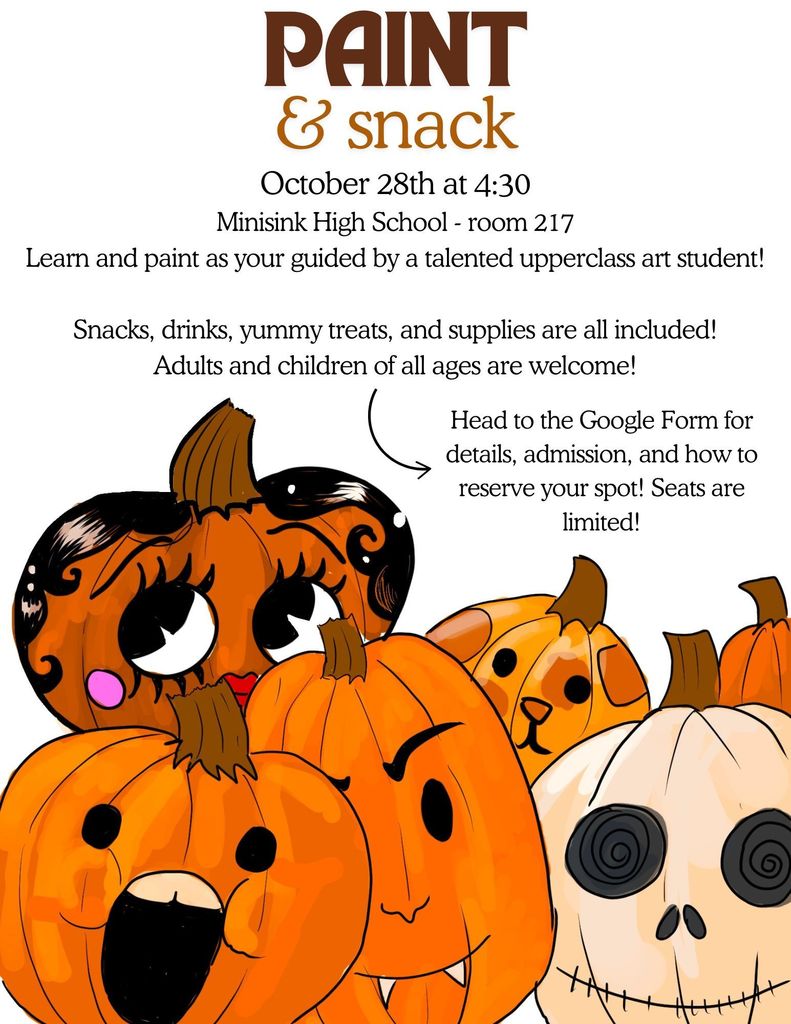
JOIN IN on the seasonal art fun and support the High School's Art Club!
The High School's Art Club is hosting its next "Paint n' Snack" fundraiser on Tuesday, Oct. 28 at 4:30 p.m. in Room 217 at the High School.
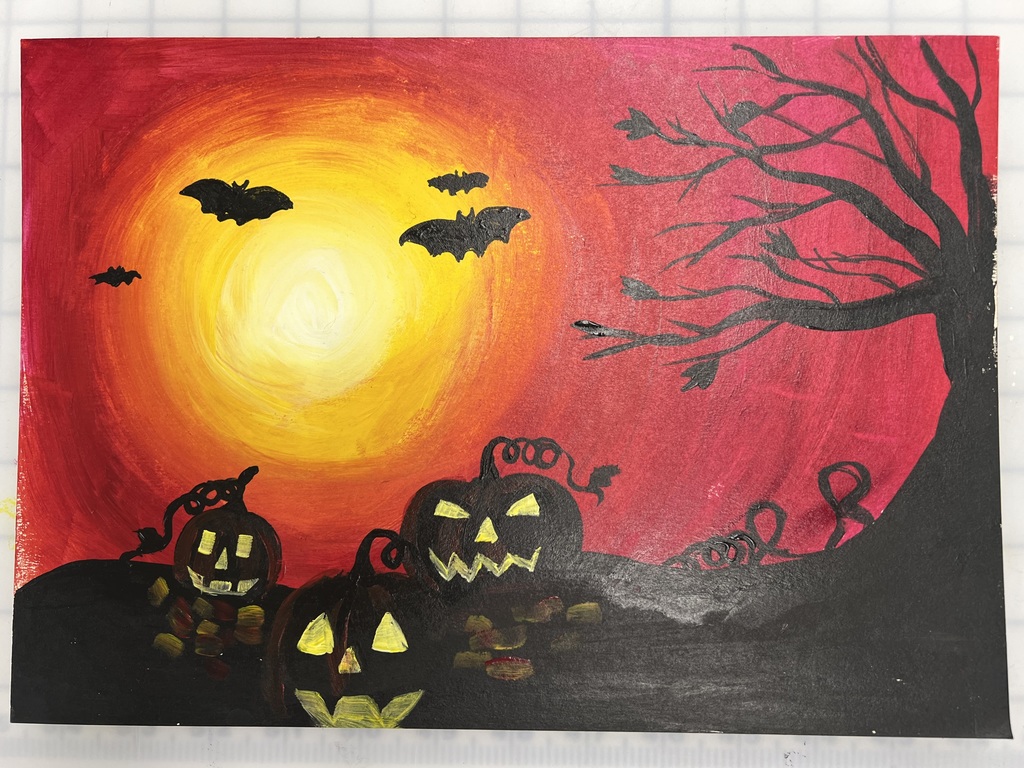
A talented Minisink Valley Art Club student will guide participants in creating a beautiful fall-themed painting. There'll be apple cider to sip and yummy treats to snack on while painting.
Adults and children of all ages are welcome, but seating is limited to 25 people, so act fast if interested! All supplies and food are included with admission and all proceeds will go toward art scholarships, museums field trips for art students, future events, and additional supplies for the Art Club studio. THIS EVENT WILL SELL OUT, so sign-up now and don't miss out!
Pricing (cash at the door): Adults - $12; children/students - $10; and siblings discount: $5 per additional sibling. To reserve your spot, click here: https://docs.google.com/forms/d/e/1FAIpQLSeFcFIzph-R4RHdlh3S0YmBrlAi_BxFCxZ7woOyck9kGSe2rQ/viewform
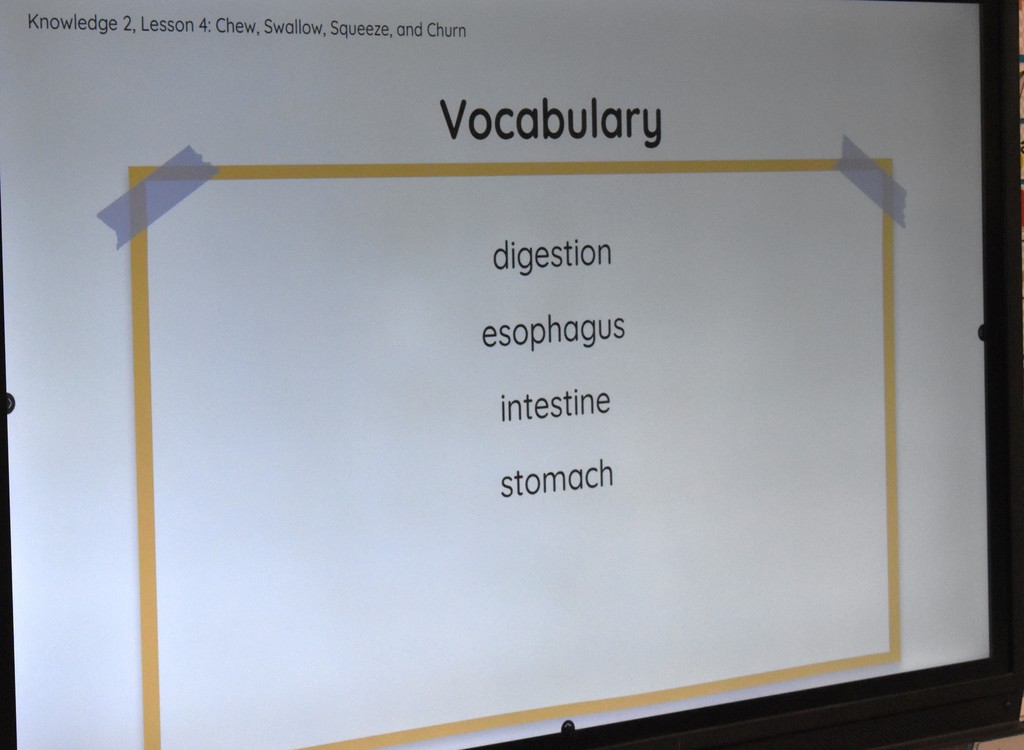
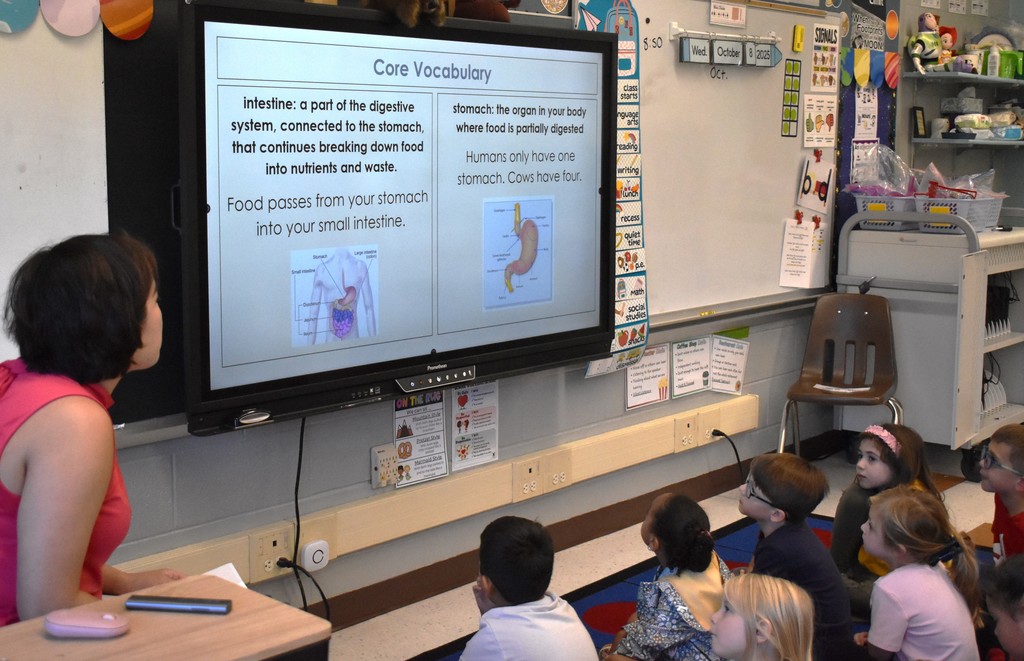
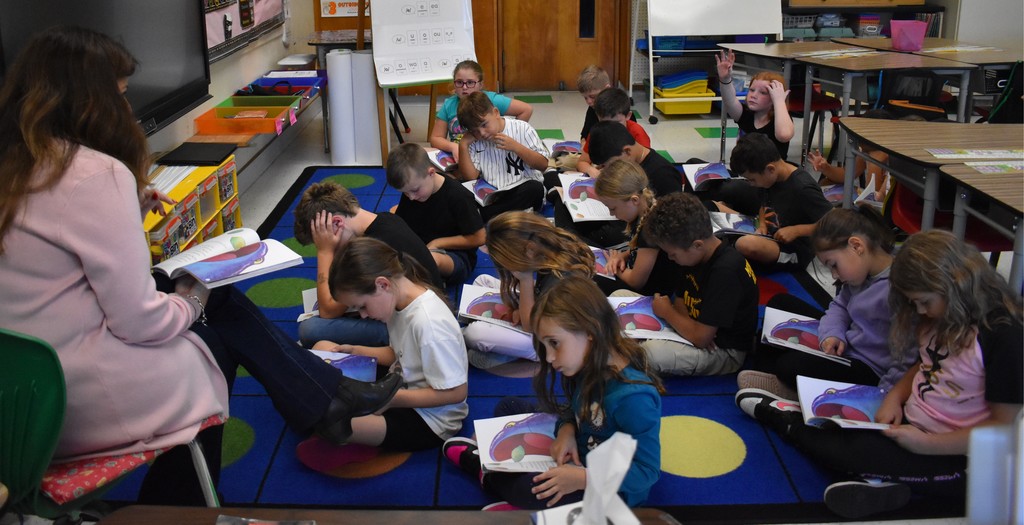
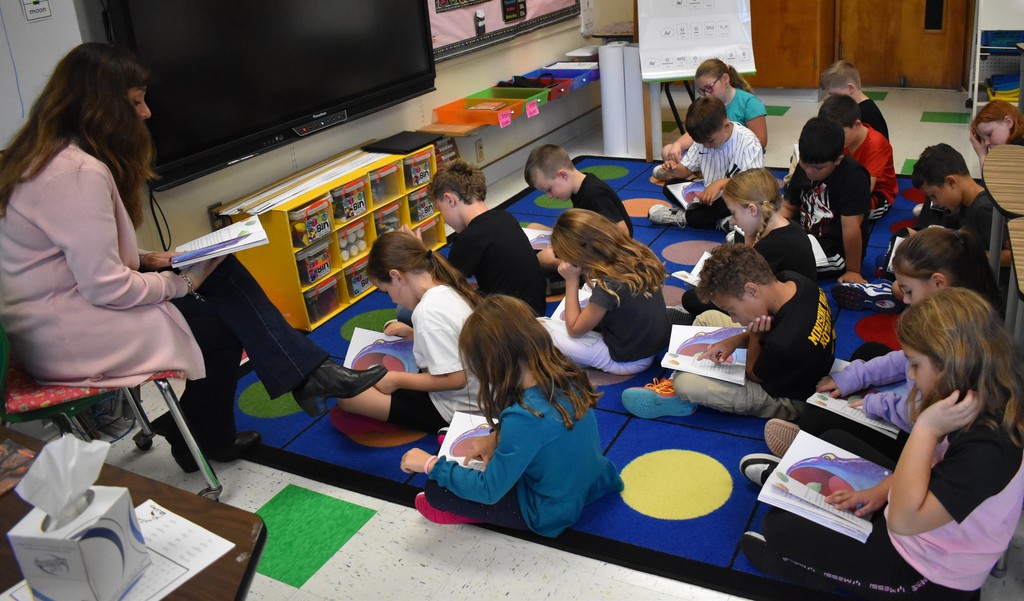
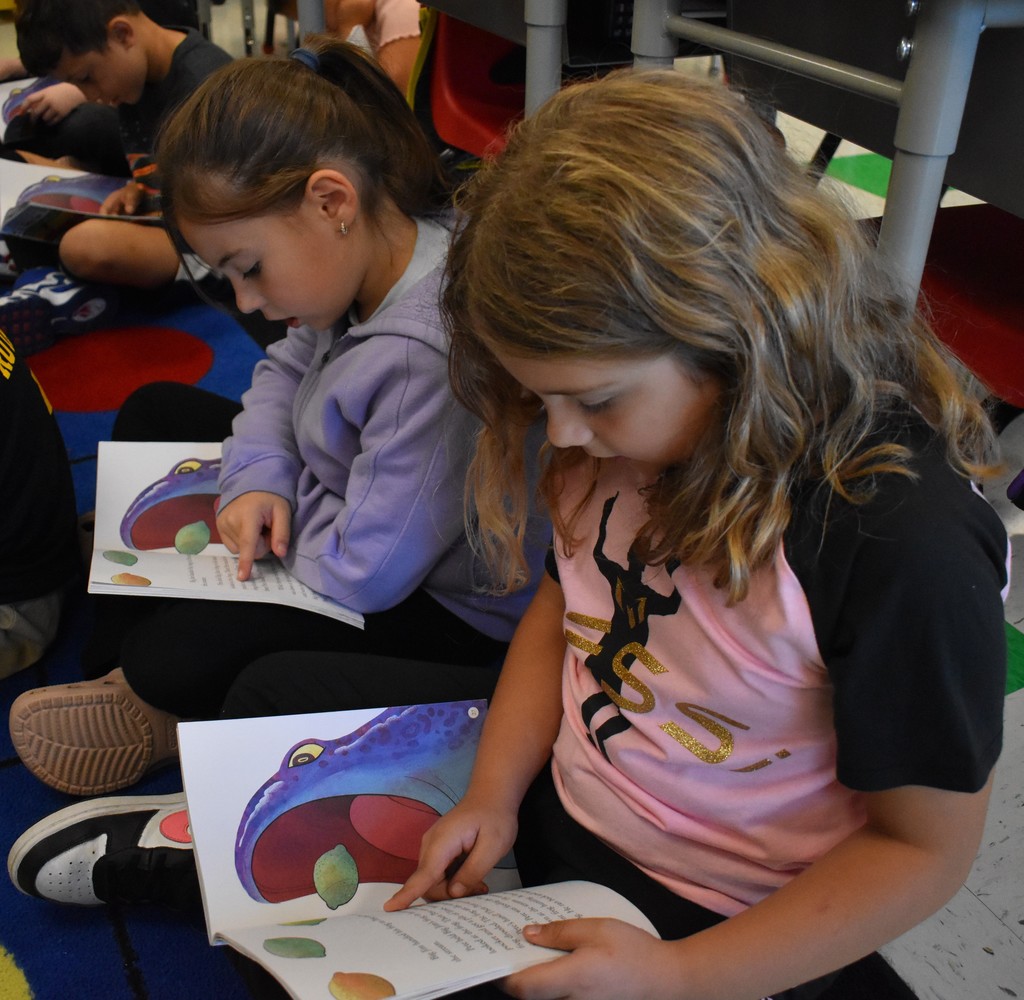
Introducing new vocabulary in first grade is crucial because it improves reading comprehension and academic success. A strong vocabulary helps students understand texts, express themselves more clearly in both writing and speech, and build a foundation for more complex learning in later grades.
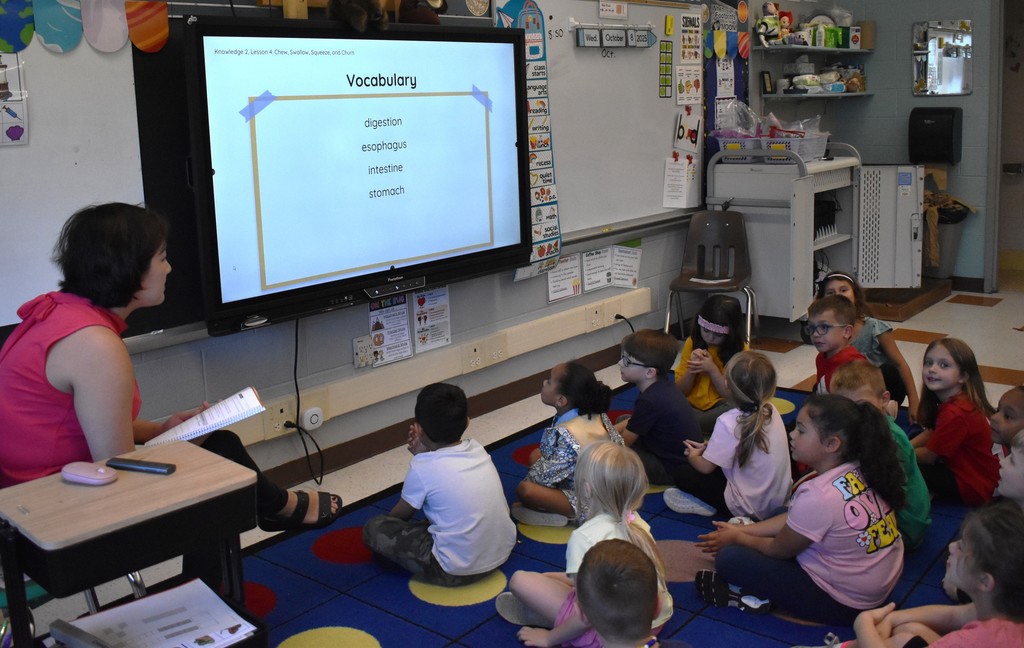
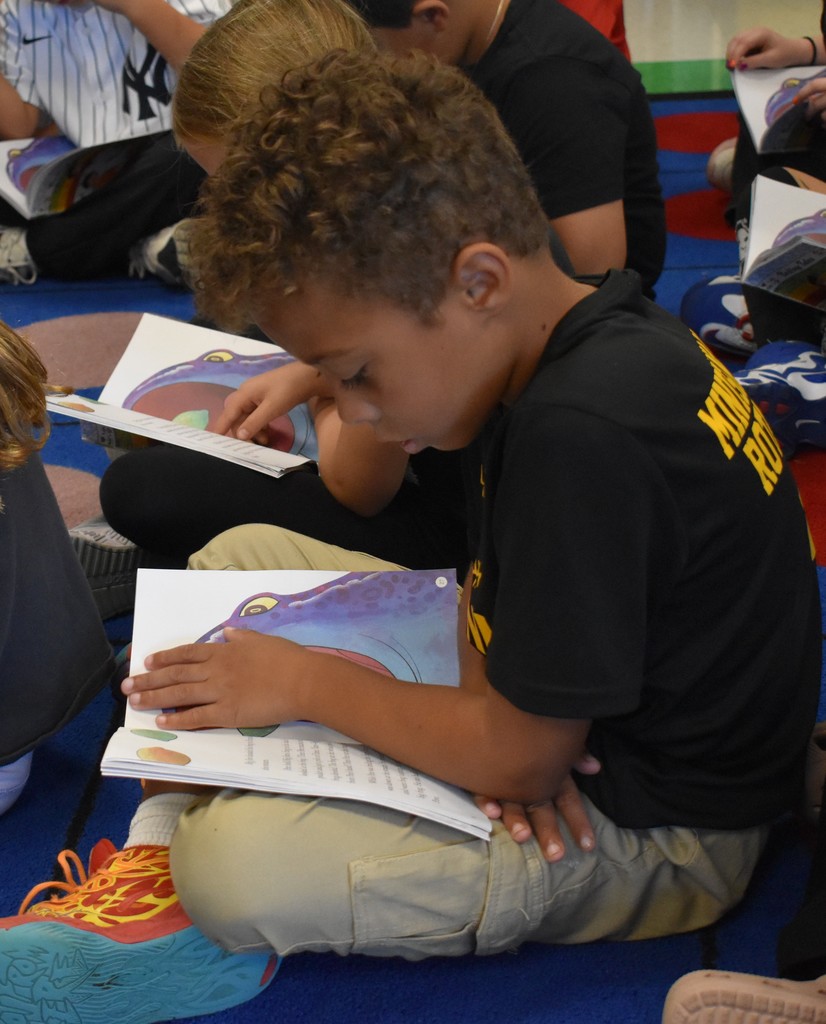
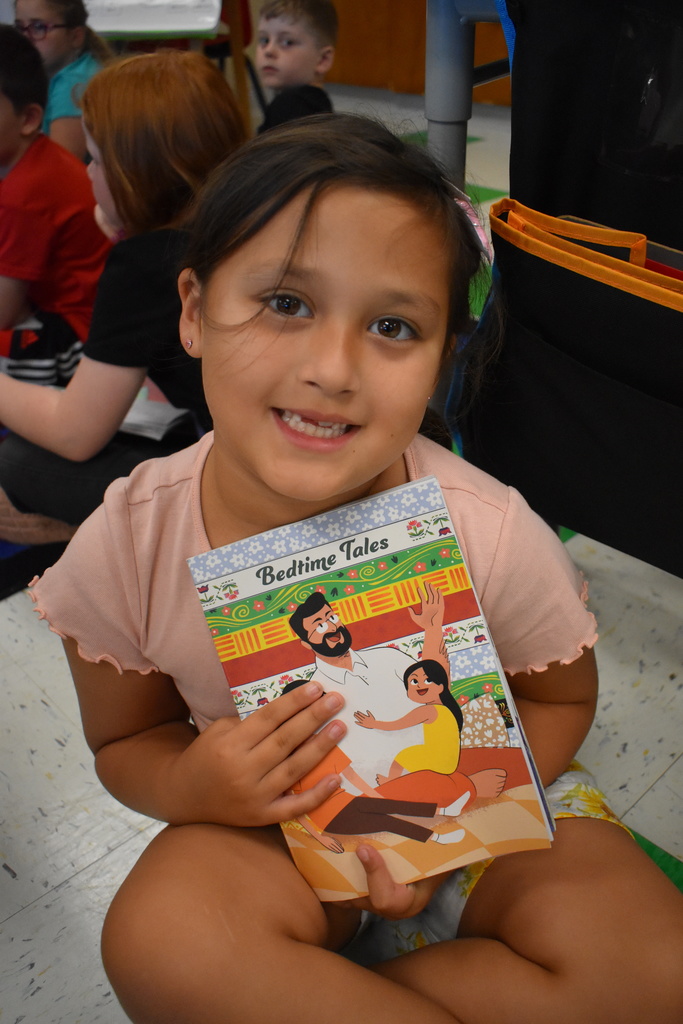
Choral reading is a whole-class or small-group technique where the teacher and students read a text aloud together in unison, developing fluency, pronunciation, and expression. The strategy uses repetition and unison reading to improve sight word recognition, build confidence, and make reading more engaging for young learners, often with texts that have rhythmic patterns or repeating phrases.
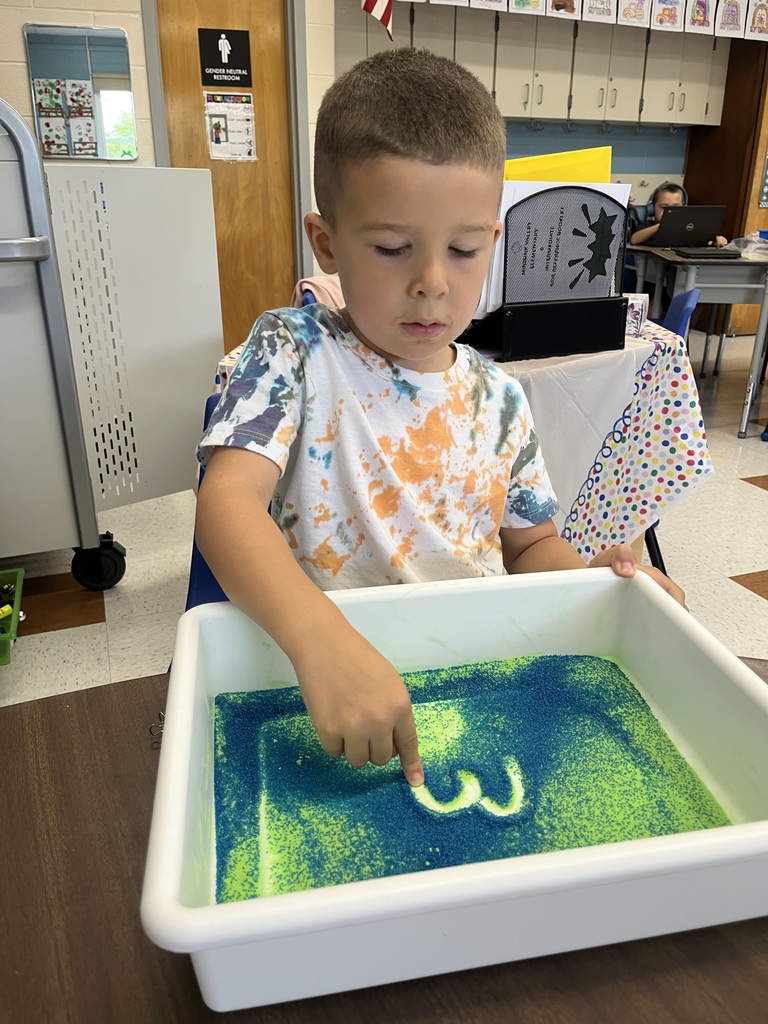
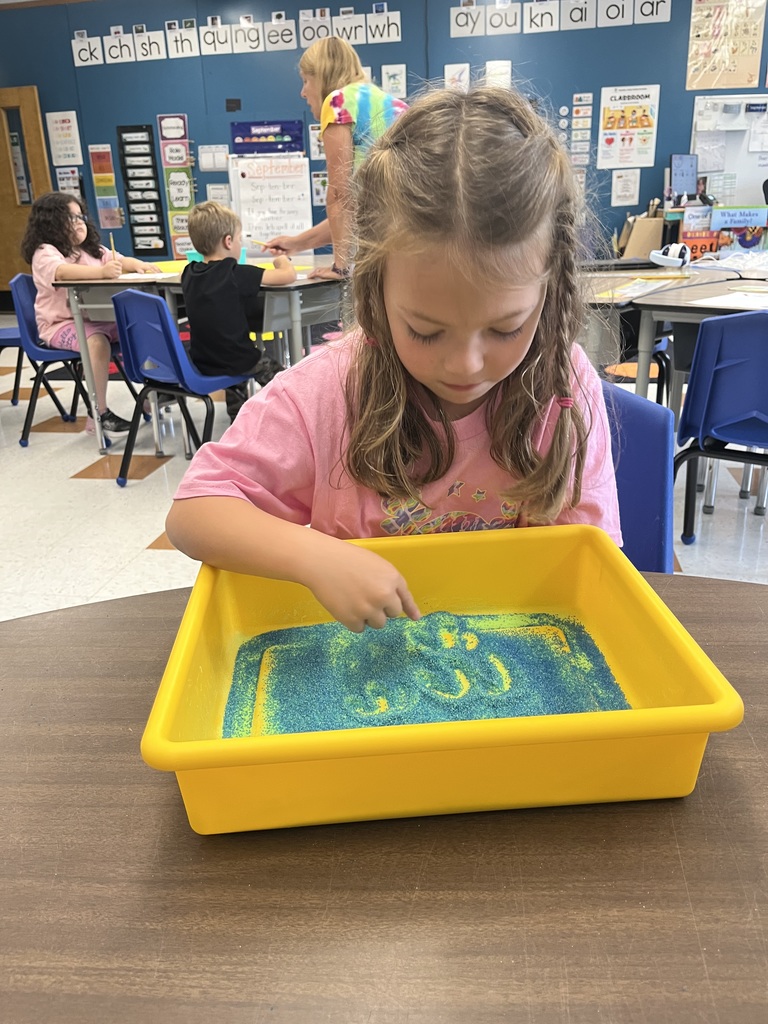
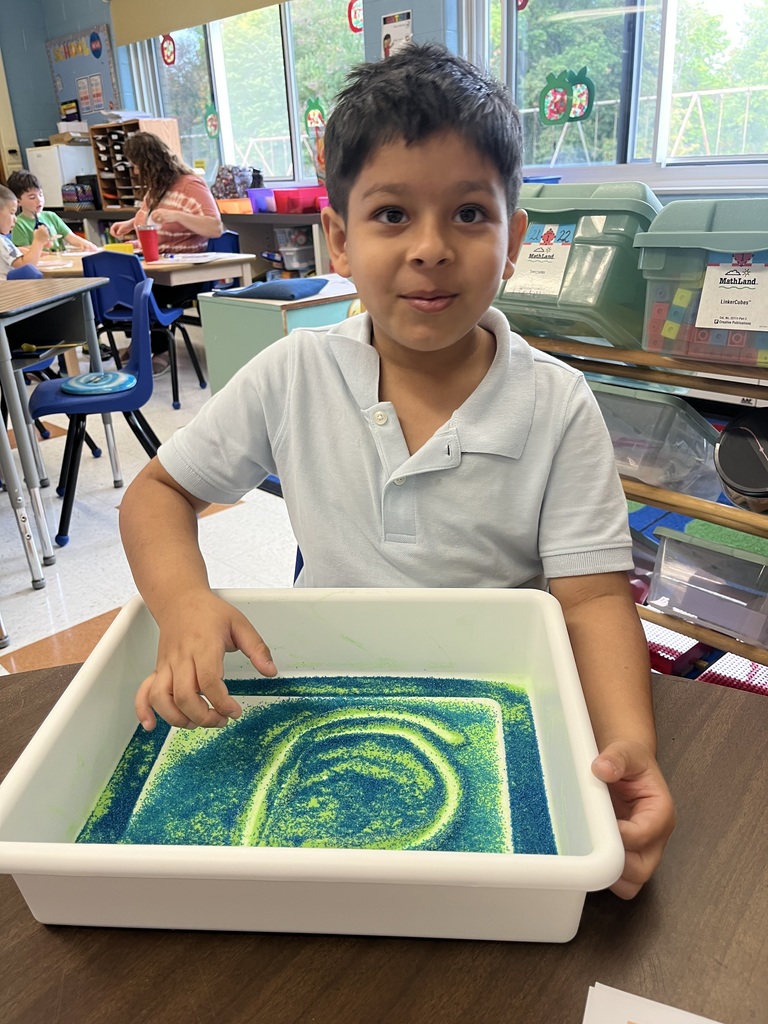
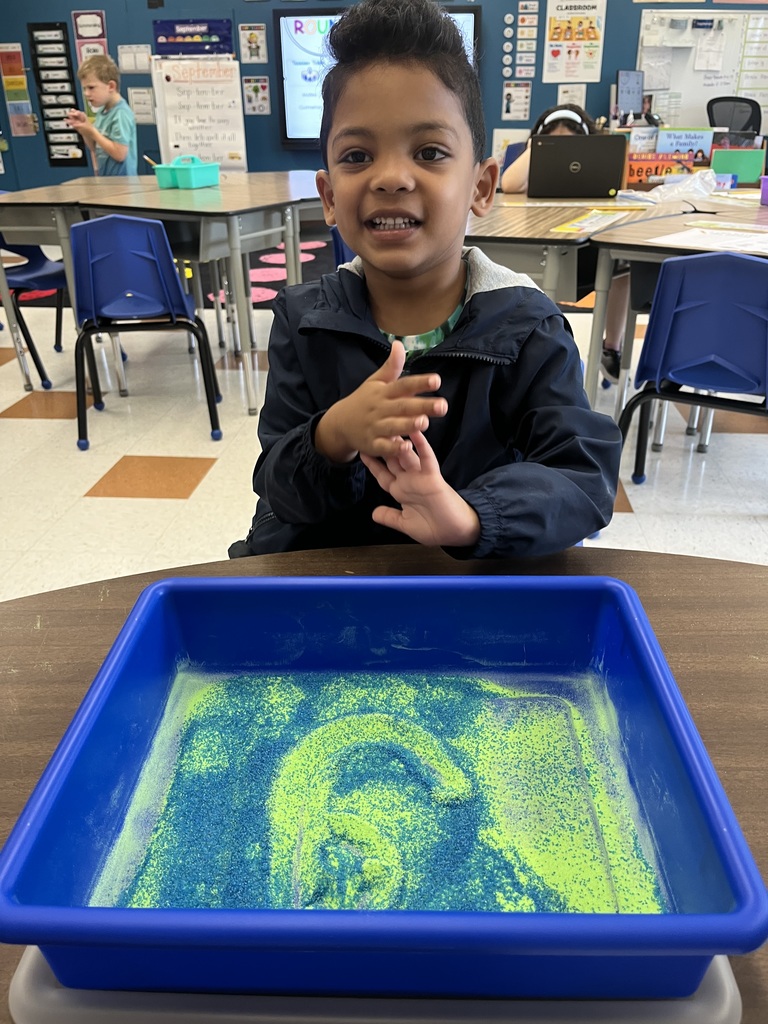
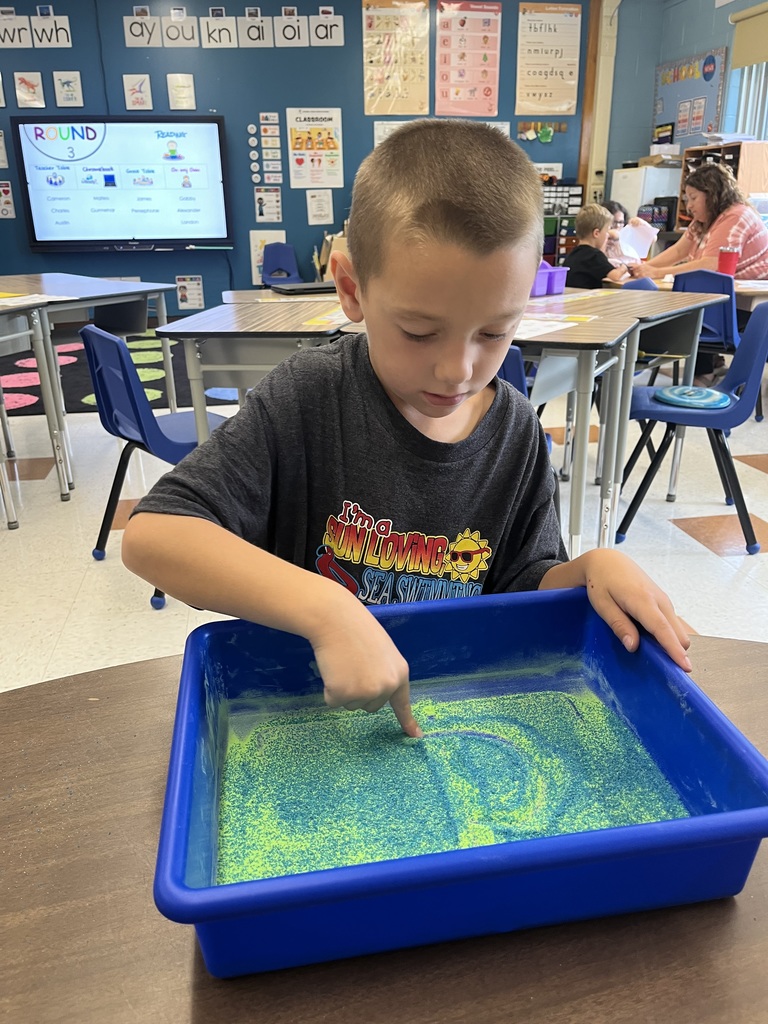
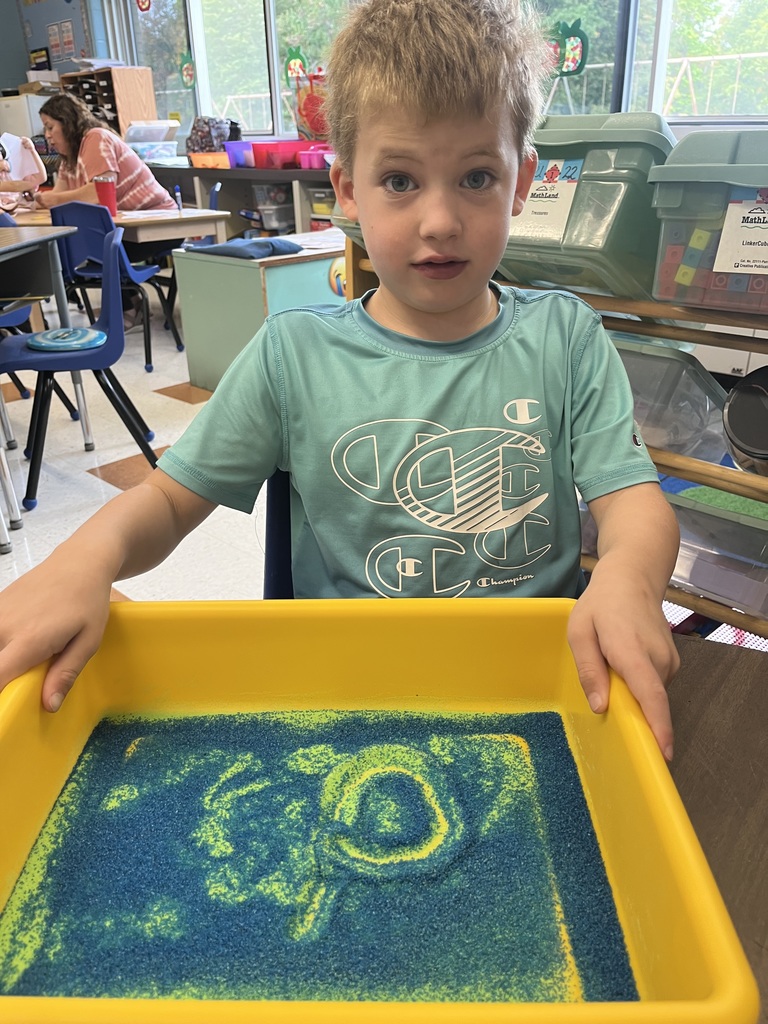
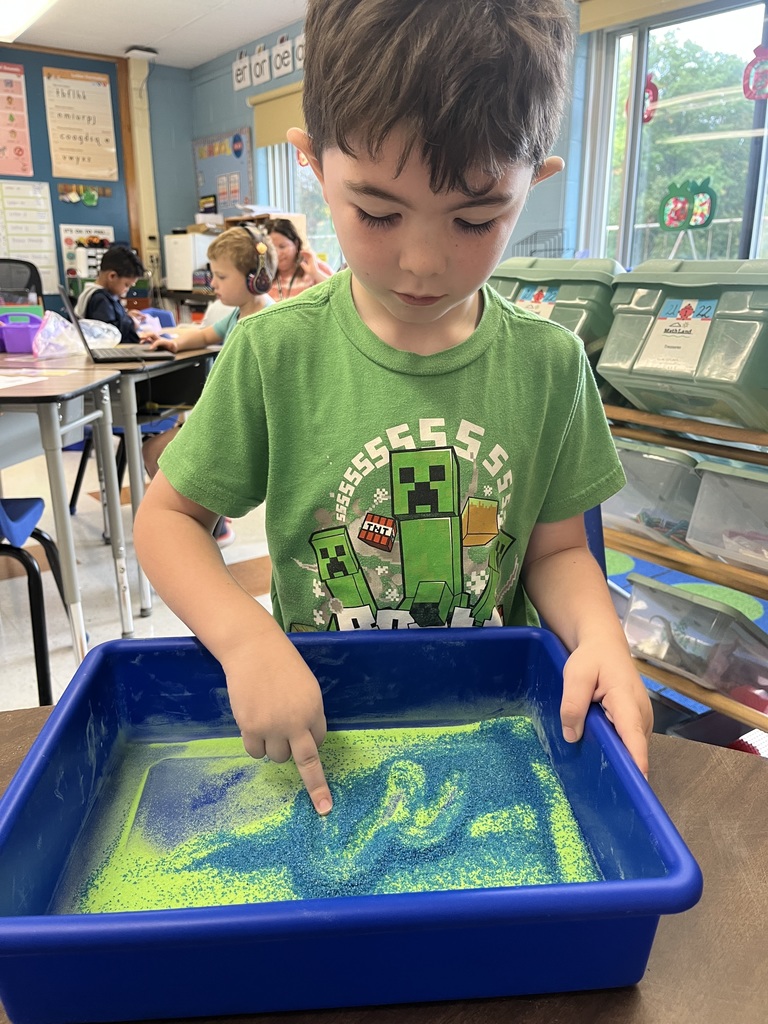
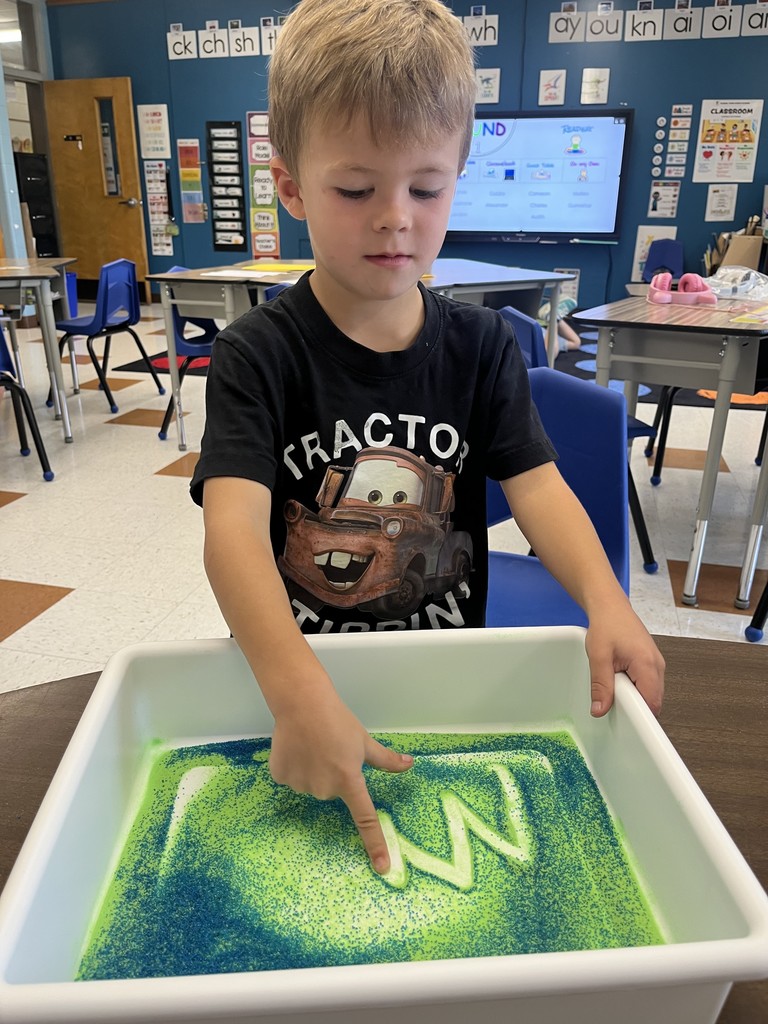
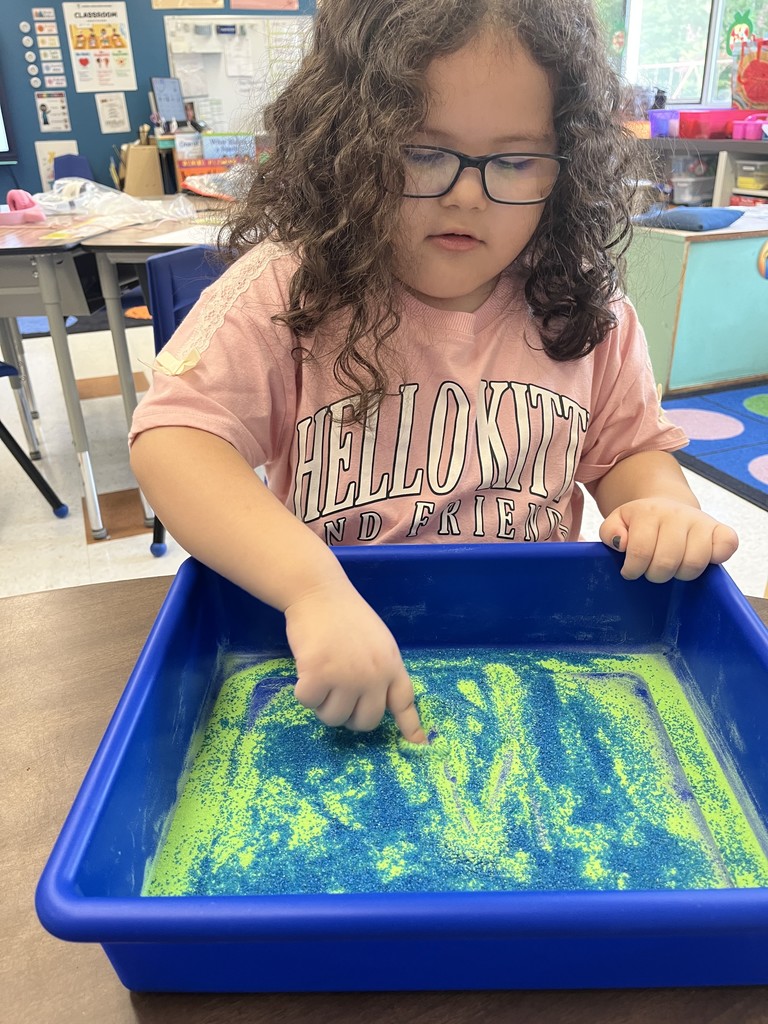
A sand tray is a tool for tactile, multisensory learning, typically used for practicing letter formation and handwriting, as well as for developing fine motor skills and hand-eye coordination. Students use their fingers to trace letters, numbers, and words in the fine-grain sand within the tray, which helps them retain information through kinesthetic and visual pathways. The dark-colored bottom of the tray makes the sand letters stand out, providing a more interactive and less messy way to practice writing than traditional pencil and paper.
Orton-Gillingham refers to a teaching approach named after Dr. Samuel Orton, a neuropsychiatrist, and Anna Gillingham, an educator and psychologist. Developed in the 1930s, it's a multisensory, structured literacy method for teaching reading, spelling, and writing which breaks down language into smaller components and uses auditory, visual, and kinesthetic (tactile, movement) channels to reinforce learning.
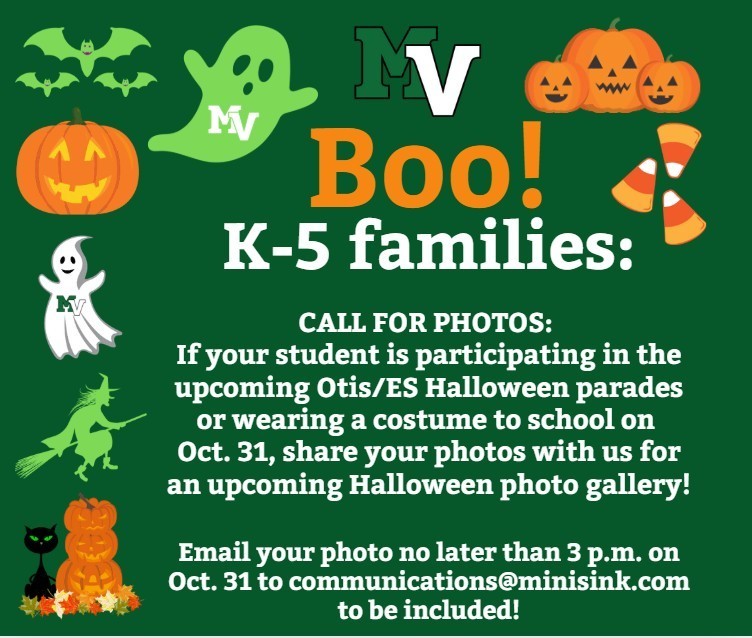
Two weeks from today! The annual Halloween parades at Otisville Elementary and the Elementary School, each led by divisions of the Mighty Minisink Valley Marching Band!
CALL FOR PHOTOS! See details:
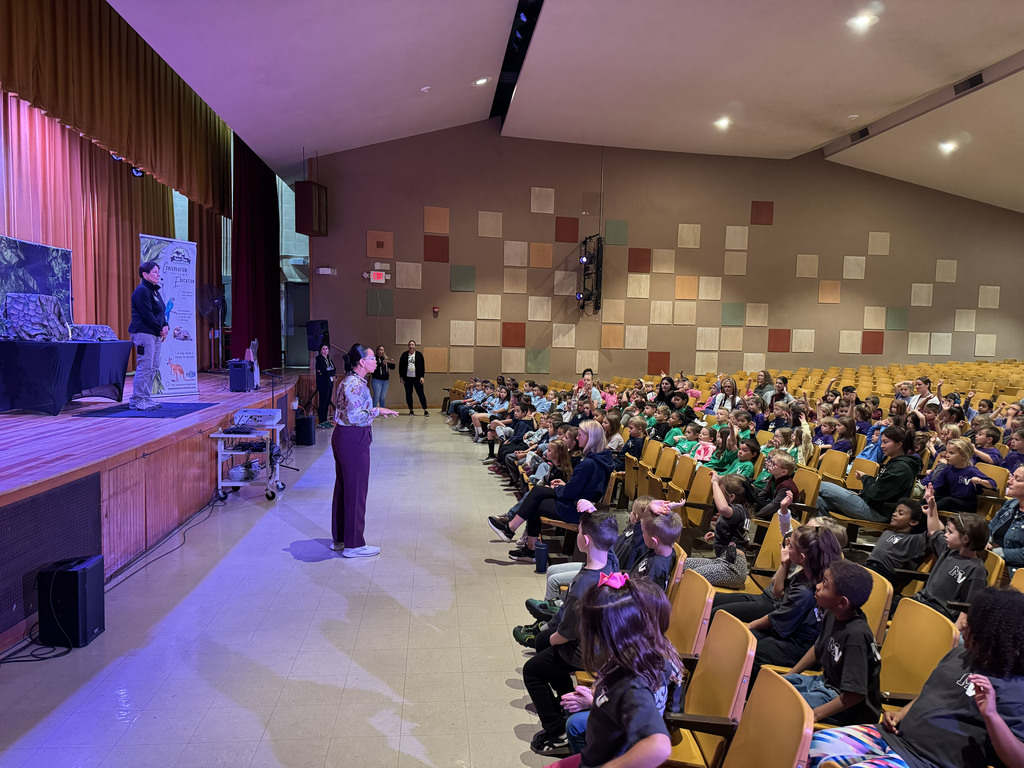
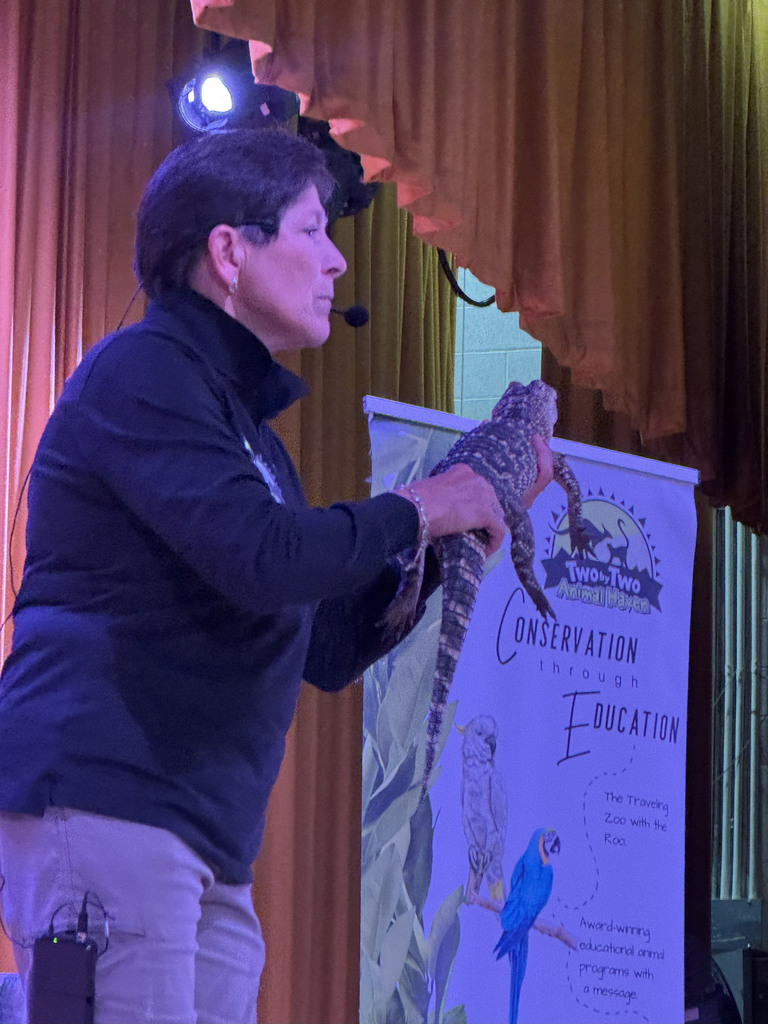
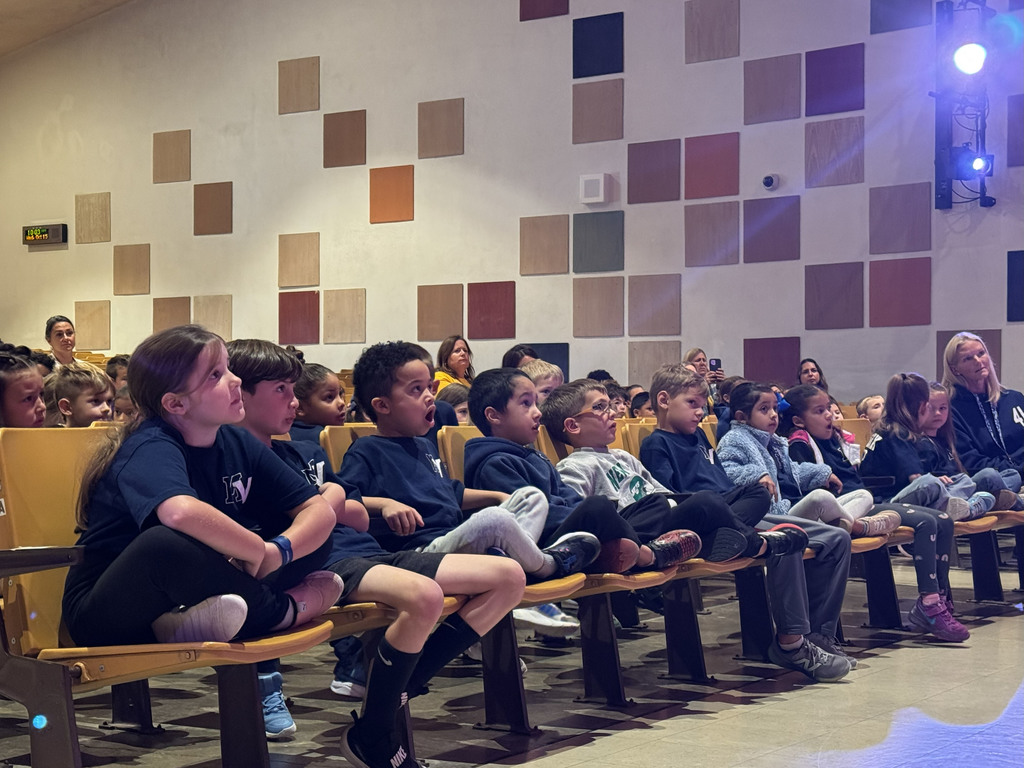
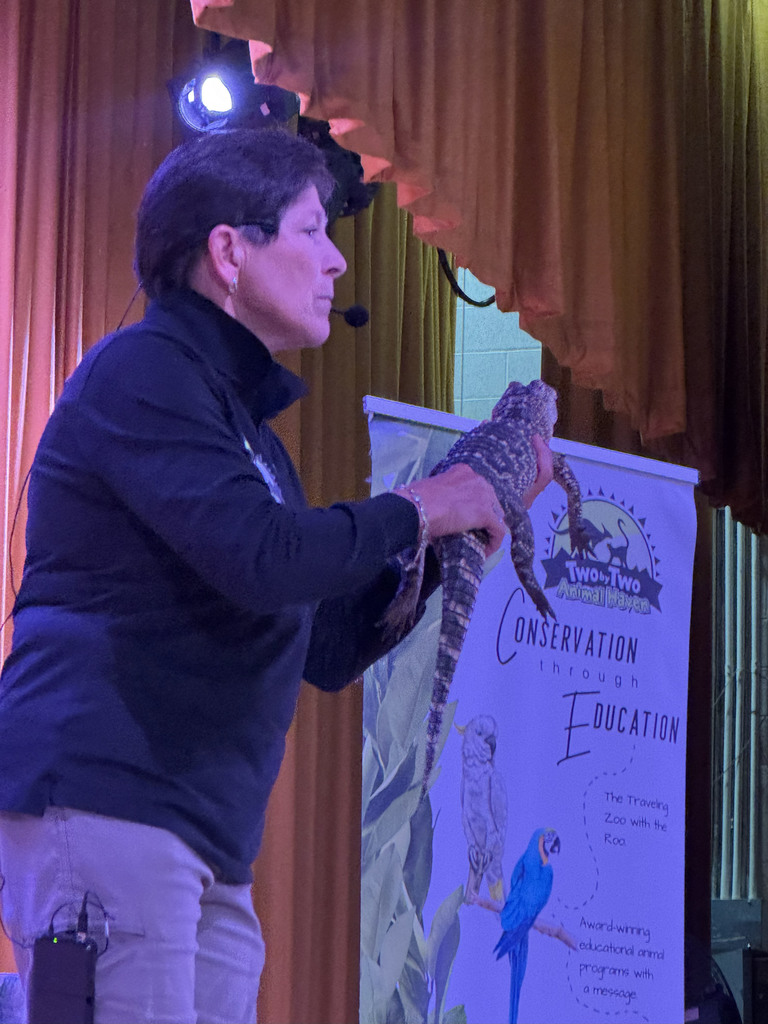
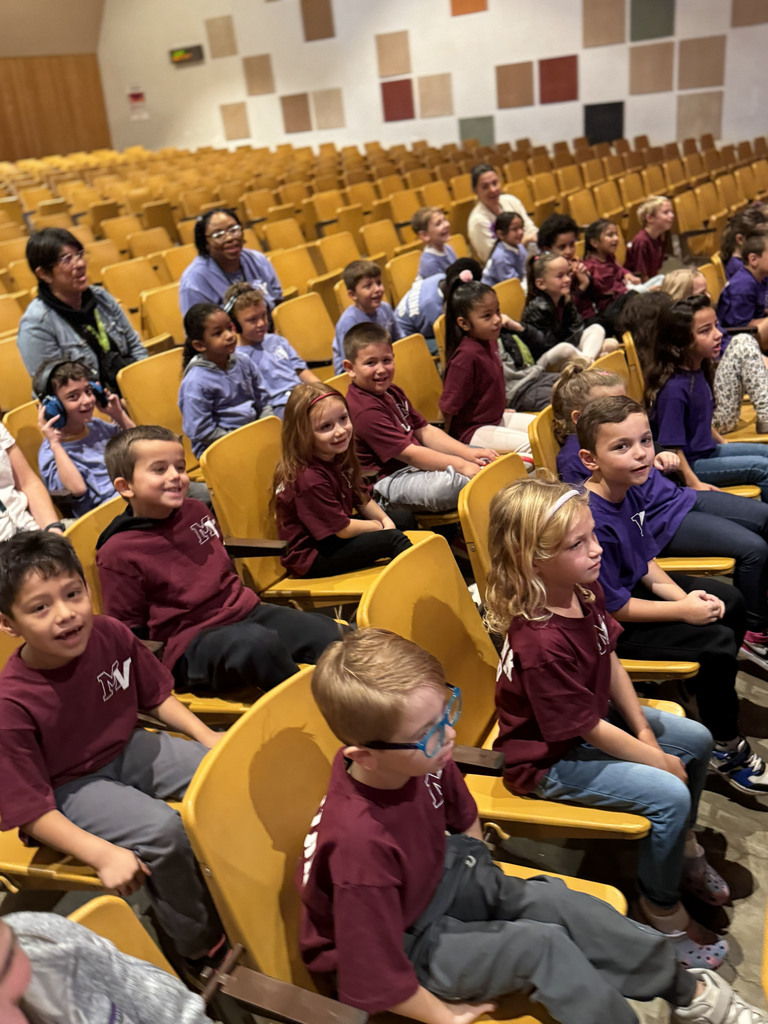
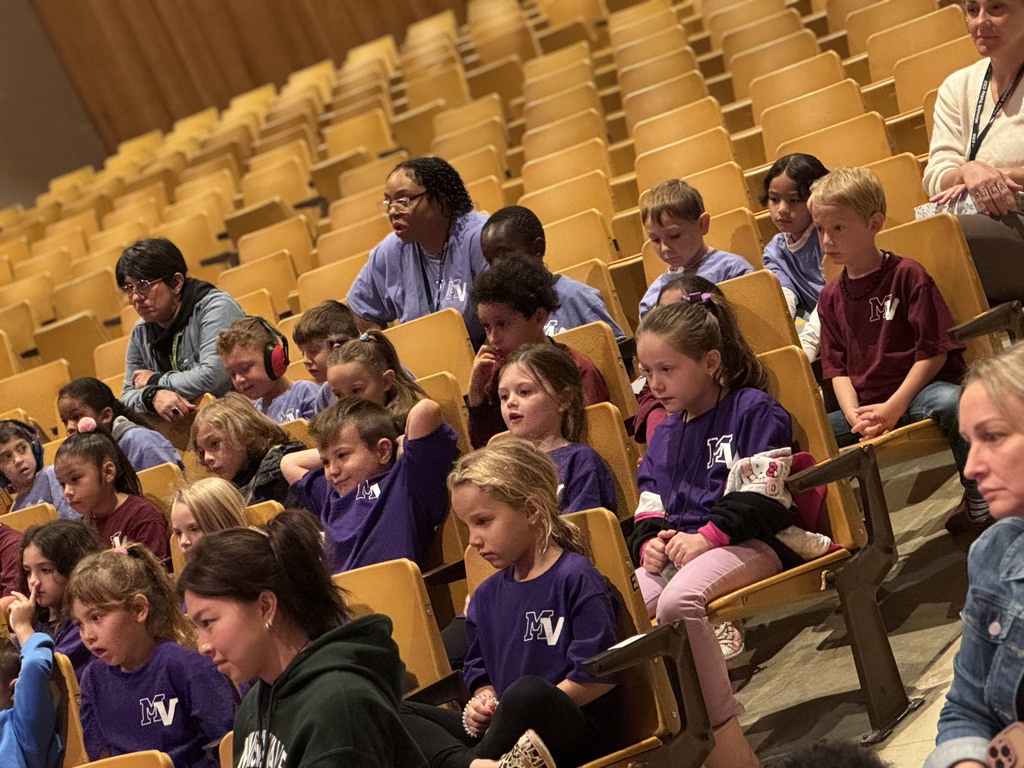
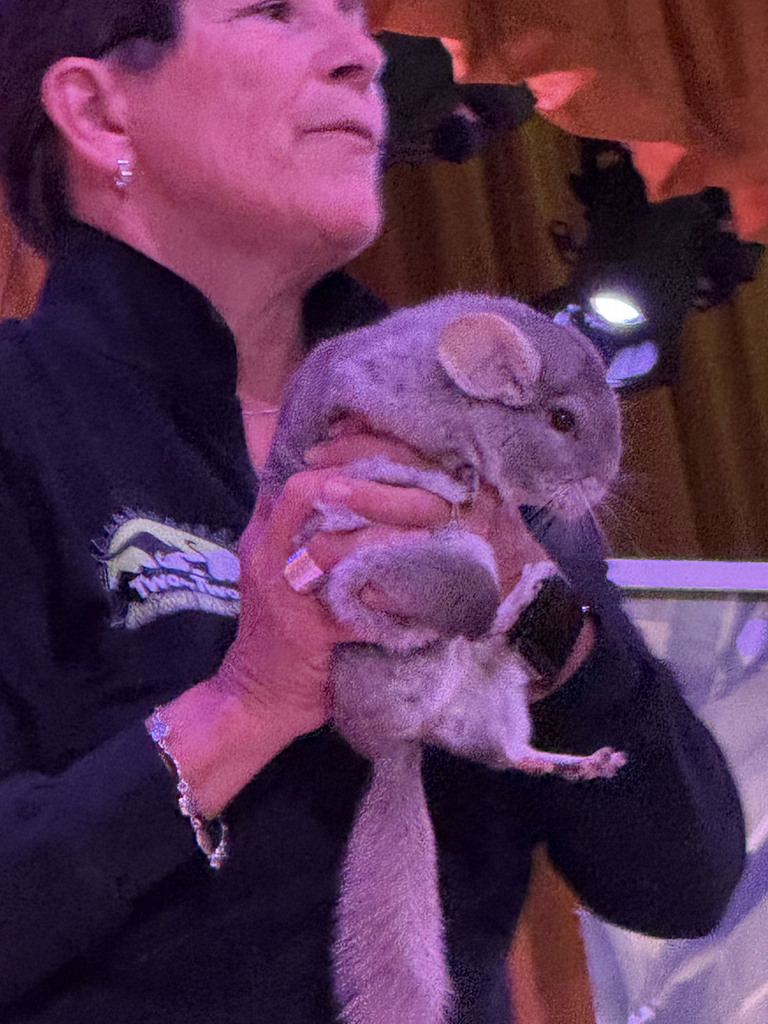
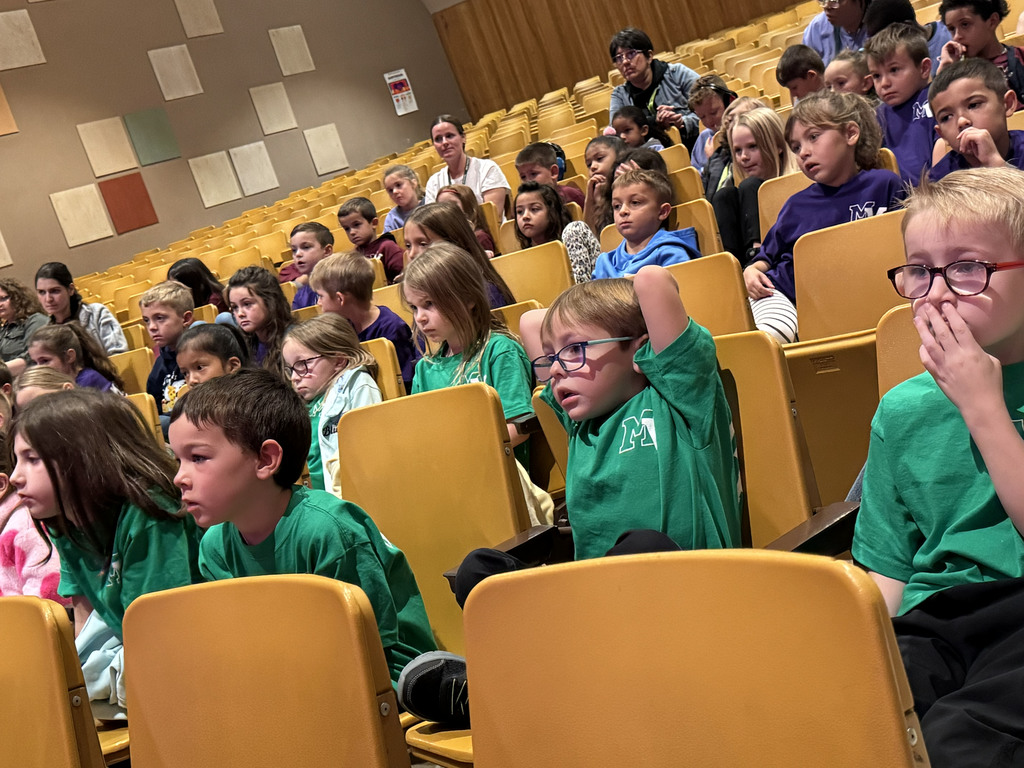
Ms. Iannucci also talked about why some animals don’t make good pets while showing them a toad, parrot, tortoise, bearded dragon, chinchilla, ball python and kangaroo!
This traveling animal program educates the public and school children about animals, their welfare and conservation, while fostering kindness and empathy for all living things. Thank you to the Elementary School PTO for sponsoring the fun and educational visit! See more photos on the district's Facebook page: https://www.facebook.com/MinisinkValleyCSD