
While brackets are busting and buzzer-beaters are dropping this March Madness season, give your own future star a shot — sign your 4th through 8th grader up for our FREE Girls Basketball Spring Instructional Clinic!
• Open to all district girls in 4th through 8th grades
• DATES: Saturday, April 11 and Saturday, April 18
• 9 a.m. to 12 noon in the High School Gym
The clinics will be directed by Coach McDonald with assistance from players in the Minisink Valley Girls Basketball program. The camp’s goal is to provide quality instruction and inspiration for young district athletes. The camp is free of charge, though donations towards the Girls Basketball Program are optional, but welcome. Activities include individual skill instruction and competitive team play. The players may be separated into two levels according to their age and ability. Participants will be expected to wear sneakers and dress appropriately.
Here's the registration link: https://docs.google.com/.../1FAIpQLScQbIcAlyC6xV.../viewform

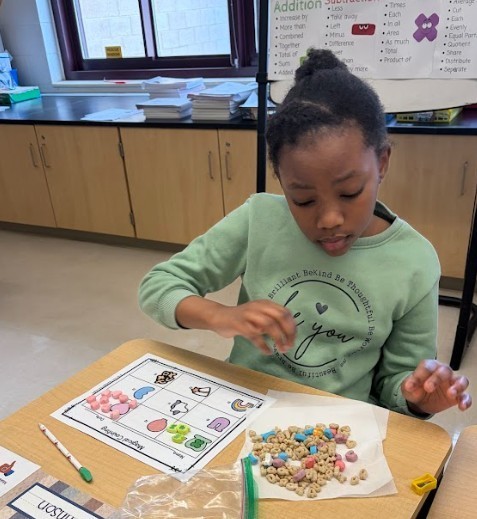
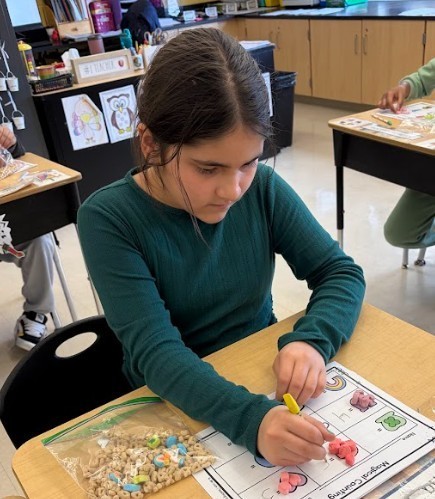
Math graphing with Lucky Charms cereal is a super fun, hands-on way for students to practice data collection, counting, sorting, and visual representation—all while celebrating St. Patrick’s Day! It’s bright, cheerful, and packed with festive marshmallow shapes—hearts, stars, horseshoes, clovers, blue moons, and rainbows—that celebrate luck and Irish folklore. The cereal is great for hands-on learning, whether students are counting, sorting, graphing, or creating sweet little crafts!
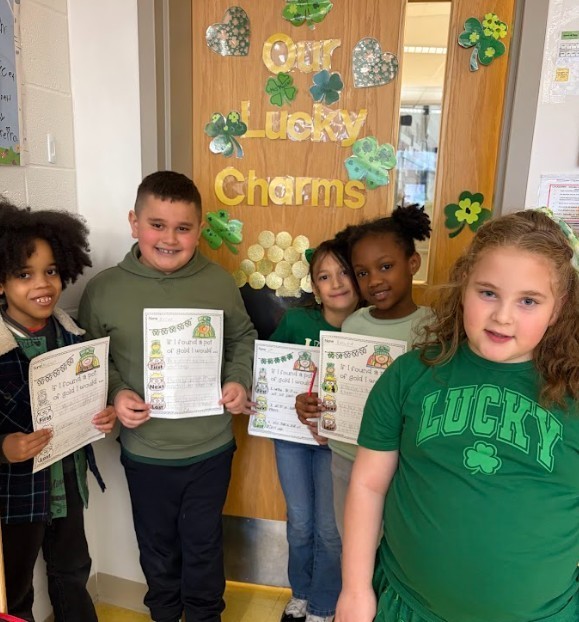
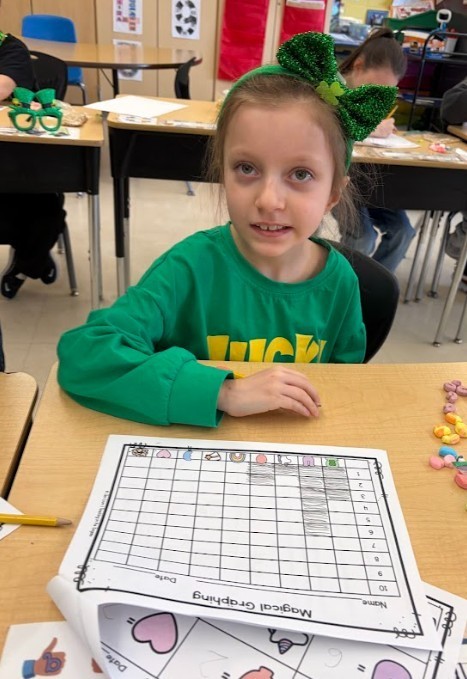
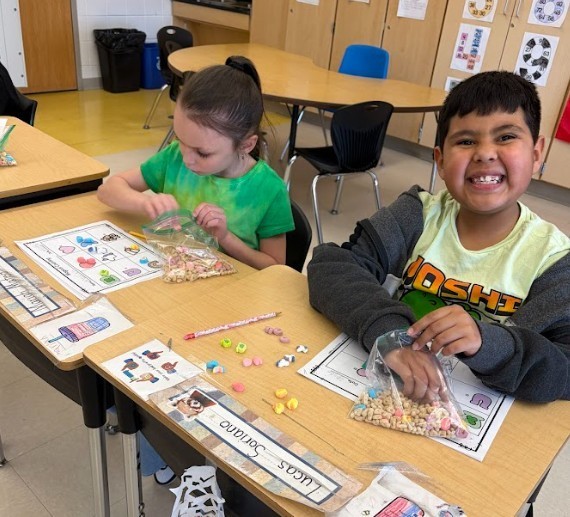
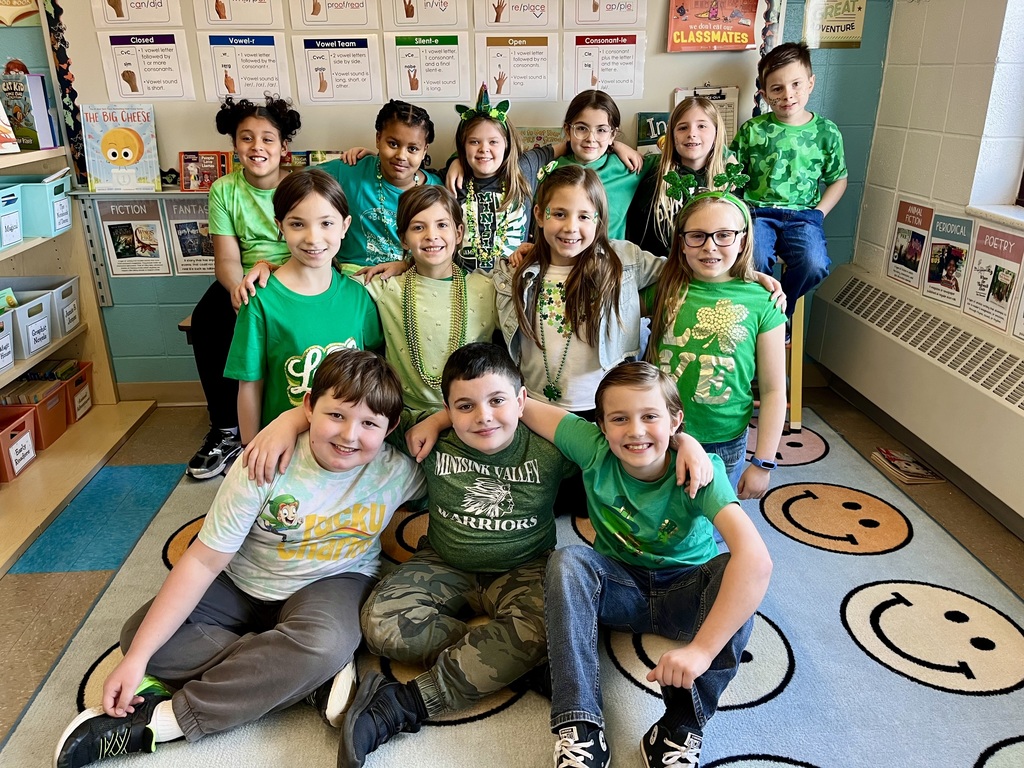
Green is the color of the day, as Stephanie Gove's Otisville third-graders are reminding us, as they wish us all a very Happy St. Patrick's Day!
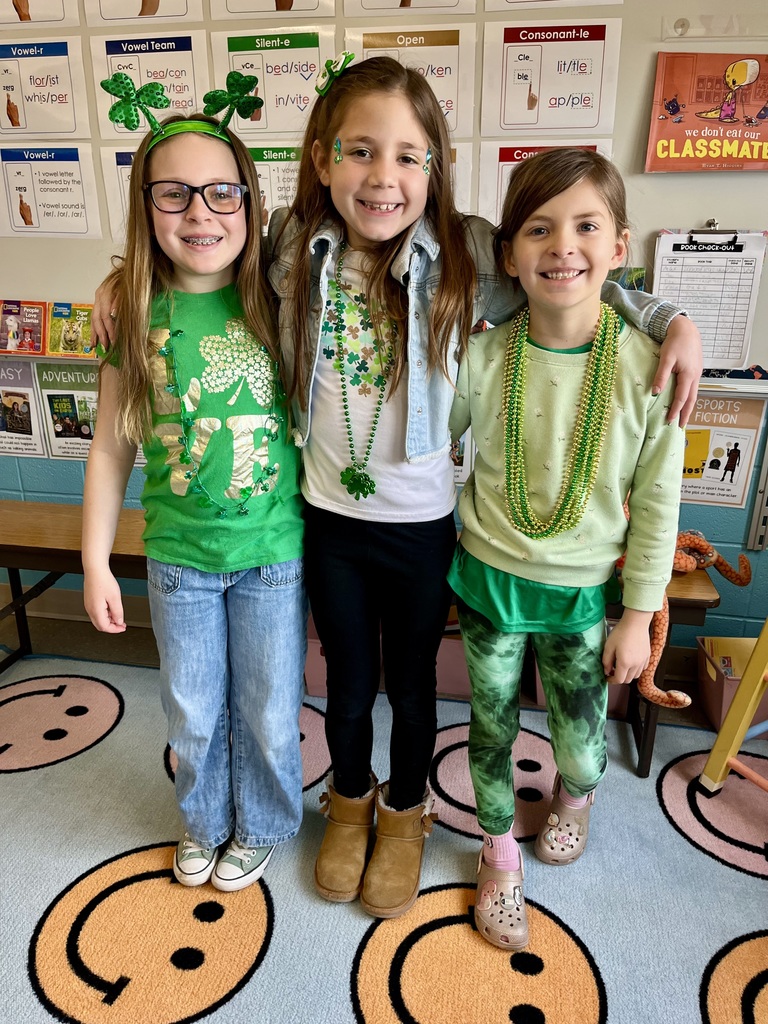
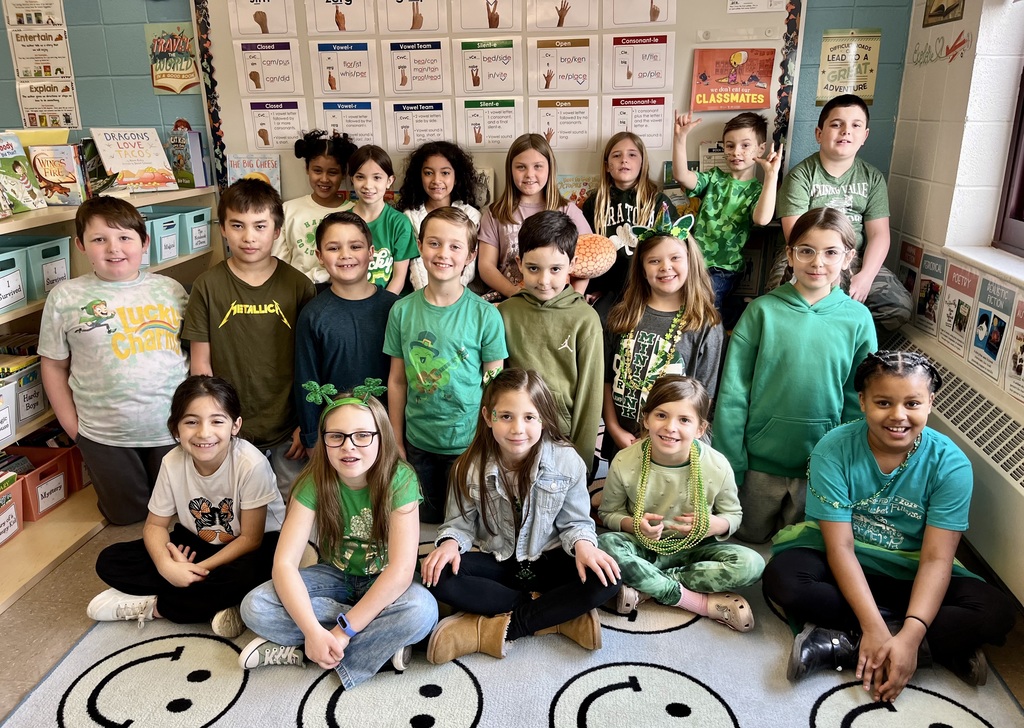
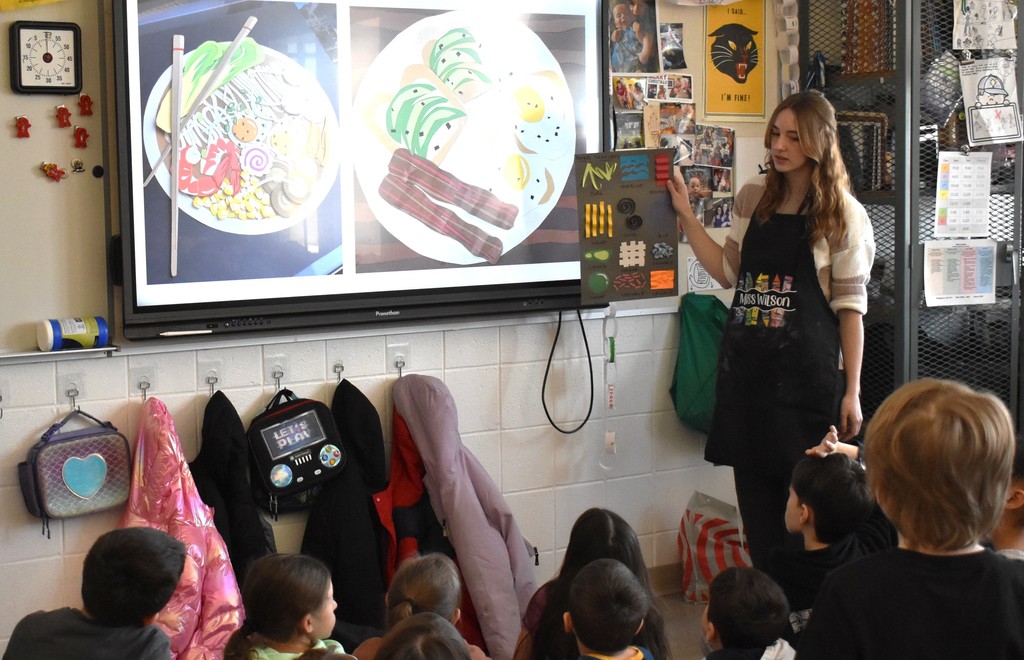
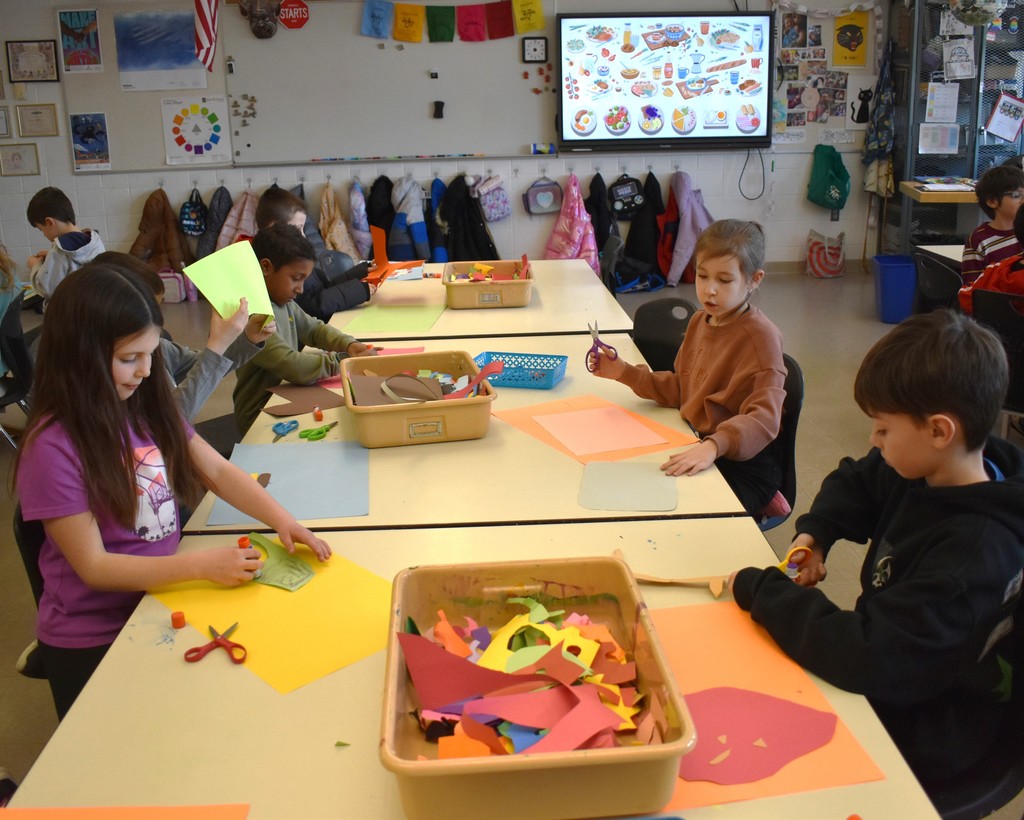
Julia, who will graduate in May, is one of many student teachers working with district students this spring. All student teachers are getting wonderful experience working with their mentor teachers and providing our students with innovative and robust lessons to support the district’s curriculum!
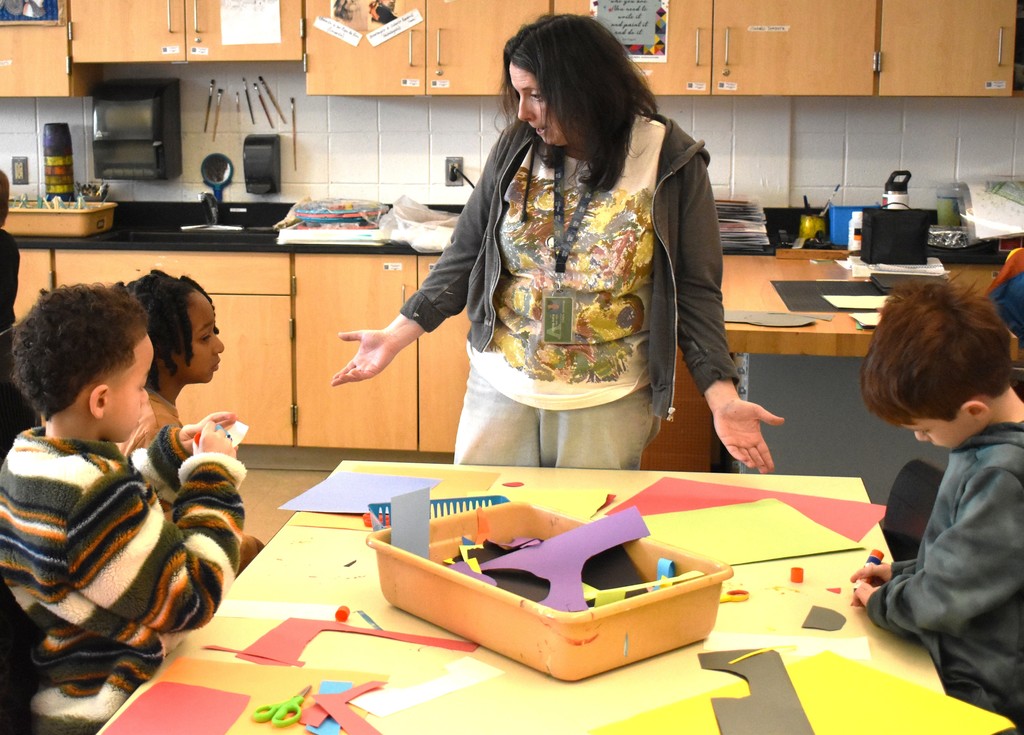
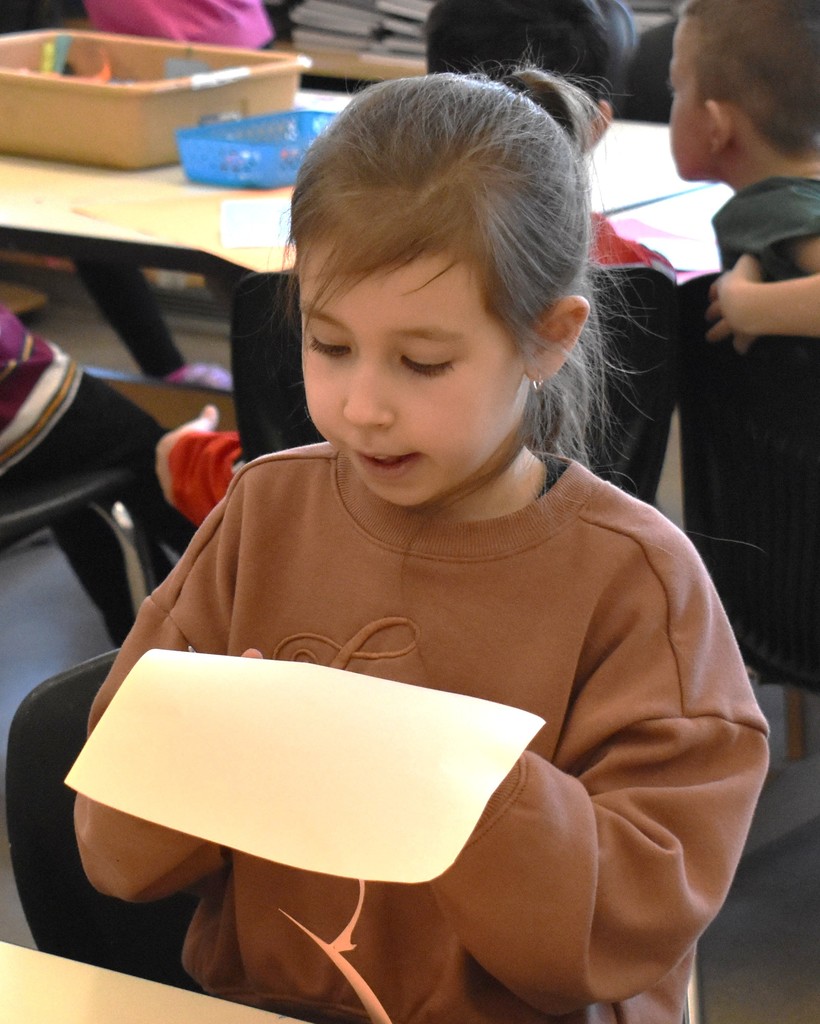
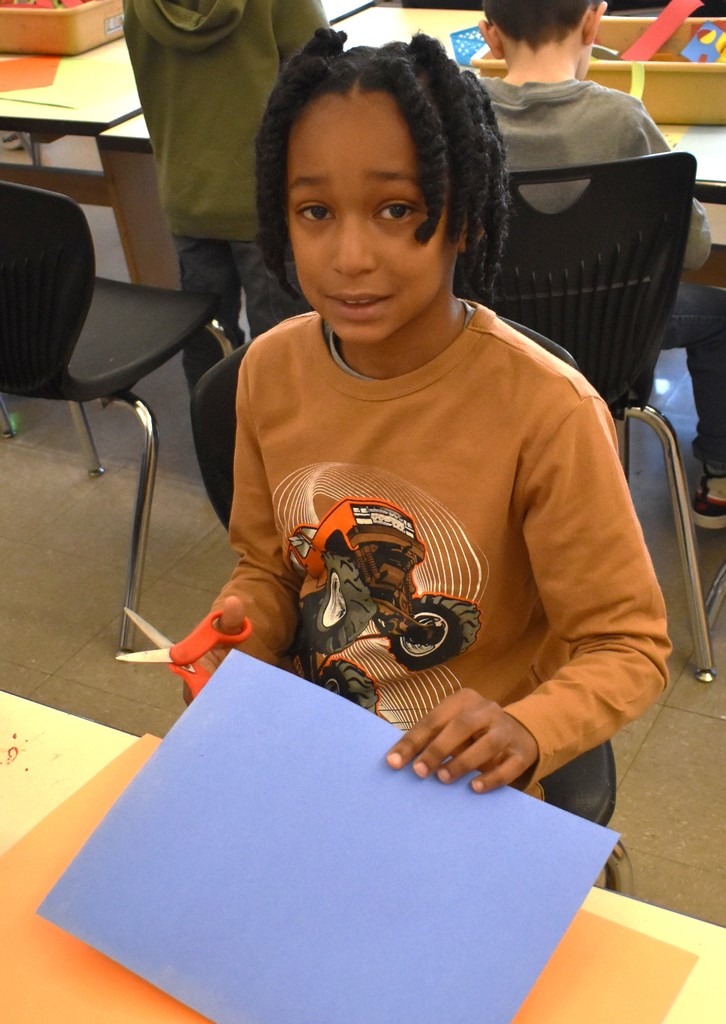
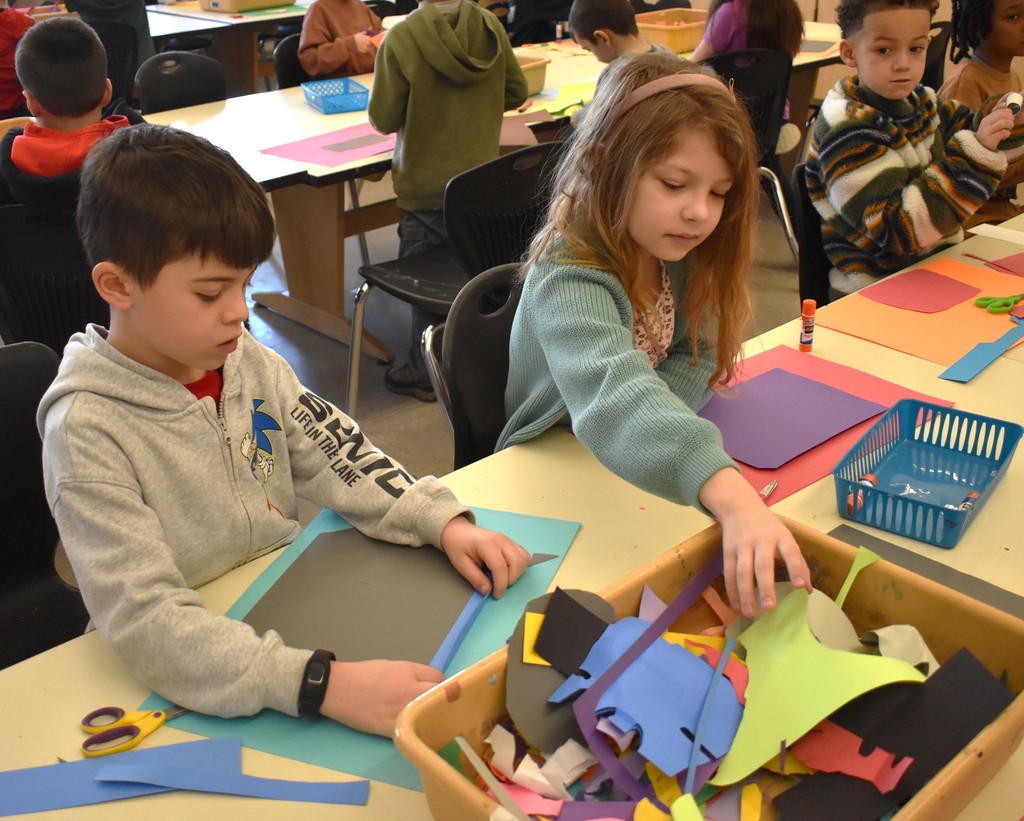
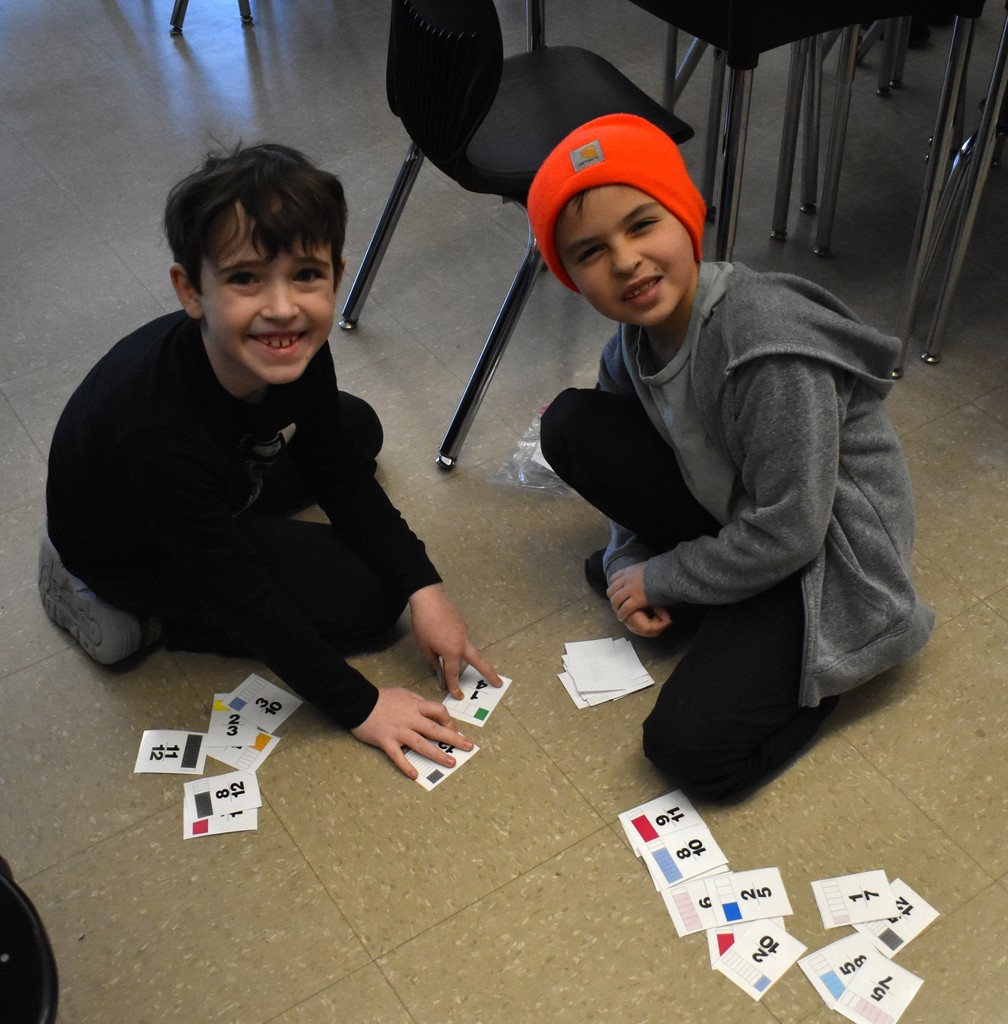
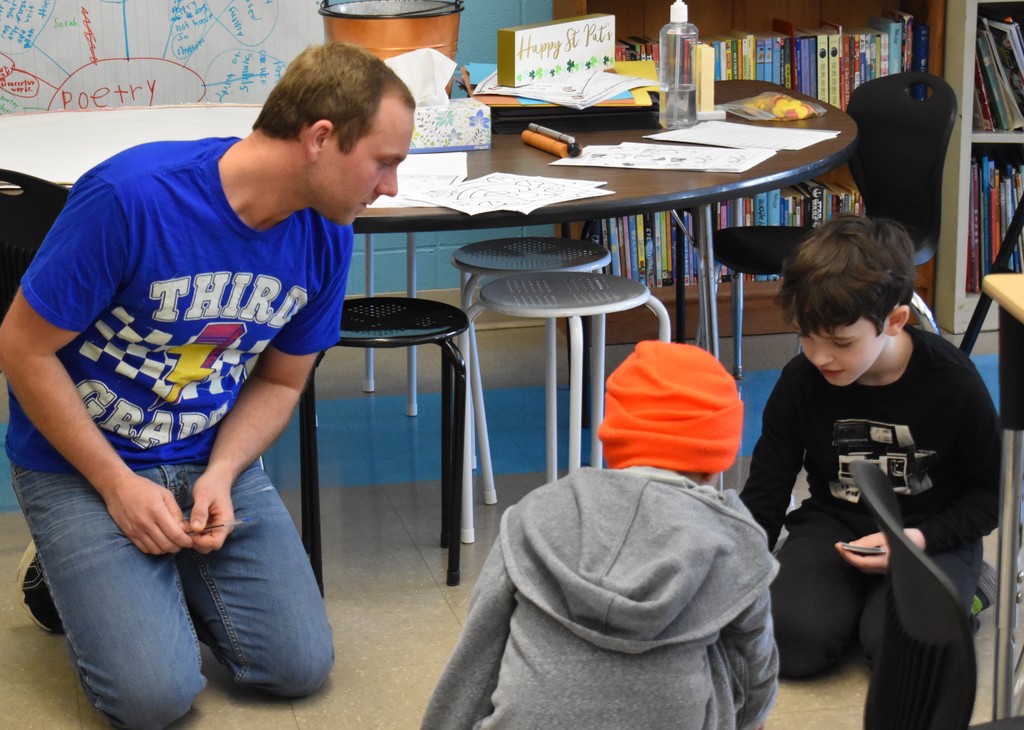
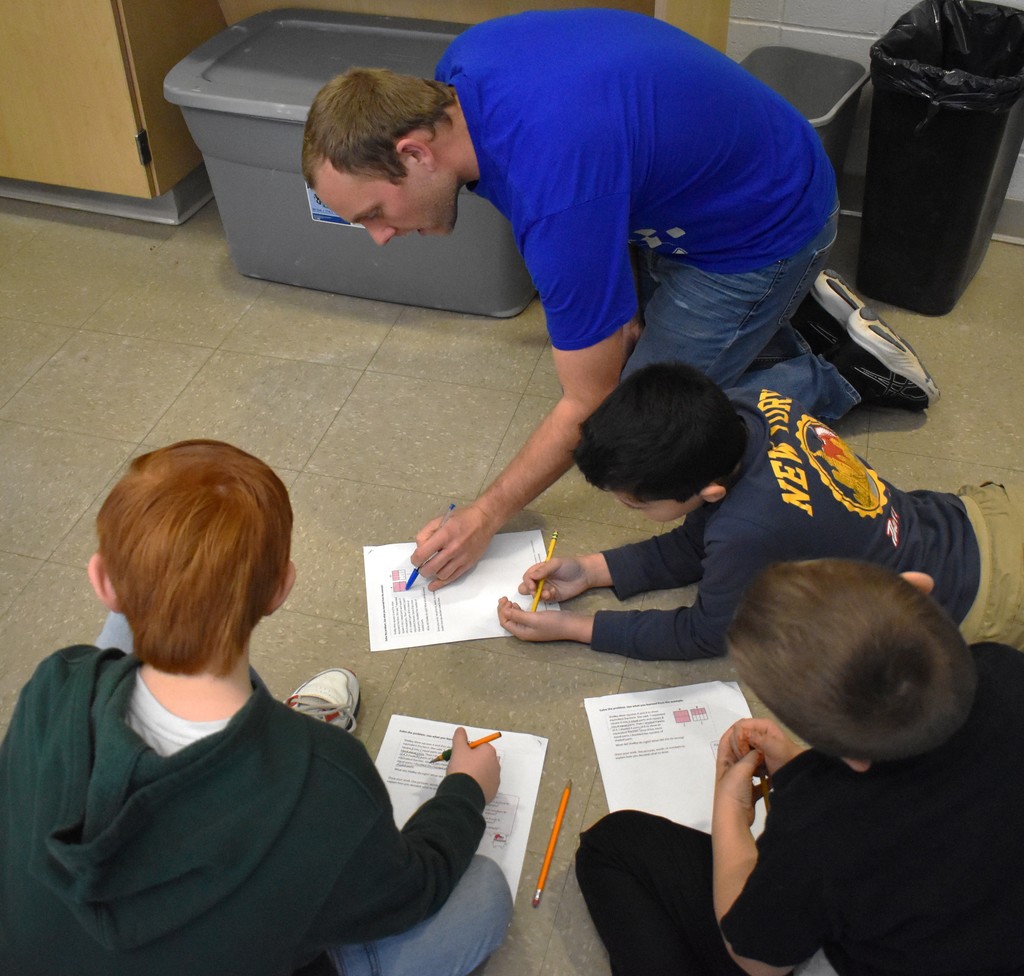
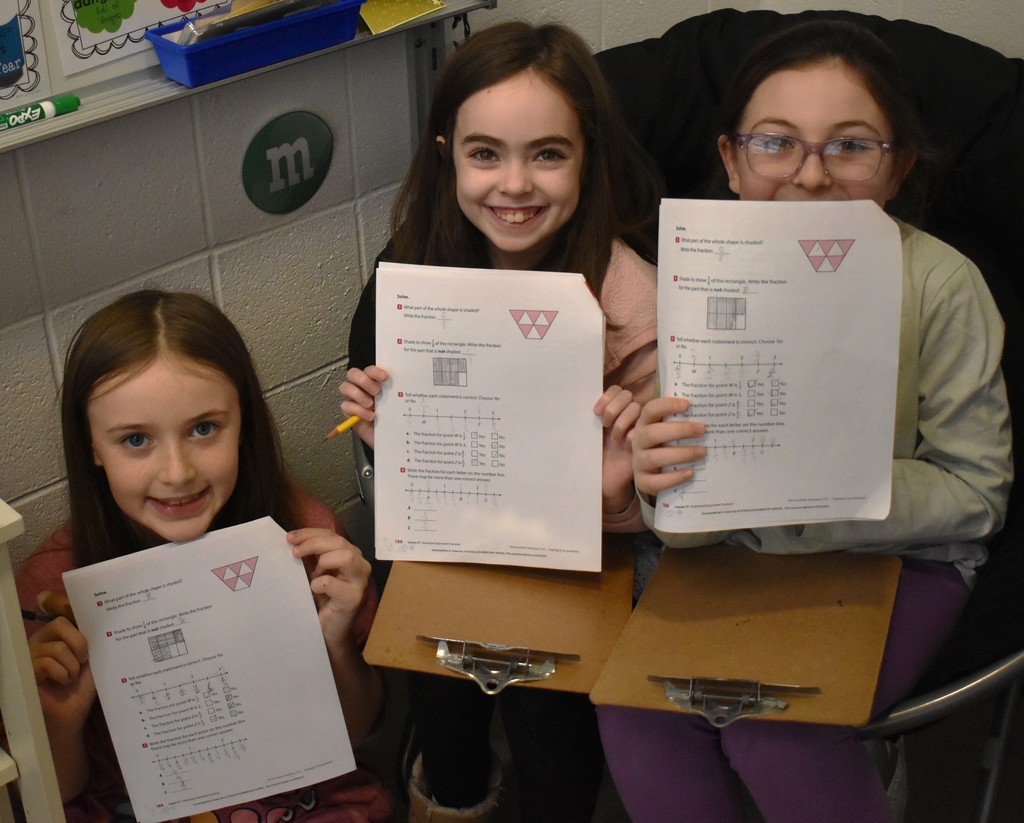
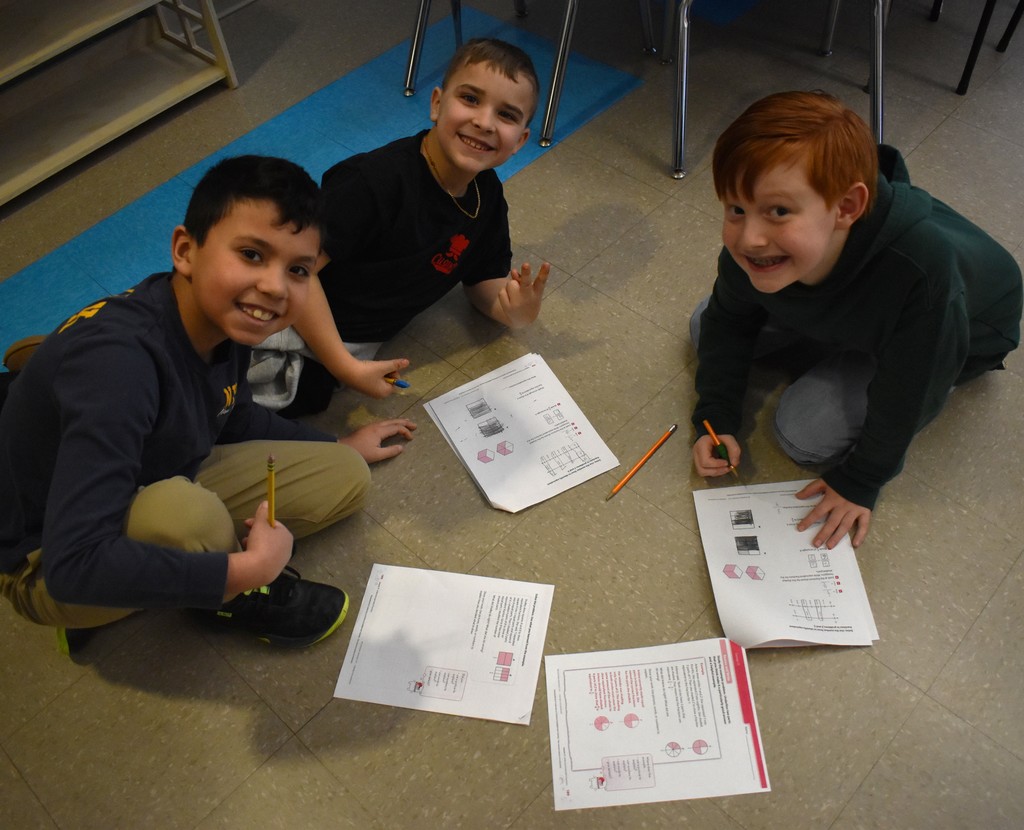
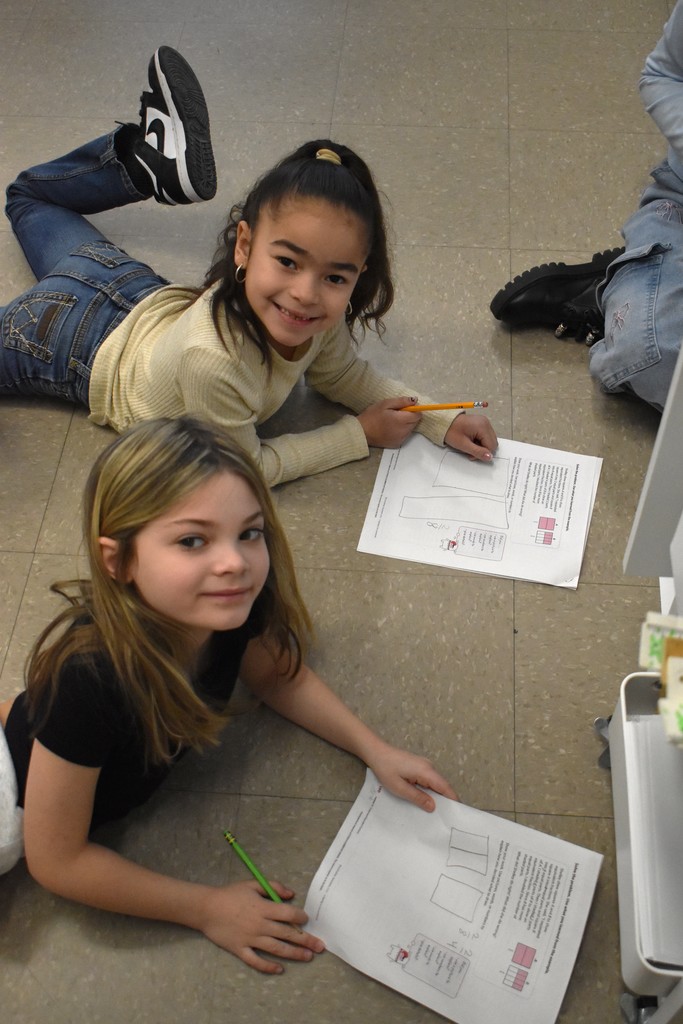
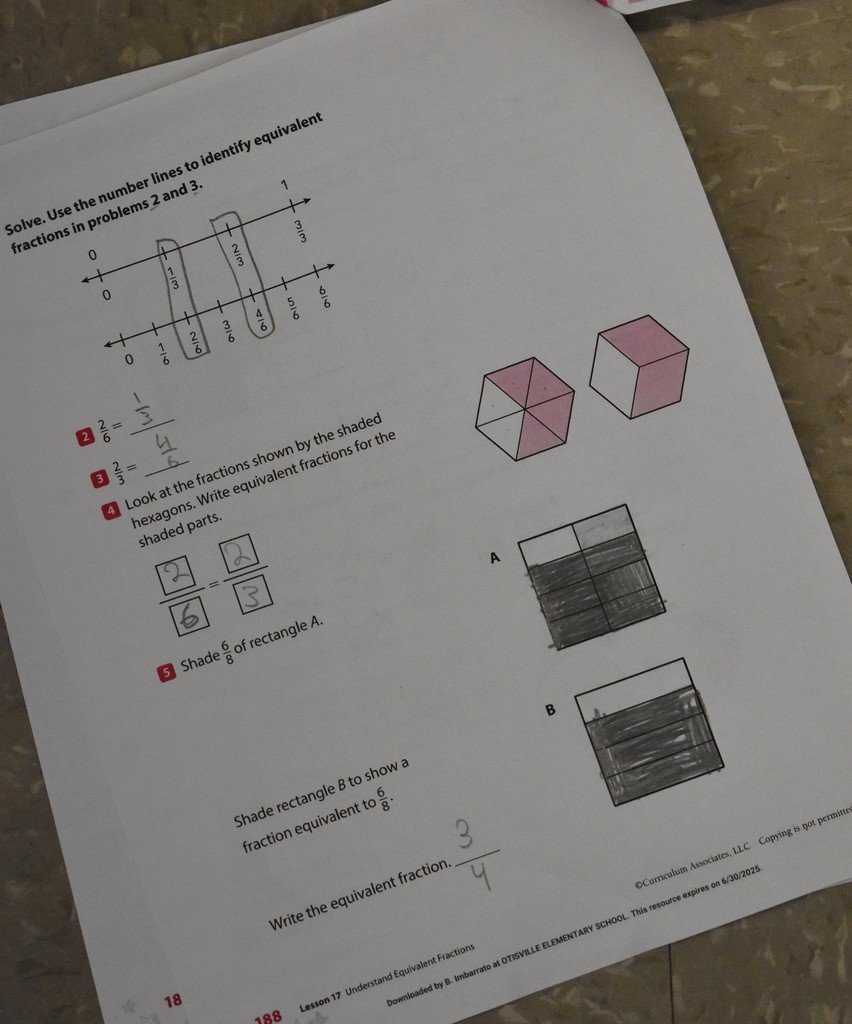
Third-graders study fractions to build a foundational understanding of parts-to-whole relationships, which is critical for future success in algebra, geometry, and STEM careers. This introduction helps students move from concrete, whole-number thinking to more abstract concepts, including comparing, ordering, and understanding equivalent fractions.
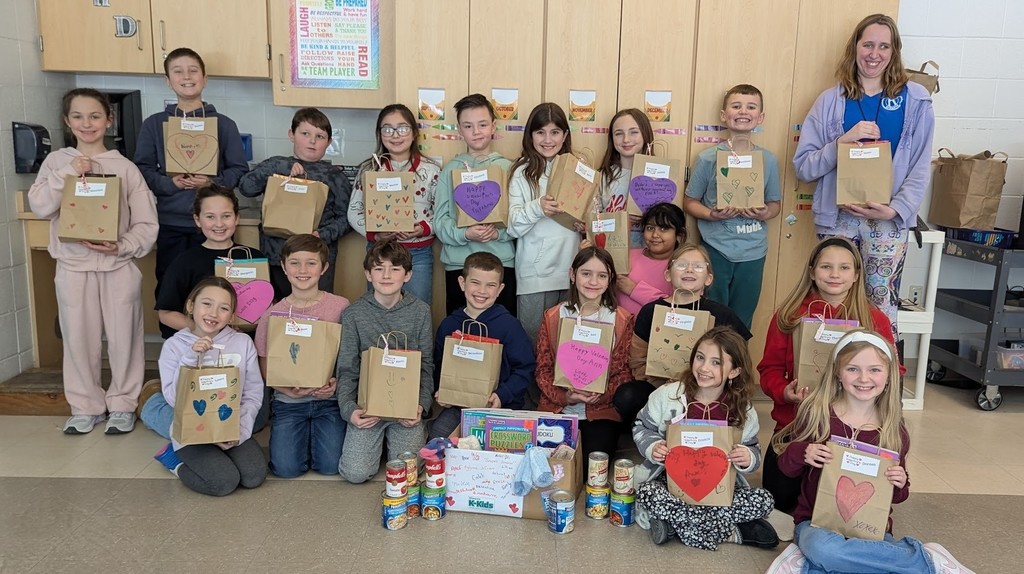
“It is so rewarding to see the children putting kindness into practice,” said Kiwanis advisor Andrea Yager. “Thanks to all your support and generosity, the ladies are staying warm this winter.”
K-Kids is a Kiwanis Service Leadership Program for primary/elementary school age students. Club members improve their schools and communities — an experience that helps them develop a passion to serve, a desire to lead and the ability to engage and collaborate with others.
Did you hear it’s going to be almost 75 degrees tomorrow?! That's a little wild, right?
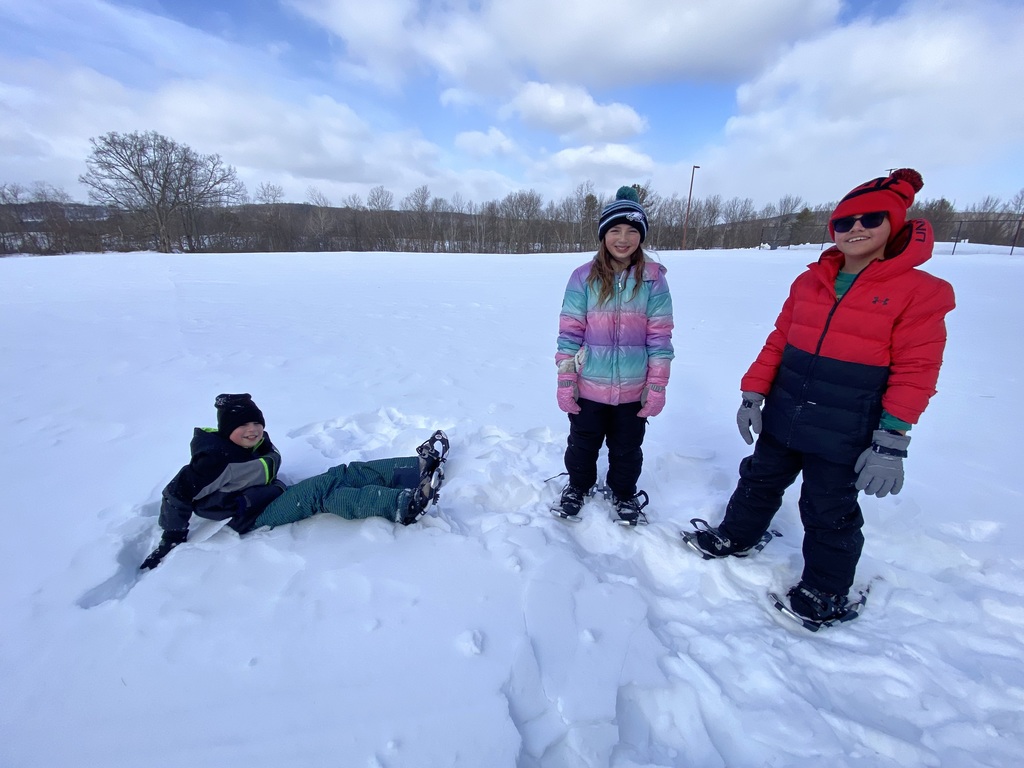
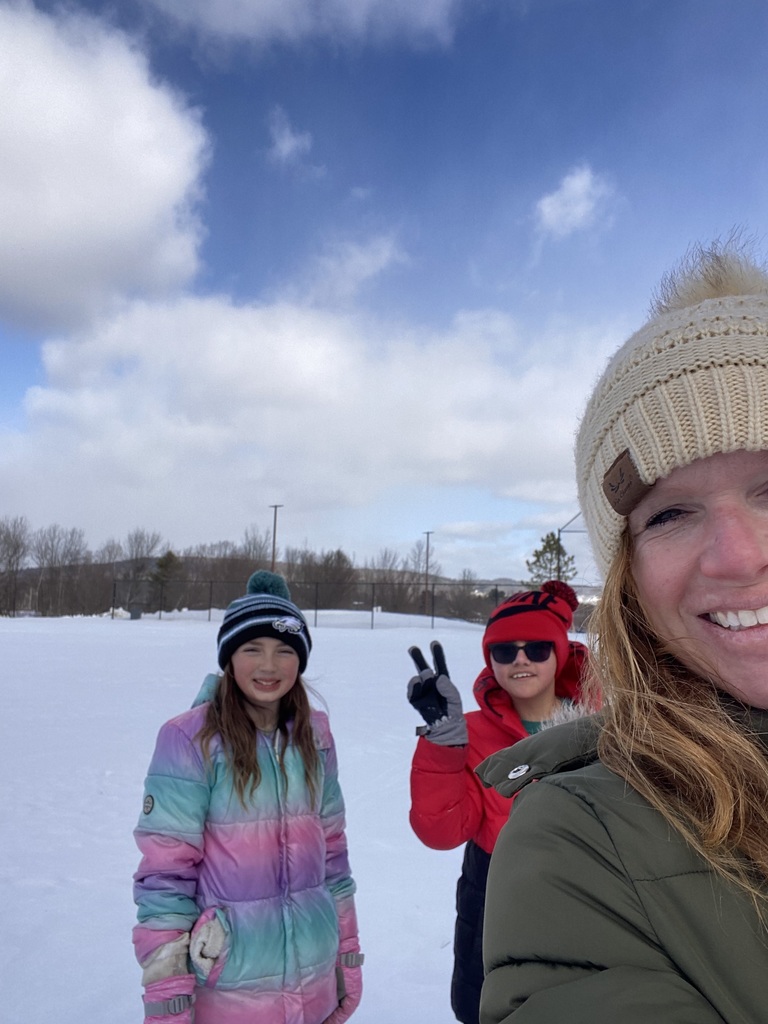
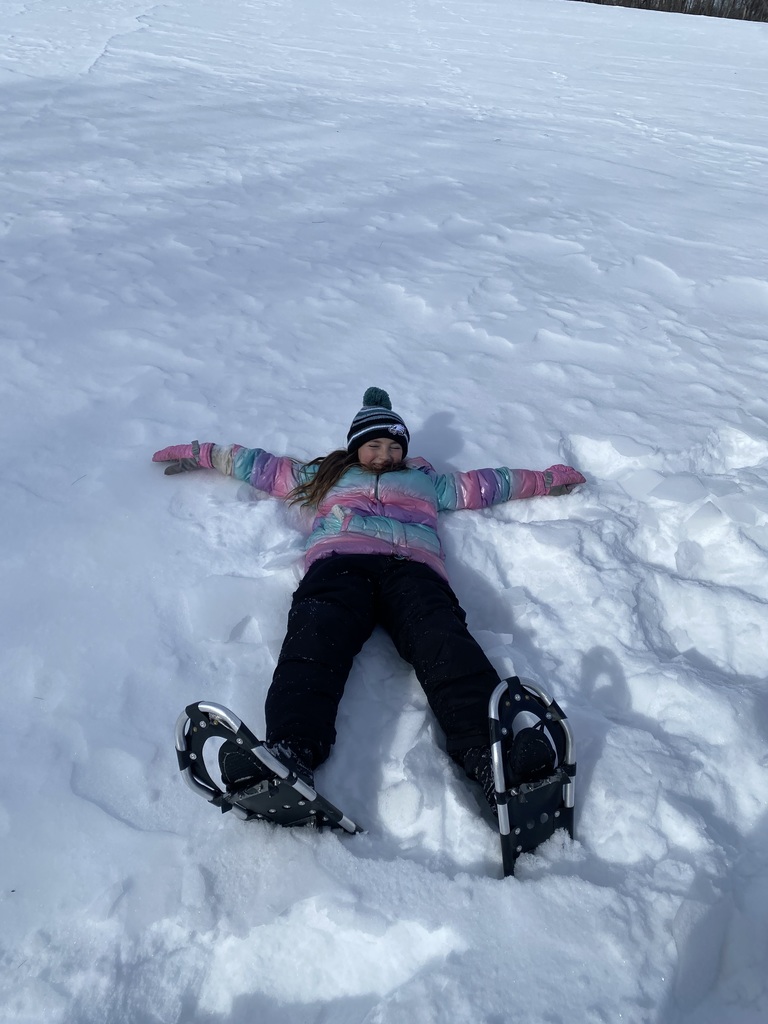
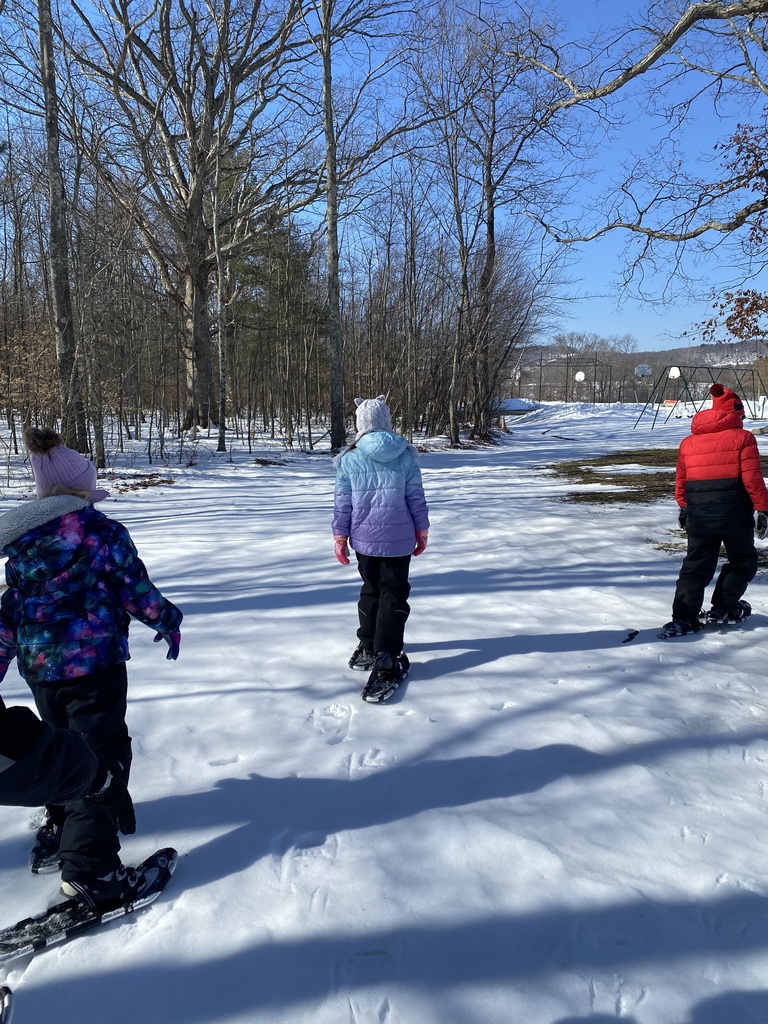
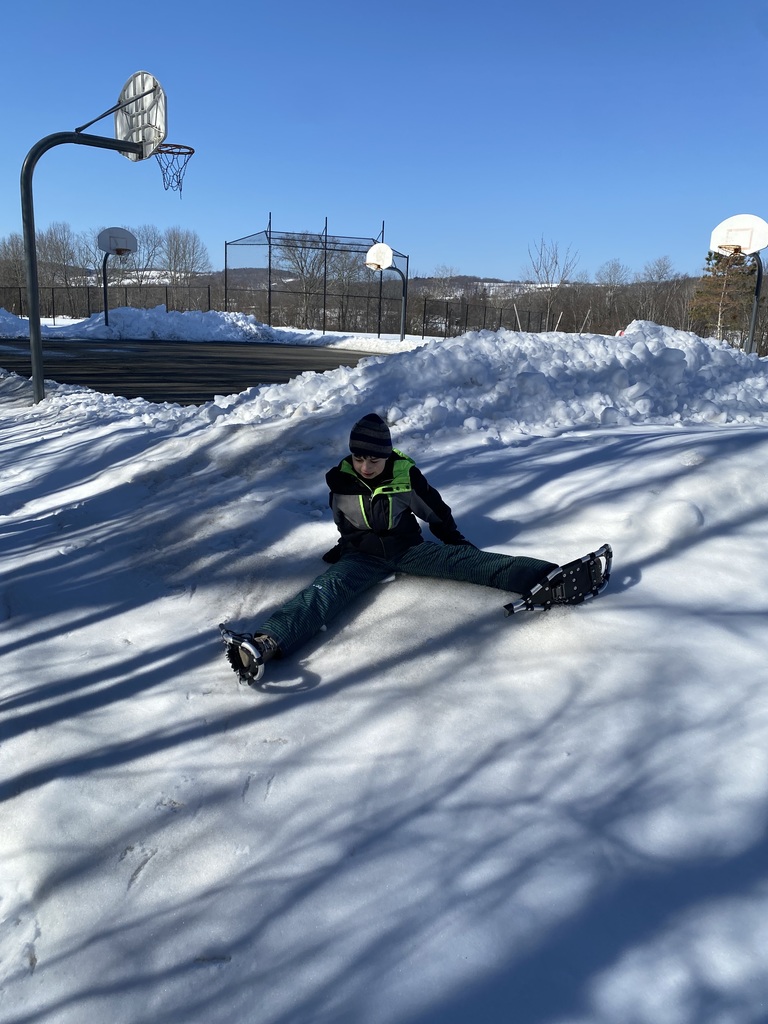
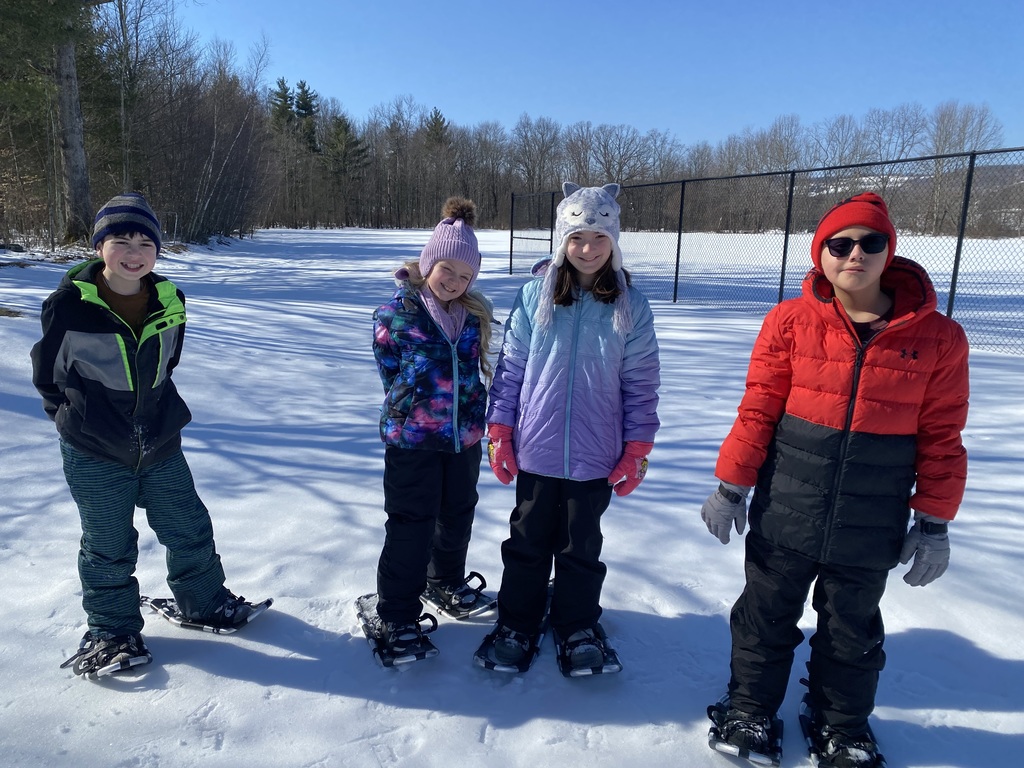
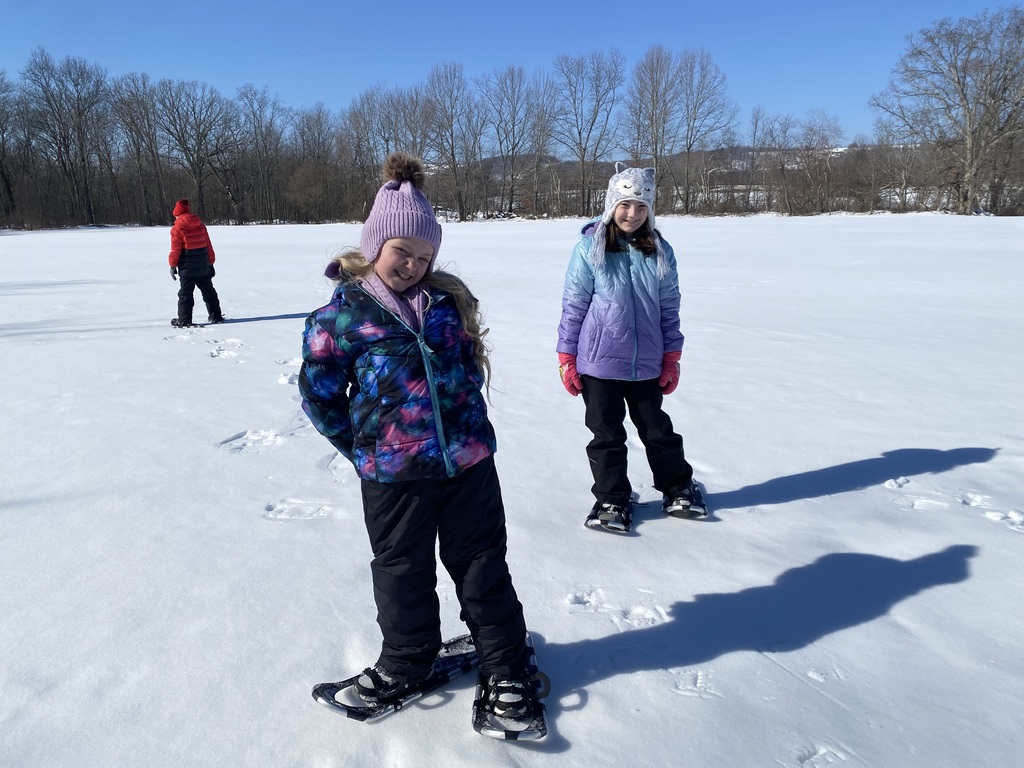
Before the snow completely melts into a memory, let’s rewind and check out Stephanie Guifre and her Otisville Physical Education students, who made the most of the massive snow we've had with some snowy outdoor fun—snowshoeing style!
Snowshoeing is an awesome physical education activity because it’s a high-energy, low-impact, full-body workout that’s great for all skill levels. It strengthens muscles, improves cardiovascular endurance, and challenges balance—all while keeping students active and engaged outdoors. It works the core and legs, and if poles are used, the upper body gets a great workout, too!
Fun fact: snowshoeing can burn up to 1,000 calories per hour…Just maybe not when it’s 75 degrees out
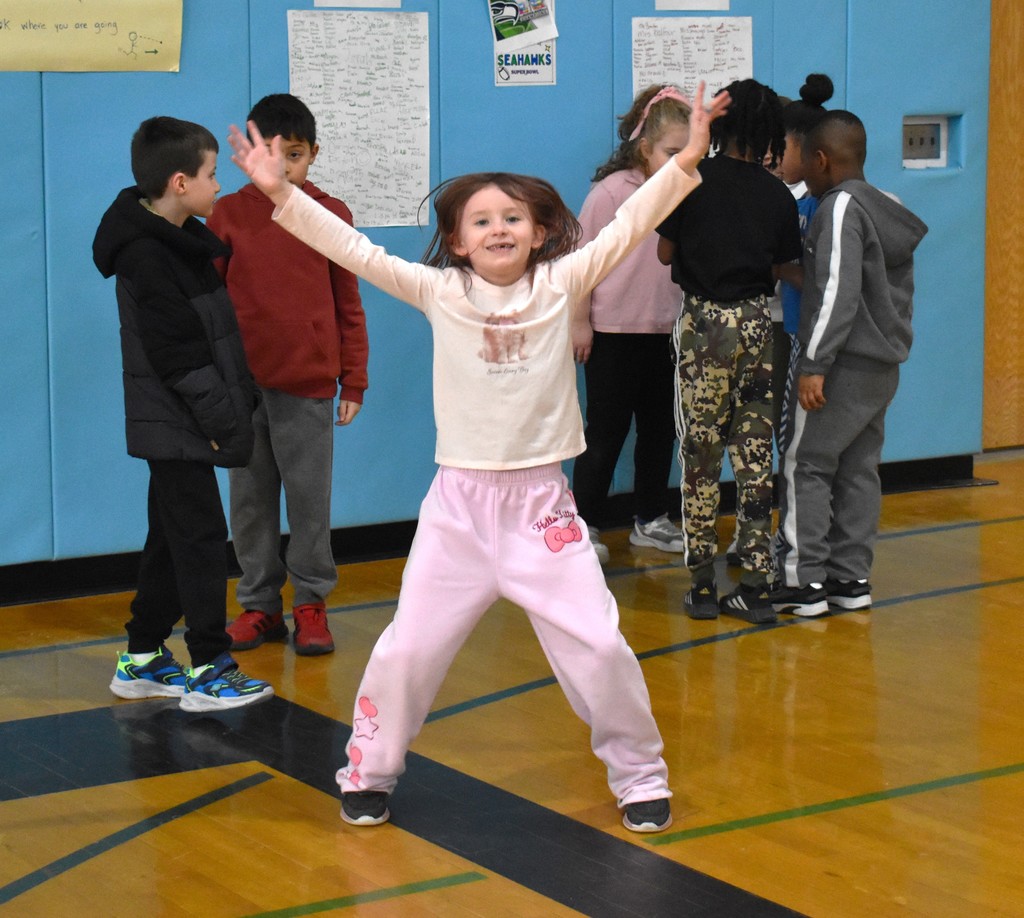
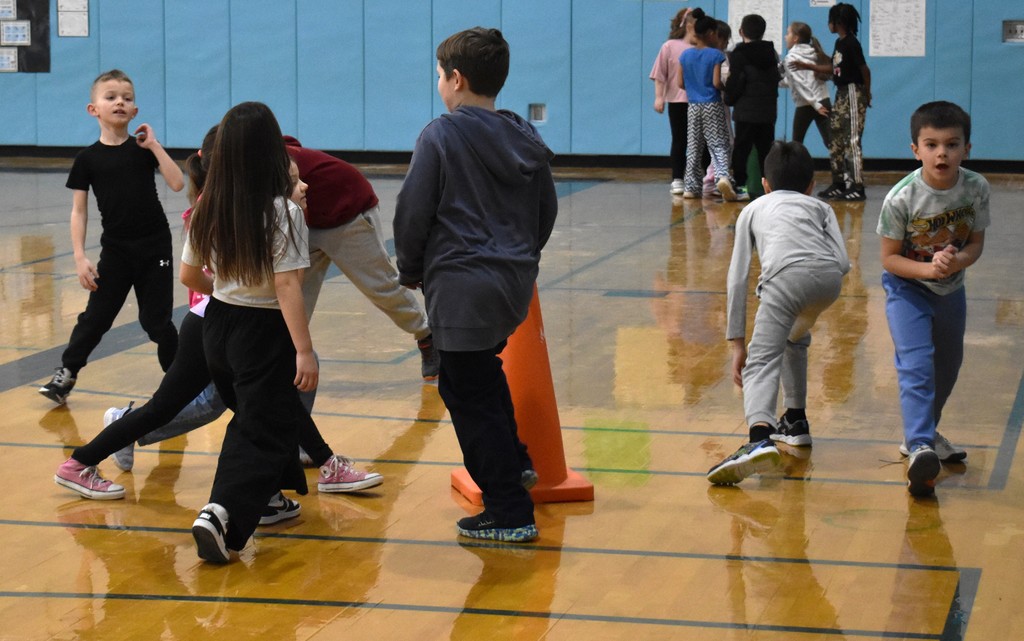
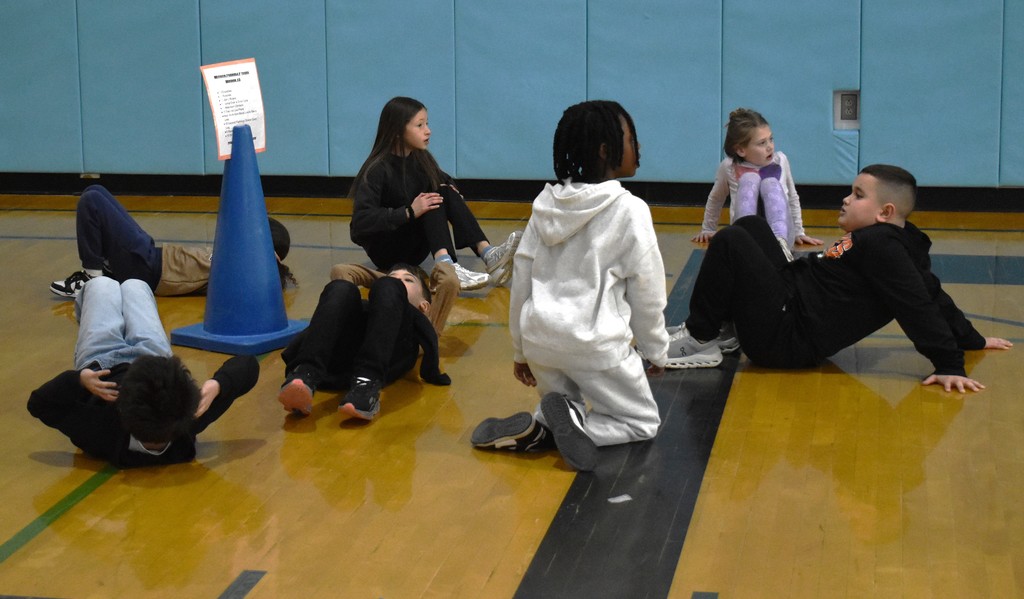
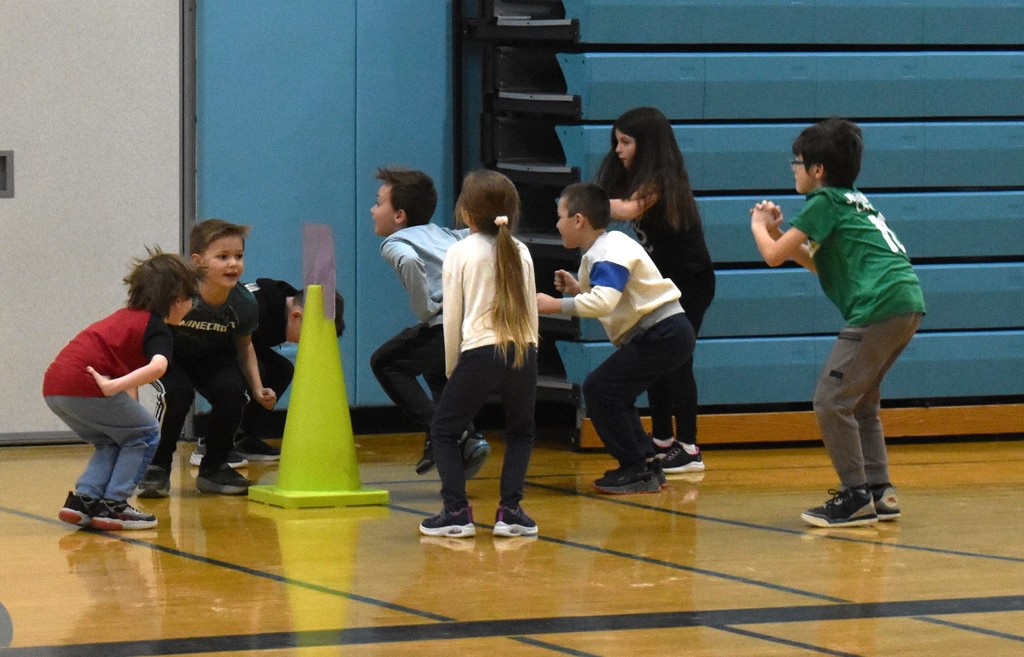
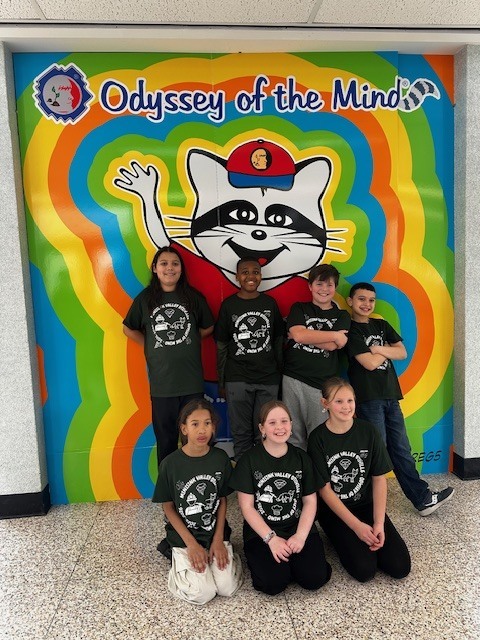
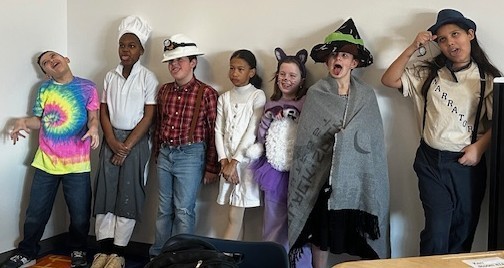
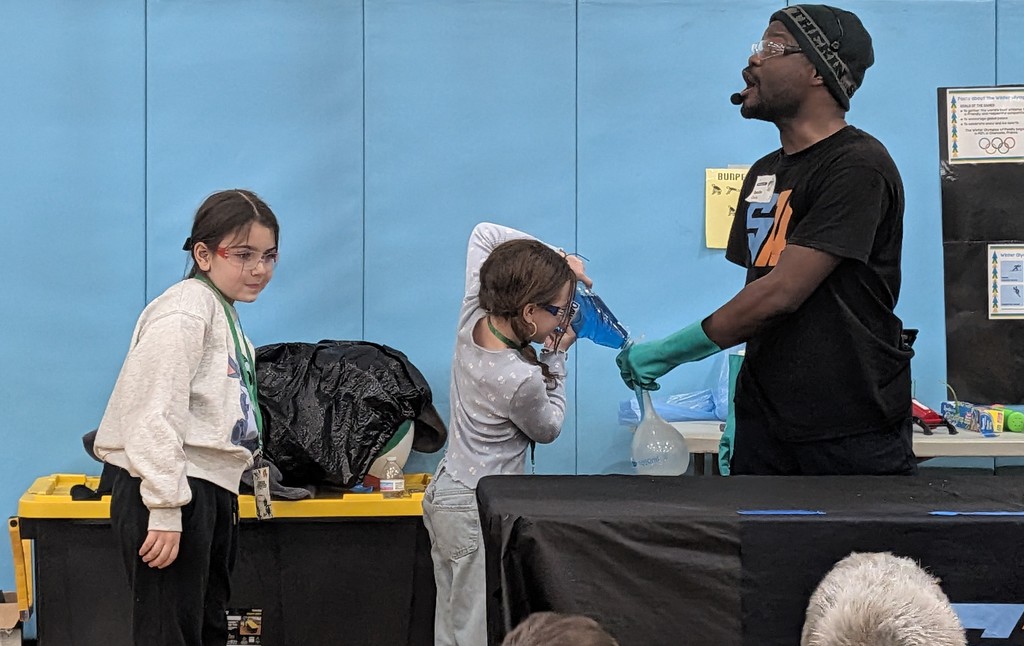
The team created and presented a humorous performance about an original tall tale. The tale included a team-created hero or heroine that performed an incredible feat, a unique explanation of how something began or came to be and a surprise for the audience. Each event was accompanied by a visual weather effect that represents an emotion! WELL-DONE, everyone!
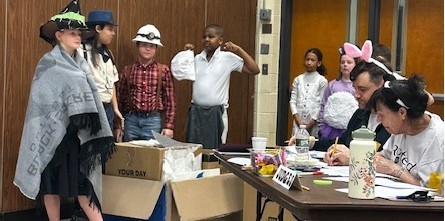
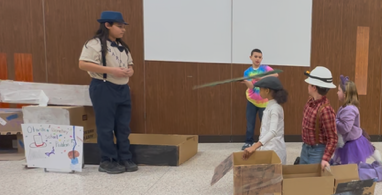
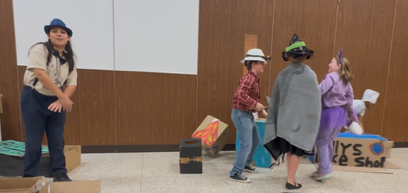
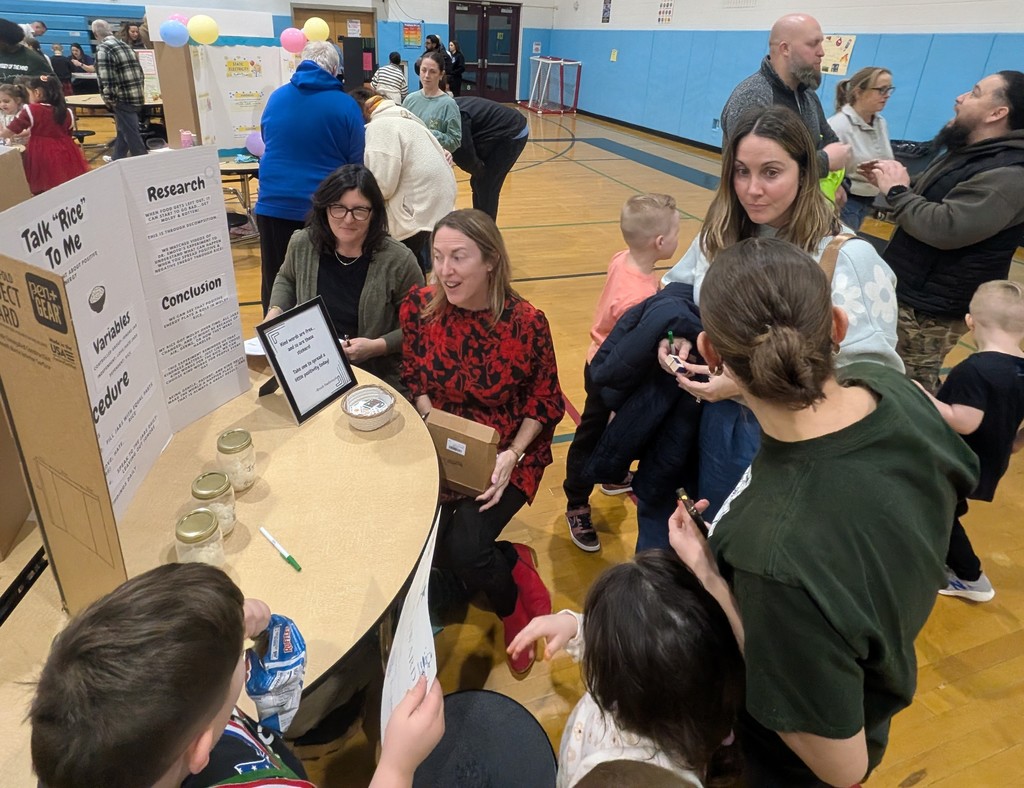
Their work is amazing! THANK YOU to the Otisville PTO for organizing and hosting this wonderful evening!
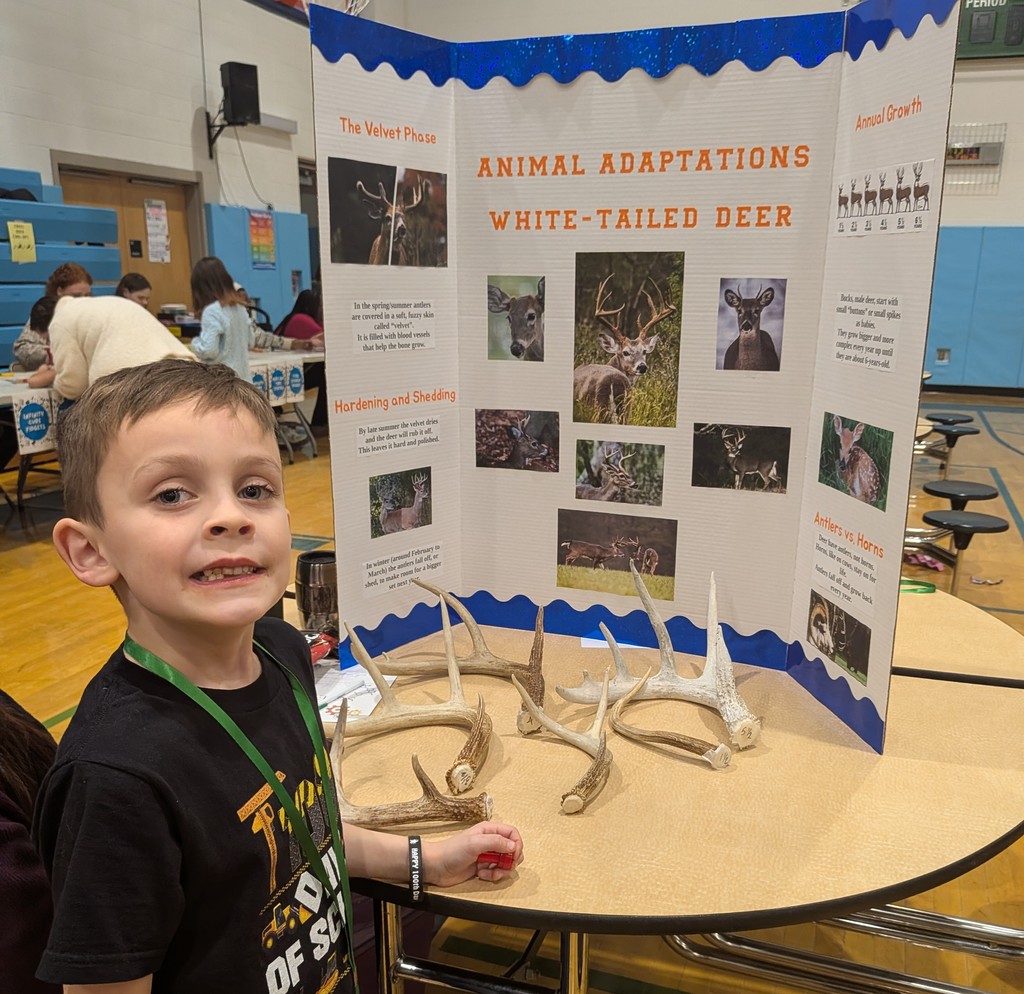
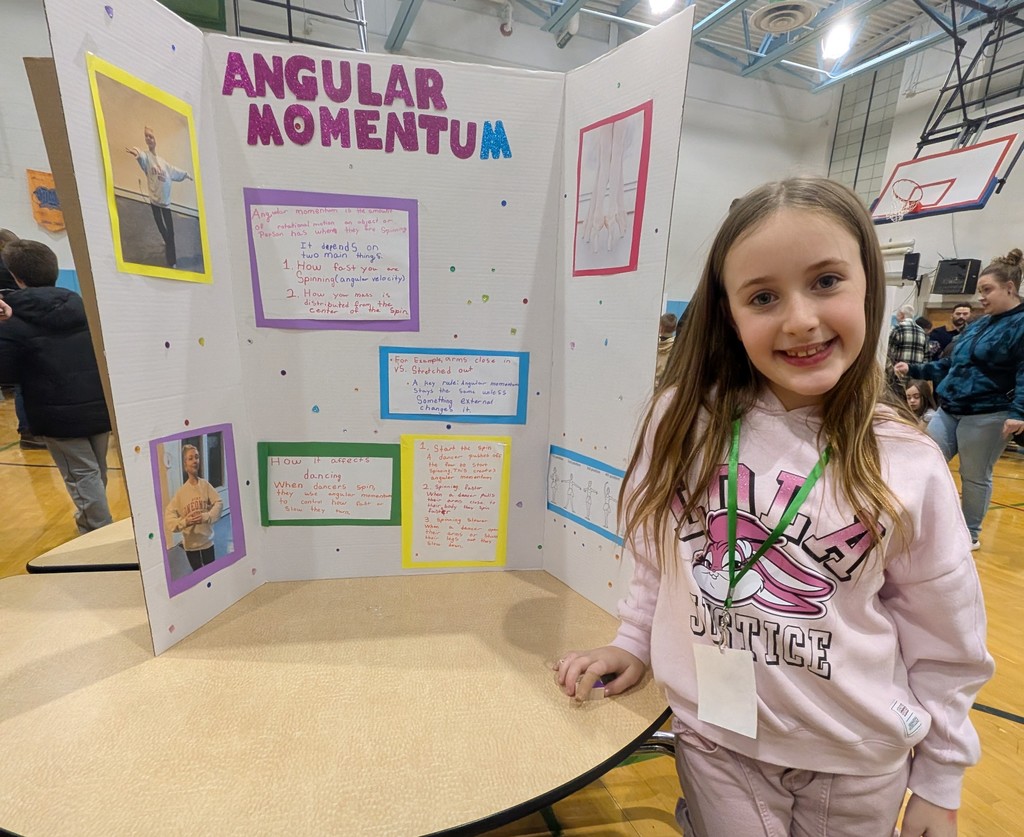
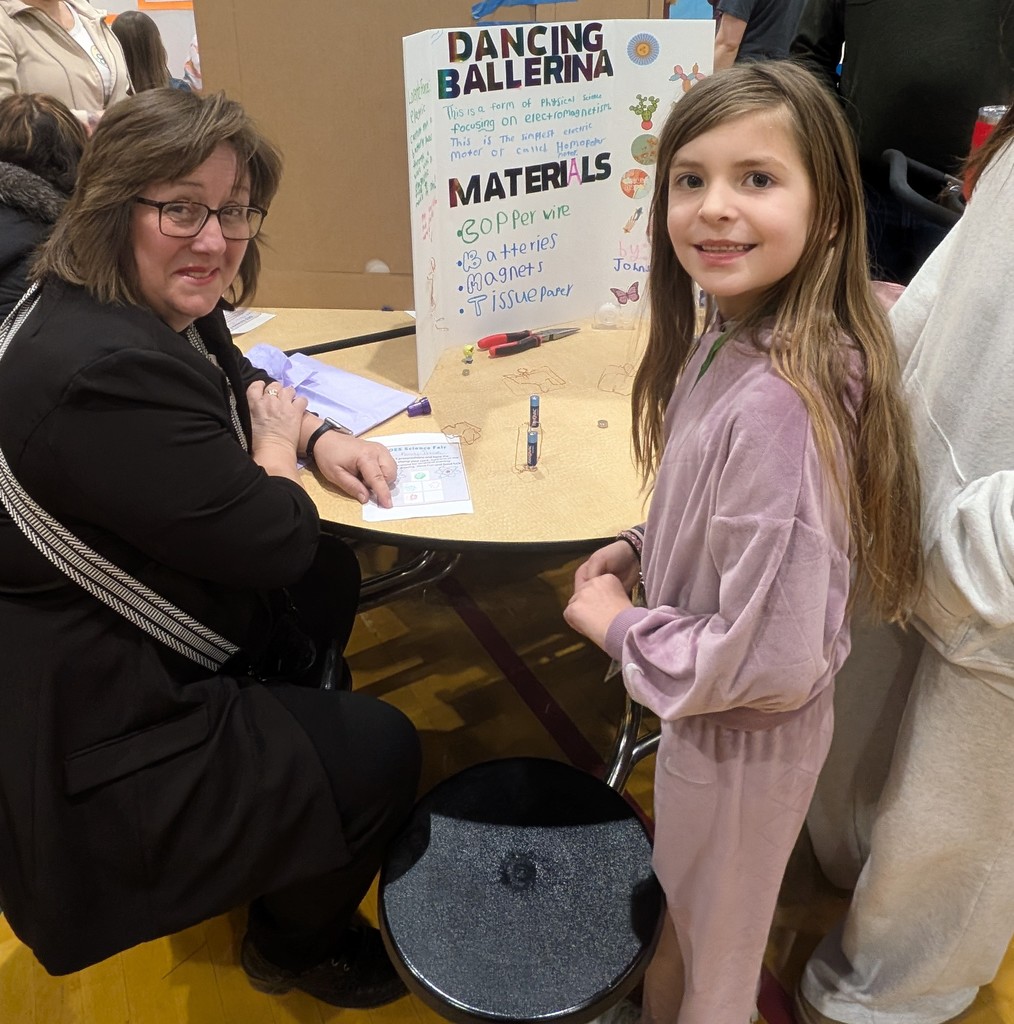
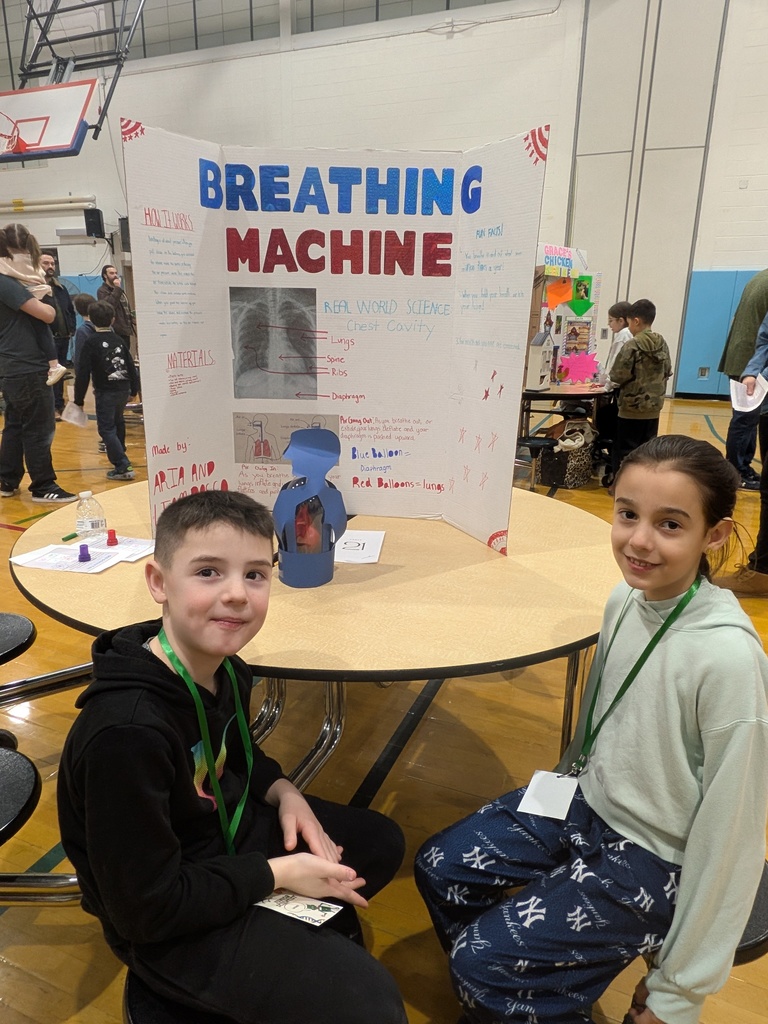
Elementary school science fairs are crucial for fostering long-term interest in STEM, building critical thinking, and developing communication skills through hands-on, self-directed projects. They allow students to explore personal passions, encouraging curiosity, resilience through trial-and-error, and the ability to apply the scientific method to real-world problems!
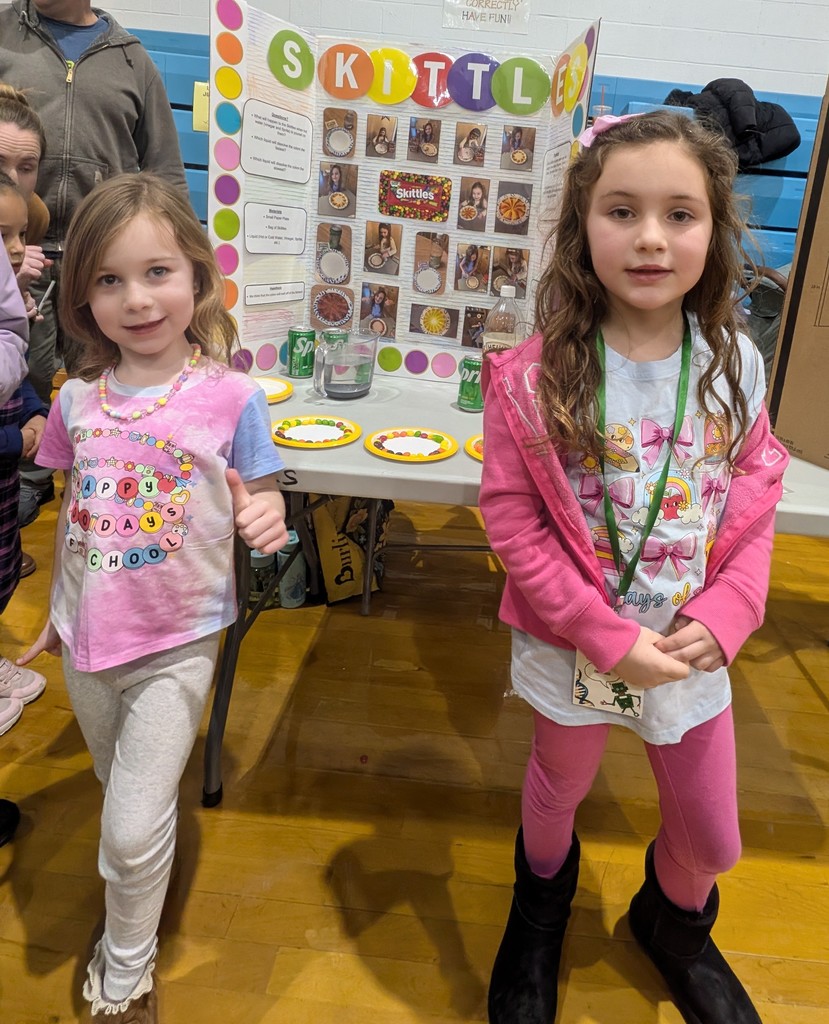
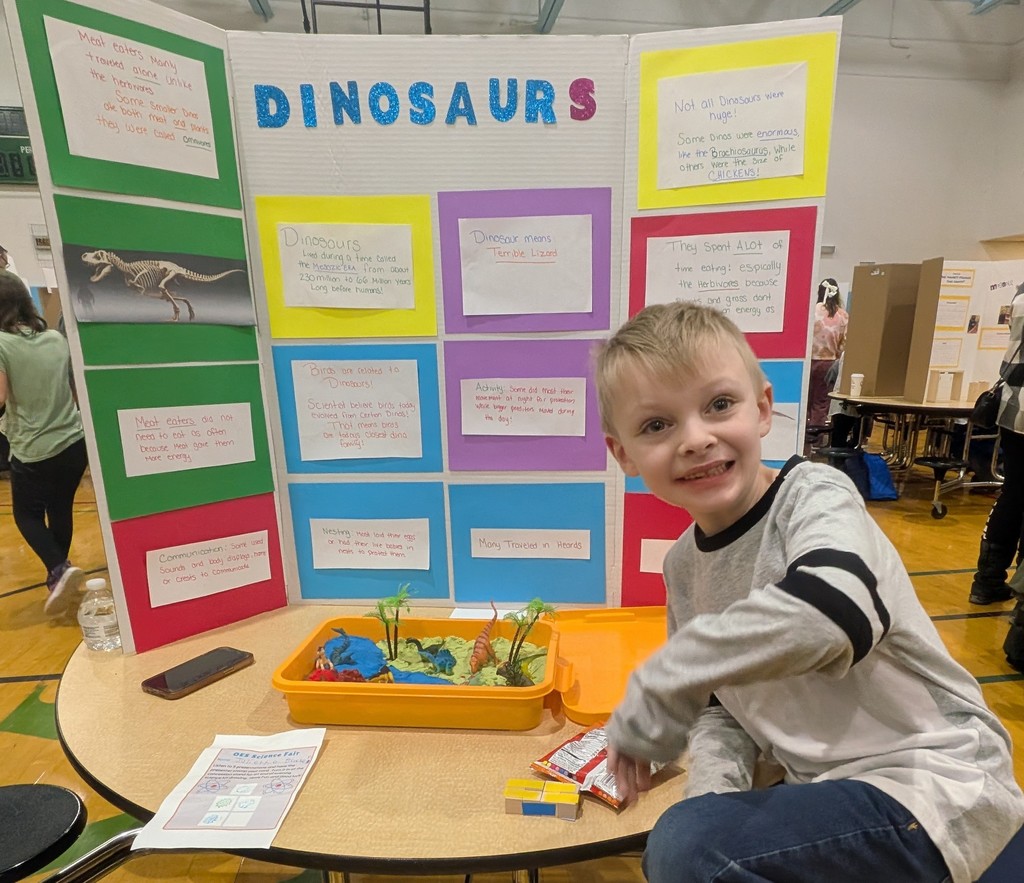
FRIDAY’S CUTENESS ALERT!
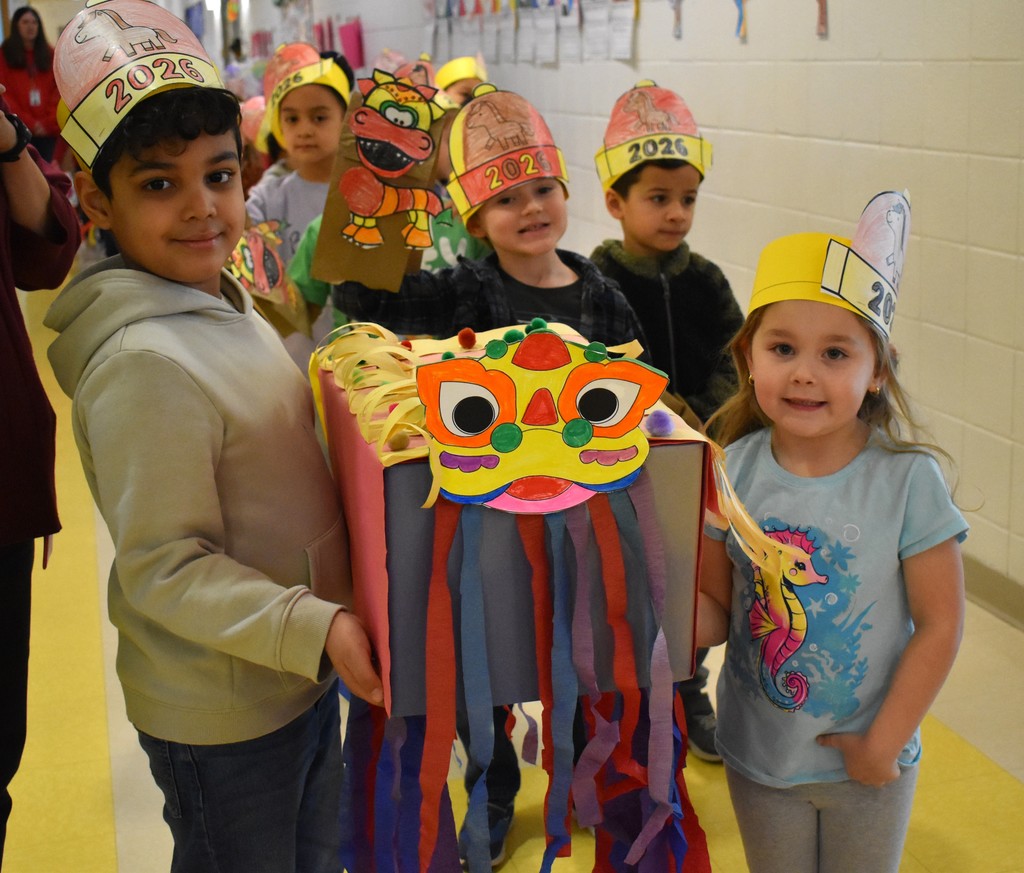
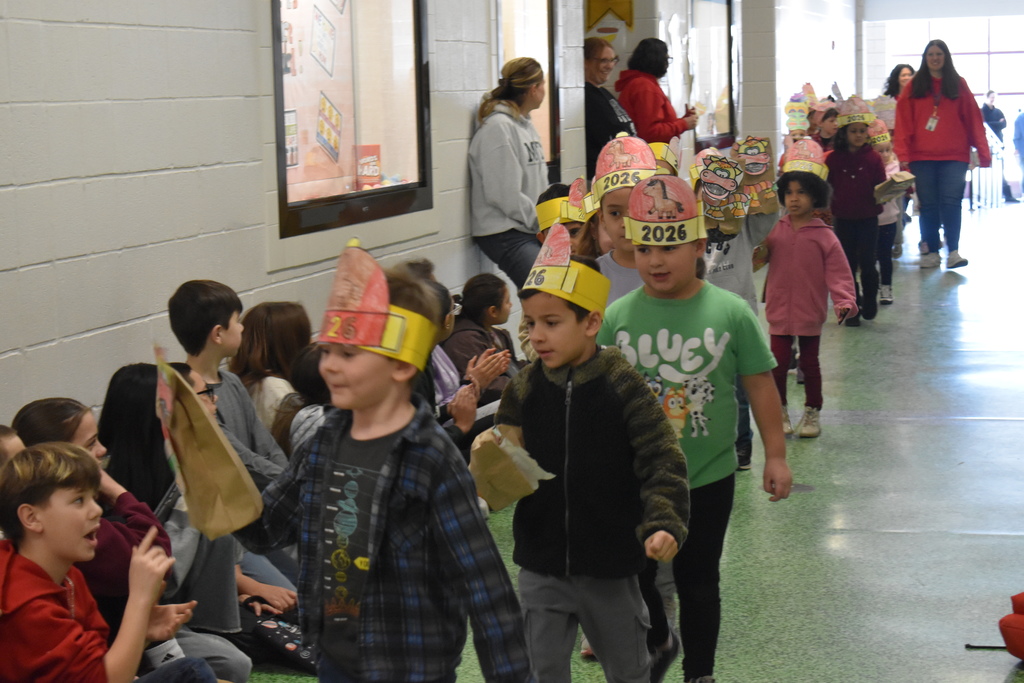
It’s the Year of the Fire Horse — a year said to bring energy, confidence and bold new beginnings!
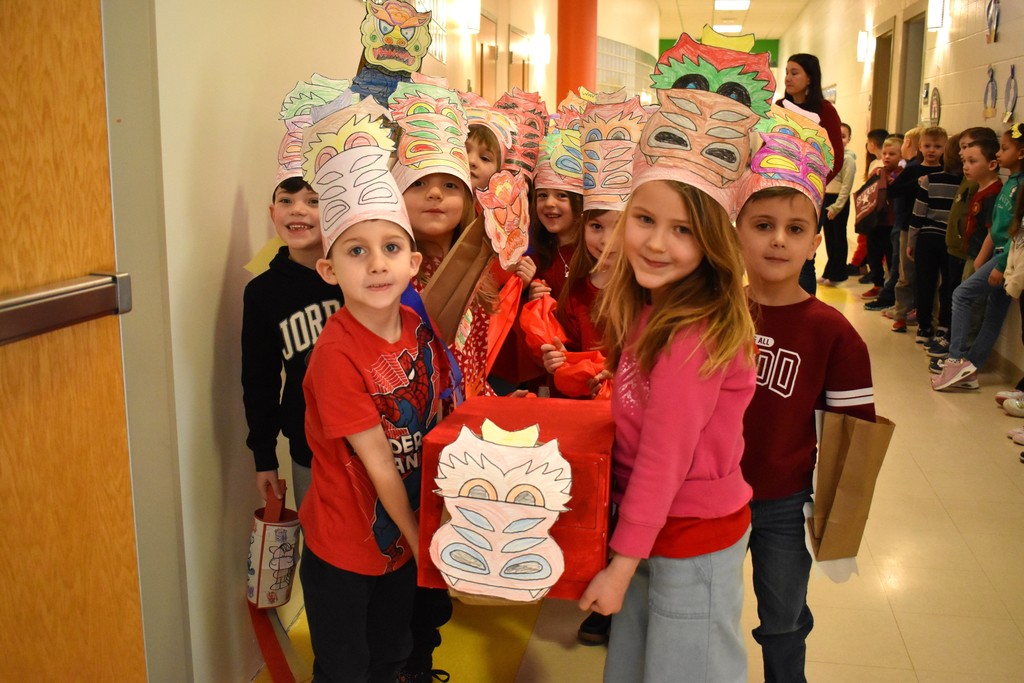
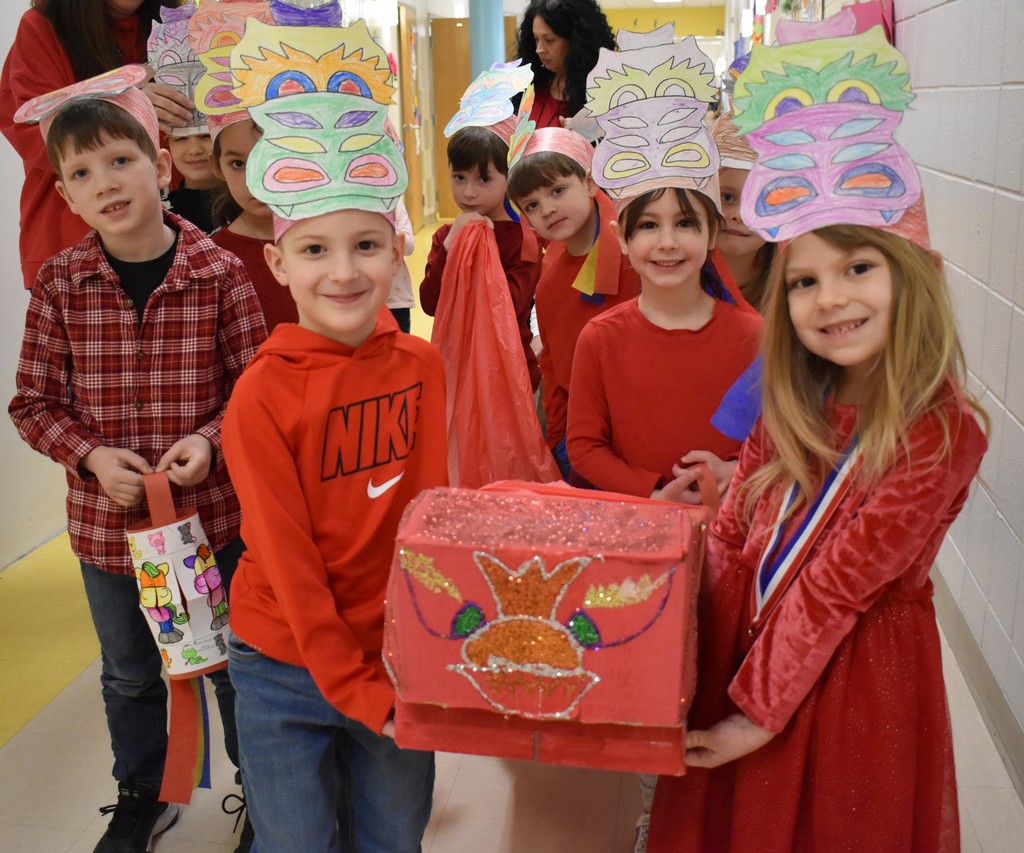
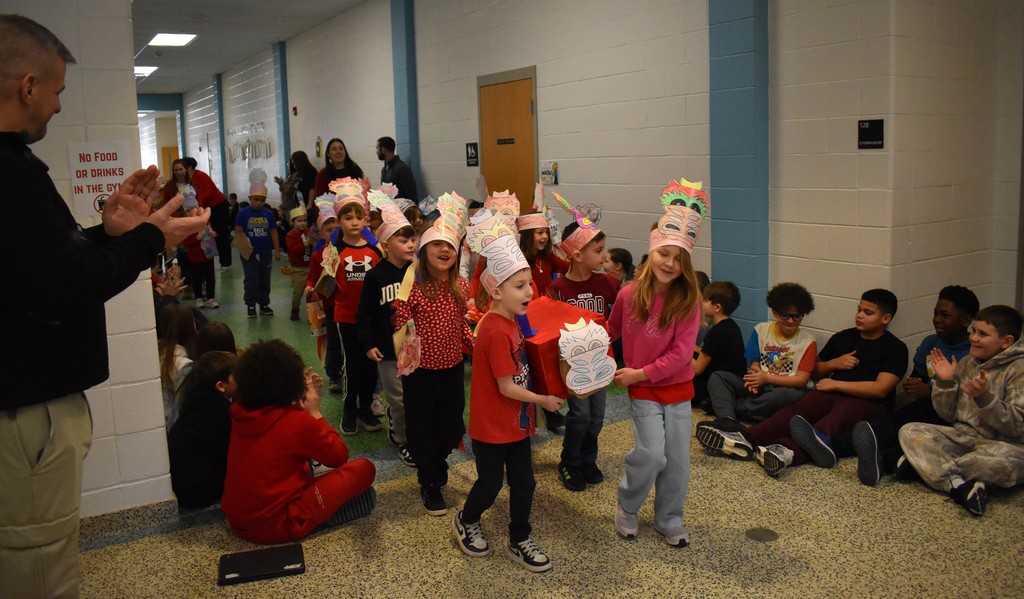
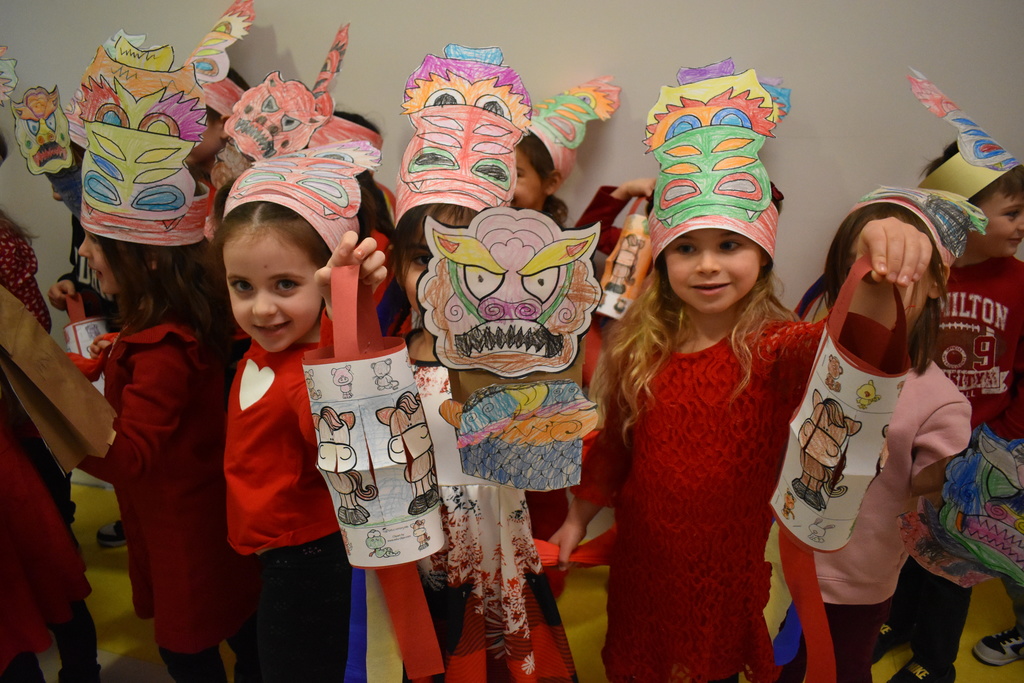
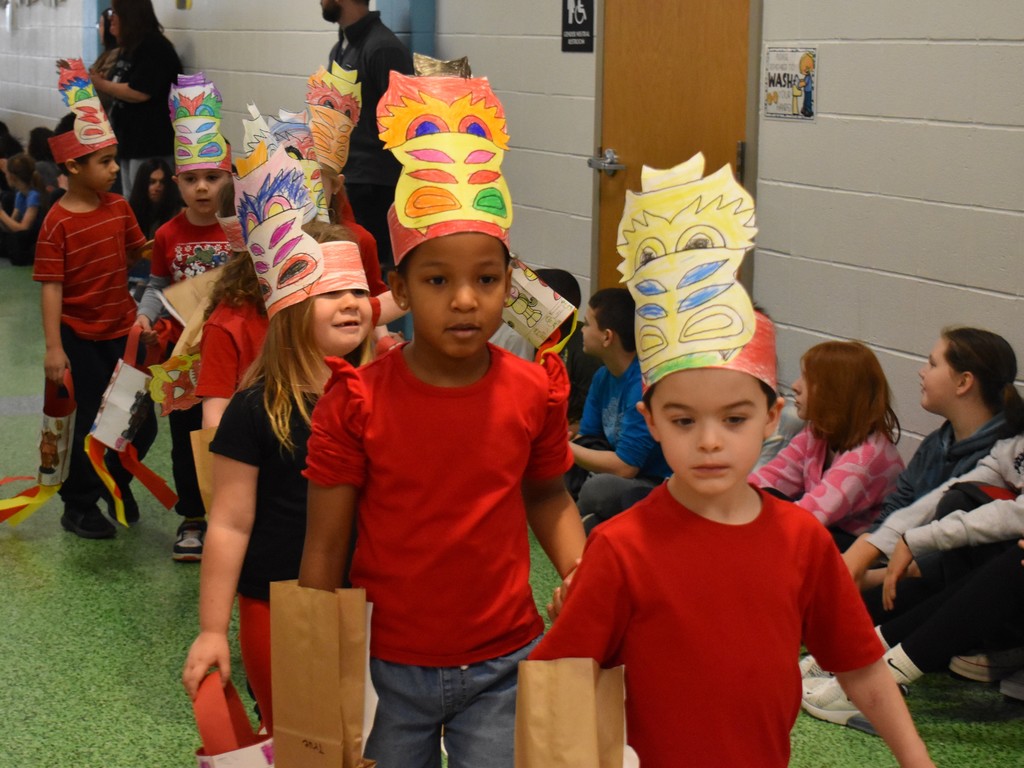
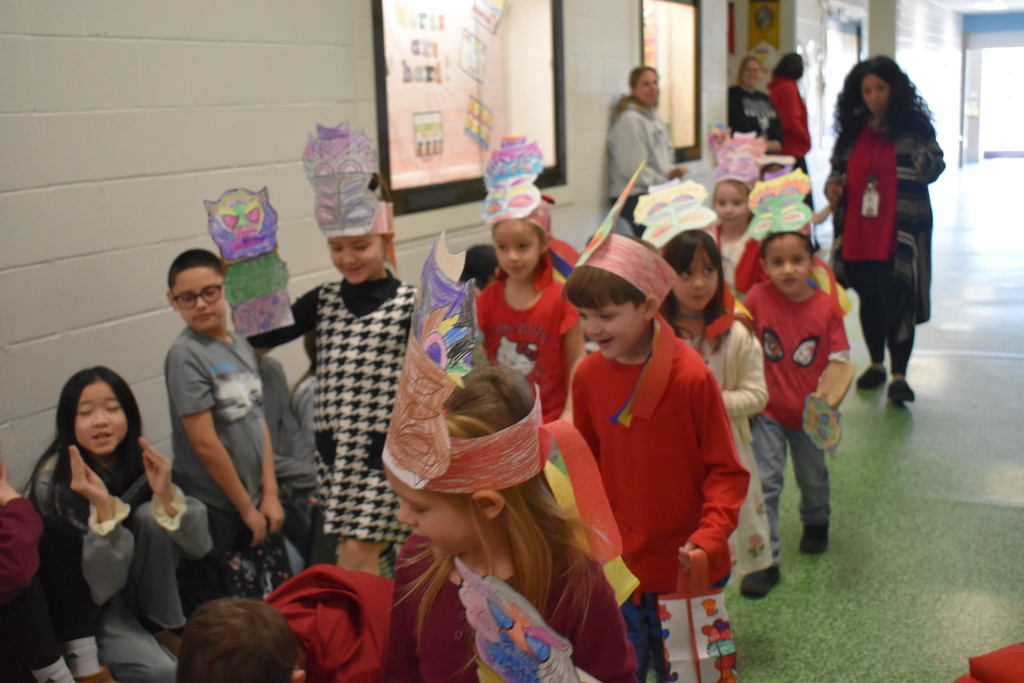
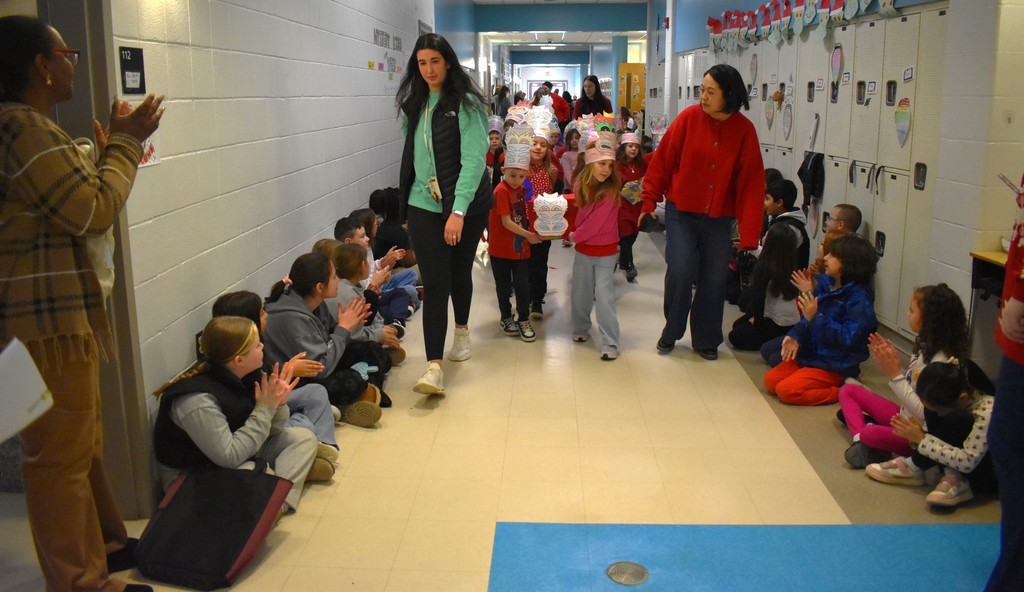
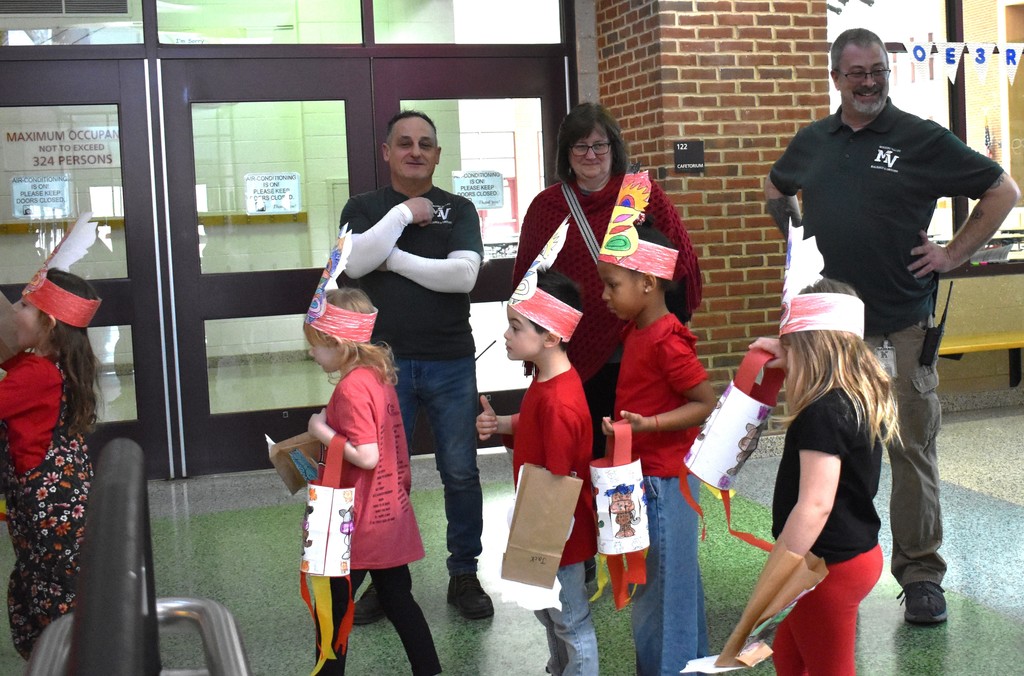
Who doesn’t love a parade? Lunar New Year festivities continue through March 3, and today, Feb. 27, the Otisville kindergarten team organized the most adorable Lunar New Year Parade!
Our littlest students were dressed to impress in festive hats — many wearing red, a lucky color believed to bring good fortune and happiness — and proudly carried handmade lanterns, puppets and dragons, all important symbols of the holiday. Lanterns traditionally represent hope and brightness for the year ahead, while parades are meant to spread joy and good luck throughout the community.
As the kindergarteners paraded around the first floor, they were cheered on by older students lining the hallways, filling the school with smiles, applause, and celebration! Who do you recognize?
Dragons are central to Lunar New Year parades because they symbolize strength, wisdom, power, and good fortune. Unlike Western dragons, Chinese dragons are kind and protective, often associated with rain, water, and agricultural abundance. The dragon dance dates back hundreds of years and is performed to ward off evil spirits and invite prosperity for the new year.
It was a day full of culture, creativity, and community — and definitely one to make students smile!
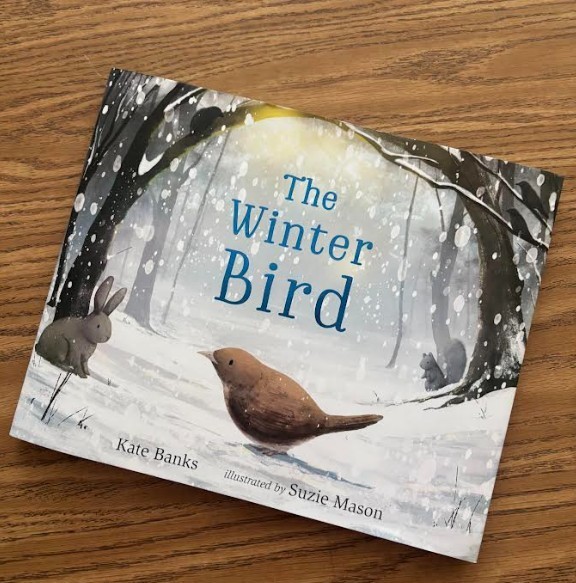
First, students listened to the read-aloud version of Kate Banks’ "The Winter Bird." It’s the story of a nightingale with a broken wing who is unable to fly south for the winter and must learn to survive with the help of forest animals. The story follows the nightingale as it experiences snow, cold and scarcity for the first time, receiving aid from a rabbit, squirrel, and owl, and ultimately discovering the beauty of winter and the strength of community before its wing heals and spring returns. It's a tale of resilience, friendship, and finding wonder in new experiences.
Students connected the story to concepts they learned in their previous “Seasons and Weather” unit, which also included a discussion about the importance of showing kindness to one another.
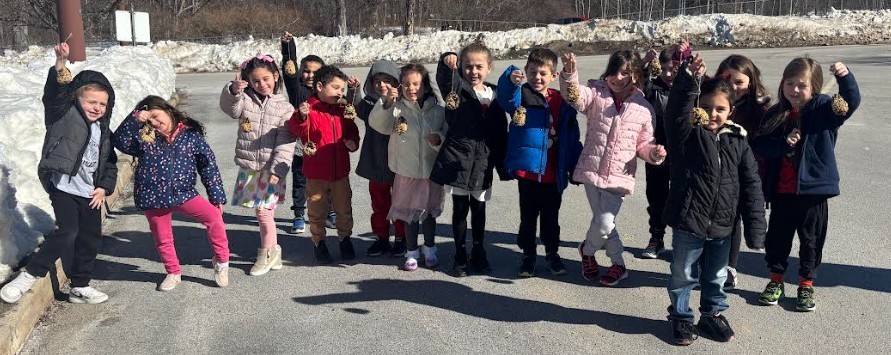
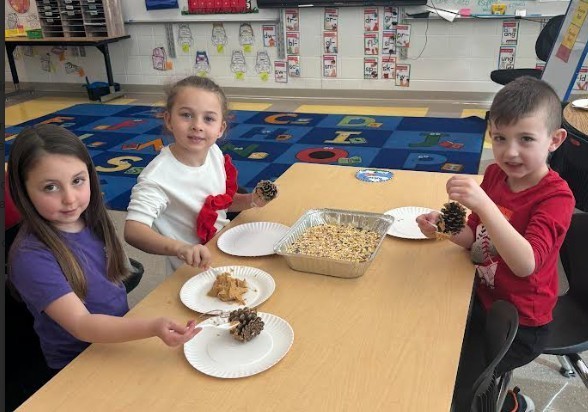
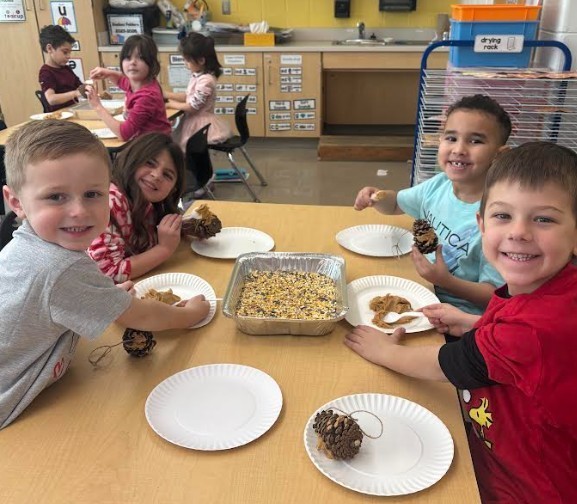
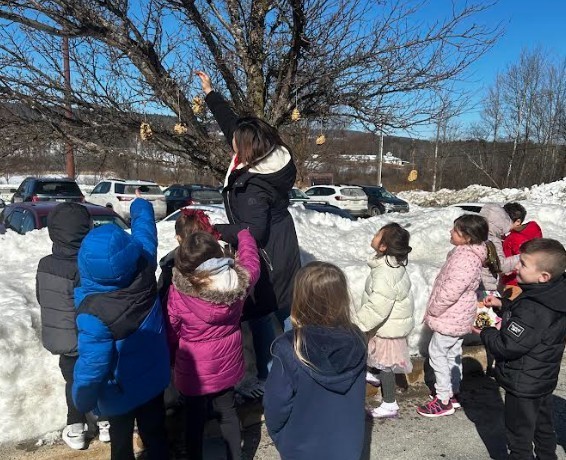
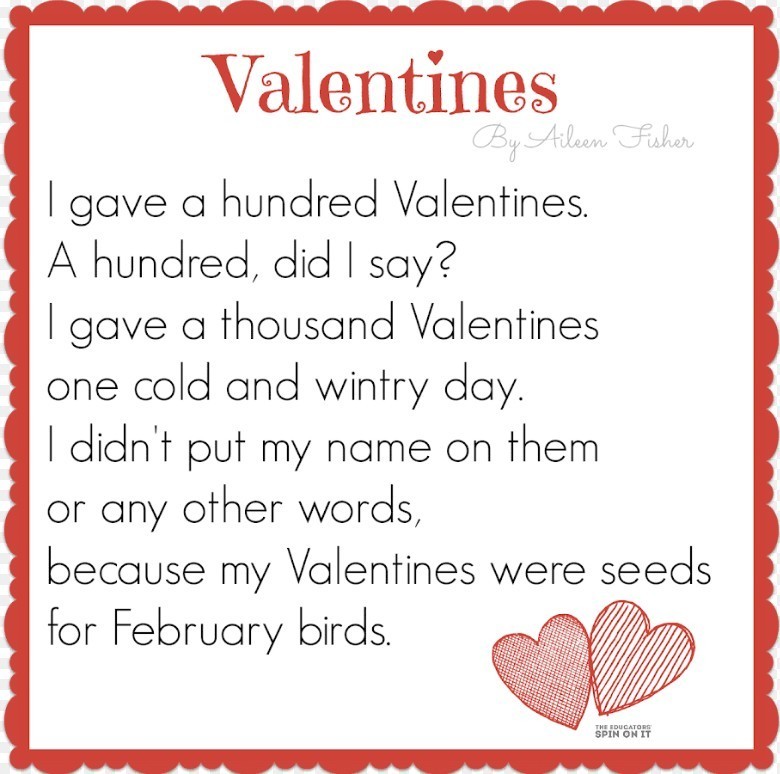
Later, students created their own bird feeders using pine cones, peanut butter and birdseed. Once completed, they bundled up to go outside where Mrs. Kahn hung their adorable bird feeders on two trees, so hungry birds would find food, which was a particularly thoughtful gesture during these recent sub-zero temperature weeks. There, she read them Aileen Fisher’s “Valentines,” a poem that describes seeds as valentines for February birds reminded them of the importance of not only being kind to each other but birds and animals.
The lesson was clear: Kindness isn’t just for friends in the classroom, but for all living things and even the smallest hands can make a big difference!
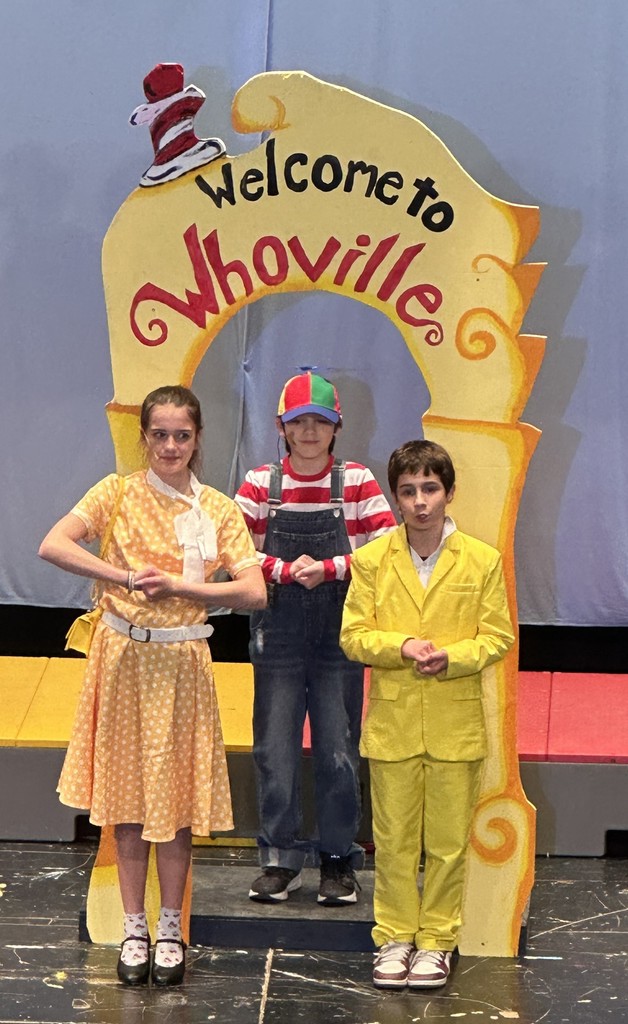
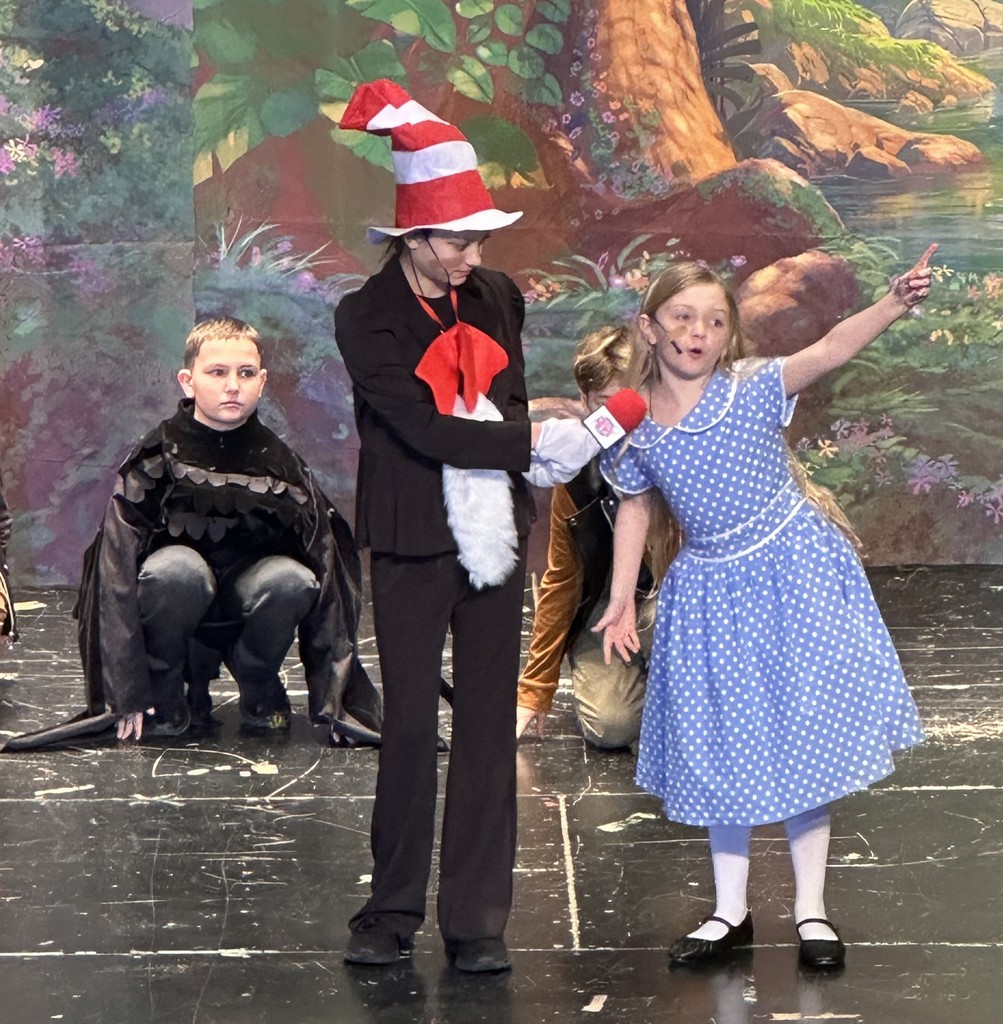
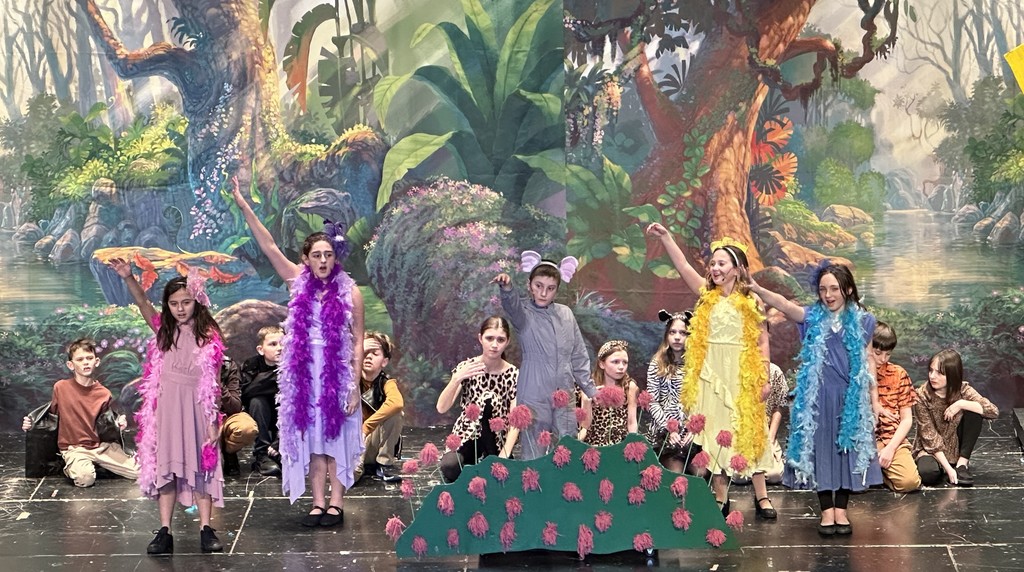
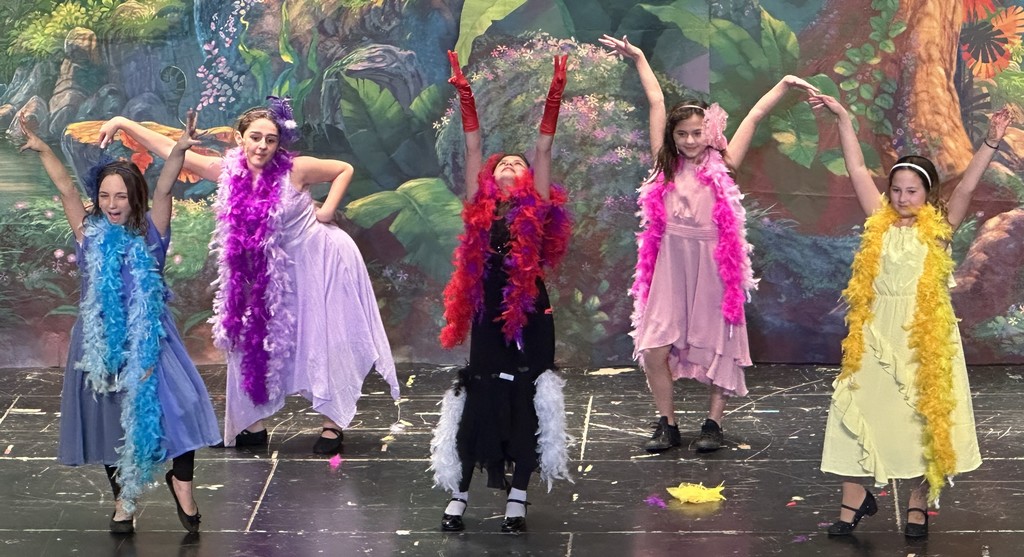
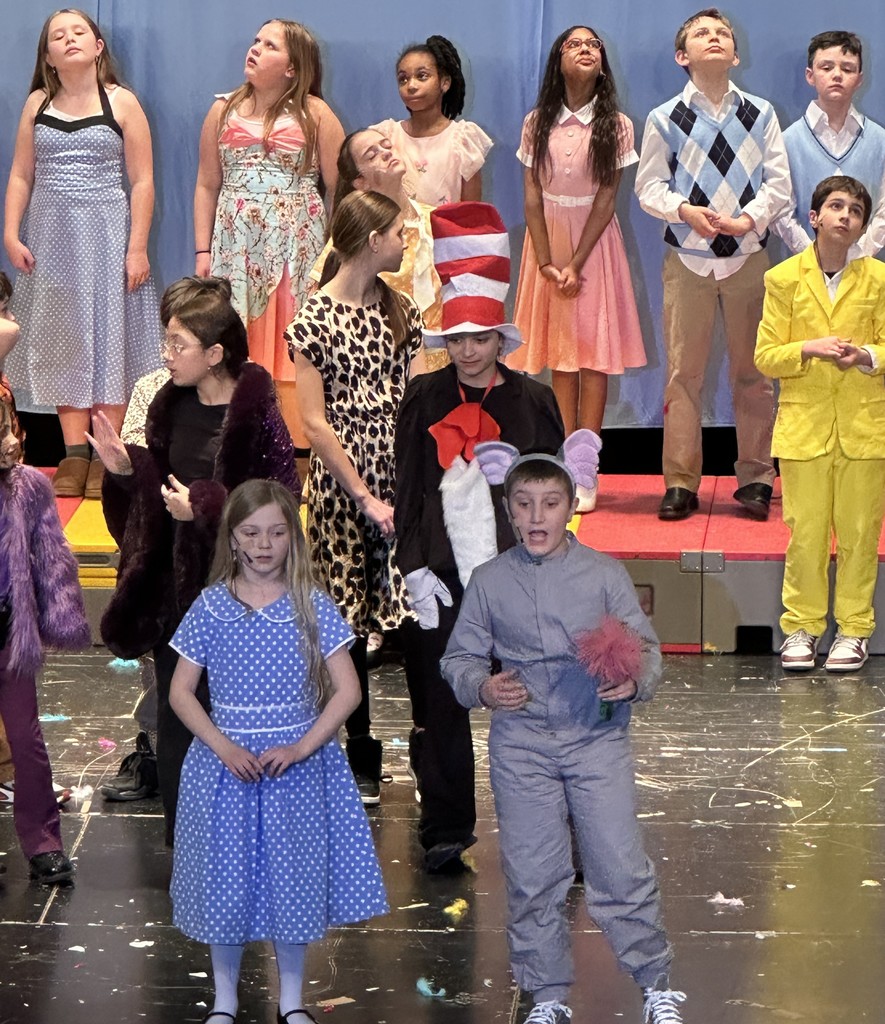
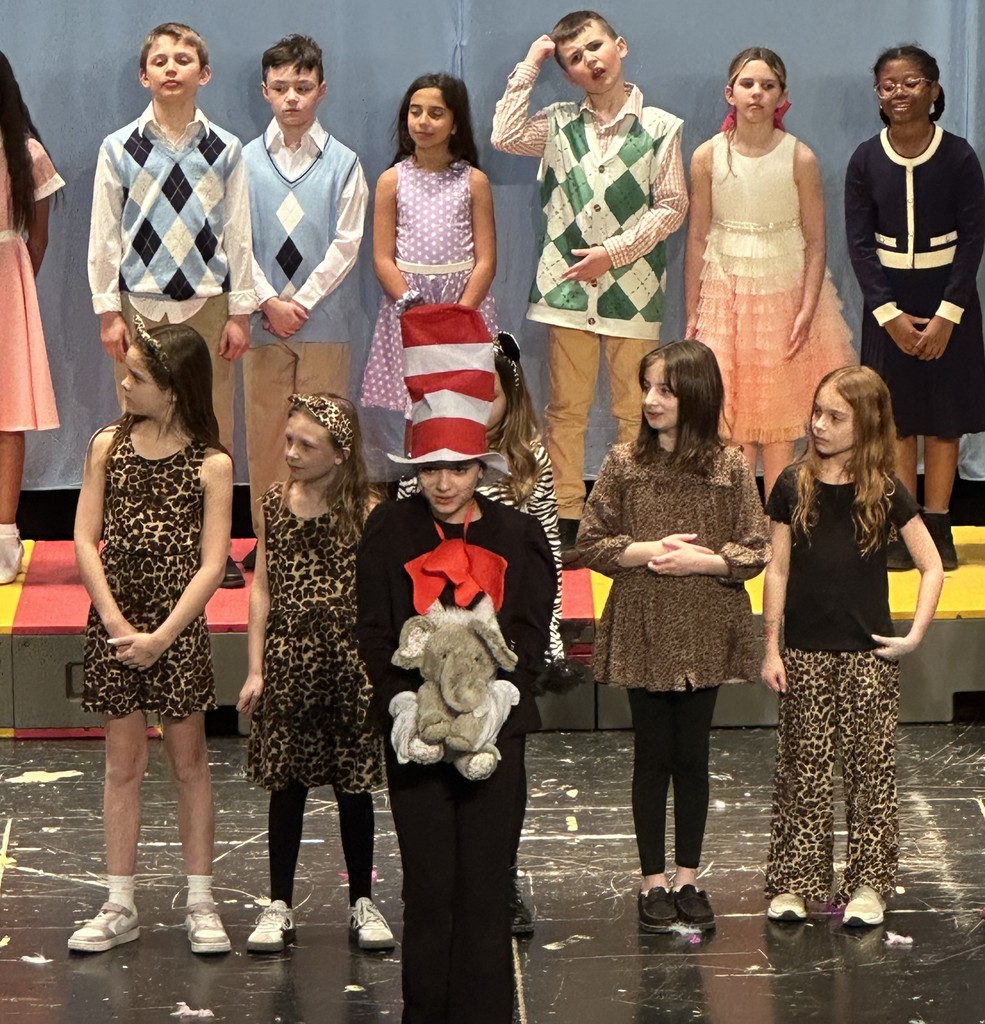
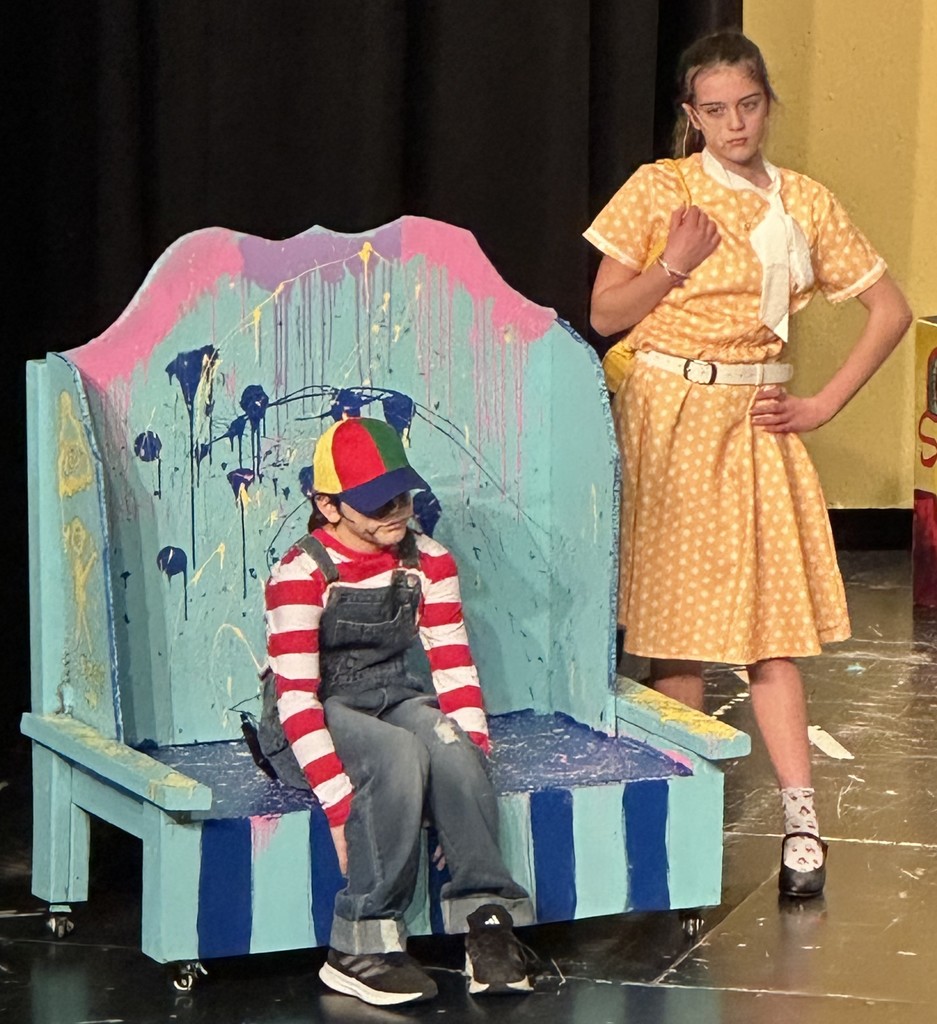
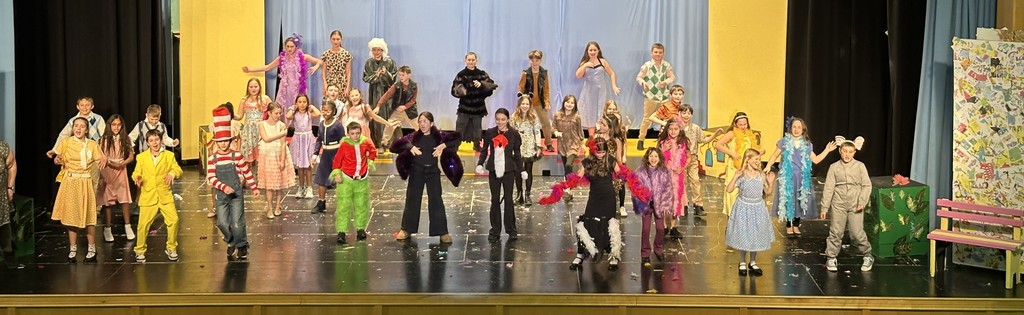
Remember, the Otisville Elementary Drama Club's performances of "Seussical JR" are coming up fast: Tuesday, March 3 and Wednesday, March 4 at 7 p.m. in the Otisville cafetorium.
FREE ADMISSION for all!
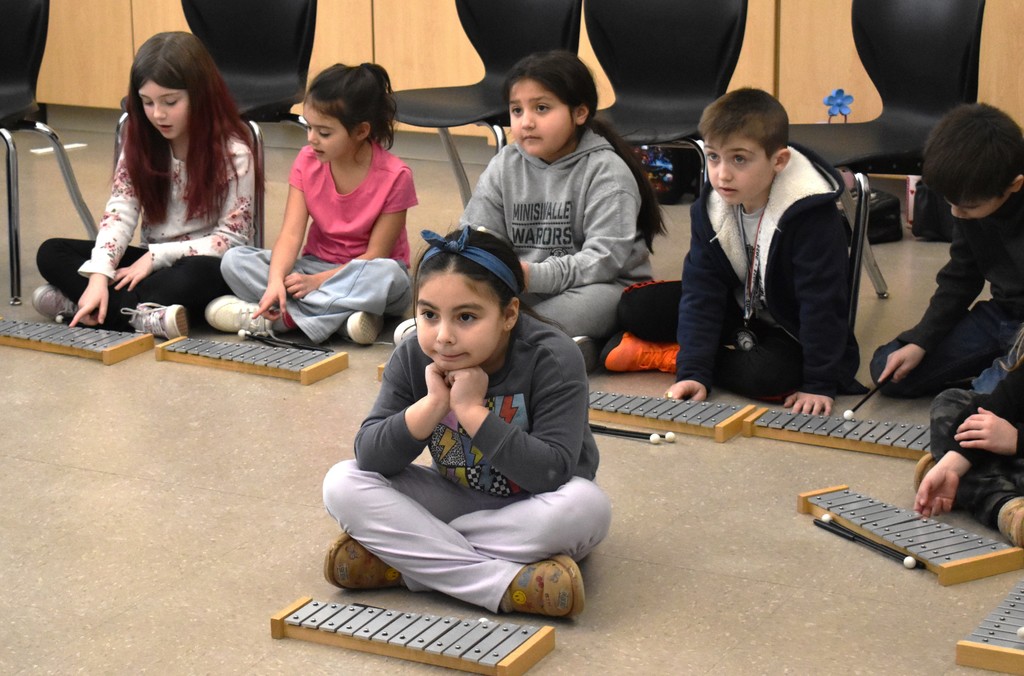
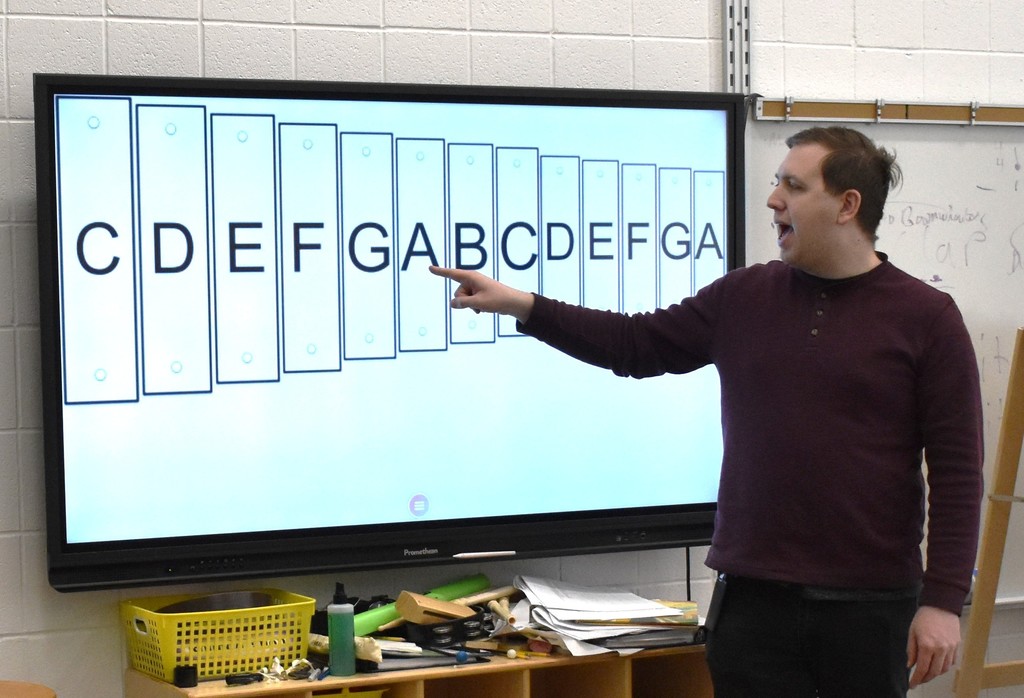
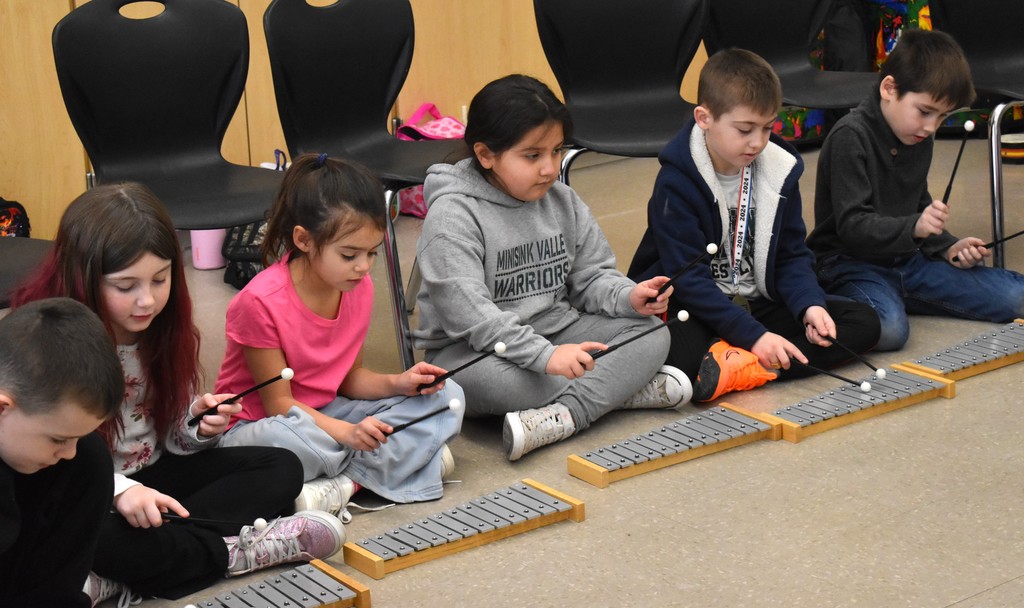
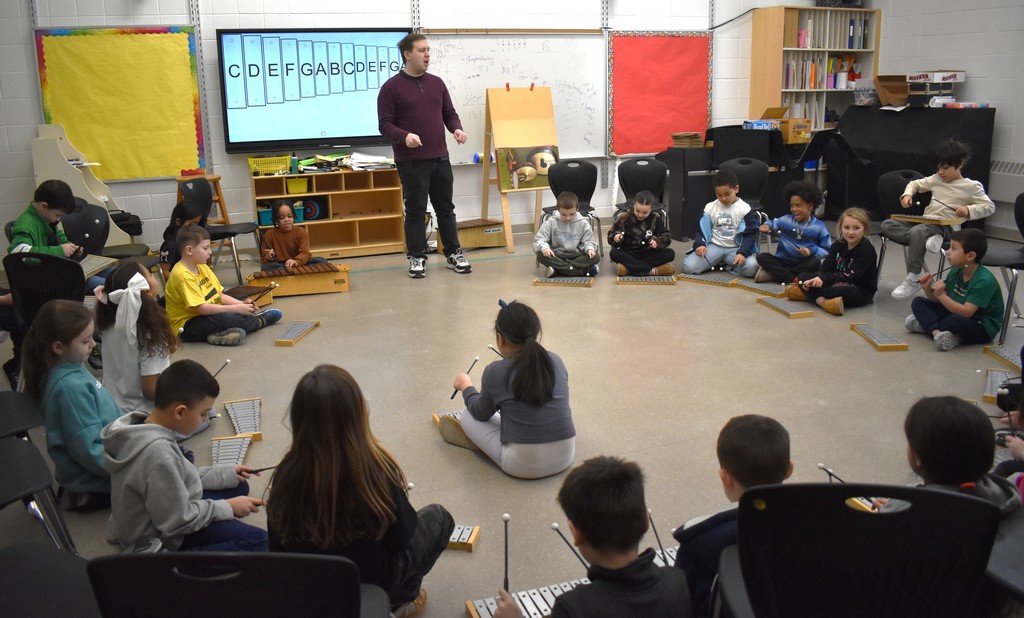
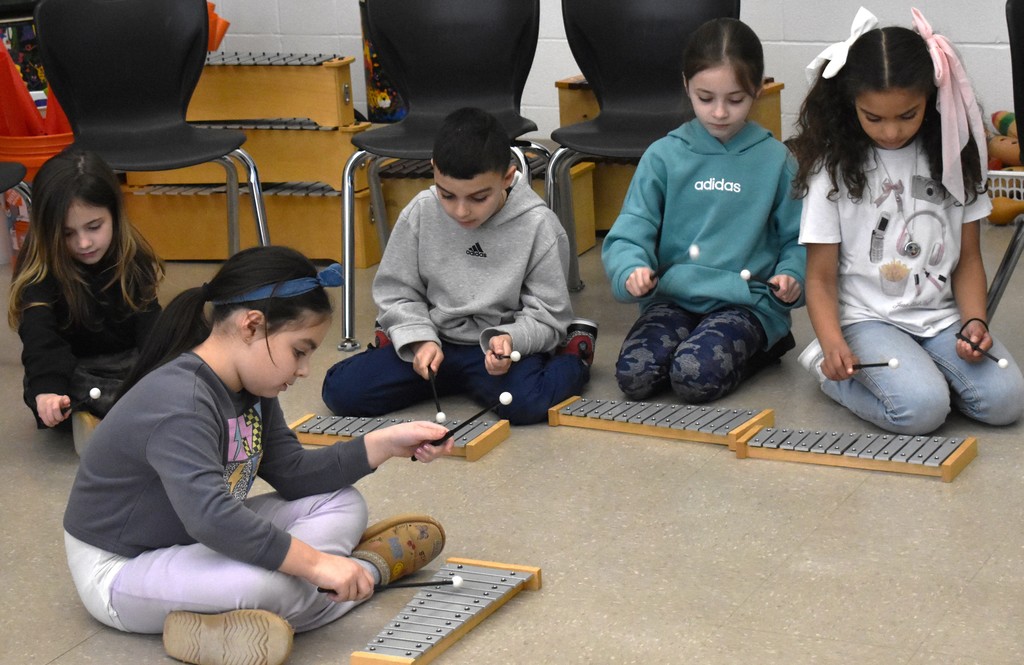
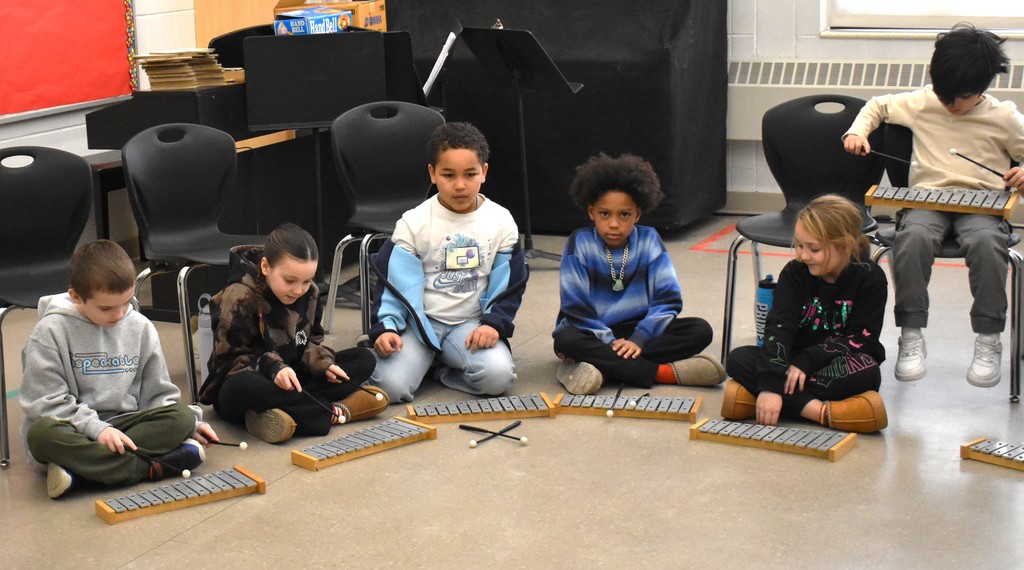
A glockenspiel is a musical instrument with shiny metal bars that you hit with small hammers (mallets) to make bright, bell-like sounds. It is a percussion instrument, often used in orchestras to sound like birds or magical bells. The name is German for "bell play," and it looks like a small piano.
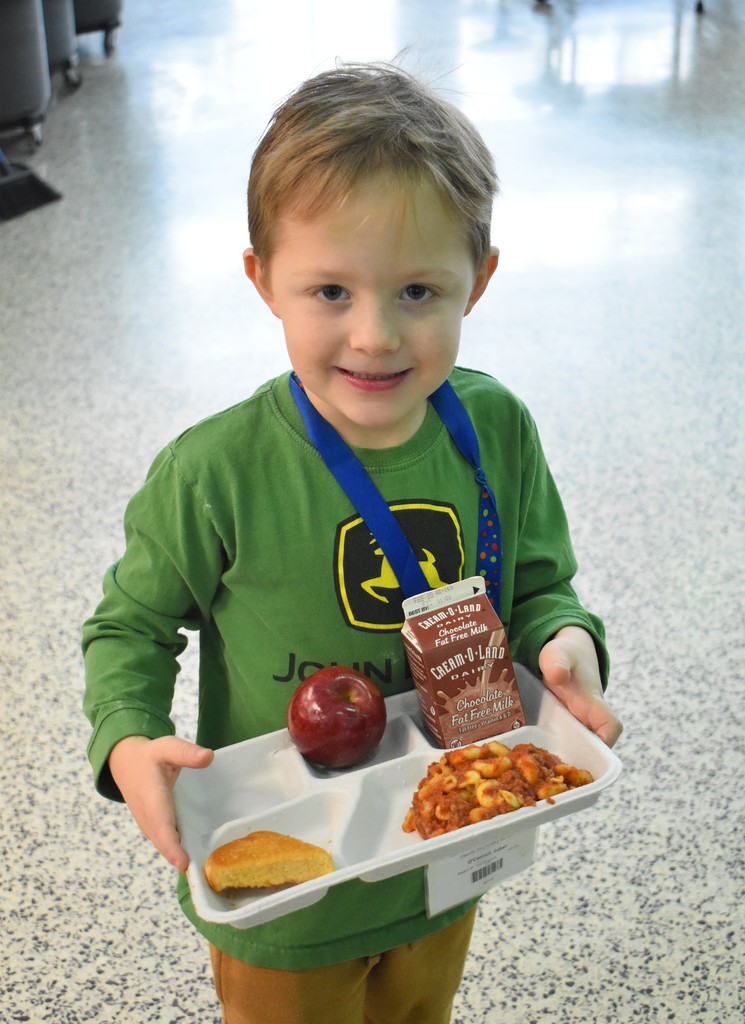
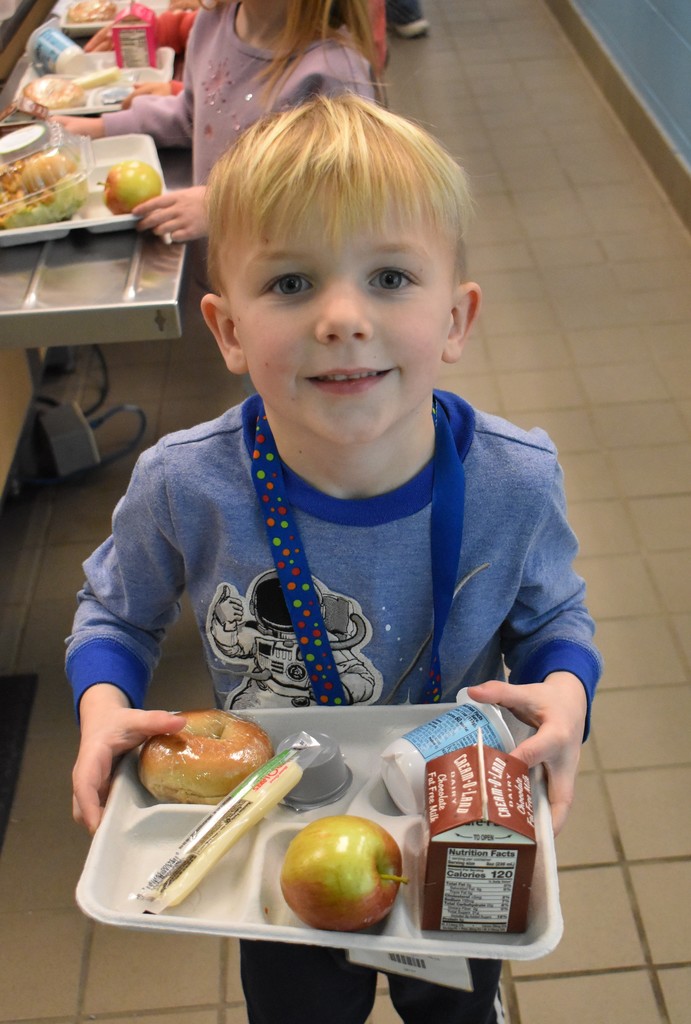
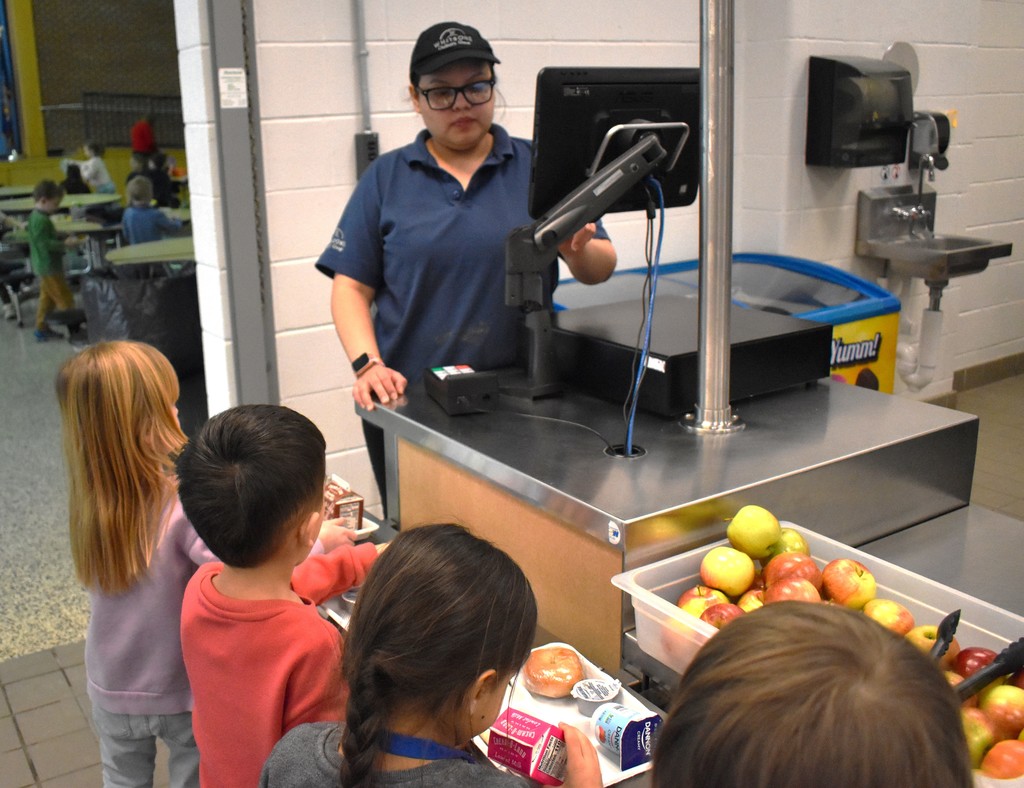
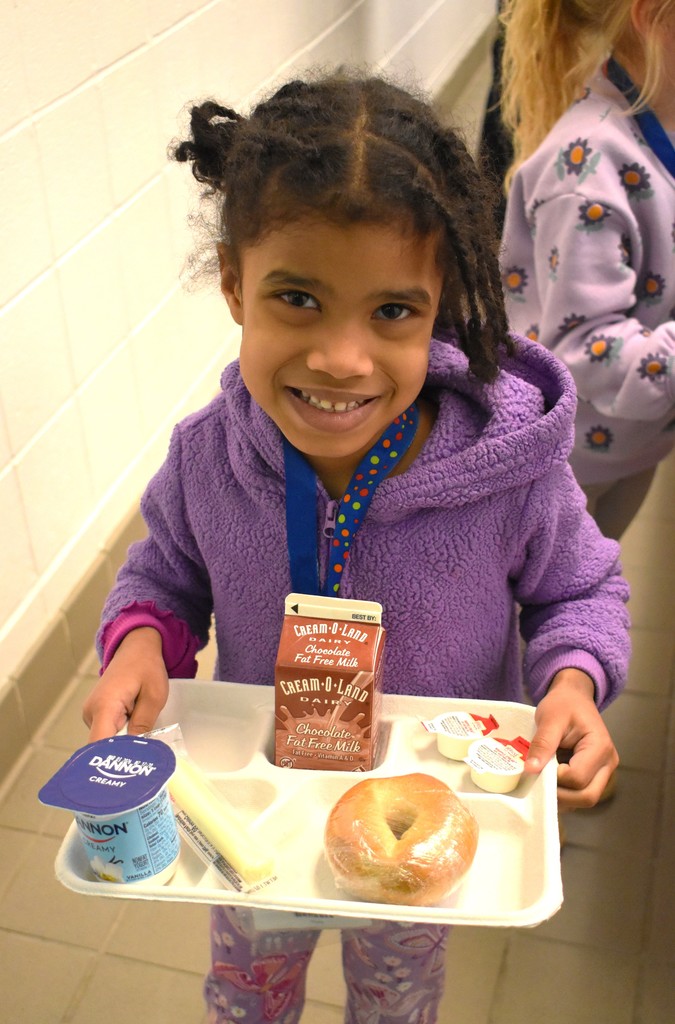
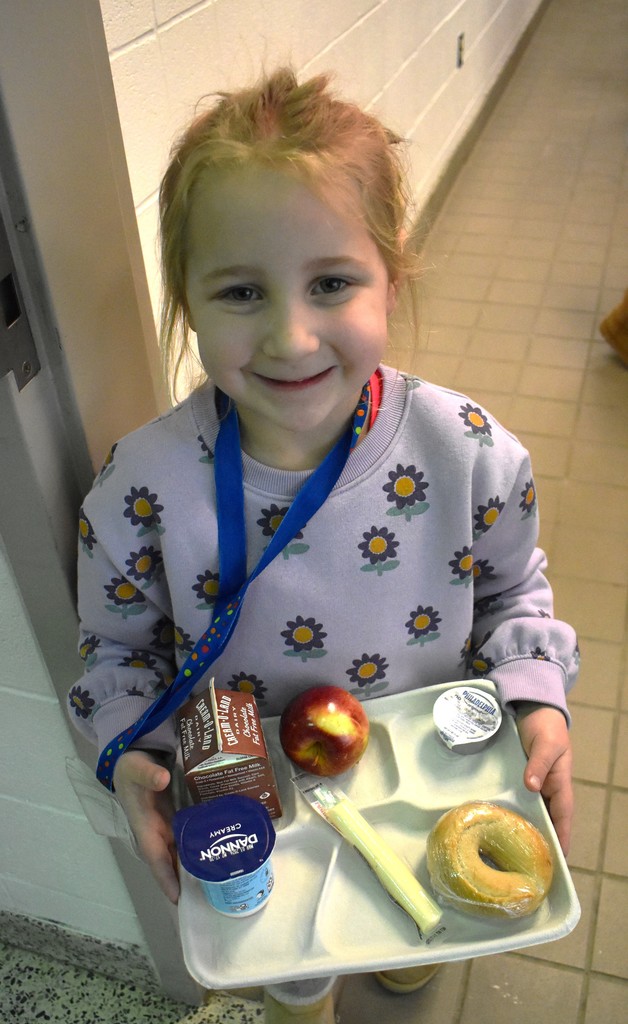
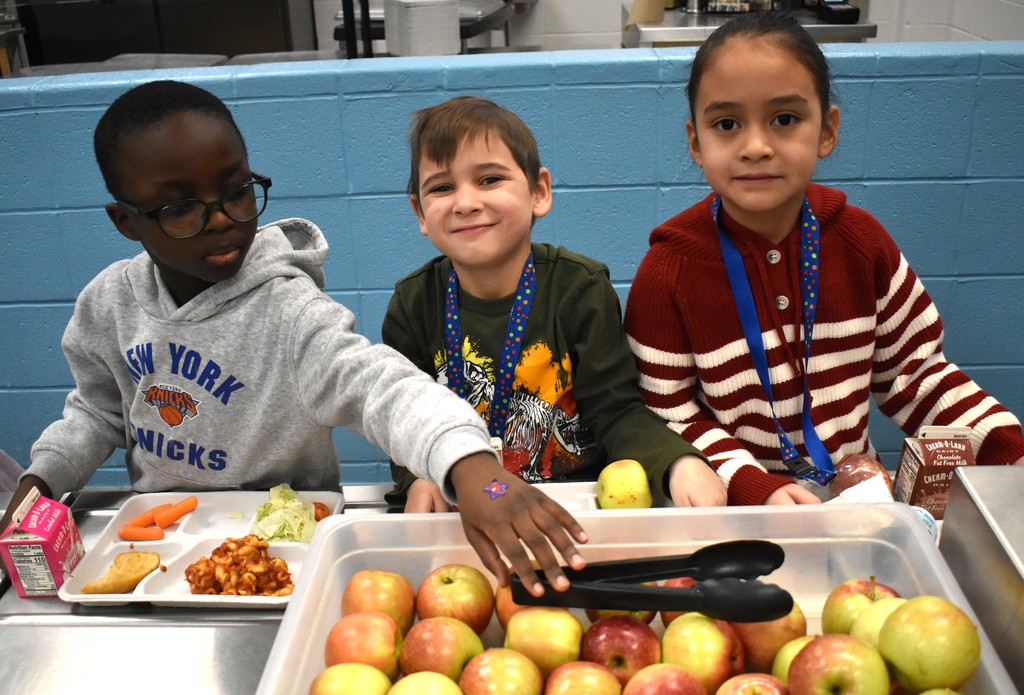
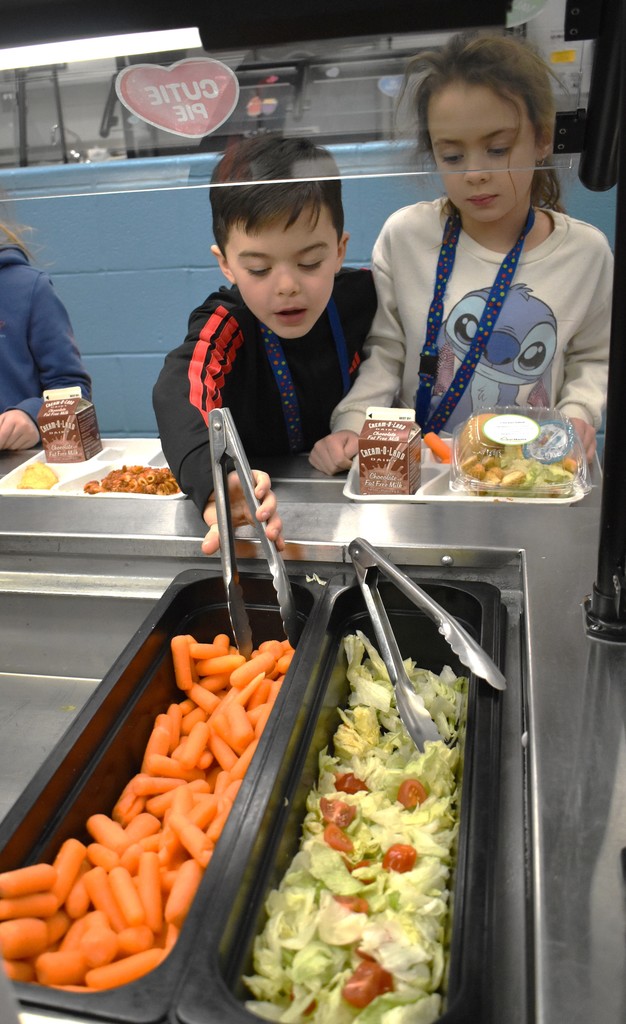
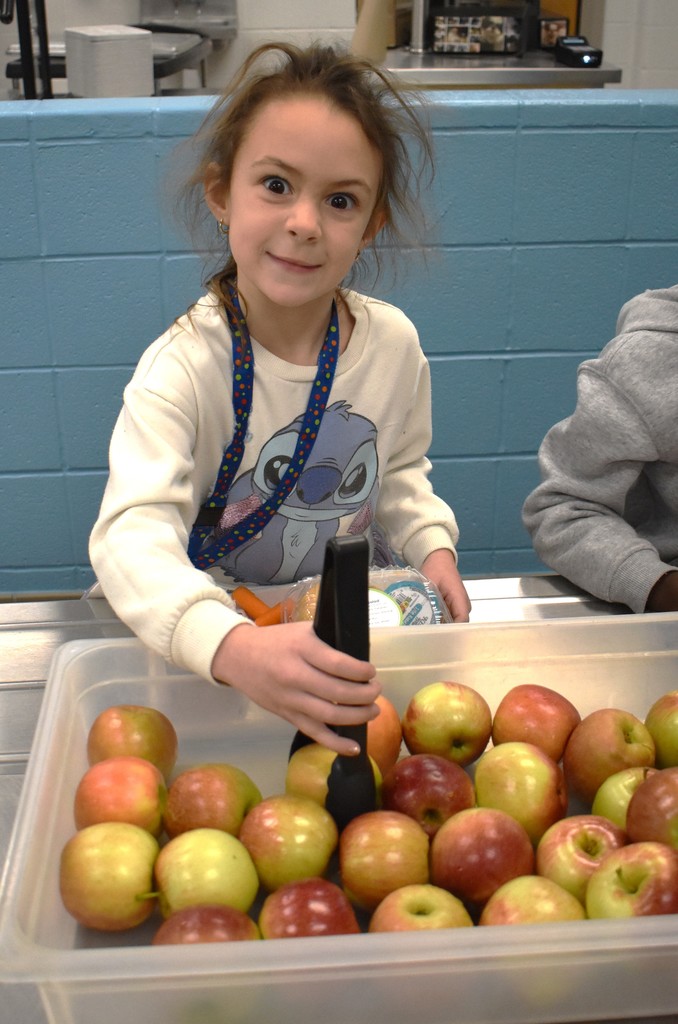
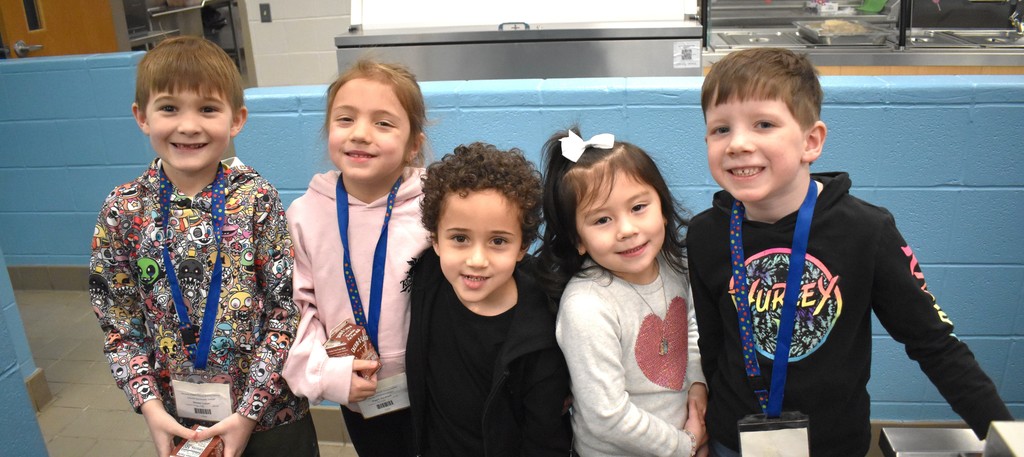
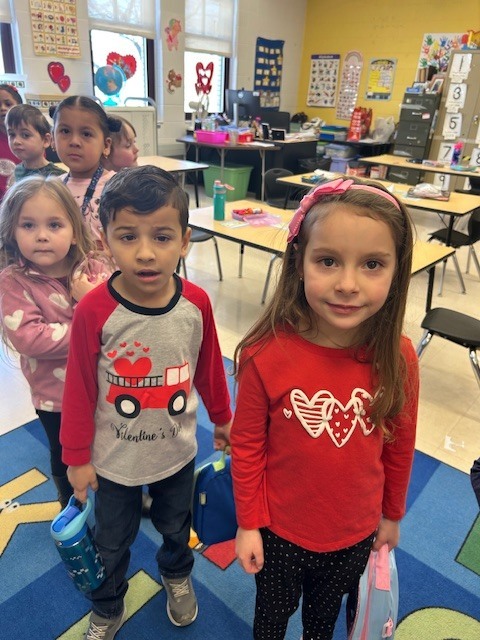
Our Otisville kindergarteners are growing up right before our eyes! They’re so much more confident in the cafeteria than they were at the beginning of the school year — and just as adorable as ever! From making big lunch choices to enjoying social time with their friends, these little ones are building important life skills every day! Take a peek at these little cutie pies and their happy faces!
Join us on Feb. 26 for the Otisville Science Fair at 6 p.m. and be dazzled by the knowledge of our student scientists!

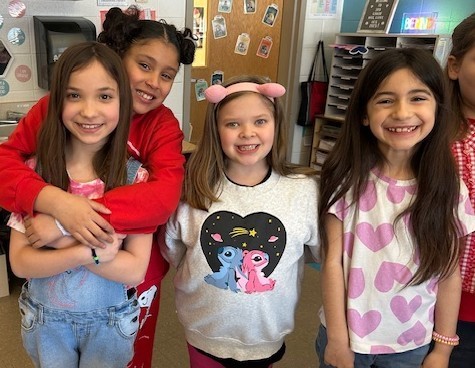
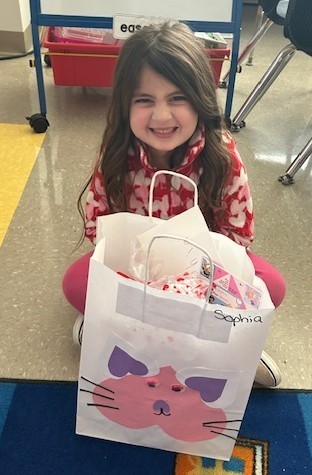
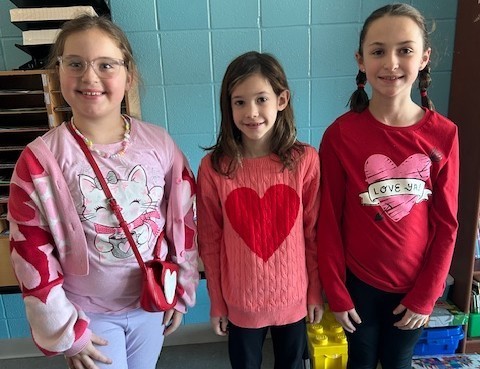
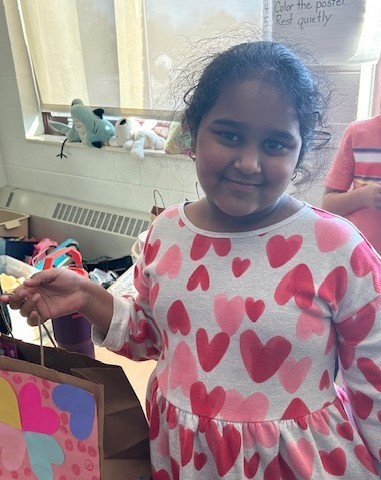
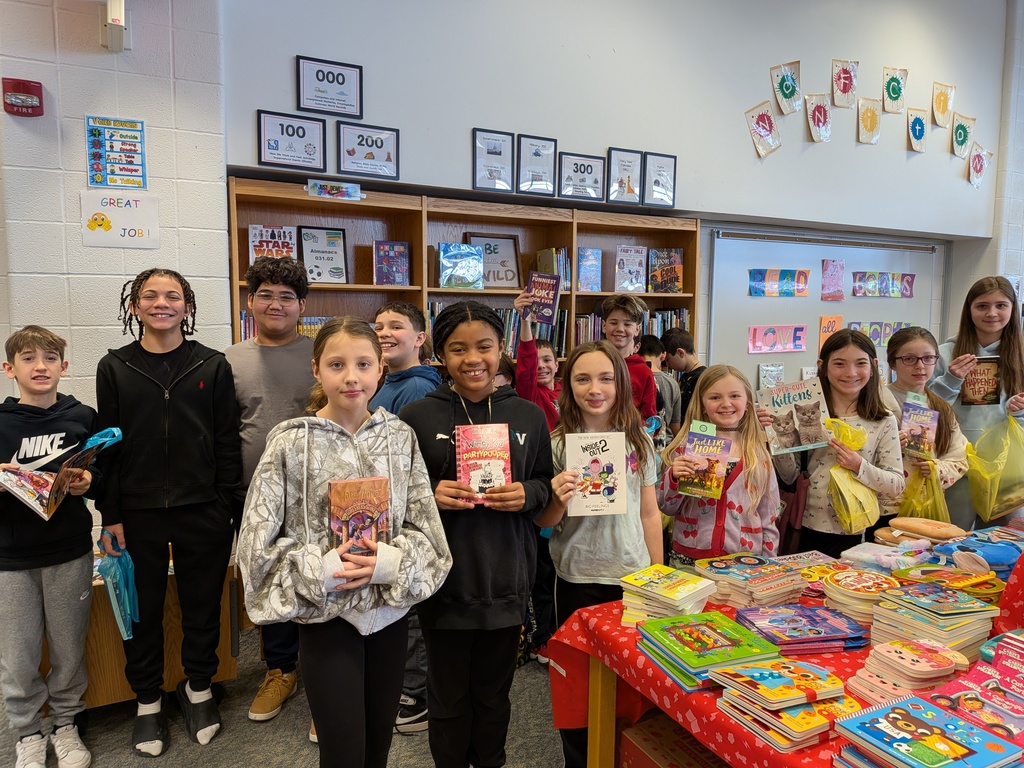
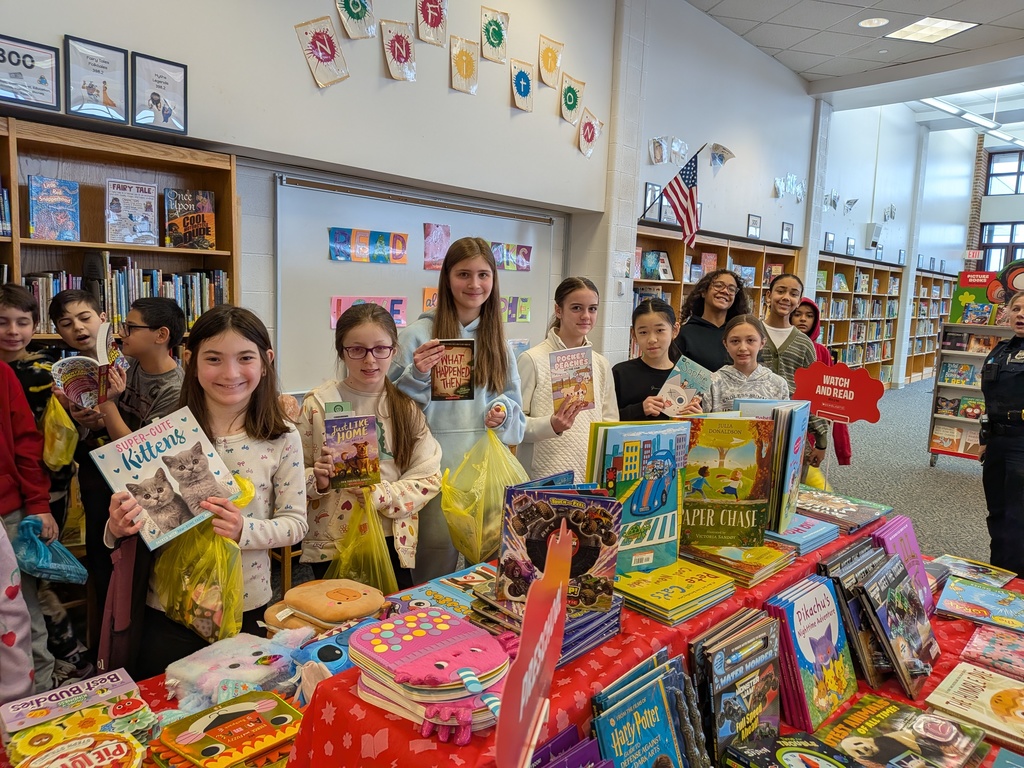
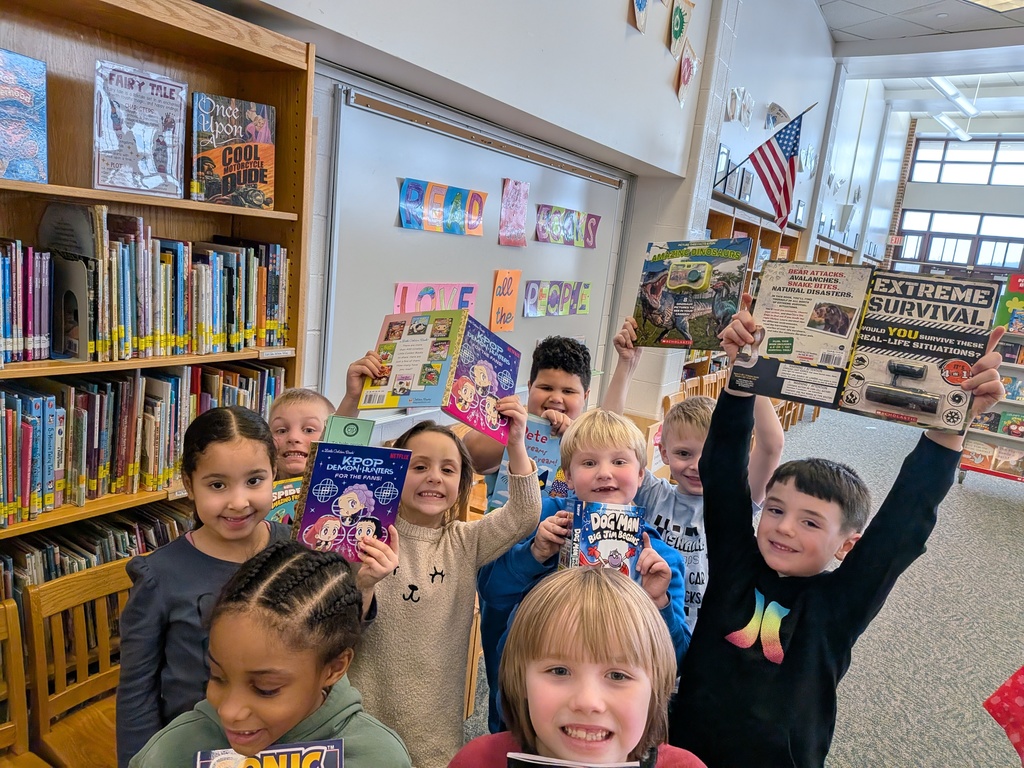
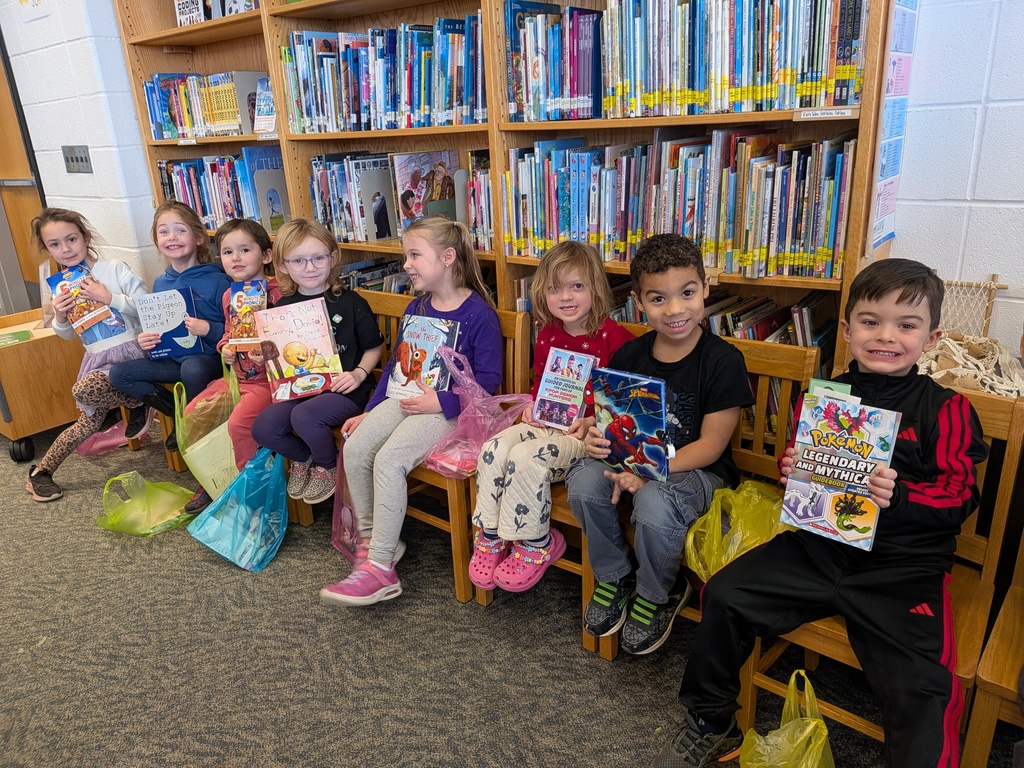
THANK YOU to the amazing Otisville PTO for organizing and hosting this time-honored tradition that continues to spark a love of reading in our school community!