
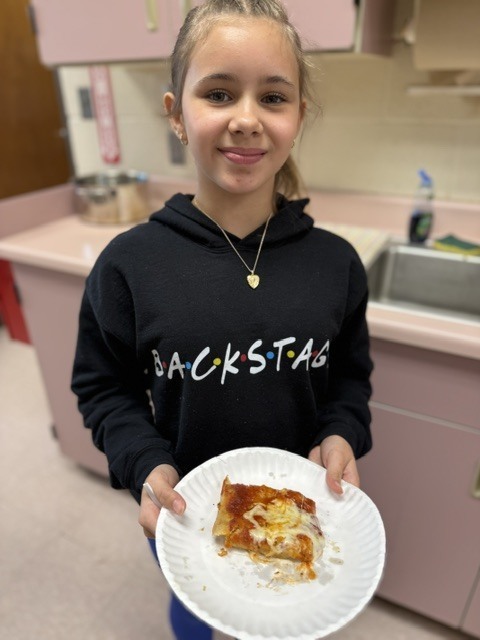
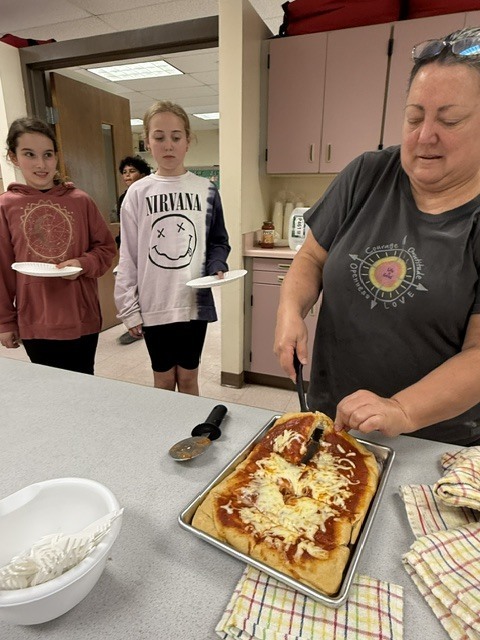
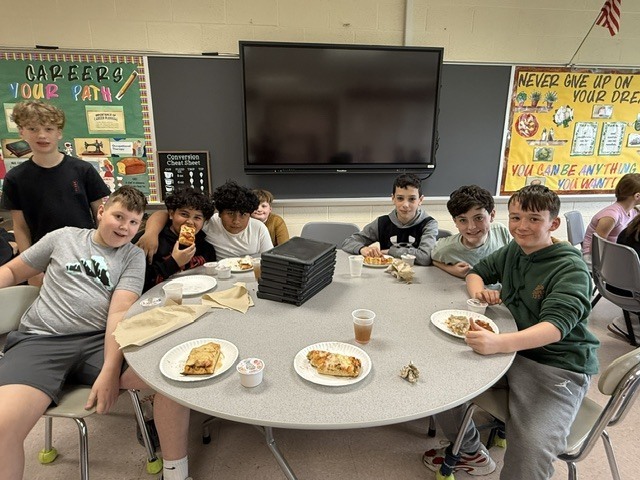
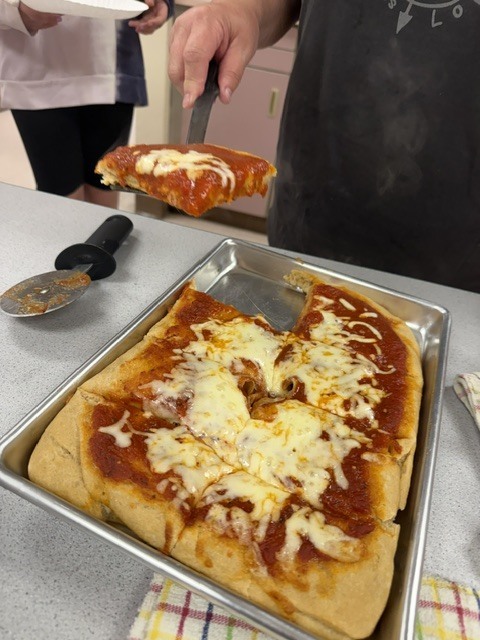
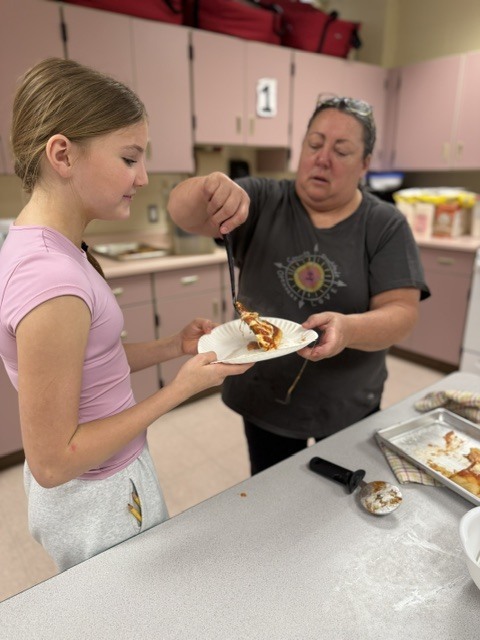
The King Arthur Baking Co. helped make Pizza Day another recent success for Victoria Ingrassia’s sixth-grade FACS students, donating both flour and a homemade pizza recipe for the class’s latest hands-on cooking lesson.
Students mixed, shaped, and baked their own pizzas while learning fundamental kitchen skills and a few authentic pizza-making techniques along the way — from kneading dough to developing the right crust texture. They also discovered that pizza dough benefits from “proofing,” the resting process that helps create a lighter, airier crust.
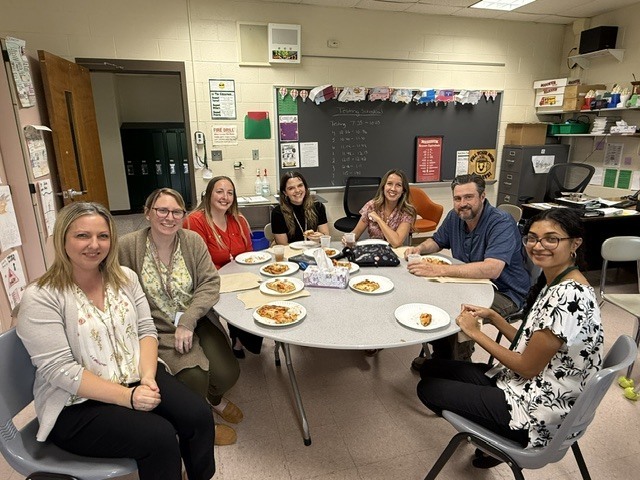
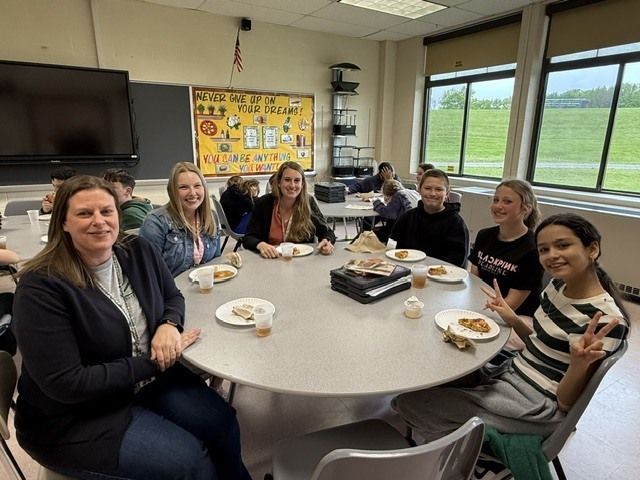
The project offered students the chance to prepare one of the world’s most popular comfort foods completely from scratch, reinforcing practical life skills and teamwork in the kitchen. PLUS --- middle school faculty members were invited to stop by and enjoy a slice fresh from the oven.
“They were so thrilled to have us join them,” said teacher Joanna Dolan. “Moments like these are so appreciated and reminded me of how much students really can love learning and apply in real life what they are being taught.”
Beyond the fun of making pizza, students also gained experience reading recipes, measuring ingredients, and understanding how simple ingredients like flour, yeast, water, and time work together to create a classic homemade dough — a process bakers often refer to as the “science behind the crust.”
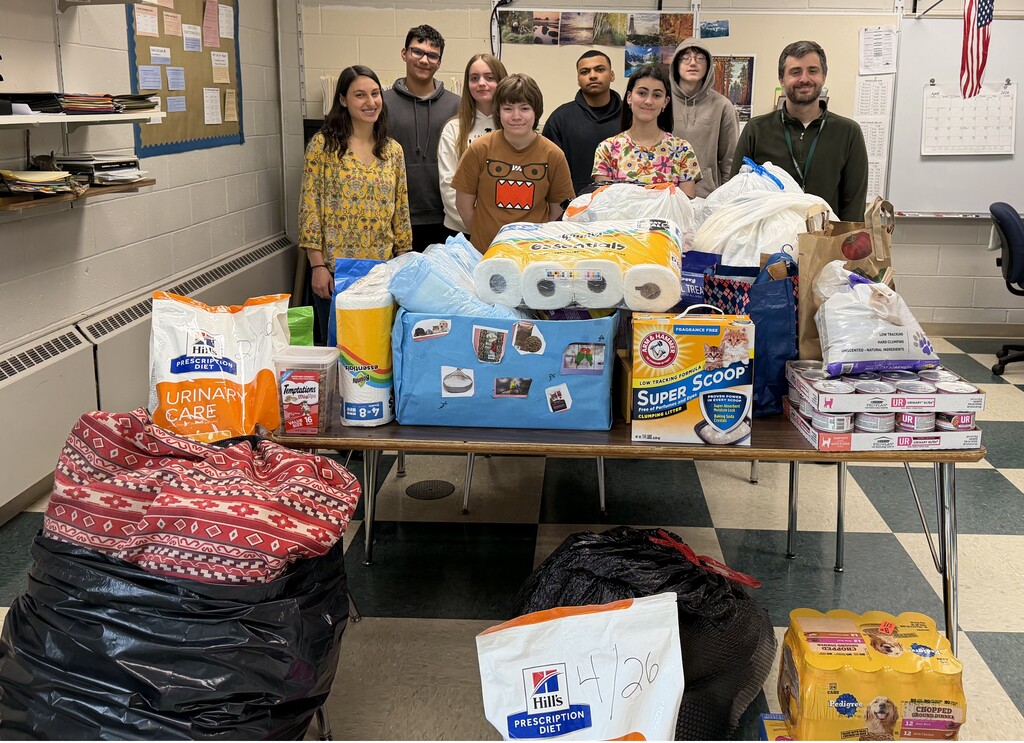
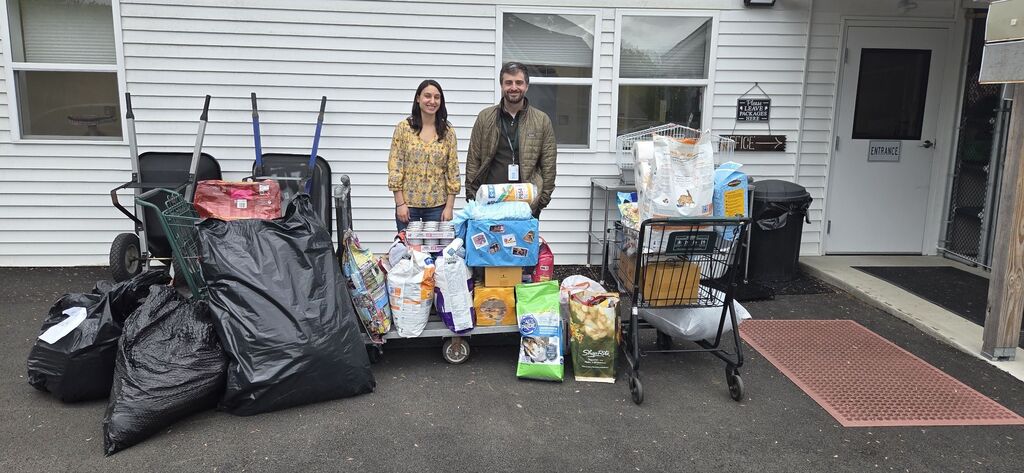
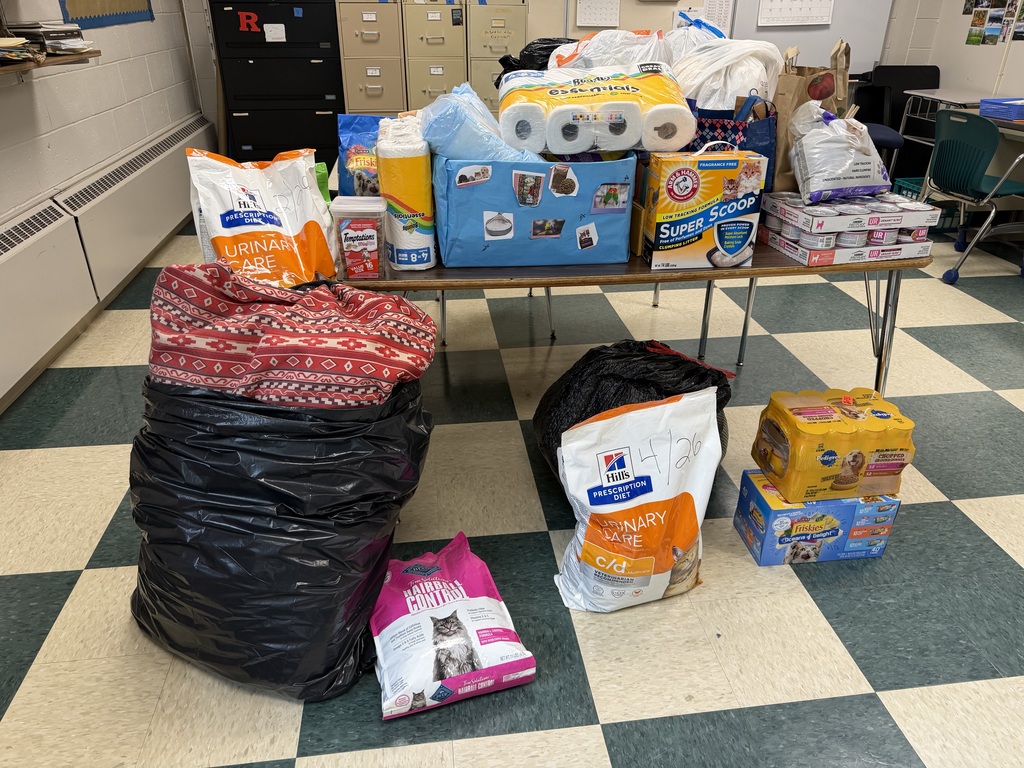
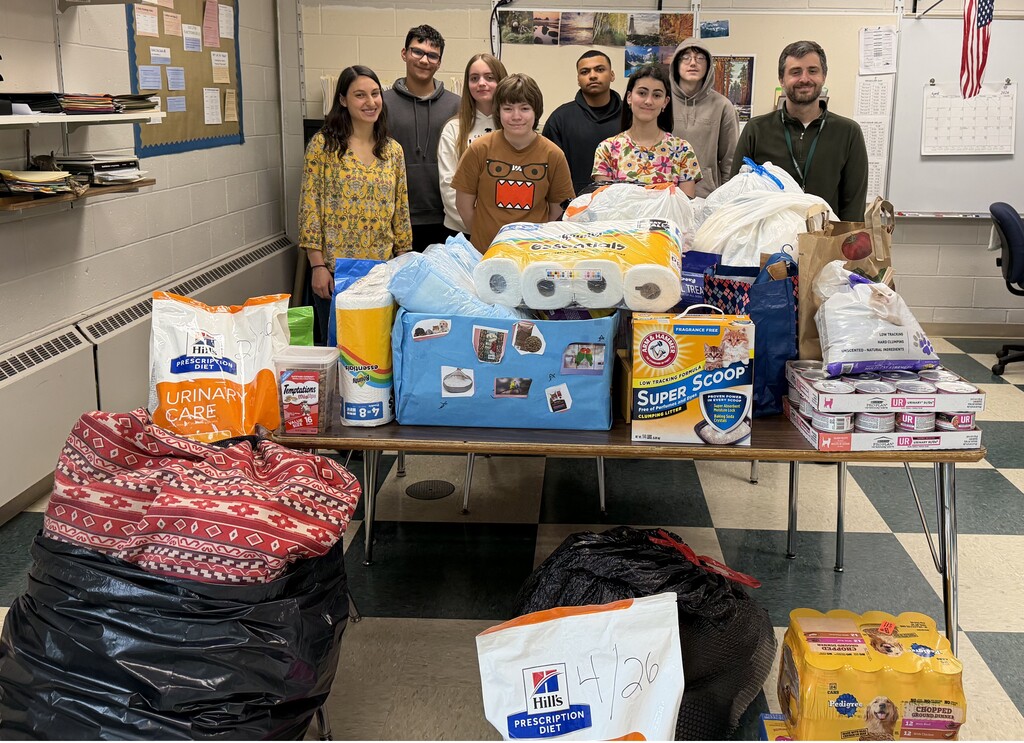
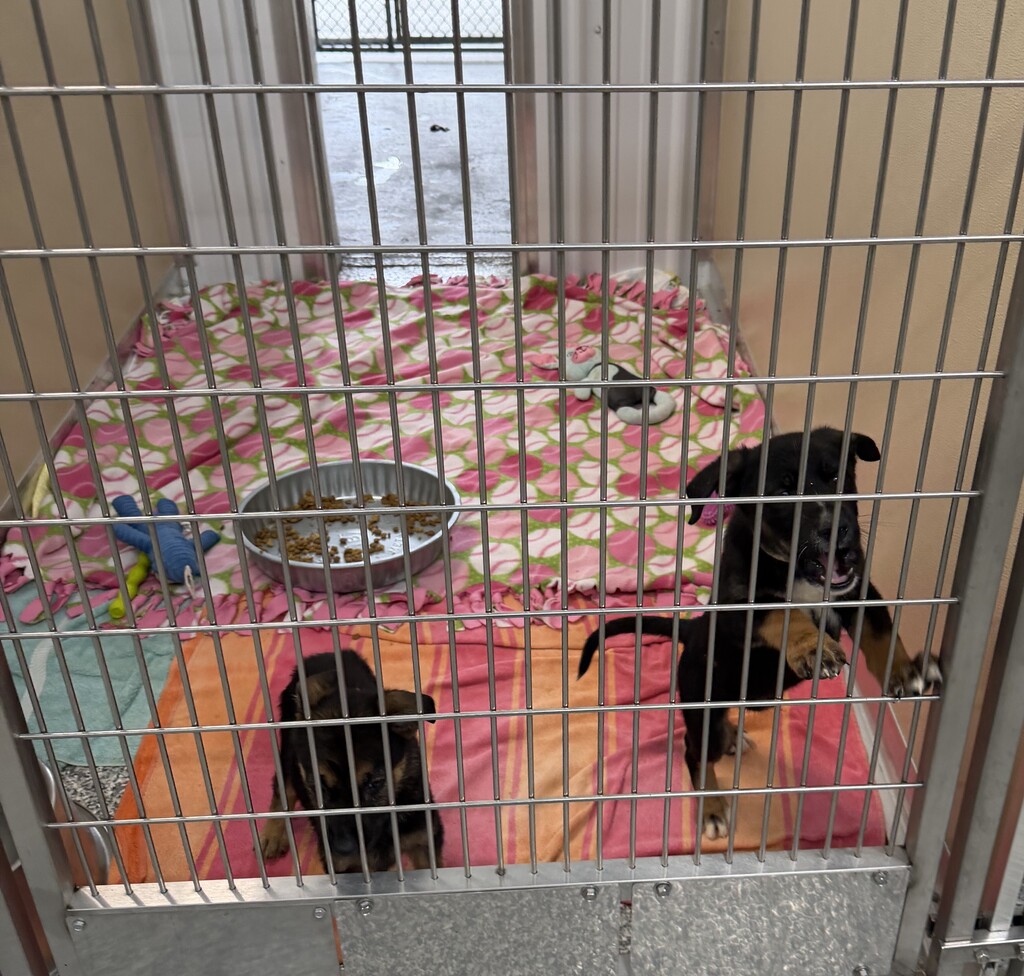
Their donations were made possible through the generosity of those who supported their collection efforts. Donated items collected included kibble, litter, pet pads and dog beds --- which will definitely be put good use.
Club members send their thanks to all donors and wanted to share that Human Society staff was deeply appreciative of the generosity.
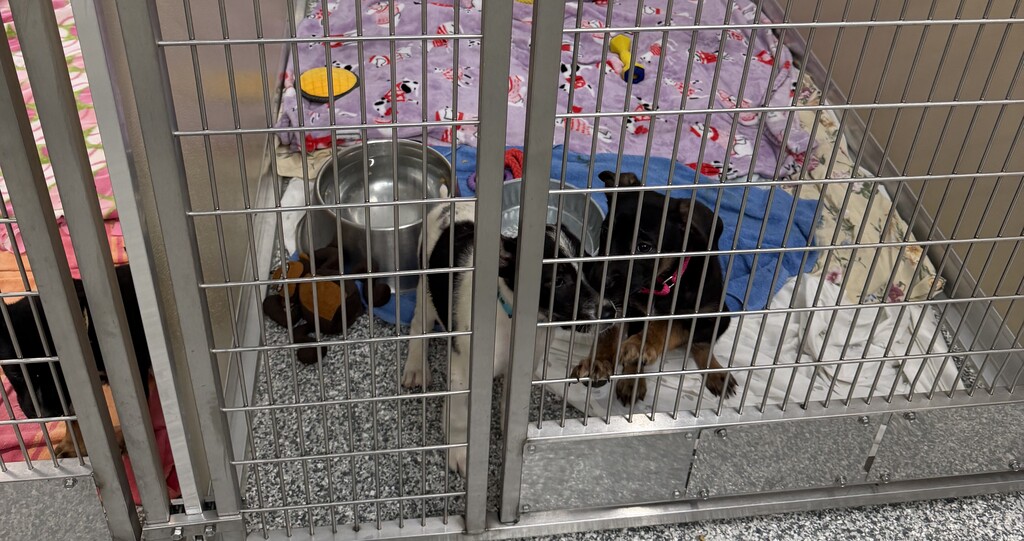
Founded in 1959, the Middletown Humane Society is a No-Kill, privately run animal shelter serving the City of Middletown as well as surrounding communities. The shelter is funded only through the generosity of supporters, so every donation matters. To learn more, visit: https://middletownhumanesociety.com/
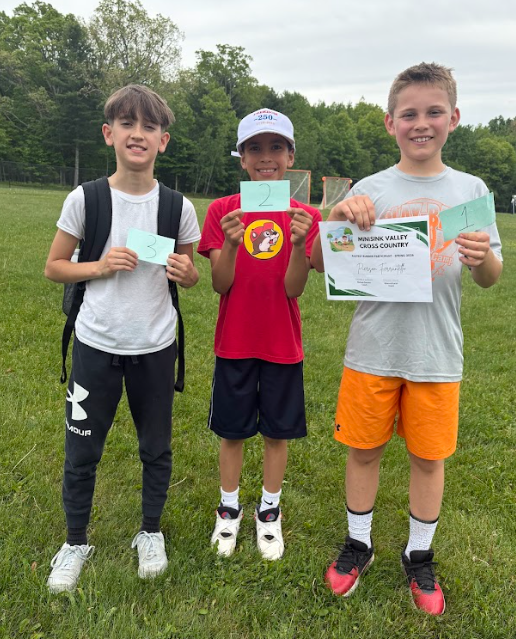
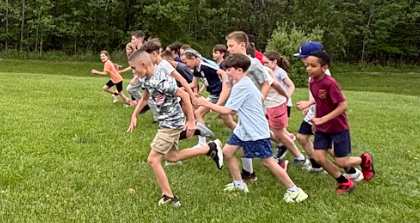
Top 3 boys:
1. Pierson Ferrantello (3 minutes)
2. Miguel Fermin (3:02 minutes)
3. John Borello (3:04 minutes)
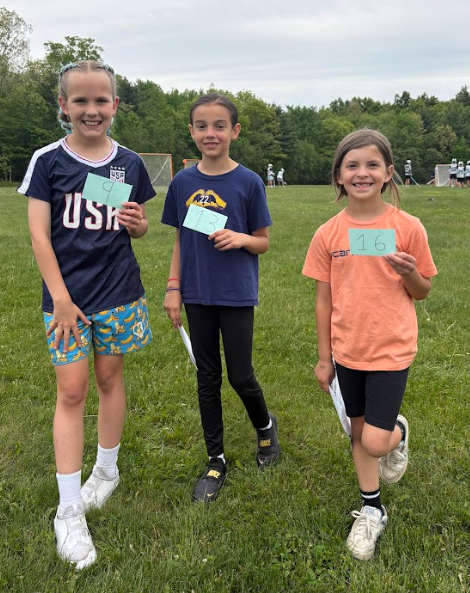
Top 3 girls:
1. Harper Lagarde (3:36 minutes)
2. Aria Basso (3:55 minutes)
3. Melody Johnson (4:22 minutes)
THANK YOU to JV/Varsity Coaches Nichole Gaucher and ED Sucich, Modified Cross Country Coach Vincent Napolitano, Junior JV/Varsity Cross Country runner Elijah Zittel and National Honor Society members Jerry Yang and R.J. Sosler for their efforts to make the race a success!
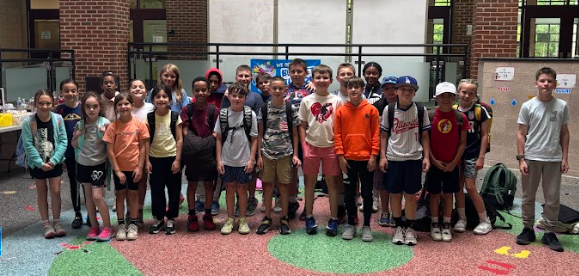
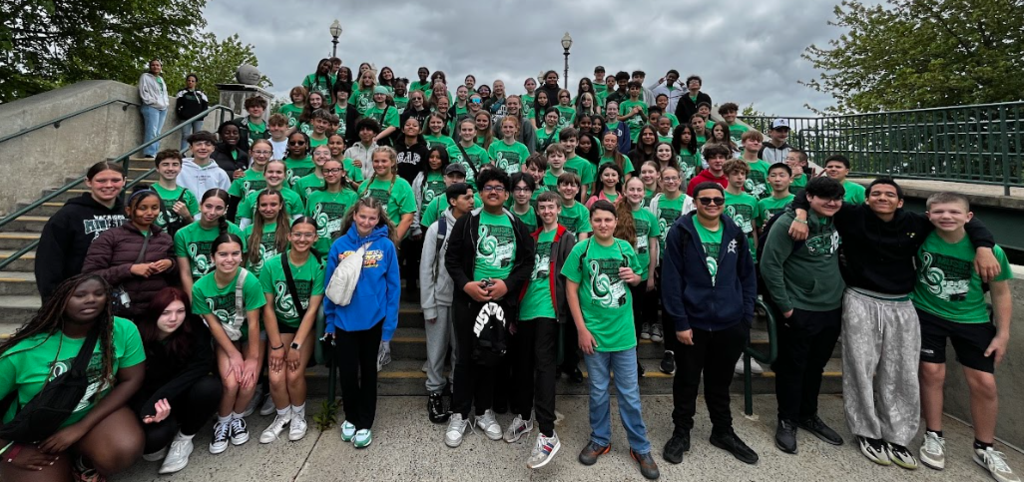
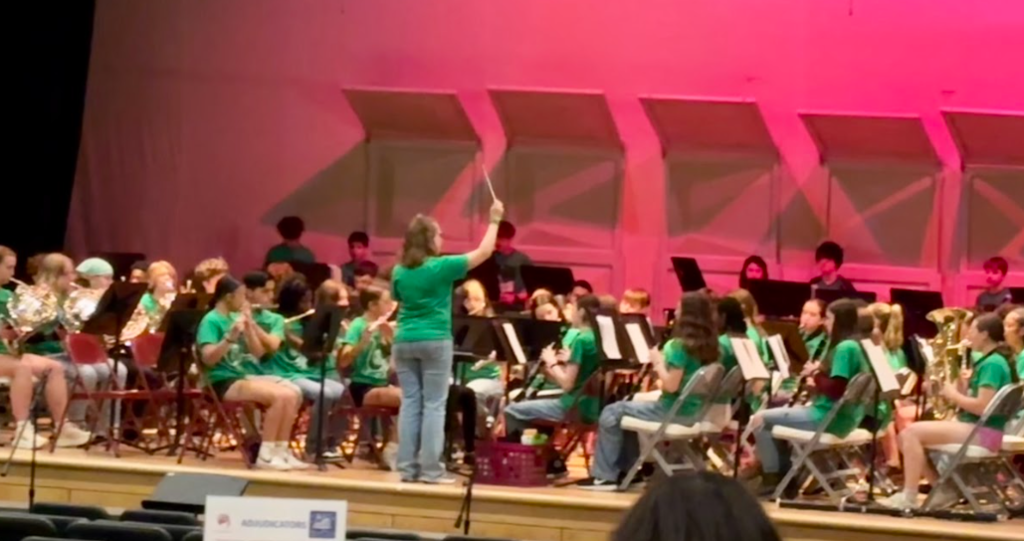
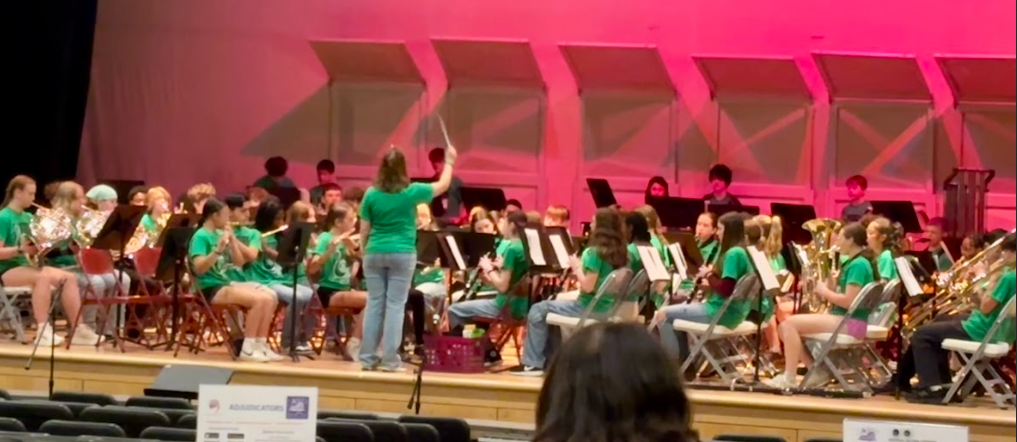
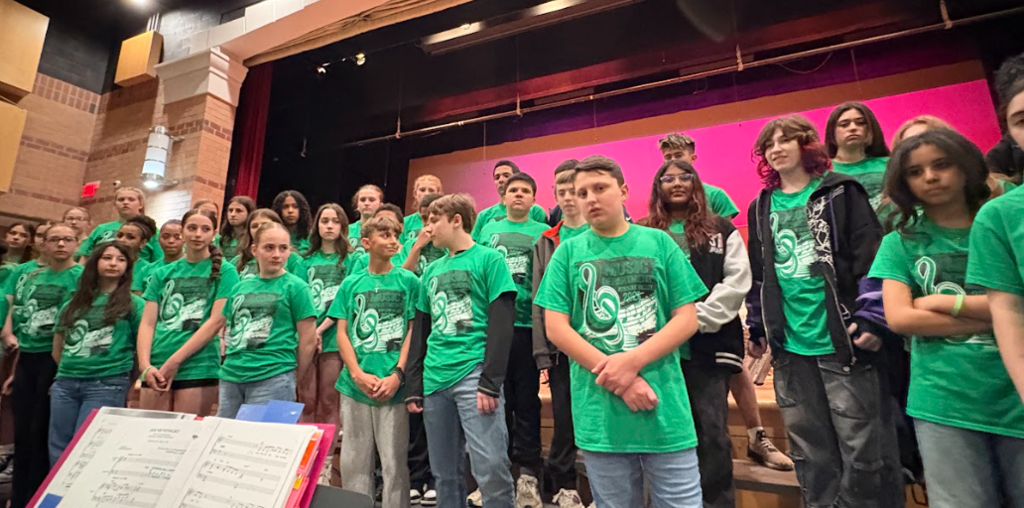
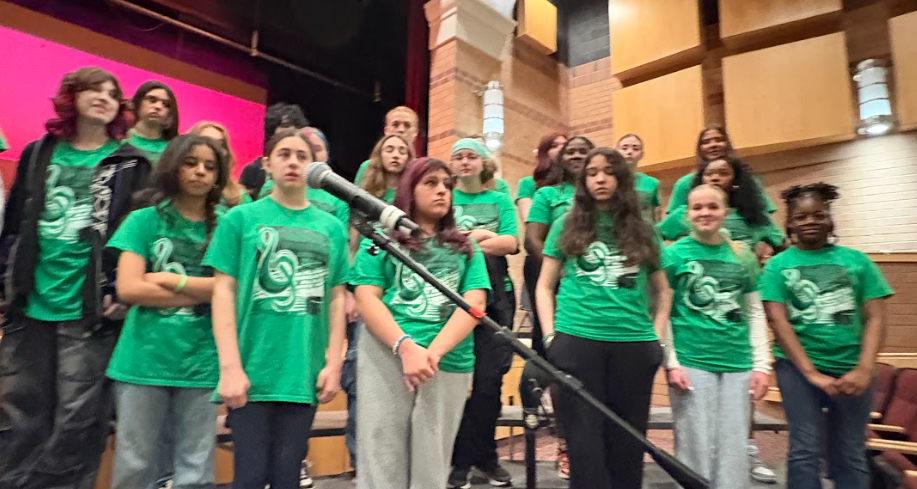
The band performed Alan Silvestri’s “Captain America March,” arranged by Paul Murtha; “Shenandoah,” arranged by Robert Sheldon; and “The Great Locomotive Chase” by Robert W. Smith.
The chorus performed “Found/Tonight” by Benj Pasek, Justin Paul, and Lin-Manuel Miranda, arranged by Jacob Narverud; as well as “Count the Stars,” arranged by Andy Beck.
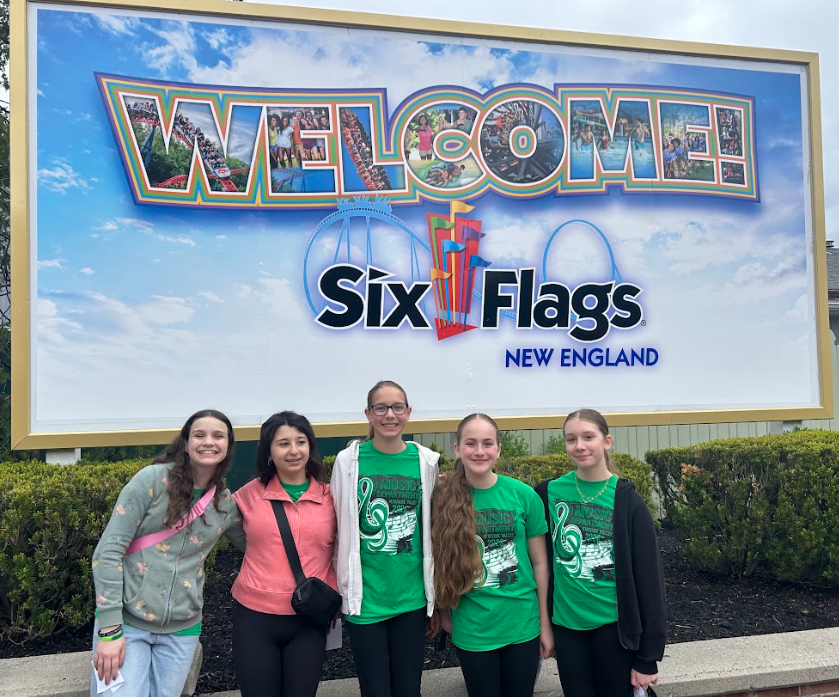
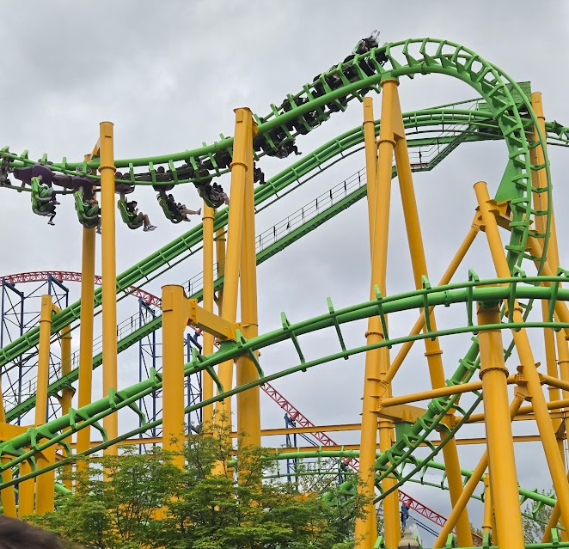
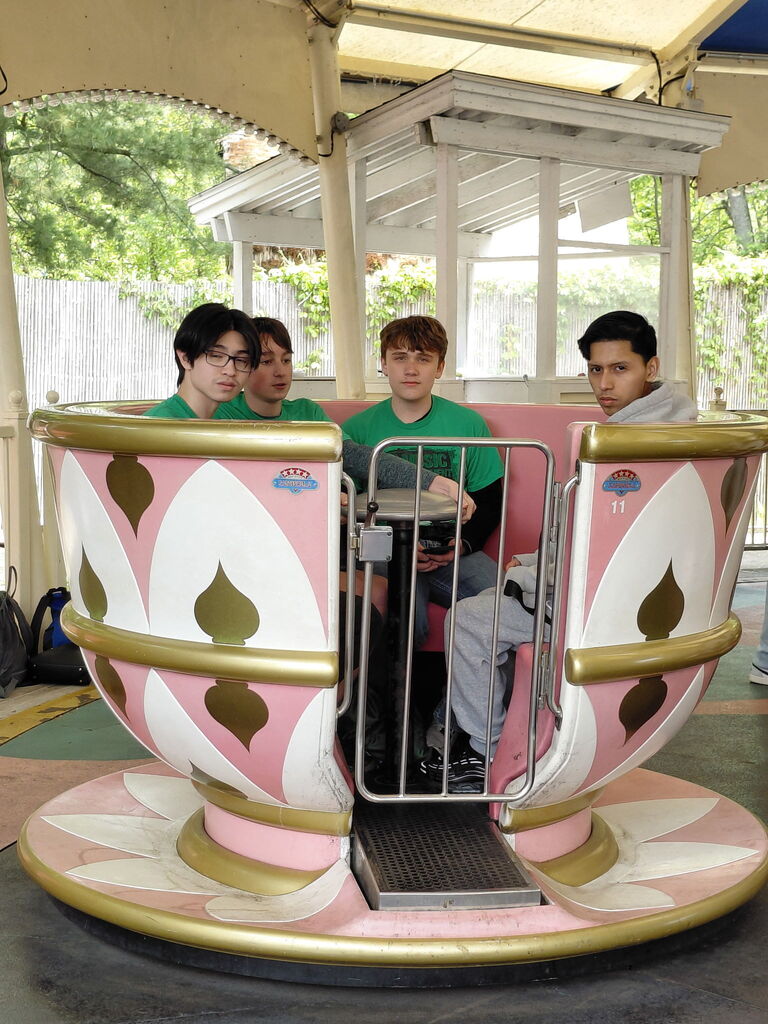
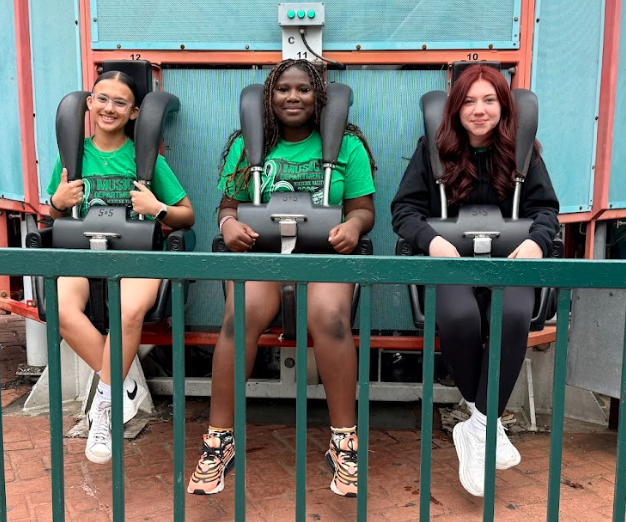
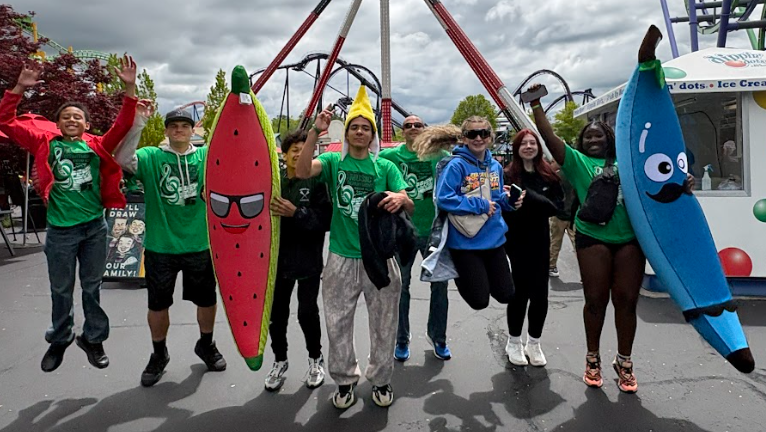
Following the festival, students enjoyed a fun-filled afternoon at Six Flags New England, making the trip both a musical and memorable experience.
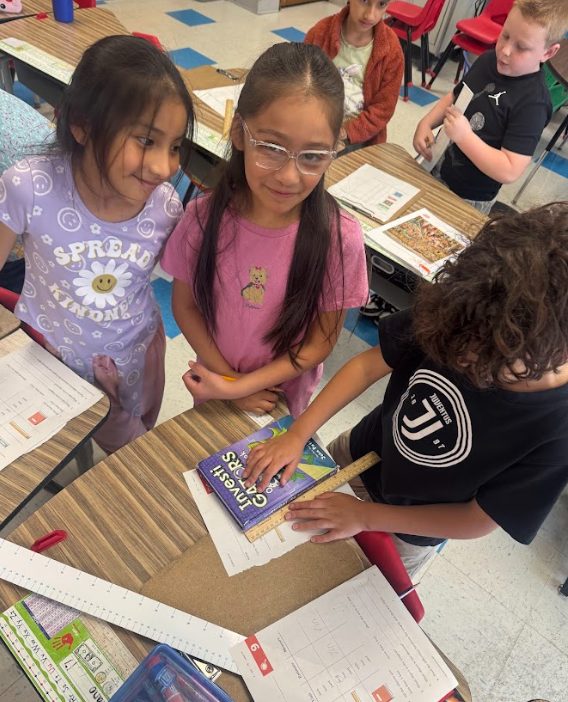
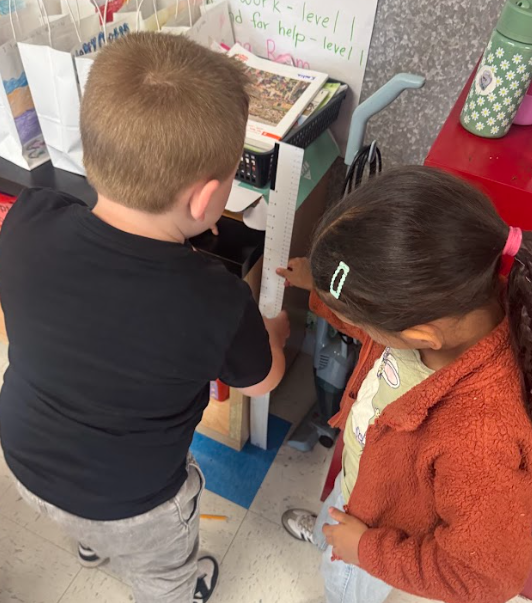
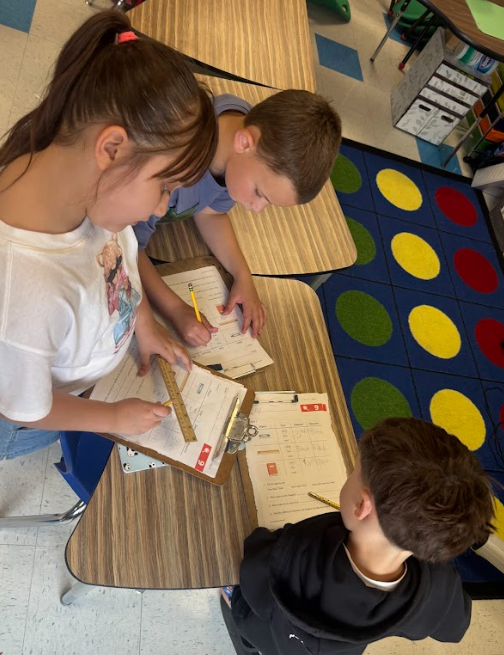
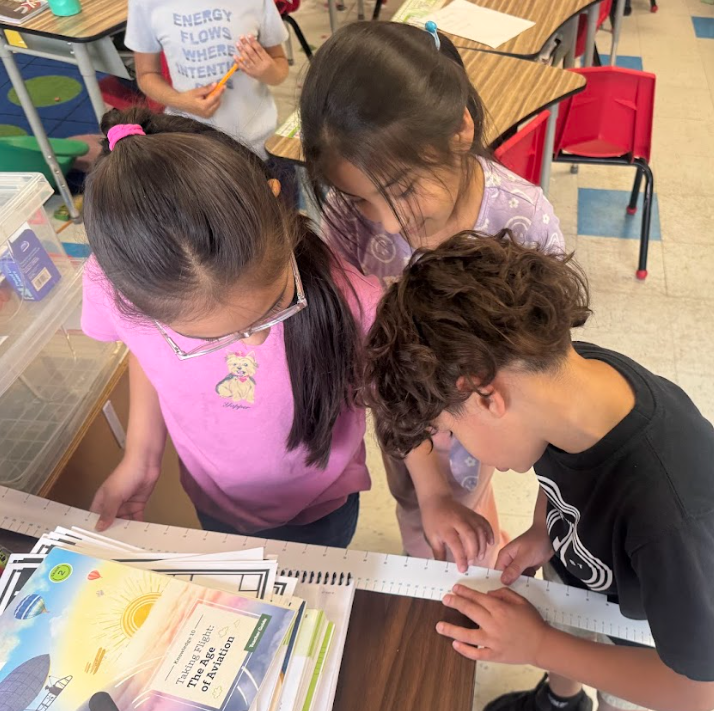
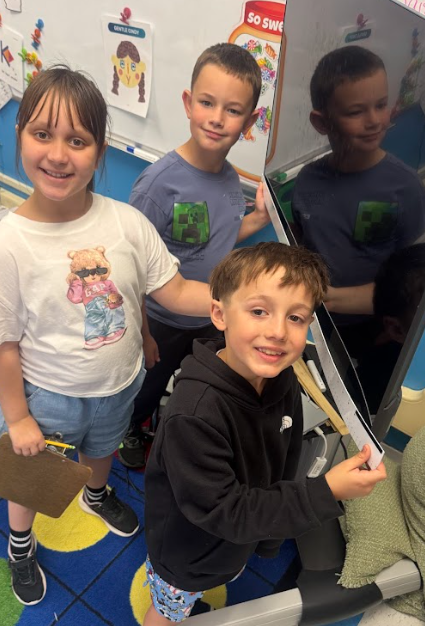
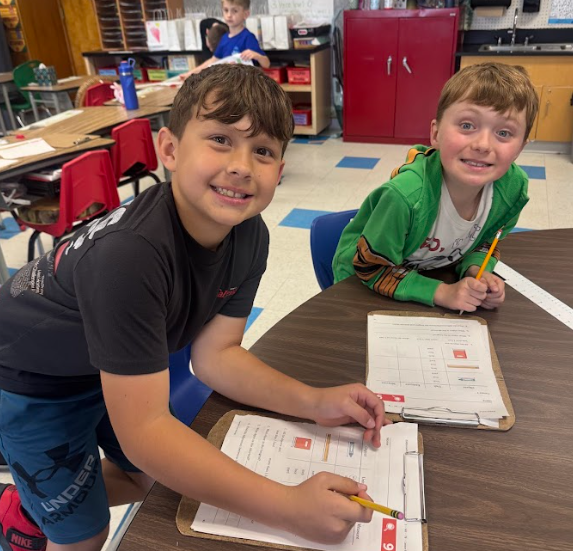
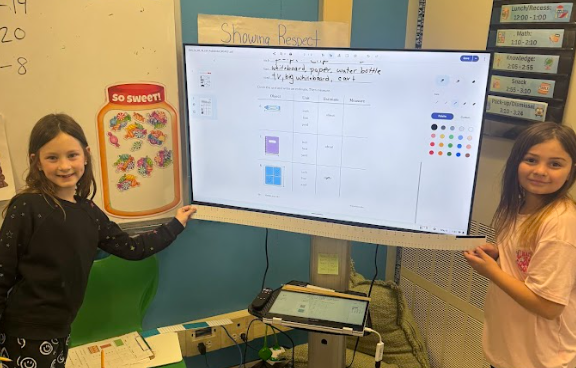
Then came the fun part — turning the classroom into a giant measurement lab! Students traveled around the room measuring just about everything they could find: Doors, windows, bookbags, whiteboards, pencils and more. If it could be measured, these curious learners were ready for the challenge!
Before measuring, students had to think like mathematicians and scientists by deciding whether a ruler or a yardstick would work best. They also practiced estimating how long or tall an object might be before checking the actual measurement. This hands-on activity not only strengthened their understanding of measurement skills and math vocabulary, but also introduced an important science concept: Forming hypotheses and testing predictions, which are key parts of the scientific method.
By combining math, science and teamwork, these young learners proved that learning can measure up to a lot of fun!
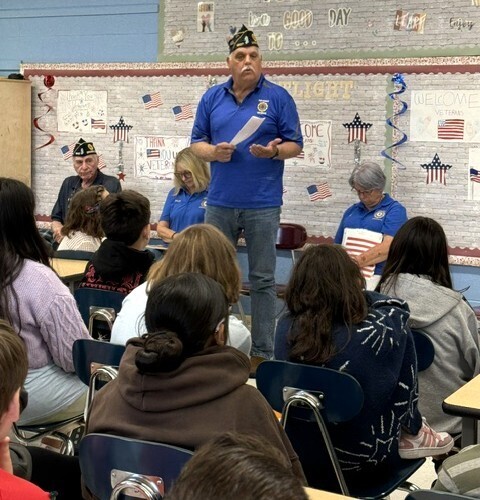
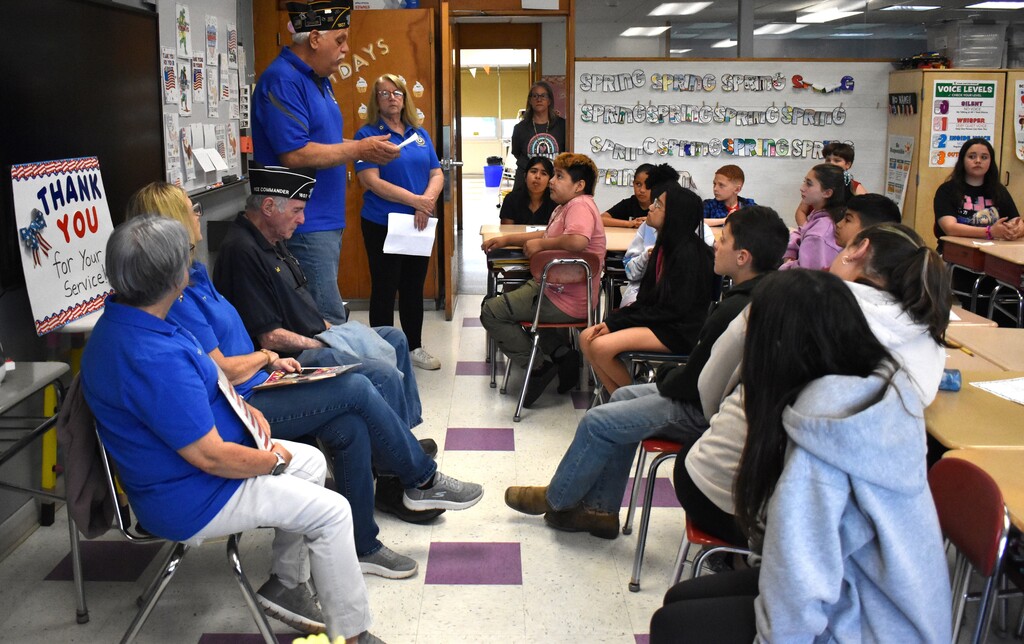
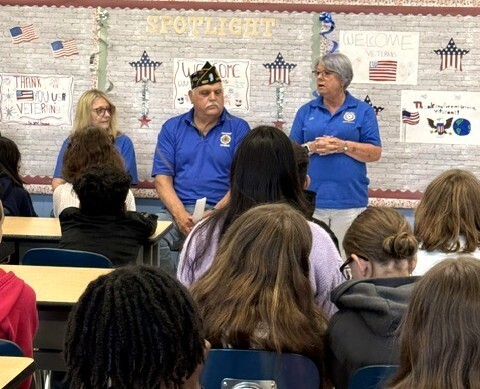
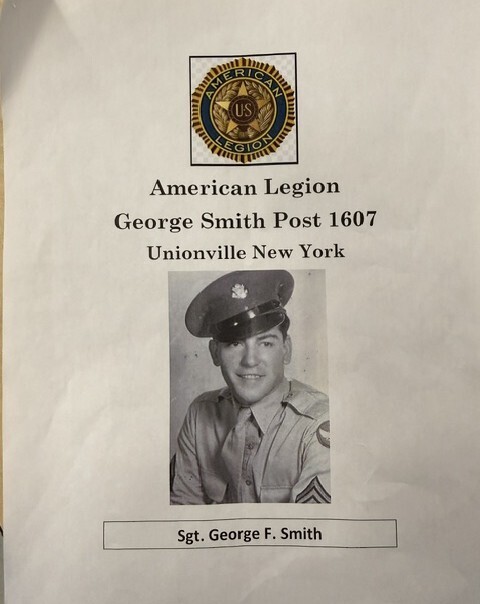
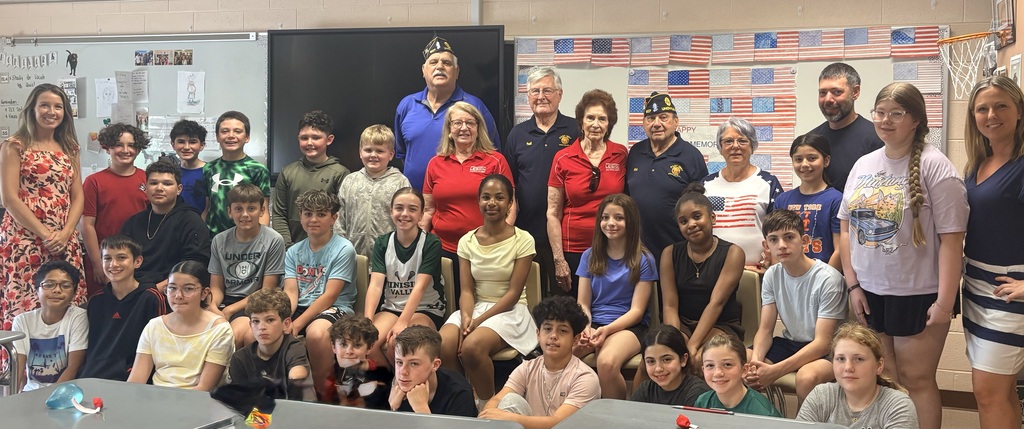
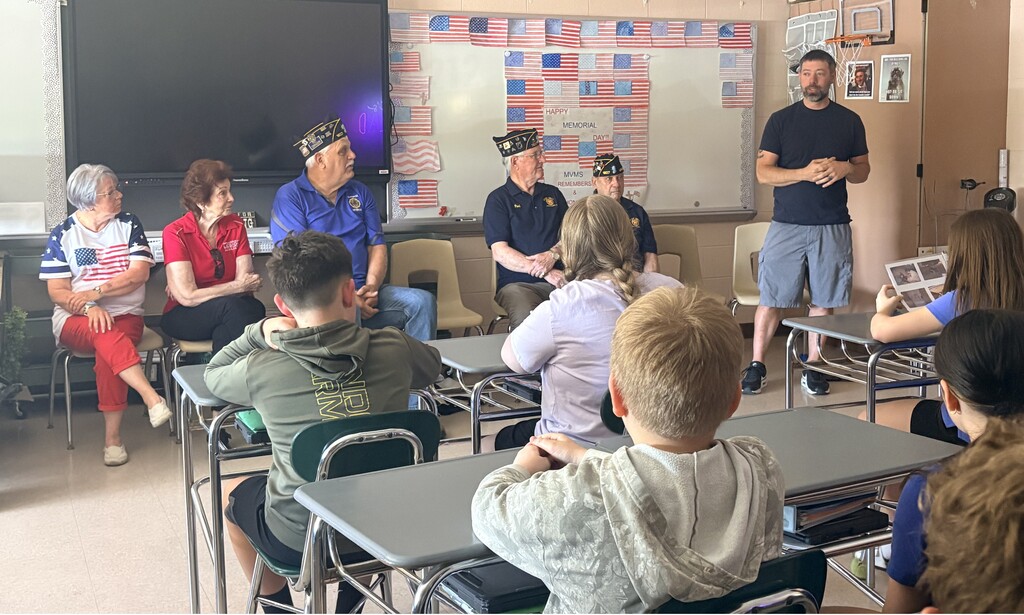
As part of their visit, members explained why Post 1607 was named after Sgt. George Smith, citing his bravery and sacrifice during World War II in the European Theater.
Visits like these help bring history to life, give students a deeper understanding of service and sacrifice, and encourage respect for the men and women who have served our country.
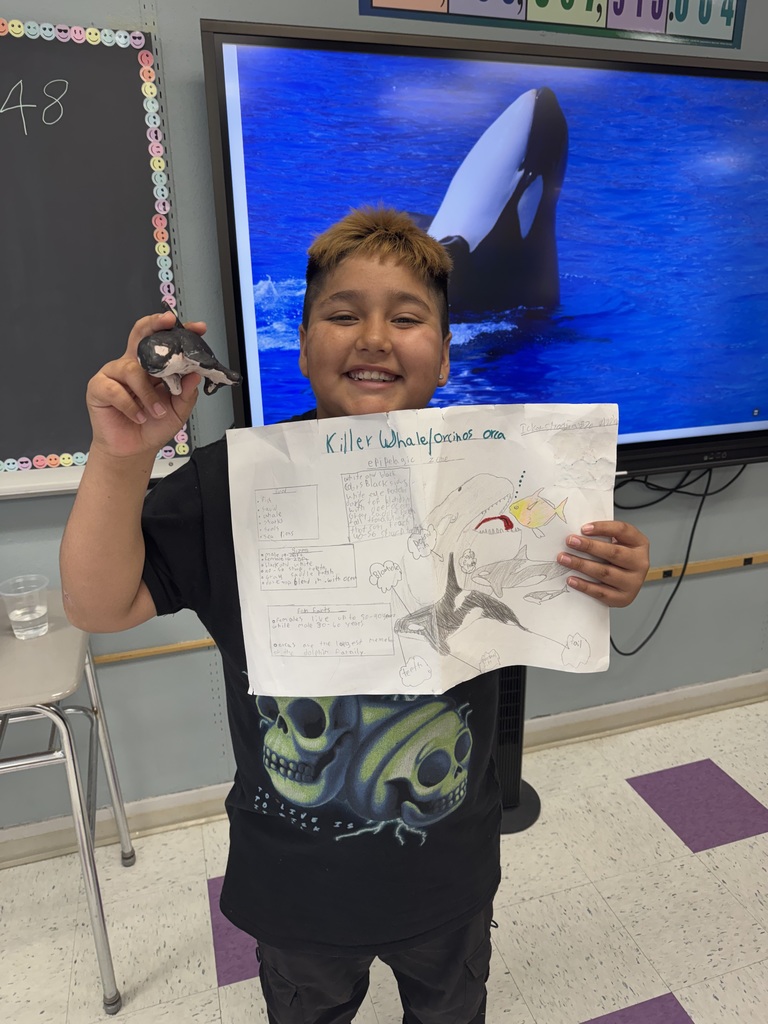
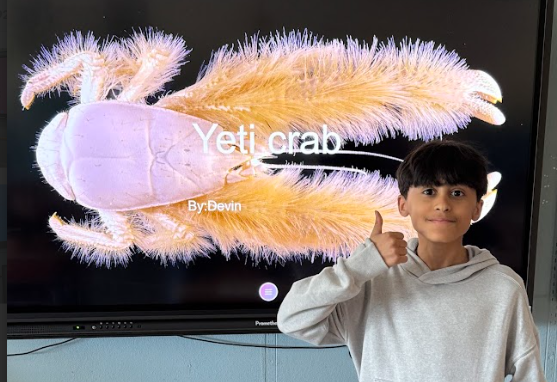
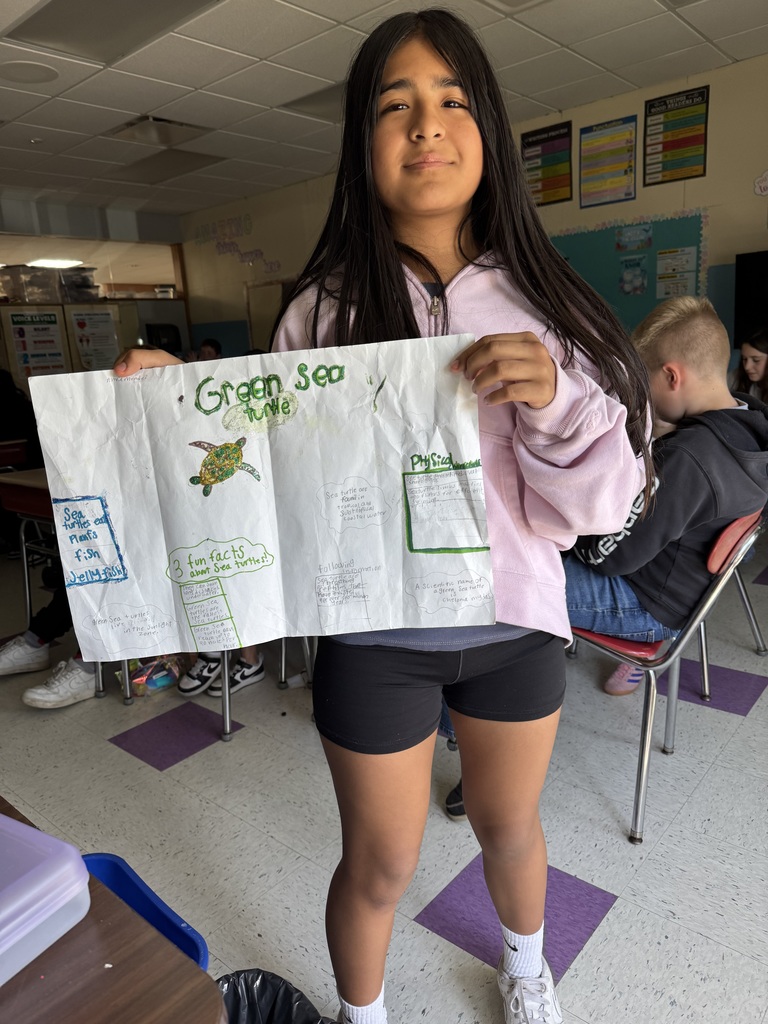
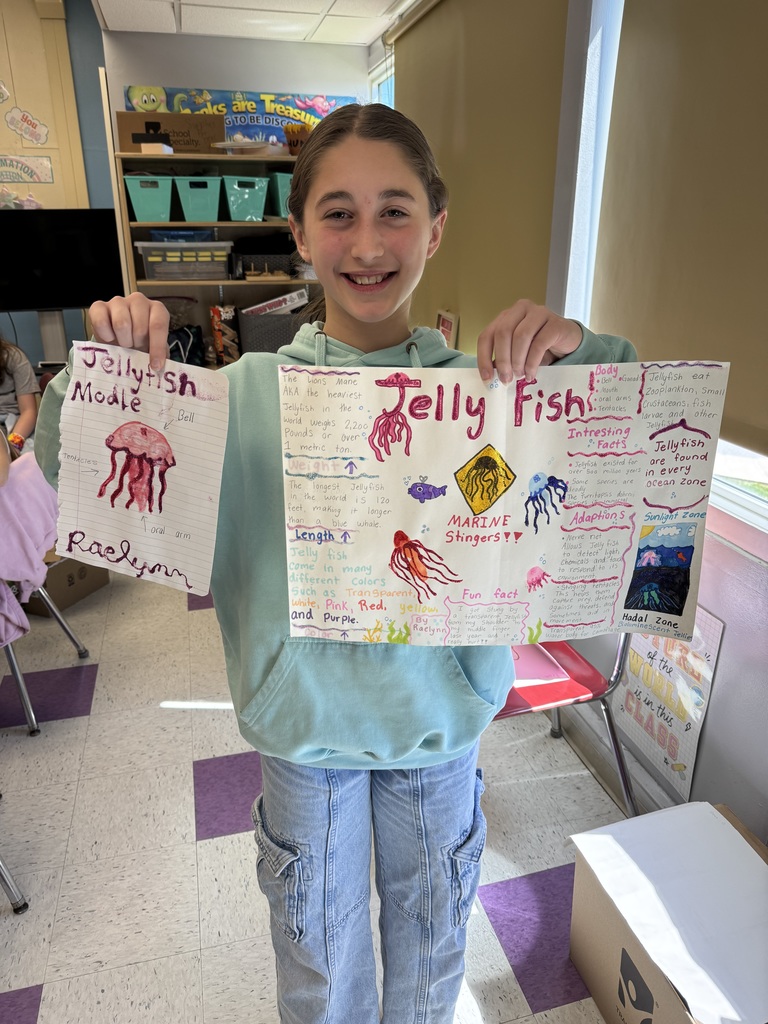
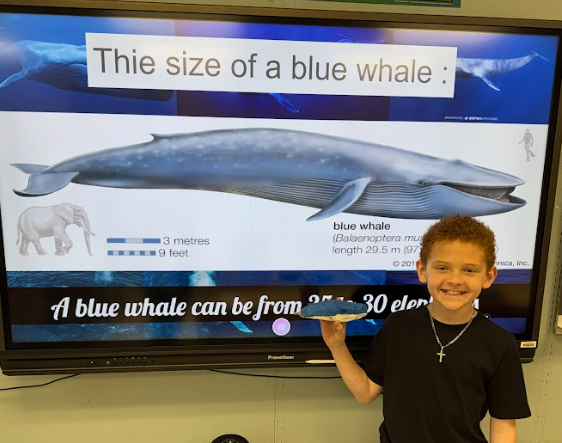
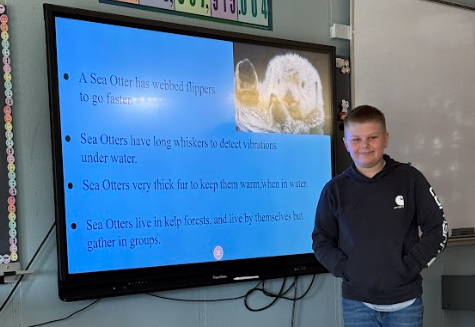
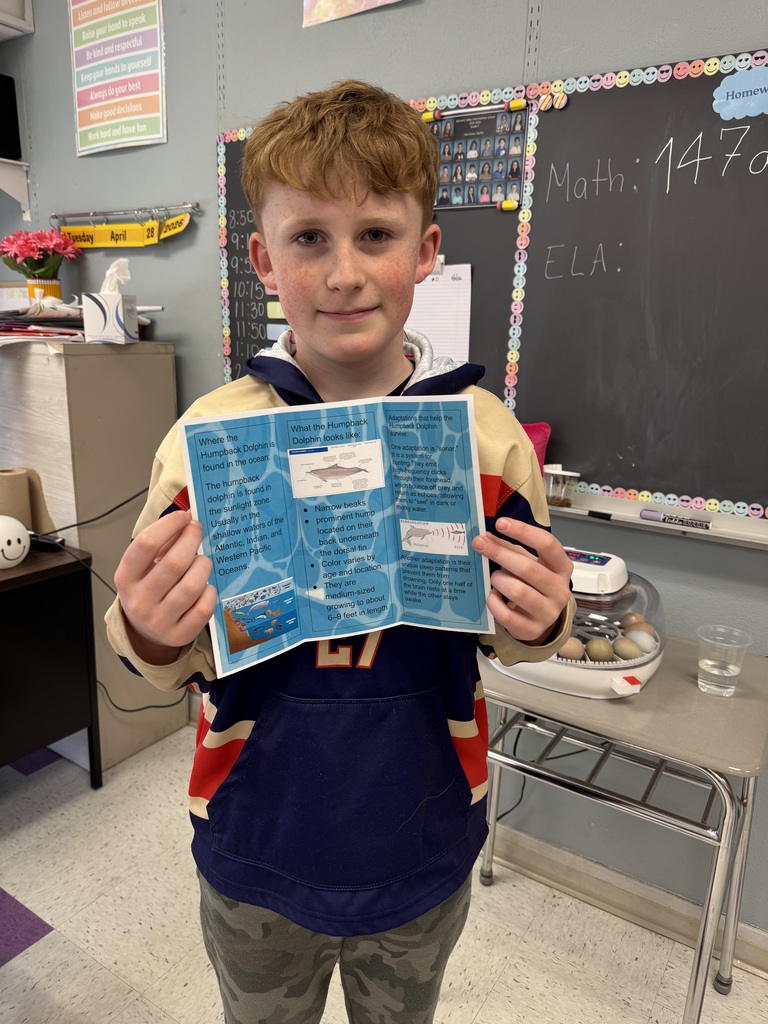
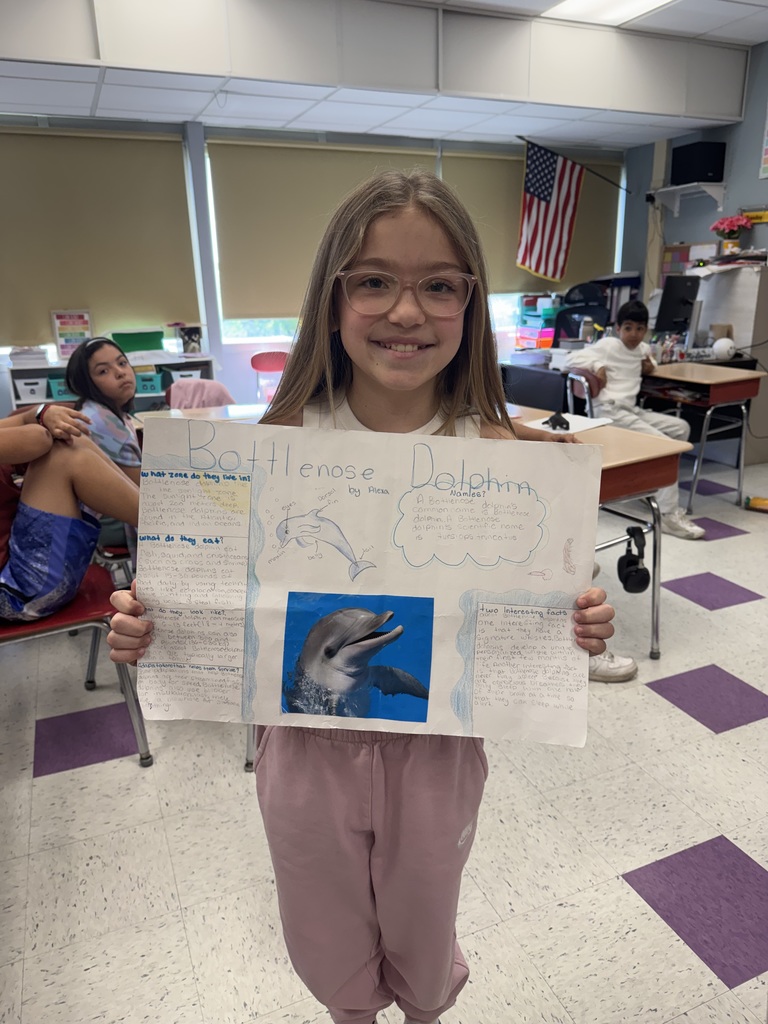
Like all district fifth-graders, Alexis Covais’ IS fifth-graders have been exploring the CKLA Ocean unit through the Core Knowledge Foundation curriculum, where they’ve been diving into the ocean as a massive, interconnected “blue world” that covers most of Earth and helps regulate global climate.
For example, students now know how oceans are divided into different zones—such as the sunlight, twilight, and deep ocean zones—each with unique conditions that affect the plants and animals living there.
Students also explored marine ecosystems and food chains, showing how energy flows from tiny organisms like plankton to larger predators such as fish and sharks. Additionally, they learned about ocean features, including currents, tides, and the ocean floor, and how these movements influence weather and climate around the world. Finally, the unit emphasizes human impacts on oceans, including pollution and overfishing, and highlights the importance of conservation to protect marine environments.
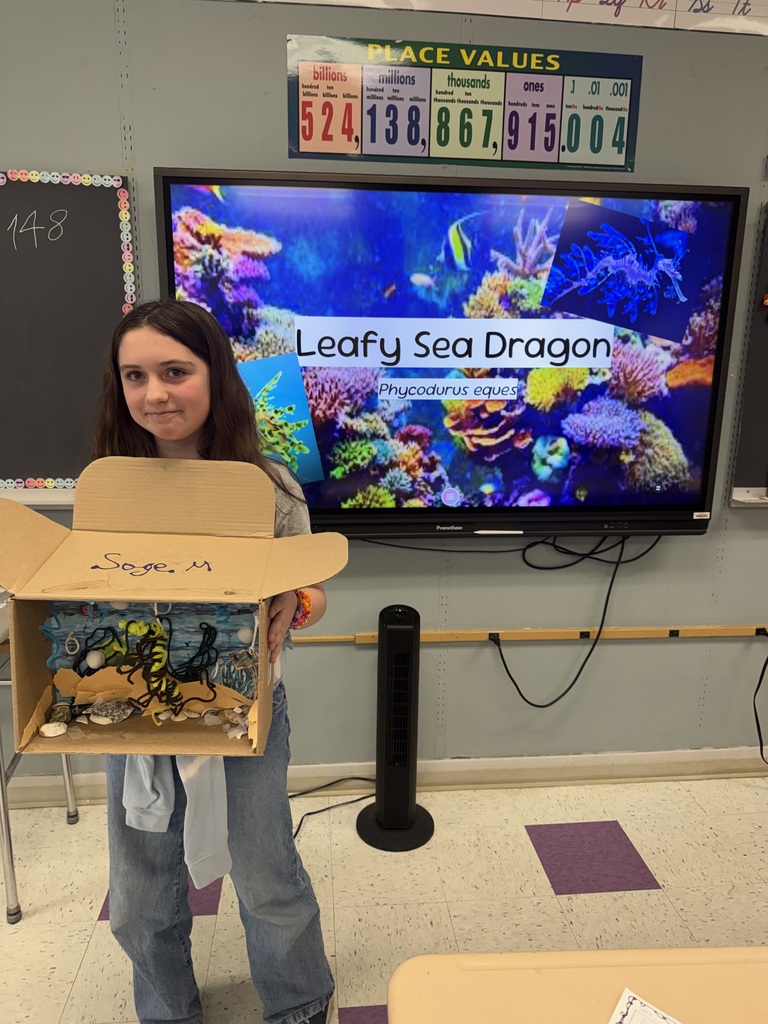
To wrap up this unit, students researched a marine animal of their choice and presented it in creative ways like slides or models, sharing details about adaptations, diet, and fun facts, while practicing growing research and presentation skills. Well-done, everyone!
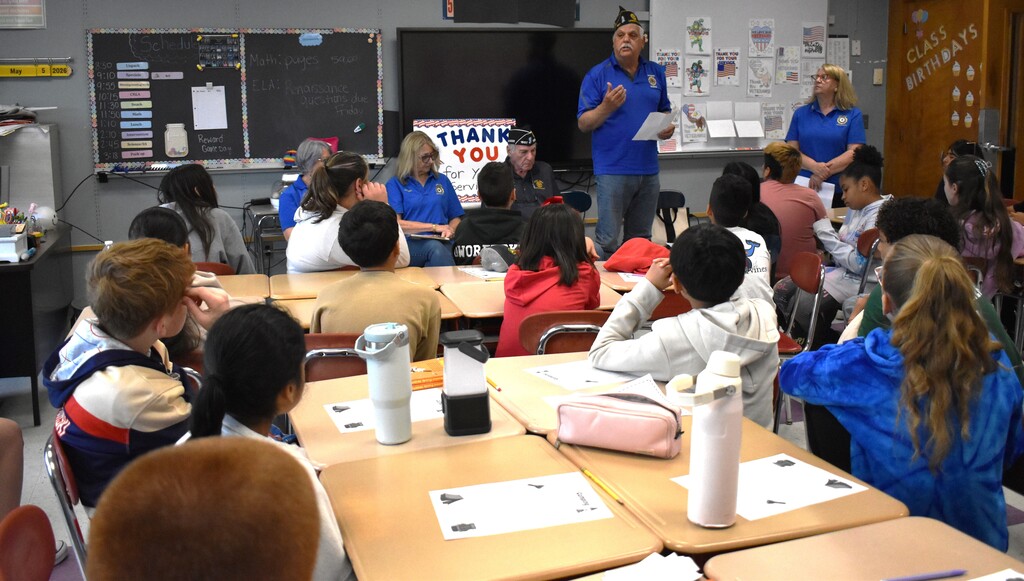
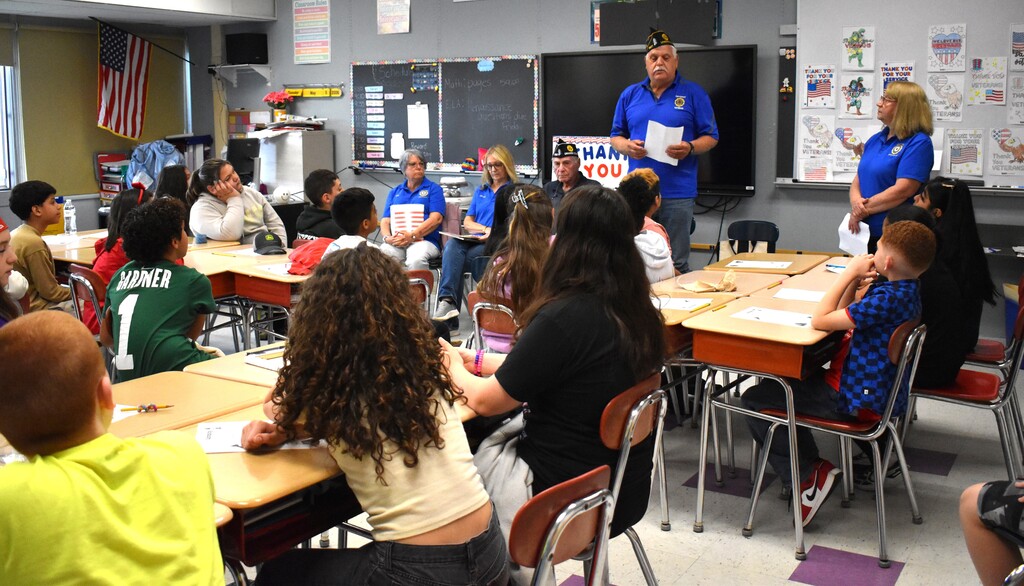
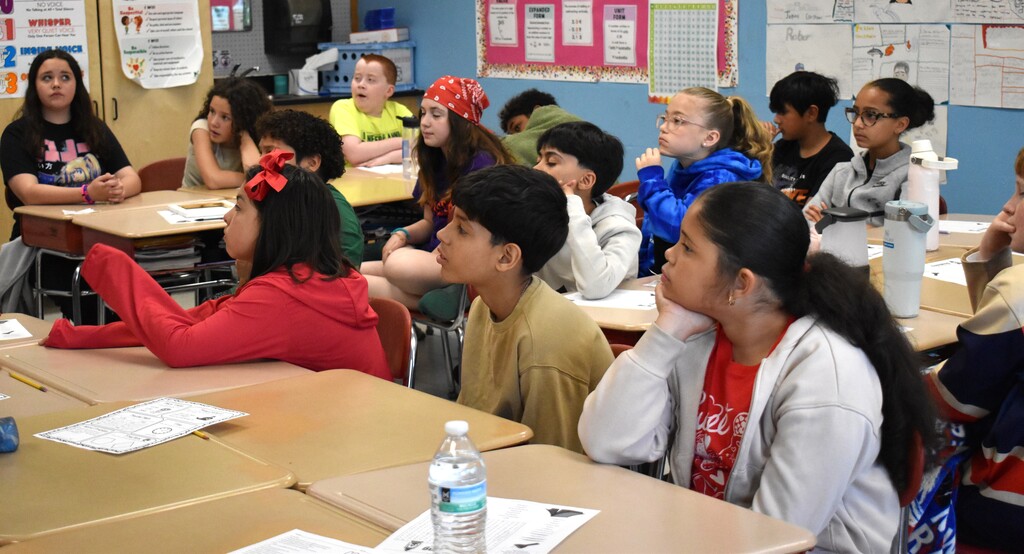
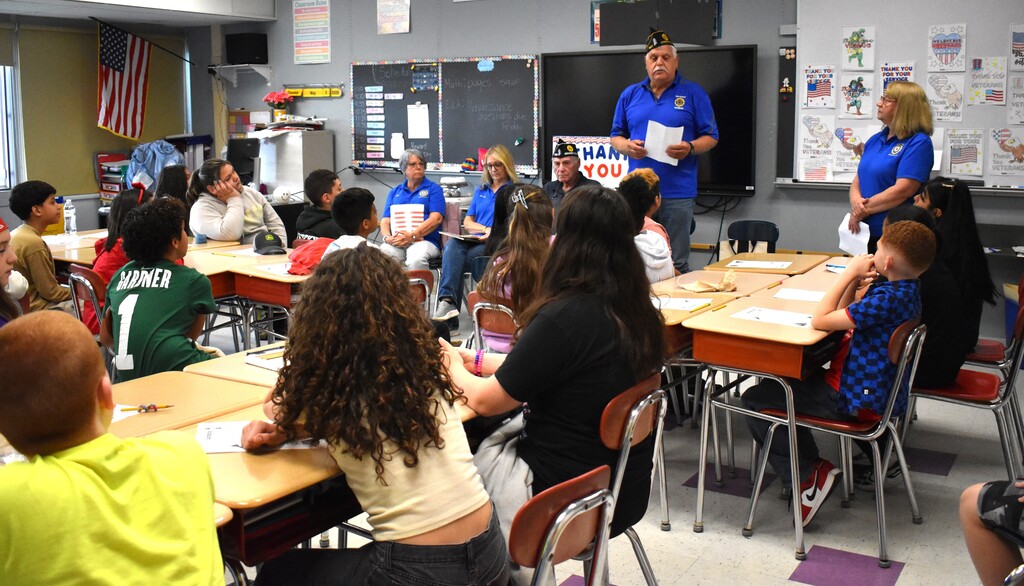
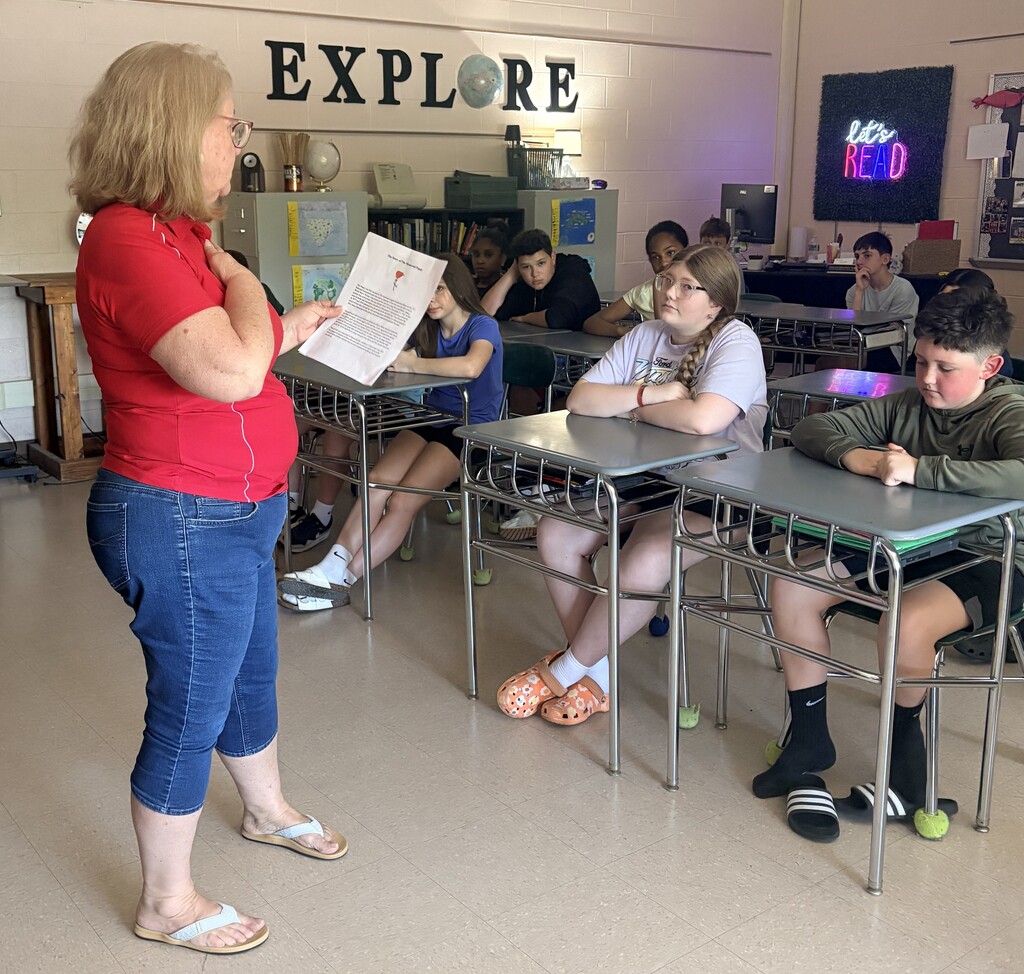
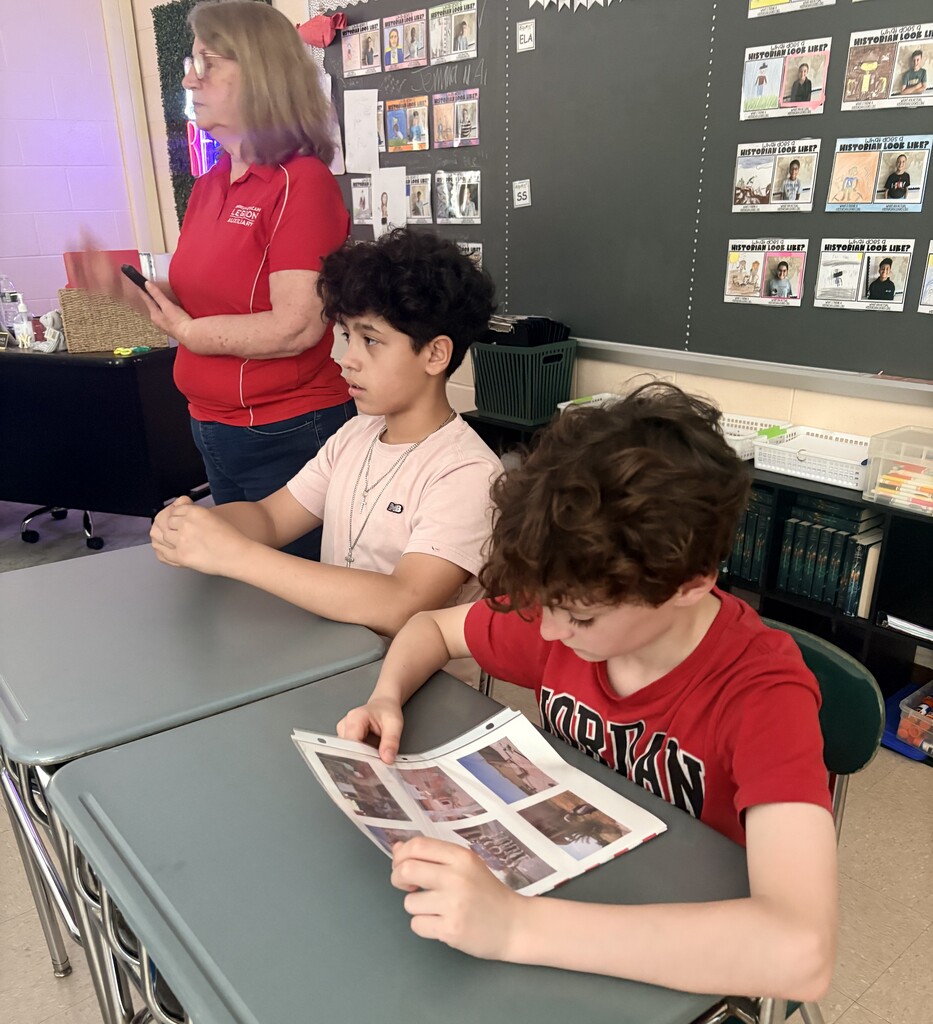
The visit gave students a meaningful opportunity to hear firsthand from local veterans who served our country with honor and dedication. Each veteran shared stories and experiences from their time in the military, while Becky Olah, Ladies Auxiliary Member, explained the history and importance of Memorial Day and the sacrifices made by America’s service members.
Representing Post 1607 were: Art Olah, Air Force, Vietnam era; Nick Solimando, Navy Seabees, Cold War era; Paul Gale, Army, Vietnam era; and Erik Manzie, Army, Iraqi Freedom, along with Auxiliary members Becky Olah, Fran Solimando, Sue Manzie, and junior member Ella Manzie.
Visits like these help keep the spirit of patriotism, service, and remembrance alive for the next generation. By connecting students with veterans from their own community, we ensure that the sacrifices made for our freedoms are never forgotten.
Thank you all for your service, sacrifice, and continued commitment to educating our students and honoring our nation’s heroes.
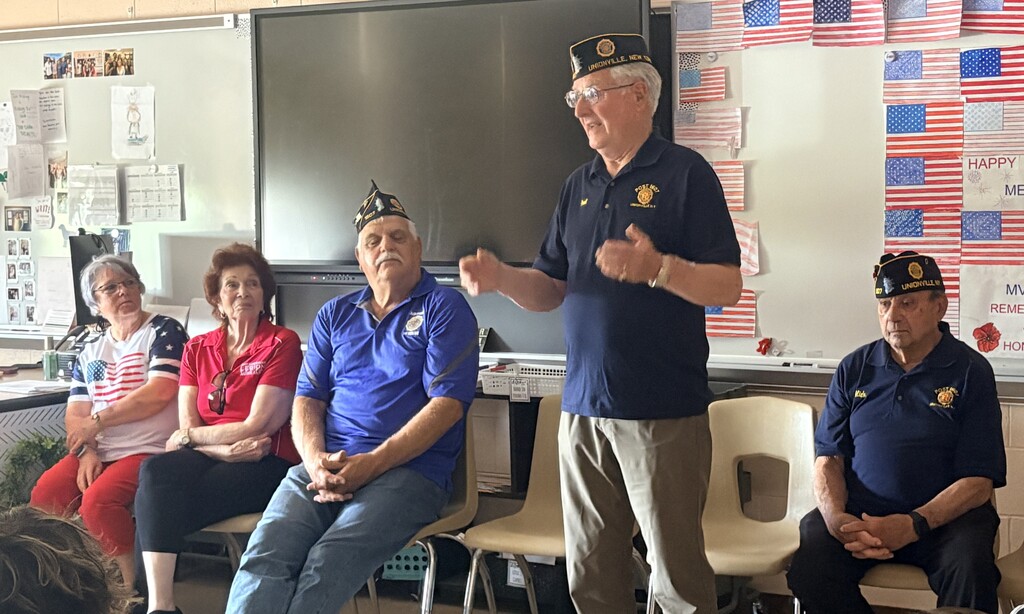
Congratulations to Junior Ethan Rodriguez, who won the OCIAA High School Championship Tennis Tournament, yesterday, May 20! He now advances to sectionals next week!
Varsity Coach Michael Sirico proudly notes that Ethan is now ranked as the No. 1 boys tennis player in Orange County. That’s huge!
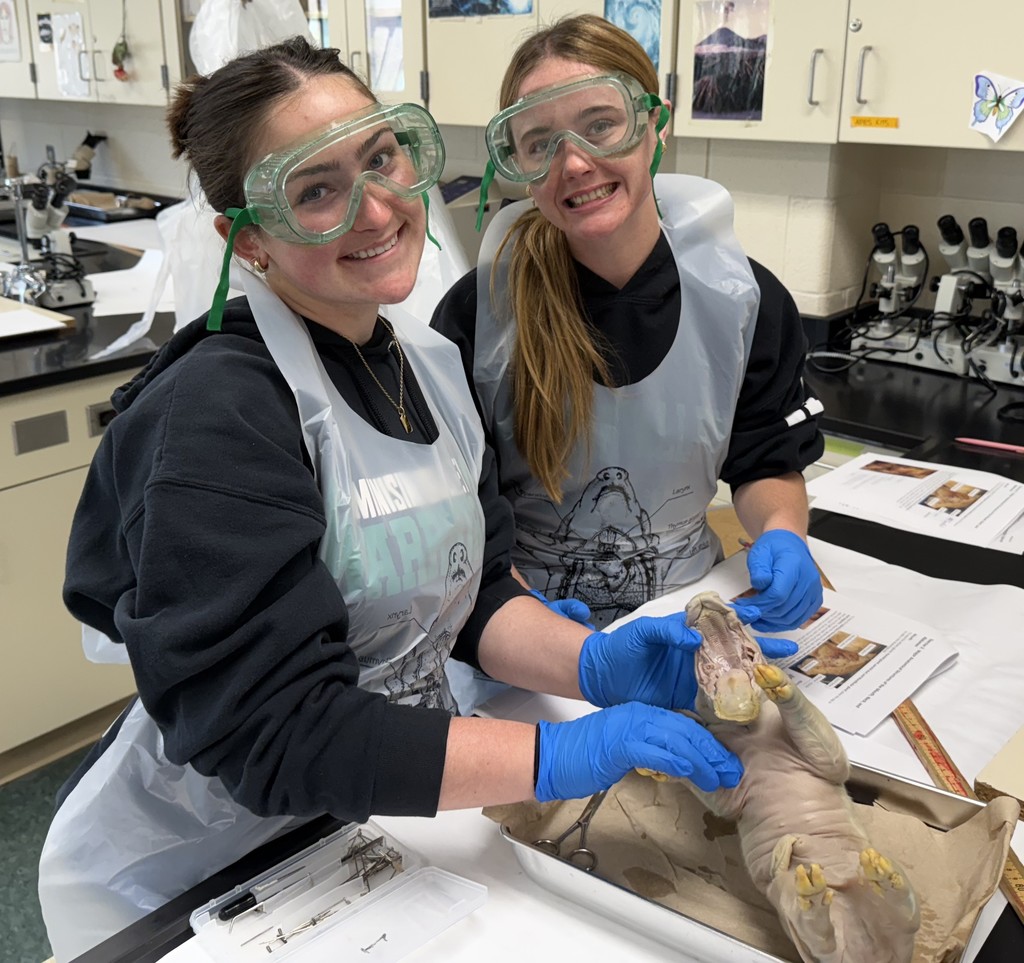
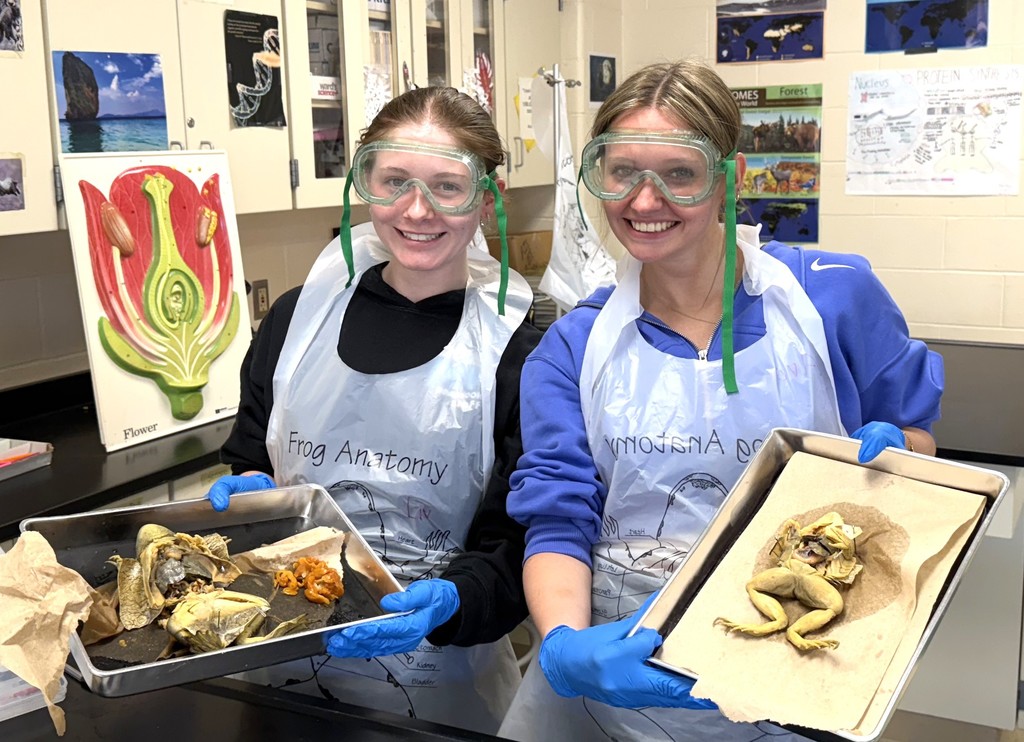
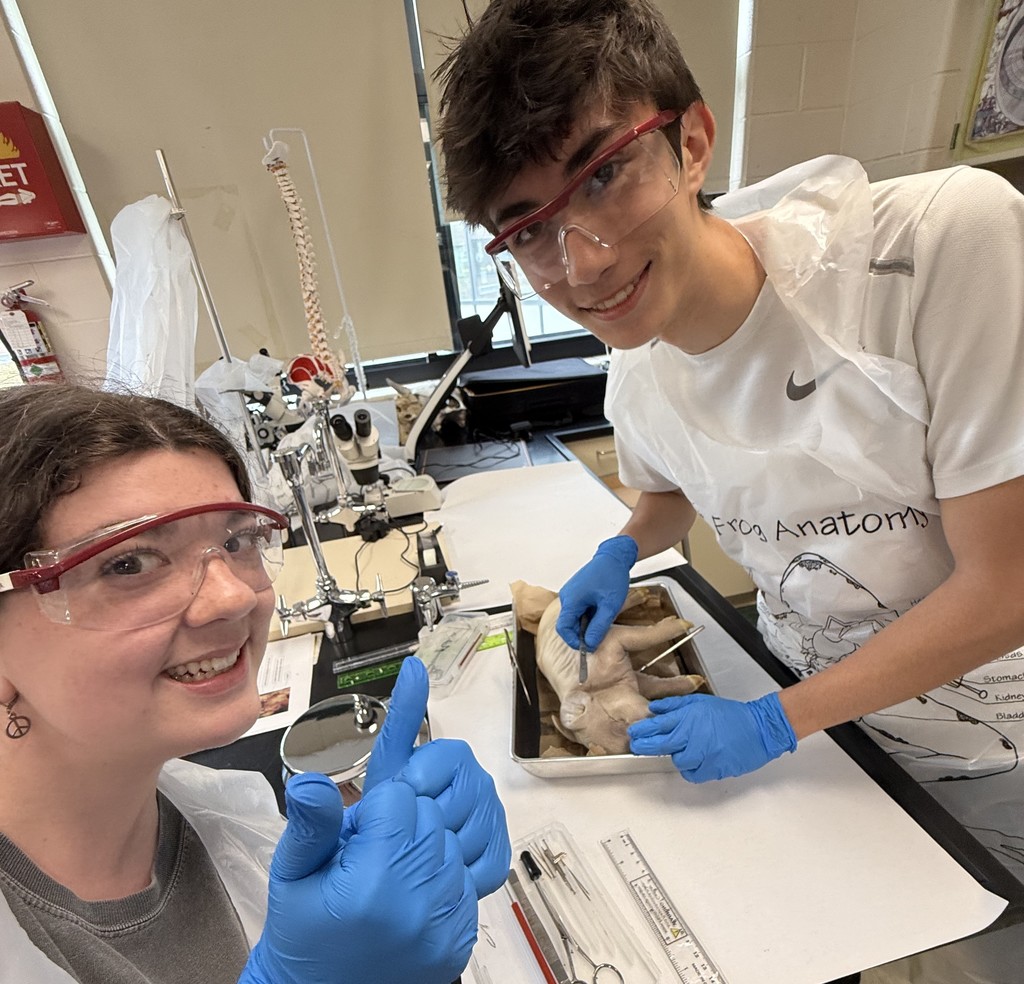
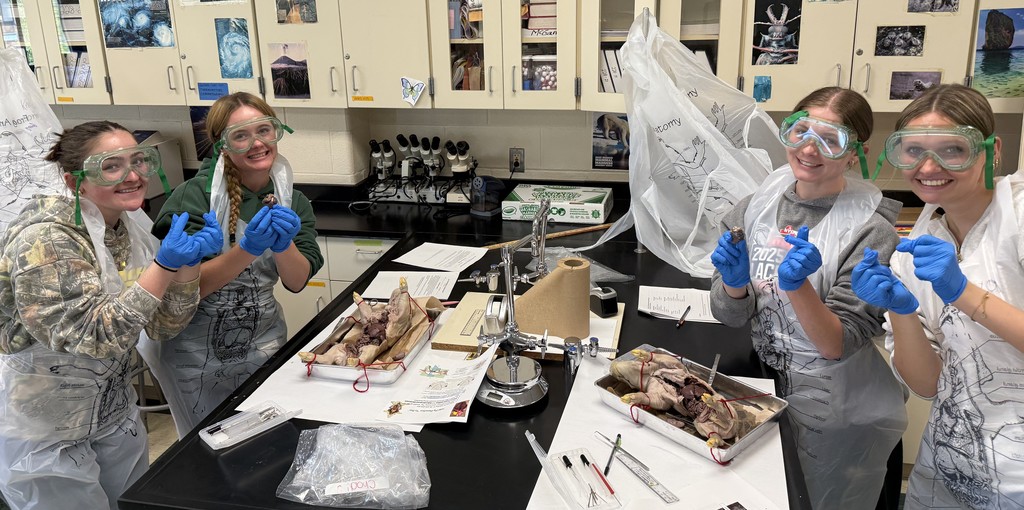
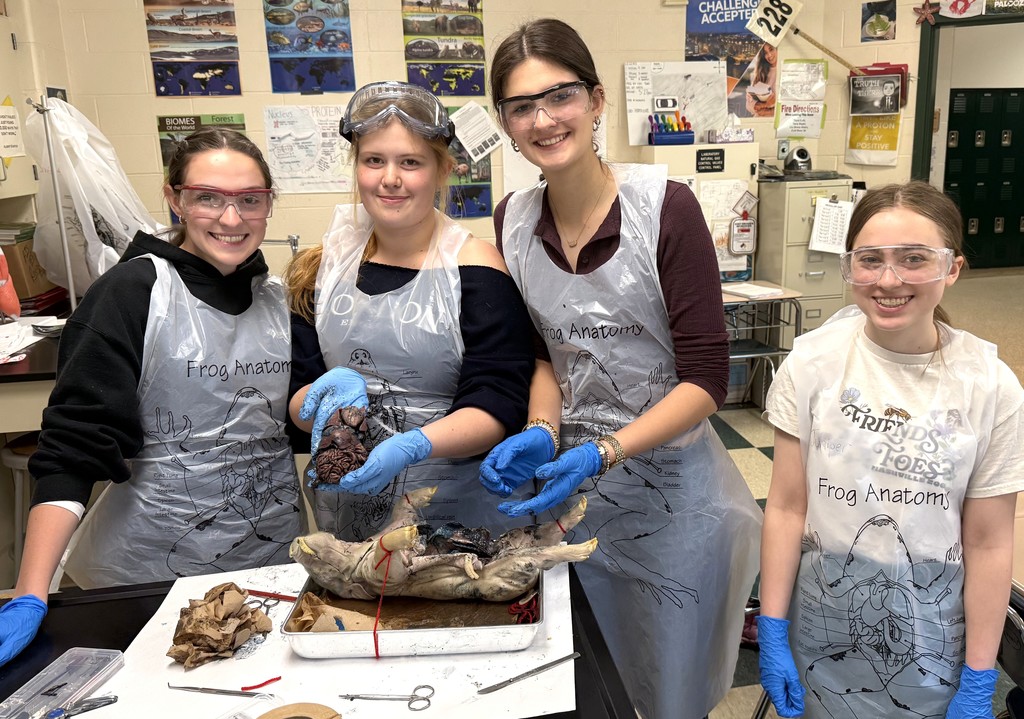
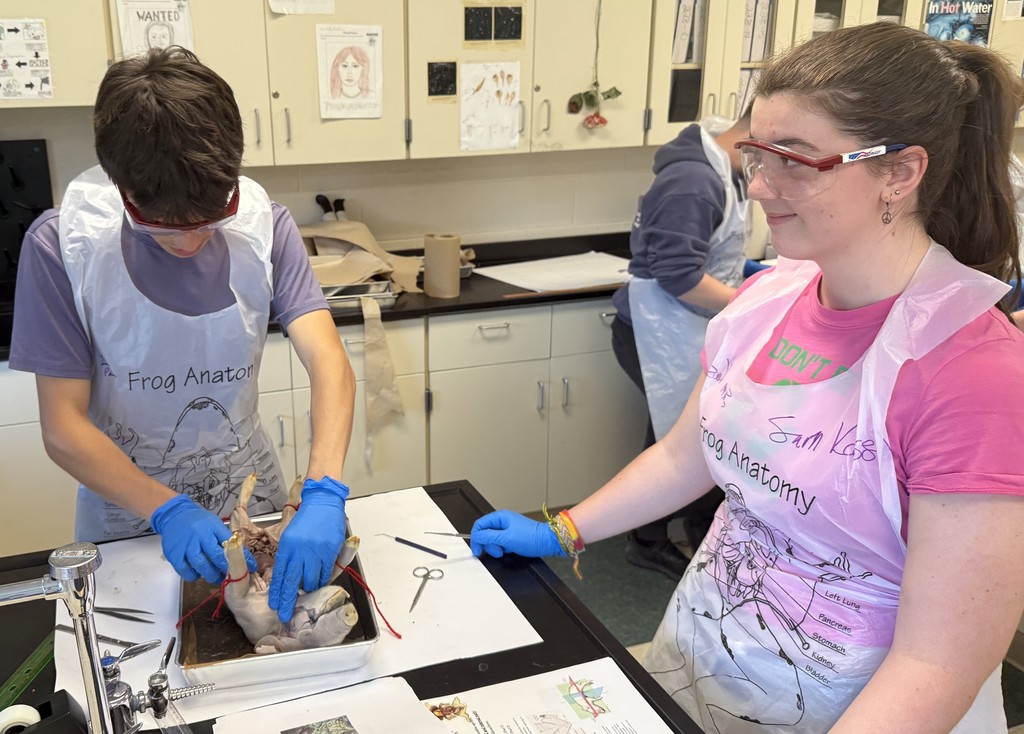
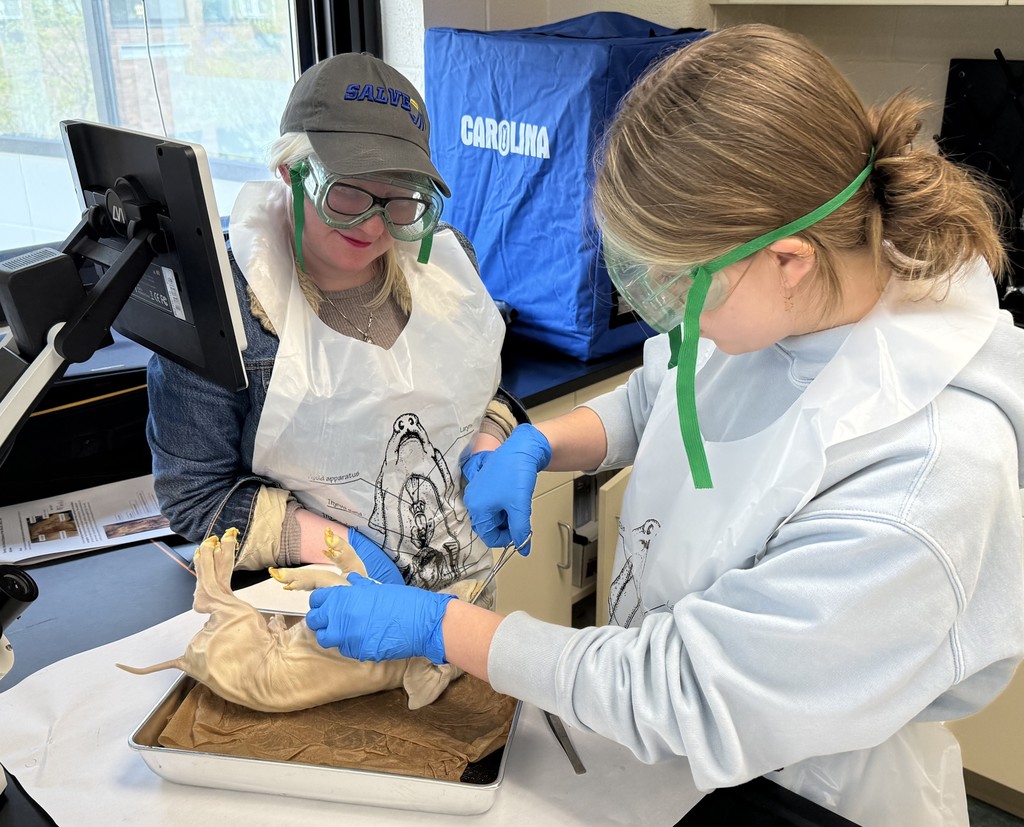
These labs allow students to move beyond diagrams in a textbook and see firsthand how anatomy is organized, how organ systems interact and how structure supports function --- which makes biology becomes real and tangible.
“The frog and fetal pig dissection labs become some of the more memorable experiences of the biology course,” said Mr. MGann. “At first, there may be nervousness, hesitation or general curiosity, but very quickly those emotions often transform into fascination and genuine scientific inquiry. I hope these moments become more than just ‘dissections.’ They’re opportunities to teach respect for life, professionalism in science, teamwork, critical thinking and the importance of observation. For many students, it is also the first time they realize they may have an interest in medicine, veterinary science, forensics or research. It's great to see students recognize that science is not simply memorization. It is exploration, curiosity, and understanding the living world.”
Frogs and pigs are chosen for dissection because they represent different groups of vertebrates:
• Frogs show adaptations for amphibian life.
• Fetal pigs are mammals and have anatomy surprisingly similar to humans.
Comparing them helps students understand evolutionary relationships and shared vertebrate body plans.
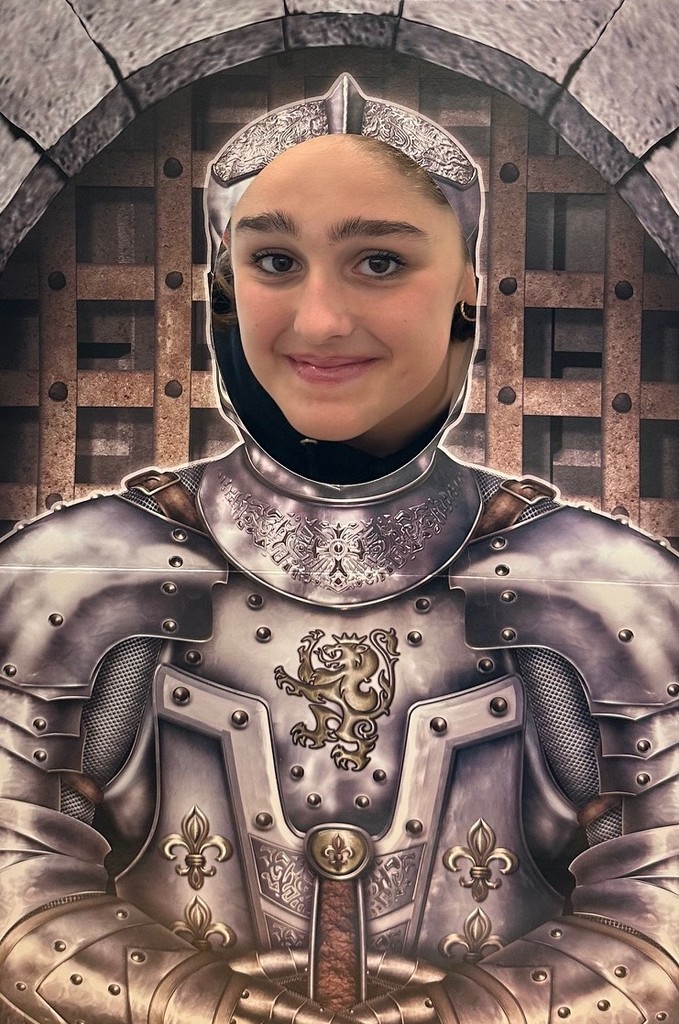
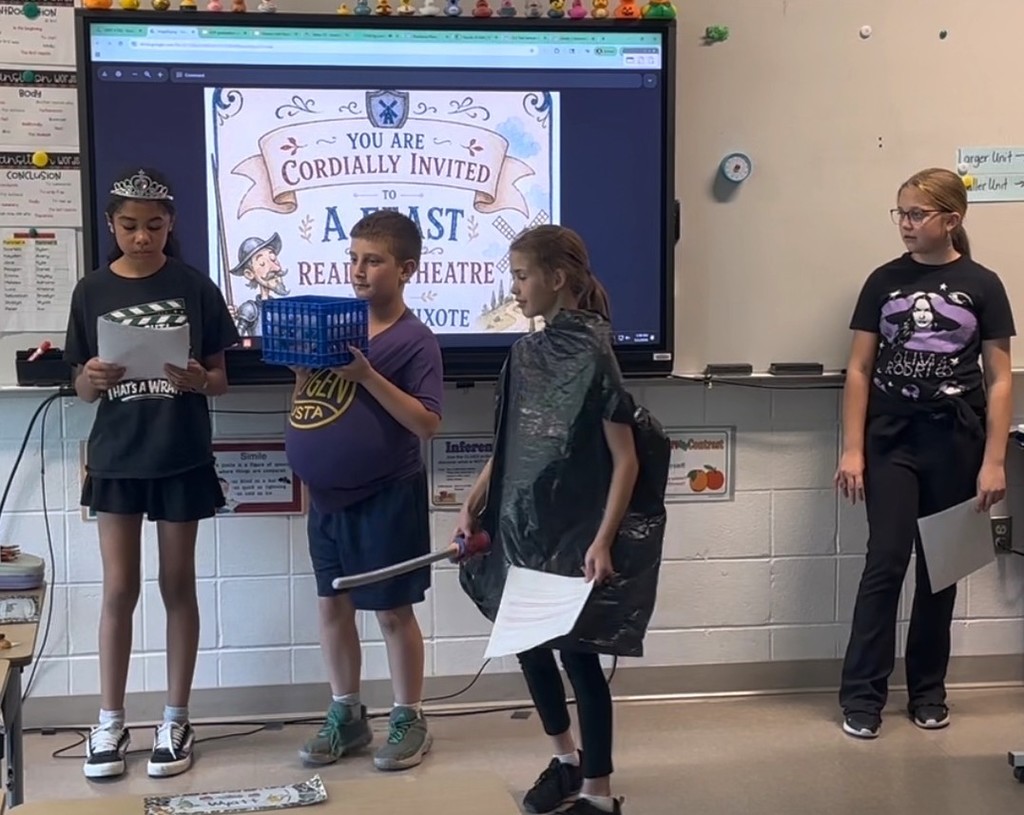
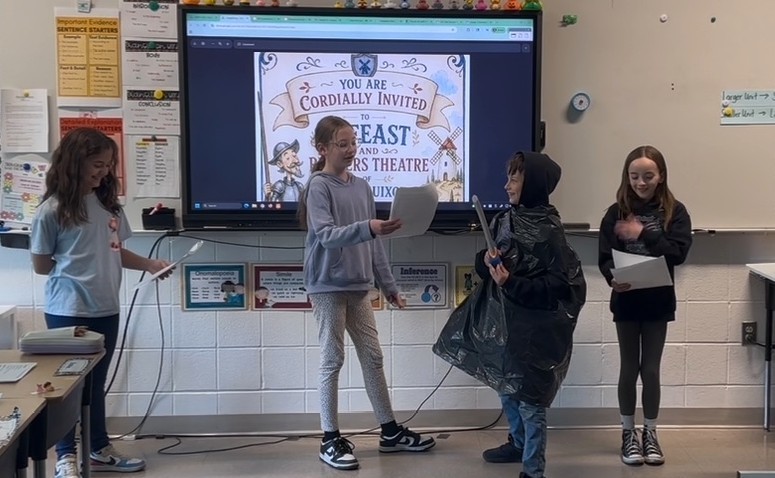
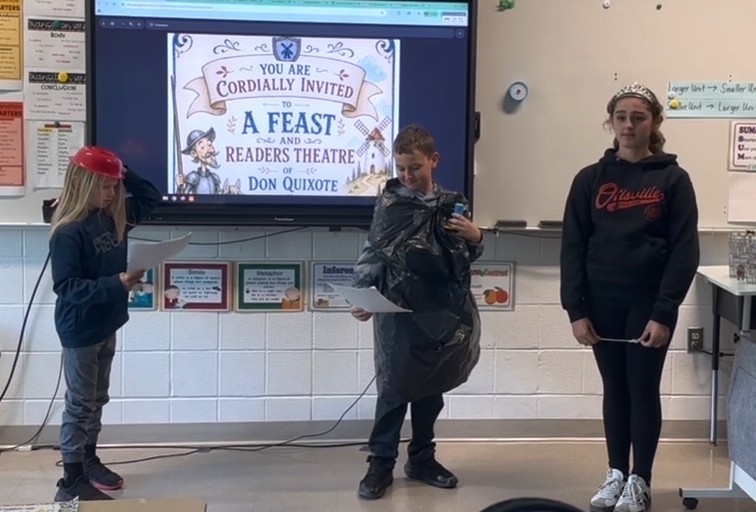
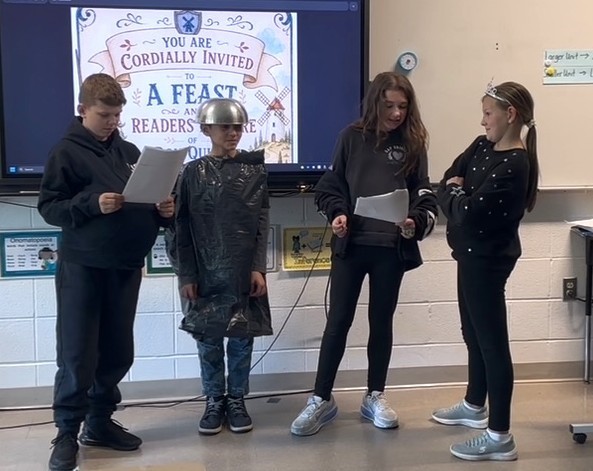
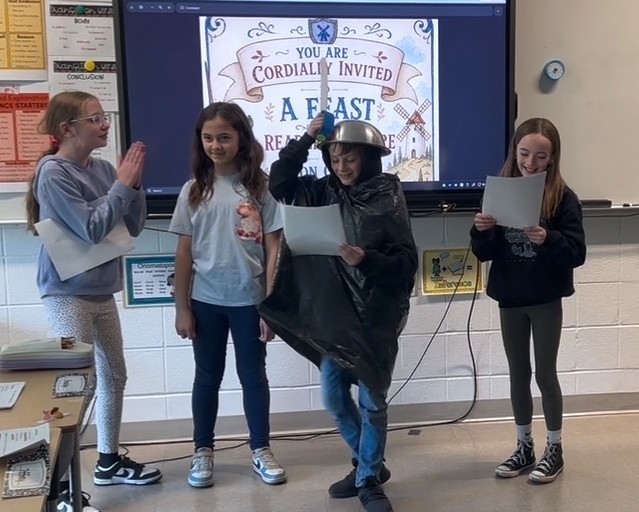
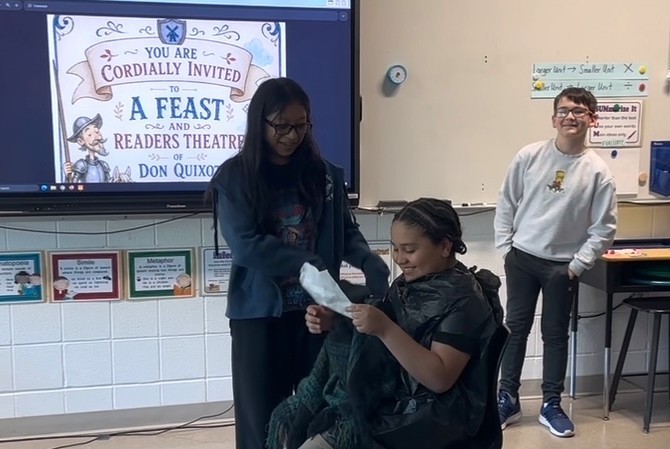
Students brought the story to life through a recent and lively Readers Theater performance, showcasing their creativity, expression, and hard work. The characters and scenes unfolded as students stepped into the roles of knights, squires, and storytellers — each taking up the spirit of the tale with imagination worthy of La Mancha. A Readers Theater performance allows a story to be told by reading it aloud, rather than memorizing lines or acting with full costumes and sets. Teachers use this approach because it helps build reading fluency and public speaking skills, strengthens comprehension as students come to understand their characters, and encourages teamwork and listening skills.
Following the performance, the class gathered for a festive feast inspired by the spirit of Don Quixote to celebrate all they accomplished together. Like the hero himself after a long quest, students shared in the rewards of their journey. It was a memorable afternoon filled with learning, laughter and celebration.
Most fifth-grade classes read adapted or abridged versions of Miguel de Cervantes’ "Don Quixote," because it's widely considered a gateway to classic literature. The core story is fun and memorable: A man imagines himself as a knight and sets out on grand adventures — famously tilting at windmills. Teachers often use the novel to explore themes like imagination versus reality, courage, and how perspective shapes what we see. In addition to building reading stamina and vocabulary, the unit also opens the door to broader lessons about history, storytelling, and even how modern media reimagines timeless ideas.
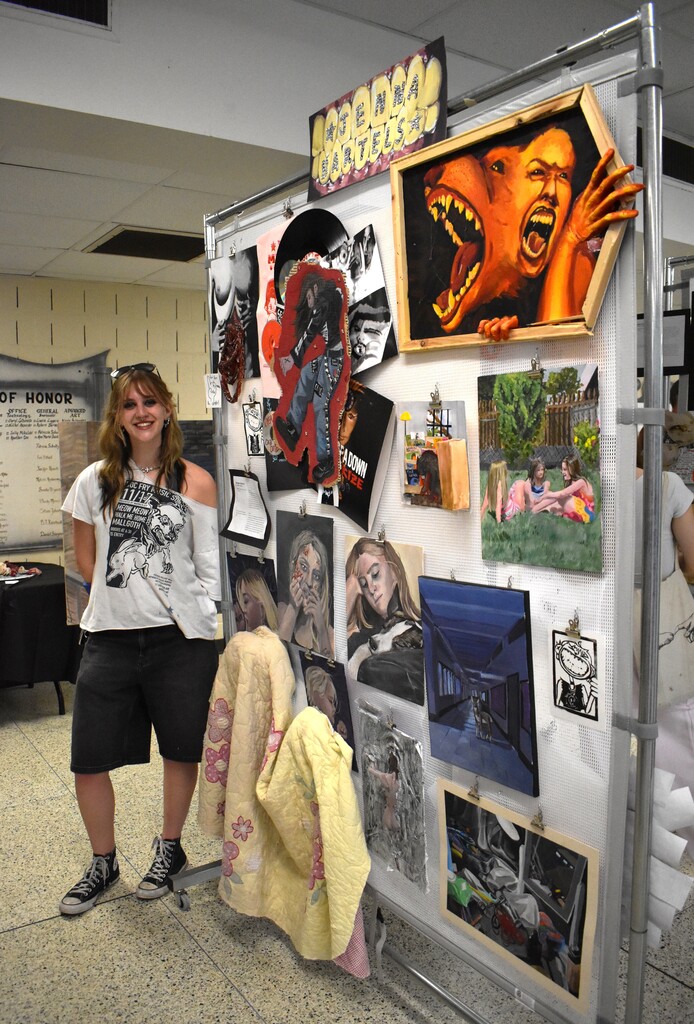
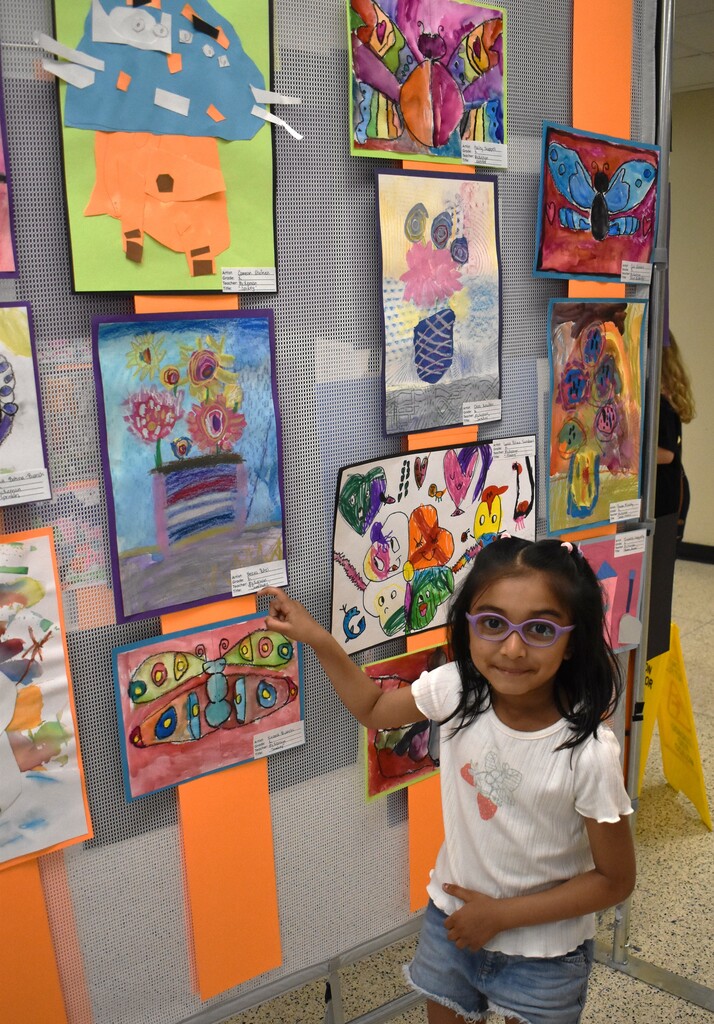
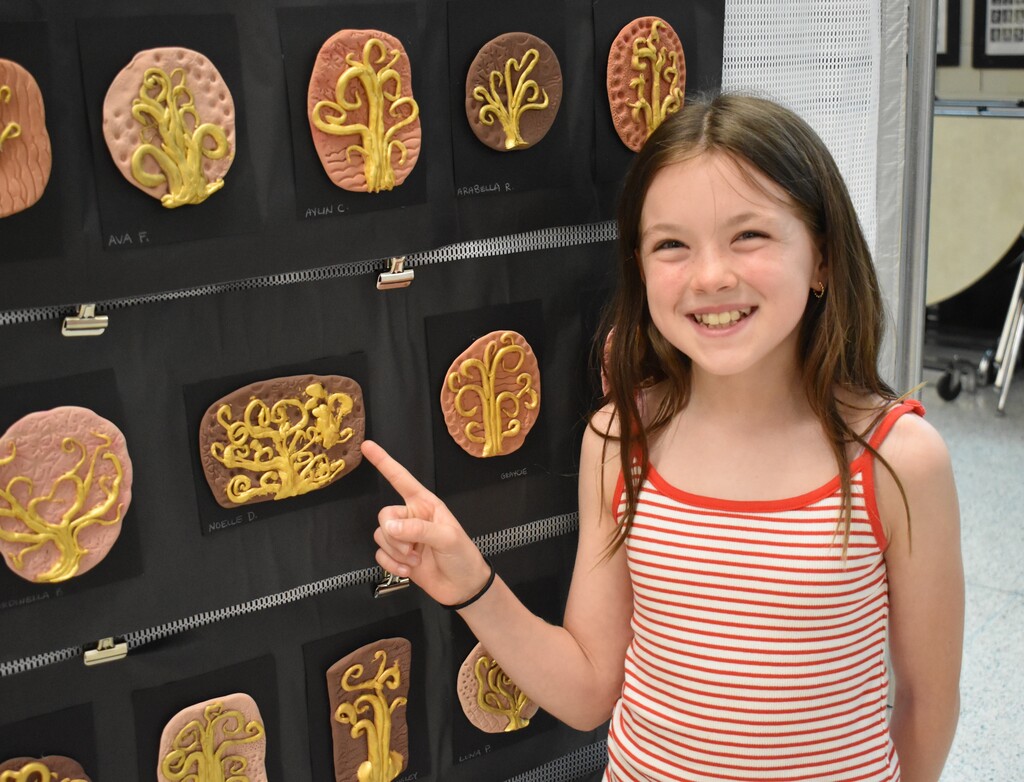
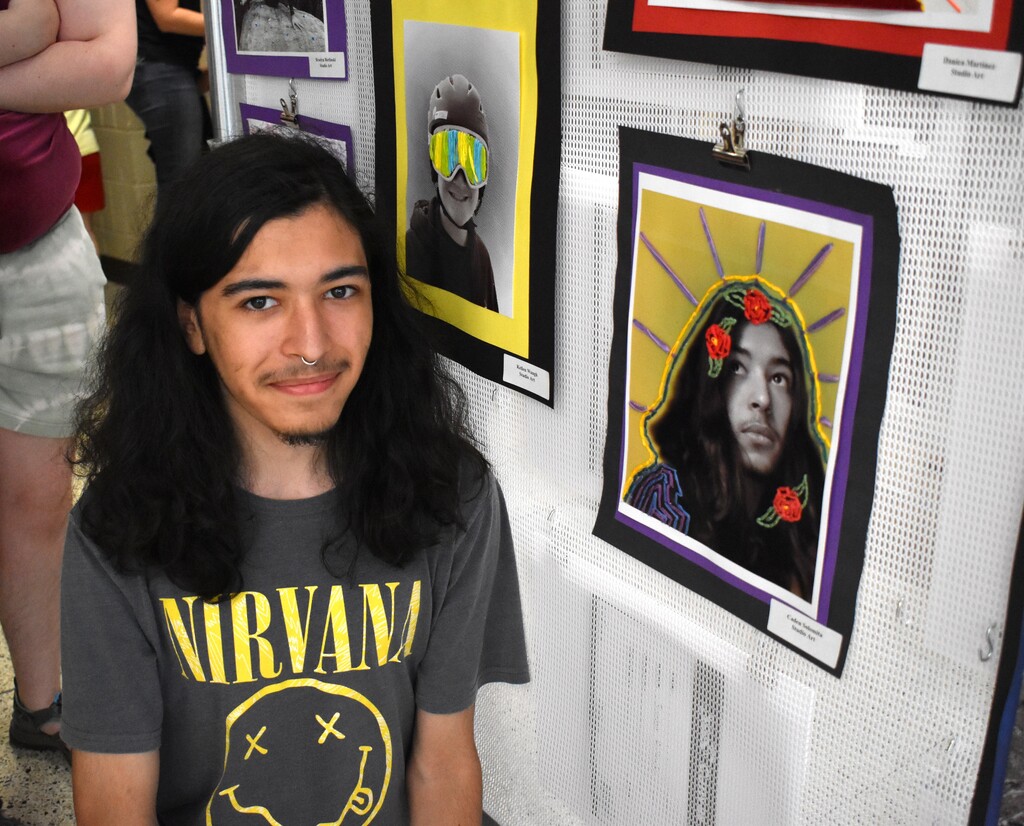
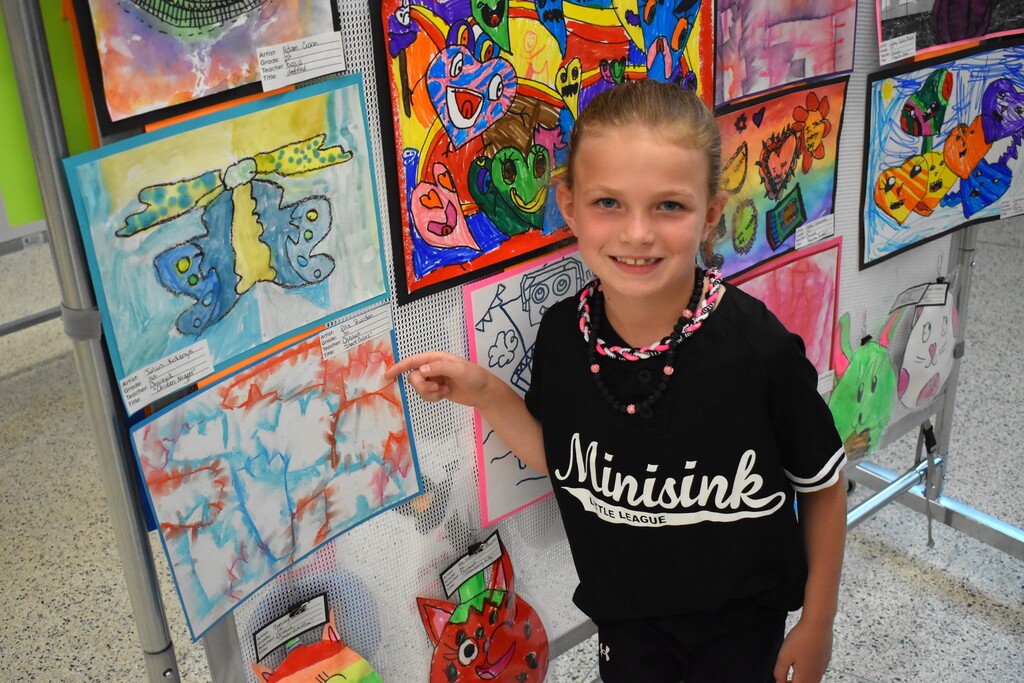
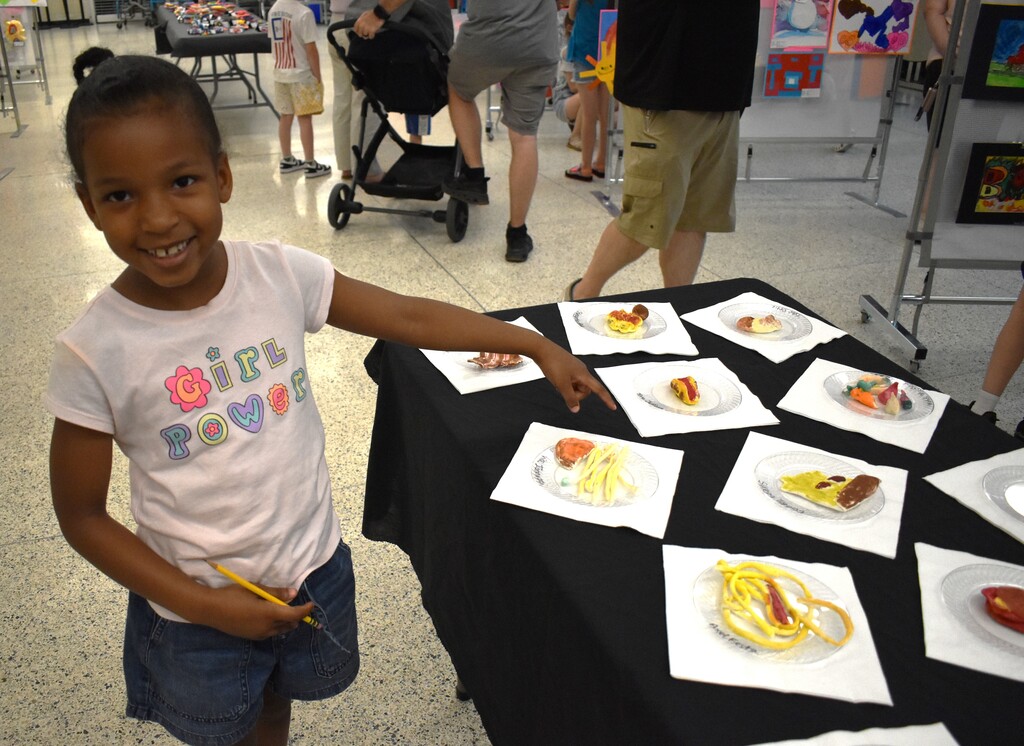
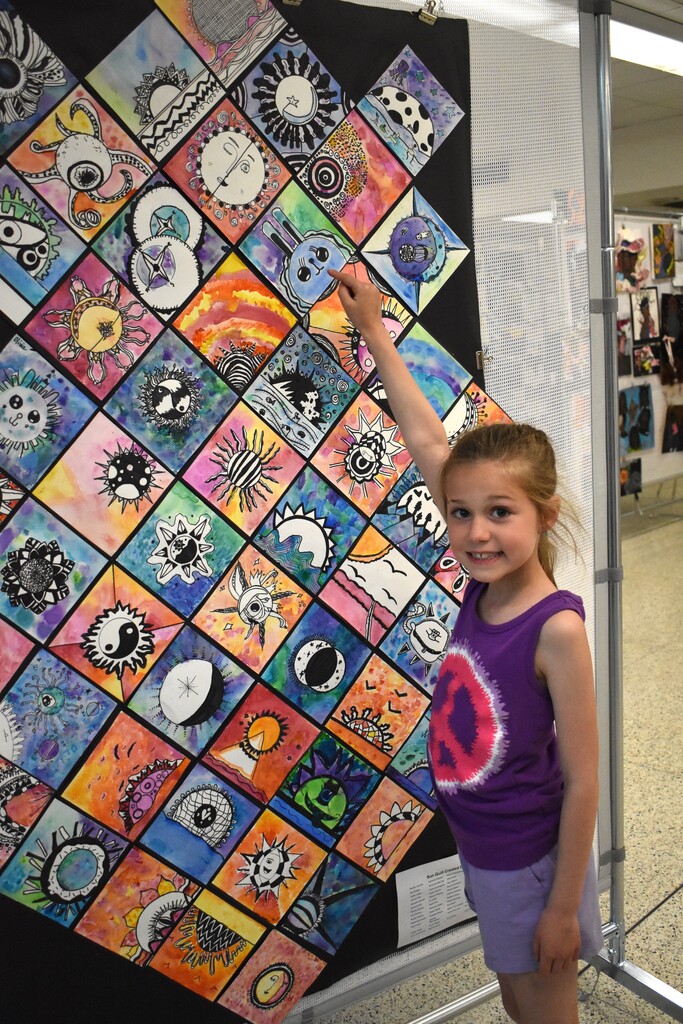
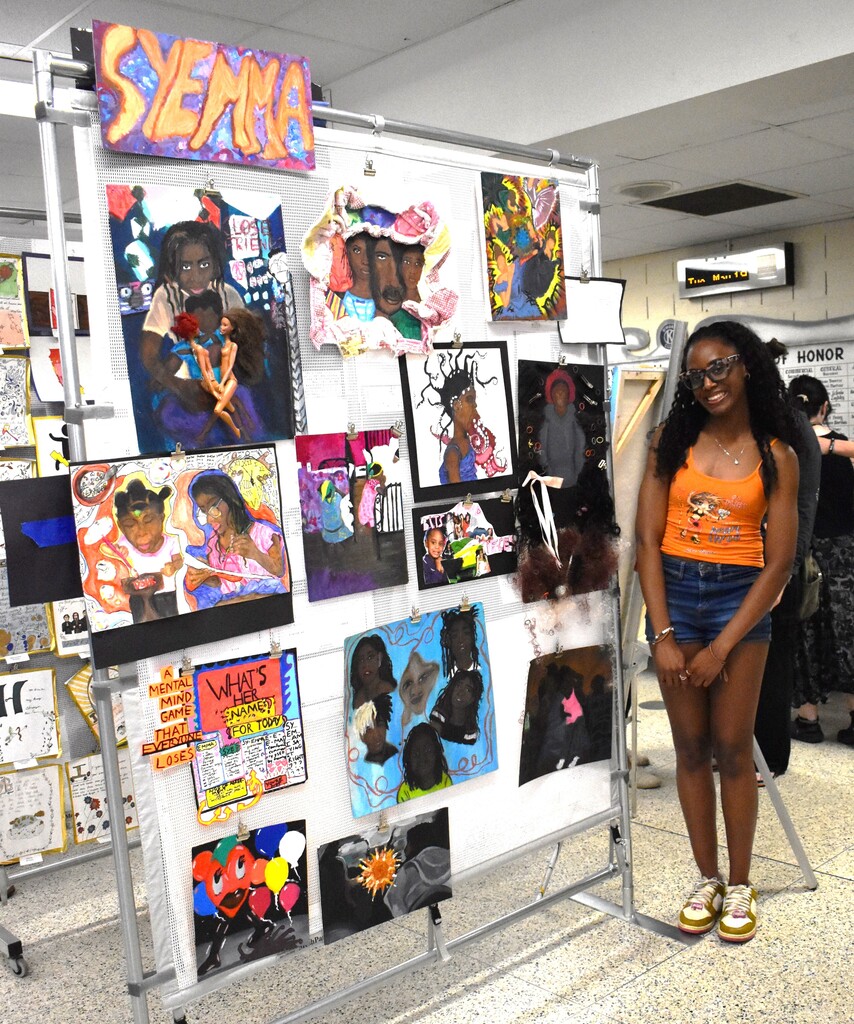
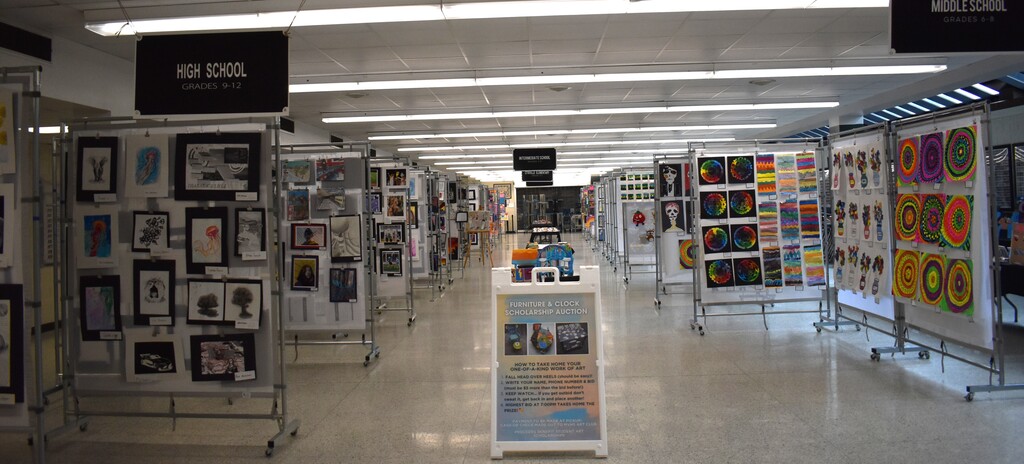
From expressive compositions and striking use of color to thoughtful mixed-media pieces and digital storytelling, the exhibit transformed the high school cafeteria and auditorium into a true gallery experience!
We hope many of you were able to attend and witness the tremendous talent of our student artists representing all five district buildings. Events like these are a wonderful reminder of the power of the arts to bring a community together — connecting students, families, educators, and neighbors through creativity, imagination and shared pride.
Hundreds of proud students and even prouder families filled the show to celebrate not only the artwork created by the children in their own lives, but also to admire and encourage the work of all participating artists. The evening reflected the collaborative spirit and cultural richness that make our school community so special.
THANK YOU to the district’s art faculty for curating such a magnificent and thoughtfully installed exhibition, to everyone who supported the scholarship auction of furniture and clocks and to the high school’s Step Dance Team for their dynamic performance!
See more photos on the district's Facebook page: https://www.facebook.com/MinisinkValleyCSD/posts/pfbid02xsVFMrvxVVmJZ5QCMgC5PBeeDvgjMzEZAQiA3r3UCDQd6VXq3f7qhtXBFKe9kqk5l?__cft__[0]=AZbX_xIm4L32rE1Jz-gzl63jTzYc8uLFmA00ZZsY8-PauqmUM1qQr6LQOuWkz-N_YQk0FD-namhvBdHhCGK9OOS8w_T4Ixck8vf4xCaPuVynUx4GLCTunm1bx-01w_PywuC7LBK3zN28jrW82BiNux0sU_k7QP6L9WjGGgdR9H5ZTA&__tn__=%2CO%2CP-R
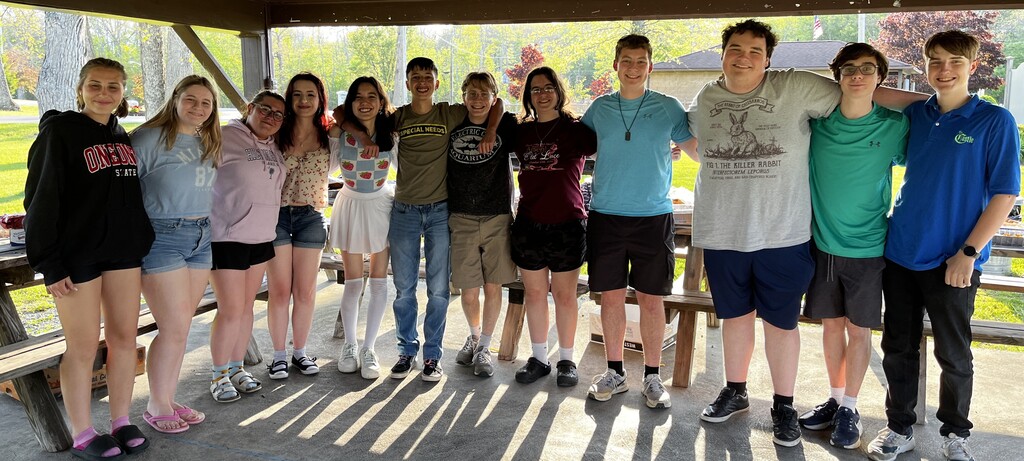
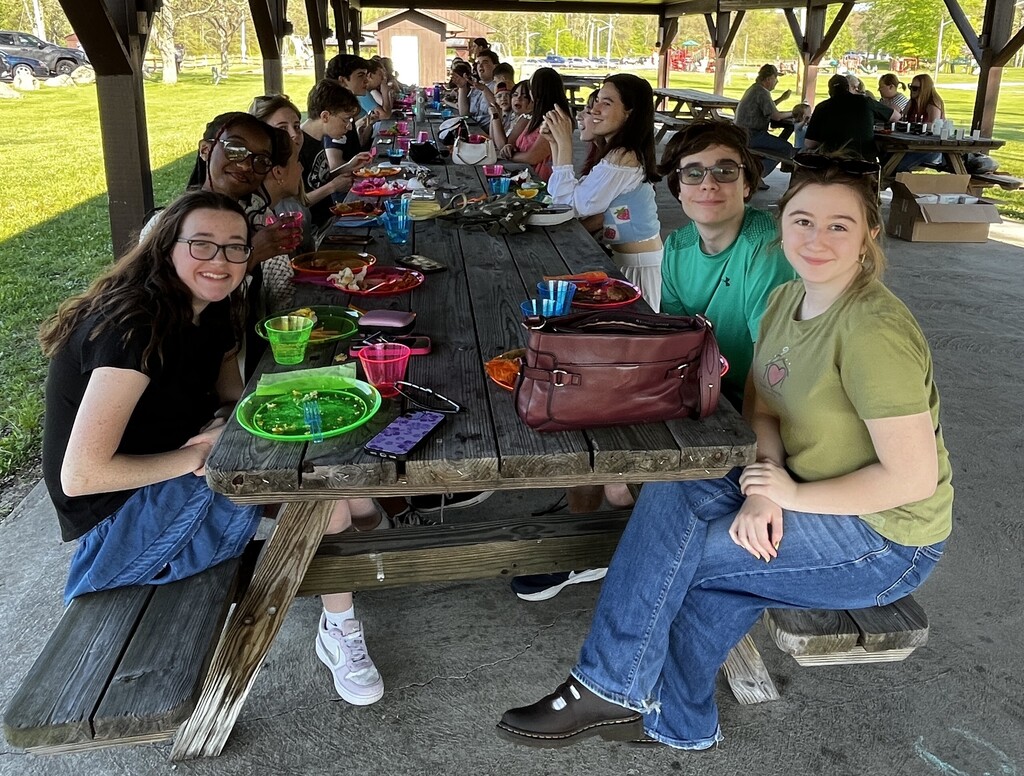
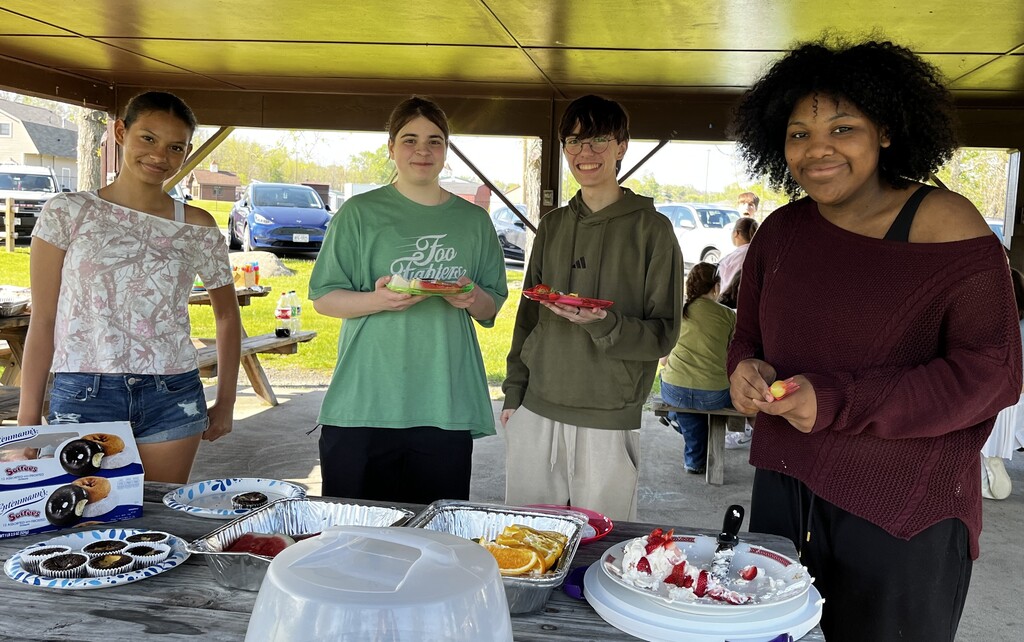
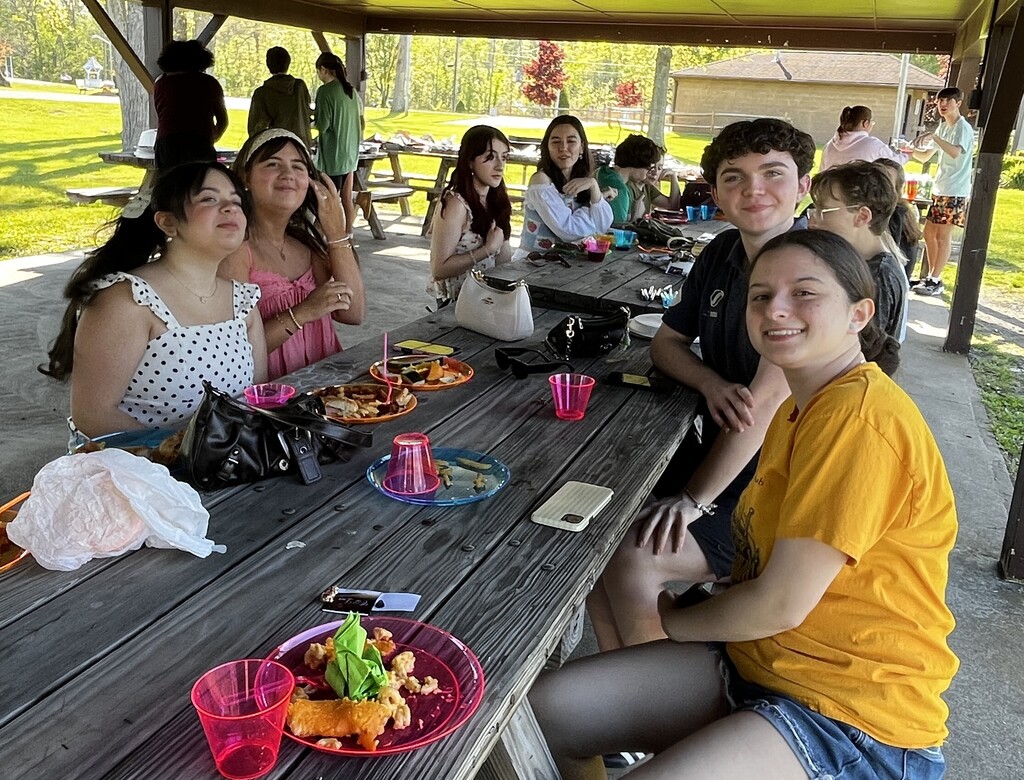
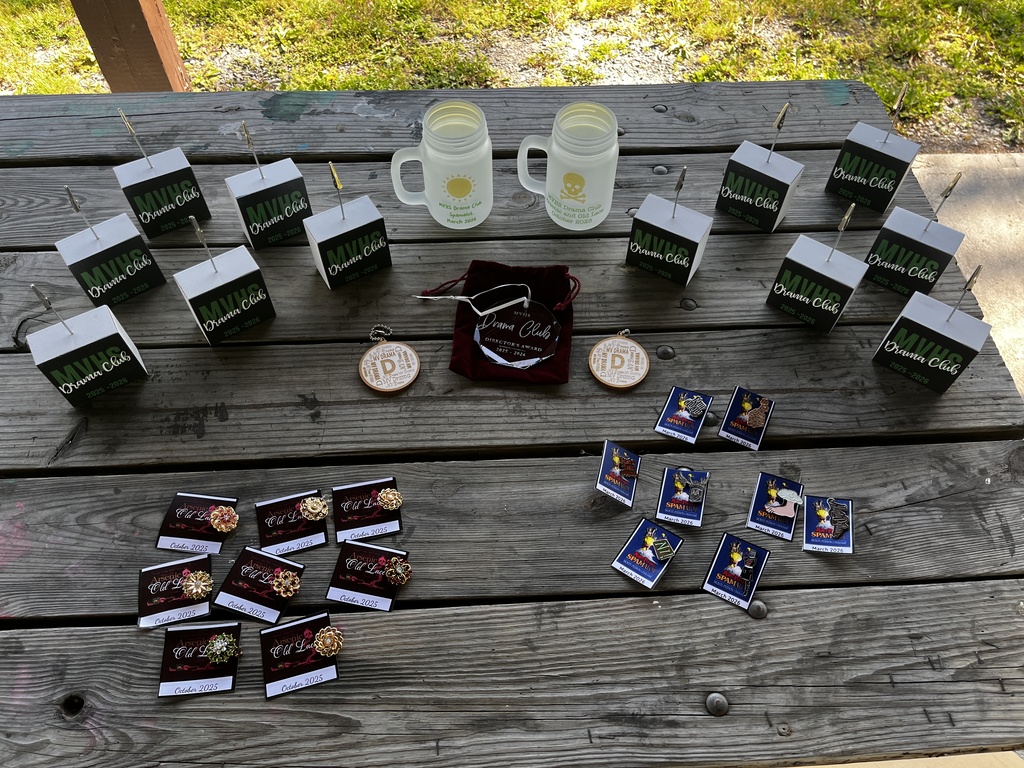
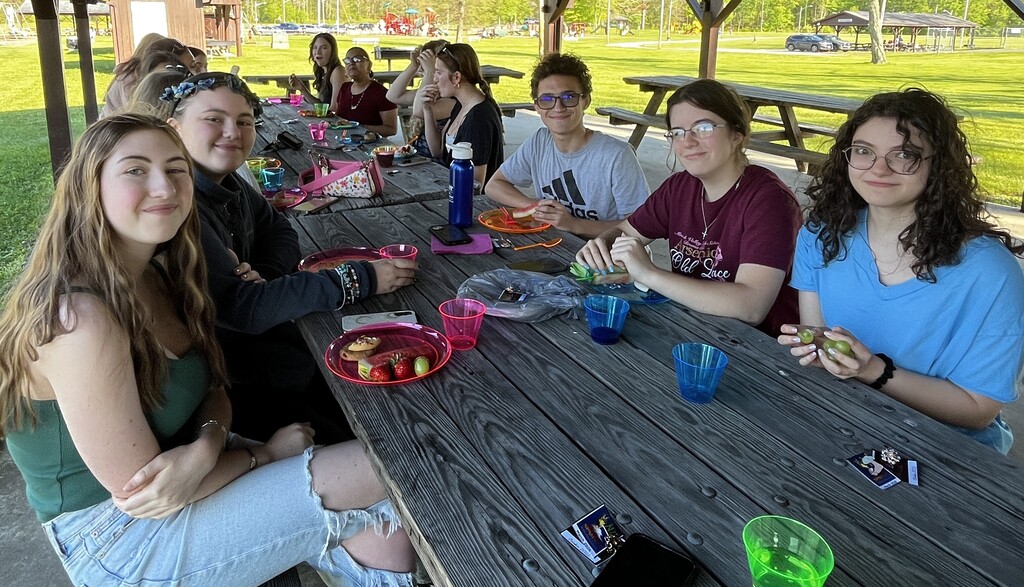
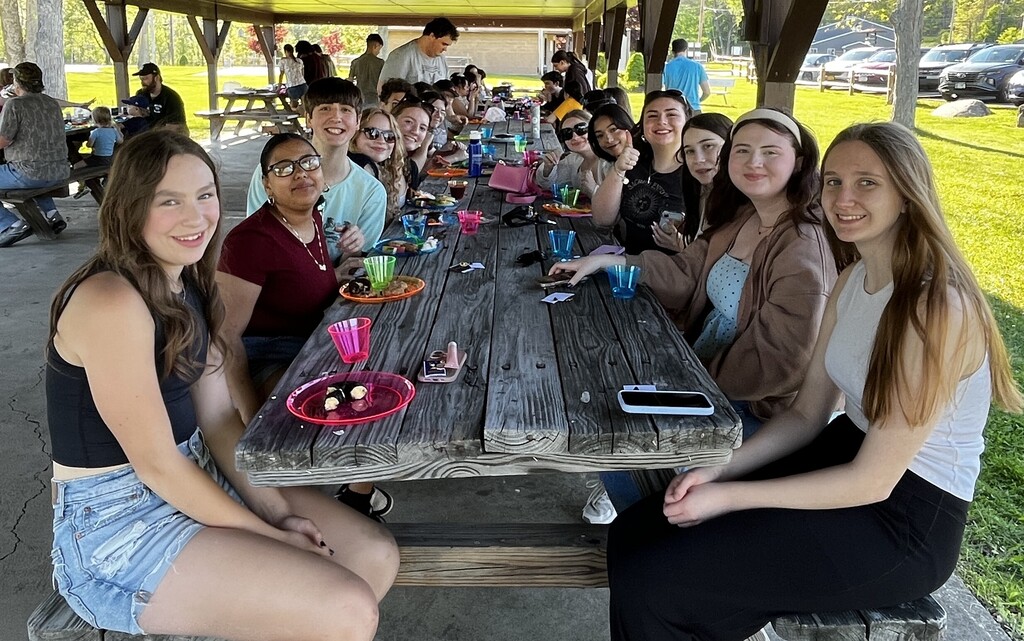
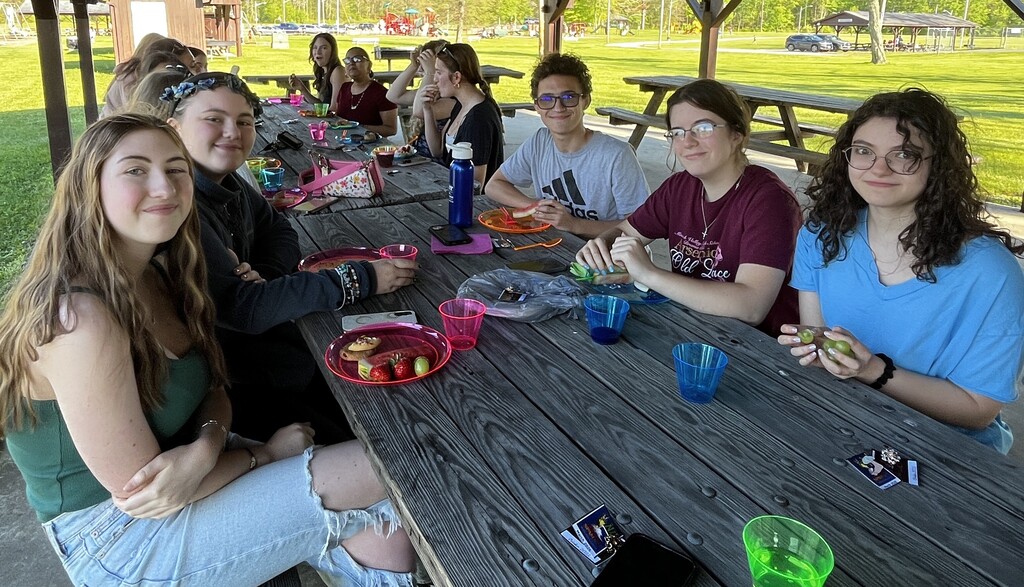
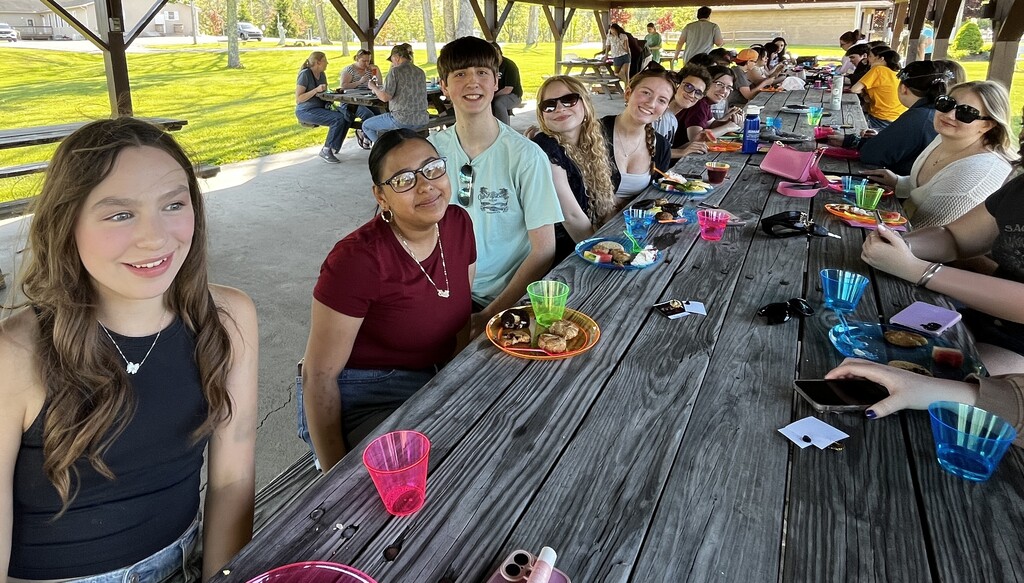
The High School Drama Club’s recent Drama Club Banquet and Awards Ceremony at Shannen Park celebrated the club’s amazing accomplishments and performances of this school year, which also featured ”Paper Plate Awards” from drama seniors recognizing funny and meaningful memories in the drama program. Congratulations to all!
Recognitions and awards included:
Best Actor from Arsenic and Old Lace: Gavin McGinnis
Best Actress from Arsenic and Old Lace: Hana Ebbert
Best Supporting Actress from Arsenic and Old Lace: Keira Everle
Best Actor from Spamalot: Chris Cinelli
Best Actress from Spamalot: Gianna Pecorella and Heather Day
Best Supporting Actor from Spamalot: Hunter Gomez
MVP Stage Crew from Arsenic and Old Lace: Leah Hoolan
MVP Stage Crew from Spamalot: Logan Hujus
MVP Pit Orchestra Musician: Nolan Mann
MVP Tech Crew: Josh Gellar
MVP House: Lorine Avril
Most Improved Crew Member: Gavin Hoolan
Most Improved Pit Member: Brice Jashembowski
Most Improved Freshman Cast Member: Aryanna Torelli
Most Improved Sophomore Cast Member: Gianna Pecorella
Most Improved Junior Cast Member: Katie Warnken
Most Improved Senior Cast Member: Faith Padavano
NYSTEA Award recognizing student excellence and leadership in theater:
Hana Ebbert and Gavin McGinnis
Directors Award for Most Improved: Meadow Monaco, Kelsey Merzabach, Emma Batz, Liam Burns, Lexie Gibbs and Jackson Veety
Directors Awards for Outstanding Students:
Creativity and Versatility: Yuvia Portugal
Professional and Preparedness: Heather Day and Logan Hujus
Dedication and Perseverance: Nolan Mann and Keira Everle
Willingness and Flexibility: Gianna Pecorella
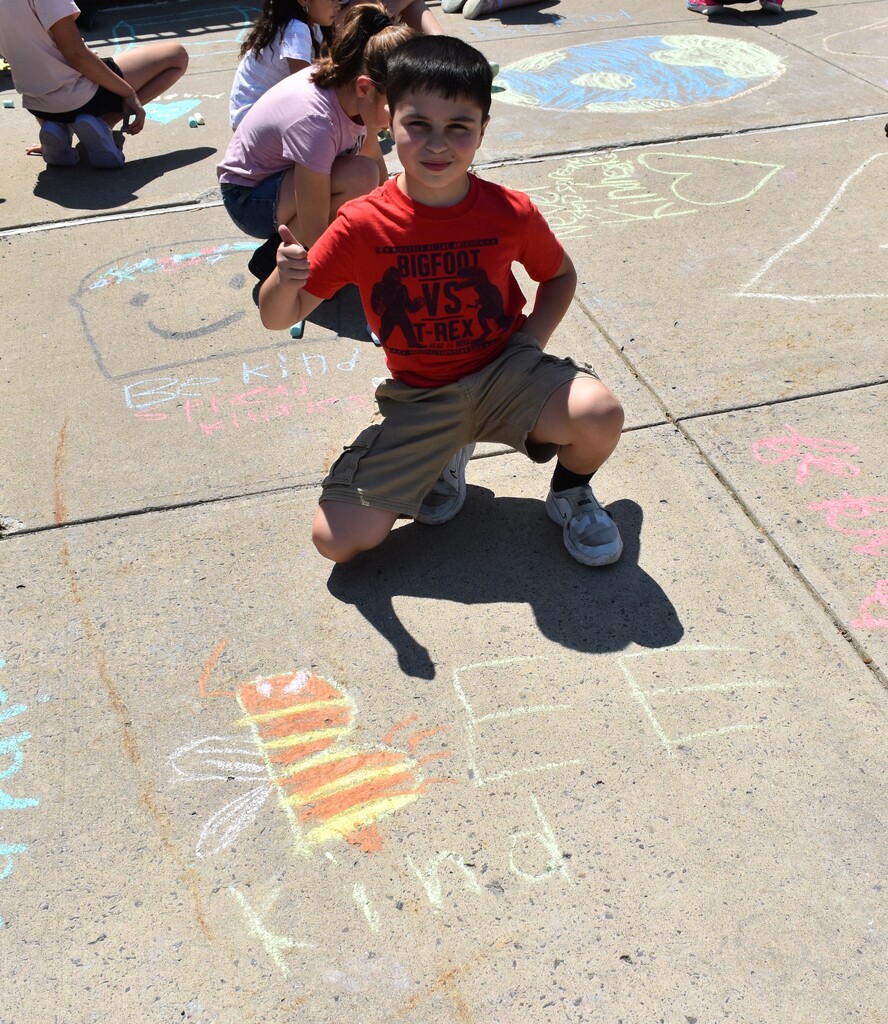
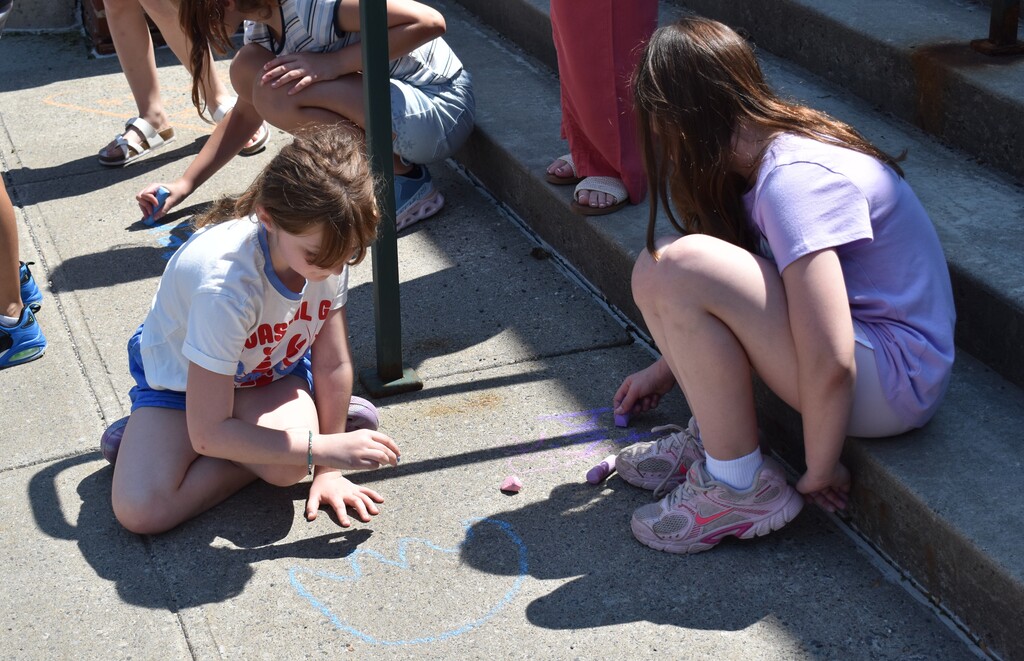
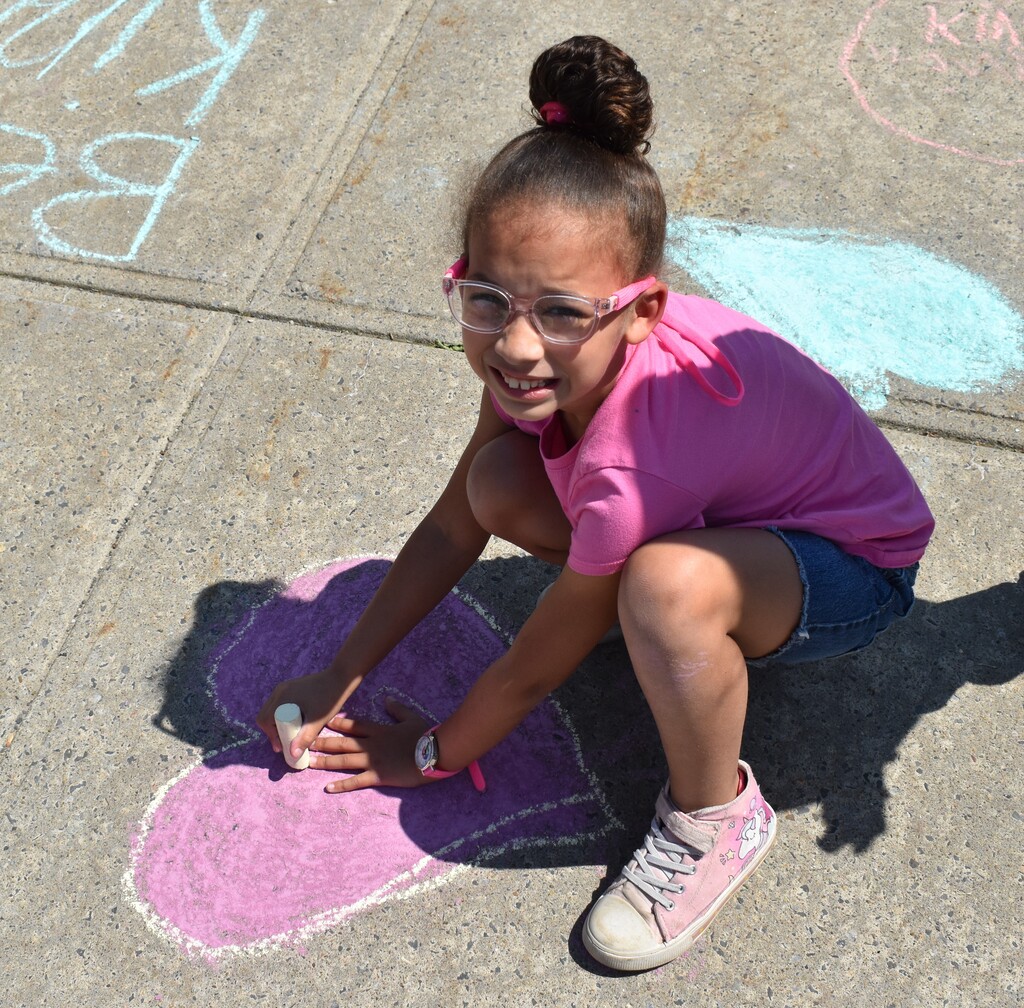
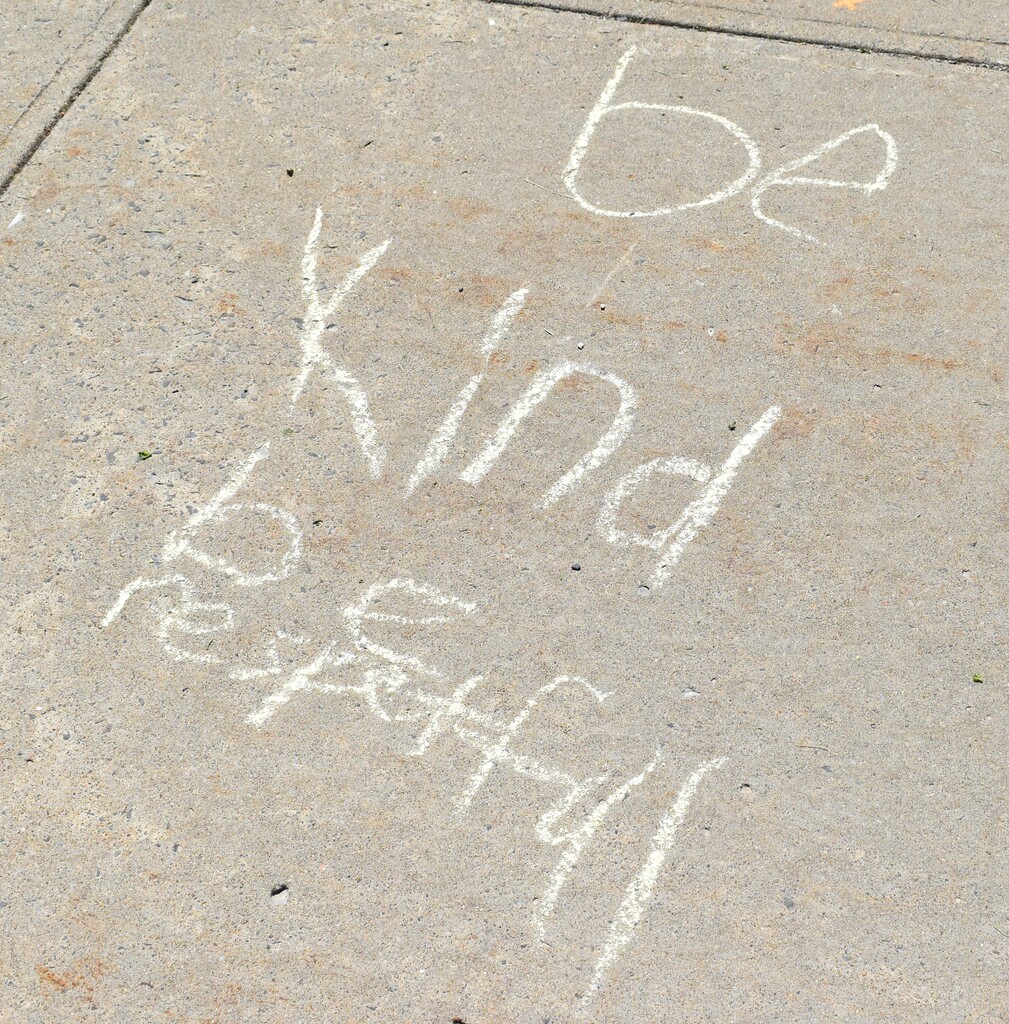
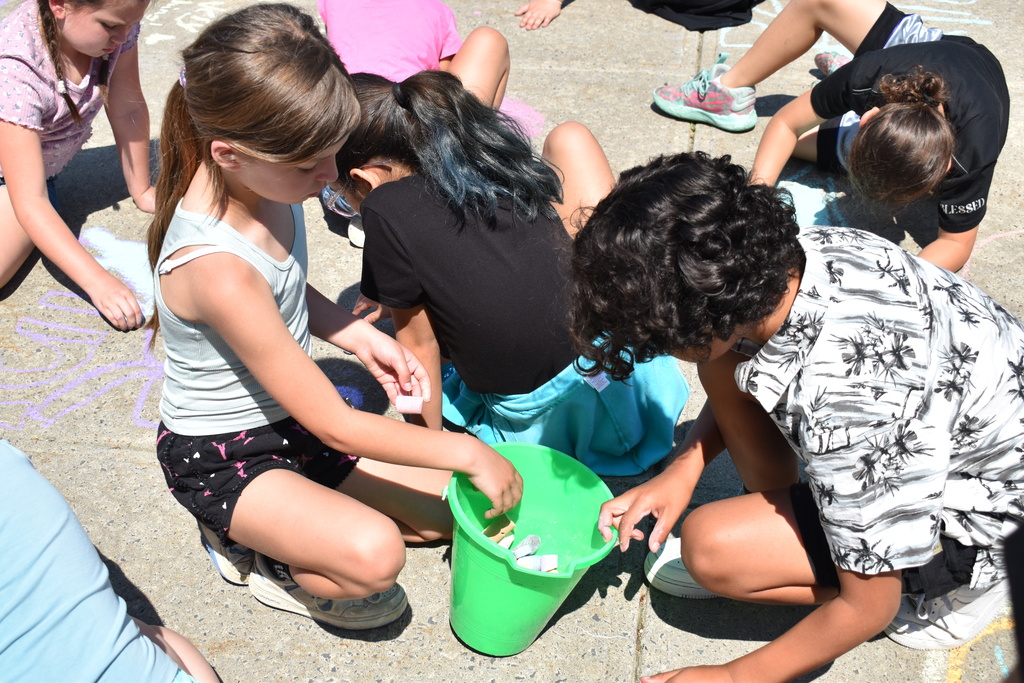
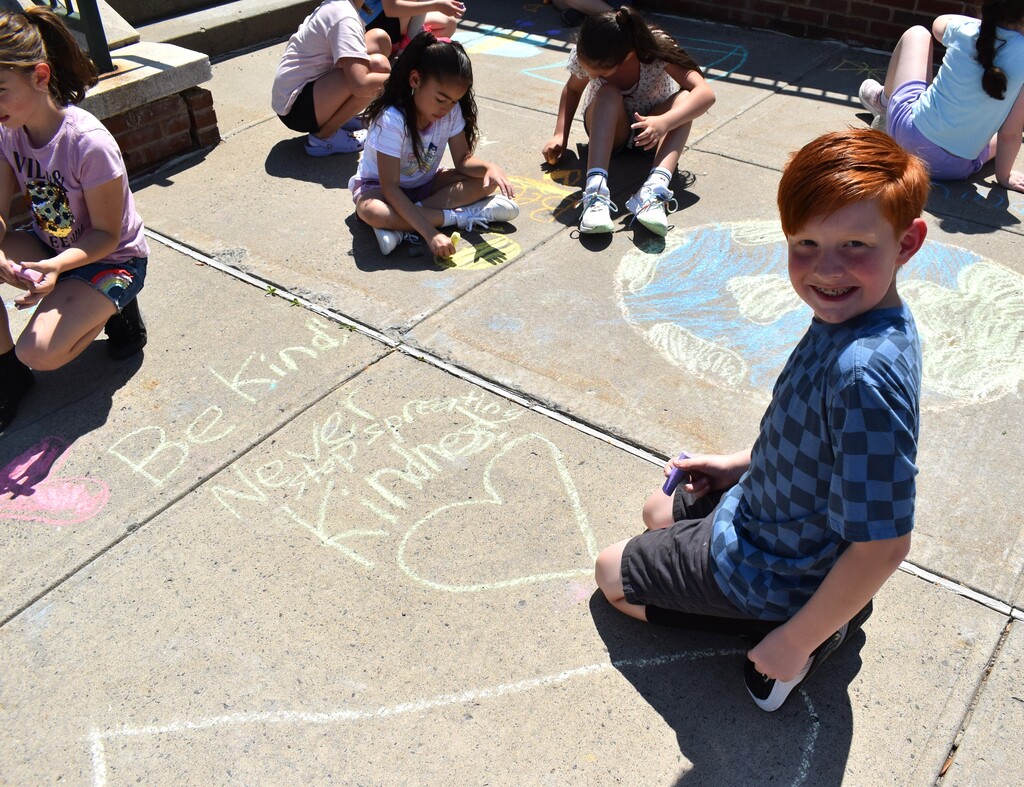
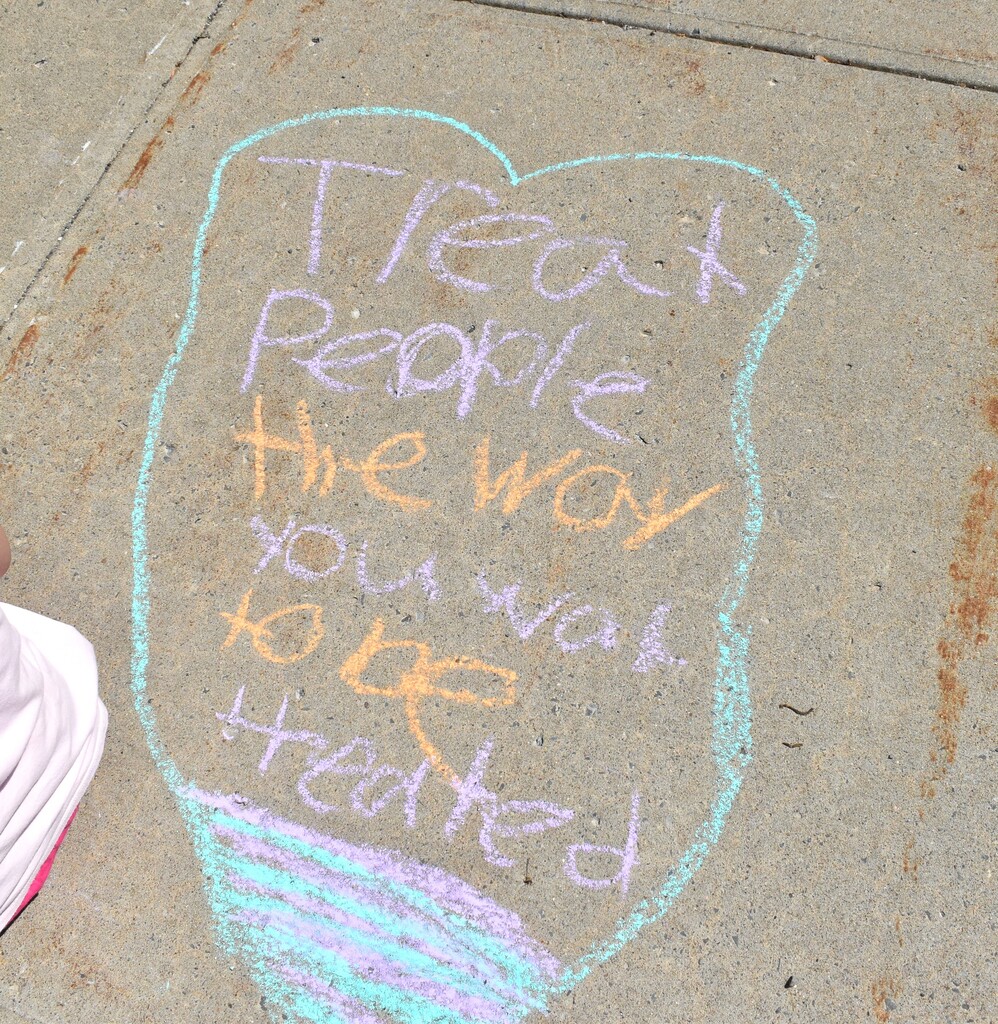
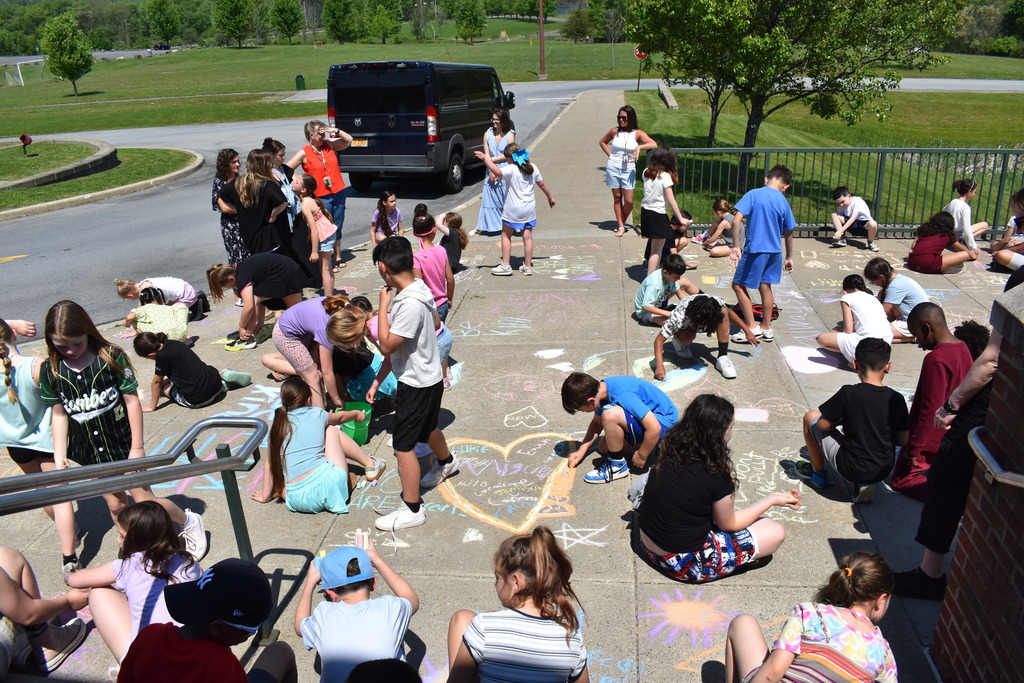
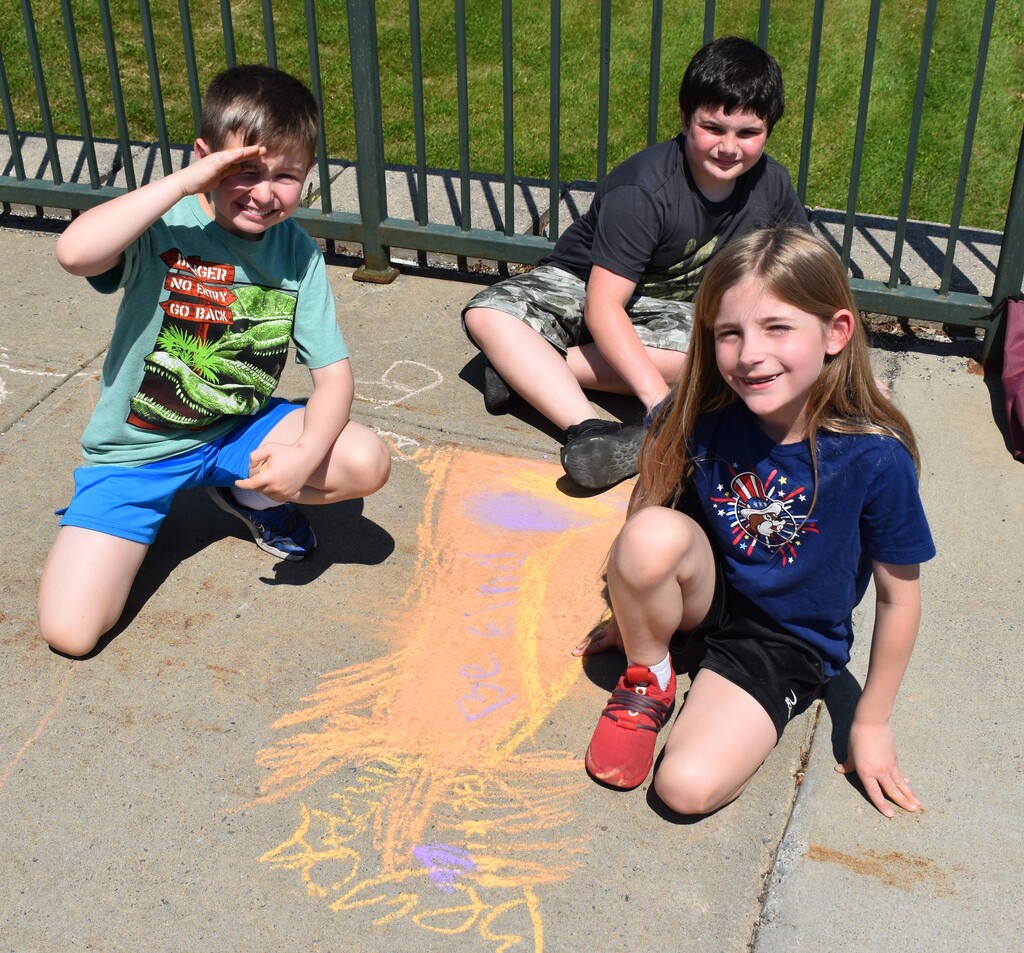
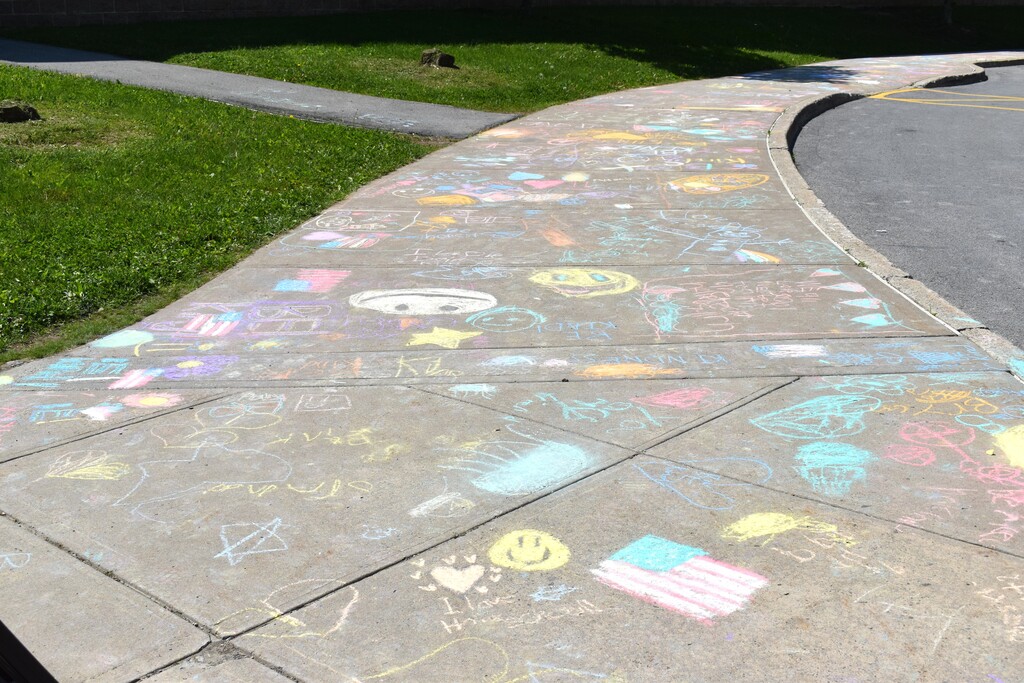
Take a peek at Otisville''s gorgeously colorful “Kindness Chalk Walkway,” created yesterday, May 18. These third-grade students were among all K-5 students who wrote insightful messages --- many paired with creative artwork! Everyday words, messages and actions are definitely meaningful to others!
These wonderful messages reinforce the importance of positive behaviors in an engaging way. Students took abstract ideas like empathy, caring, encouragement, and inclusion and put them concrete actions by writing supportive messages on the school’s walkway. Activities like this create a wonderful a sense of student ownership and belonging because students collectively shape the atmosphere of the school in a way that so many can see, including their peers, faculty/staff and visitors!
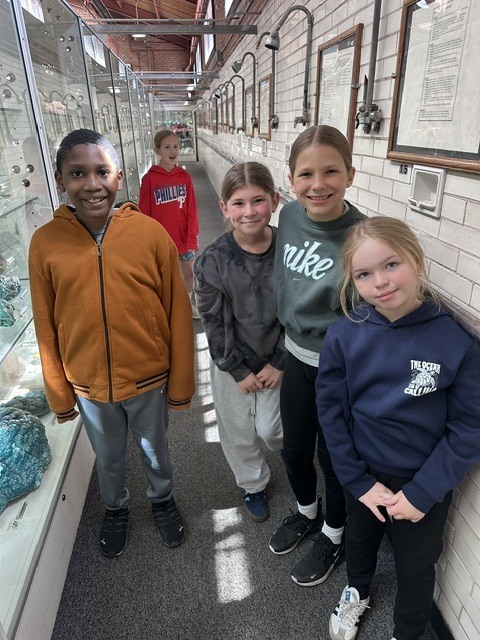
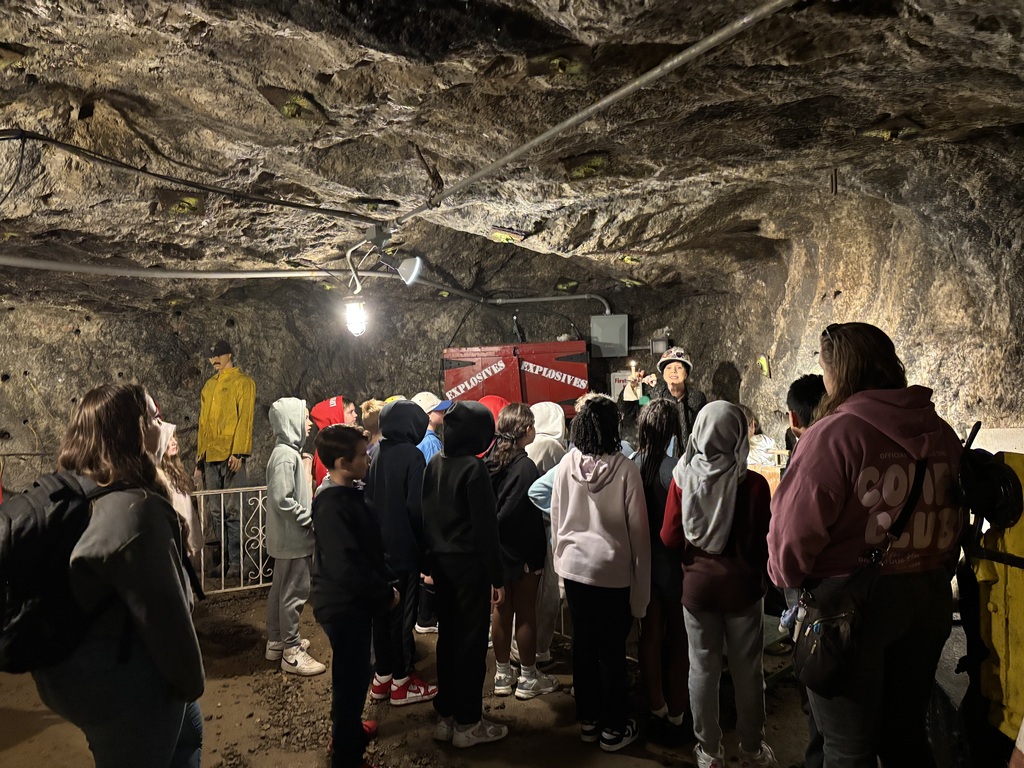
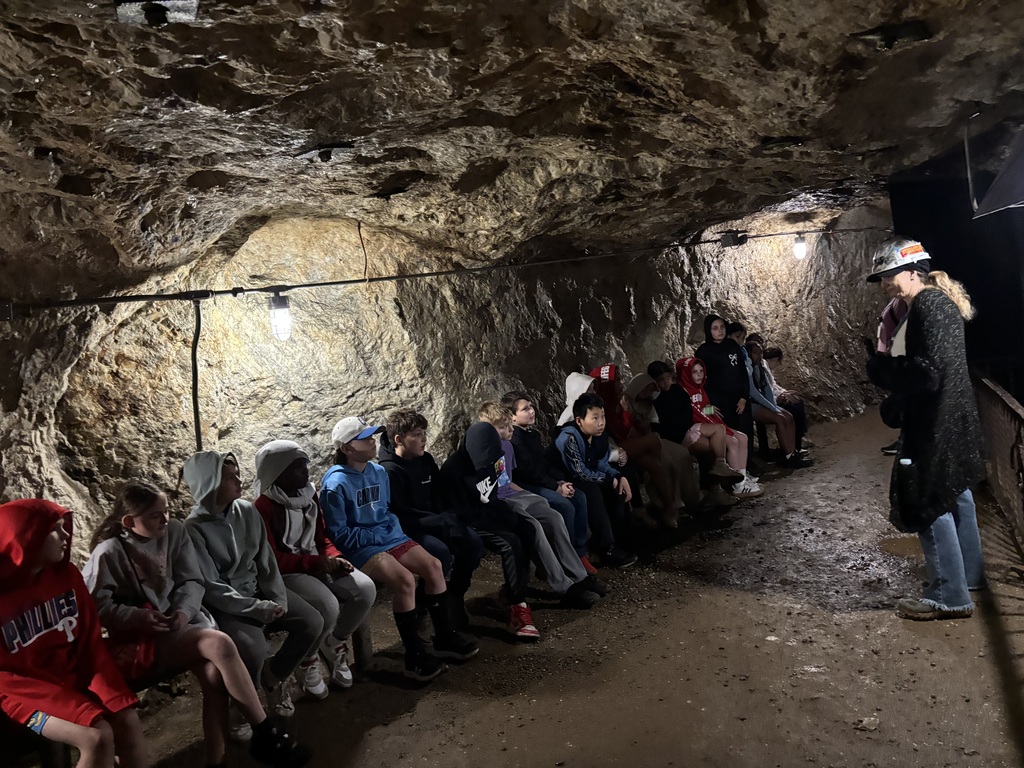
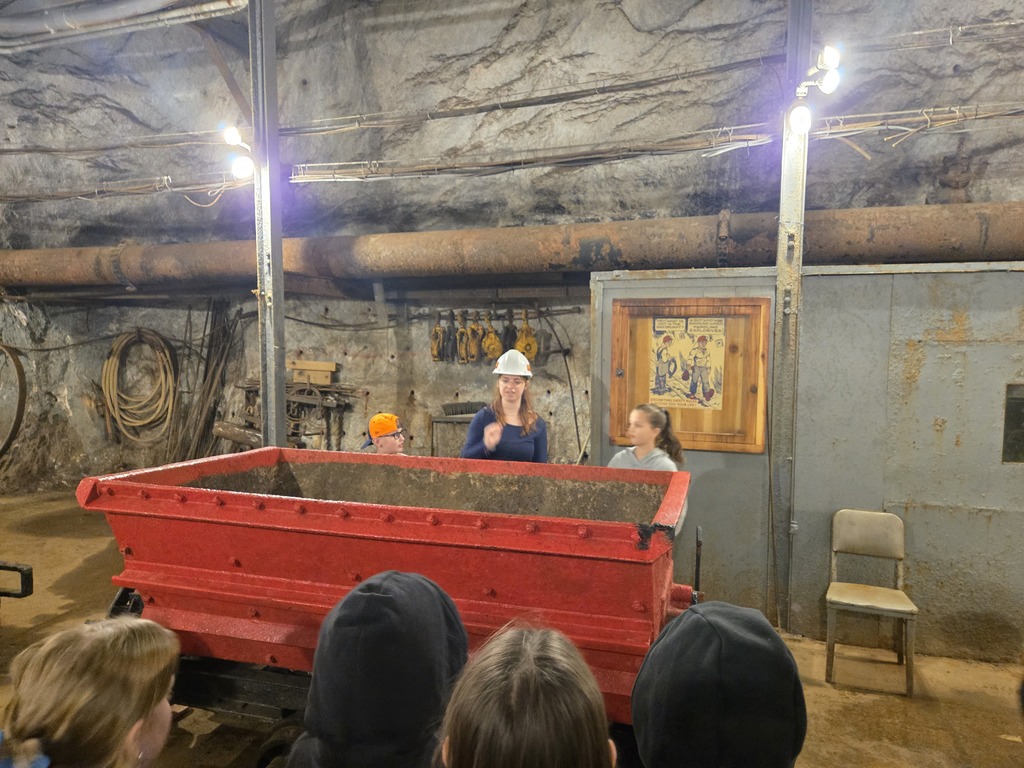
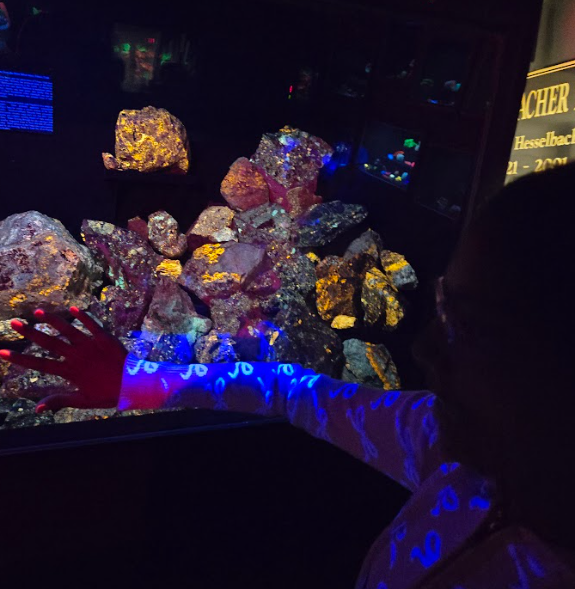
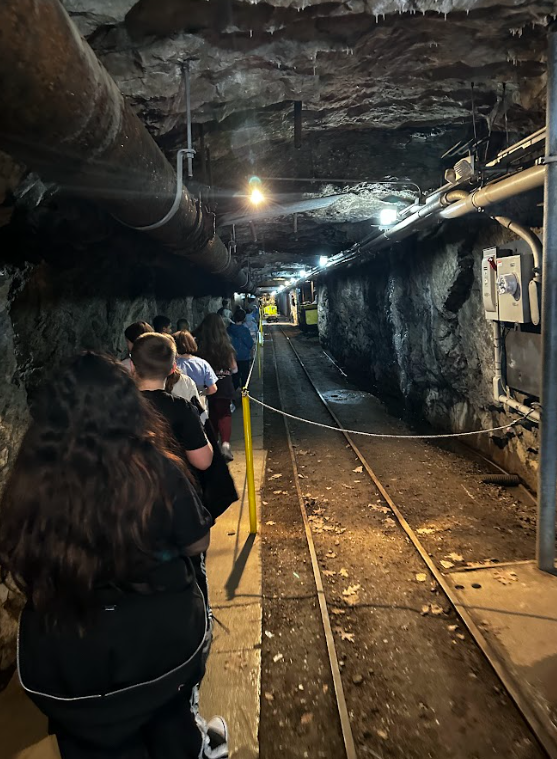
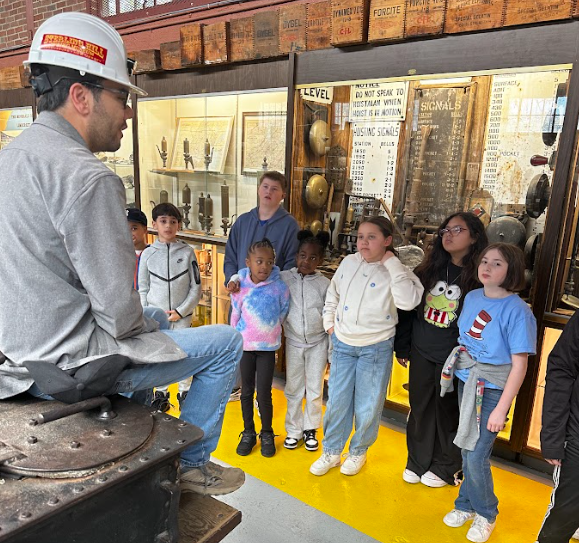
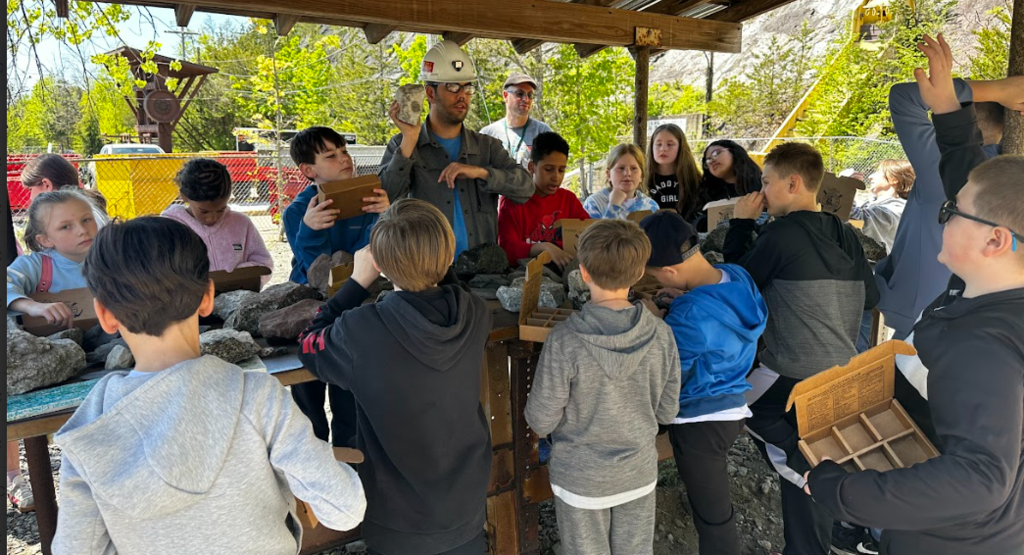
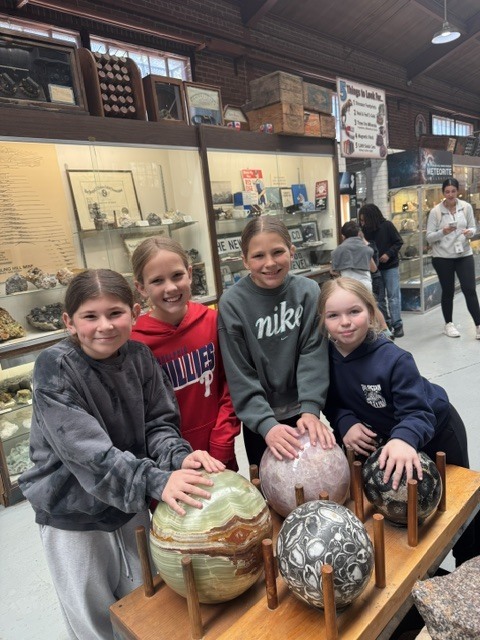
Today, visitors can travel deep underground through nearly 1,300 feet of mining drifts and tunnels while exploring exhibits packed with rocks, minerals, fossils, mining equipment and glowing fluorescent minerals. One of the highlights of the tour is the famous “Rainbow Tunnel,” where ultraviolet lights make the ore veins shine in brilliant shades of green, red and orange. Along the way, students learn about geology, engineering, mining history and how natural resources are extracted from the earth.
This museum is an excellent fourth-grade class trip because it combines science, history and hands-on learning in a way that feels like a real underground adventure. Students can see authentic mining gear, discover how miners worked “below the surface,” and get a firsthand look at life in the mine shaft while guided by knowledgeable educators. The fluorescent rocks, blasting demonstrations and interactive activities like sluicing and mineral discovery centers keep curiosity mining at full capacity from start to finish. We know these students struck a rich vein of memories they’ll treasure for years to come!
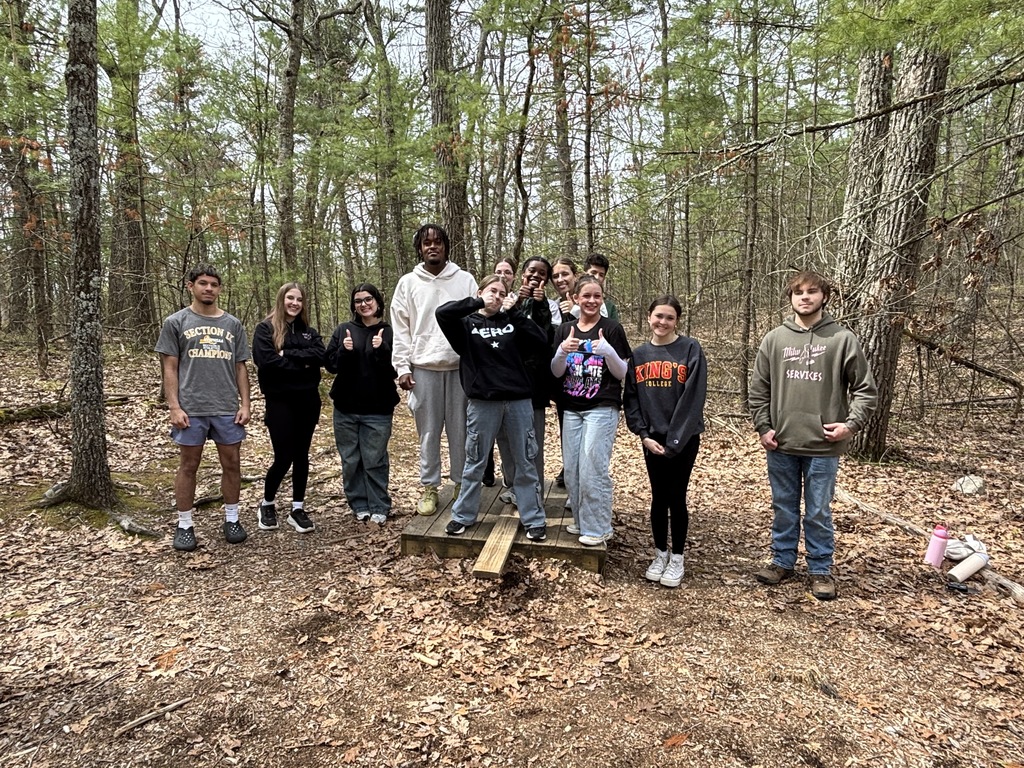
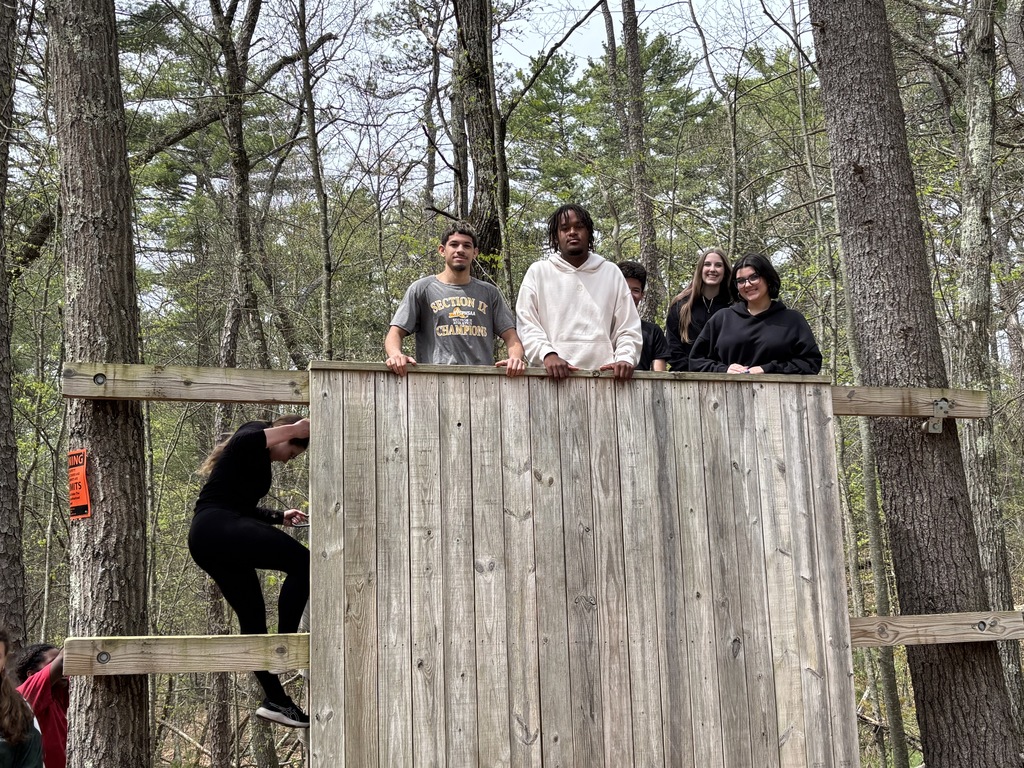
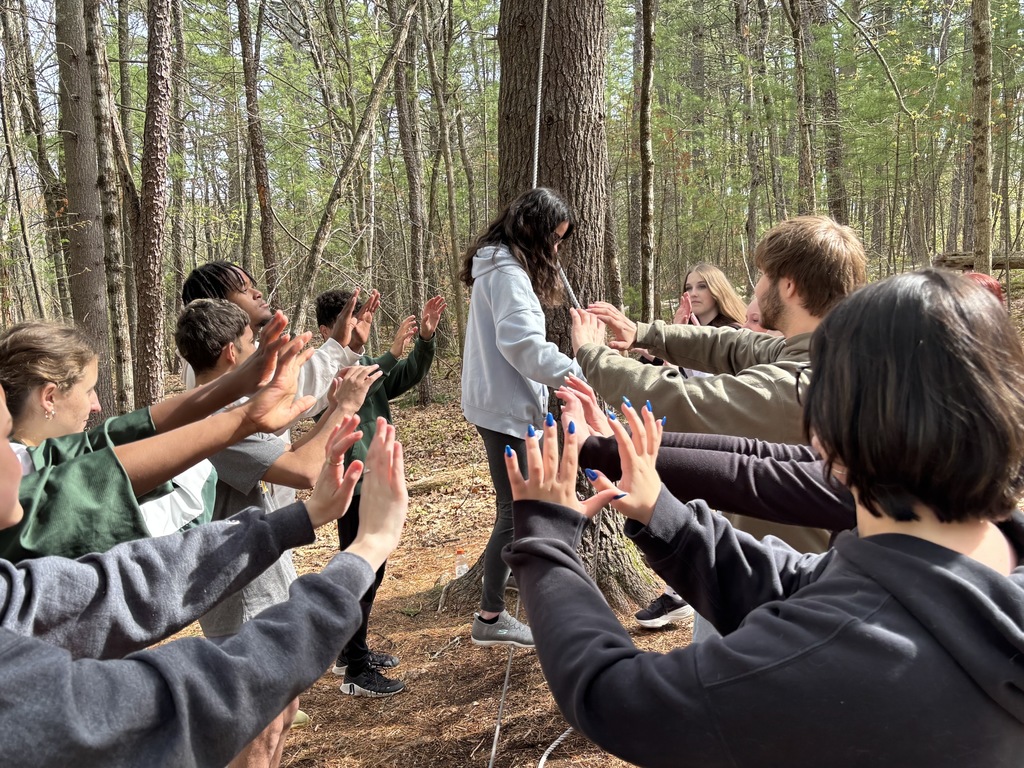
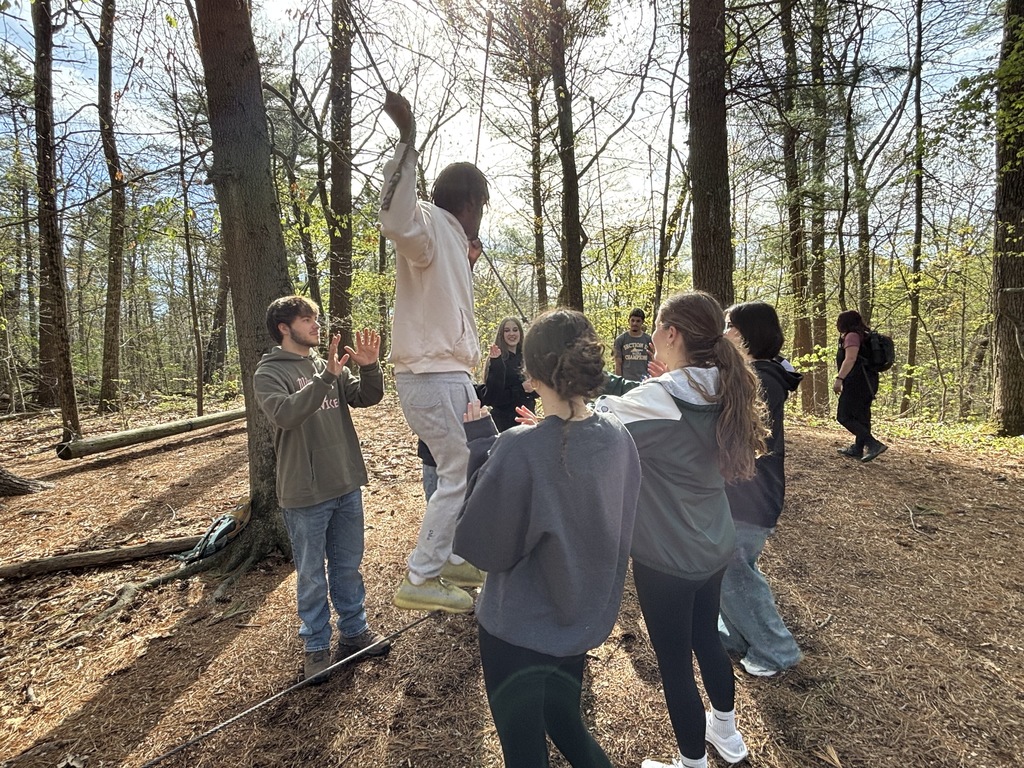
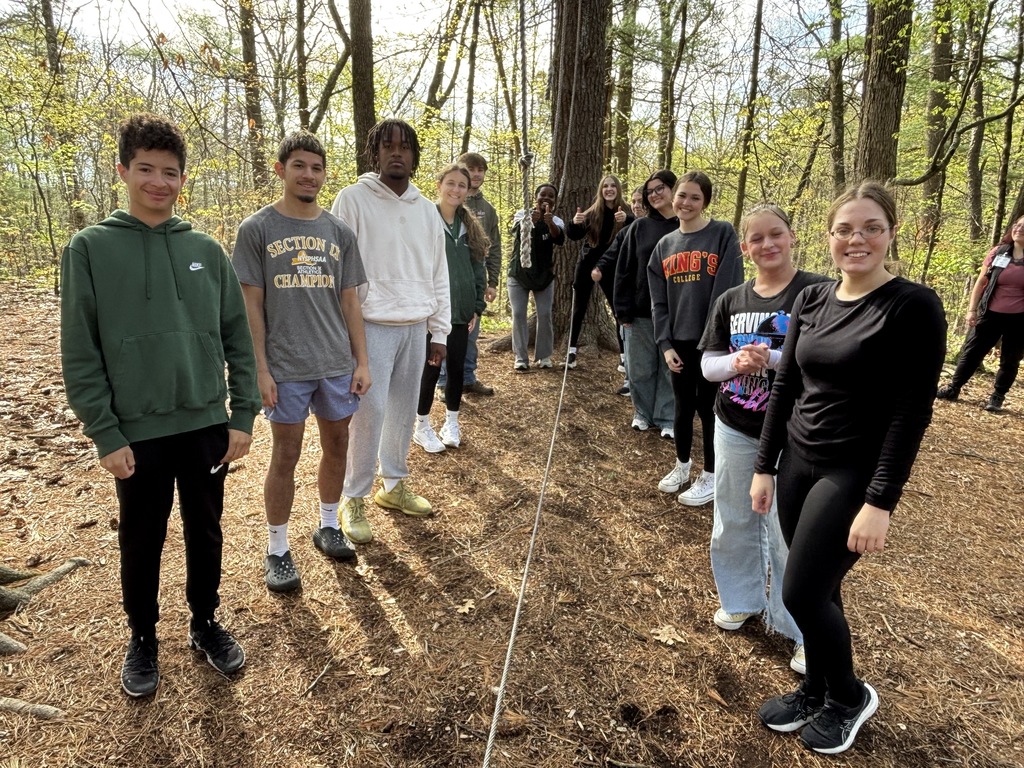
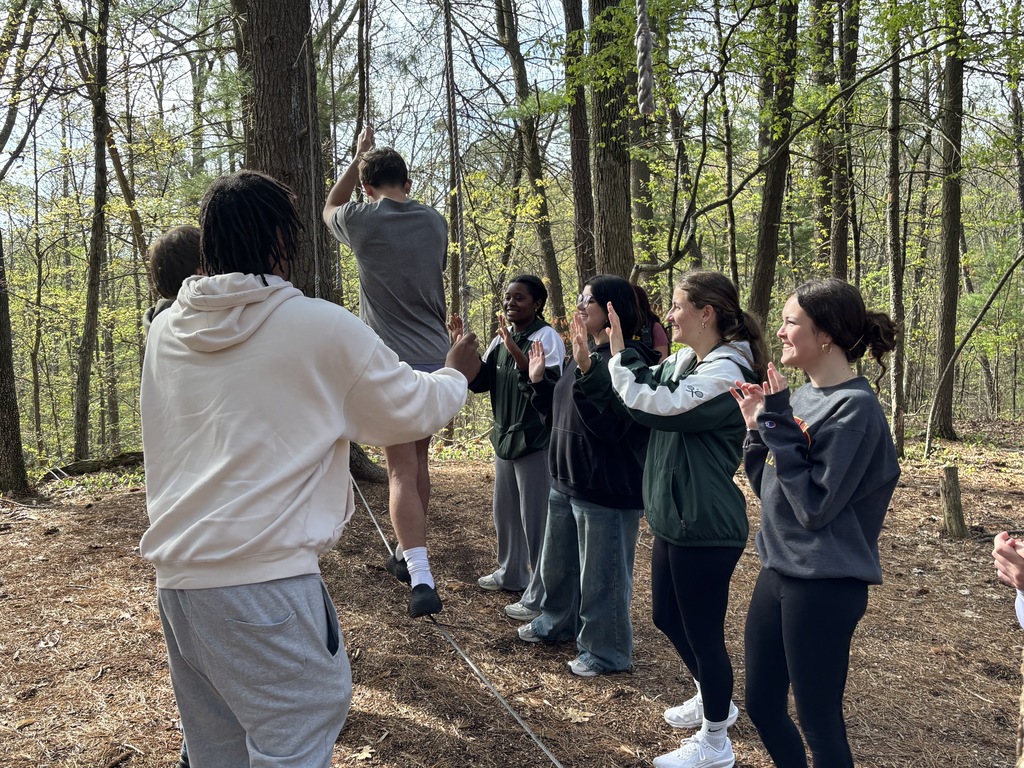
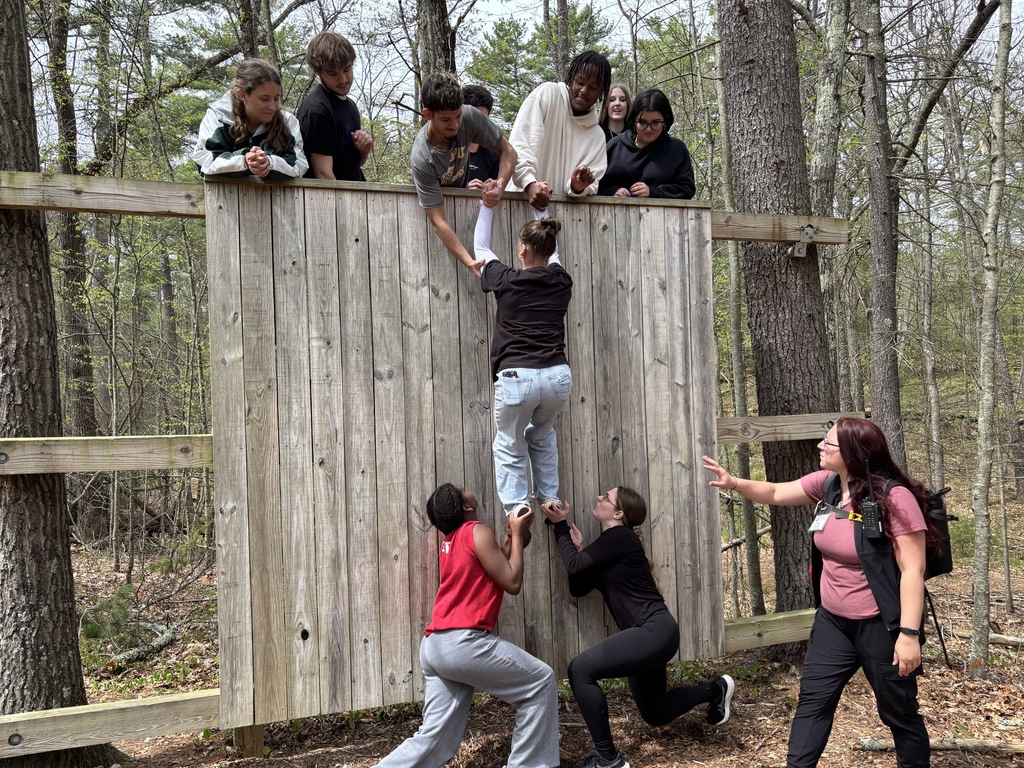
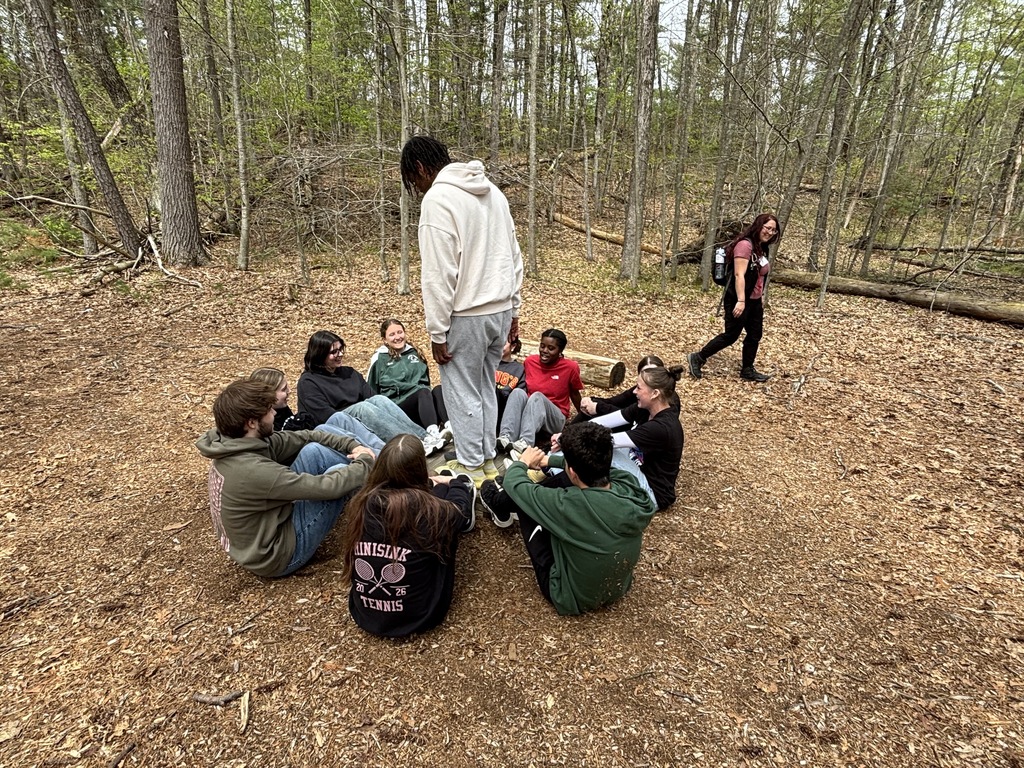
While on outdoor trails, students were challenged to overcome a series of obstacles, including scaling climbing walls without assistance, balancing across slacklines strung between trees and solving complex team puzzles. Moments of hesitation and uncertainty quickly transformed into confidence and success through peer encouragement, collaboration and positive support. Whether experiencing the excitement of completing a slackline trek or celebrating the satisfaction of solving puzzles together, students discovered the value of teamwork, communication and perseverance — lessons that extend far beyond the trails and can be applied to nearly every aspect of their lives.
The Pocono Environmental Education Center (PEEC) is a nonprofit environmental education center located inside the Delaware Water Gap National Recreation Area in Dingmans Ferry, Pa. In partnership with the National Park Service, the center provides hands-on outdoor education programs for schools, families, scouts and community groups through activities such as guided nature hikes, summer camps, canoeing, fishing, birdwatching and environmental workshops. The 38-acre campus includes cabins, yurts, trails, ponds, and classrooms, and is widely known for promoting environmental awareness and outdoor recreation in the Pocono region.
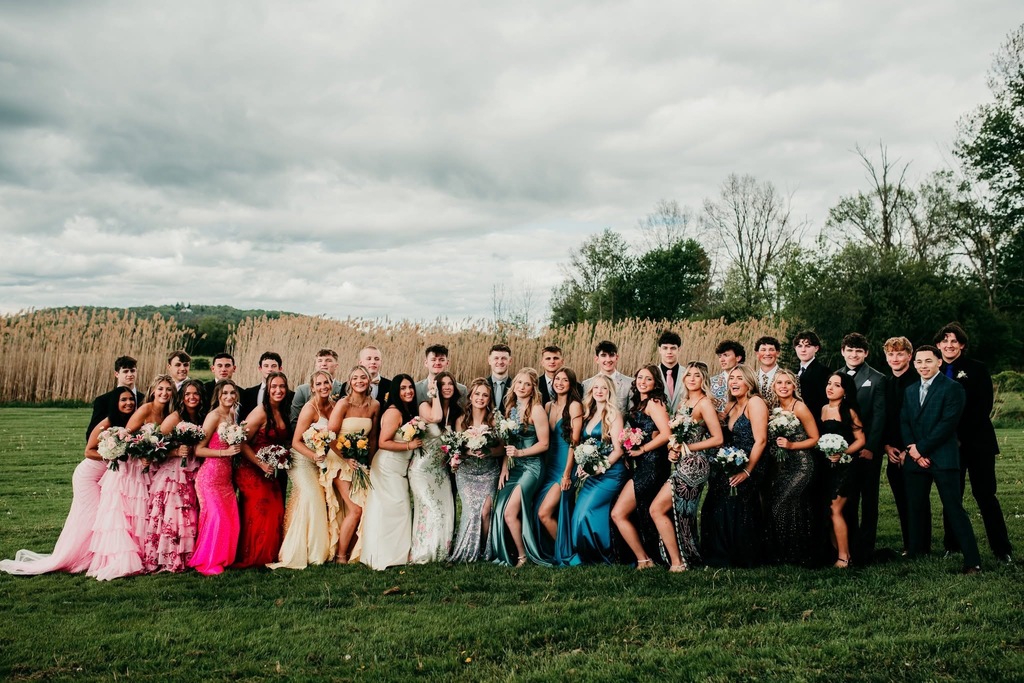
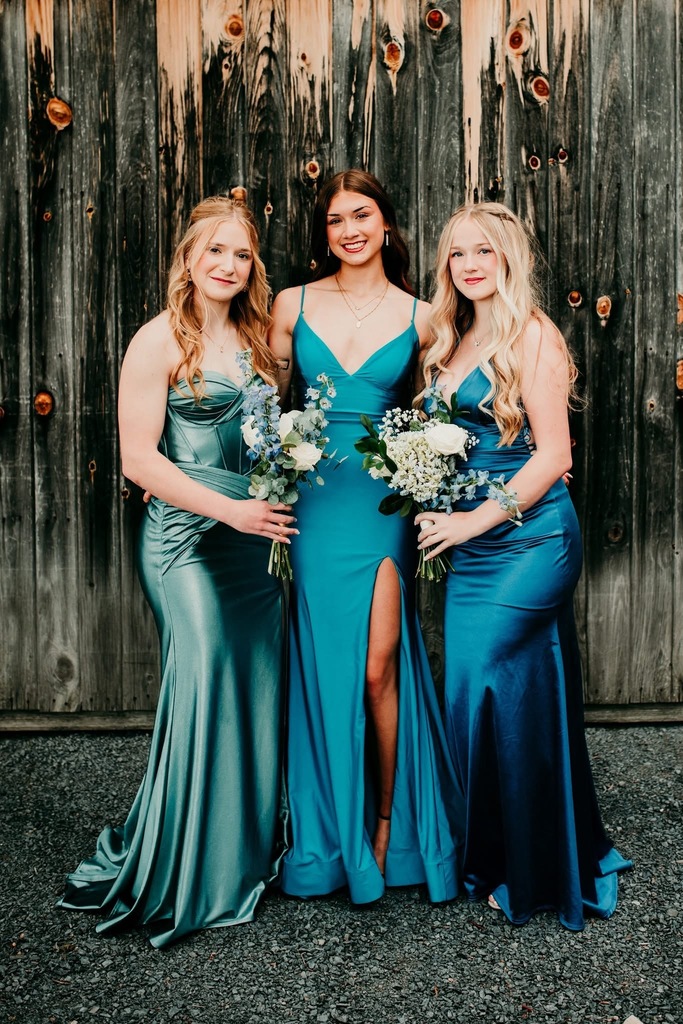
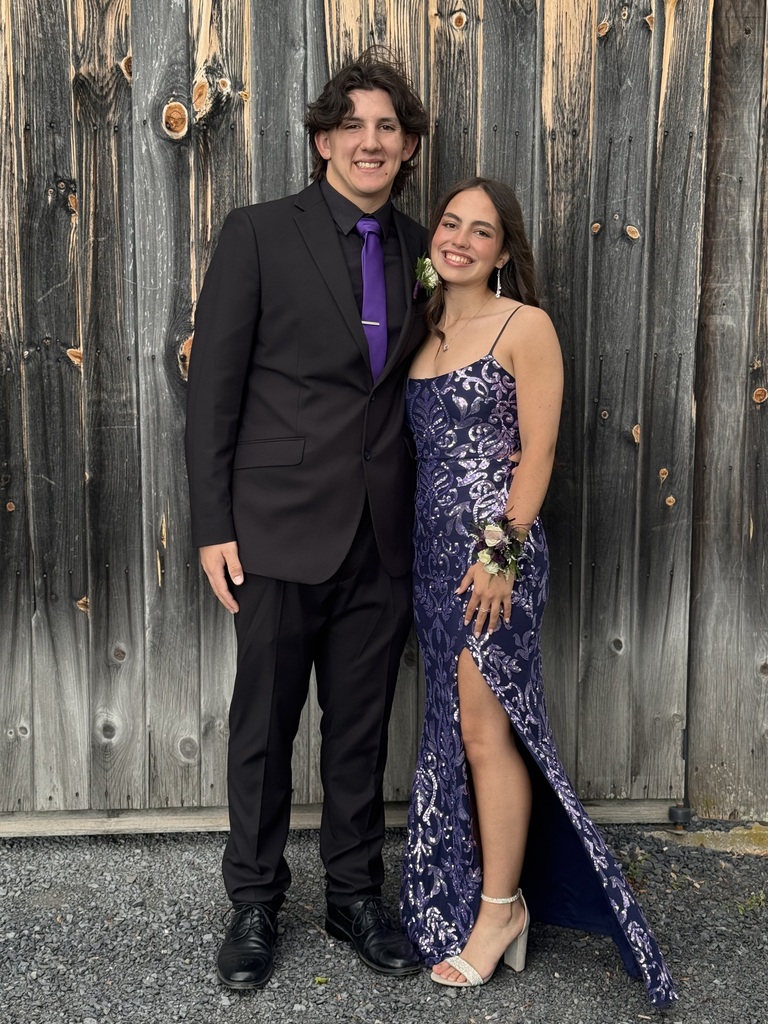
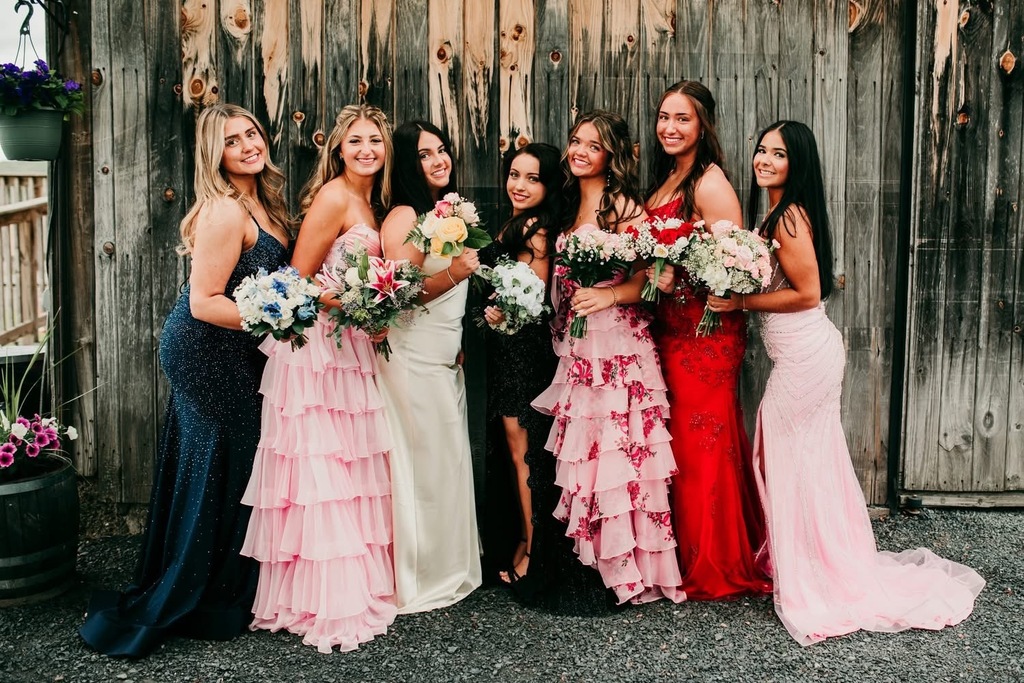
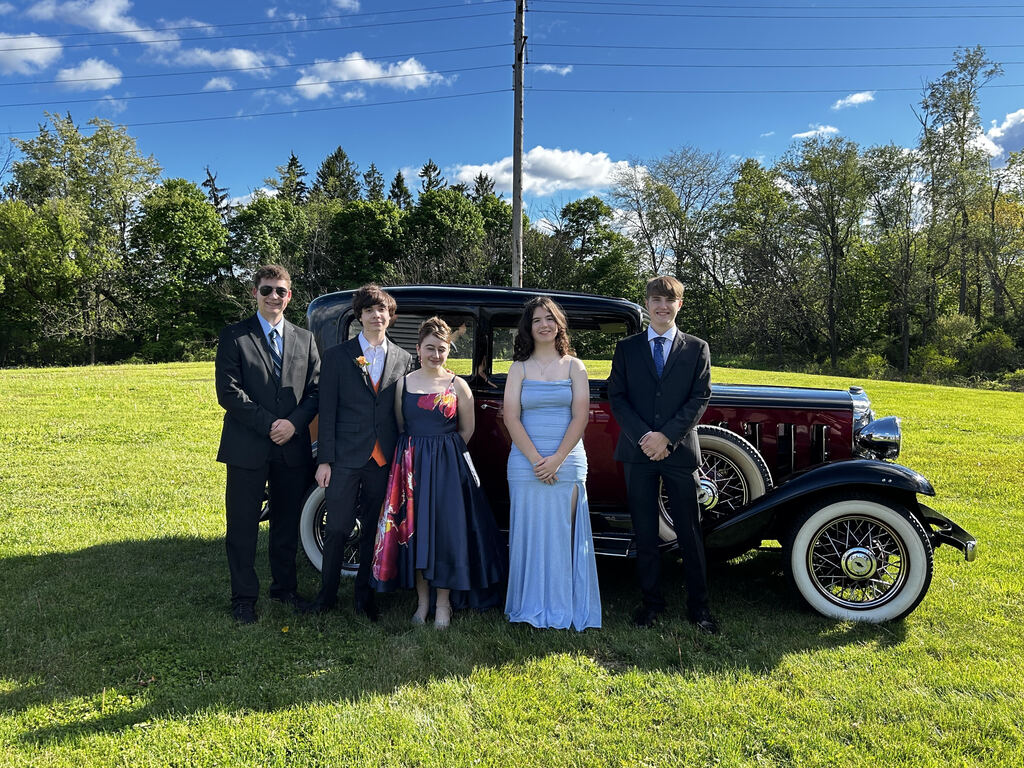
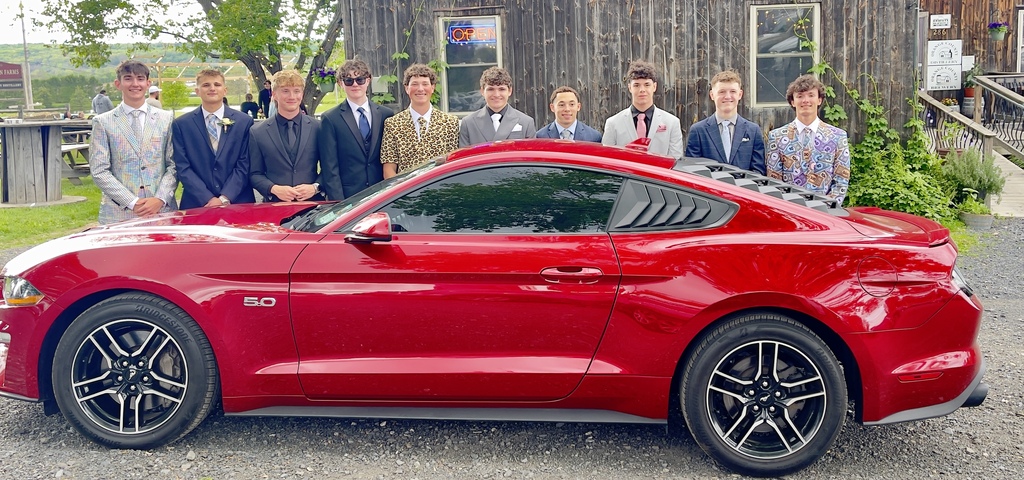
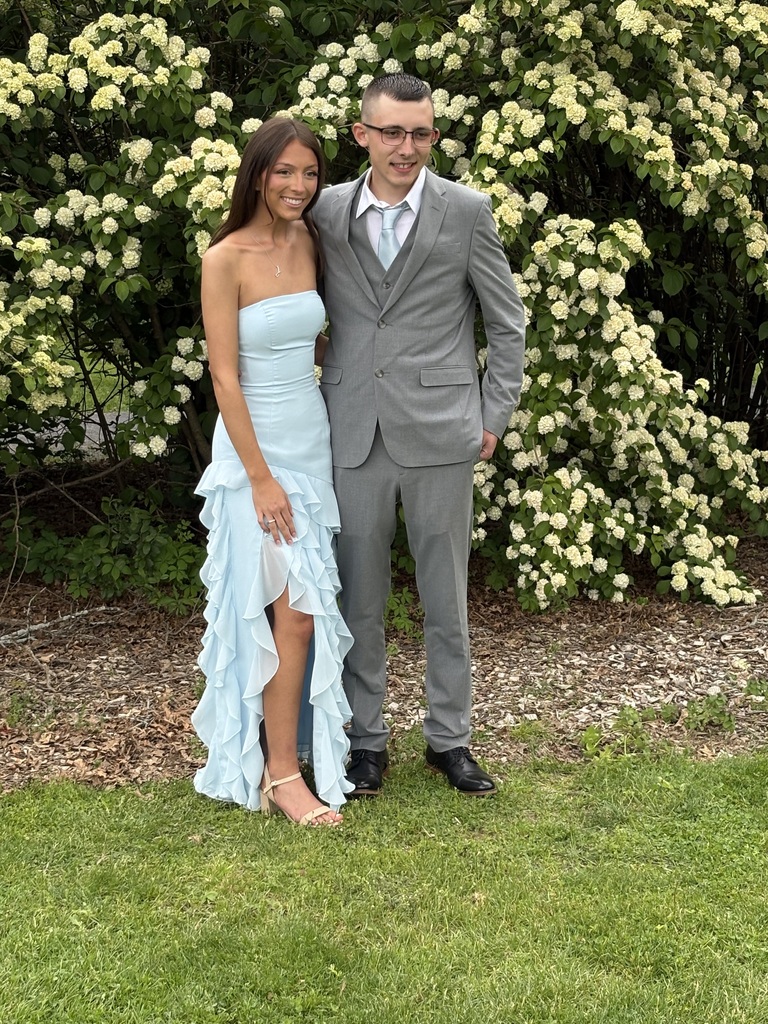
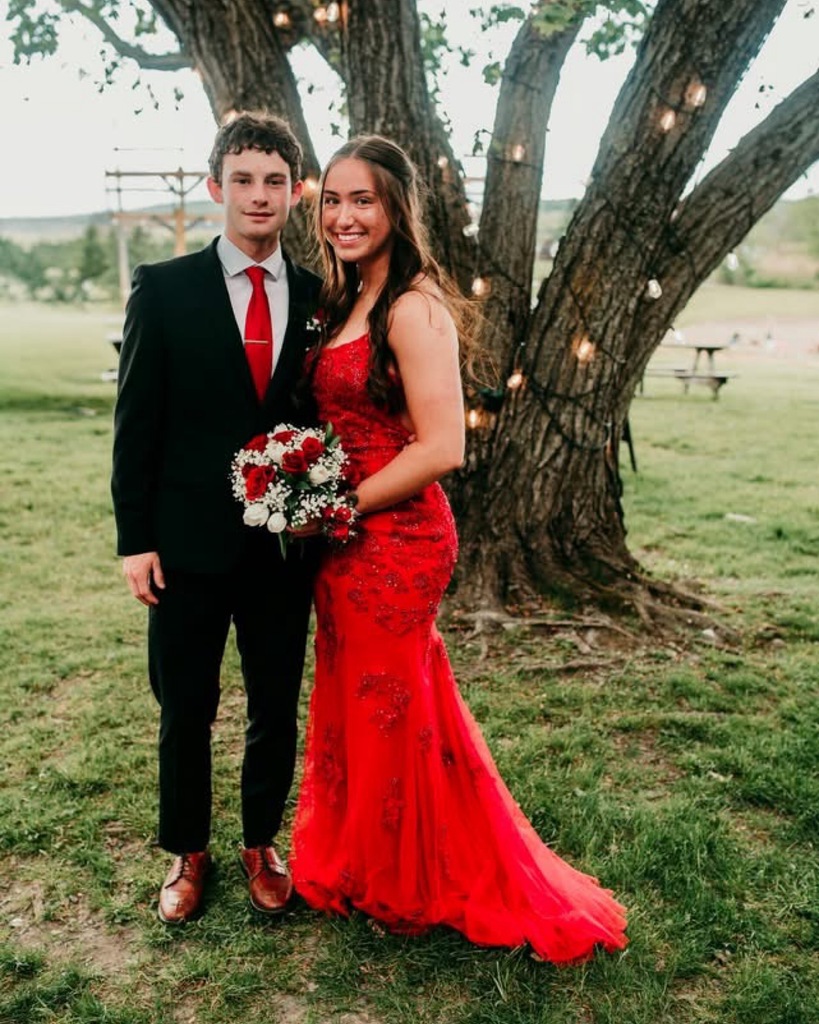
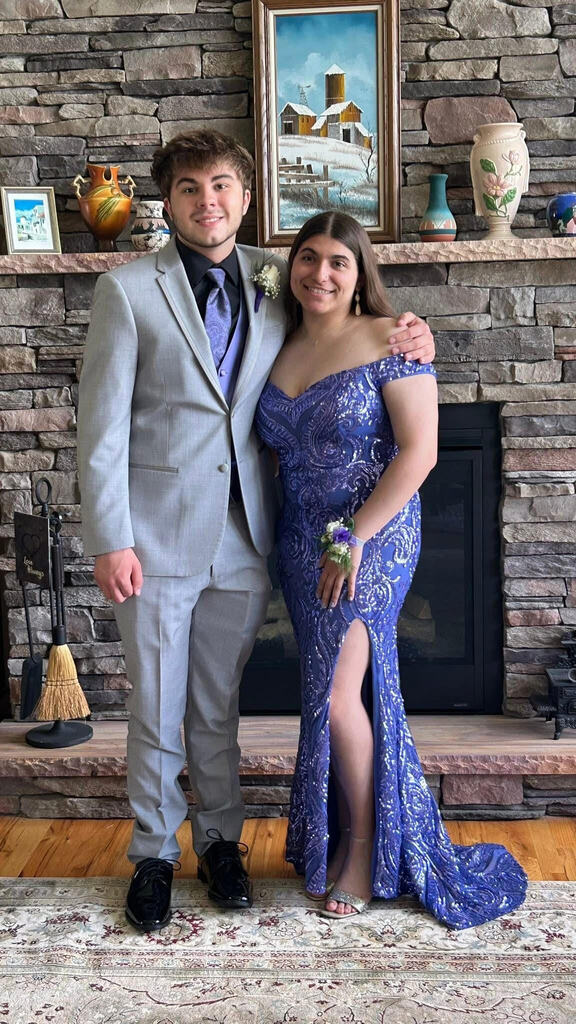
Seniors and their guests danced the night away at last Friday’s Senior Ball, creating memories that will stay with them for years to come. The evening was filled with glamour, laughter, and so much joy — another unforgettable chapter in their journey at Minisink Valley!
From elegant gowns to sharp tuxedos, everyone looked absolutely spectacular, making the night even more special! THANK YOU to the families who shared these beautiful photos with us! See more photos on the district's Facebook page:https://www.facebook.com/MinisinkValleyCSD/posts/pfbid02E9BZNijLzwP8tD3dzxHwnoRSxRFqjCYRJkuHcCfSbQyLZTWkDWAXNEZfE4Yb391wl?__cft__[0]=AZawHJrTx7SHyWYpQ446Pv44iwa1T6K8DeTa4R4kq6guYO4JZ3WOEl8-gcR3MW9h2CfZb7ODXAEW8t33iD6S_VKkp_3IWLkid812iwjgY_TYx8-XWPS9DtCMqB4zJbFriXVtDDyOqnfhHPi_58HLu3Arb3-wzL4Uvgu7Z_Qz9Q8Ahk10BL7FEGB2PWr7uZIr5wM&__tn__=%2CO%2CP-R

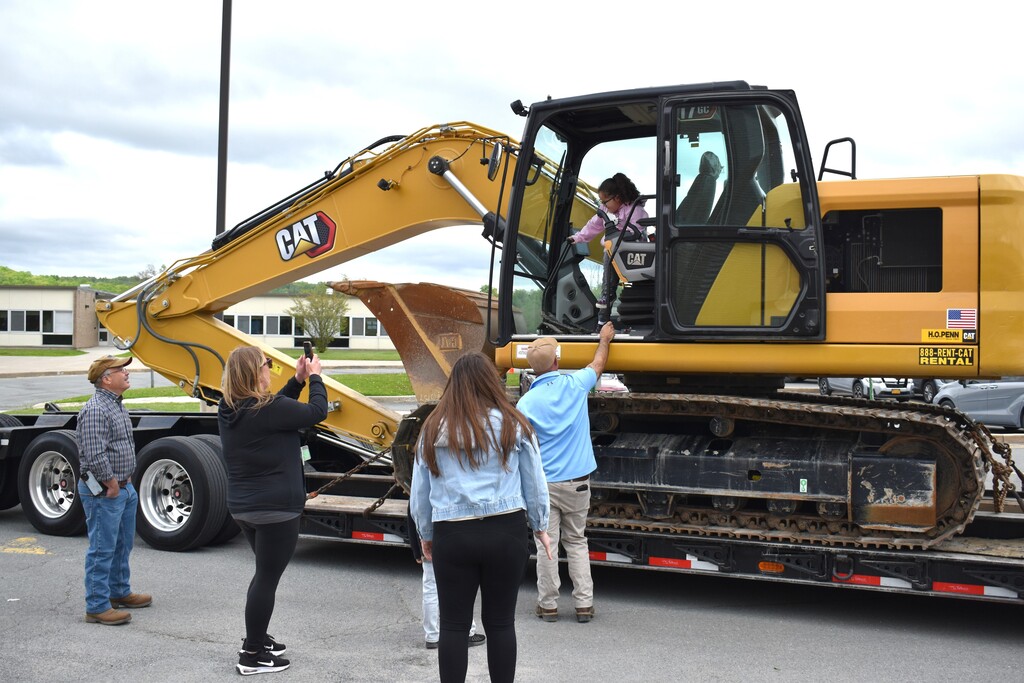
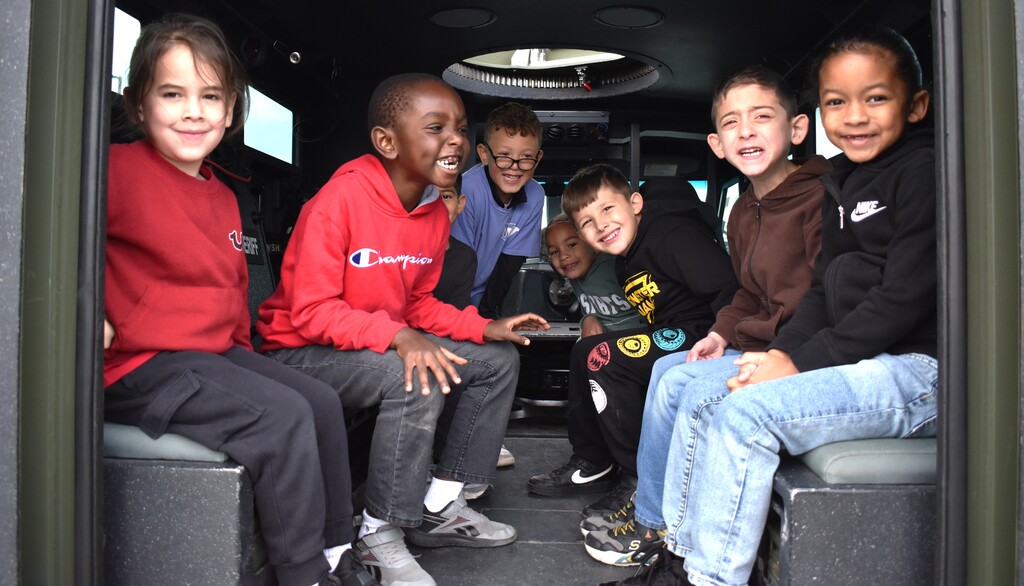
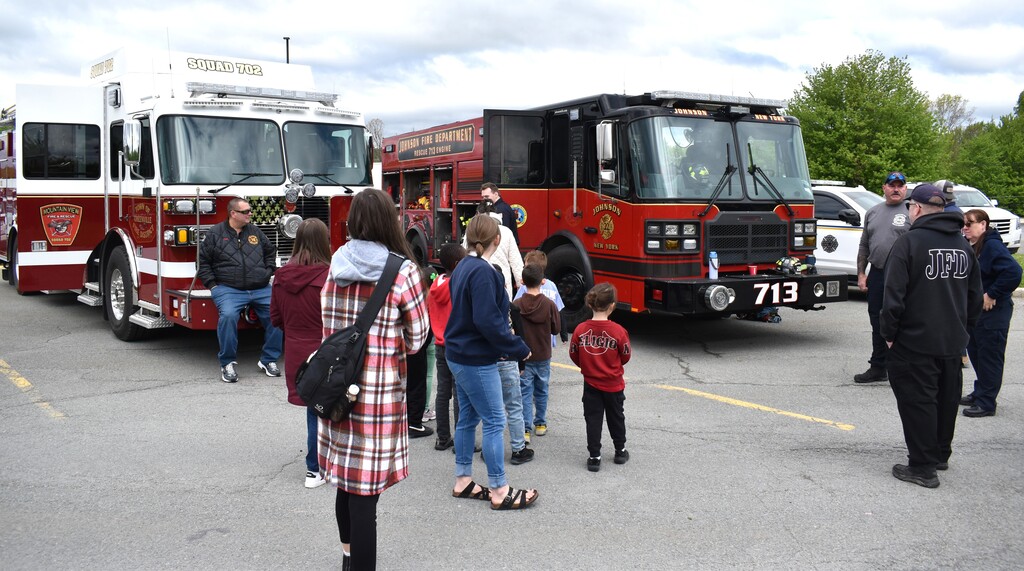
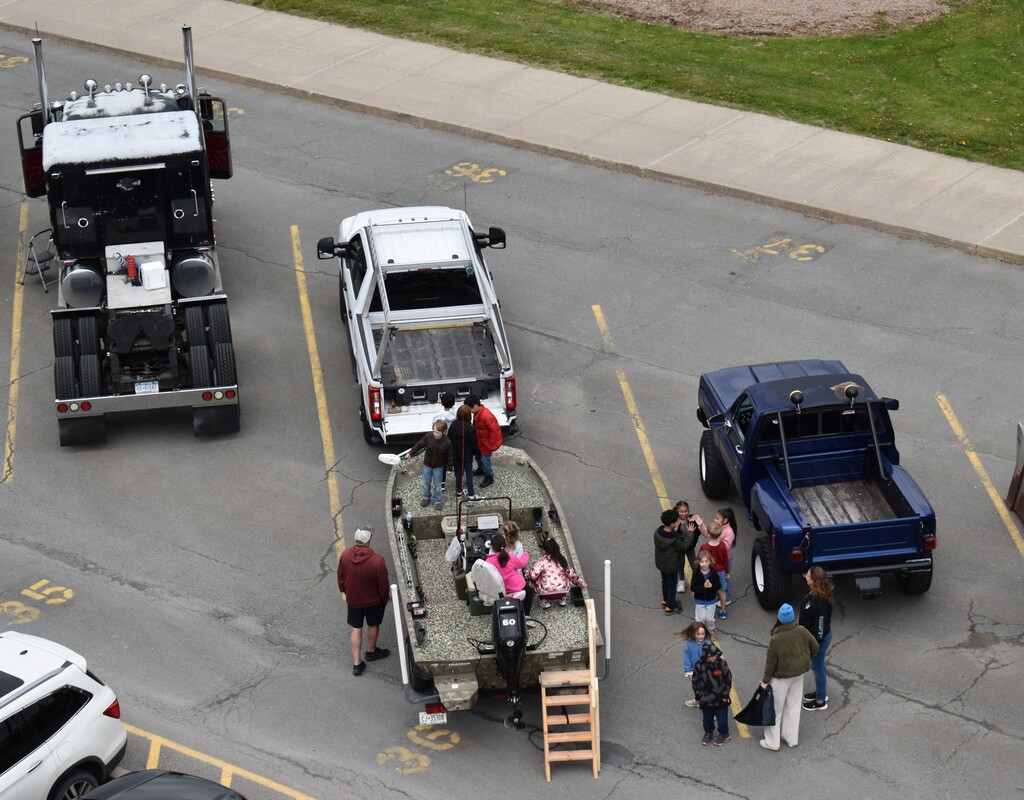
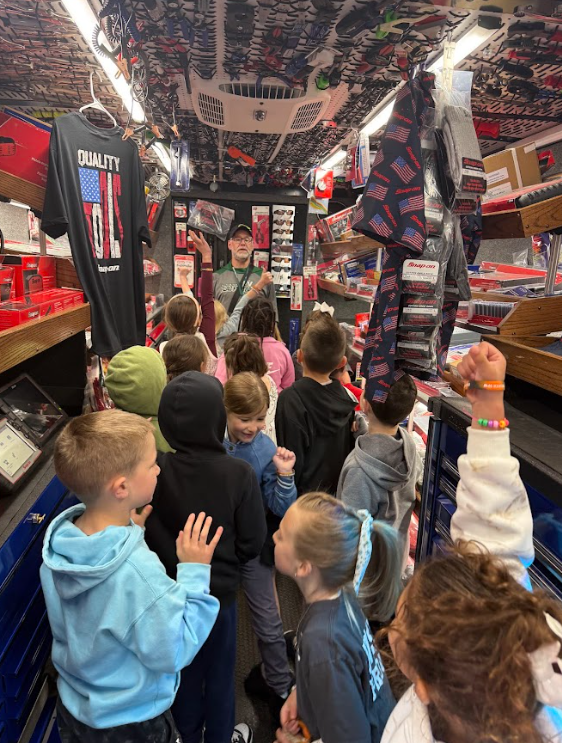
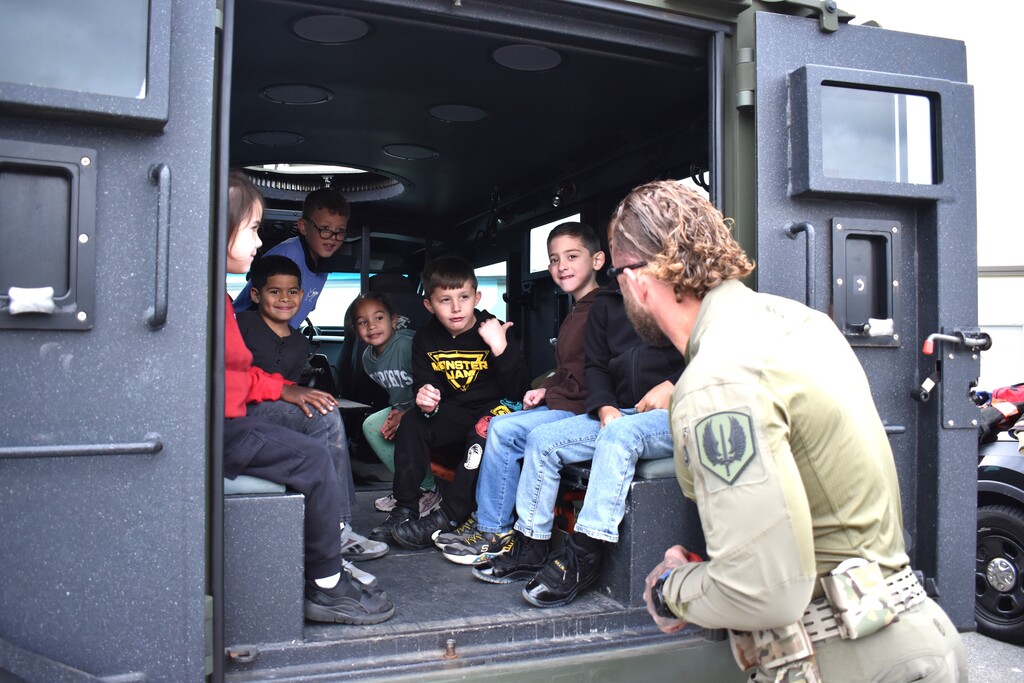
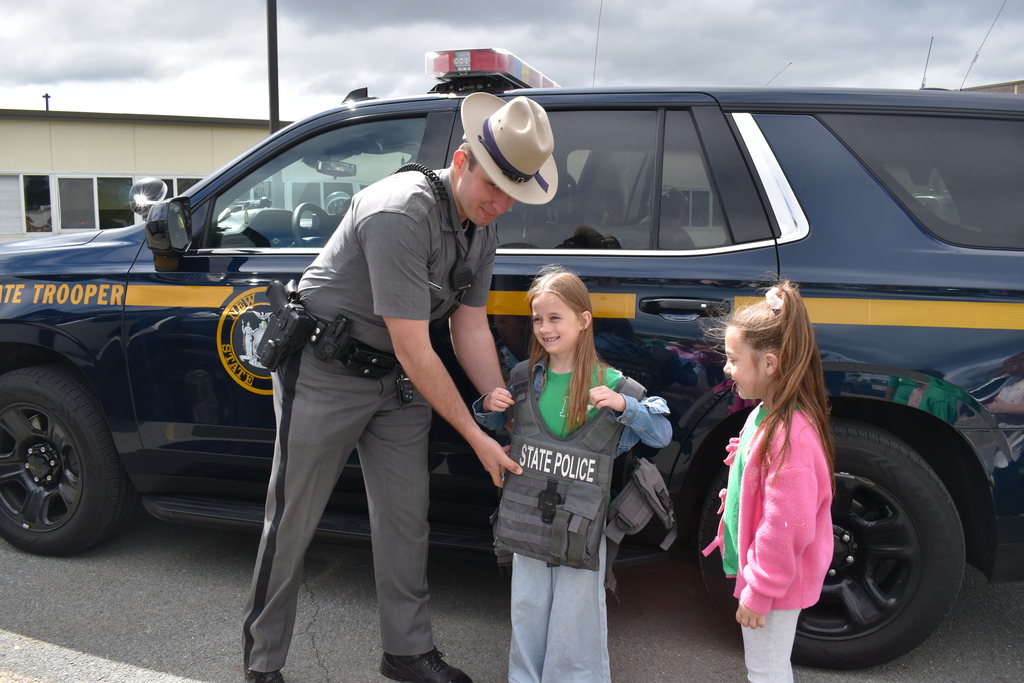
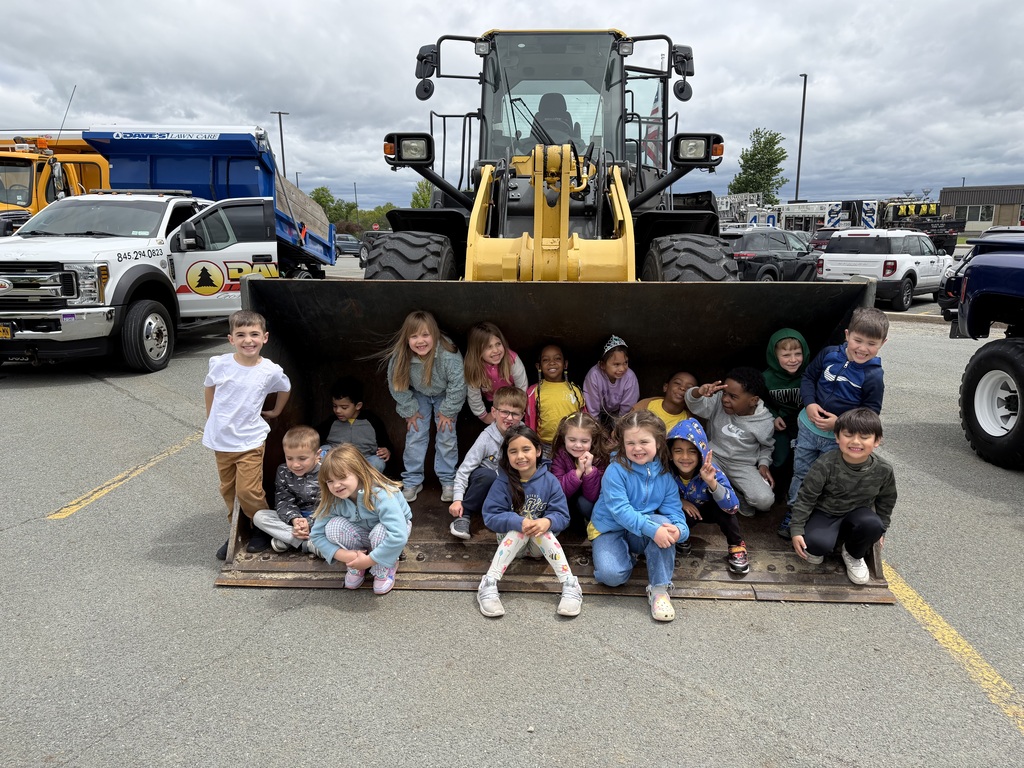
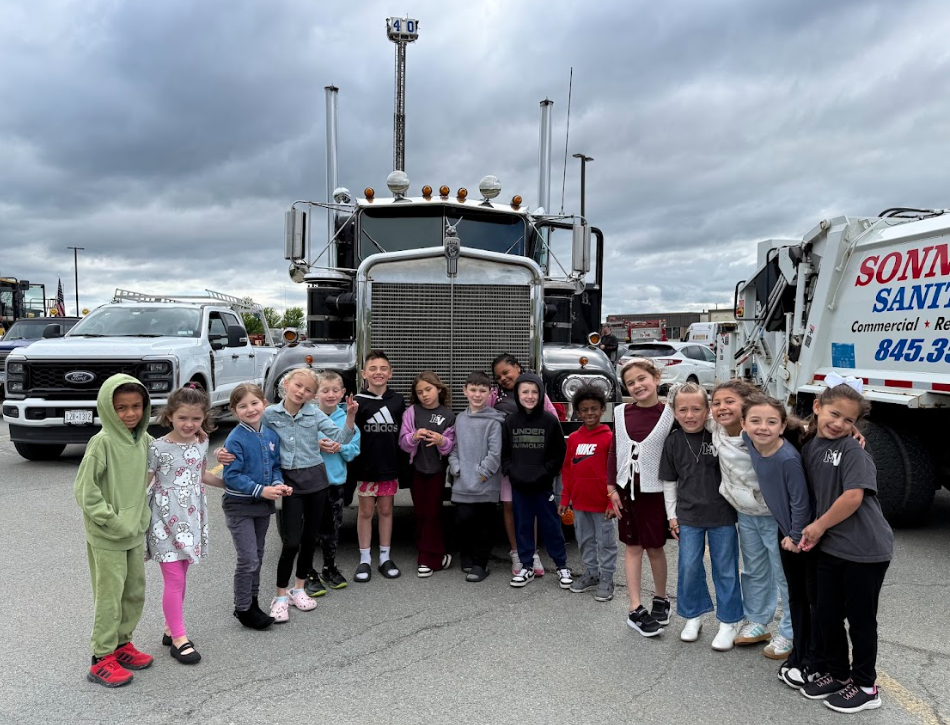
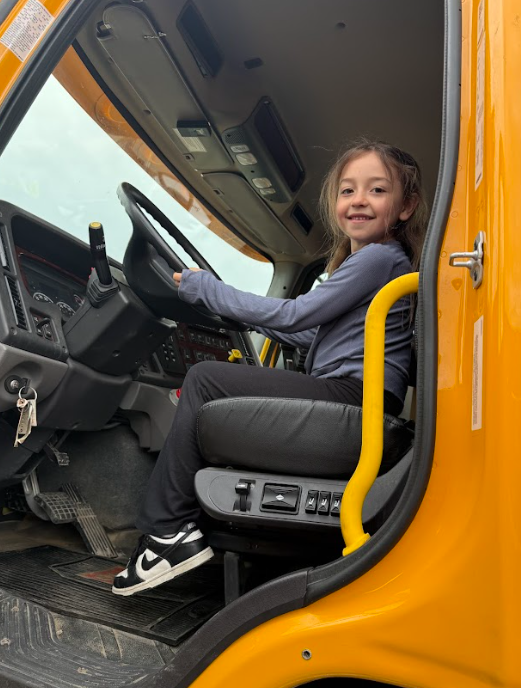
Students enjoyed seeing different types of vehicles, especially when they could explore them up close! They learned more about how vehicles work and how they interface in so many ways with everything they and their families do. Take a peek!
THANK YOU to everyone who was a part of this wonderful learning experience. Transportation Day is successful because of strong community involvement! So many of our community and business colleagues want to share not only their vehicles, but experiences, and knowledge with students…and we’re very grateful! Their participation gives children real-world learning opportunities and helps them understand the important roles people play in keeping a community functioning, connected and safe. When a school and business/community members work together, students gain a richer and more memorable learning experience!
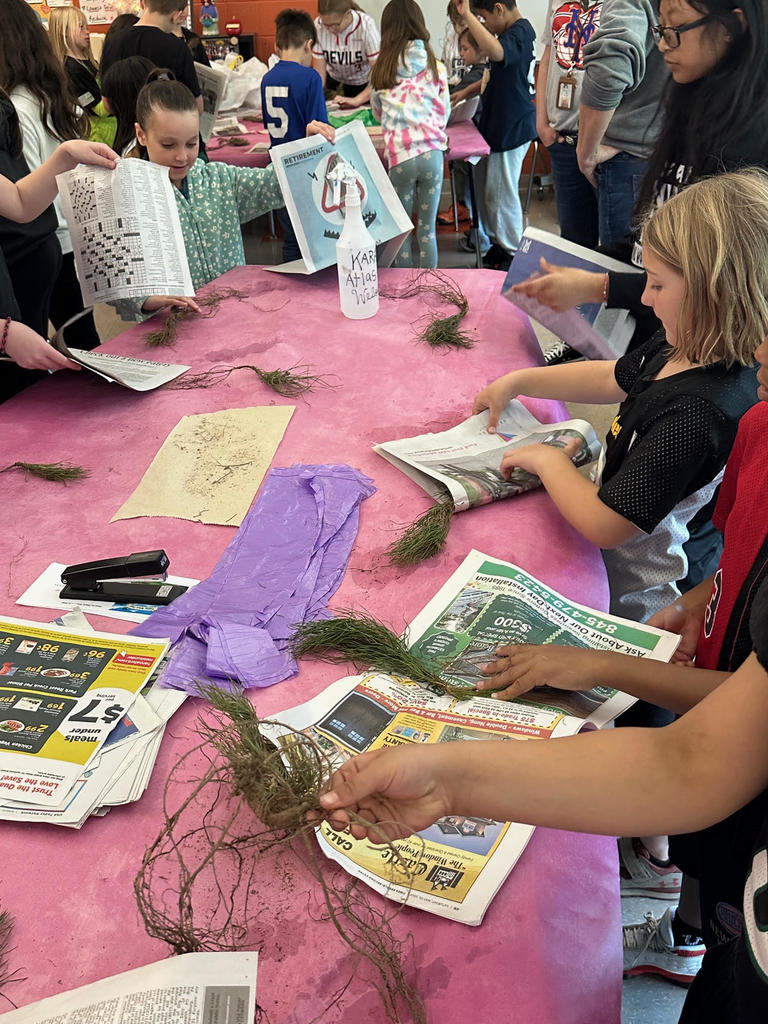
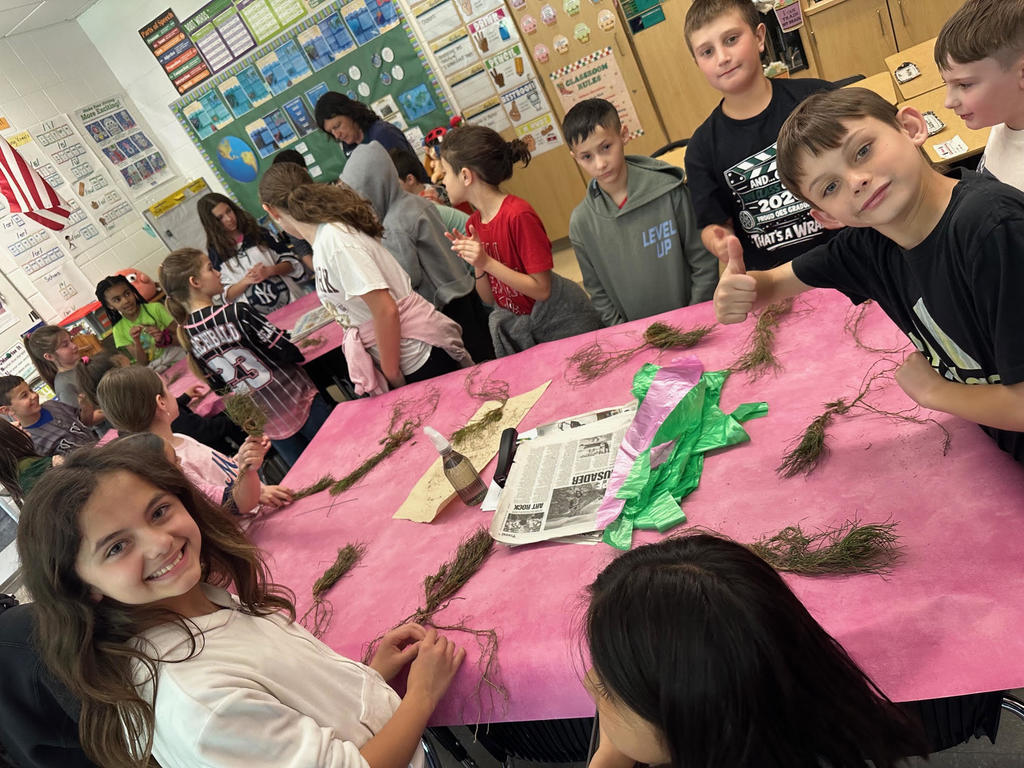
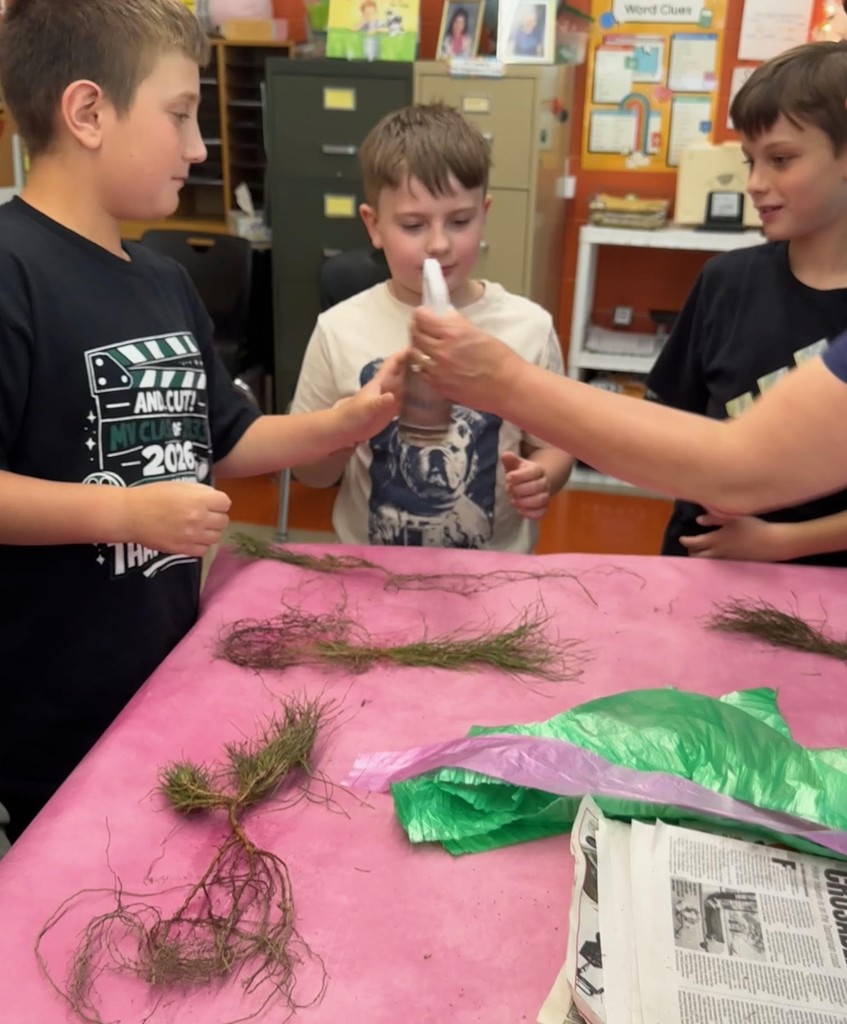
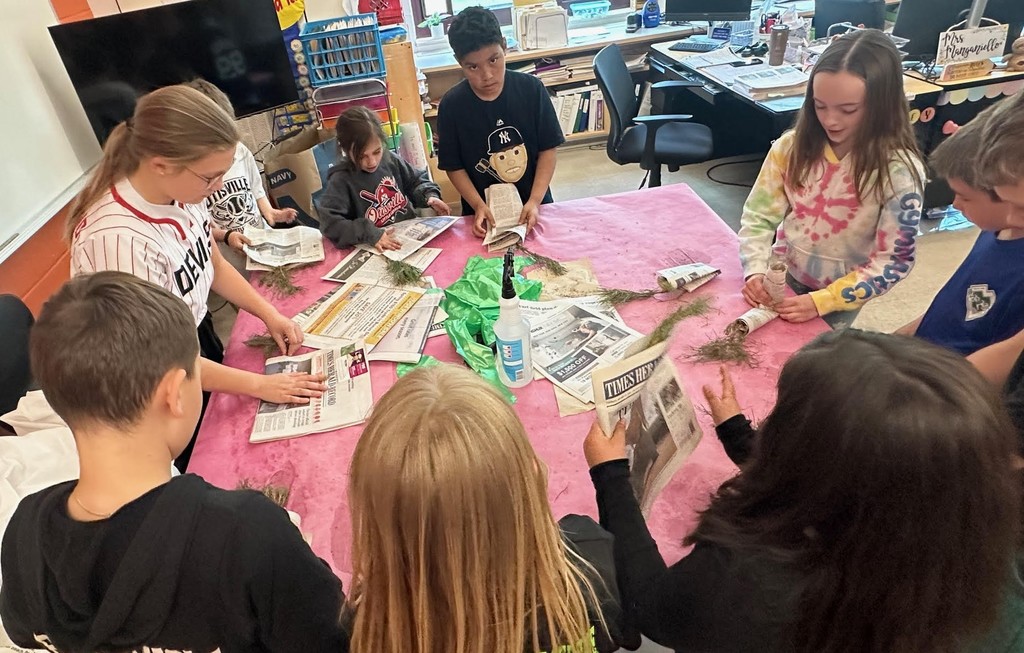
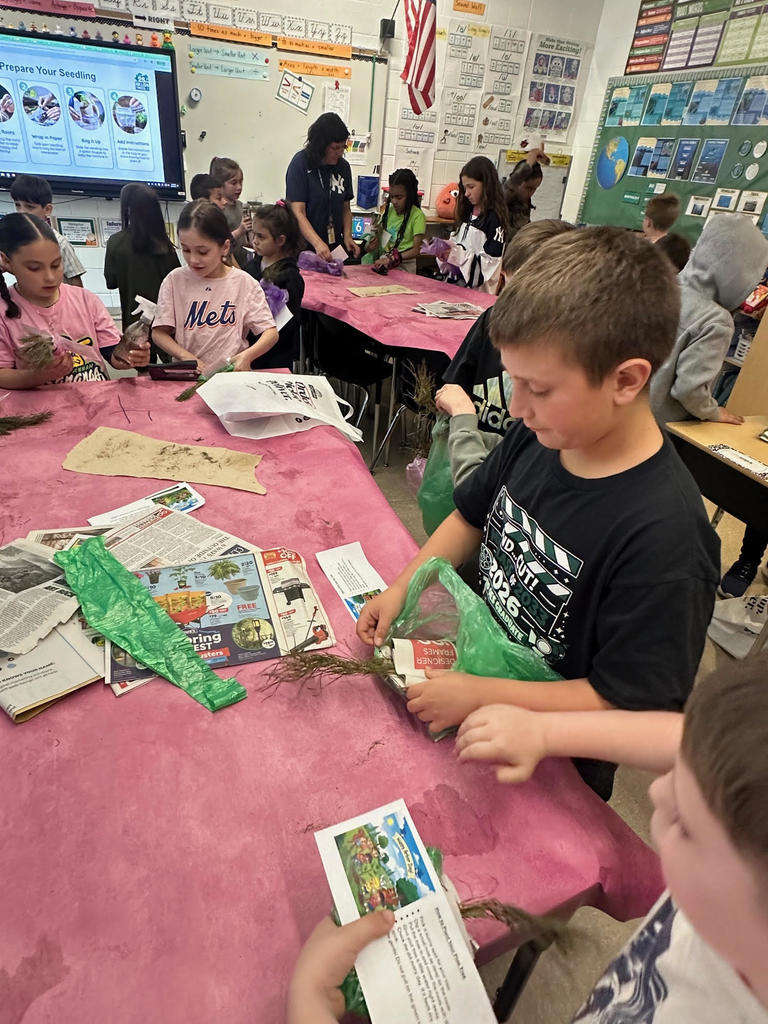
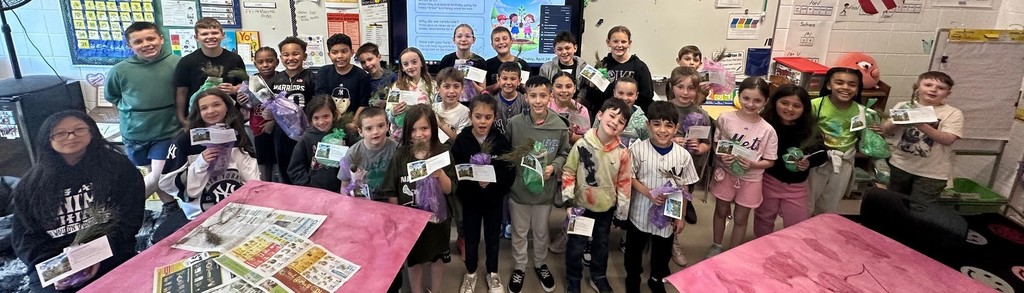
Together, the students prepared pine tree seedlings to go home for families to plant and nurture. The older students stepped into leadership roles, proudly guiding and encouraging their younger partners throughout the activity. The result was more than just a lesson in planting—it was a meaningful experience that built friendships, confidence and a strong sense of teamwork across grade levels.
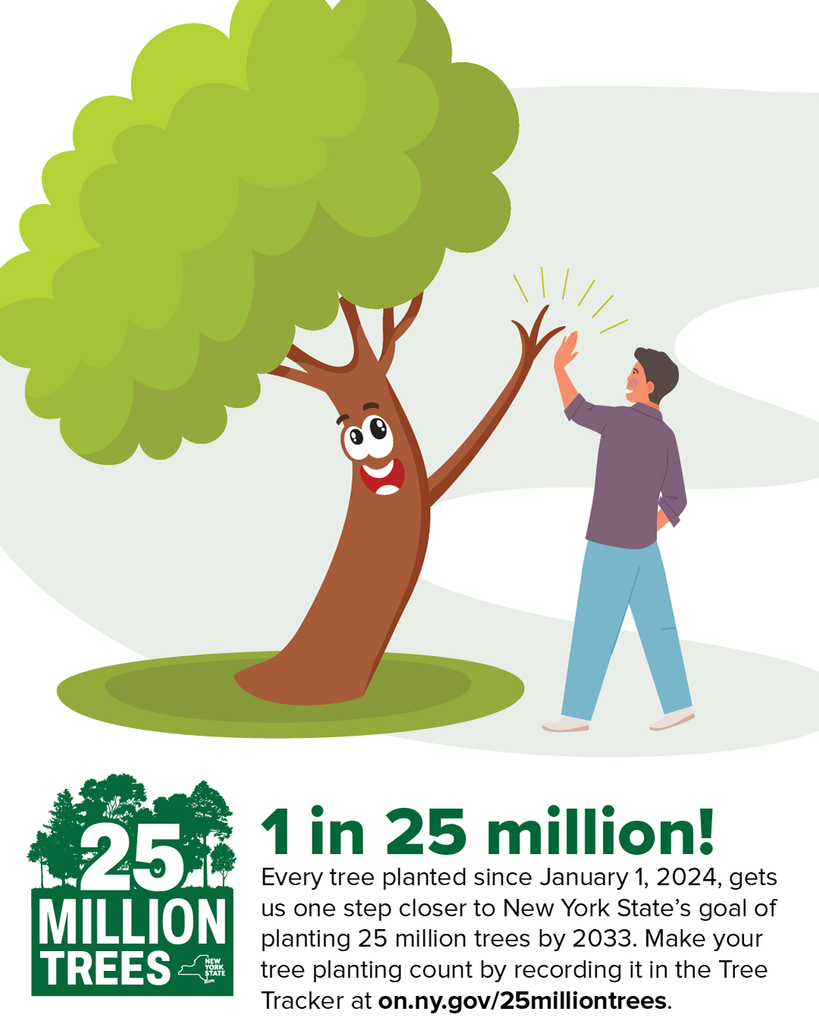
This inspiring collaboration supports New York State’s “25 Million Trees by 2033” initiative, launched by Gov. Kathy Hochul in her 2024 State of the State address. The ambitious program aims to plant 25 million trees across New York by 2033, with every tree planted since Jan. 1, 2024, counting toward the goal.
The New York State Department of Environmental Conservation encourages everyone to take part by recording planted trees through its real-time Tree Tracker:
https://survey123.arcgis.com/.../486772938dfd43d1bacd3525...
Pine tree seedlings are the very young stage of pine trees—basically the “baby trees” that grow after a pine seed germinates.They start out small and delicate, usually with a thin stem and a few soft, needle-like leaves (called cotyledons at first). As they grow, they develop the familiar bundles of pine needles and gradually form a stronger root system that helps them survive drought, wind, and changing weather.
Pine seedlings grow slowly at first: Most pine species focus on building strong roots before they shoot up in height. Most pine seedlings do best in open, sunny areas rather than heavy shade. Even as seedlings, they help stabilize soil and eventually provide habitat for birds and wildlife.
Mature pines are well adapted to poor soils and can survive in challenging environments.