
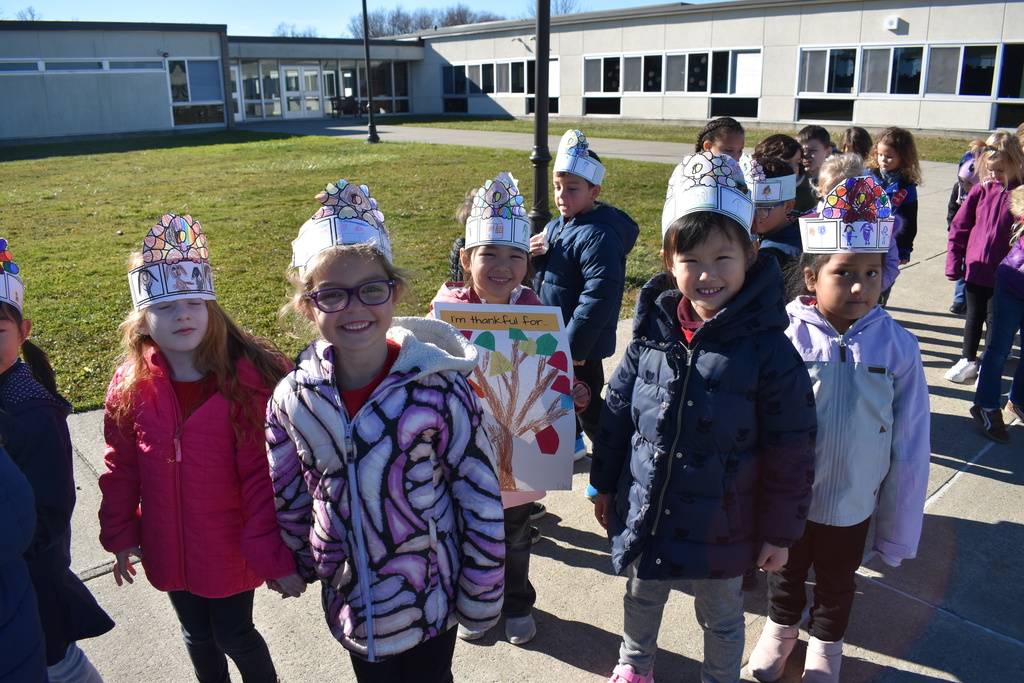
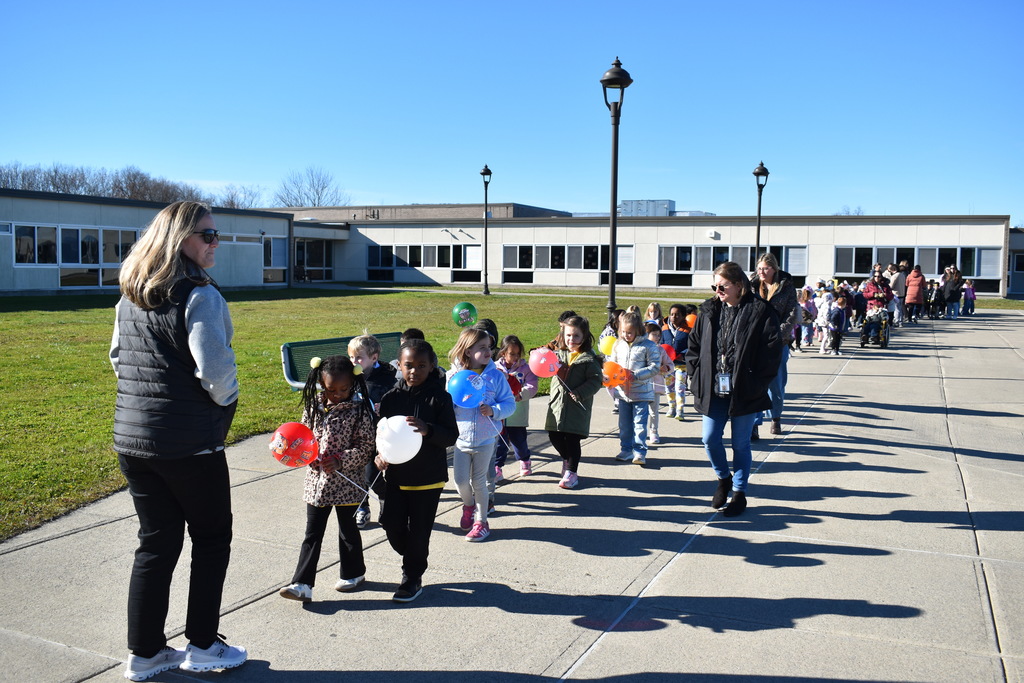
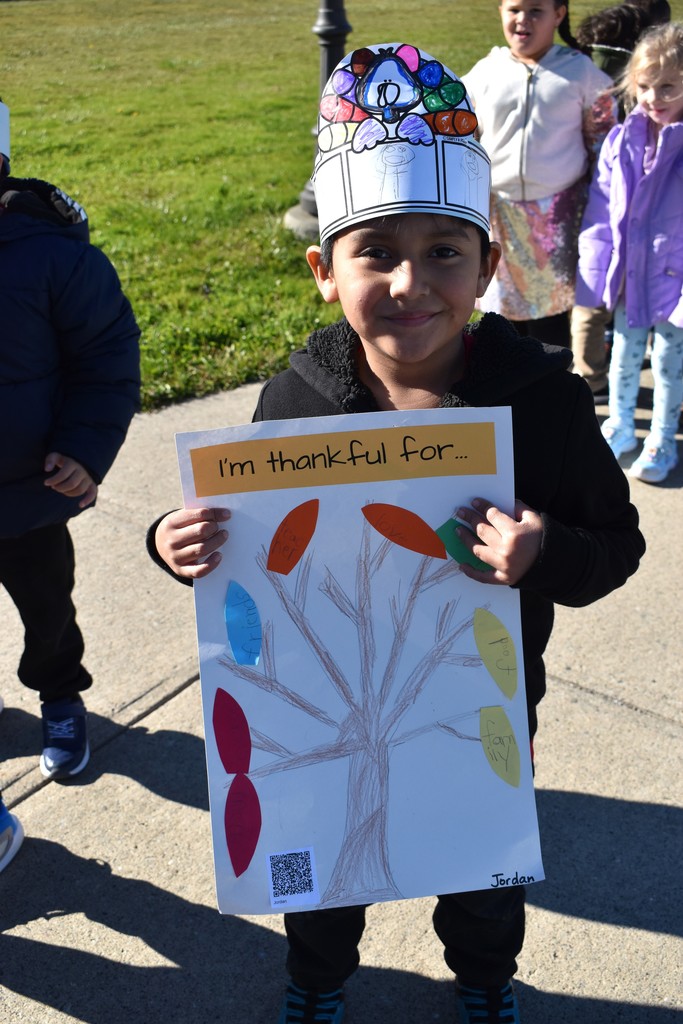
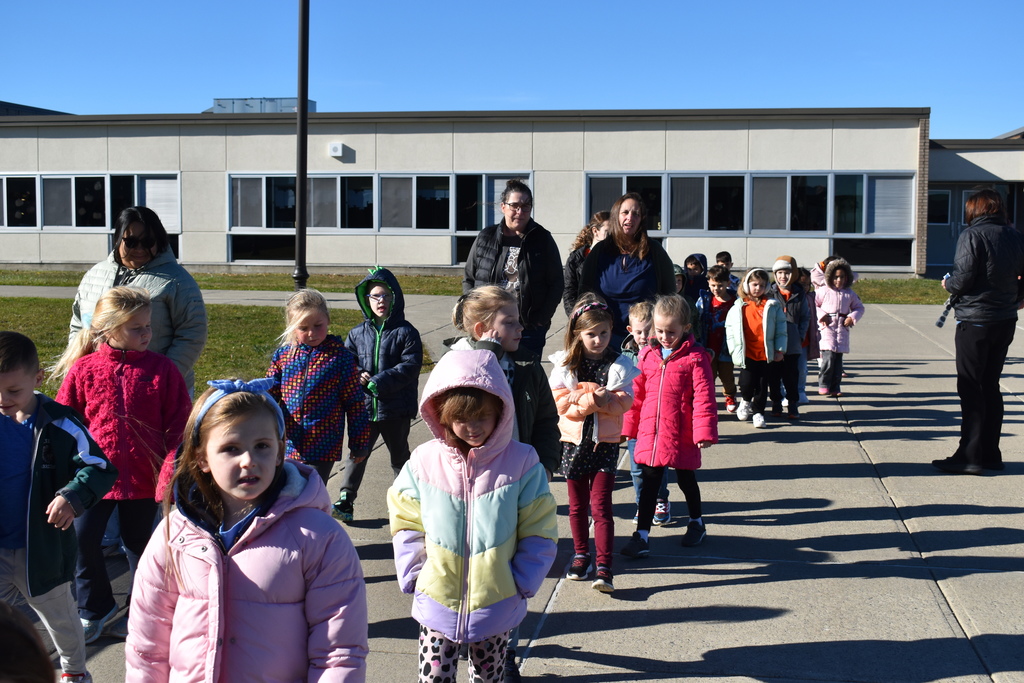
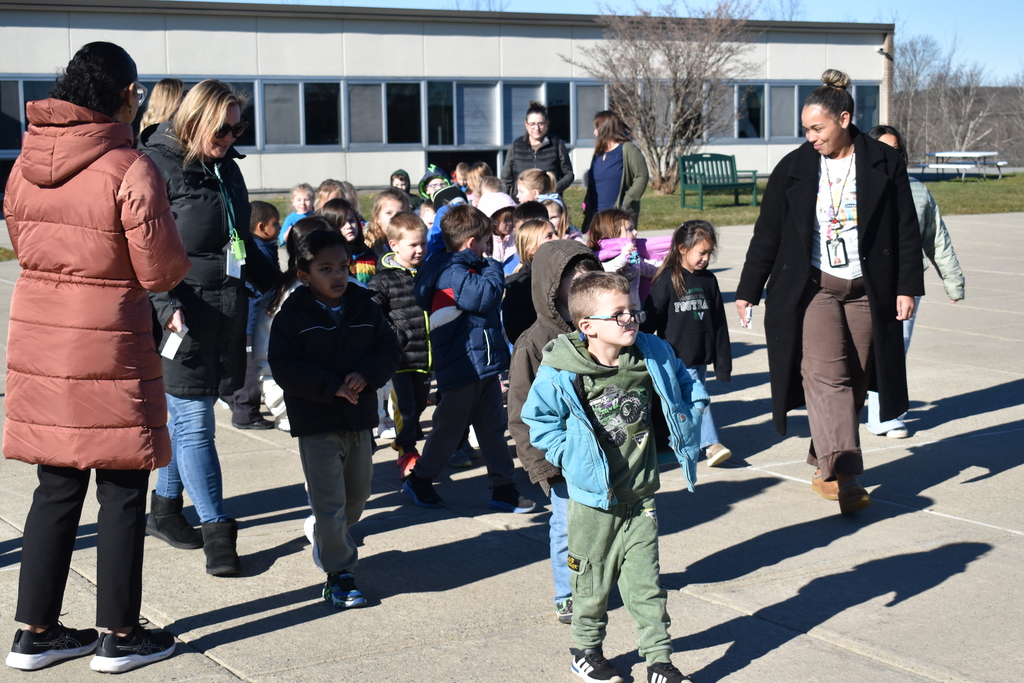
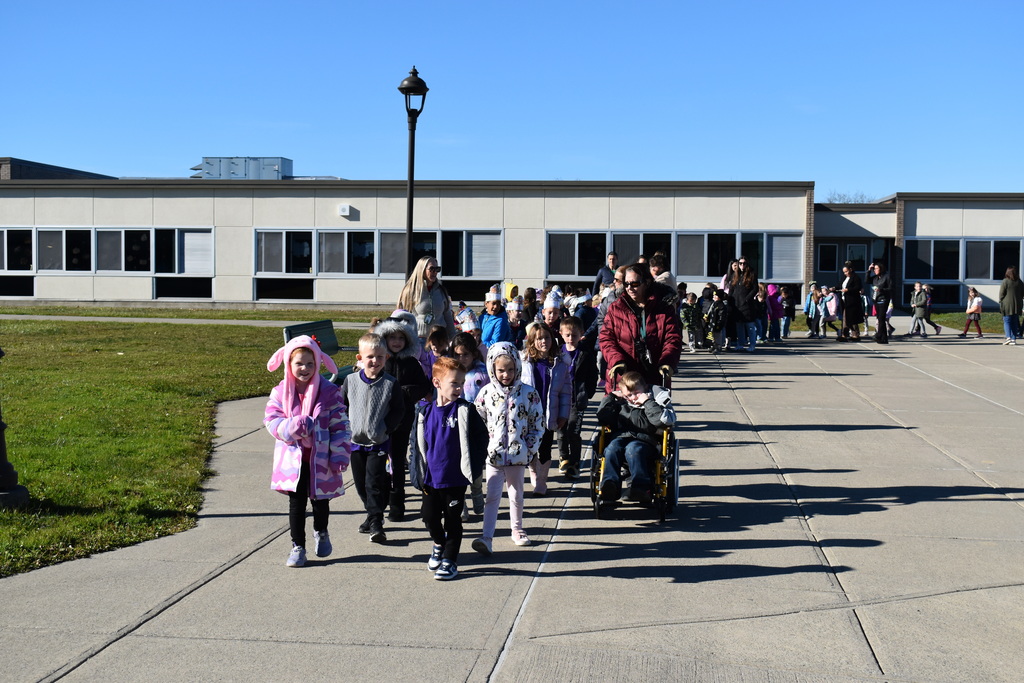
It's important for kindergarteners to understand gratitude because it builds a foundation for empathy, happiness and emotional well-being by teaching these little ones the importance of recognizing and appreciating the kindness of others and the positive aspects of their own lives. Long term, this skill helps them develop into more resilient, less self-centered adults and helps in their social and academic performance. Activities like this are part of the school's and district's ongong character education curriculum.
See more photos on the district's Facebook page!
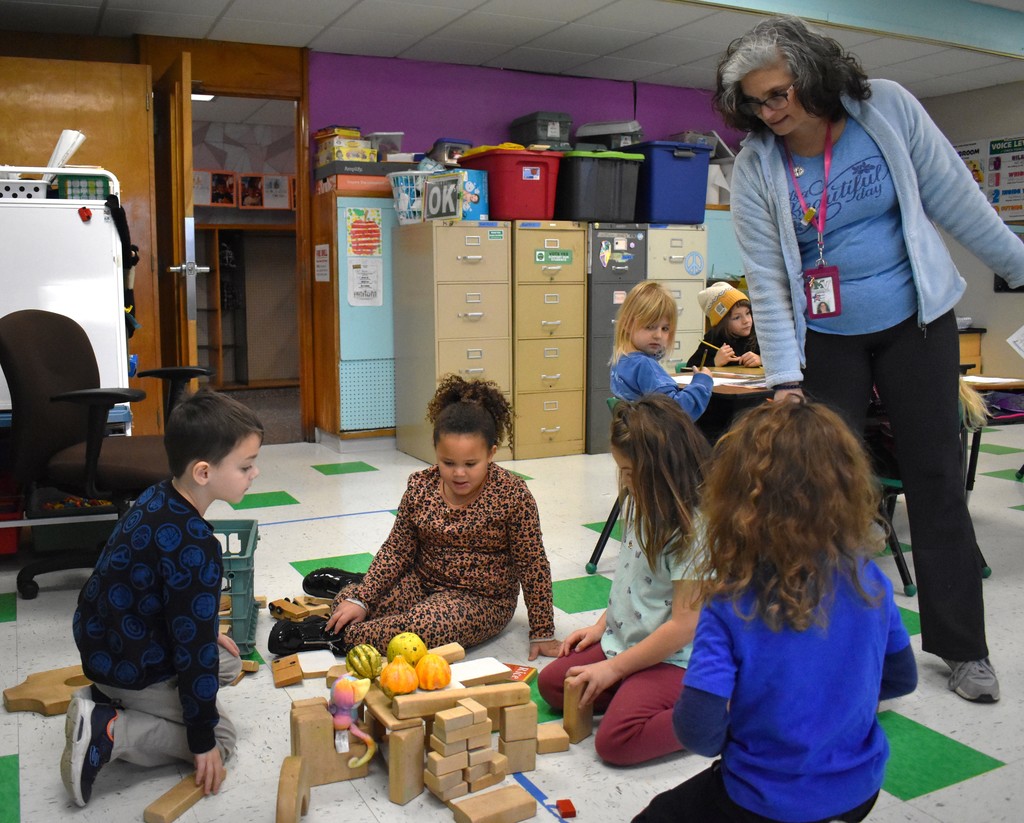
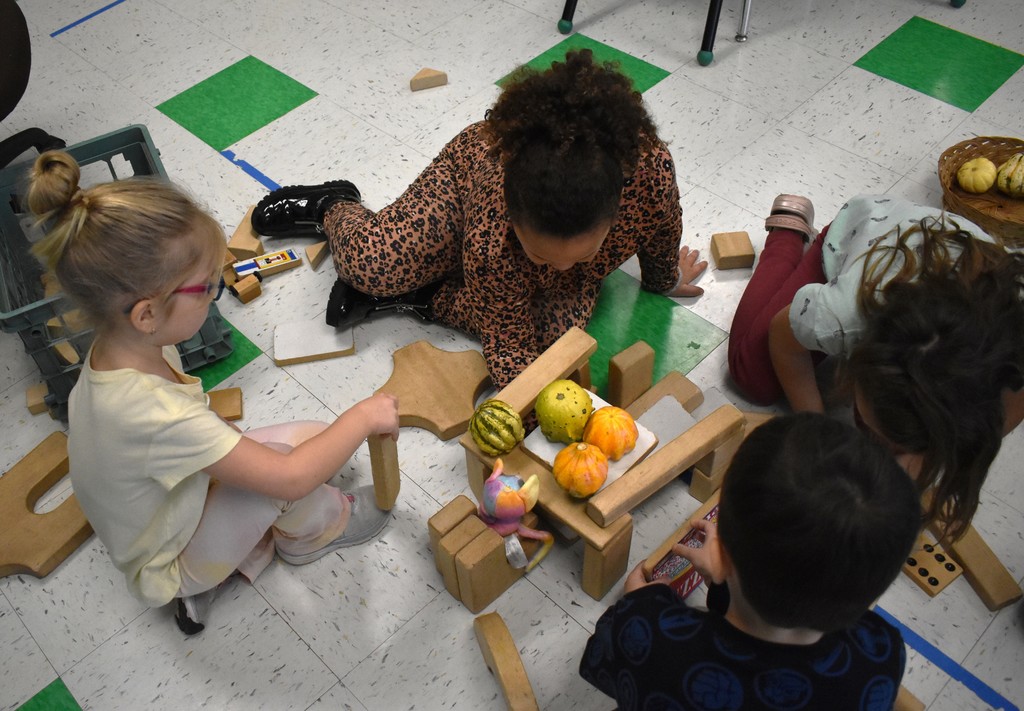
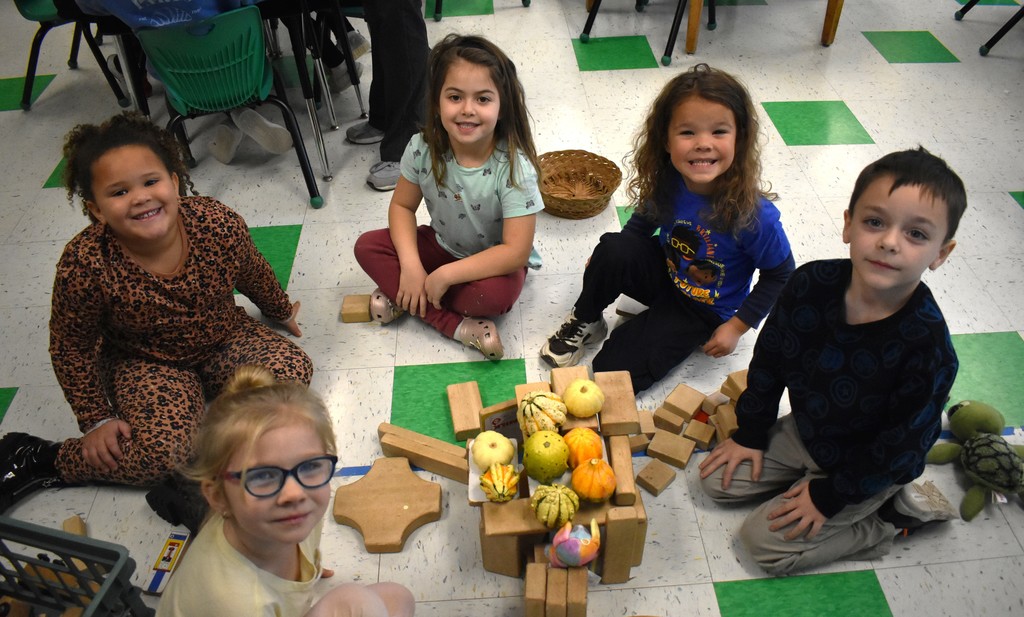
Ms. Ruoti asked students to apply what they had learned about the needs of living things—particularly how plants grow and provide the foods we enjoy—while collaborating closely with their peers in a fun STEM component to their science studies and discussions about Thanksgiving. They were tasked with designing and building a table sturdy enough to support eight gourds. The gourds served as a playful, seasonal stand-in for the plants and vegetables they been discussing in their plant unit.
Gourds (as well as pumpkins and squash) are associated with Thanksgiving mostly because they’re classic symbols of the fall harvest. Because they grow in abundance at that time, they naturally became tied to autumn celebrations. Thanksgiving is all about gratitude and plenty, and a big bowl --- or table --- of gourds visually symbolizes a good harvest and a season of thankfulness.
Once their table was completed, students were tasked with collaborating together again to build chairs for their mini-stuffed animal friends to sit on, so their fuzzy pals could enjoy a good old-fashioned gourd feast! While stuffed animals may “eat” those knobby little decorative gourds, we would not. However, their presence connects back to the history, harvest season and spirit of Thanksgiving!
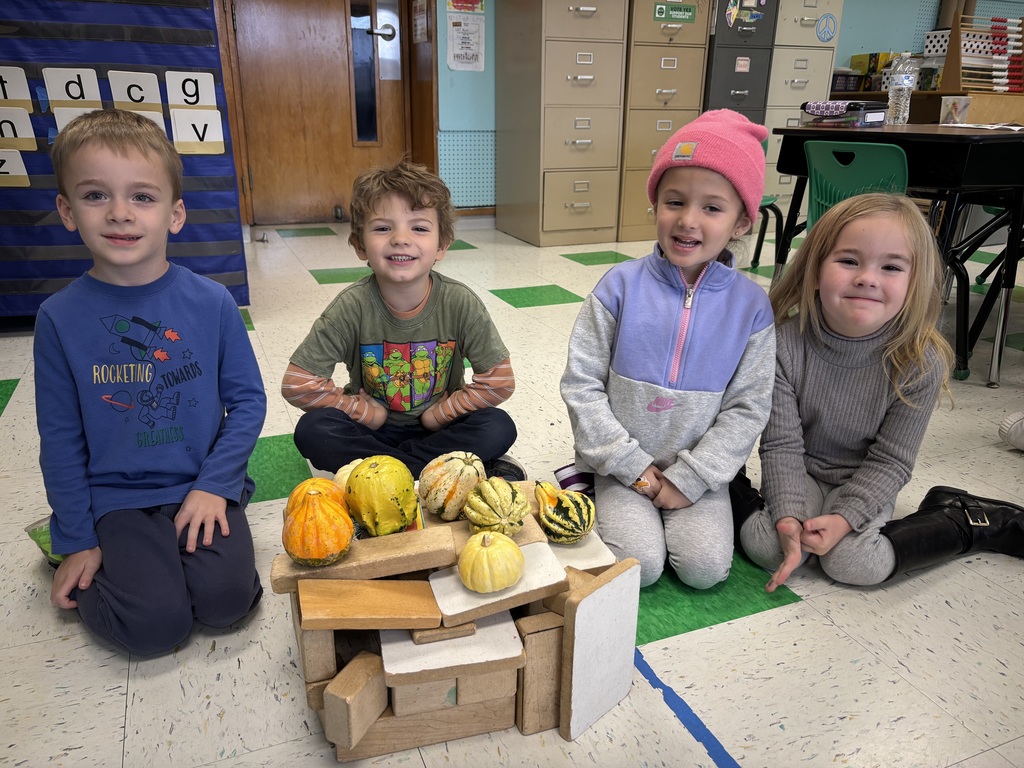
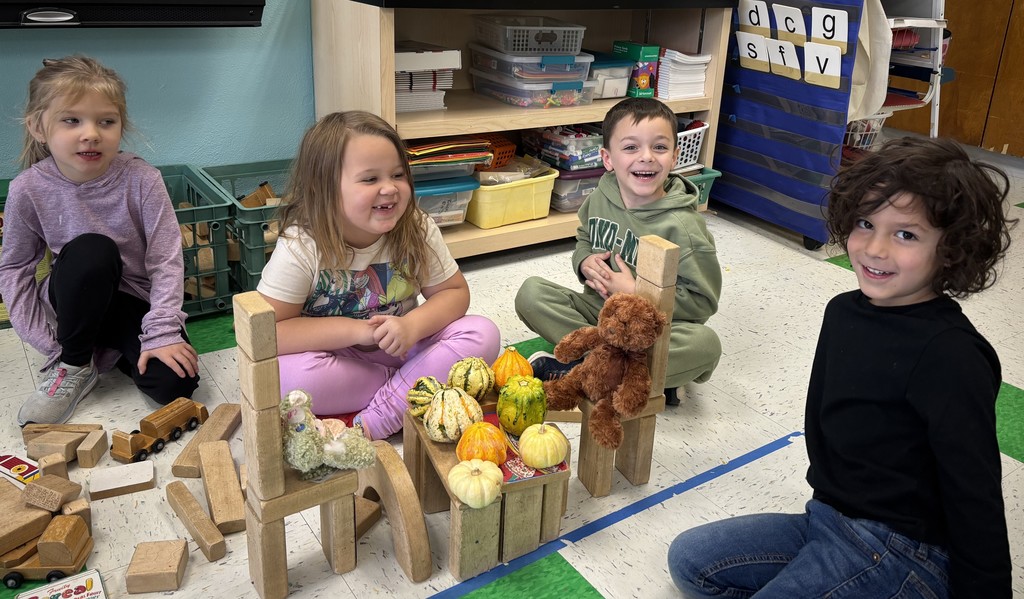
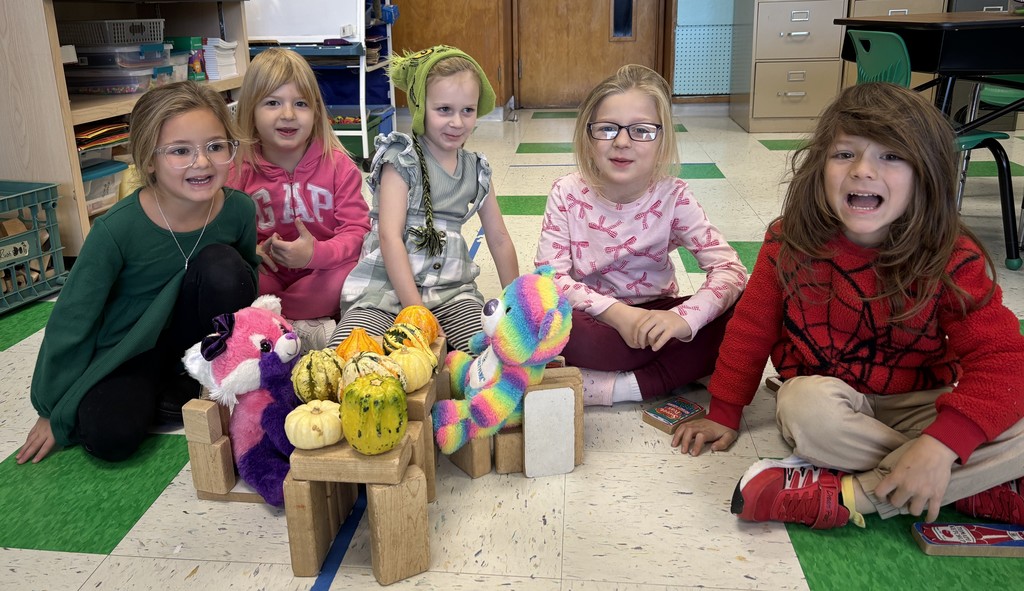
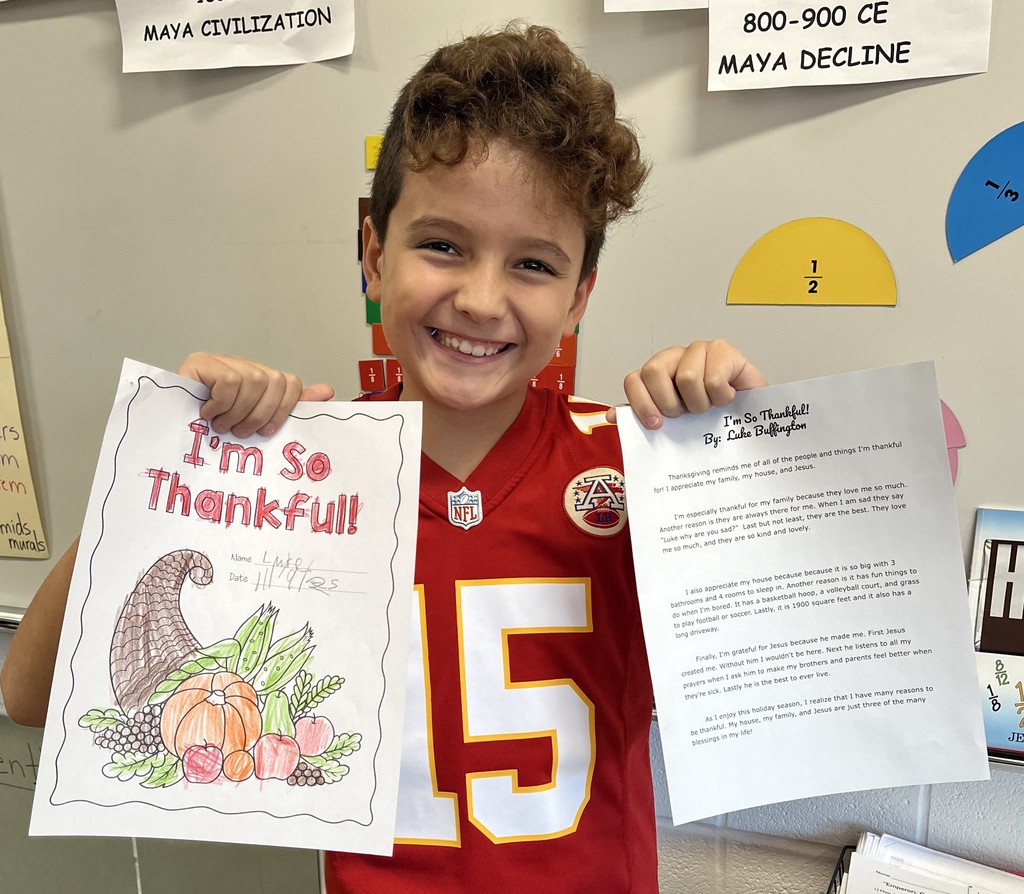
First, students brainstormed about the many people and things they’re thankful for in their lives. Next, they chose the top three things most important to them. Students listed all of the reasons why they’re thankful for each onto an organizer.
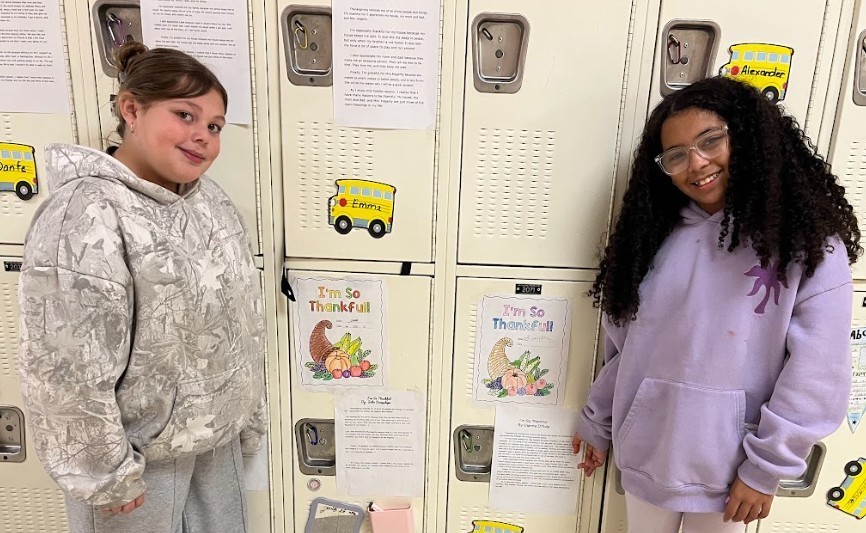
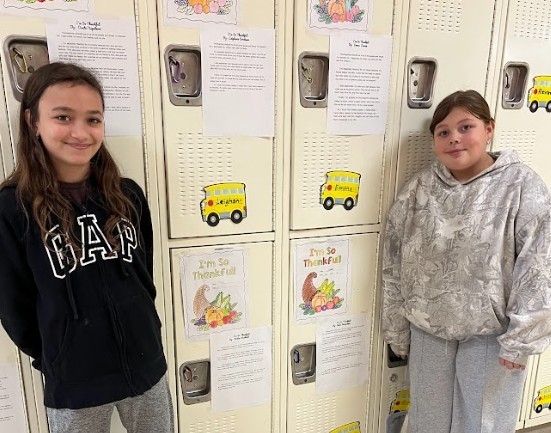
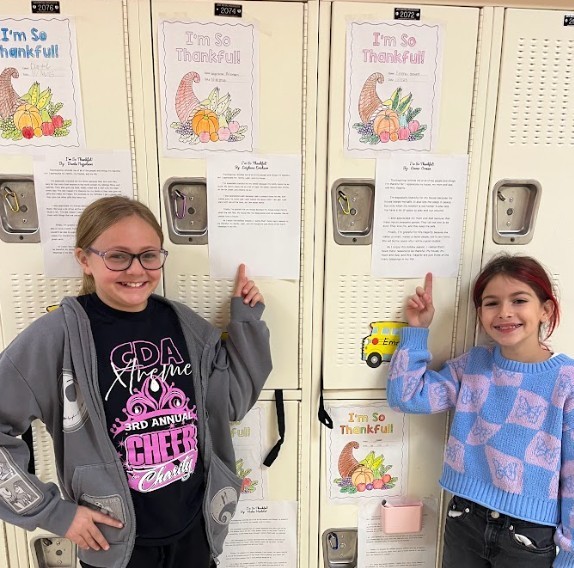
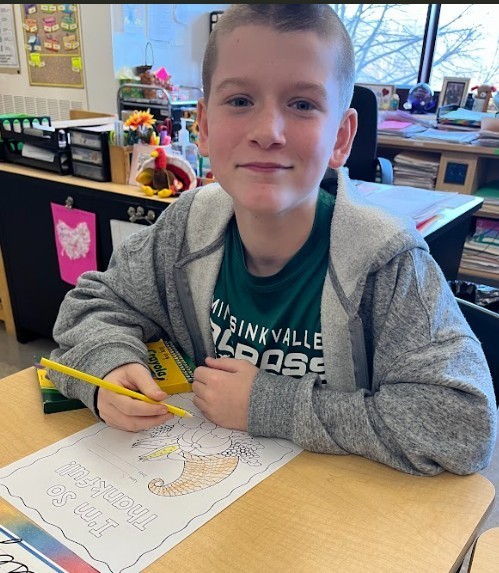
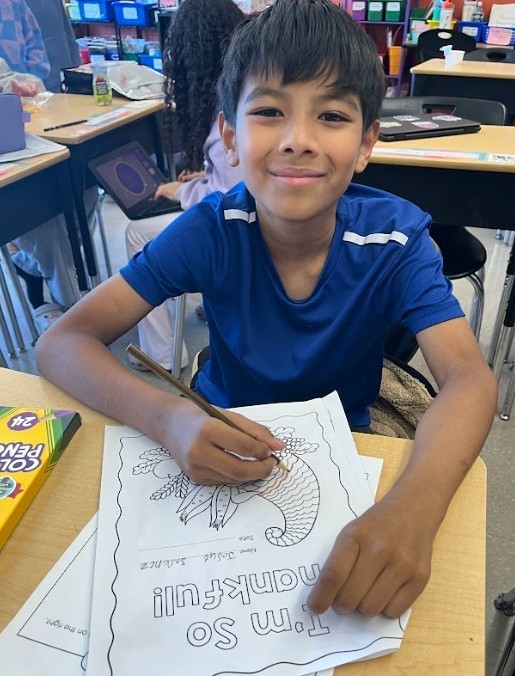
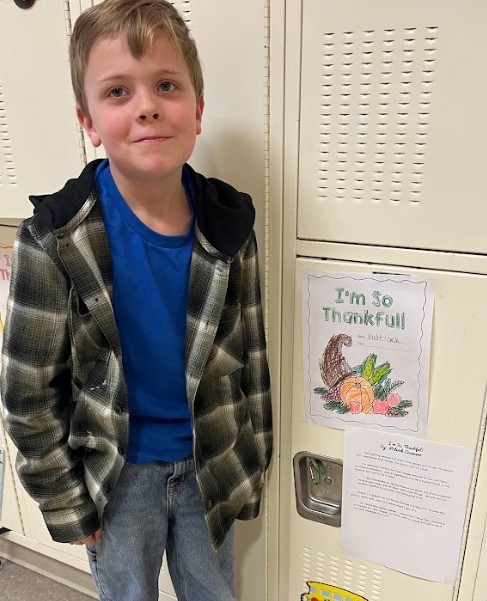
Then they created first drafts of their essays, remembering to include an introduction, paragraphs about each topic, and a conclusion. Finally, students edited their work, typed their essays, colored a cover picture, and published them to hang on their lockers for everyone to see and enjoy! Well-done, everyone!
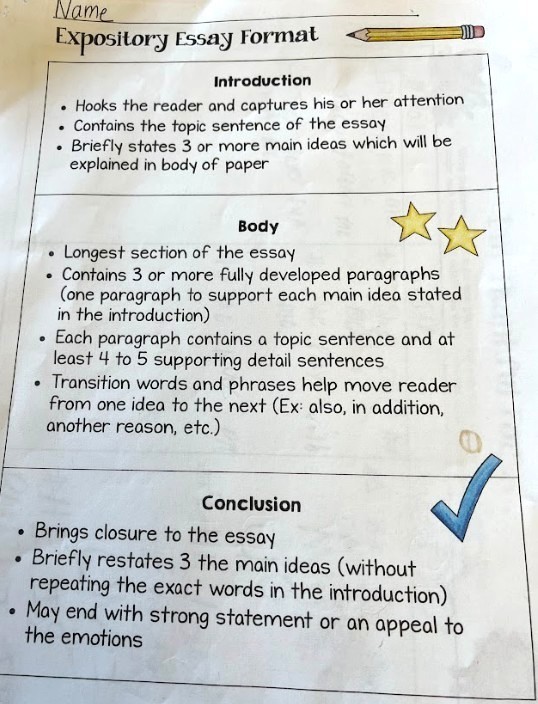
The Expository Essay Format is a very useful writing model for students because it helps them organize their ideas clearly. Understanding how information is organized can help students analyze texts and express ideas more effectively. It’s also thought to be a foundational format for essay students will write as they advance in their academic careers. Standardized writing assessments often require expository essays, so knowing the format increases confidence and performance.
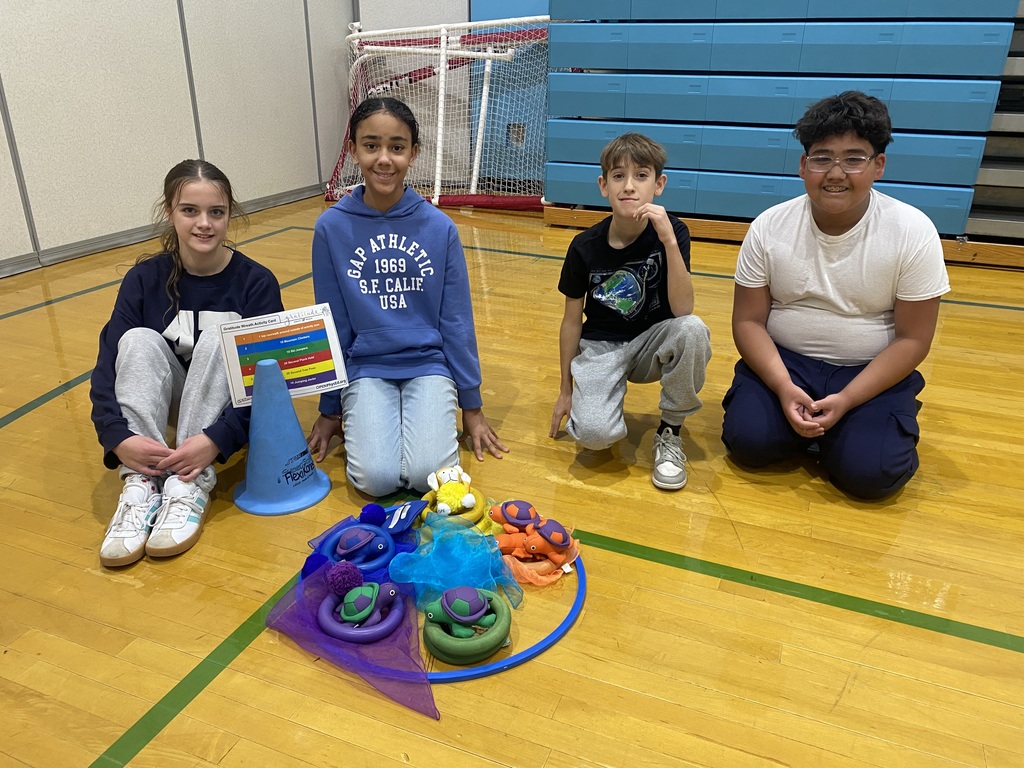
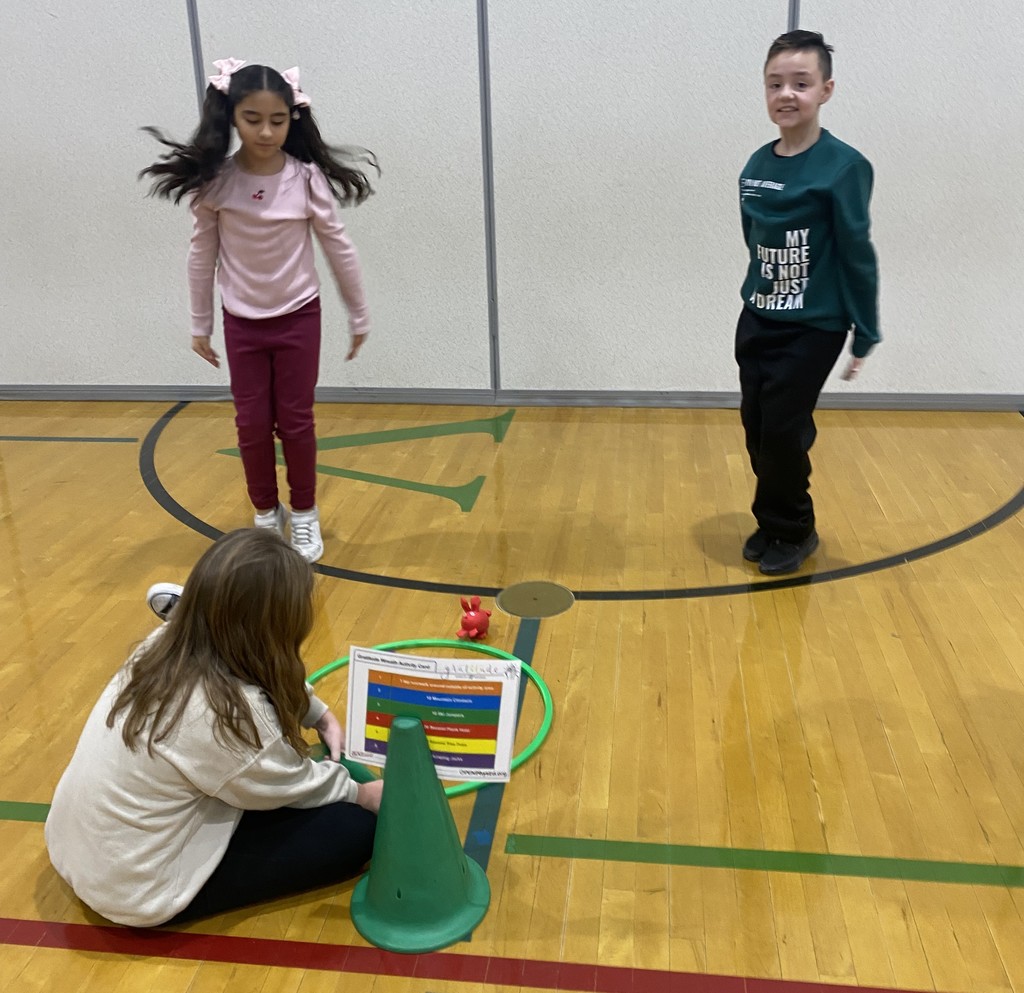
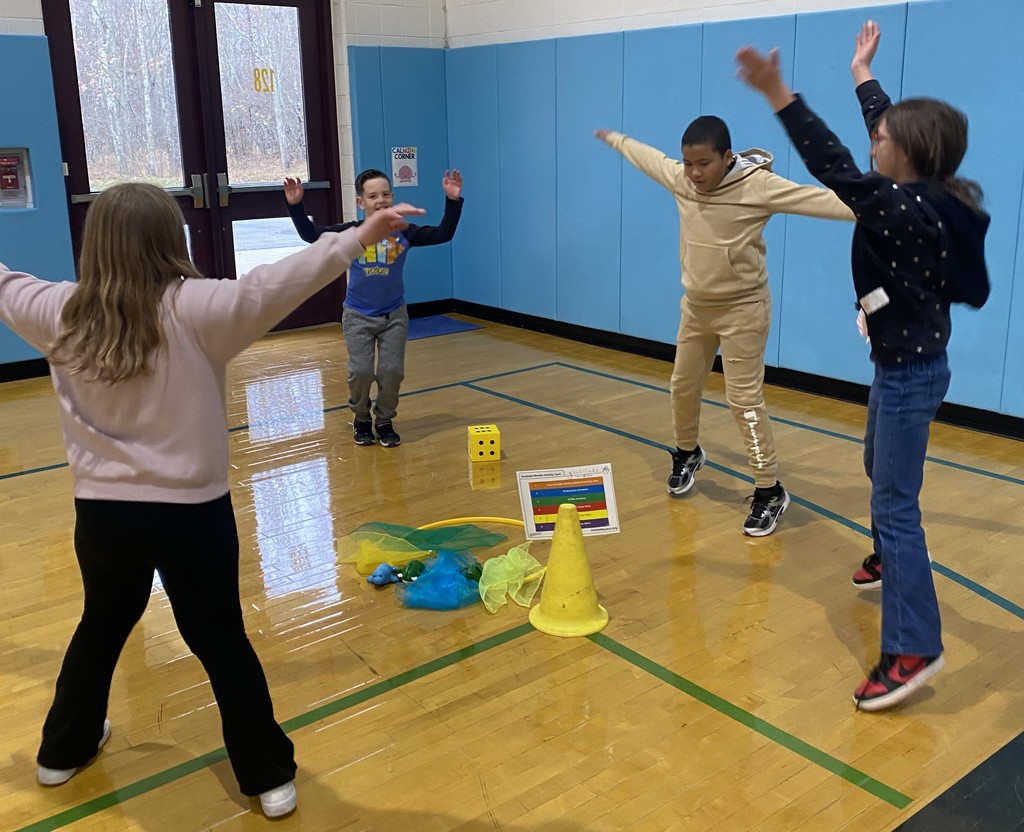
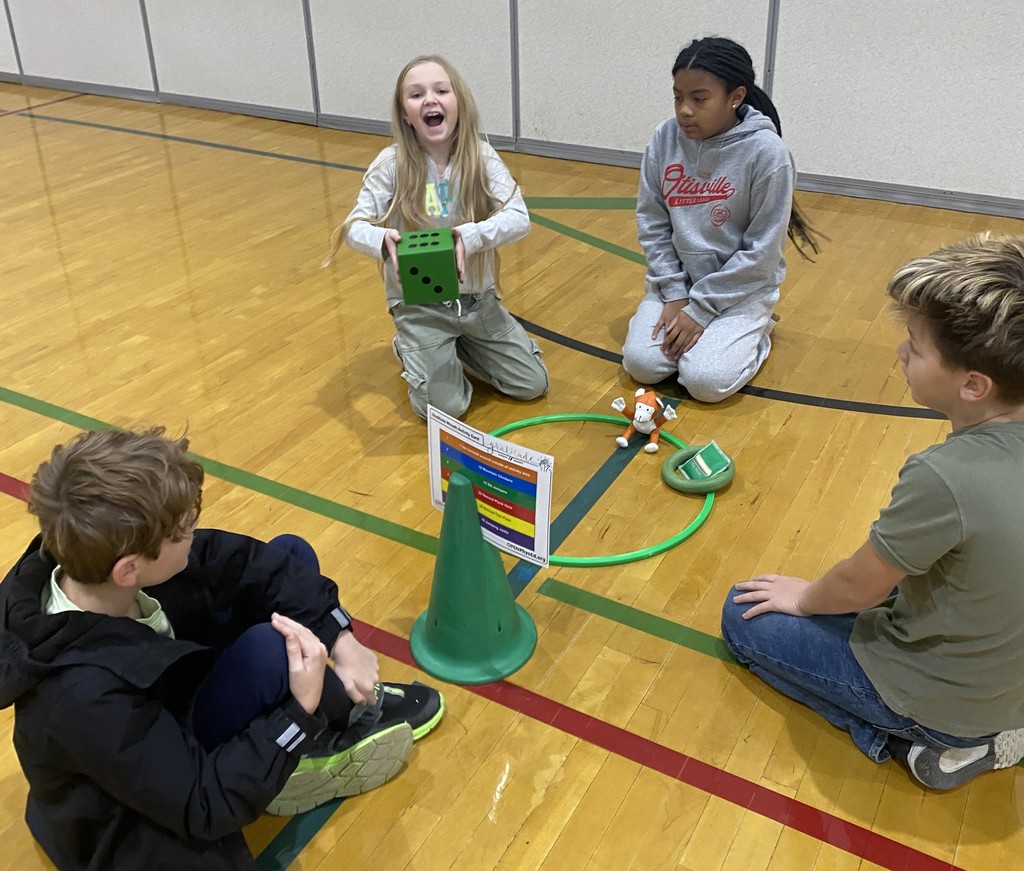
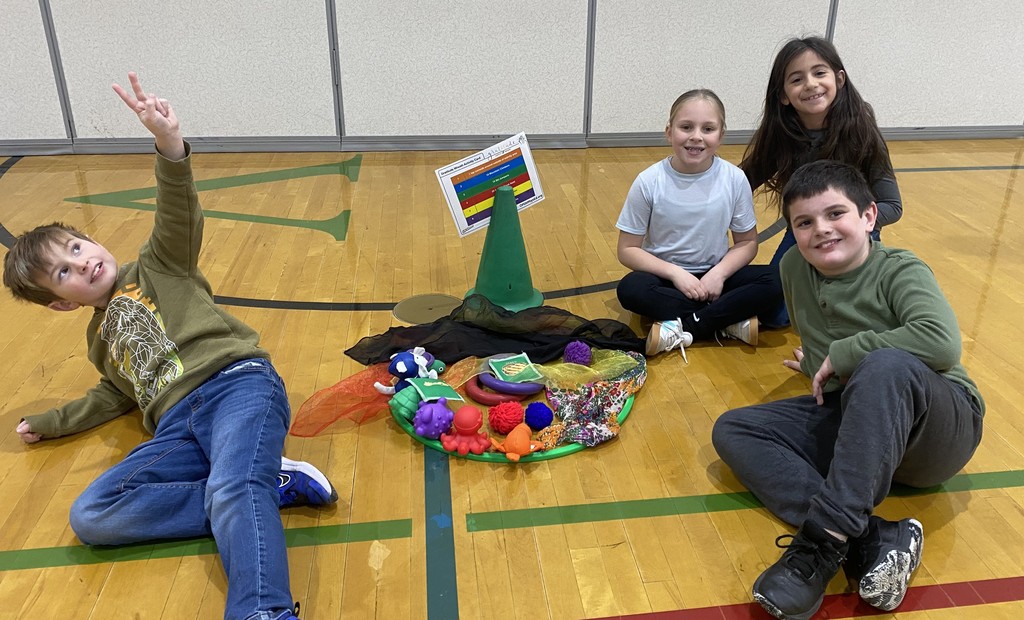
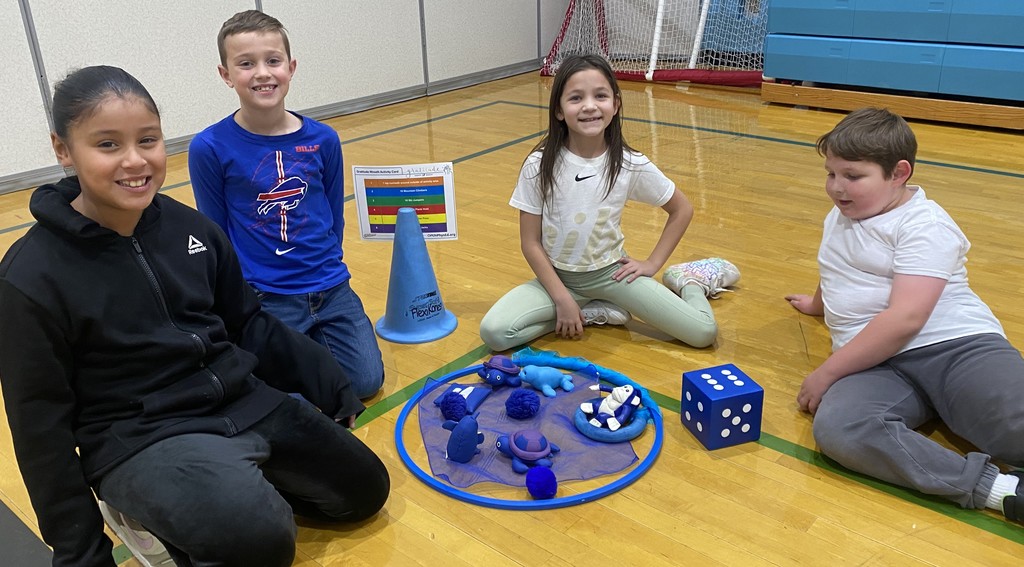
First, everyone talked about what gratitude is and things they are grateful for. Then, Mrs. Guifre tasked them with creating a “Gratitude Wreath.” The object was for teams to work together to create a unique gratitude wreath.
On the start signal, one student from each team rolled the die. The entire team performed the activity determined by the number rolled/exercise identified on the activity card.
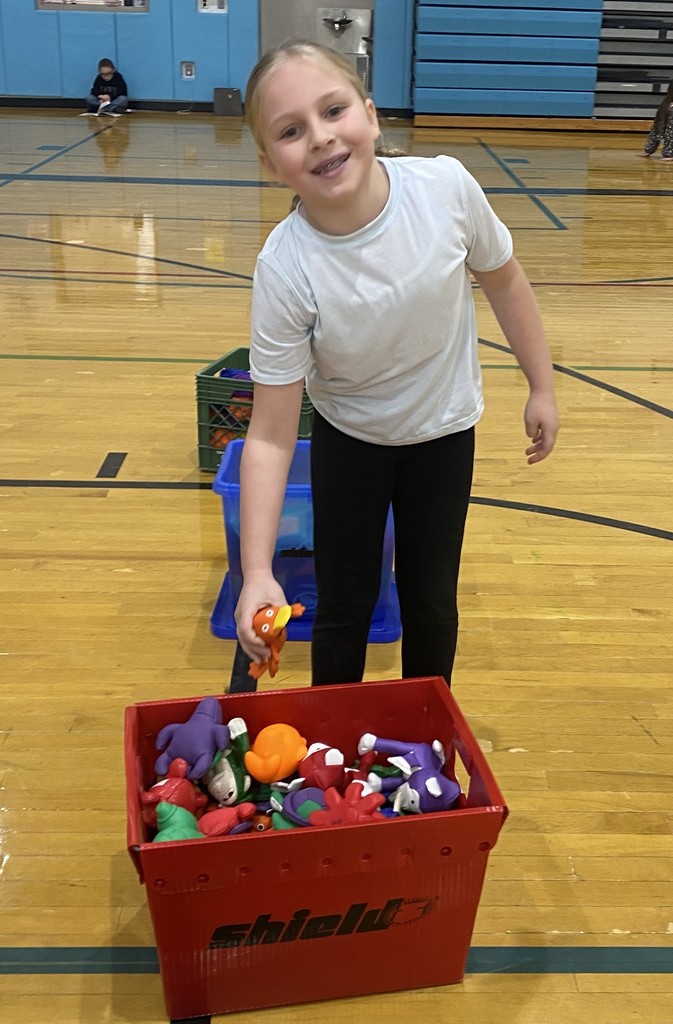
The team’s movement “earned” them one item to add to their gratitude wreath. One student from the team went to the center of the activity area and brought one item (bean bag, scarf, deck ring, yarn ball, etc.) back to add to the team’s wreath and says something he/she is grateful for. Every student had a chance roll the die and choose (and place) the item added to the wreath.
Students continued this process until wreaths are complete or until they heard the stop signal. What a creative class combining seasonality and physical fitness!
SEASONALITY TIED TO LEARNING!
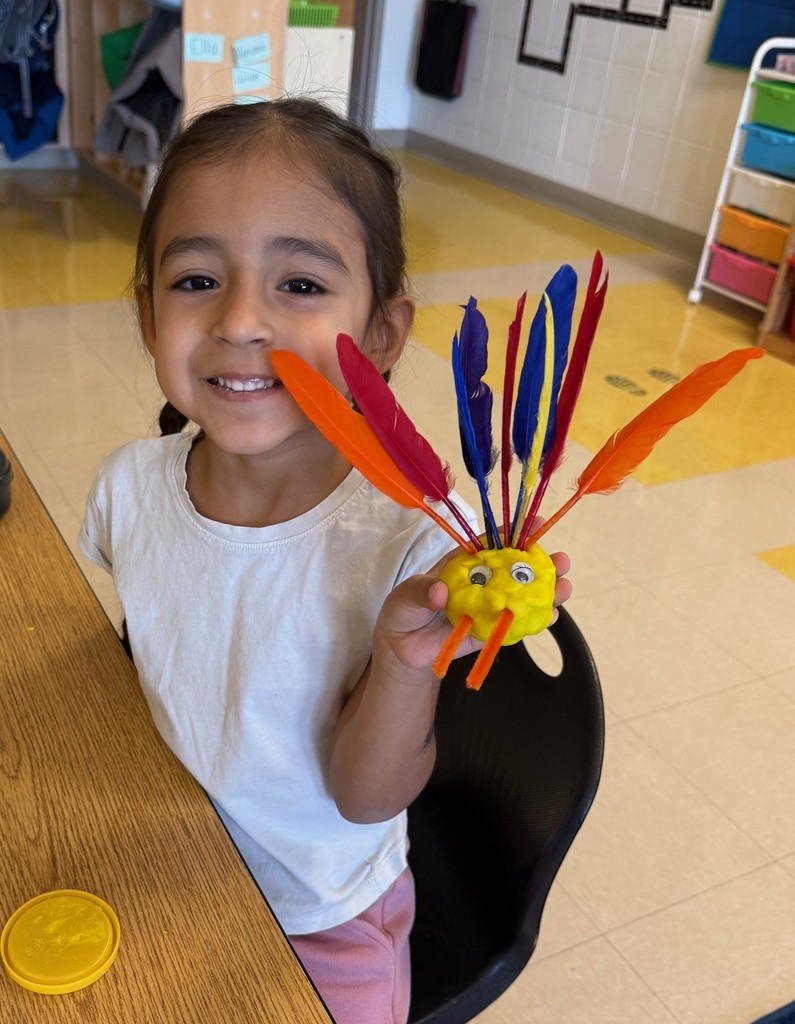
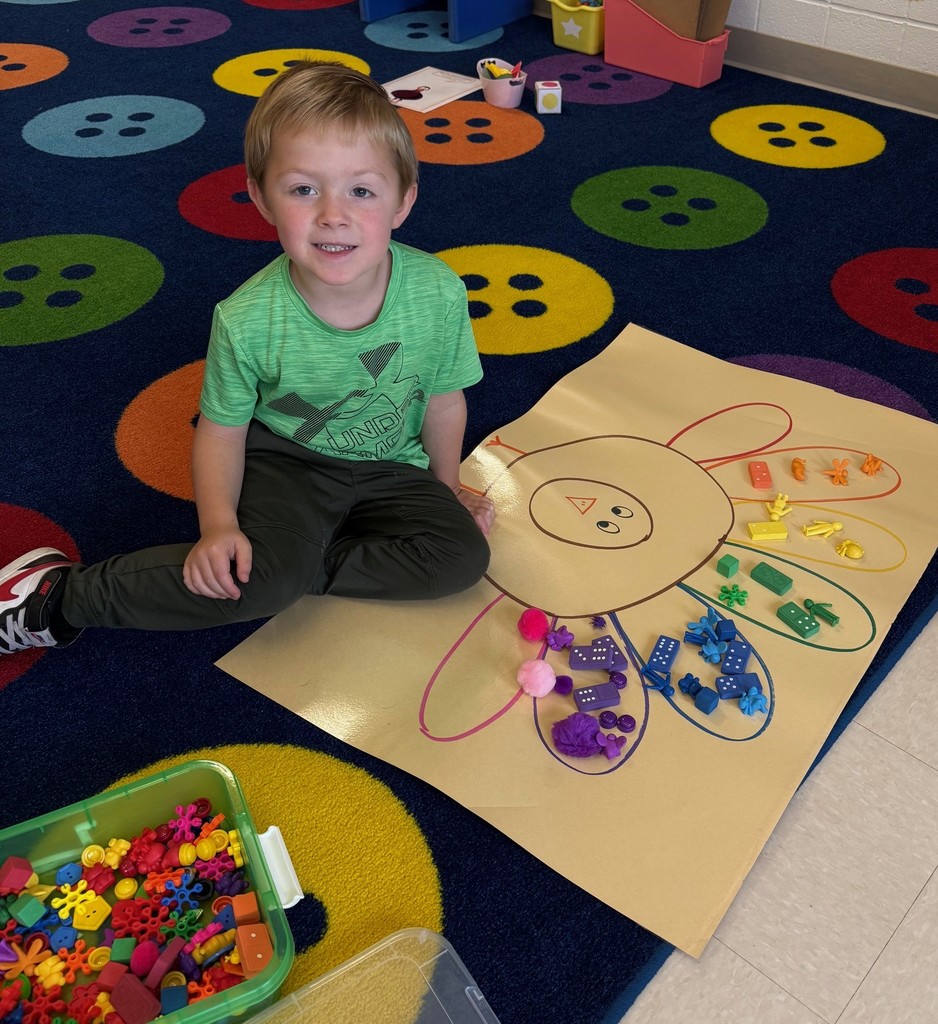
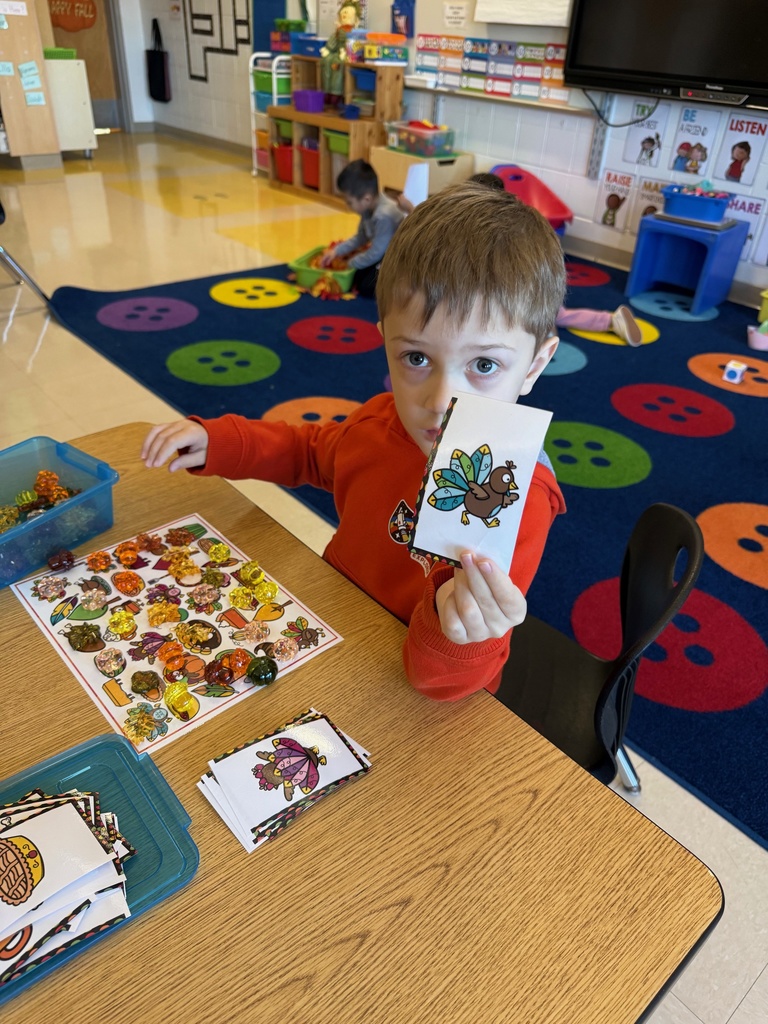
Take a peek at Jeni Galligan's Otisville transitional kindergarteners busy at work at their Thanksgiving stations!
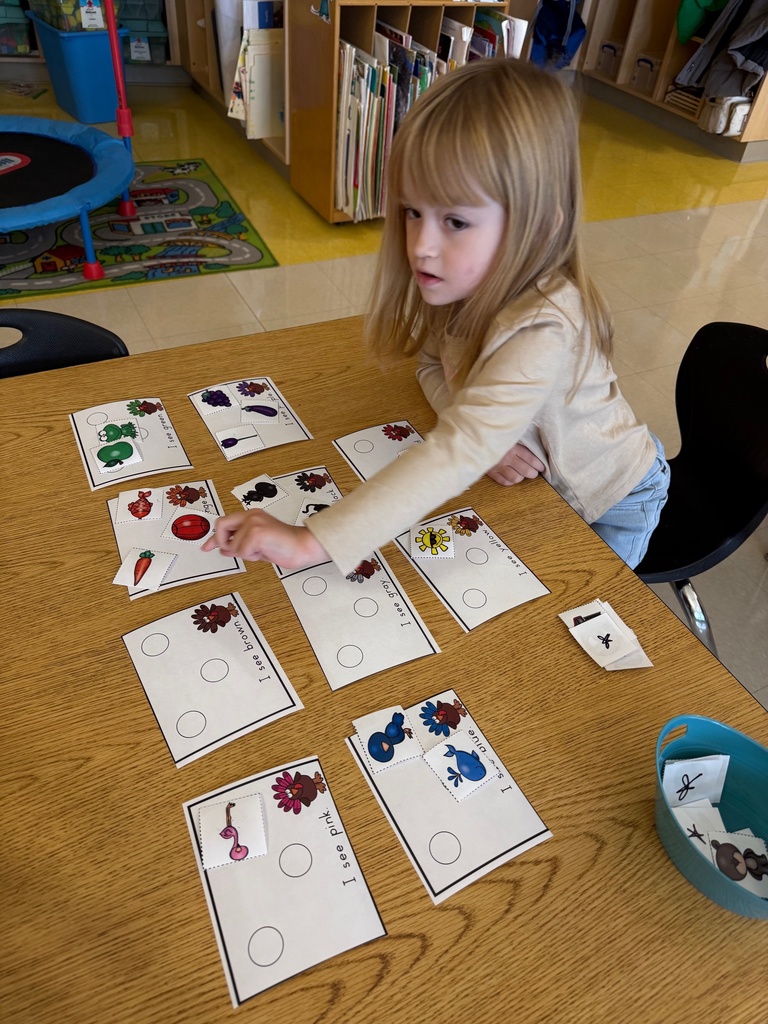
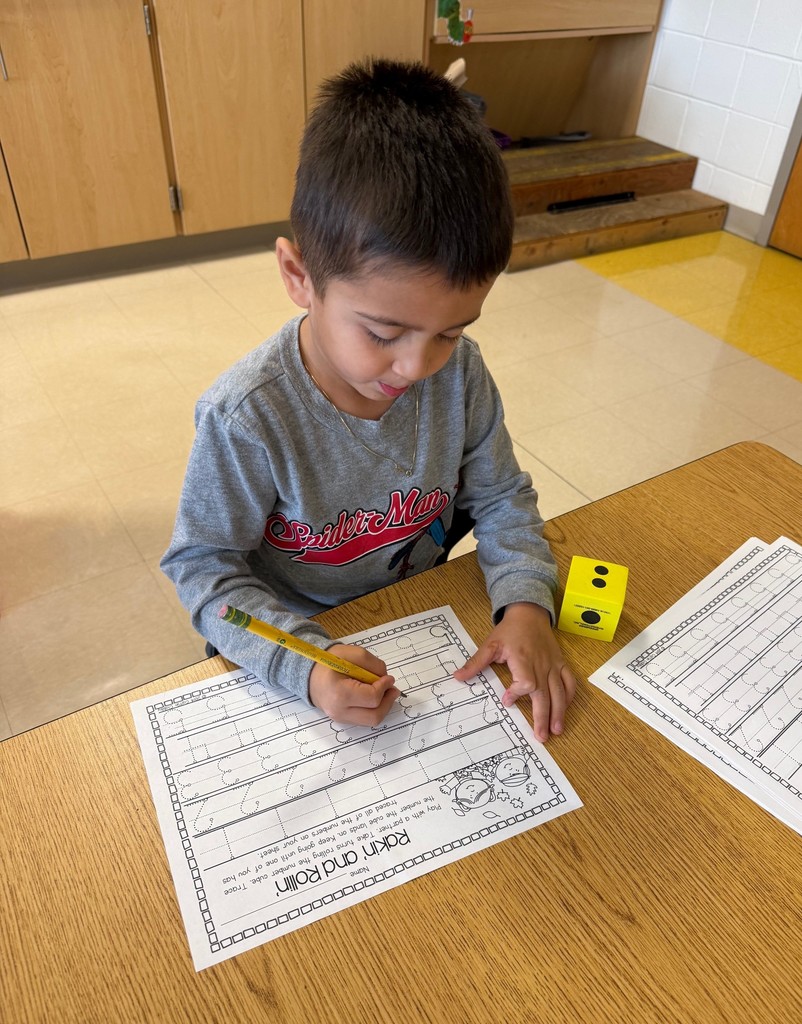
Their recent station work had a very fun Thanksgiving theme with these little cuties working on their math, ELA and fine motor skills! They found pictures around the room and wrote the number that matched the amount; did color sorting; played the "I Spy" game using fall pictures while working on fine motor skills; rolled and wrote numbers; and even created Play-Doh turkeys, complete with colorful feathers! How fun!
"Stations" (also called centers) are designated areas in a classroom where students work independently or in small groups on specific, teacher-directed activities that reinforce skills taught in the classroom. These stations allow students to practice what they've learned through hands-on, engaging tasks, and they also give the teacher time to provide one-on-one instruction to small groups.
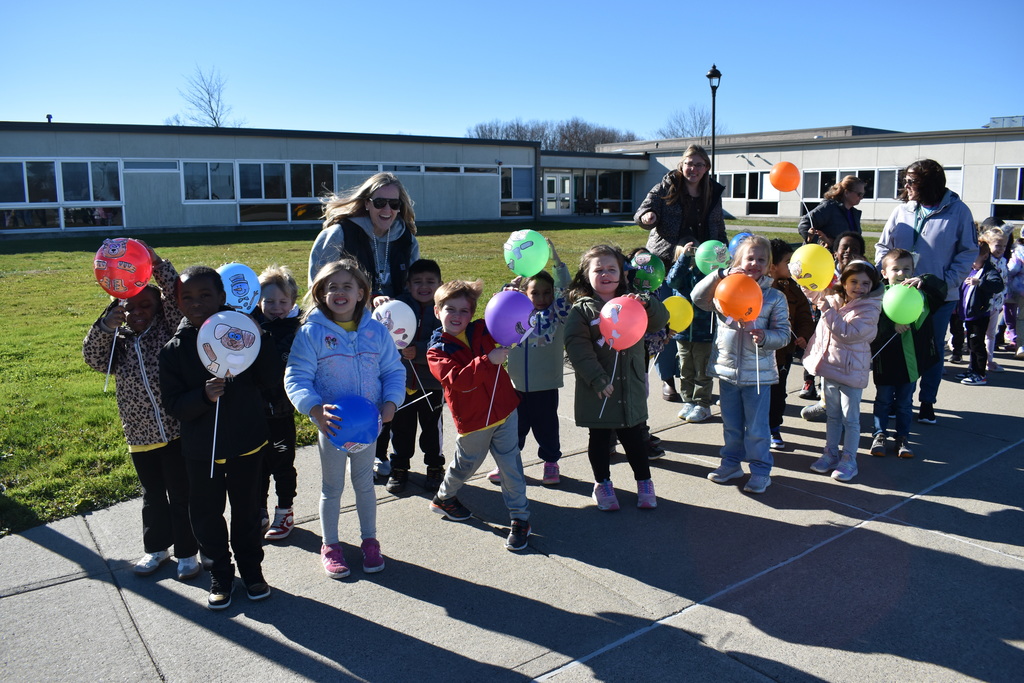
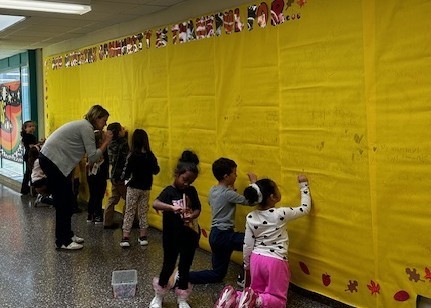
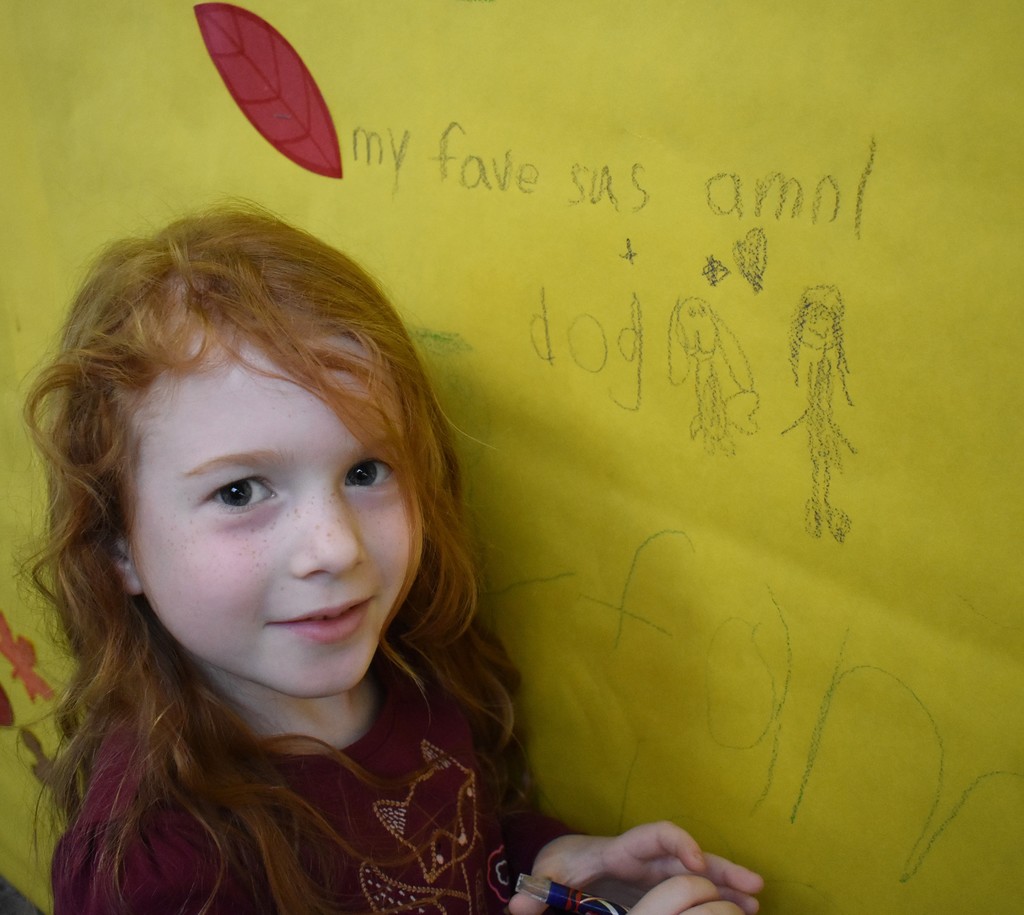
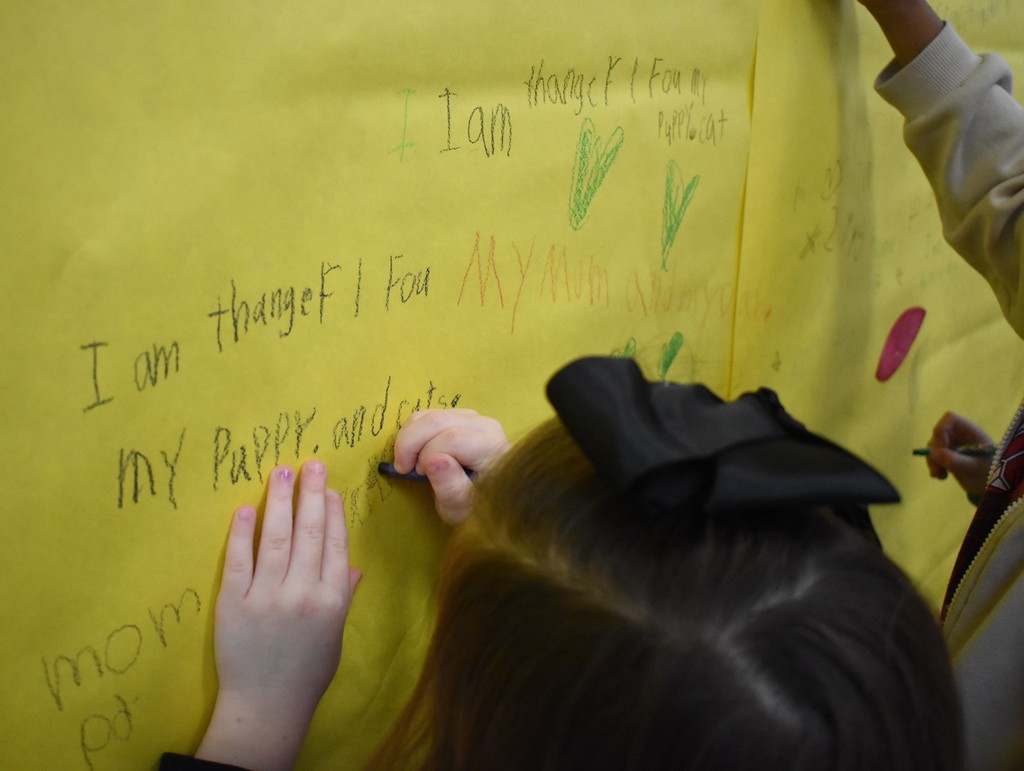
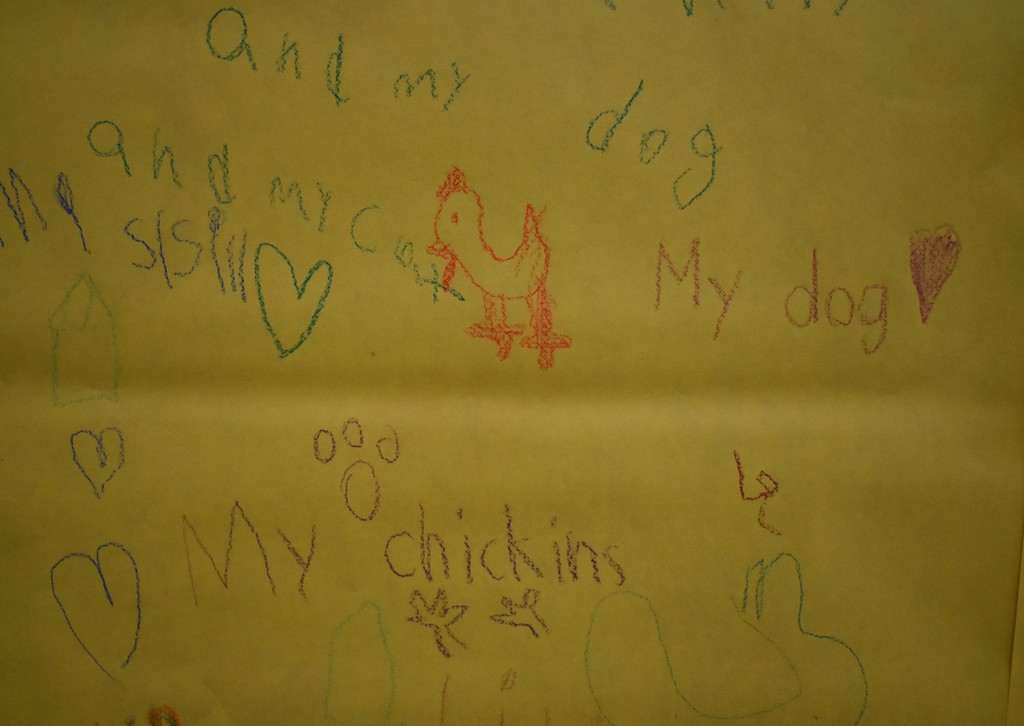
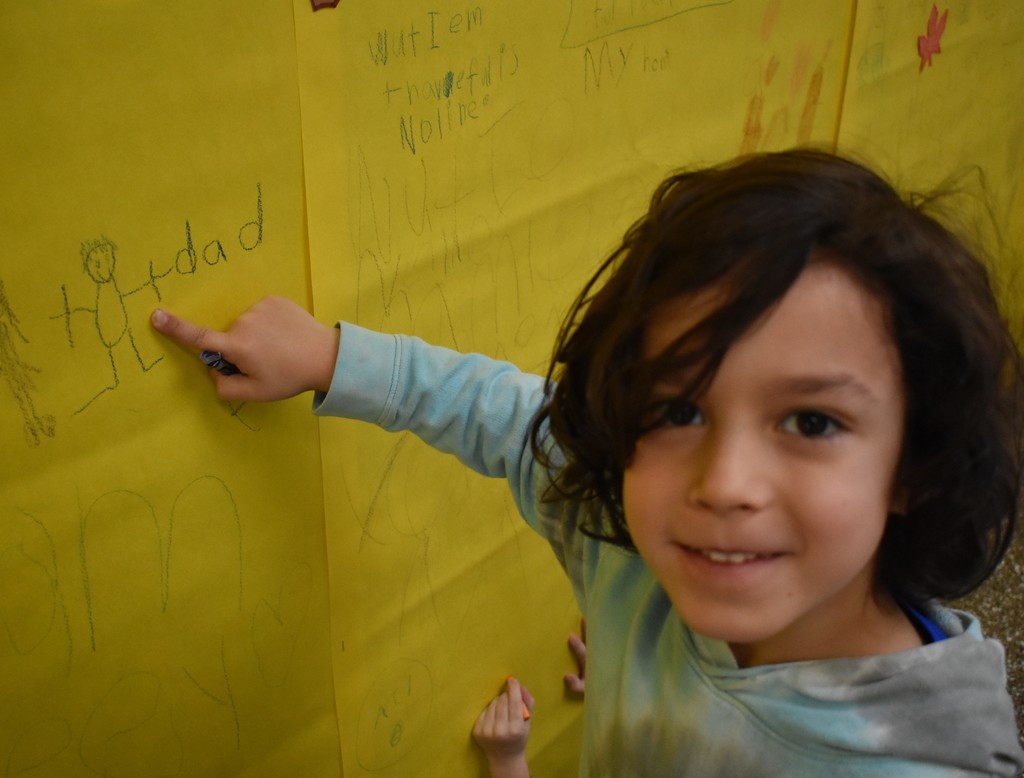
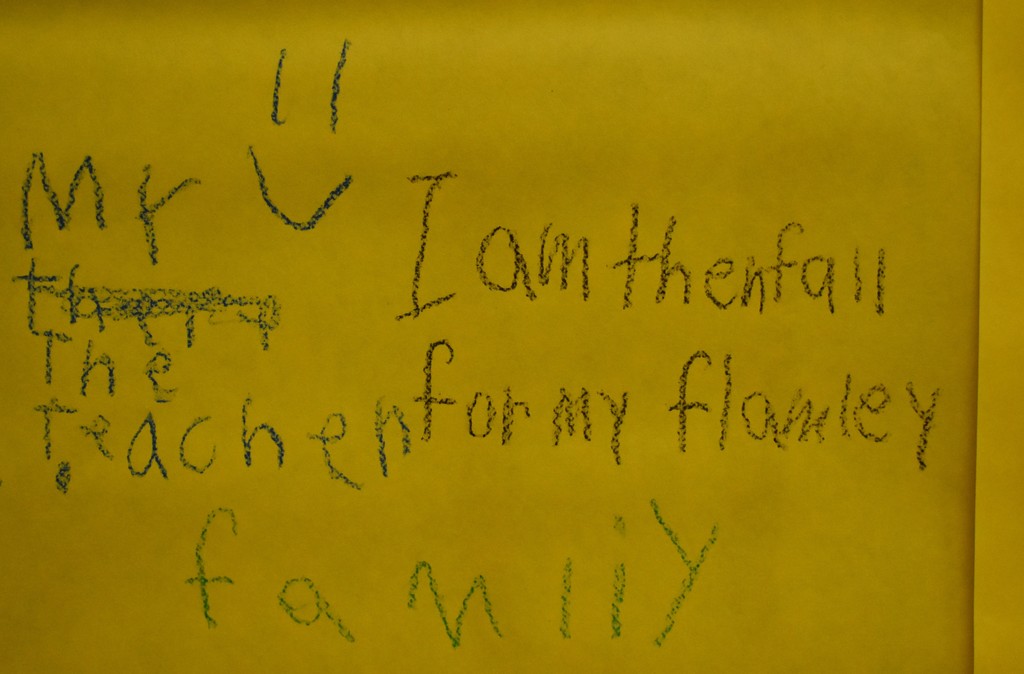
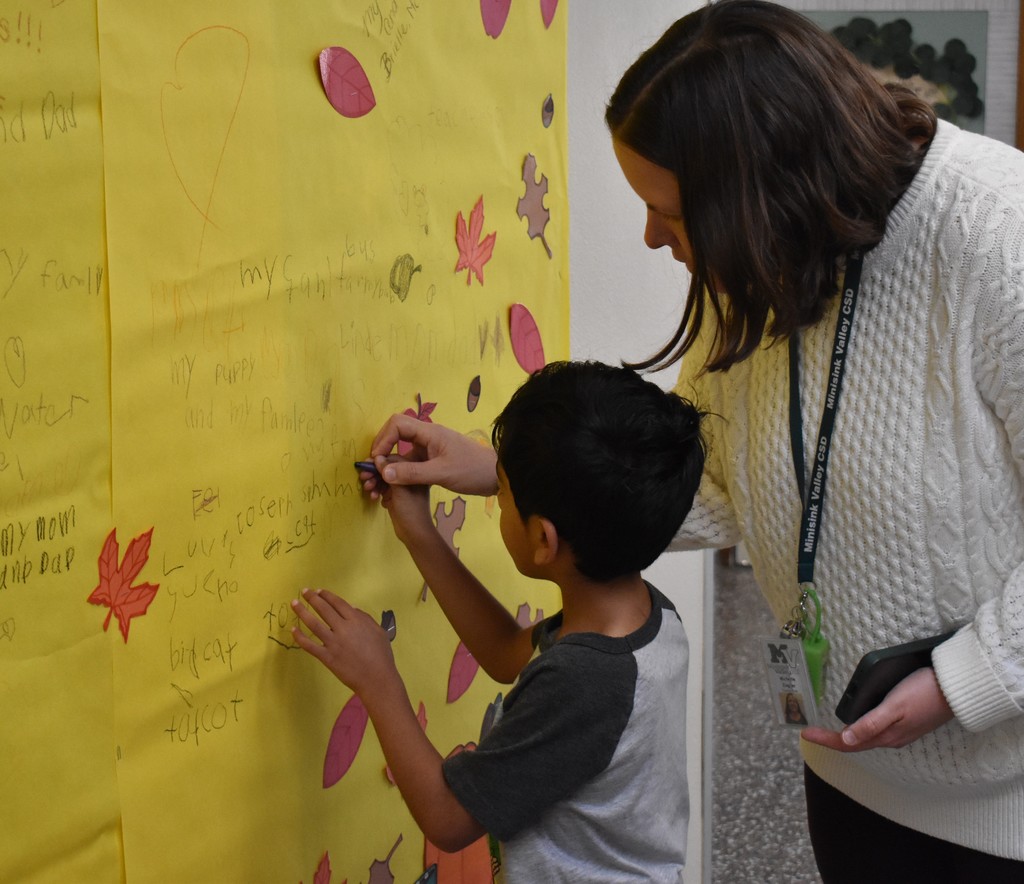
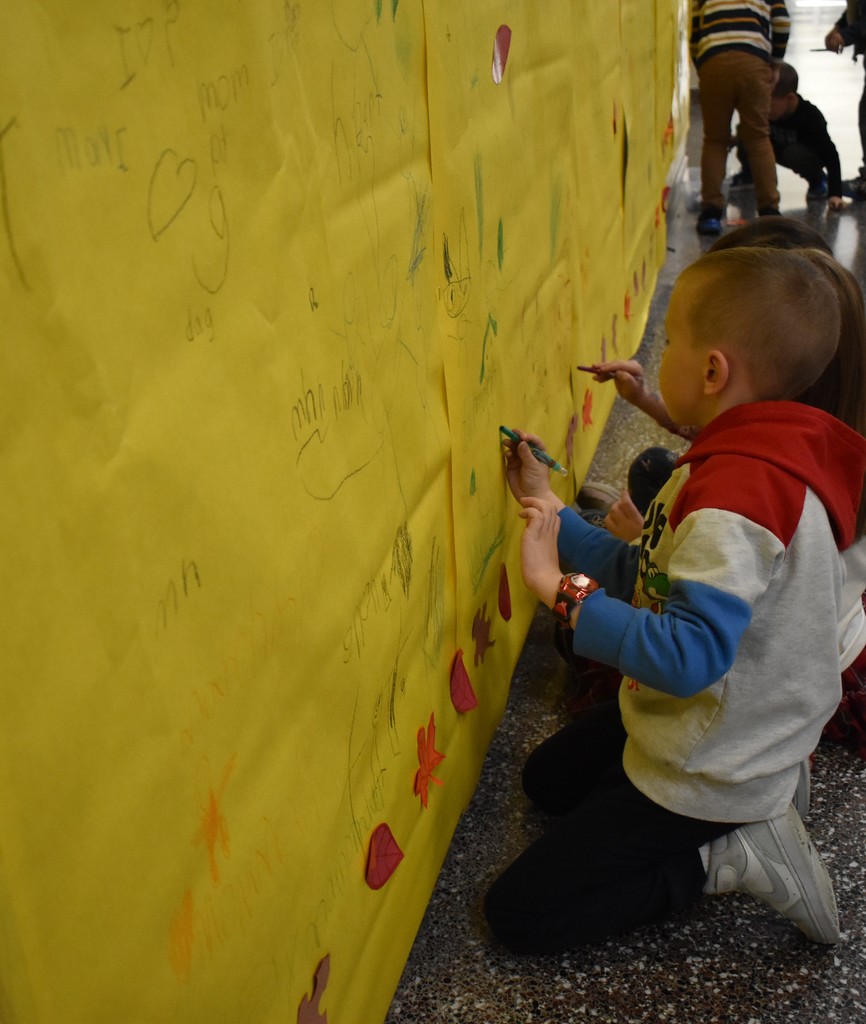
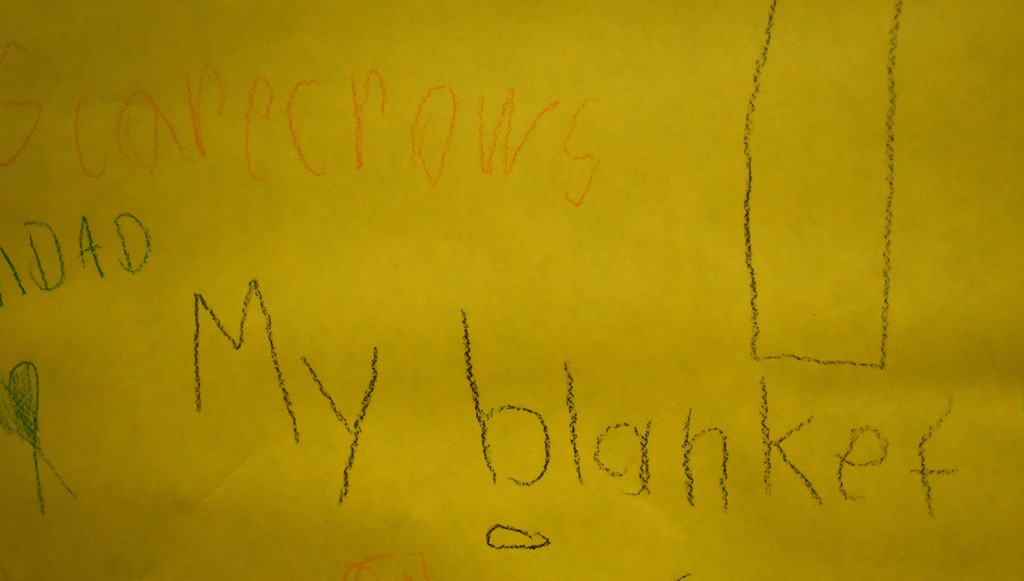
The idea was the brainchild ES secretary Tammy Zamot, and these little students wrote some very sweet messages. Even if the spelling and/or penmanship was a bit off, there was no doubt what the messages were meant to tell others. Some even drew what they were thankful for!
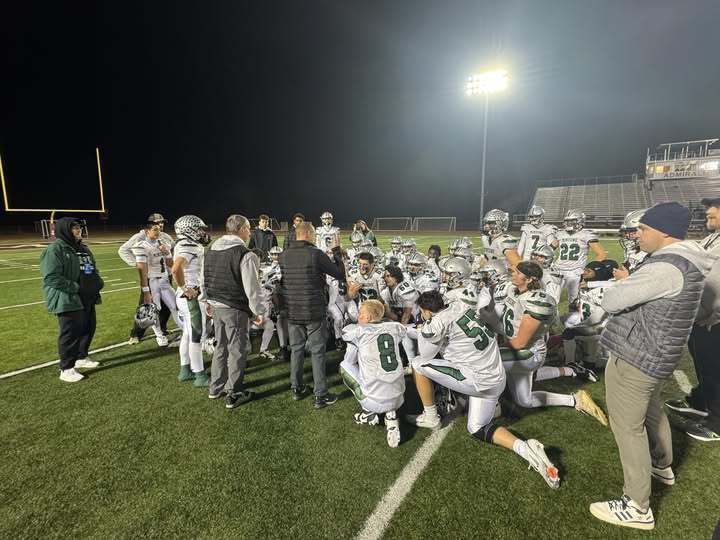
In the Nov. 21 NYSPHSAA Regional Championship game, our Varsity Football team played with grit, intense resolve, determination and unbelievable drive and effort, but will not be advancing to the next level of state competition after the 42-12 final score against Rye.
We are beyond proud of this year's Varsity Team...they are the 2025 Section IX champions who finished Section IX play undefeated....the first undefeated season in 17 years!
They came to every game, including tonight's game, well-prepared and represented Minisink with honor and distinction. These talented young men are always winners to us!
Please join us in congratulating the players and coaches and everyone associated with team for a spectacular season. They will be back next year... stronger than ever!
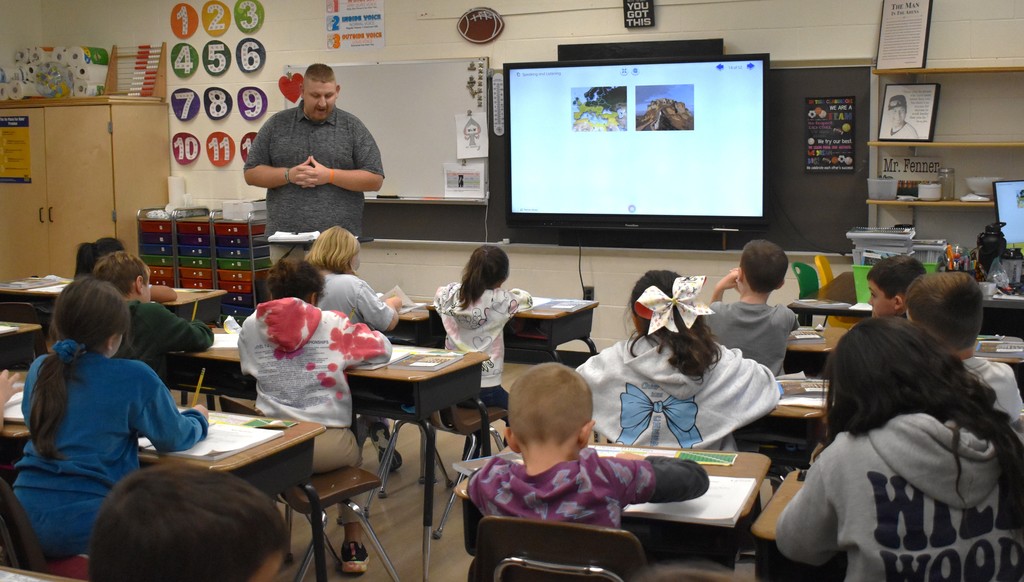
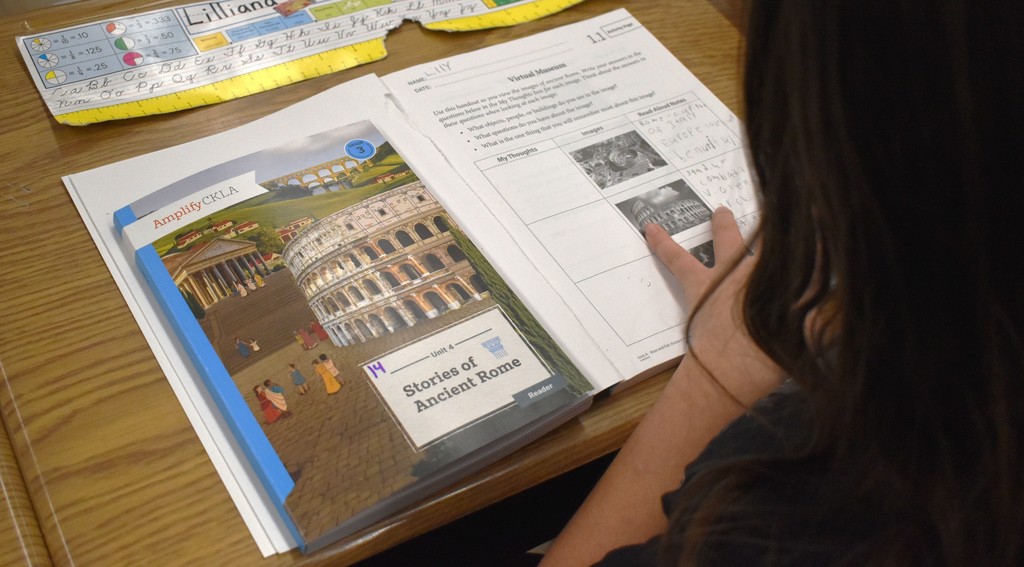
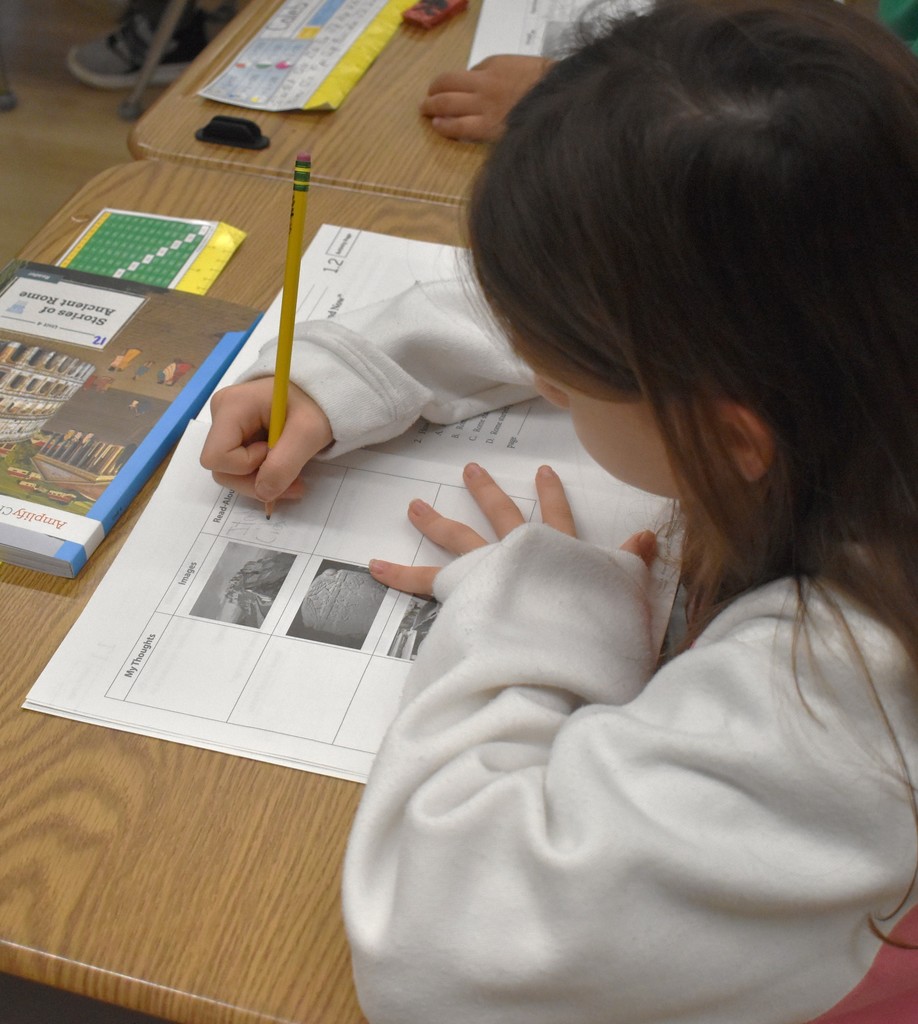
Using this information the class was able to identify what the phrase "All roads lead to Rome" means, and how they are still able to see the early aspects of this civilization in today's world including in architecture, government, and more!
The saying "all roads lead to Rome" means that there are many different methods to achieve the same result or goal. It’s a metaphor for the inevitability of reaching a common outcome, regardless of the path taken. The phrase originated from the Roman Empire's extensive and centralized road network, which radiated out from the capital city of Rome.
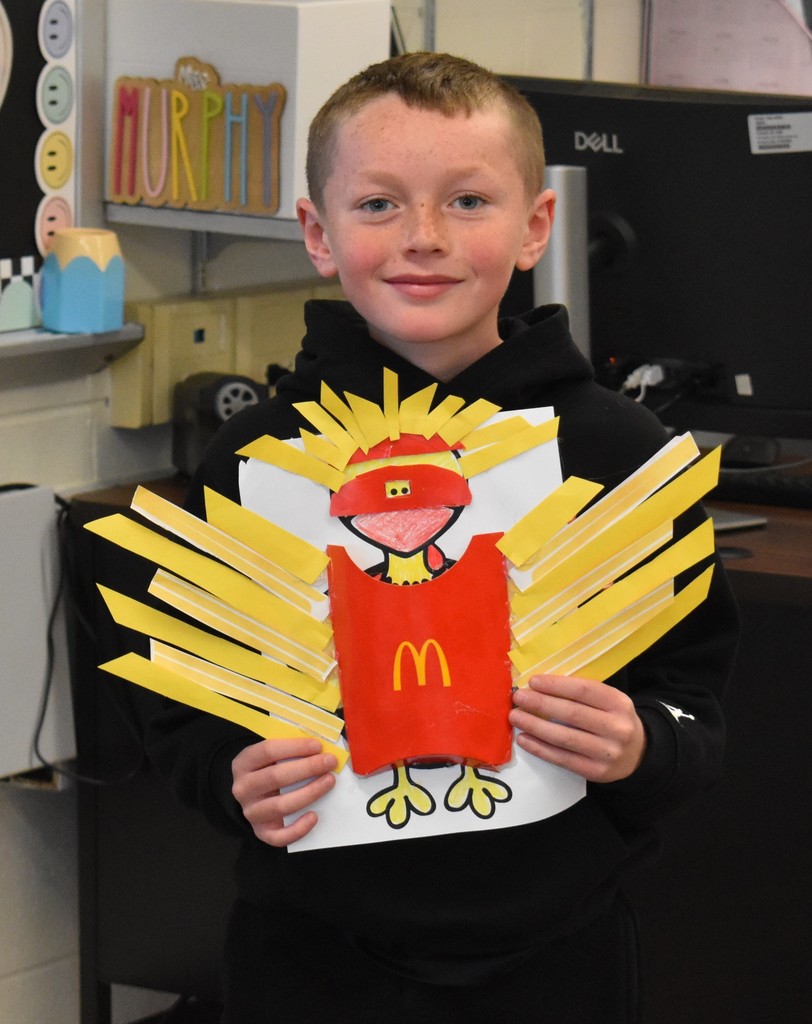
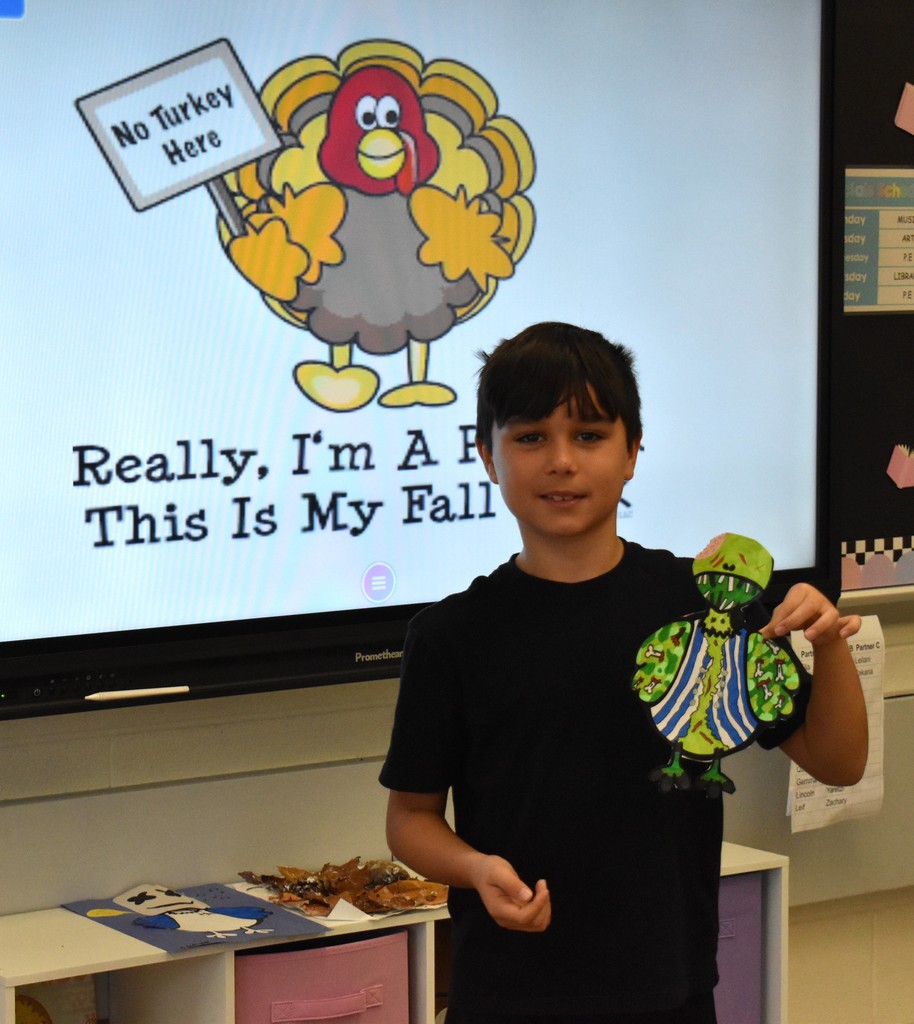
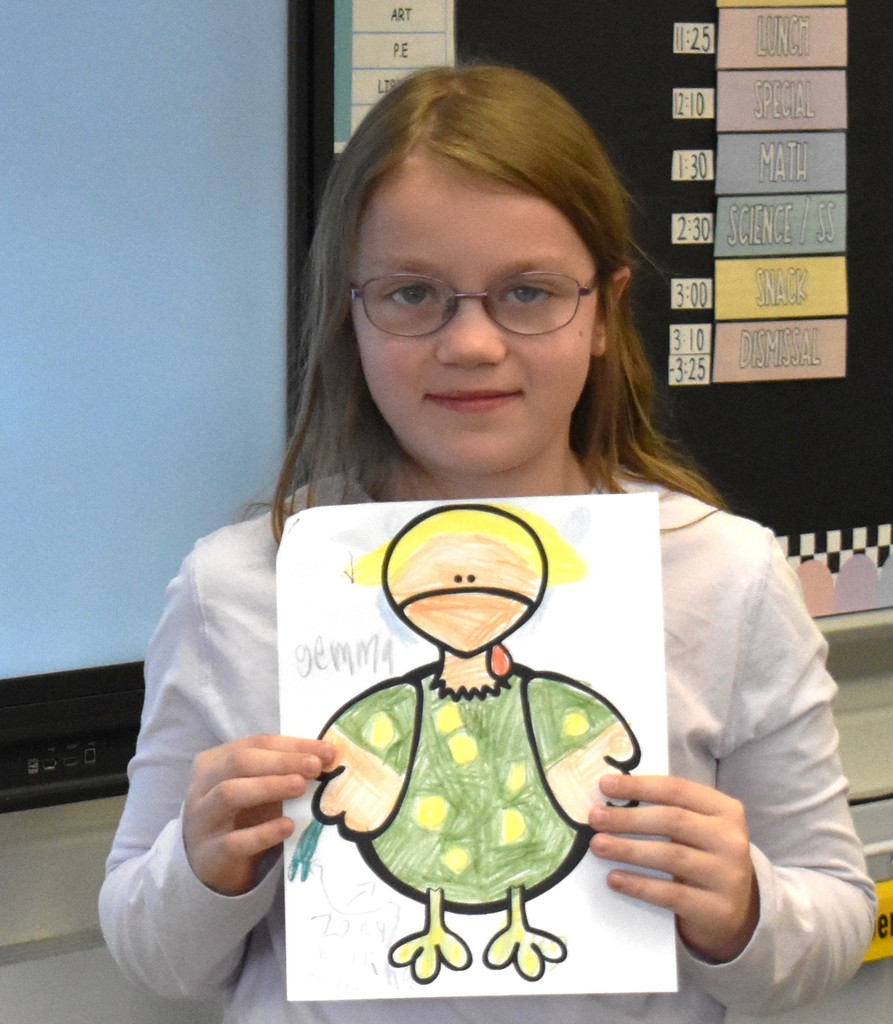
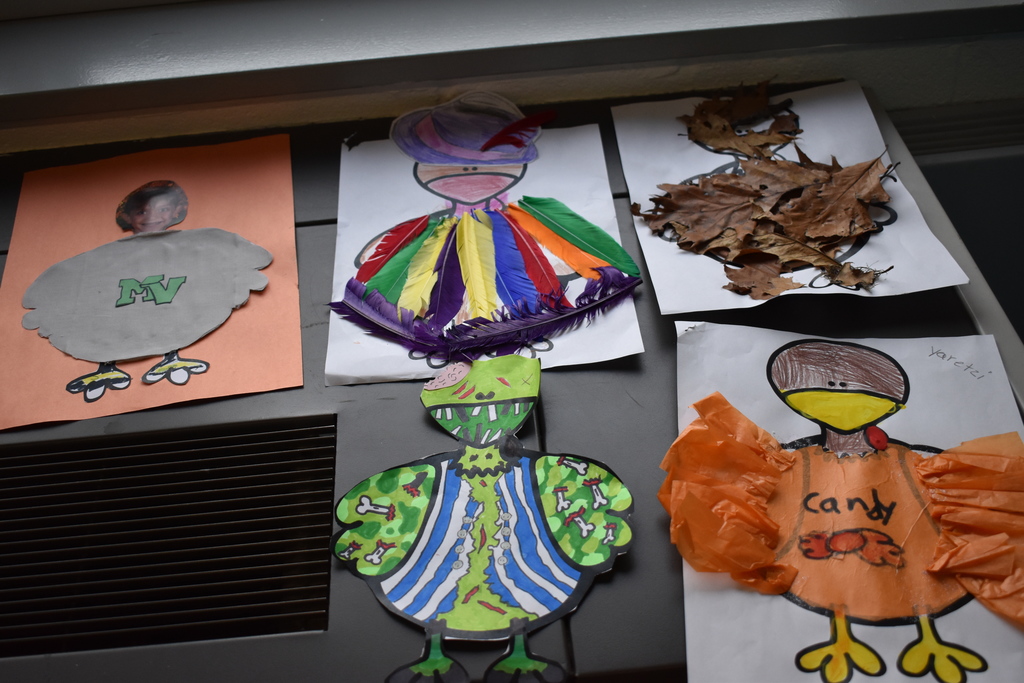
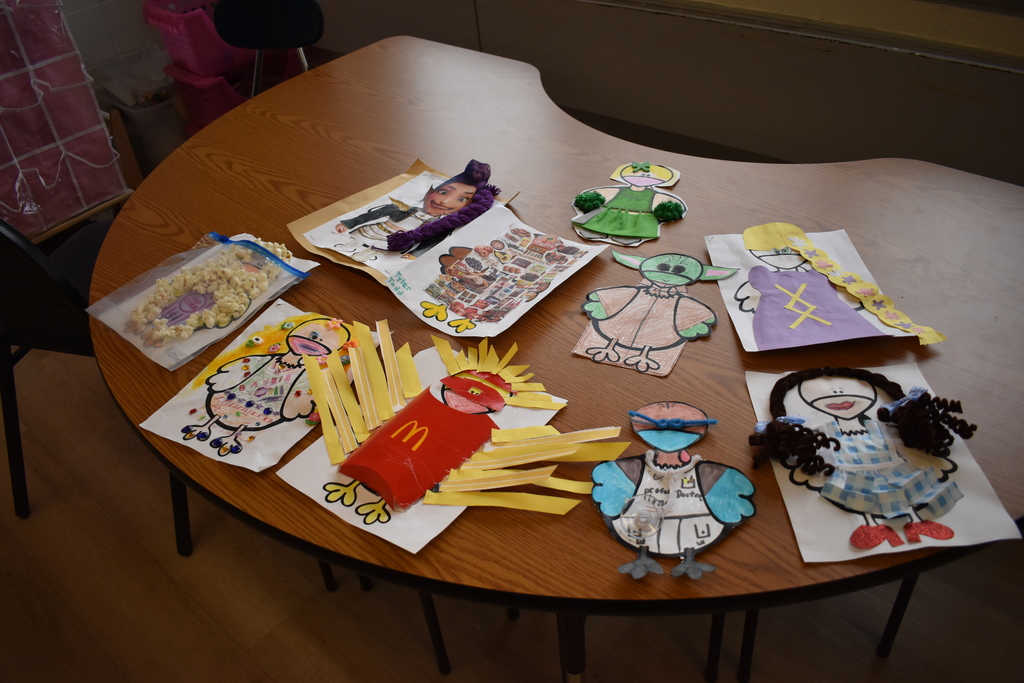
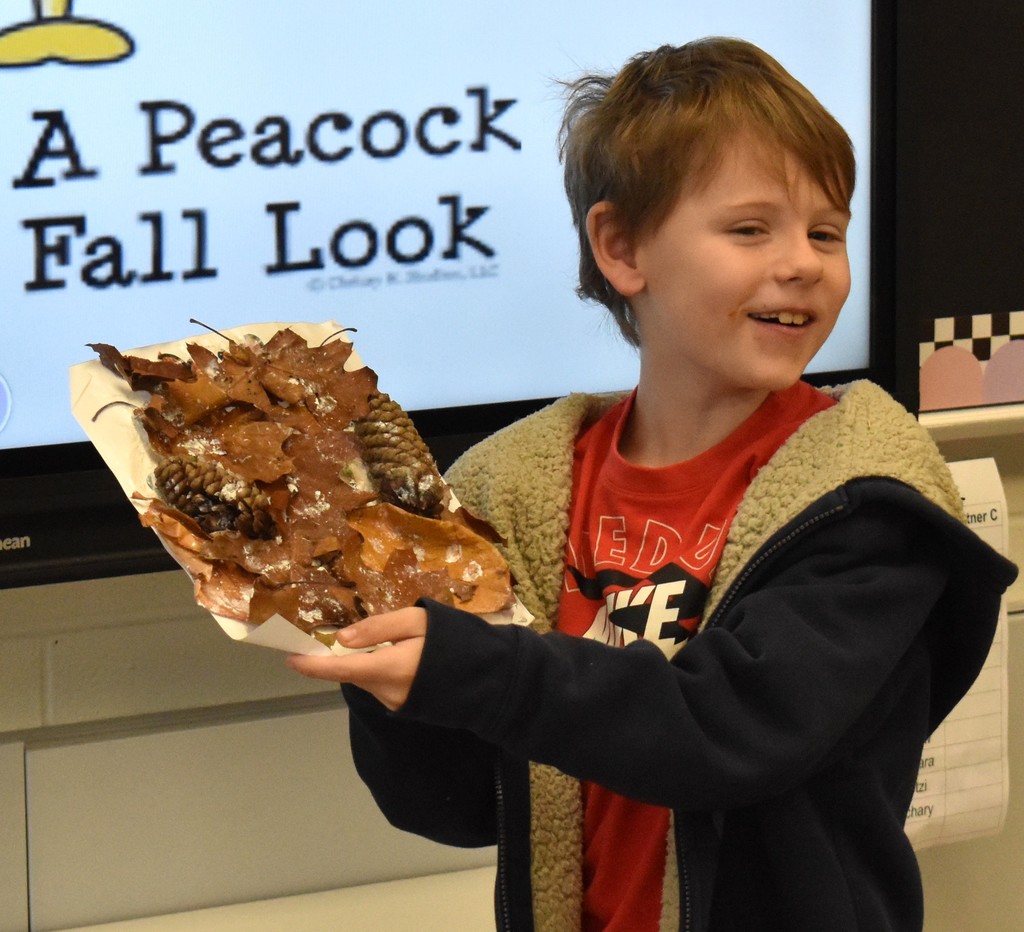
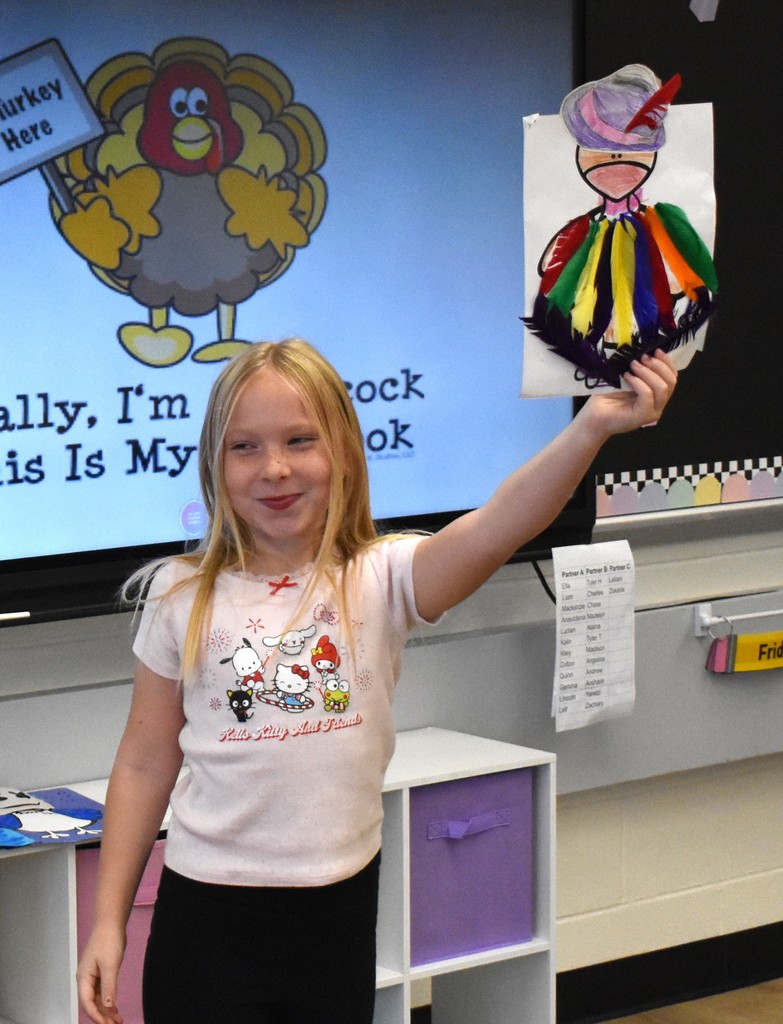
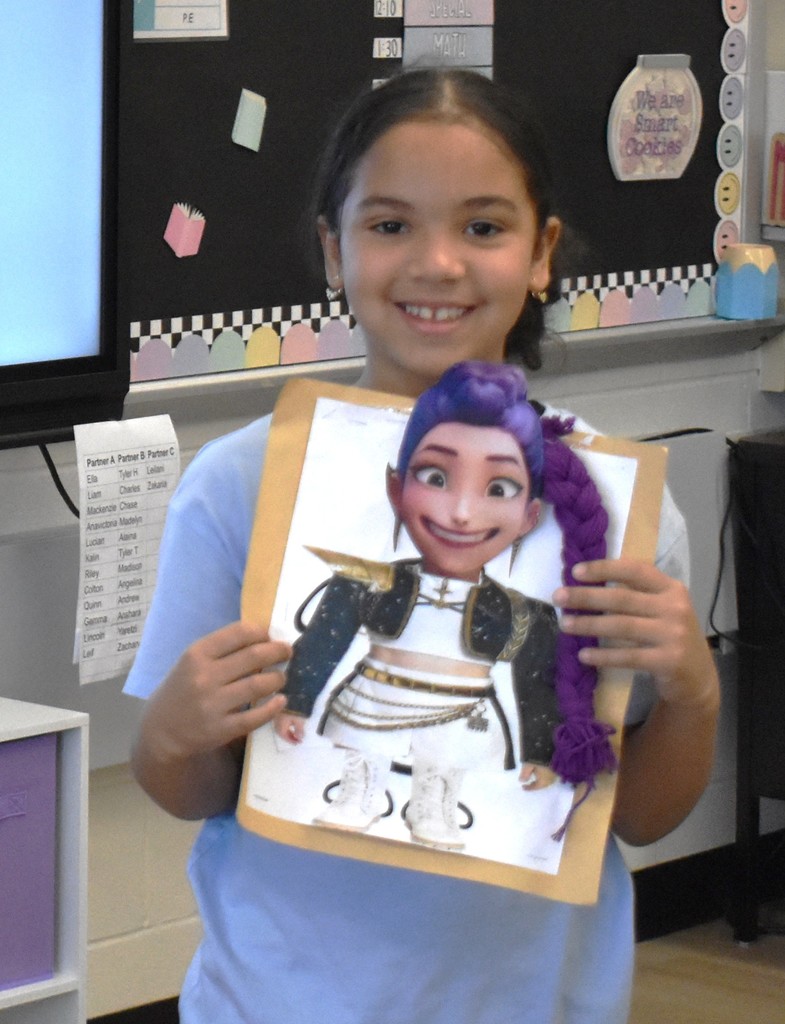
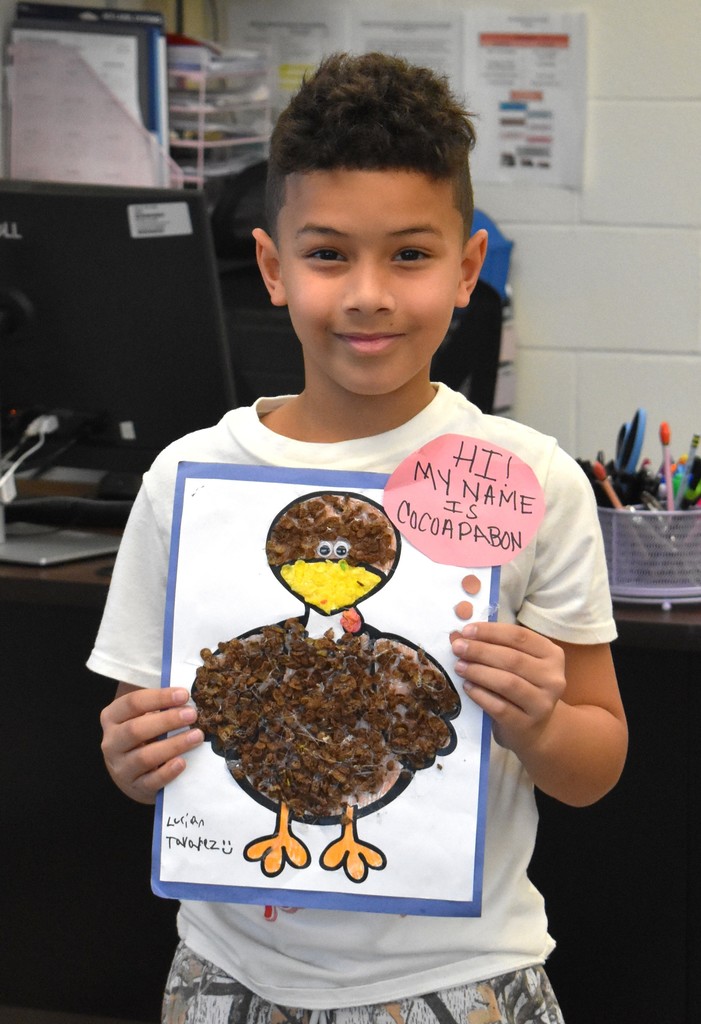
Take a peek at their clever ideas, created in their "Disguise a Turkey" at-home family projects Murphy assigned. A wonderful bonus was each student presented their work to their peers, giving everyone a great opportunity to further work on their public speaking skills!
SIMPLY AMAZING! THANK YOU TO EVERYONE WHO CONTRIBUTED…and to our friends Cuginos for being a part of this effort!
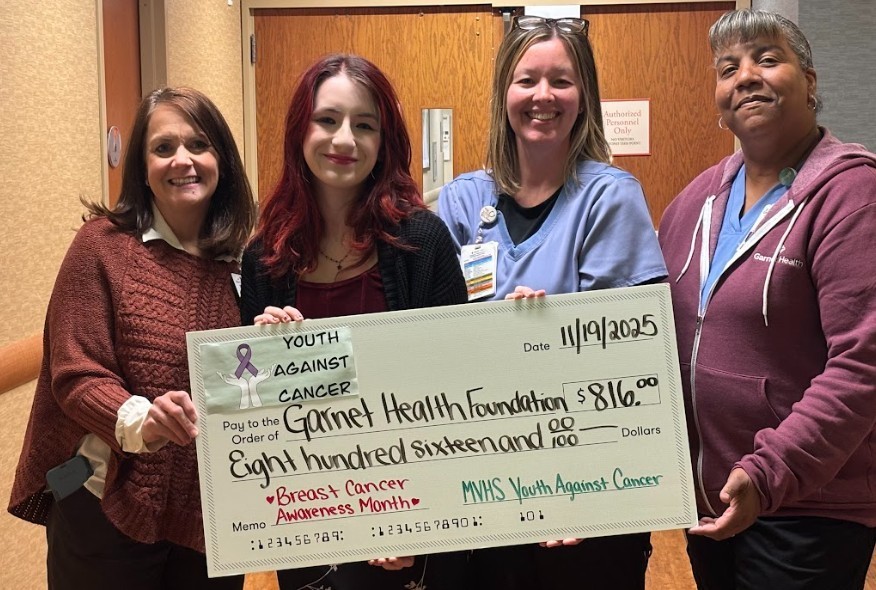
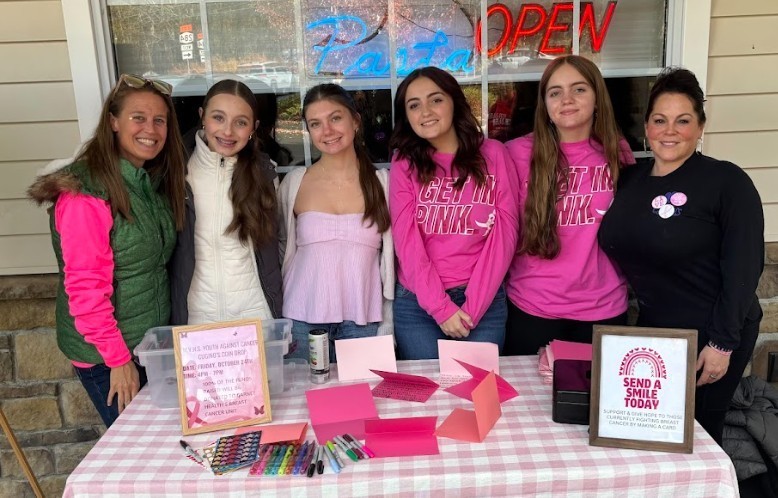
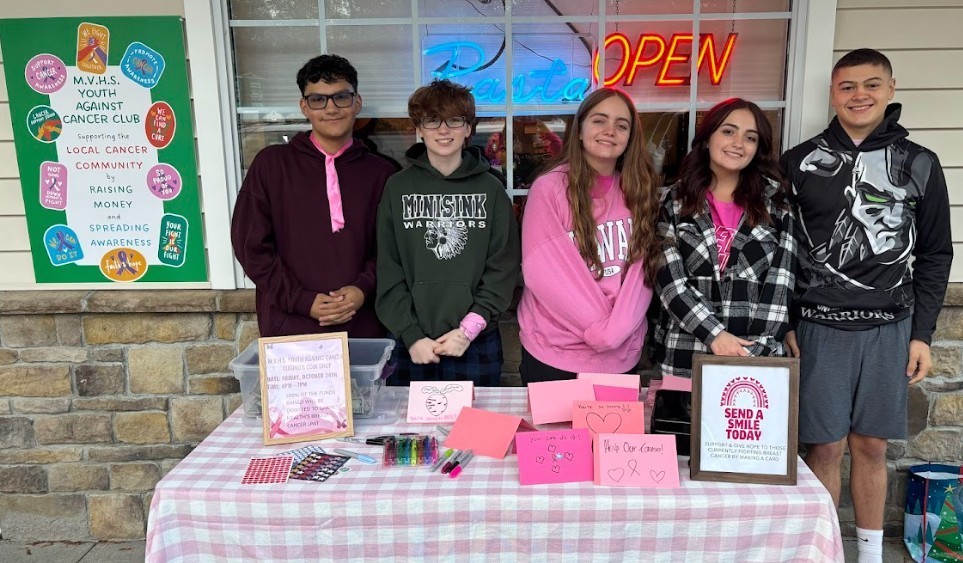
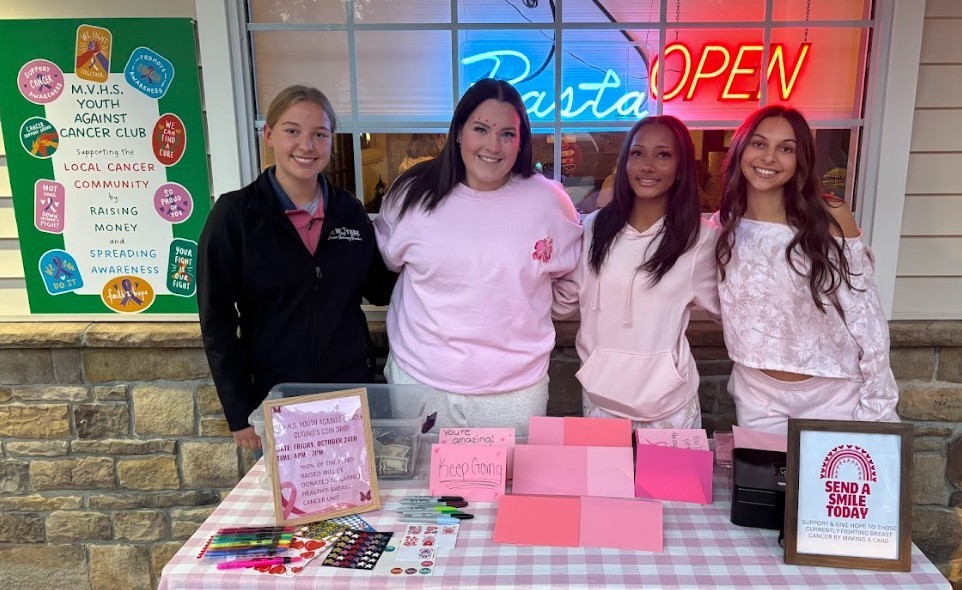
The High School’s Youth Against Cancer Club raised $516 at its recent GO PINK Coin Drop at Cuginos. And…how wonderful is this: The High School’s FBLA donated $300 to this fundraiser from the High School Store’s sales for the PINK OUT game held that same evening. What a wonderful demonstration of high school club camaraderie!
The donation was presented to the Oncology Unit at Garnet Medical Center in honor of Breast Cancer Awareness Month on Nov. 19. Club President, Board of Education Ex-Officio Student Member and Senior Heather Day presented the $816 check to Jessica Gerlach, R.N., Garnet’s manager of radiation oncology and clinical trials; and Tanya Camacho, R.N. and Katelin Trainor, R.N., infusion and radiation nurses.
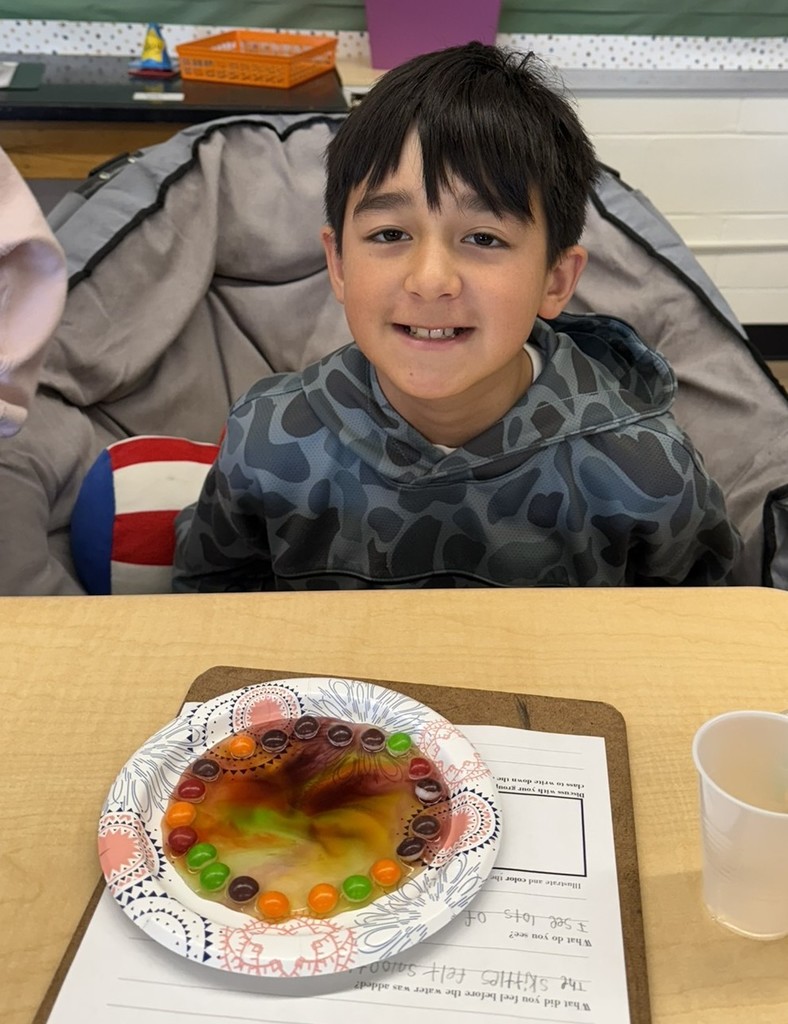
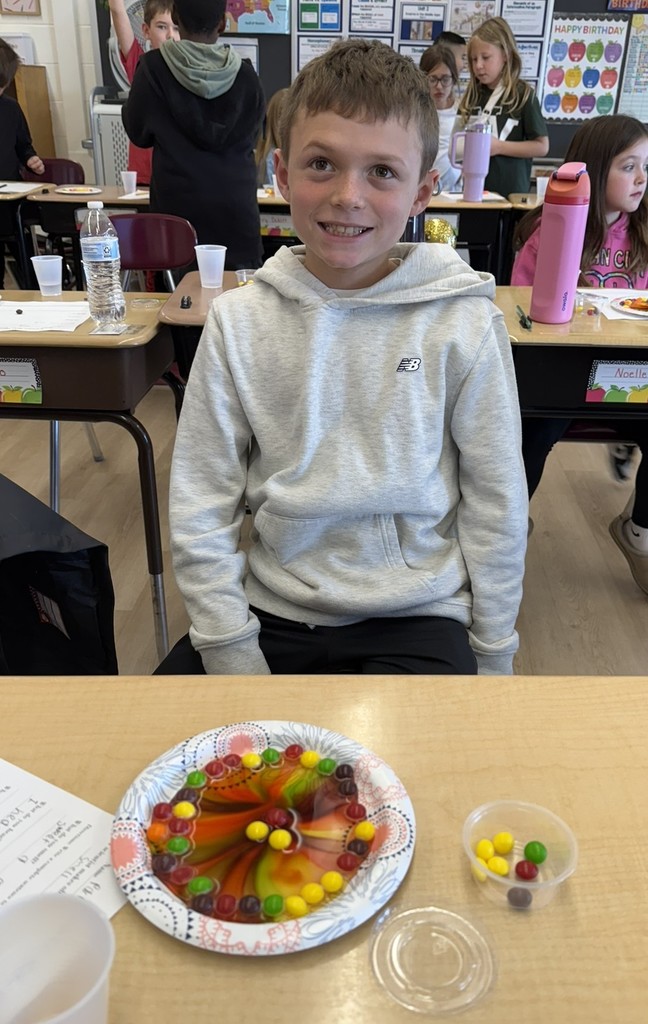
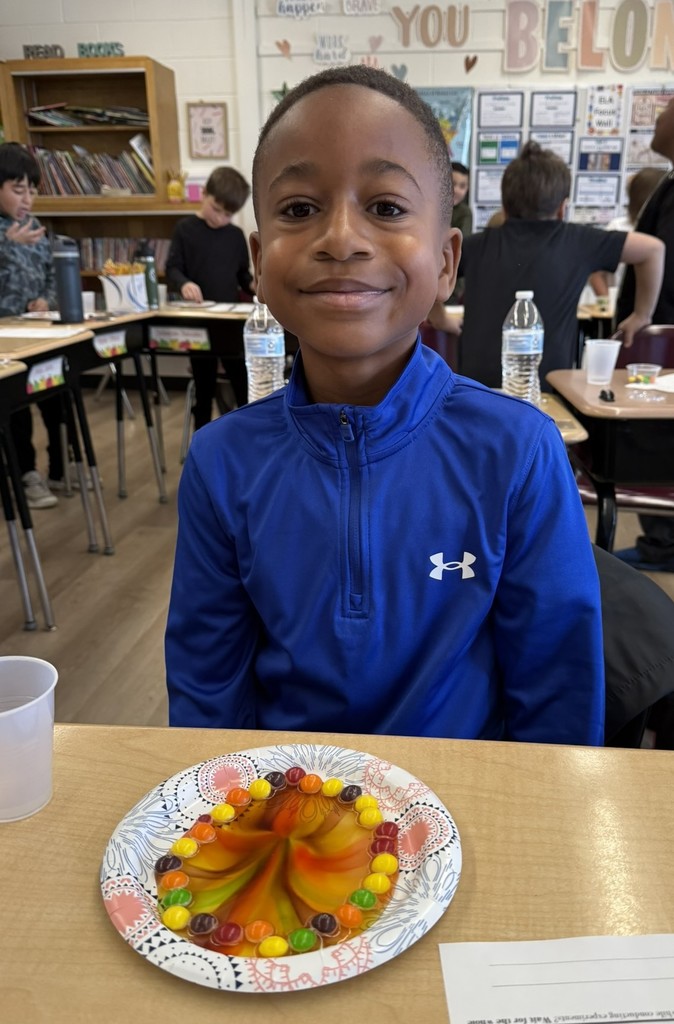
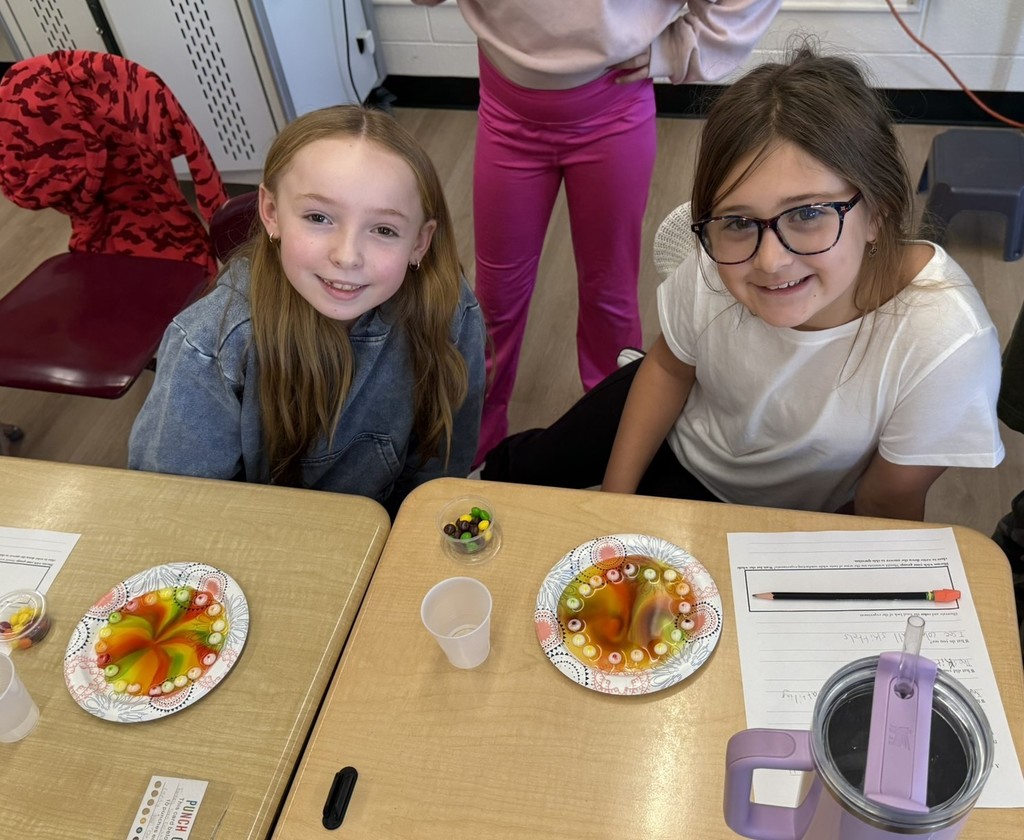
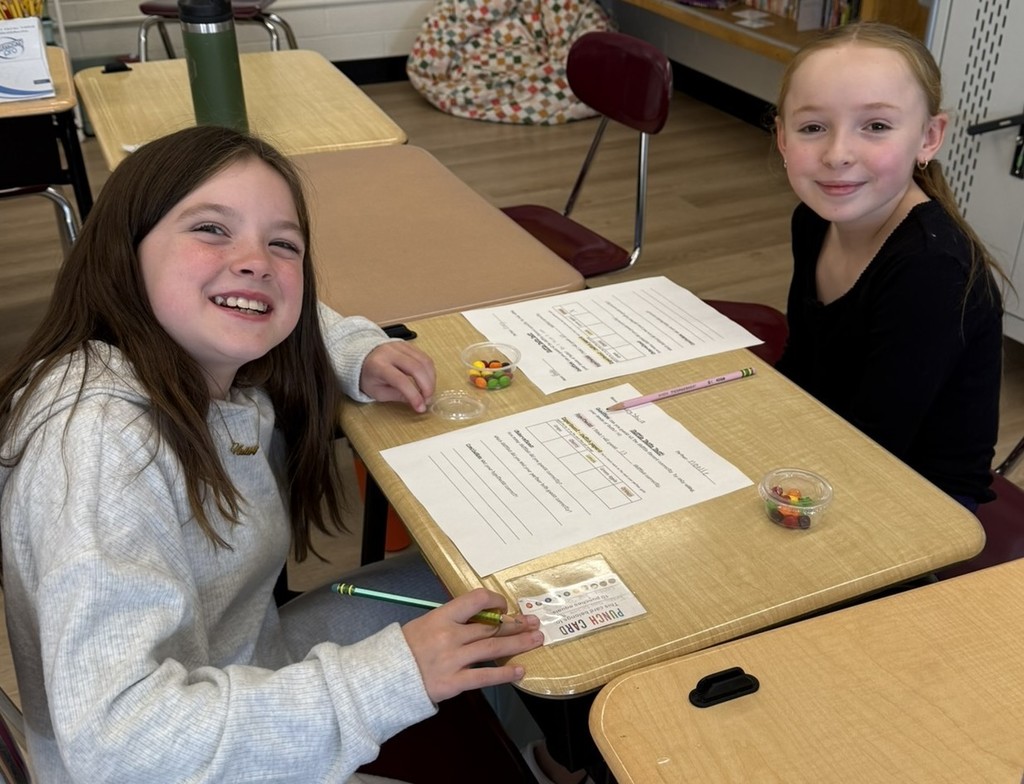
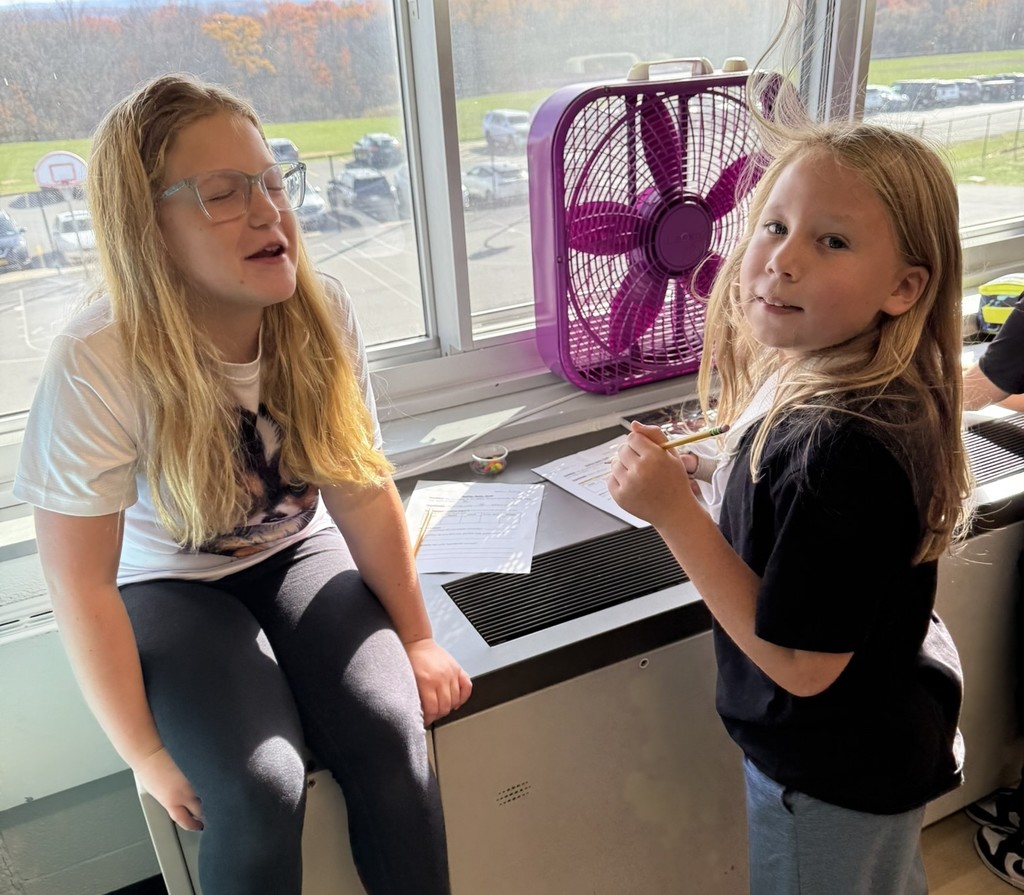
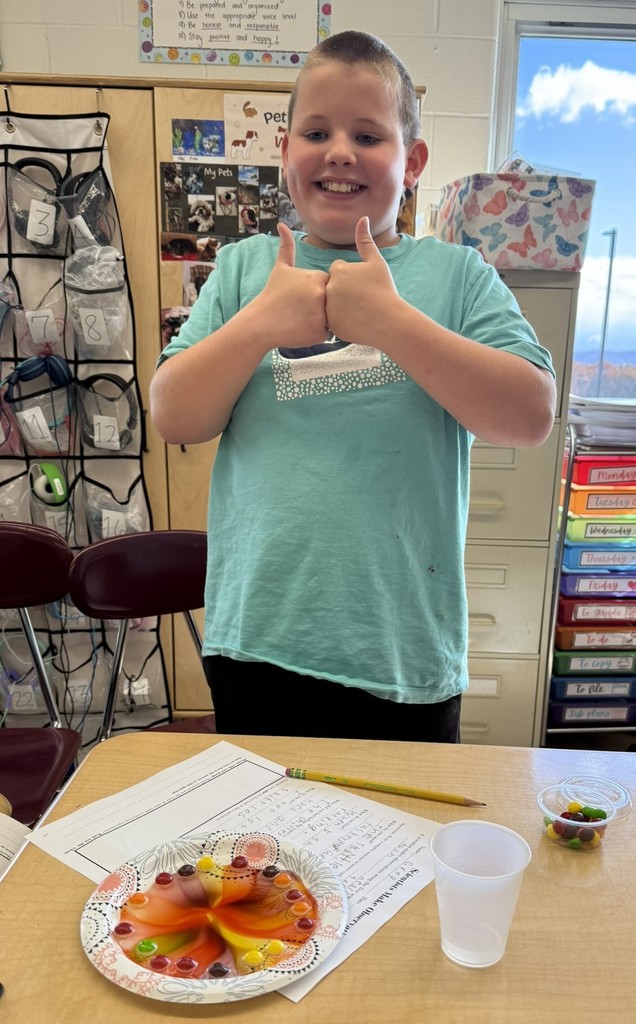
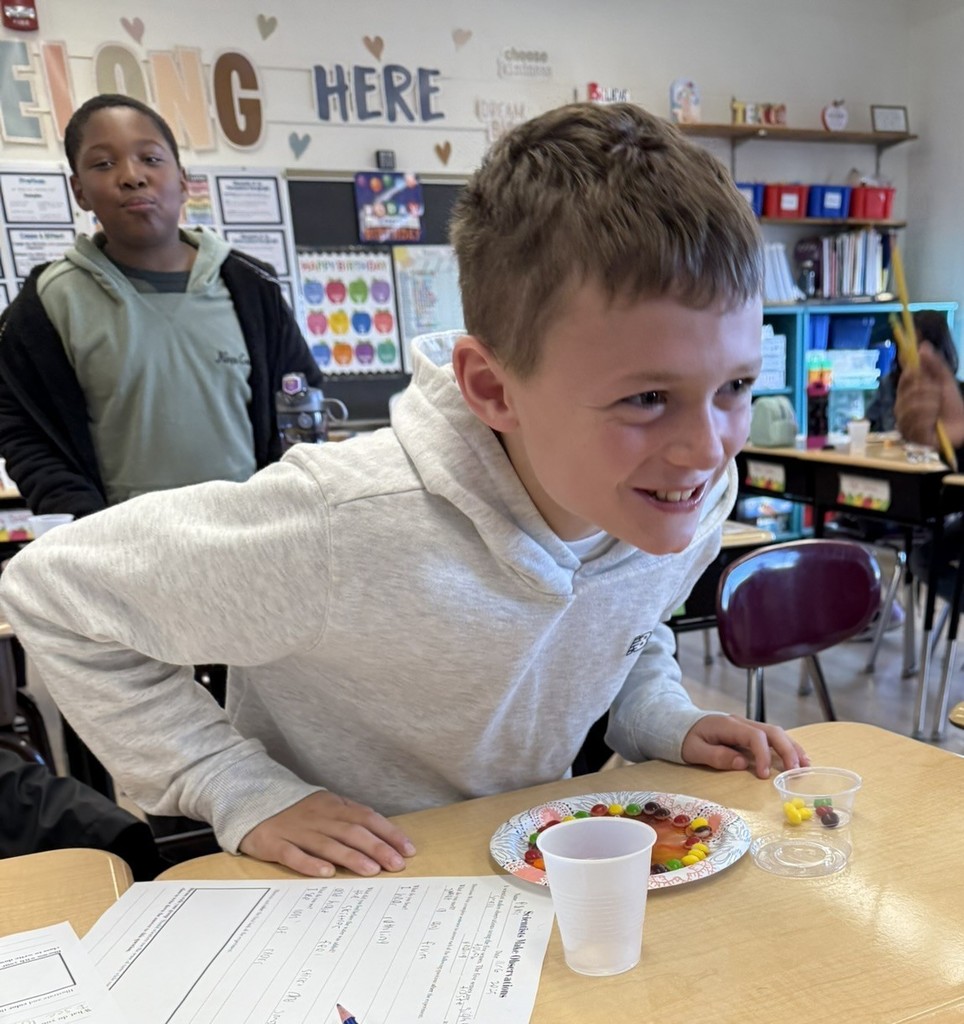
Day 1: Students used their eyes, ears, hands, and noses to observe Skittles—shaking, smelling, and describing their bright colors and smooth texture. Then they added water and watched as the colors spread out to form beautiful rainbow patterns!
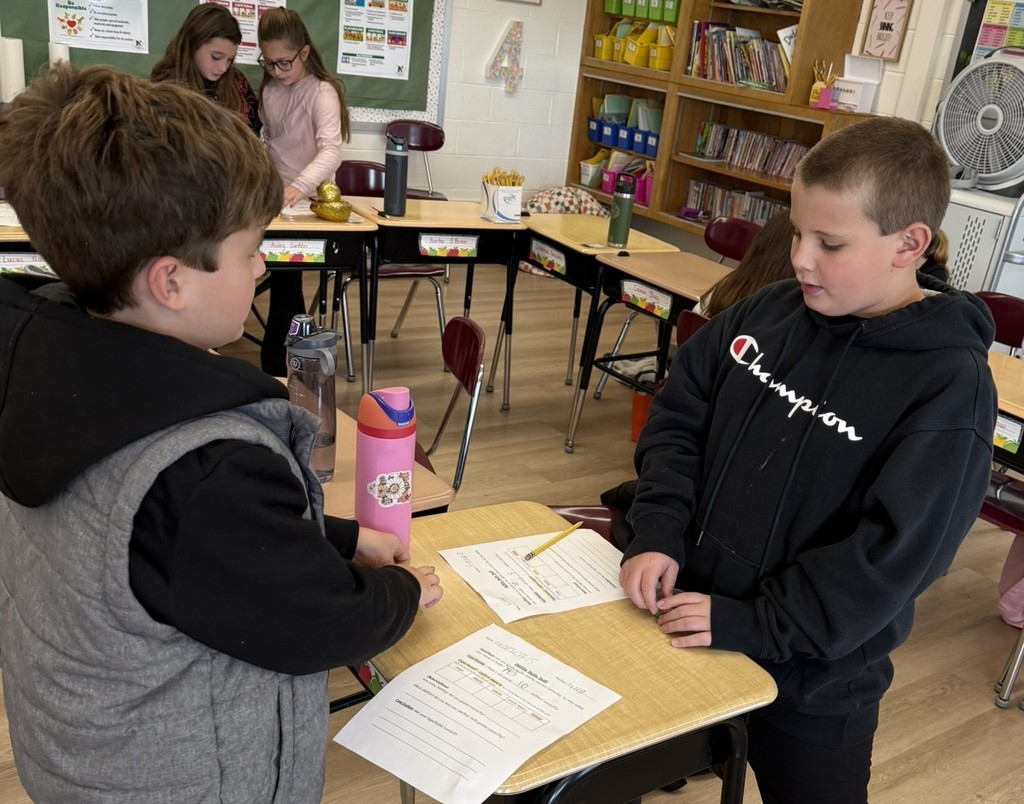
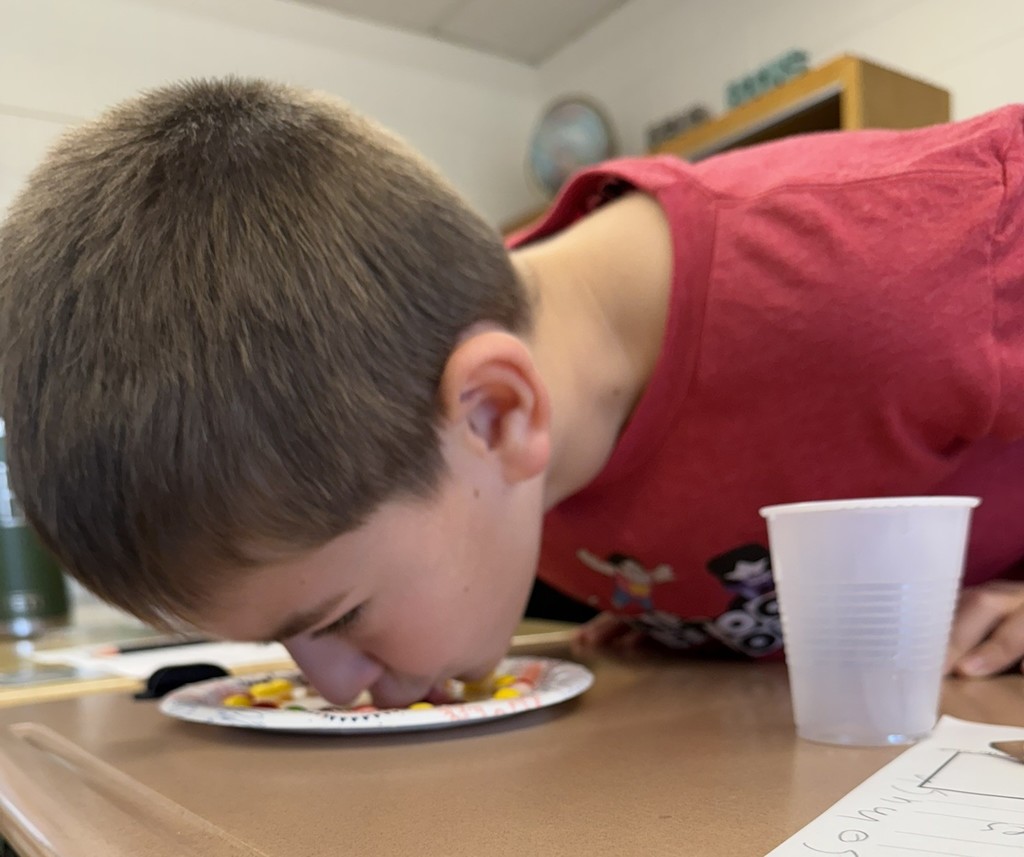
Day 2: Students used their sense of taste in a fun partner challenge: Could students guess the Skittle flavor without peeking? They recorded data, made predictions, and compared results—all while learning that science can be both delicious and educational!
•The "Skittles experiment" is a science project that demonstrates diffusion and concentration gradients by arranging Skittles in a circle on a plate and adding water to watch the colors spread and form a rainbow. It teaches kids how sugar and food dye dissolve in water and move from an area of high concentration to low concentration to equalize the concentration. The experiment can also illustrate the effect of water temperature on dissolving speed. It can also teach kids about scientific skills like forming hypotheses, making predictions, and observation.
•Skittles were first created in the United Kingdom in 1974, launched in the U.S. in 1979, and now have a slogan, "Taste the Rainbow," that was created in New York. The name "Skittles" is a reference to the sports game of the same name, and a single factory can produce over 100,000 individual Skittles per minute to meet global demand. The traditional pub game of skittles, a form of bowling played in the UK and Ireland, or Ninepin bowling, is a variation popular in parts of Europe and North America.
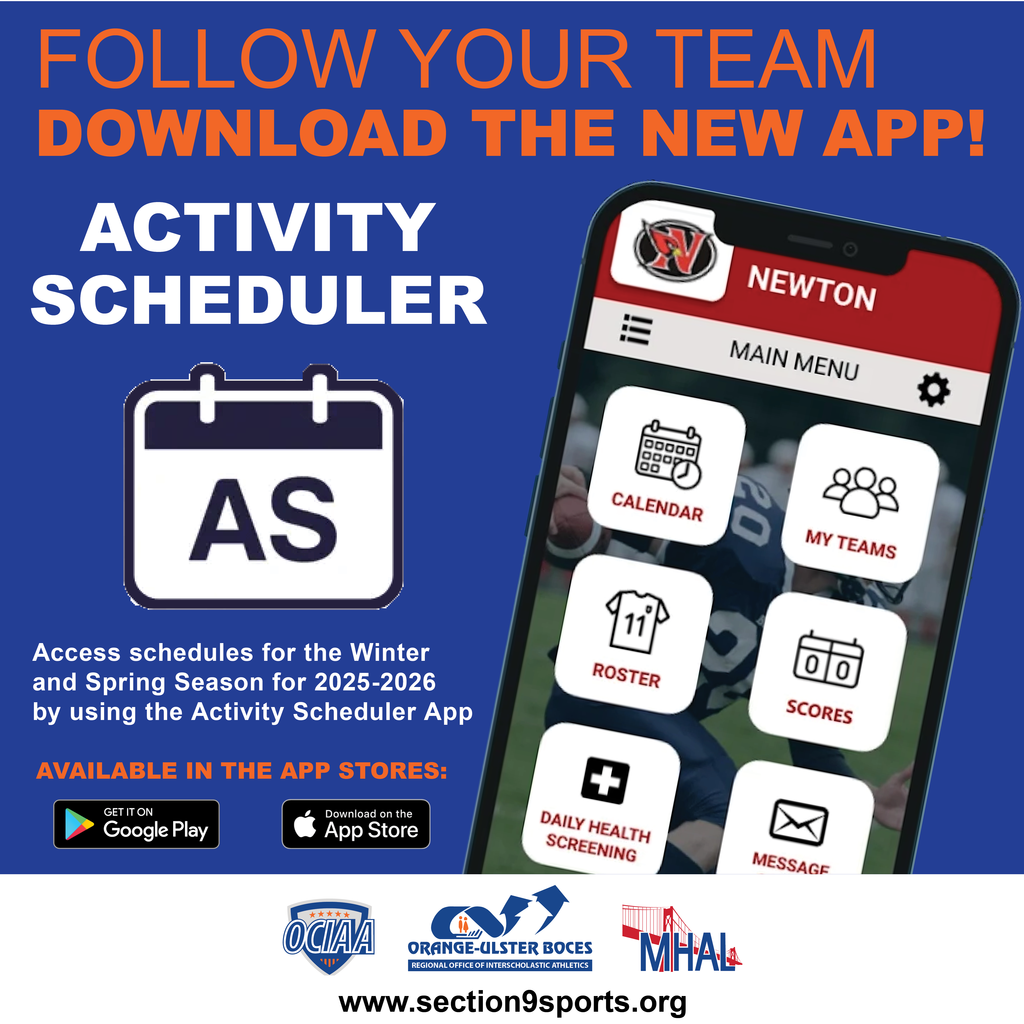
Why you'll love it:
--- Instant access to the latest schedules
--- Game locations and maps
--- Receive notifications for schedule changes or cancellations
--- Never miss a game!
--- Download the app today!
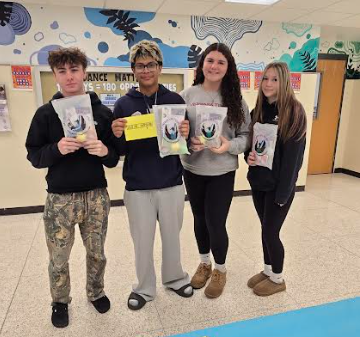
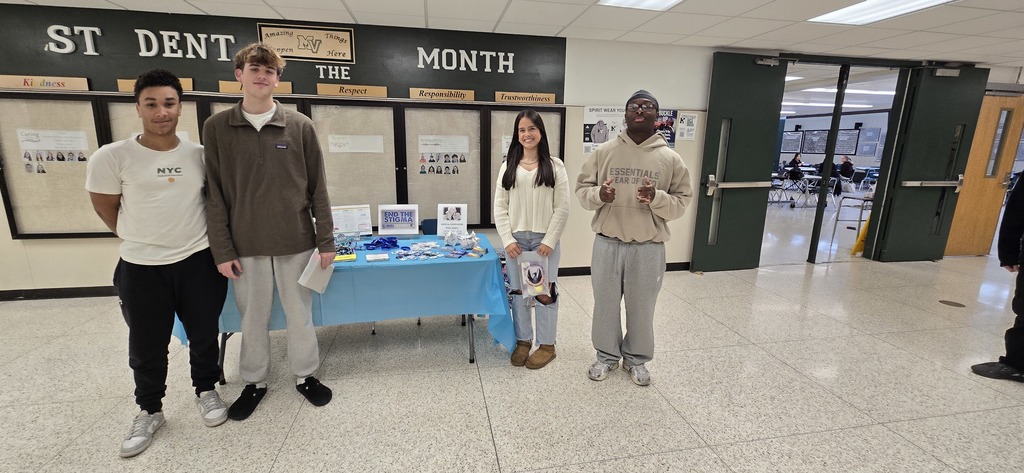
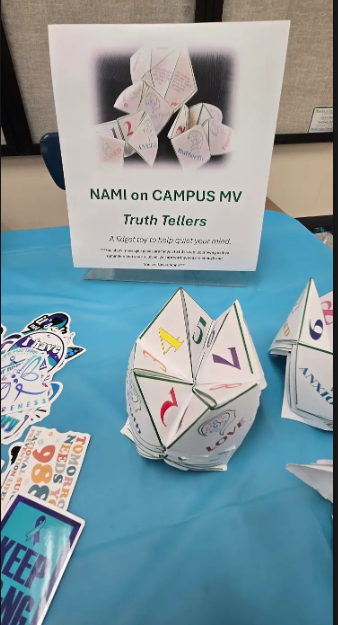
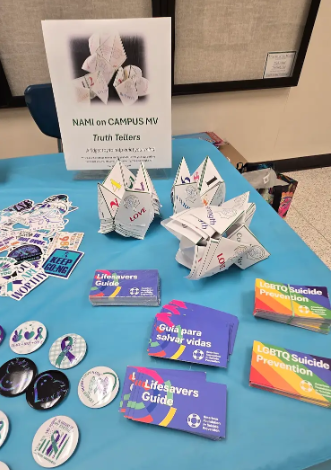
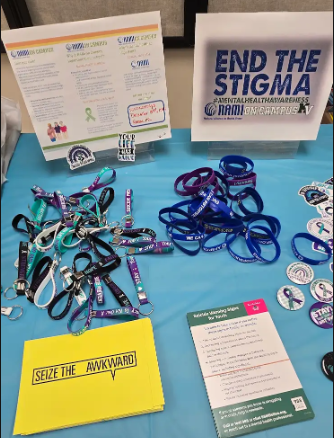
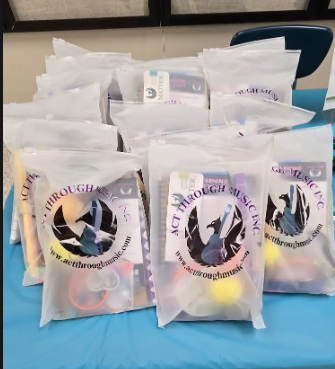
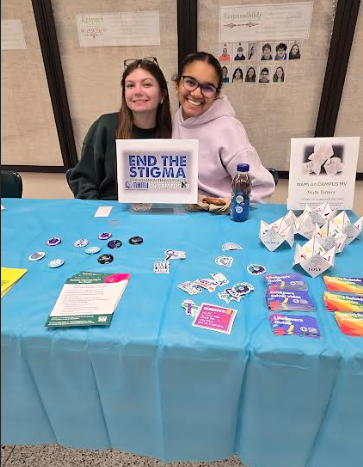
High School Math Teacher Sue Papa is proud to share that the High School’s newly formed NAMI on Campus MV Club (NAMI means the National Alliance on Mental Illness), supported by NAMI of Orange County, recently completed its first successful event! Following recent suicide prevention assemblies, club members, led junior by Abby Rogers, offered suicide prevention kits, donated by Act Through Music, to interested students during lunch periods. There were also key chains, stickers, wristbands other important resources available for students to take, courtesy of the American Foundation for Suicide Prevention Hudson Valley/Westchester.
“The students are very passionate about raising awareness and breaking stigmas around mental health,” said Ms. Papa, who is the club’s advisor. “They’re looking forward to building connections and creating a mental health toolkit that will promote healthy minds through healthy habits.”
If your student is interested in being a part of this group, have them email Ms. Papa at spapa@minisink.com
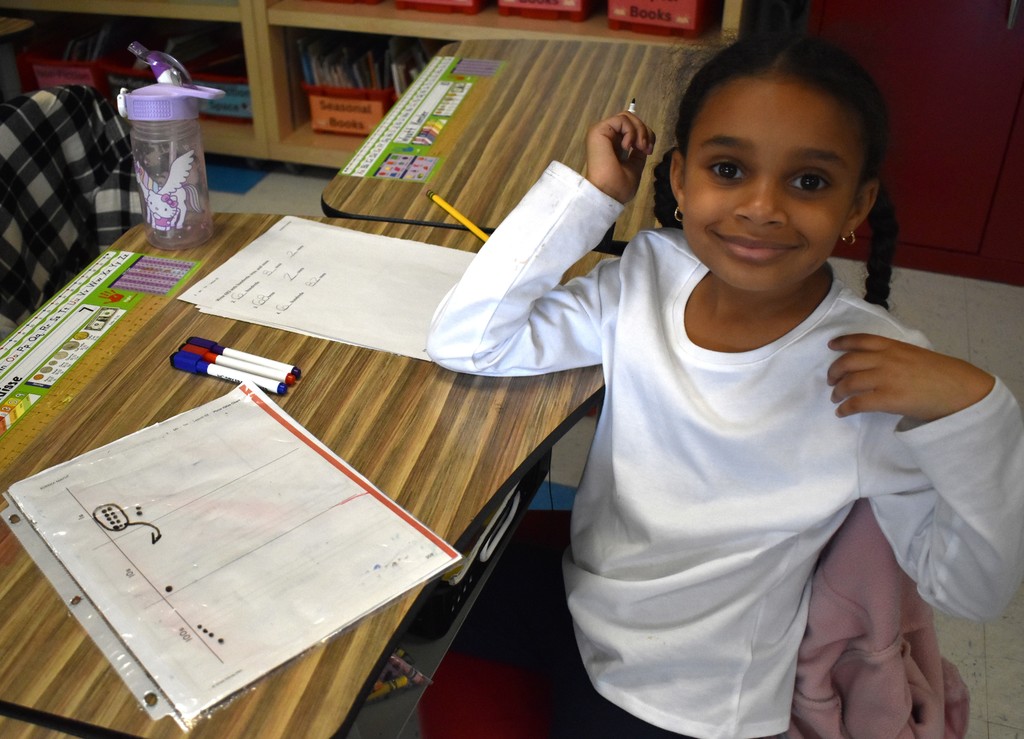
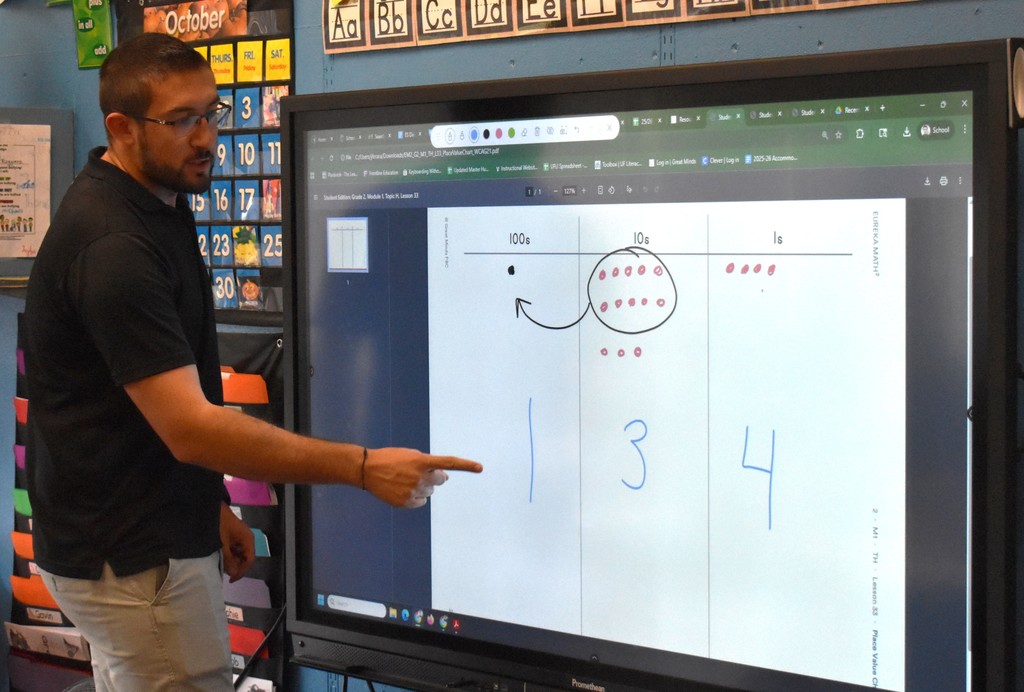
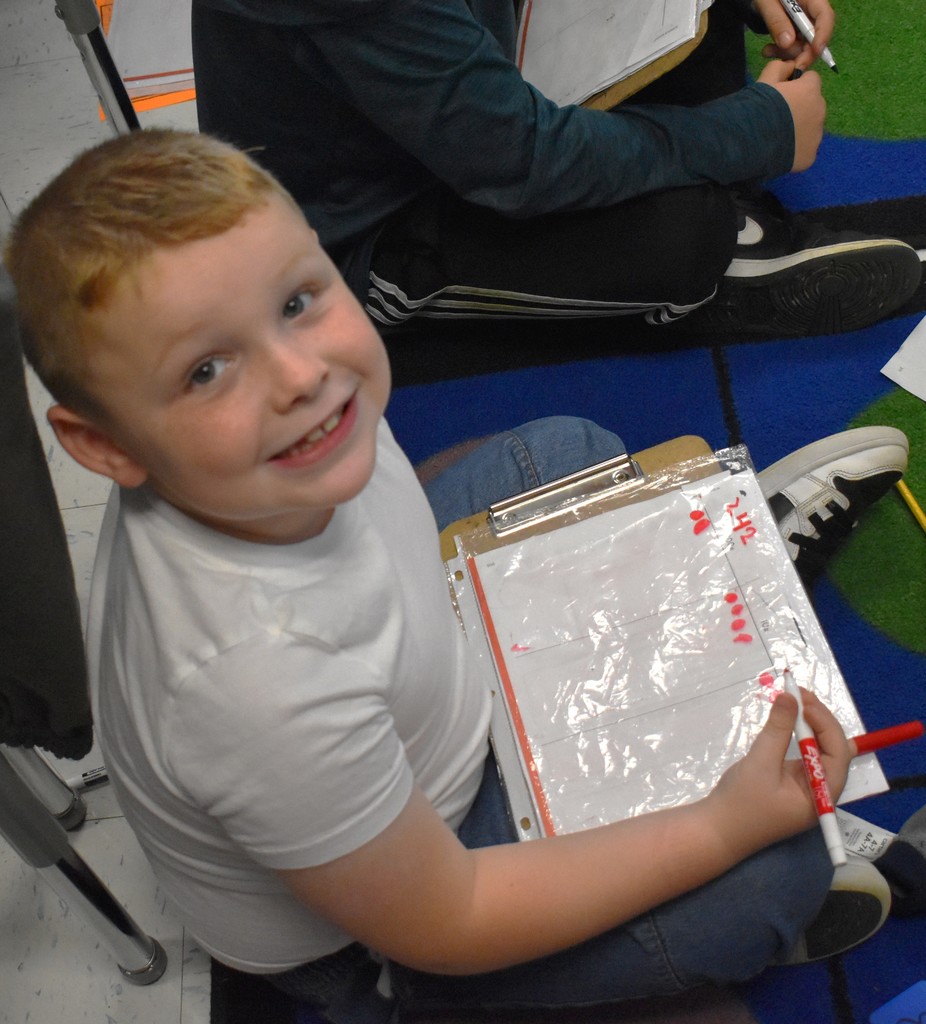
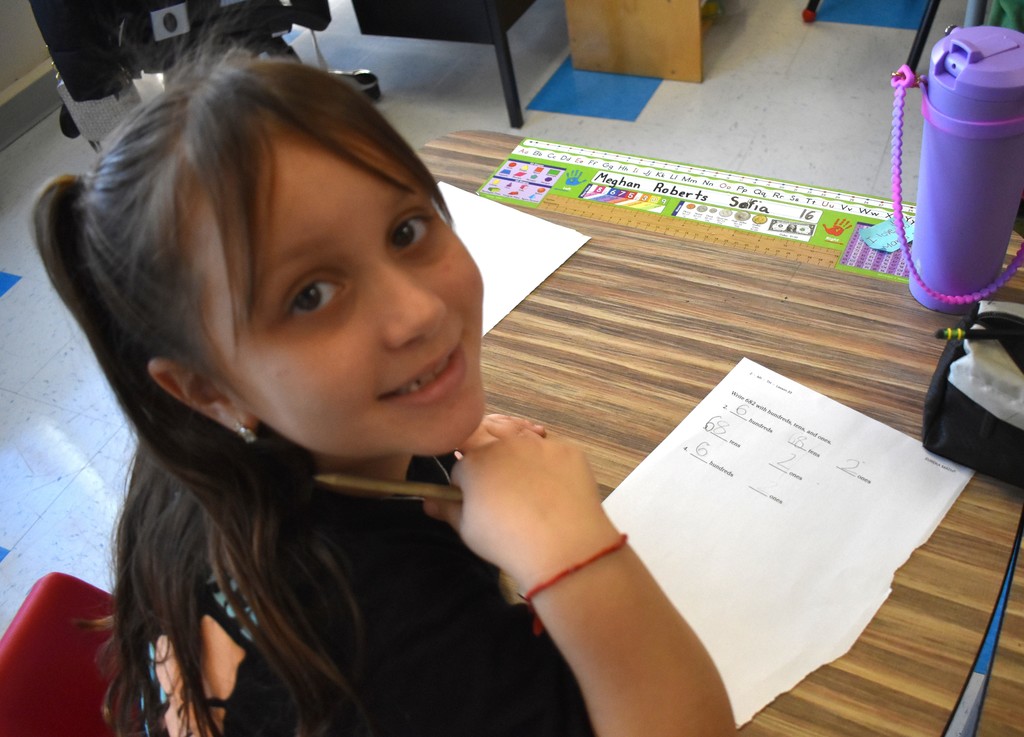
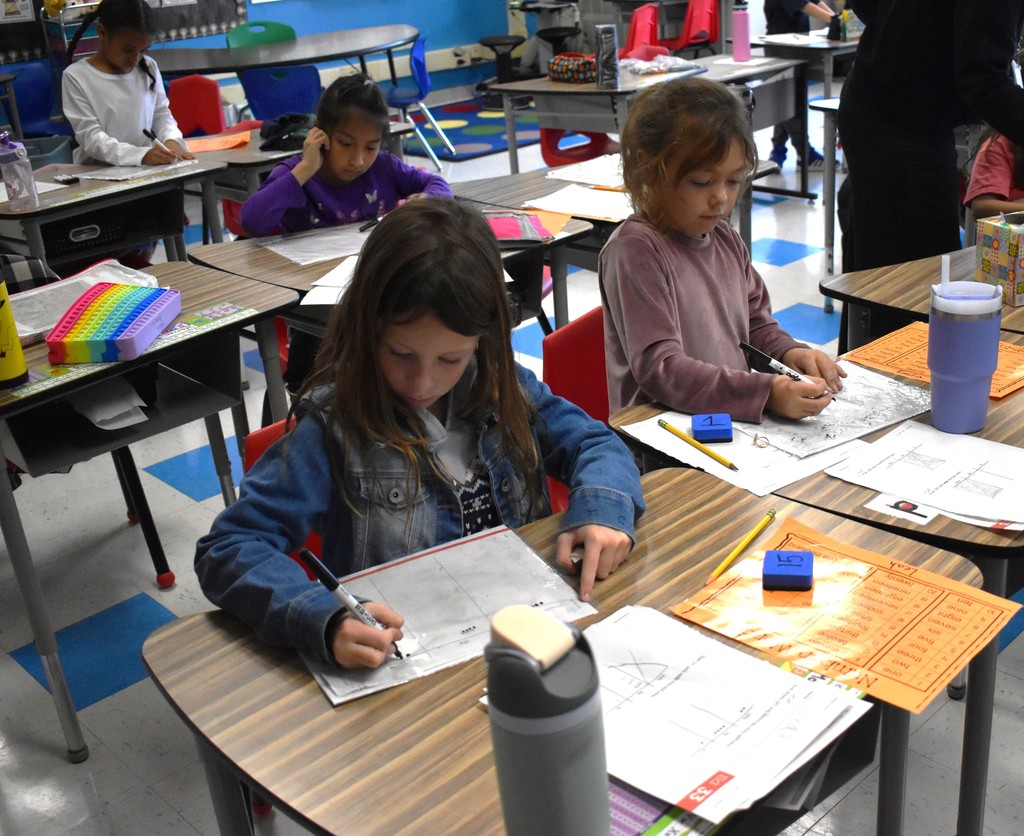
As they progress in this work, students will be moving toward regrouping and borrowing when adding and subtracting. Right now, they been practicing bundling groups of 10s and moving them to the appropriate place value to accurately represent the number. This practice of unbundling and bundling numbers becomes the baseline for addition and subtraction strategies.
An HTO chart is a place value chart used in elementary education with columns for “hundreds,” “tens,” and “ones” to help students visualize and understand numbers. It’s a foundational tool for teaching concepts like addition, subtraction, and multiplication by showing how numbers are composed and how regrouping works (i.e.: trading 10 ones for a 10).
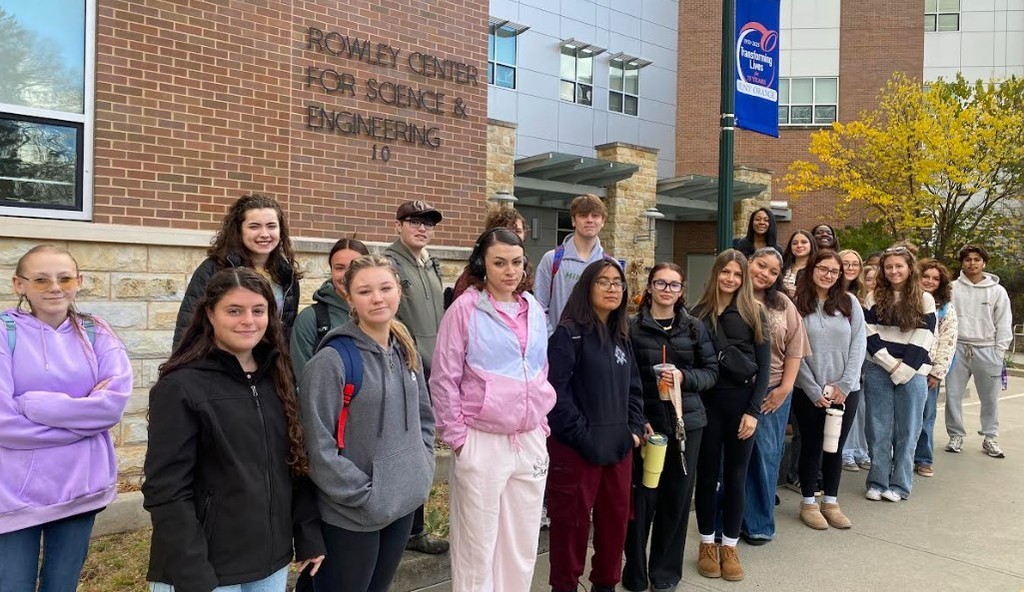
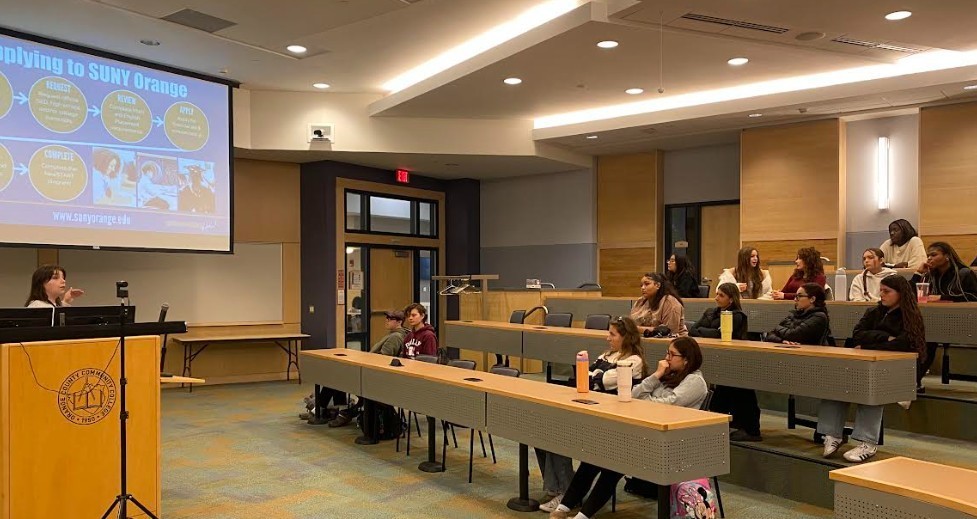
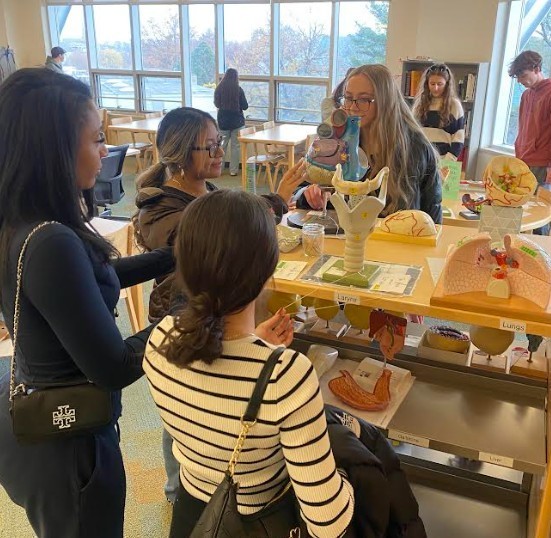
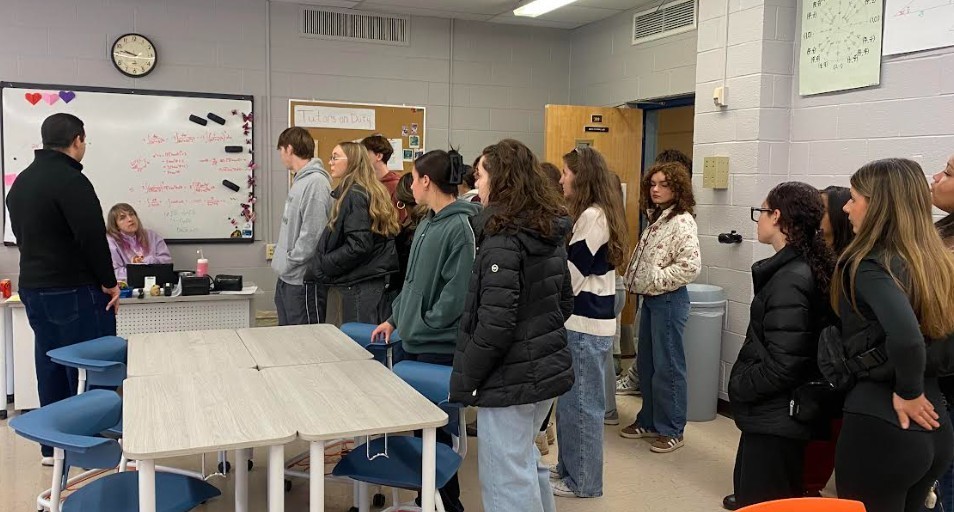
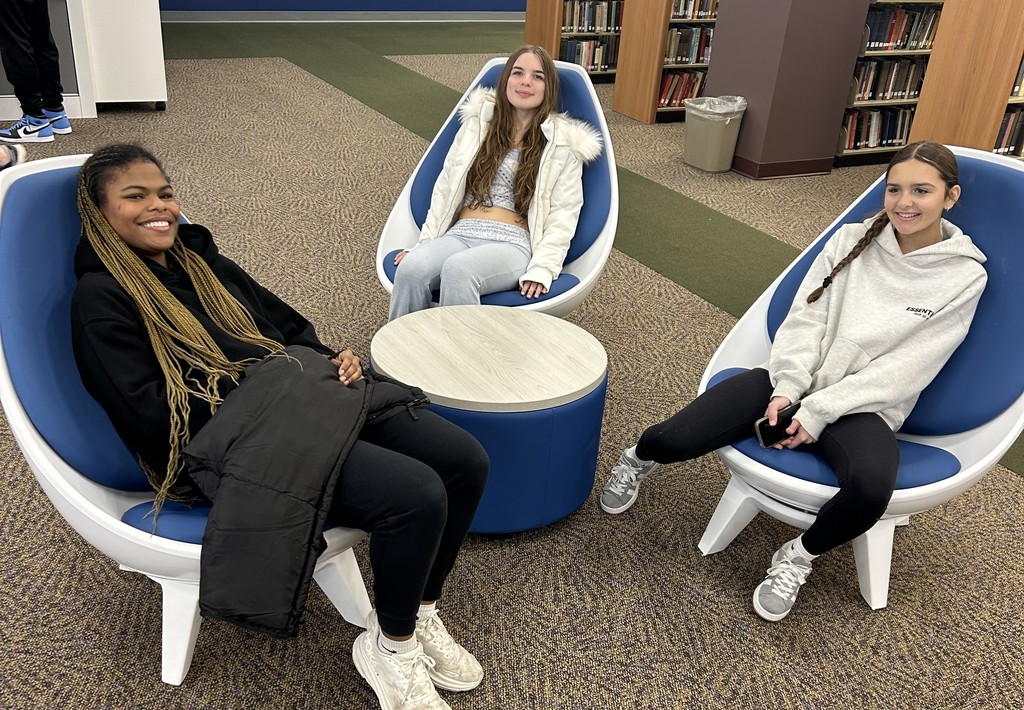
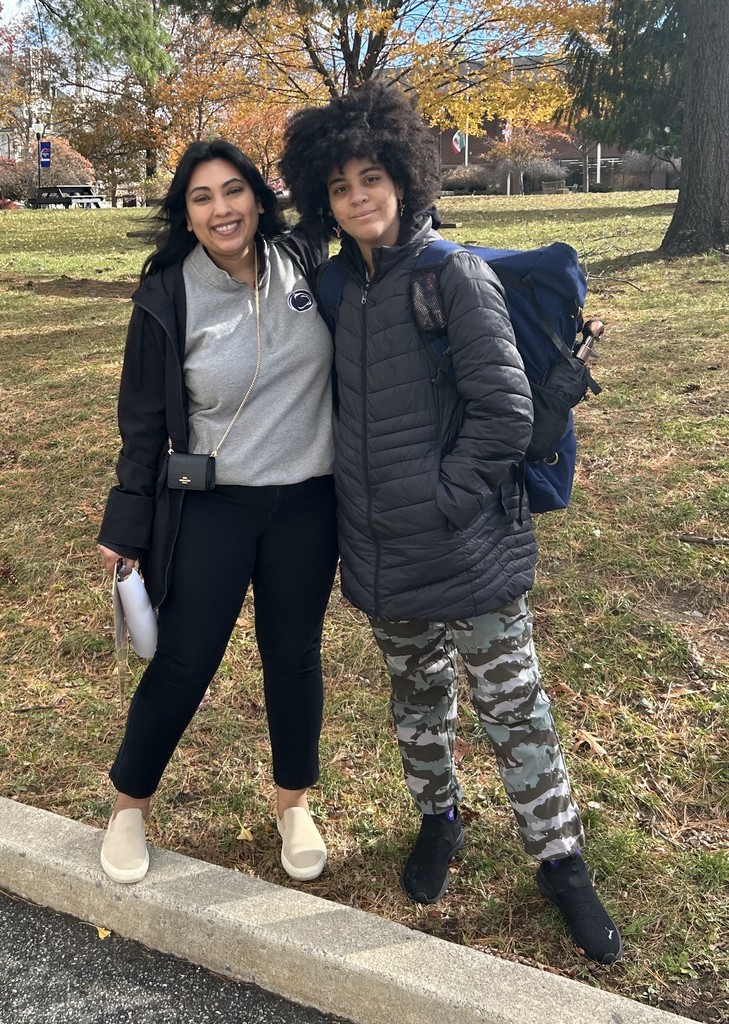
During their visit, students learned about the wide range of academic programs, student services, and campus resources available. They even met some alumni who were proud to share their experiences and insights about SUNY Orange life! This is the first time that the Counseling Department has arranged a group visit to an area college/university and more are planned!
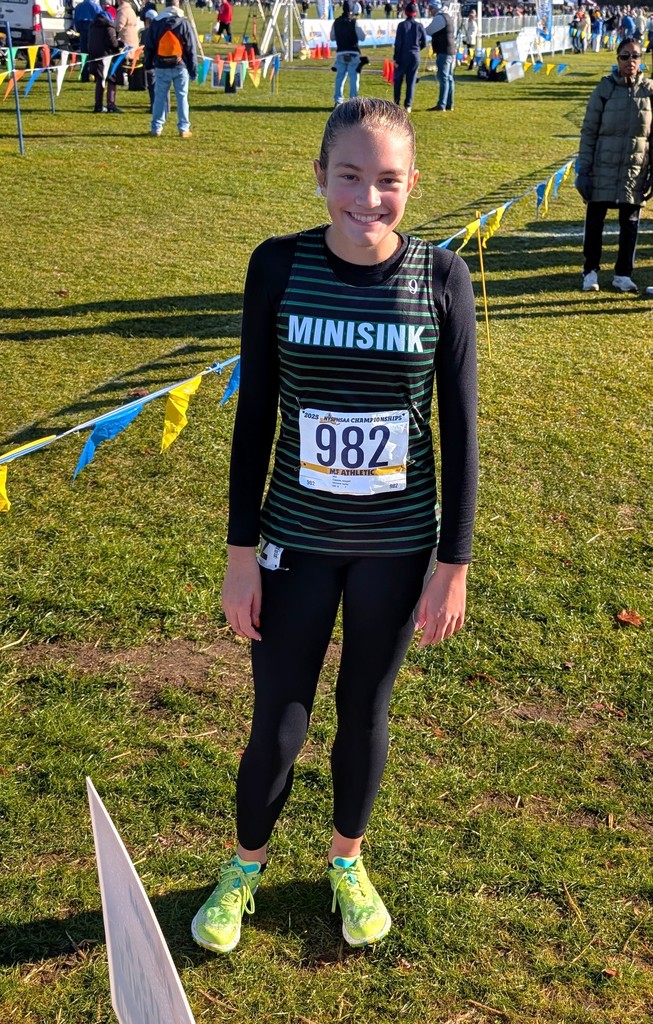
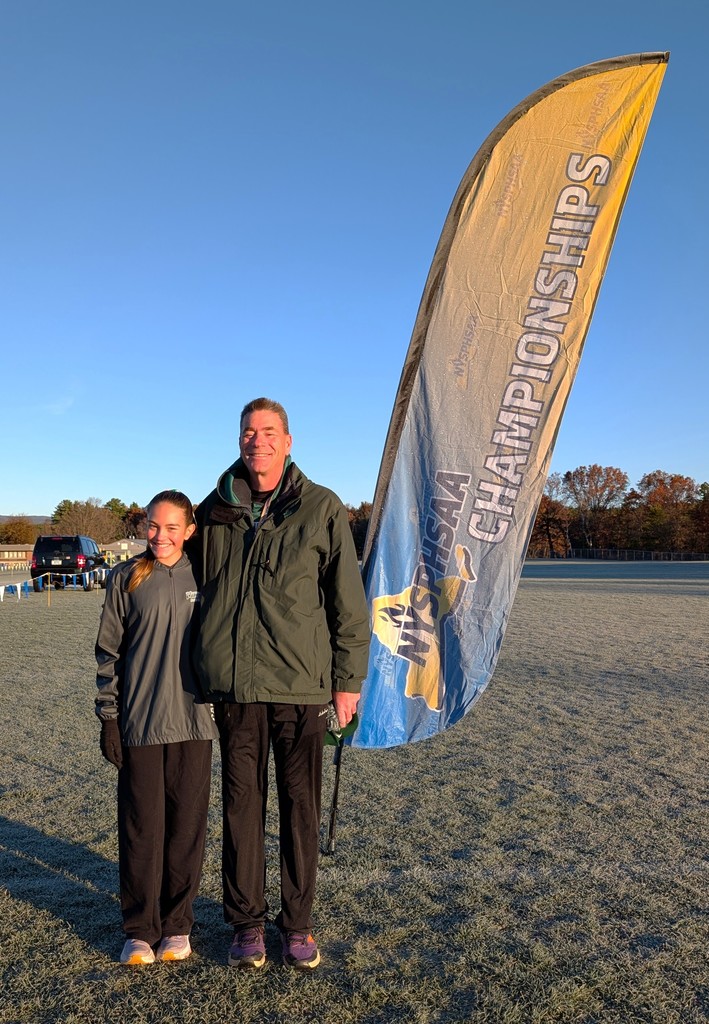
"Abby had an amazing season that the whole coaching staff is proud of, said Head Coach Ed Sucich. “She has a work ethic and a competitive spirit that has led her to the top of the Section as just an eighth-grader. Congratulations to Abby and her parents."