
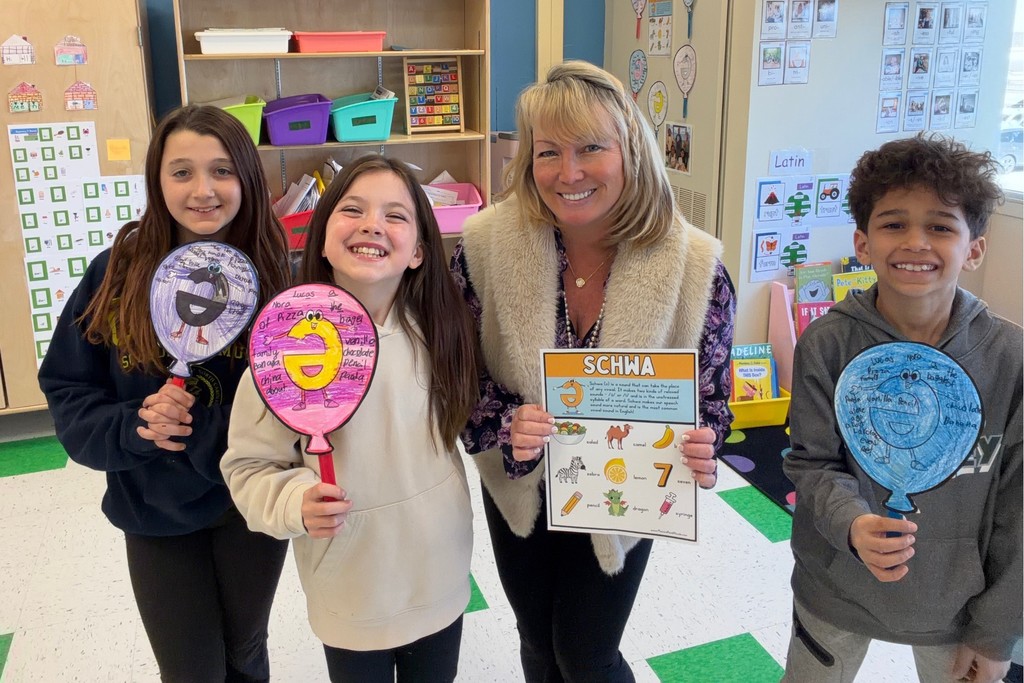
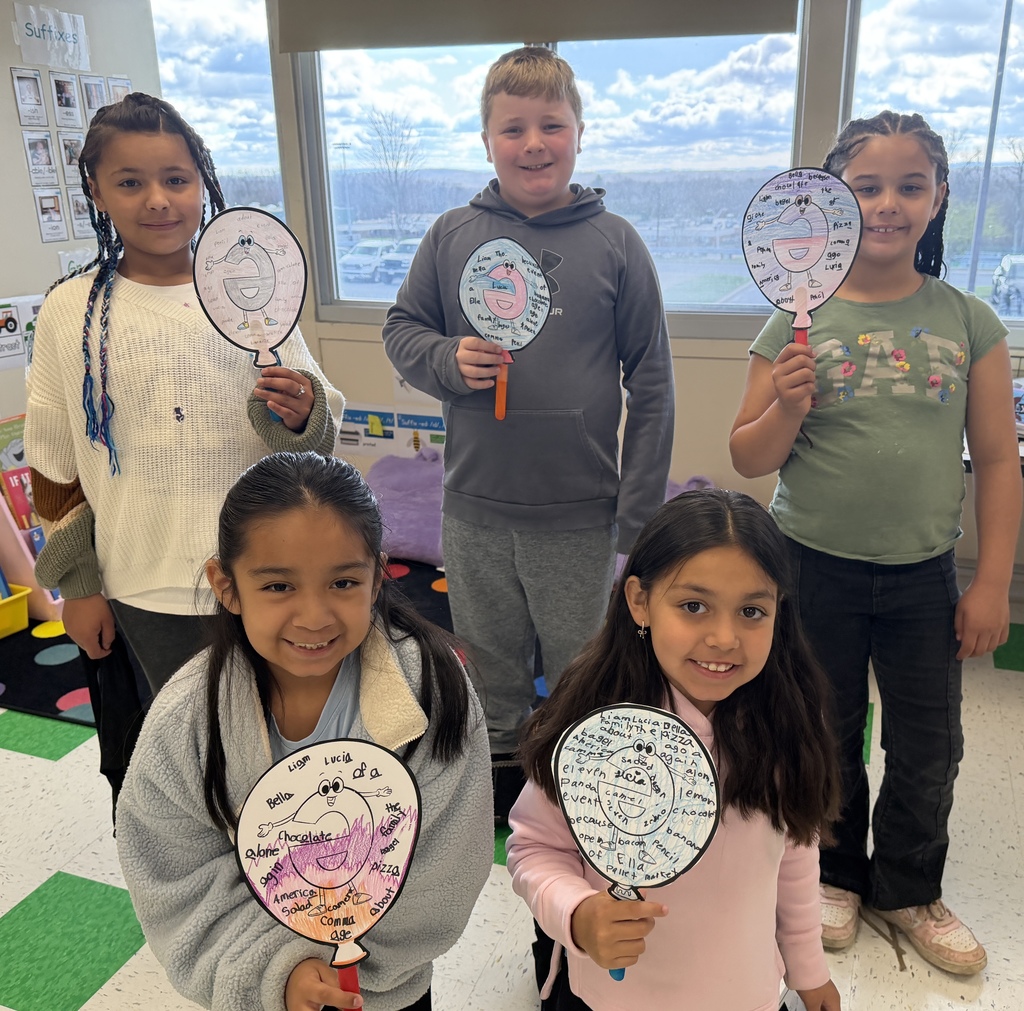
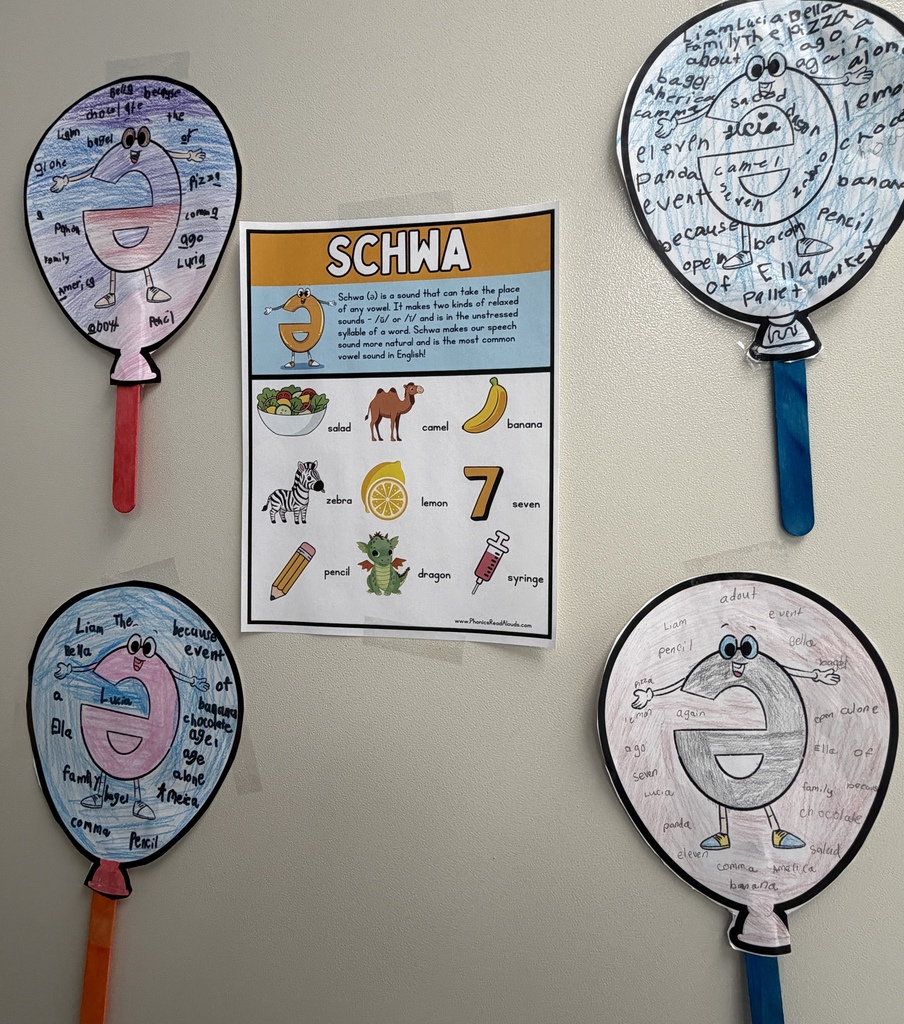
National “Schwa” Day was April 7! Who knew? IS reading teacher Erin Todd, ES reading teacher Valerie Zubikowski and ES second-grade teachers Megan St. Clair and Sarah Kocot did! They went all-in on the fun and created some adorable activities to honor this “tiny-but-mighty” sound!
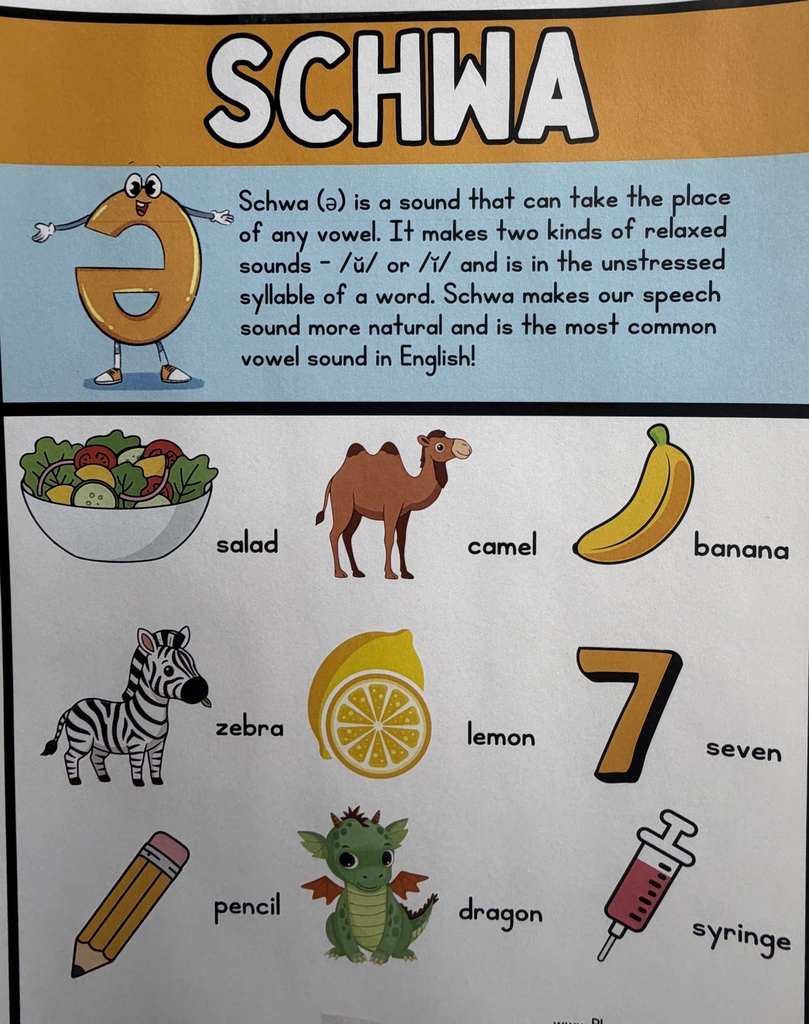
The schwa (ə) may be the quietest vowel in the English language, but it’s also the most common — a soft little superstar hiding in unstressed syllables of words like “about,” “sofa” and “banana.”
Even though it rarely takes center stage, the schwa helps our words glide smoothly and naturally. That’s why this unofficial holiday gives students, teachers and word-loving humans everywhere a chance to cheer on the sound that does so much…while asking for so little.
Whether you’re a budding linguist or just someone who appreciates a quirky language celebration, National Schwa Day is the perfect reminder that even the quietest sounds deserve a big round of applause.
Understanding the schwa is important for young readers because it helps them make sense of the many English words that don’t sound the way their spelling suggests. Since the schwa appears in thousands of unstressed syllables, recognizing it strengthens decoding skills, improves spelling, and leads to smoother, more natural reading fluency. It also helps young students notice patterns in prefixes, suffixes and word structure, giving them stronger morphological awareness. Most importantly, understanding the schwa reduces frustration and builds confidence by showing readers that these “mystery vowels” actually follow predictable patterns.
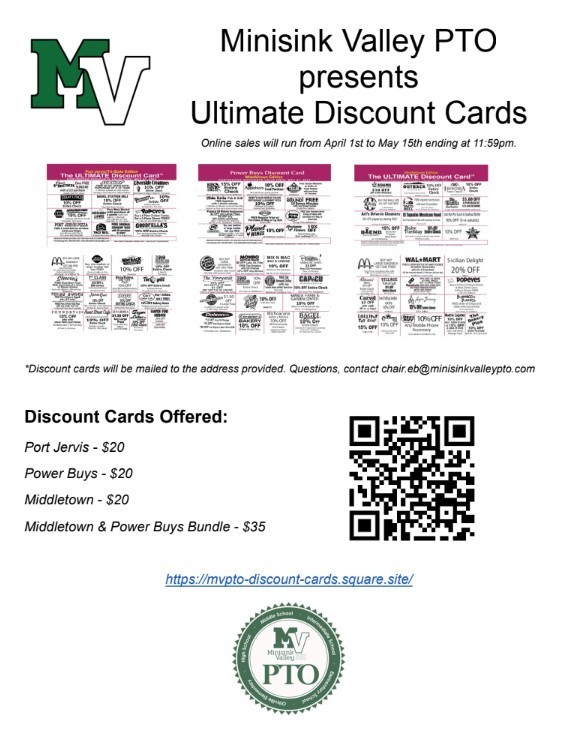
It's ULTIMATE DISCOUNT CARD time!
Support the great work of the Minisink Valley PTO by purchasing a card....or two! Order by May 15 by scanning the QR code!
Or: click here: https://mvpto-discount-cards.square.site/
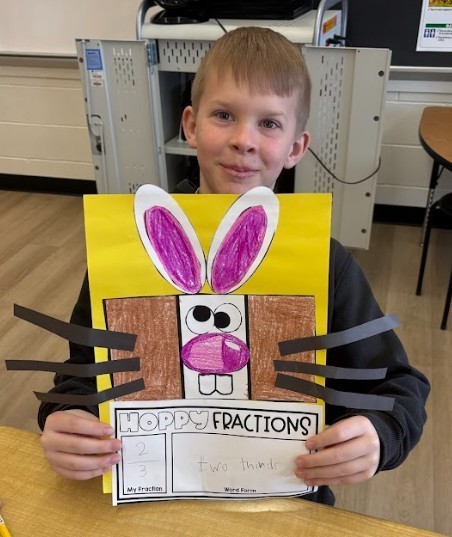
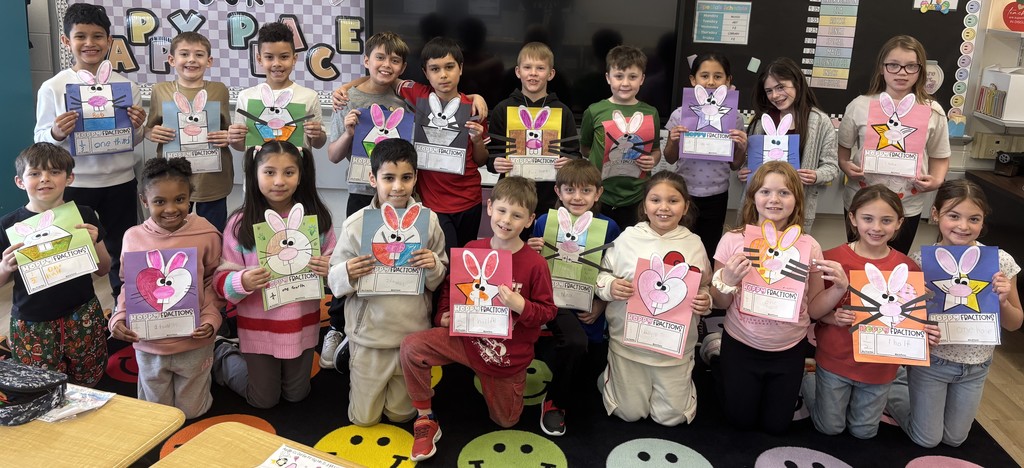
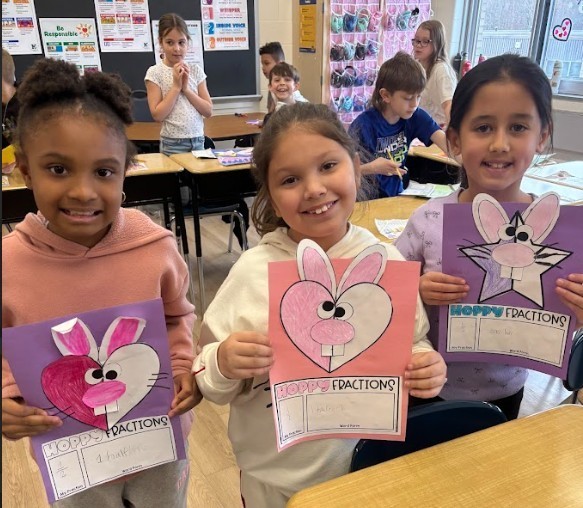
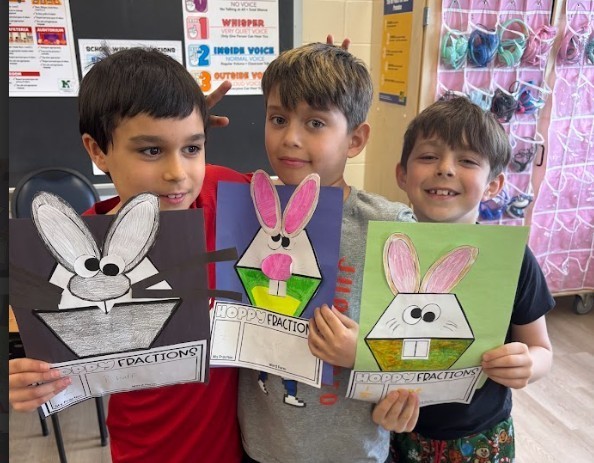
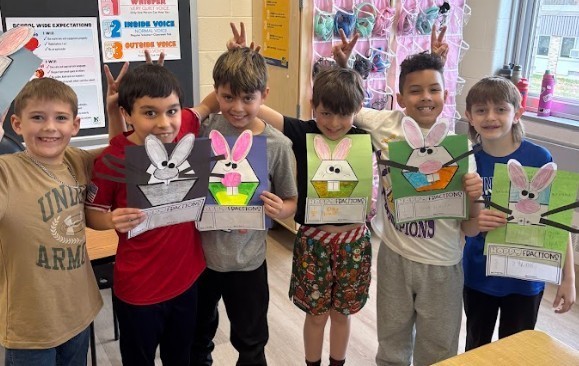
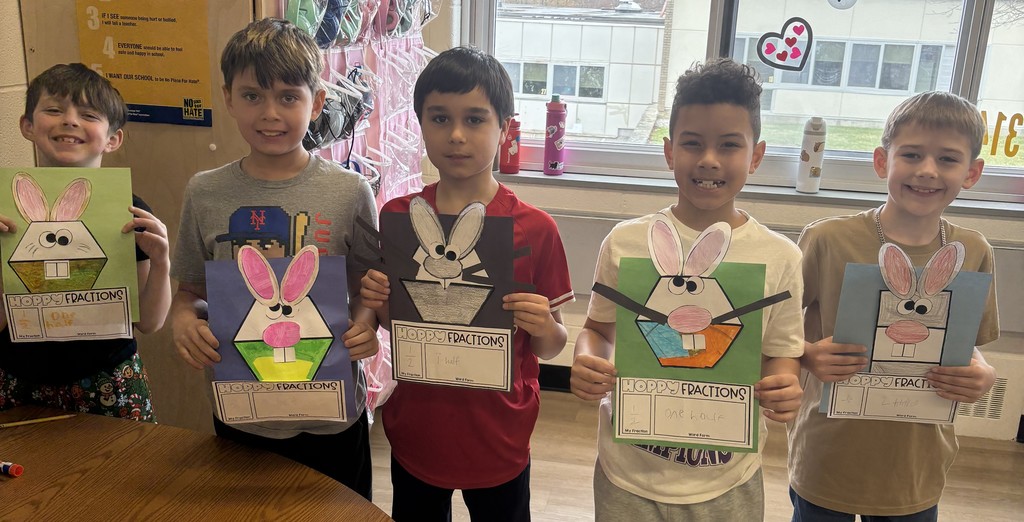
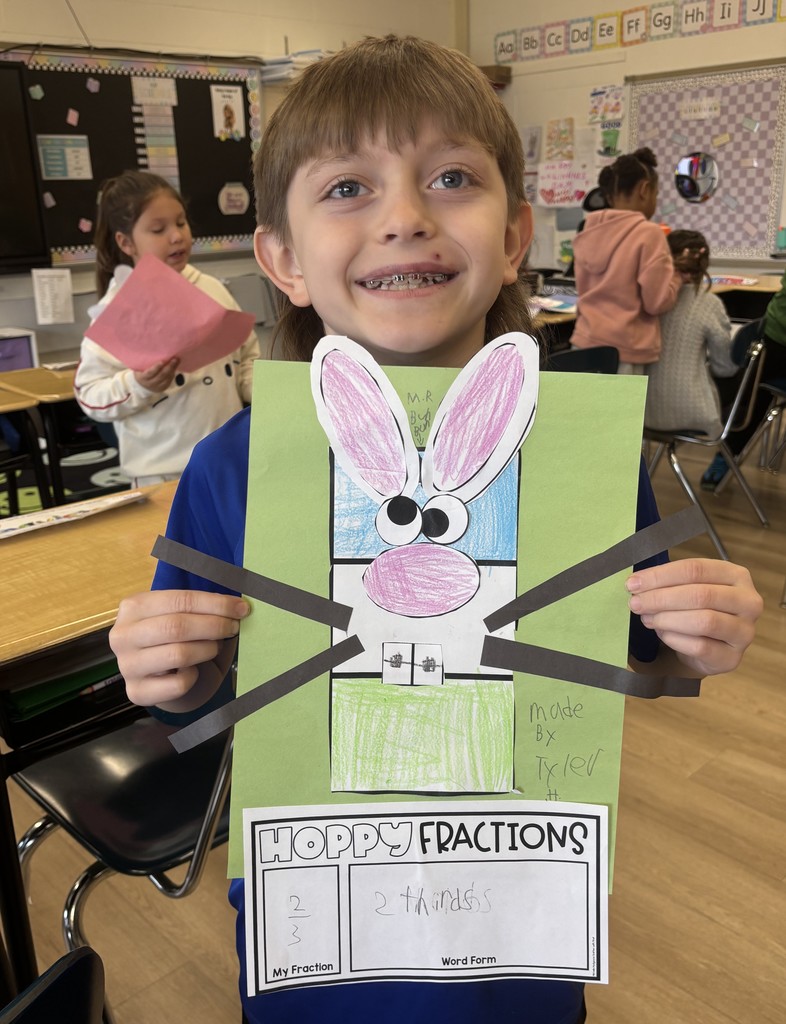
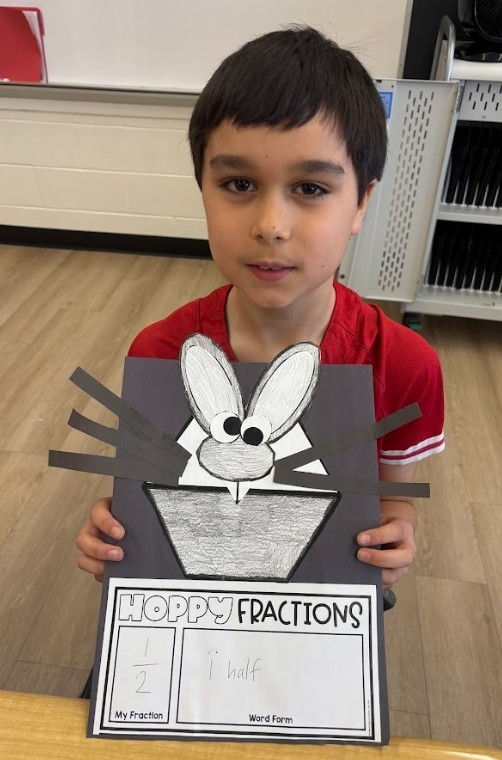
Before the break, McKayla Murphy’s IS third-graders hopped into spring by creating the most adorable fraction bunnies! Each student designed a cheerful bunny that showed off their growing confidence with fractions—right down to writing each fraction in word form. These creations were not only cute but also a fun way to show what they’ve learned!
• A fraction shows how many parts of a whole you have.
• The top number (numerator) tells how many parts you’re talking about.
• The bottom number (denominator) tells how many equal parts the whole is split into.
• 1/2 means the whole is split into two equal parts, and you have one of them.
• Fractions can be written in words, like “one-third” or “three-fourths.”
• Fractions don’t always come from circles—shapes, sets of objects, and even number lines can all show fractions!
• If two fractions look different but cover the same amount of space, they are equivalent fractions (like 1/2 and 2/4).
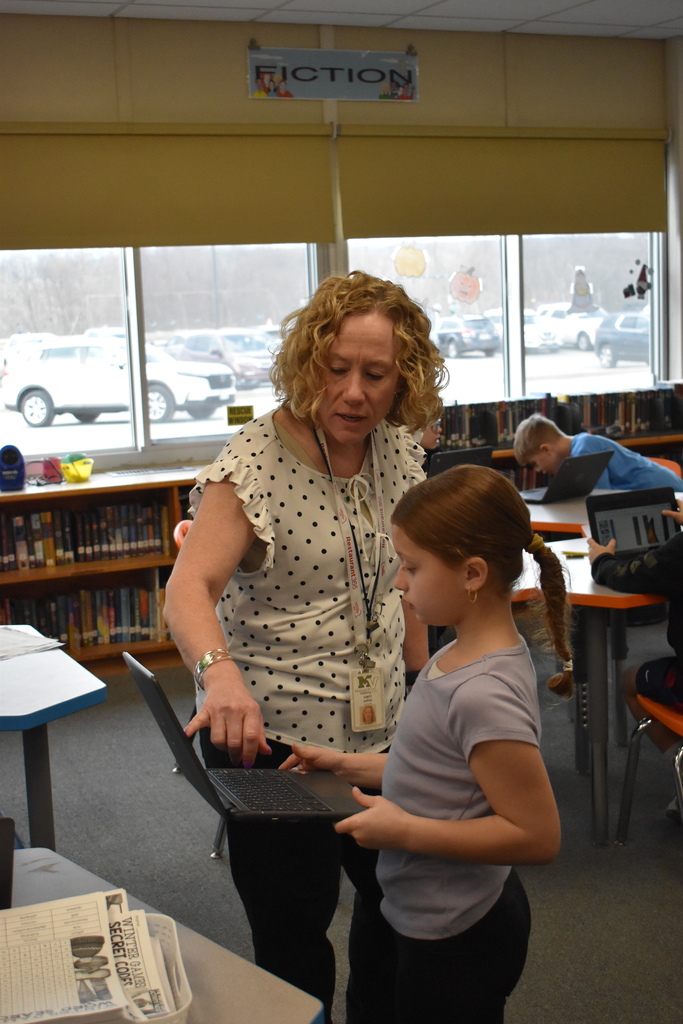
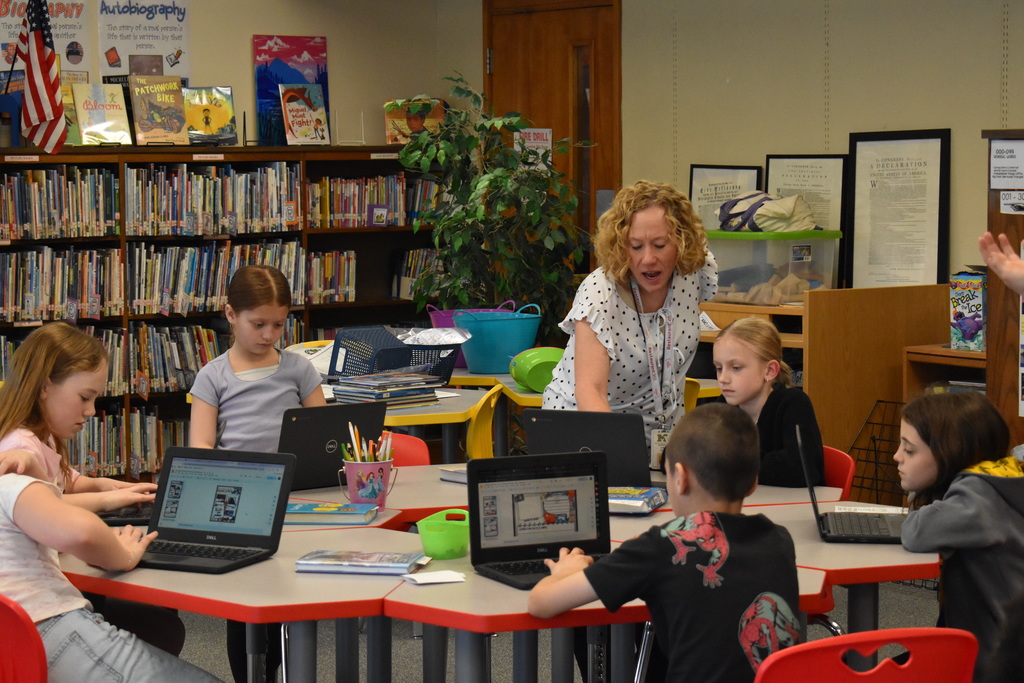
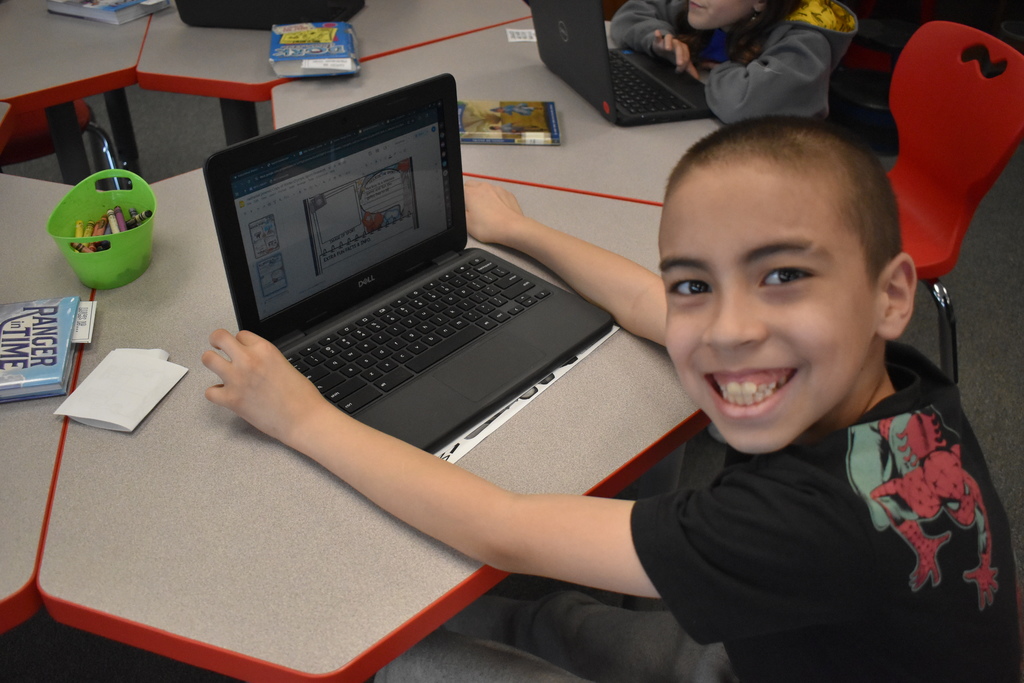
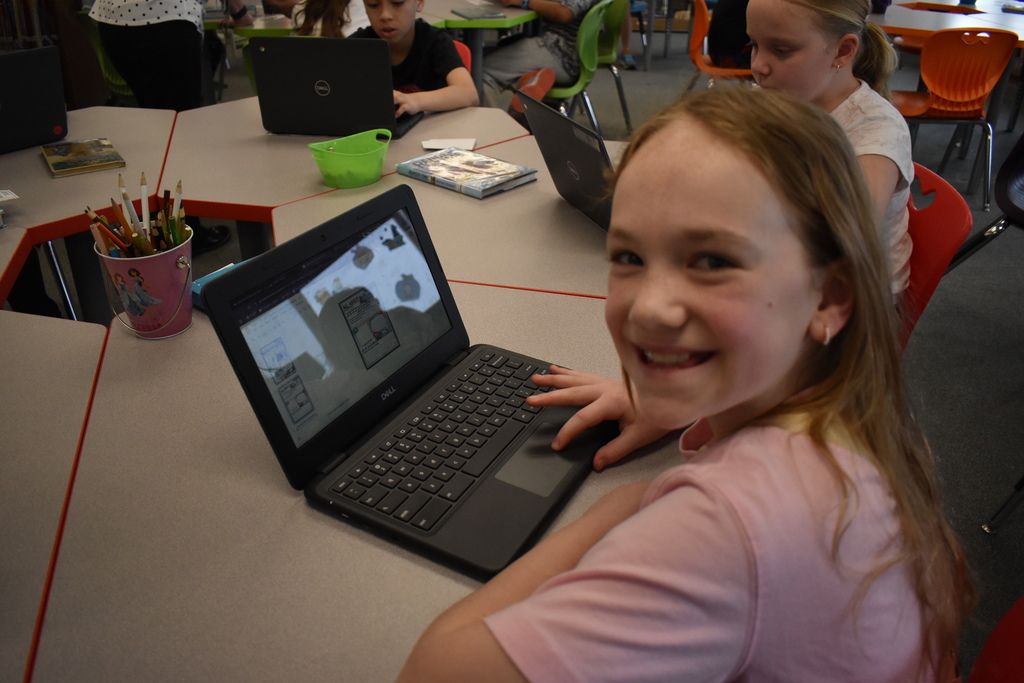
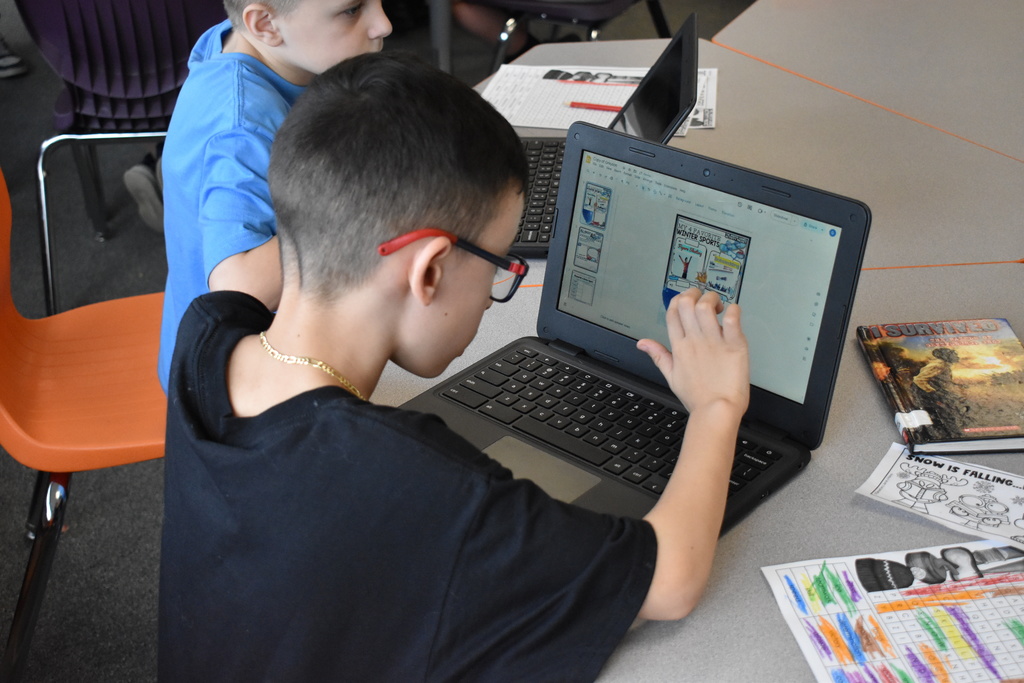
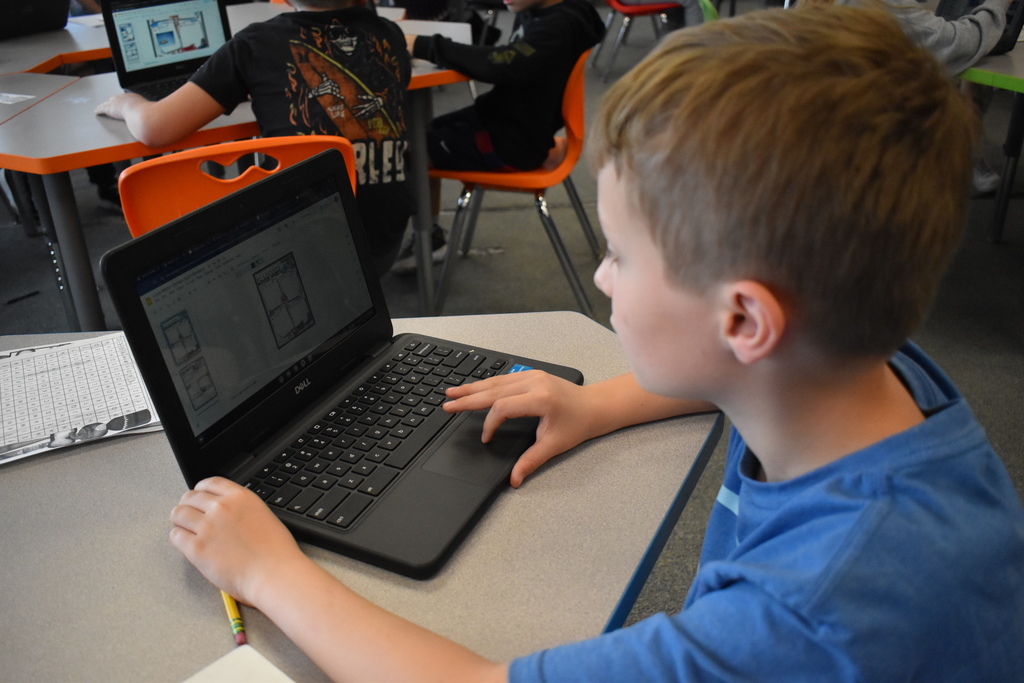
Aimee Hardy’s IS third-grade library students are continuing to develop library and computer skills that are essential for everyday learning and research. For example, they’ve been learning how to access school databases and locate information using online encyclopedias. Students are also discovering that online encyclopedias function differently from search engines like Google. Instead of typing full questions, they are practicing how to use keywords and specific topics to find relevant information.
In addition, library students are building important and practical digital skills. They are learning how to copy and paste images, search for and summarize information, and properly cite their sources. Students are also practicing basic document editing skills, such as editing images, changing fonts, and typing their responses clearly. These activities help strengthen both their research abilities and their overall computer literacy—skills that are critically important as they progress into higher grade levels.
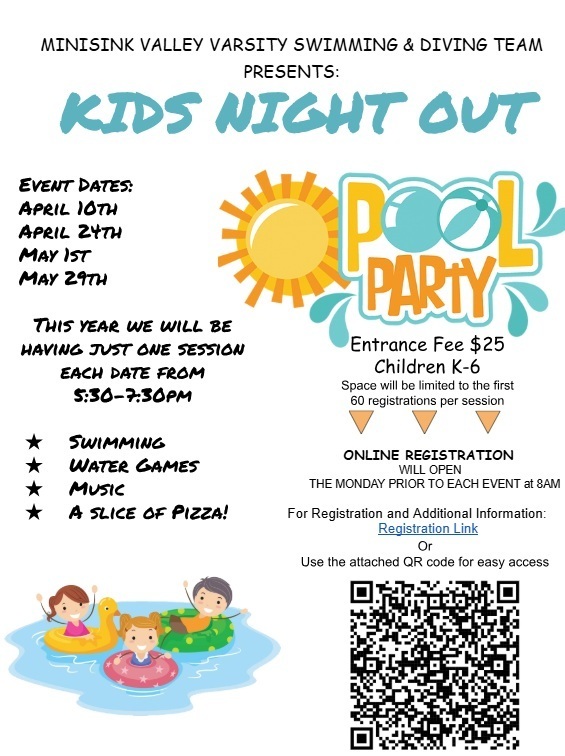
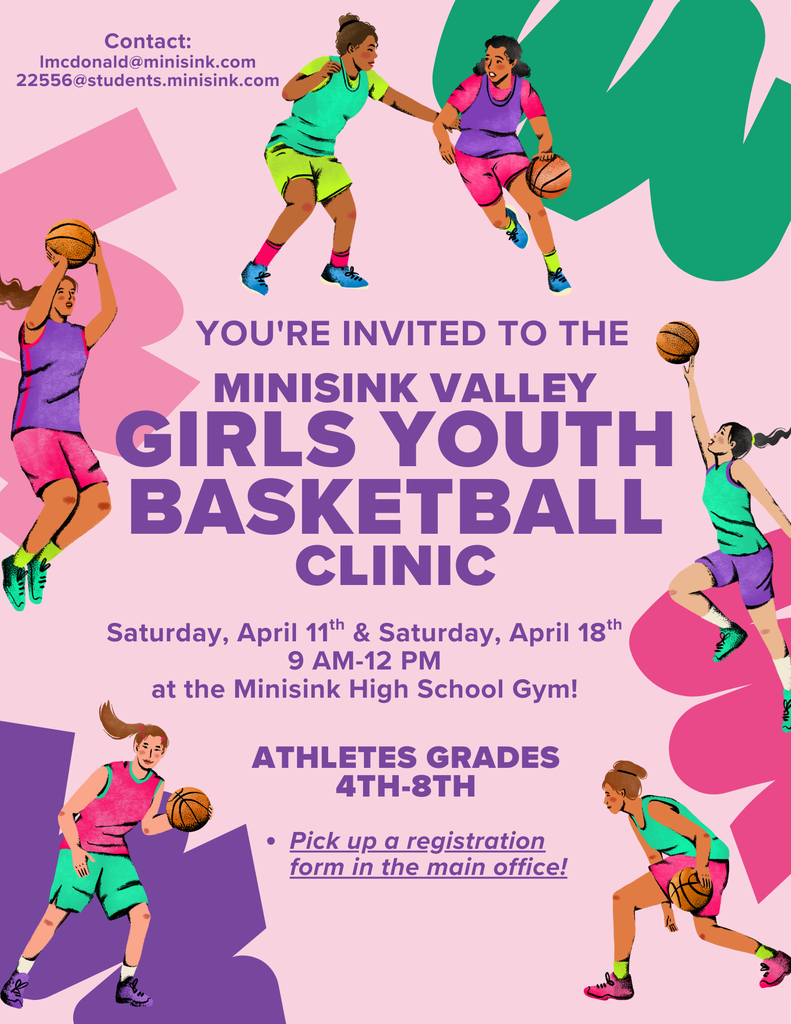
While brackets are busting and buzzer-beaters are dropping this March Madness season, give your own future star a shot — sign your 4th through 8th grader up for our FREE Girls Basketball Spring Instructional Clinic!
• Open to all district girls in 4th through 8th grades
• DATES: Saturday, April 11 and Saturday, April 18
• 9 a.m. to 12 noon in the High School Gym
The clinics will be directed by Coach McDonald with assistance from players in the Minisink Valley Girls Basketball program. The camp’s goal is to provide quality instruction and inspiration for young district athletes. The camp is free of charge, though donations towards the Girls Basketball Program are optional, but welcome. Activities include individual skill instruction and competitive team play. The players may be separated into two levels according to their age and ability. Participants will be expected to wear sneakers and dress appropriately.
Here's the registration link: https://docs.google.com/.../1FAIpQLScQbIcAlyC6xV.../viewform
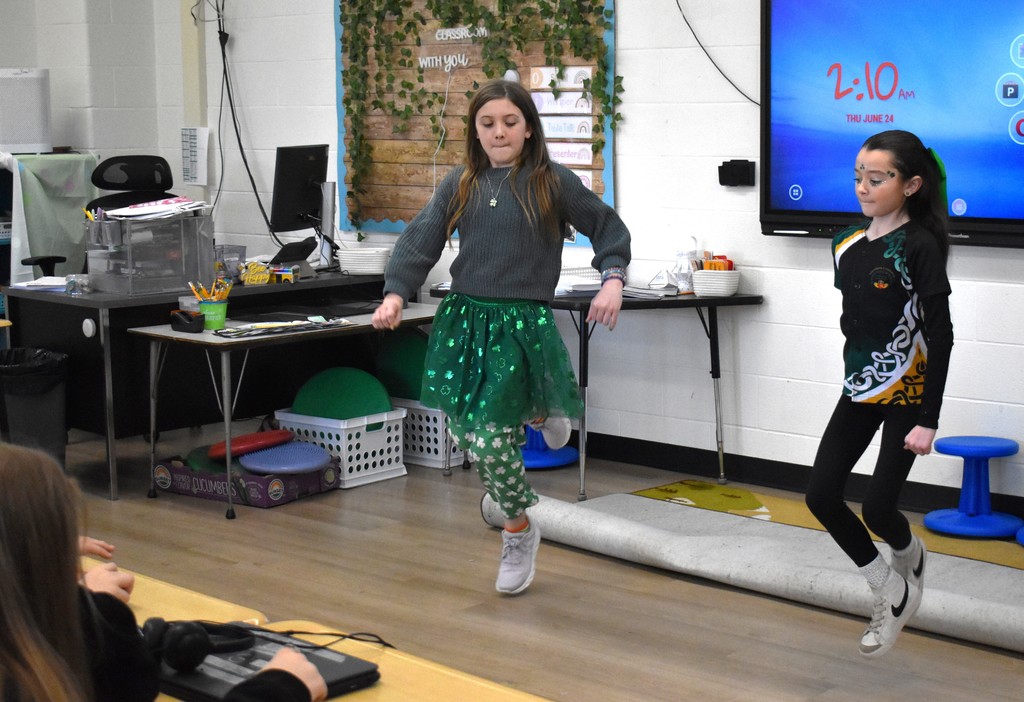
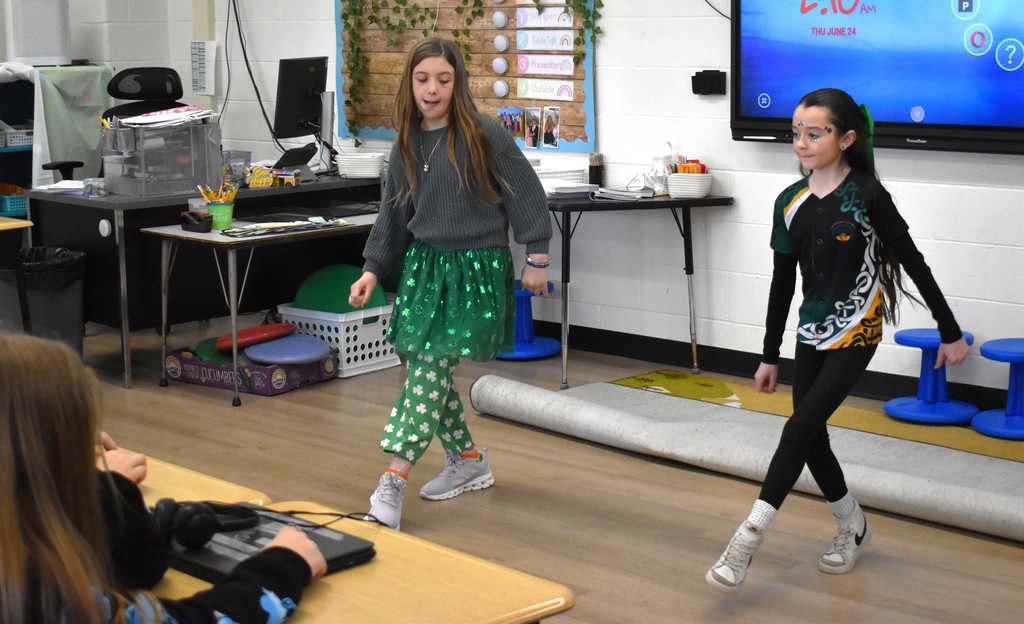
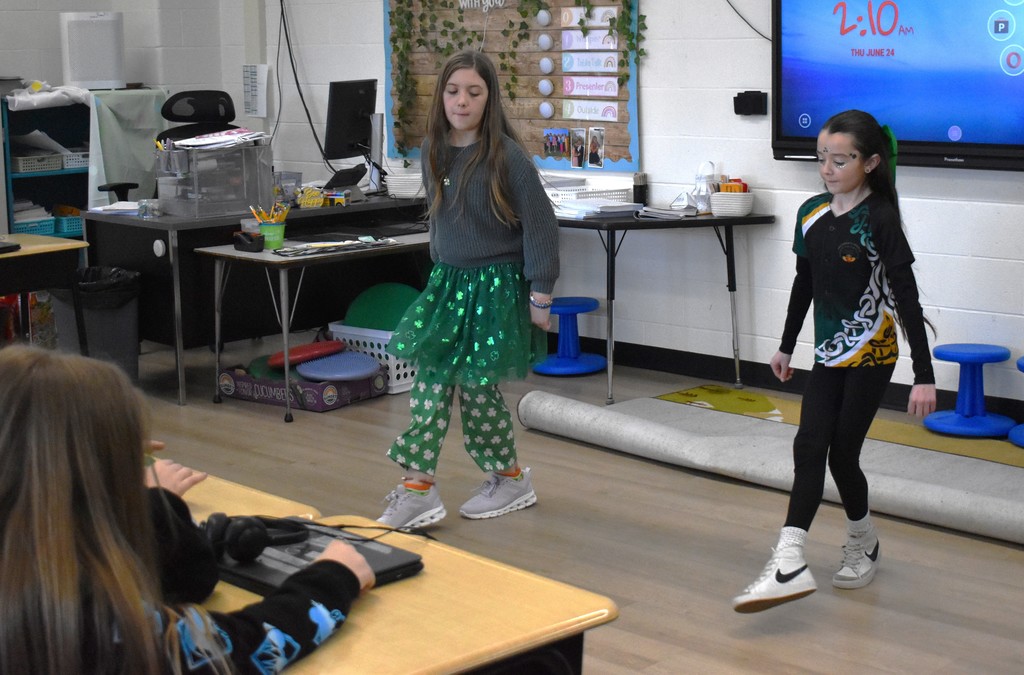
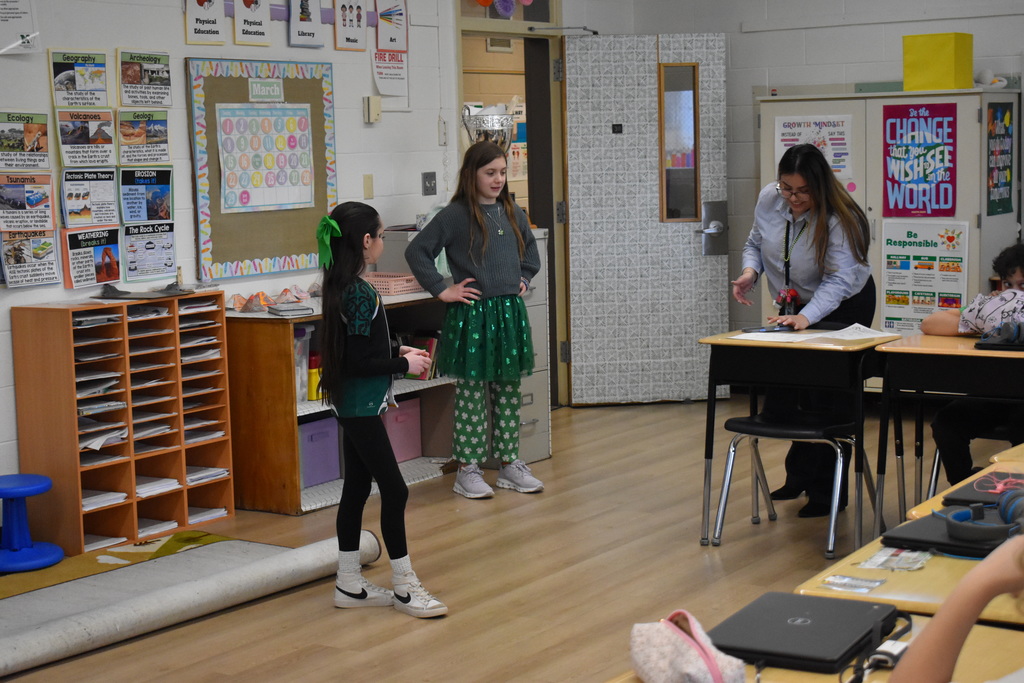
We love it when our students share their talents! Today, March 17, Intermediate School fourth-graders Hailey Hoffman and Laila Loftus shared their Irish Step Dancing talents by visiting classrooms and demonstrating their artistry!
Irish Step Dancing is a traditional form of dance from Ireland where dancers keep their upper body still while performing quick, precise movements with their feet. It’s usually done to lively Irish music and can be performed solo or in groups.
•The rigid upper body style became popular to show off fast footwork clearly.
•It gained worldwide fame through shows like Riverdance.
•Dancers wear special shoes: “hard shoes” make clicking sounds, while “soft shoes” are quieter and used for lighter dances.
•Competitions, called feiseanna (pronounced “fesh-uh”), are held all over the world.
•Costumes are often very detailed, with bright colors, curls, and Celtic-inspired designs.
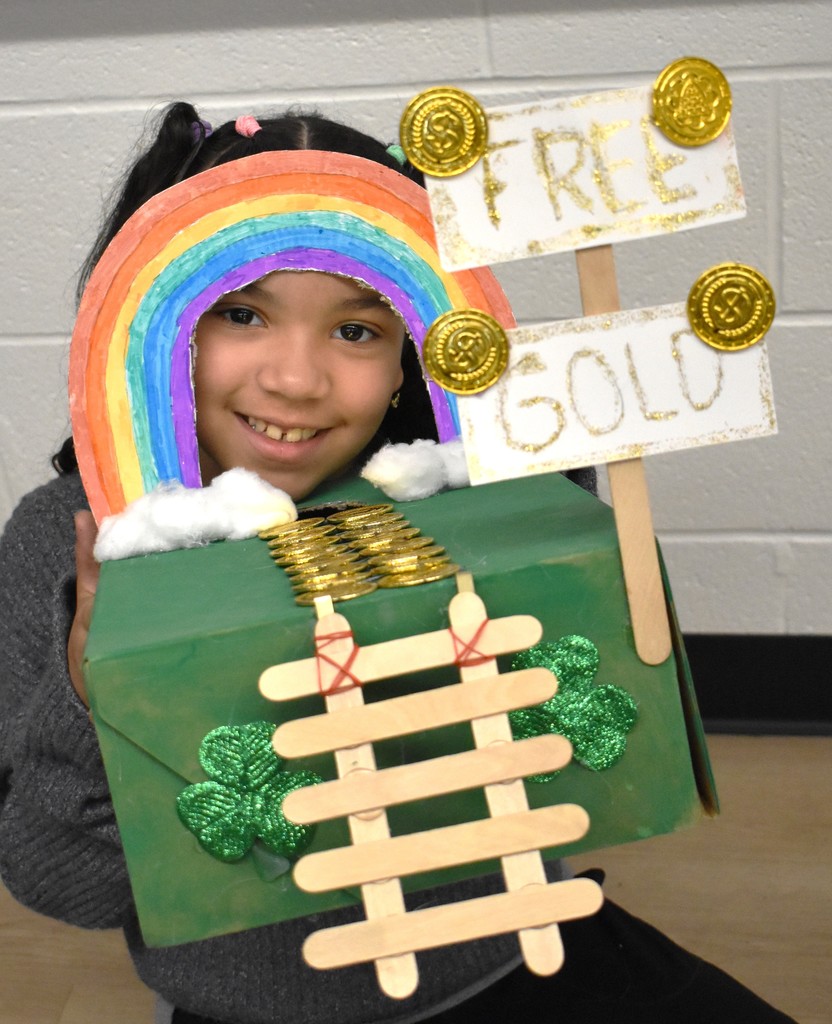
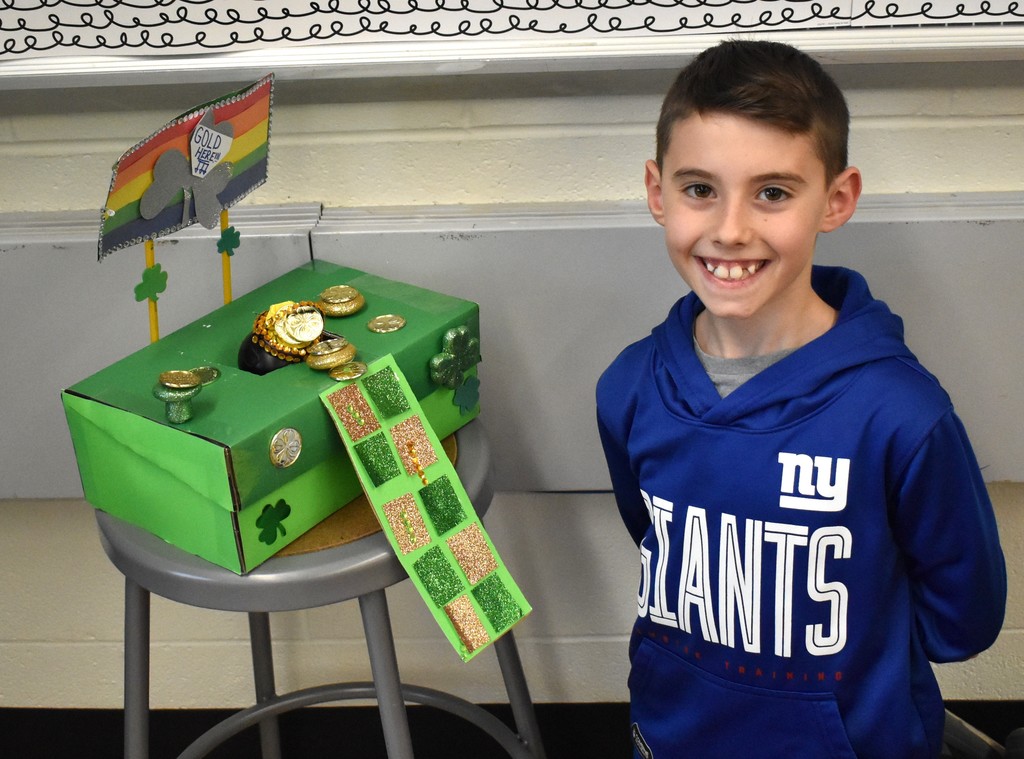
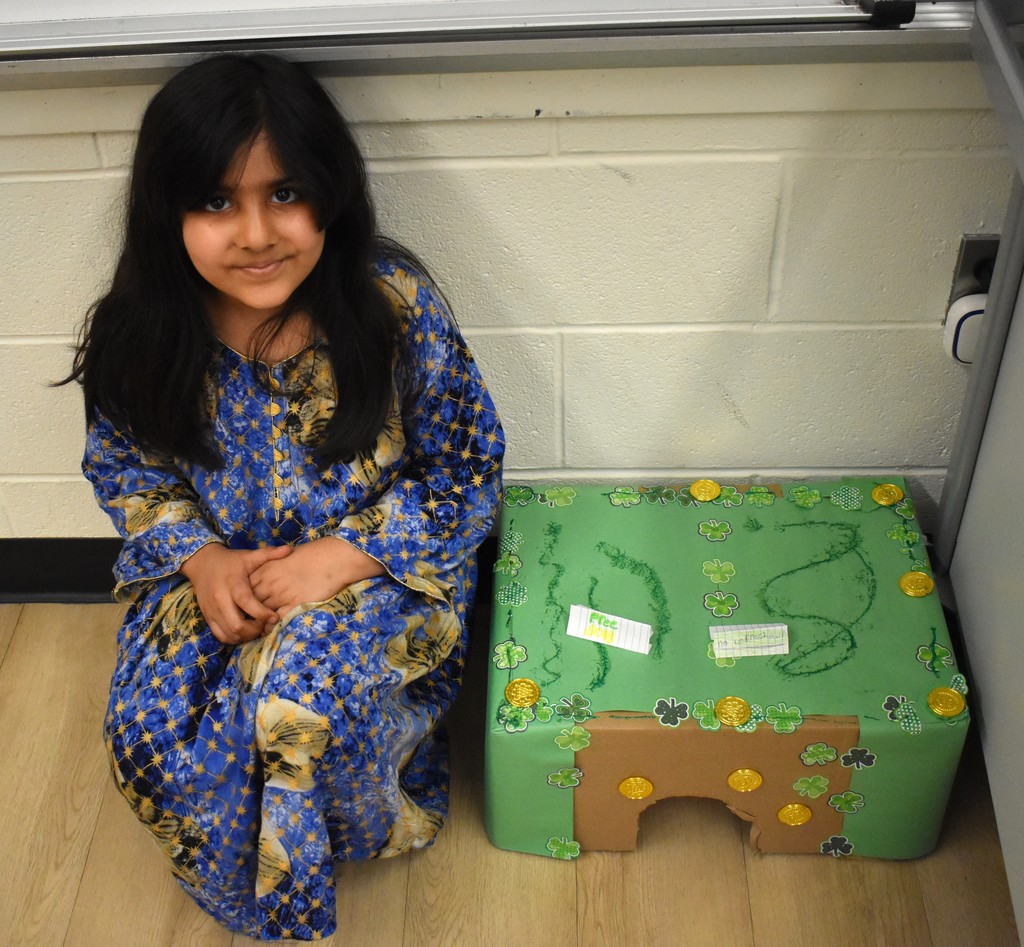
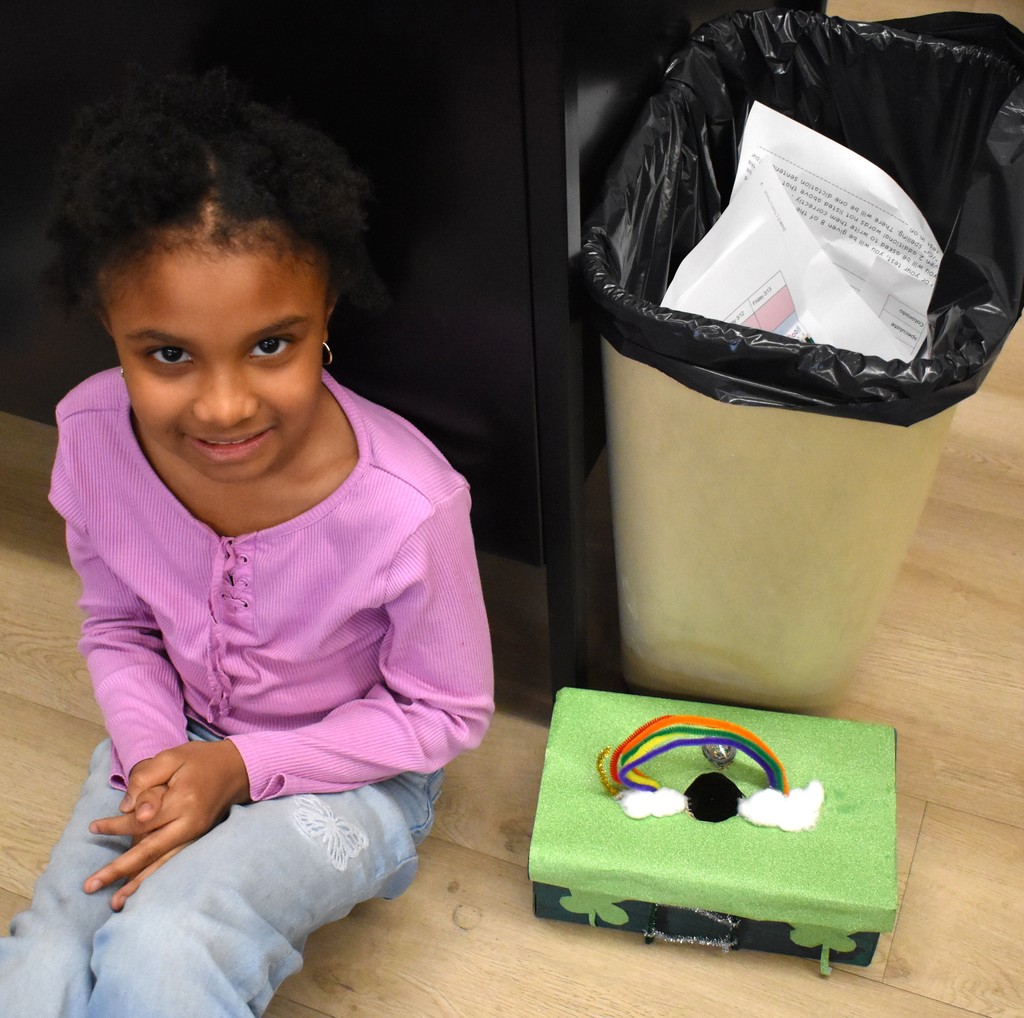
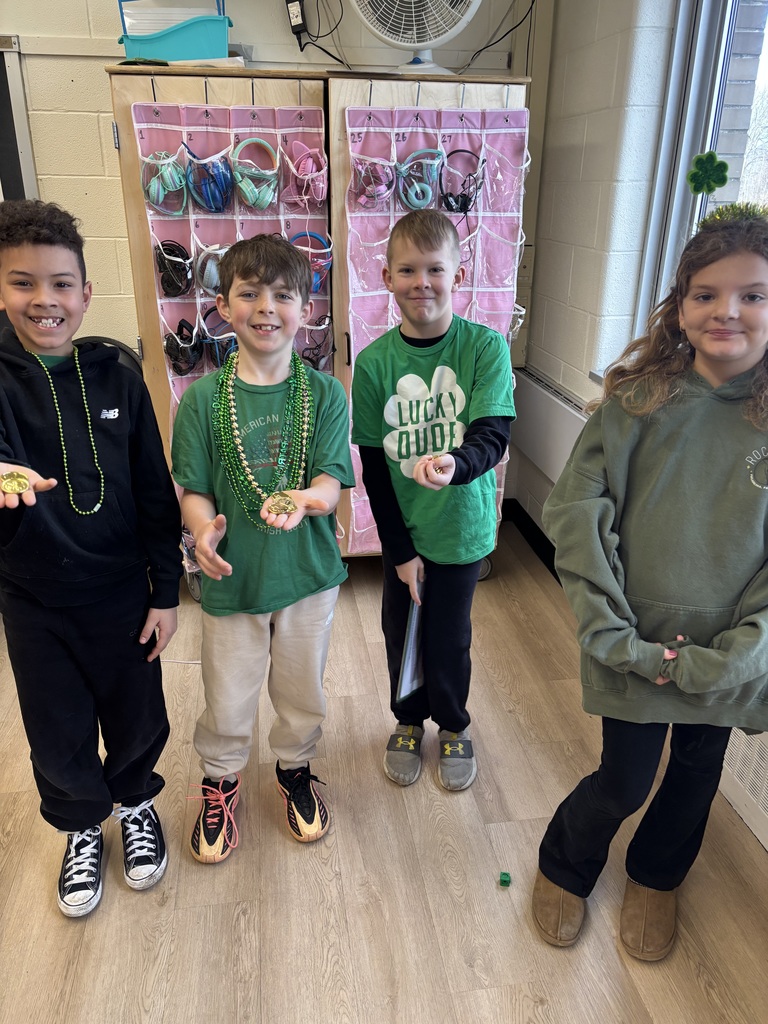
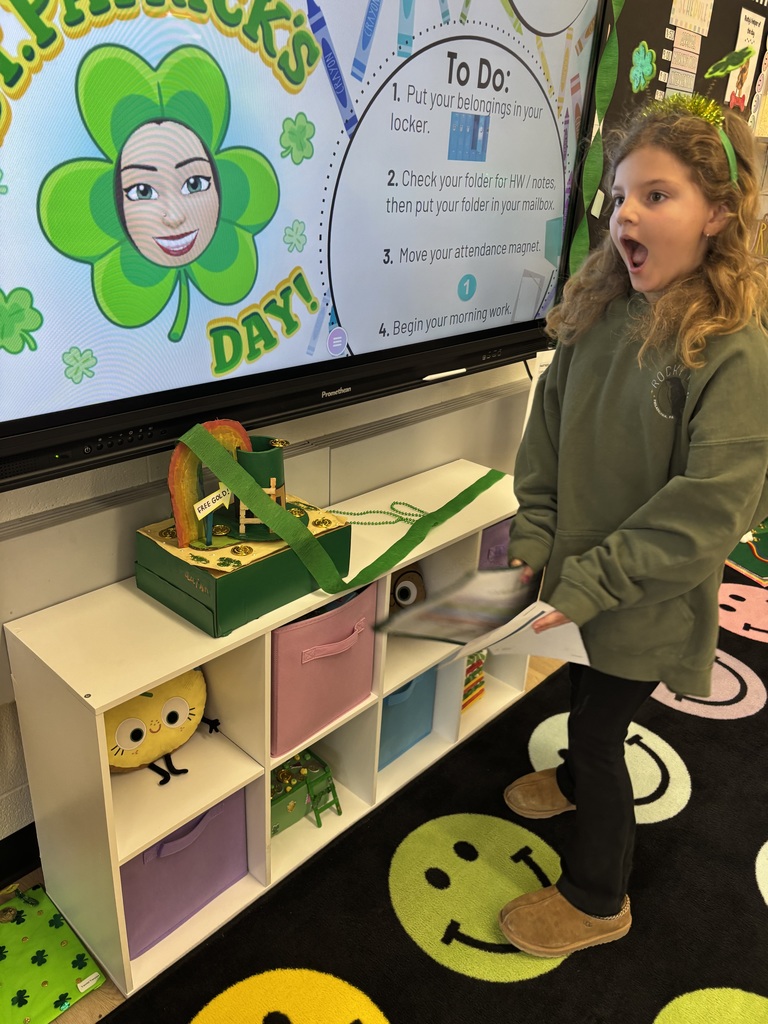
These clever and creative leprechaun traps were set out yesterday by McKayla Murphy’s IS third-graders in their classroom! While no leprechauns were caught, these mischievous characters left some very fun treats behind to let students know they were onsite when they arrived to class this morning!
Leprechaun traps are creative, kid-made, decorative crafts set on St. Patrick’s Eve designed to "catch" a leprechaun. Usually made from household items like shoe boxes or jars, they're baited with gold coins, shamrocks, and glitter, often leading to a fun St. Patrick's Day tradition where the trap is found "sprung" with a small treat left behind.
Elementary school kids love making leprechaun traps because it merges imaginative play with hands-on STEM engineering, tapping into the magic and mischief of St. Patrick’s Day. The activity allows children to use creativity to design clever traps from household items, fostering critical thinking, while anticipating the fun reward of potential leprechaun “gold” or treats!
Approximately 31 million people in the U.S. claim Irish heritage! That's almost six times the population of Ireland!
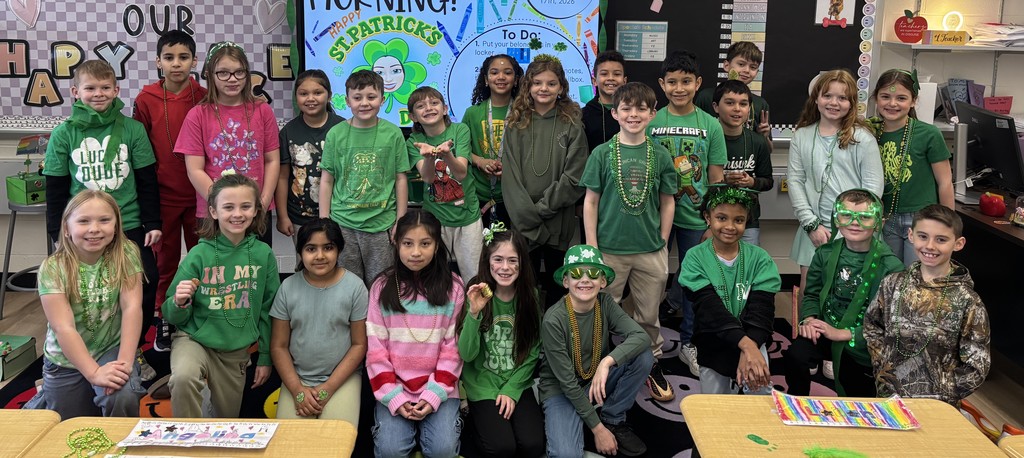
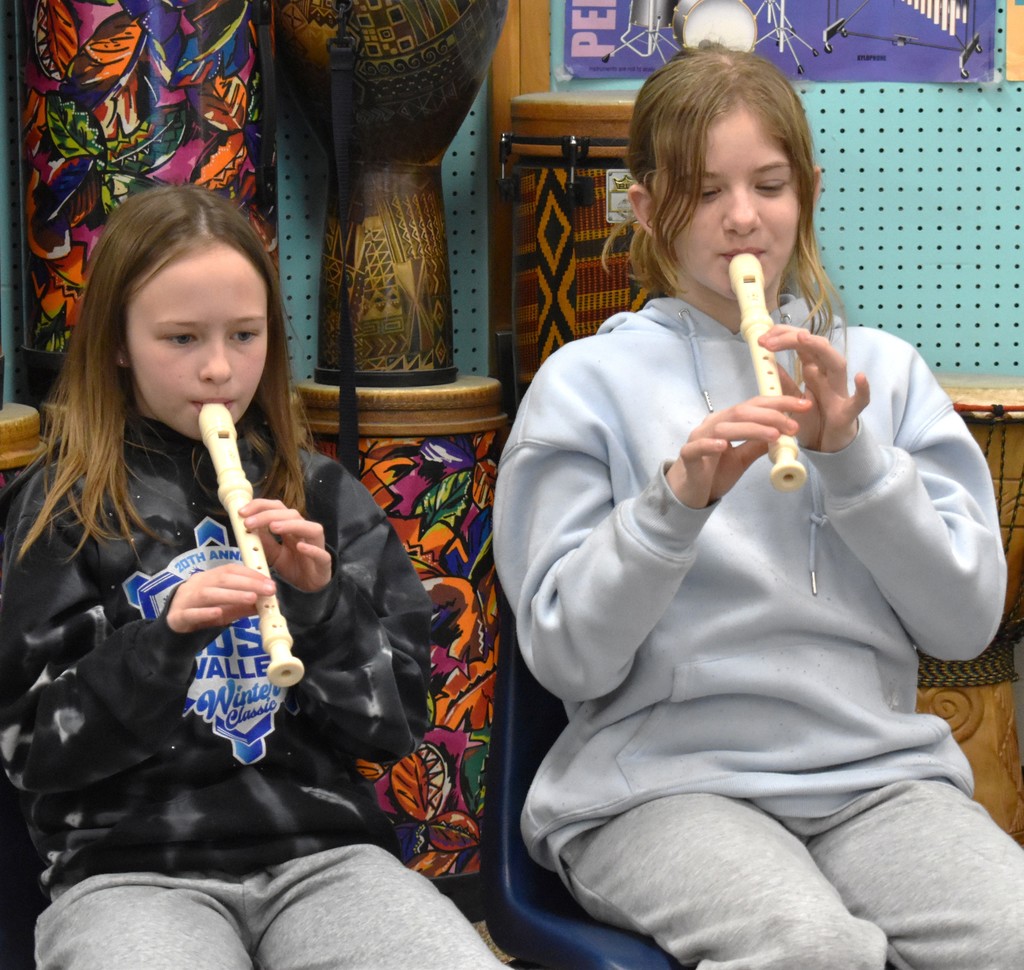
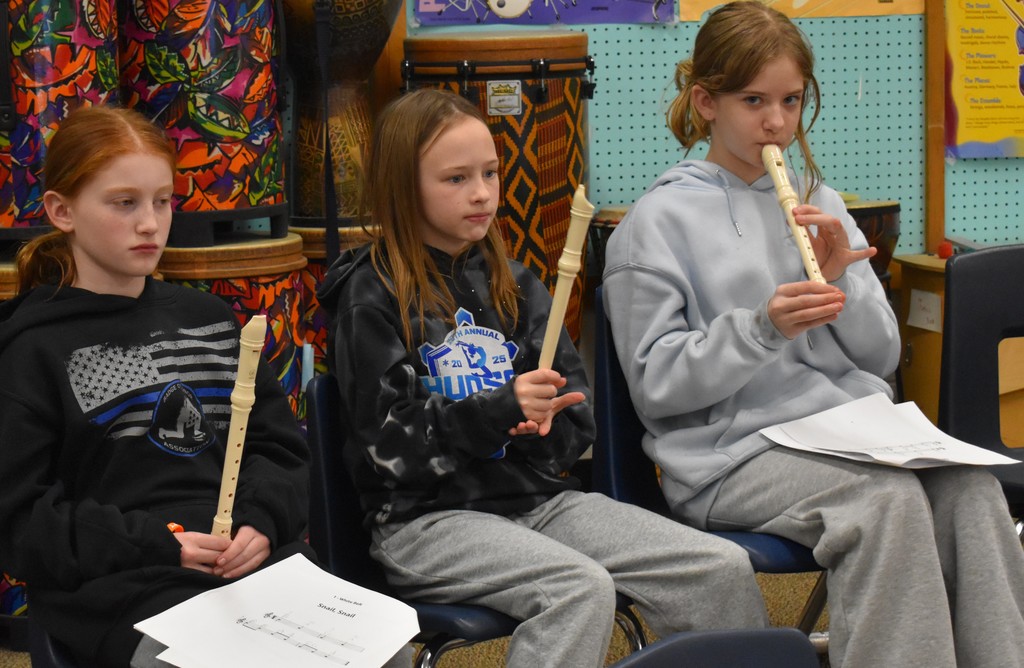
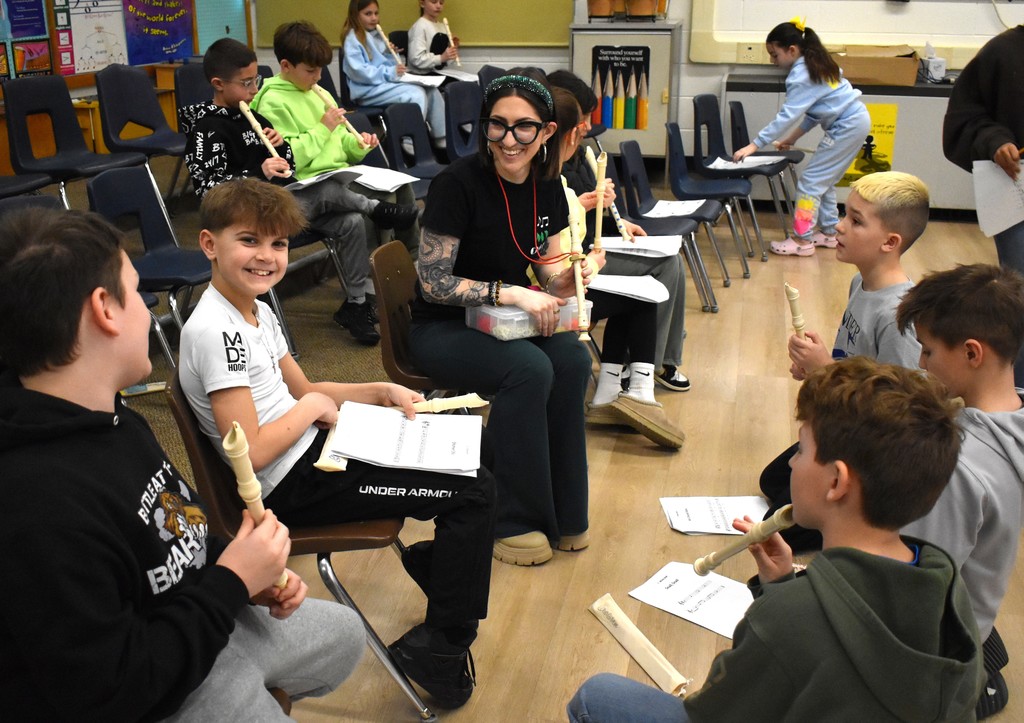
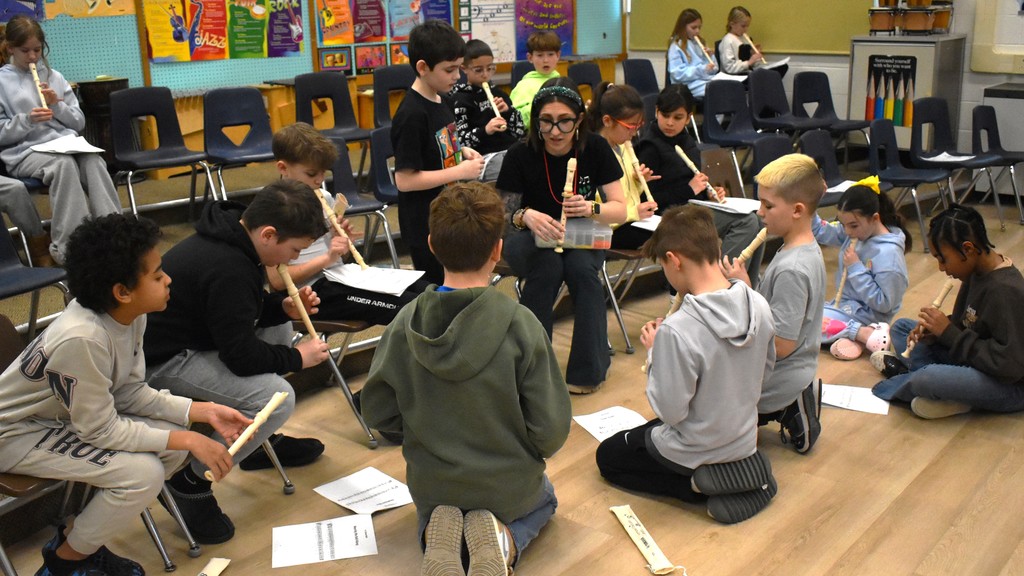
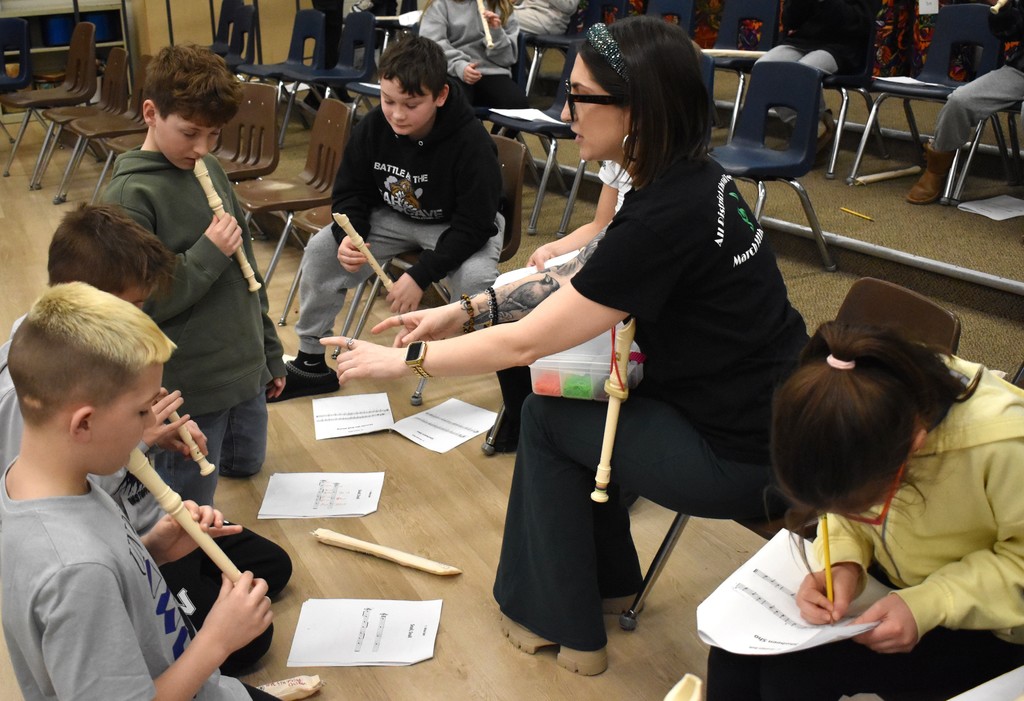
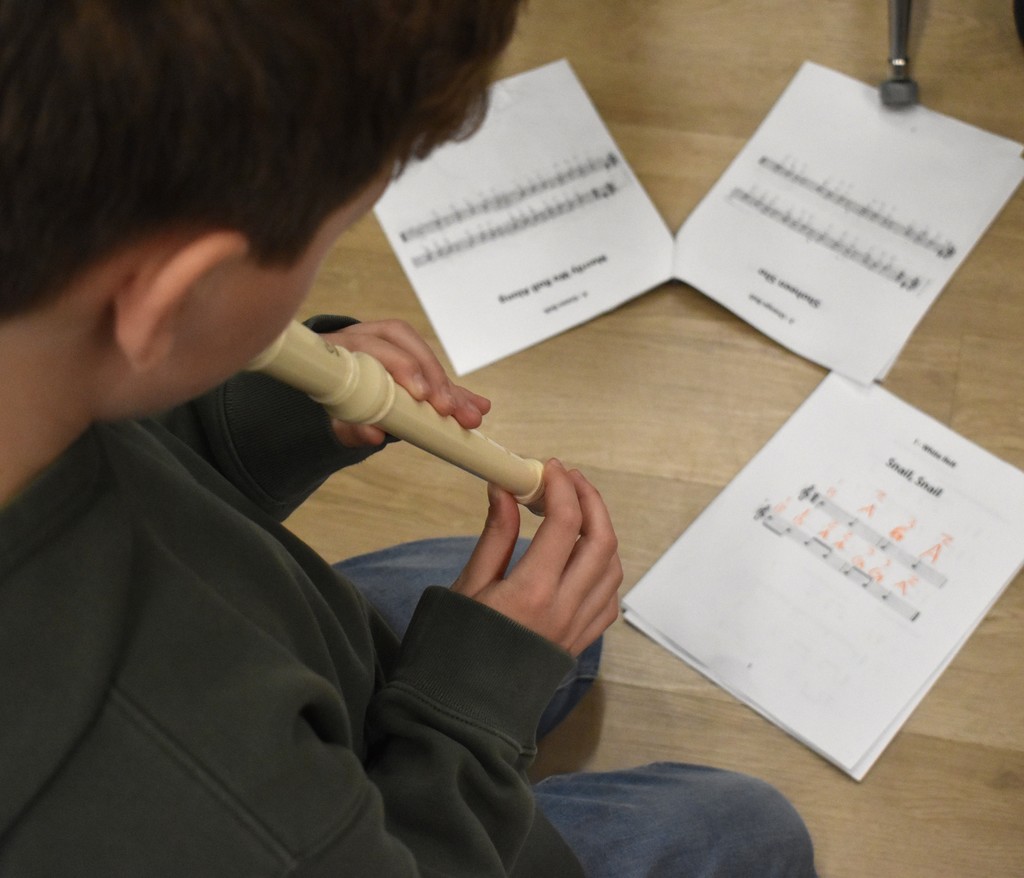
Recorders are great starter instruments because unlike brass or other woodwind instruments, the recorder produces a clear, pleasant sound with simple, light breath control. The fingering system is intuitive, with notes roughly corresponding to ascending steps, making it easy to learn songs quickly. It’s great for helping to develop hand-eye coordination, fine motor skills and breath control. And, they serve as an excellent introduction to reading music and playing other wind instruments, such as the flute.
The recorder is an ancient internal duct flute that originated in Europe, with surviving examples dating to the 14th century. It flourished during the Renaissance and Baroque periods, was largely replaced by the transverse flute in the 18th century, and was revived in the early 20th century for education and early music.
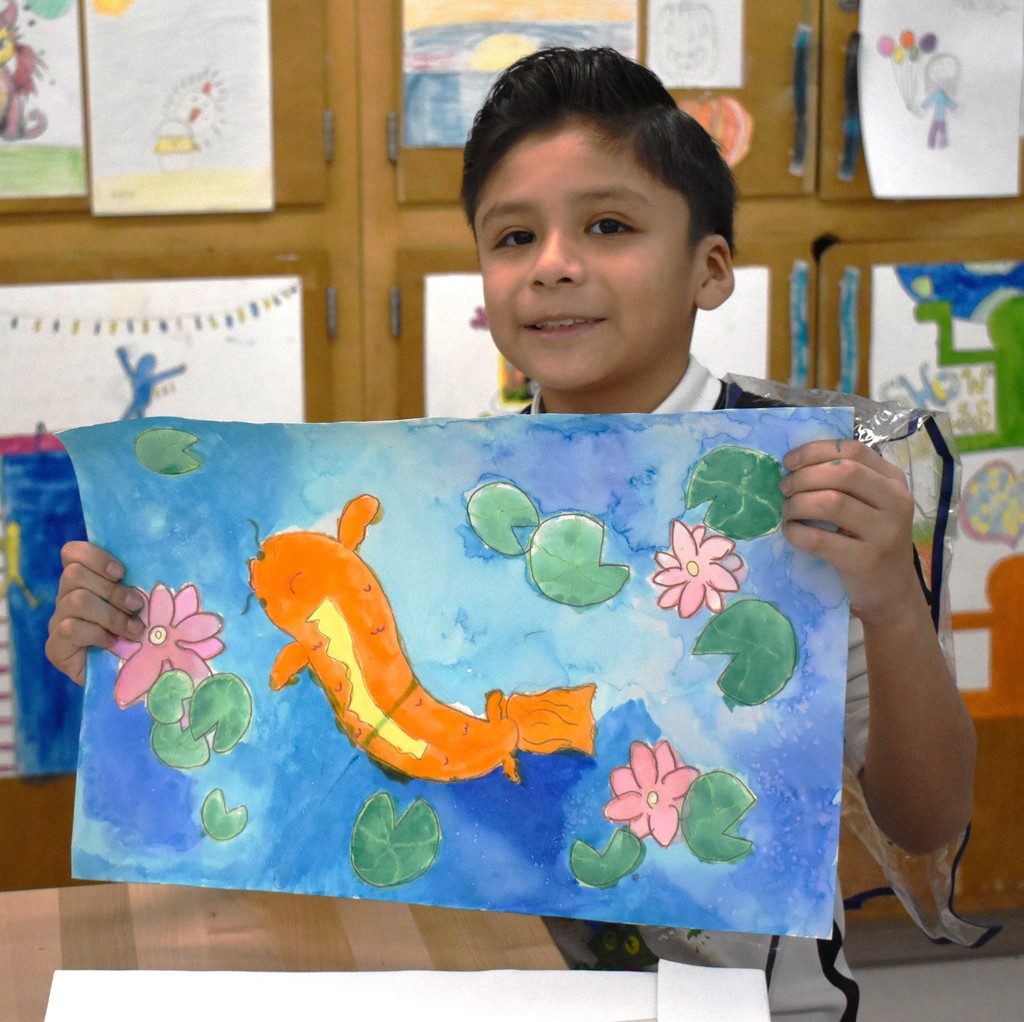
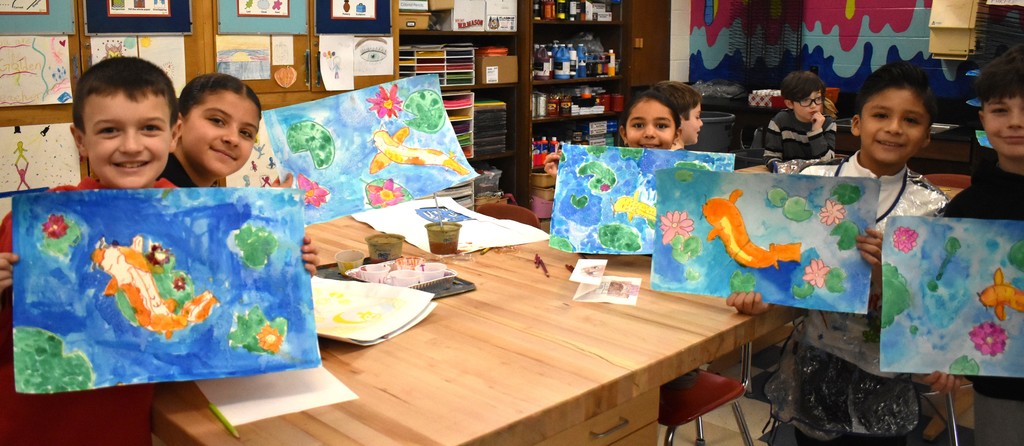
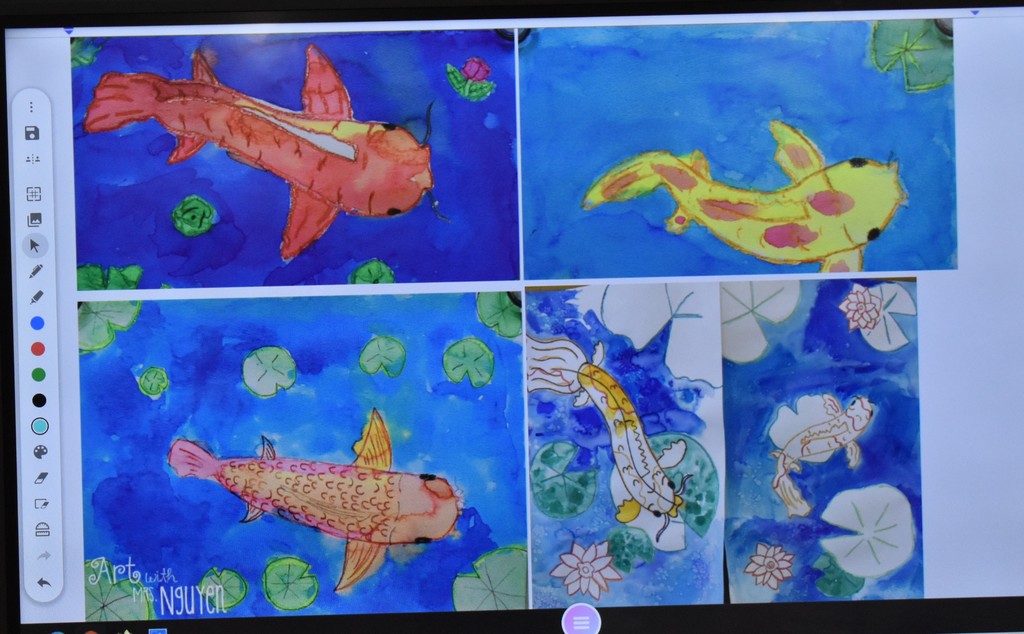
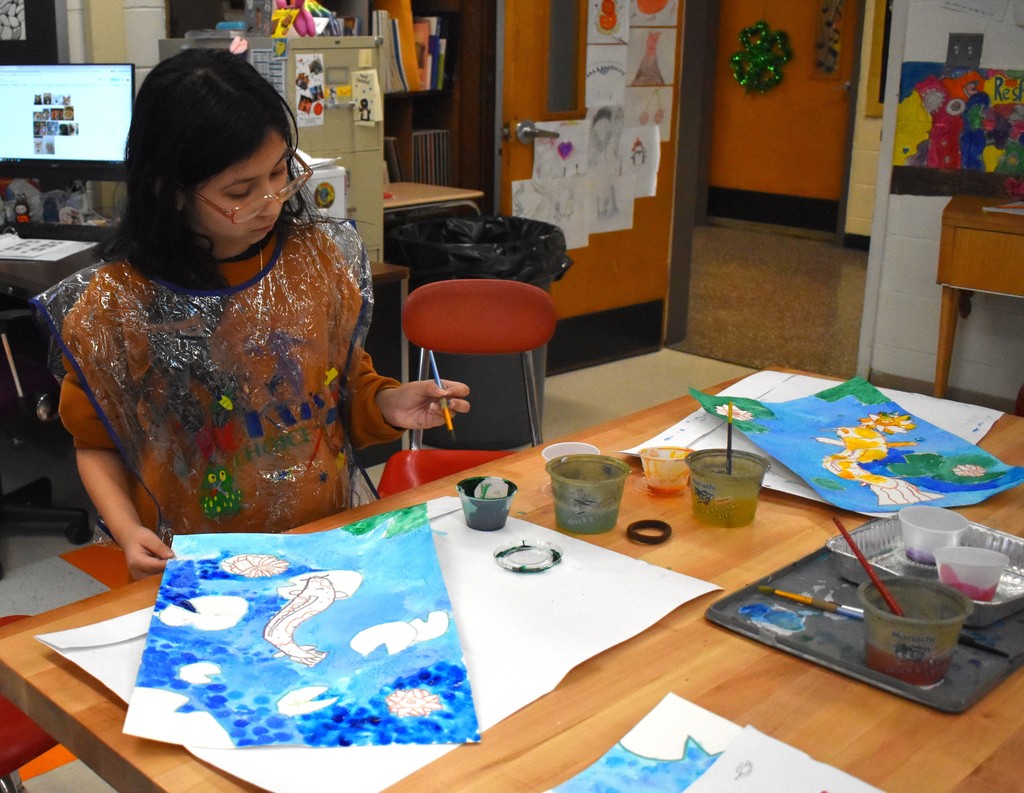
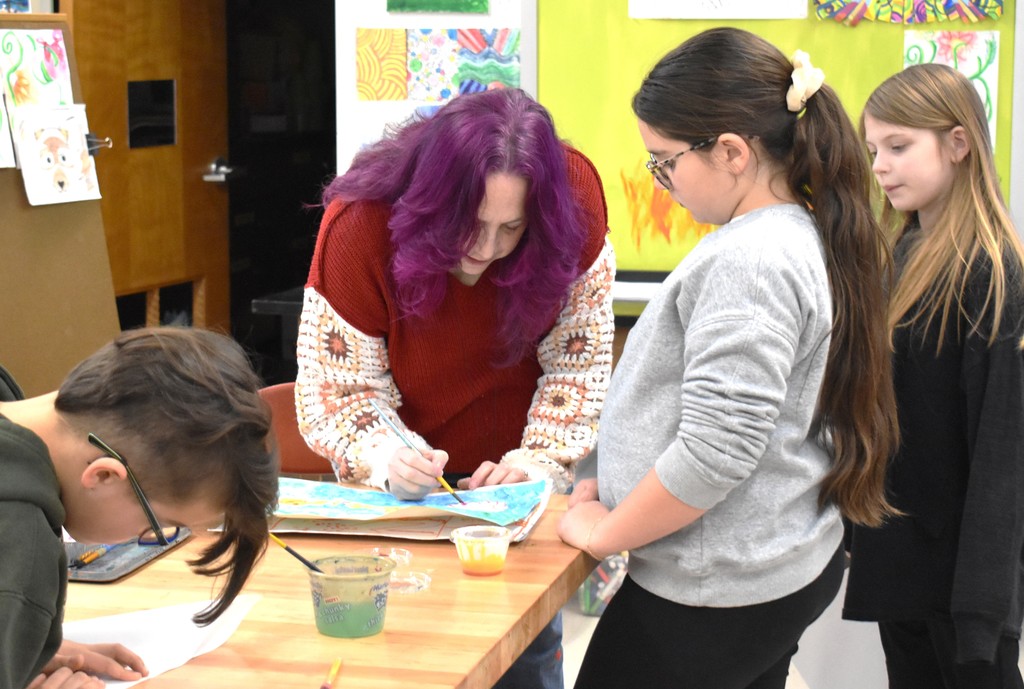
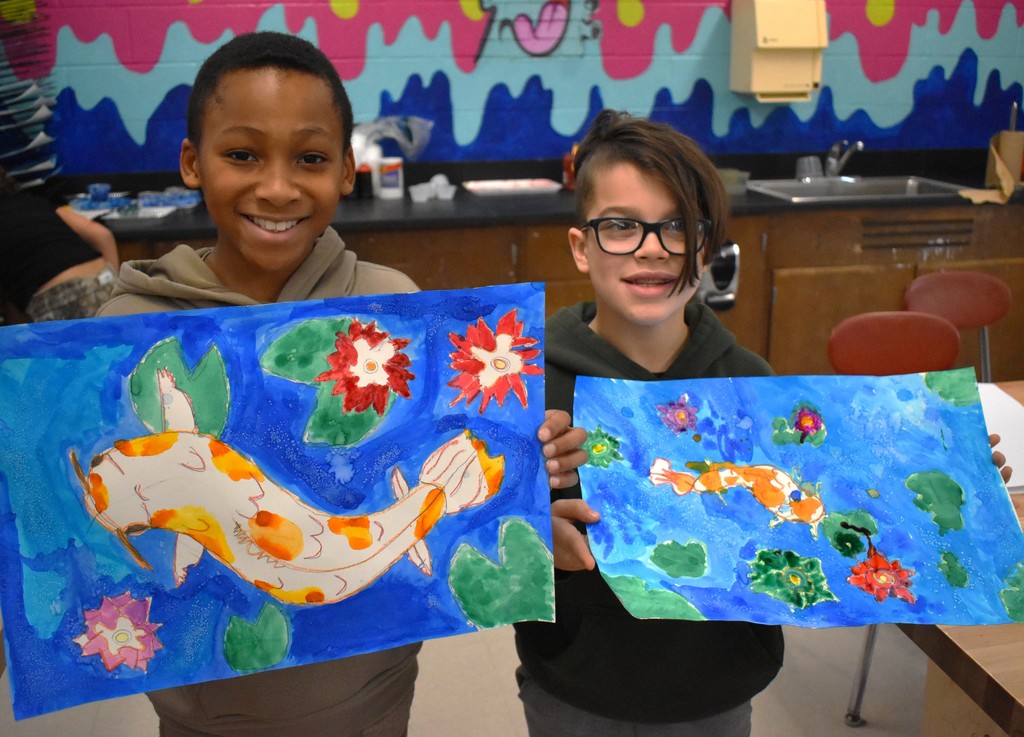
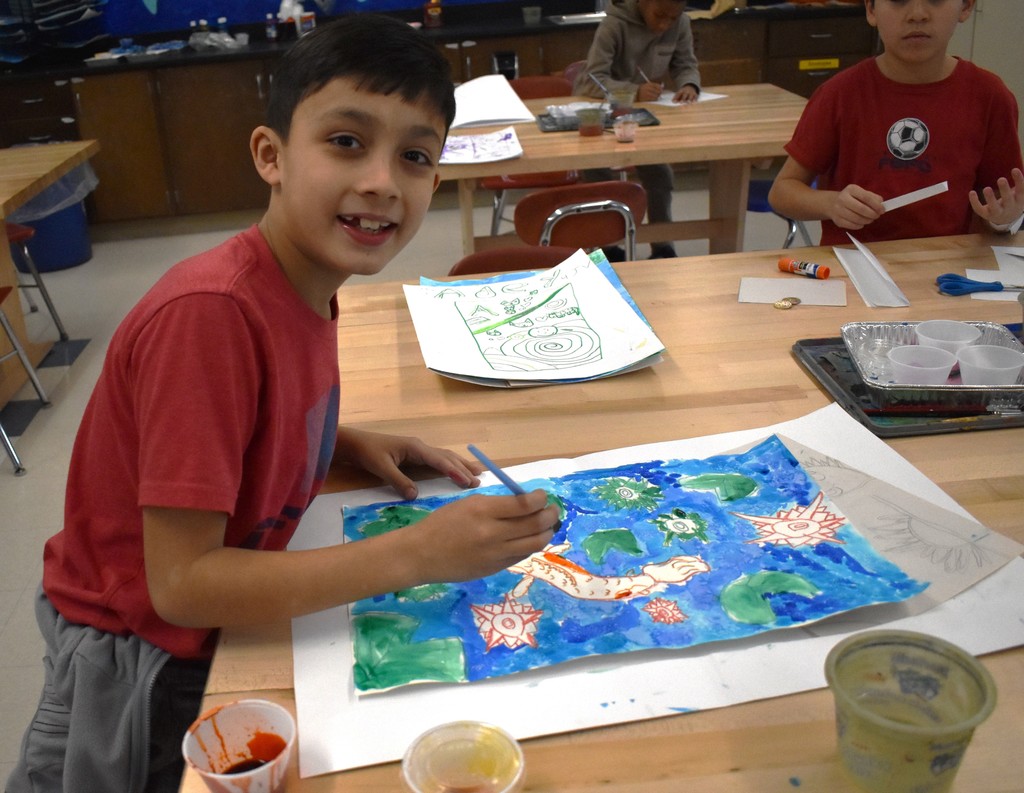
The watercolor salt technique creates unique textures (air bubbles) by sprinkling salt onto wet paint; as the salt absorbs water and pigment, it leaves behind sparkling, mottled patterns. They applied table or sea salt while the wash was still wet/damp, let it dry completely, then gently brushed off the crystals. How creative (and how beautiful their work is!)
Koi are ornamental domesticated carp with a 40 plus year average lifespan, with some living over 200 years. Originating from 19th-century Japan, they symbolize luck, love, and friendship. They grow up to 3 feet long, are omnivorous, and thrive in social groups within, often requiring, specialized, clean, and spacious ponds.
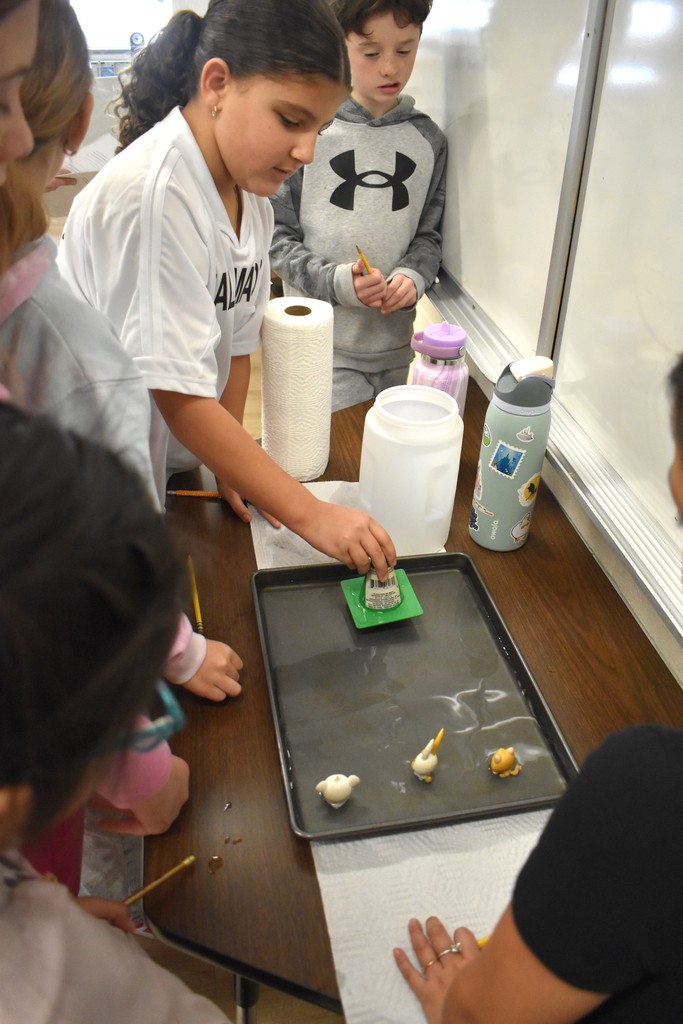
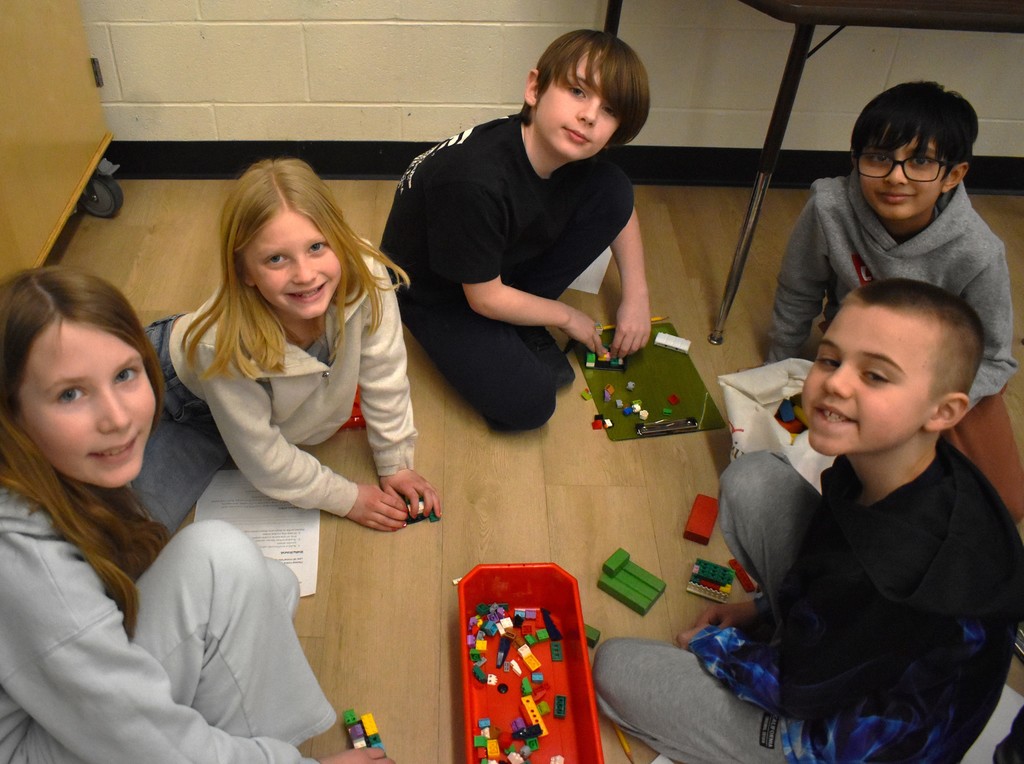
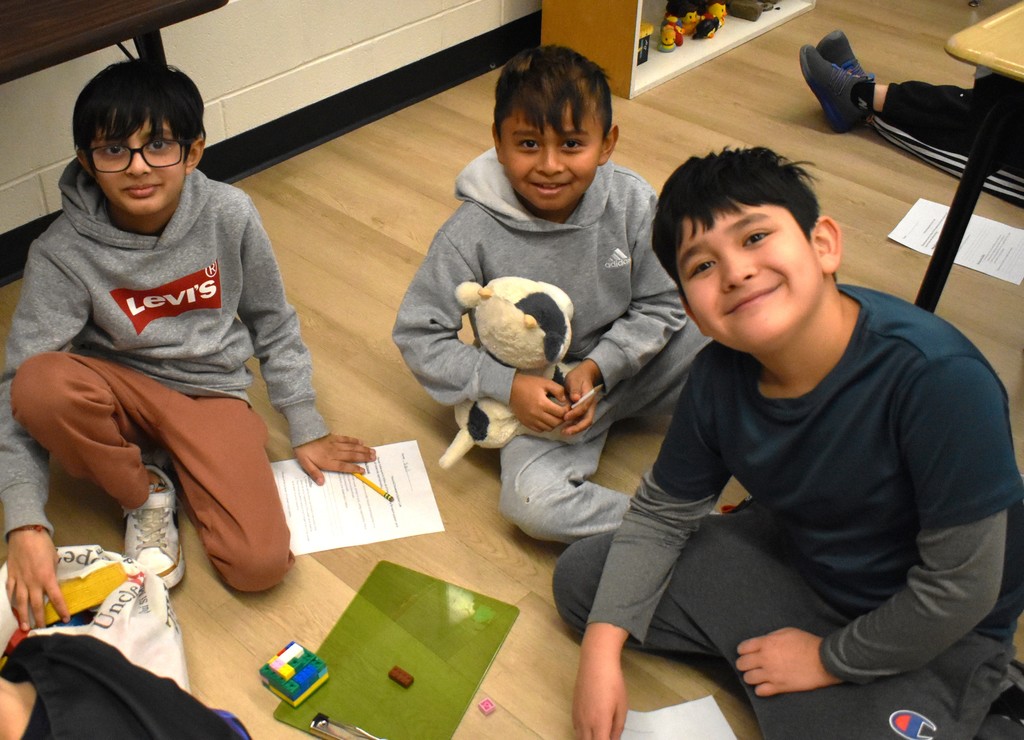
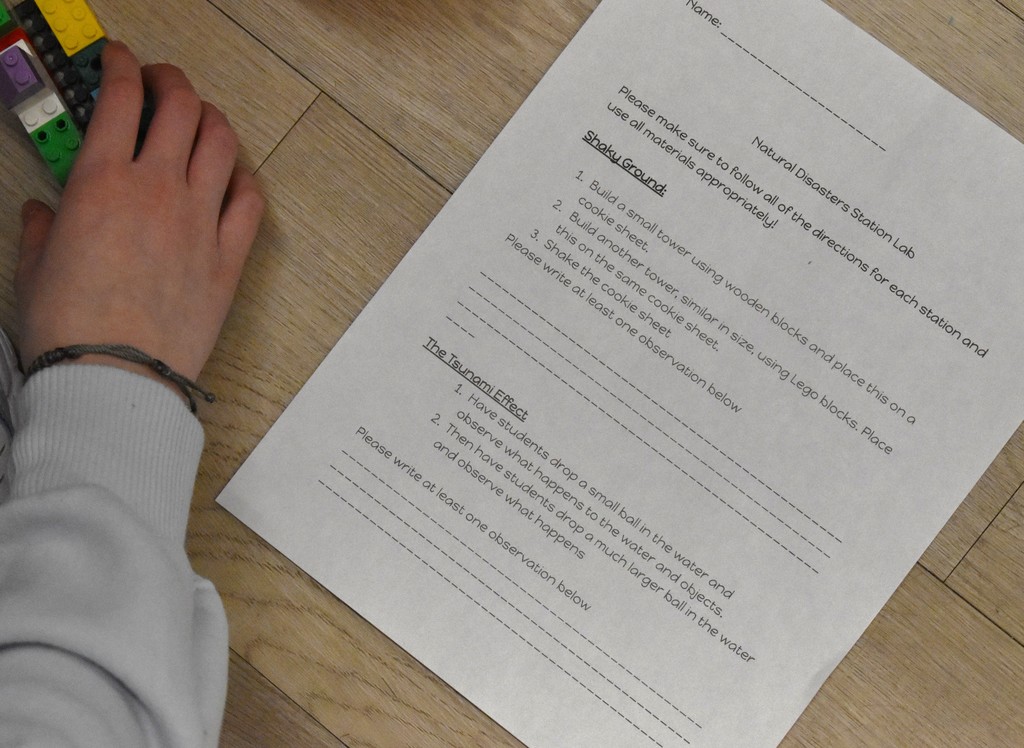
At the earthquake station, students built two towers — one with wooden blocks and one with Lego pieces — on a cookie sheet and simulated an earthquake by shaking it. They observed how different materials and building styles affect stability and how structures respond to ground movement.
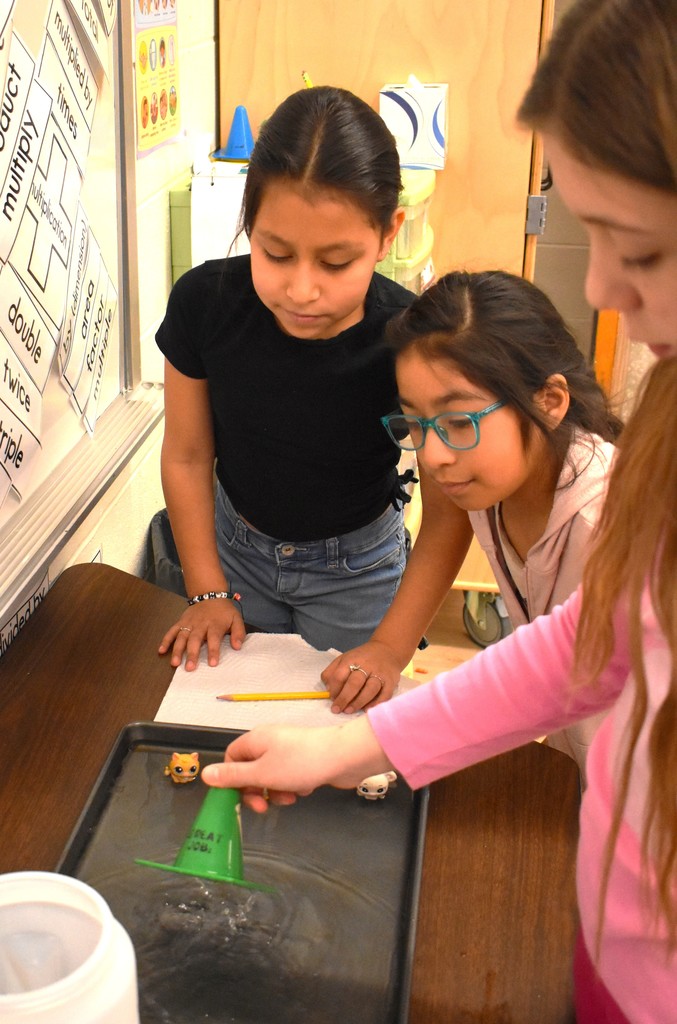
At the tsunami station, students saw that by dropping a small object and then a larger object into water, waves are created and that stronger forces cause bigger impacts. Students observed how larger disturbances can move objects more dramatically, just like real tsunamis.
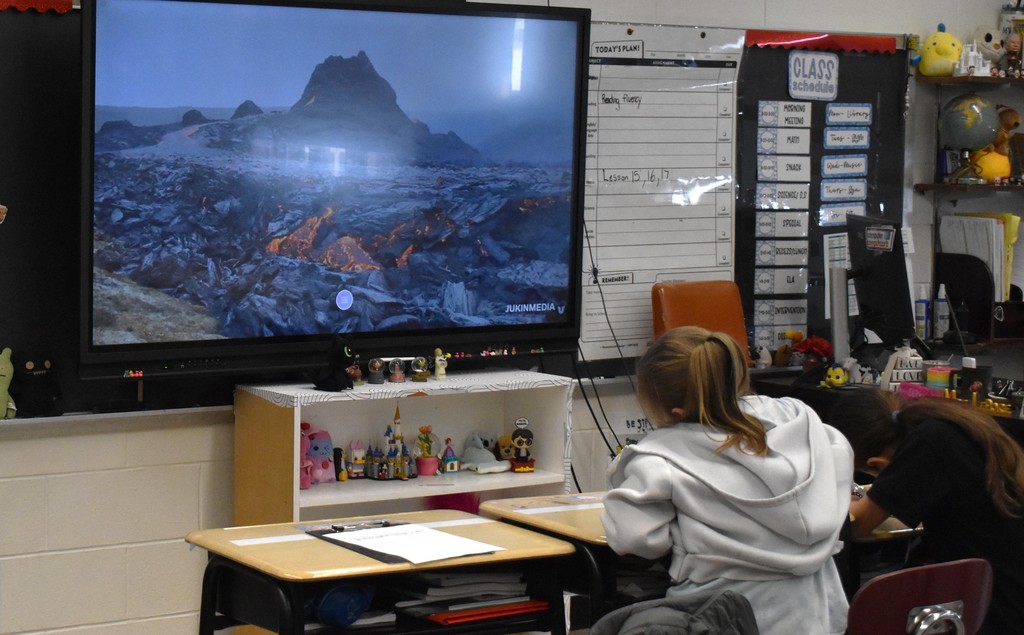
At the volcanic eruption station, students watched how volcanic eruptions can impact humans, animals, plants and the environment. From lava flows to ash clouds, they saw how eruptions can destroy habitats, affect air quality and change landscapes. Students also brainstormed solutions to help protect organisms, such as evacuation plans, protective shelters and monitoring systems.
Learning about natural disasters is crucial to transform fear into understanding, building safety and developing resilience. It helps students comprehend Earth's powerful processes, such as earthquakes, volcanoes and weather, while empowering them with knowledge for emergency preparedness and fostering empathy for those affected.
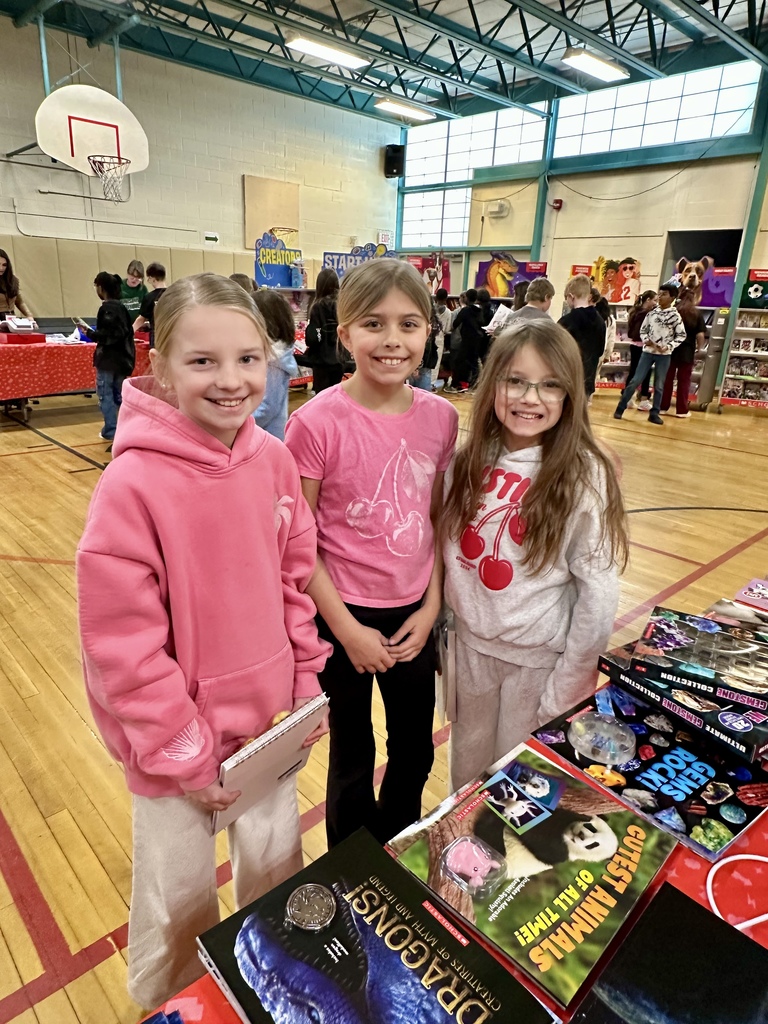
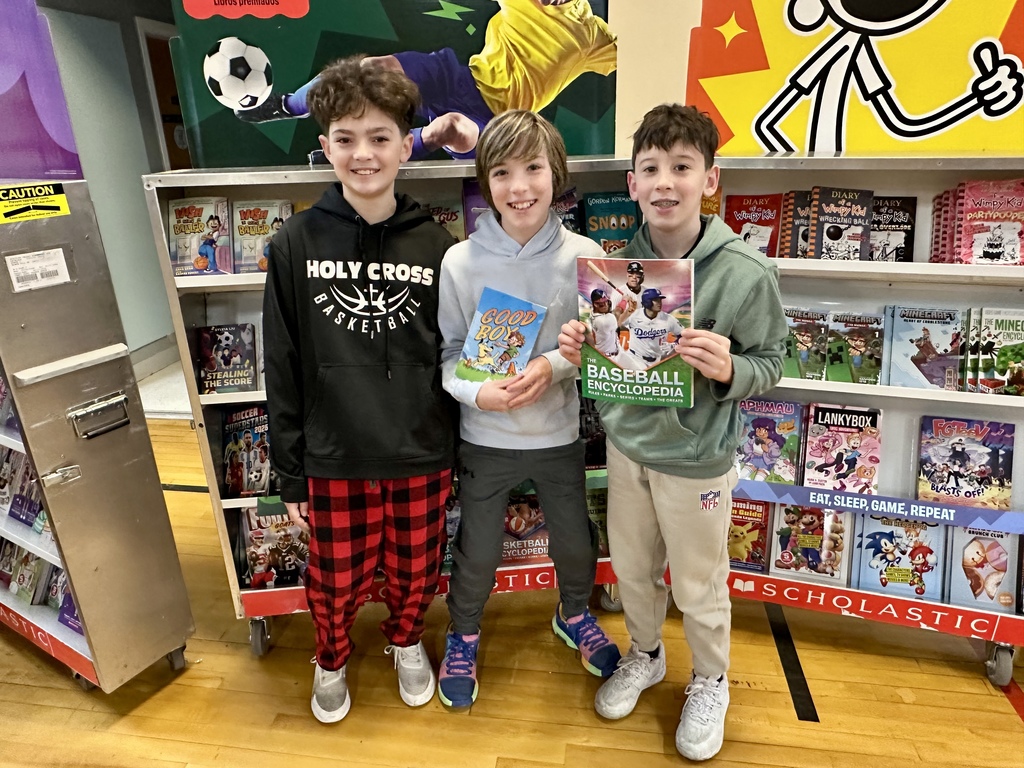
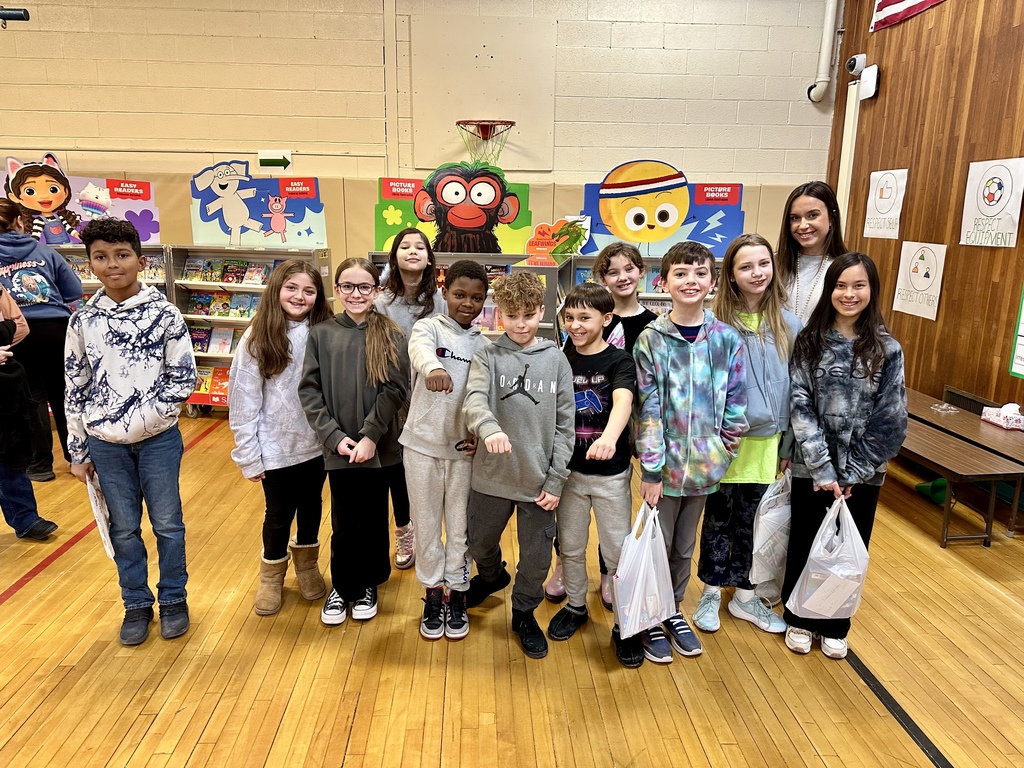
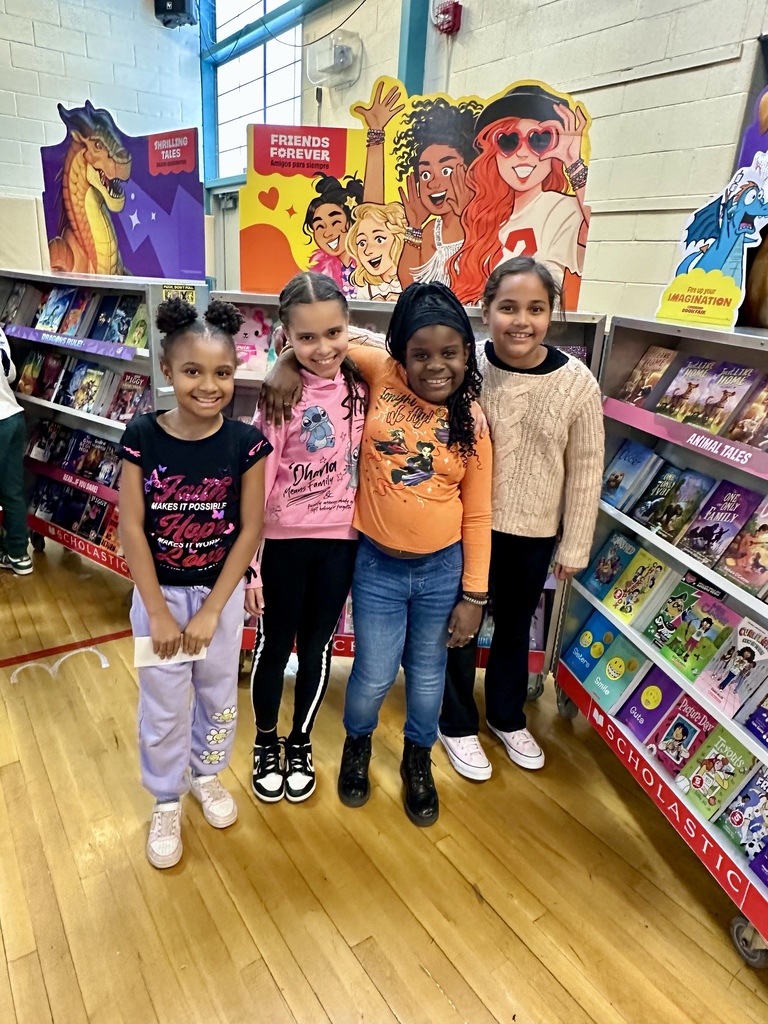
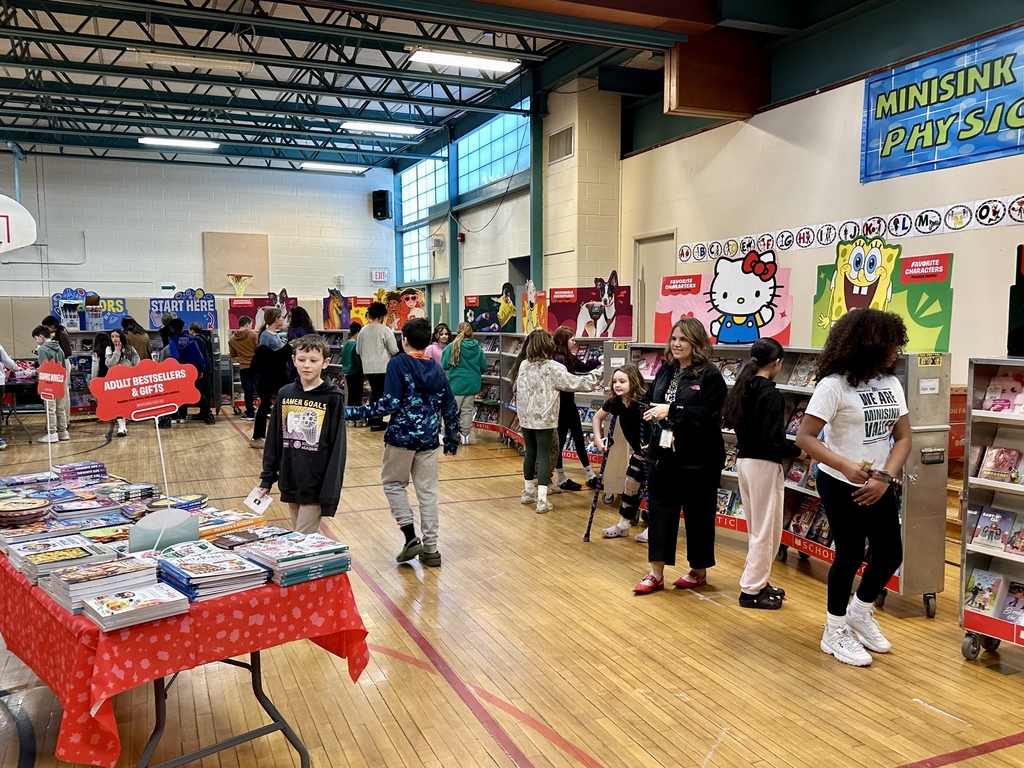
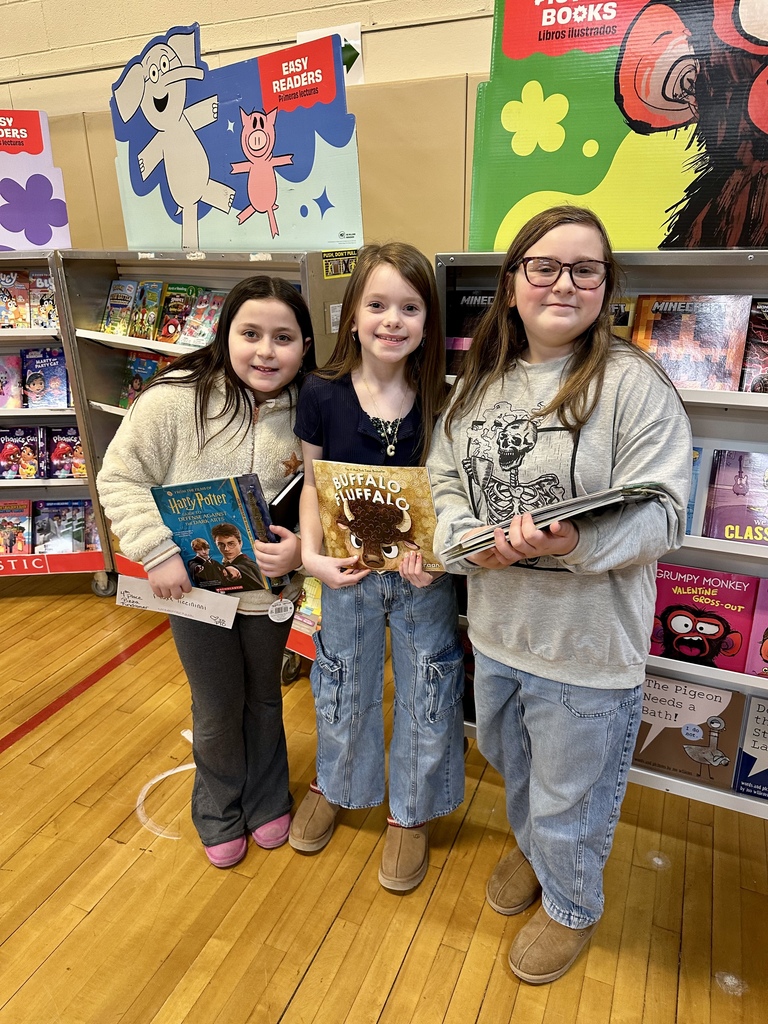
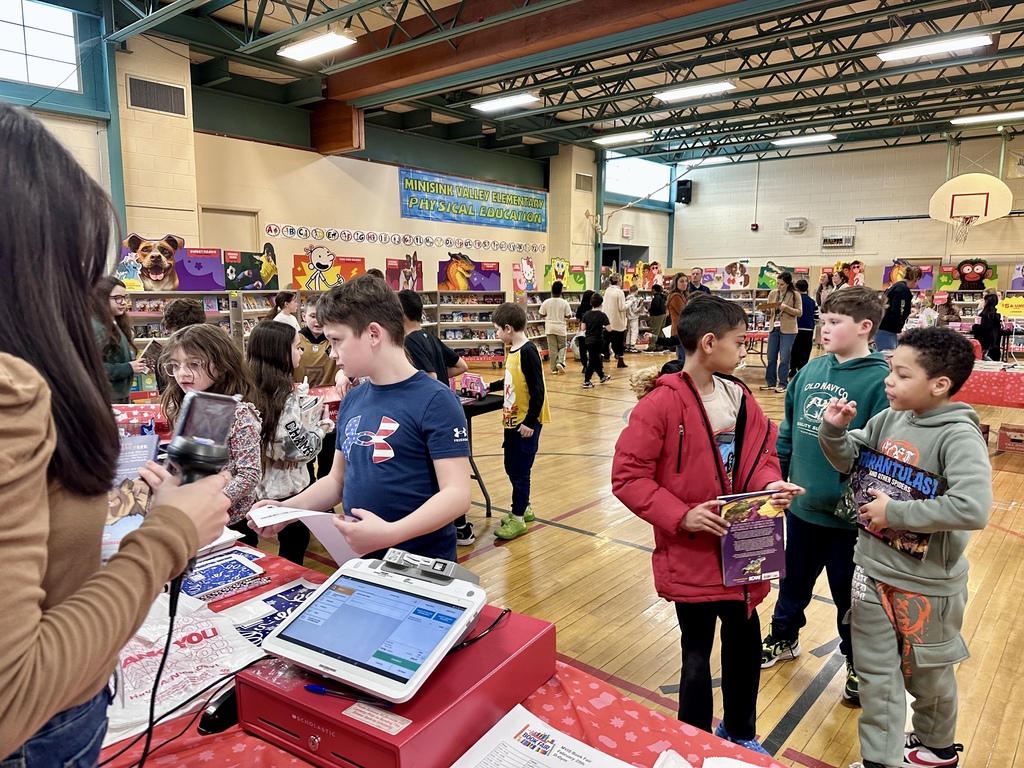
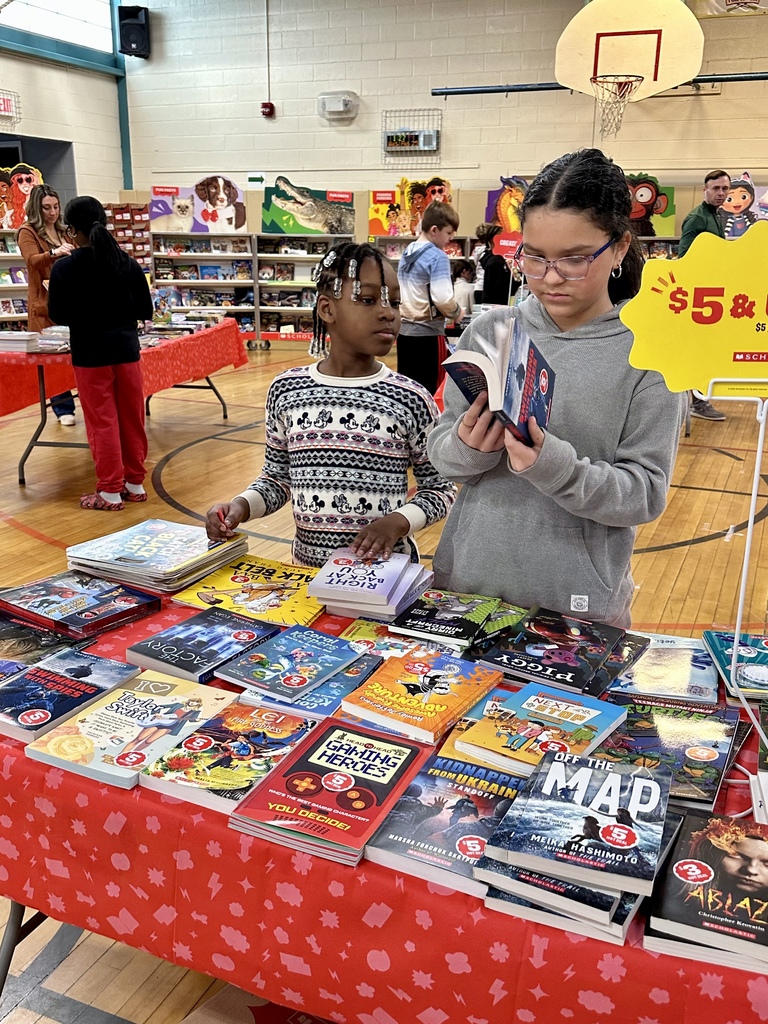
Our students absolutely LOVE Book Fairs! From flipping pages to finding “the one,” book fairs motivate students to read by offering exciting choices they can explore on their own. They also reinforce classroom learning by strengthening vocabulary, comprehension, communication and speaking skills!
Plus, every book fair visit helps students build a cozy little library at home — one book at a time!
Take a peek at this week's IS/ES Scholastic Book Fair and see our happy readers in action! Thank you to the IS/ES PTOs for all their organizational work and staffing to make the book fair days possible!
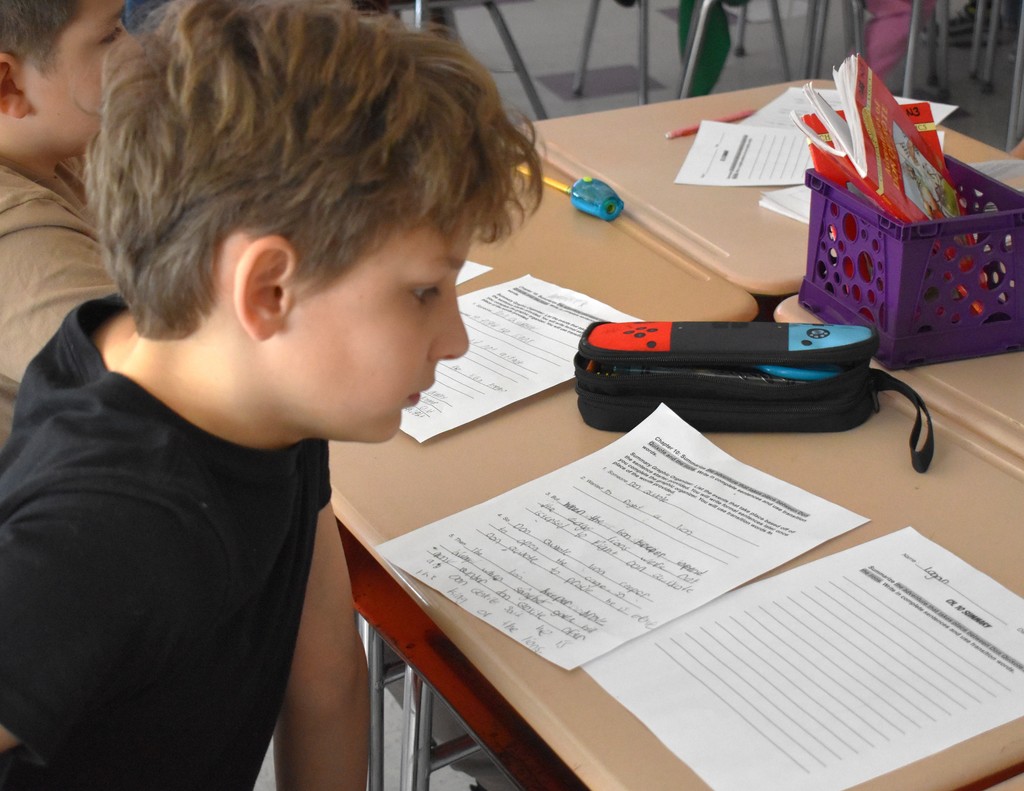
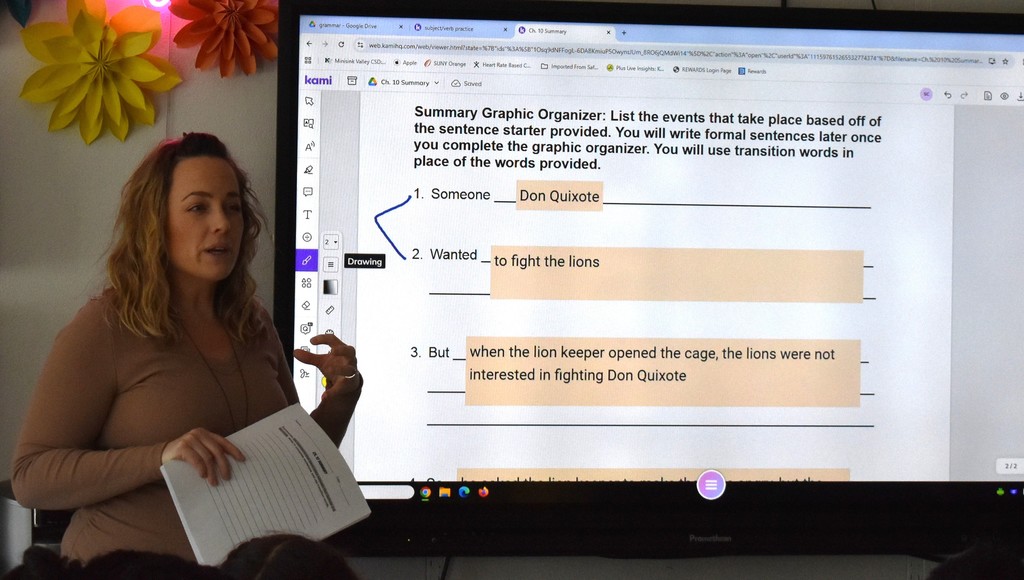
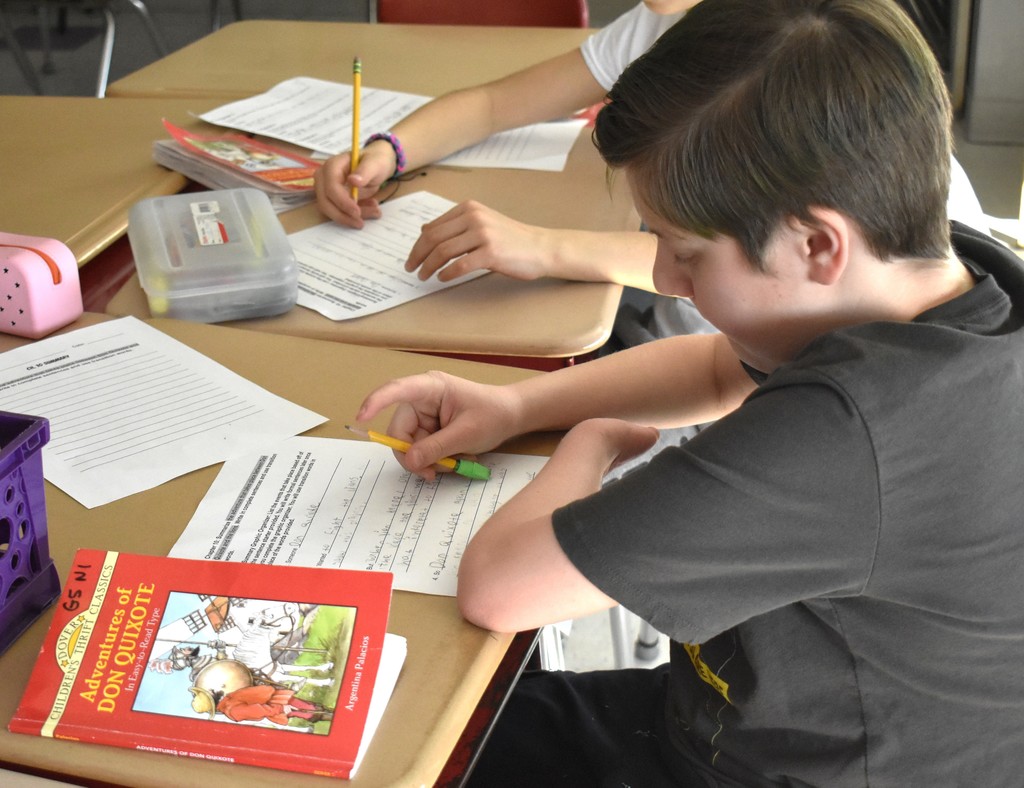
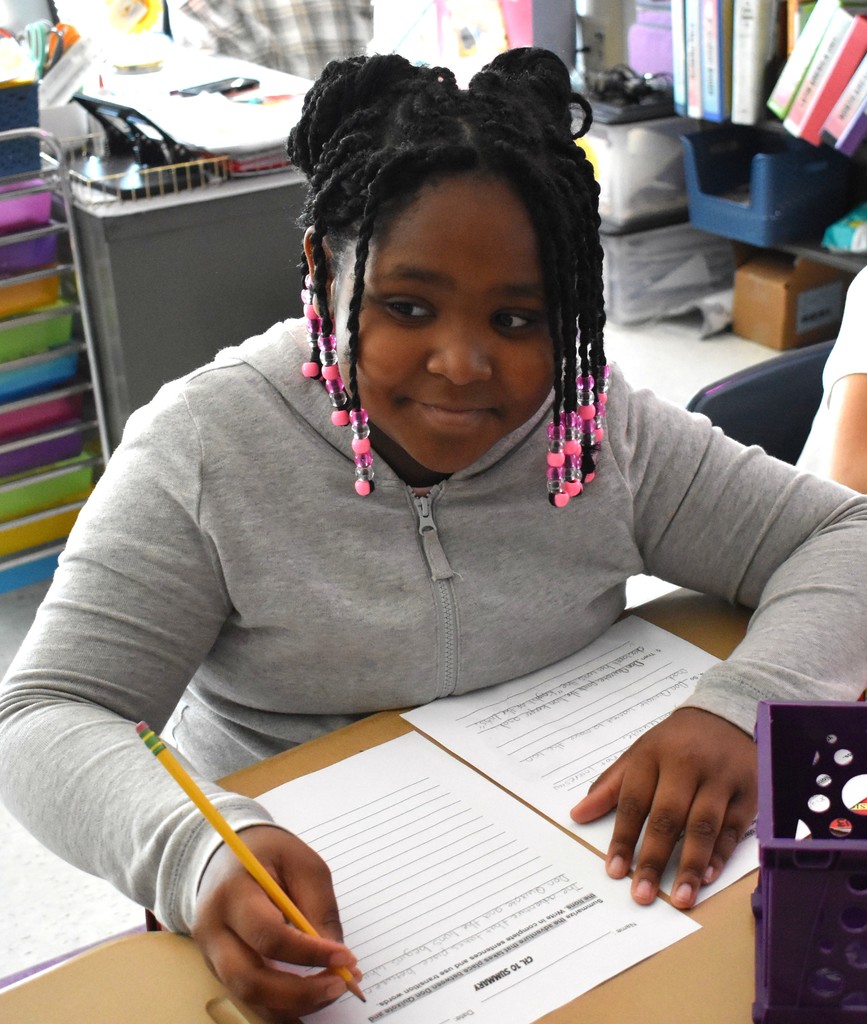
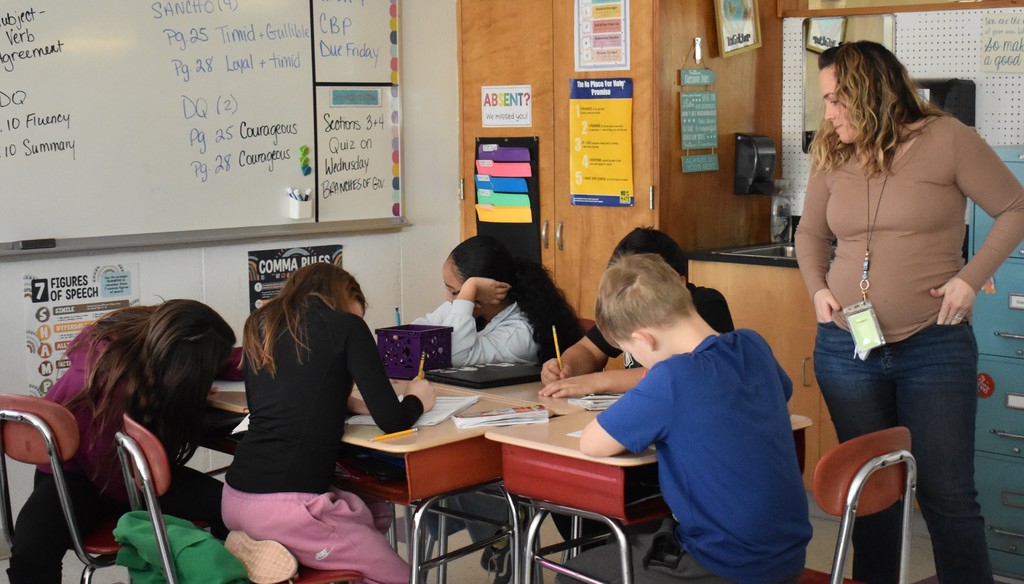
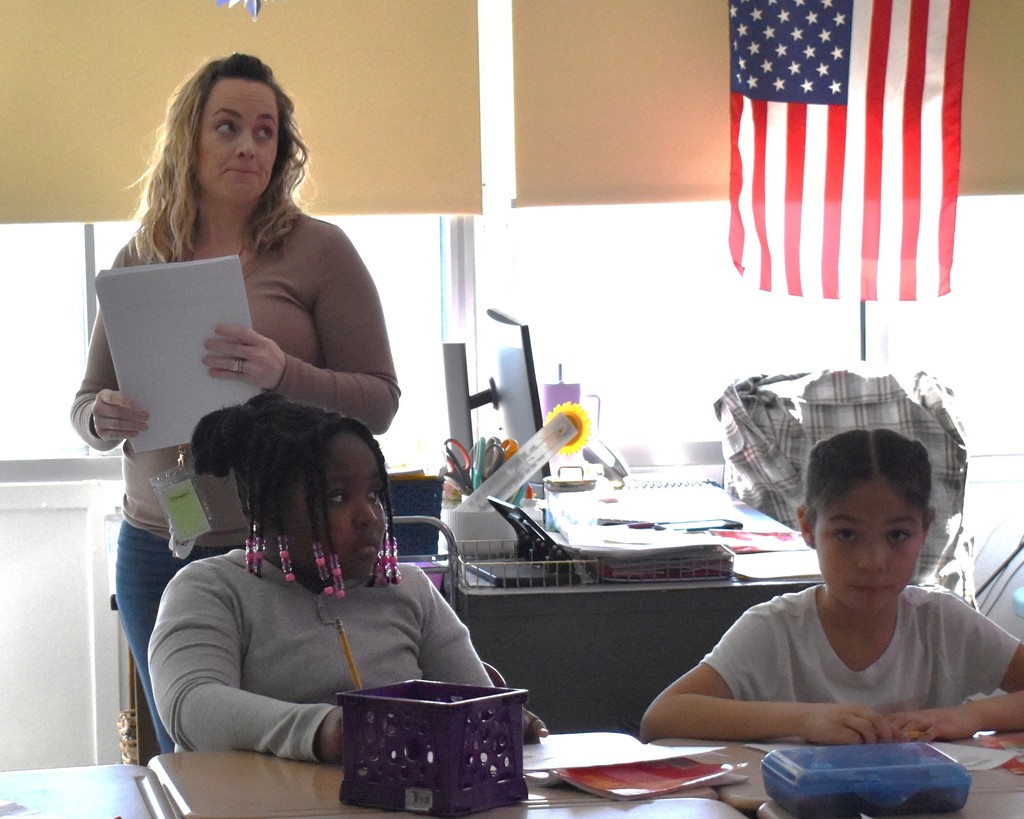
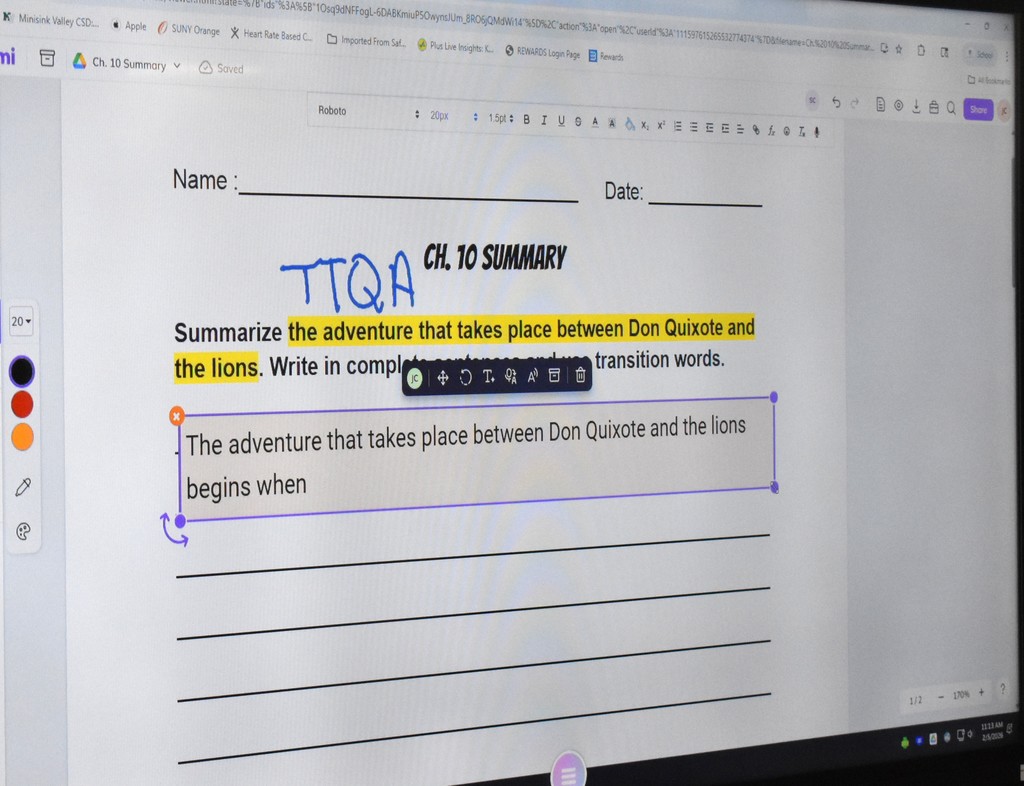
After reviewing the graphic organizer they worked on with their partners, students independently wrote a summary using appropriate transition words and phrases. This work helps students become thoughtful readers, effective writers and independent learners, not just in ELA but across all subjects! That’s because it builds several foundational literacy skills that fifth graders need for long-term academic success, including: Strengthening comprehension, developing analytical thinking, improving writing clarity and organization and more. Summarizing content is a critical skill used in science, social studies, and assessments!
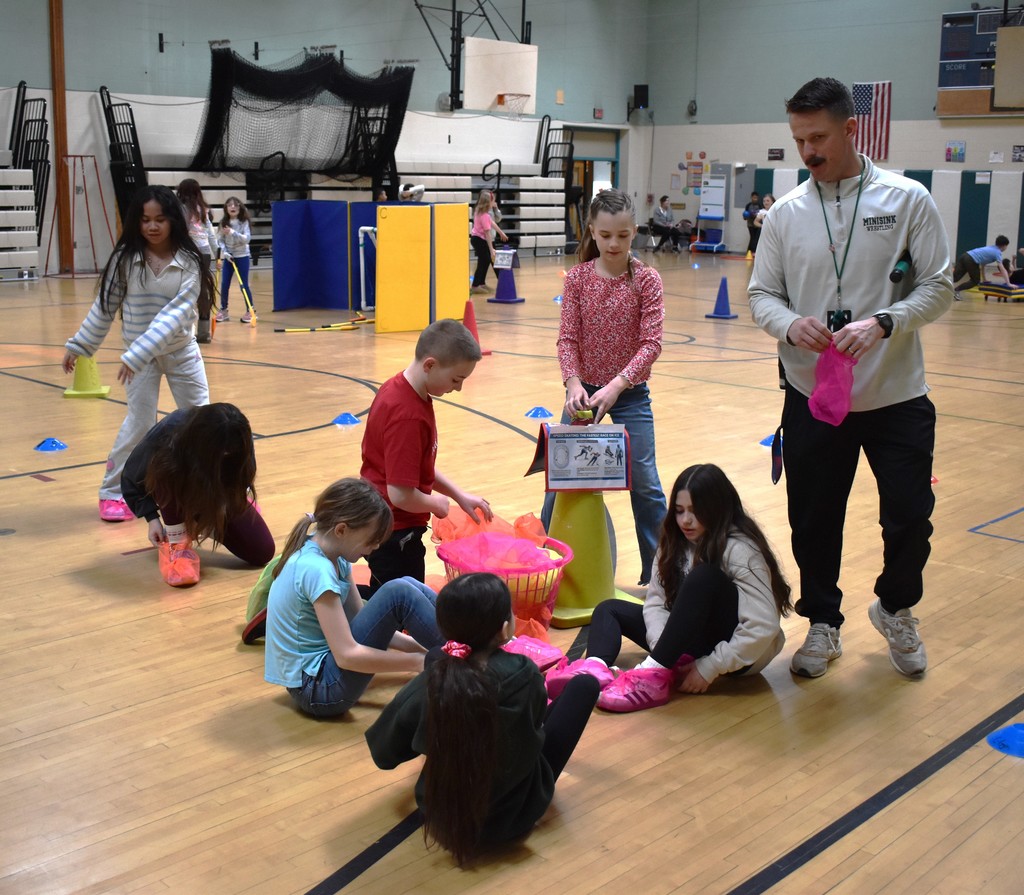
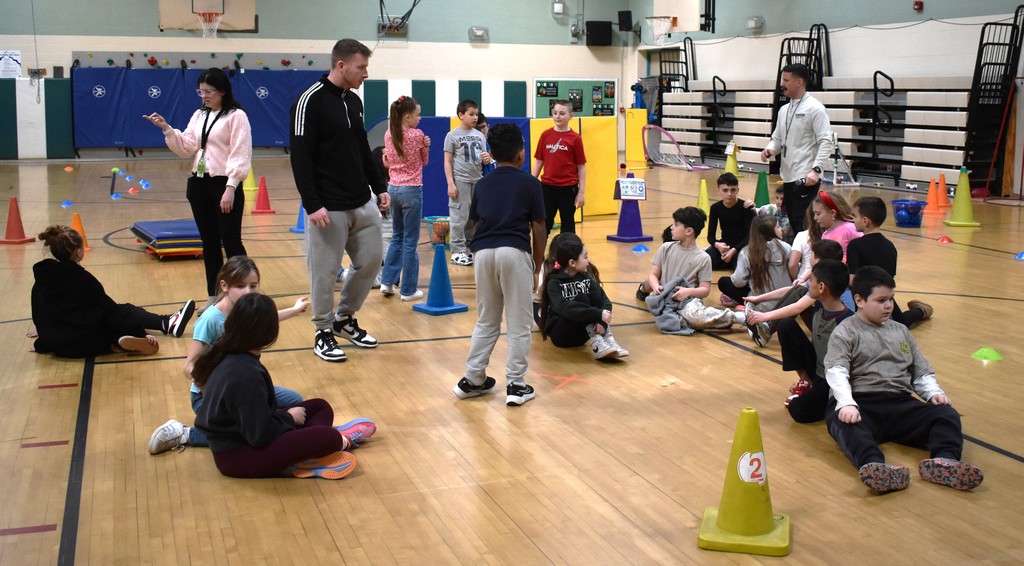
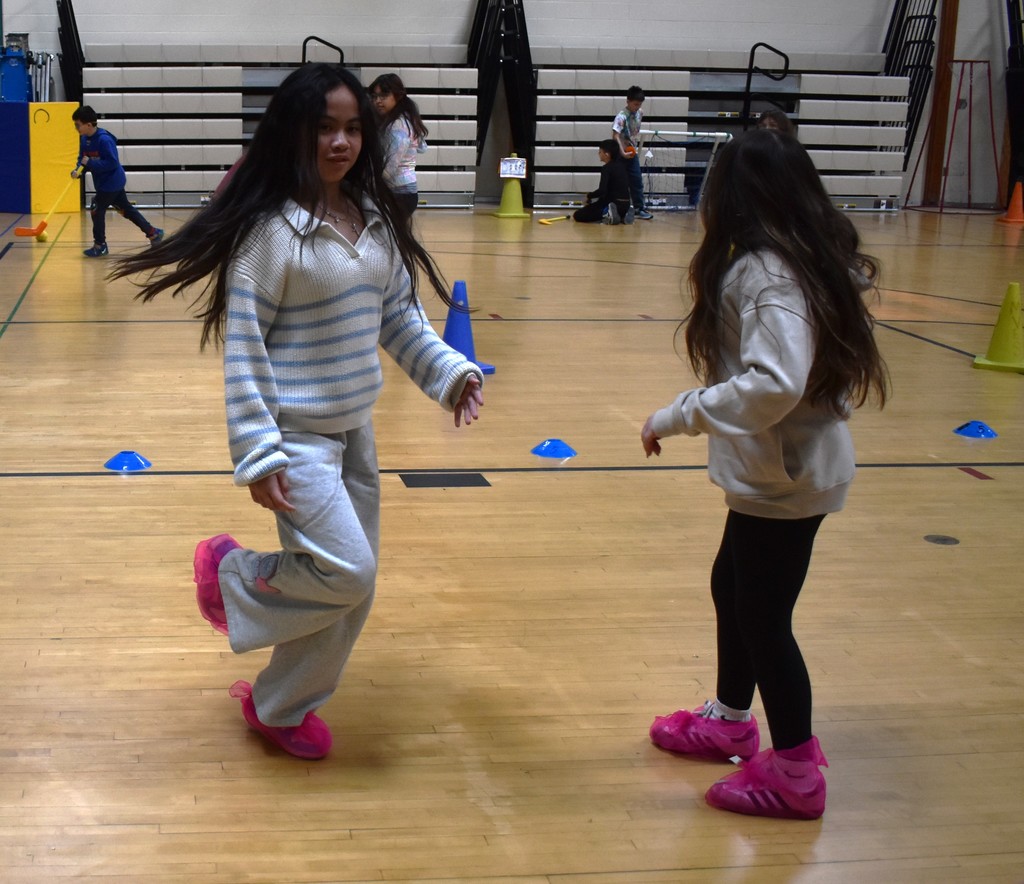
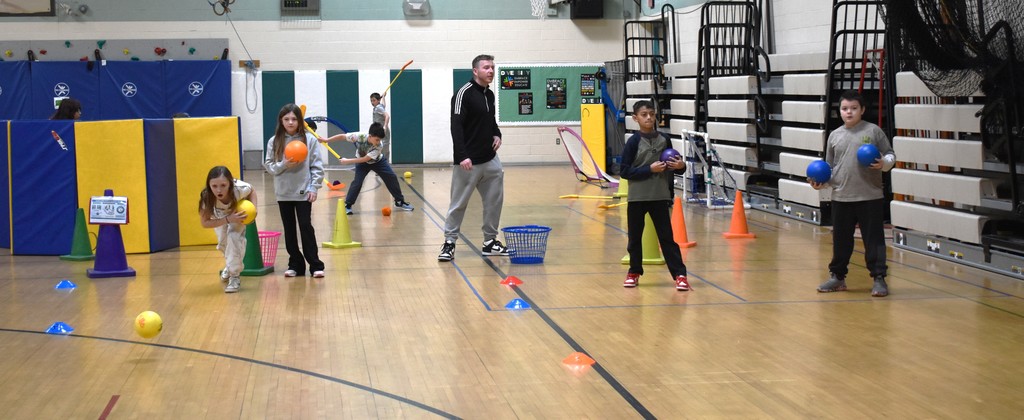
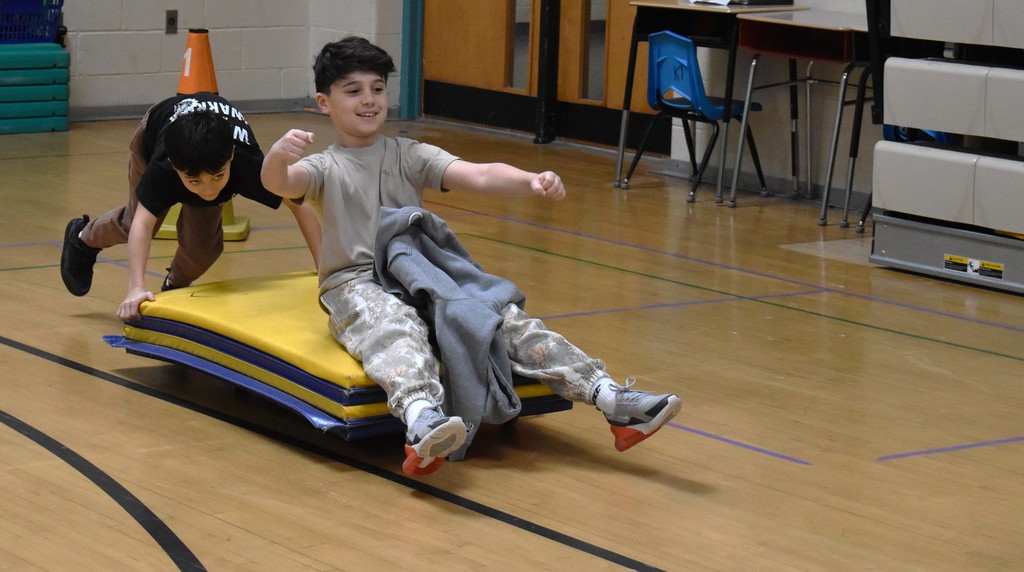
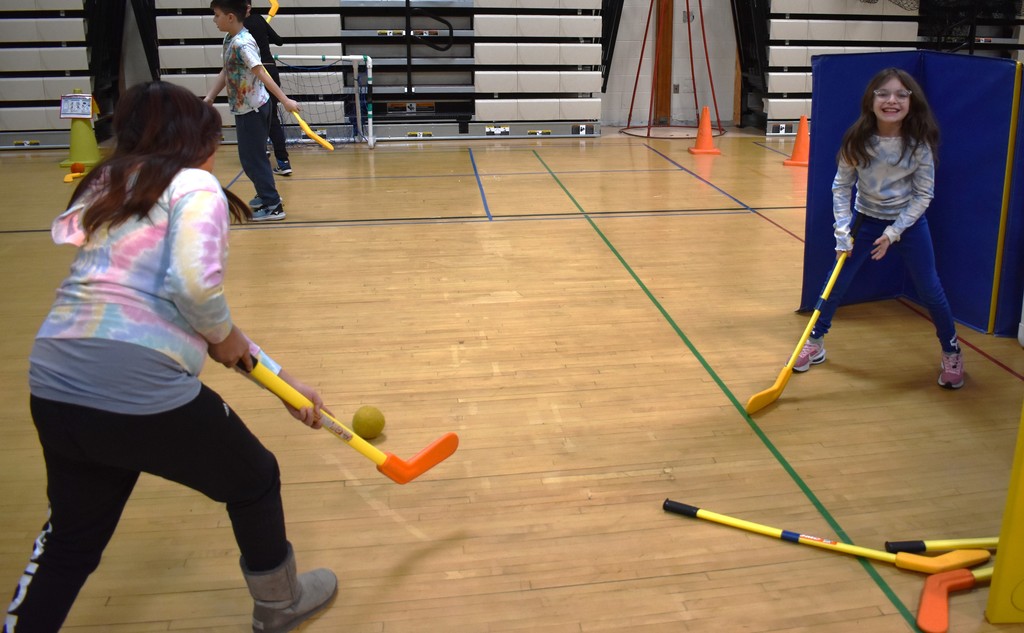
The closing ceremonies to the Milano Cortina 2026 Winter Olympics were yesterday, and many district faculty have incorporated the Olympic games into classroom activities. This included Ross Potter and Jonathan Sakadelis and their IS physical education students, who learned about different Winter Olympic events!
Their recent classes focused on four bobsledding, speed skating, curling and ice hockey stations. Students rotated through them to take part in their version of these events, and learned more about each from information cards that explained the different equipment and rules for that particular event. Take a look!
New York Yankees vs. Miami Marlins!
--- Saturday, April 4
--- 7:05 p.m. at Yankee Stadium
--- Tickets: $45 each for Terrace Level seating
--- Online ticket sales close March 1
--- Tickets will be delivered digitally to the email address provided.
--- Transportation is NOT provided.
Purchase tickets here: https://minisink-pto-yankee-game.square.site/
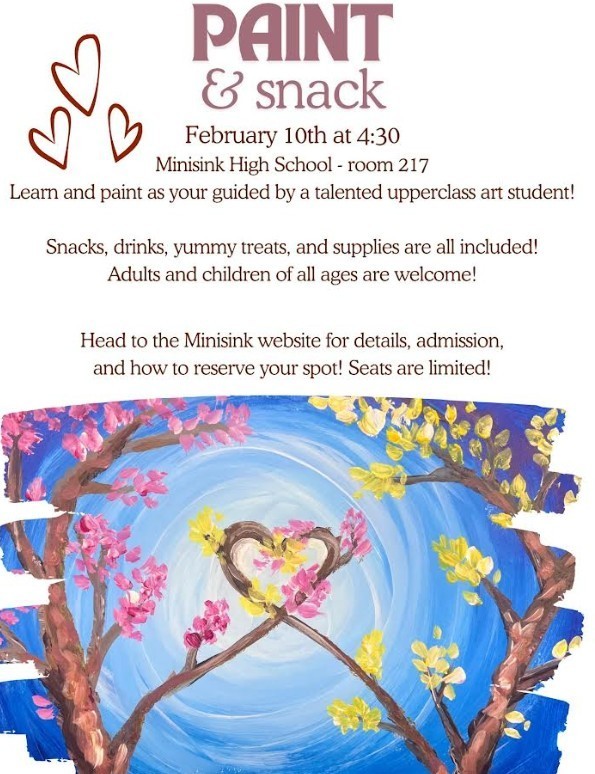
Back by request! Sign up today for the High School Art Club’s Feb. 10 “Paint & Snack” fundraiser! Have a wonderful afternoon painting a beautiful spring design under the guidance of a talented upperclassman art student! And, of course, there will be fabulous snacks! Open to all ages, but space is limited. Cost is $12 per adult, $10 per student and $5 for student siblings.
Sign up here: https://docs.google.com/forms/d/e/1FAIpQLSejmdJqNRluBrCttWfiMsXZ8Cu5-xqk0U9wP3GPo7oXlMKASw/viewform
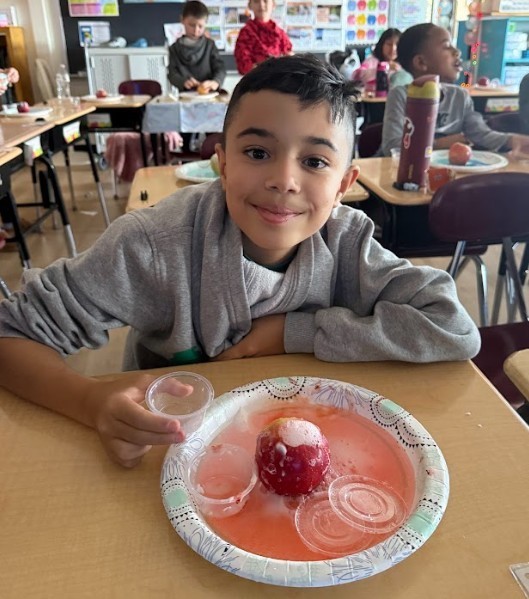
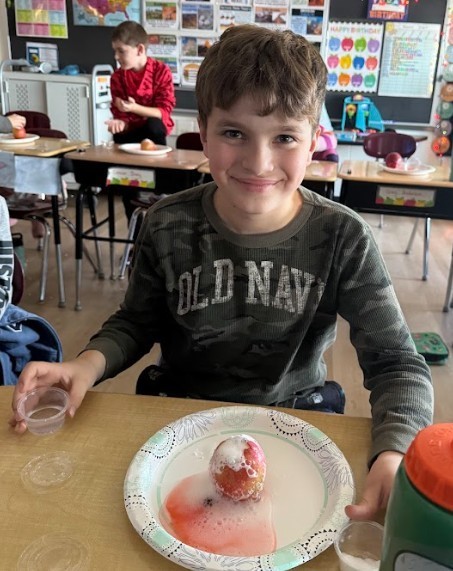
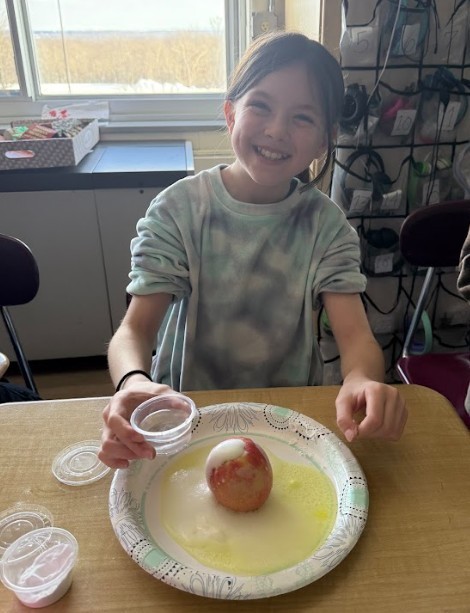
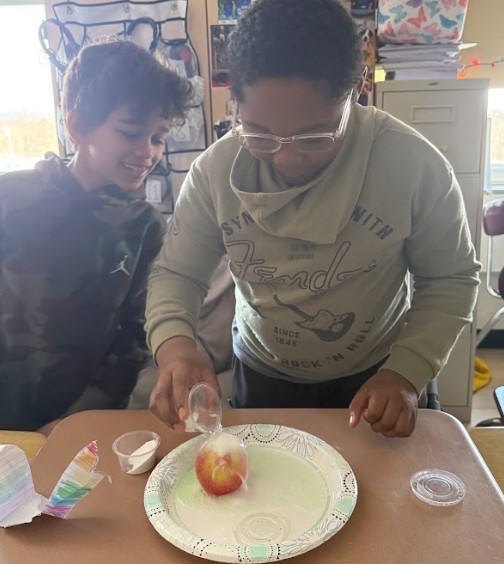
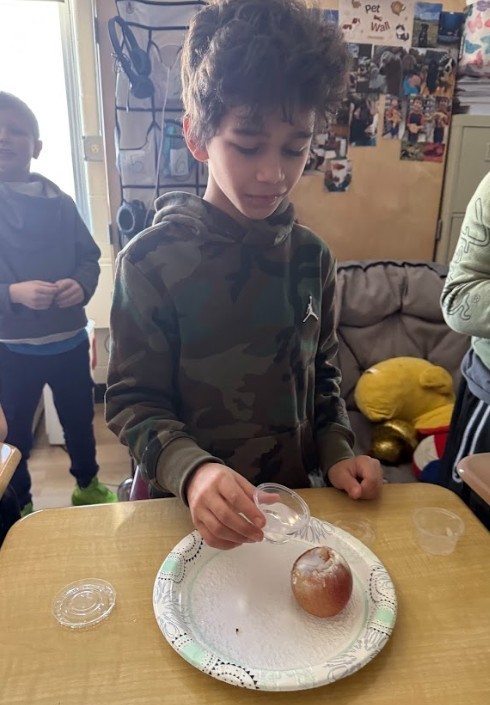
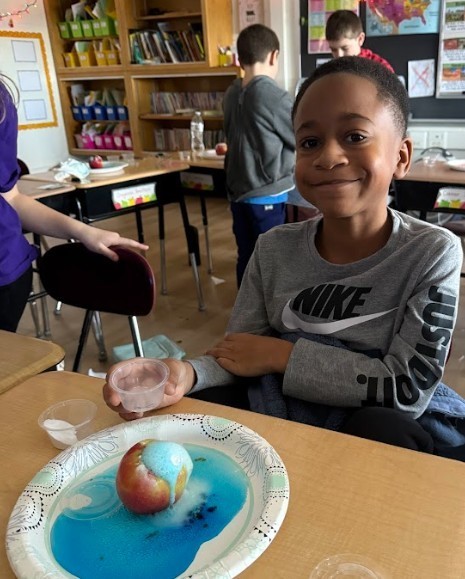
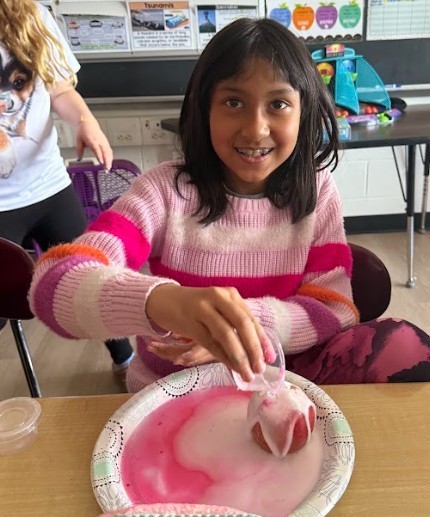
To enhance classroom engagement, students recently participated in a hands-on volcano experiment using an apple, baking soda, food coloring, and vinegar. Students enjoyed observing the “volcano” erupt and making connections between the experiment and real volcanic eruptions. This engaging activity provided a meaningful way to bring learning to life!
•The apple, baking soda, food coloring and vinegar volcano experiment is a fun way to show how a chemical reaction works. First, an apple is hollowed out to make a small “volcano” crater. Baking soda is placed inside the apple, and a few drops of food coloring are added to make the reaction easier to see. The apple acts as a natural container, helping students visualize how a volcano holds magma before it erupts.
•When vinegar is poured into the apple, it reacts with the baking soda. Baking soda is a base and vinegar is an acid, and when they mix, they produce carbon dioxide gas. This gas builds up and escapes as bubbly foam, pushing the colored liquid out of the apple like lava flowing from a volcano. The experiment demonstrates acid–base reactions and gas formation in a simple, safe, and exciting way.
--- Fifth-Grade: Tyler Sturge
--- Fourth- Grade: Hailey Barry
--- Third-Grade: Ansharah Usman, Leilani Romero Marin and Yaretzi Vazquez
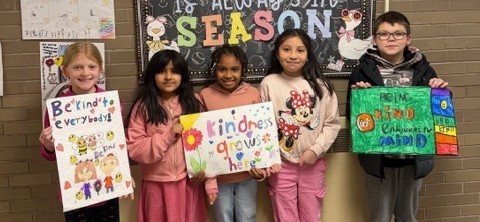
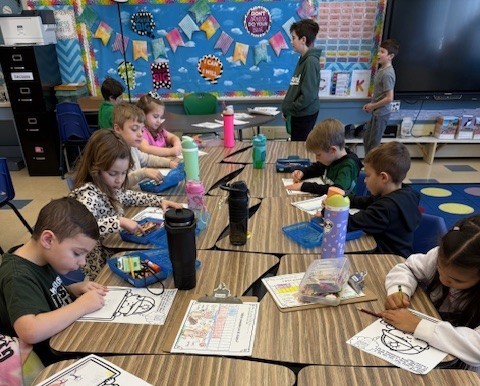
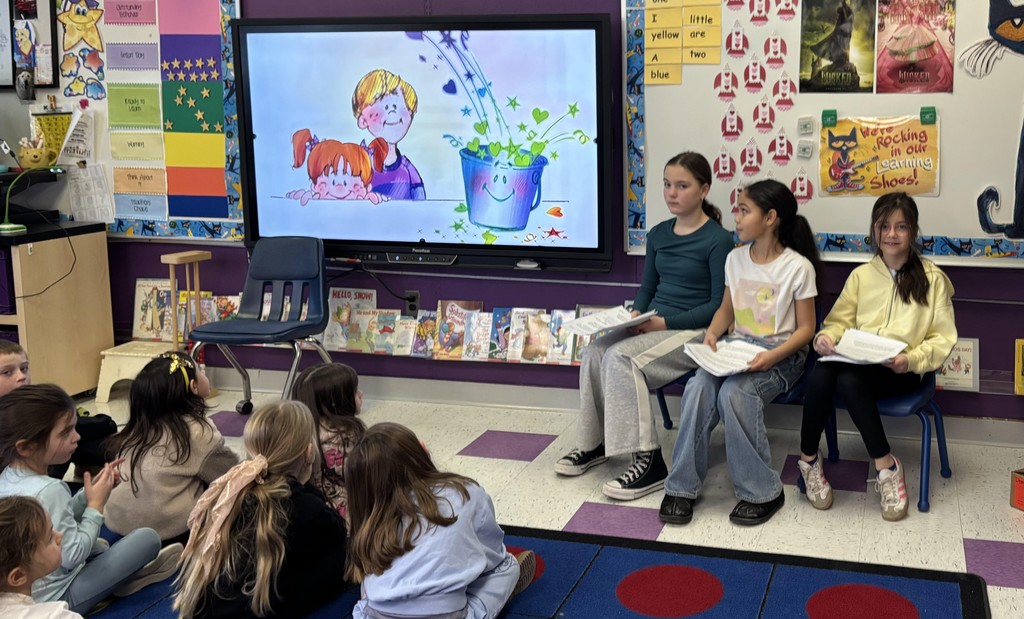
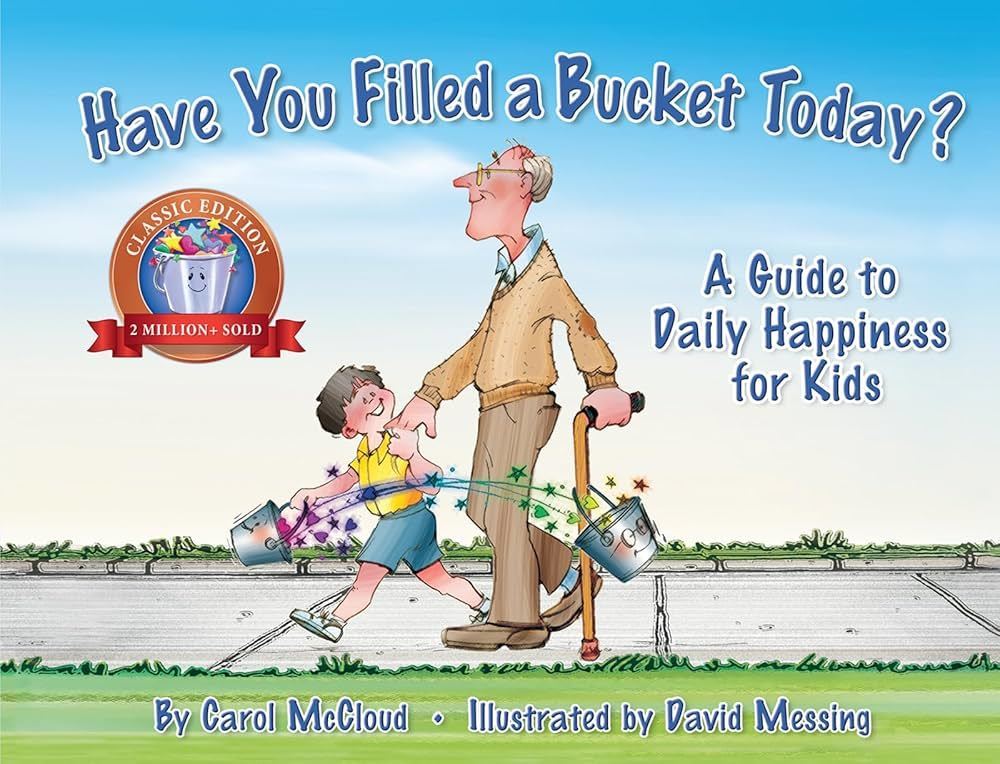
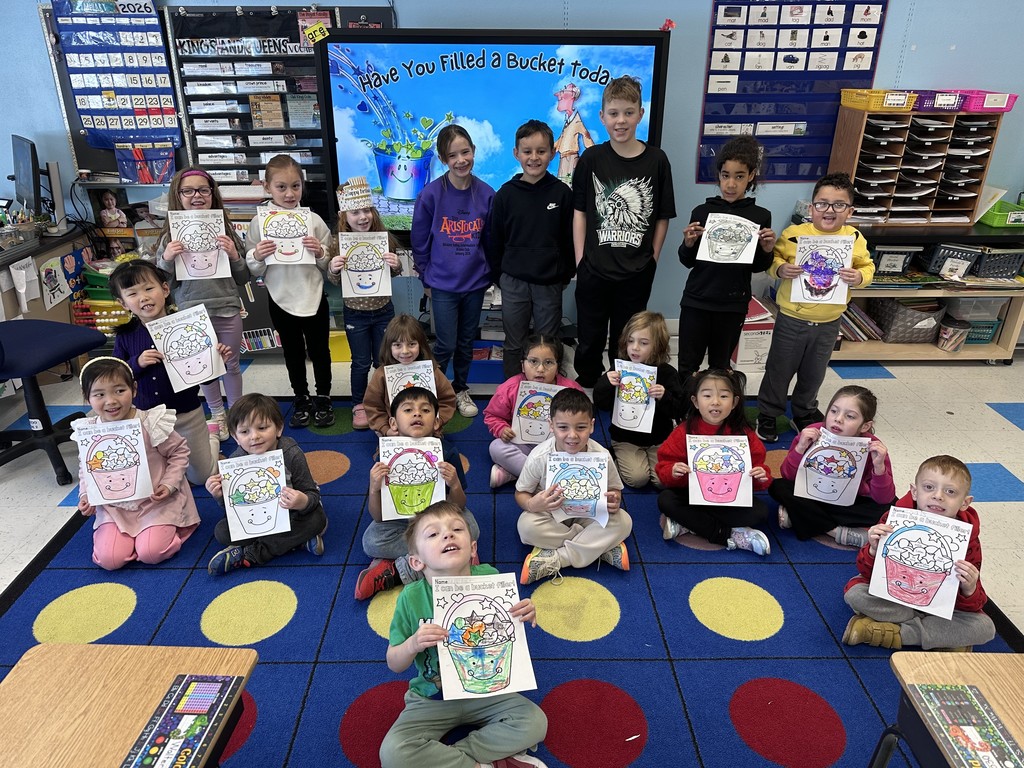
Through simple prose and vivid illustrations, this her book encourages positive behavior by using the concept of an invisible bucket to show readers how easy and rewarding it is to express kindness, appreciation, and love by “filling buckets.” While using a simple metaphor of a bucket and a dipper, the book is a reminder that when we choose to be kind, we not only fill the buckets of those around us, but also fill our own buckets!
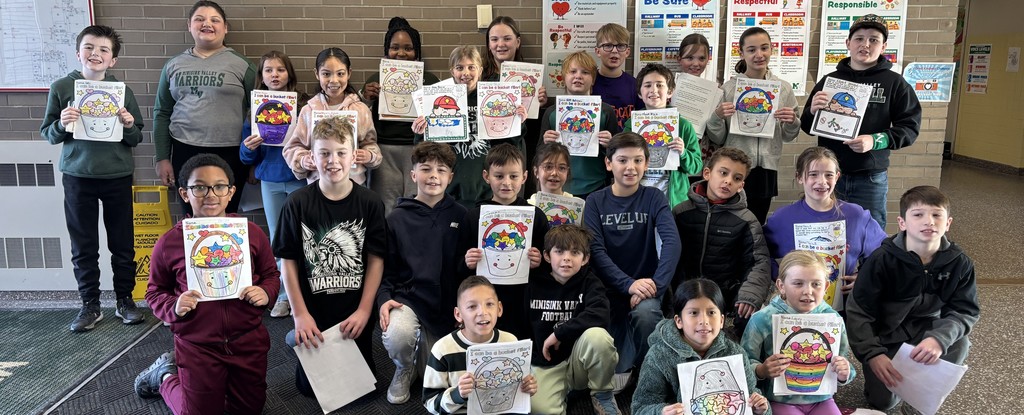
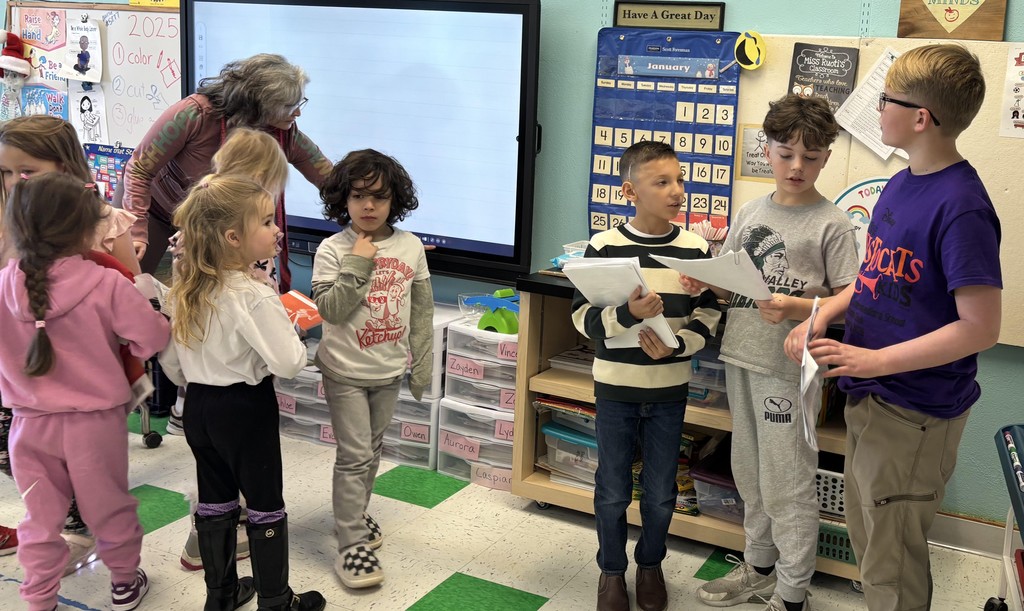
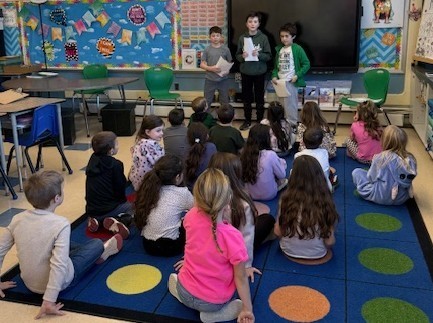
Afterward, the ambassadors oversaw kindness-themed activities for each grade level. This was another wonderful inter-school collaboration between both schools! WELL-DONE, everyone!