
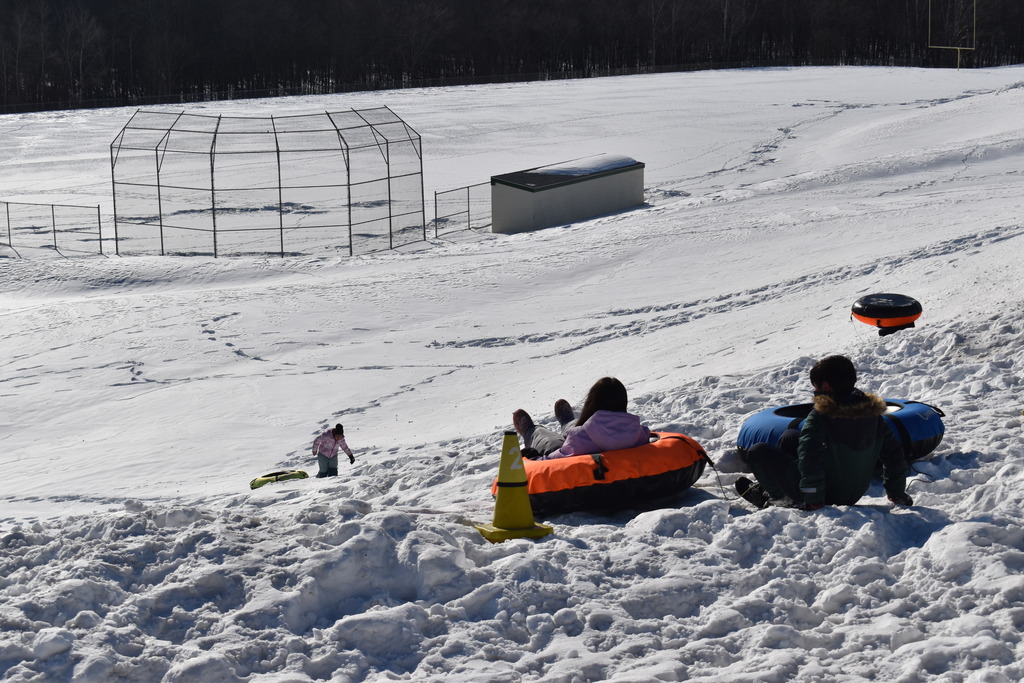
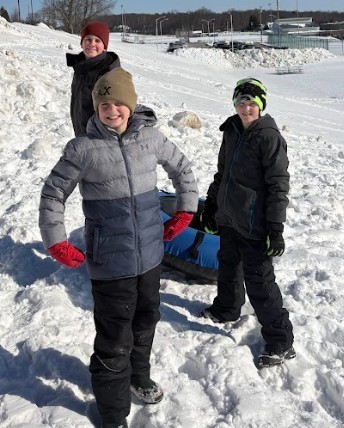
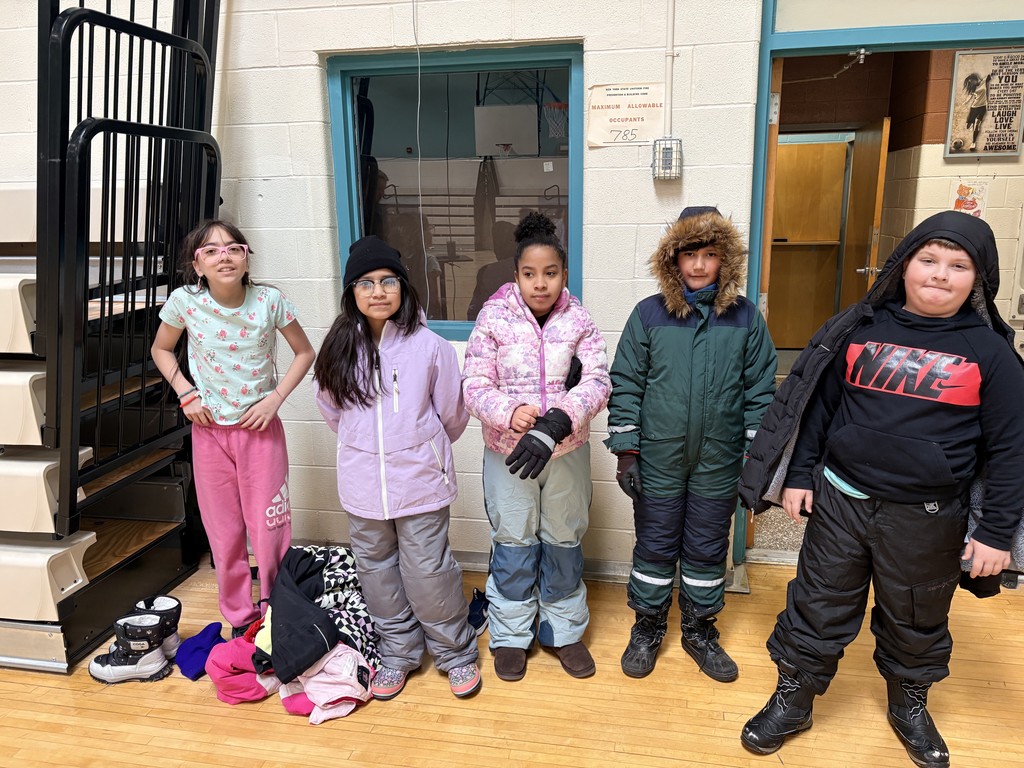
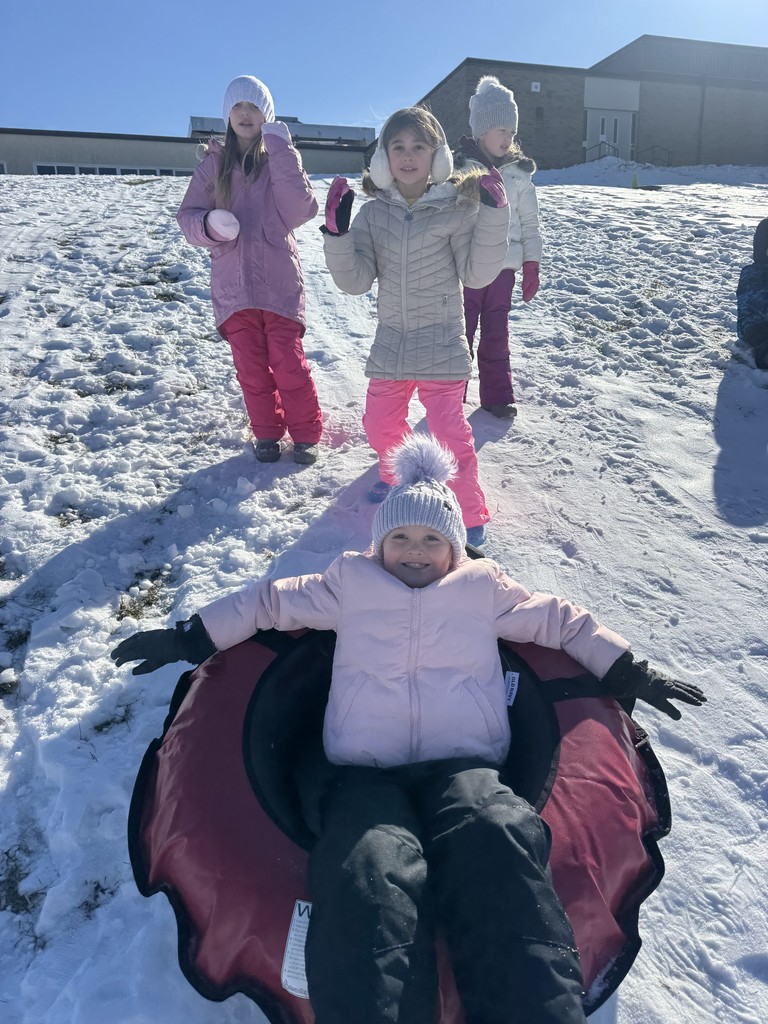
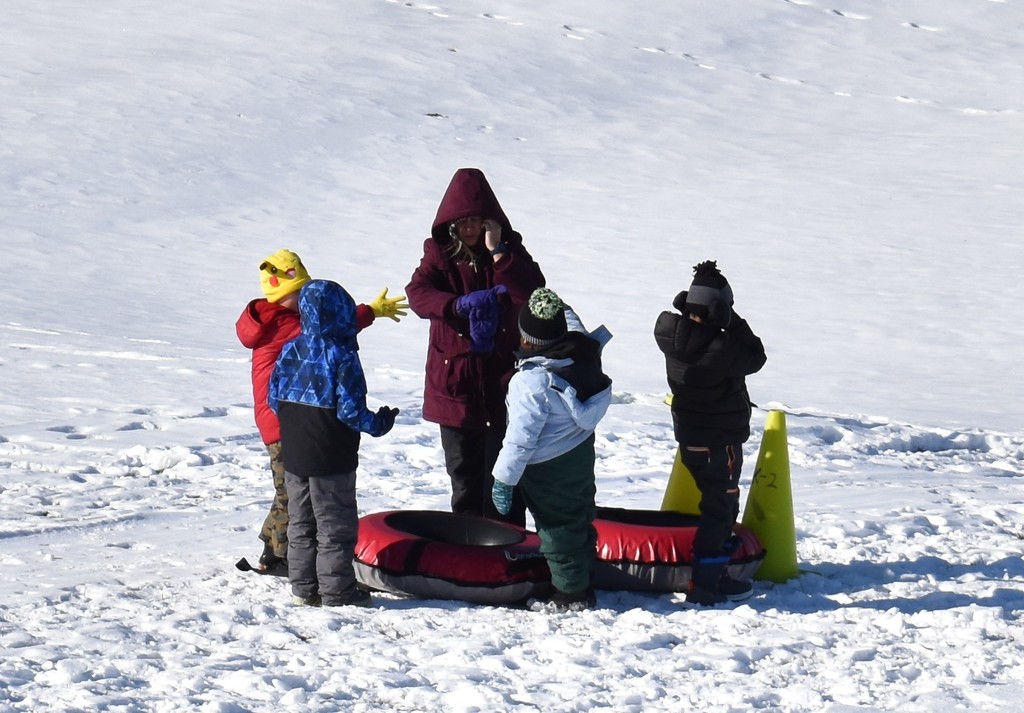
Ross Potter and Jonathan Sakadelis turned winter into a PE playground by taking their IS physical education classes outside for some frosty snow tubing fun on Feb. 4! Compared to the recent (and upcoming) sub-zero temperatures, the weather seemed almost tropical!
Snow tubing isn’t just smiles and squeals — it’s great exercise too. Students boost balance, coordination, and core strength as they climb the hill and zoom back down, all while enjoying the fresh air and working together. Learning, laughter and movement make the perfect winter combination!
If your student hasn’t taken a downhill ride yet, no worries — plans are to get all grades 3–5 classes outside, weather and ground conditions permitting!


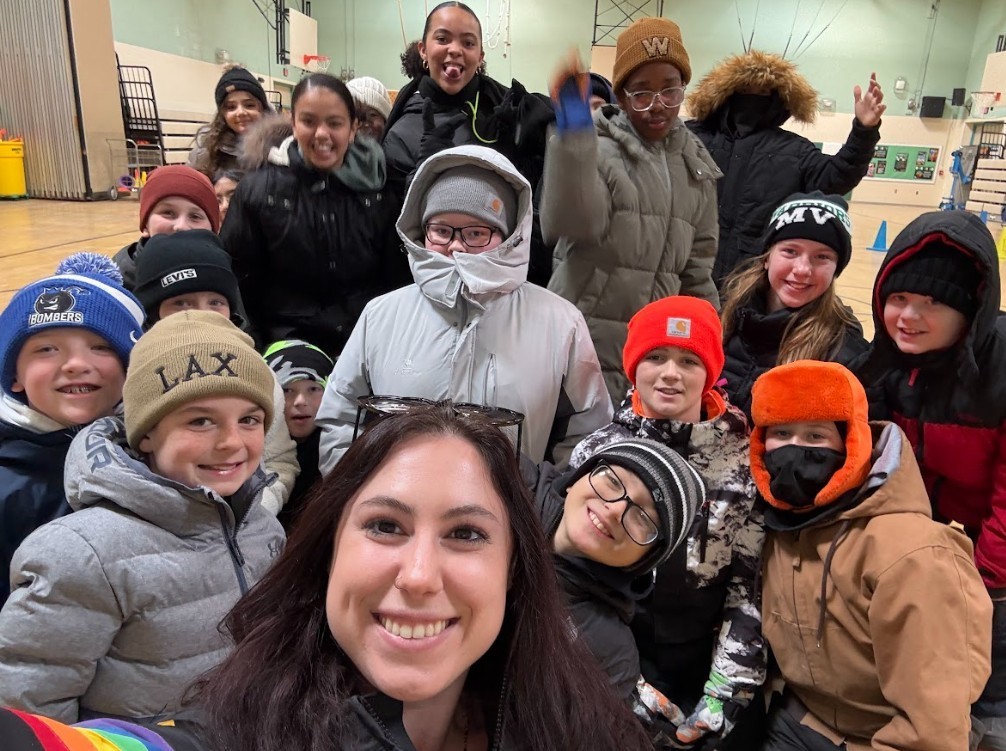


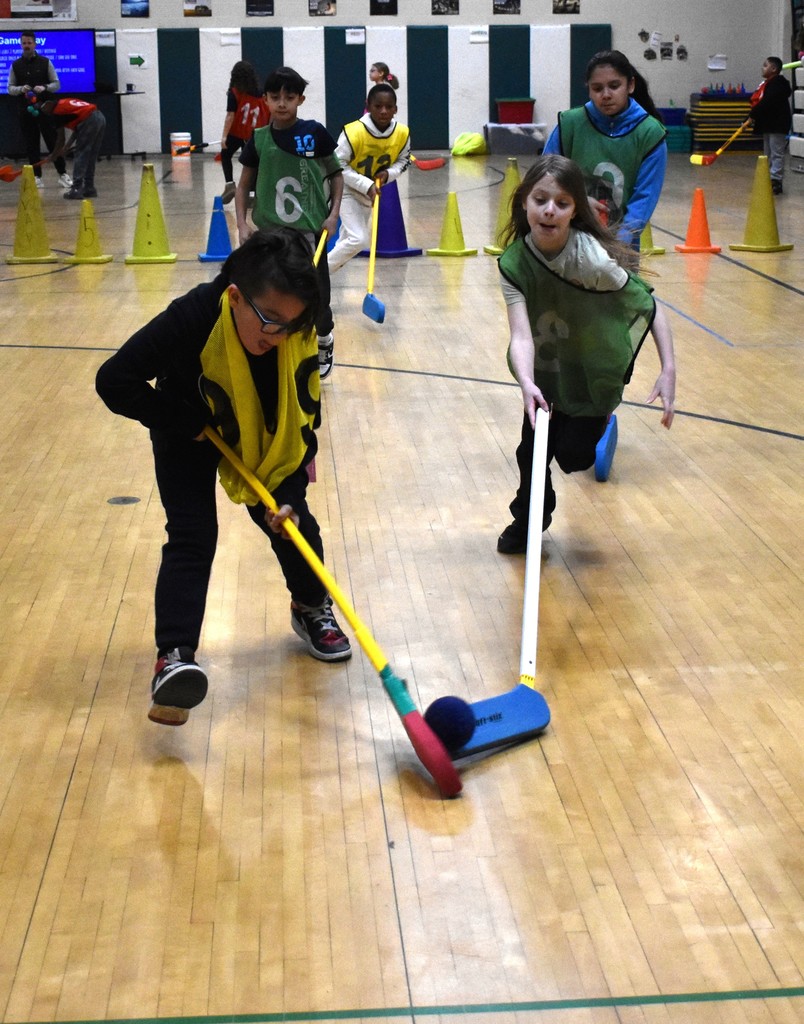
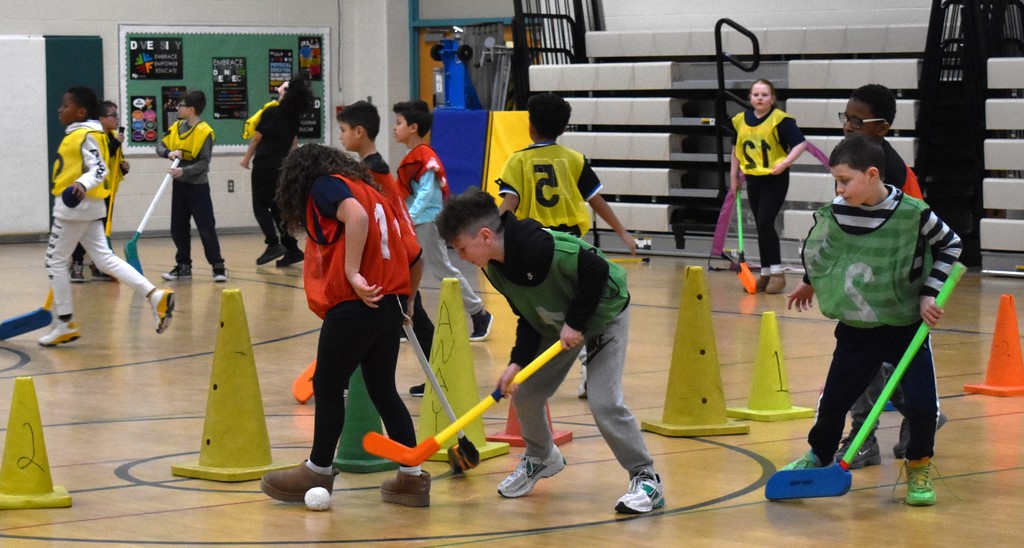
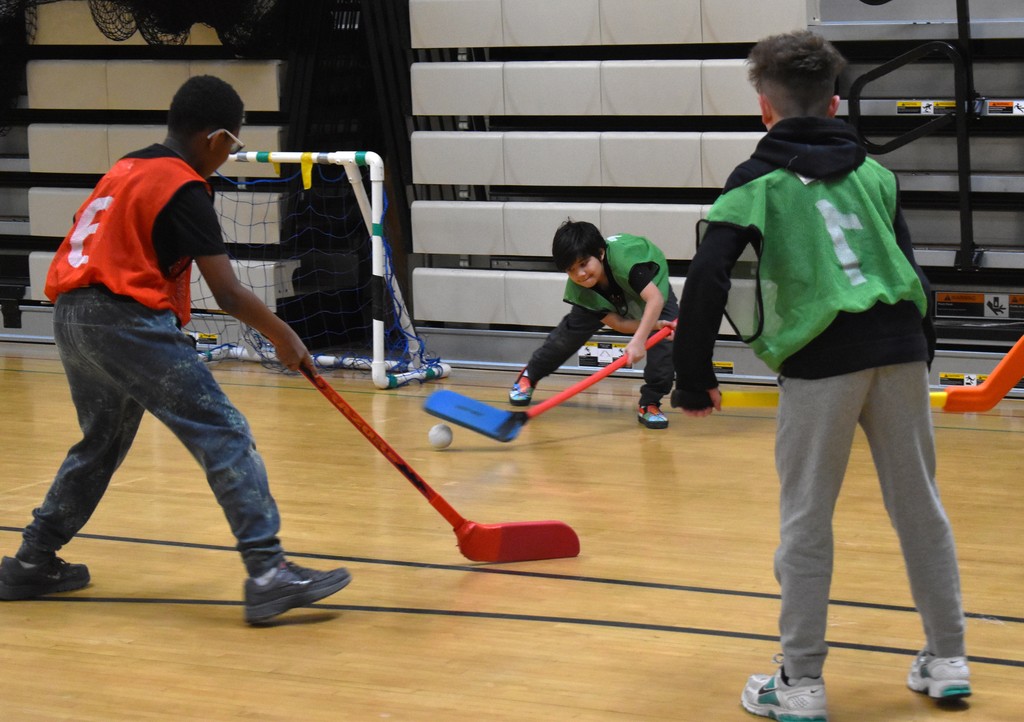
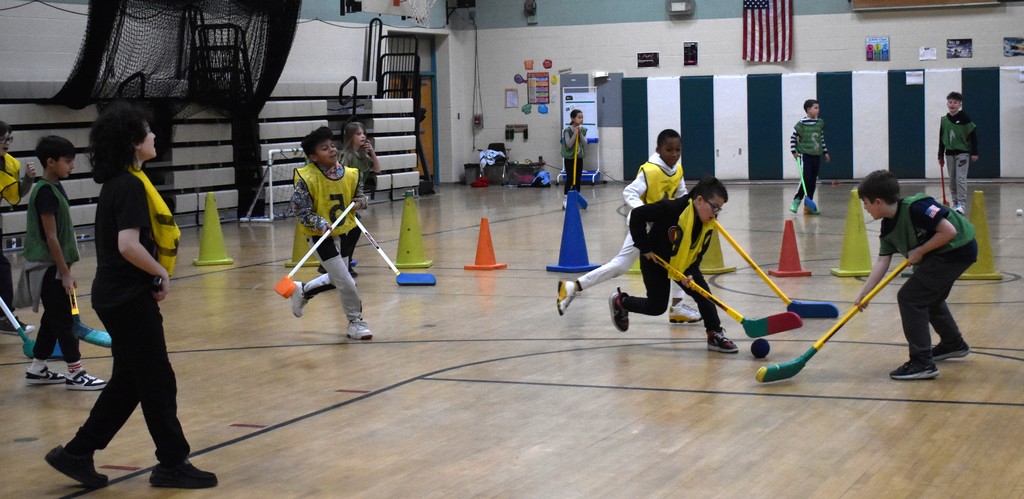
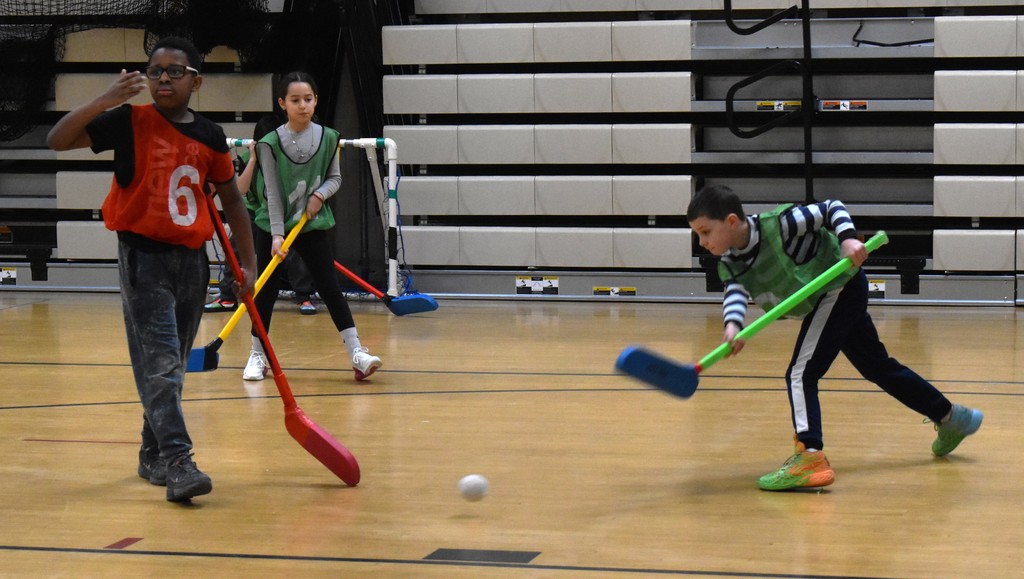
Ross Potter’s and Jonathan Sakadelis’ IS fourth-grade physical education students are enjoying zooming into action with fast and fun floor hockey games! It’s an great activity which gets hearts pumping and feet moving as students further build agility, and motor skills while promoting teamwork and sportsmanship in a fast-paced, engaging, and safe environment. Using lightweight equipment, students develop essential skills like stick handling, passing, shooting and, of course, good sportsmanship!
Grades 2–5 students at the Elementary School and Intermediate School traded the gym for the great outdoors during a very cool snow tubing physical education class held yesterday and today, Jan. 23! Bundled up in their winter gear, students took full advantage of the beautiful weather, racing down the hills and enjoying every snowy second.
If your student hasn’t had his/her turn yet, don’t worry — more snow tubing adventures are sliding their way, thanks to our enthusiastic physical education faculty!
Snow tubing is such a fun physical education activity because it combines movement, excitement and inclusivity in a way that doesn’t feel like “exercise” to students.
THANK YOU to the teachers who provided classroom time so younger students could get dressed to go outside and spend the most time possible on the hills! We appreciate you!





Who doesn't love a good Burrito Bowl?
Support the High School's Step Dance Team and dine at Chipotle in Middletown! Details are below!

PLAY BALL! Support the PTO and have a great time at a New York Yankees game at this fun PTO fundraiser!
New York Yankees vs. Miami Marlins!
--- Saturday, April 4
--- 7:05 p.m. at Yankee Stadium
--- Tickets: $45 each for Terrace Level seating
--- Online ticket sales close March 1
--- Tickets will be delivered digitally to the email address provided.
--- Transportation is NOT provided.
Purchase tickets here: https://minisink-pto-yankee-game.square.site/

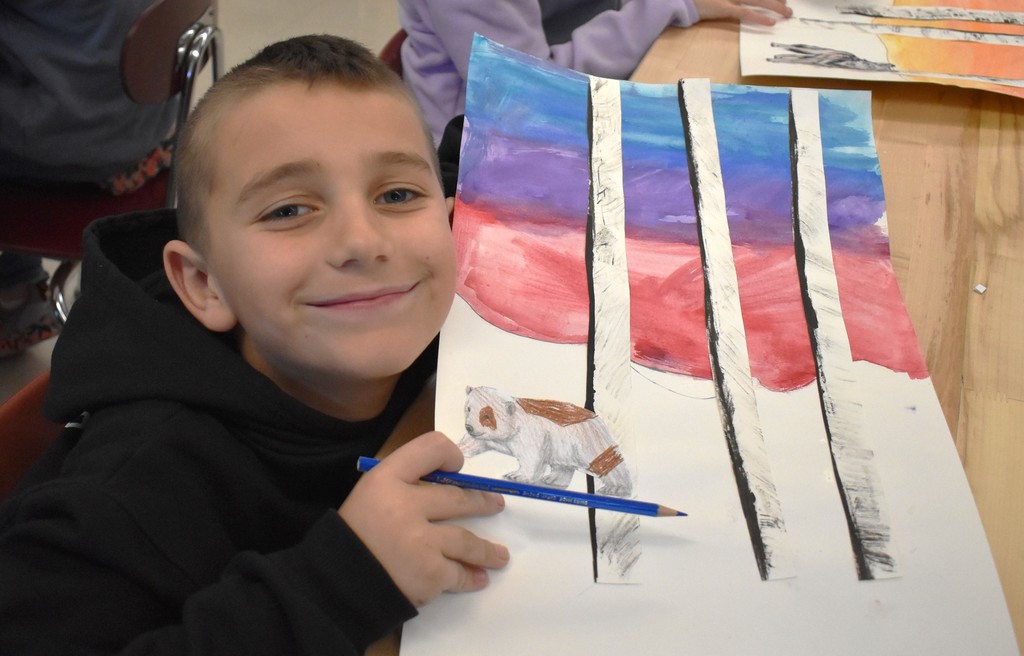
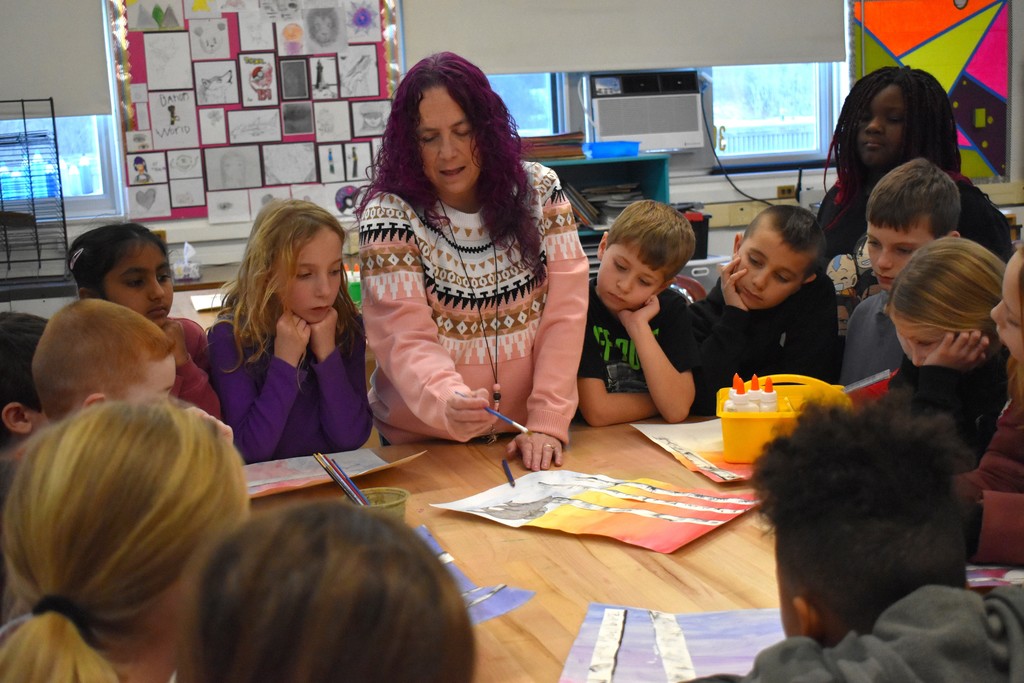
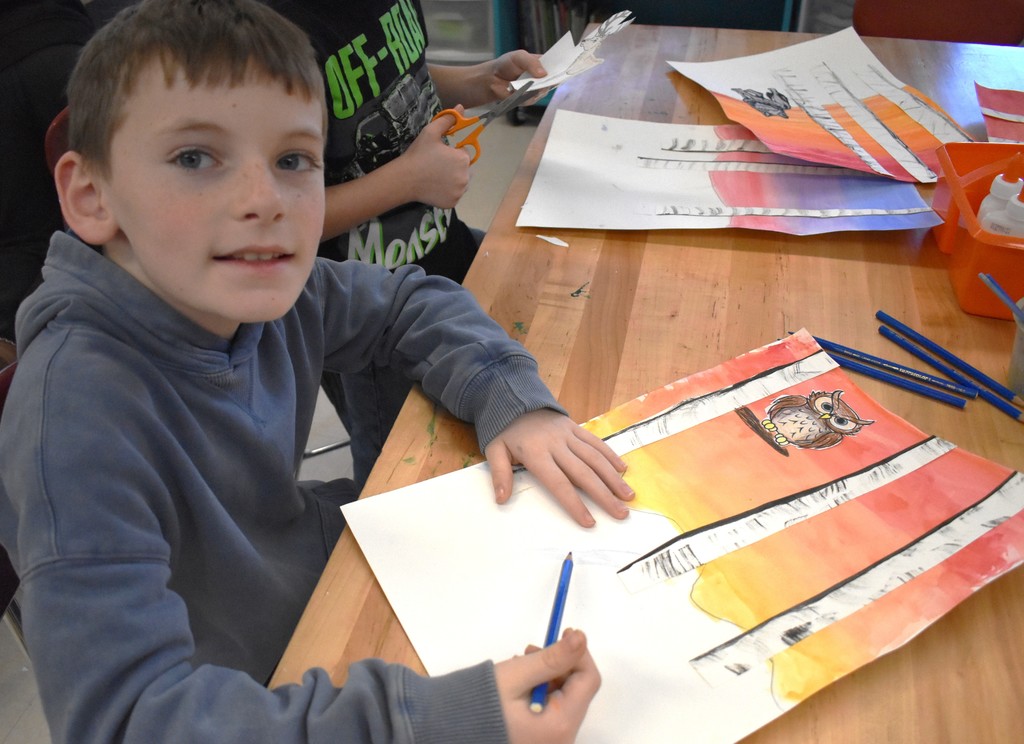
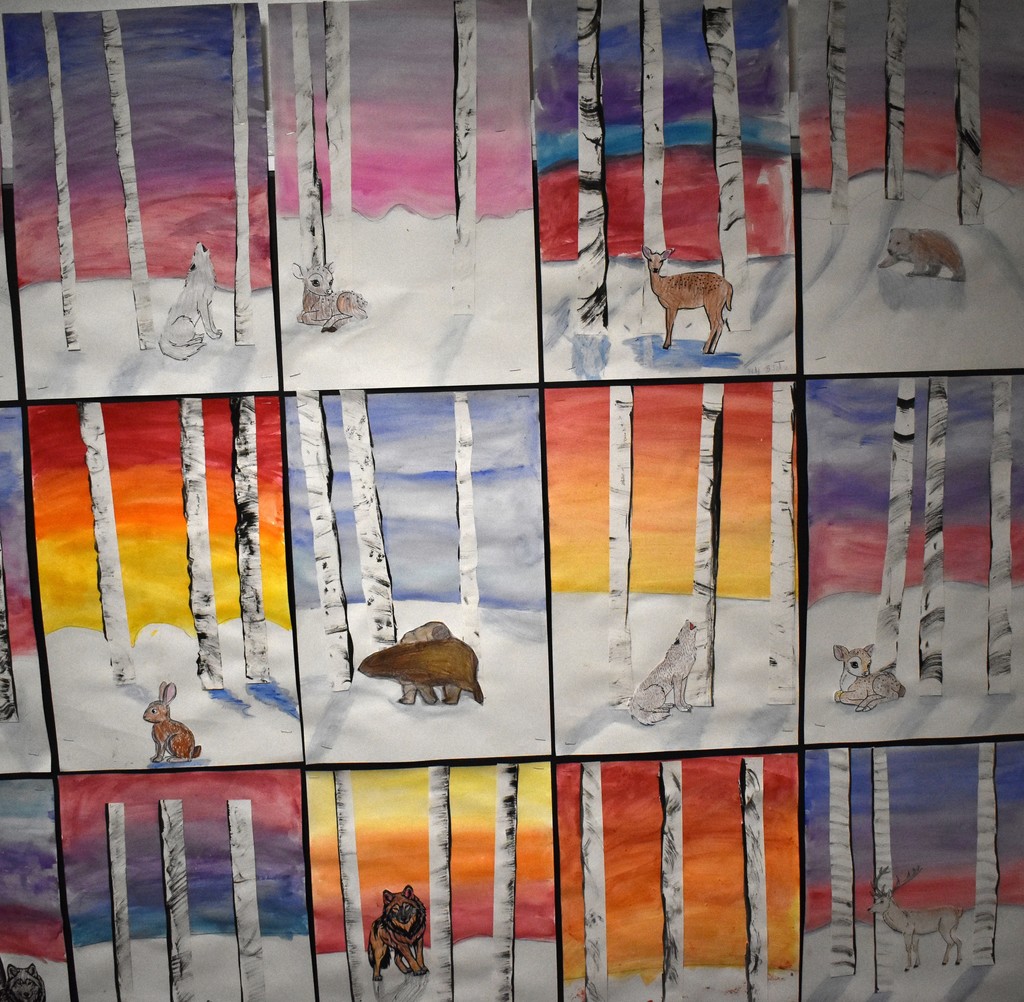
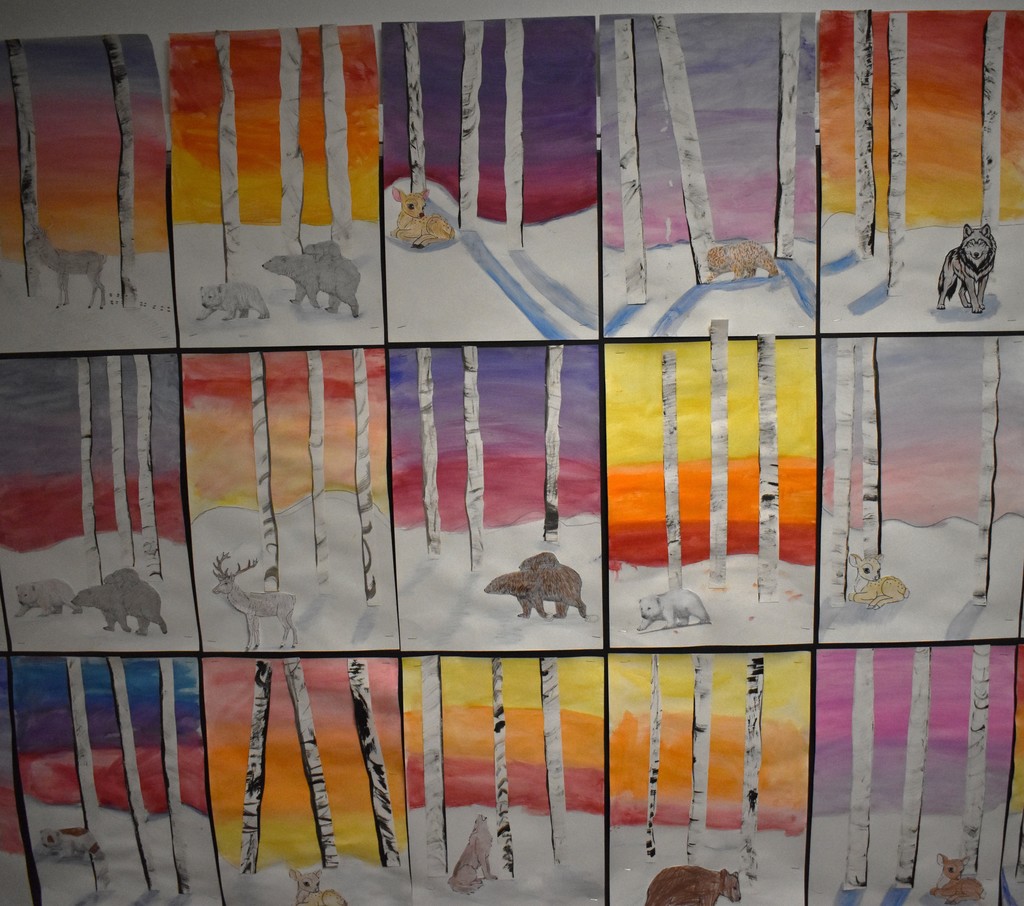
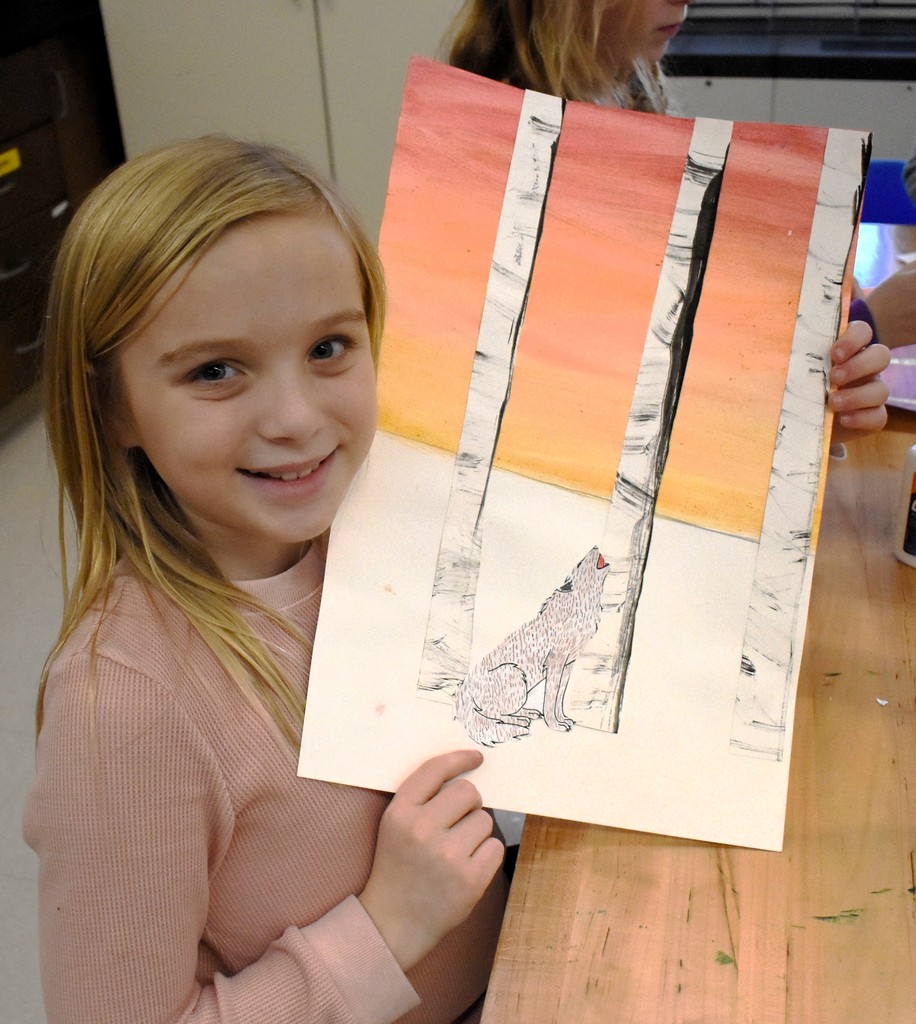
Joan Giardina’s IS third-grade art students finished up their watercolor “wet-on-wet” winterscape paintings with the inclusion of adorable forest critters to complete their work! Aren’t they just too cute?
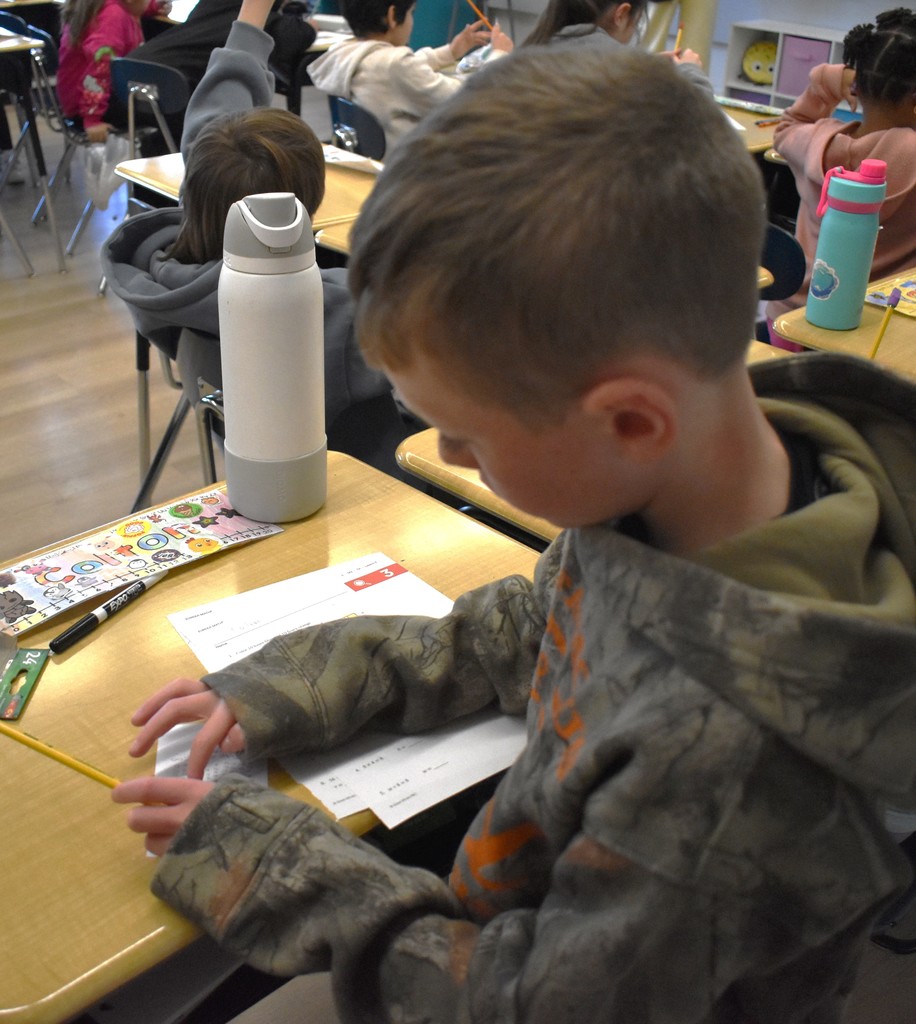
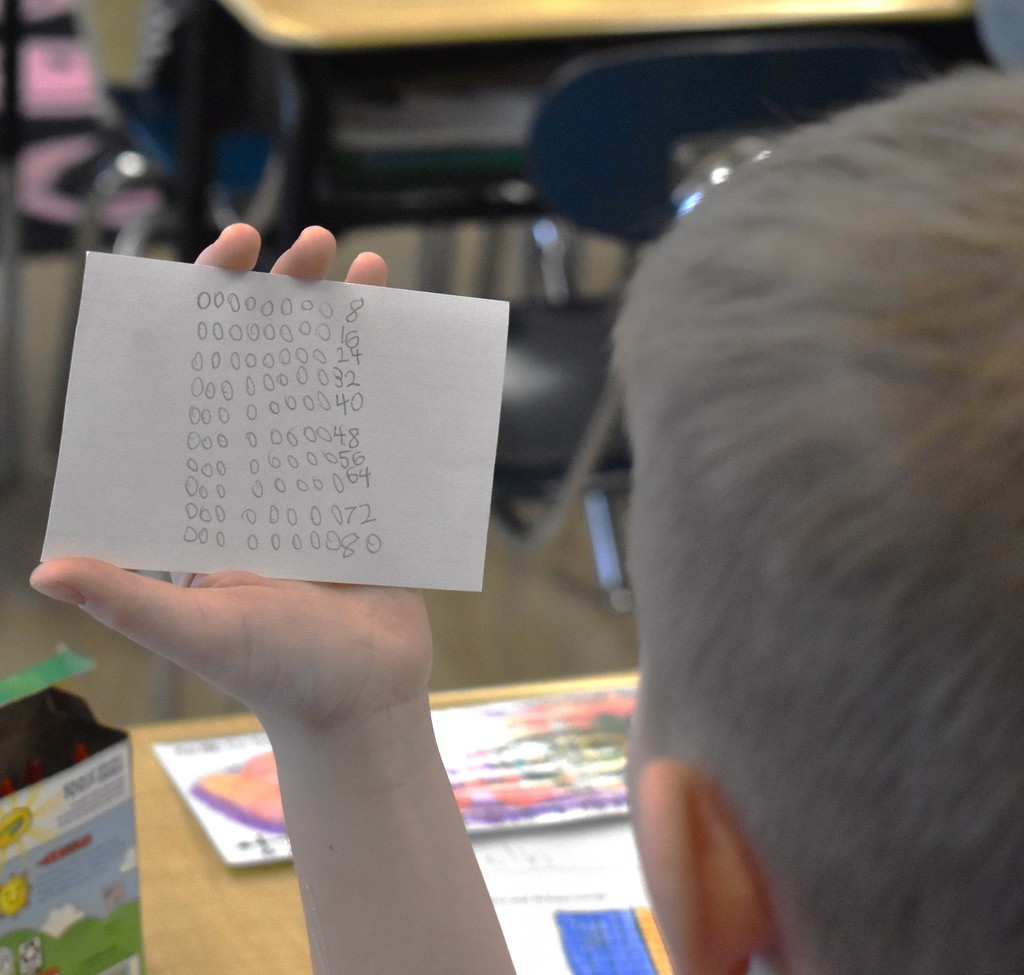
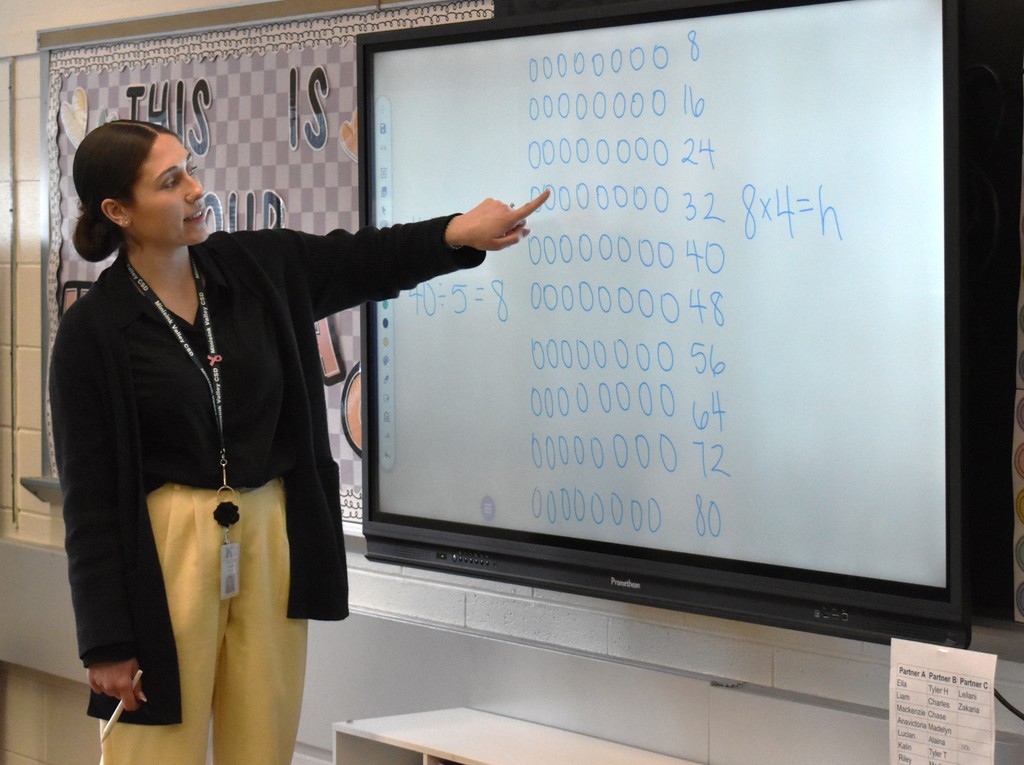
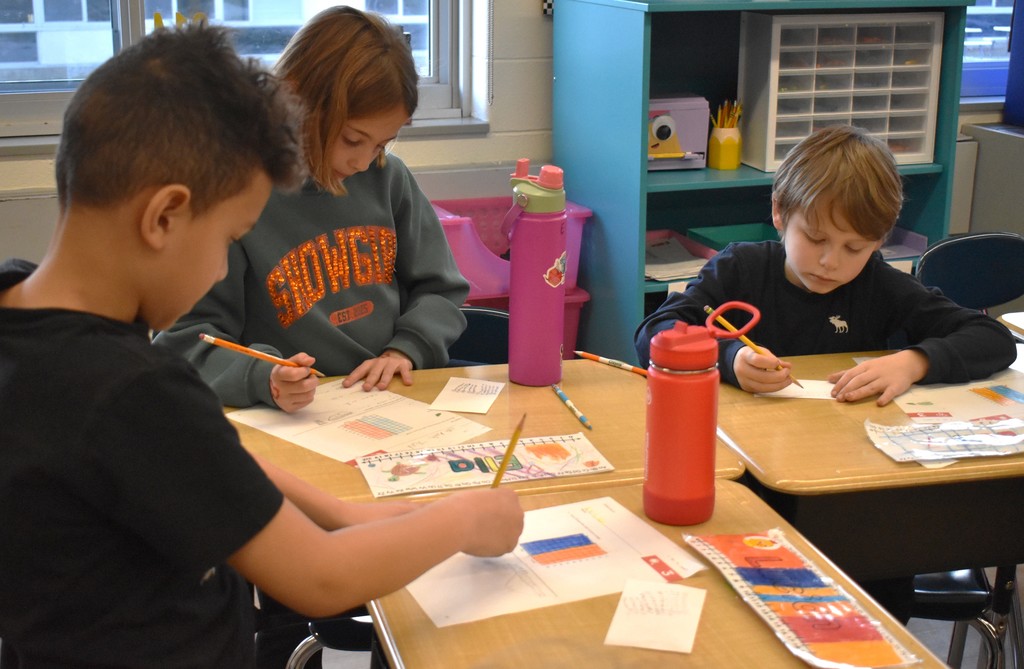
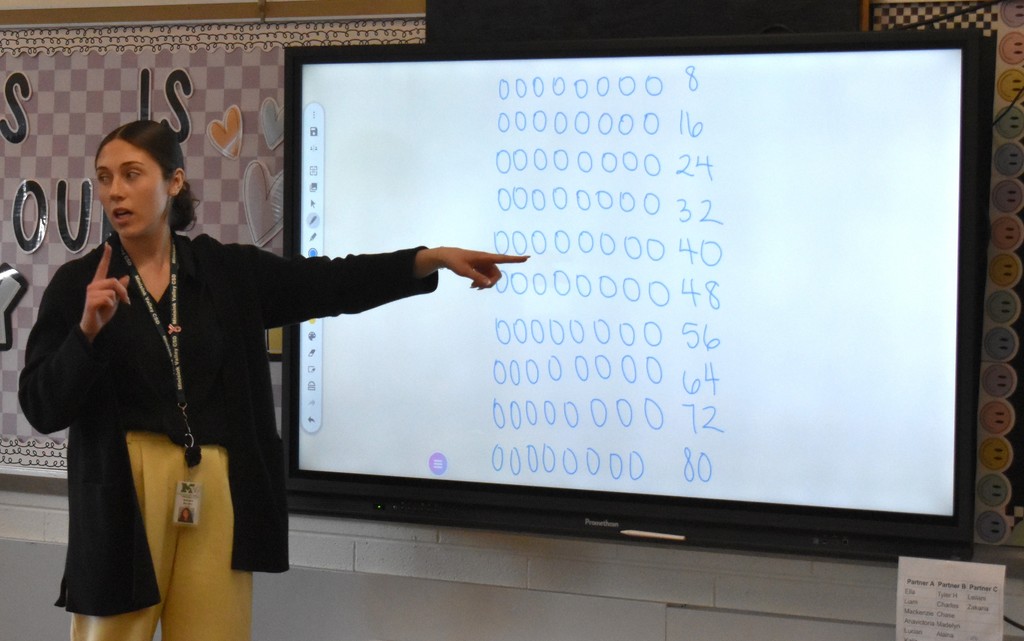
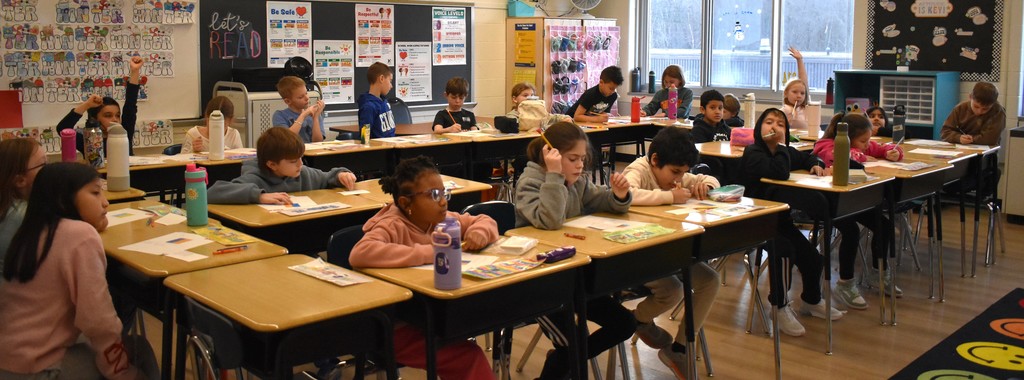
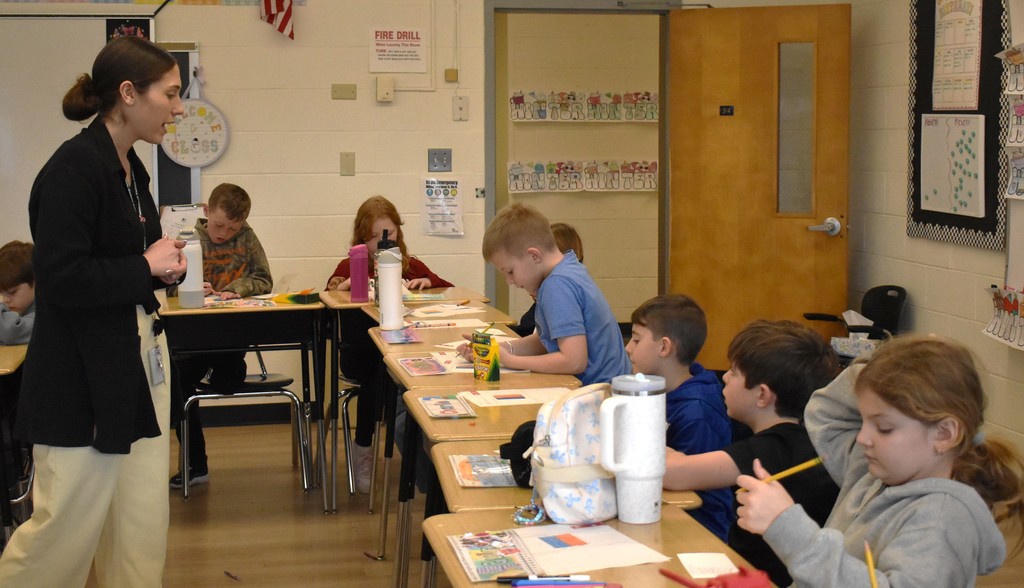
They used drawings and visual models to show different ways to group numbers, helping them solve multiplication problems and practice skip counting by 6s and 8s.
Using visuals made learning more hands-on and helped students build a deeper understanding of how multiplication works. That’s because it helps make abstract math ideas more concrete. Multiplication can be hard to grasp when it’s just numbers and symbols. Visuals like arrays, groups of objects, number lines, and pictures help students see what “8 × 4” actually means (8 groups of 4). Plus, visual models give them something tangible to reason with and help students to understand why multiplication works. Drawing objects can also make learning more hands-on and interactive, which increases focus and participation.
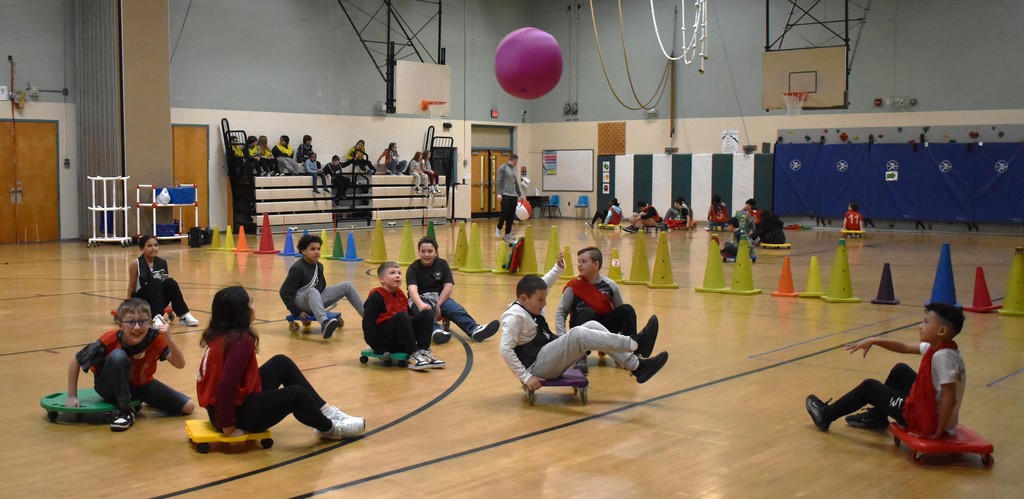
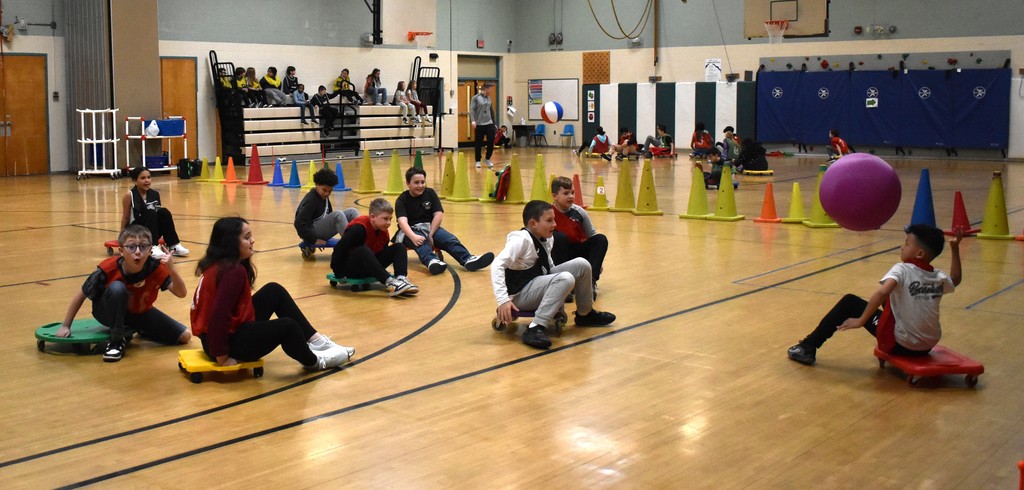
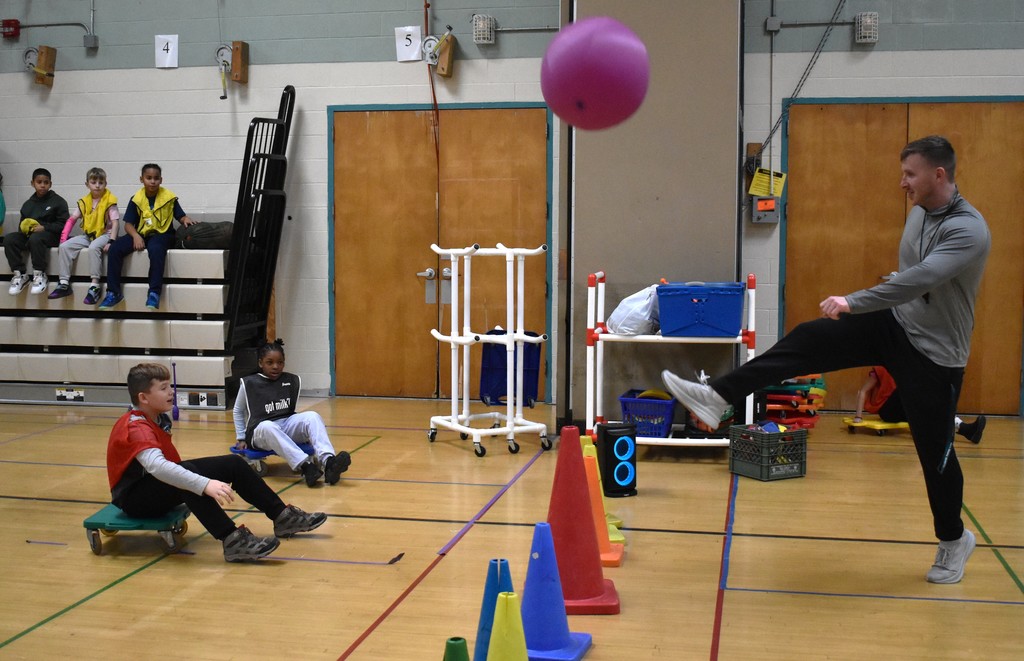
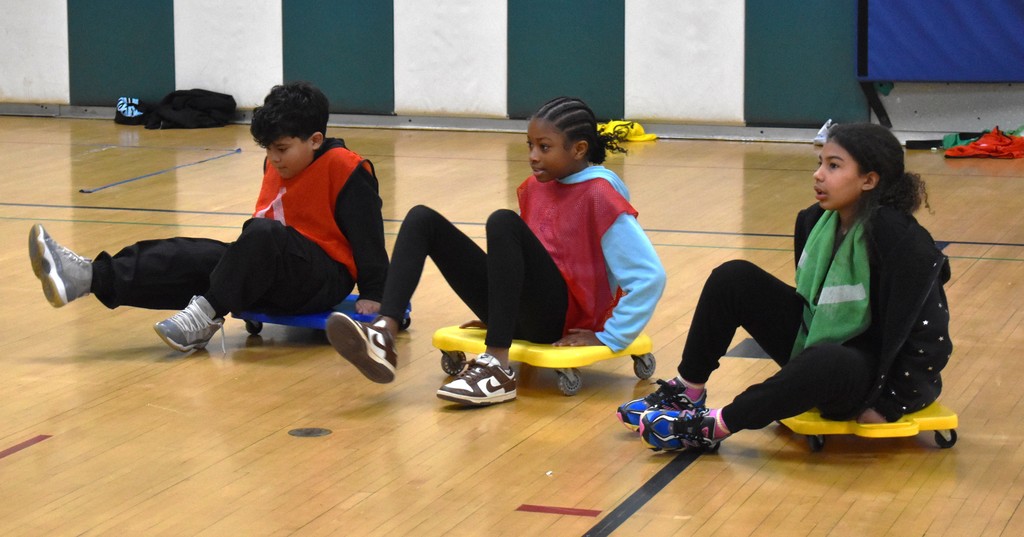
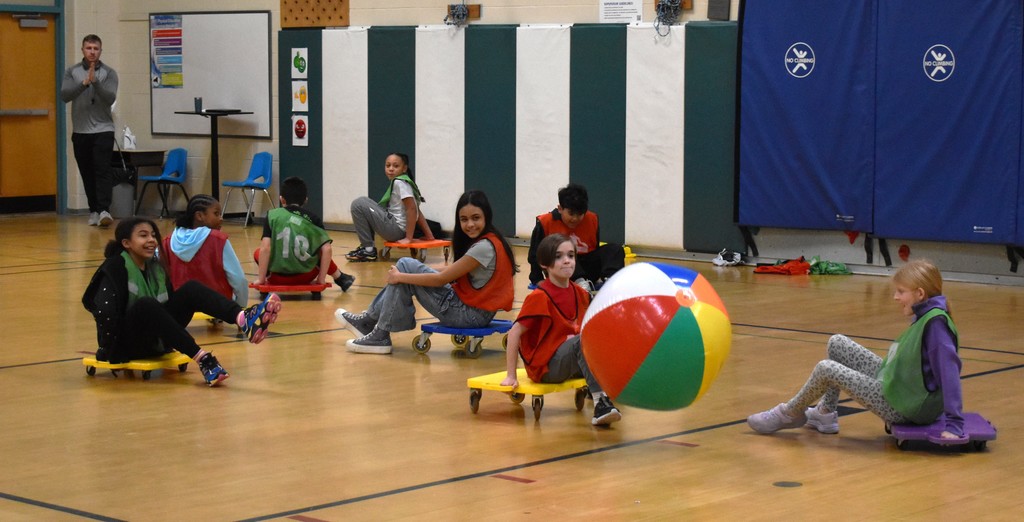
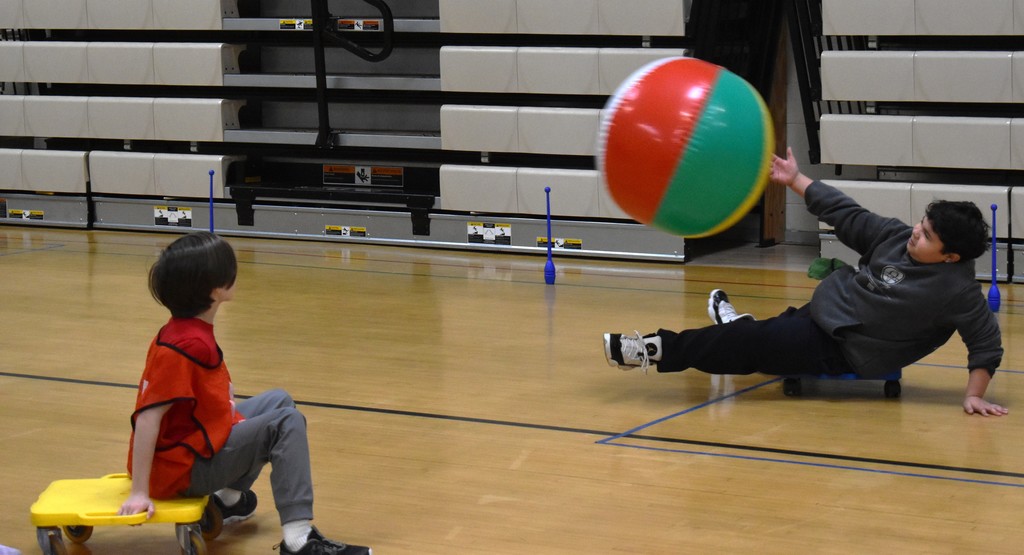
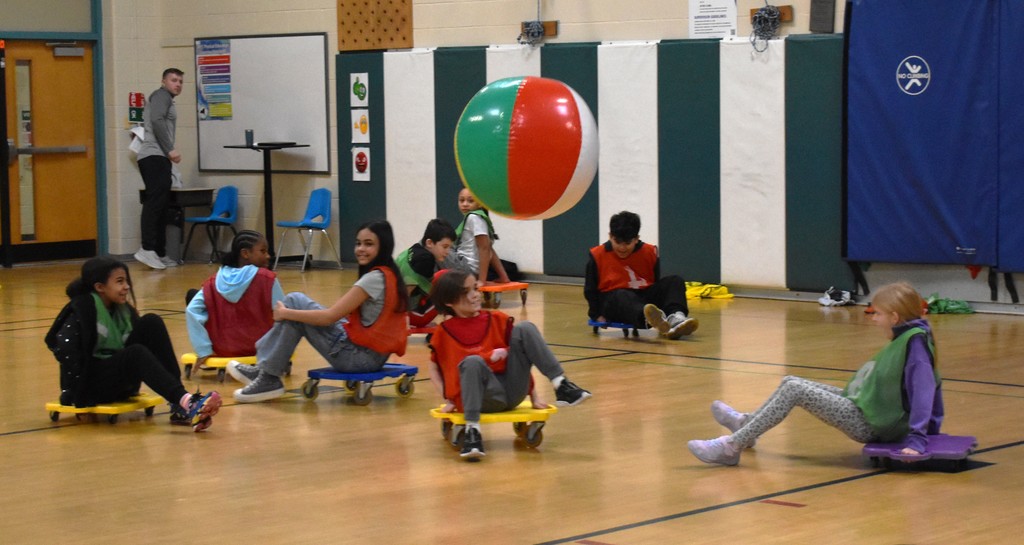
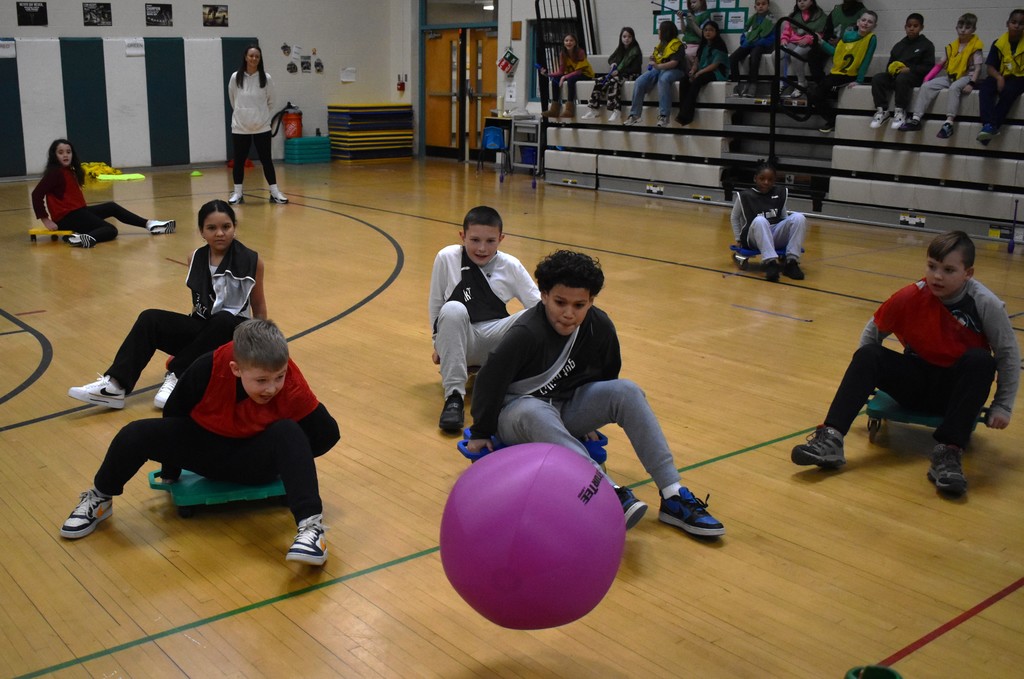
Scooter soccer is a fun, modified version of soccer where players sit on scooters used for propulsion and use their feet (or sometimes hands, depending on rules) to move a large ball and score goals in a gymnasium, emphasizing teamwork, balance and physical activity for students.
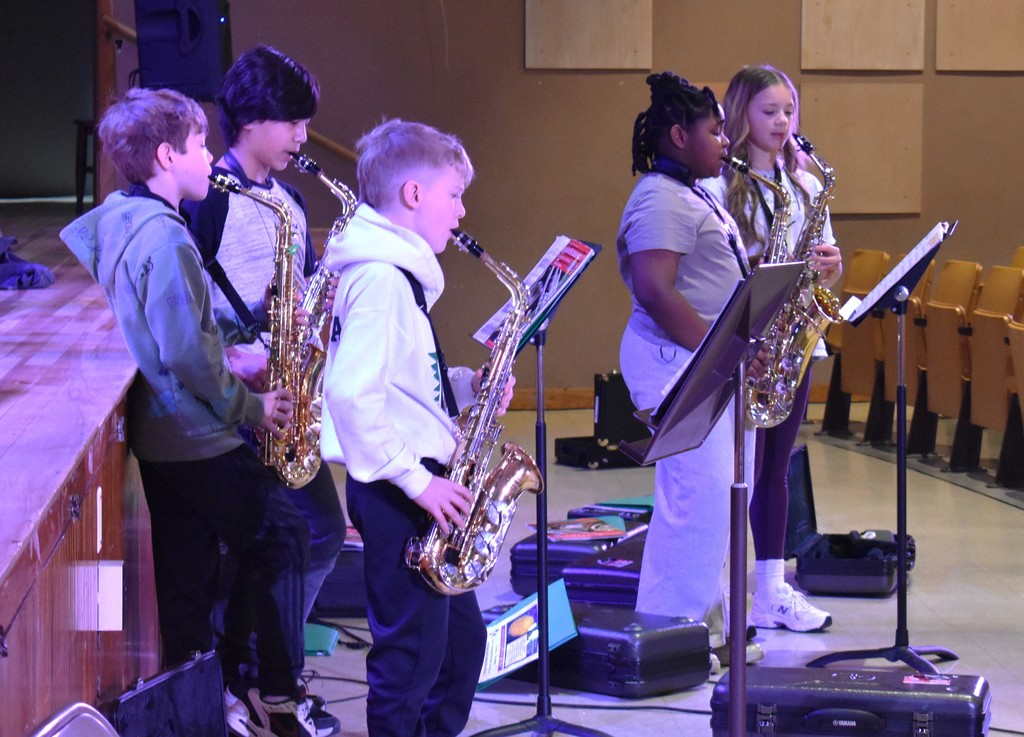
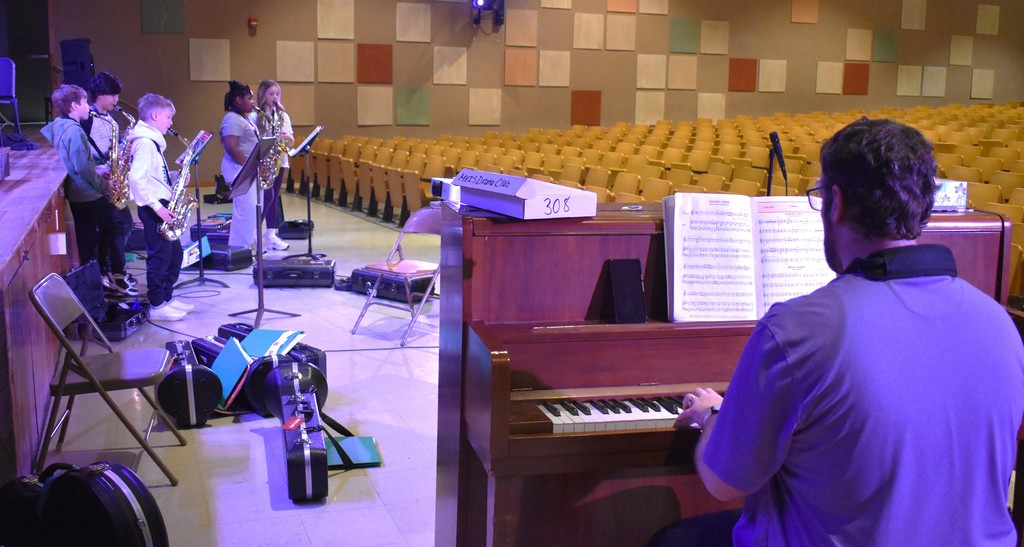
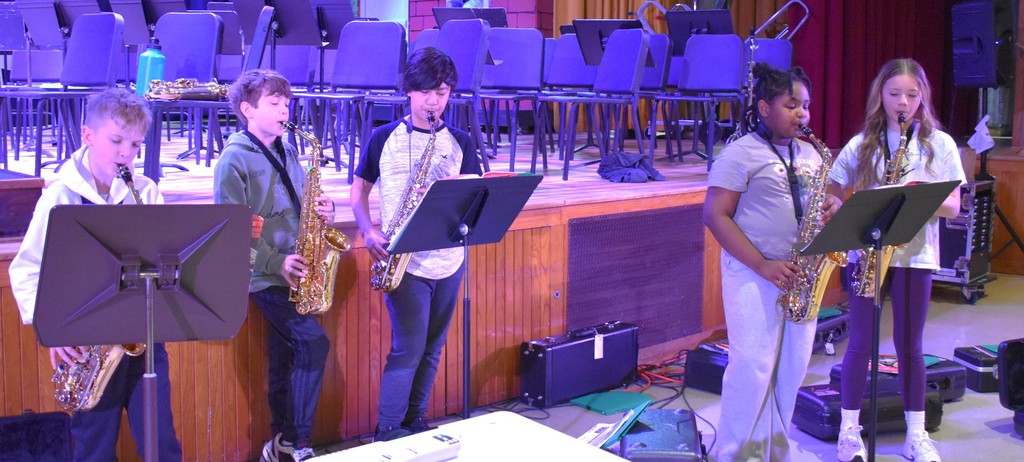
This quintet of saxophone players will perform at the upcoming IS Band Concert on Monday, Jan. 12. They’re in the midst of final rehearsals to perfect the piece they will present: Bruce Pearson’s “Sawmill Creek.”
The song introduced the sax players to two new pitches and several new musical concepts that are not covered in the regular concert music, and they will be thrilled to play it for concert goers that night!
“Sawmill Creek” is a student-friendly, melodic saxophone solo that’s rhythmically and technically approachable, ideal for developing tone, basic articulation, and performance experience early in a young musician’s studies. When performed with piano, the accompaniment supports the solo line with straightforward harmonies that help students learn phrasing and musicianship.
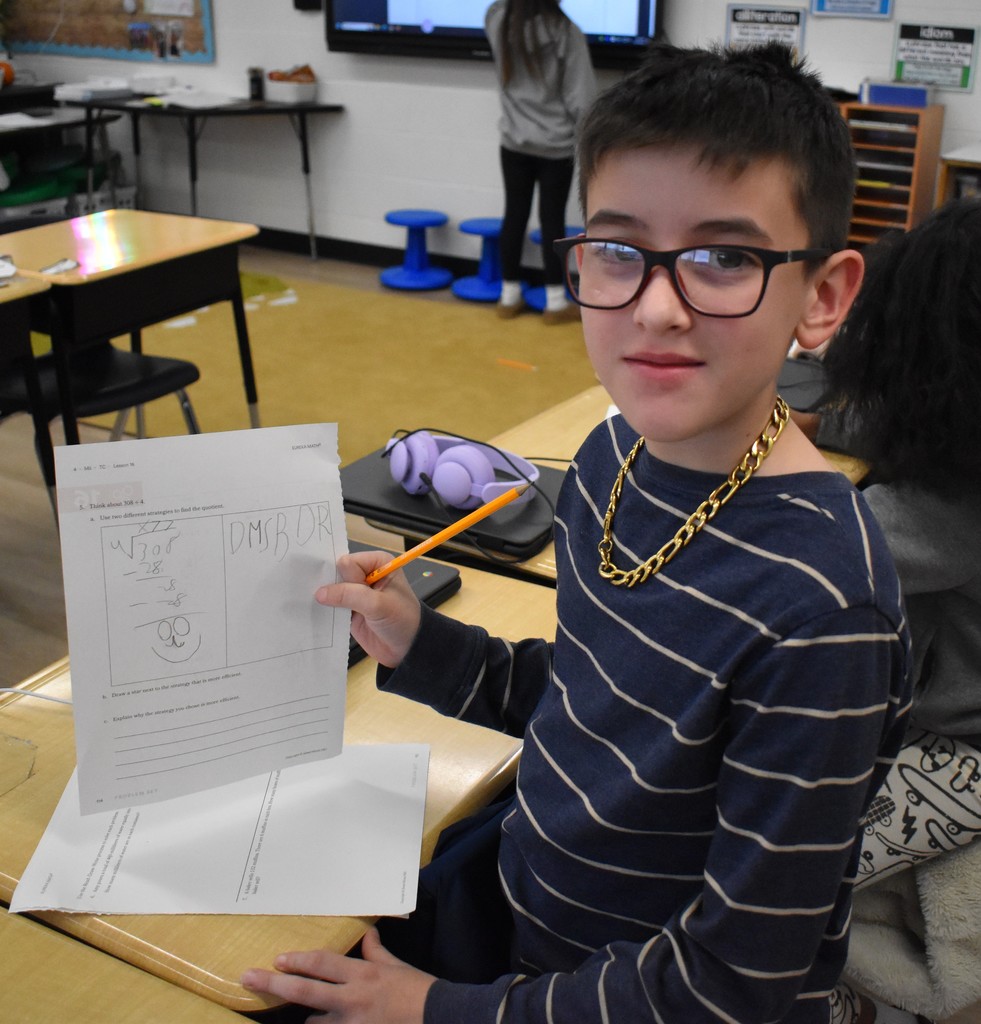
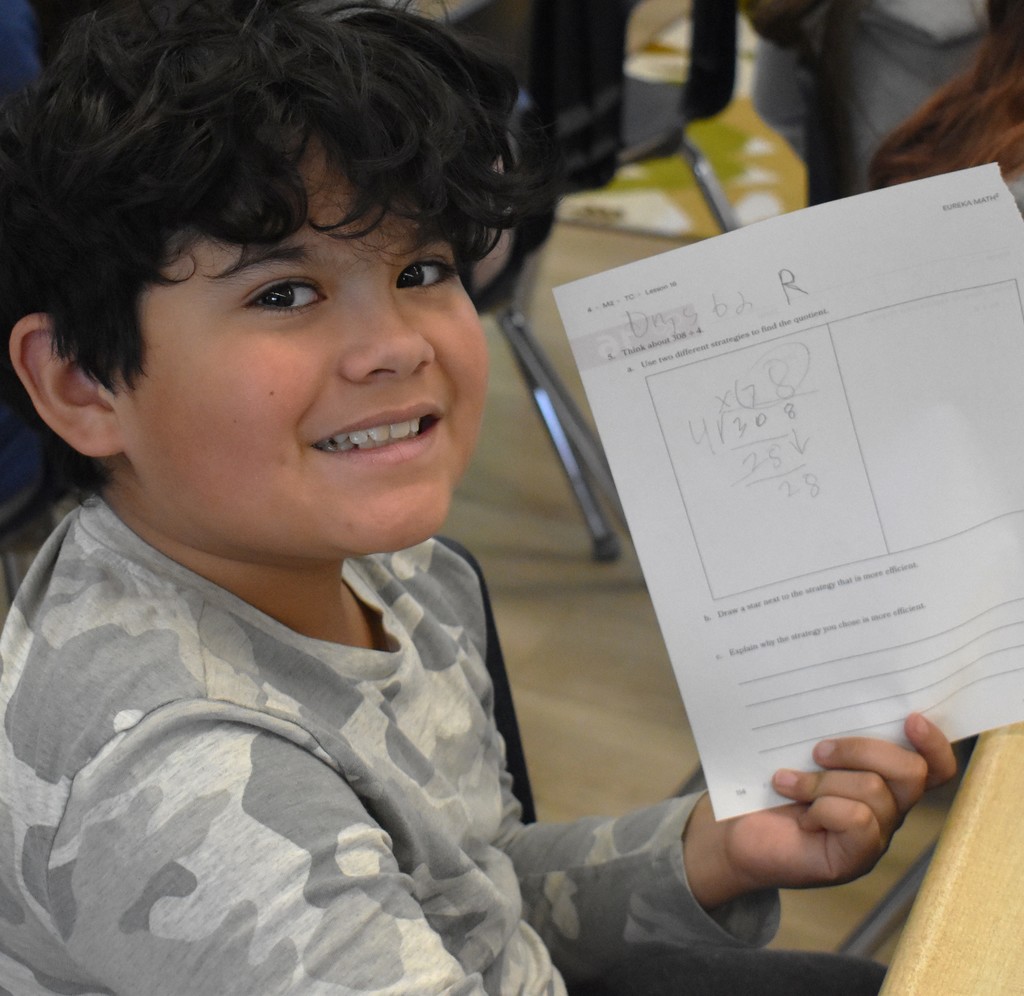
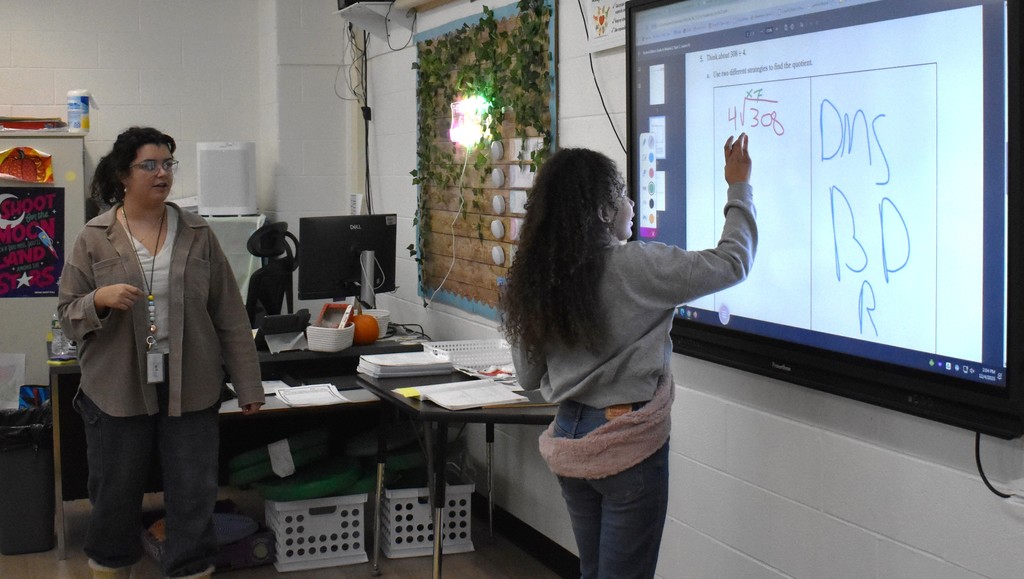
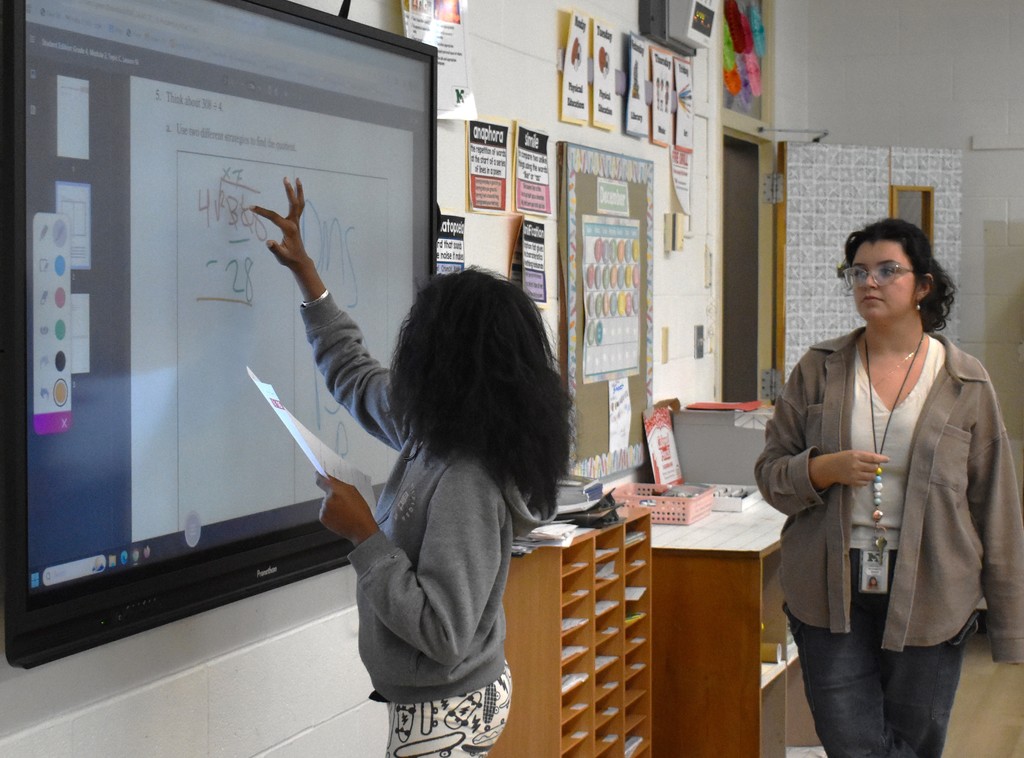
Long division is a step-by-step method for dividing large numbers by breaking the problem into smaller, manageable steps, involving a repeated cycle of Divide (D), Multiply, (M), Subtract (S), Bring Down (BD) digits from the dividend to find the quotient and any remainder, using a special bracket to organize the process…and then Repeat (R) the process….or D M S BD R.
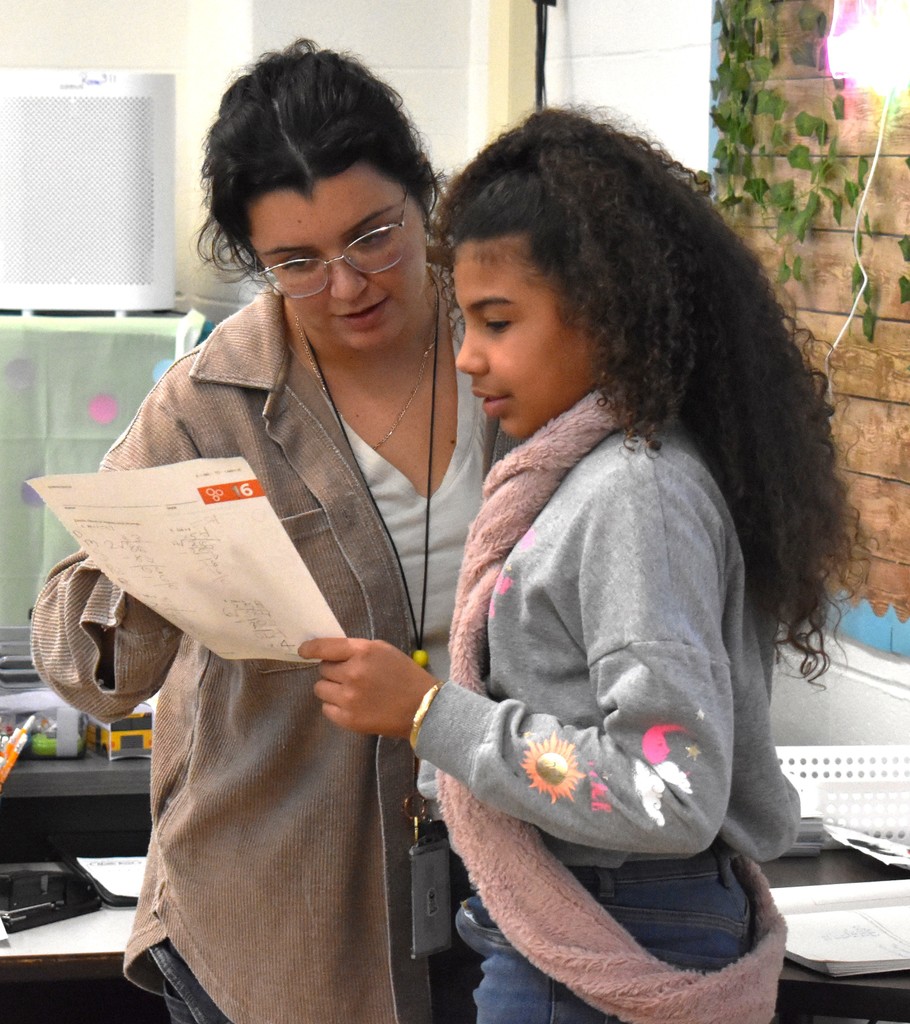
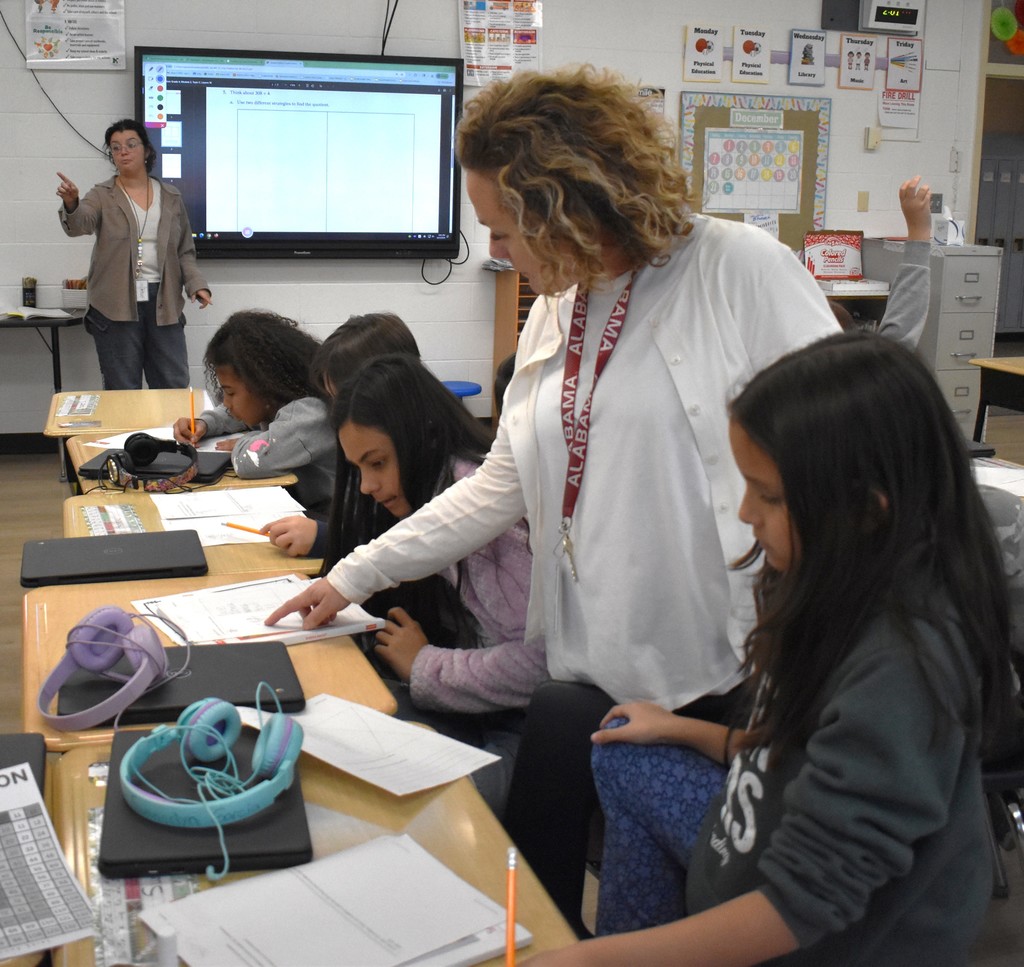
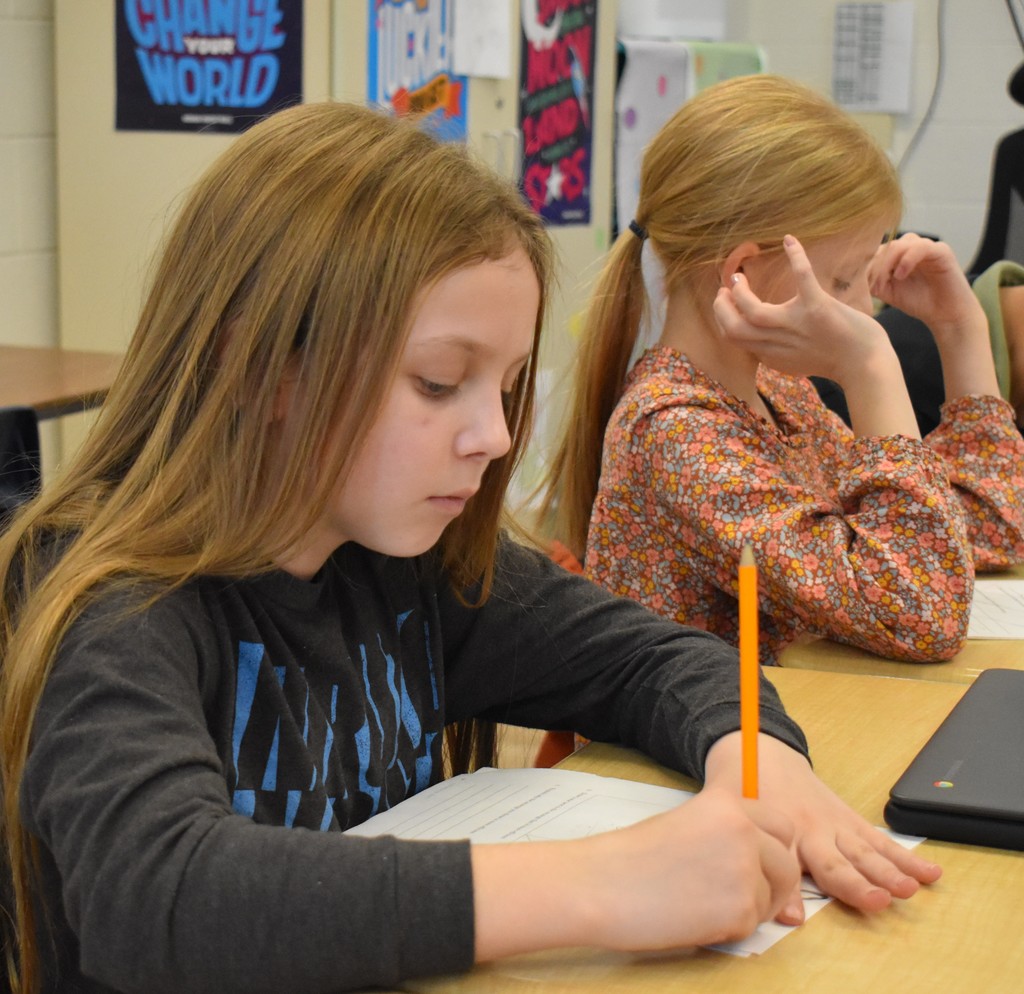
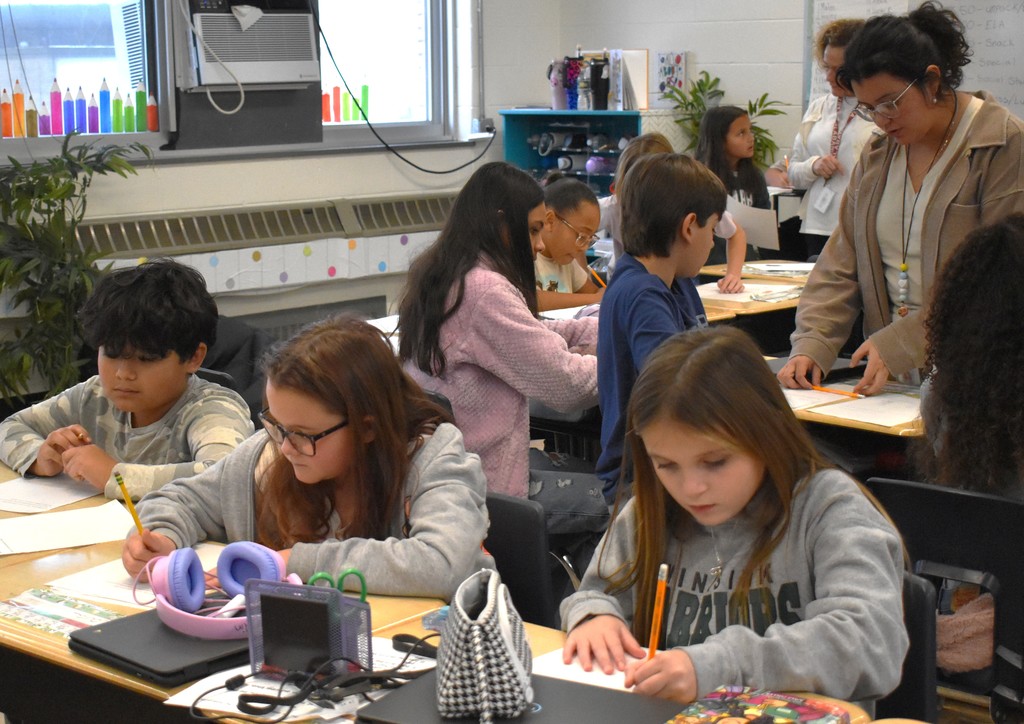
Like all district fourth-graders, Elizabeth Sirico’s and Susan Green’s IS fourth-graders have been practicing long division during their math lessons. Their students were reminded to write the letters D M S BD R on the side of their papers to help guide their work through each step of the math problem. Some students even demonstrated their strategies and explained who they arrived at their answers, which helped reinforce understanding for the class.
Long division is important because it's an efficient method for dividing large numbers, it serves as a foundation for more advanced math concepts like polynomials and calculus, and it teaches valuable problem-solving skills such as precision, attention to detail, and breaking down complex problems into smaller steps. It is a useful tool for tasks requiring exact answers, even when a calculator isn't available or the user needs to understand the underlying process and verify the result.
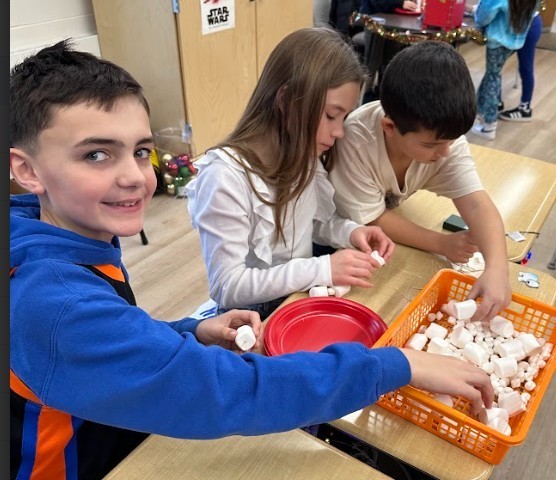
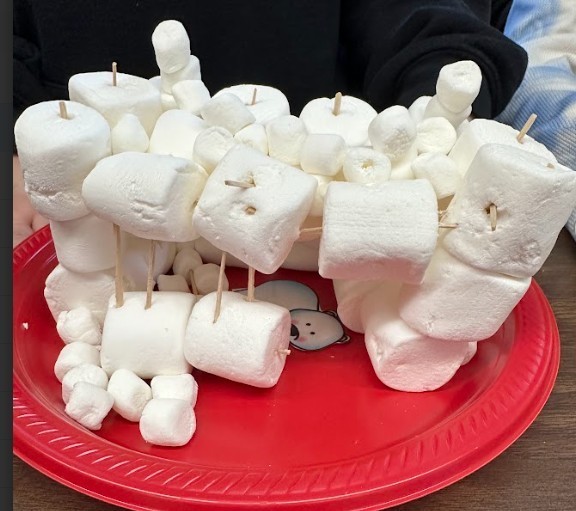
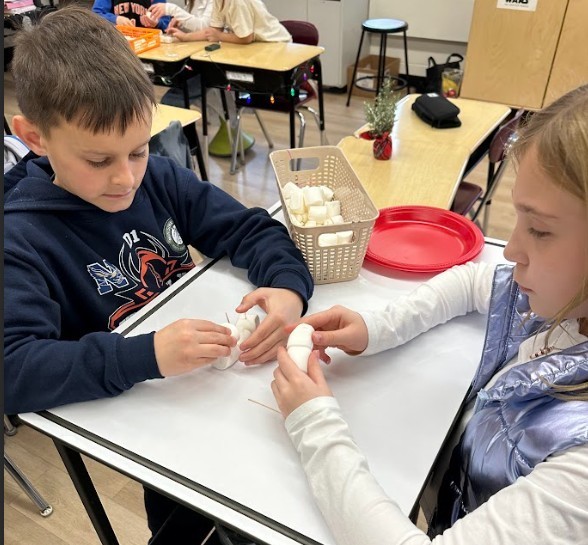
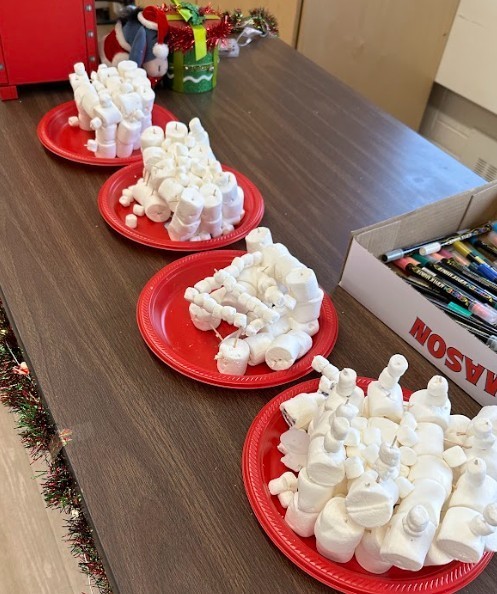
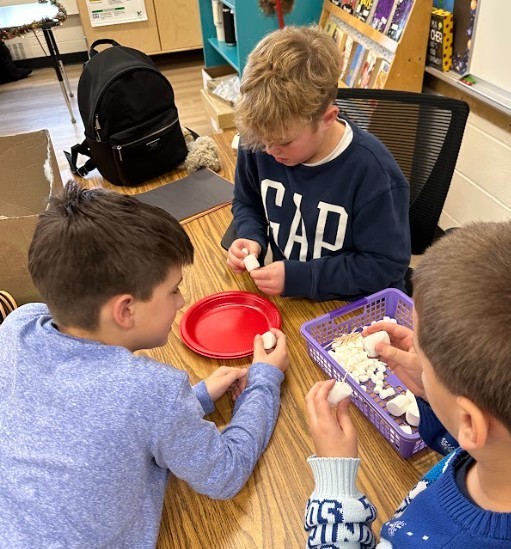
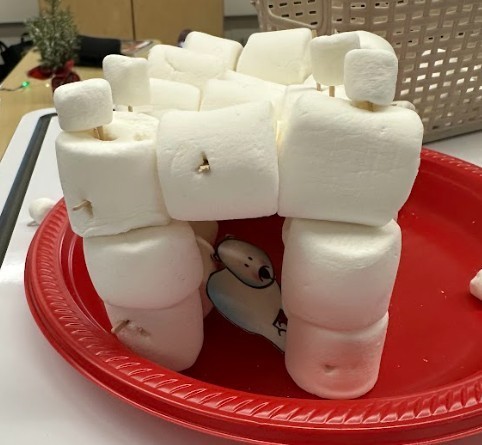
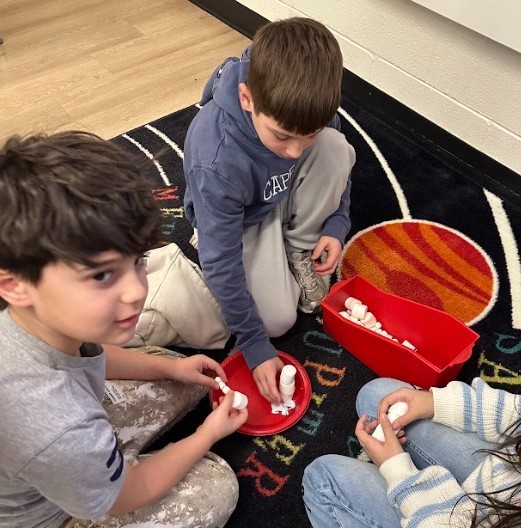
To conclude this interesting lesson, students were tasked with a hugely fun STEM activity: Creating a Polar Bear Den! Students, functioning as engineers, were tasked with helping a polar bear survive in the Arctic by building a den using marshmallows (as snow/ice) and toothpicks (as supports), that can protect their polar bear from cold and wind. It was a great classroom activity giving students an opportunity to build their growing engineering, science, teamwork, creativity, critical thinking and problem-solving skills! Plus, who doesn’t have fun working with marshmallows?
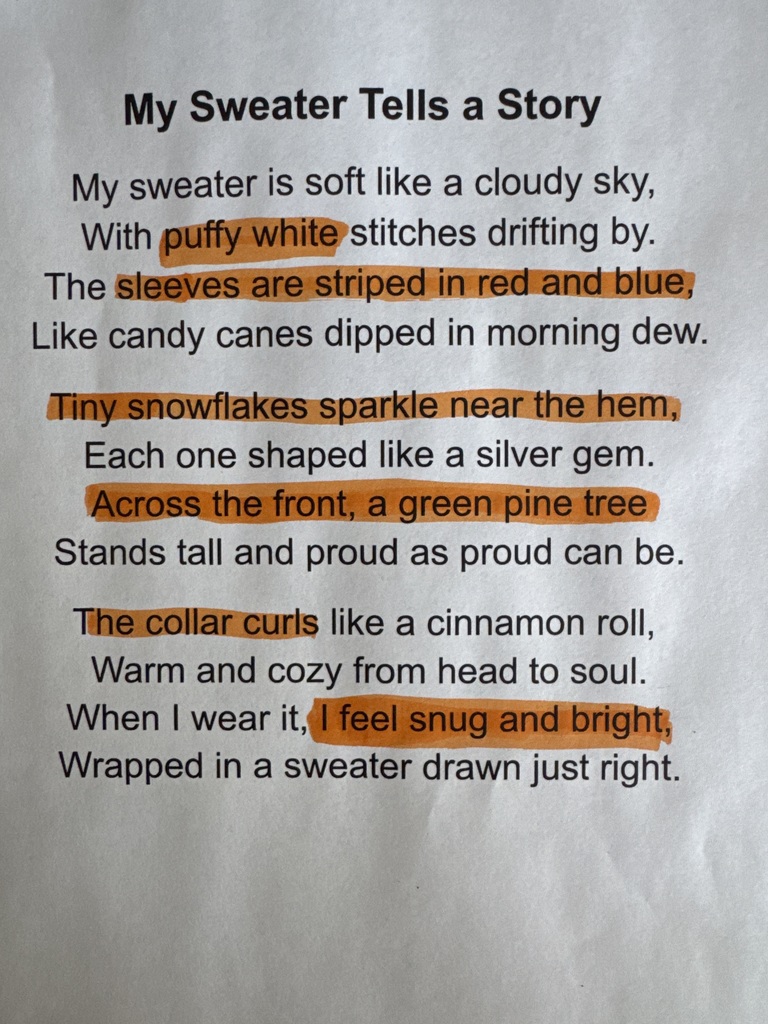
Poetic imagery is language that appeals to the senses and helps students understand how a poet creates mood and tone, why a poem conveys meaning beyond its literal statements and why poetry may feel different from prose.
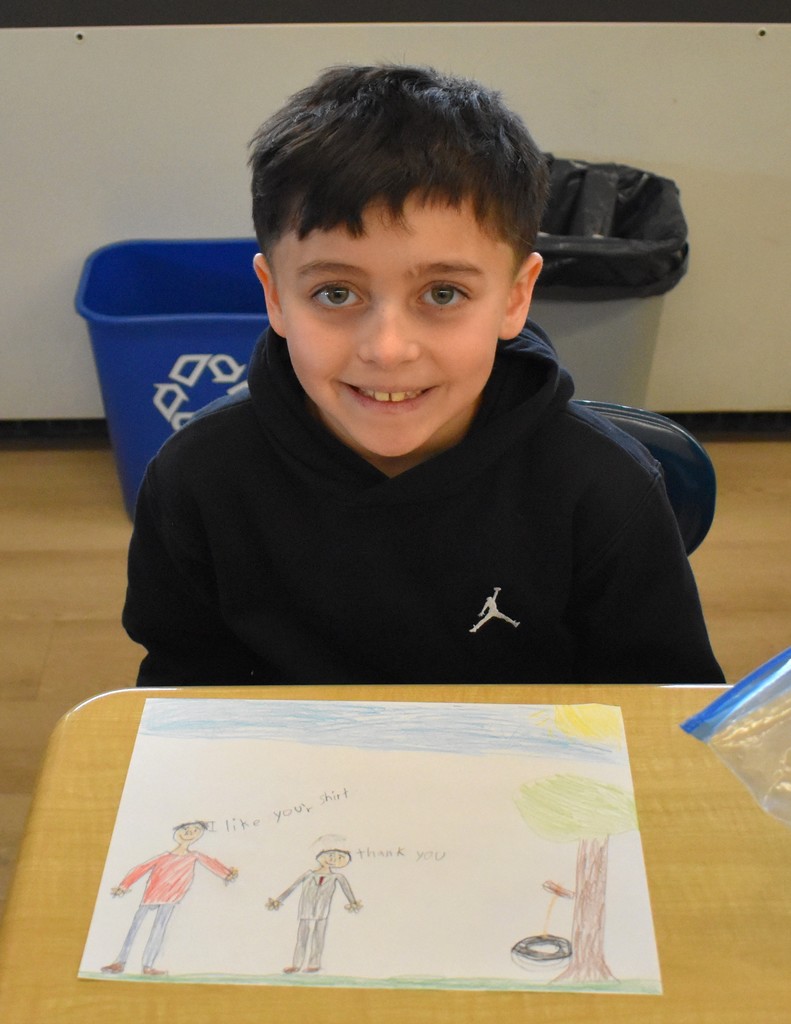
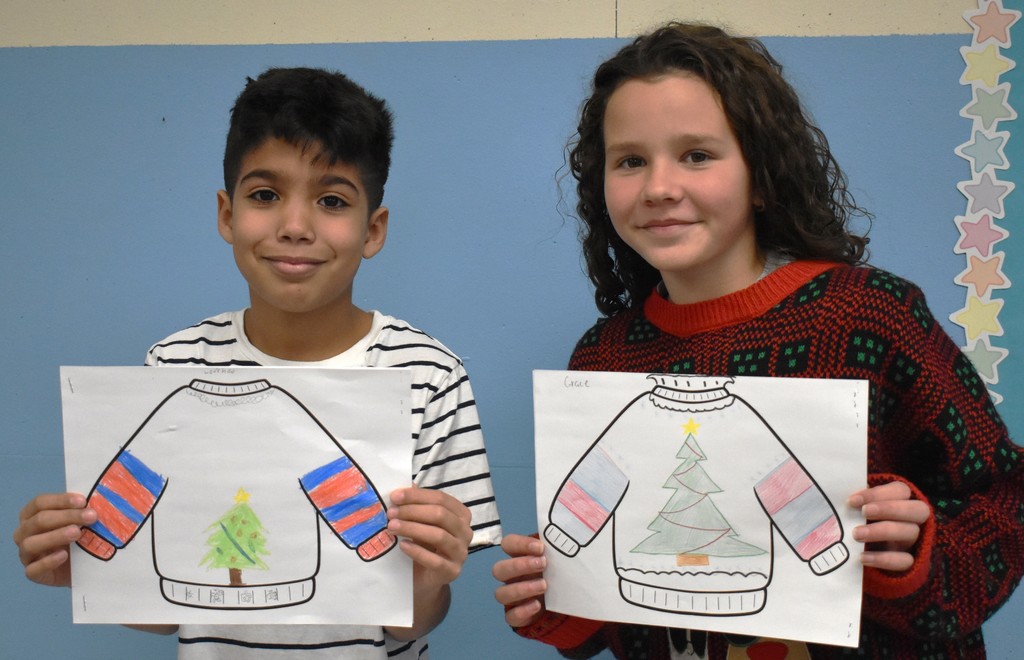
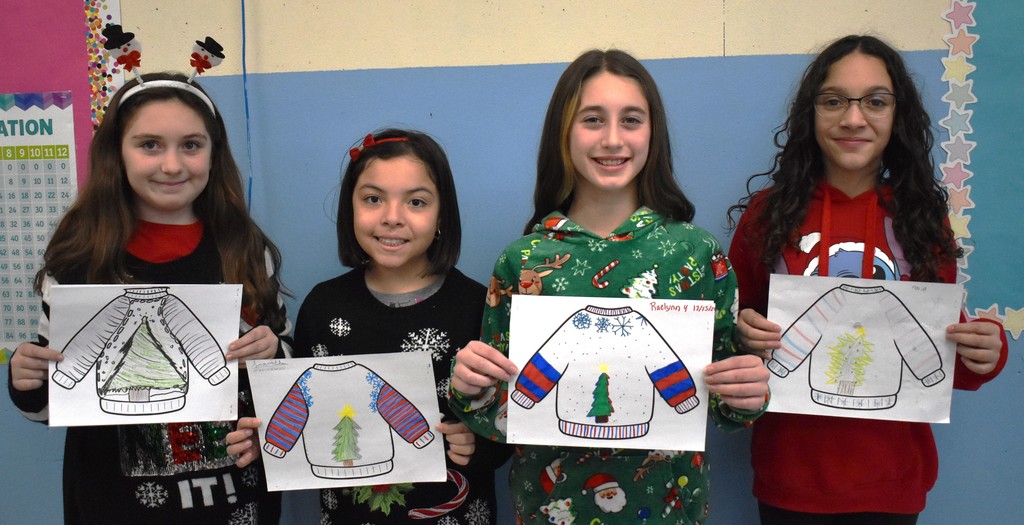
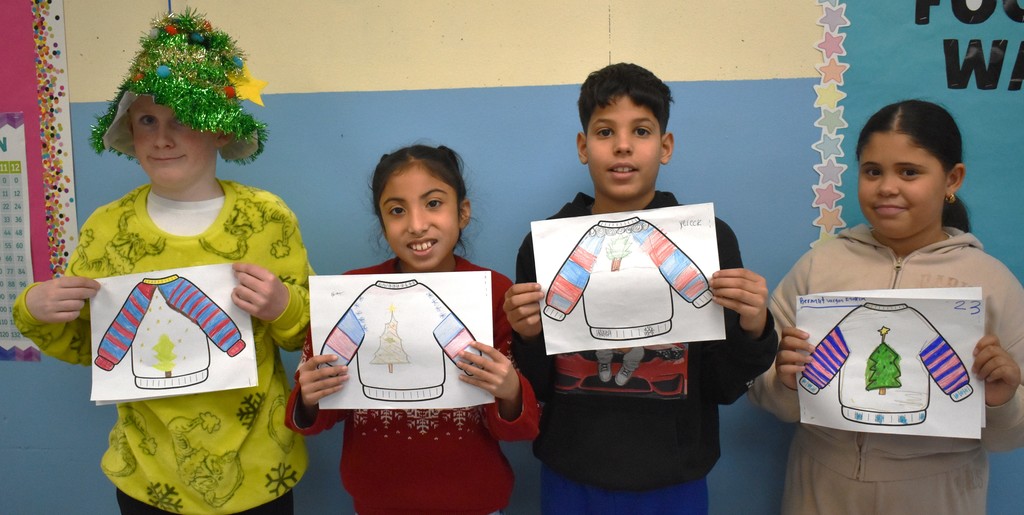
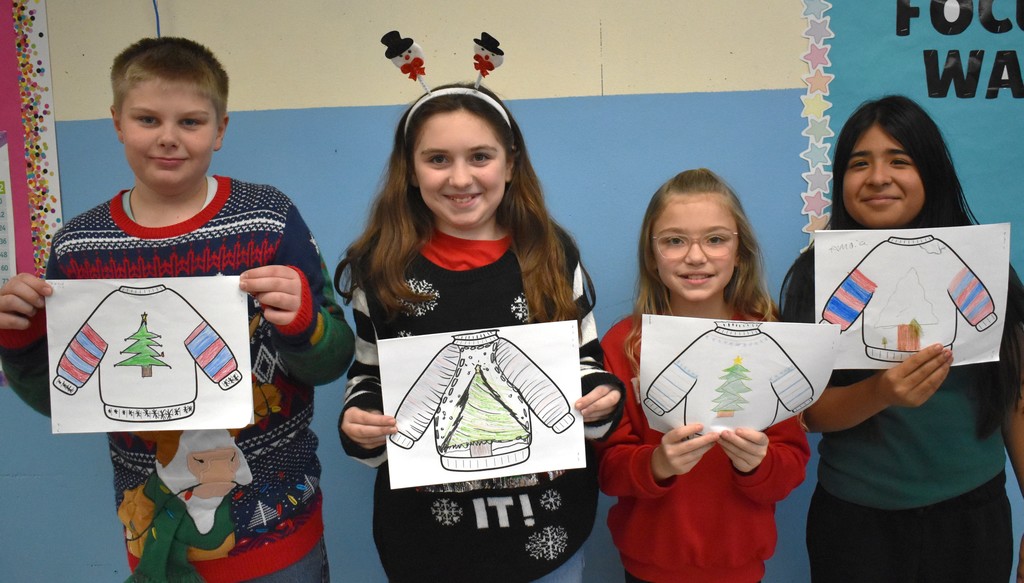
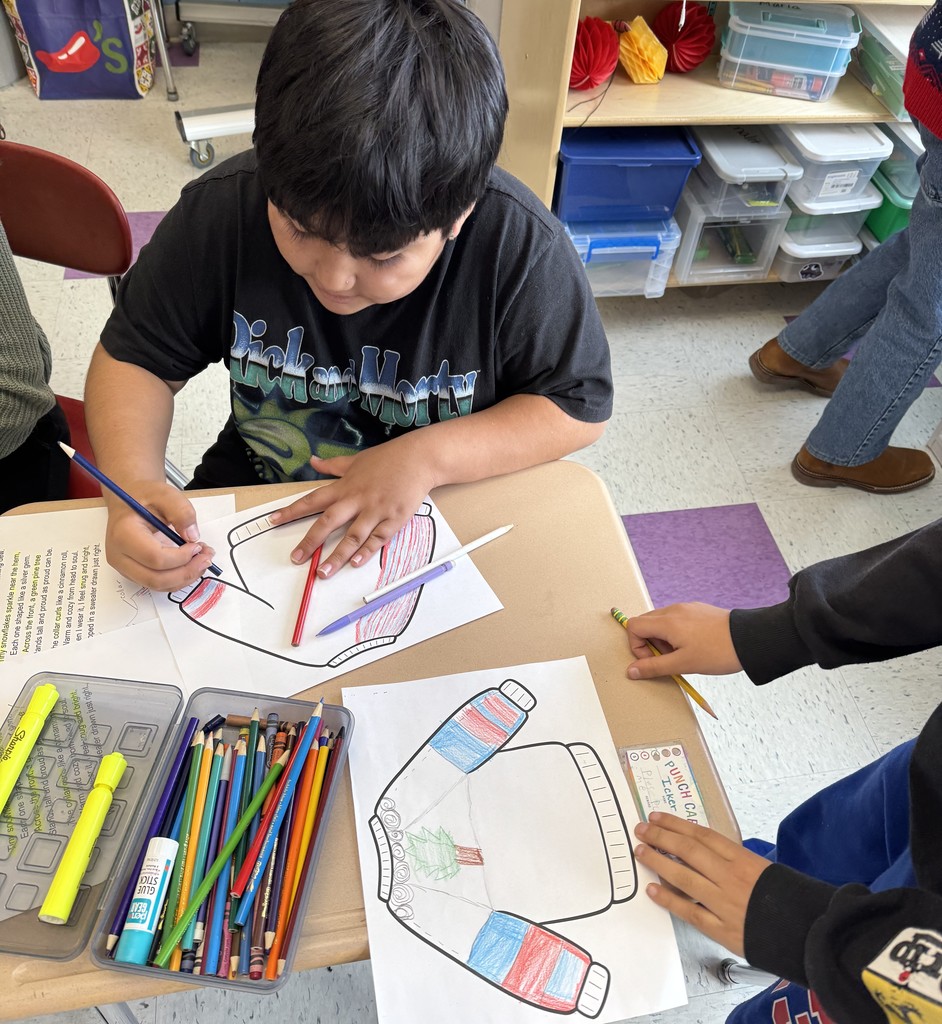
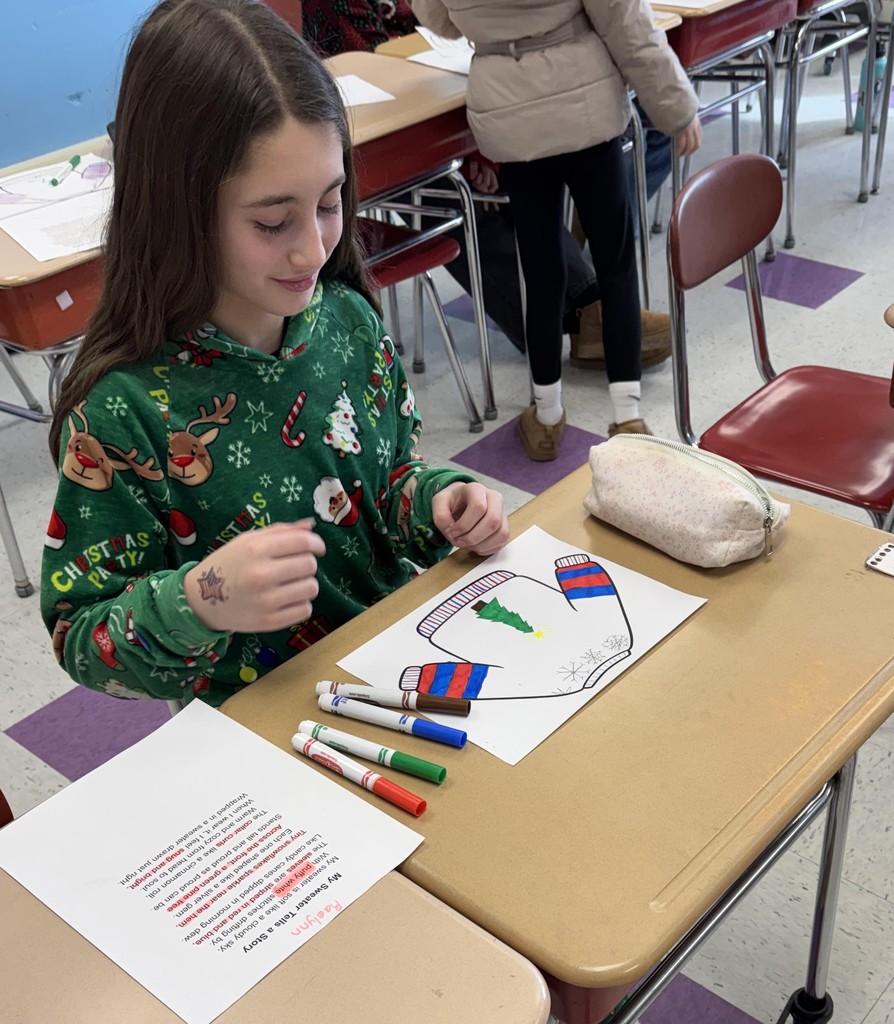
Like all district fifth-graders, Alexa Covais’ IS fifth-graders are in the midst of their Amplify CKLA poetry unit. One of their discussions includes the imagery a poem may invoke. In a seasonal connection, students read a poem called “My Sweater Tells a Story.” They were tasked with highlighting the poem’s imagery and in an art component to the lesson, created the sweater based on what they pictured when finding the imagery in the poem.
Fifth graders learn about poetic imagery because it helps them understand how poems create meaning and emotion, not just what the poem says on the surface. This helps students with abstract thinking, reading, writing and future literary analysis skills. Take a look at their sweater creations and how they align with the poem’s imagery!

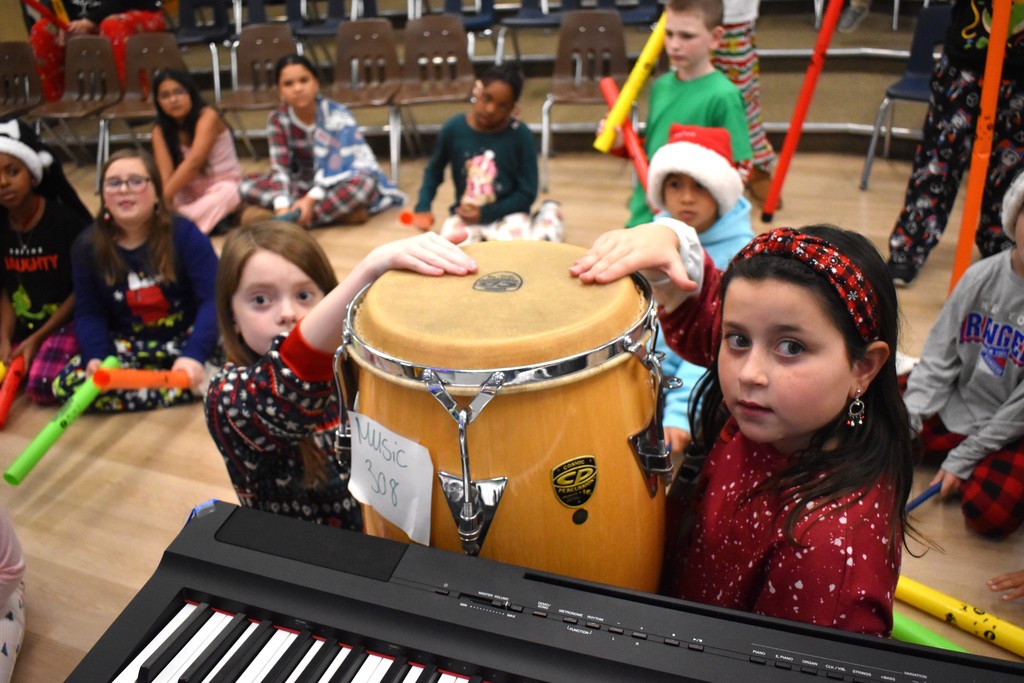
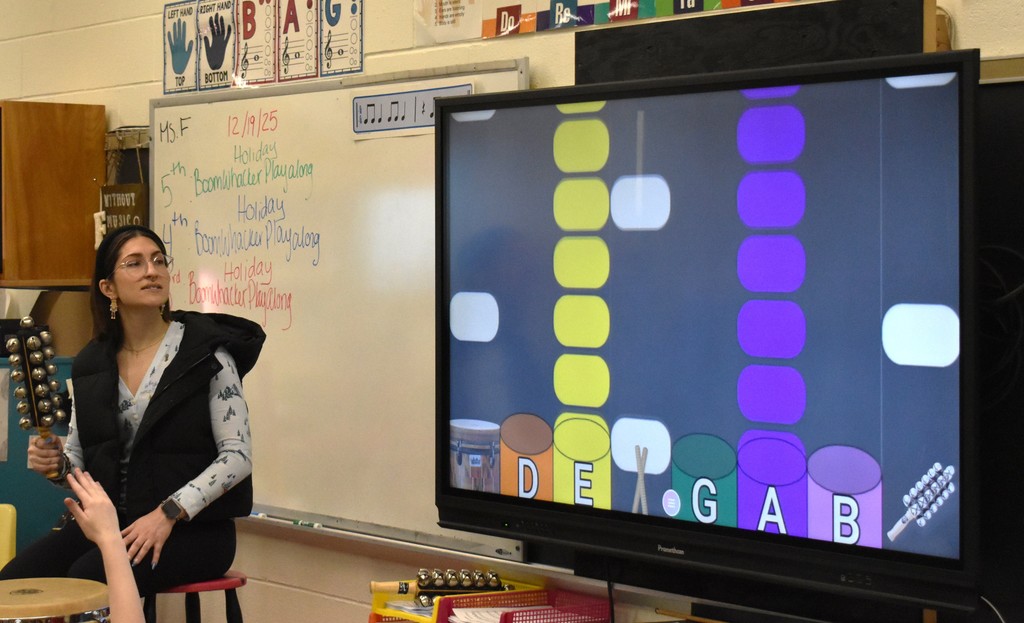
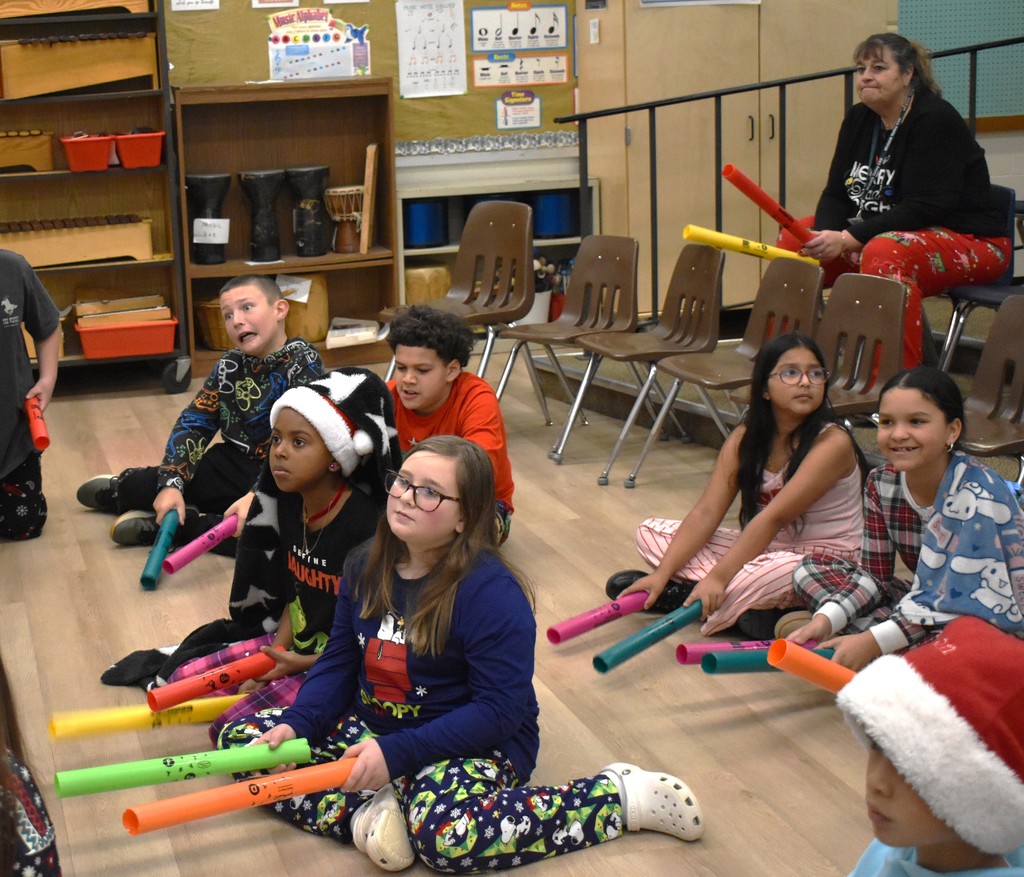
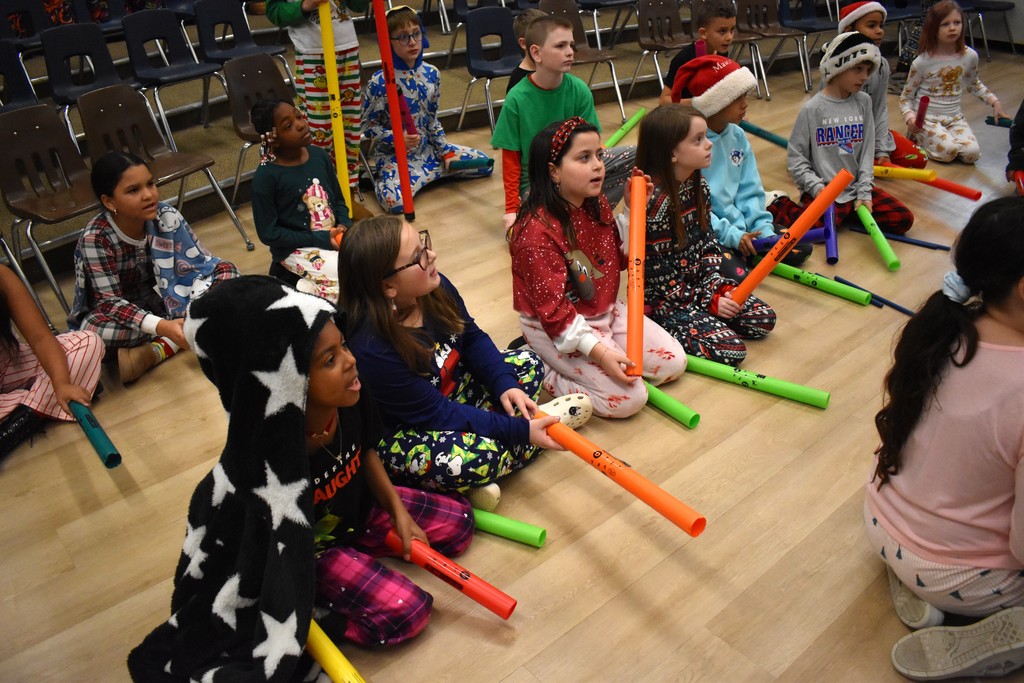
What do Mariah Carey’s “All I want for Christmas” and boomwhackers have in common?
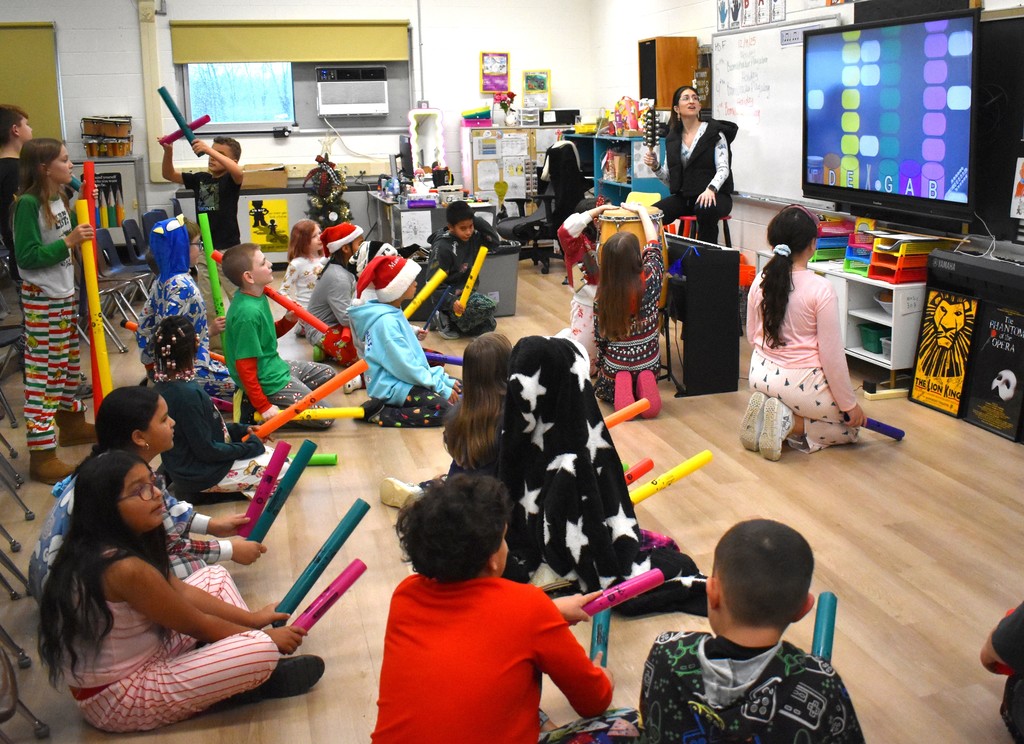
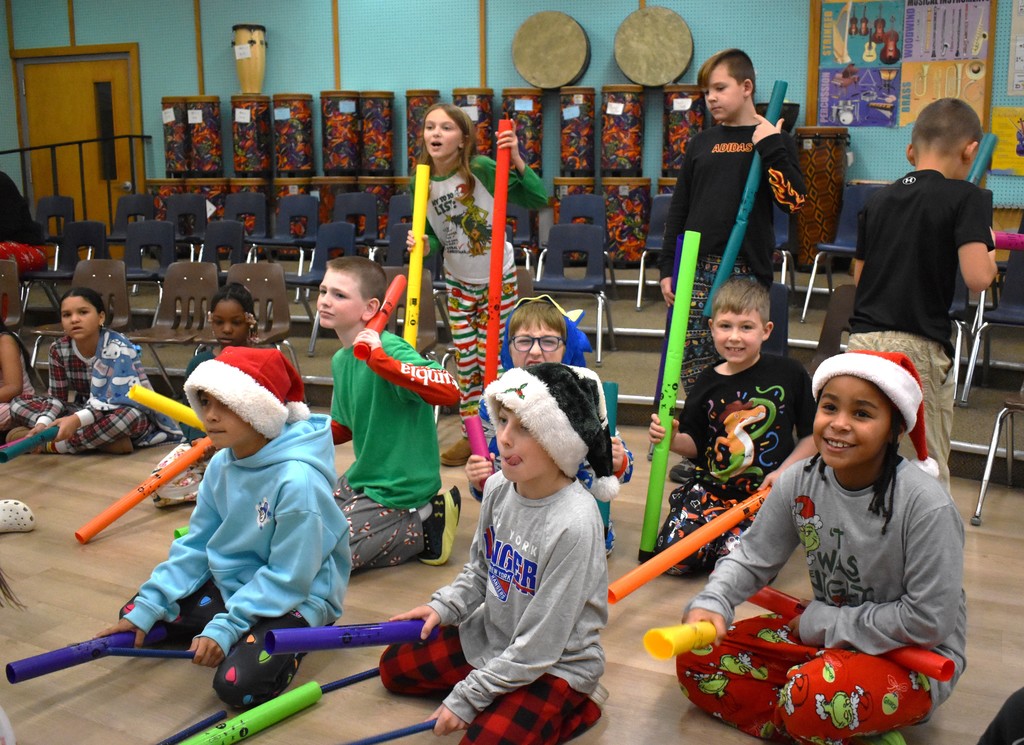
Simple! It’s Deanna Feuerbach’s IS fourth-grade music students singing that song as they play Boomwhackers!
A Boomwhacker is a colorful plastic percussion instrument — basically a hollow tube — that makes a musical note when you hit it against something (like your hand, the floor, or another Boomwhacker).
Each tube is a different length, which gives it a different pitch and each pitch has its own color. Students use Boomwhackers to learn rhythm and melody, play songs as a group and explore music without needing traditional instruments.
Boomwhackers are easy and fun to play! Pair them up with holiday songs, and it’s the perfect seasonal music lesson!
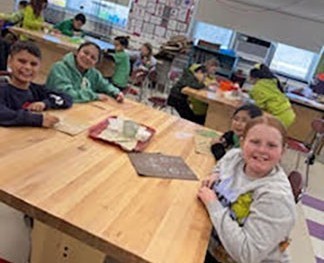
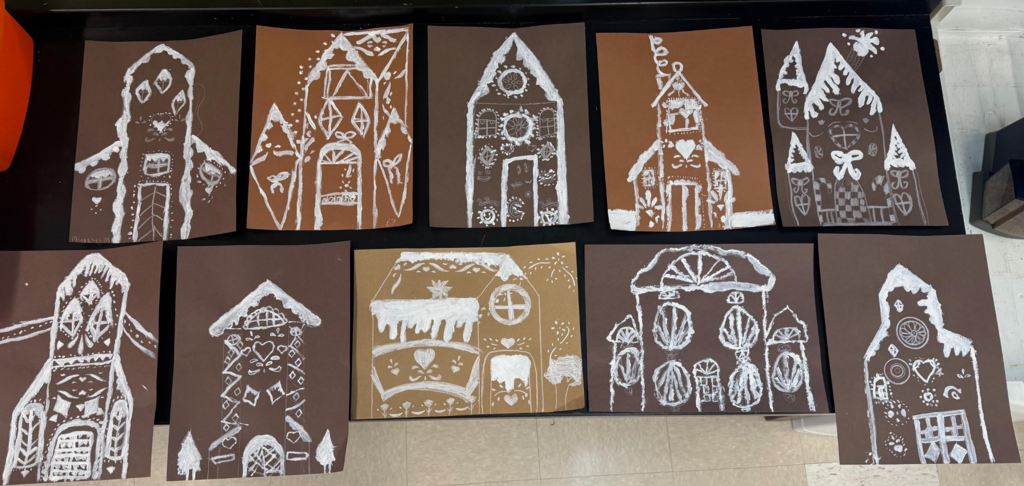
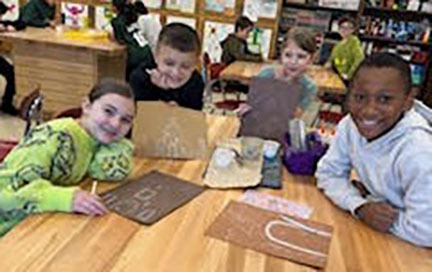
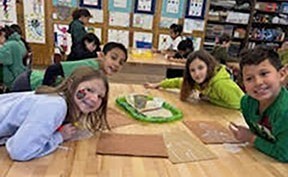
•Gingerbread houses are associated with Victorian houses because of a mix of architectural style, decoration habits and 19th-century culture.
•In the Grimm Brothers’ “Hansel and Gretel,” the children discover a house made of bread, cake, and sugar, with windows of clear sugar. The story never explicitly says “gingerbread,” but it does describe an edible house made of baked goods and sweets. Over time, people naturally imagined this as gingerbread, because it was one of the few sturdy sweet breads that could realistically form walls and roofs.
KUDOS to the Intermediate School “Route 6” K-Kids and Otisville K-Kids clubs, who joined forces in November in a service project supporting Wreaths Across America at the Orange County Veterans Memorial Cemetery in Goshen with a collective donation!
The mission of Wreaths Across America is to “remember the fallen, honor those who serve, and teach future generations the value of freedom.”
Students from both clubs raised $1,842 and sponsored a total of 107 wreaths! Along with community members, they volunteered to honor every veteran by helping to place over 4,000 Remembrance Wreaths on the grave sites of local veterans. THANK YOU to everyone who contributed to the success of this initiative.
K-Kids is a global student-led program that provides members with learning and experiences to build character, improve communities and gain leadership skills through service. We appreciate the ongoing support of our Minisink Kiwanis partners to work with our students.

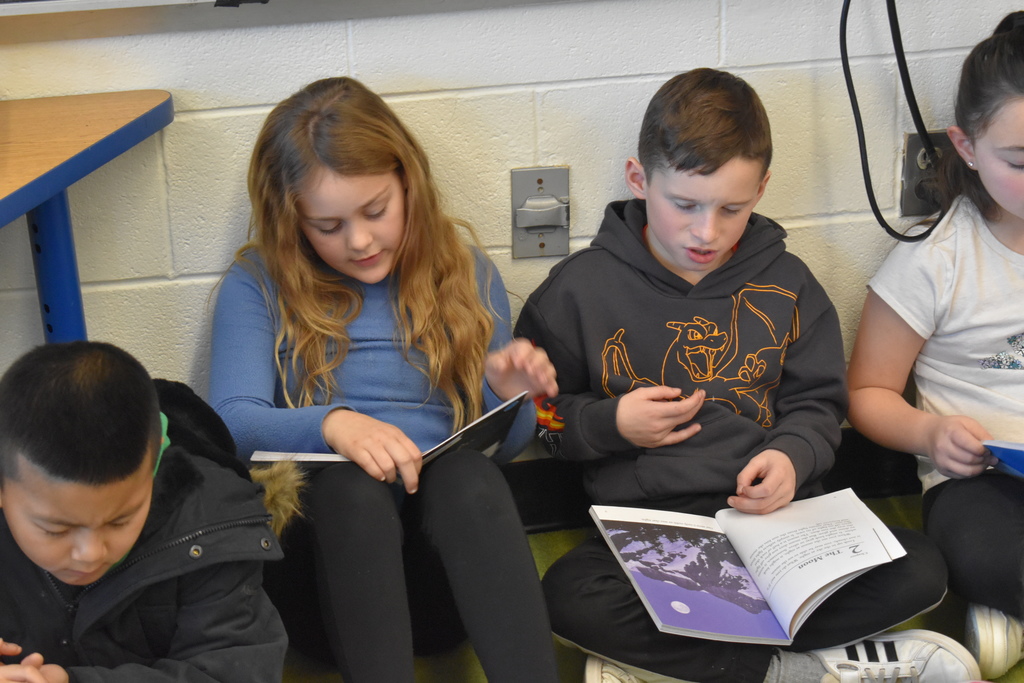
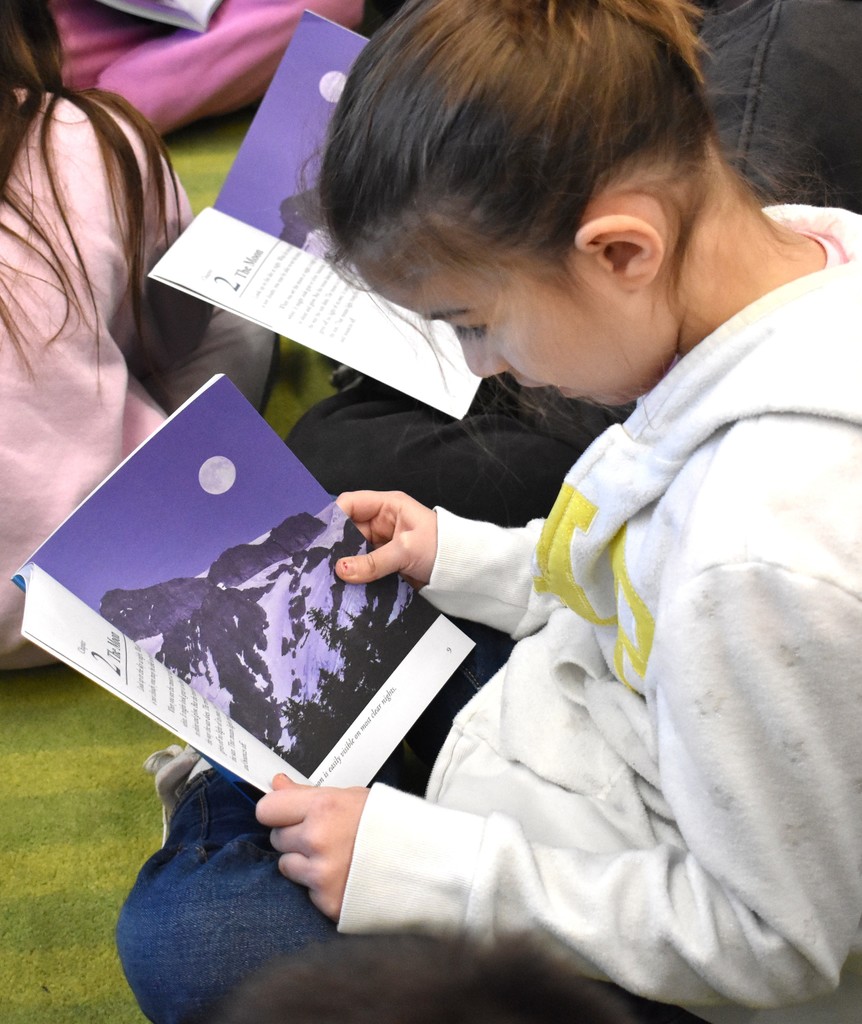
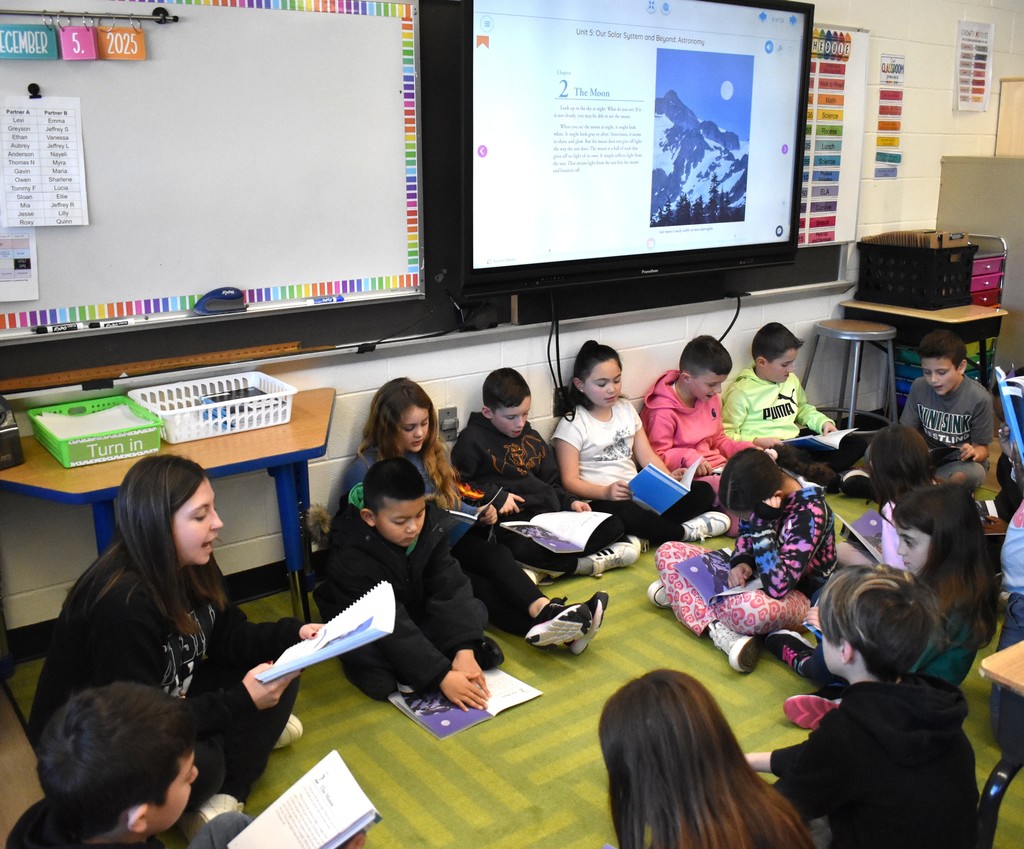
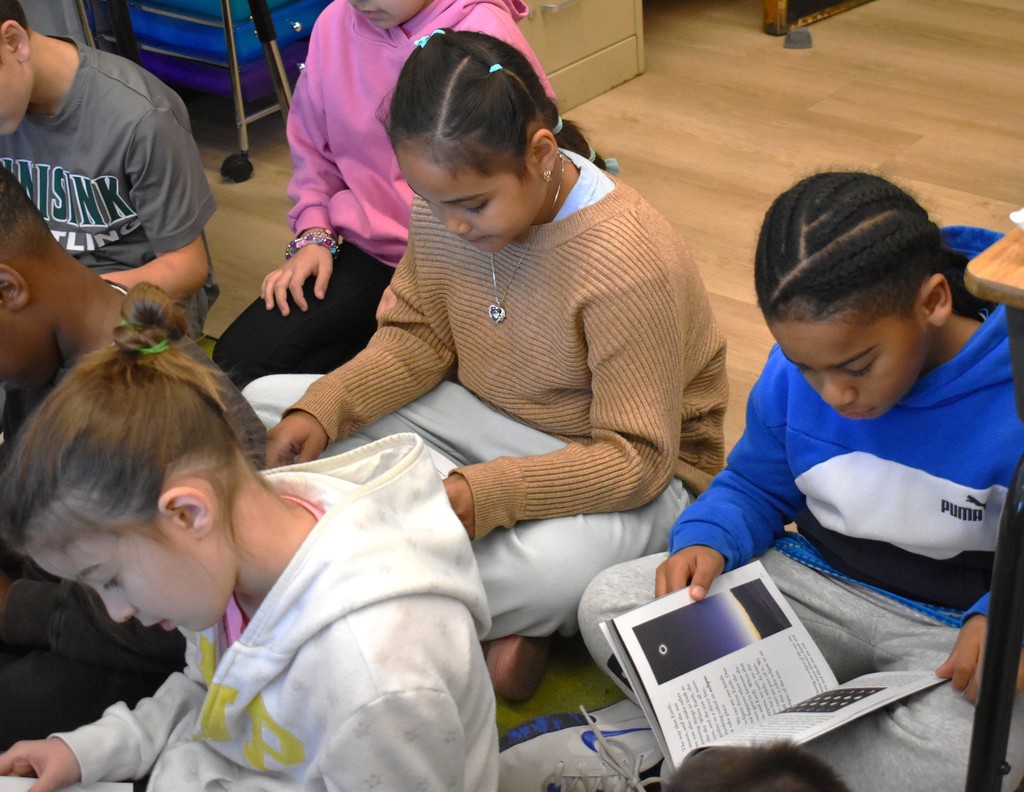
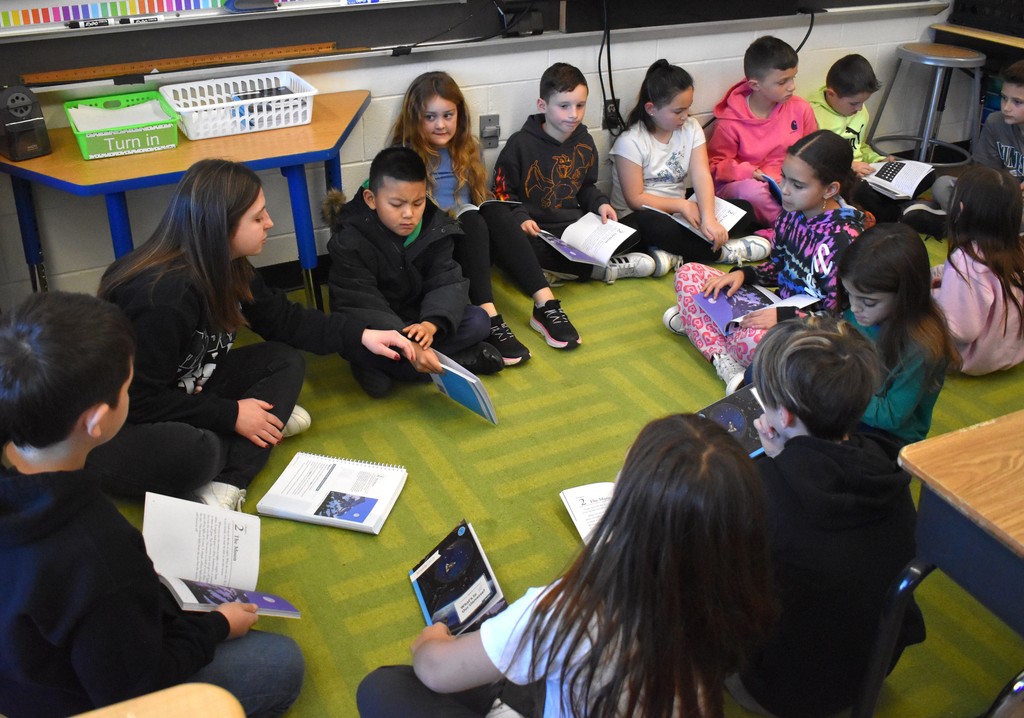
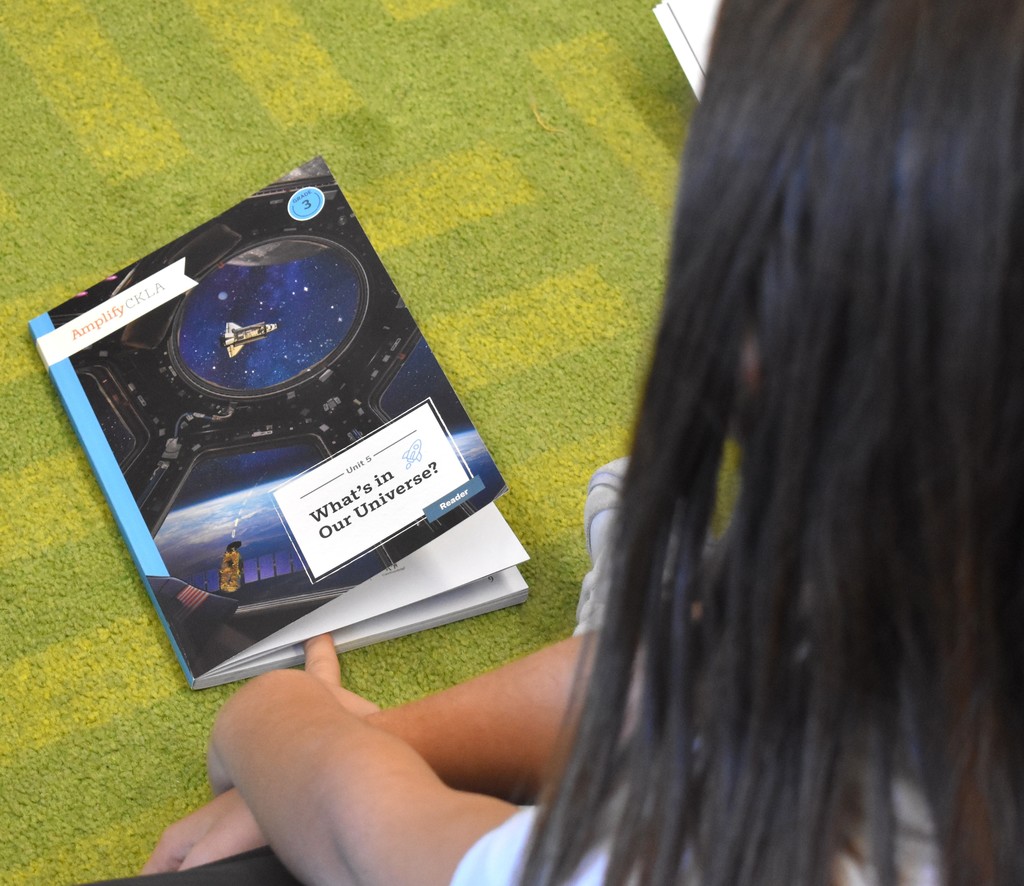
Erin Hawthorne’s IS third-graders have been choral reading their Amplify CKLA "What's in Our Universe" book, which focuses on astronomy and space exploration through nonfiction texts, while supporting important phonics, spelling and grammar skills. Students are reading about the solar system, galaxies, stars, constellations, the Big Bang, space exploration and more.
This reading exercise focused on the moon. Students learned the moon doesn’t give off any light of its own but instead reflects the light of the sun. They also discussed how the moon looks different at different times of the month because of how much light from the sun is being reflected and how much of the moon can been seen from the Earth.
Choral reading helps students practice smooth reading, proper pace and expression and rhythm. Because everyone reads together, students hear fluent reading while doing it themselves. Besides the student interaction and social component, choral reading also strengthens speaking and listening skills, improves pronunciation and vocabulary and strengthens comprehension
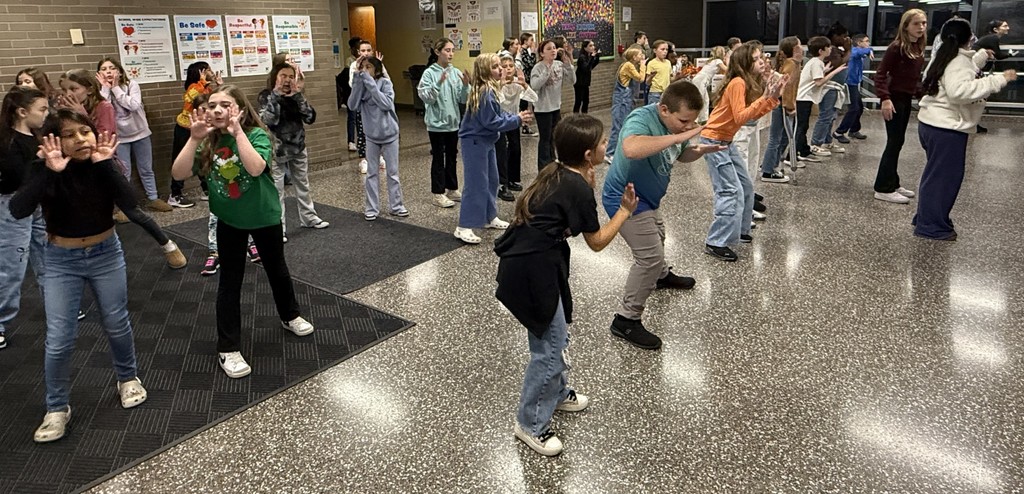
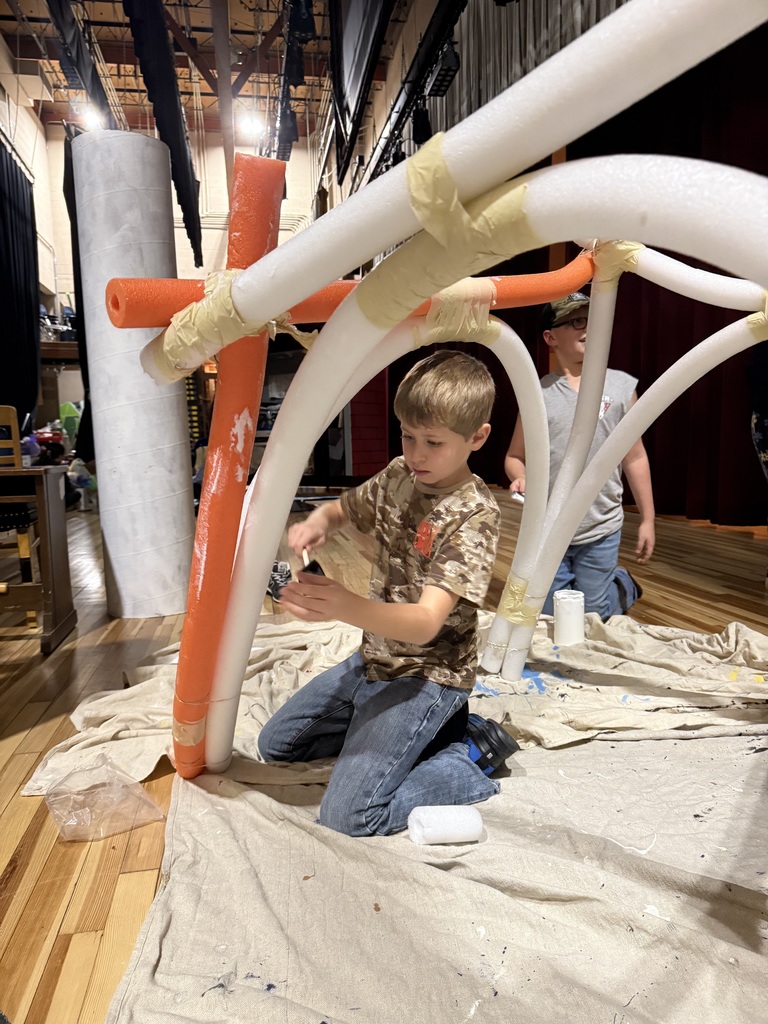
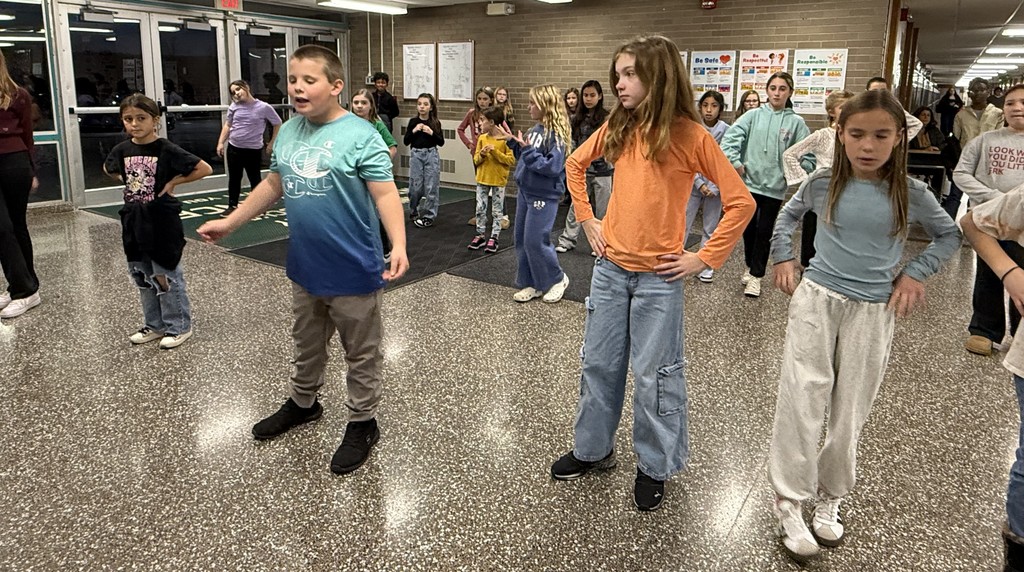
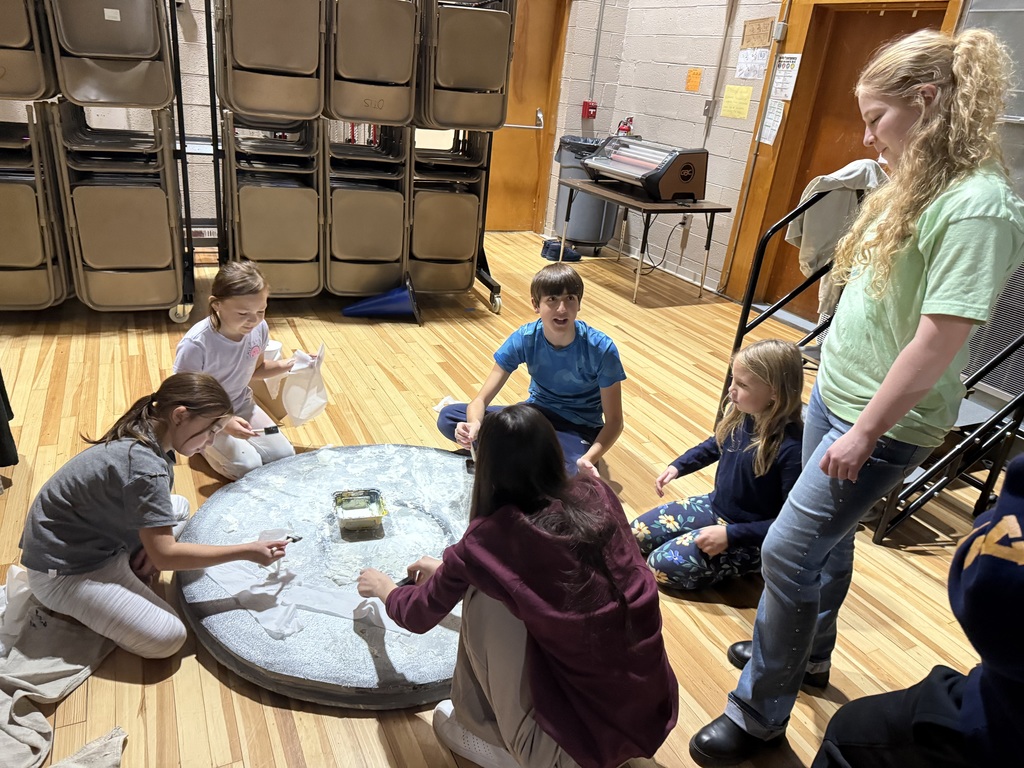
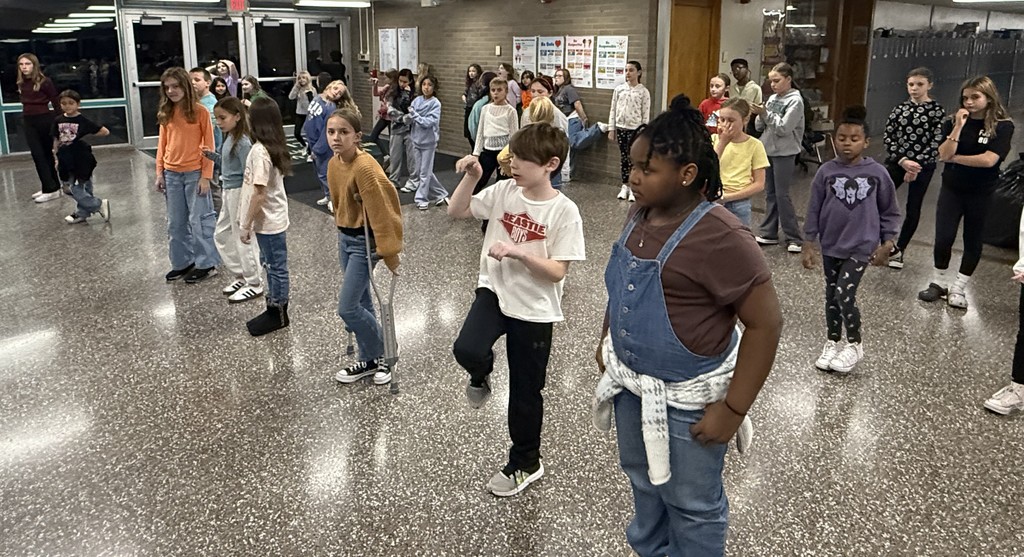
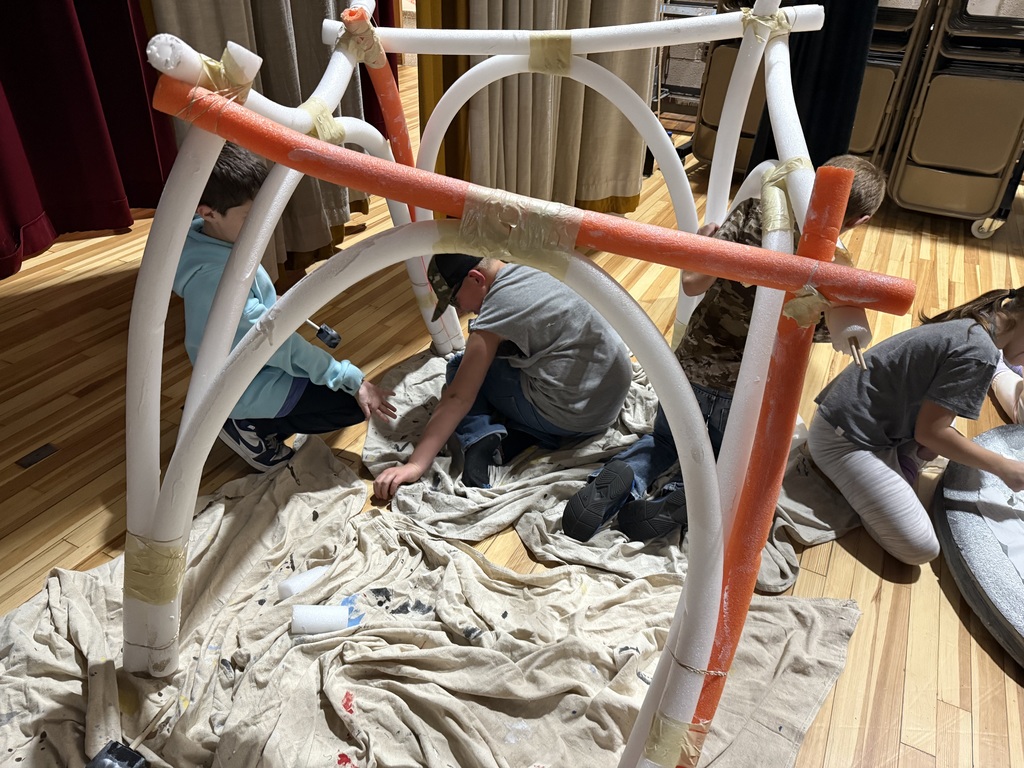
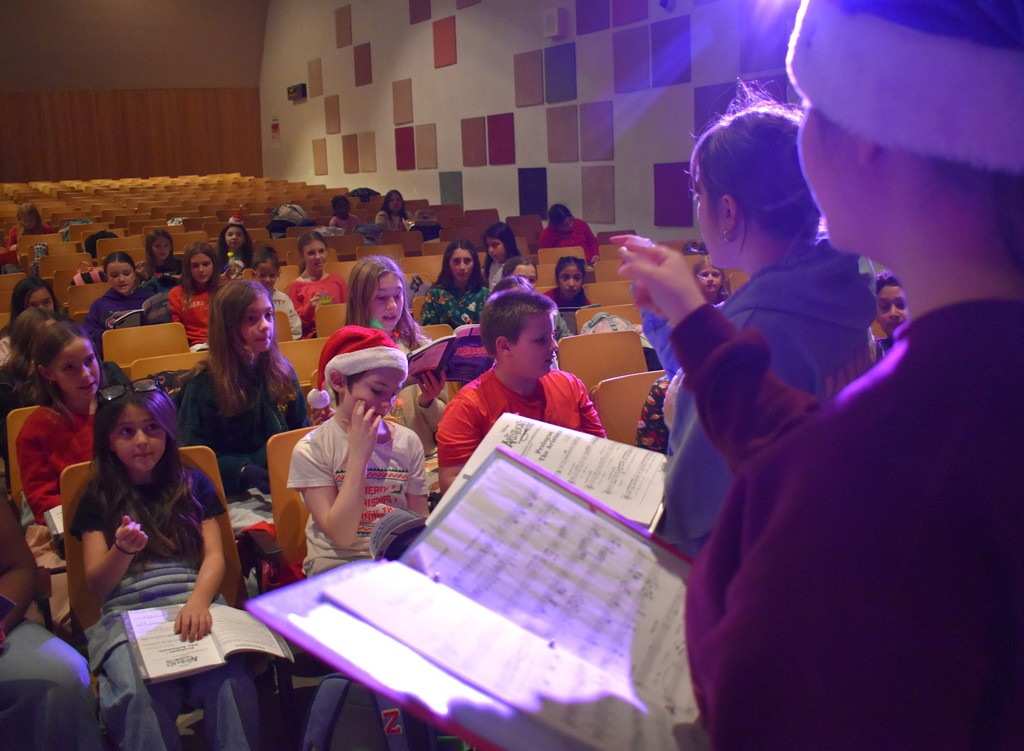
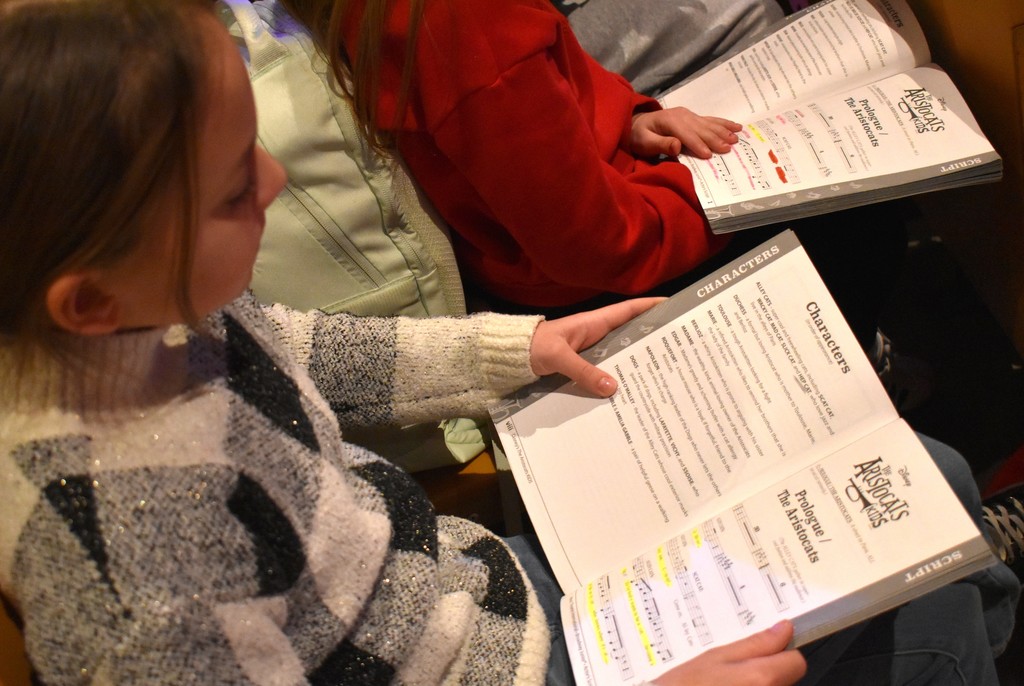
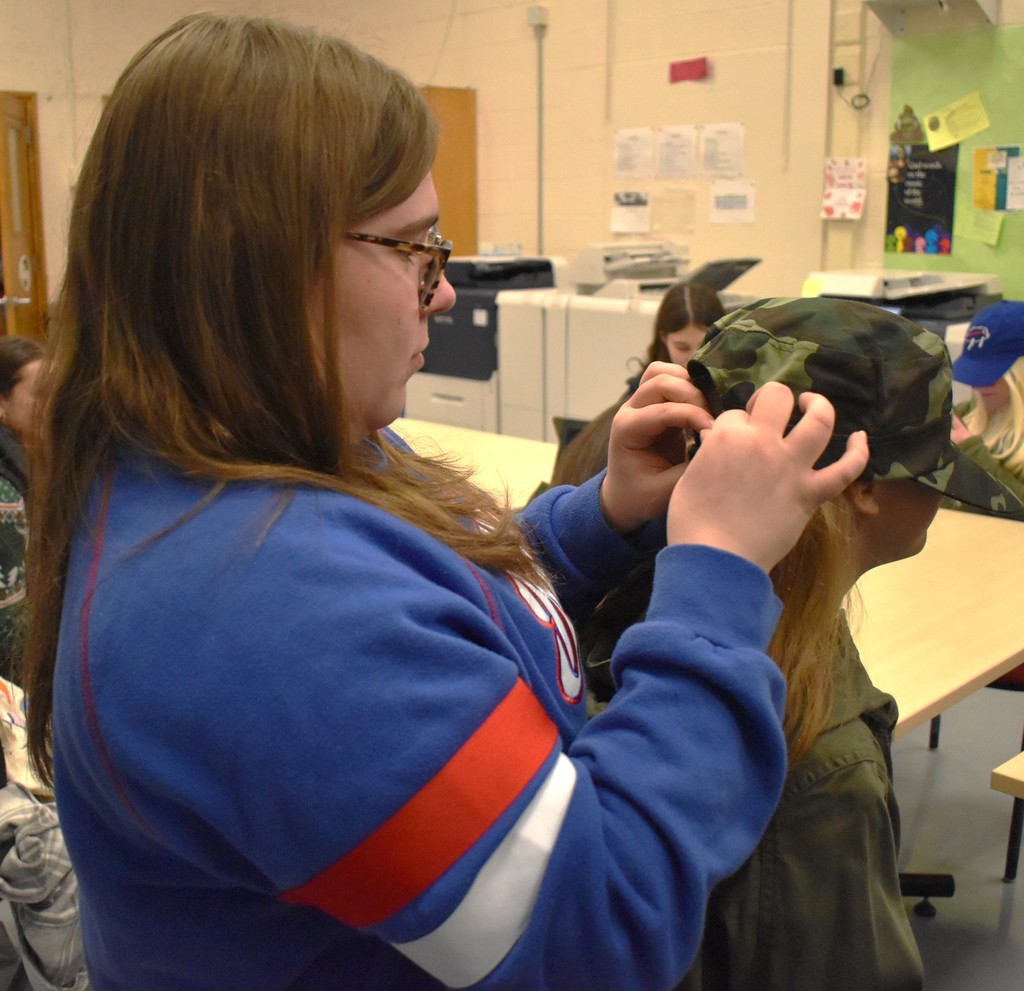
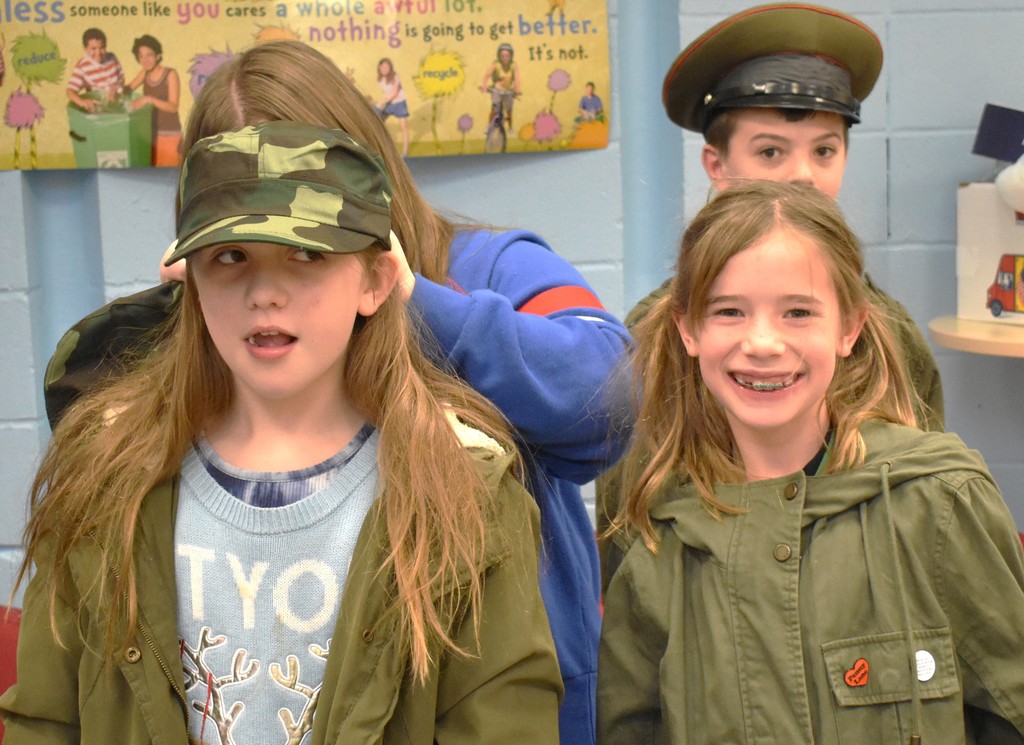
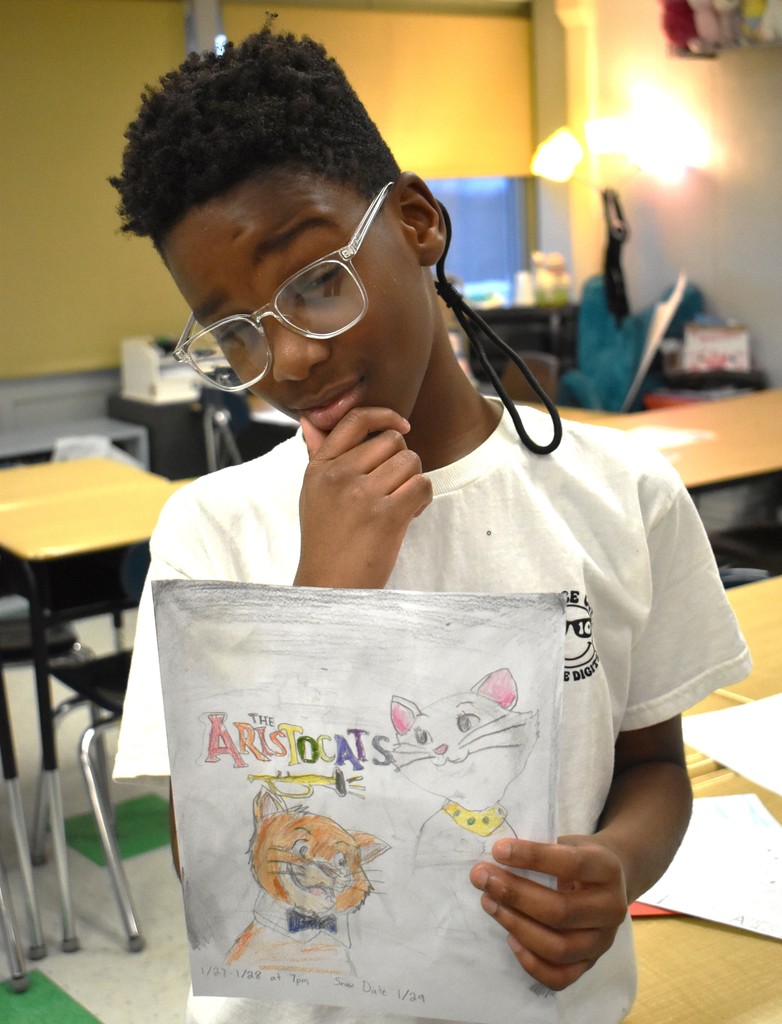
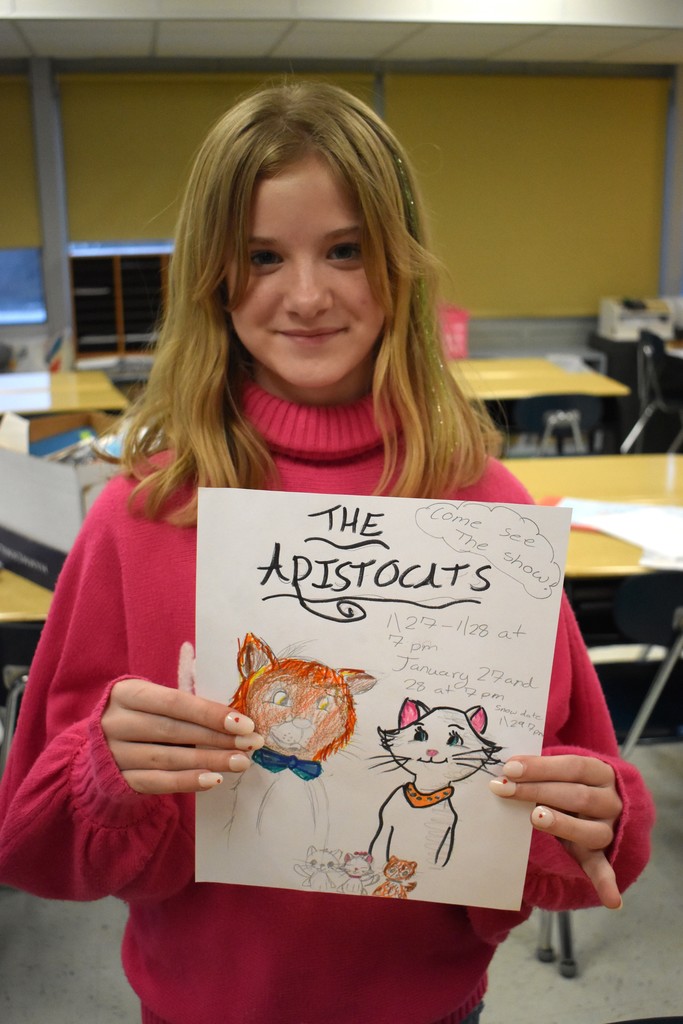
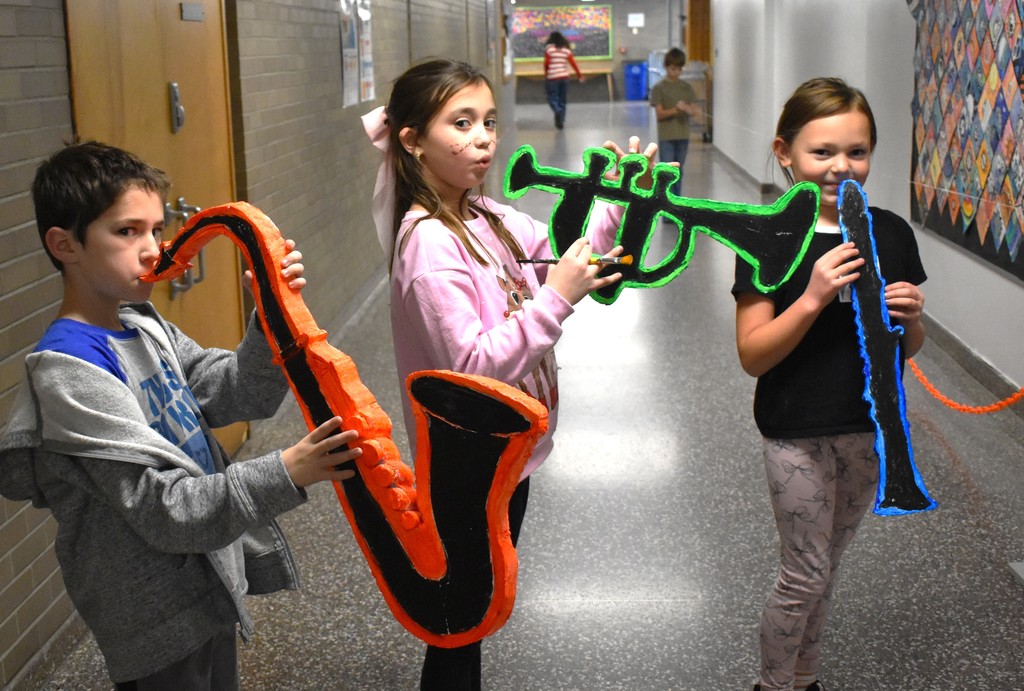
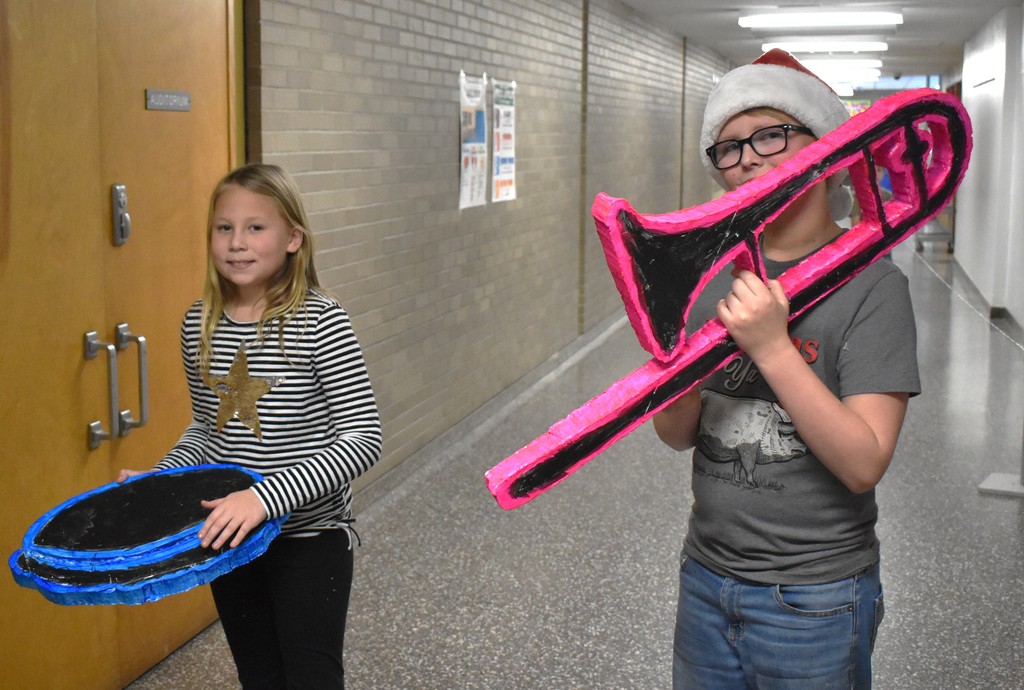
Take a peek at rehearsals and set design work for the Intermediate School Drama Club's upcoming production of "Aristocats KIDS!" Students are working hard to learn choreography and dialogue in addition to creating the sets for the performance. The IS production is a joint venture with the High School's Drama Club --- high school students are serving as wonderful mentors and assistants to to help create magical performances on Jan. 27 and 28! Stay tuned for ticket information!