

Nichole Gaucher’s eighth-grade science students are studying the systems of the human body. Their recent focus was on the excretory system, the biological system in the body responsible for removing waste products and excess substances from the bloodstream, primarily through the organs like the kidneys, ureters, bladder, and urethra. This system filters blood and produces urine to eliminate waste from the body to maintain internal homeostasis (the process by which the body maintains a stable internal environment, or balance, despite changes in the external environment).
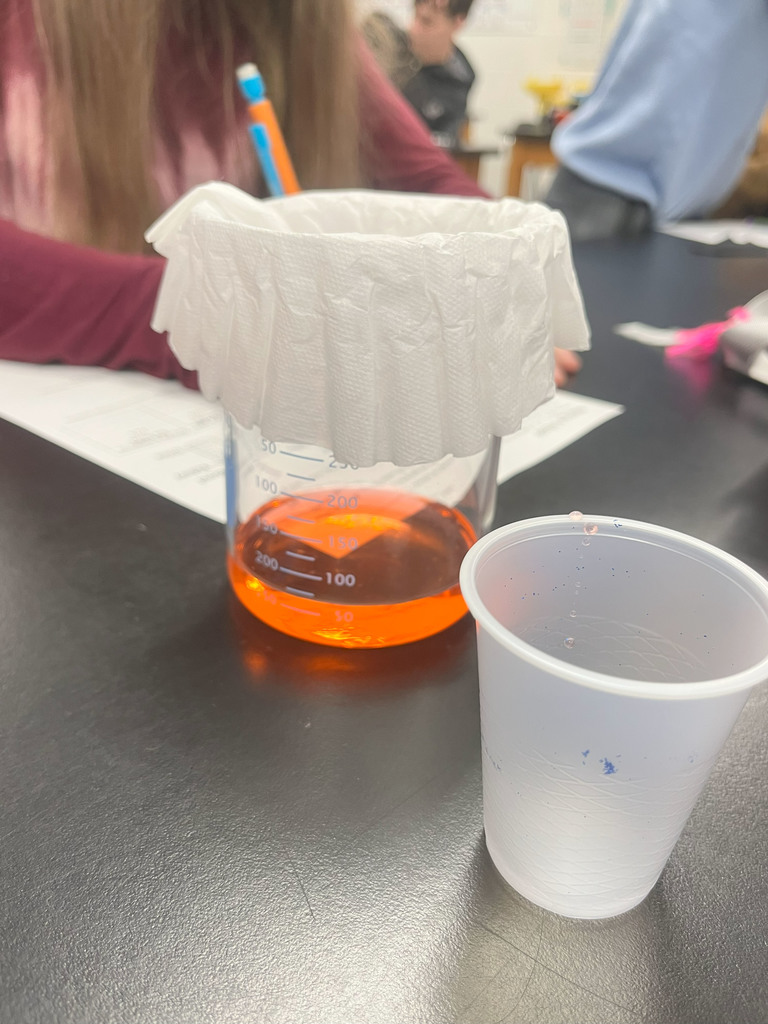
As part of their studies, students made a kidney model using coffee filters in order to understand how the kidneys work in a body to filter out waste. In this lab, “the water” represented water, “the red dye” represented blood, and “the glitter” mixed in with the colored water represented waste such as urea and creatinine. By making a kidney model, students were able to observe how a healthy kidney works by filtering waste in a body.
In the second portion of the lab, they poked holes through a coffee filter to represent a diseased kidney. This allowed them to compare the filtration process of a healthy versus a disease kidney. Afterward, students completed an activity where they reviewed excretory system vocabulary and labeled a system diagram. WHAT A CREATIVE SCIENCE LAB!
Coffee filters are useful in excretory system labs because they effectively mimic the function of the kidneys, acting as a visual filtration mechanism to separate waste products from a liquid mixture, just like the kidneys filter waste from blood to produce urine.




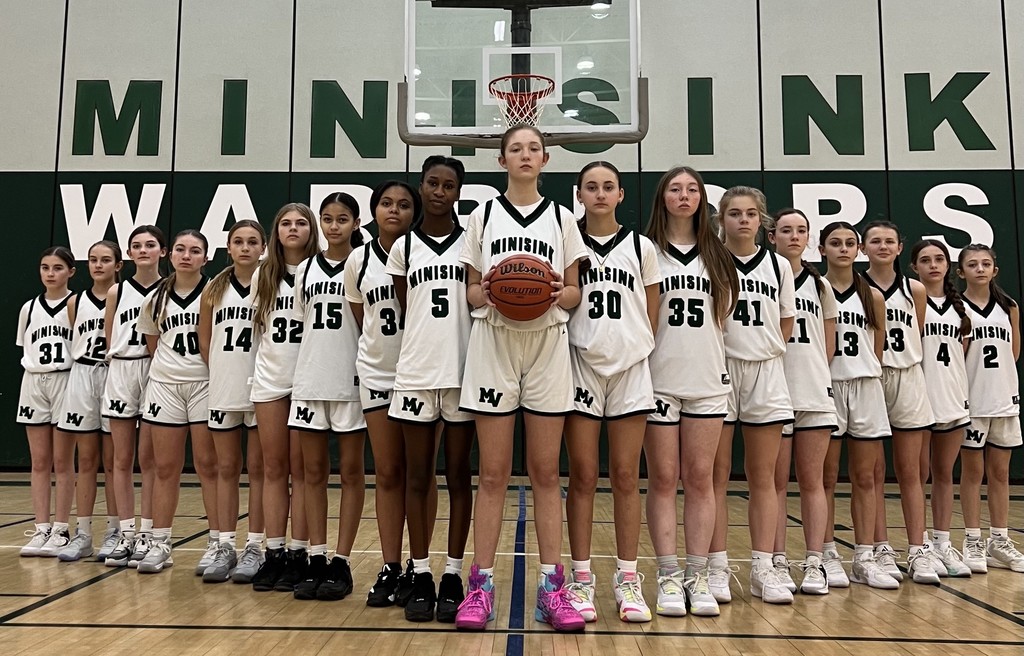
Girls Modified Basketball Coach Kelsie Doller is proud to tell everyone about her teams’ work, passion and drive this season!
“What makes this team truly stand out is their coachability—they’re always ready to learn, improve, and support each other,” she said. “That kind of mentality doesn’t just make great basketball players; it builds strong, determined young women who will go far in whatever they do. I have no doubt that their futures—both on and off the court—are bright.”

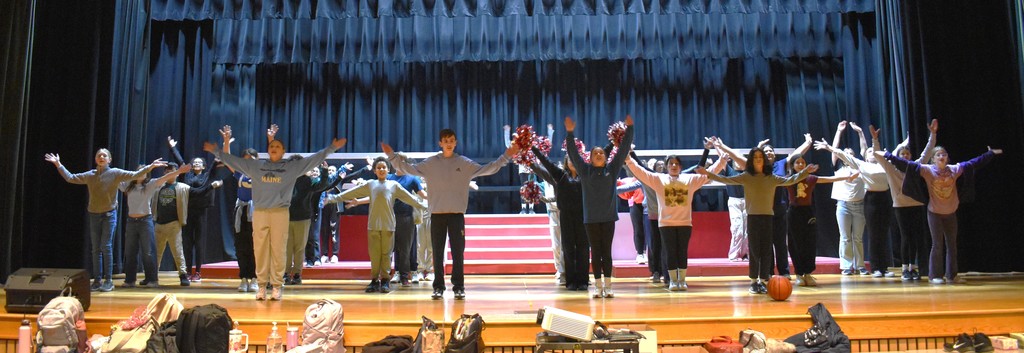
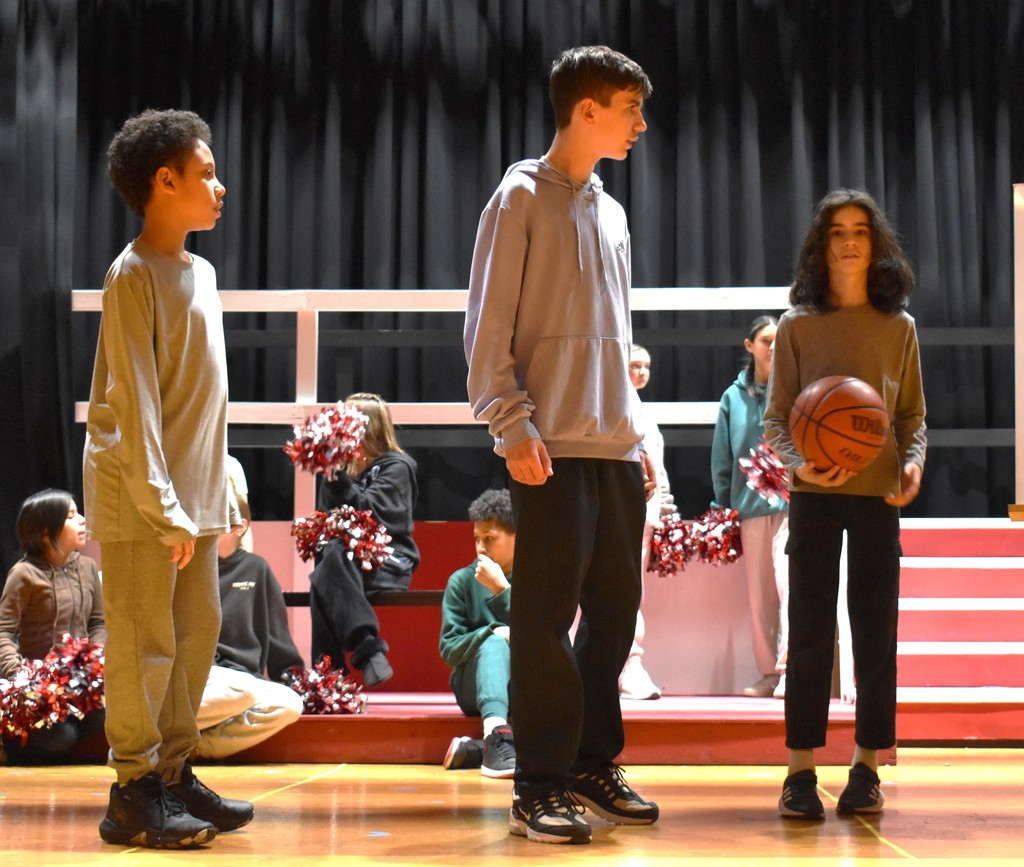
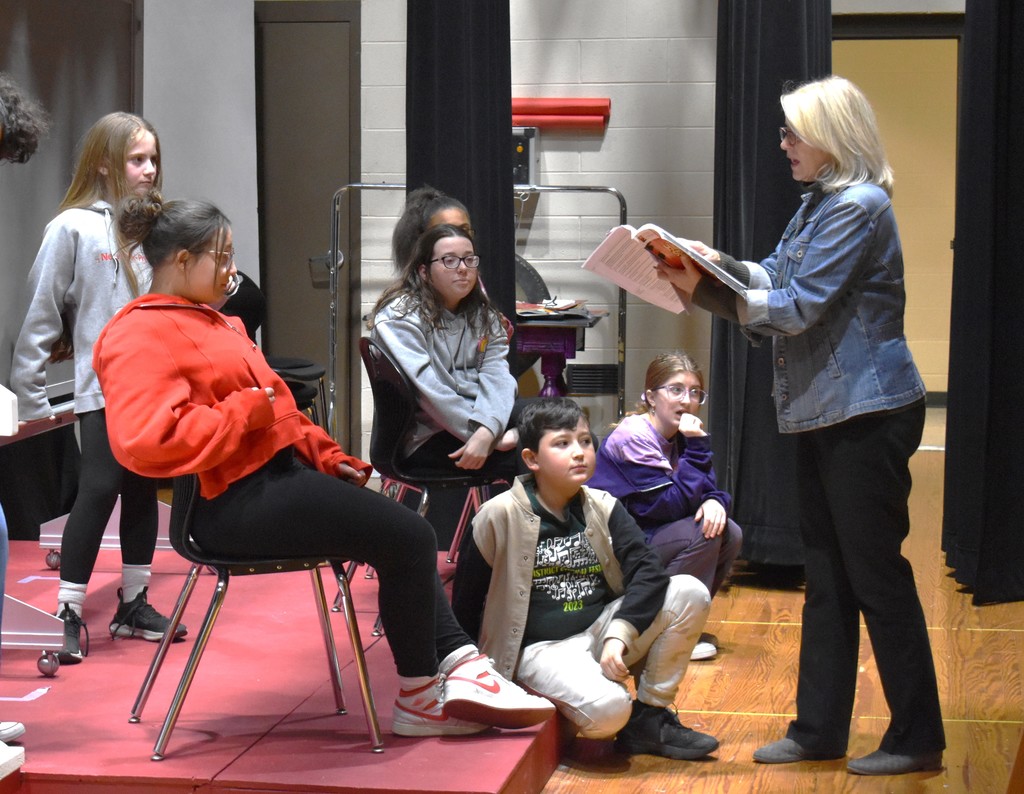
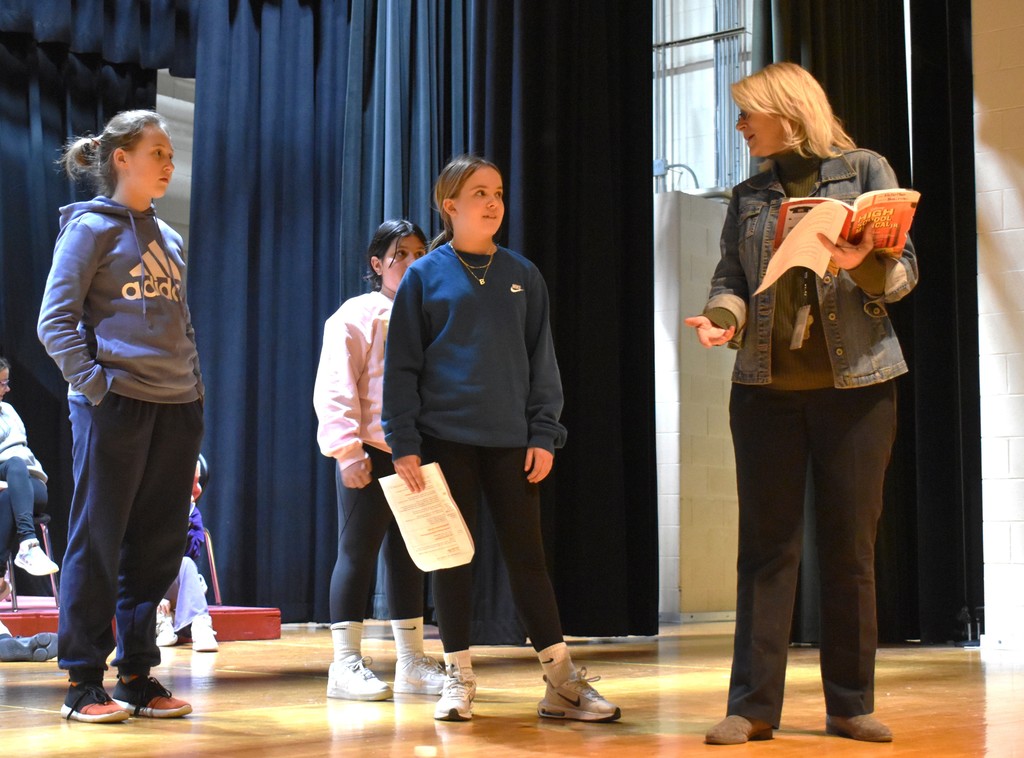
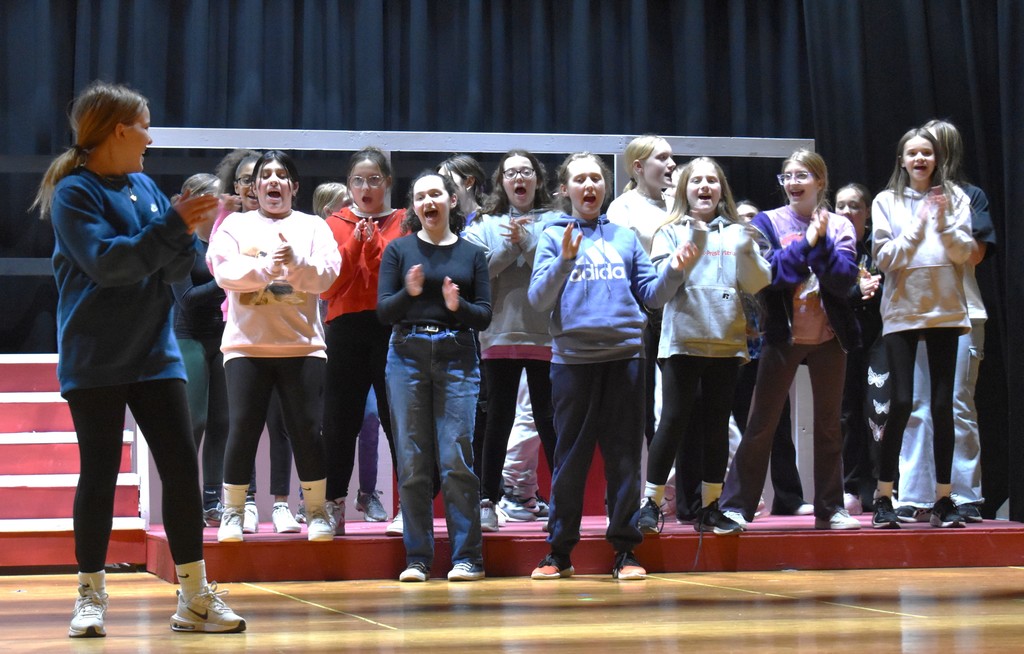
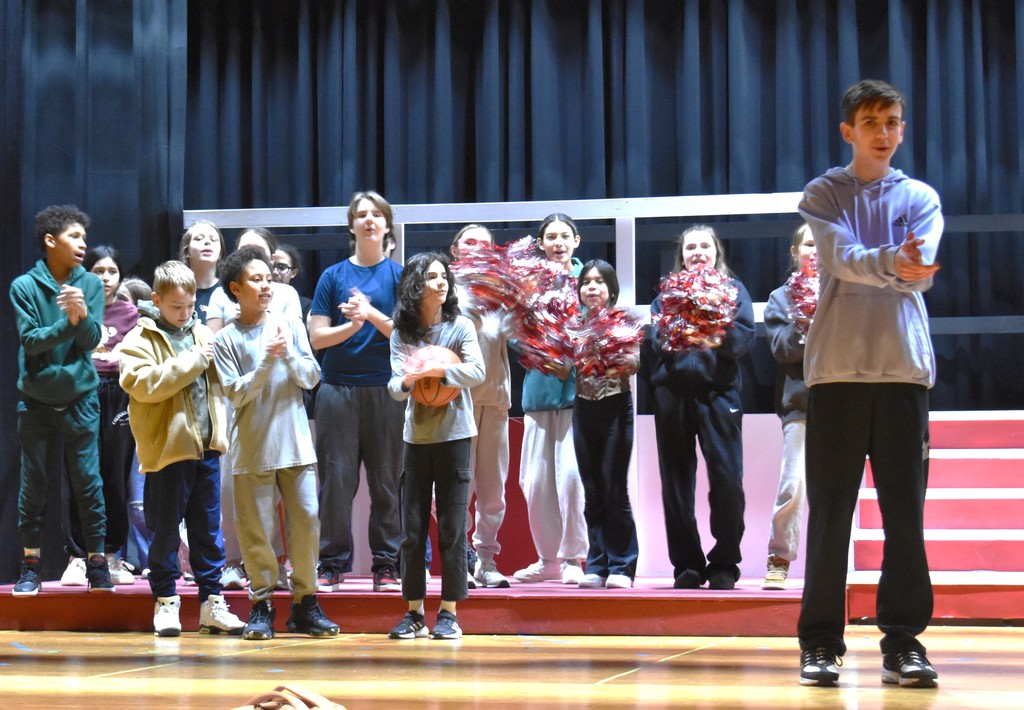
Take a peek at rehearsals of the Middle School Drama Club's production of Disney's HIGH SCHOOL MUSICAL JR.! do you have your tickets yet?
GET THEM HERE: https://www.onthestage.tickets/.../678076f055ebc03250cd5693

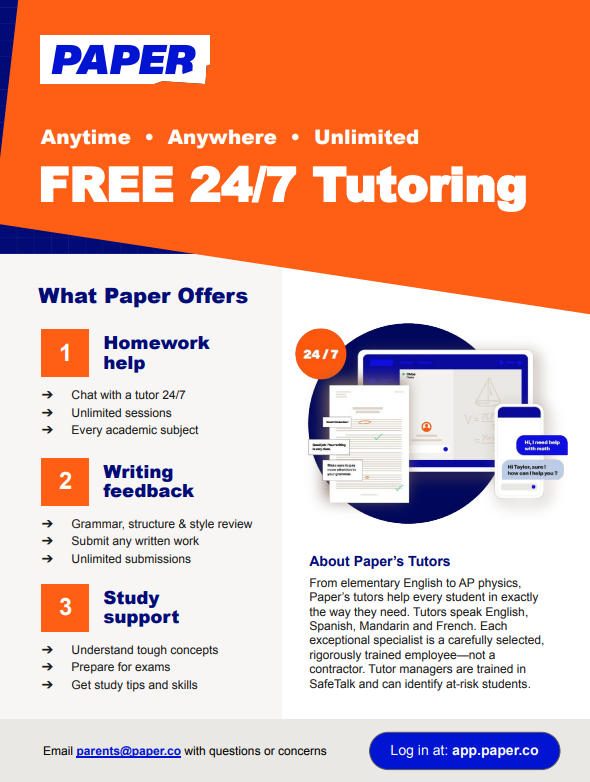
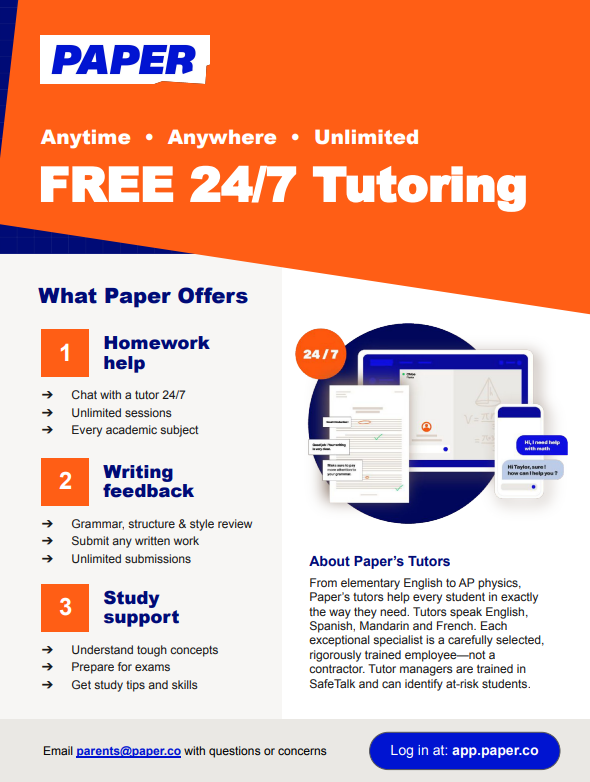
Reminder! Minisink Valley has partnered with Paper, an online tutoring service, to provide students in Grades 6 through 12 with the ability to access live tutors seven days a week, 24 hours a day. High School students and family members have unlimited access to trained tutors so every student can ask questions, work through problems and grow their confidence at no cost to families. Learn more: https://www.minisink.com/page/paper-online-tutoring-for-grades-6-12
Bailey Riley’s seventh-grade science students, like their peers, are learning about kinetic and potential energy. As part of their studies, students recently completed a lab where they were tasked with observing different factors that affect amounts of energy.
What better way to do this than with tennis, golf and ping pong balls? Students “dropped” these three balls at different heights and observed how much they each bounced. The balls which bounced the most had the most energy.
Studying kinetic and potential energy in seventh-grade science is important because it provides a foundational understanding of how energy exists in different forms, how it can be transferred between objects, and how this concept applies to everyday situations, laying the groundwork for further exploration of more complex physics concepts later on. It helps students grasp the basic idea of energy in motion (kinetic) and stored energy (potential) which are crucial for understanding many natural phenomena around them.
• Kinetic energy is the energy of motion, meaning it's the energy an object has due to its movement
• Potential energy is stored energy that an object has due to its position or arrangement, ready to be released as kinetic energy when conditions change


Nicole Van Pelt’s seventh-grade physical education classes are jumping into their floor hockey unit! Students are ready to learn new skills with their protective goggles and hockey sticks! From stickhandling and passing to teamwork and gameplay, students are developing their abilities while having a blast with their classmates. This unit is all about energy, laughter, and building a love for staying active.
Some believe floor hockey evolved from ice hockey, while others think it evolved from field hockey.


Middle School art teacher Brian Maione’s eighth-grade students have created some beautiful lanterns, and with some tea lights, they will glow brightly! We bet these can become some beautiful gifts!


In recognition of Asian Lunar New Year, Victoria Ingrassia’s eighth-grade FACS students completed their delicious Chinese dumplings assignment! On Monday, they wrapped a specially seasoned and marinated chicken filling in a thin layer of dough. Yesterday, students boiled the dumplings and fried them in a wok for a tasty treat! Truth be told: These dumplings were just as good, if not better, than what you'd get with a takeout order! Ask them to make this at home!
•The history of Chinese dumplings, or jiaozi, dates back to the Han Dynasty (206 BC–220 AD). They originated in northern China as a staple food for the Han people.
•Dumplings are a symbol of wealth and prosperity.
•Dumplings are often eaten during special occasions, such as Chinese New Year.
•The word jiaozi sounds similar to an expression that means "transition from old to new."


Students in Jennifer Pagnanella's eighth-grade ELA class are learning about Vietnamese culture while reading Thanhha Lai’s “Inside Out and Back Again.” This Newbery Honor award winning book is a coming-of-age novel told in verse and is about a child's-eye view of her Vietnamese family and its immigration to America during the Vietnam War.
As part of this, students spent time reading about Vietnam, its people, culture and geographical features, taking time to also understand the holiday of Tết, (or Tet Nguyen Dan, which is Vietnam's Lunar New Year. It's a major public holiday that celebrates the start of spring and the new year) as well as the Asian Lunar New Year.
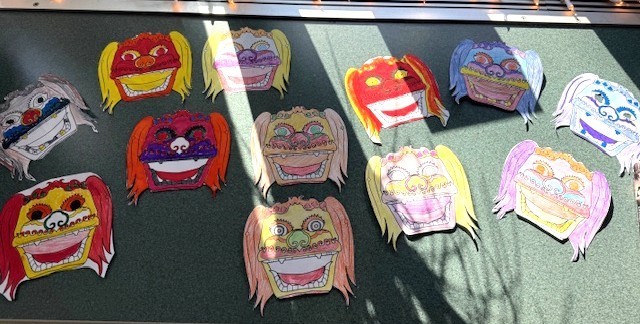
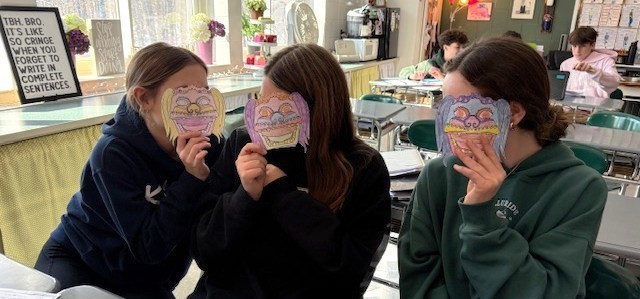
Students designed traditional dragon masks and worked on maps of Vietnam. Throughout the remainder of the unit, students will study aspects of the Vietnam War, examine several first-hand accounts of refugees fleeing the war-torn country for a better life and the beauty of literature written in poetic form.




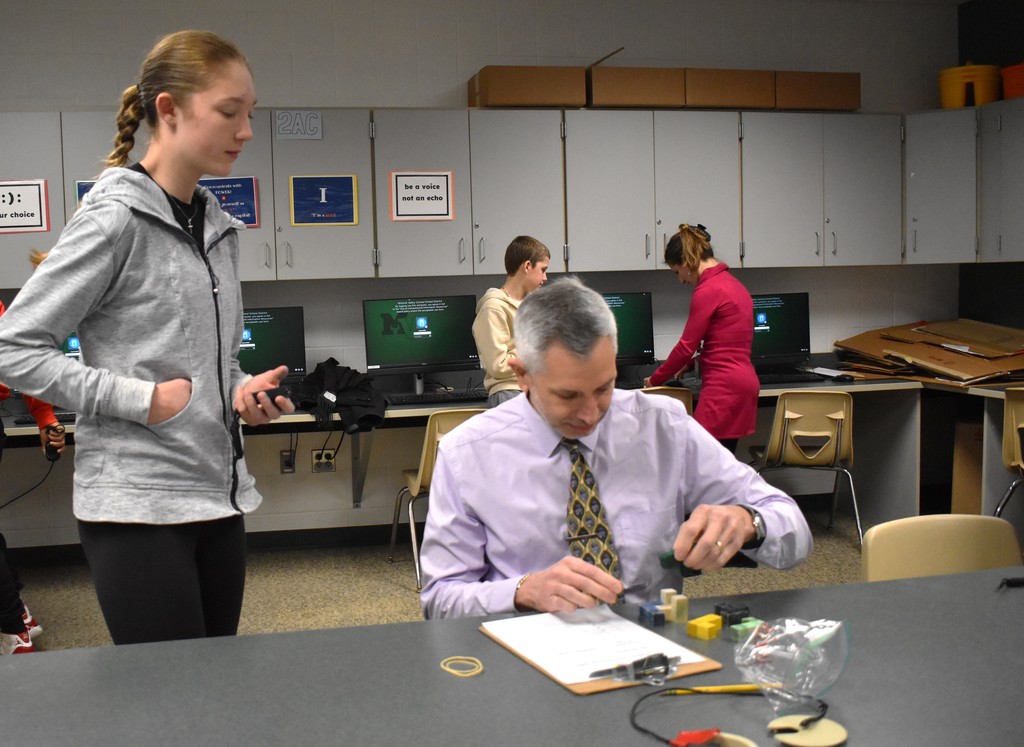
In Jill Stramiello’s seventh-grade computer/innovation lab, students have been focusing on applying the design process to a variety of STEM challenges. For this recent project, they were tasked with designing a 3D puzzle system using scrap hardwood cubes to create a challenging, yet solvable, puzzle featuring 27 linking cubes, for middle school students…all while minimizing environmental impact. They all did a great and creative job, creating puzzles featuring different levels of difficulty!
Part of the assignment was to gather data to calculate a puzzle solution time and to use that data to create an advertisement which would encourage a fictitious toy company to buy their product for the marketplace. What better way to acquire data than to ask for assistance in the data gathering process from: Principal Michael Larsen, Main Office Secretary Ann Friedle, Teacher Jessica Dickman as well as Superintendent Brian Monahan, Assistant Superintendent for Curriculum and Instruction Christian Ranaudo and Assistant Superintendent for Human Resources Michael Giardina. They all gladly served as puzzle solvers, with students timing the completion of the puzzles they were given to solve!
Truth be told: Some of the puzzle testers were very challenged with completing the more difficult puzzles! See more photos on the district's Facebook page: https://www.facebook.com/MinisinkValleyCSD/posts/pfbid0EkjVfsnGNKYgEKP9BJcJrn5bA1nuqg7u52hb7vg3jWhSB1qDsqVfmHwk4TMNC8hJl?__cft__[0]=AZUR4sWRcRtTbUpL9JMIY6UBgLeowz_sRiewXitoJ__Jhgc3D0isZOVKqy267W2_wsA4m6QXCD4JJIdQS5NOug2_8HuS7fKYDbBM-Q-Dm6iWYAQsOkR2g68hqHJoTLnpfl55NFtRNdMKqd9P1-oABU5hyP_SxiQtkPkXhFcZy2Y8JpDV-EP9bDnhqsm6RNFqCSc&__tn__=%2CO%2CP-R




Did you know the Middle School has a Ski Club?
Advisors Michele Semco and JoAnn Westby took some students to Mountain Creek several days back for a wonderful late afternoon and evening gathering on the slopes!


Great sporting experiences come in many different ways! This past weekend, the Girls Modified Basketball team had an incredible time attending a SUNY Orange basketball game during Alumni Night!
What made this event even more special was knowing that Modified Coach Kelsie Doller played on that very court! Seeing her connection to the program showed the girls where they are now, to where hard work and dedication can take them.
The girls loved watching the SUNY Orange players in action and were amazed to see them doing many of the same warm-ups and plays they’ve been practicing. It was a great reminder that the fundamentals they’re learning now are essential at every level of basketball.
To top it all off, the team had the chance to meet the SUNY Orange women’s basketball coach, who encouraged and inspired them even more!


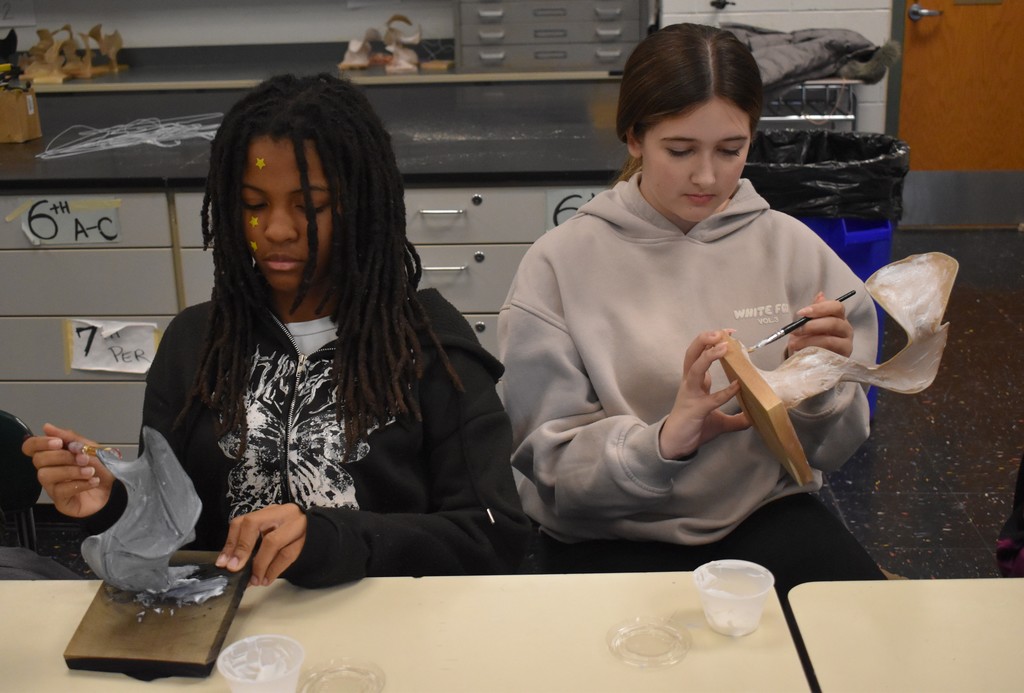
Middle School art teacher Brian Maione’s eighth-grade students are working on abstract sculpture pieces during their art class! Their pieces have been made using wire, wood and nylon. Soon, they’ll be using Mod Podge to give their work a hardened shell so that they can paint and make cool and funky patterns on them. So creative!


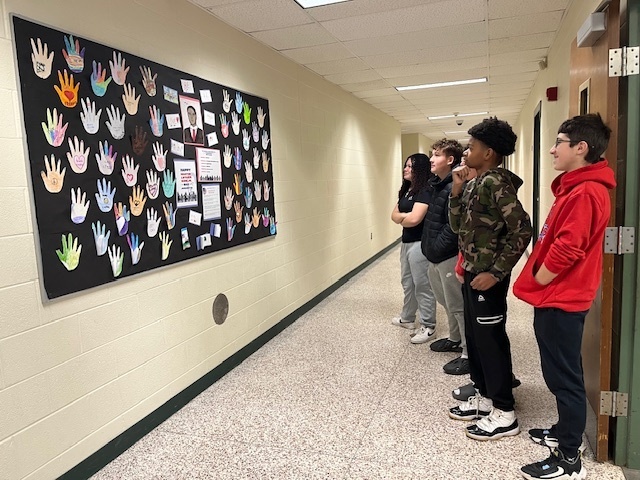
More lessons tied to and awareness of the life and legacy of The Rev. Dr. Martin Luther King Jr. are visible in the middle school, via these school displays!
In the library, a display created by teacher Kelsey Doller and her students following their viewing of a slideshow about Dr. King and his six principles of nonviolence features small paper cutouts to look like themselves and reflect their individuality.
The other display was created using artwork that Corinne Yanis' Skills classes, Stephanie Gage's English classes and several sixth-grade students created after viewing a slideshow about those same principles. The portrait of Dr. King was drawn by eighth- grader Isabella Kaminski.



“We're all in this together!”
The Middle School Drama Club has been working hard in rehearsals to be ready for its March 6 and 7 production of Disney's High School Musical Jr!
Thank you to High School students Audrey Guido and Makayla Collins, who are are working with Middle School students to learn choreography! We appreciate you! Watch for more information soon!

Do you know or remember what PEMDAS means? Sixth-graders do!
Take a peek at Jeffrey Malara’s sixth-graders, who are practicing applying this acronym to their math work! They’re really good at this, too!
PEMDAS stands for "Parentheses, Exponents, Multiplication, Division, Addition, Subtraction," which is an acronym used to remember the order of operations when solving math problems with multiple operations. It means you perform calculations inside parentheses first, then exponents, then multiplication and division from left to right, and finally addition and subtraction from left to right.
The Order of Operations is a set of rules for solving math equations and expressions with multiple operations. This set of rules ensures that all math equations are solved in the same way.


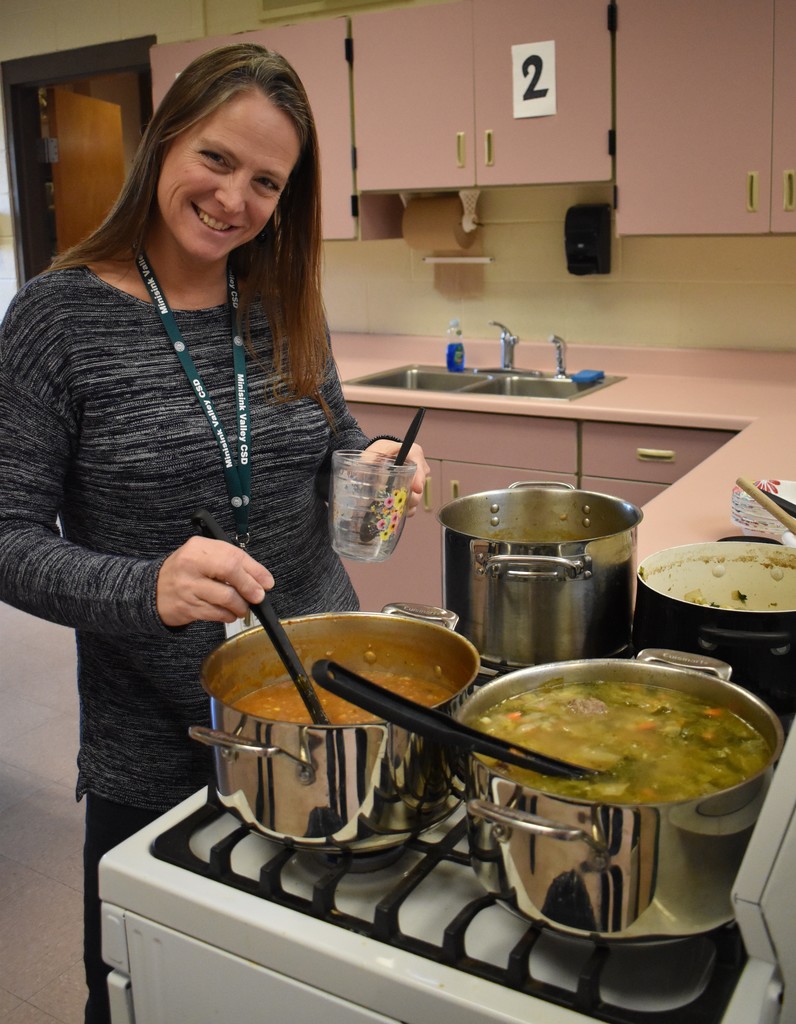
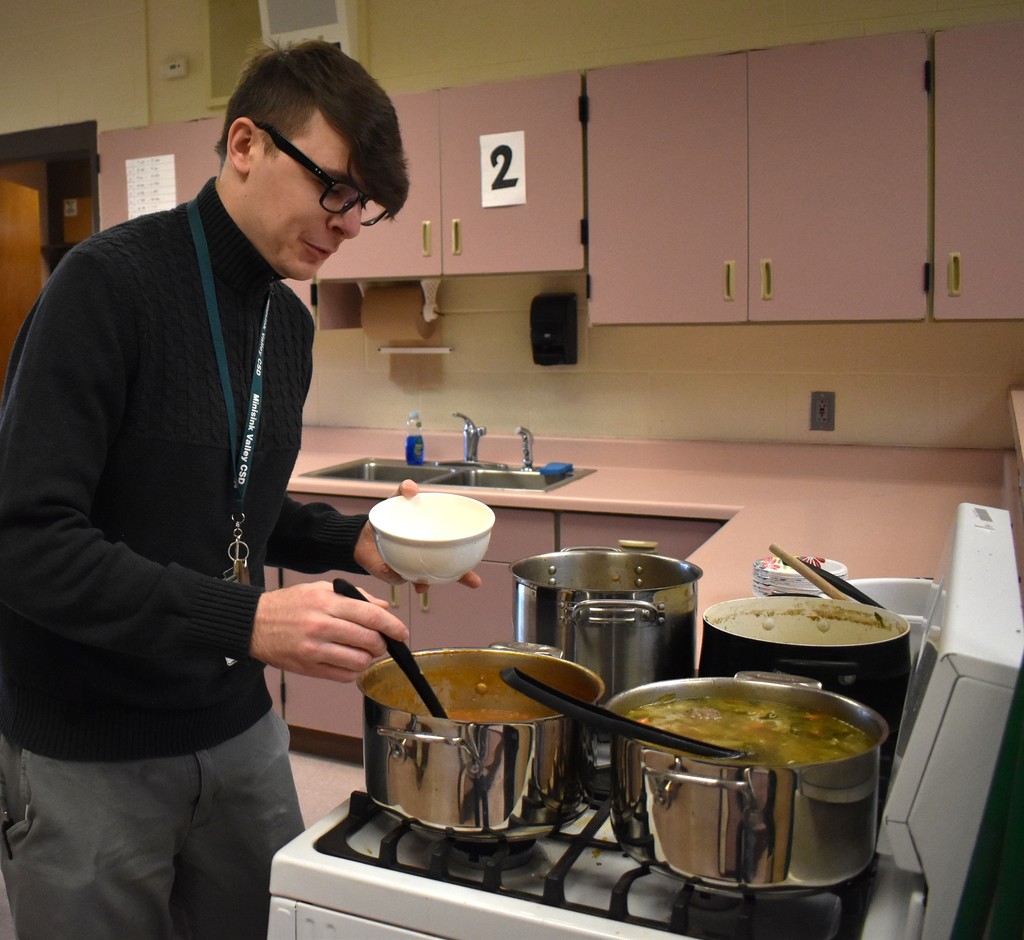
What's better than hot soup on a cold, cold day?
Victoria Ingrassia's Middle School FACS students have spent this first week back at school prepping ingredients to make four different types of fresh, homemade soups. Today, Jan. 10, was their Soup Day, where students had a chance to enjoy what they prepared during class!
PLUS: Ms. Ingrassia invited the Middle School faculty to stop by for a delicious cup or bowl of the soup of their choice! Simply delicious! Well-done to all the students, who are learning important life skills --- you have to be able to cook!

Reminder! Minisink Valley has partnered with Paper, an online tutoring service, to provide students in Grades 6 through 12 with the ability to access live tutors seven days a week, 24 hours a day. High School students and family members have unlimited access to trained tutors so every student can ask questions, work through problems and grow their confidence at no cost to families. Learn more: https://www.minisink.com/page/paper-online-tutoring-for-grades-6-12
Basketball is always a fun physical education activity! Check out these eighth-graders perfecting their shooting skills. Maybe there's some future NBA/WNBA players in this group!


Before the break, the Middle School’s Minisink Motivates Club traveled to Otisville Elementary for their annual reading of the "Weird" series by Erin Frankel to second-grade classrooms. Middle schoolers read a story from the series and then completed an activity with students.
For the third consecutive year, middle school students and elementary school students had a great time interacting with one another and completing the activity. This is wonderful example of inter-school cooperation and relationships!


