
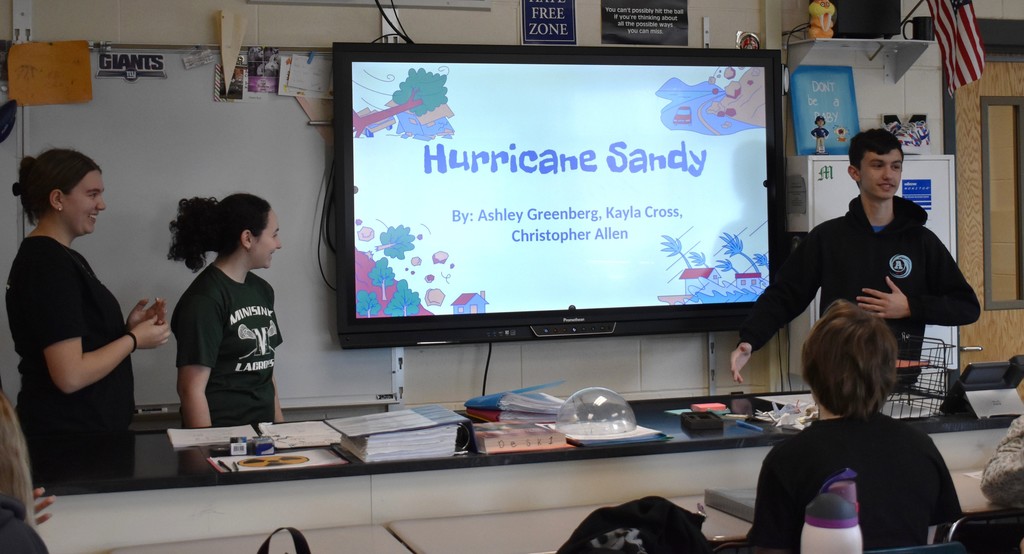
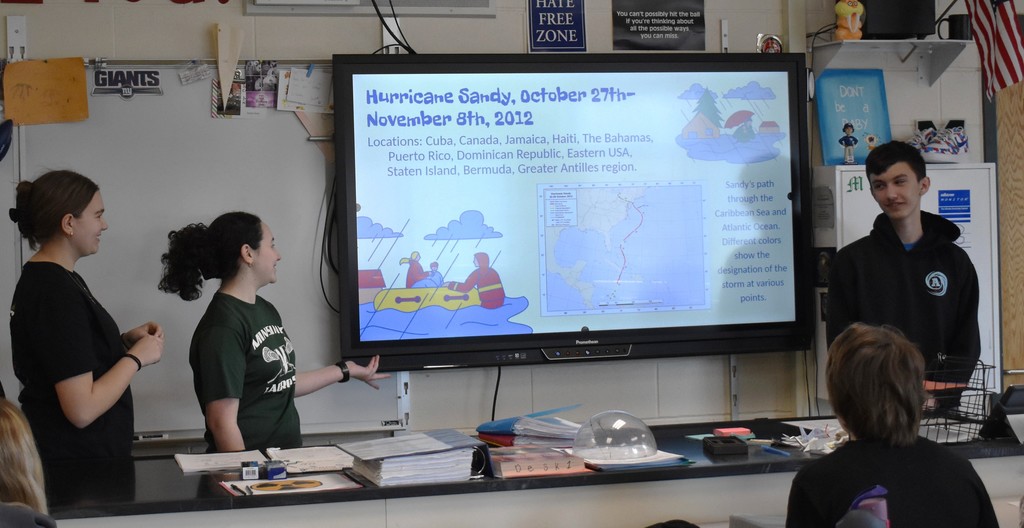
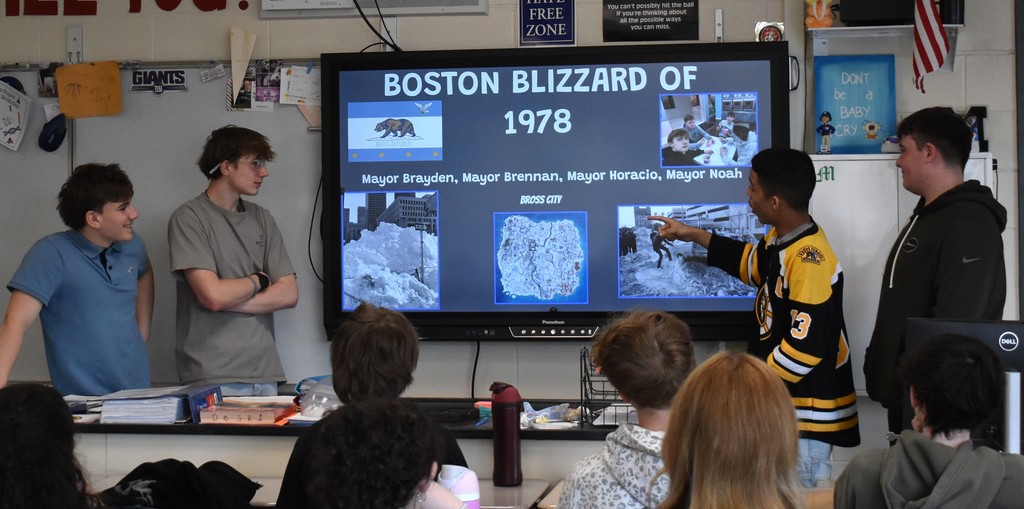
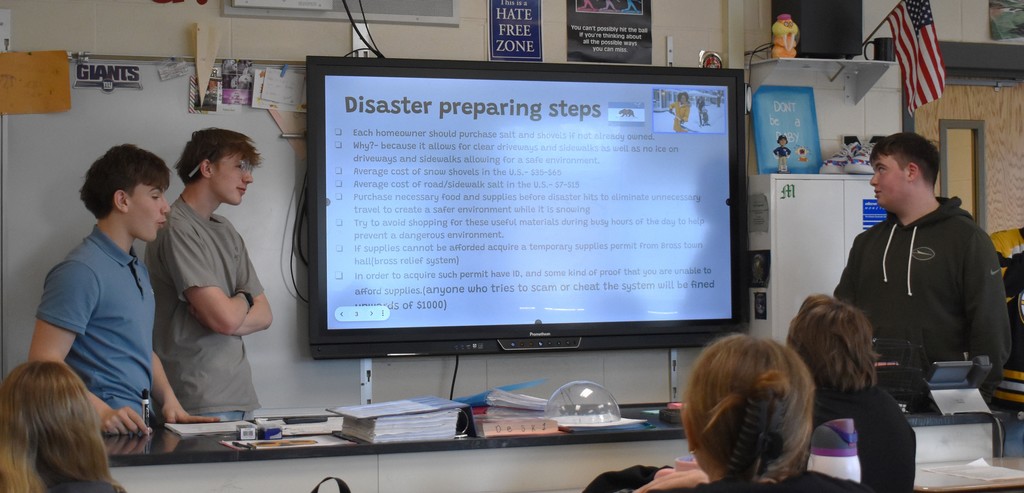
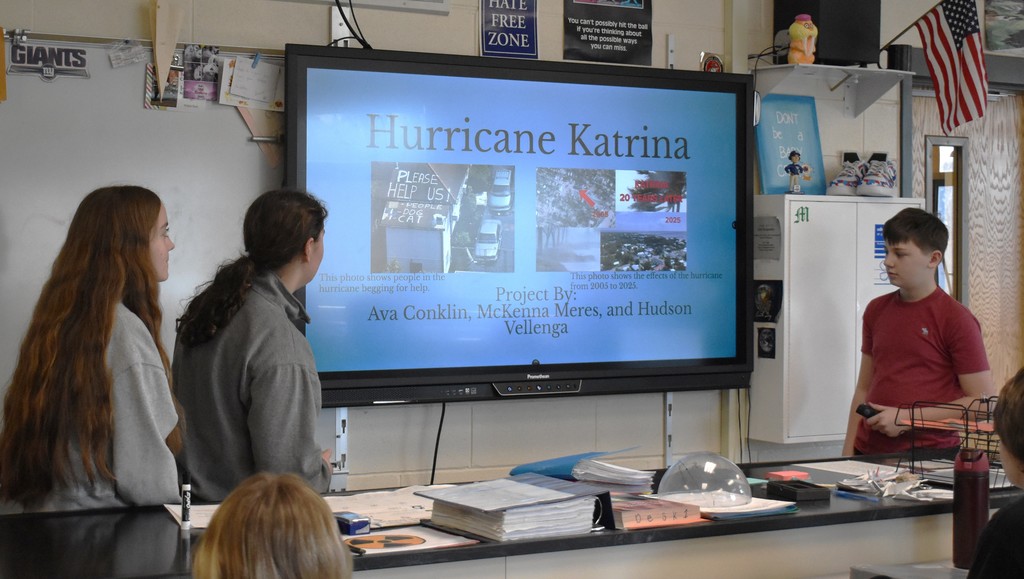
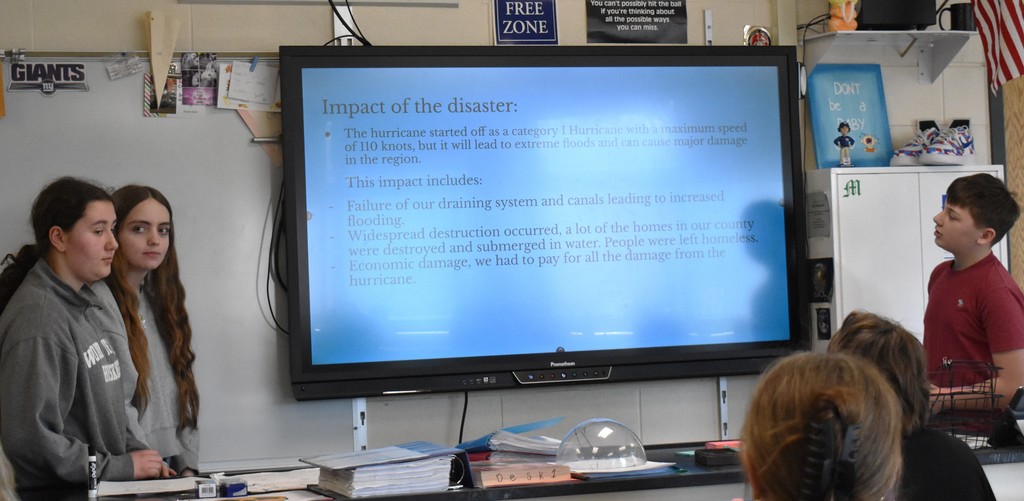
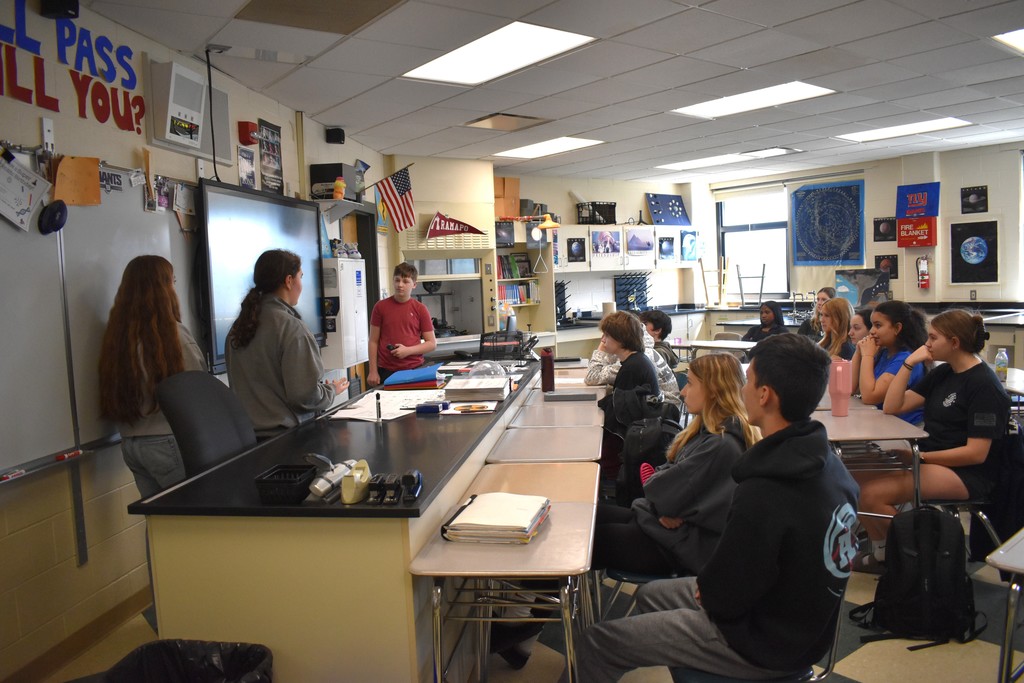
Each presentation explored three key areas:
•What happened during the disaster
•How a town or city could respond with effective relief efforts
•What individuals or families can do at home to stay safe and prepared
Their work was designed for an adult audience interested in understanding practical, real-world preventative measures to take before a disaster strikes. By studying past disasters, students and community members can:
•Recognize warning signs and understand the science behind extreme weather.
•Reduce risk by knowing how to prepare homes, gather supplies, and protect loved ones.
•Strengthen community resilience, ensuring that cities and families can recover more quickly.
•Make informed decisions, from evacuation planning to long-term mitigation strategies like building codes or infrastructure improvements.
Remember: Understanding prevention save lives and preparedness turns uncertainty into empowerment.
"We are proud to share that every one of these students had a successful showing at the festival.," said Otisville Band Teacher Maria Fenfert.
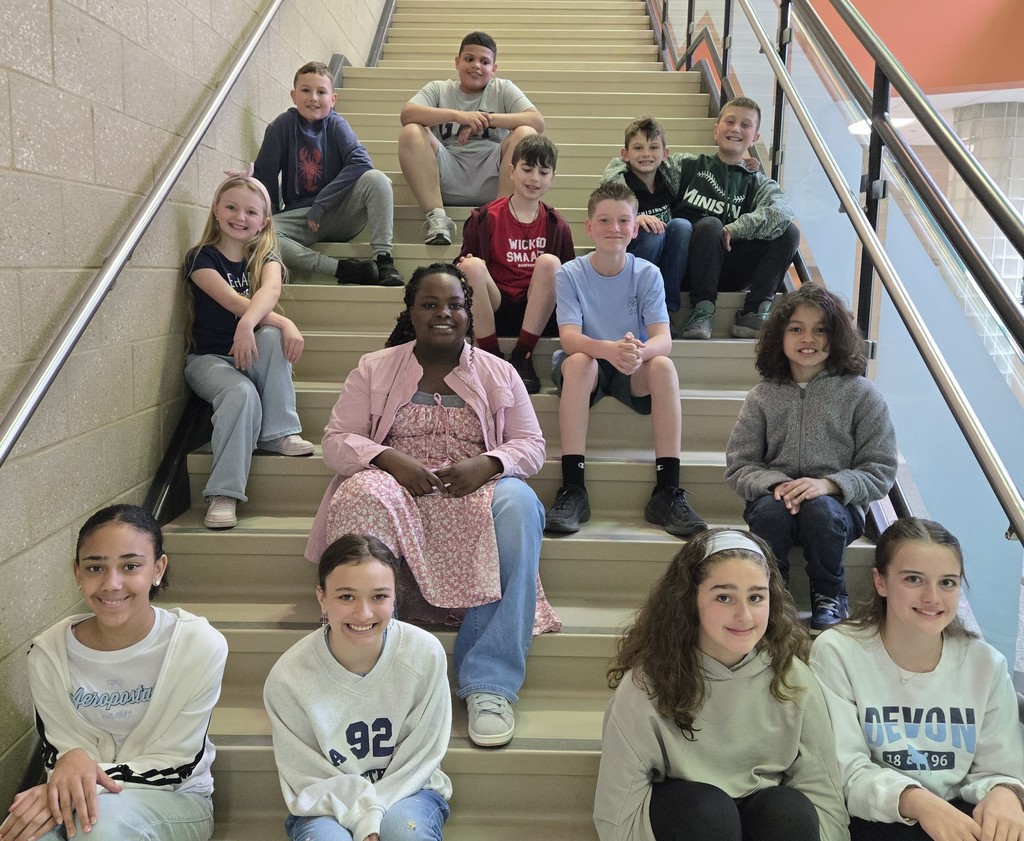
Participating student musicians were:
Kayden Buttacavole
Peter Caputo
Wyatt Cucci
Kaien DeJesus
Kristina Eilert
Amelia Hangas
Helen Huchital
Gracelyn Morse
Jillian O’Sullivan
Sophia Tomlinson
Mason Weeden
Khy Williams
Kasey Young
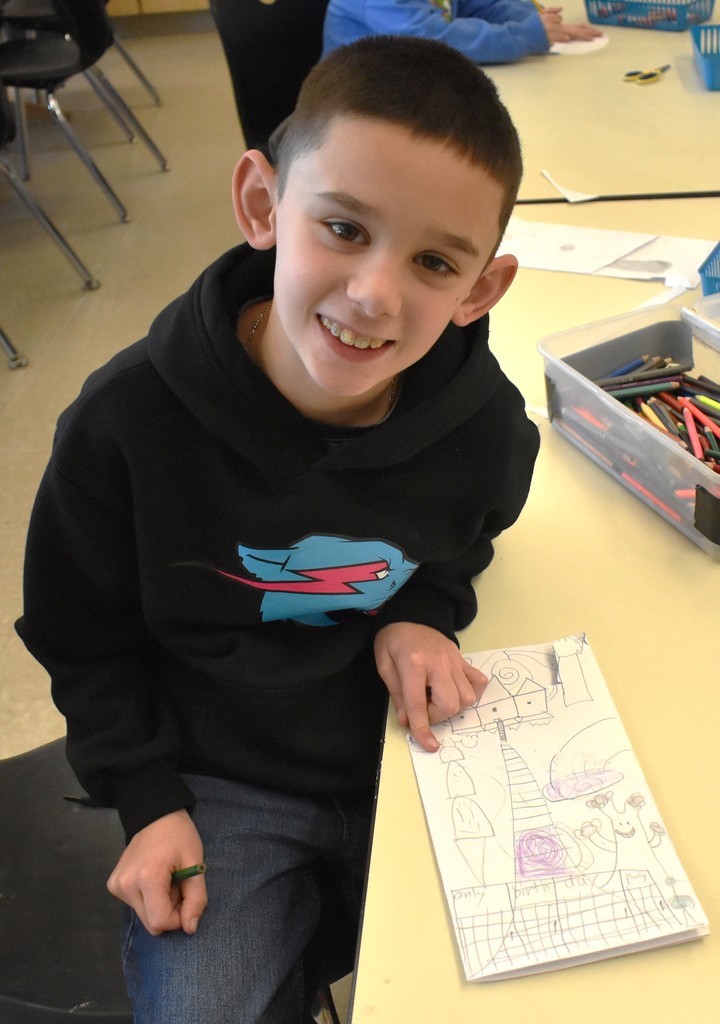
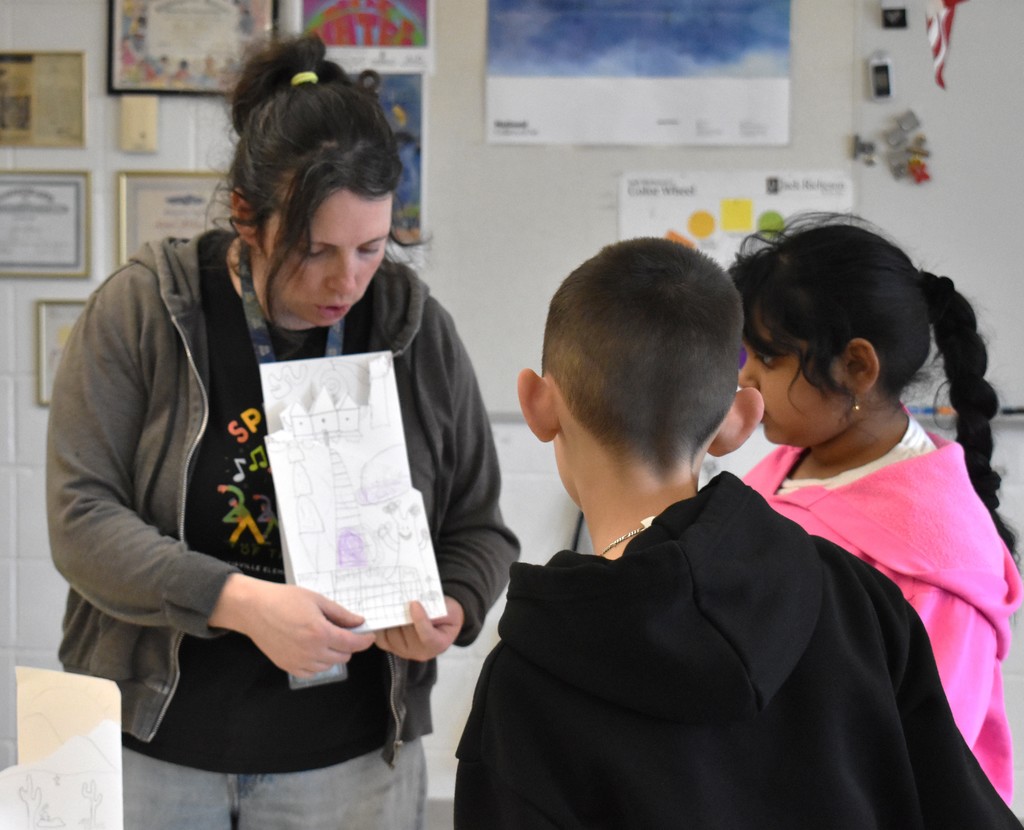
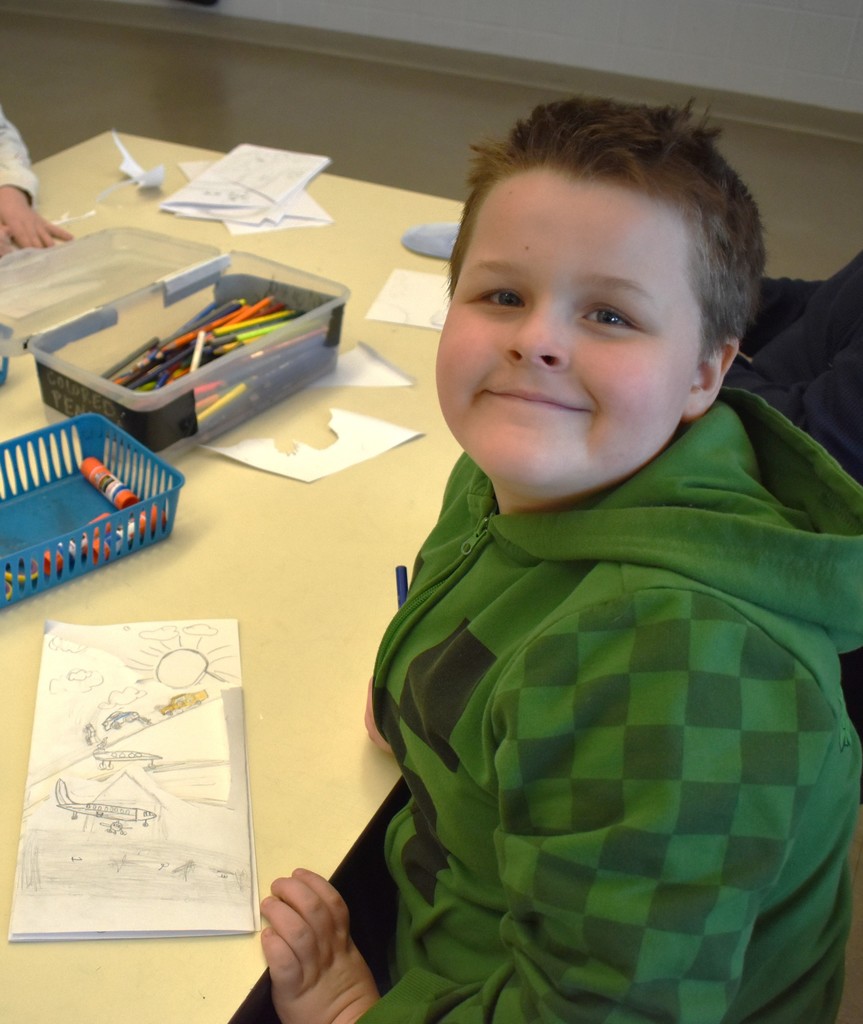
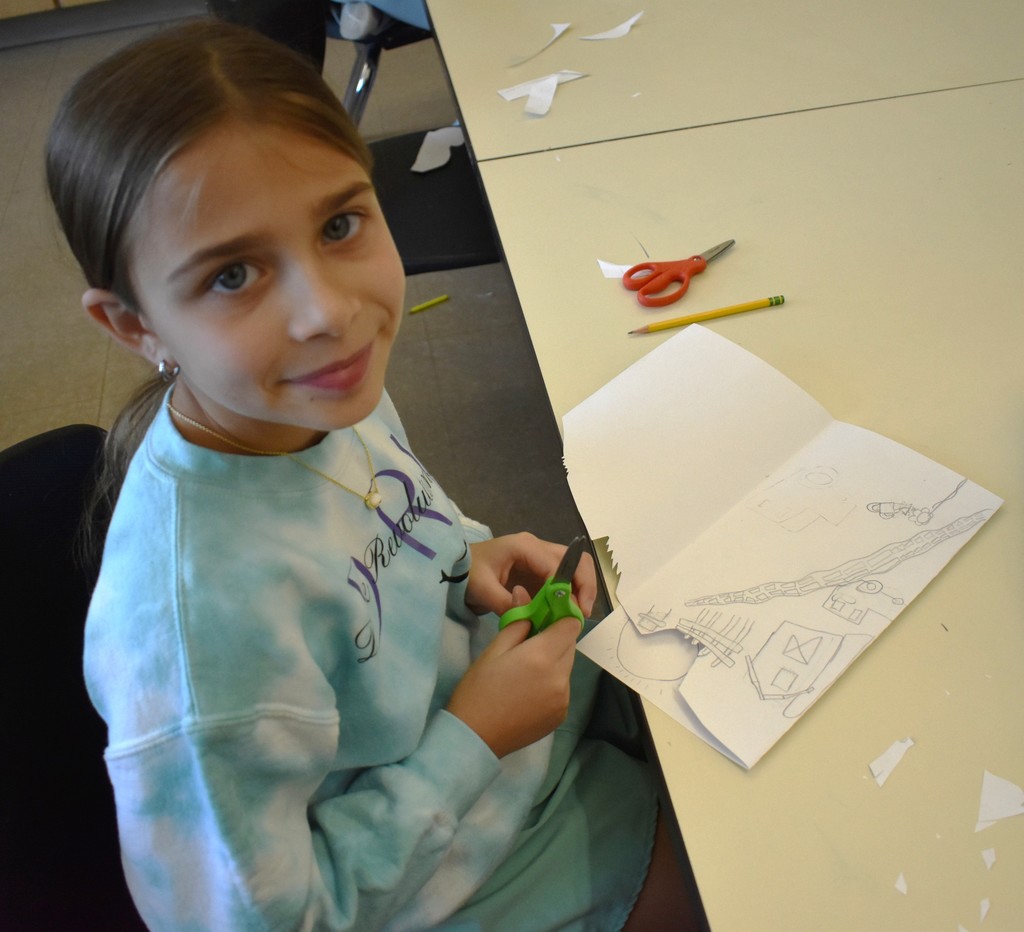
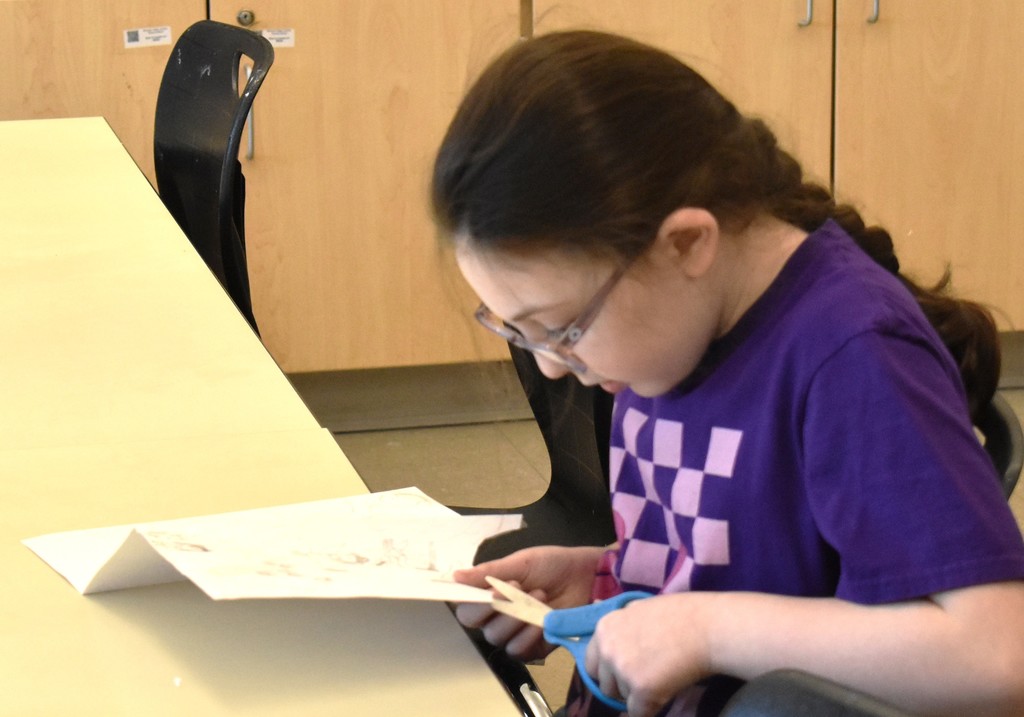
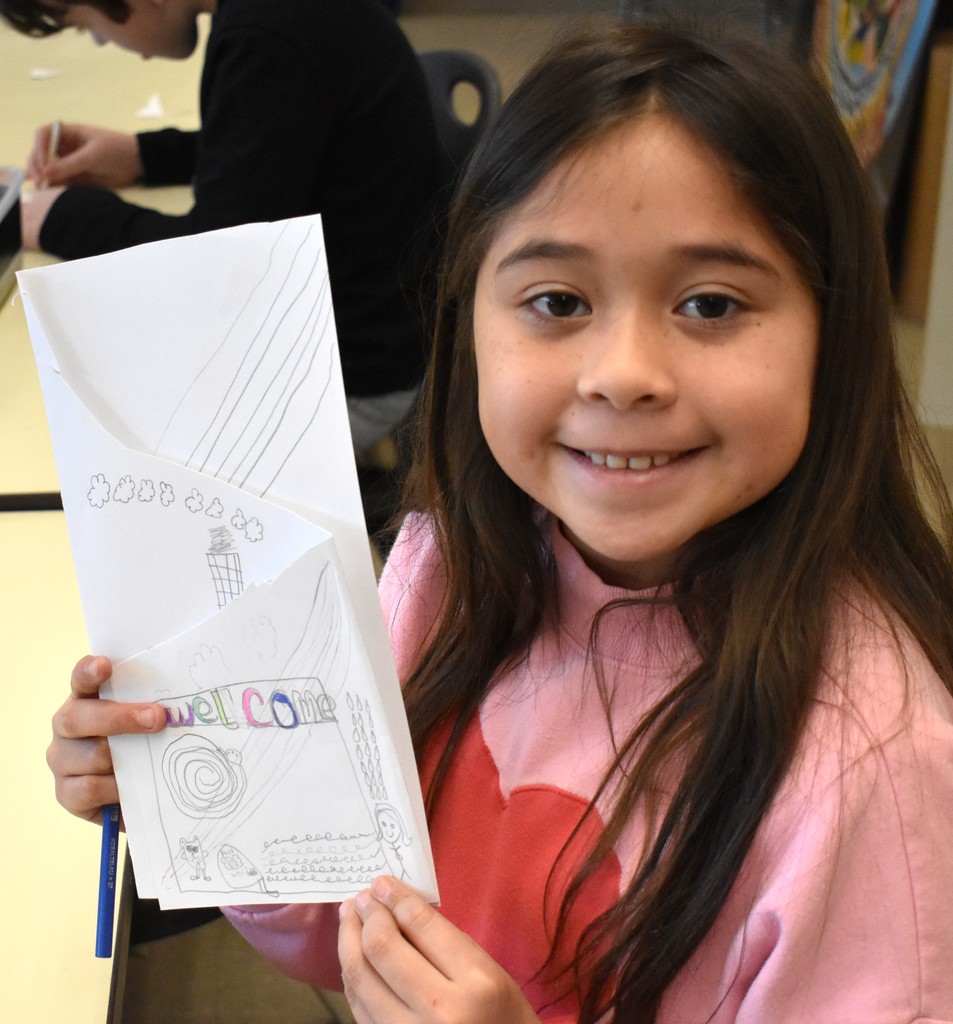
Their beautiful pieces show just how well they’re grasping these ideas — each artwork is a little world, layered with detail and imagination!
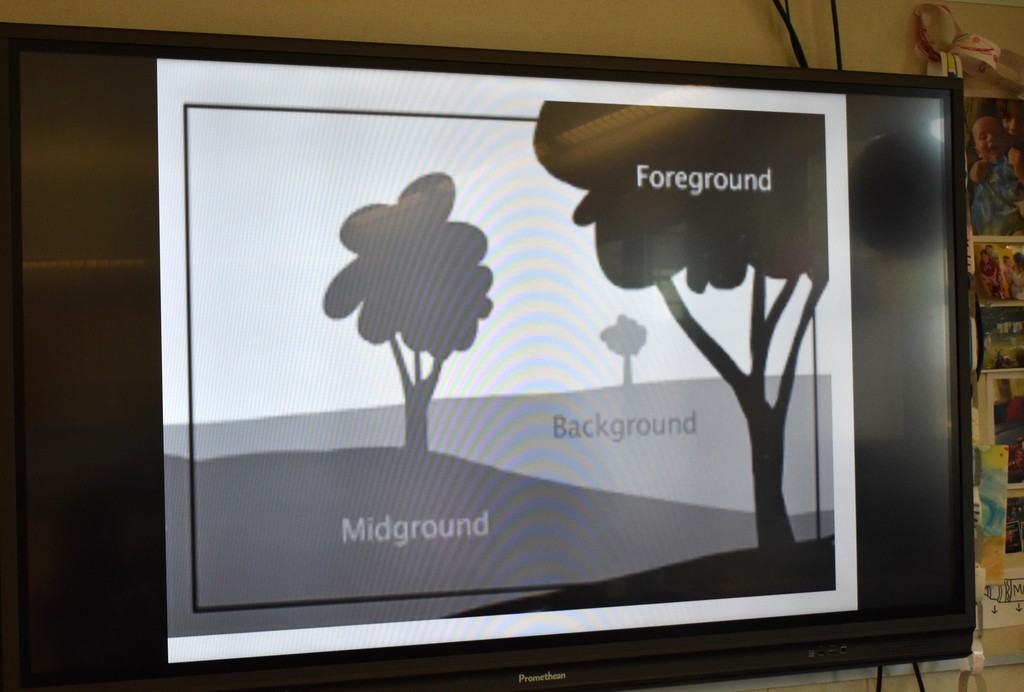
Understanding foreground, midground, and background helps young artists to build depth in their art work, improves spatial awareness (which can help in math and science, too!), building on their growing planning skills as they think about how different elements fit together and further develop their visual storytelling skills!
This foundational knowledge sets the stage for more advanced artistic techniques in higher grade levels! Take a peek at their work!
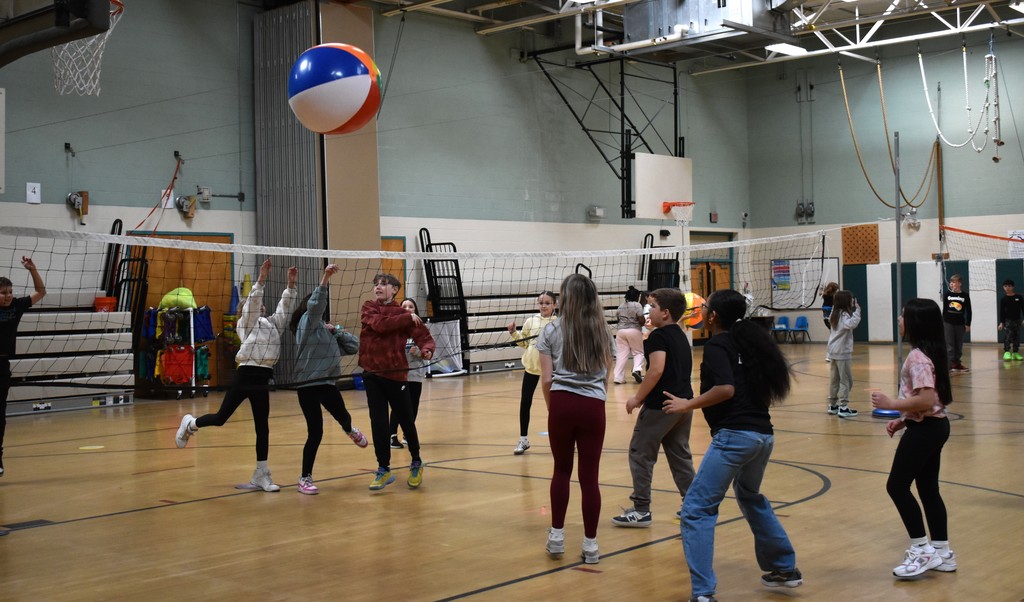
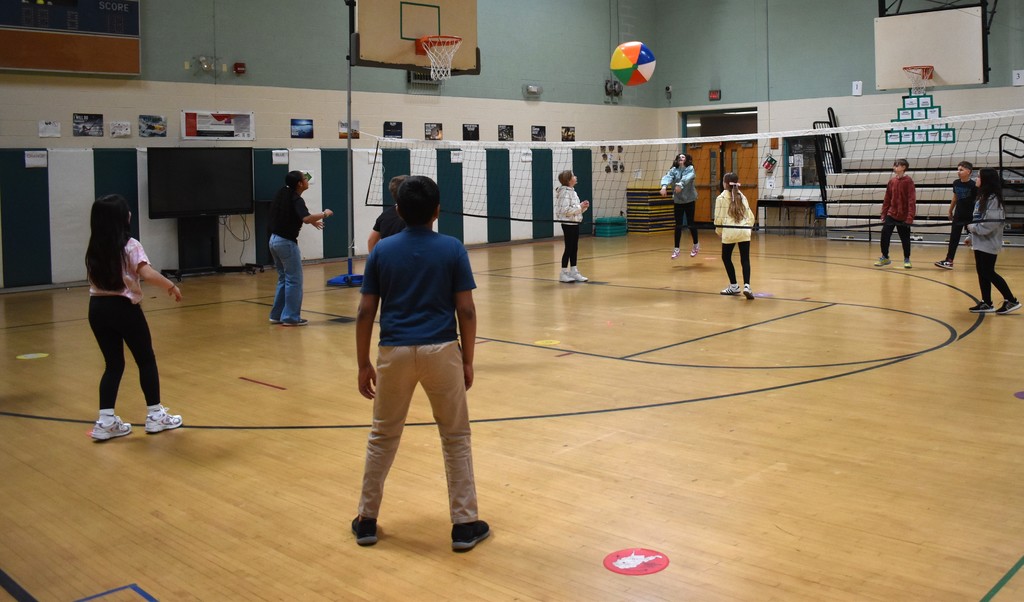
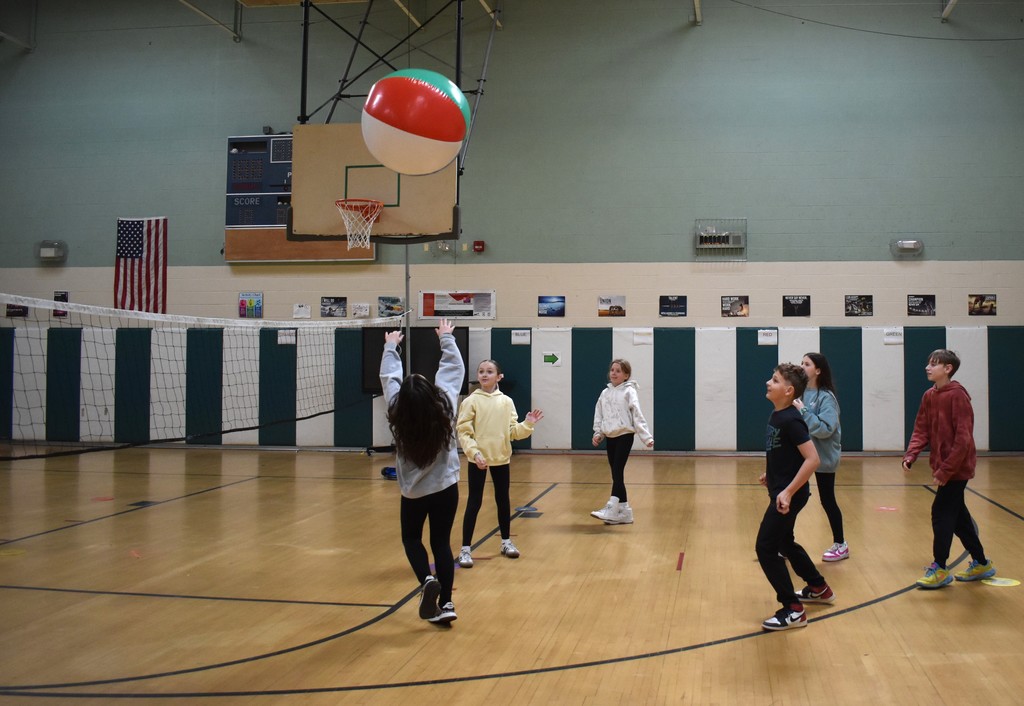
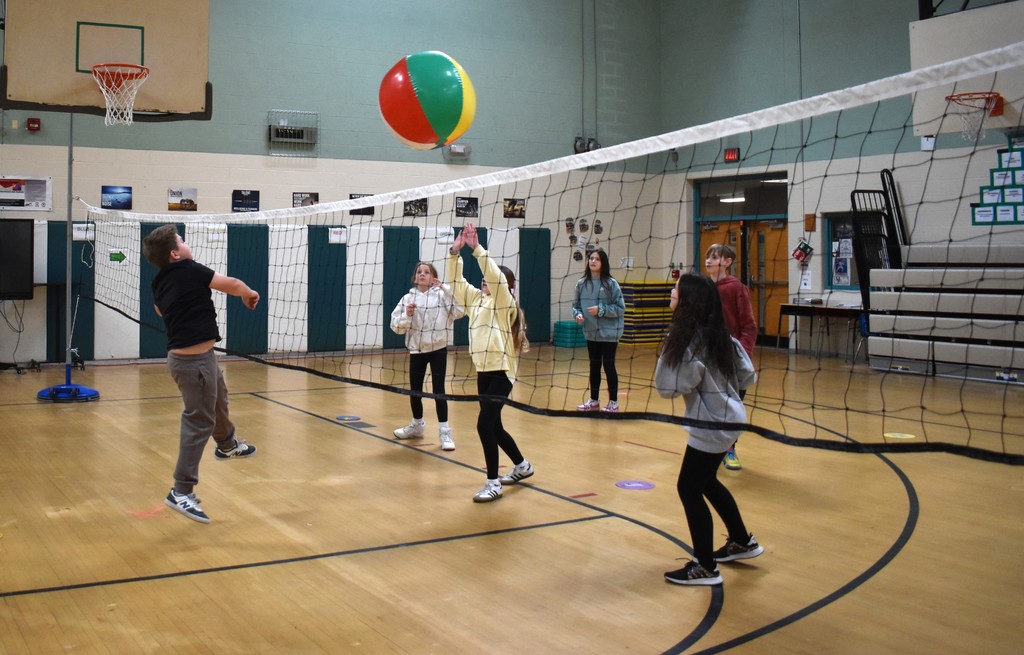
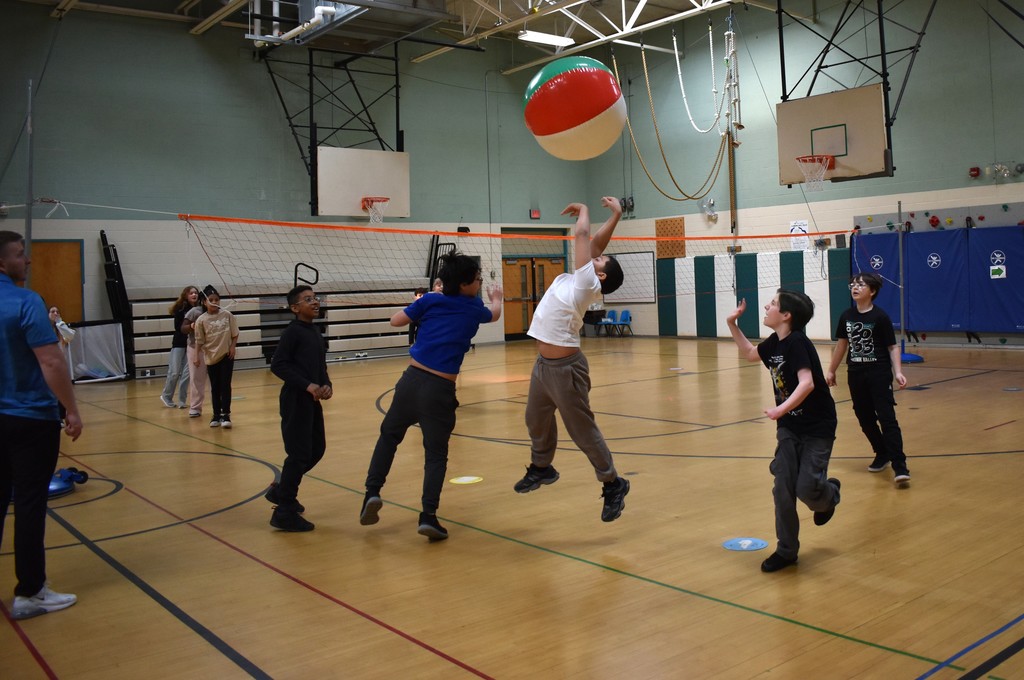
Physical education teachers sometimes use beach balls to teach volleyball to slow down the pace of the game, allowing beginners and younger students time to get into position, track the ball, and develop proper form without fear of injury. The lightweight, soft, and slow-moving nature of beach balls increases success rates, builds confidence, and enhances hand-eye coordination!
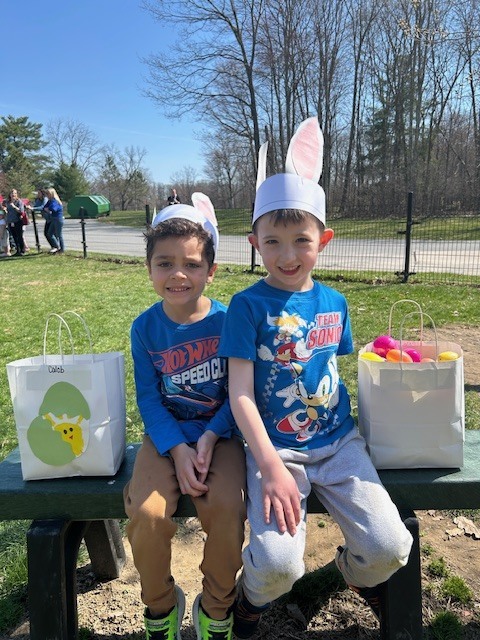
KINDERGARTEN SPRING EGG HUNT!
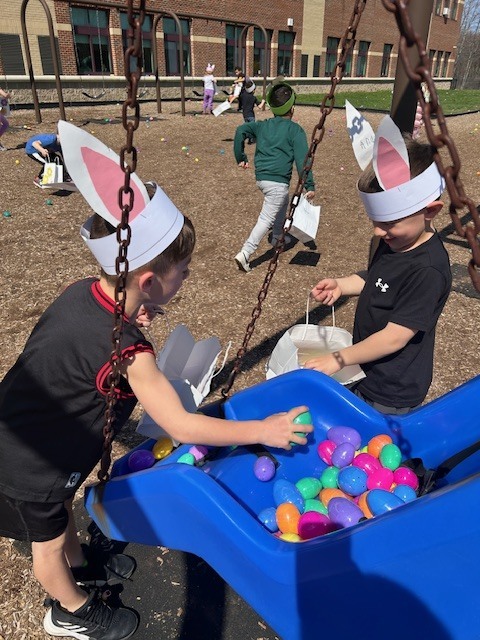
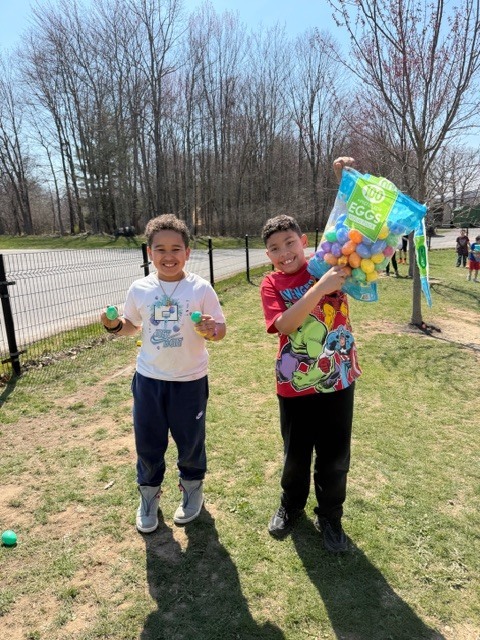
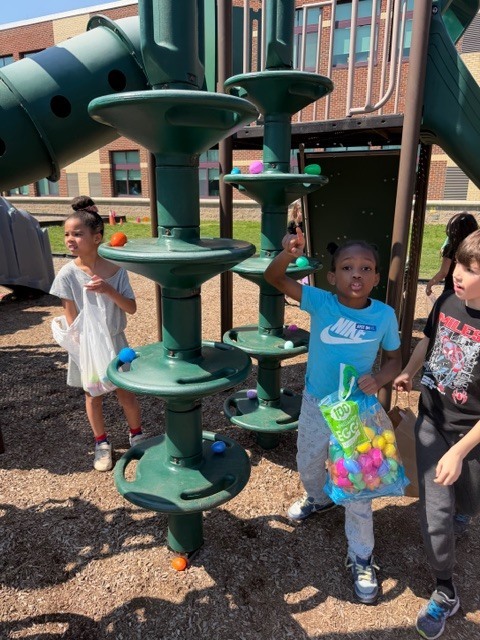
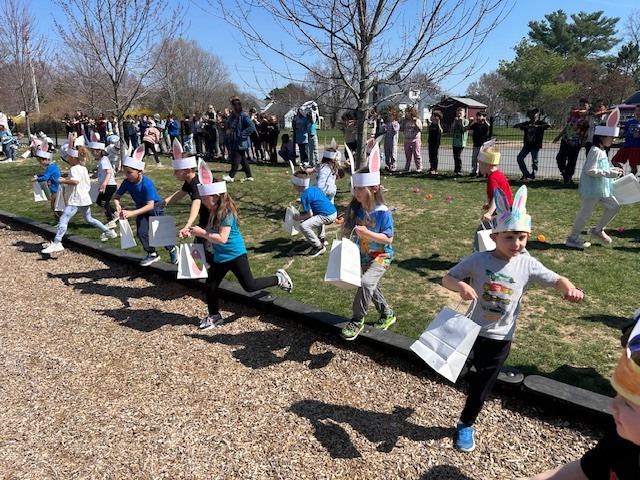
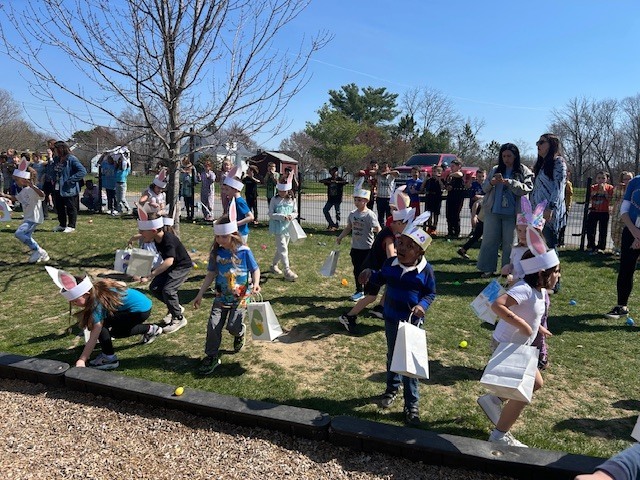
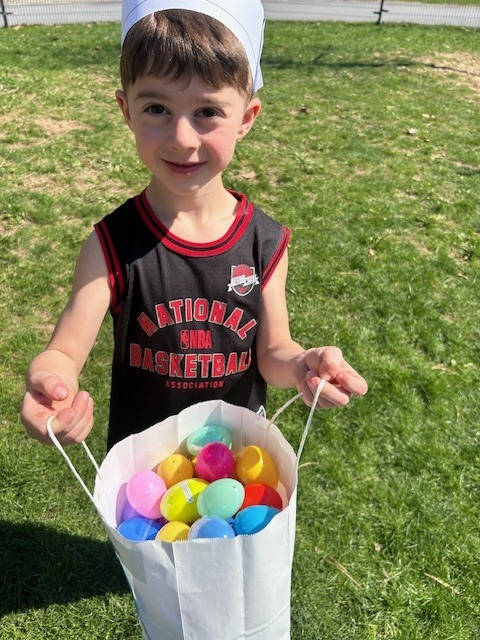
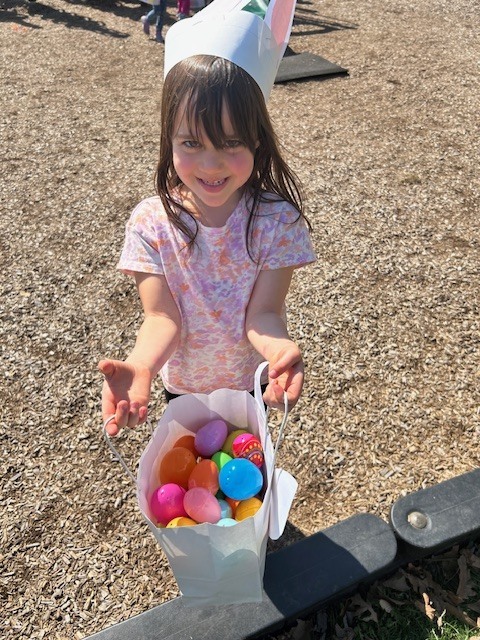
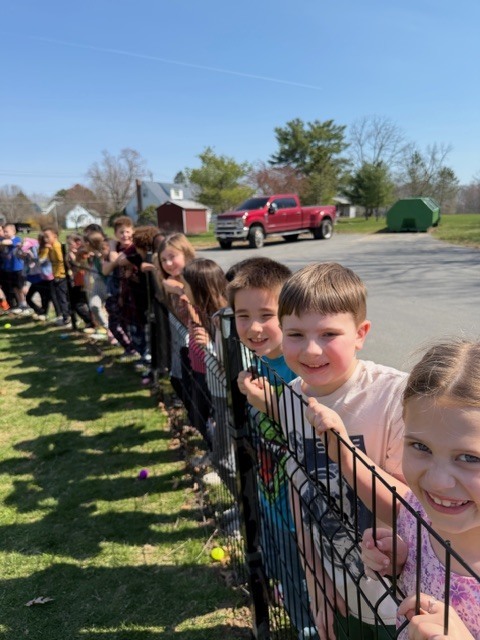
What a sweet springtime tradition at Otisville! Kindergarteners were treated to a truly special afternoon as thousands of colorful, goodie-filled eggs — prepared and donated by families — were placed in the Kindergarten Playground for the school's annual Kindergarten Spring Egg Hunt!
In a time-honored Otisville tradition, second-graders took the lead in setting up the “hunt site,” carefully placing eggs in high, low and quite visible areas before proudly stepping back to watch the excitement unfold. Their big-kid pride made the moment even more meaningful!
The Spring Egg Hunt quickly turned into a joyful dash (maybe even a race!) as little hands gathered as many eggs as they could to fill their baskets and bags. Laughter, smiles and a whole lot of springtime spirit filled the playground as every student went home with a bounty of eggs.
This heartwarming event is the perfect example of a simple, joyful spring school activity — bringing students together, building traditions and creating memories that will last long after the season ends. Soon enough, these little kindergarteners will be setting up the hunt site for others!
Take a peek at the fun and THANK YOU to everyone who helped make this day so special!
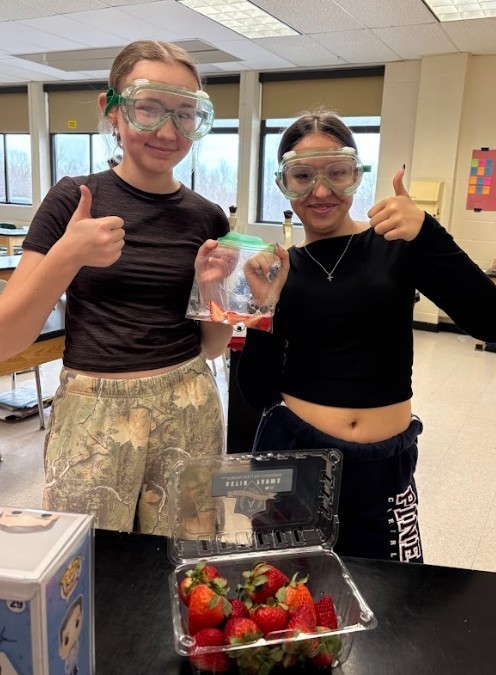
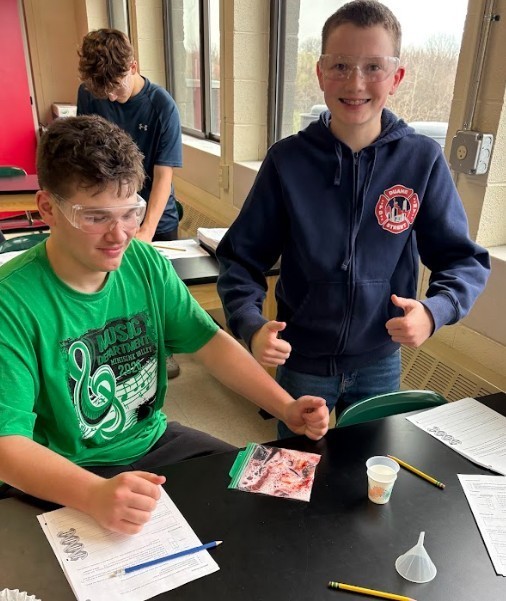
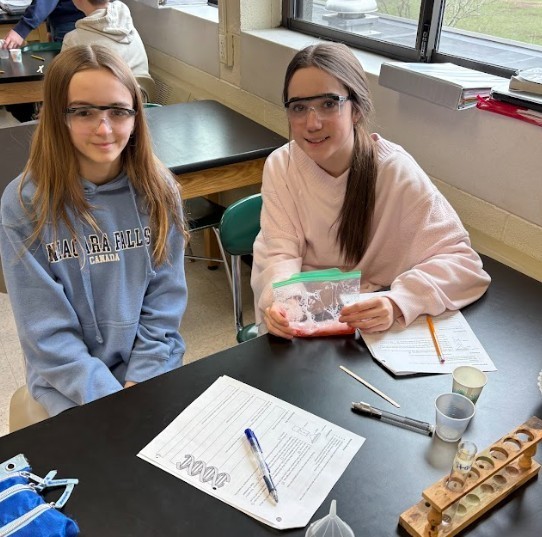
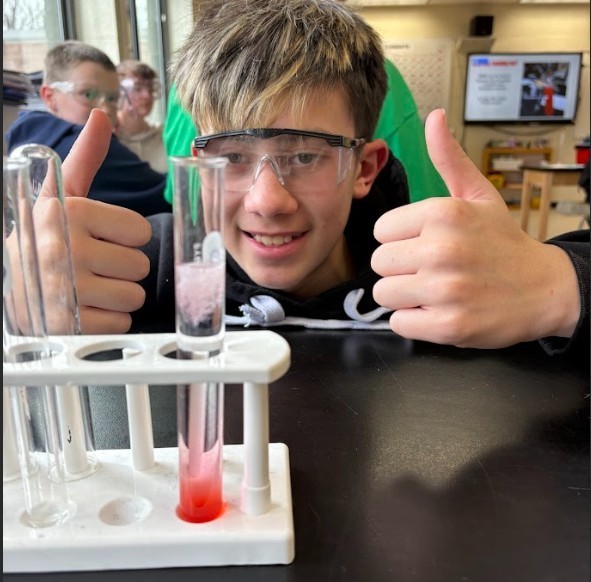
Strawberries were used because they are “octoploid,” meaning they have eight sets of chromosomes, which makes it easier to extract and observe large amounts of DNA.
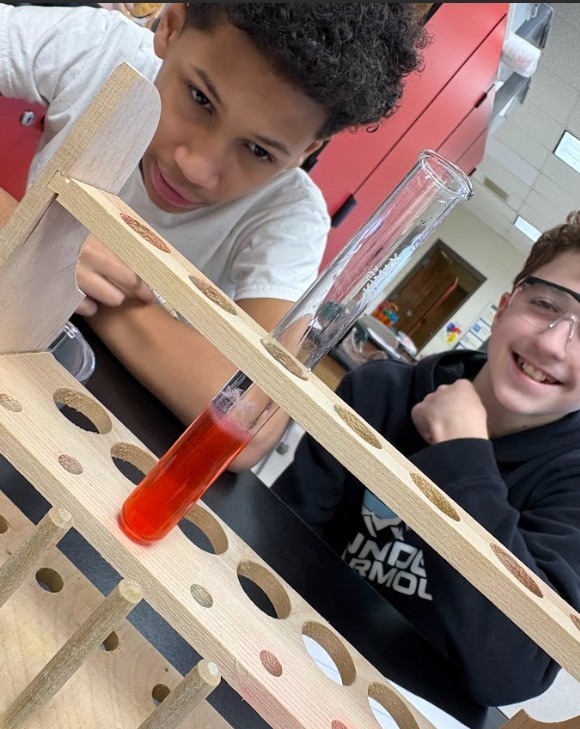
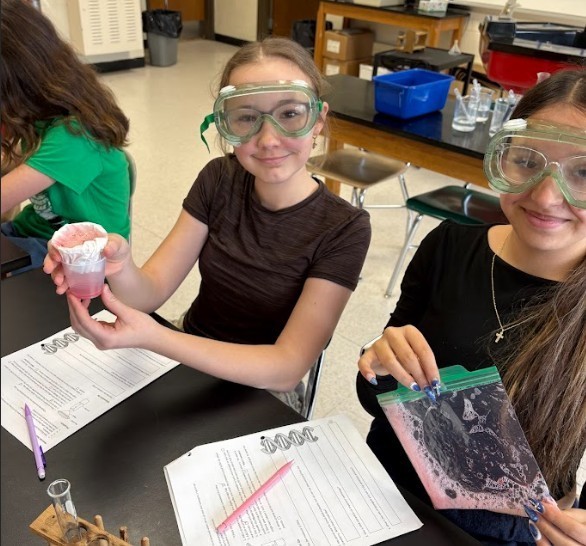
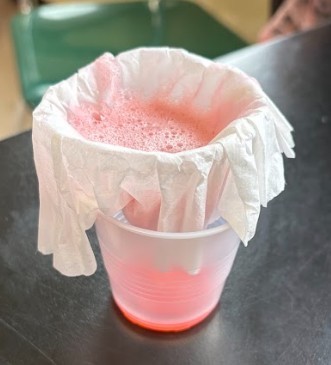
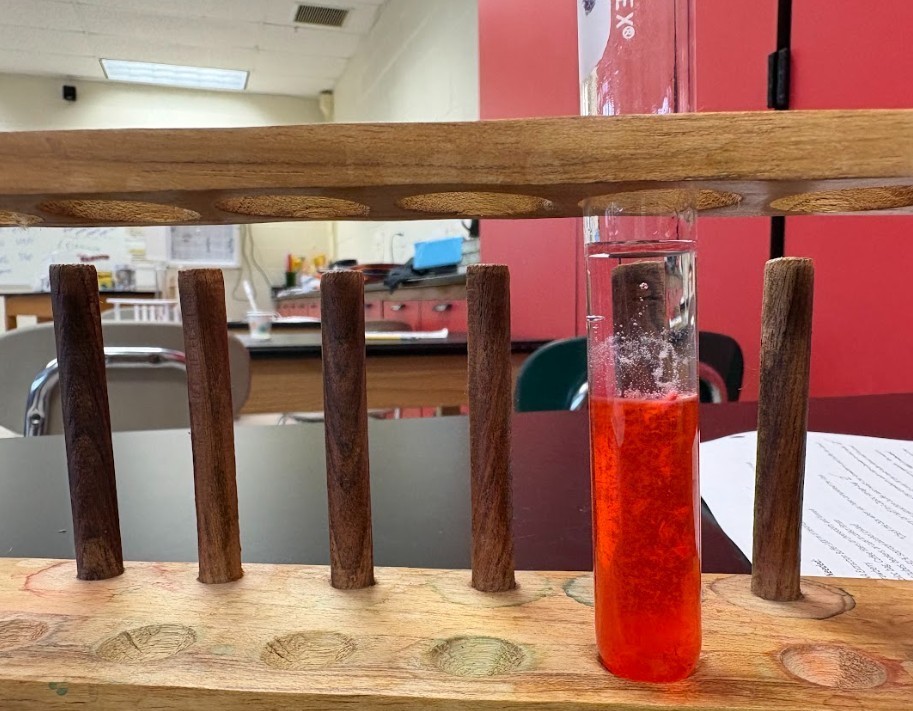
During the procedure, students crushed the strawberries to physically break down the cell walls, then added soap to dissolve the cell and nuclear membranes, releasing the DNA from the nucleus. Salt was used to neutralize the charges on the DNA molecules, allowing them to clump together. The mixture was then filtered to create a filtrate, and isopropyl alcohol was added, causing the DNA to precipitate and become visible as white strands.
This hands-on investigation helped students understand the structure and function of DNA and highlighted the importance of DNA extraction in scientific research, medicine, and identifying organisms. When students grasp both the structure and function of DNA, they start to understand how life actually works at a molecular level. Highlighting DNA extraction makes this knowledge more concrete. Instead of DNA being an abstract idea in a textbook, students see that it’s a real substance that can be isolated and studied. That connection is powerful for learning!
DNA, or deoxyribonucleic acid, is a double-stranded molecule shaped like a double helix and is made of nucleotides arranged in a specific sequence that forms the genetic code.
What college/university is your student attending this fall? What career is he/she stepping into? Will he/she be entering the military?
The BIG, FUN REVEAL DAY (for students only) is coming: Friday, May 1 at the high school! It's National Decision Day!
Reminders are going out to all seniors, and we're letting you, too, because you may still be on the hunt for the perfect shirt/hoodie/hat for your student to wear for photo ops "announcing" and celebrating his/her decision! It's a BIG DEAL!
We'll have a fun background display for them to take photos! We can't wait to share the news!

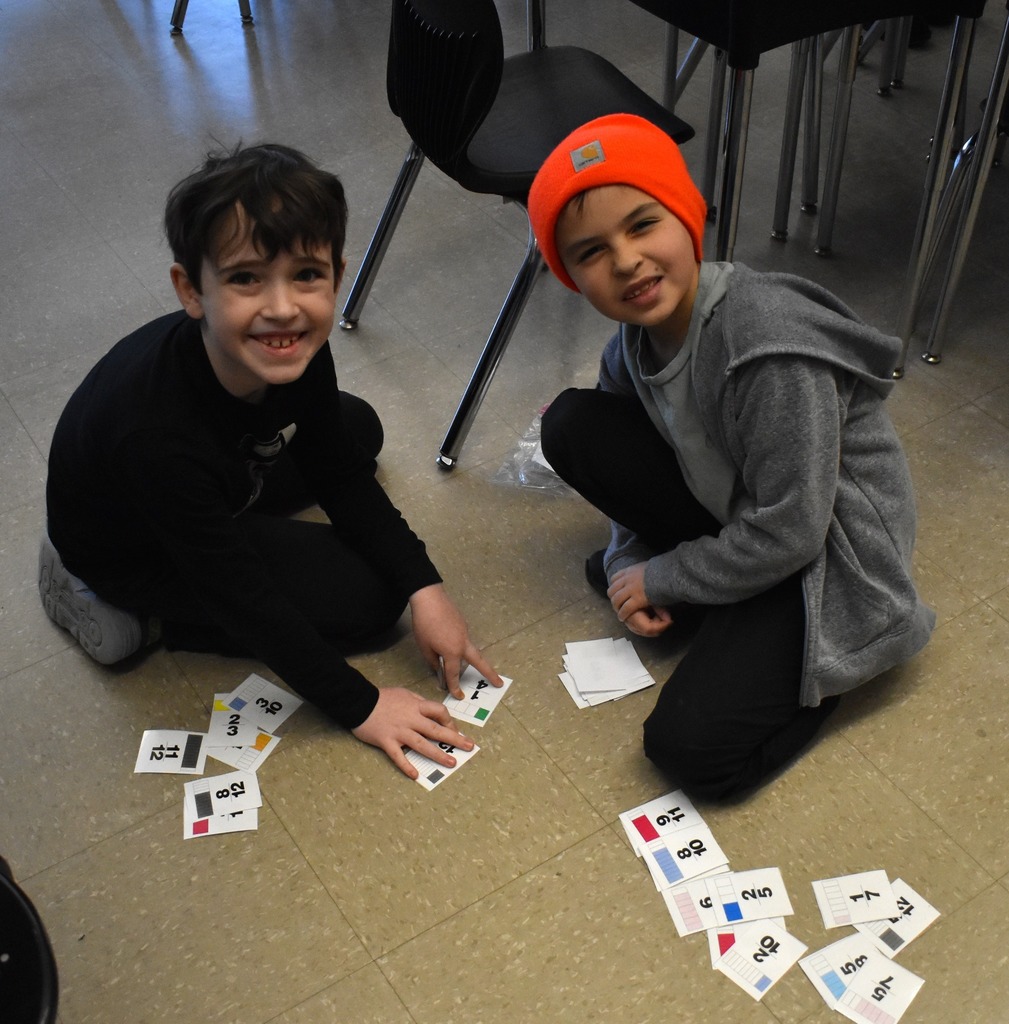
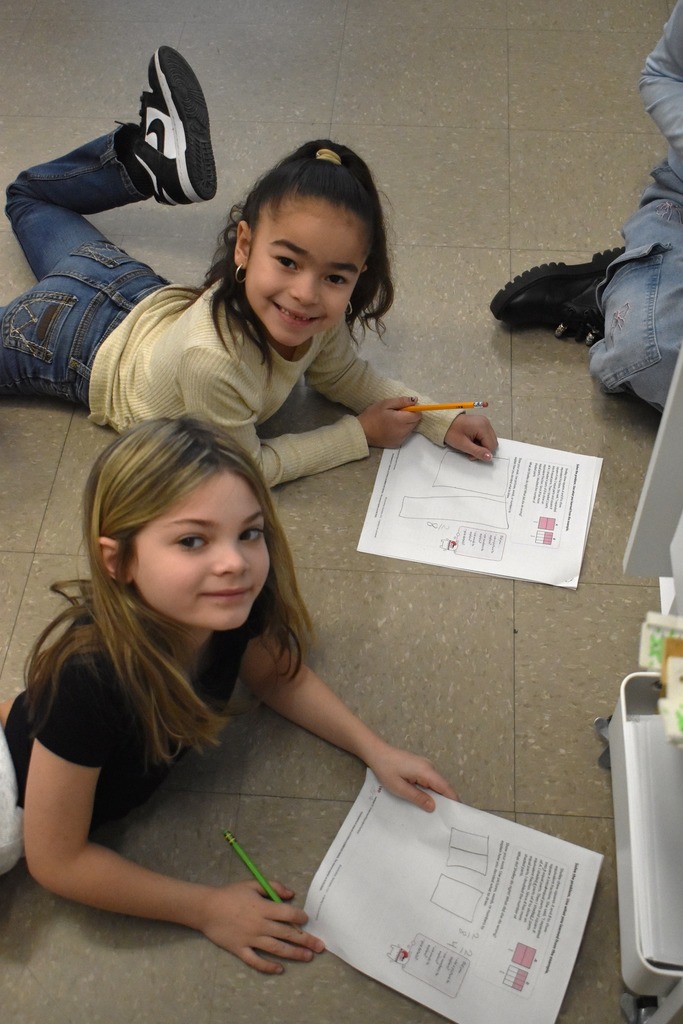
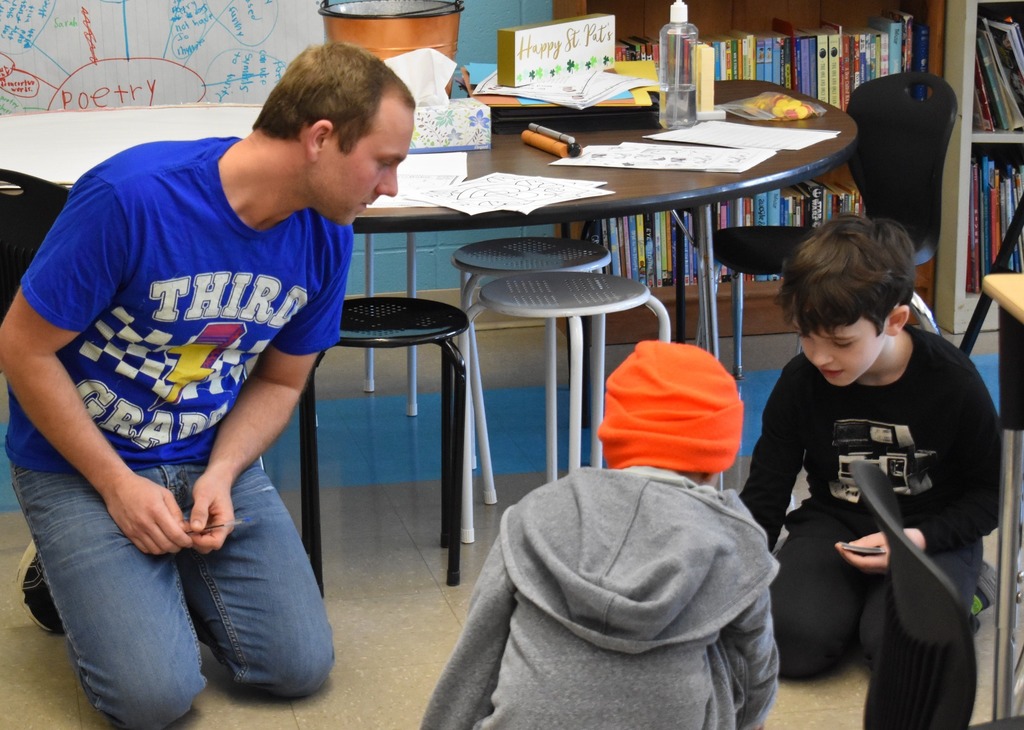
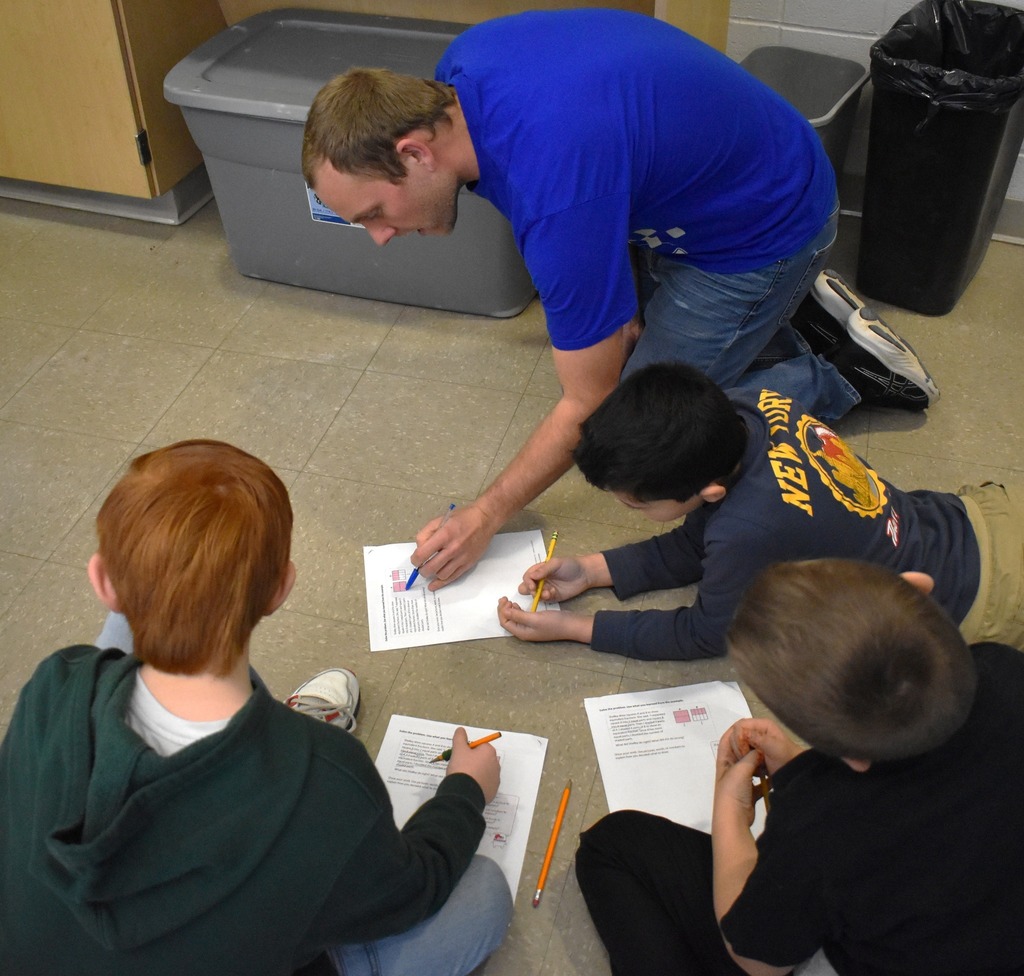
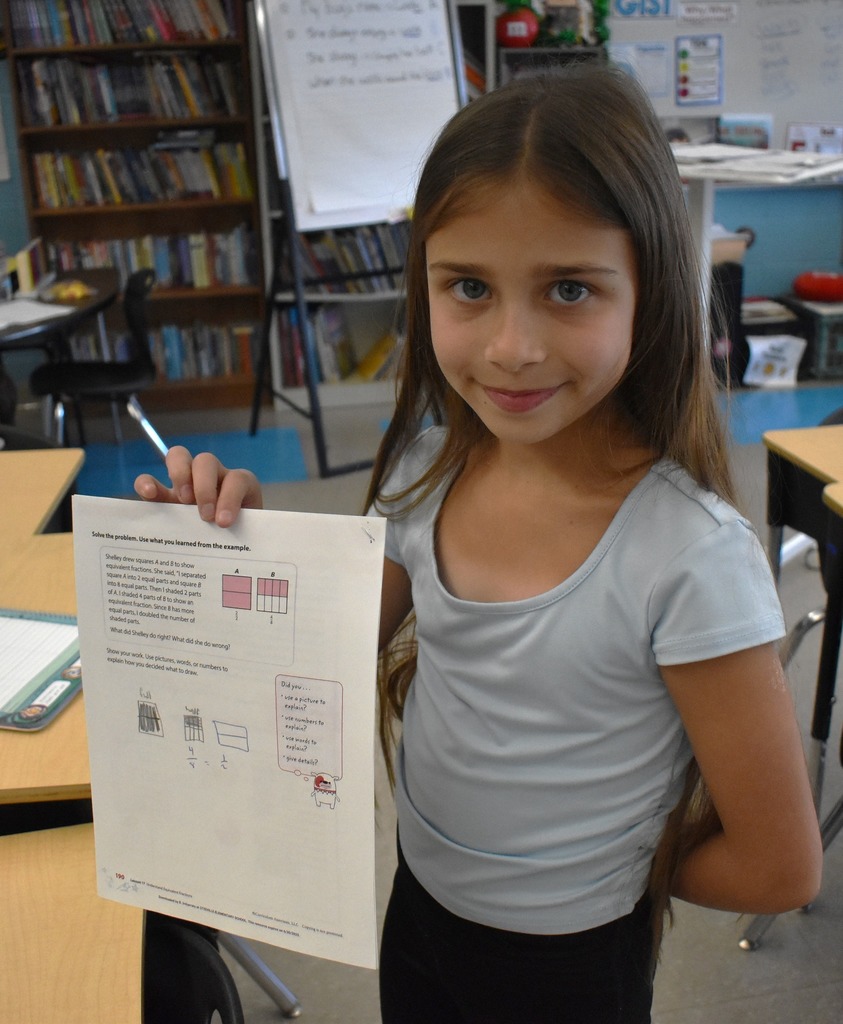
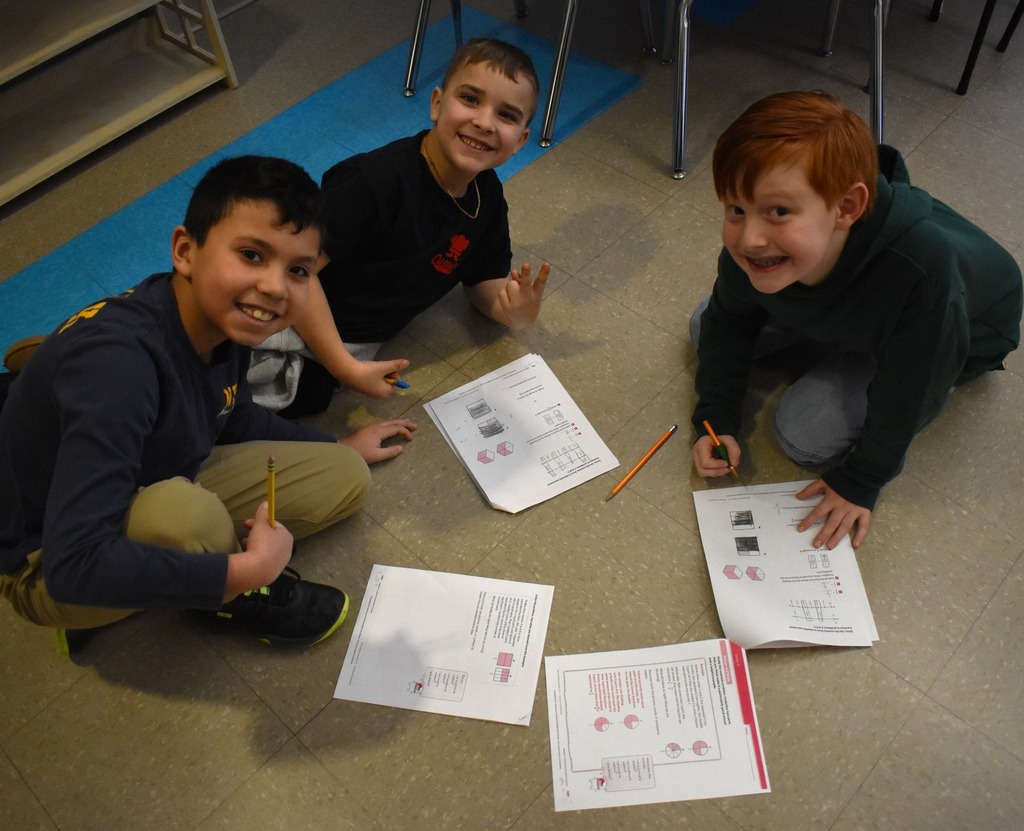
Third-graders study fractions to build a foundational understanding of parts-to-whole relationships, which is critical for future success in algebra, geometry, and STEM careers. This introduction helps students move from concrete, whole-number thinking to more abstract concepts, including comparing, ordering, and understanding equivalent fractions.
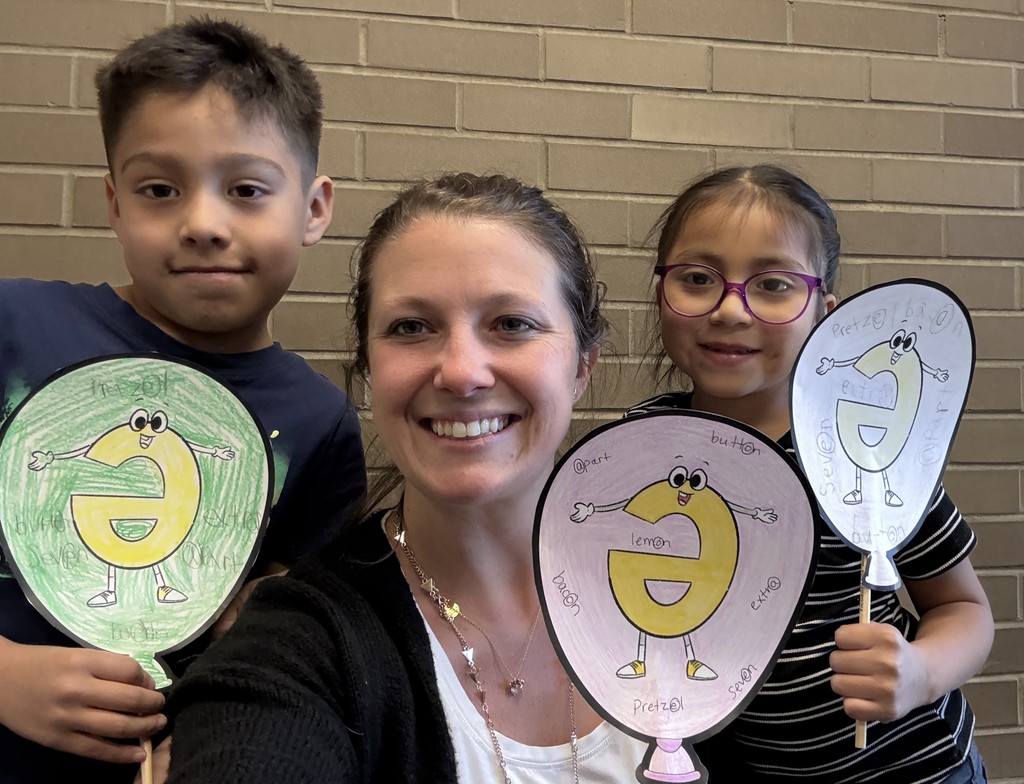
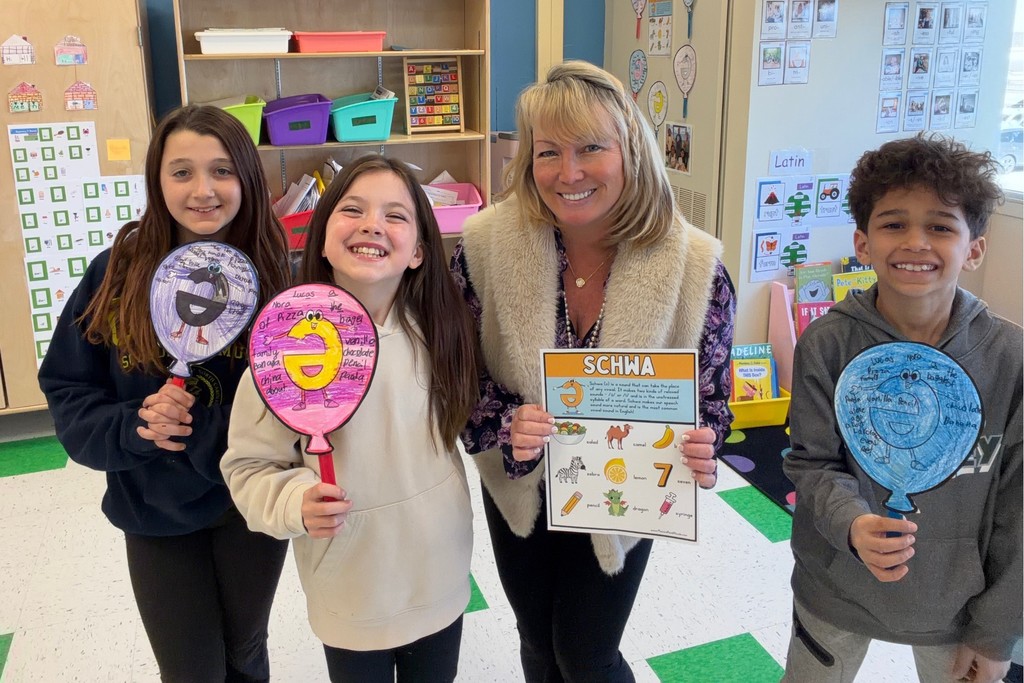
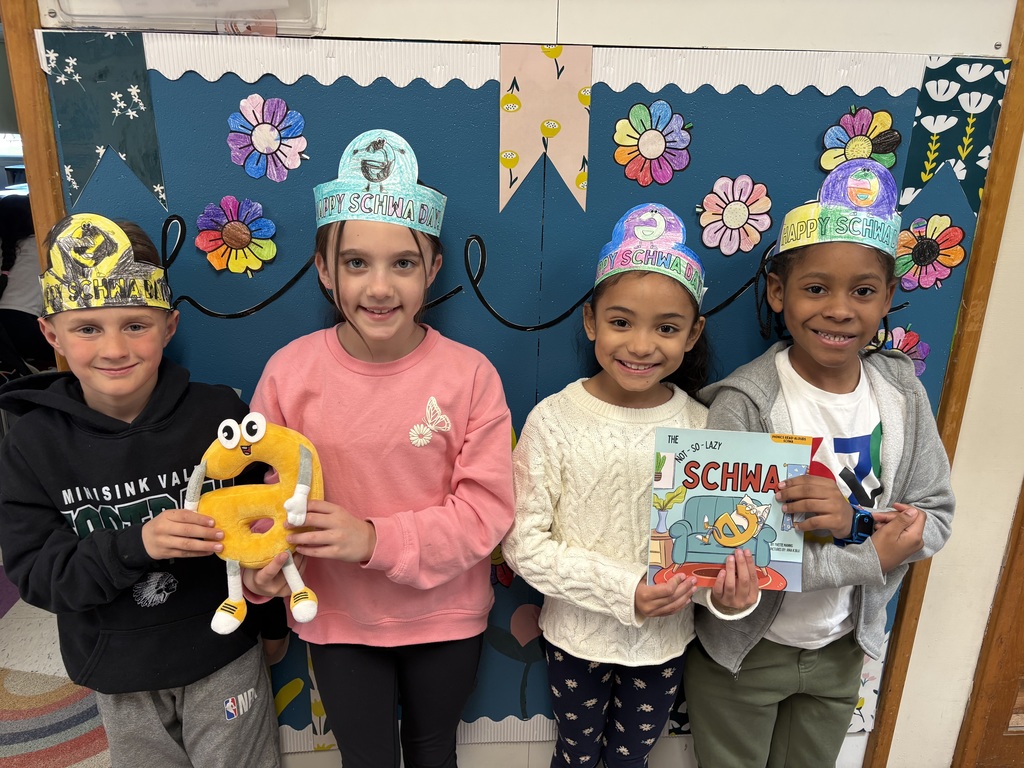
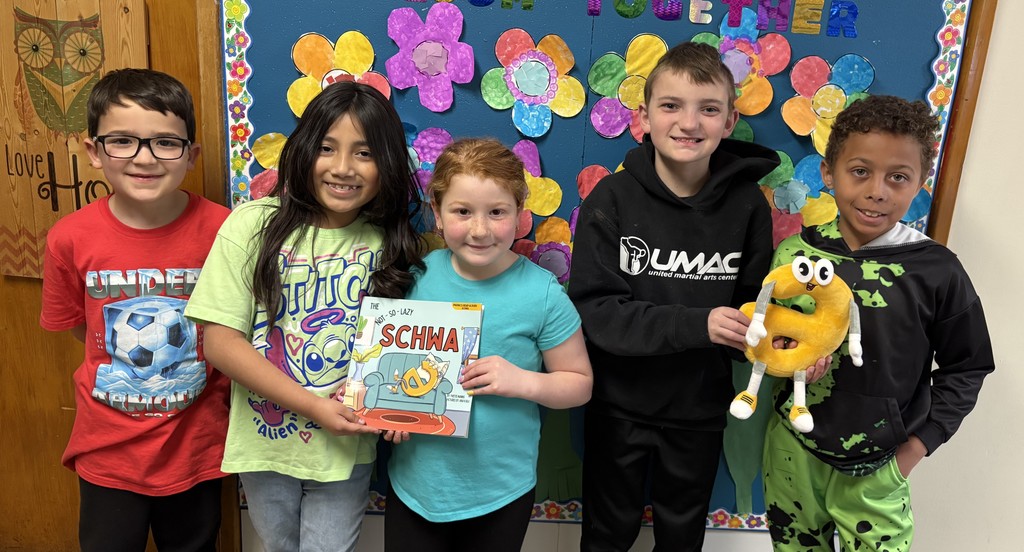
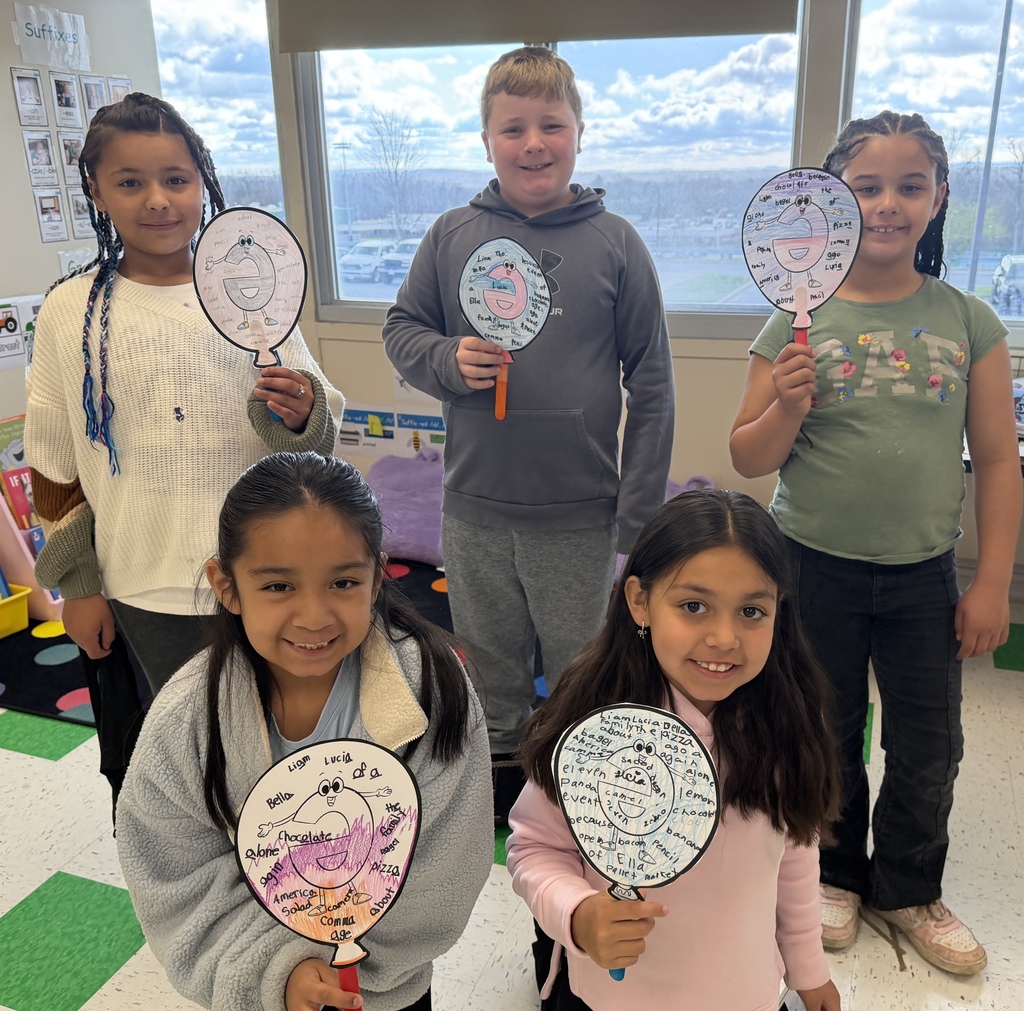
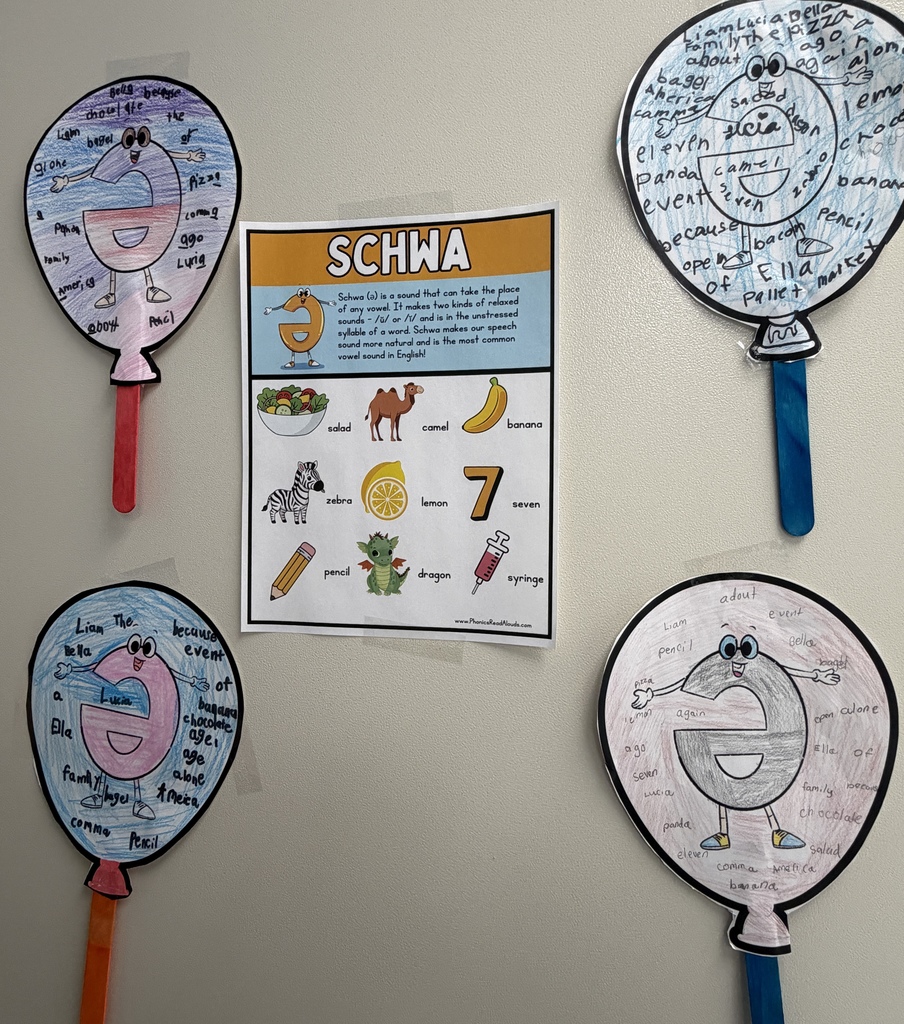
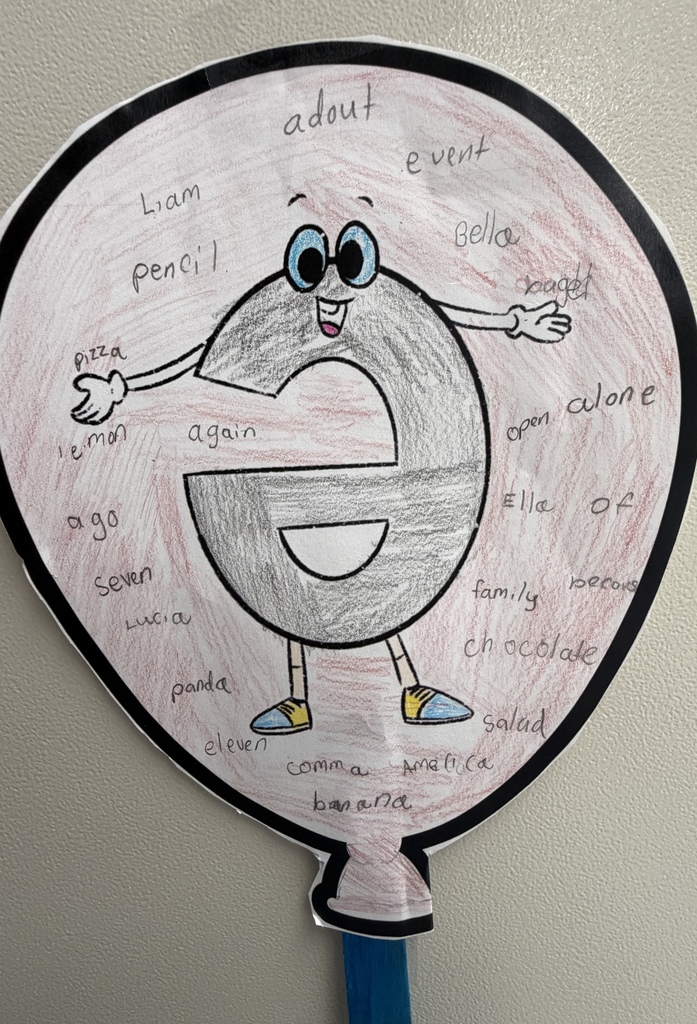
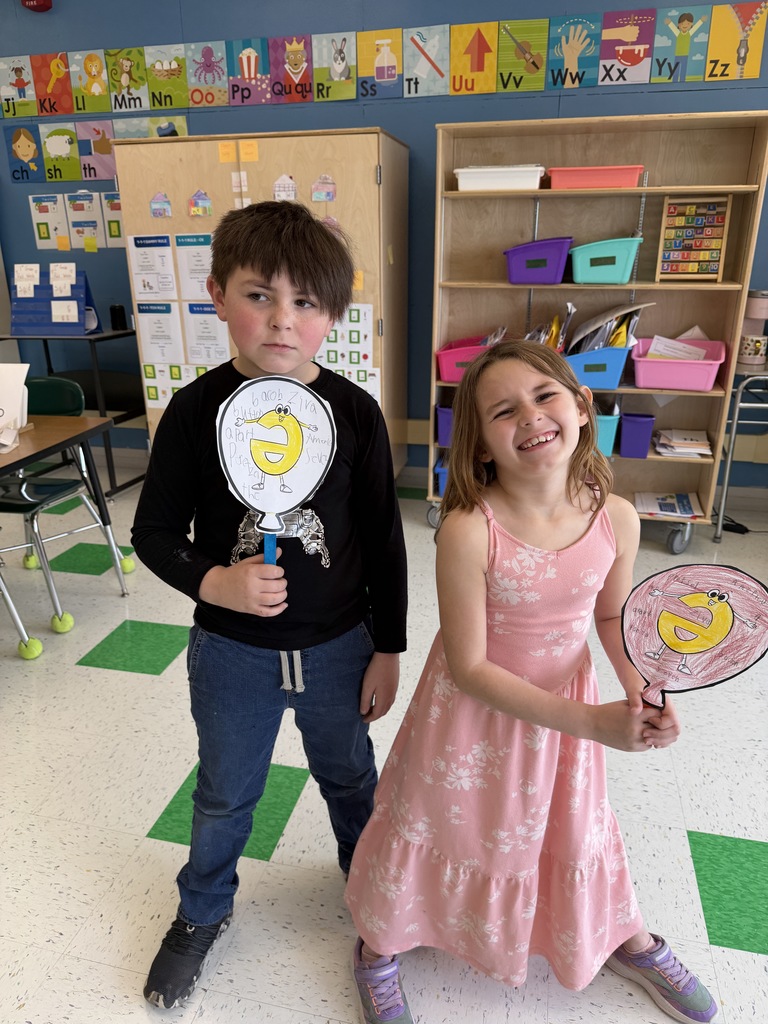
The schwa (ə) may be the quietest vowel in the English language, but it’s also the most common — a soft little superstar hiding in unstressed syllables of words like “about,” “sofa” and “banana.”
Even though it rarely takes center stage, the schwa helps our words glide smoothly and naturally. That’s why this unofficial holiday gives students, teachers and word-loving humans everywhere a chance to cheer on the sound that does so much…while asking for so little.
Whether you’re a budding linguist or just someone who appreciates a quirky language celebration, National Schwa Day is the perfect reminder that even the quietest sounds deserve a big round of applause.
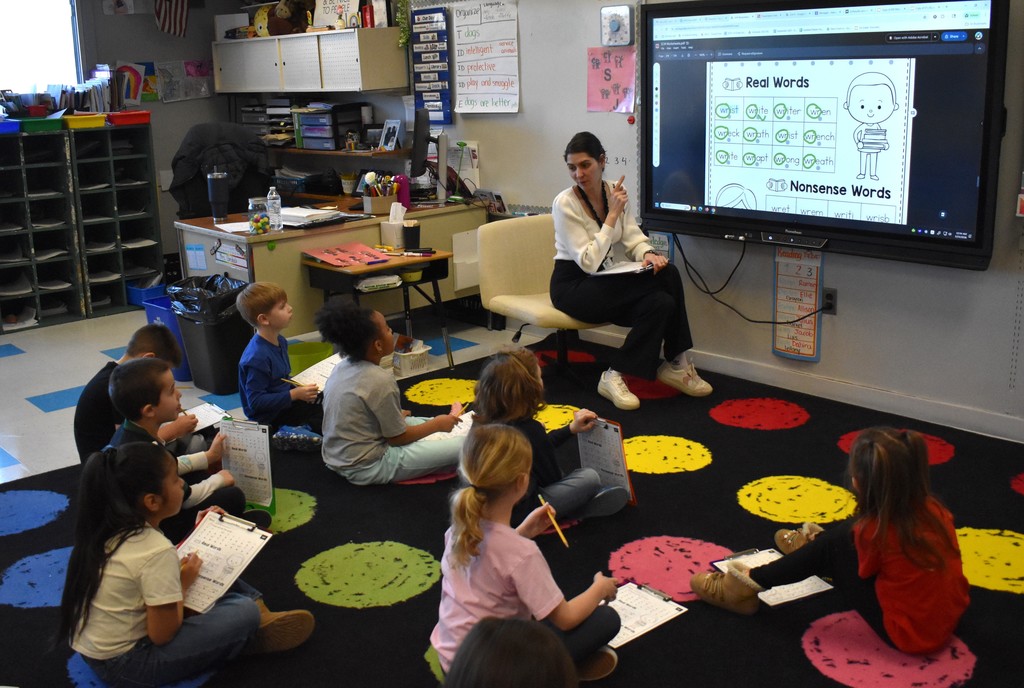
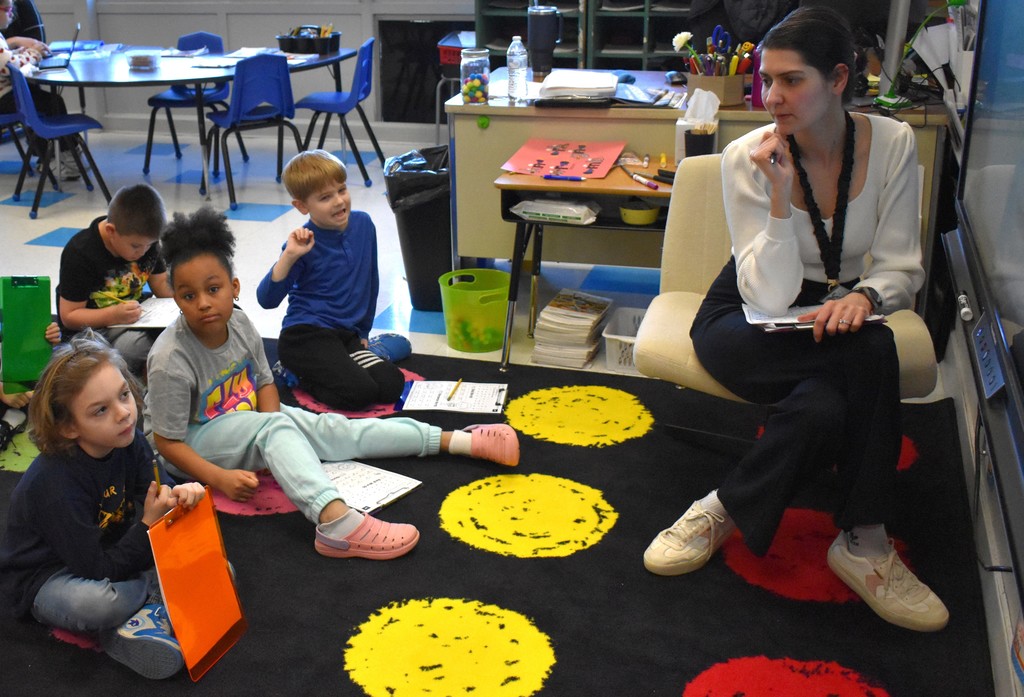
Understanding the schwa is important for young readers because it helps them make sense of the many English words that don’t sound the way their spelling suggests. Since the schwa appears in thousands of unstressed syllables, recognizing it strengthens decoding skills, improves spelling, and leads to smoother, more natural reading fluency. It also helps young students notice patterns in prefixes, suffixes and word structure, giving them stronger morphological awareness. Most importantly, understanding the schwa reduces frustration and builds confidence by showing readers that these “mystery vowels” actually follow predictable patterns.
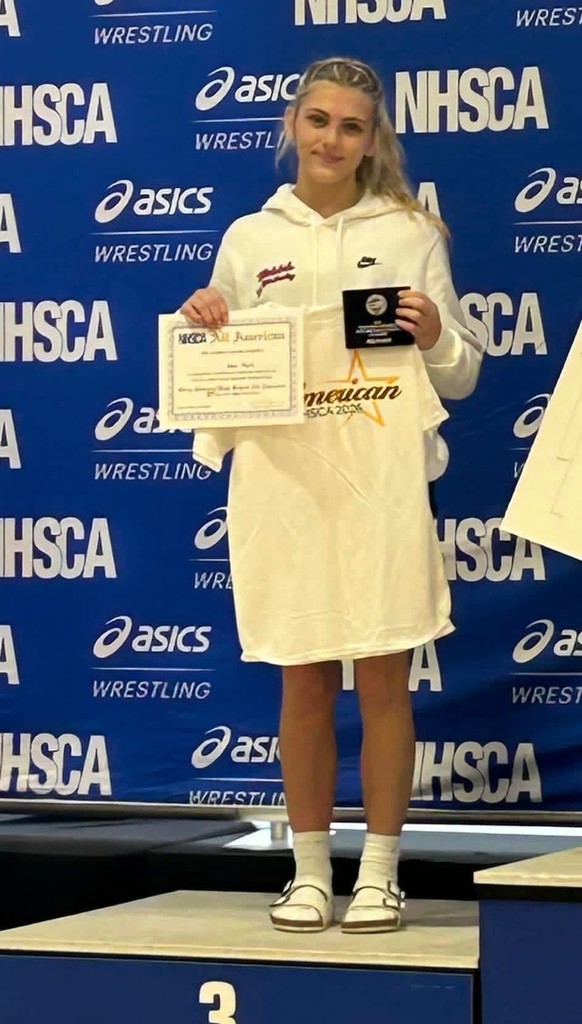
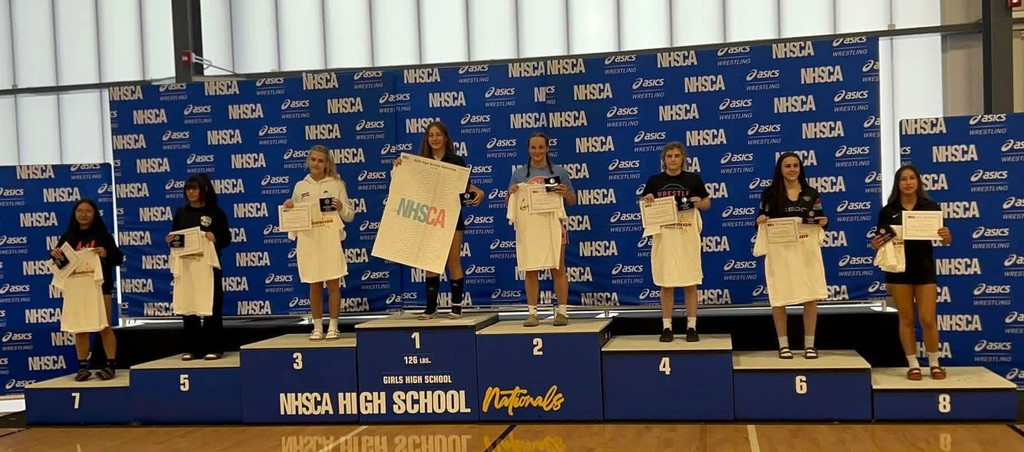
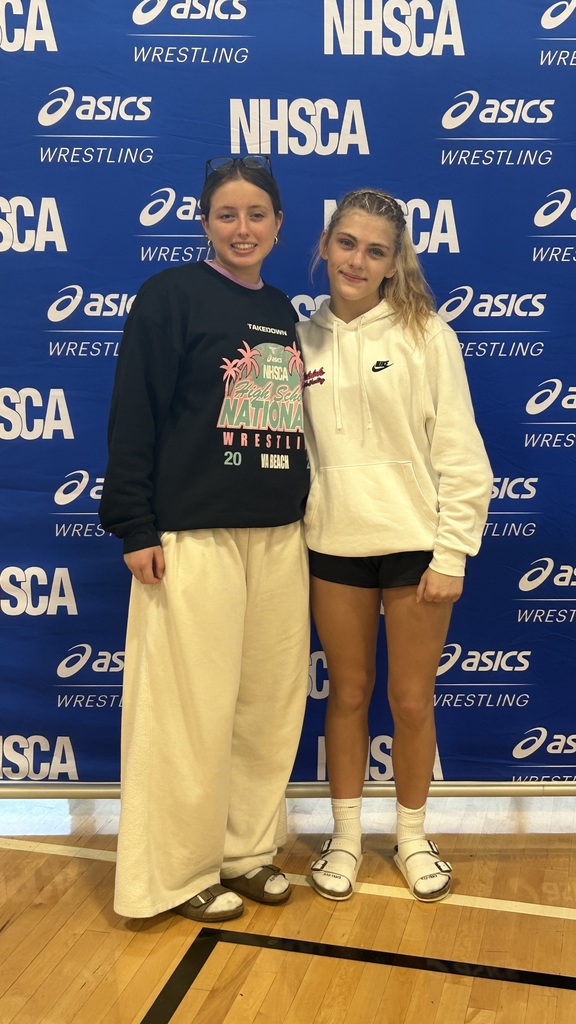
Congratulations to Junior Sara Pauls for earning third-place honors in the 126-pound weight class --- and ALL-AMERICAN status --- at the recent National High School Coaches Association’s (NHSCA) 37th annual High School Nationals Competition in Virginia Beach! Her third-place success came from a bracket of 85 girls!
Also wrestling were Jaida Macaluso and Keira Filip, who wrestled with grit and honorably represented Minisink Valley!
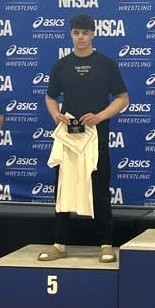
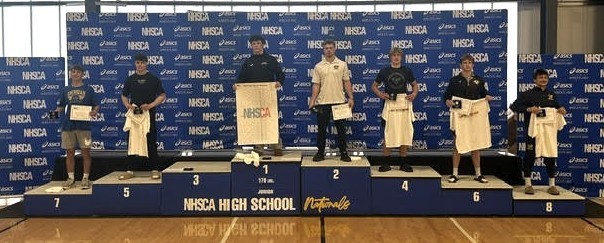
And…and equal congratulations to Junior Wyatt Boice who earned fifth-place in the 175-pound weight class – and ALL-AMERICAN status --- at this same tournament! Thus far, Wyatt has earned ALL-AMERICAN honors each of the past three seasons! Wyatt went 6-2 over the three day tournament.
Also wrestling was Jake Murphy, Mason Murphy, Colin Matone, Vinny Coppola, Joe Uhrig and Zach Filip --- who came up one match short of All American status as he lost in the blood round.
A wrestler earns All-American status by finishing among the Top 8 at a recognized national tournament!
We’re so proud of all our wrestlers who competed in great matches against some of the best in the nation! The NHSCA High School Nationals is a premier wrestling championship for high school athletes from across the nation (and sometimes international competitors). The NHSCA Nationals serves as a showcase for talent and is often attended or scouted by college coaches and recruiters.
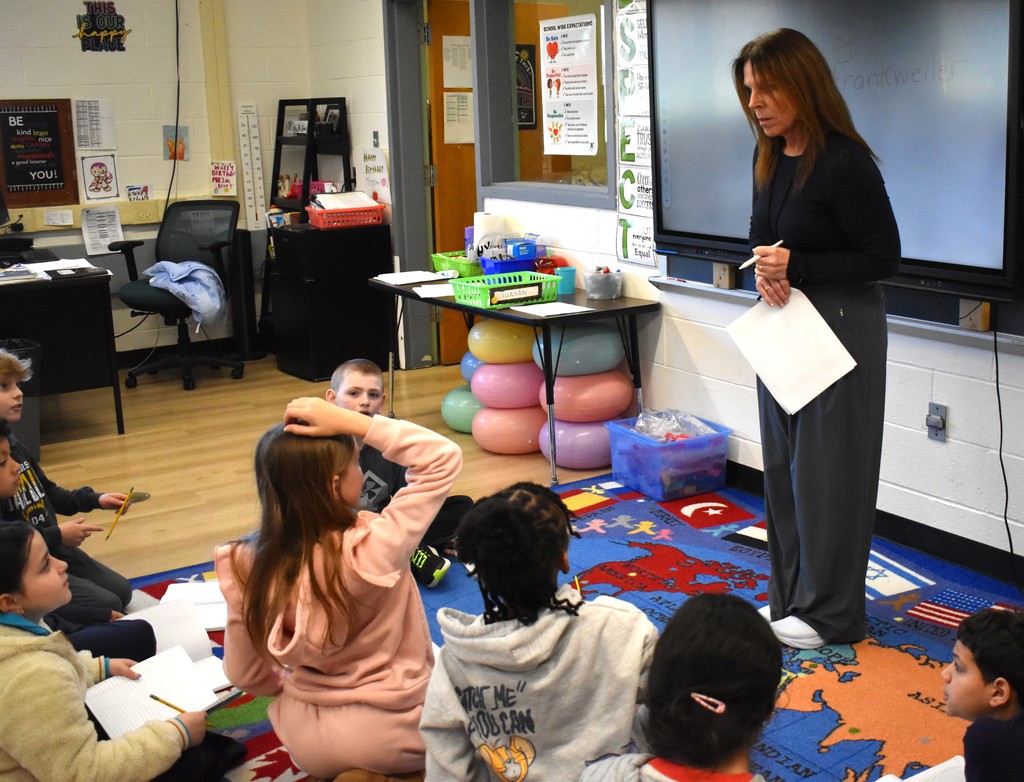
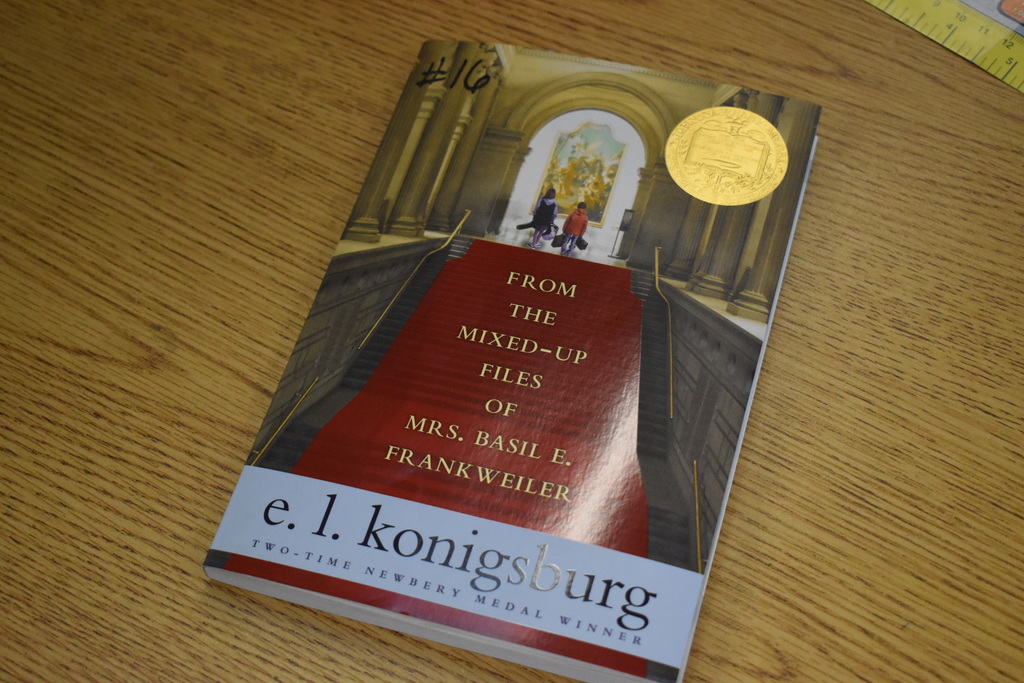
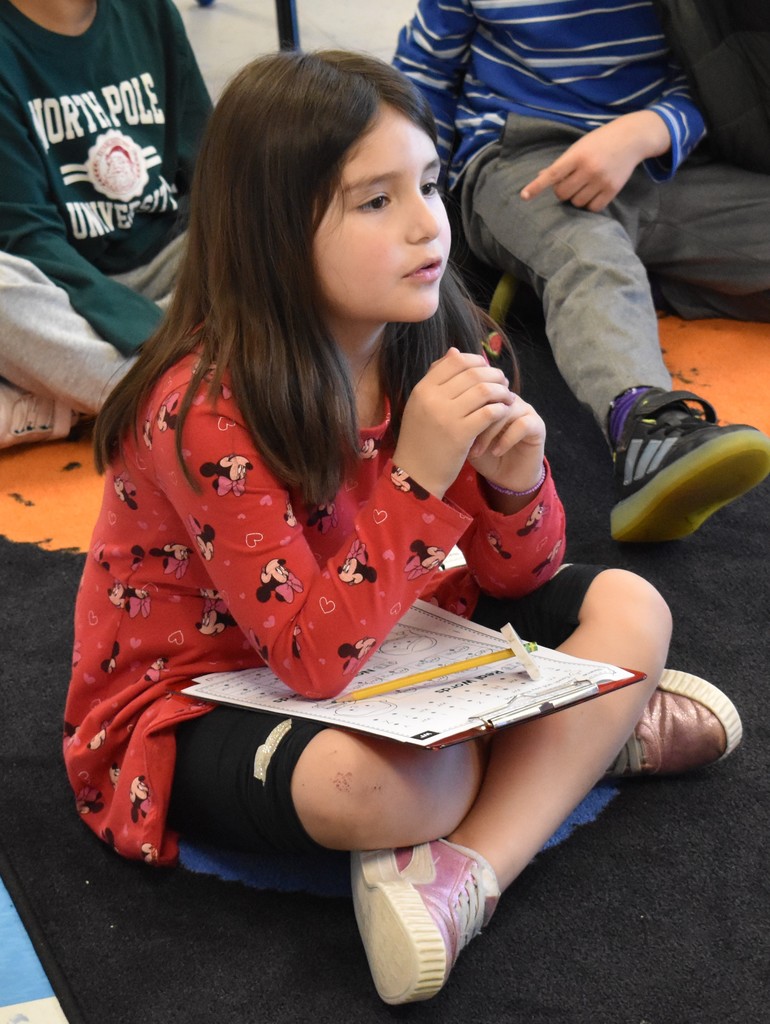
Currently, the class is reading E.L. Konigsburg’s "From the Mixed-Up Files of Mrs. Basil E. Frankweiler." It’s the story 12-year-old Claudia Kincaid and her brother Jamie, who run away from home and find refuge in the Metropolitan Museum of Art in New York City. While cleverly hiding for more than a week, they stumble upon a mystery surrounding the museum's recent acquisition of an angel statue that may have been sculpted by Michelangelo. Along with Mrs. Basil E. Frankweiler, they are among the book’s main characters.
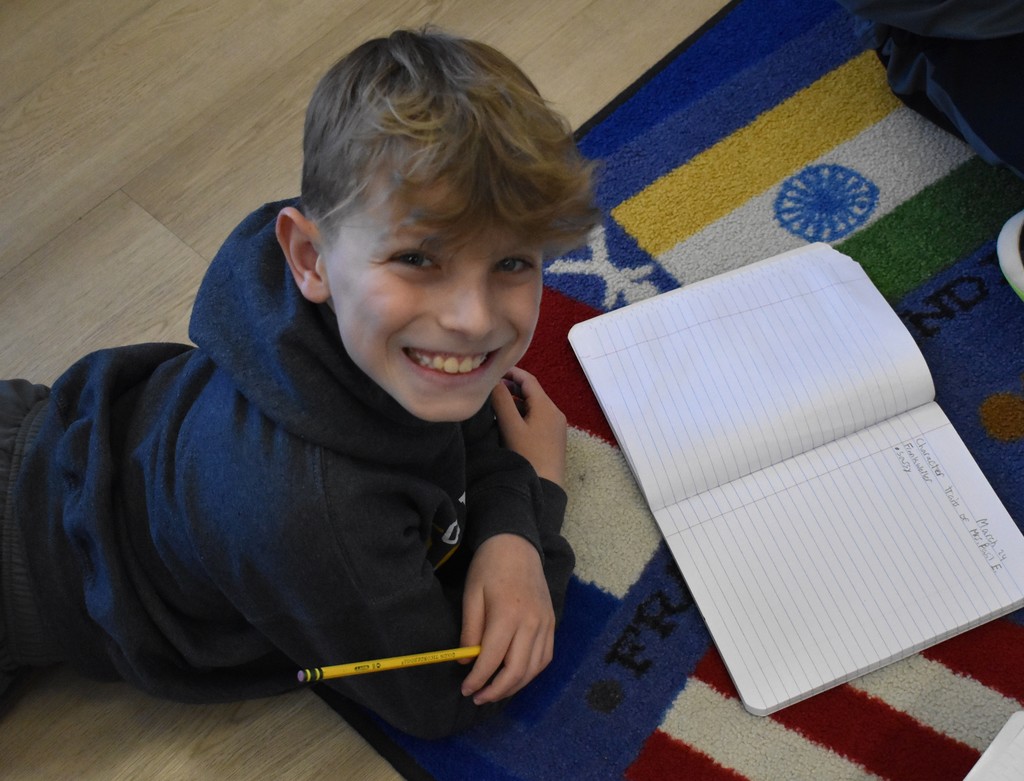
Learning how to decipher character traits is an important skill because it helps students become thoughtful, analytical readers and stronger writers, while also building important life skills like empathy and critical thinking.
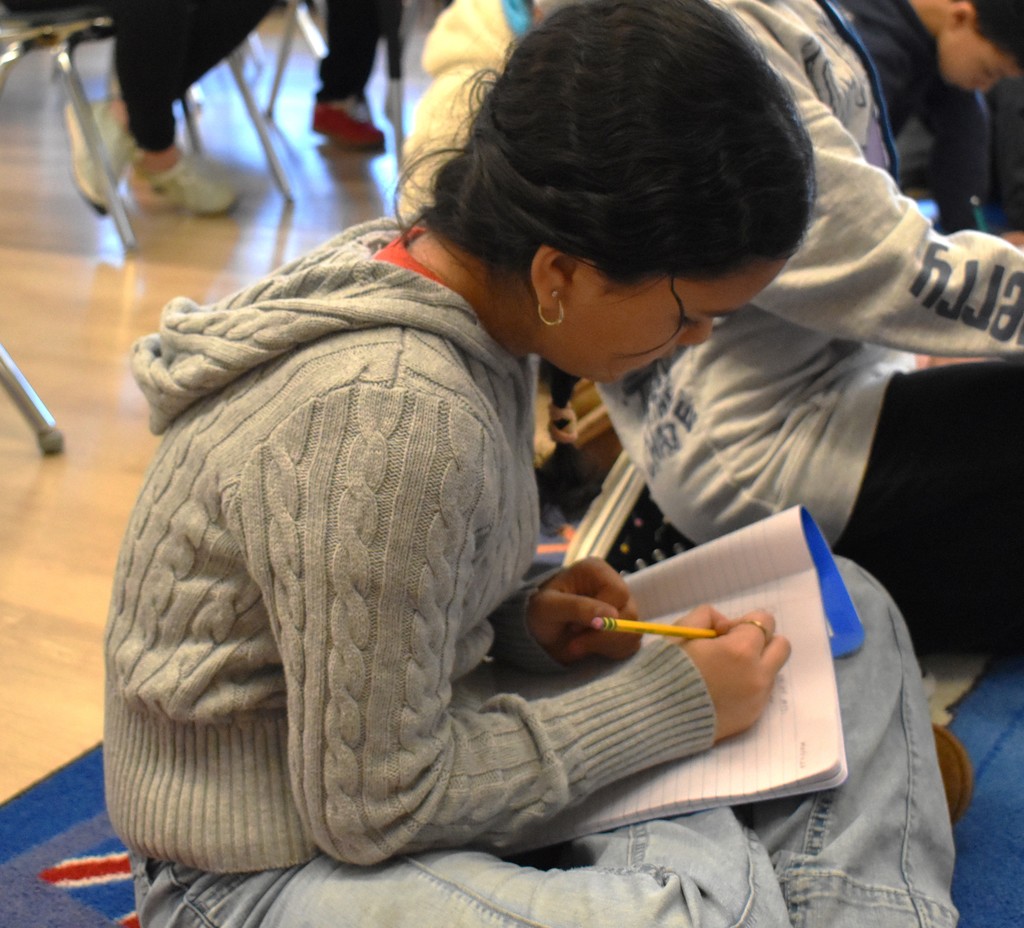
Their students will then use their newfound knowledge to choose one of the characters and write a short narrative about one of the characters introduced in the novel, using the first person point of view.
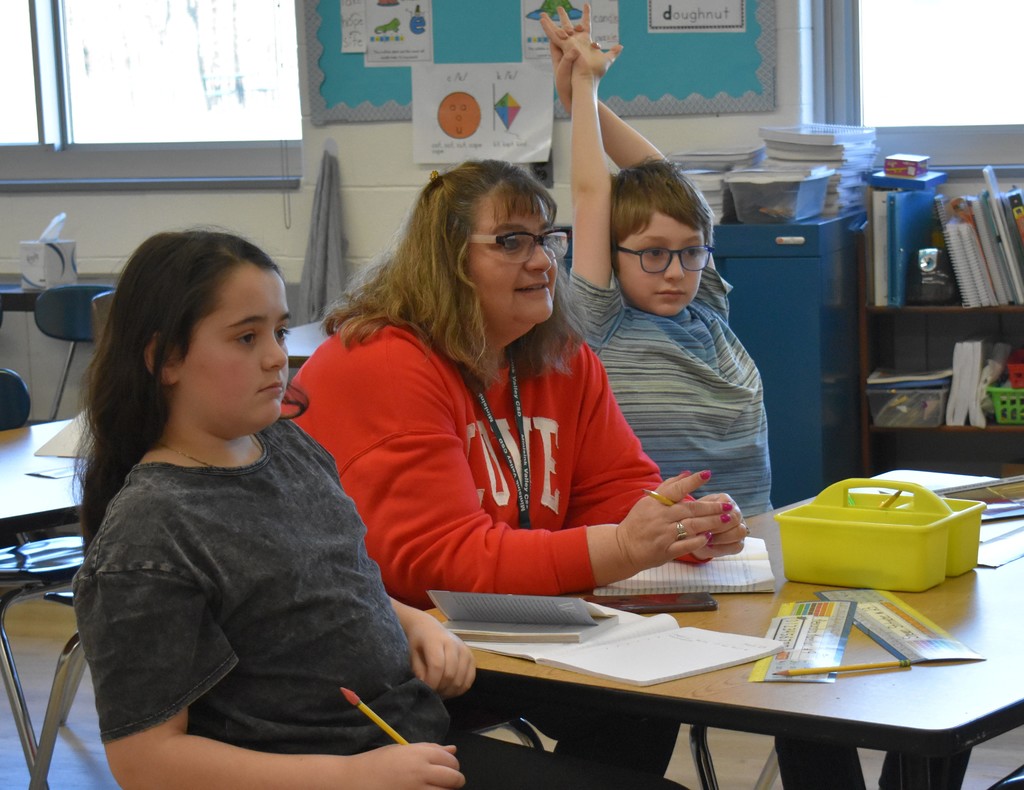
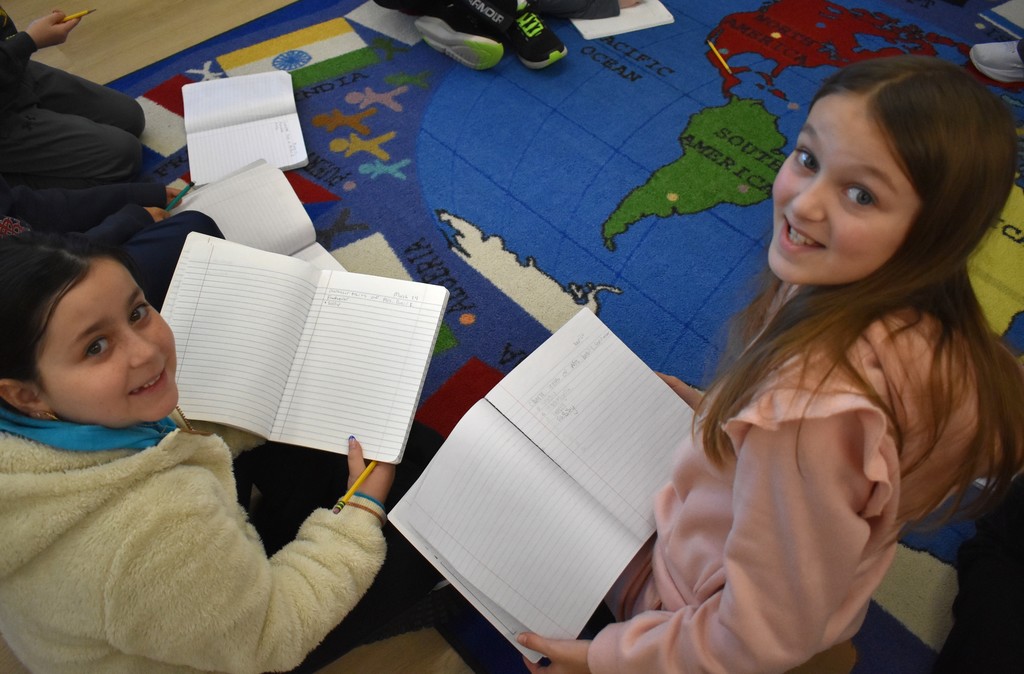
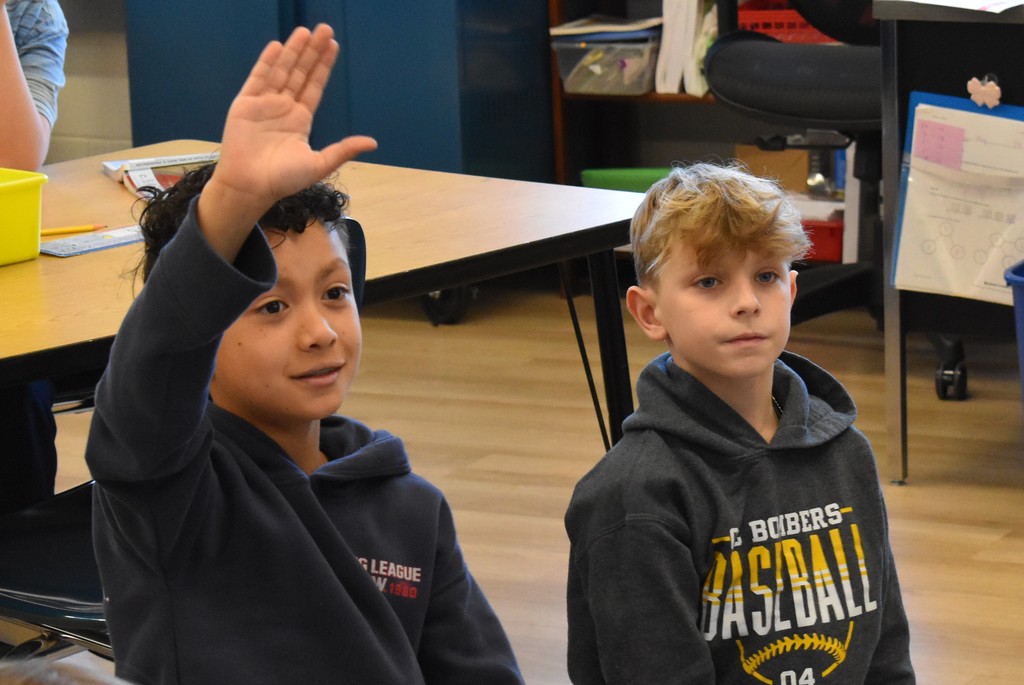
“The students loved brainstorming and then sharing their thoughts and ideas with their partners and class,” said Mrs. McKeon.
Character traits are descriptive adjectives outlining a person's unique personality, values and behaviors inferred through their actions, words and thoughts. They define who a person is, encompassing both positive and negative qualities and influencing how they interact with the world.
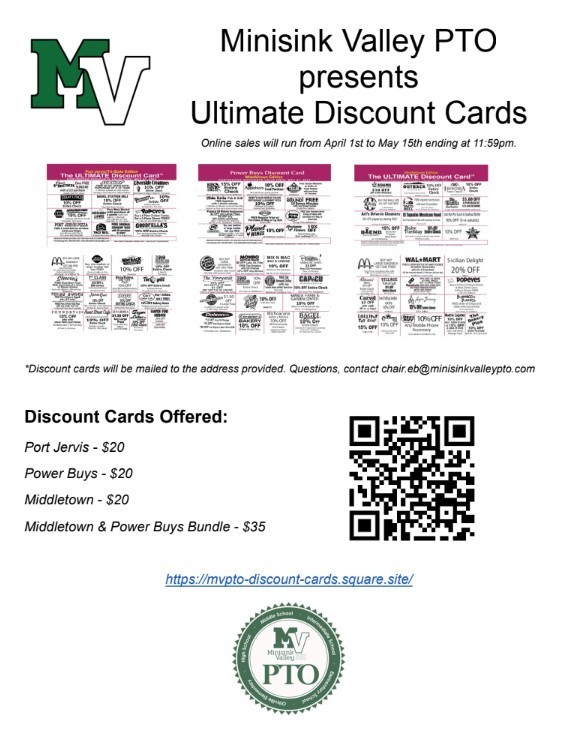
It's ULTIMATE DISCOUNT CARD time!
Support the great work of the Minisink Valley PTO by purchasing a card....or two! Order by May 15 by scanning the QR code!
Or: click here: https://mvpto-discount-cards.square.site/
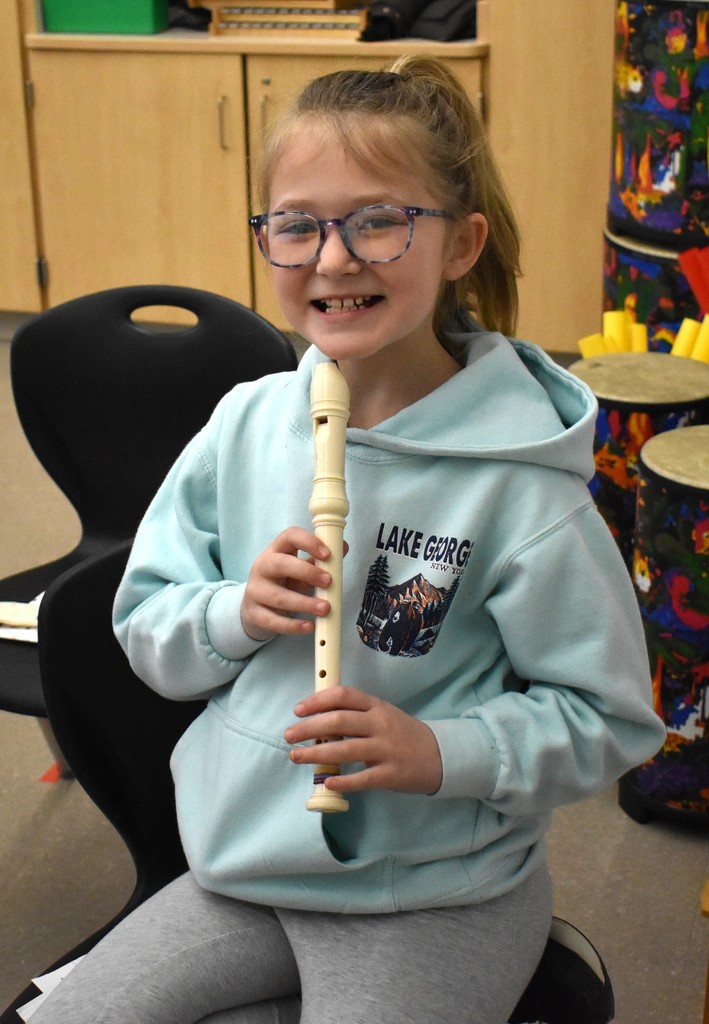
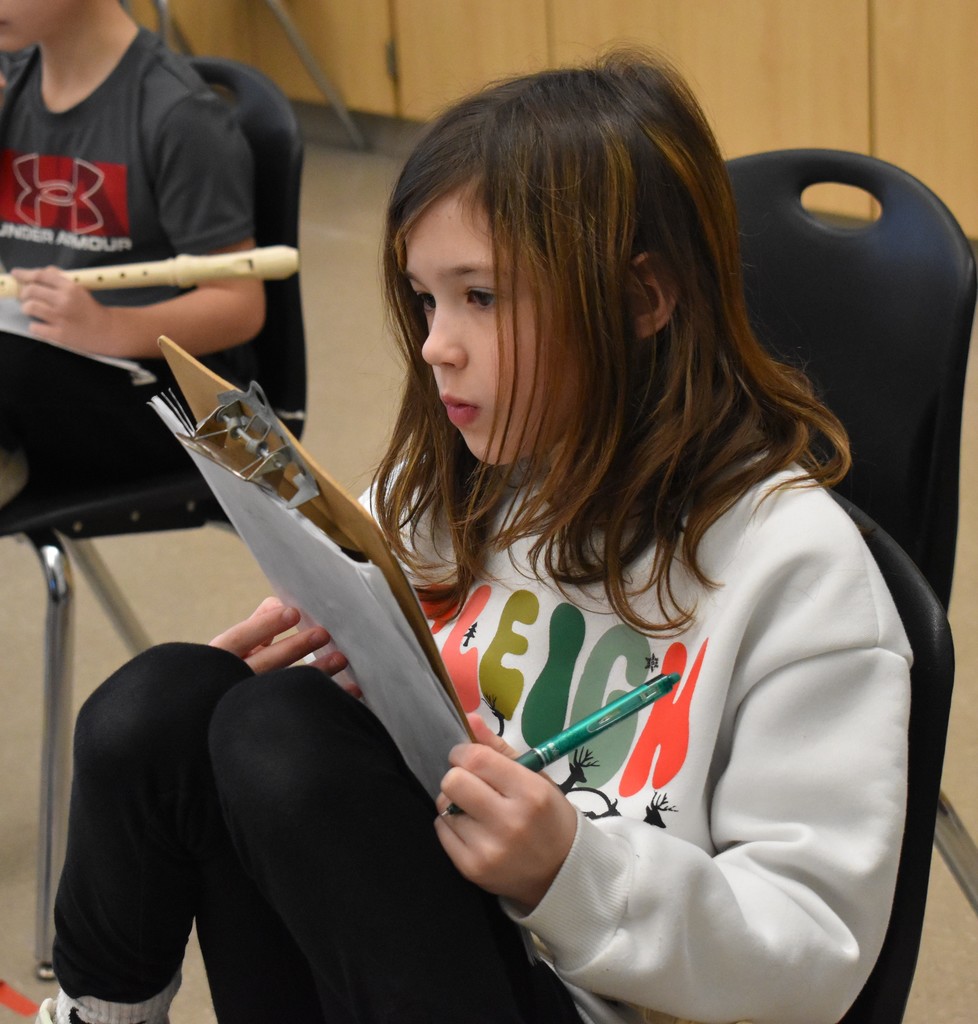
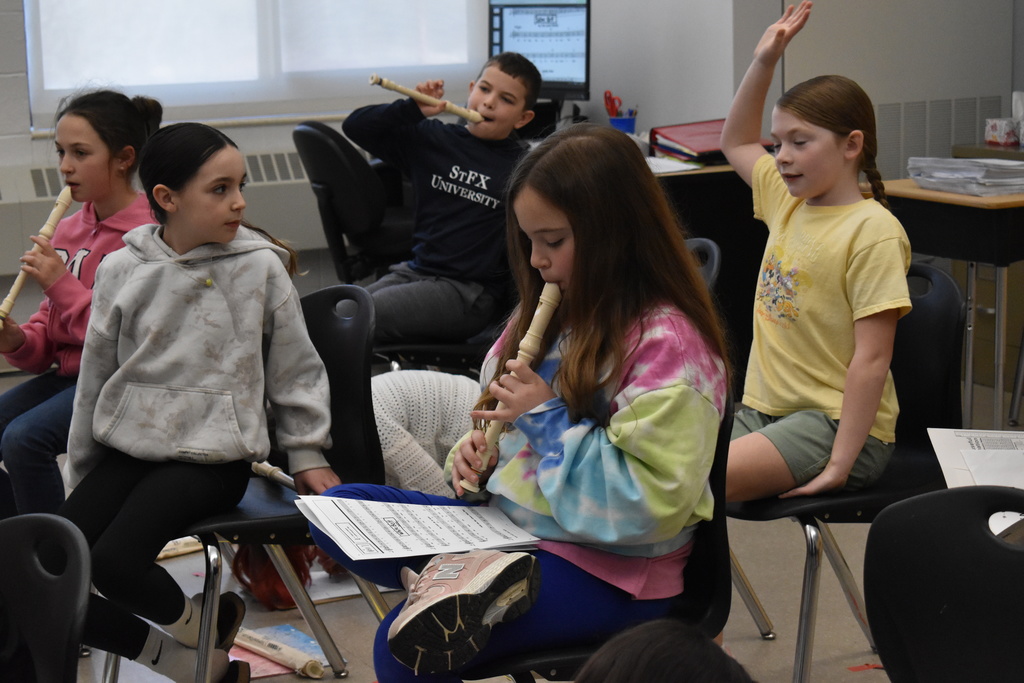
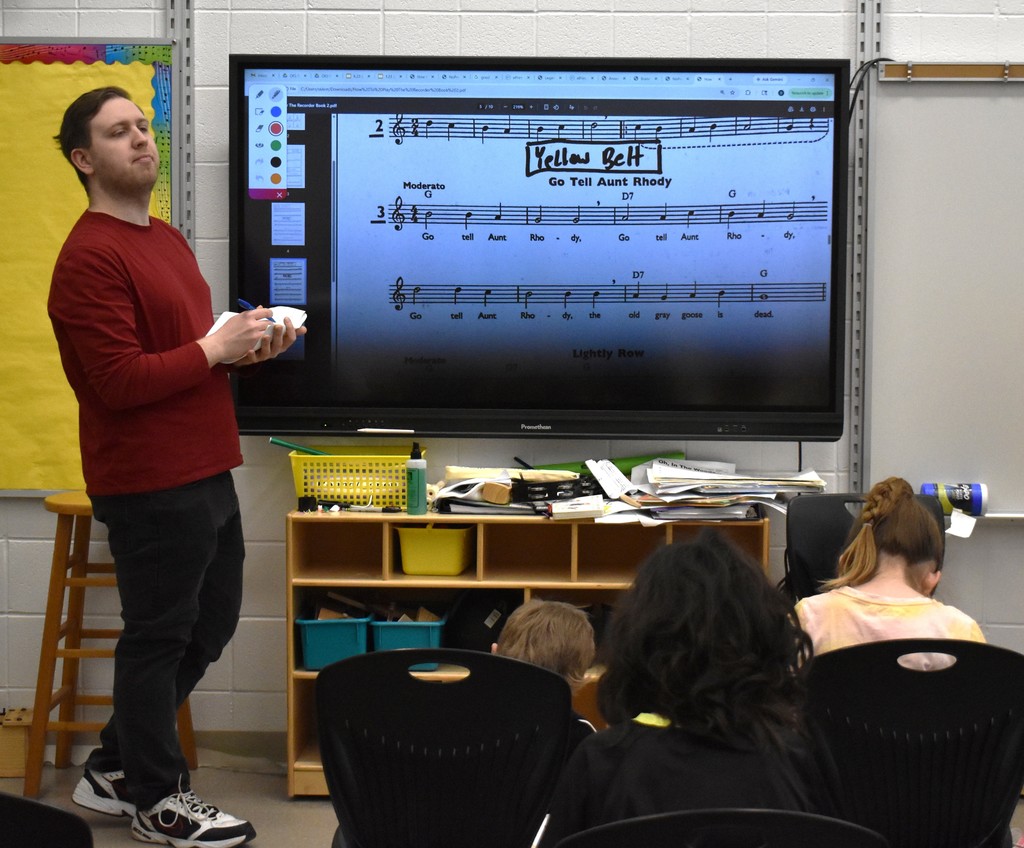
The beauty of the belt system is that it taps into motivation, confidence-building, and goal-setting all at once! Students can see their progress in a concrete, colorful way, which encourages them to practice more and reach for the next level. They get instant recognition for their hard work, and the sense of achievement is something they can literally hold in their hands.
We can’t wait to see their recorders decked out in bright, colorful belts — a rainbow of musical accomplishment!
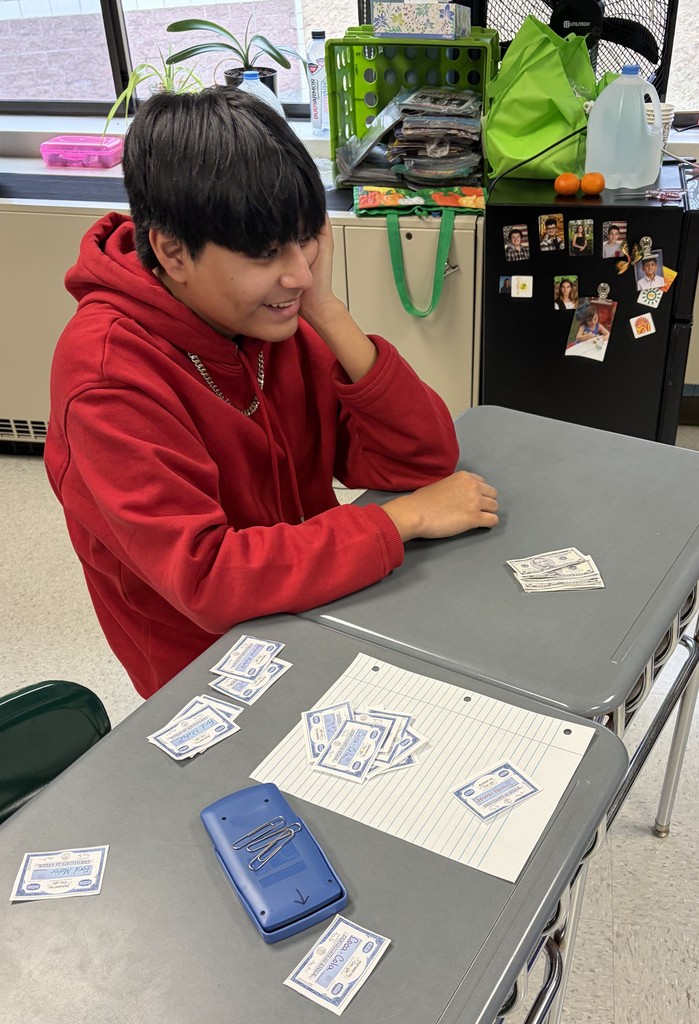
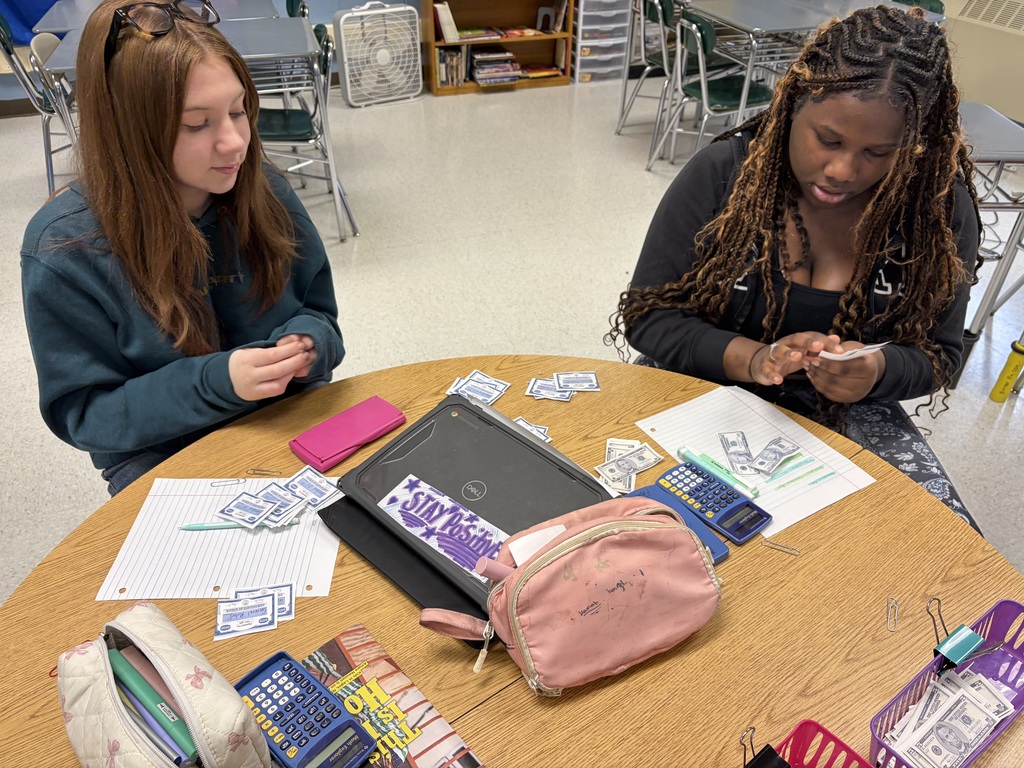
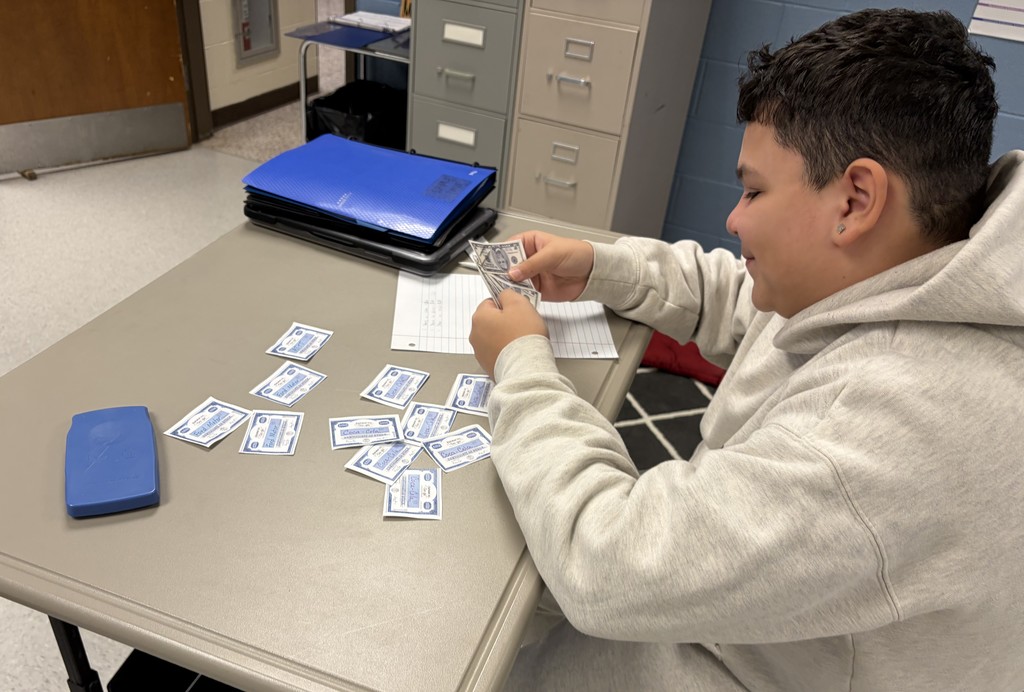
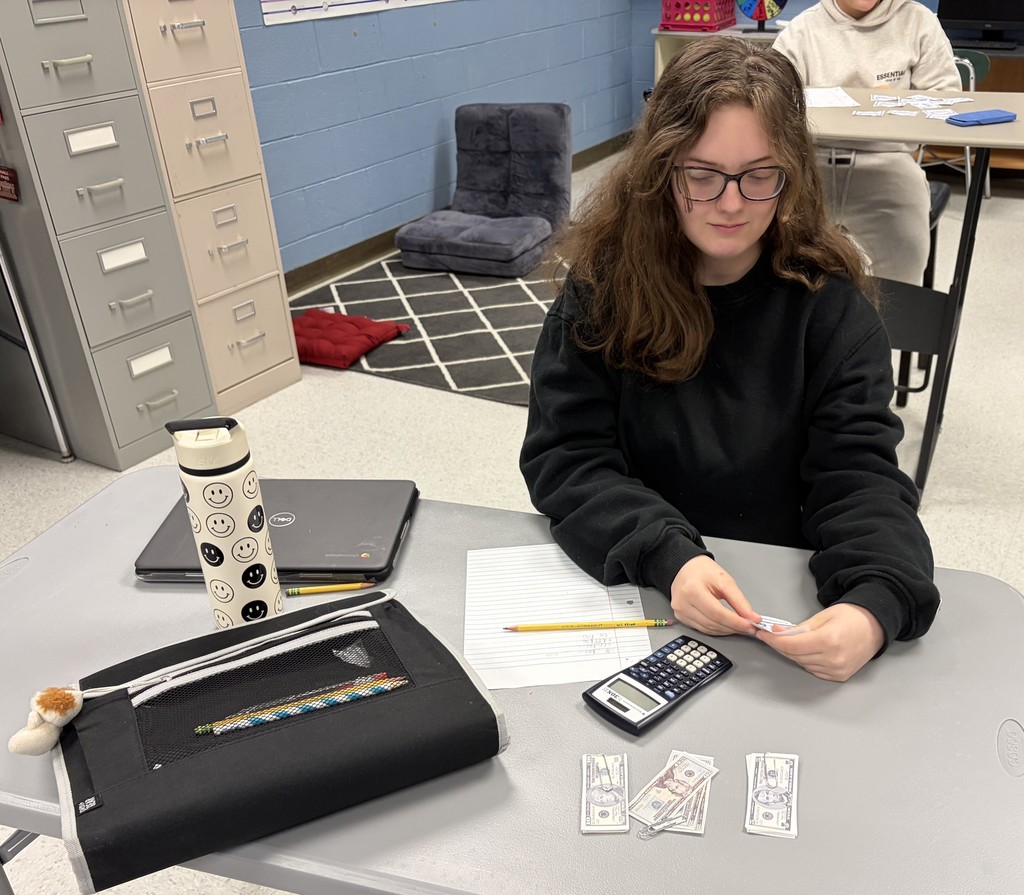
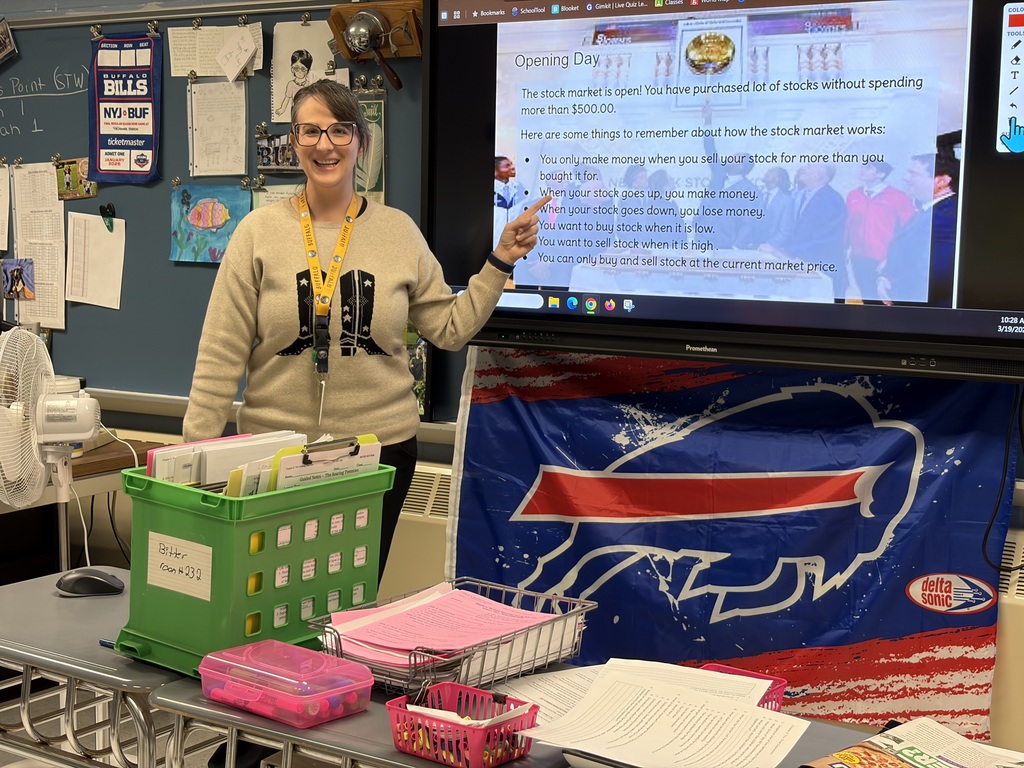
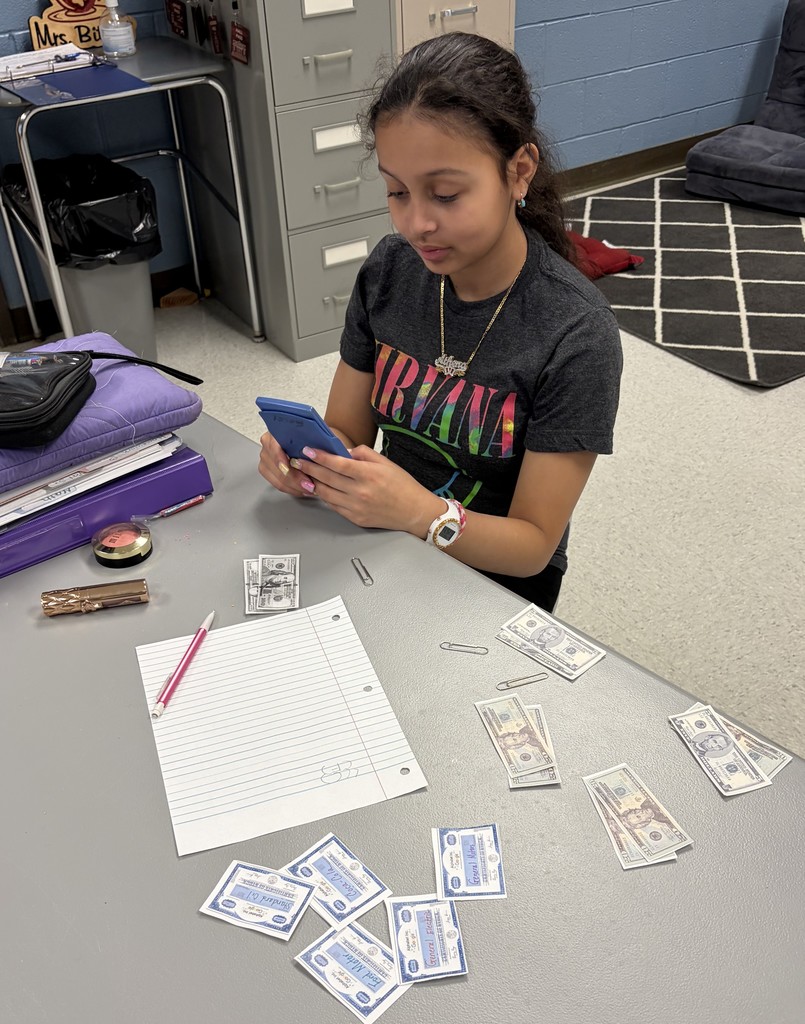
Jennifer Bittner’s eighth-grade social studies students recently participated in an exciting, hands-on simulation game designed to teach them how the U.S. stock market works and how its dramatic crash in the 1920s helped trigger the Great Depression.
During this activity, students became investors, buying and selling “stocks” while tracking prices that rose and fell throughout the class period.
At first, the market was booming! Students eagerly traded shares, watched their profits grow and felt the thrill of success.
But just like in the late 1920s, things quickly took a turn. Prices suddenly dropped, panic spread, and students rushed to sell before losing everything. By the end of the simulation, many experienced firsthand the confusion and financial loss that investors felt during the real stock market crash.
This immersive experience helped students better understand complex economic concepts like risk assumption, speculation and market instability. More importantly, it allowed them to see how the actions of individuals can have widespread consequences—one of the key causes of the Great Depression.
The U.S. stock market is a platform where shares of ownership in public companies are bought and sold, allowing firms to raise money and investors to potentially profit. Major exchanges include the NYSE and NASDAQ. Stock prices fluctuate based on company performance. Investors aim to buy low and sell high.
•Buying a stock (share) means you own a small piece of that company.
•A "bull market" means prices are rising, while a "bear market" means prices are falling.
•The New York Stock Exchange (NYSE) is the world's largest, while the NASDAQ is known for technology stocks.
•The S&P 500 and Dow Jones Industrial Average (DJIA) track the performance of groups of stocks to gauge overall market health.
•The most famous day of the crash, known as “Black Tuesday,” occurred on Oct. 29, 1929. Many investors had bought stocks using borrowed money, which made the losses even worse when prices fell. Panic selling during the crash caused widespread fear, leading people to rush to banks and withdraw their savings.
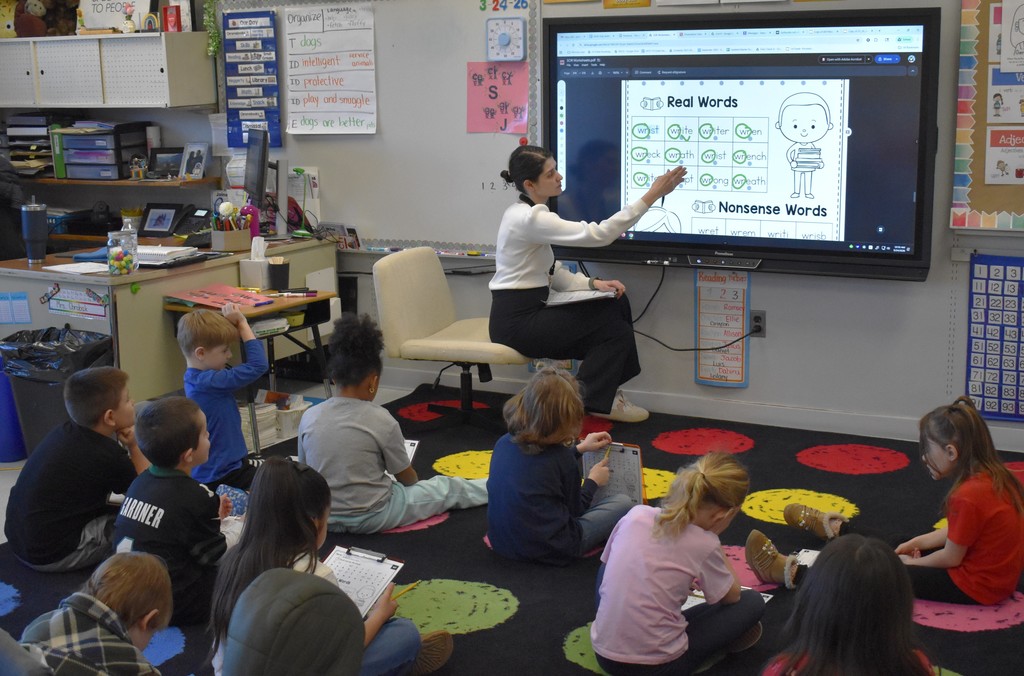
English has many silent letters because its spelling reflects its history. Words were borrowed from other languages, pronunciations changed over time, and spelling rules were standardized long before speech fully caught up. Silent letters often show a word’s origin, meaning, or relationship to other words.
Each PEEP was issued a birth certificate and a name chosen by its proud student parent. Some PEEPS were even treated to fun adventures outside of school and arrived each morning dressed in adorable outfits! Throughout the week, students created baby books, practiced measurement activities with their new friend, and made plenty of sweet memories.
By the end of the project, every PEEP had found a forever home with its student—proof of just how much care and heart the children put into the experience.
This playful project teaches big lessons in a small, kid-friendly way. By caring for their PEEPS, students practiced responsibility, empathy, and nurturing behaviors. They learned routines, problem-solving, and how it feels to care for something fragile and important. Projects like this build social-emotional skills, strengthen independence, and help young learners understand what it means to be dependable—all while having fun!
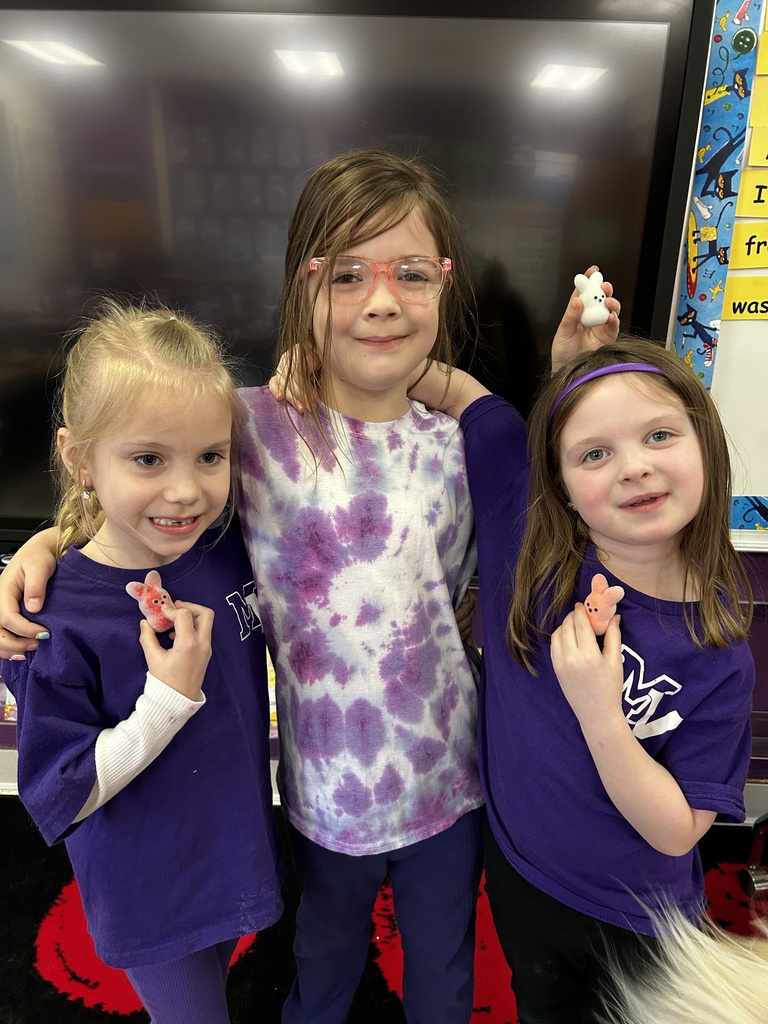
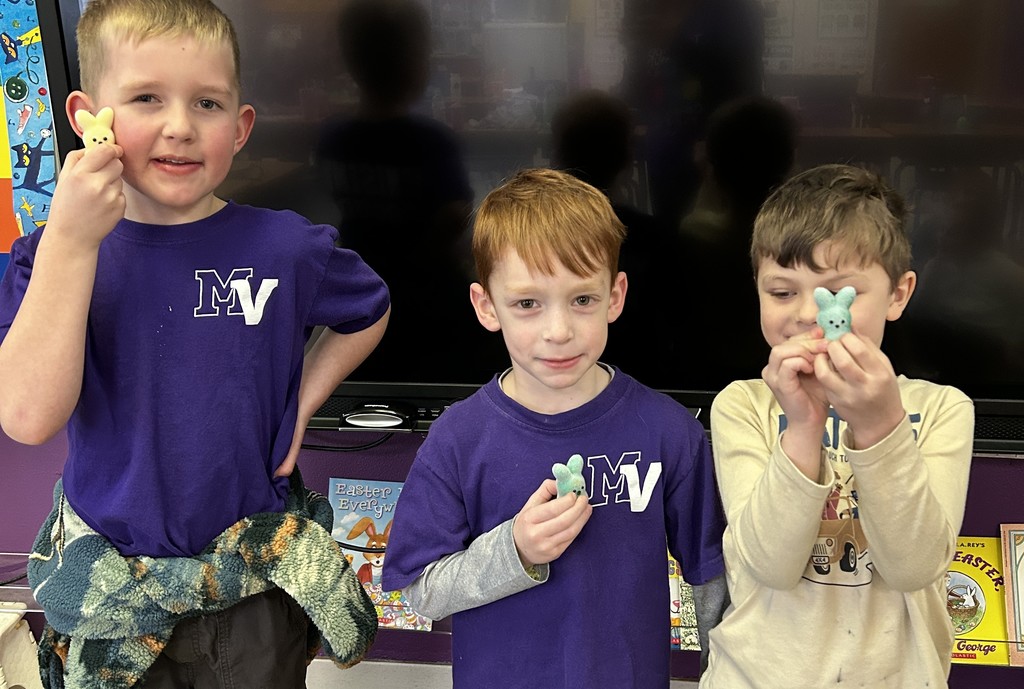
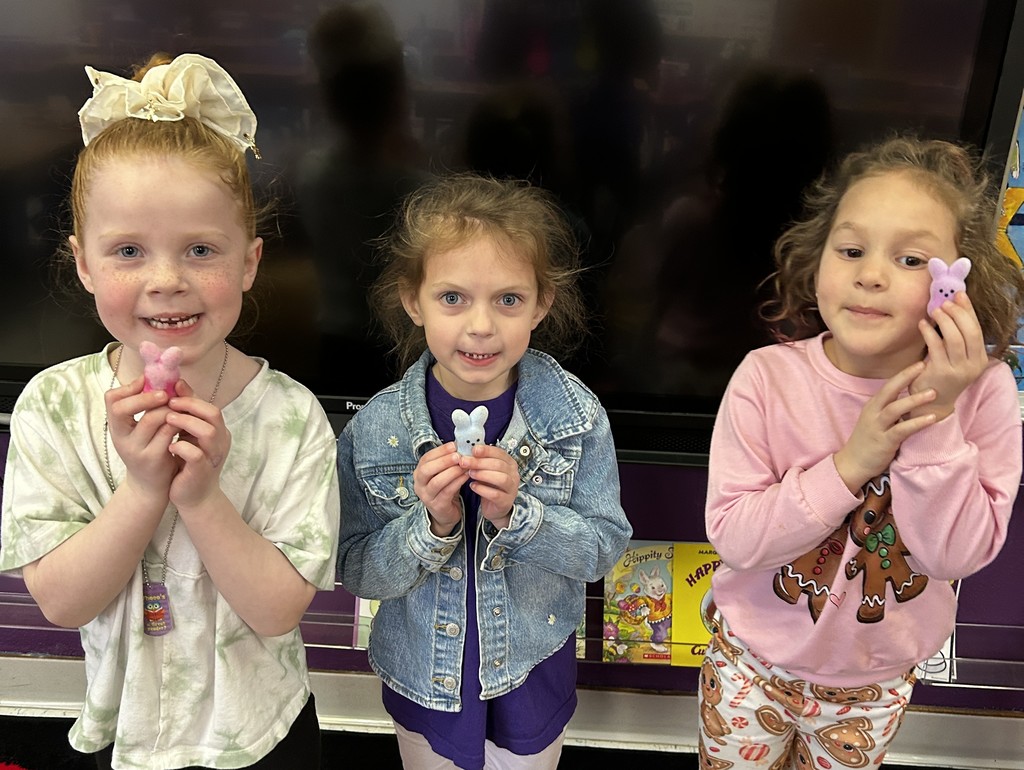
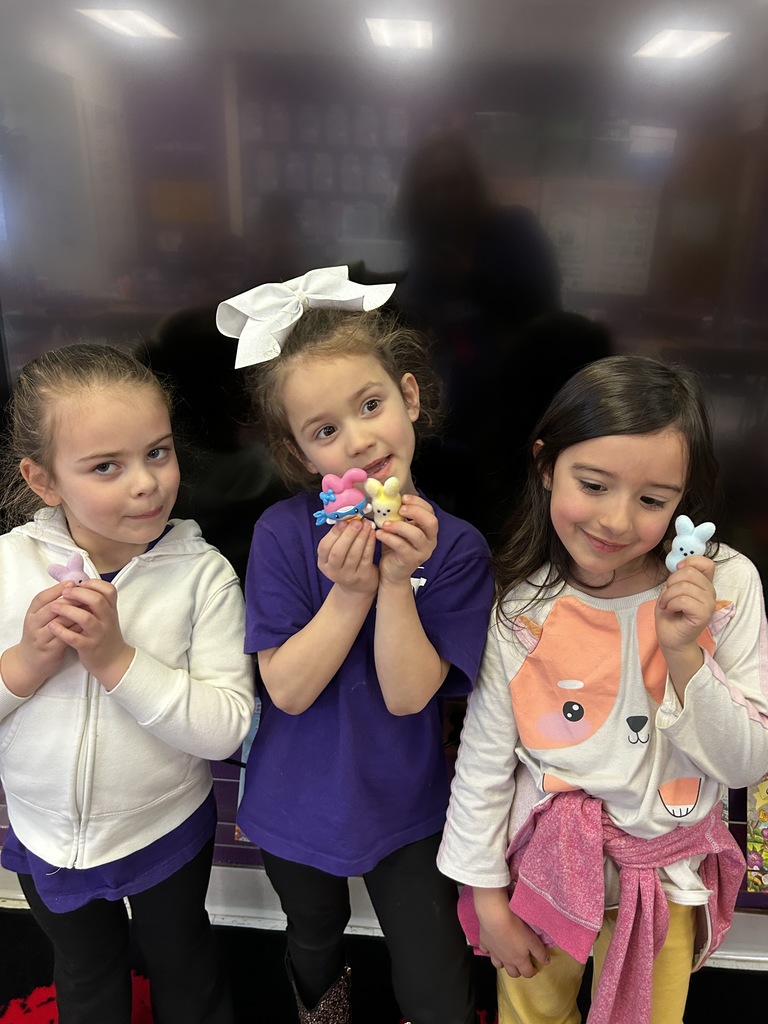
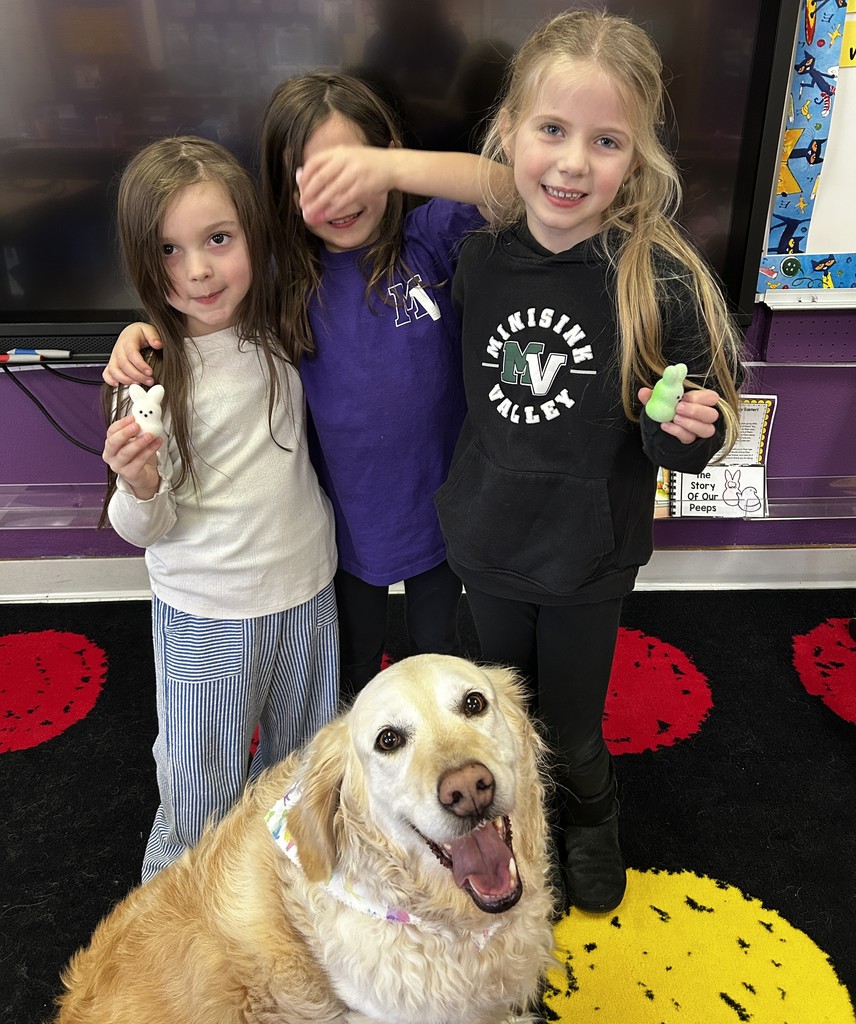
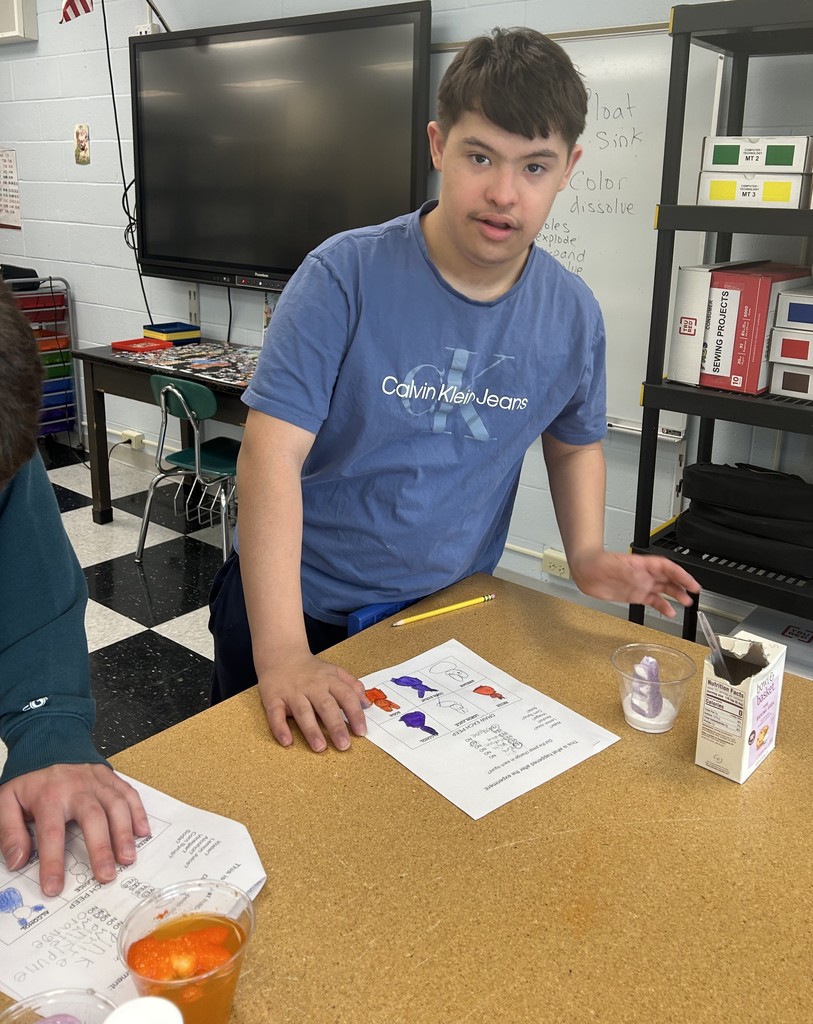
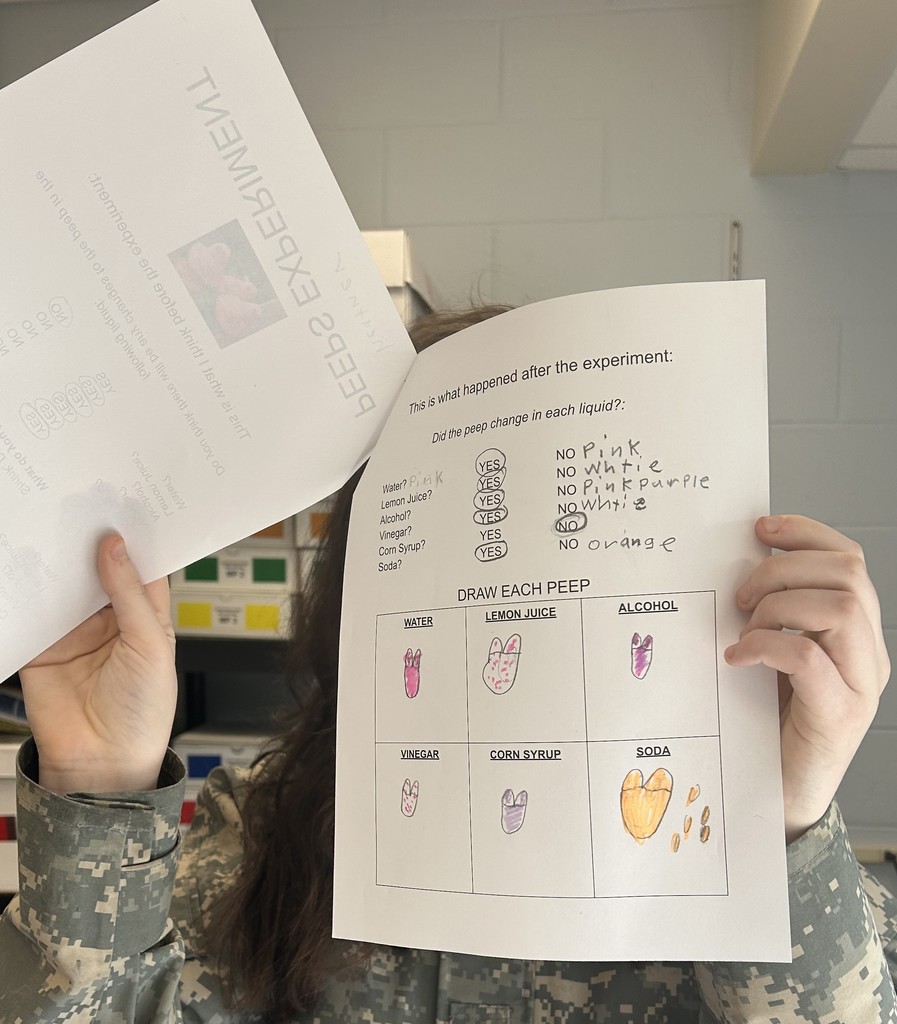
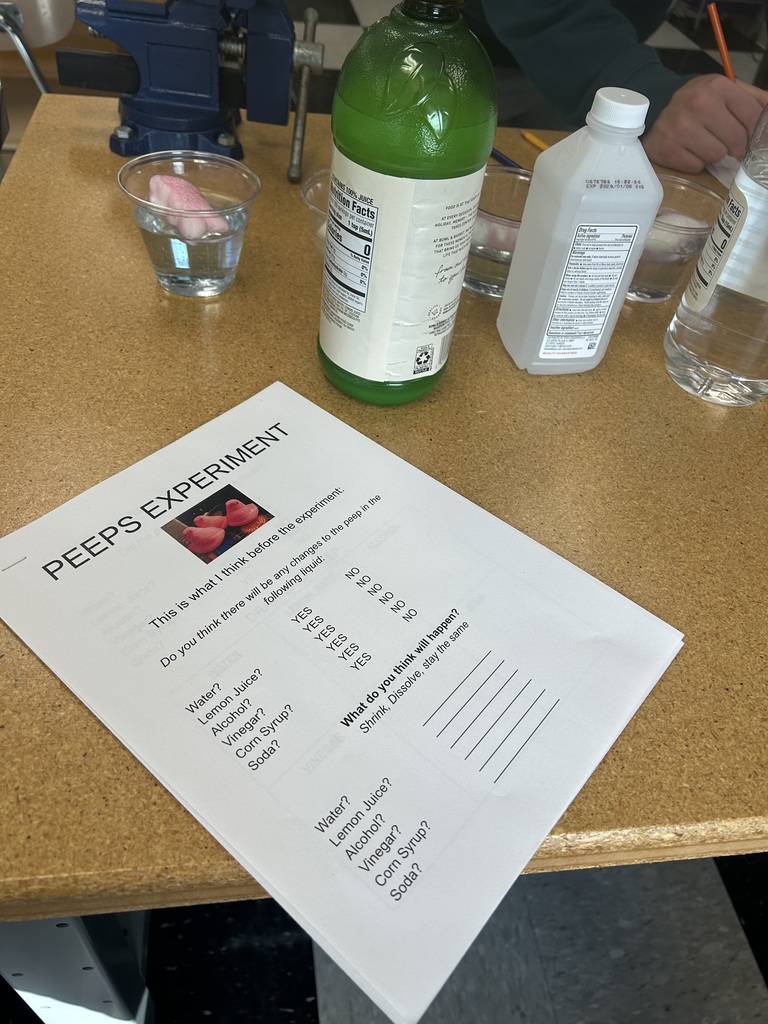
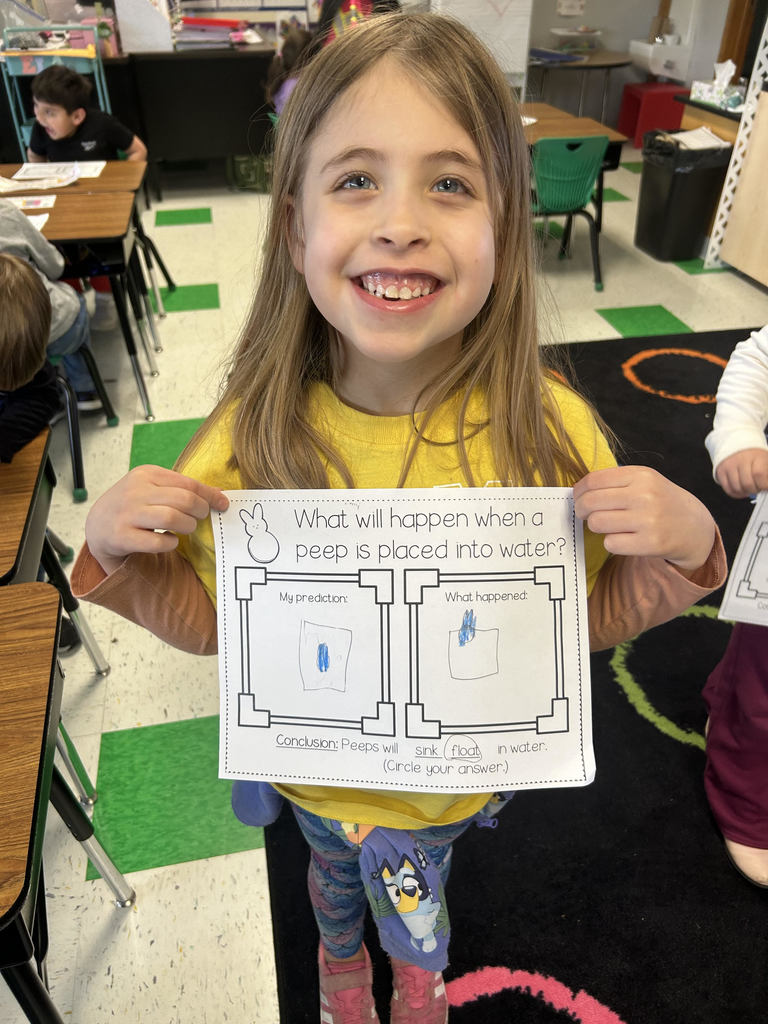
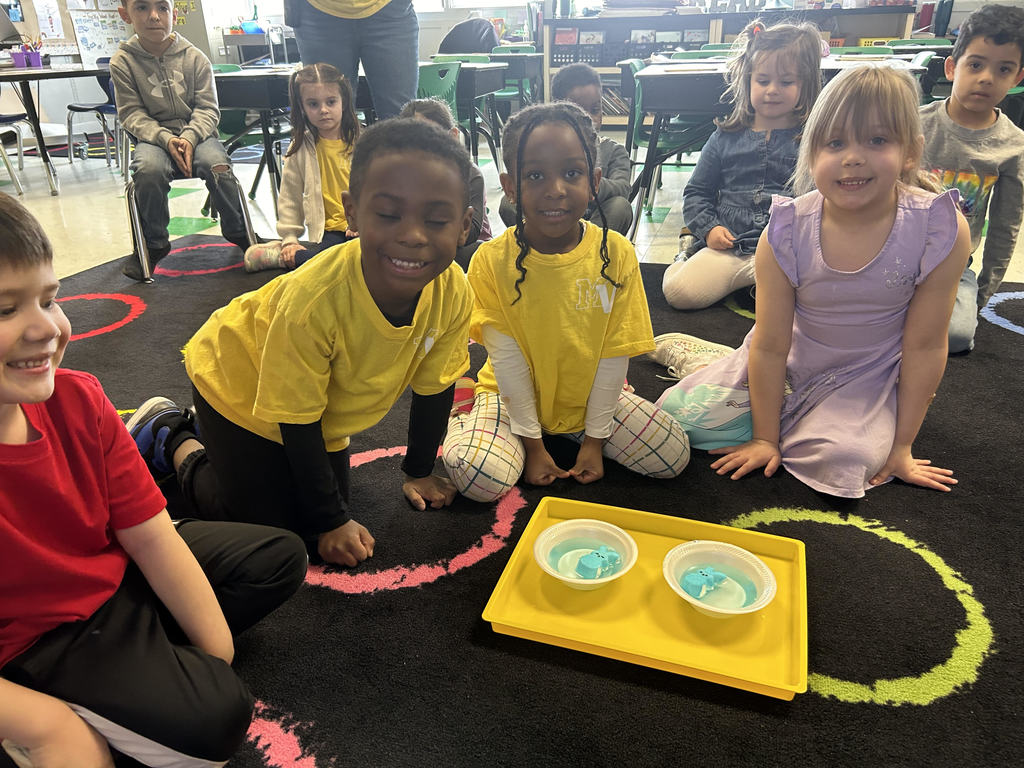
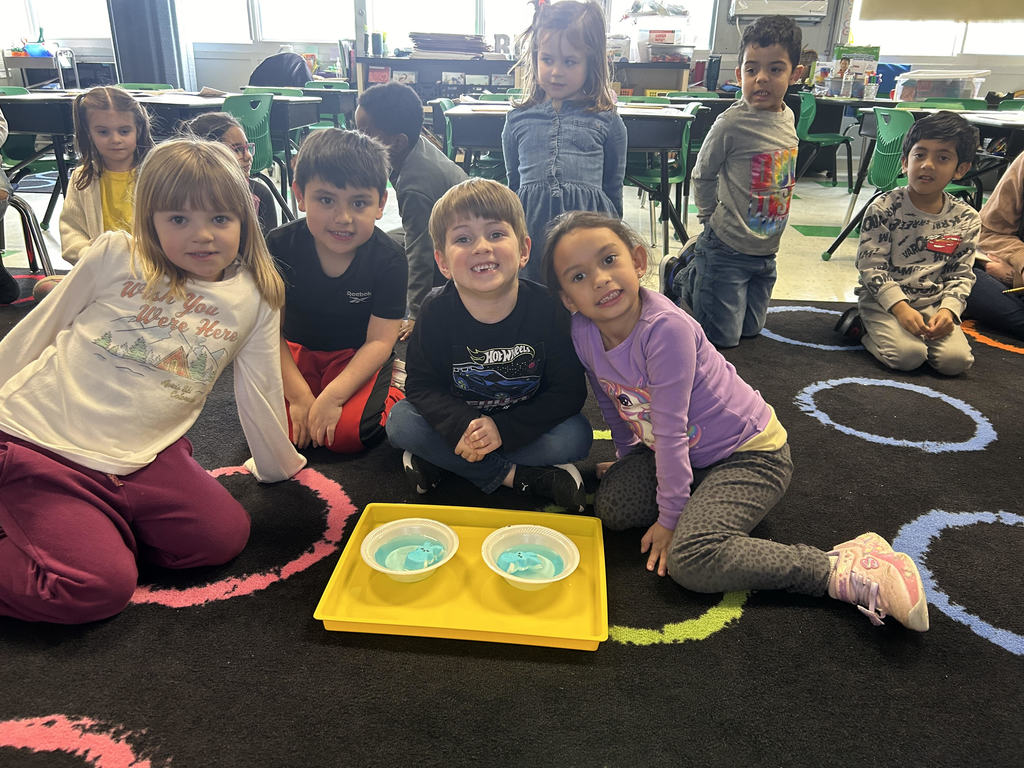
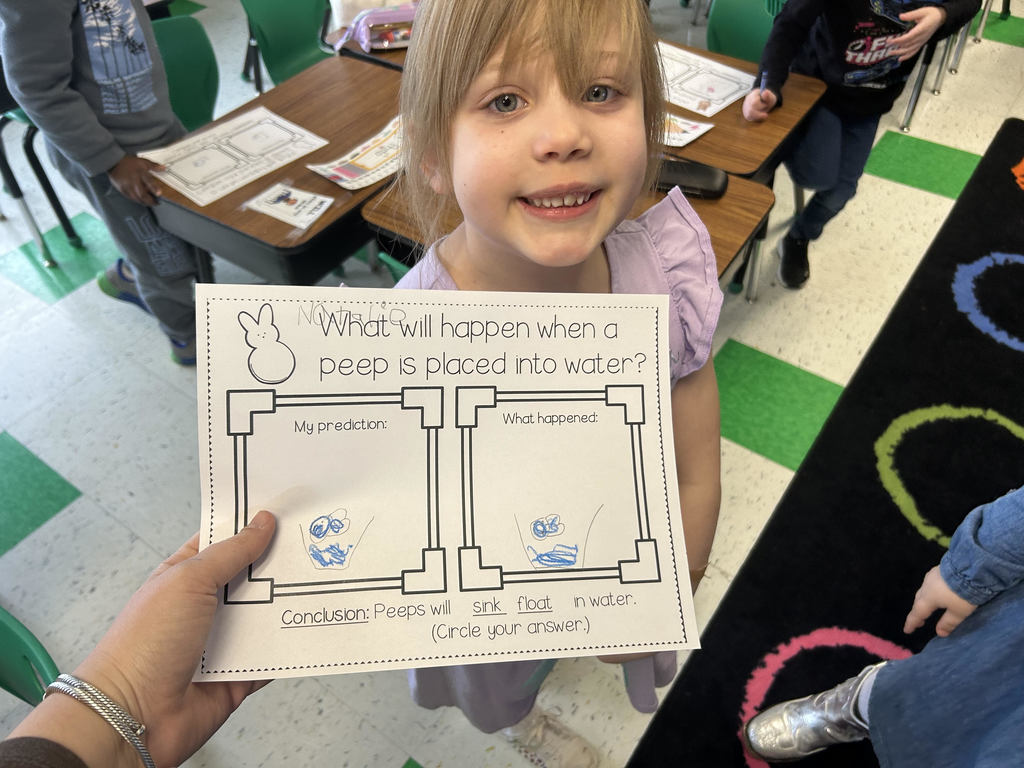
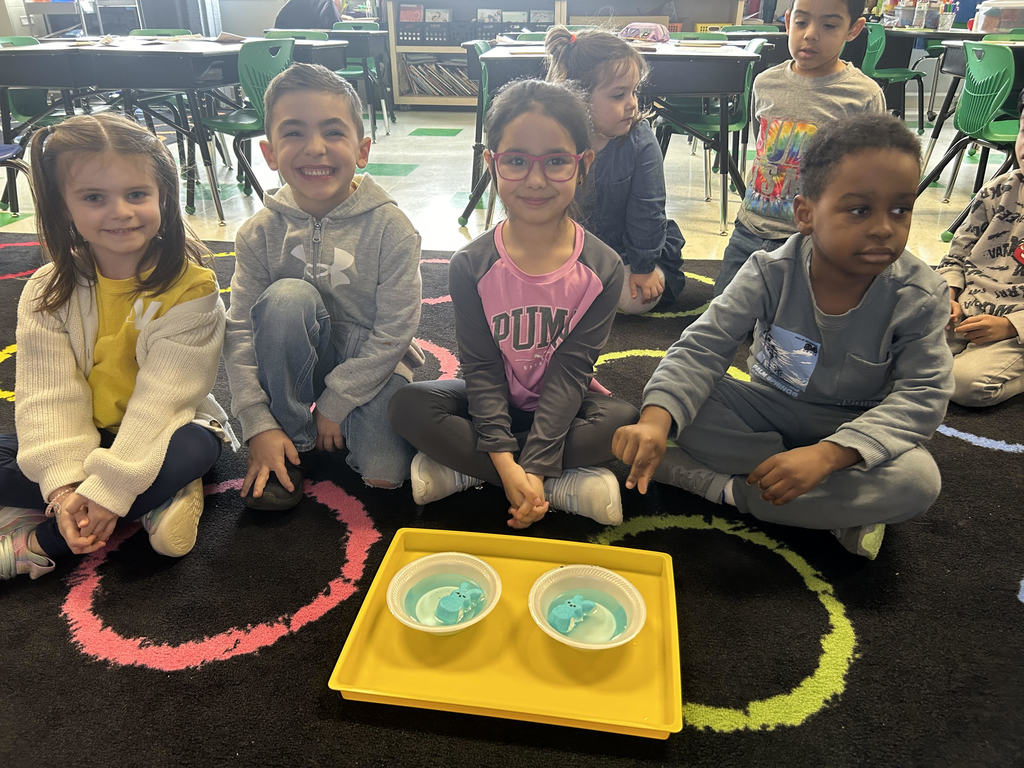
Students made thoughtful predictions, tested their ideas, and observed what happened when their colorful PEEPS took a dip. Giggles, wide eyes, and excited chatter quickly filled the room as young scientists discovered the answer together!
This simple, cheerful experiment wasn’t just fun—it was fantastic early STEM learning. Students were introduced to the idea of density in a hands-on, age-appropriate way, exploring how some objects float because they are less dense than water. They also practiced using scientific thinking vocabulary like "predict," "observe" and "compare."
These simple STEM lesson matter in kindergarten because they build curiosity about science as well as critical thinking skills. These little students also develop early science habits, such as noticing details, asking questions, and sharing findings.
The big reveal? PEEPS float! They’re puffed with air, so they sit on top of the water like happy, pastel marshmallow boats!
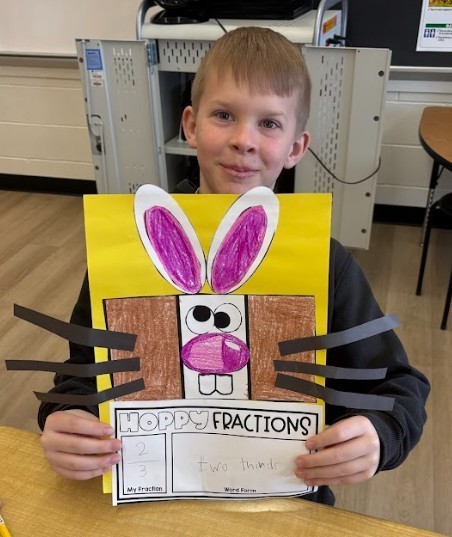
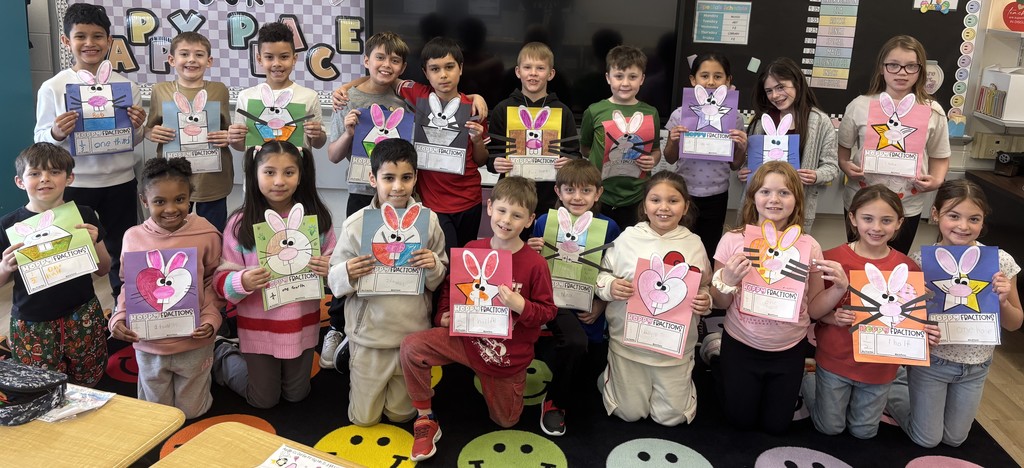
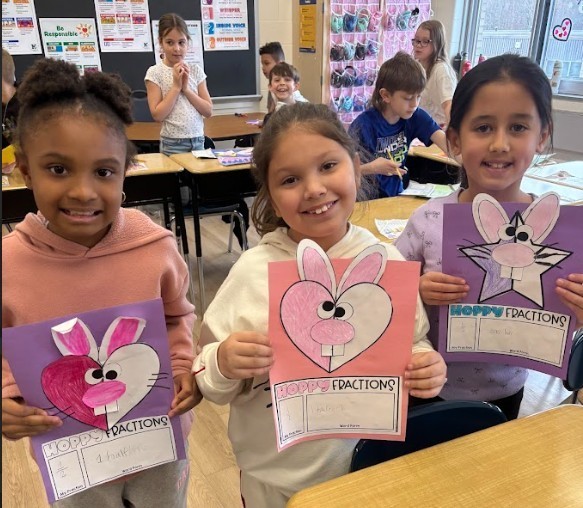
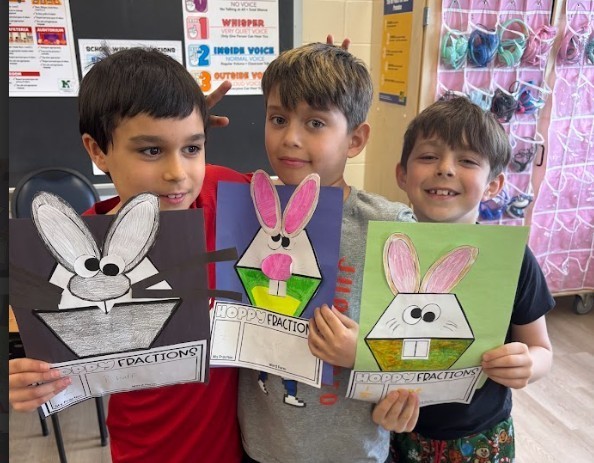
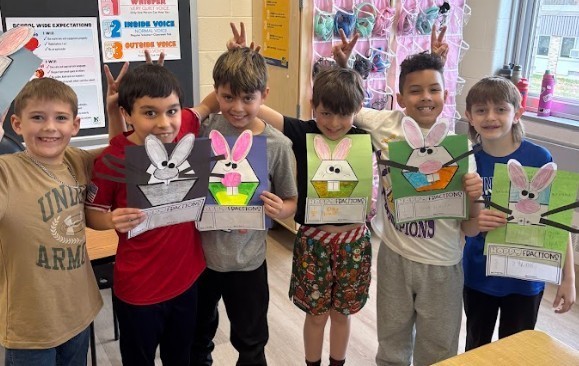
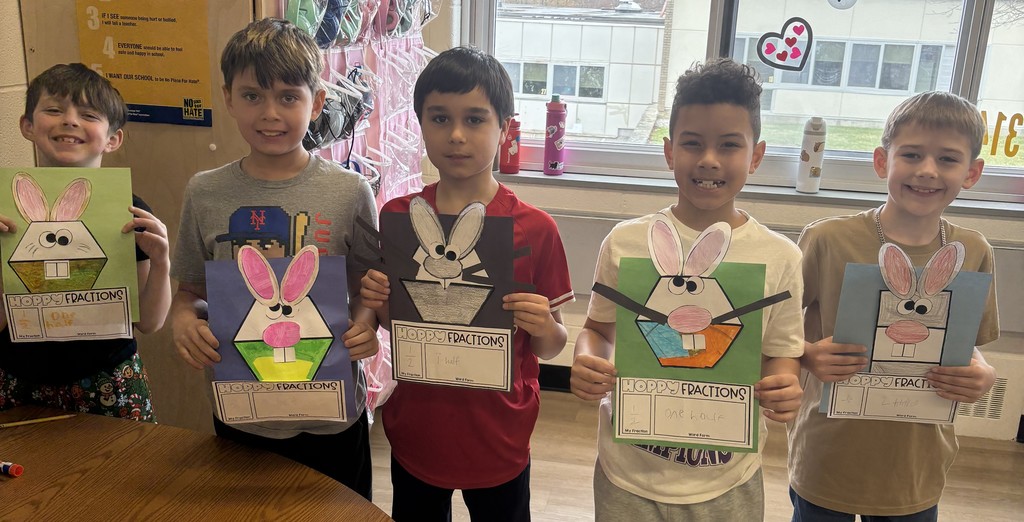
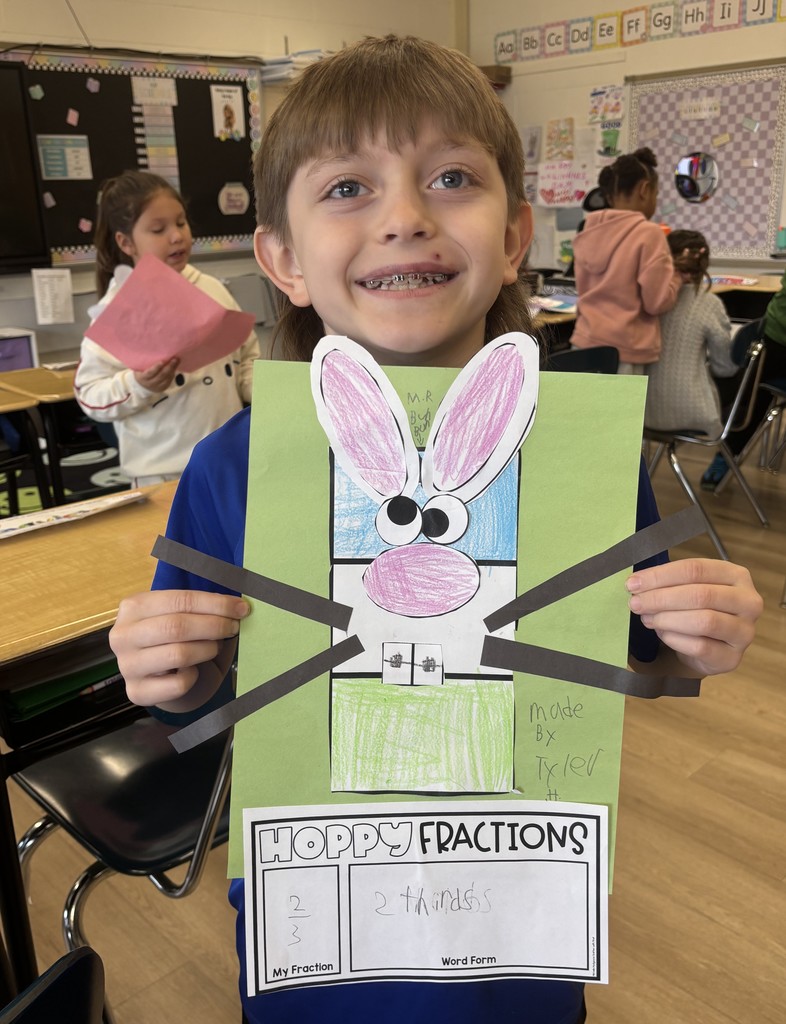
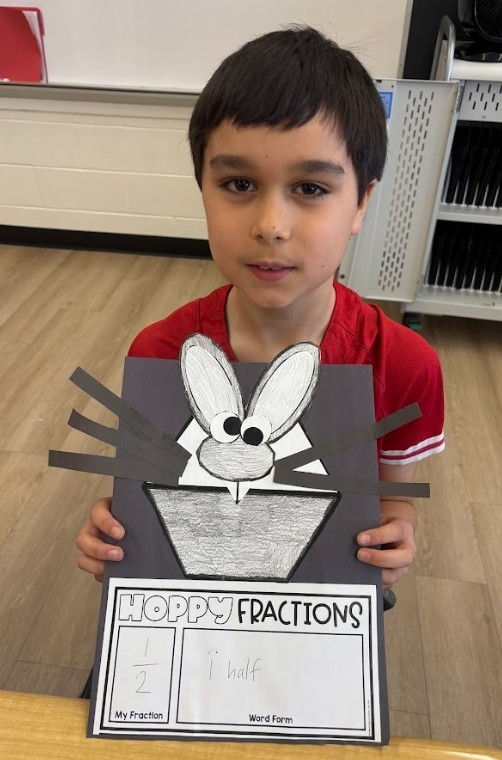
Before the break, McKayla Murphy’s IS third-graders hopped into spring by creating the most adorable fraction bunnies! Each student designed a cheerful bunny that showed off their growing confidence with fractions—right down to writing each fraction in word form. These creations were not only cute but also a fun way to show what they’ve learned!
• A fraction shows how many parts of a whole you have.
• The top number (numerator) tells how many parts you’re talking about.
• The bottom number (denominator) tells how many equal parts the whole is split into.
• 1/2 means the whole is split into two equal parts, and you have one of them.
• Fractions can be written in words, like “one-third” or “three-fourths.”
• Fractions don’t always come from circles—shapes, sets of objects, and even number lines can all show fractions!
• If two fractions look different but cover the same amount of space, they are equivalent fractions (like 1/2 and 2/4).
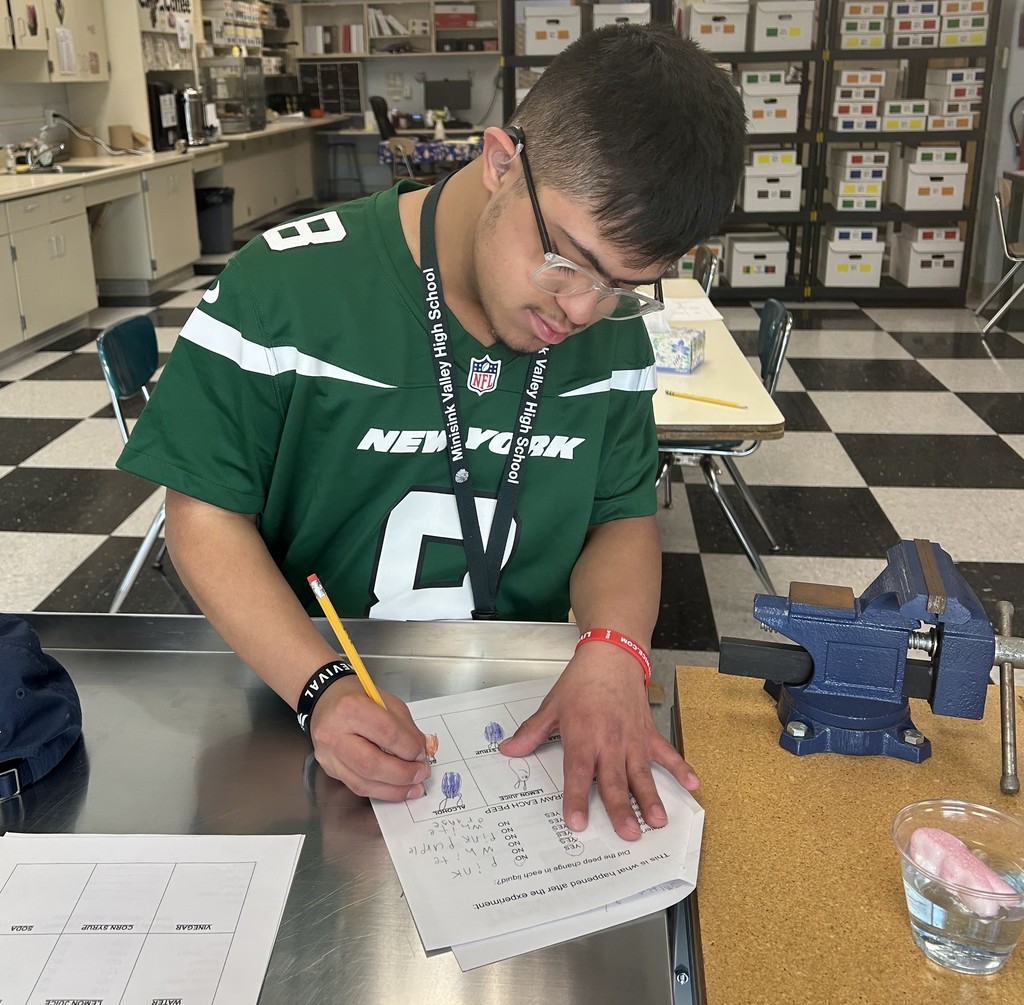
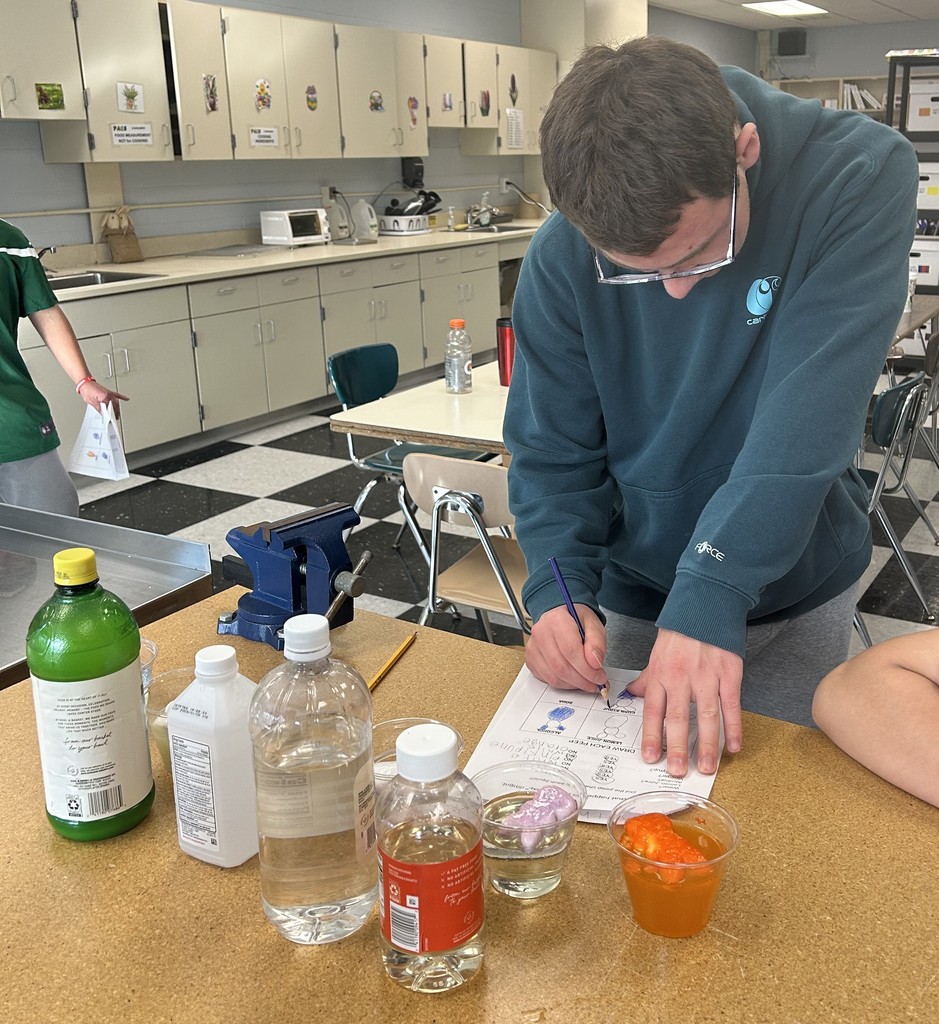
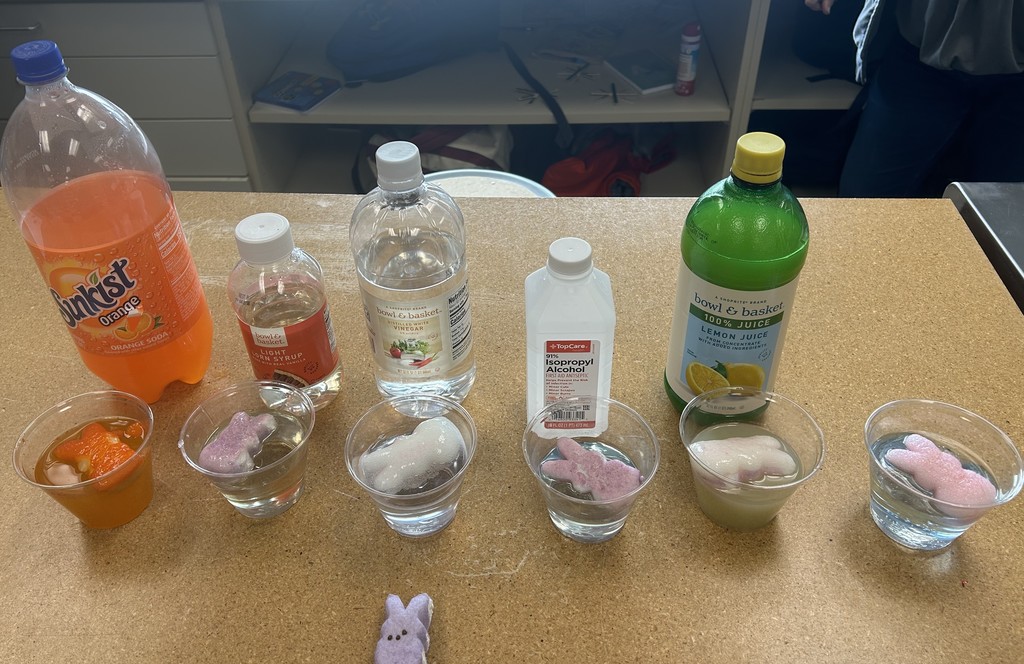
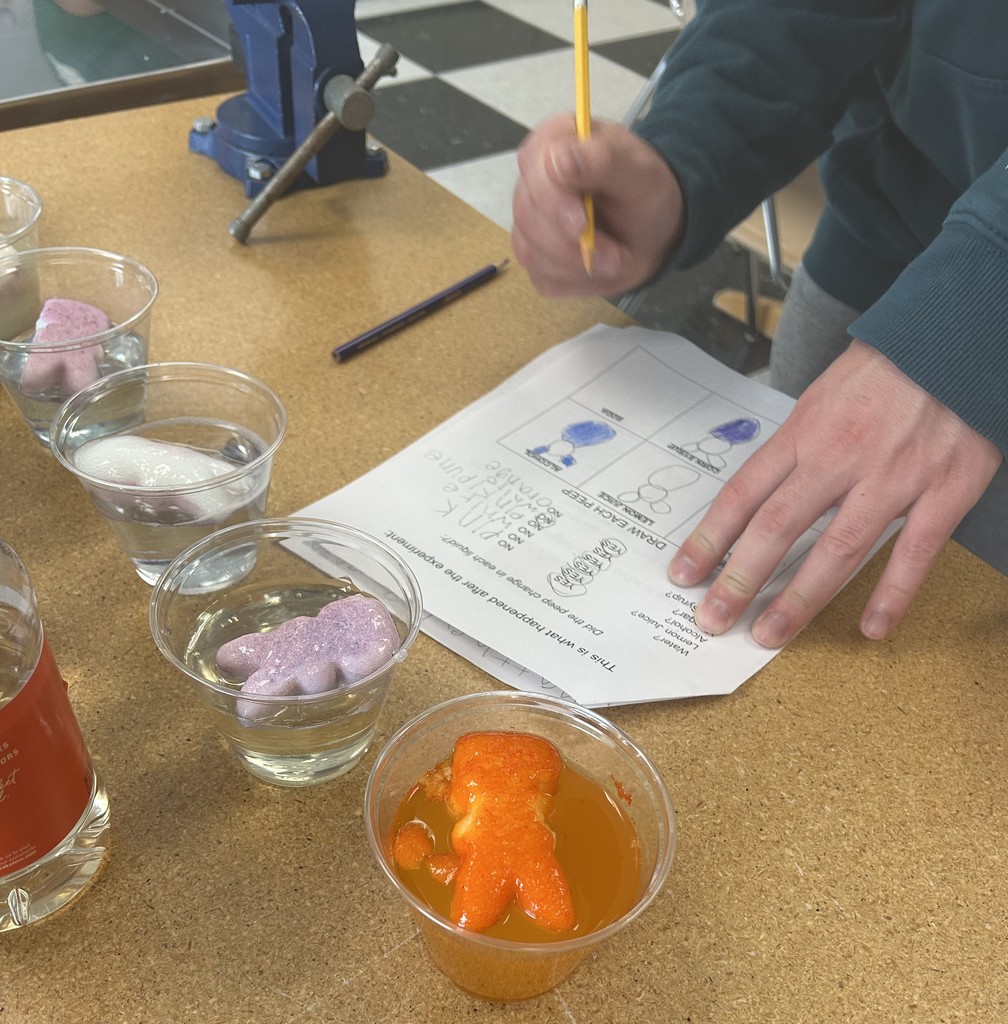
The PEEPS Liquid Science Experiment explores how different liquids affect marshmallow Peeps. By placing PEEPS in liquids like water, vinegar, soda and lemon juice, students observed changes in size, shape, and texture over time. This experiment helps demonstrate how substances dissolve, react, and interact with sugar-based materials, making it an enjoyable and engaging way to learn about basic chemistry concepts!
•The PEEPS Liquid Science Experiment is a highly useful and seasonal chemistry lab because it uses accessible, vibrant Easter-themed candy to visually demonstrate complex scientific principles like solubility, polarity and chemical reactions. It's ideal for spring, providing a hands-on, edible STEM experience that allows students to observe how sugary, gelatin-based treats interact with different household liquids (water, vinegar, soda, oil) over time.
•PEEPS candy began in the early 1950s when Russian immigrant Sam Born’s company, Just Born Quality Confections, acquired the Rodda Candy Company, which made hand-piped marshmallow chicks. What once took hours to create by hand was soon transformed by automation, allowing PEEPS to be mass-produced. Over time, the seasonal Easter treat expanded into a year-round icon with new shapes, colors, and flavors.
•During the peak spring Easter season --- Just Born Quality Confections — ramps up production of its iconic treats: on average about 5.5 million PEEPS are produced every day, which adds up to roughly 2 billion PEEPS annually. Most of those are made and sold around Easter time when demand is highest