
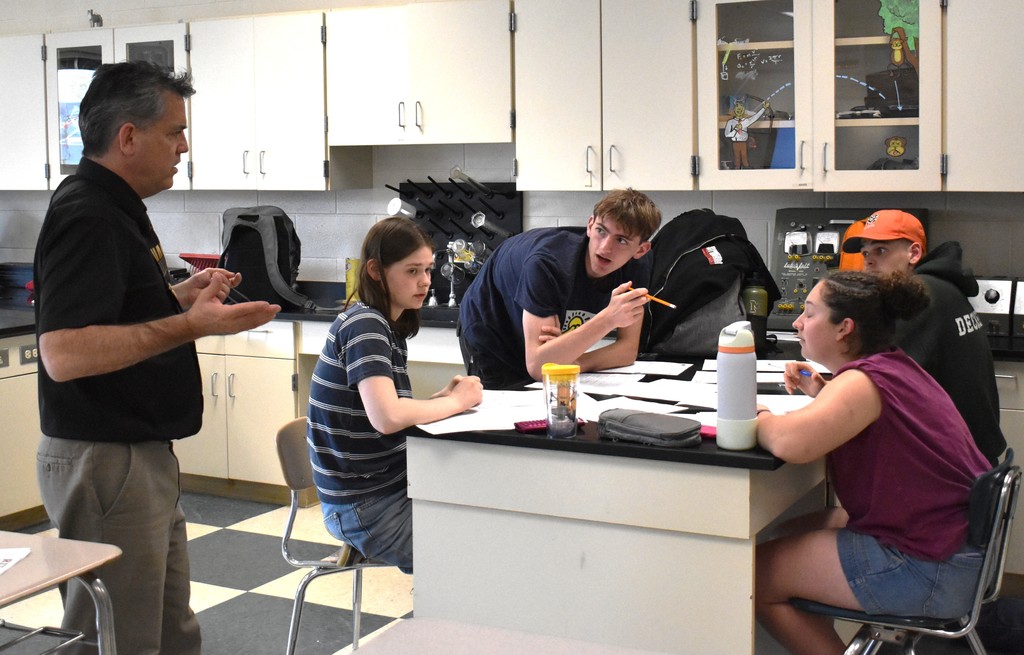
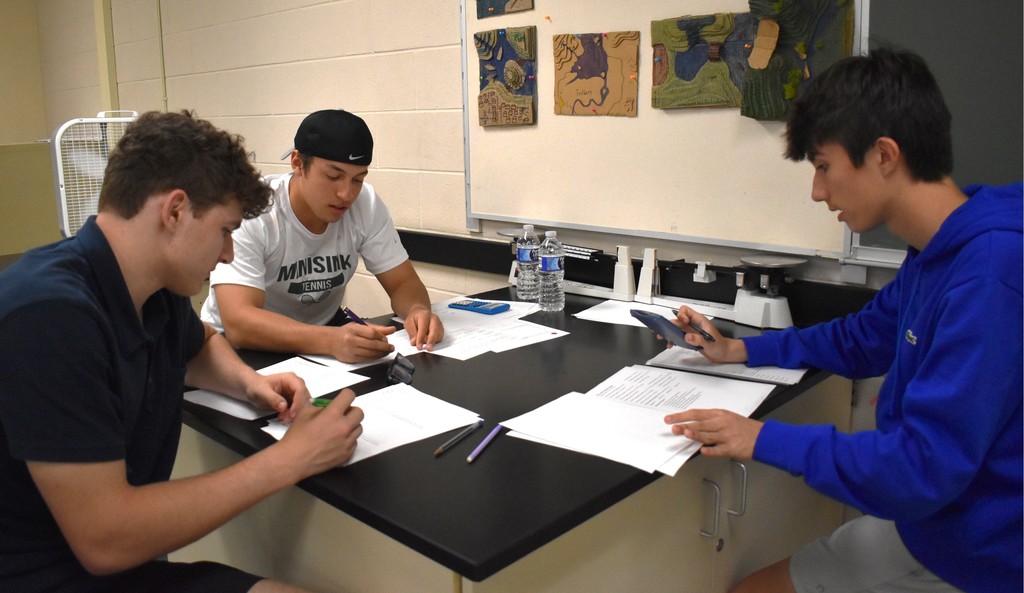
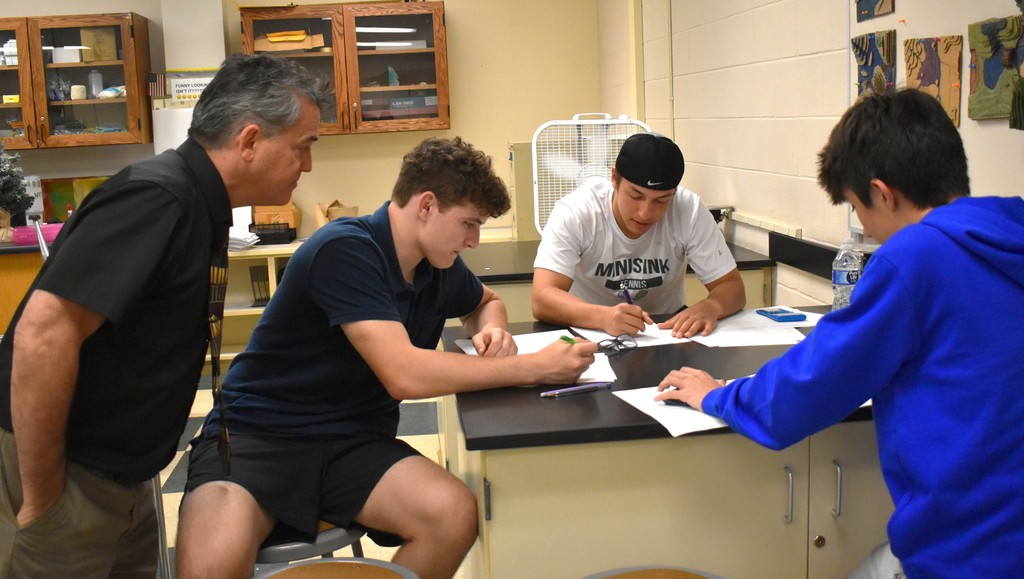
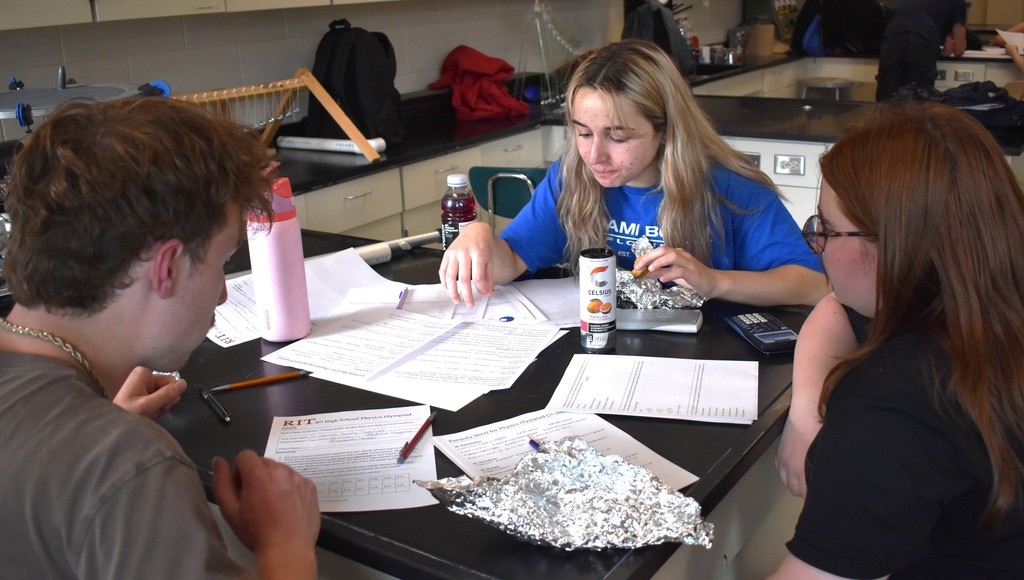
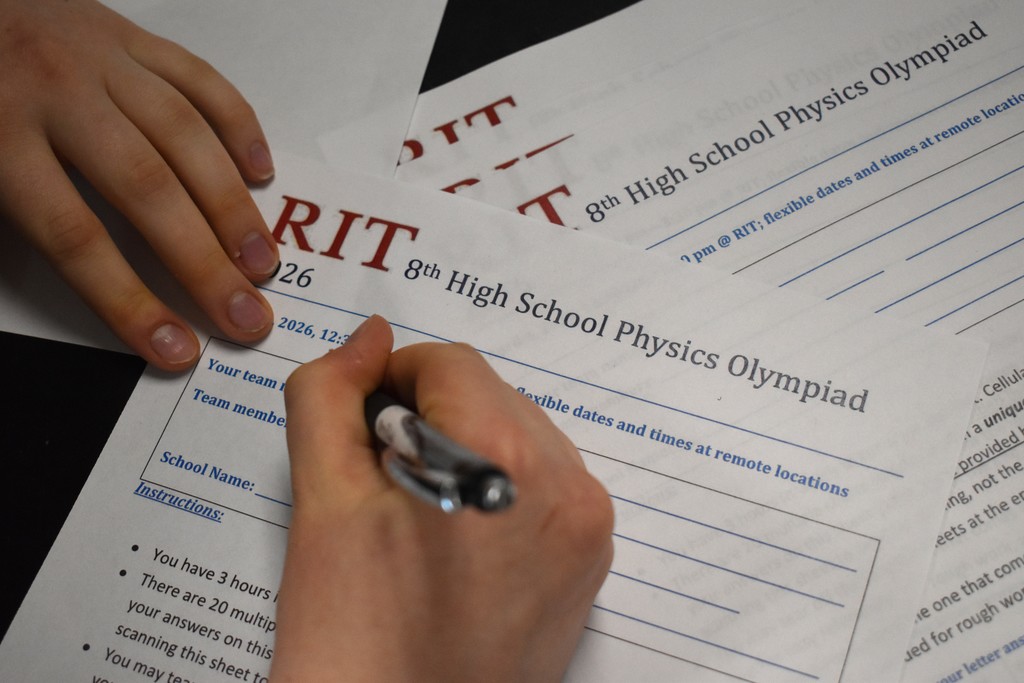
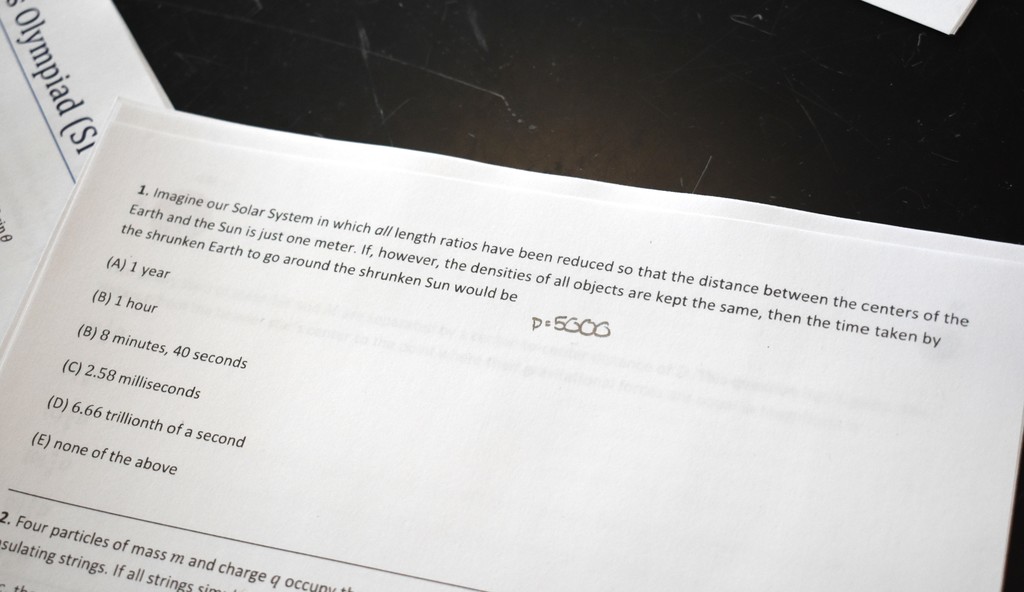
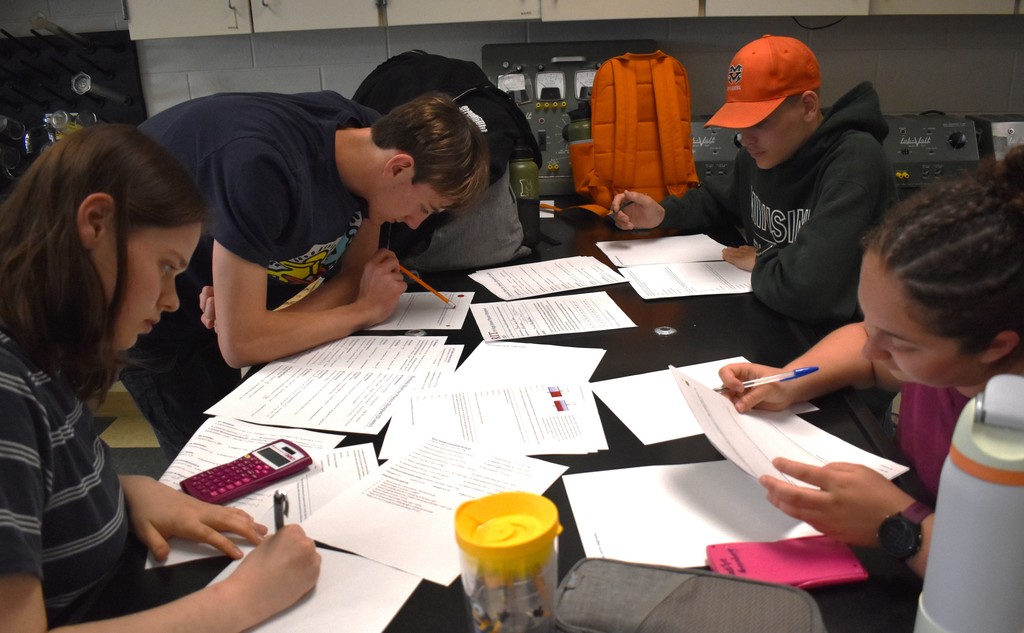
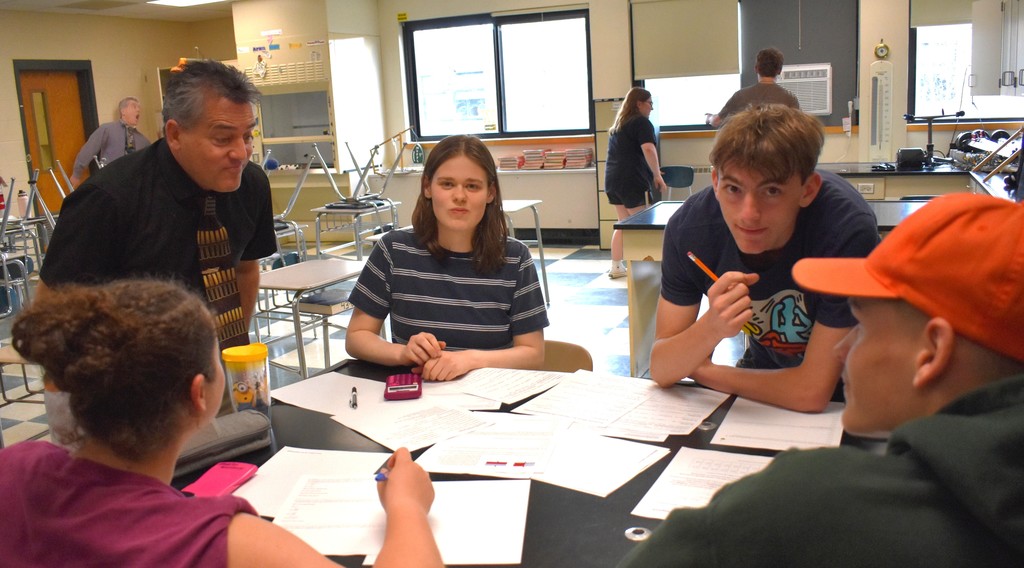
His students were among the many New York State high school students invited to participate. They worked in teams for three hours on several, extremely challenging physics problems. The scores are in the process of being tabulated by RIT and awards will be presented to the top performers. In years past, Minisink valley students have performed well!
Thank you to these students who represented Minisink Valley with tremendous academic distinction!
• Jandro Arias
• Richard Cai
• Caleb Decker
• Roman Gangi
• Madeline Huggins
• Cree Kain-Dickinson
• Rogan Lynch
• Luciano Palacios
• Audrey Stokes
• Elizabeth Yozzo
• Madilyn Greenberg
• Owen Skinner
• Austin Arrredondo
The RIT High School Physics Olympiad involves solving challenging physics problems that go beyond standard classroom material, covering topics such as mechanics, electricity and magnetism, waves and more. The competition features questions designed to test analytical thinking and problem-solving skills rather than memorization. Its goal is to encourage interest in physics and STEM fields while giving students experience with competition-style questions similar to those seen in more advanced contests like the United States Physics Olympiad.
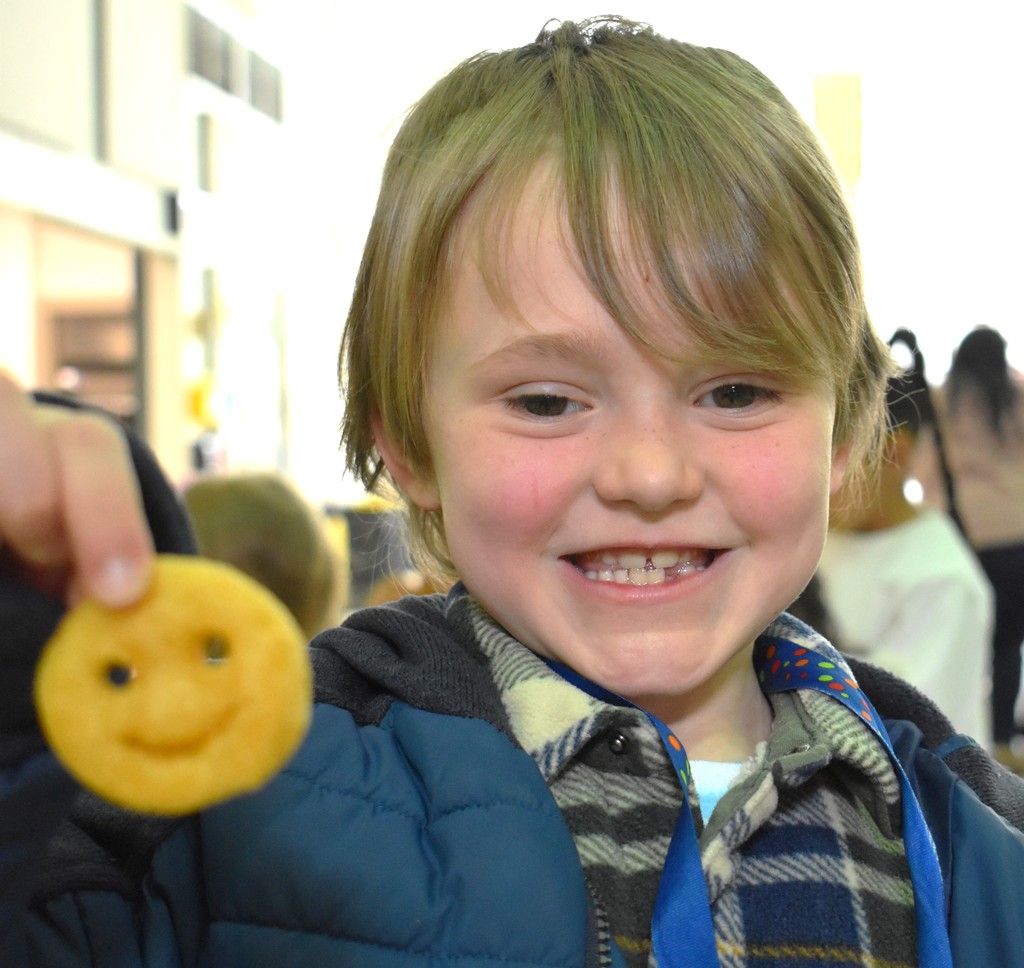
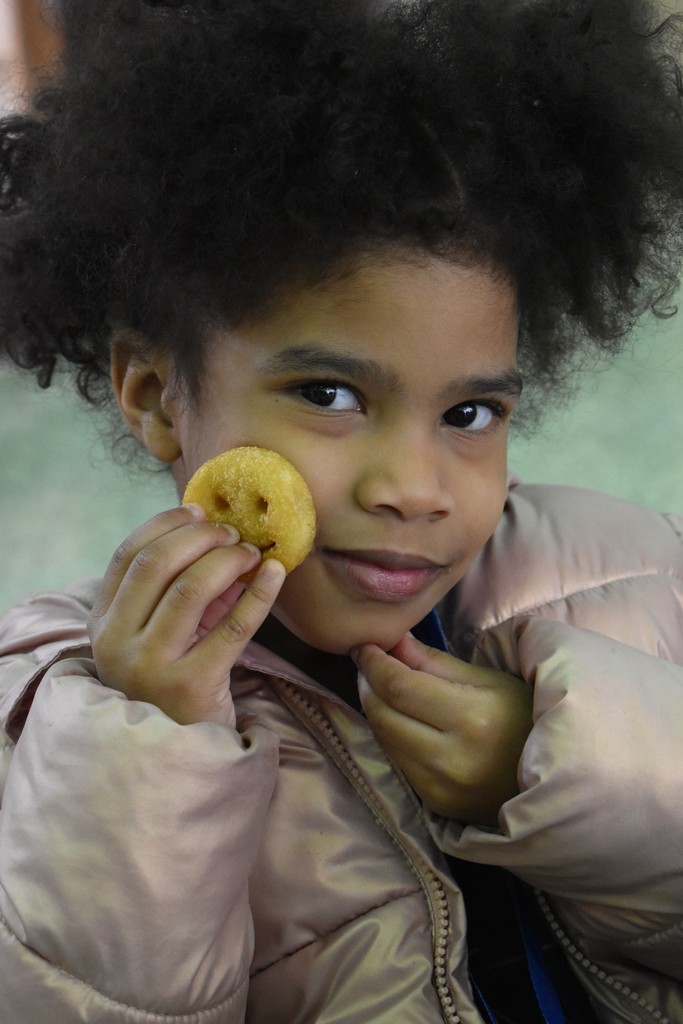
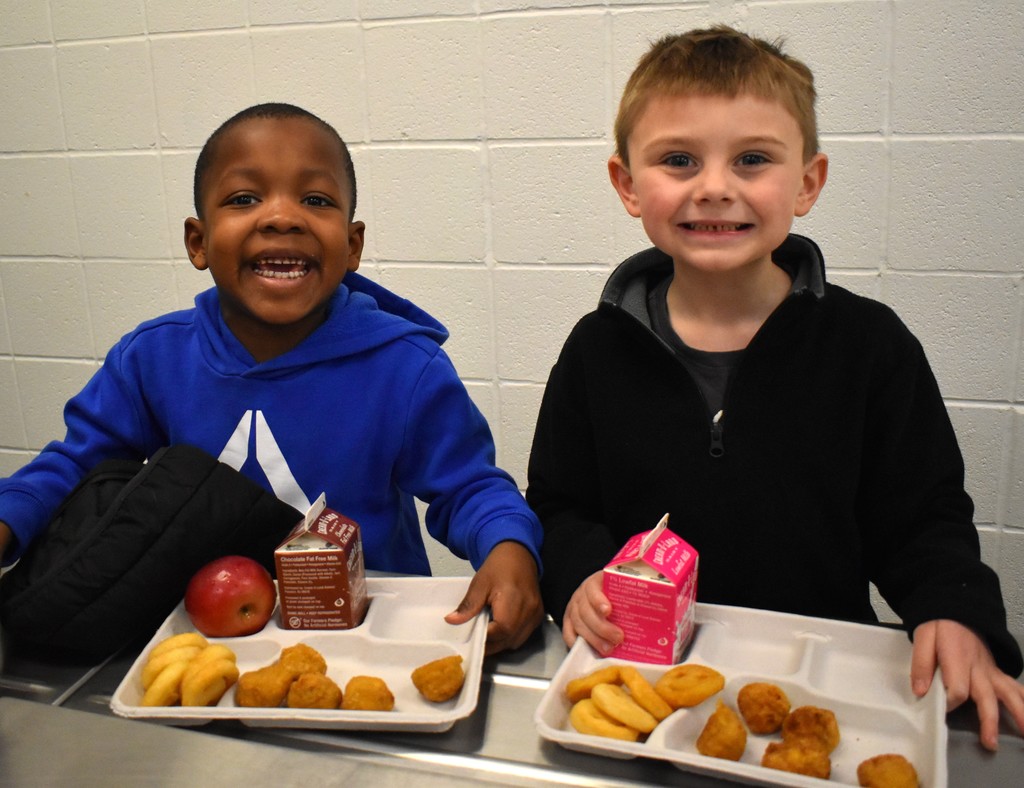
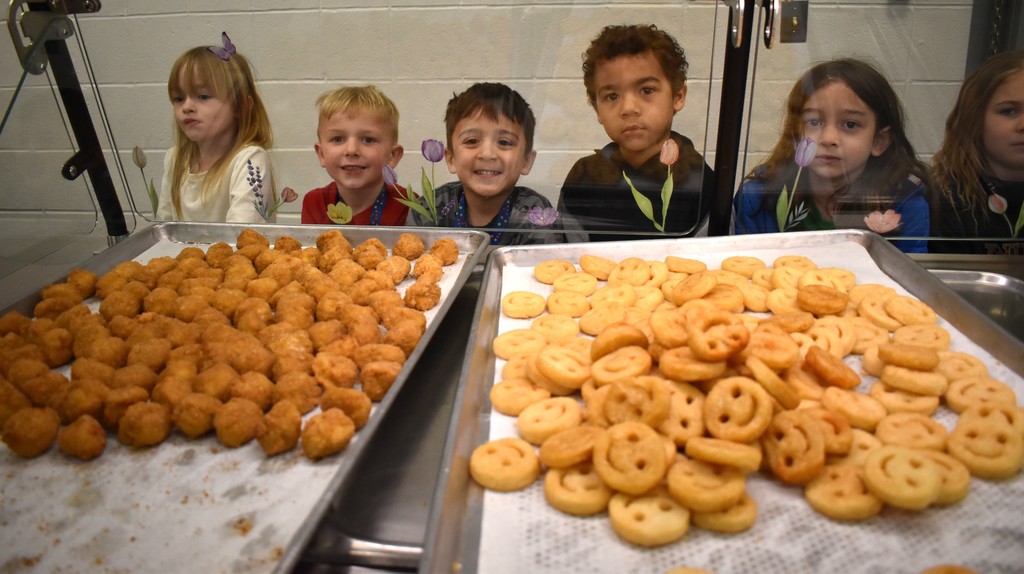
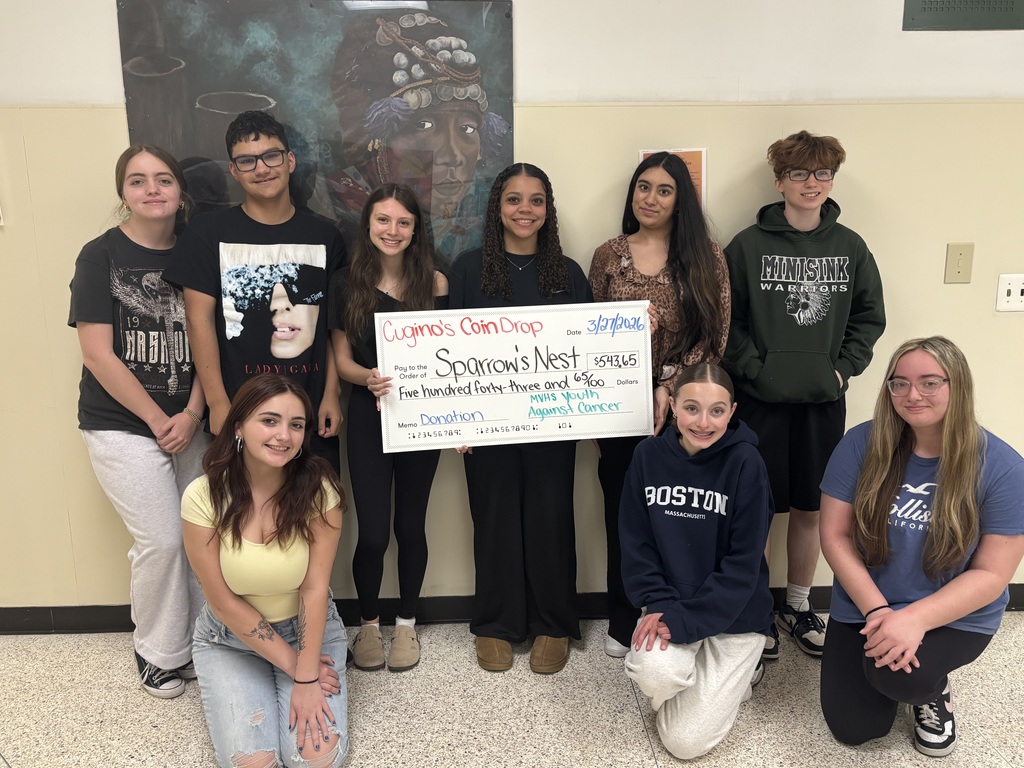
Members of the High School’s Youth Against Cancer (YAC) club have proudly presented a $543.65 donation to Sparrow’s Nest, supporting its mission to assist families facing cancer.
Sparrow’s Nest of the Hudson Valley is a nonprofit organization that prepares and delivers homemade, nutritious meals to families facing a cancer diagnosis. Founded in 2012 by Krista Jones in New York, the charity aims to reduce the daily stress of meal preparation, allowing patients undergoing treatment to focus on healing.
This check represents 100% of the proceeds gathered during the club’s recent Cuginos Coin Drop initiative, and the club wants to express its gratitude to everyone who contributed to this effort.
“It was incredible to raise this amount in just a short three hours,” said Club Advisor Erin Natalizio. “We are incredibly grateful to Maria Cabrera of Cuginos and her generous patrons.”
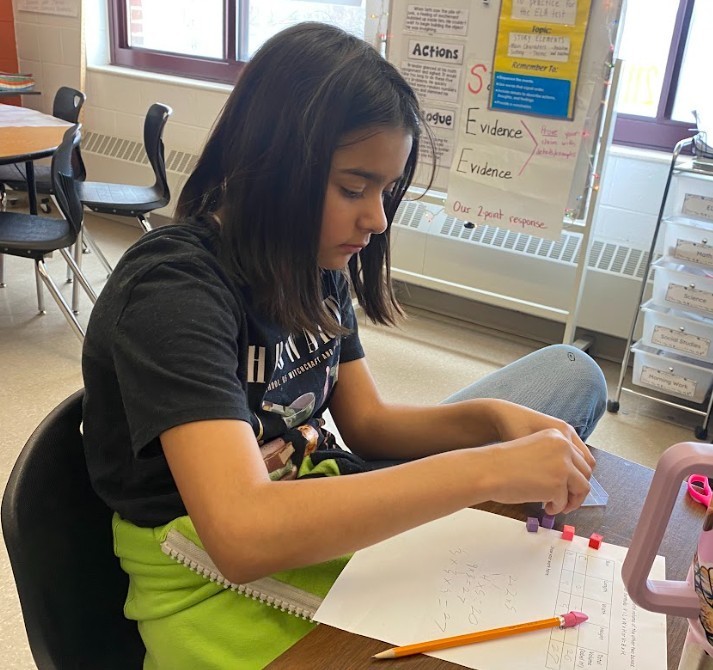
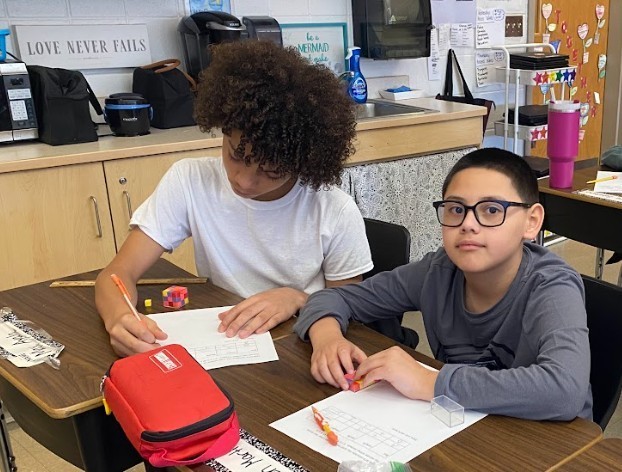
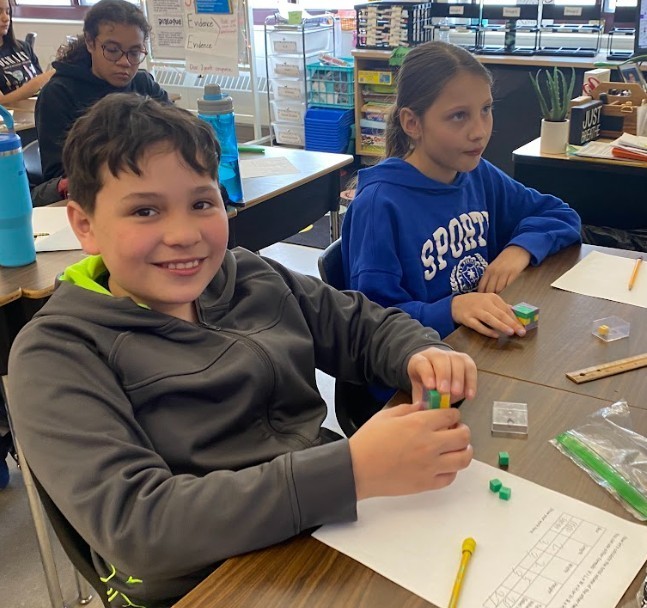
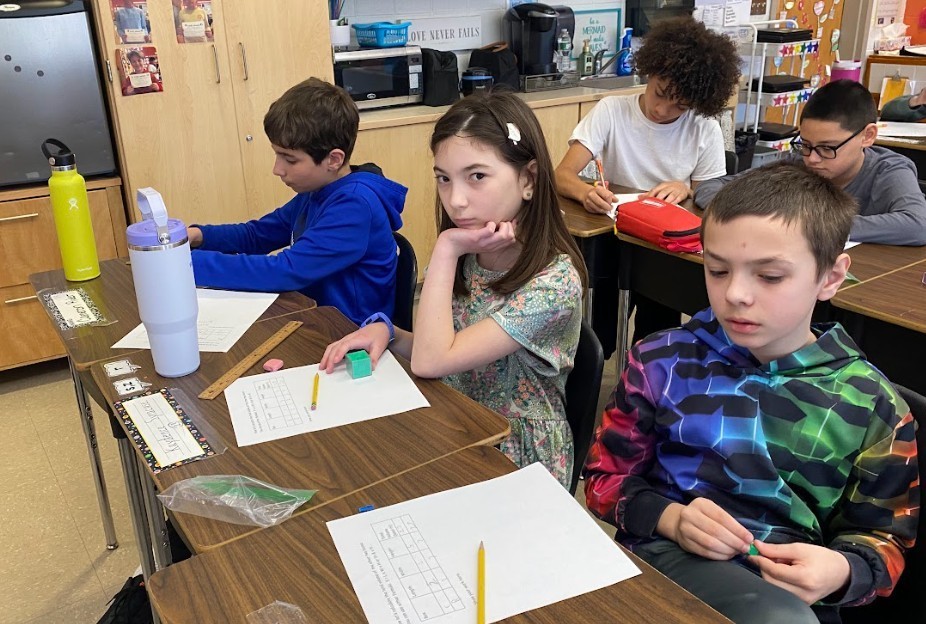
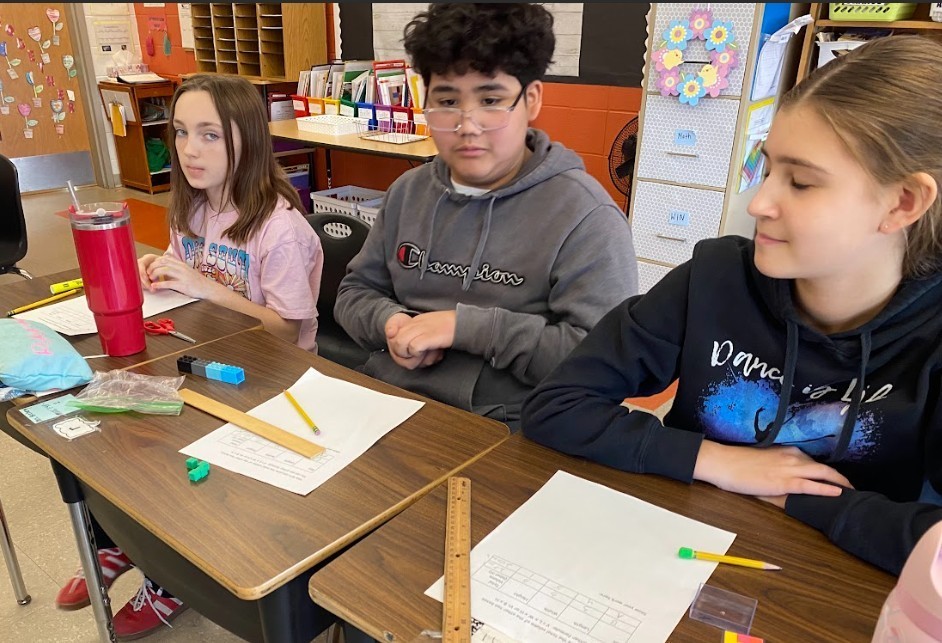
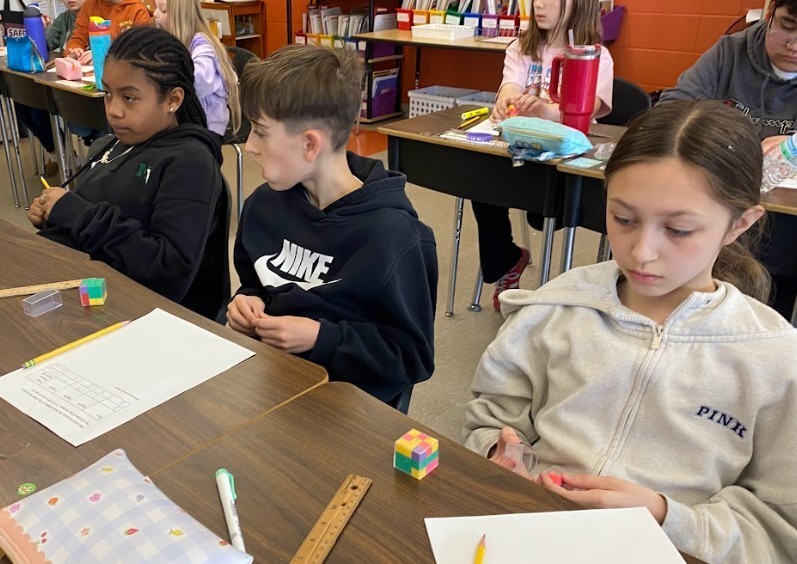
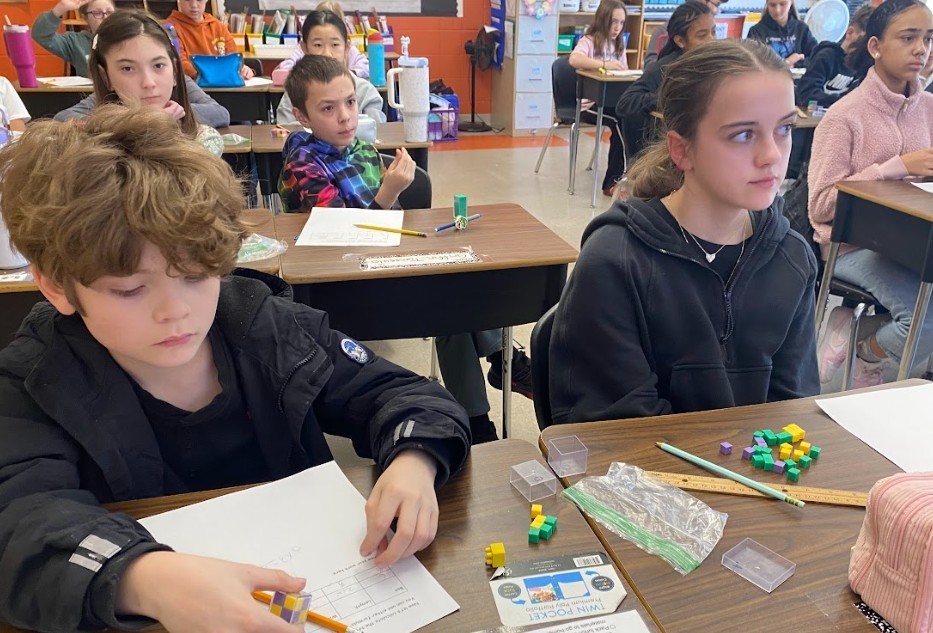
Each student was given centimeter cubes, a ruler, and four empty rectangular solid containers to fill (labeled A–D). They worked with a group to fill the containers to show the volume of each solid. By doing this, they were able to better understand how volume is measured and how cubic units fill space inside a three-dimensional figure. Then they measured with rulers to confirm their measurements.
The lab’s purpose was to help students develop a deeper understanding of volume by connecting hands-on exploration with mathematical measurement, reinforcing the formula for volume and the concept of cubic units.
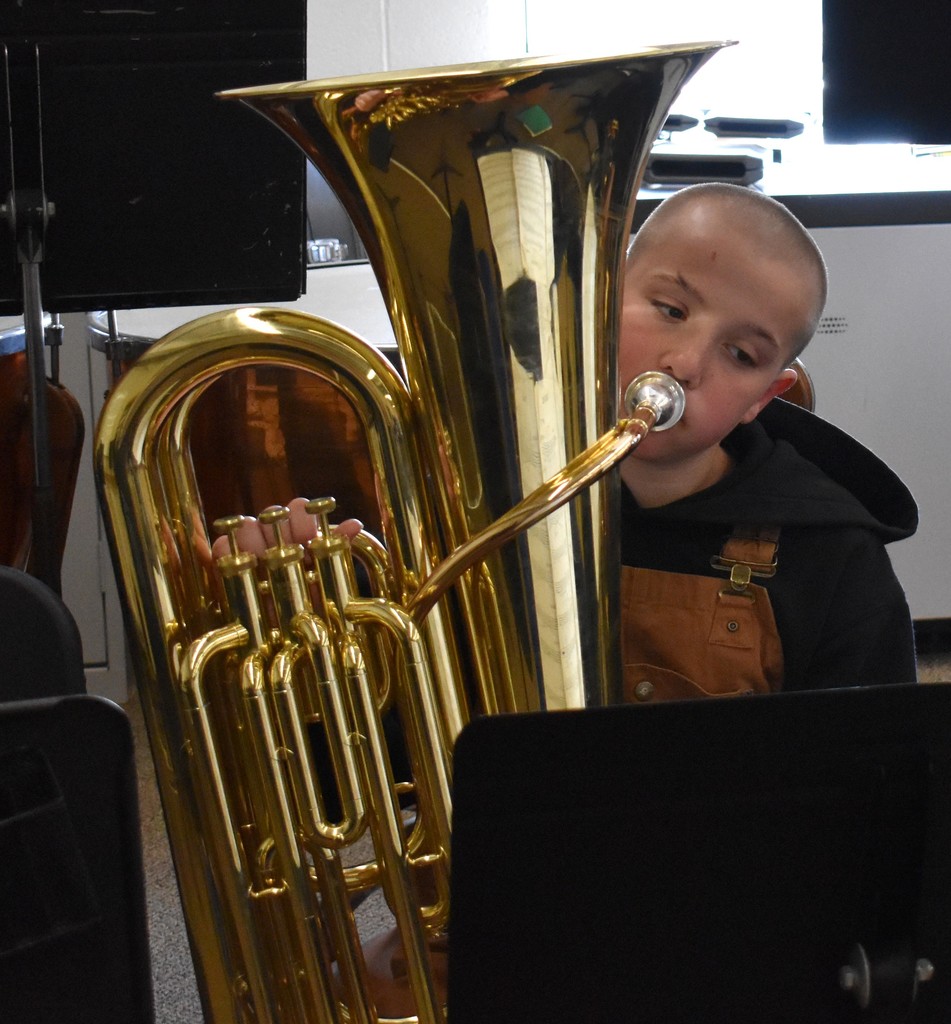
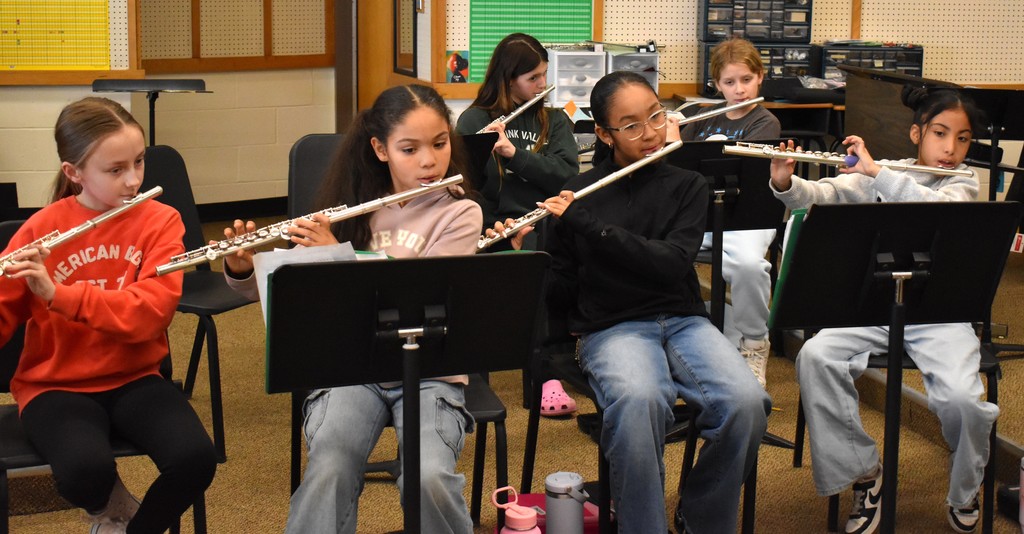
Following the concert, students will complete a reflective assignment in which they will analyze the initial practice recordings alongside the culminating performance. They will identify specific areas of improvement—both individually and as a full ensemble—gaining insight into their development and the collective progress of the group.
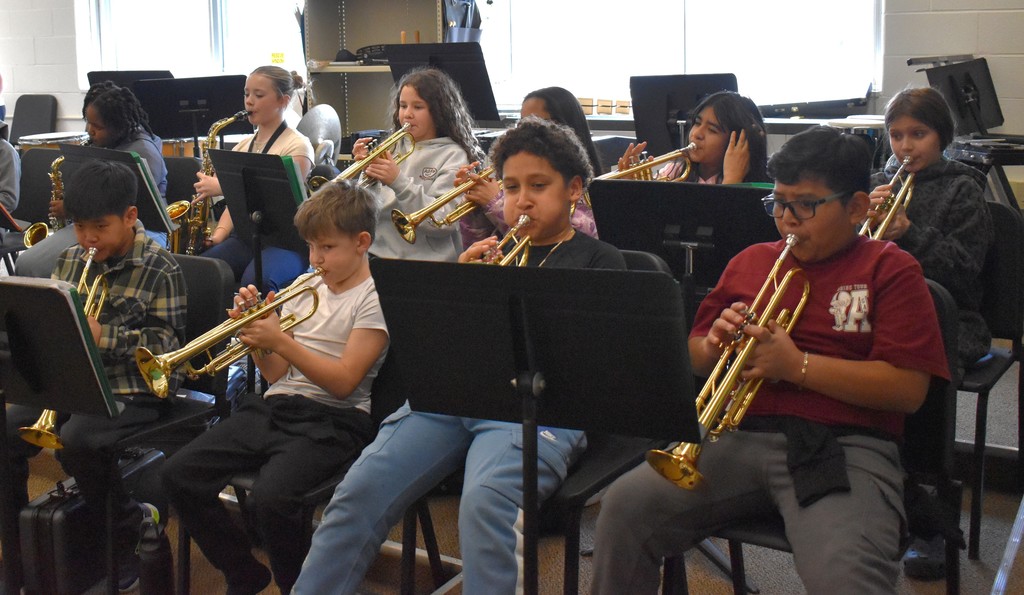
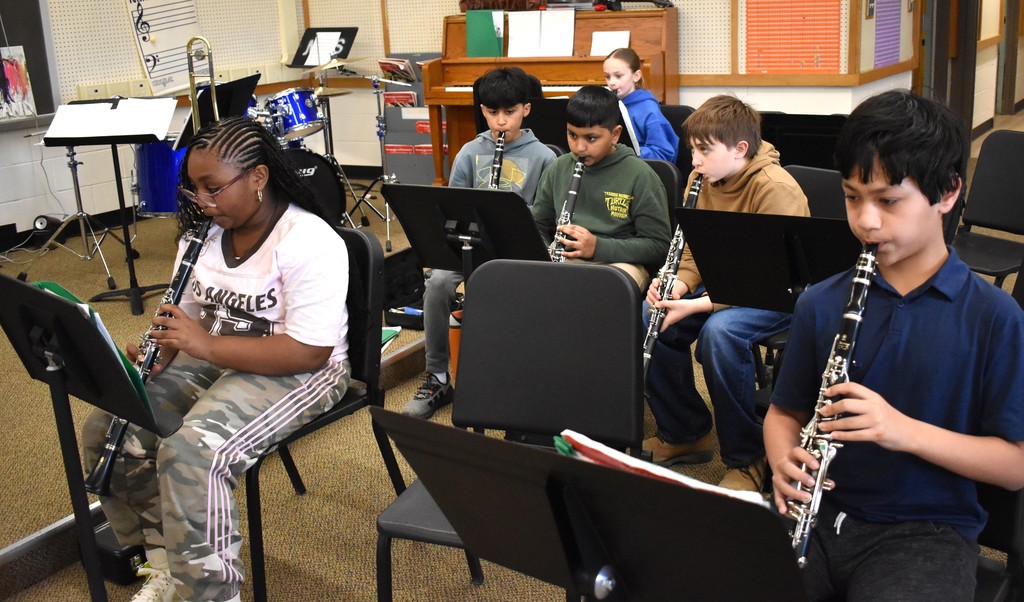
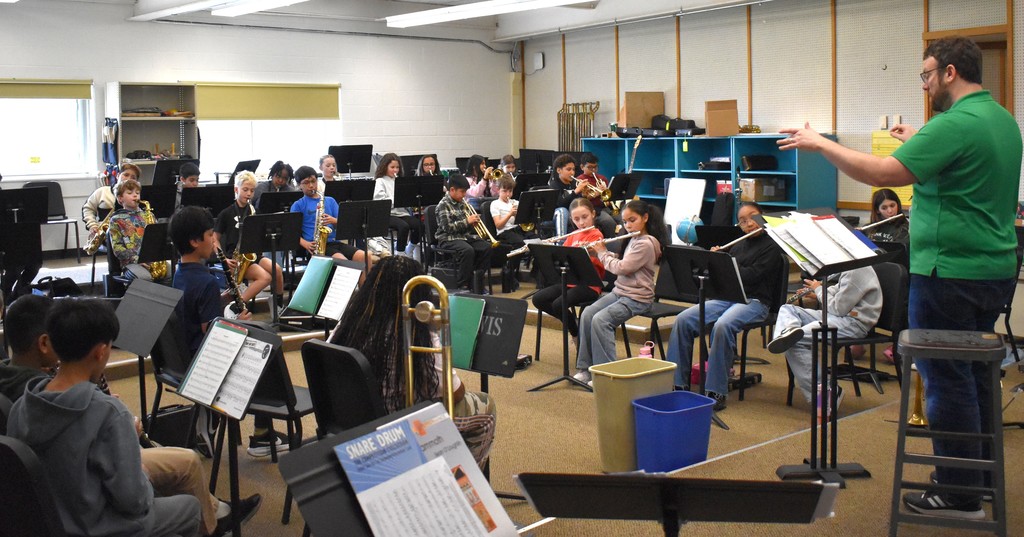
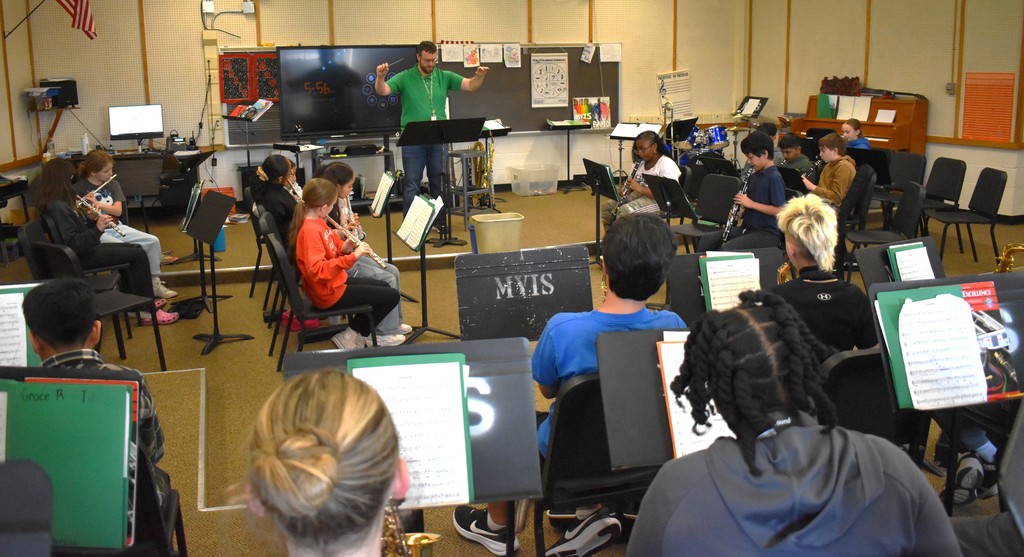
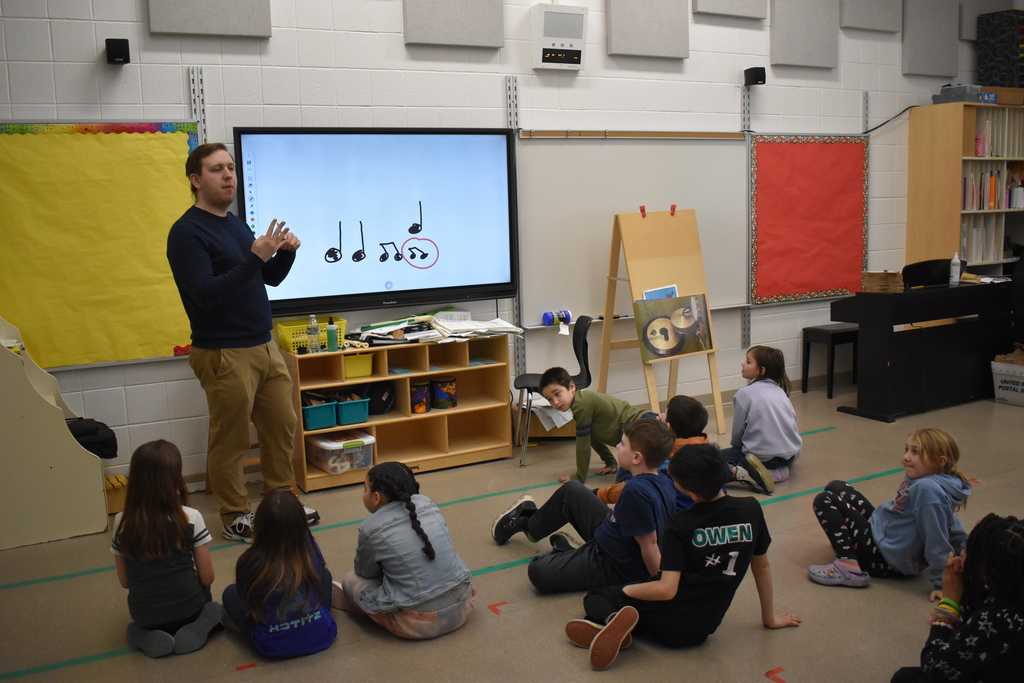
Did you know this process mirrors how we learn language? Students begin by echoing musical patterns, then move on to decoding by ear, improvising, reading, dictating (writing down what they hear), and finally composing their own creations.
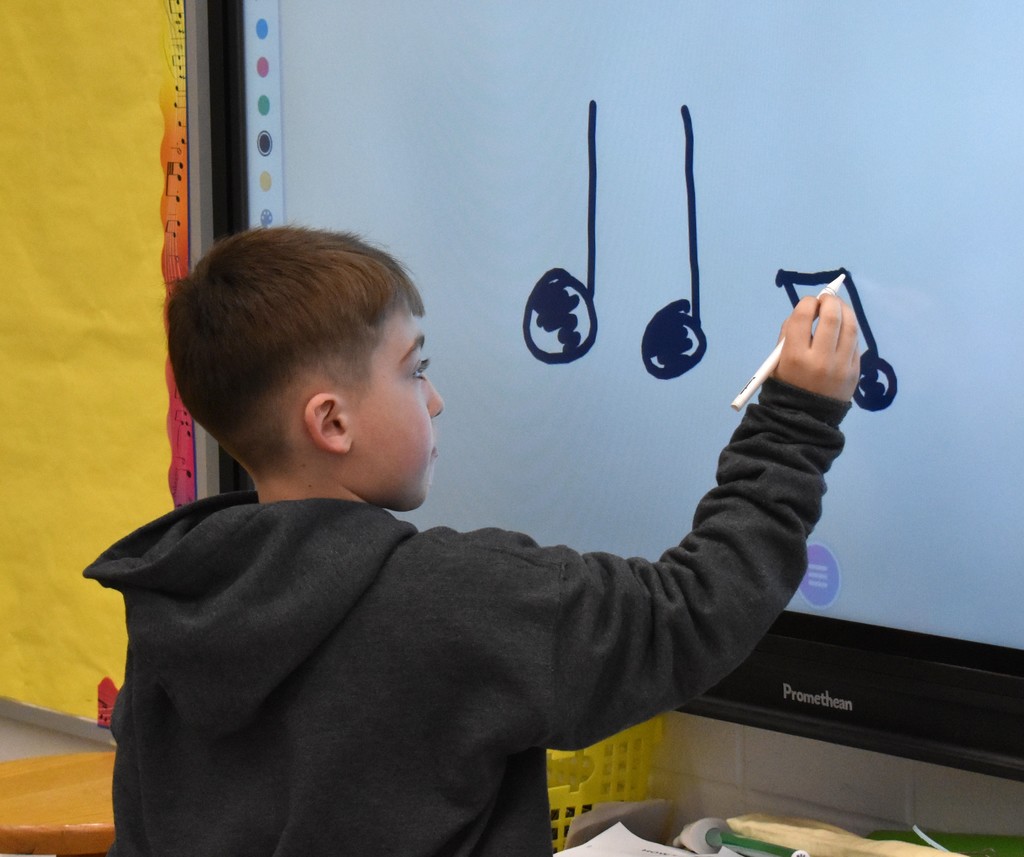
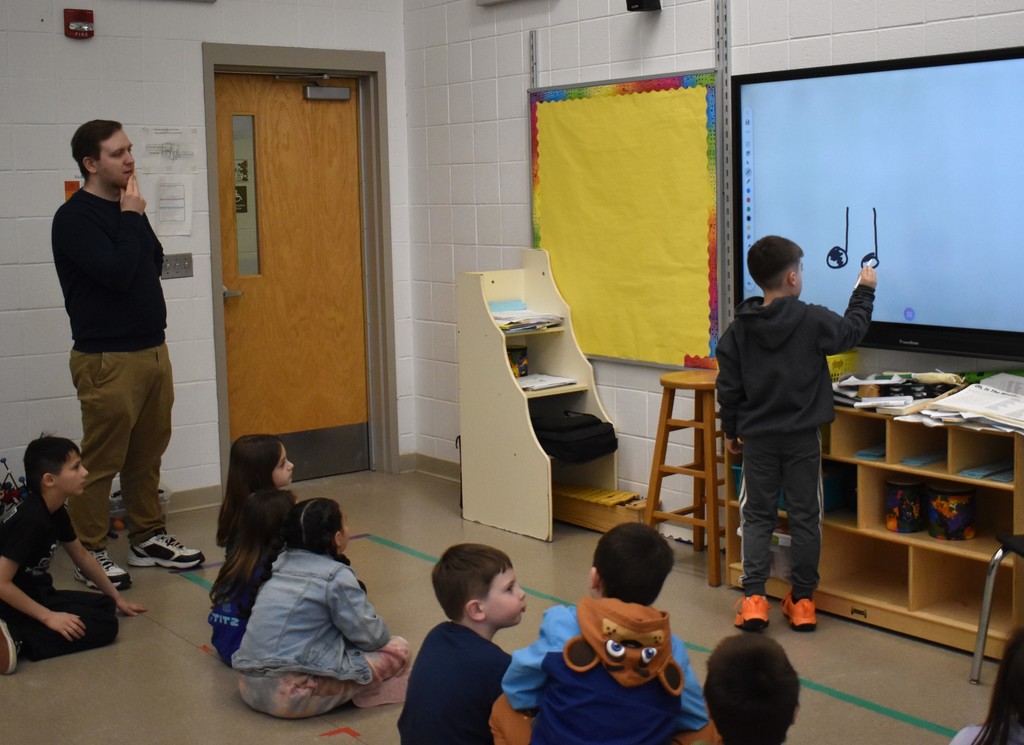
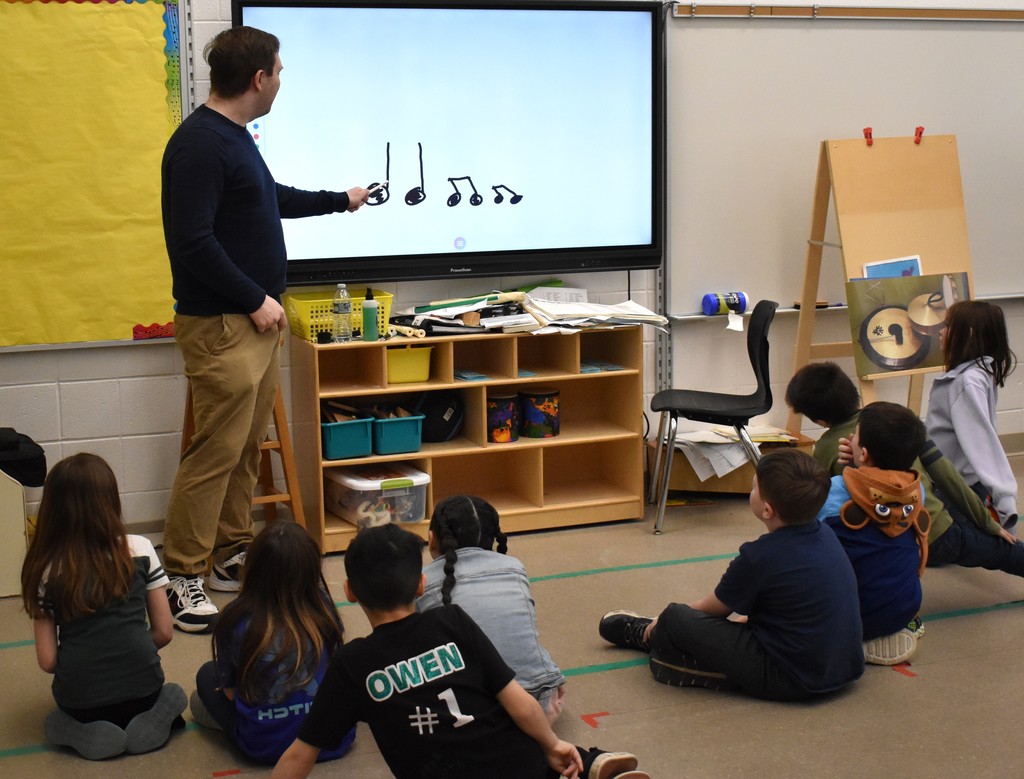
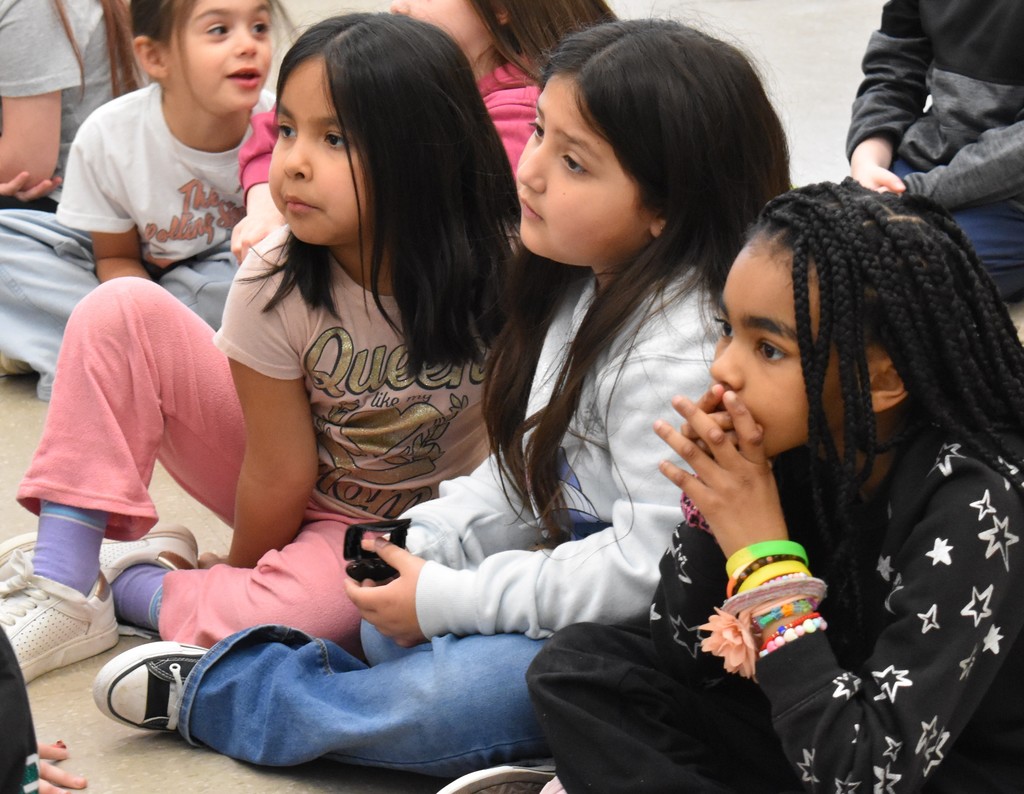
Recently, these second-graders tackled their very first musical dictation, and they nailed it! Mr. Klein gave them rhythm patterns using quarter notes and eighth notes. Students listened carefully, decoded the patterns to the best of the abilities and shared their answers with their classmates. Take a peek!
Conversational Solfege is a research-based, 12-step music literacy approach developed by Dr. John Feierabend that teaches music in the same way children learn a language: First hearing (listening), then speaking (chanting/singing), and finally reading and writing. It focuses on building “inner hearing” and confidence before introducing notation.
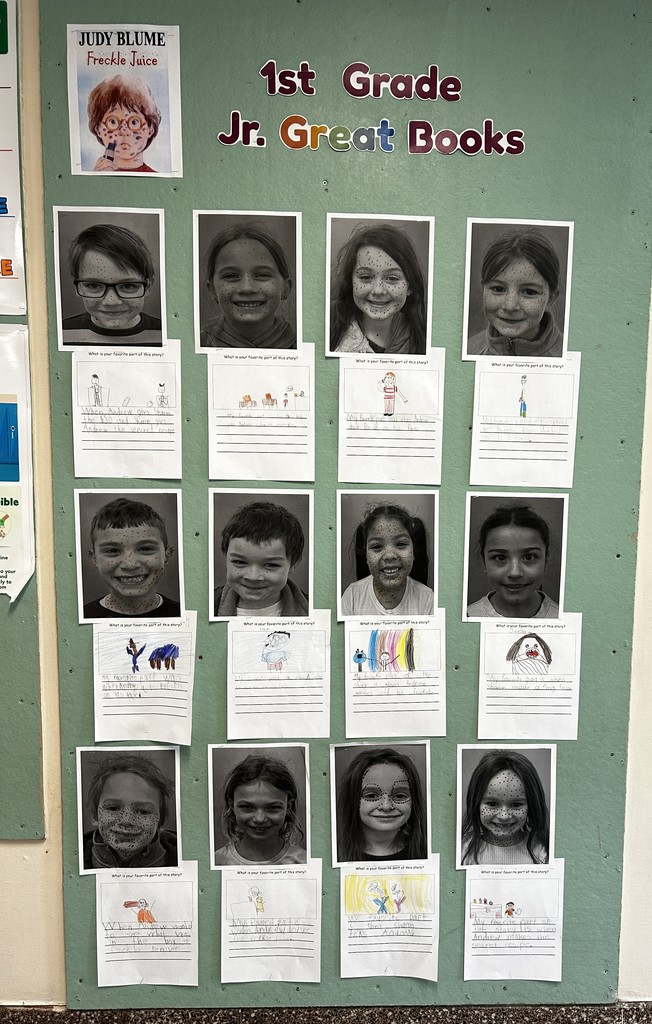
Reading in first grade is especially powerful, because it builds the foundation for everything that follows. At this age, students are learning the building blocks of language—how stories work, how characters think, how words spark imagination. The more they read, the more their vocabulary grows, the stronger their comprehension and creativity becomes!
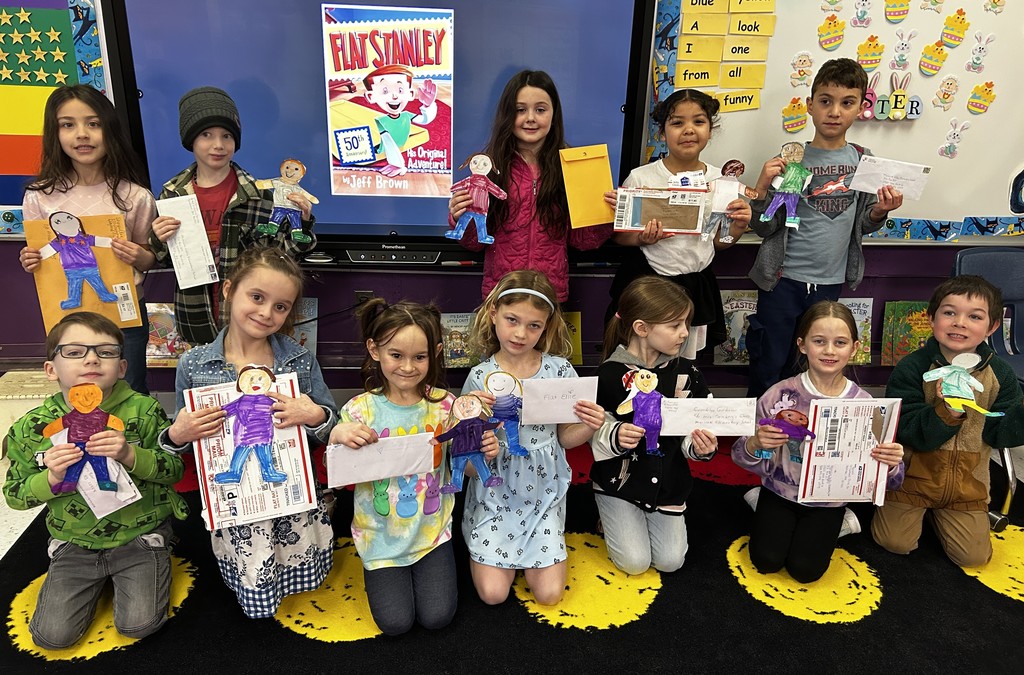
After exploring a variety of JGB stories, the students took on two full novels—a huge accomplishment for first graders.!
Their first adventure was Jeff Brown’s “Flat Stanley,” the story of a boy who gets flattened by a bulletin board. Inspired by the story, the students created their own “flat mes” and sent them off through the mail. When the “flat mes” returned, they brought stories of wonderful travels—visiting places such as Massachusetts, Florida, and Arizona, and even meeting family members, friends, and pets along the way!
Next, they dove into Judy Blume’s “Freckle Juice,” the story of Andrew, a boy determined to get freckles—even if it means mixing up a wild recipe or drawing them on with a marker! The first graders had a blast creating freckles on their own photos, bringing the book’s humor to life and building a deeper understanding of character motivation and creativity.
Reading strengthens imagination, builds critical thinking, boosts confidence, and helps children discover the joy of learning. Through stories, they learn to make connections, ask questions, and express themselves — all skills that will support them throughout their academic careers!
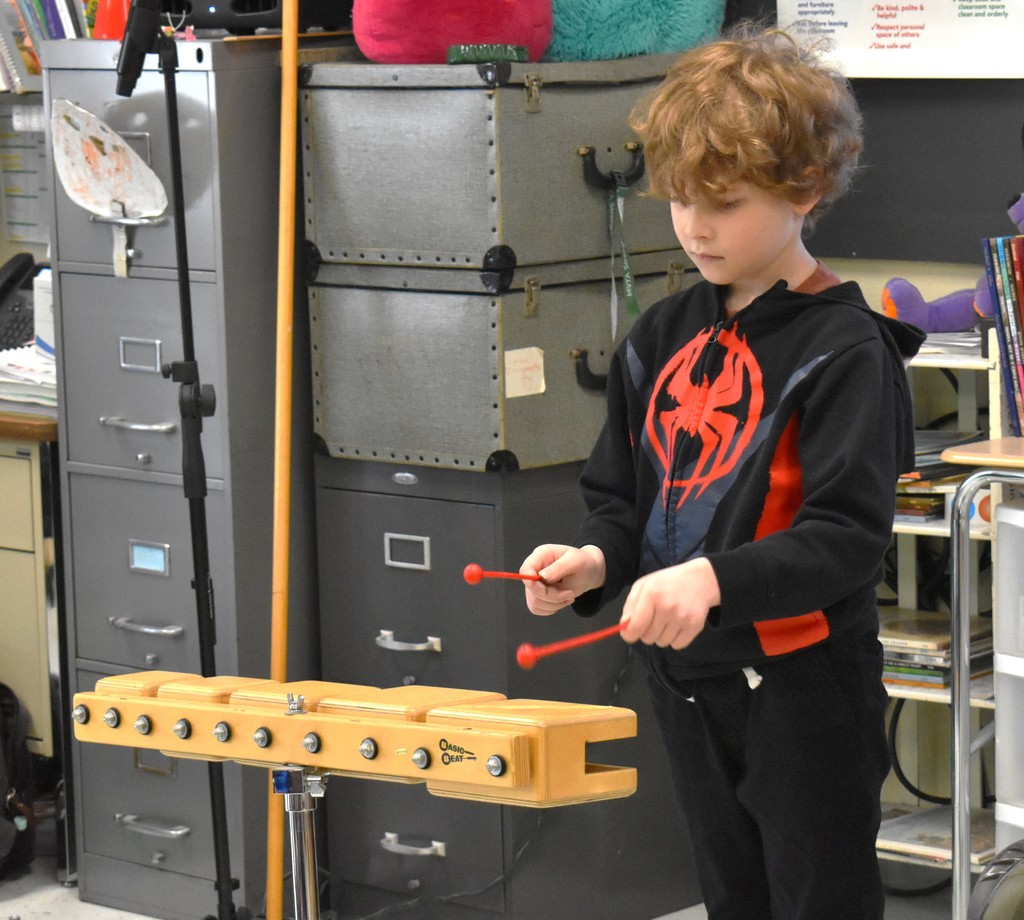
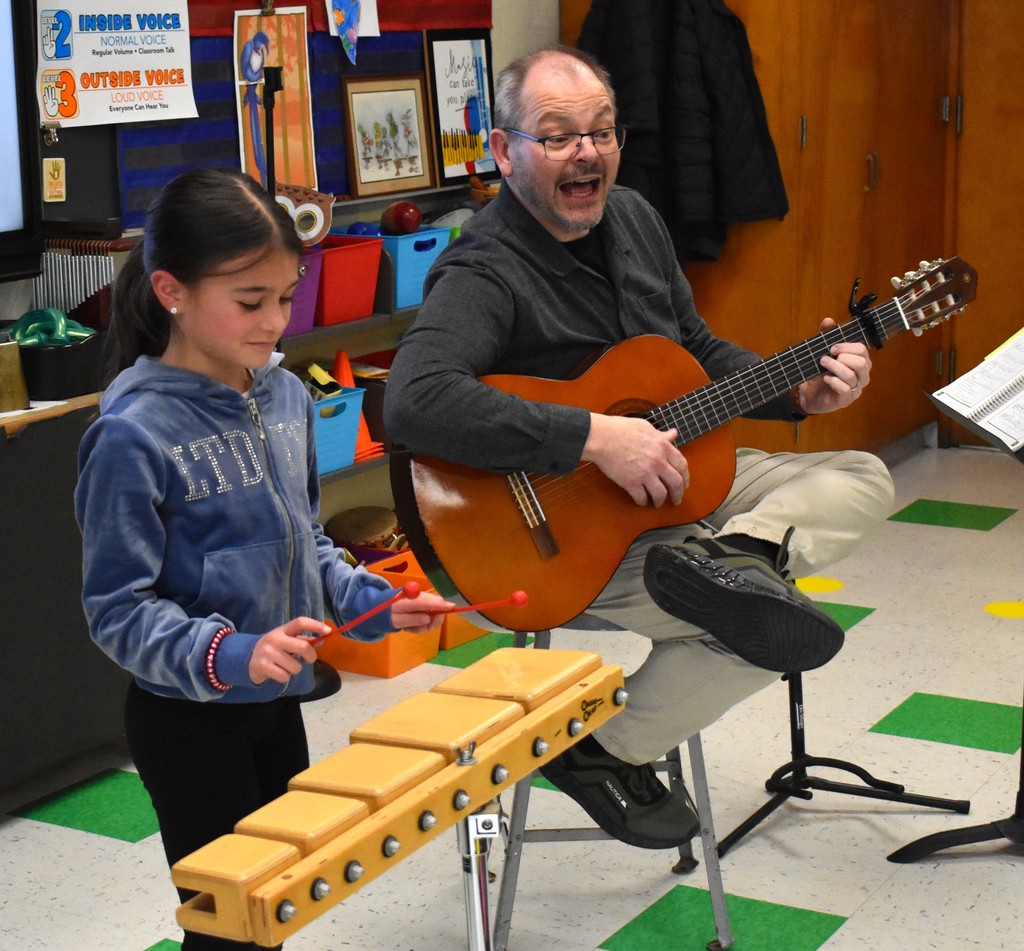
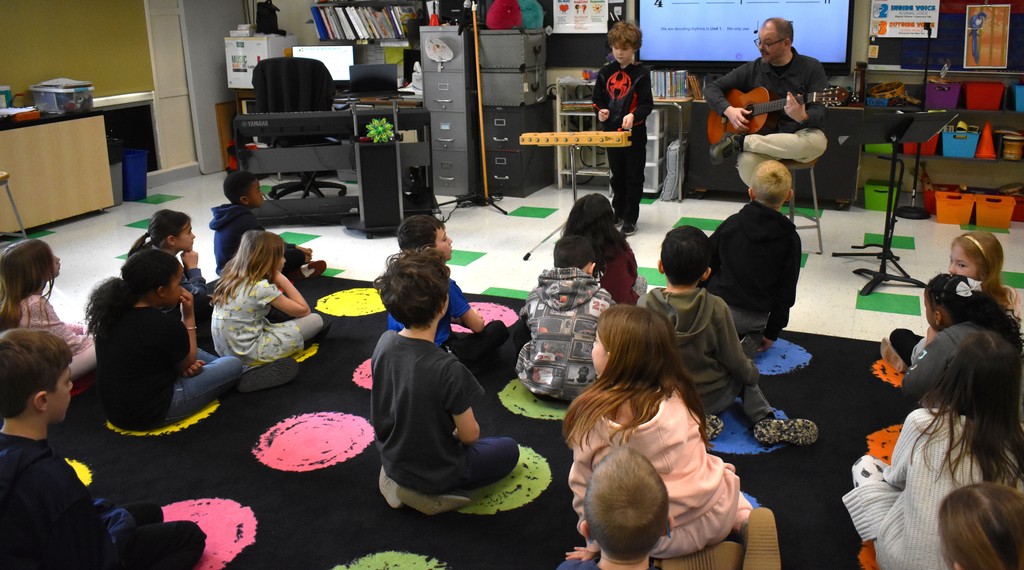
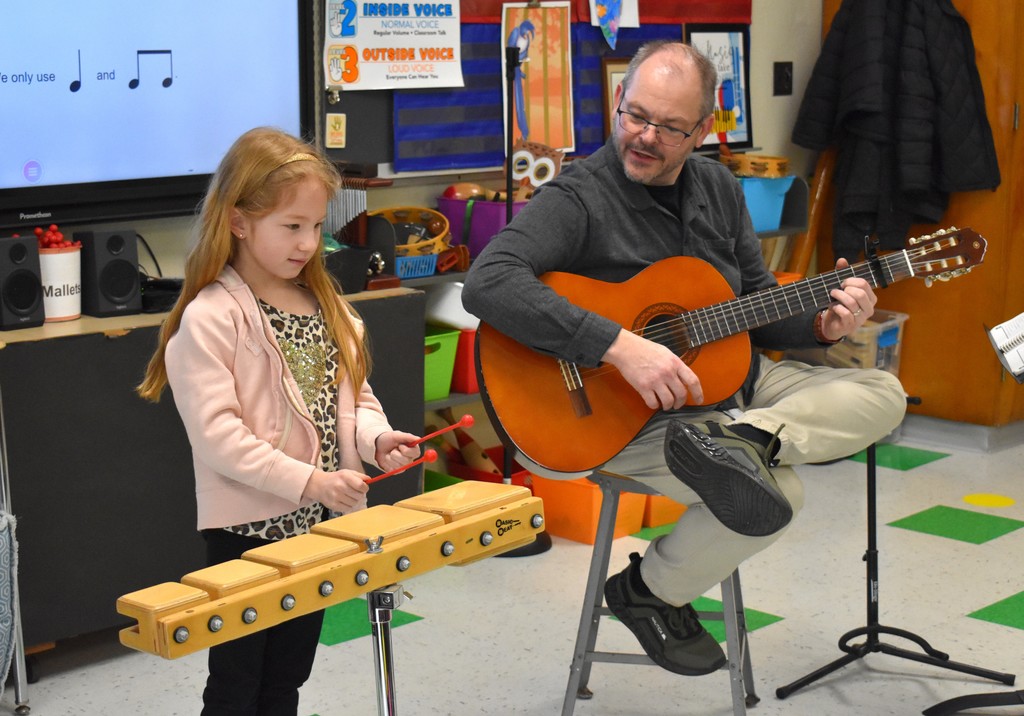
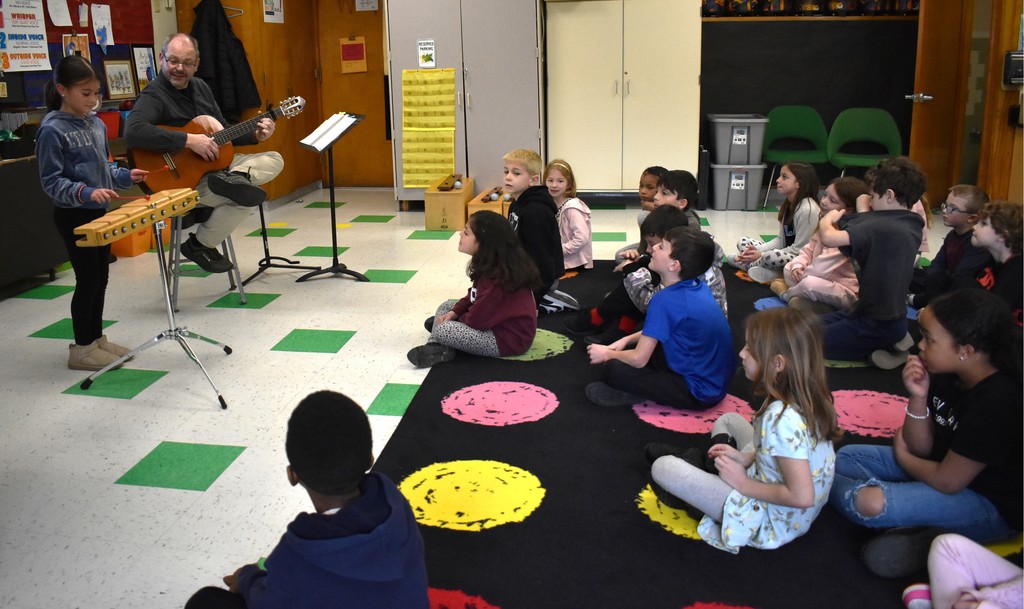
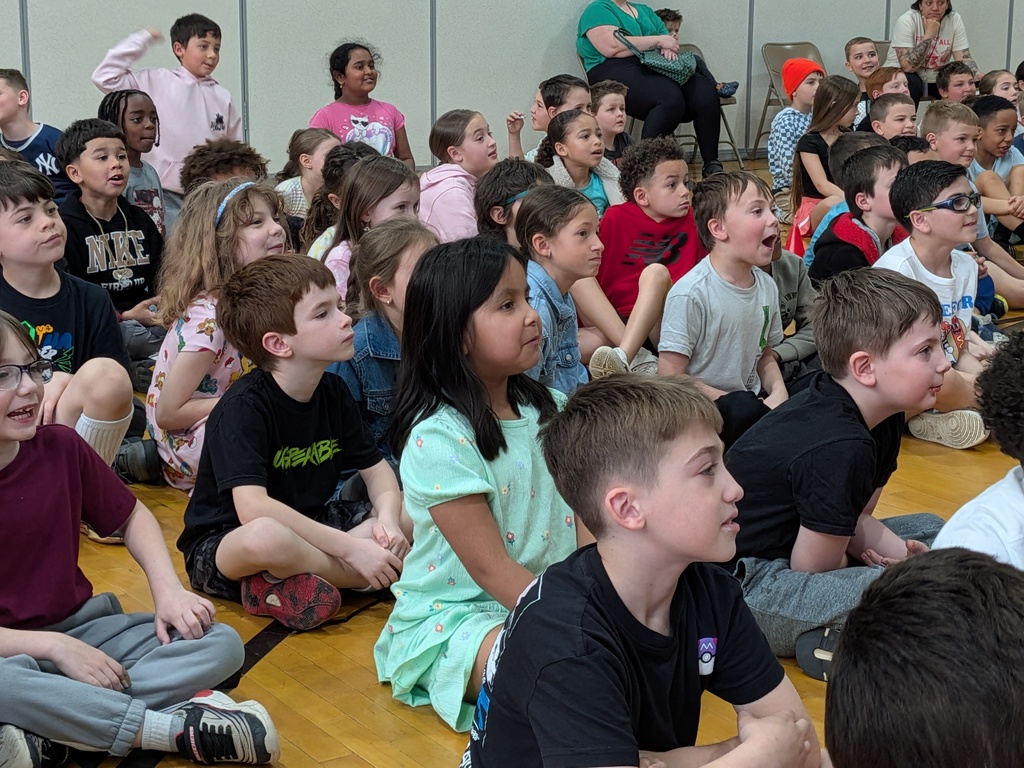
Students had a blast recently singing the echo song “Purple Light,” which helps build strong listening and echoing skills. As they sang, they also took turns playing the temple blocks to keep a steady beat — bringing this cowboy song to life with the clippy-clop sound of horse hooves echoing through the room. (The song even mentions a canyon, a pony and a knapsack!)
Fun, hands-on moments like these help students grow in singing, rhythm, coordination and—best of all—a lifelong love of music!
Temple blocks are a set of hollowed-out percussion instruments, traditionally made of wood (often called dragon mouths), typically played in sets of five tuned to a pentatonic scale. Originating from Chinese Buddhist rituals, they produce a rich, dark, and rounded sound compared to standard woodblocks and are used for musical effects, melodies, or rhythmic reinforcement.
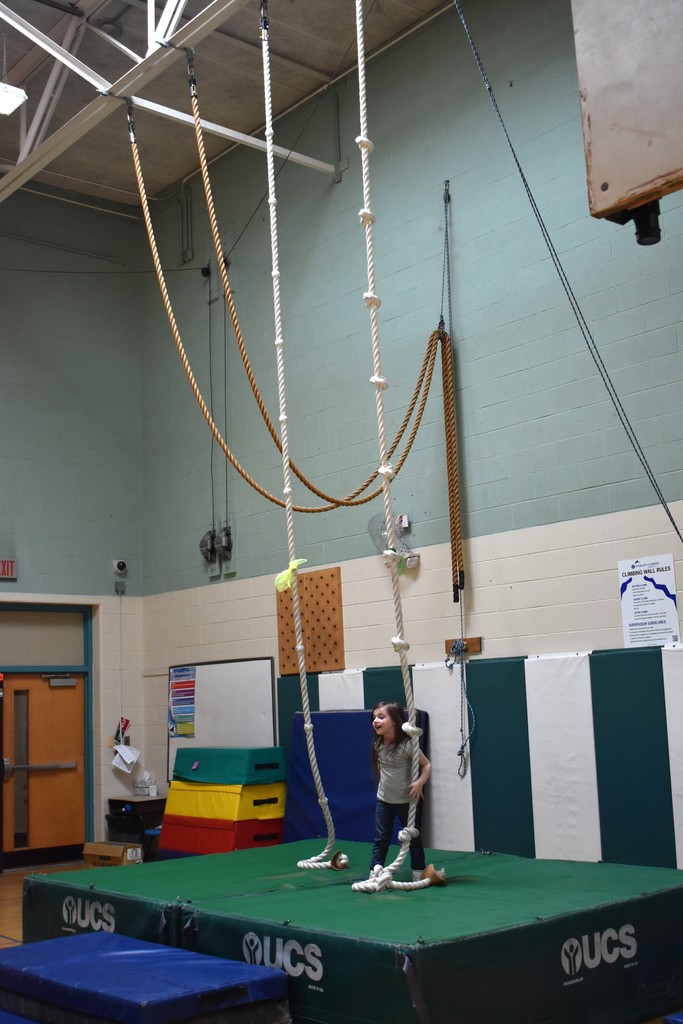
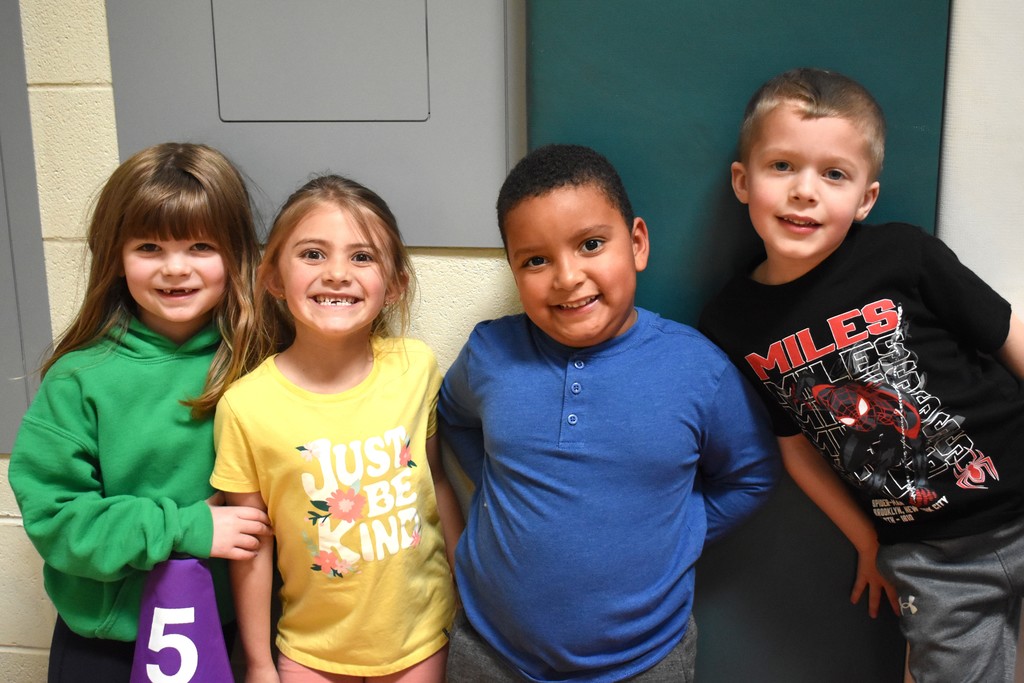
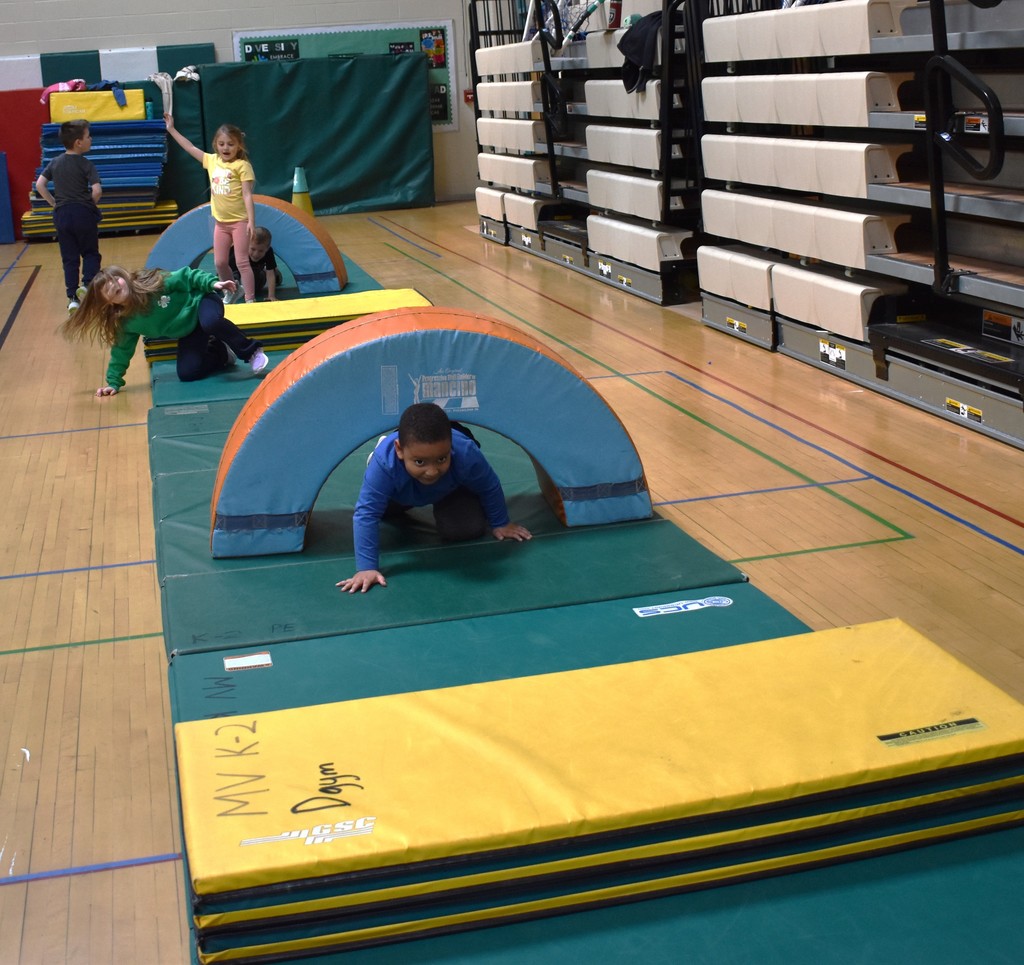
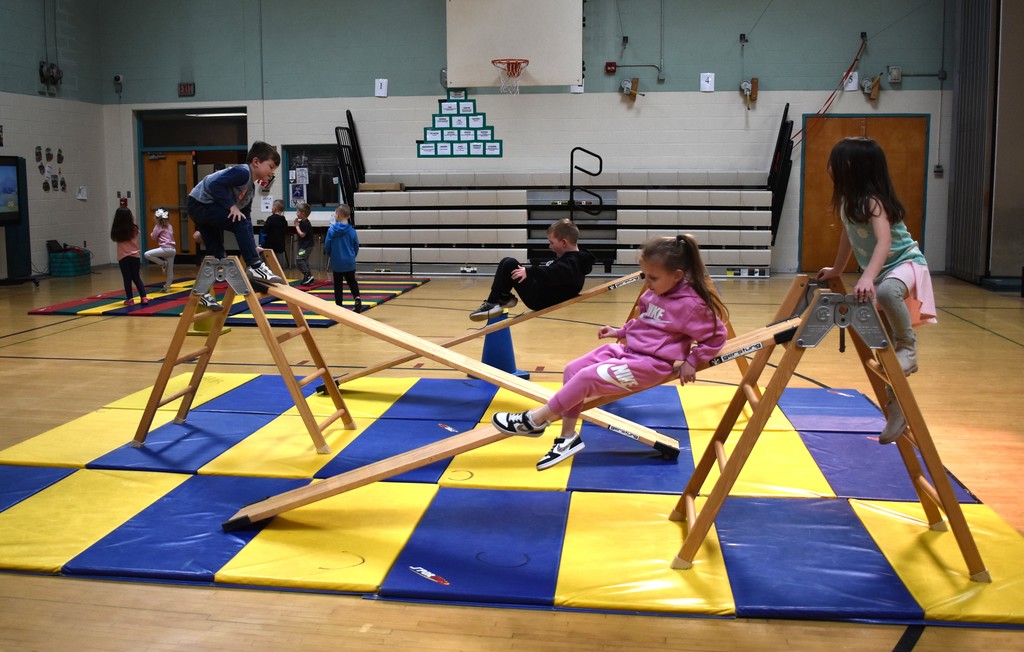
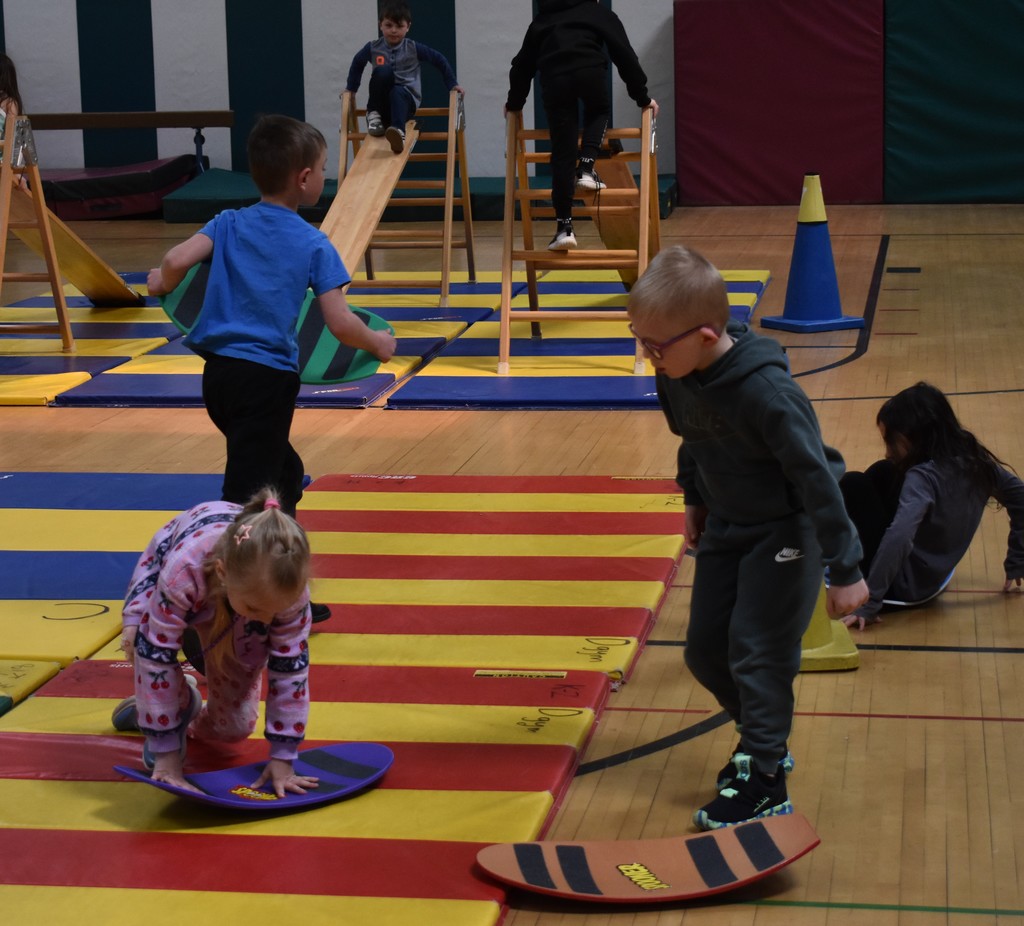
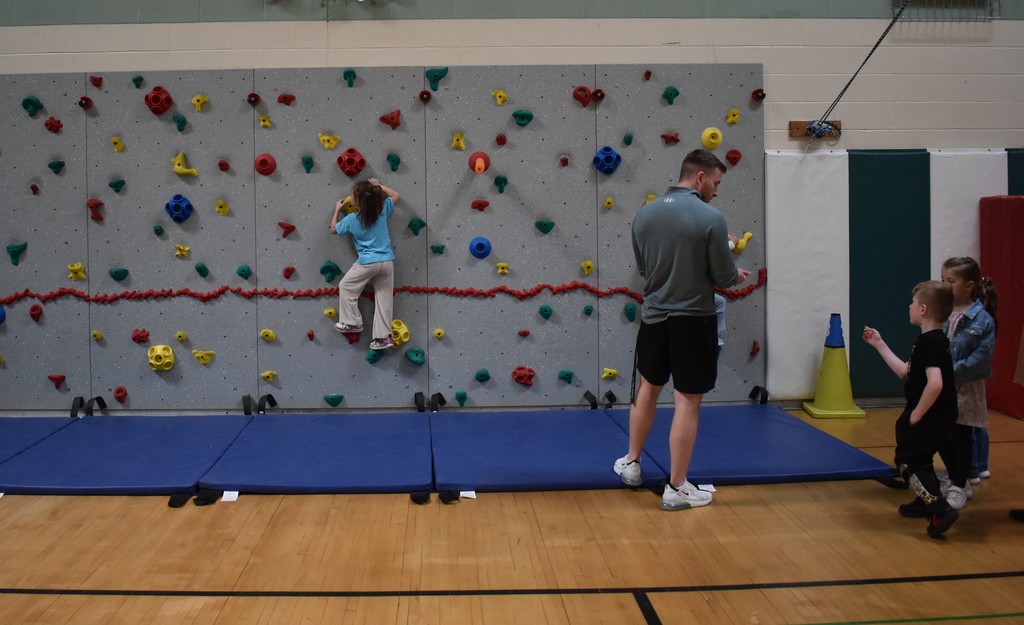
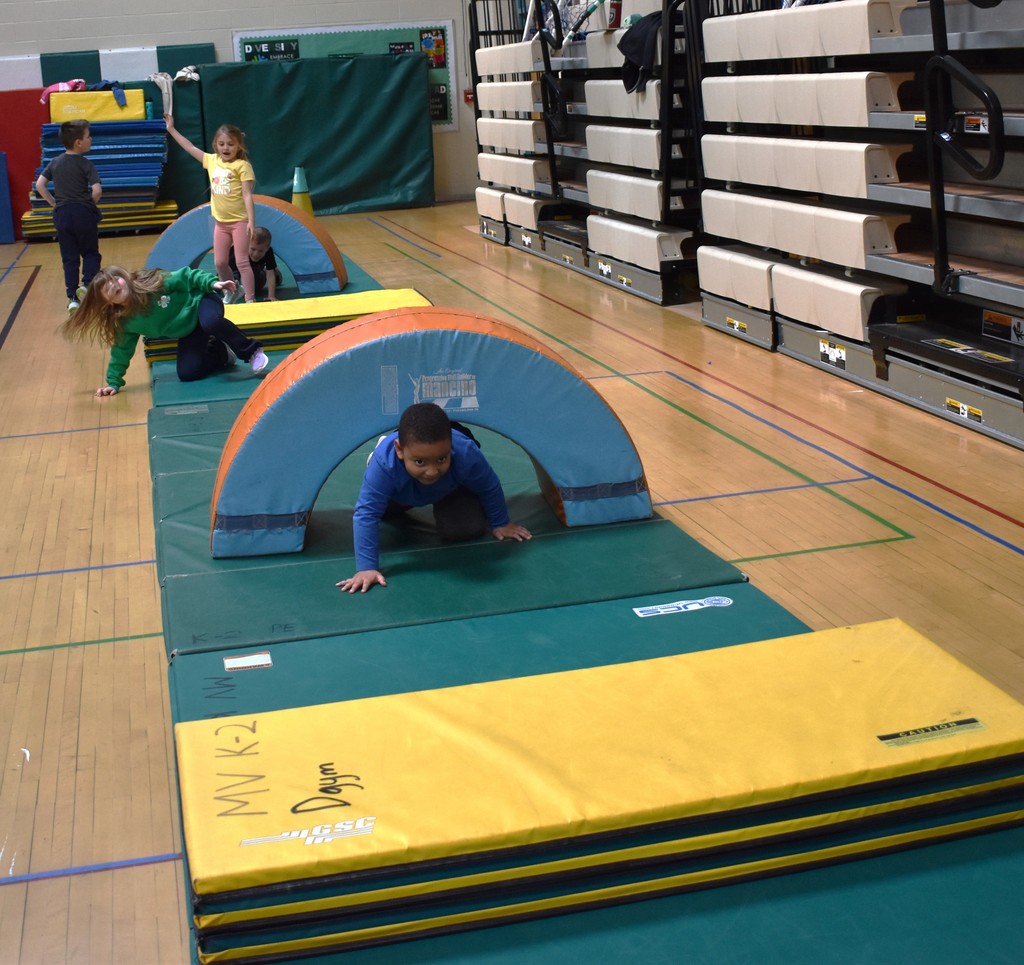
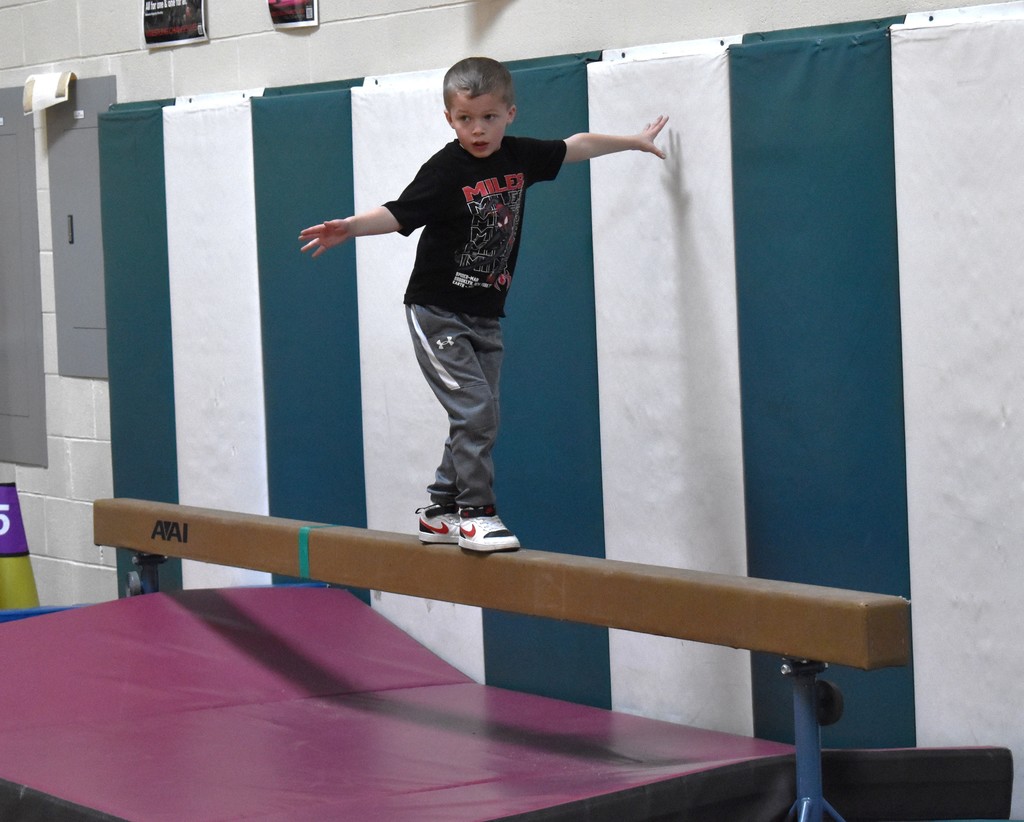
Many kindergarteners are introduced to the joy of gymnastics (along with exciting activities like climbing ropes and the rock wall) when their physical education teachers kick off their gymnastics unit. Take a peek at Anthony Pascarelli"s, Leyla Johnson’s, and Jonathan Sakadelis’ ES kindergarteners having an absolute blast in class—so many smiles and so much fun!
Introducing kindergarteners to gymnastics is important because it helps them build strength, balance and coordination while boosting their confidence and encouraging a love of movement. Plus, it gives them a chance to explore, take safe risks and discover just how amazing their bodies can be!
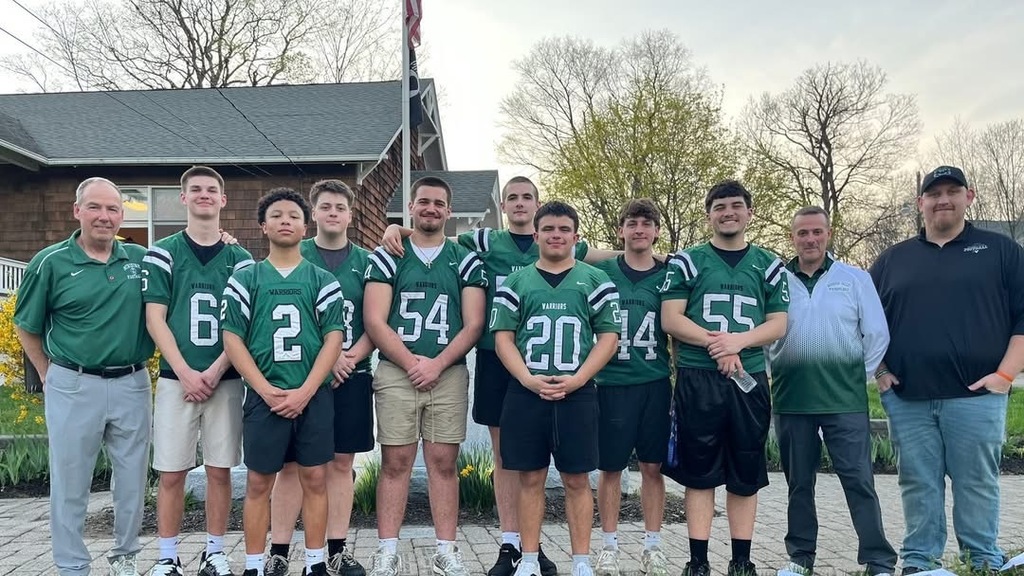
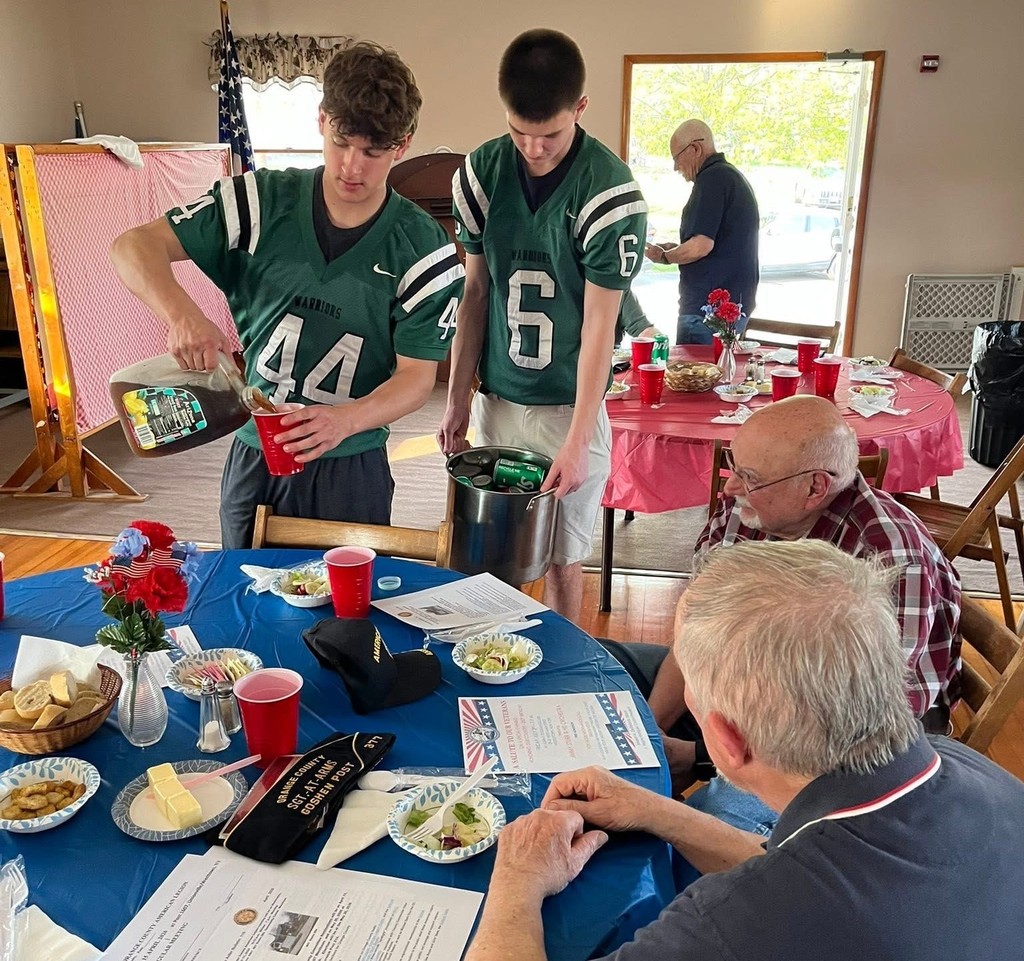
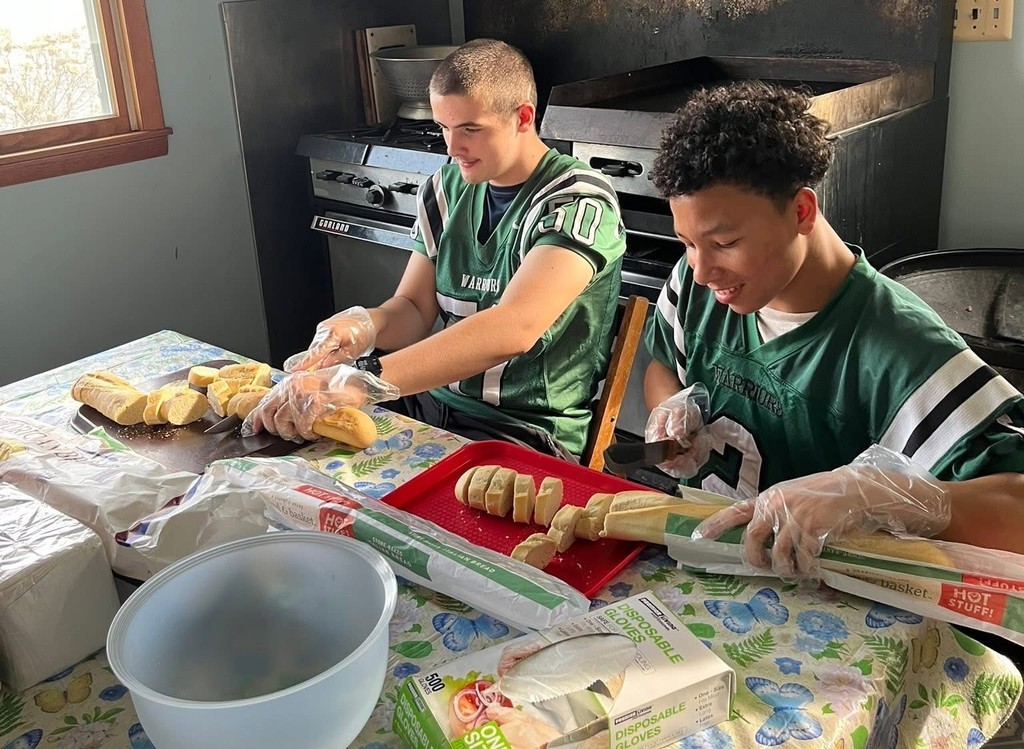
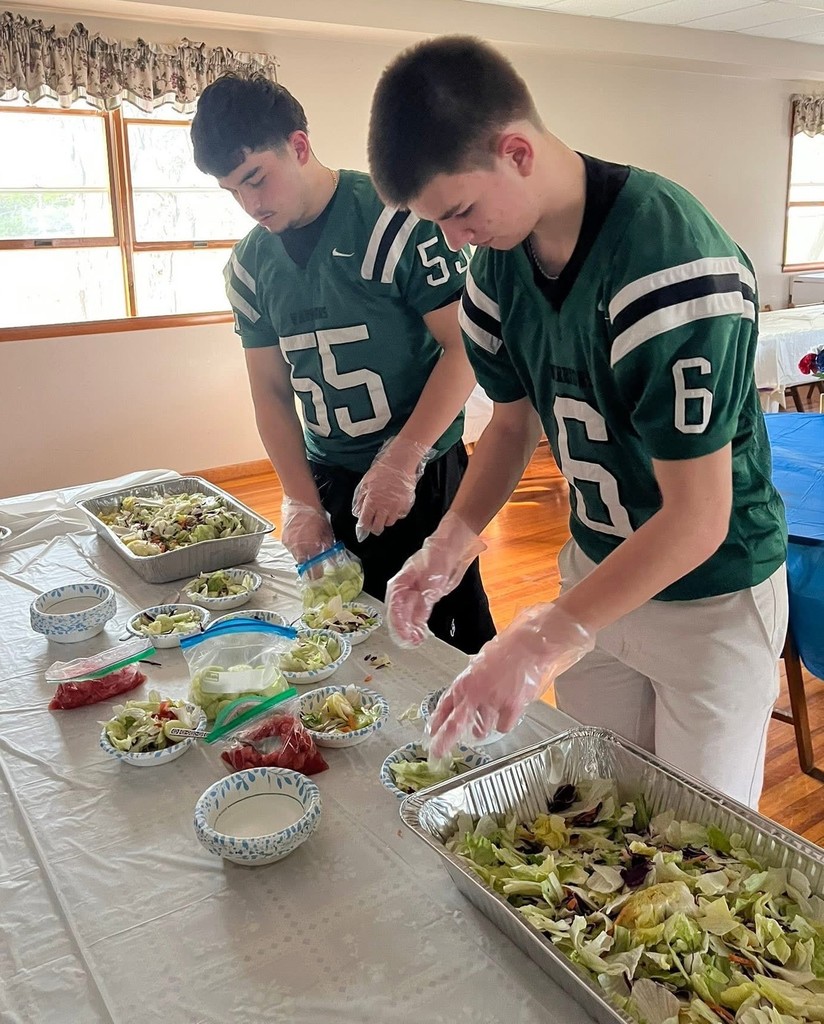
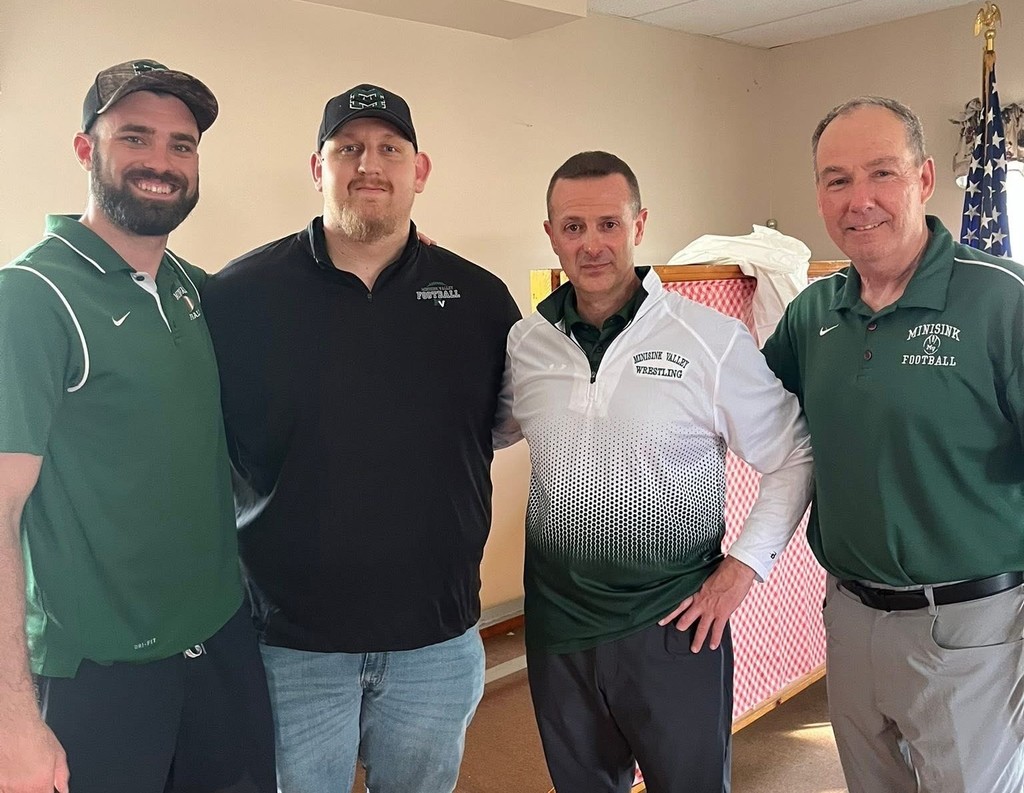
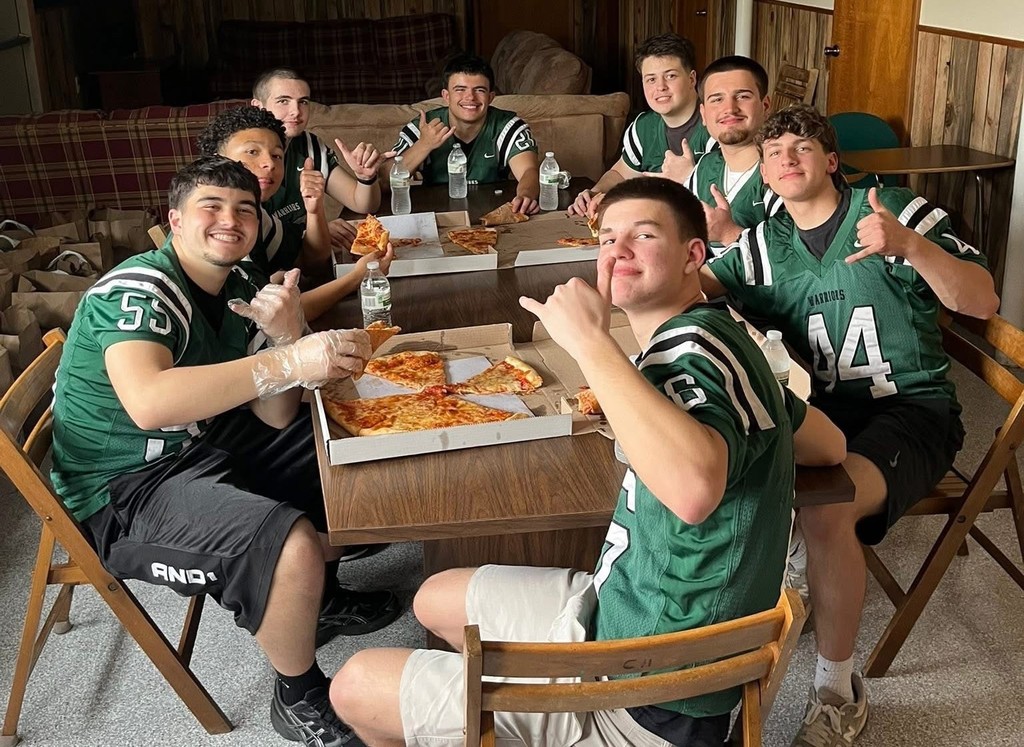
“Our relationship with the veterans at the American Legion is something our program takes a lot of pride in, and our players are always ready to answer the call when the opportunity comes up,” said Varsity Head Coach Kevin Gallagher. “This is a great chance for our guys to represent the program the right way and honor those who have served.”
Coach Gallagher noted that this has been part of the team’s culture for the past 12 years, and it remains a tradition they fully intend to keep in their playbook moving forward.
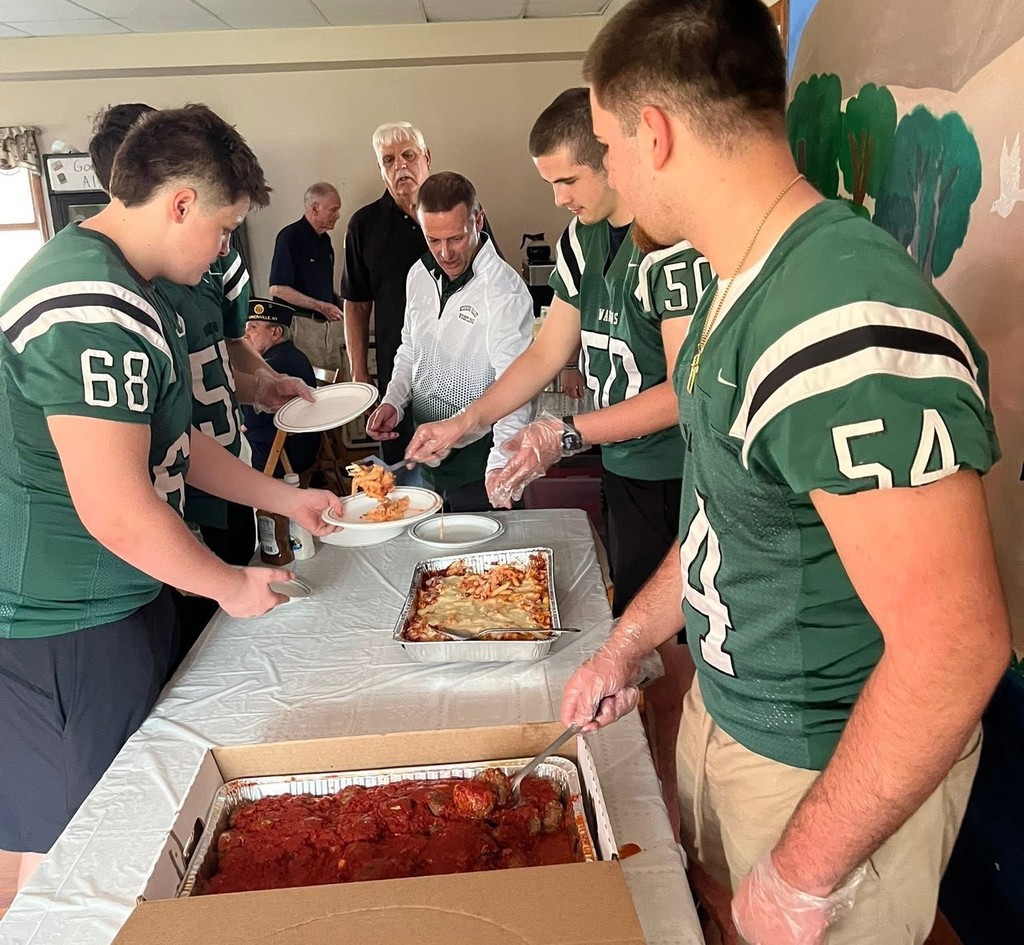
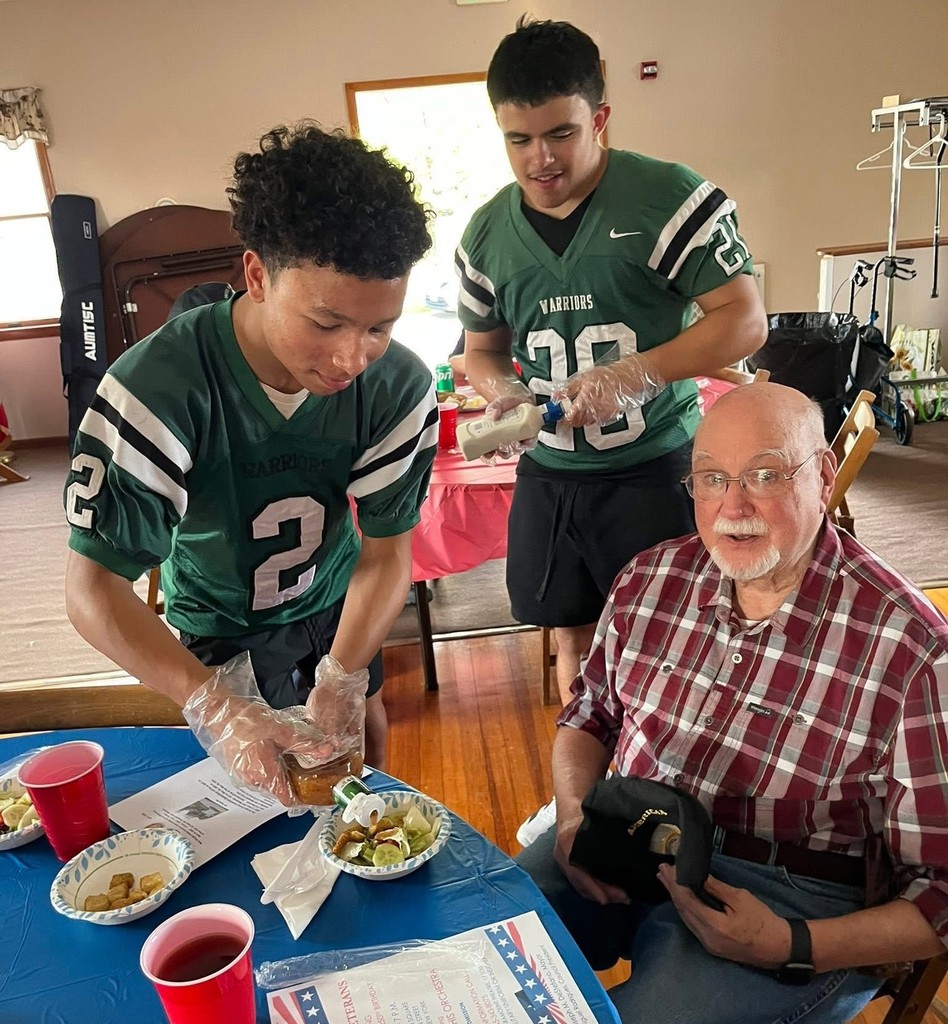
Players executed their roles seamlessly—prepping salads, serving and delivering ziti and meatballs, and making sure every table was taken care of with coffee and cake—showing the same discipline and teamwork they bring to game day.
Coach Gallagher added: “This gives our guys an opportunity to connect, communicate, and learn firsthand what servant leadership looks like. It’s about more than football—it’s about doing your job, supporting others, and understanding how being part of a team can make a real impact in the community.”
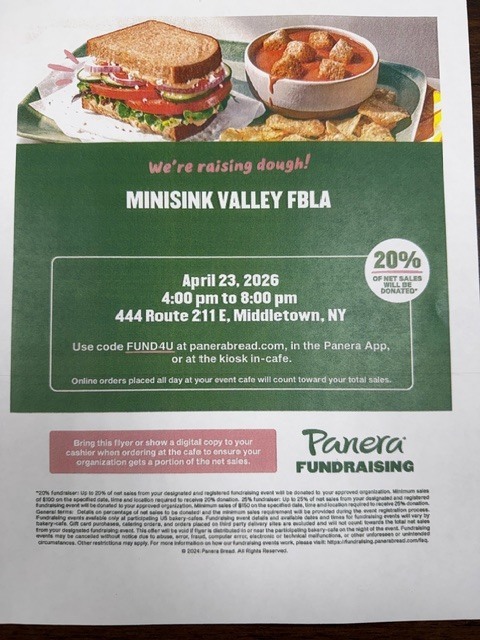
Enjoy some great sandwiches, salads or soups at Panera in MIddletown and support the High School's FBLA Club! Details are in the flyer below, and thanks for sharing!
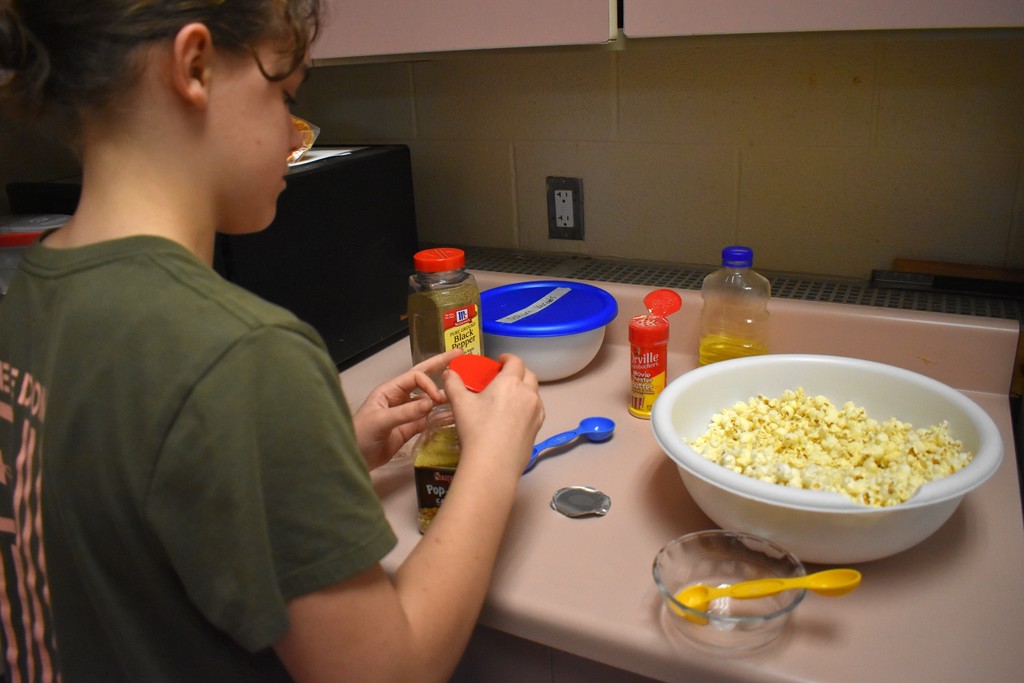
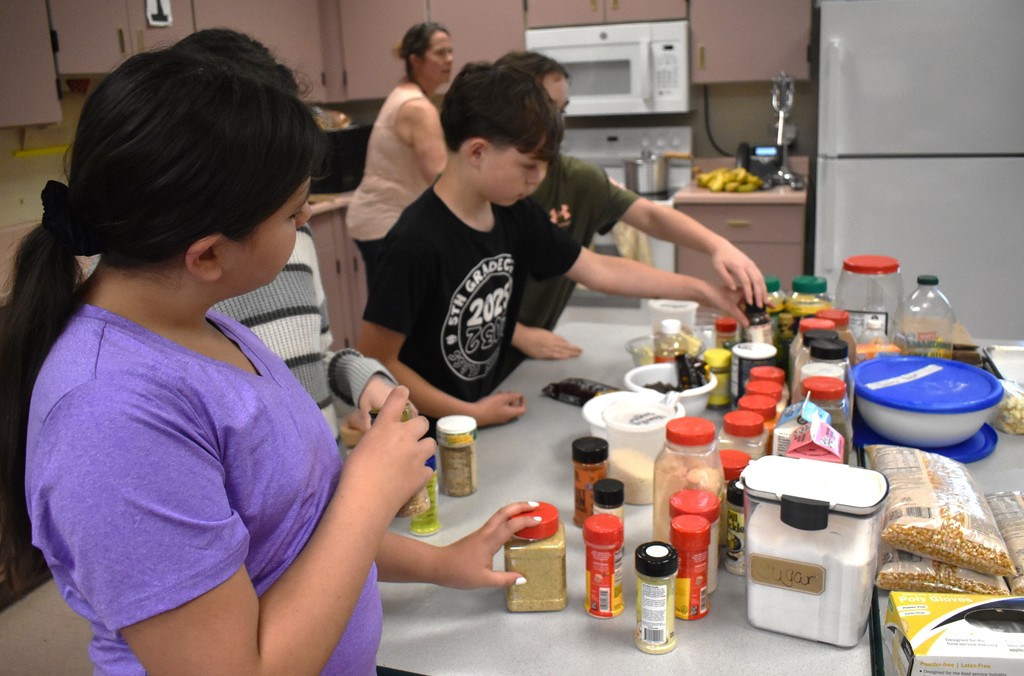
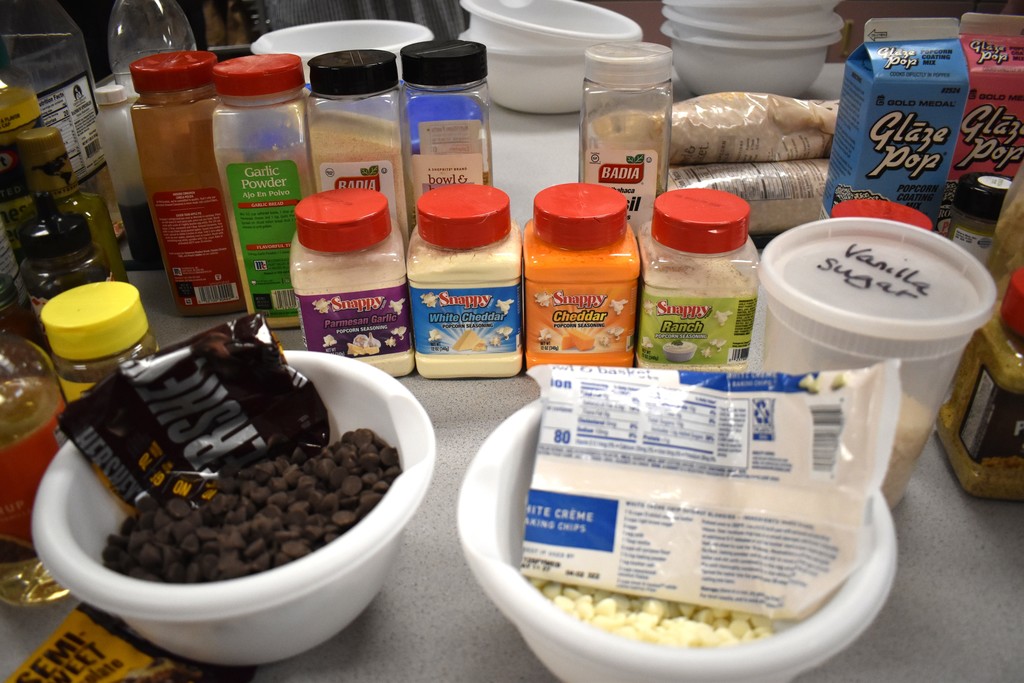
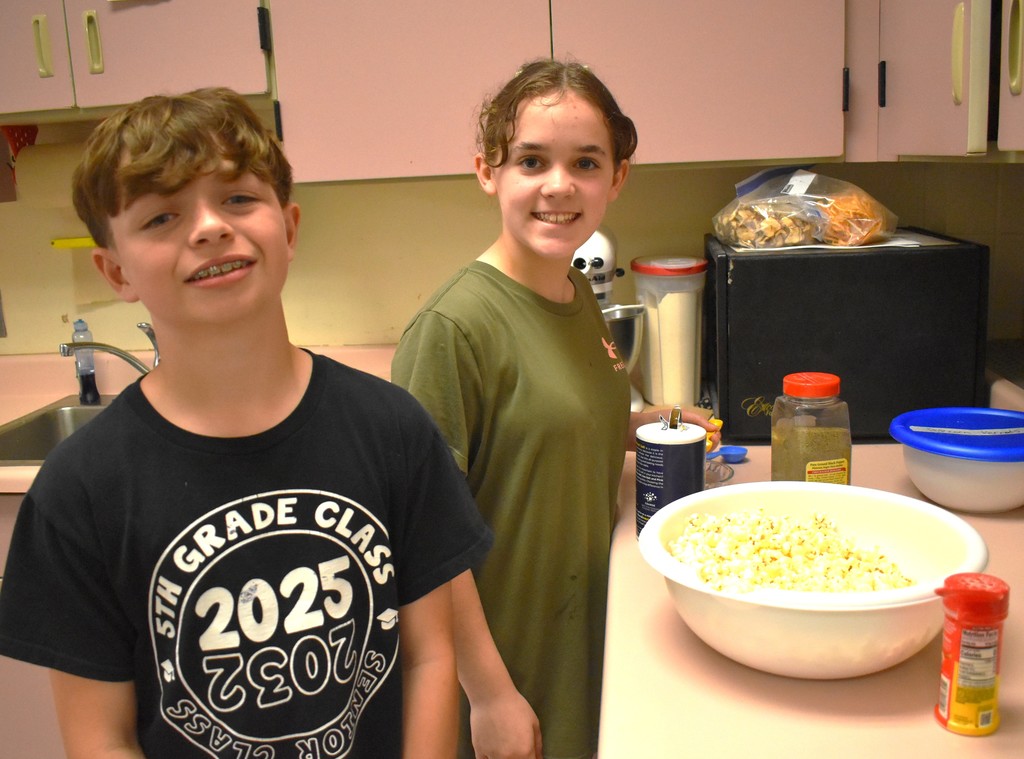
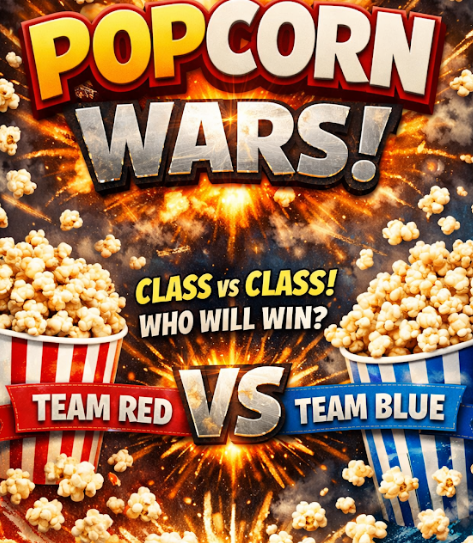
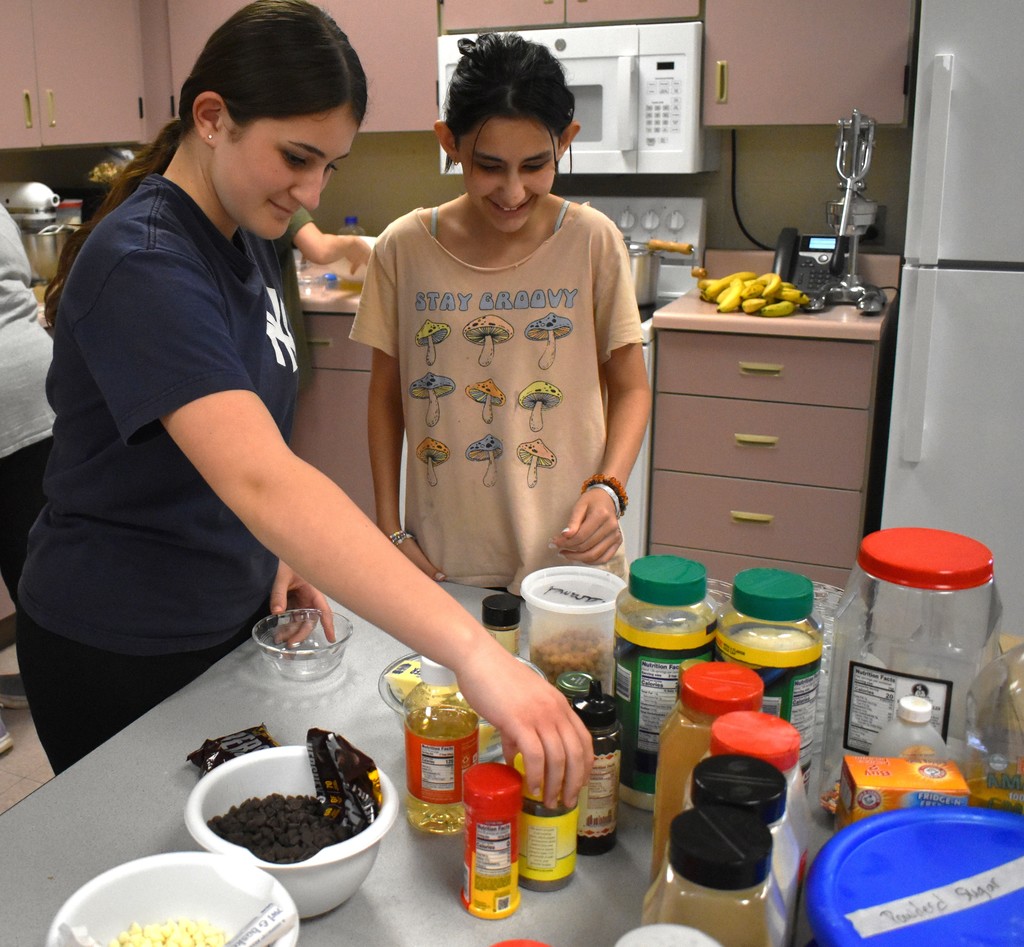
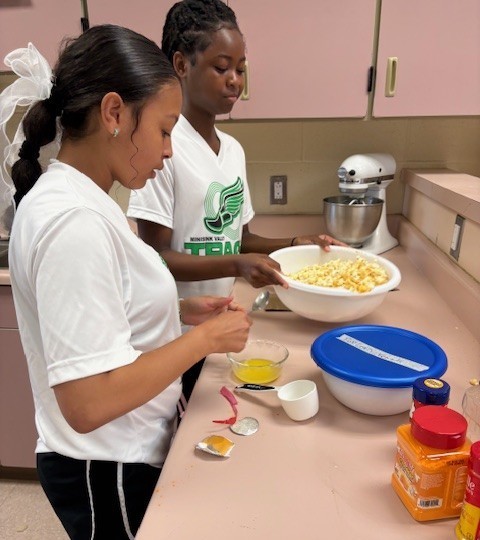
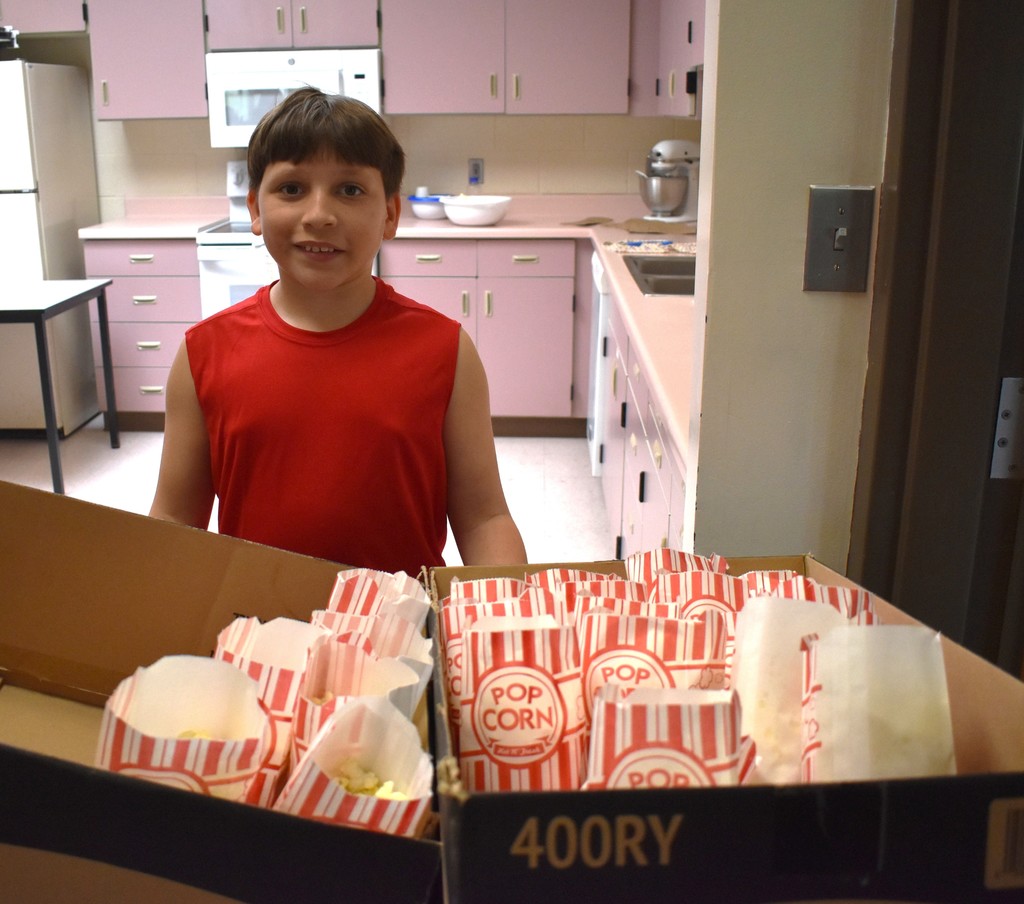
Enter Middle School’s Popcorn Wars, held April 16. It was a delicious showdown where creativity met crunch. Under the guidance of FACS teacher Victoria Ingrassia, students stepped into the roles of food scientist, chef, and marketing professional to launch their very own specialty popcorn products.
This wasn’t just about tossing kernels in a bowl. Students were challenged to think like real-world innovators, blending culinary creativity with technical know-how to create a product worthy of store shelves.
Each team developed:
• A signature flavored popcorn recipe, complete with detailed steps and precise measurements
• A full ingredient list for their creation
• A professional food label including nutritional info and serving size
• A standout packaging design to catch a customer’s eye
From concept to creation, students tackled every stage of product development. Templates helped guide their work—but the flavors, branding and flair? All their own!
And yes, the building smelled amazing! Popcorn was offered to all who were interested!
For those brave enough to compete, samples were submitted for taste-testing. After school, a mysterious panel of judges gathered at an undisclosed location in the building to crown the most crave-worthy creation.
The result? A fun, flavorful assignment that proved innovation isn’t just taught — it’s tasted!
Congratulations to the winners:
First Place
•The student team of Sofia Couto Lamonica, Emily Chase and Kali Holliman
Second Place
•Student Ariana Rivera
Third Place
•The student team of Caitlyn Moran, Natalie Wargo and Kyleigh Terwilliger
Honorable mention
•Teacher Kristine Ostensen
•Teacher Lauren Pullen
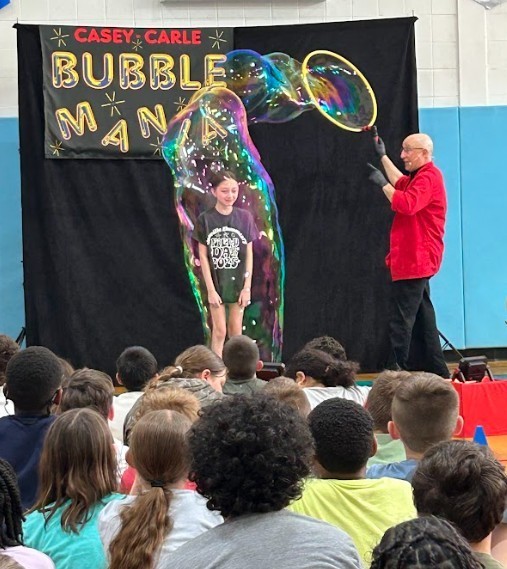
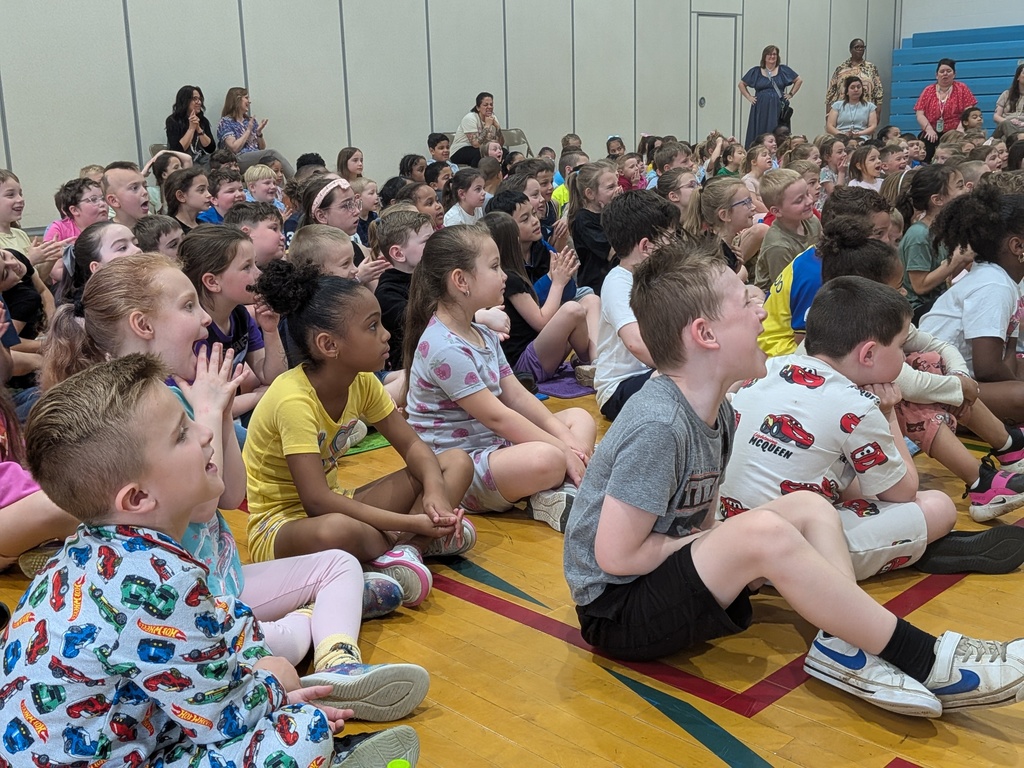
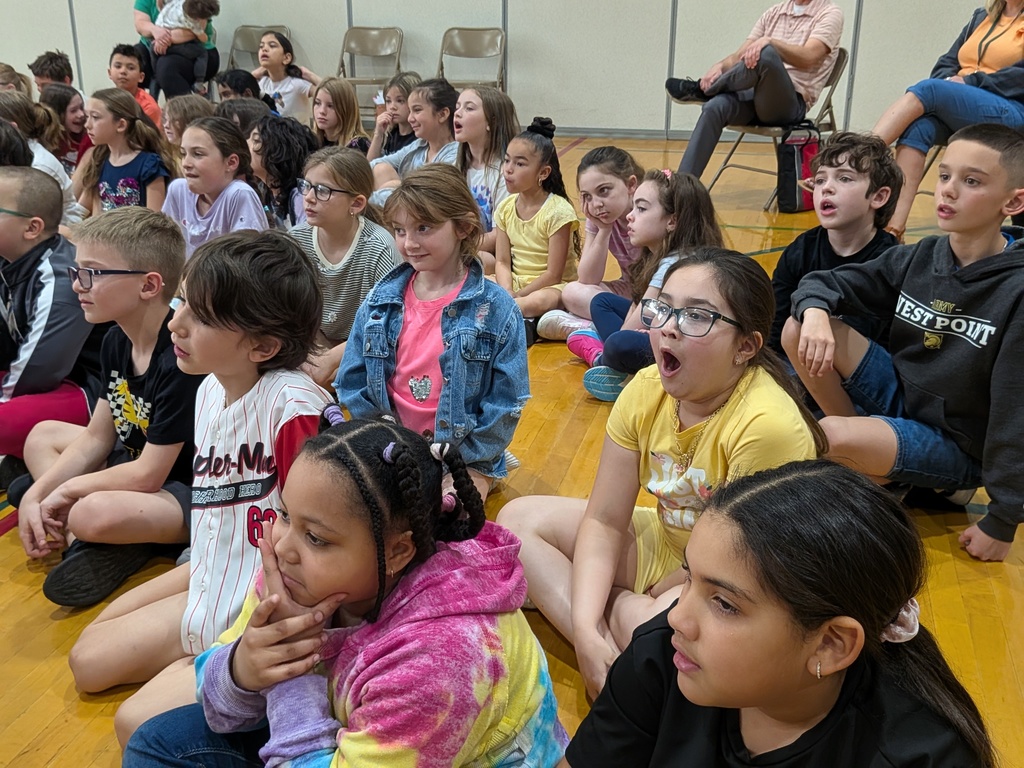
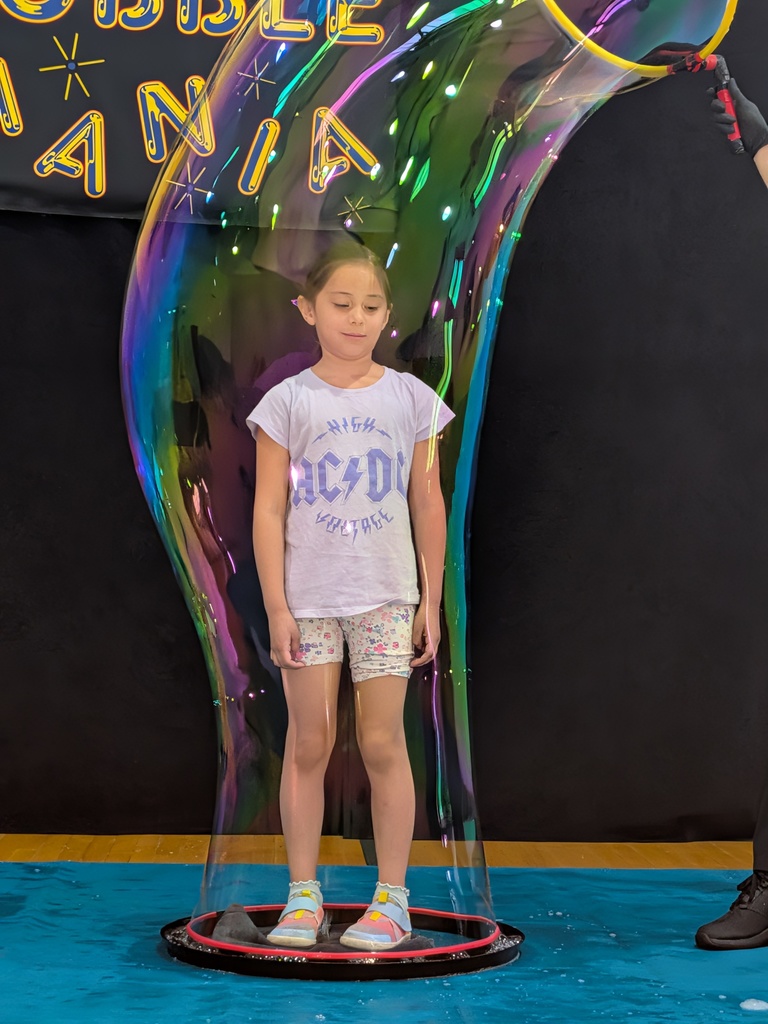
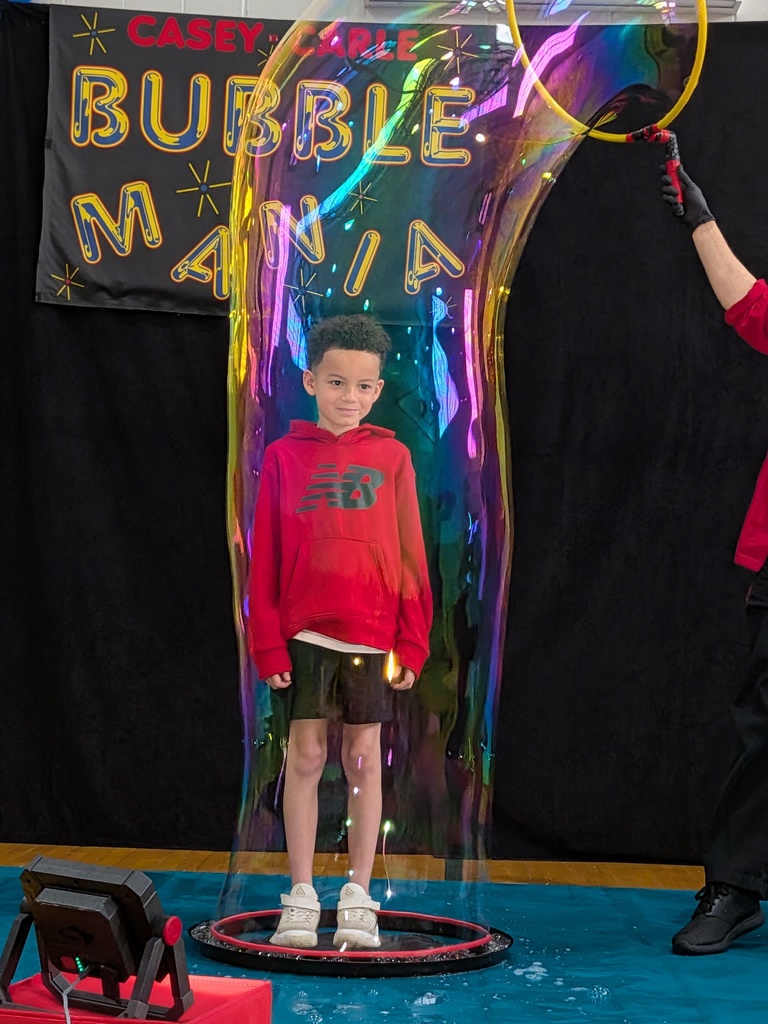
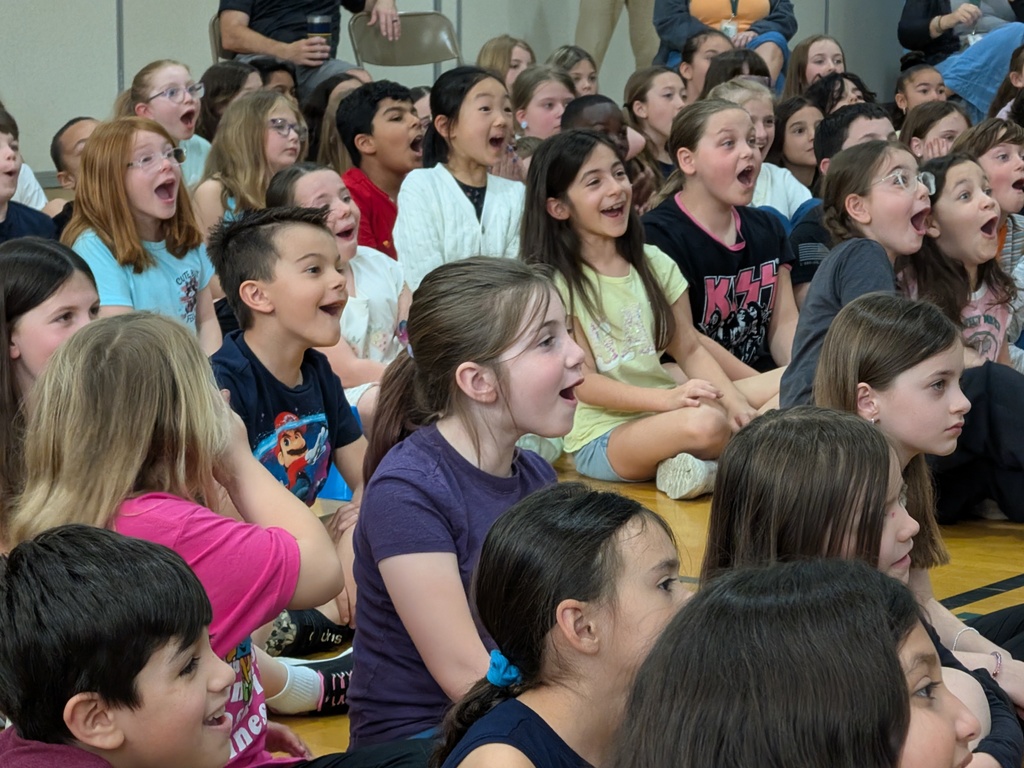
The Otisville PTO treated students to a wonderful enrichment program called "Casey Carle’s BubbleMania" earlier this week!
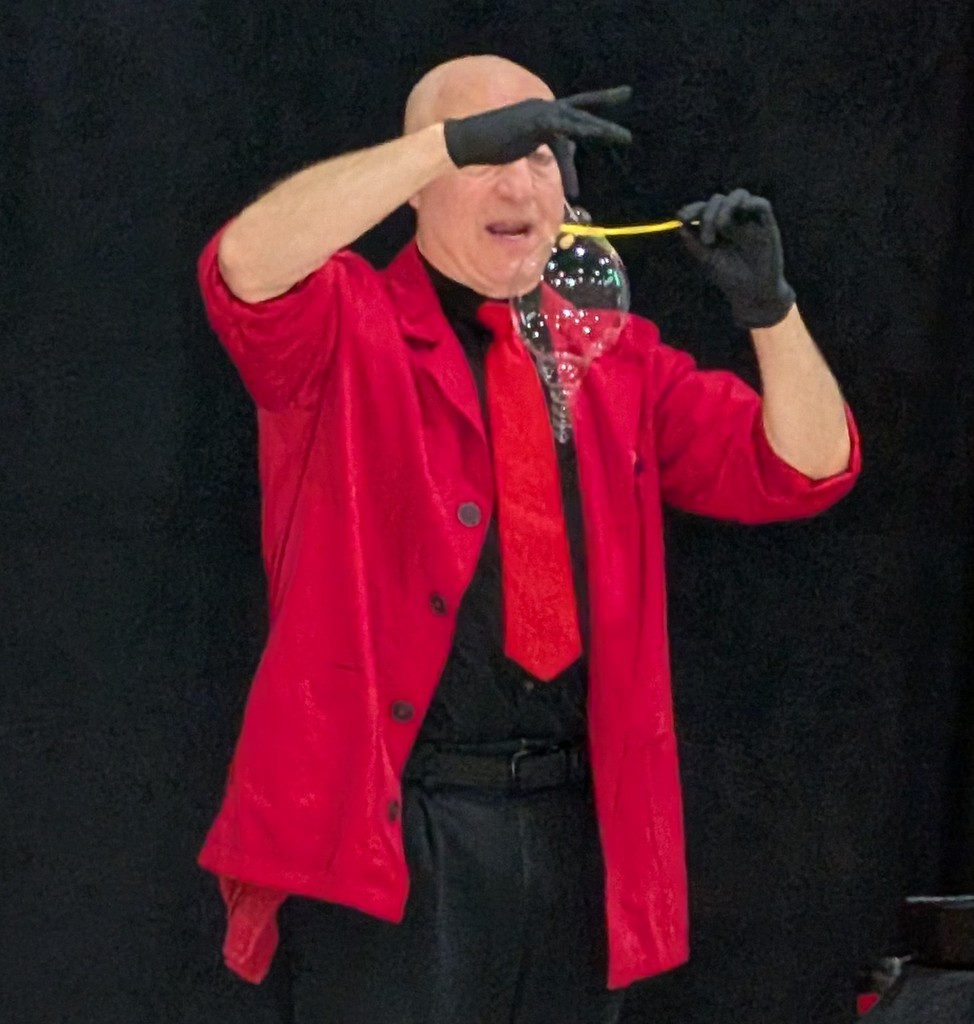
Mr. Carle’s program is an engaging live performance that blends comedy, audience interaction, and stunning bubble artistry — featuring giant bubbles, unusual shapes, and creative visual effects — to captivate audiences of all ages! Take a look!
BUT--- Beyond the entertainment, this enrichment program doubles as a strong STEM program by introducing students to core scientific concepts like surface tension, geometry, and states of matter in a memorable, hands-on way. By turning abstract ideas into something students can see and experience, the show encourages curiosity, critical thinking and a deeper appreciation for science, making it an effective and enjoyable complement to classroom learning. THANK YOU to the wonderful Otisville PTO for sponsoring this terrific program!
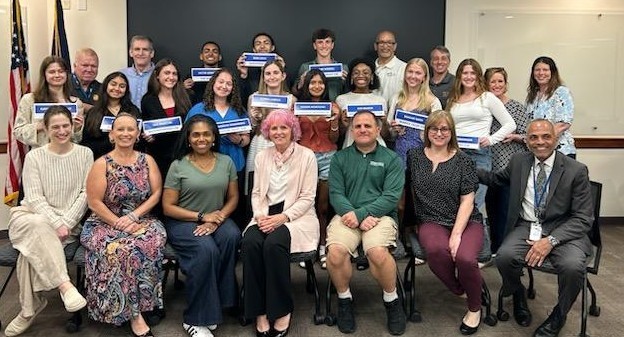
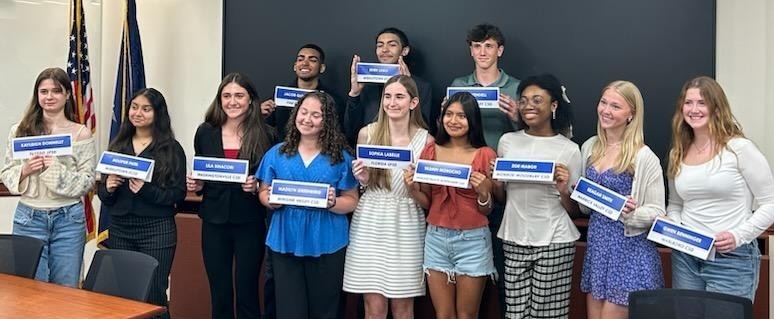
Ex officio student representatives from many Orange County school districts --- including Minisink Valley --- attended as guest speakers and were part of an important conversation about the role and value of student board service.
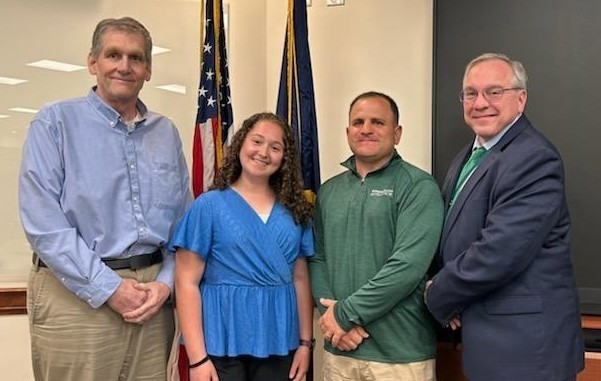
Thank you to ex officio student representative Madilyn Greenberg for representing Minisink Valley (and ex officio student member Heather Day who was unable to attend), and showing what a great district ambassador she is! Joining her last evening were Board President Anthony Monaco, Board member Shawn Cahill and Superintendent Brian Monahan.
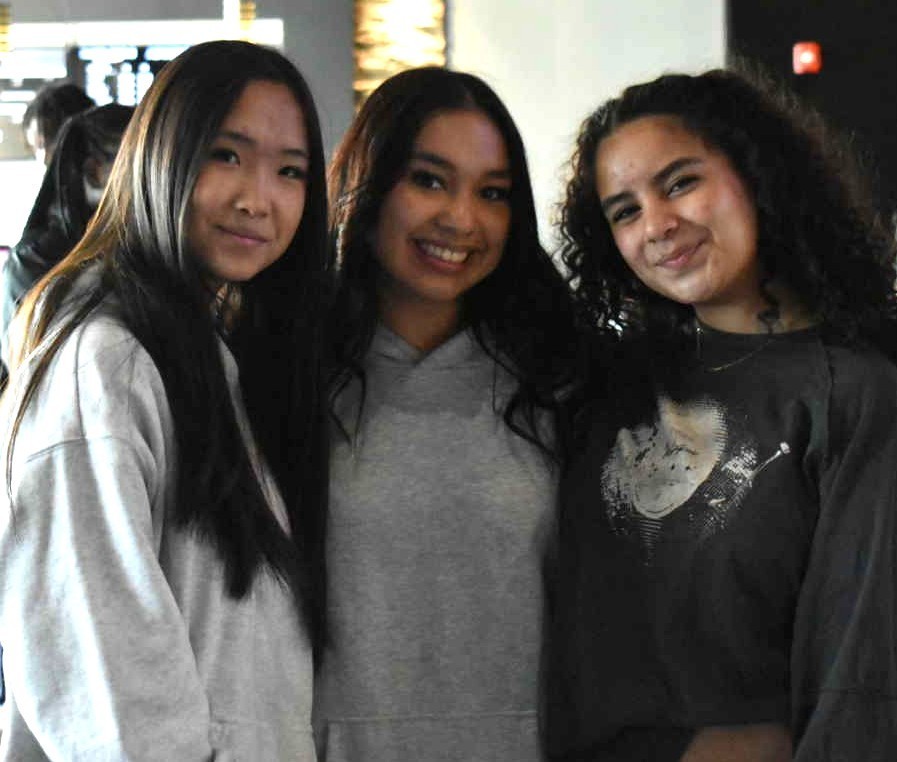
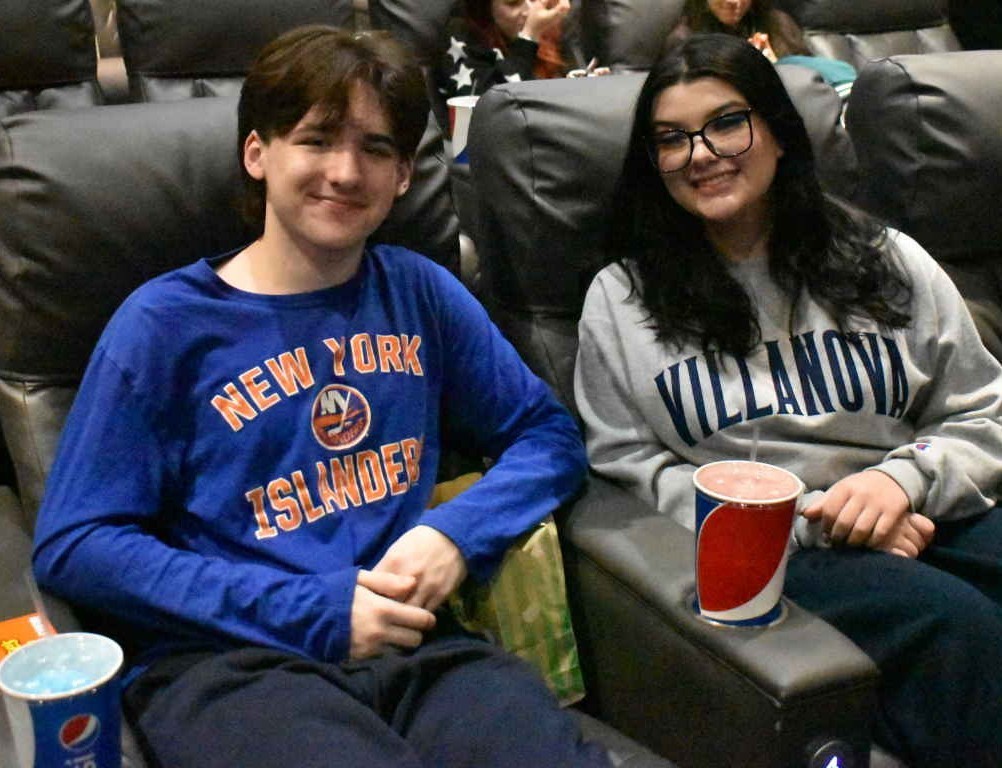
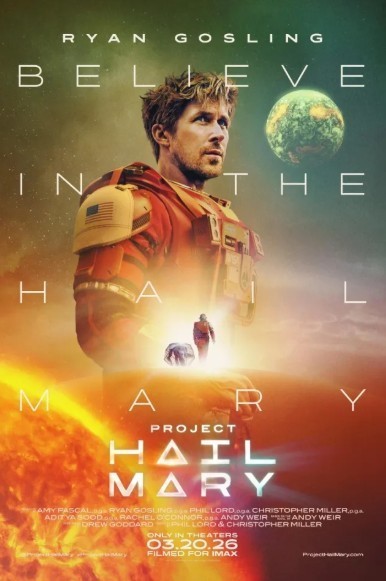
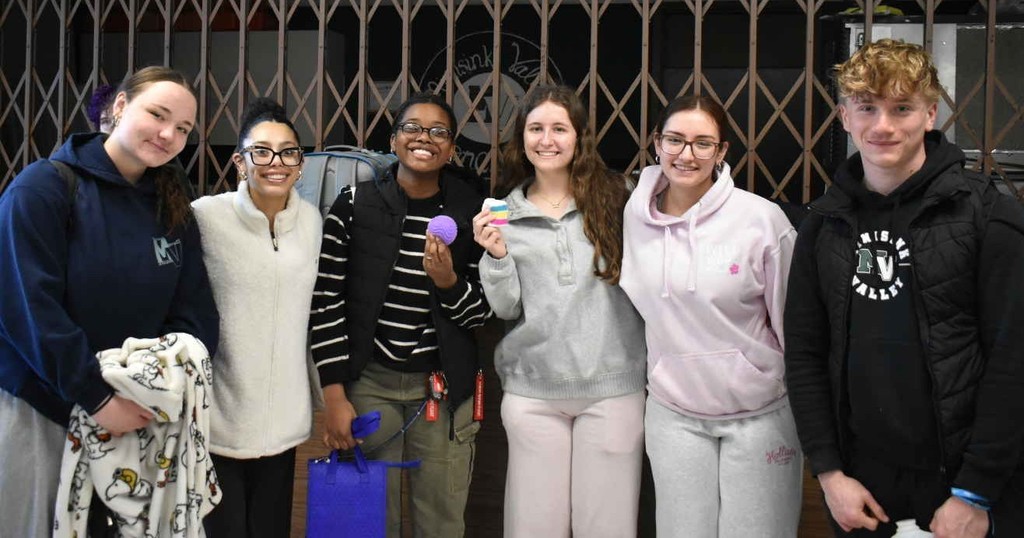
Jonathan Bonds’ “Film Studies II and “Mindful Self Design” classes; Jenn DiLeo’s “Science Fiction Novels & Film” class; and Christopher Ruckdeschel’s “SUPA Psychology” class the recent opportunity to attend a screening of “Project Hail Mary,” a newly released book-to-film adaptation produced and written by Phil Lord and Christopher Miller at Flagship Cinemas in Matamoras. It was a great opportunity for these high school students to escape the classroom, get immersed in a world of sci-fi bursting with bravery, humor and humanity and have very cool connections to their classes!
“Project Hail Mary” follows Ryland Grace, a lone astronaut who wakes up on a spaceship with no memory of who he is or why he’s there. As his memories return, he realizes he’s on a desperate mission to save Earth from an extinction-level threat caused by a star-eating microbe. Stranded light-years from home, Grace unexpectedly befriends an alien scientist named Rocky who is facing the same crisis. Together, they must solve an interstellar puzzle that determines the fate of both their worlds.
The film addresses the themes of the psychological impact of isolation, exploring Grace’s isolation on the ship, his coping mechanisms, and how loneliness shapes his decisions. It also covers the theme of the nature of "first contact," as the first meeting between Grace and Rocky is the heart of the story and offers a unique, optimistic spin on first contact narratives. Additionally, the film features strategies for building meaningful relationships, focusing on the communication and trust between Grace and Rocky. And, there’s many organic and mystifying special effects
Most students said they appreciated the opportunity to experience the film on the big screen and praised it as a fun and heart-warming escape!
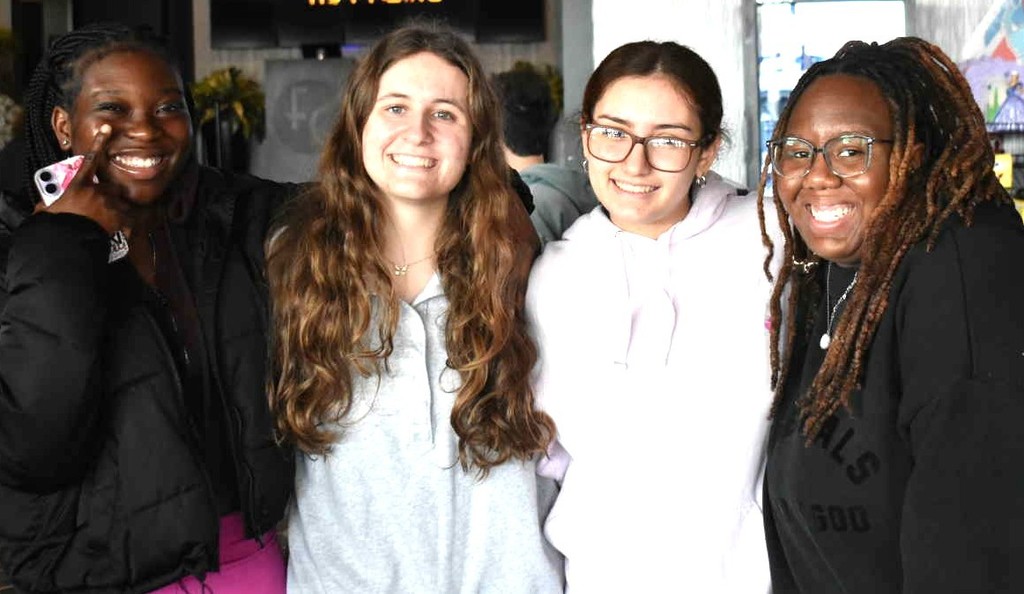
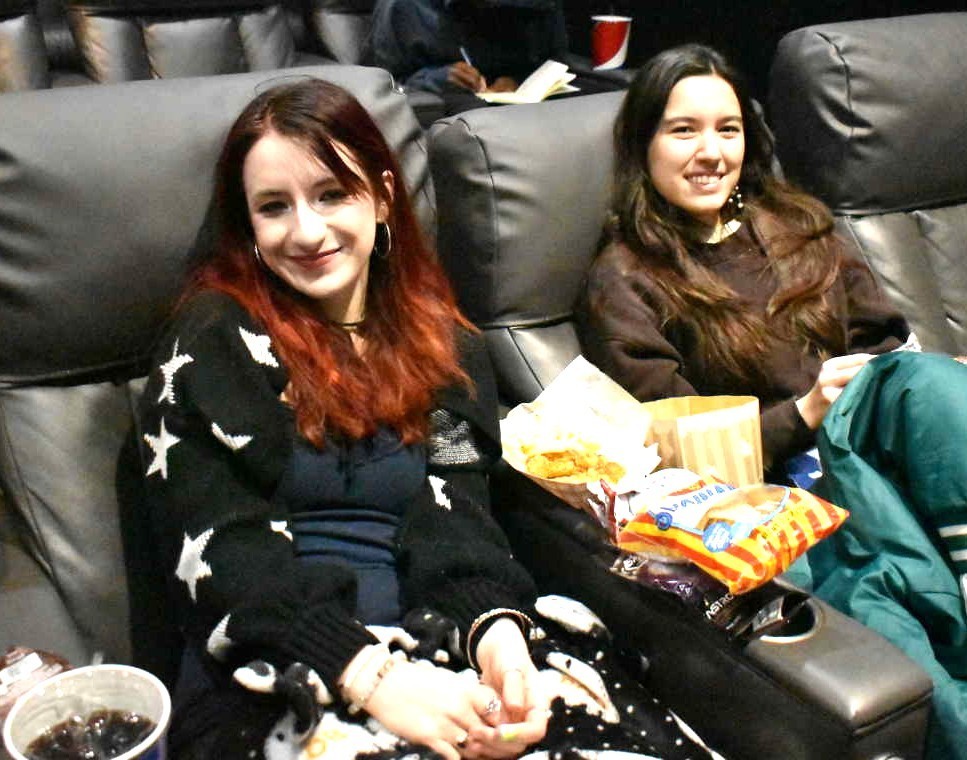
The club has been busy this school year raising funds to support patients and families dealing with a cancer diagnosis:
•$1,400 in warm meals for six families, provided by Cuginos and Bottom's Up Restaurant, dealing with cancer during the recent holiday season
•Over $1,000 worth of toys were donated to Garnet Medical Center for its pediatric patients via a district toy drive
•$816 raised for breast cancer patients at Garnet Medical Center during Breast Cancer Awareness Month
•$200 raised and donated to the Wounded Warrior Project in honor of a club member's grandfather that passed away from cancer
•122 raised for St. Jude's Children’s Research Hospital via donation Jars set up at Perino's, Callie's Coffee, and Slate Hill Market.
•A coin drop held at Cuginos, where 100% of what’s collected to be donated to Sparrow's Nest, the organization which prepares and delivers meals to individuals and families facing a cancer diagnosis in Dutchess County and families with children 18 and under in the home in Ulster, Orange and Putnam counties.
Please join us in thanking the club for looking to make a positive difference in the lives of others through its many projects!
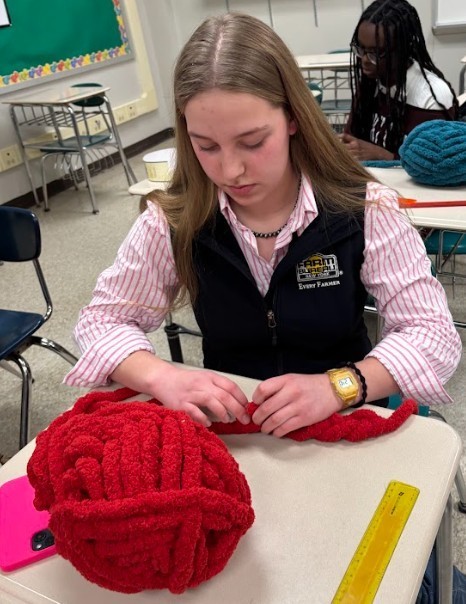
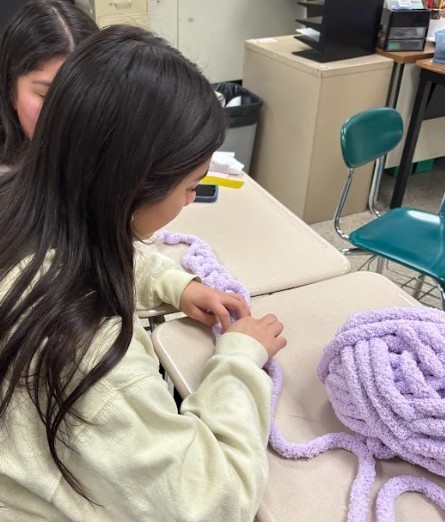
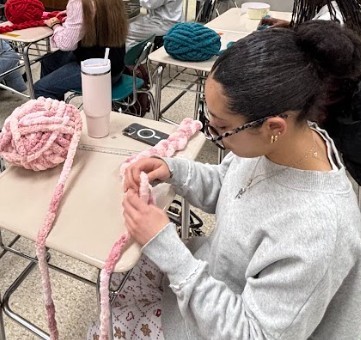
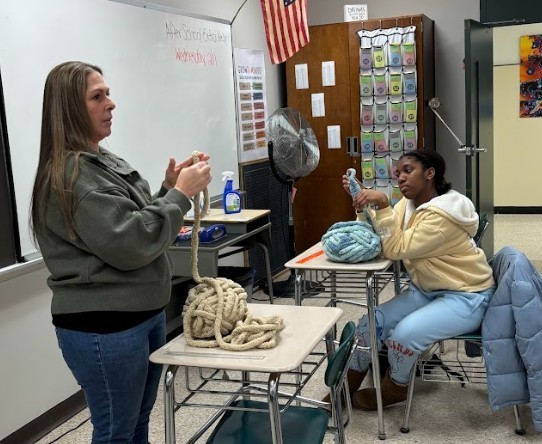
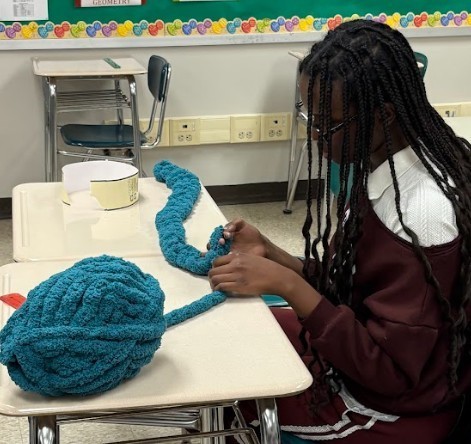
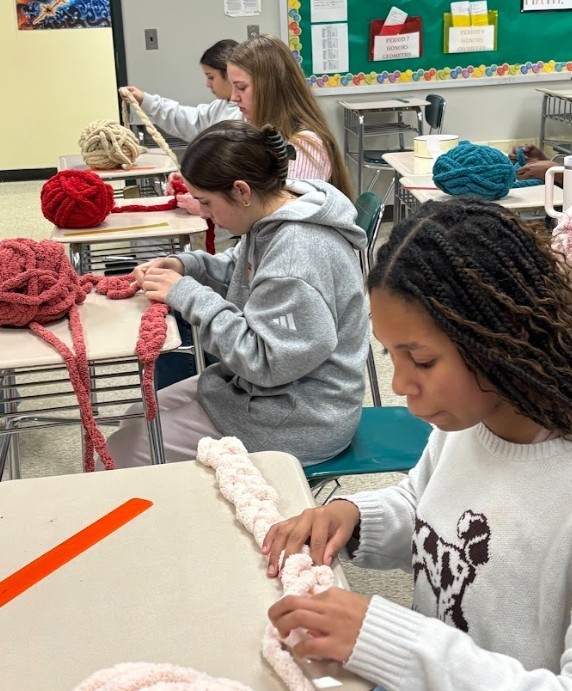
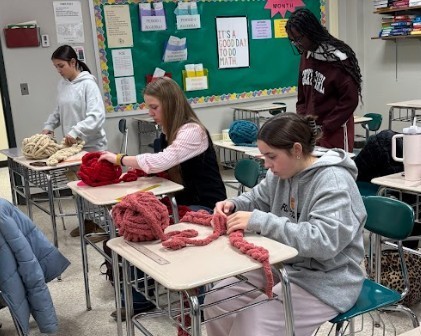
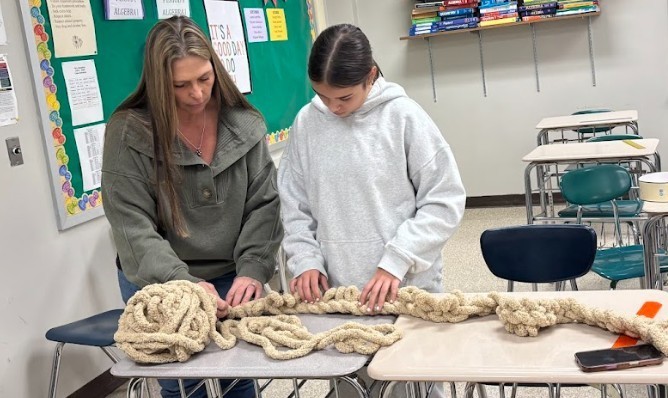
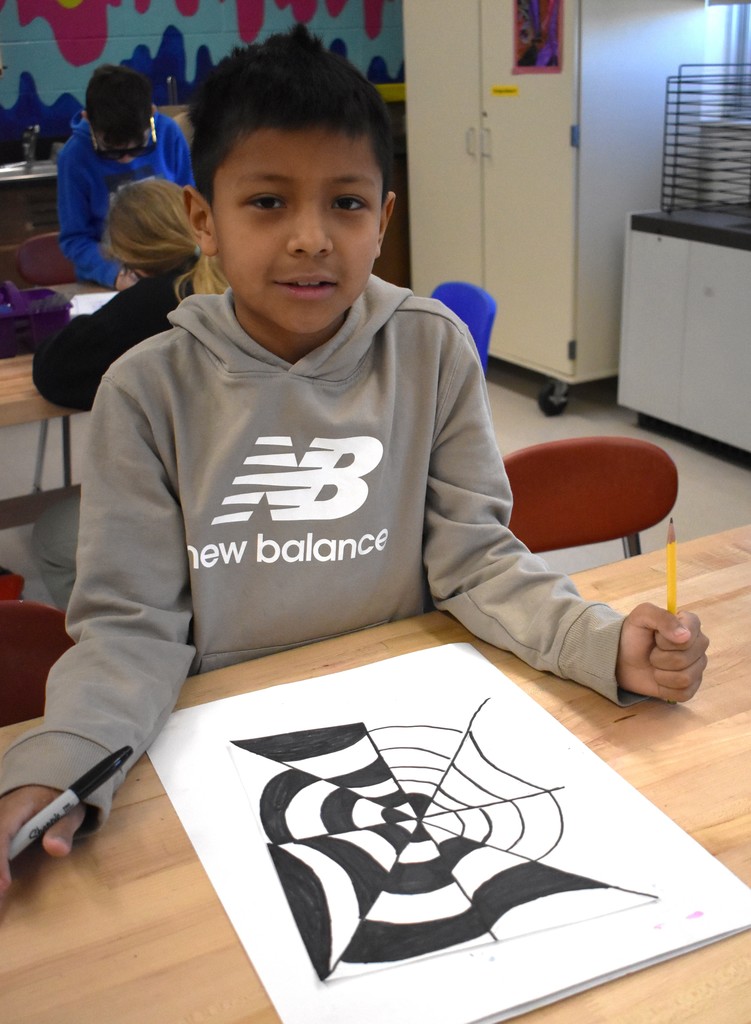
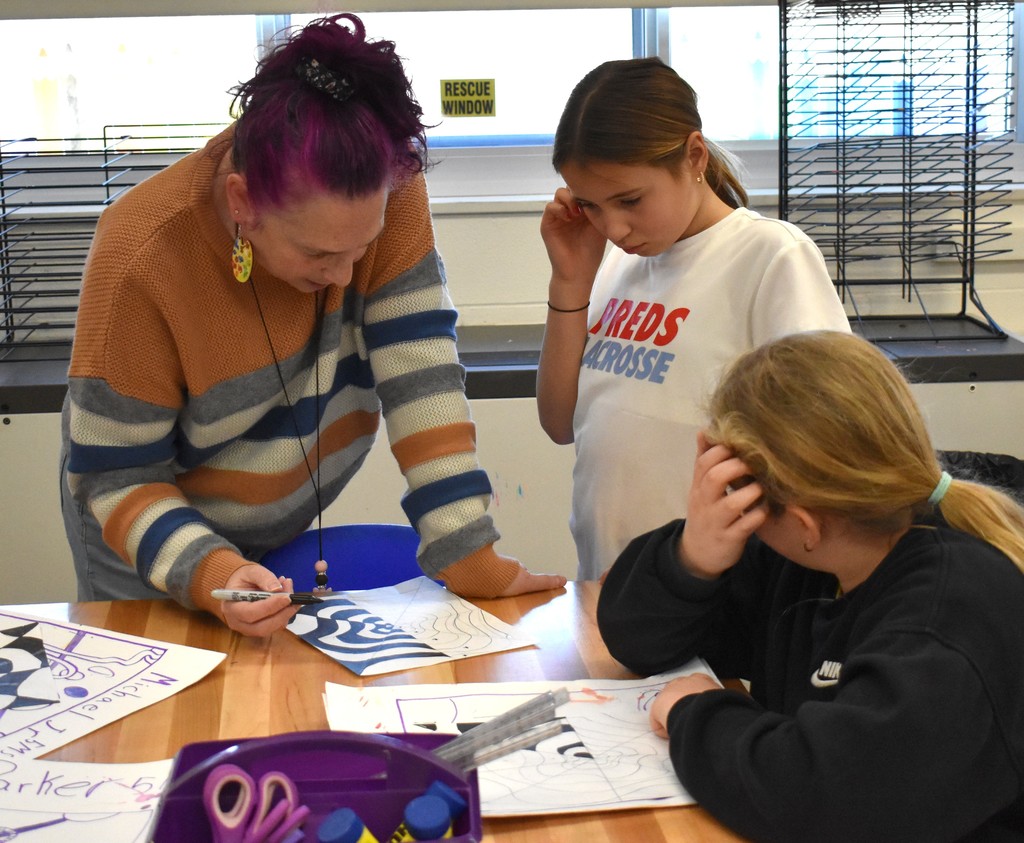
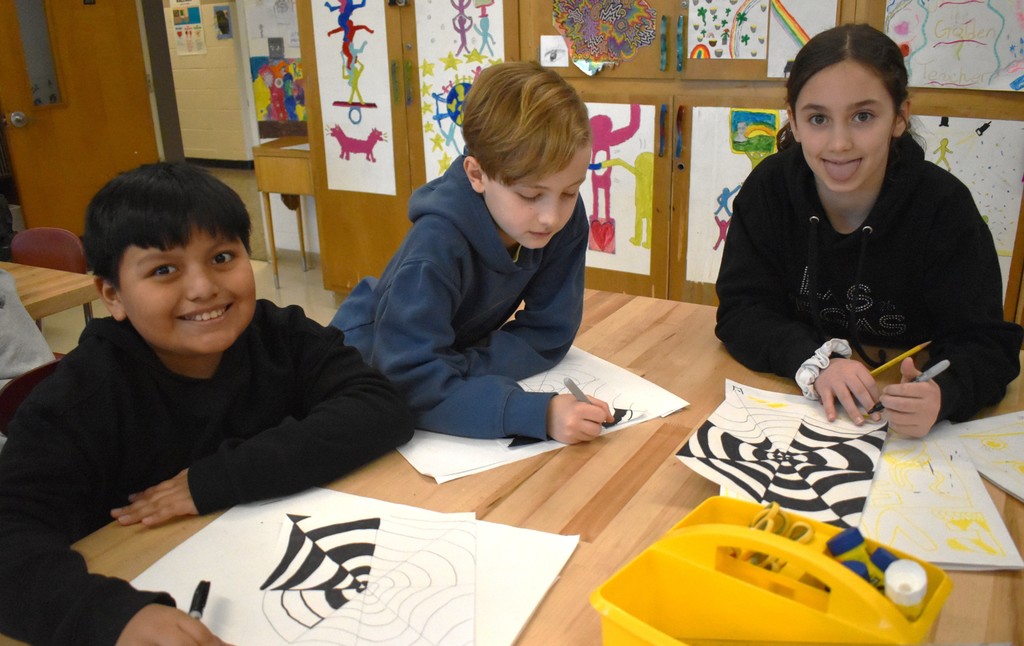
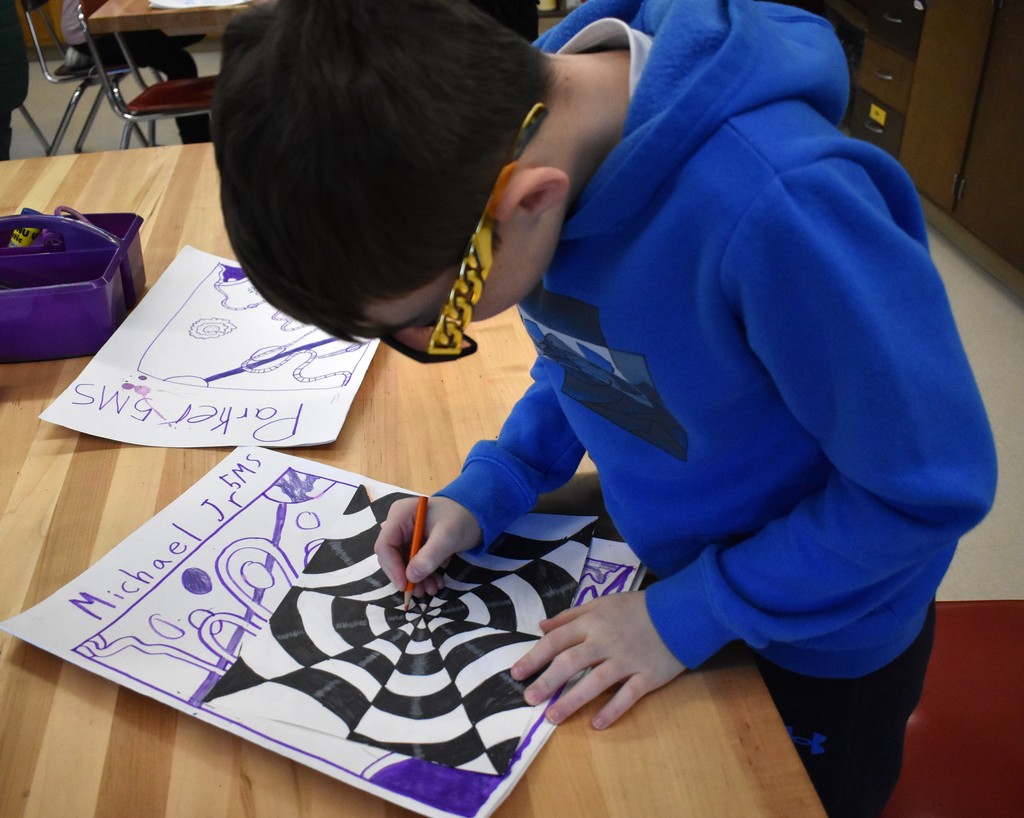
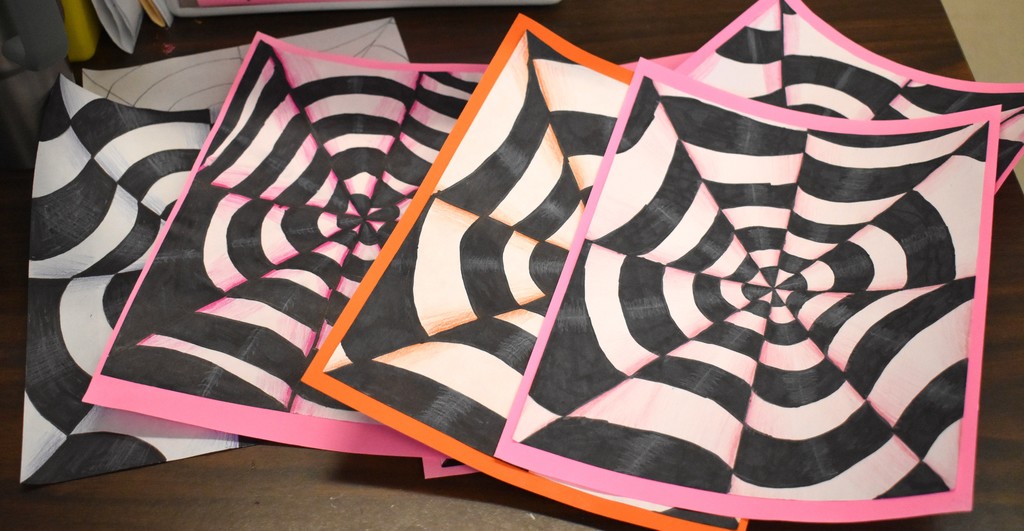
Joan Giardina’s IS fifth-grade art students recently created optical illusion artwork!
While their artwork is physically flat, on paper, it’s designed to appear three-dimensional, moving or warped. It creates this illusion by manipulating visual perception through geometric patterns, precise color relationships and techniques that trick the brain into interpreting depth where there is none. WELL-DONE, everyone!
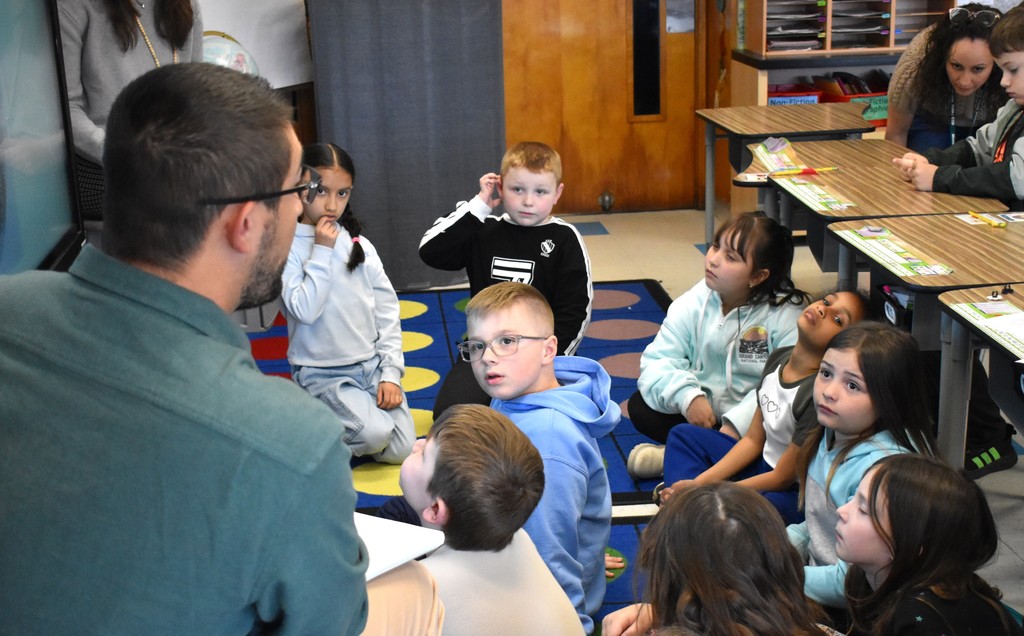
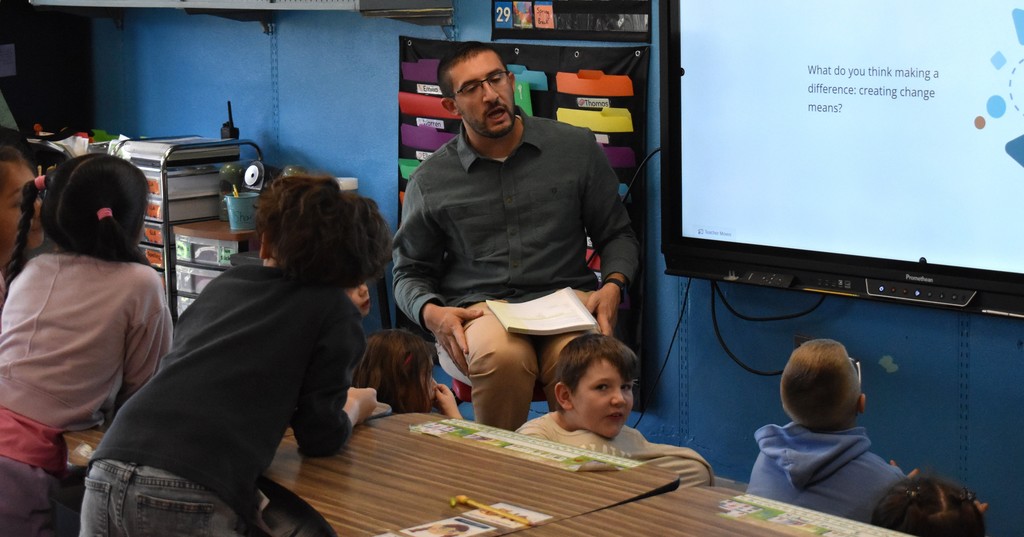
The CKLA unit “Making a Difference: Creating Change” teaches second-graders that individuals — both famous historical figures and everyday people — can make their communities better by recognizing problems and taking action. Through stories of leaders who stood up for fairness, kindness, and equal rights, students learn about courage, perseverance, and working together to create positive change.
The unit emphasizes empathy, responsibility, and the idea that even small actions can have a big impact, helping children understand that they, too, can be changemakers in their own world. These are all important concepts for young students to embrace!
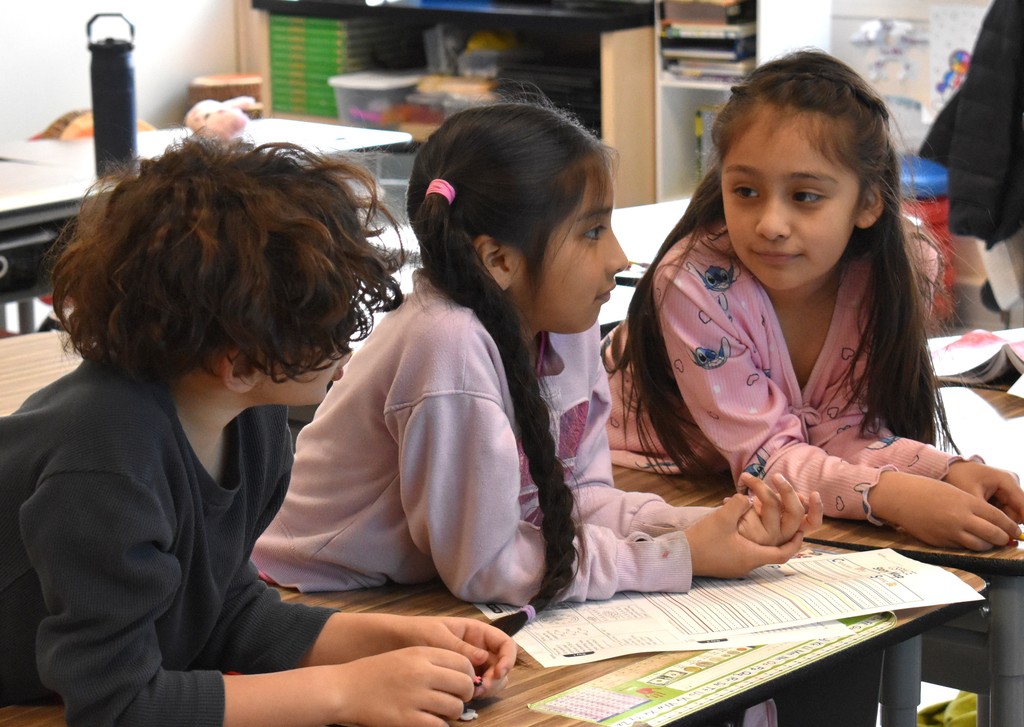
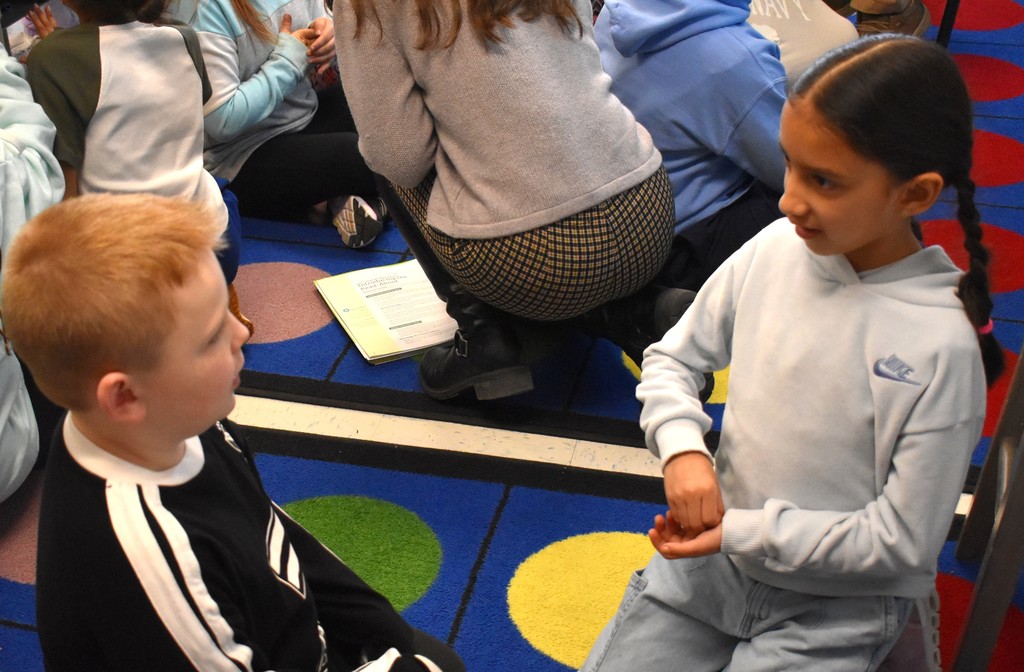
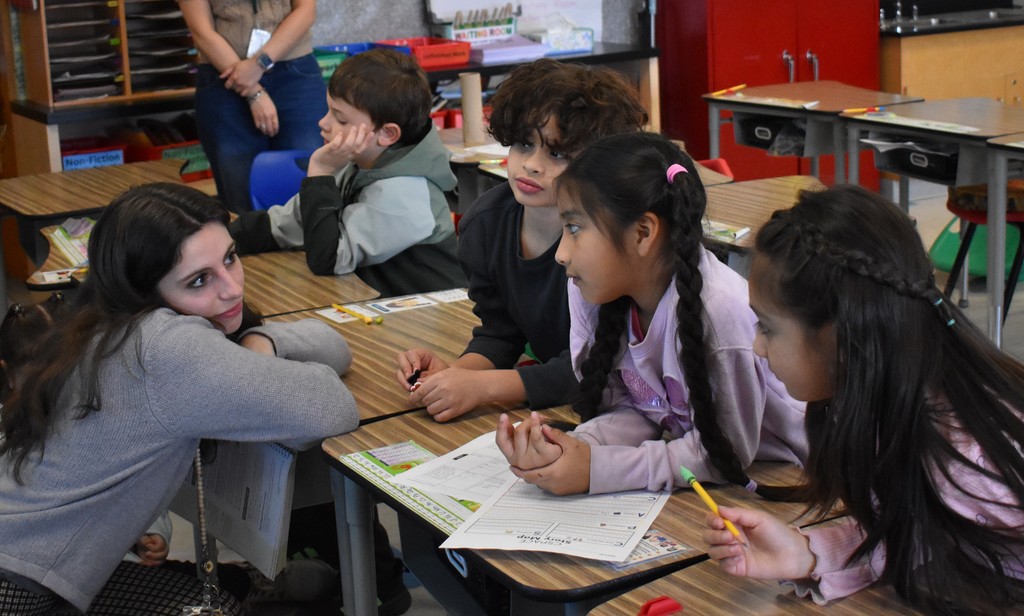
Students are learning about important figures in history who have made positive changes in history, including: Susan B. Anthony, Eleanor Roosevelt, Mary McLeod Bethune, Jackie Robinson, Rosa Parks, Martin Luther King Jr., Faith Florez, Kelvin Doe and more. Students are beginning to learn about important topics such as the difference between human rights and civil rights as well as why these noted people worked to create change. As part of this, Mr. Ferara asked his students to talk with their peers about concepts like “what does creating chance mean?”
The material blends history, character development and literacy into a meaningful, motivating learning experience!
We LOVE it when our students and staff are part of wonderful community activities and events!
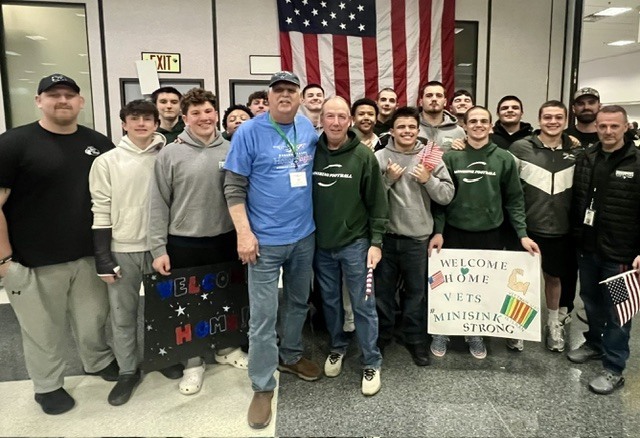
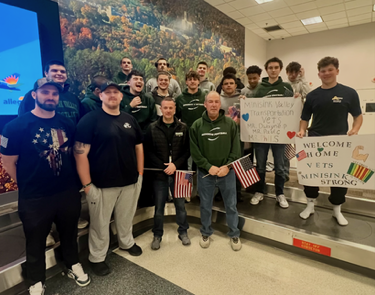
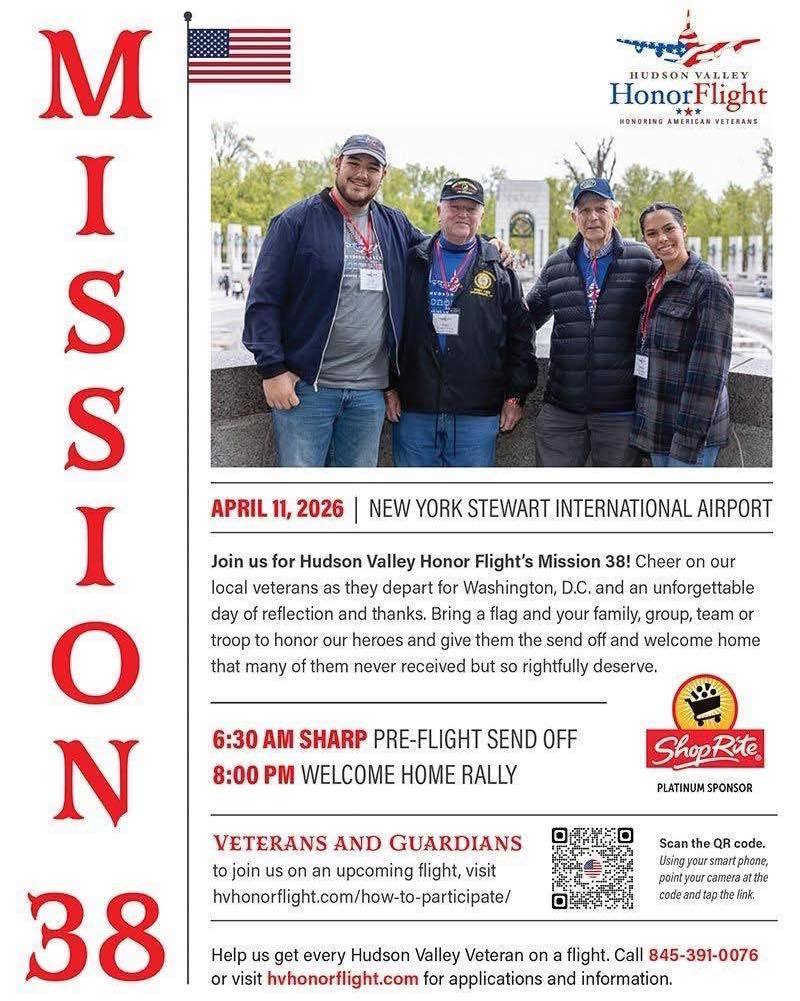
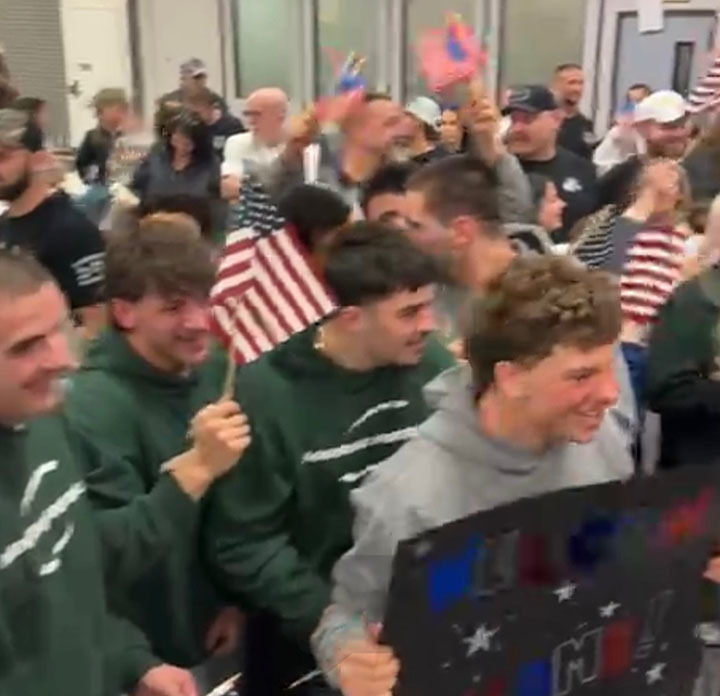
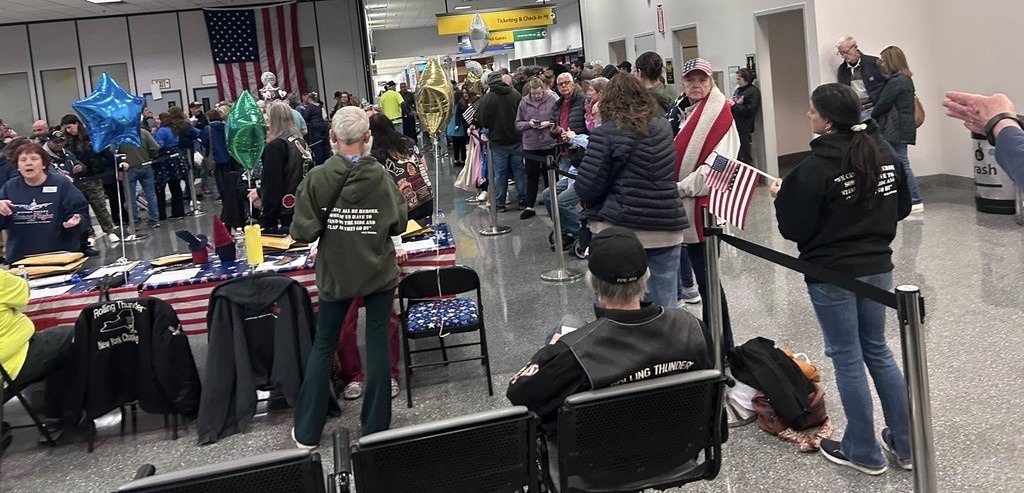
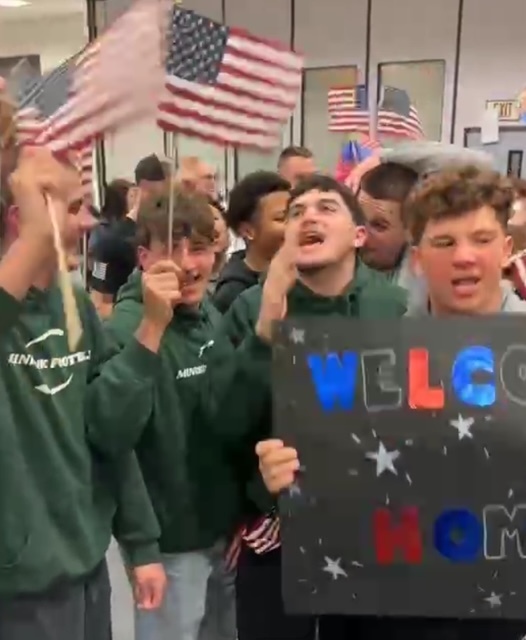
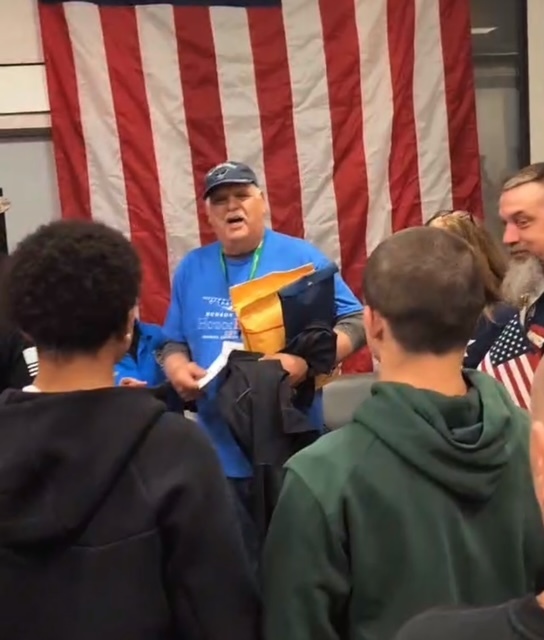
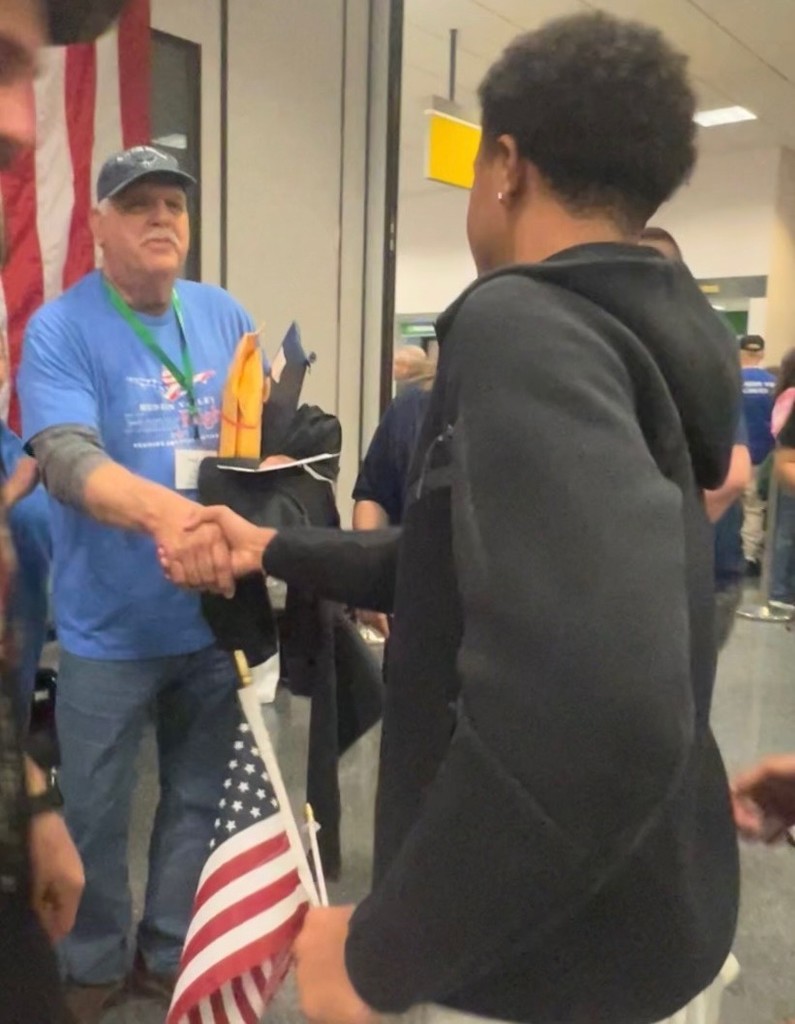
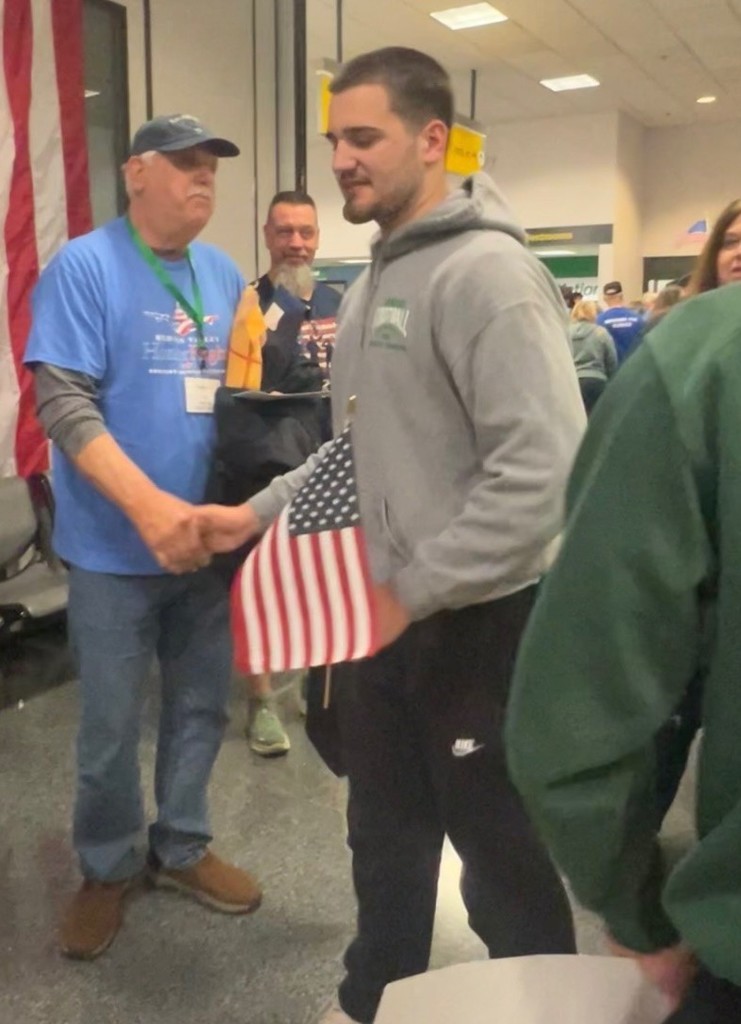
KUDOS to members of the Varsity Football and Wrestling teams, who were part of the Hudson Valley Honor Flight Mission 38’s “Welcome Home Rally” at Stewart Airport this past Saturday!
Players and coaches were on hand to welcome all Mission 38 veterans when they returned from a daylong trip to Washington, D.C., but particularly to welcome home Air Force E-4 Sergeant, crew chief and aircraft maintenance specialist Arthur Olah, who served during the Vietnam War conflict at Williams Air Force Base in Arizona. Mr. Olah is the grandfather of Varsity Offensive/Defensive Line Coach Andrew Fenner, who is also an IS third-grade teacher; and father-in-law of IS/ES Head Custodian Dave Fenner.
A day with the Hudson Valley Honor Flight begins early, often before sunrise, as veterans gather with volunteers and guardians for a warm send-off. There’s an atmosphere of excitement and gratitude as families, supporters, and community members cheer them on. The group boards a flight bound for Washington, D.C. and veterans are treated with special care and recognition throughout the entire trip.
Once in Washington, the day is filled with visits to powerful memorials such as the World War II Memorial, Vietnam Veterans Memorial, and Korean War Veterans Memorial. Volunteers ensure each veteran has time to reflect, connect and be honored for their service. The trip often includes a special “mail call,” where veterans receive letters of appreciation from loved ones and strangers alike. By evening, they return home to a heartfelt welcome celebration, greeted by crowds waving flags and expressing gratitude. It’s an unforgettable and deeply emotional end to a meaningful day.
“This is such a great event and our coaches, players and wrestlers were honored to be a part of it,” said Varsity Football and Wrestling Head Coach Kevin Gallagher. “Our football program has a special relationship with the American Legion and one of us was on that flight! Arthur Olah, who served in the U.S. Air Force and is the grandfather of our offensive and defensive line coach Andrew Fenner which made it that much more special! The guys were awesome and really started to understand the effect they had on Mr. Olah and all of the veterans that they cheered for! It was a great night.”
To learn more about Hudson Valley Honor Flight, visit: https://hvhonorflight.com/
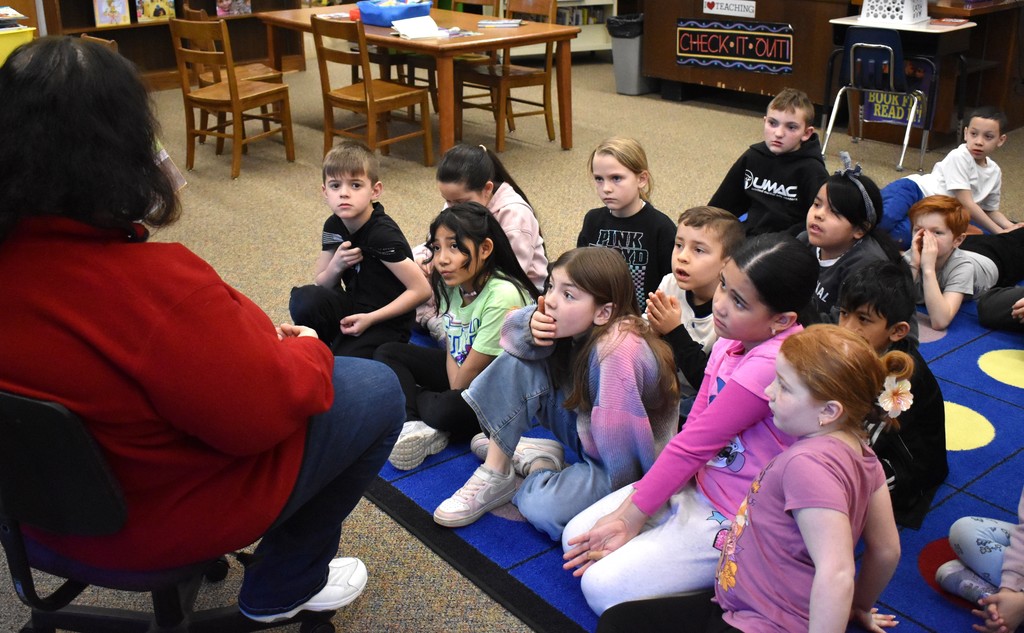
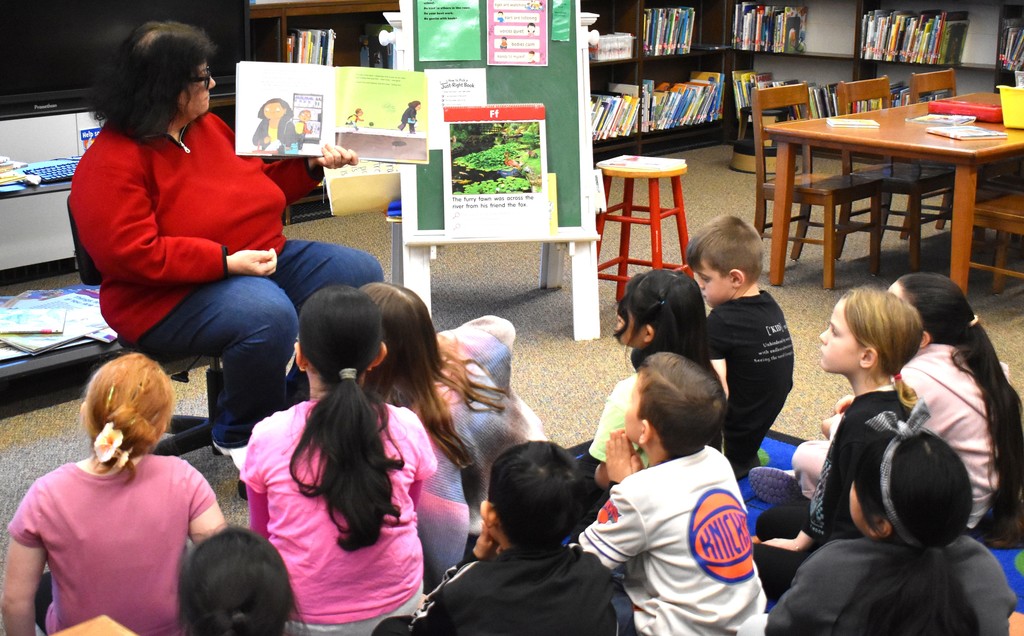
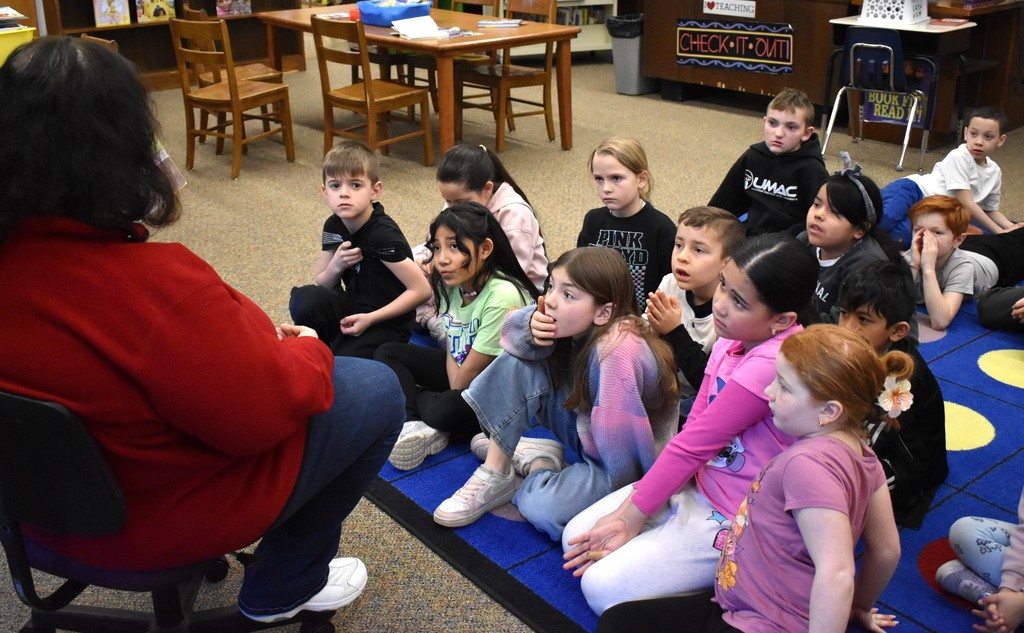
Take a peek at Mia McLean’s ES library students as she reads to them Maribeth Boelts’ “A Bike Like Sergio’s.” It’s the story of a boy named Ruben who longs for a new bike like his friend Sergio's but can't afford one. When he finds a lost $100 bill, he faces a moral dilemma: Keep the money for the bike or return it, ultimately learning that doing the right thing and valuing family and friends is more important than material possessions.