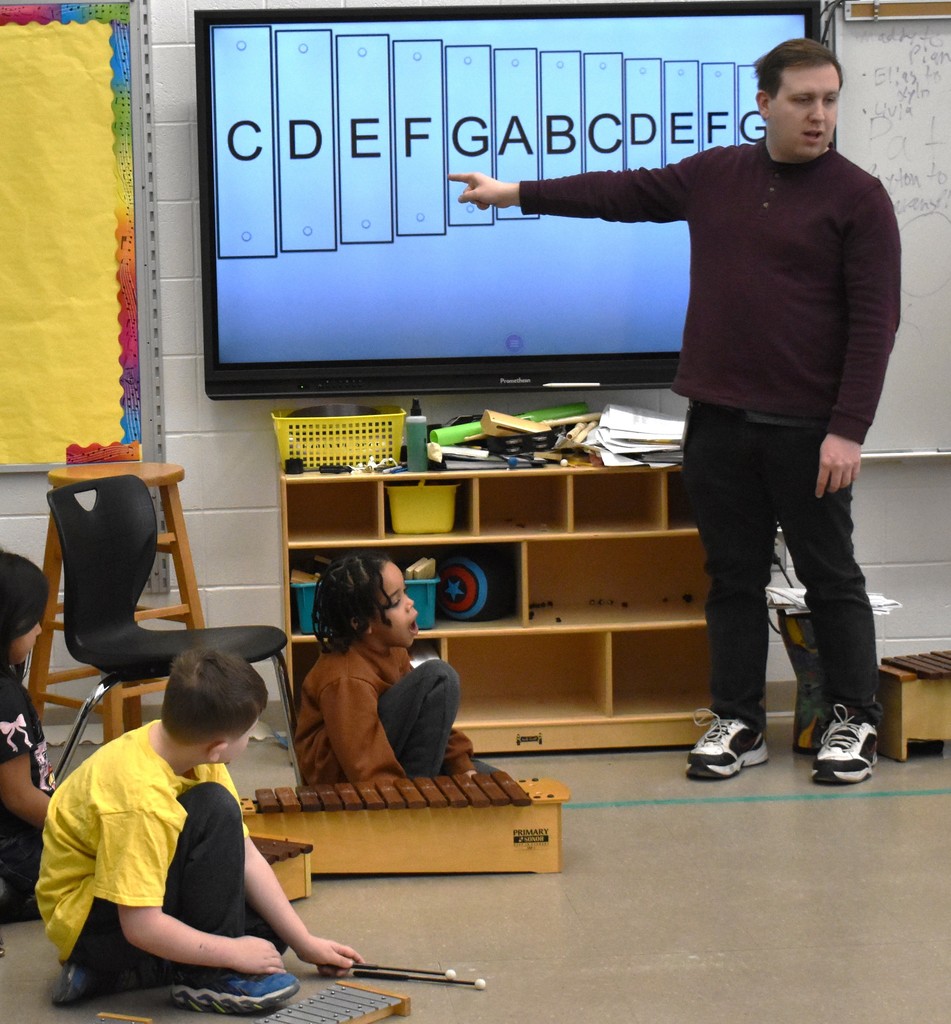

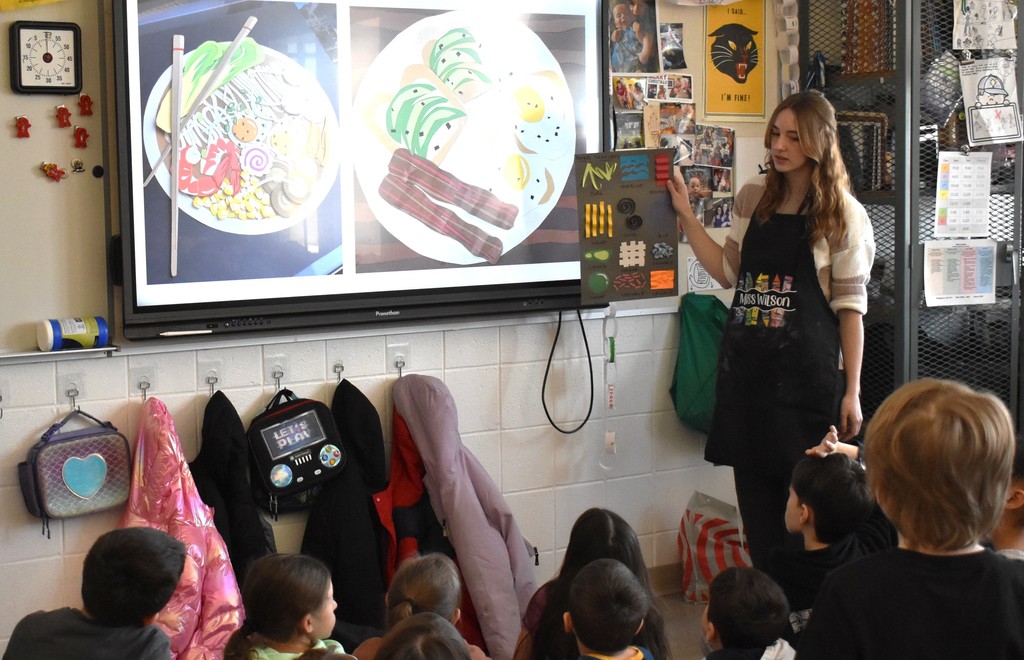
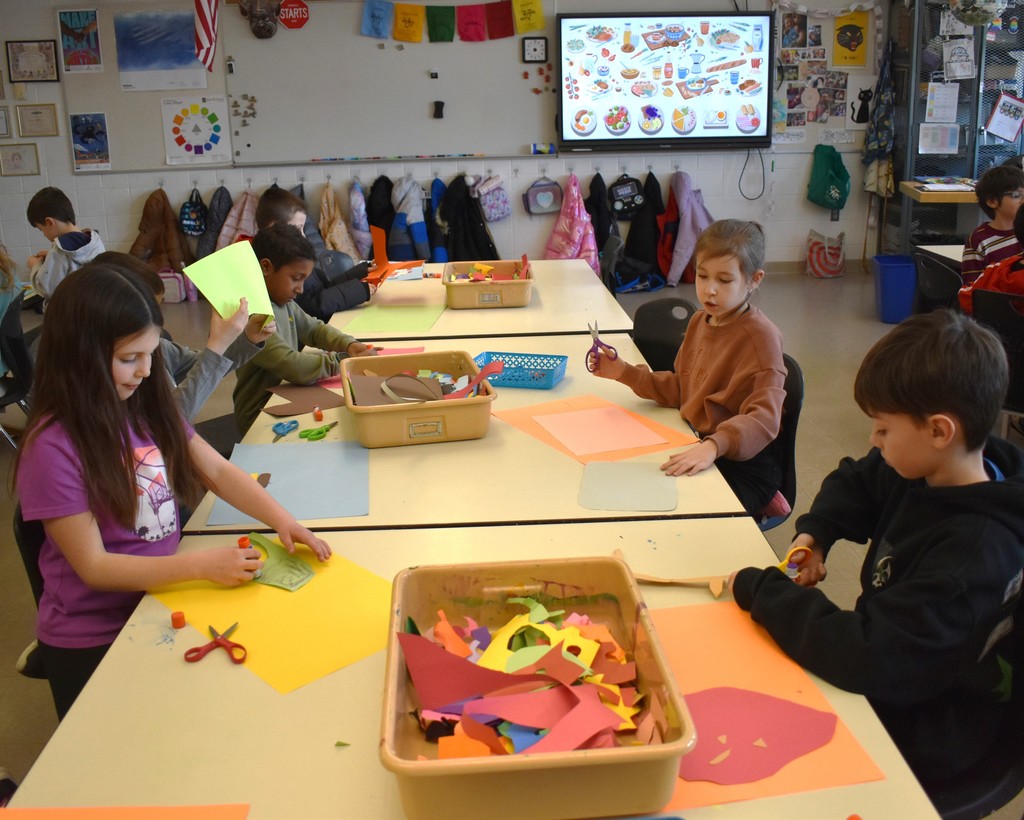
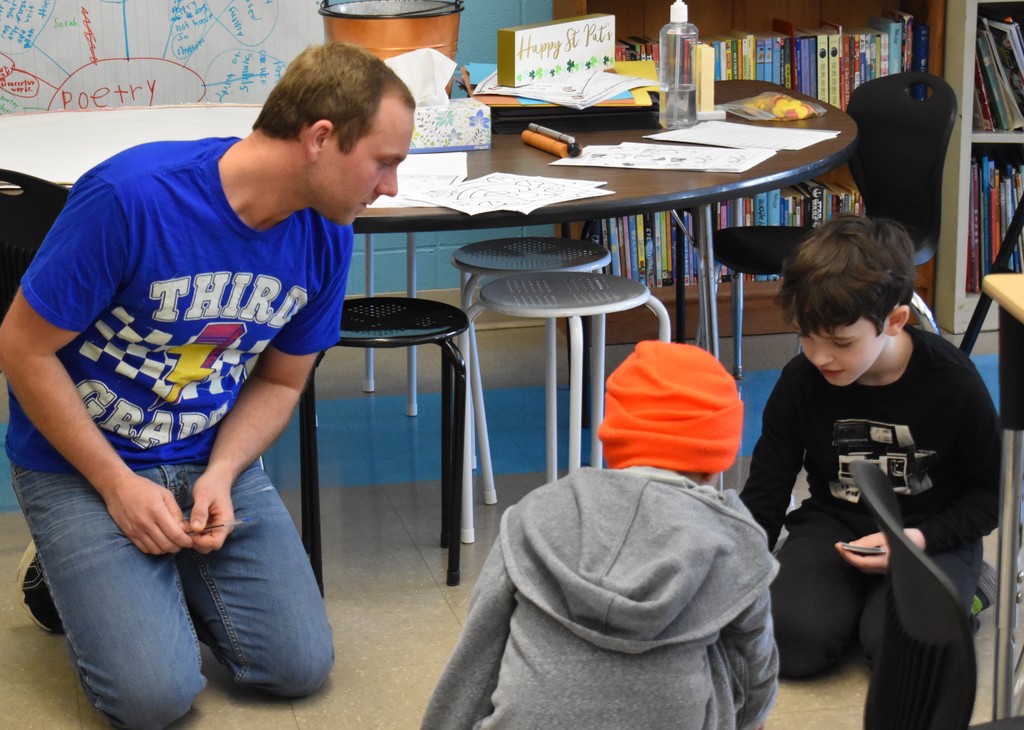
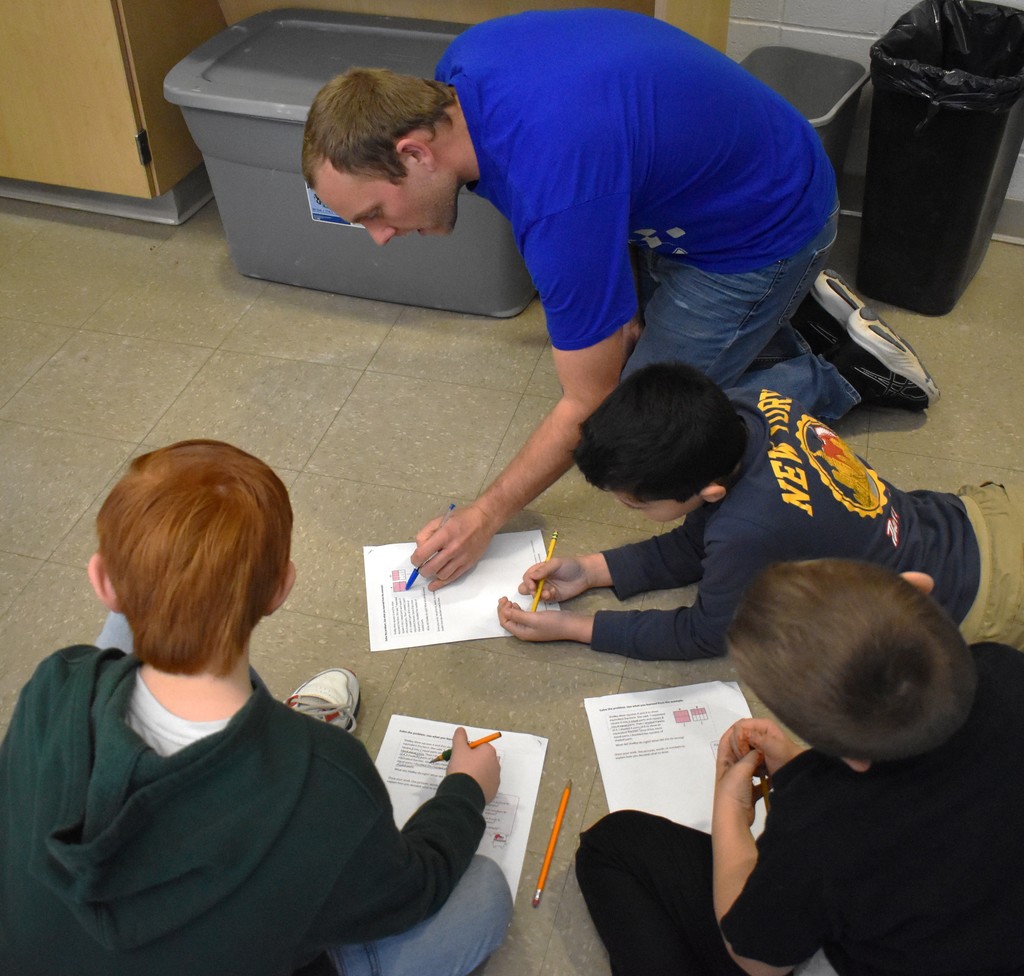
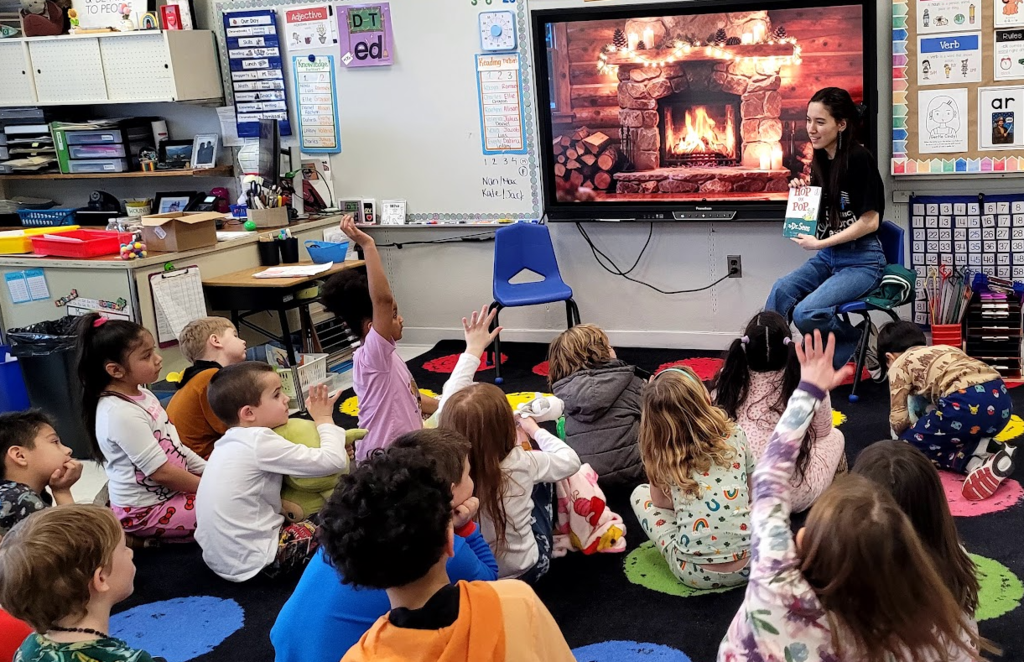
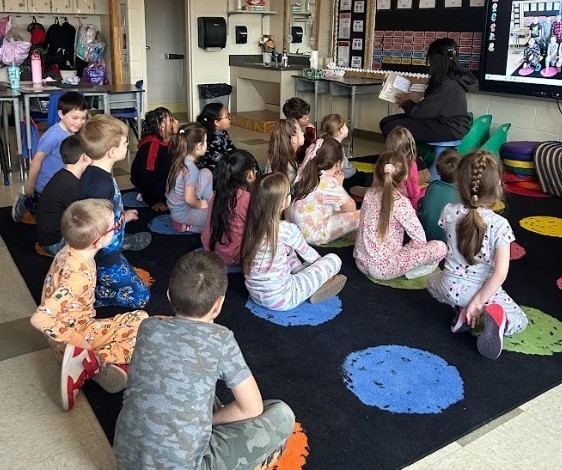
Julia, who will graduate in May, is one of many student teachers working with district students this spring. All student teachers are getting wonderful experience working with their mentor teachers and providing our students with innovative and robust lessons to support the district’s curriculum!
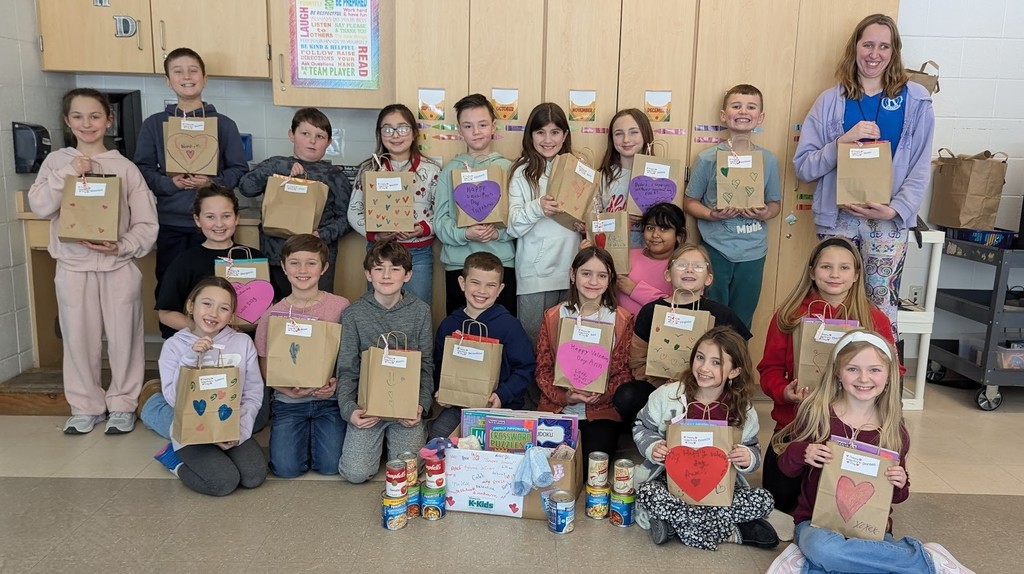
“It is so rewarding to see the children putting kindness into practice,” said Kiwanis advisor Andrea Yager. “Thanks to all your support and generosity, the ladies are staying warm this winter.”
K-Kids is a Kiwanis Service Leadership Program for primary/elementary school age students. Club members improve their schools and communities — an experience that helps them develop a passion to serve, a desire to lead and the ability to engage and collaborate with others.
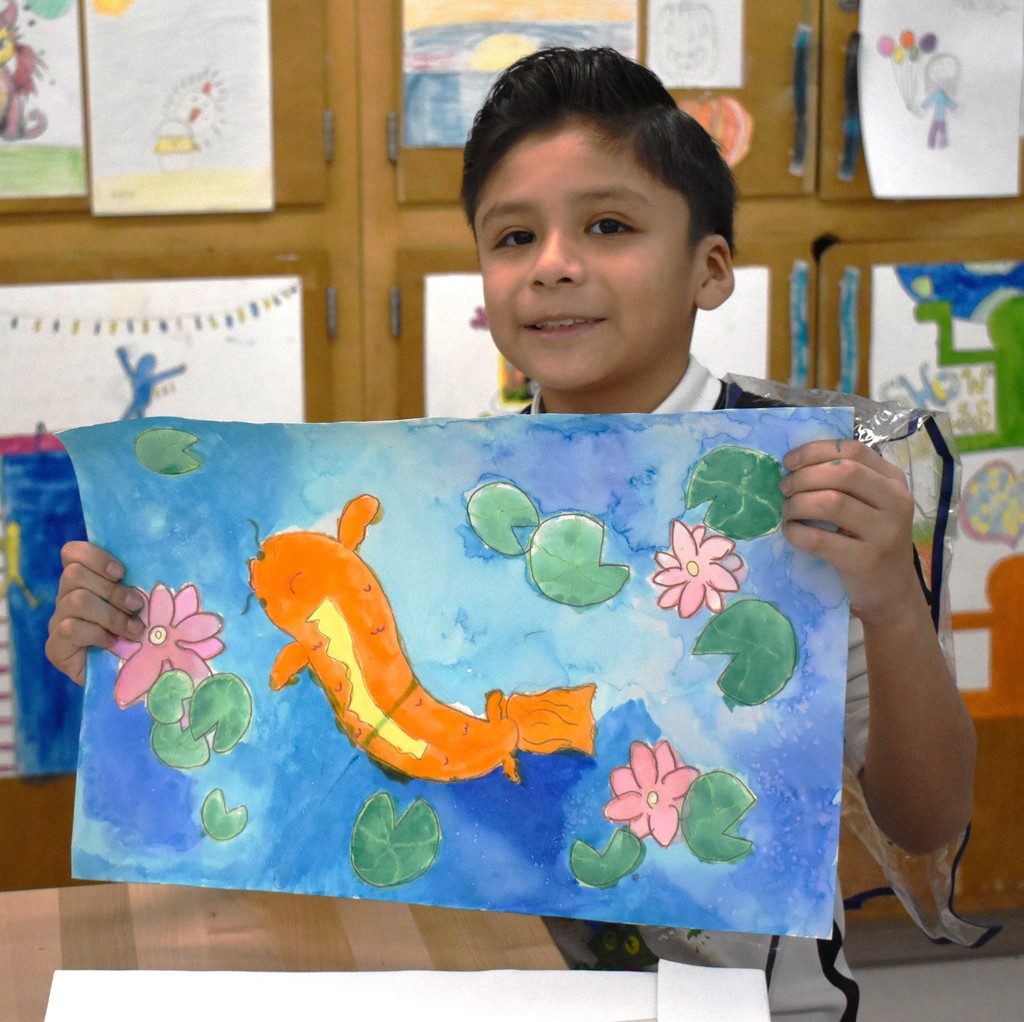
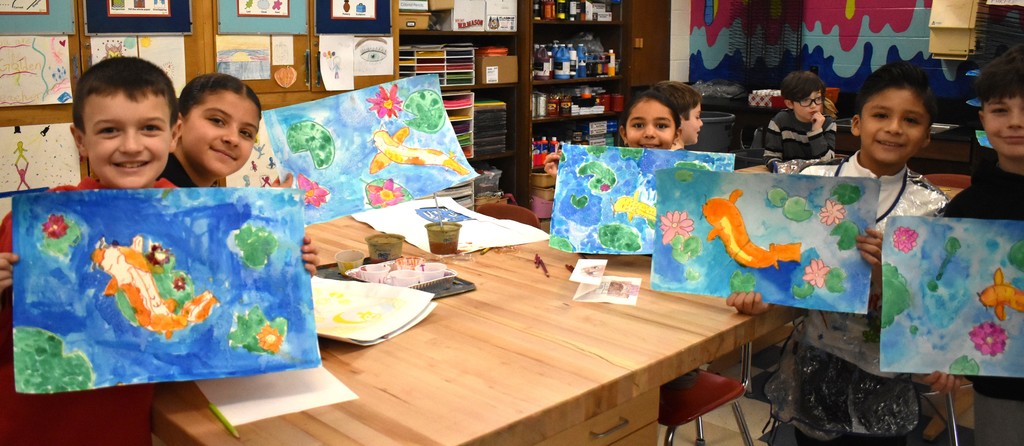
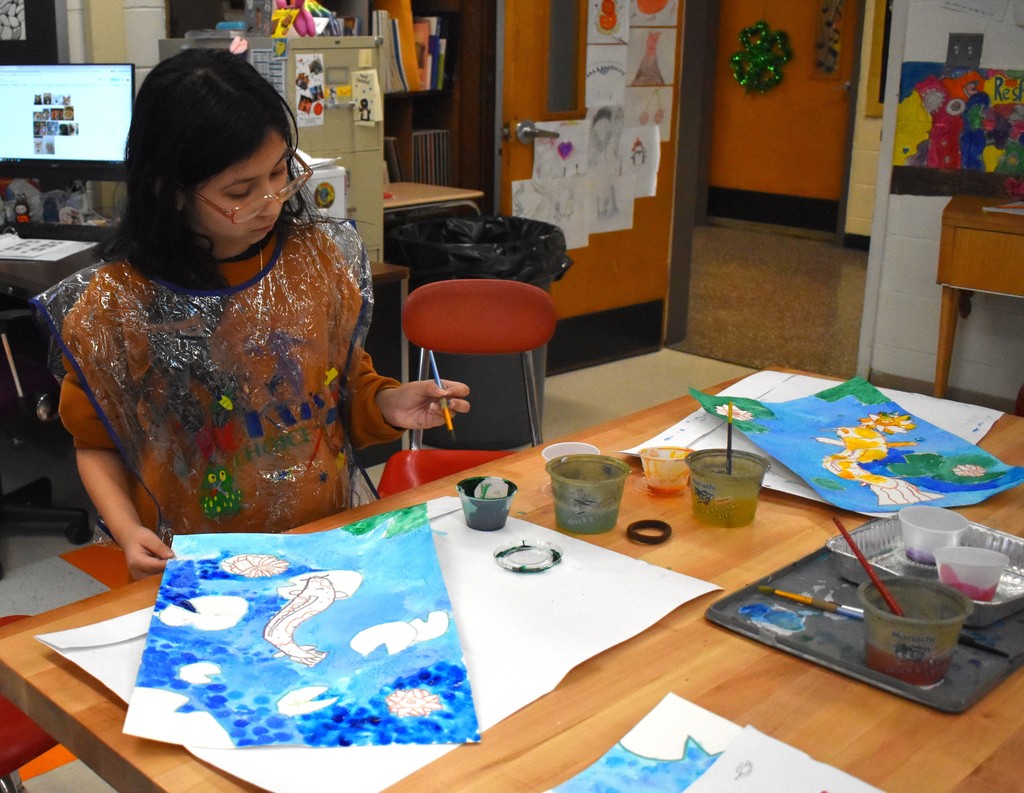
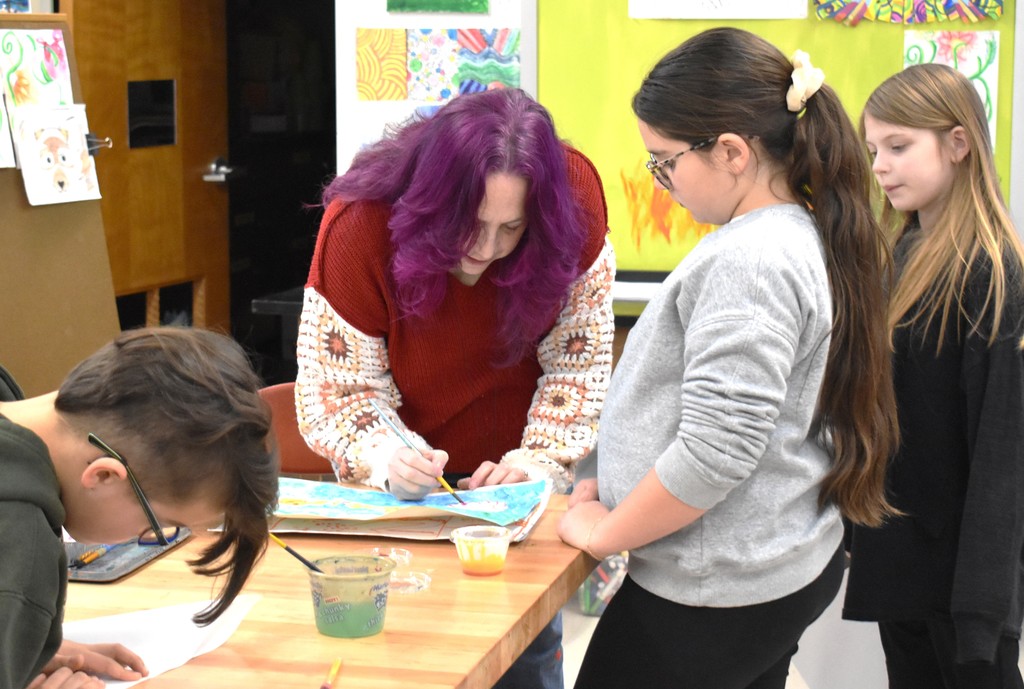
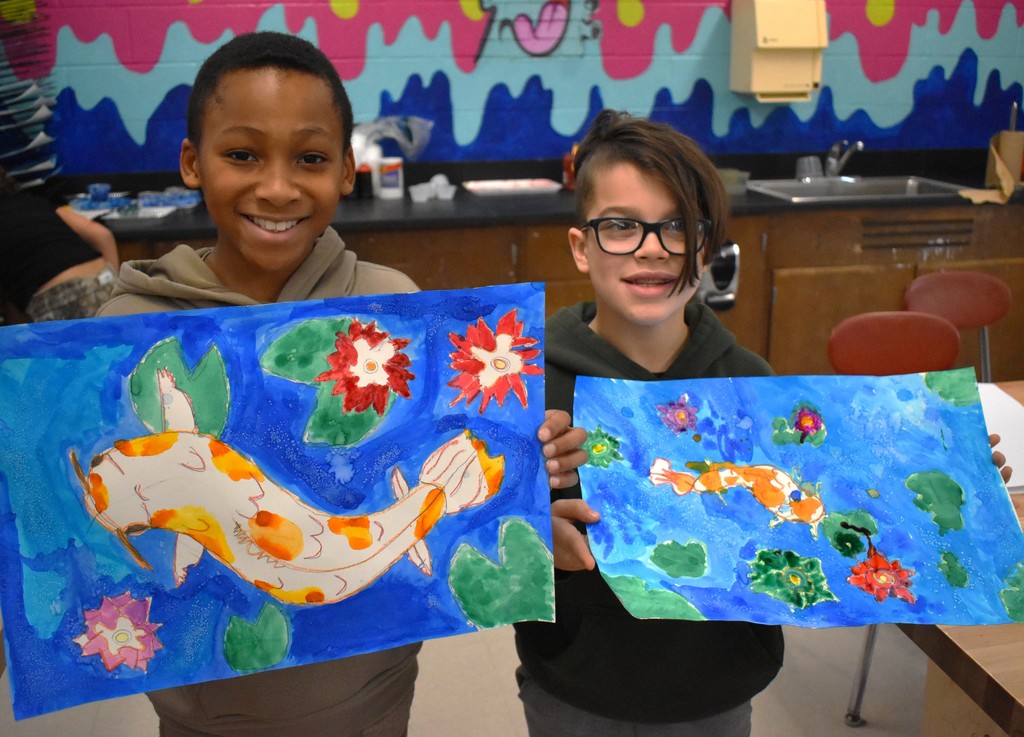
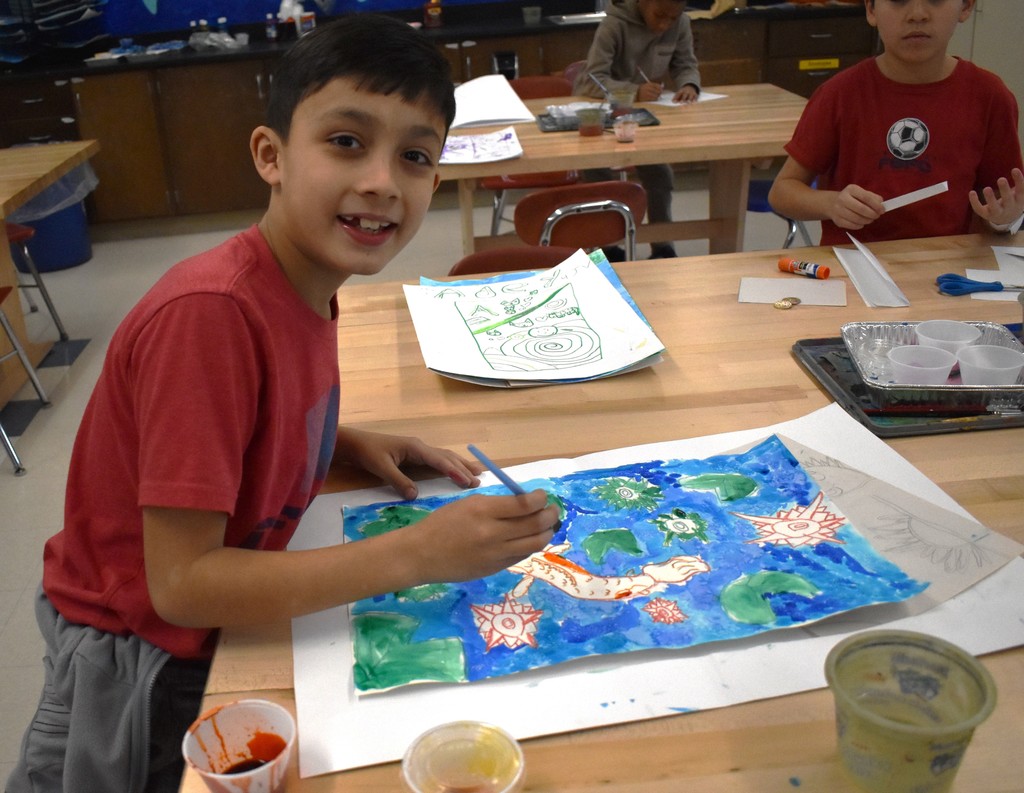
The watercolor salt technique creates unique textures (air bubbles) by sprinkling salt onto wet paint; as the salt absorbs water and pigment, it leaves behind sparkling, mottled patterns. They applied table or sea salt while the wash was still wet/damp, let it dry completely, then gently brushed off the crystals. How creative (and how beautiful their work is!)
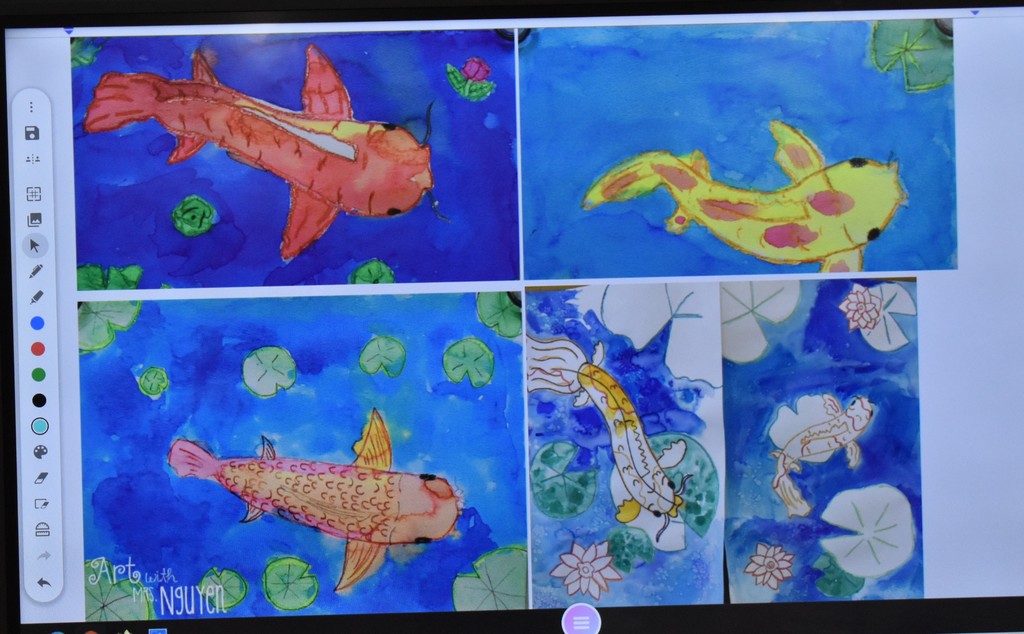
Koi are ornamental domesticated carp with a 40 plus year average lifespan, with some living over 200 years. Originating from 19th-century Japan, they symbolize luck, love, and friendship. They grow up to 3 feet long, are omnivorous, and thrive in social groups within, often requiring, specialized, clean, and spacious ponds.
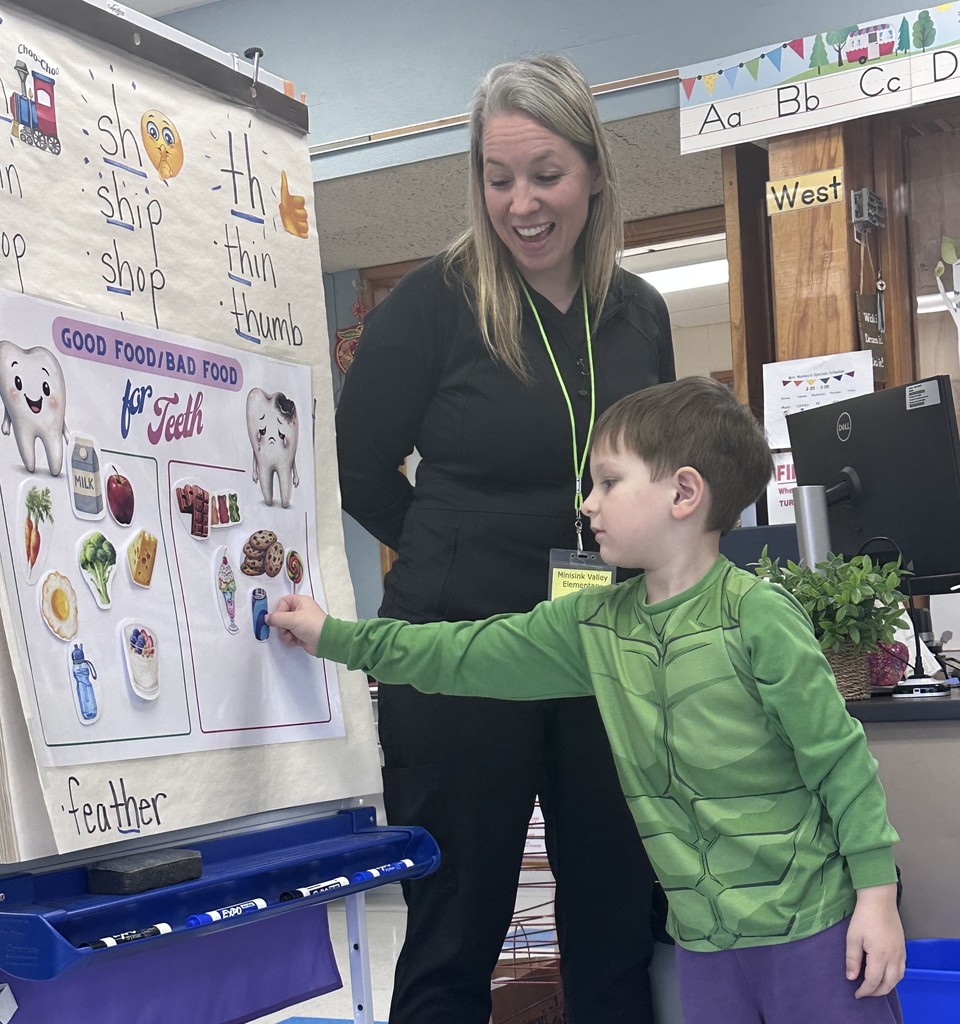
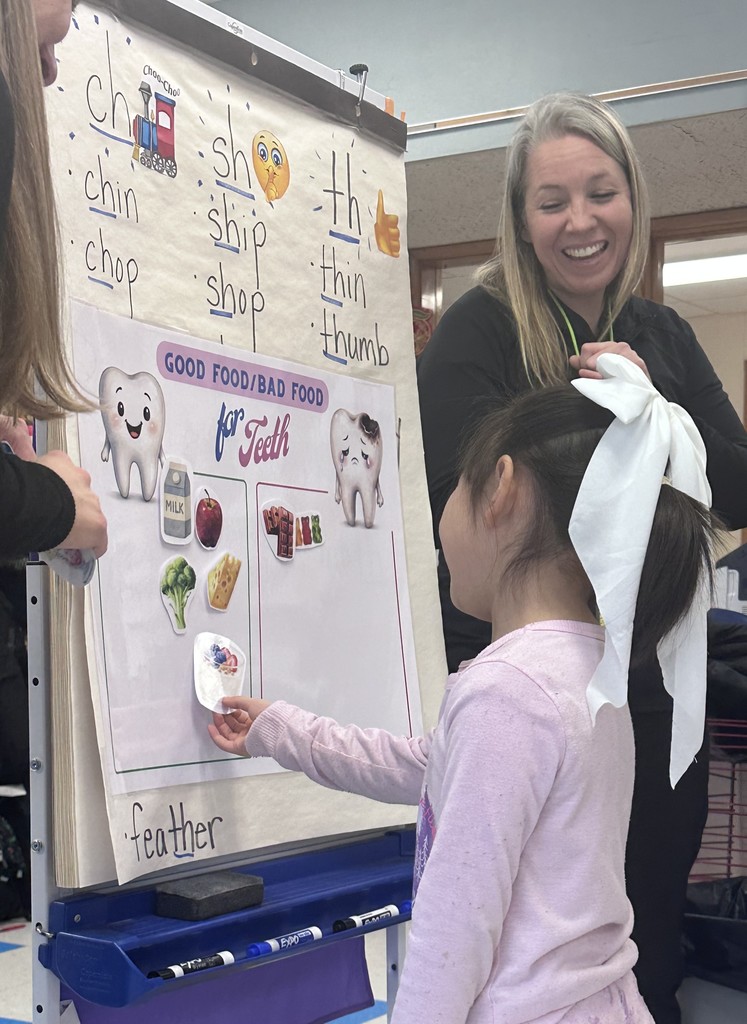
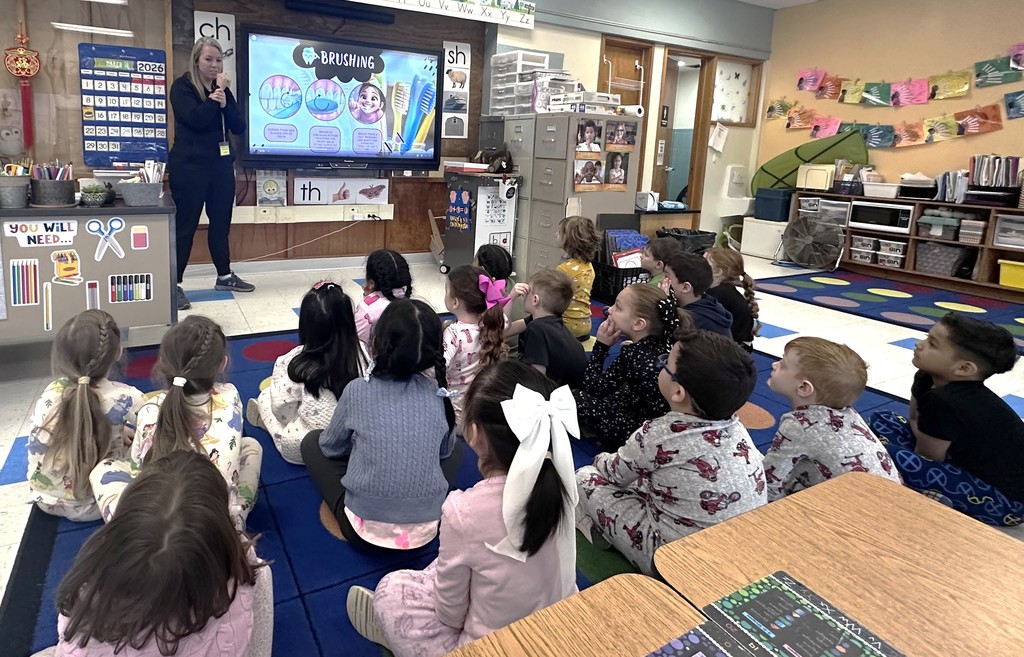
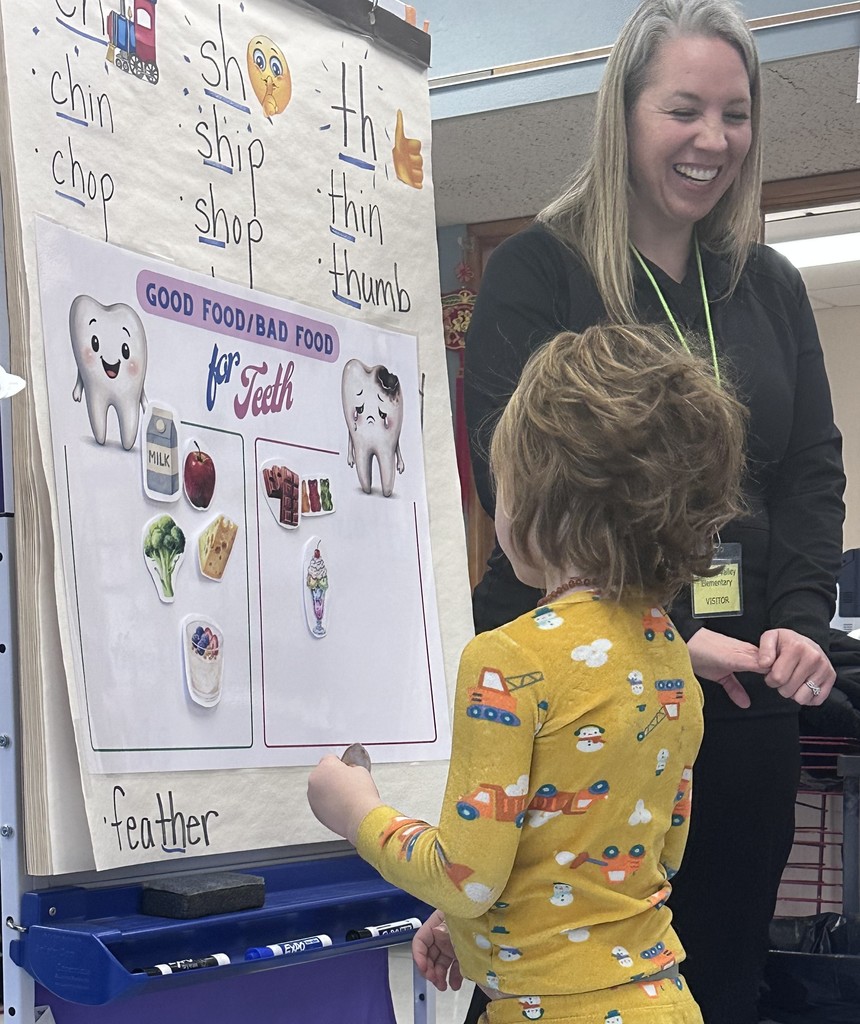
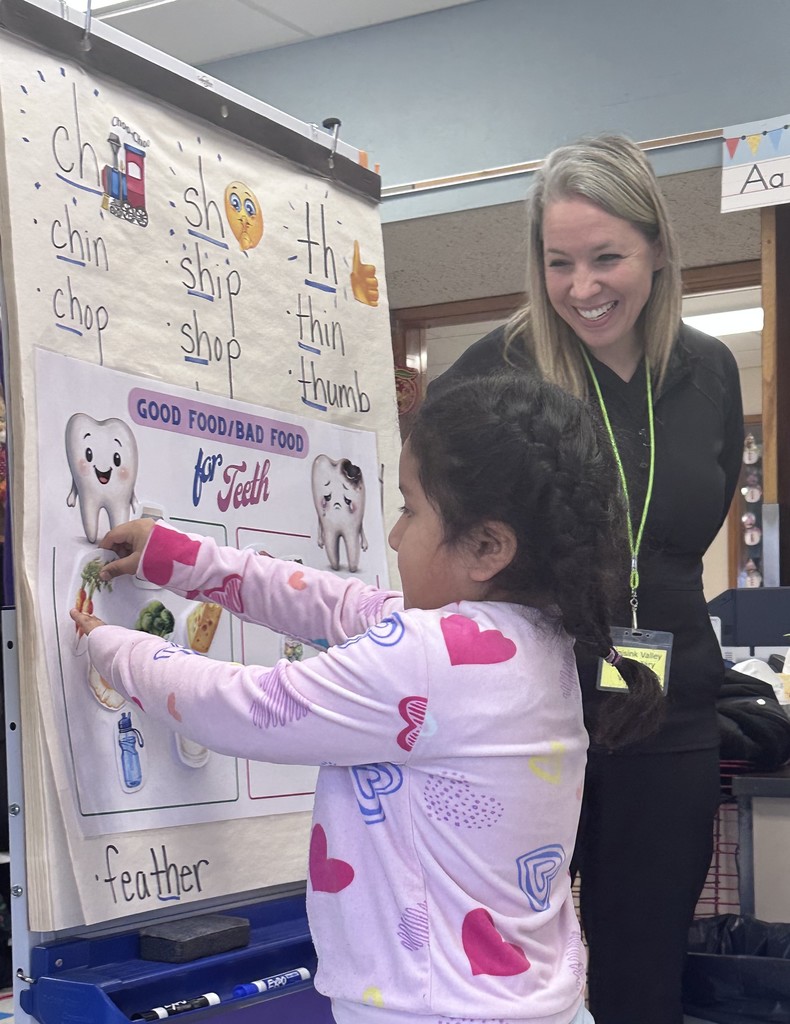
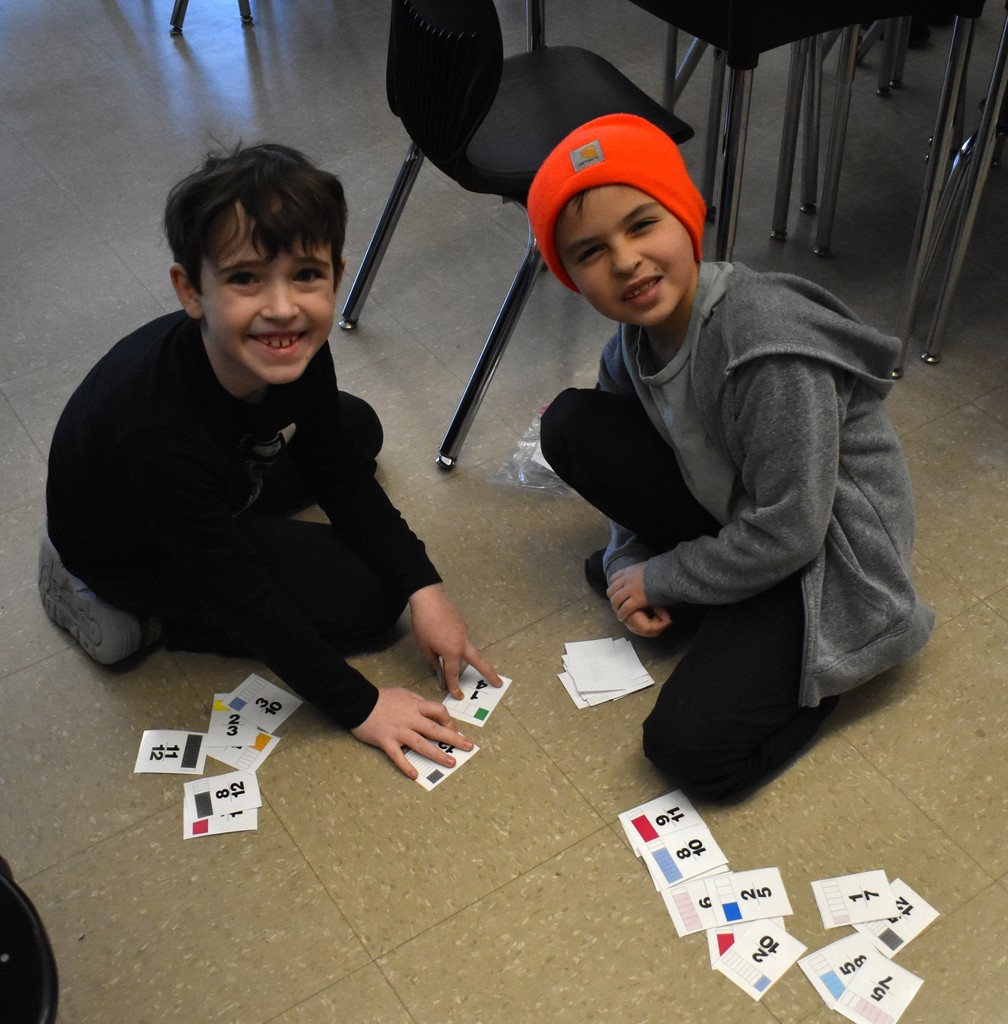
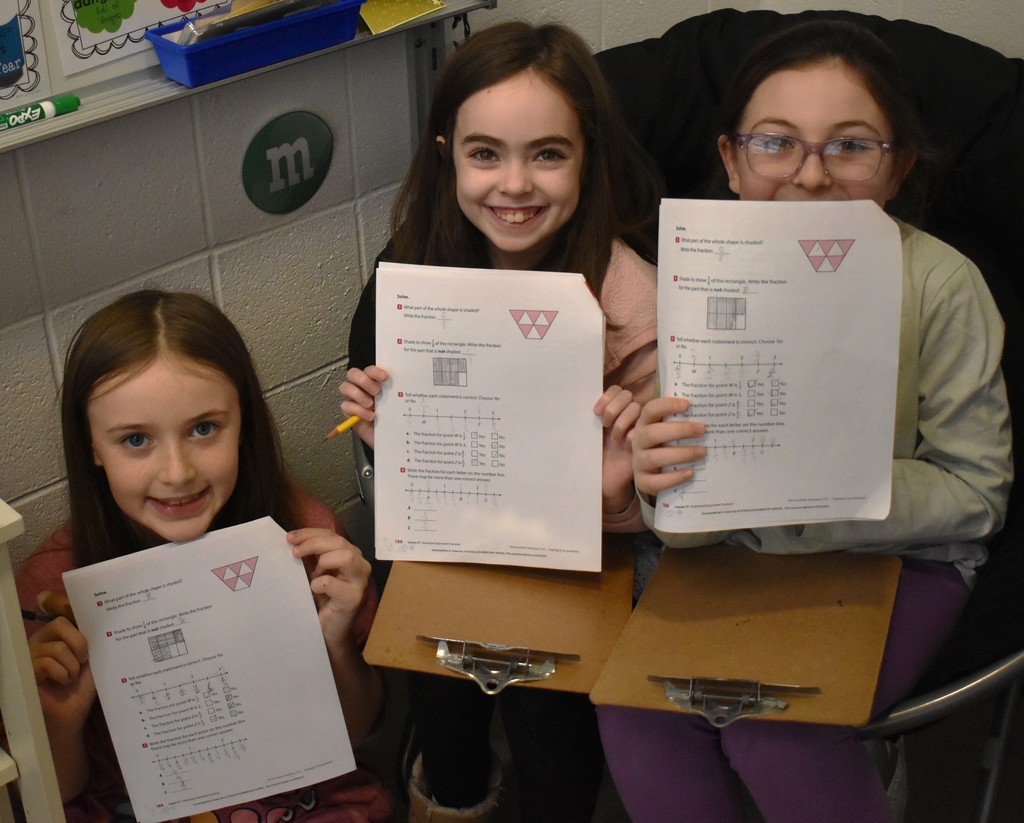
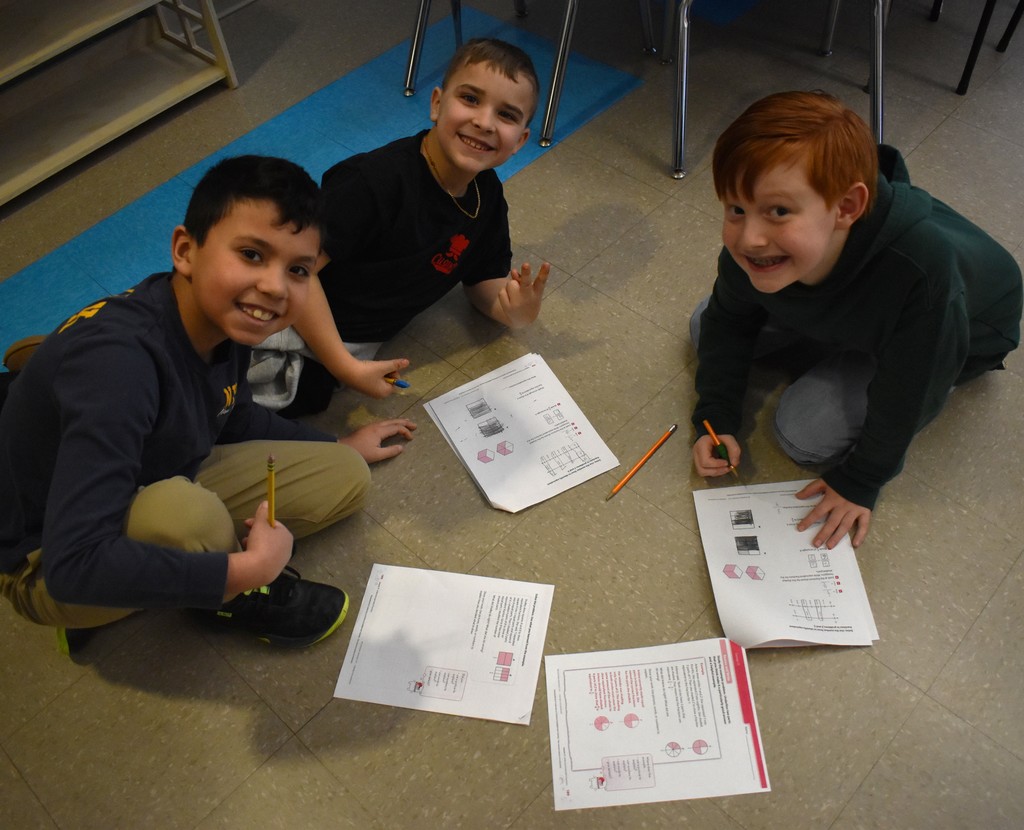
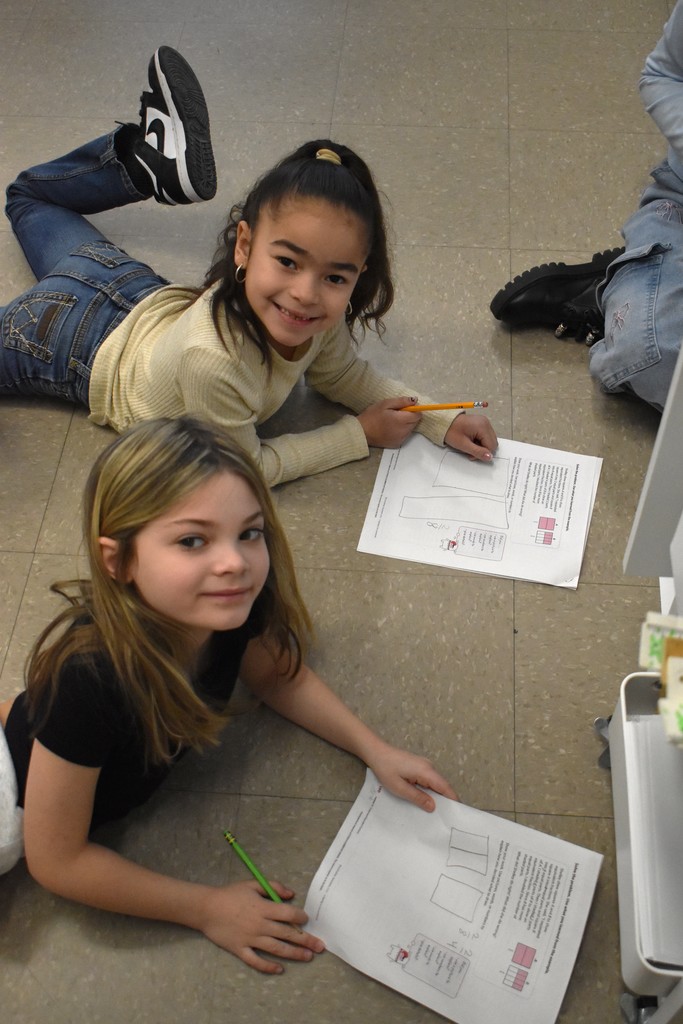
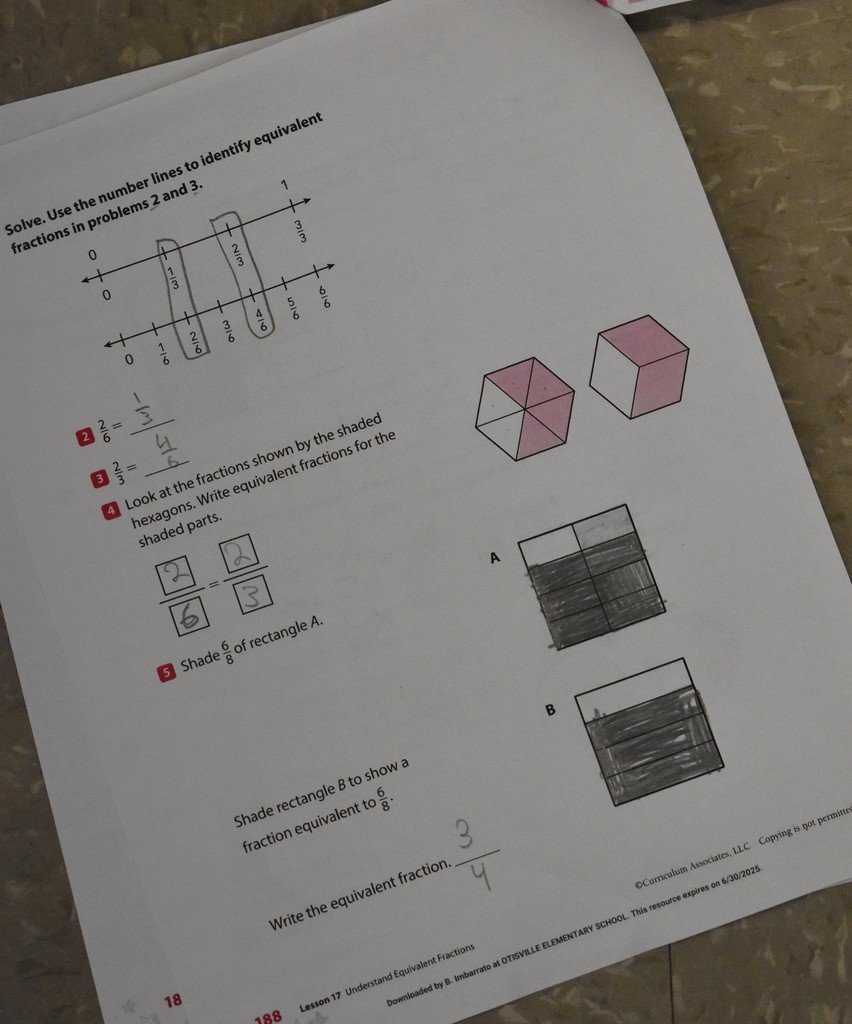
Third-graders study fractions to build a foundational understanding of parts-to-whole relationships, which is critical for future success in algebra, geometry, and STEM careers. This introduction helps students move from concrete, whole-number thinking to more abstract concepts, including comparing, ordering, and understanding equivalent fractions.
At the same time, learning a foreign language broadens students’ perspectives by exposing them to different cultures, traditions, and ways of thinking, including building empathy and global awareness. In an increasingly interconnected world, the ability to speak more than one language is not just an academic asset; it is an essential skill that allows individuals to communicate effectively, collaborate across cultures and thrive in a global society.
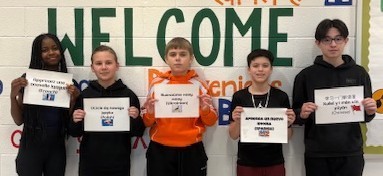
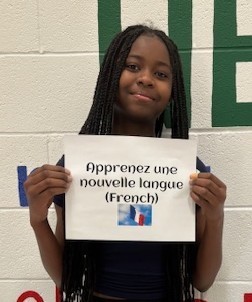
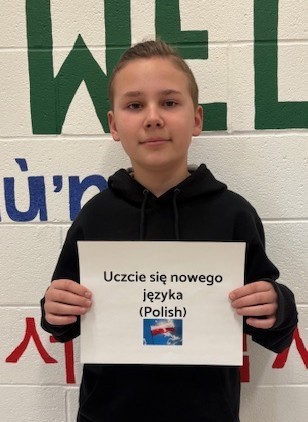
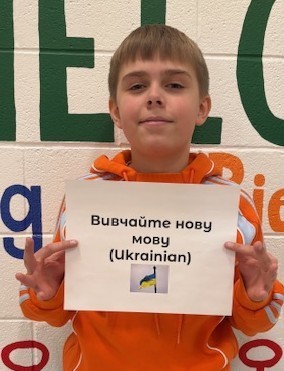
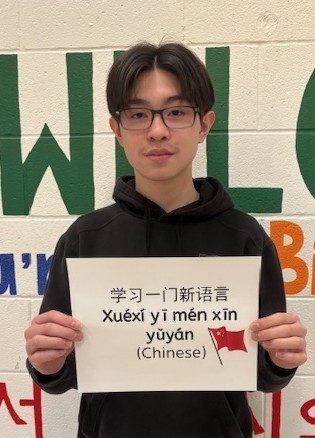
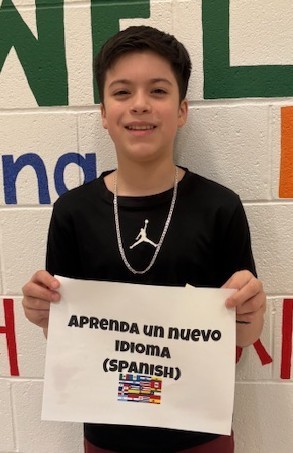
The Middle School recently celebrated National Foreign Language Week by inviting five students to share their native language or language spoken at home with the school community via morning announcements with some sentences in those languages! They did great!
Thank you to:
--- Taras Pylpchuk, Ukrainian
--- Adrien Kusztykiewicz, Polish
--- Christel Toussaint, French
--- Santiago Valencia, Spanish
--- Andrew Suen, Mandarin Chinese
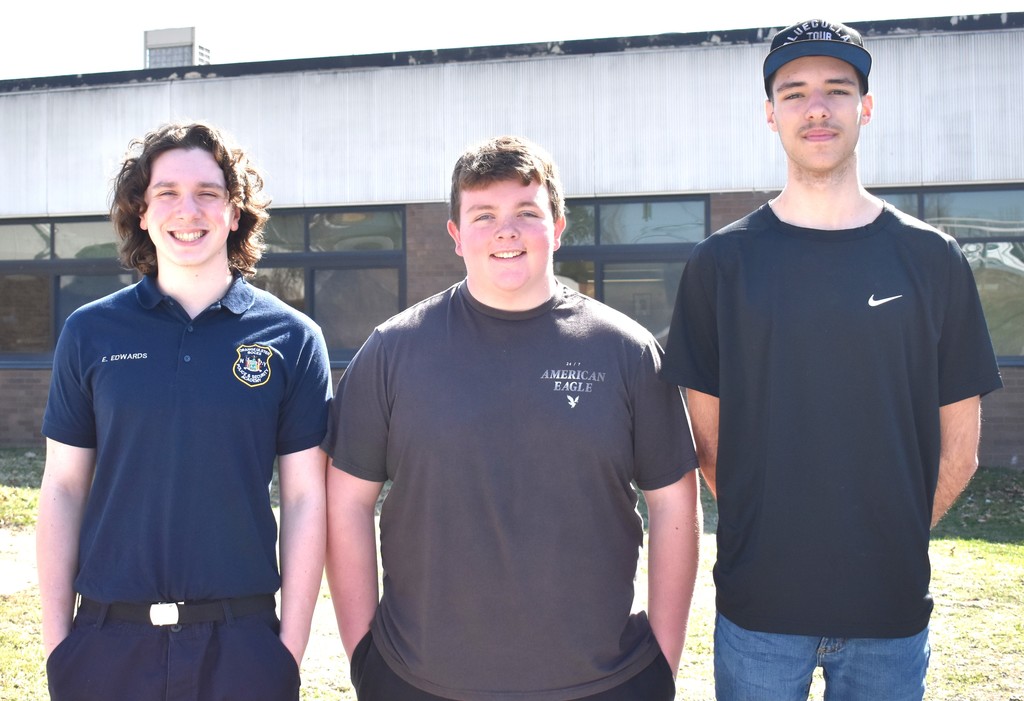
Junior Alex Vicaretti earned second-place honors in the Heavy Equipment category, demonstrating exceptional skill and technical knowledge.
Senior Sean Bellew also secured third-place honors in the Criminal Justice category, highlighting his interest for a potential future career in this or a similar field.
Junior Edward Edwards was part of a team that captured third-place honors in the CSI category, showcasing strong investigative and teamwork abilities.
“I couldn't be more proud of our students for their contributions, dedication, and efforts throughout the competition,” said OUB CTEC Principal Eugene Hewitt. “They represented themselves, their programs, and Orange-Ulster BOCES in the finest light. They should be extremely proud of themselves, as we all are of them.”
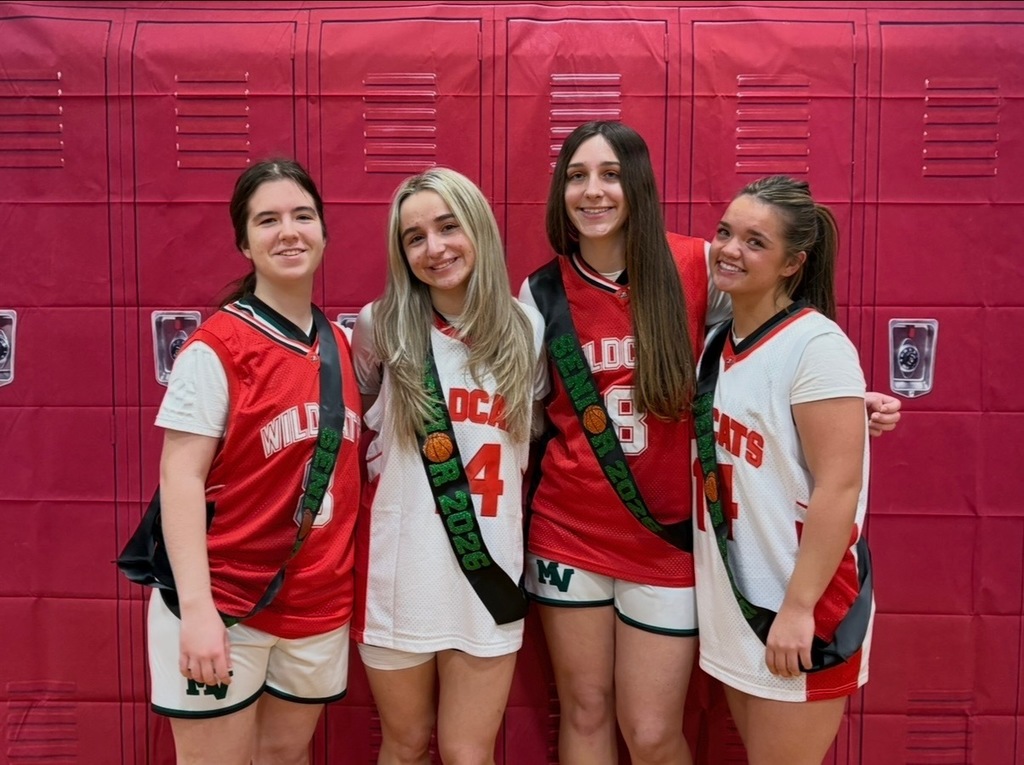
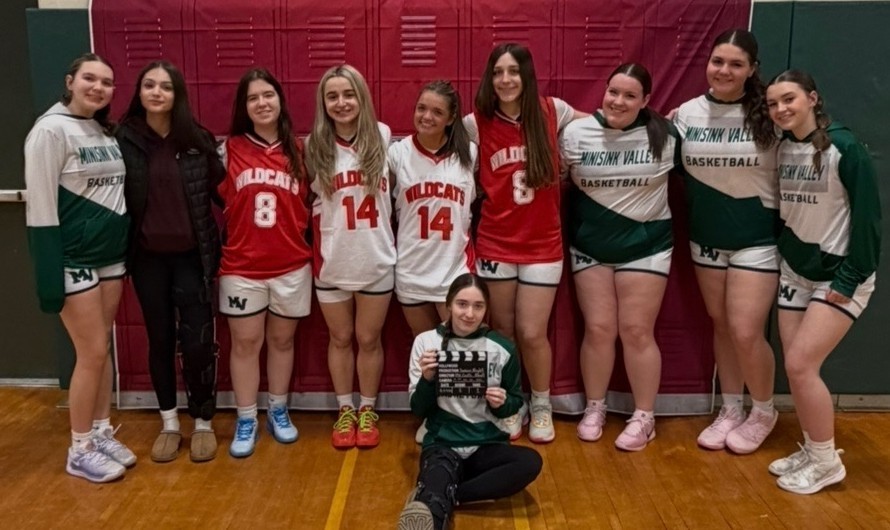
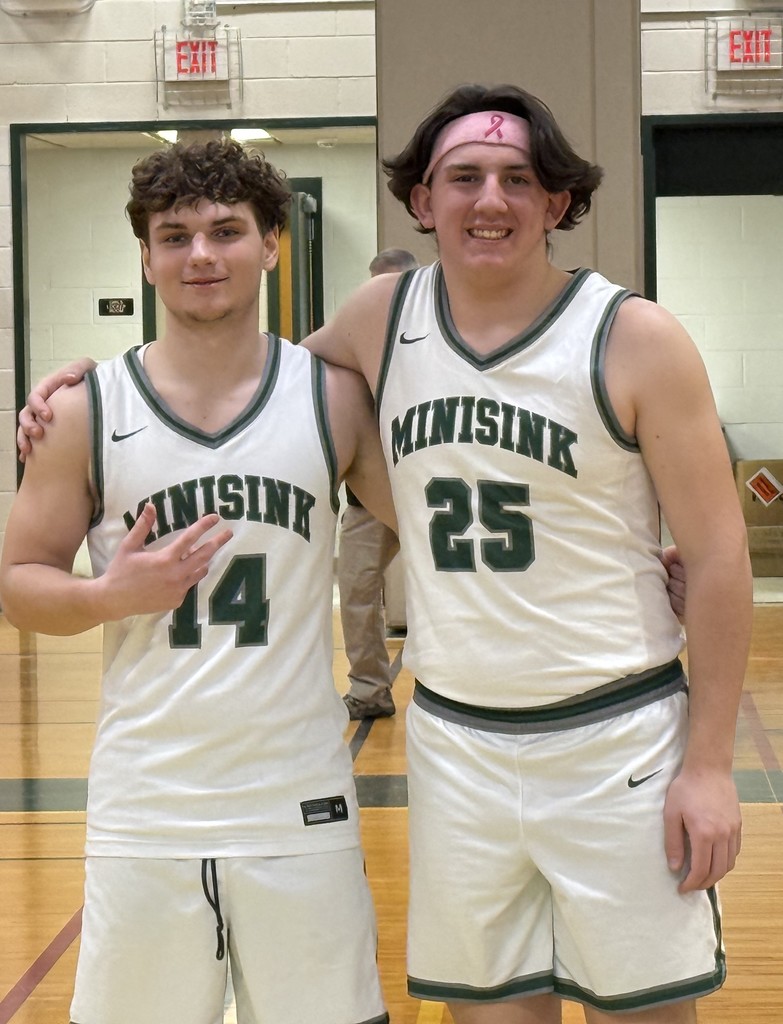
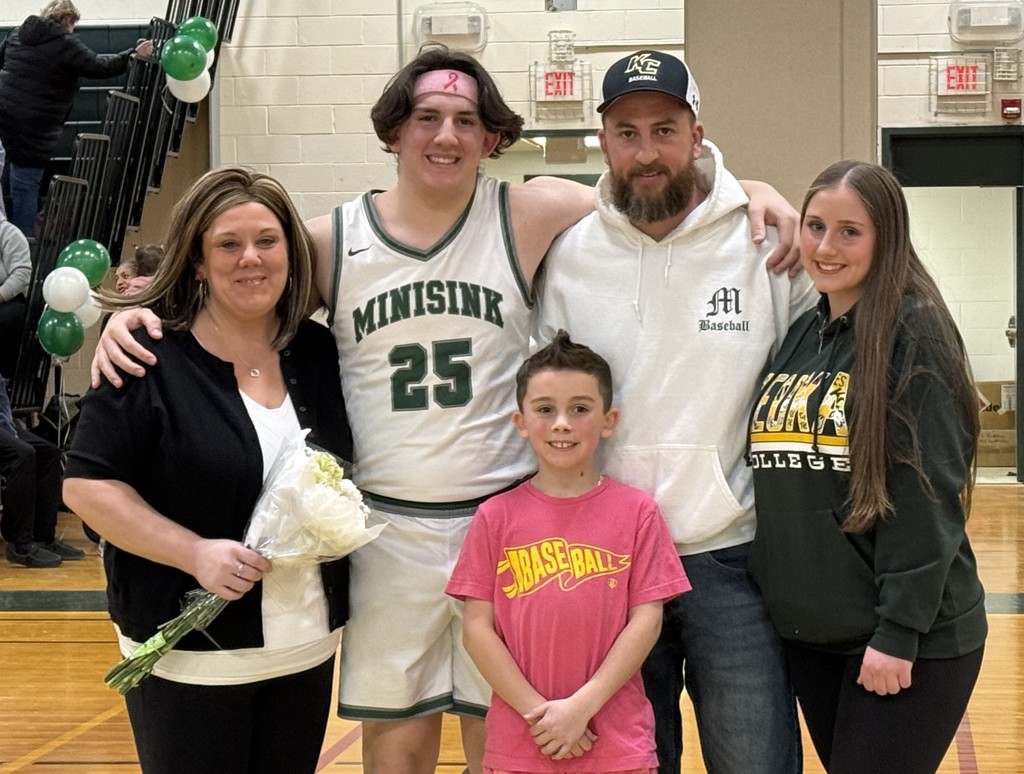
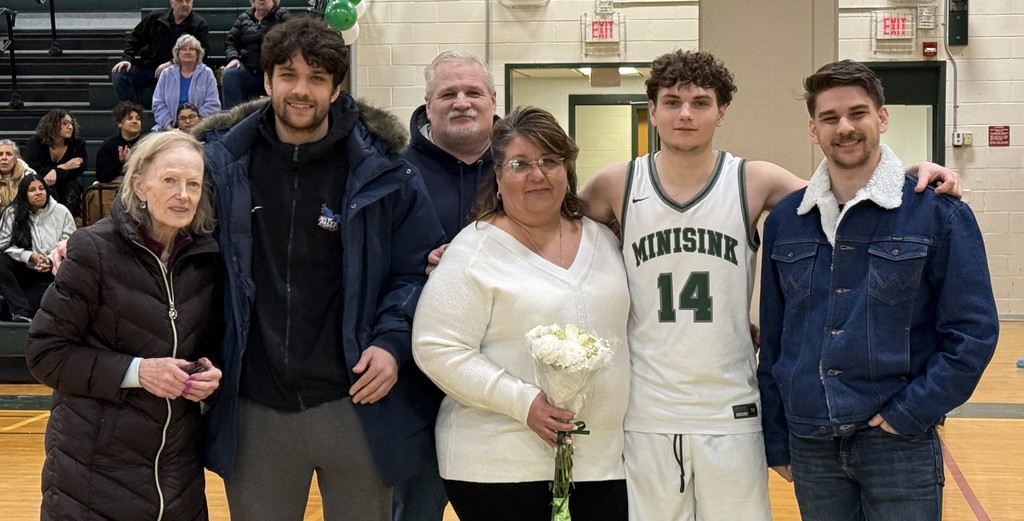
Congratulations and best wishes to the senior members of the Girls Varsity Basketball team, who were honored for their many contributions to the team’s success during their recent Senior Night: Alyssa Doane, Cassie Jennings, Kate O'Neill and Elizabeth Yozzo! (Their costumed red attire was for a skit they performed that evening!
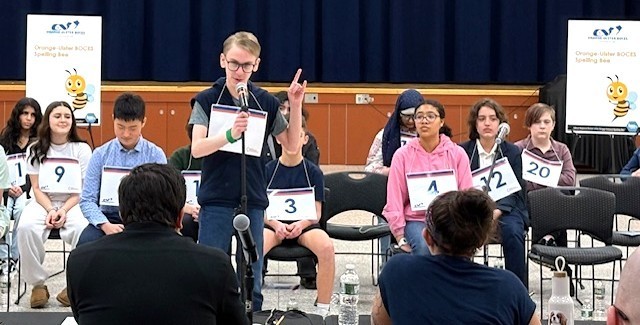
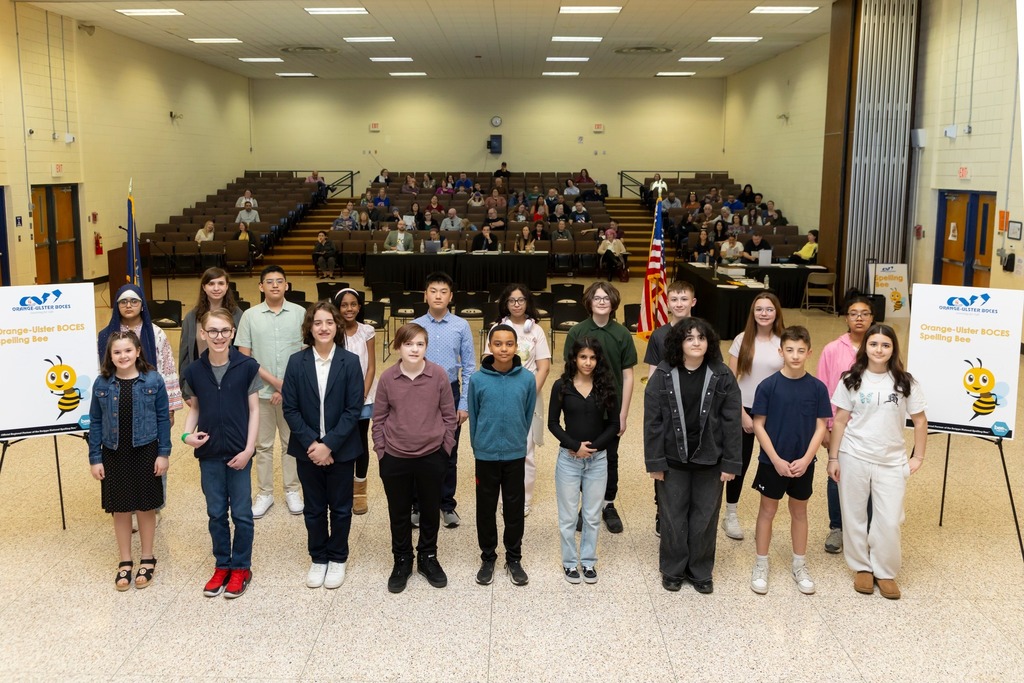
Among the words he nailed were passage, prism, hipsterism, and nutation — no easy feat. Noah’s impressive run came to an end on the word “caudex,” but not before showing incredible skill and composure.
“We are all so incredibly proud of Noah and what he accomplished at the Spelling Bee,” said Middle School Librarian Maggie Spicehandler, who annually organizes the Middle School's Spelling Bee.
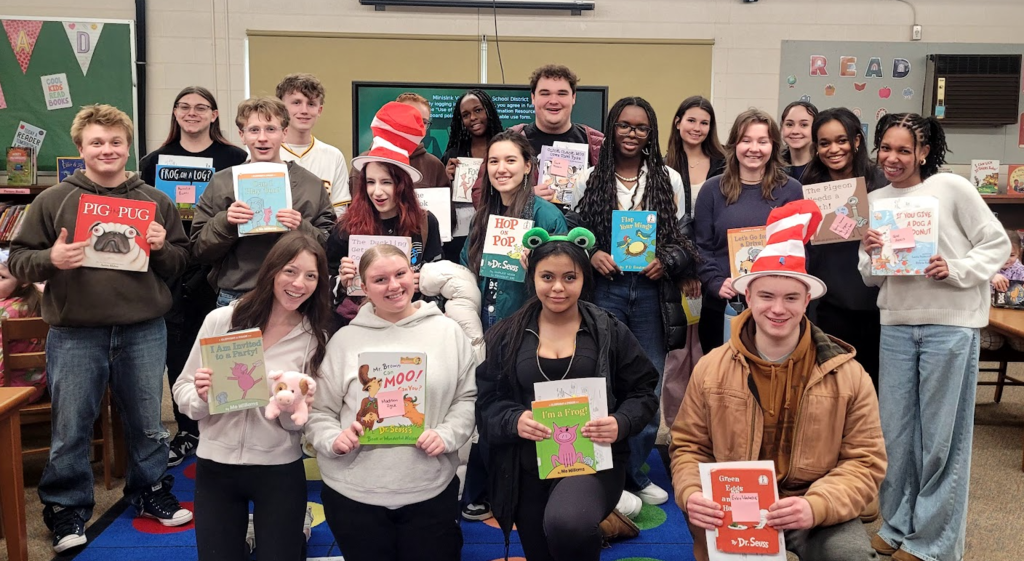
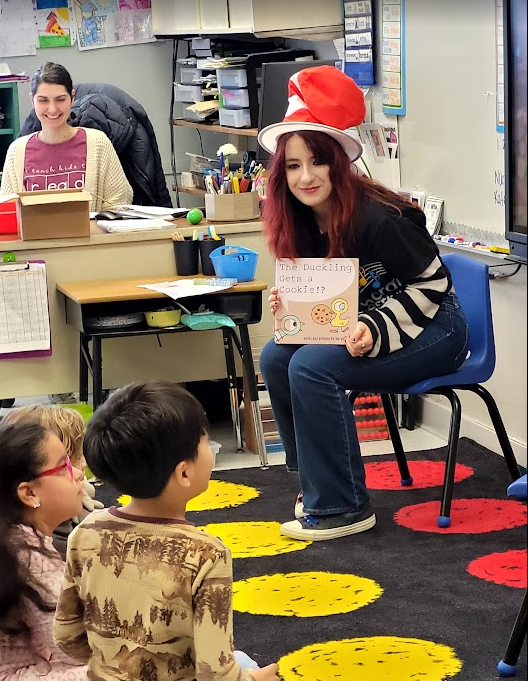
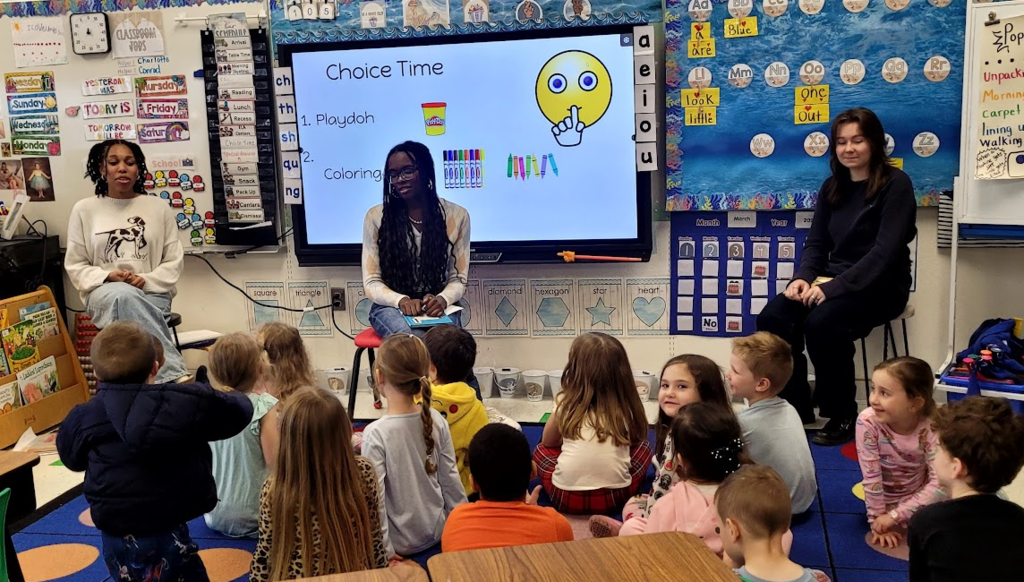
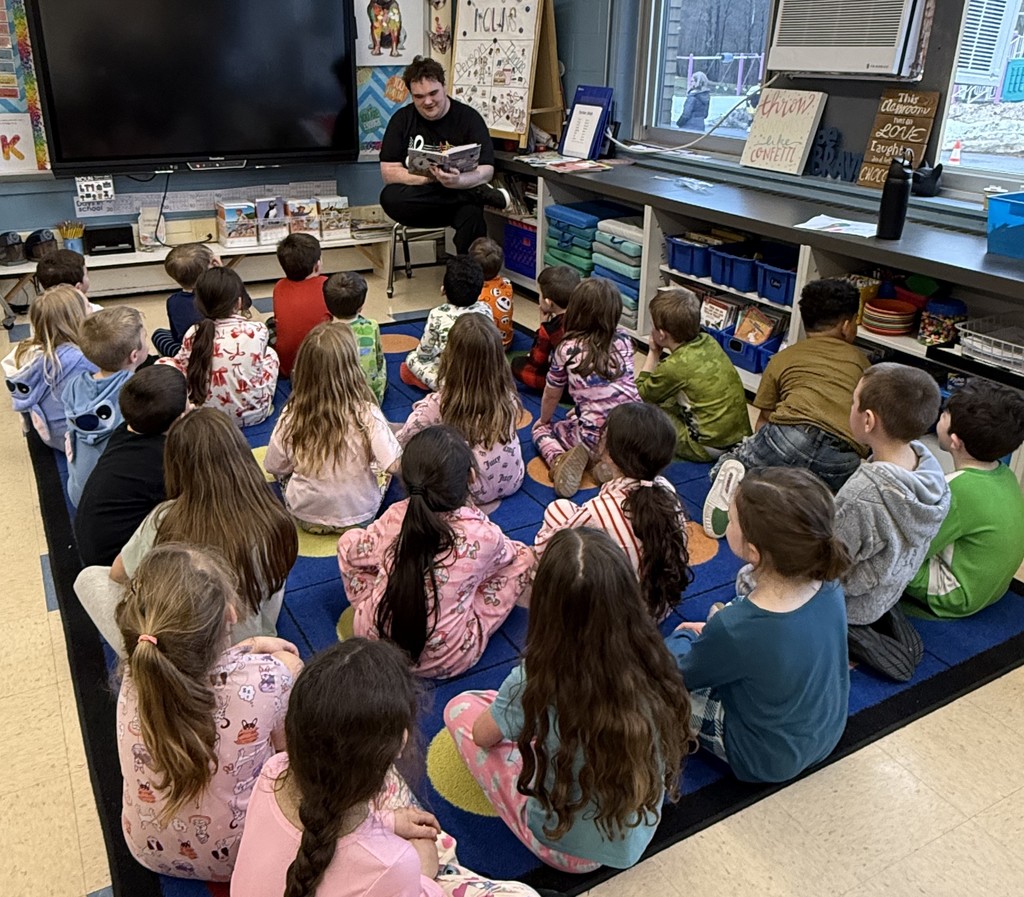
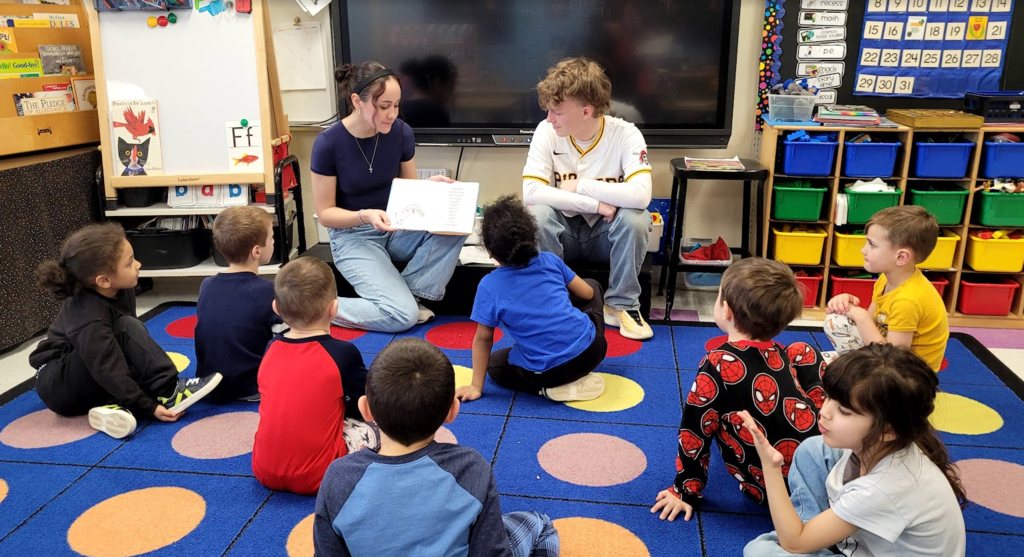
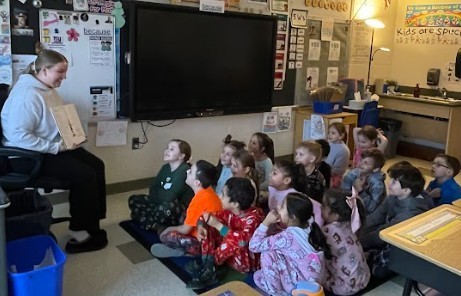
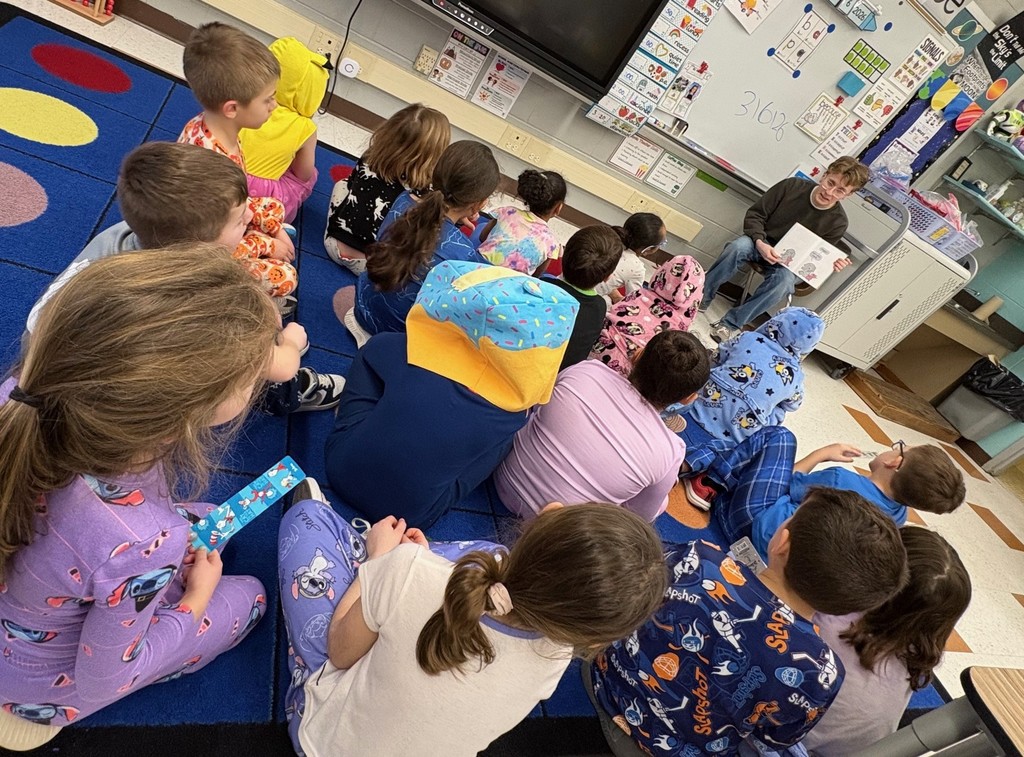
In schools both big and small, down the hall and up the stairs,
Something wonderful happens when a story is shared!
All year long, our schools unite—what a marvelous sight—
The High School and Elementary working together just right.
They partner and plan, they laugh and they read,
Planting the tiniest, book-loving seed.
And what was the reason for such a recent fine day?
Why, Read Across America, hip-hip-hooray!
A day for all readers—both grown-ups and youth—
To celebrate stories, imagination, and truth.
Though March 2 was the official date on the chart,
Schools celebrated all week with books at the heart.
For that special day, as many folks know,
Is the birthday of the great Dr. Seuss, long ago!
His whimsical tales, with rhymes that delight,
Helped spark this celebration of reading just right.
The afternoon sparkled—it ran like a dream—
Thanks to a truly terrific team!
A cheer for our librarians who helped lead the way:
Mia McLean and Stephanie Byrne —hooray, hooray, hooray!
And thanks to the Elementary teachers so kind,
Who nurture young readers and curious minds.
Plus a marvelous crew of High School students who came
To read and bring stories and joy just the same:
Lana Besson, Joshua Geller, Natalie Butts too,
Trystan Rosario and Elliot Mankoo.
Chloe Alexis and Jaelis Roa,
Evan Washalski helped stories grow-a!
Sunshine Vance and Samiyah McKenzie joined in with cheer,
Madison Zysk made the pages appear.
Jazlin Sessoms and Heather Day,
Gavin McGinnis read... hip-hip-hooray!
Kathleen Gutierrez and Hana Ebbert too,
Madisyn Nunez-Troy joined the crew.
Mariah Sierra and Hannah Ringus—three cheers, we say!
For helping make reading the star of the day.
For when schools come together and stories take flight,
Young readers discover a wonderful sight:
That books are adventures, both cozy and grand—
The best kinds of journeys are held in your hand!
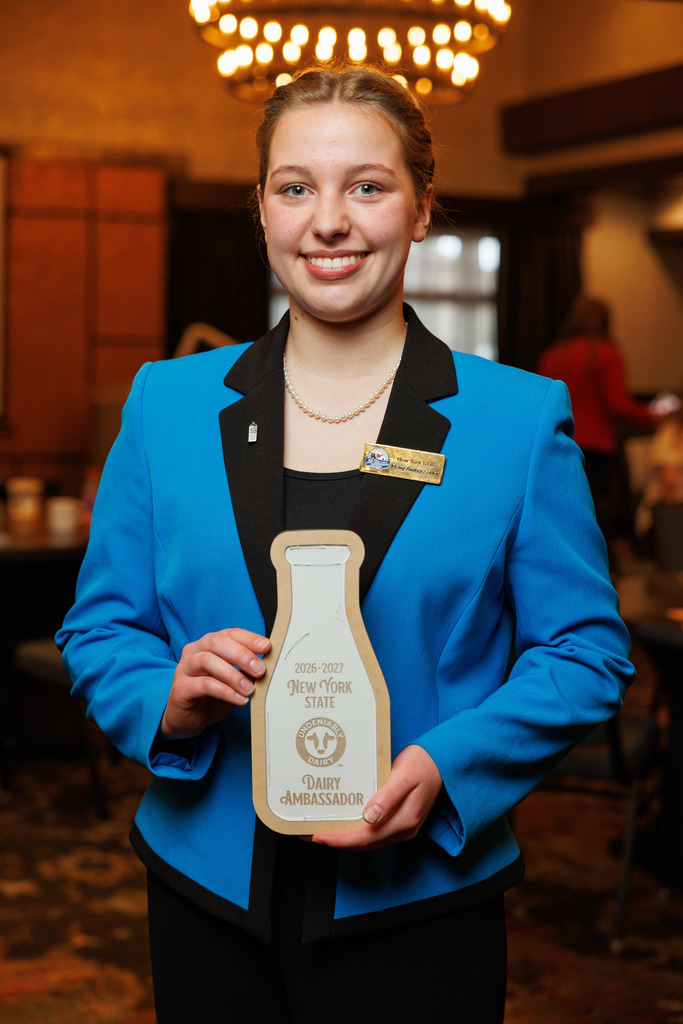
Hannah is the 63rd dairy promoter selected to represent New York State’s dairy industry, a distinction that dates back to 1963. She has been serving as the Orange County Dairy Ambassador since Spring 2025.
As New York State Dairy Ambassador, Hannah will now serve as a spokesperson and advocate for dairy farmers by attending special events to engage with and educate consumers on the nutritional benefits of milk and dairy foods, how farmers care for their cows and their land in order to produce a sustainable product, and the importance of the dairy industry to the New York State economy.
New York State Dairy Ambassadors were selected based on their communications skills and knowledge of the dairy industry. The Dairy Ambassador program aims to build critical professional skills and confidence of young individuals who are passionate about the dairy industry.
Ambassadors will be involved in statewide promotions and events. Participants will gain experience collaborating with a team, knowledge of ADA North East promotion and marketing programs, and will participate in sessions led by experts in public speaking, social media, team building and leadership.
•With 2,800 licensed dairy herds and more than 16 billion pounds of milk produced annually, New York State is a leader in dairy production in the United States.
•The dairy industry is the largest agricultural commodity in the state, and according to the New York State Department of Agriculture and Markets
•New York ranks nationally as the fifth largest producer of milk and is also the largest producer of yogurt and cottage cheese.
Did you hear it’s going to be almost 75 degrees tomorrow?! That's a little wild, right?
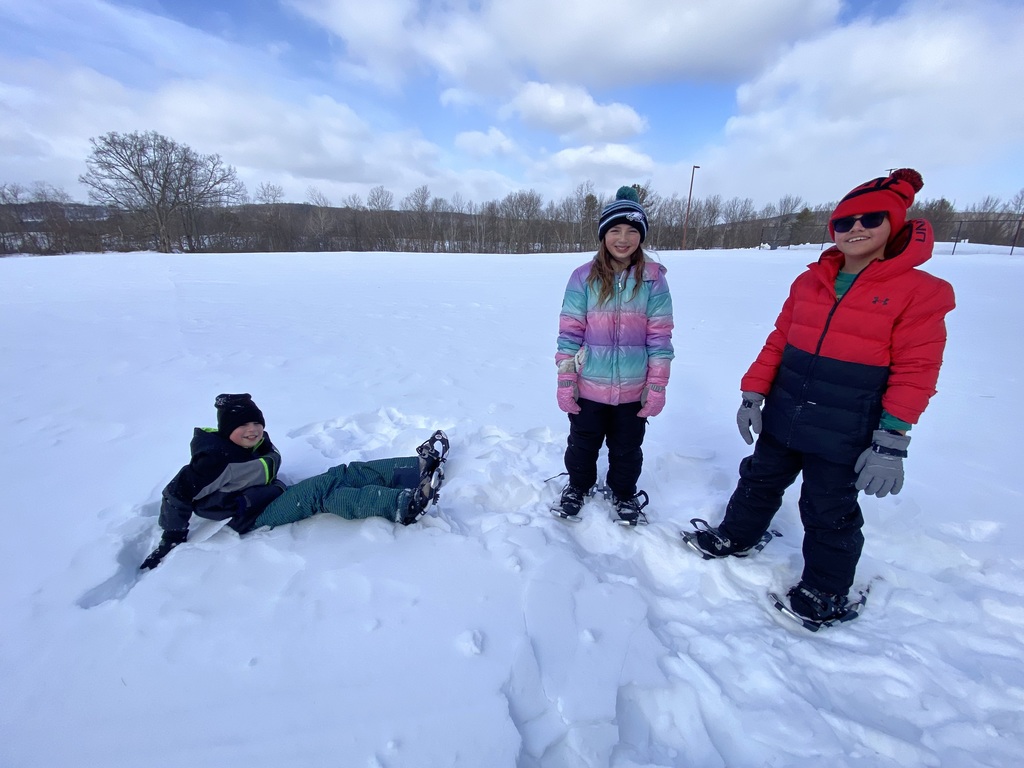
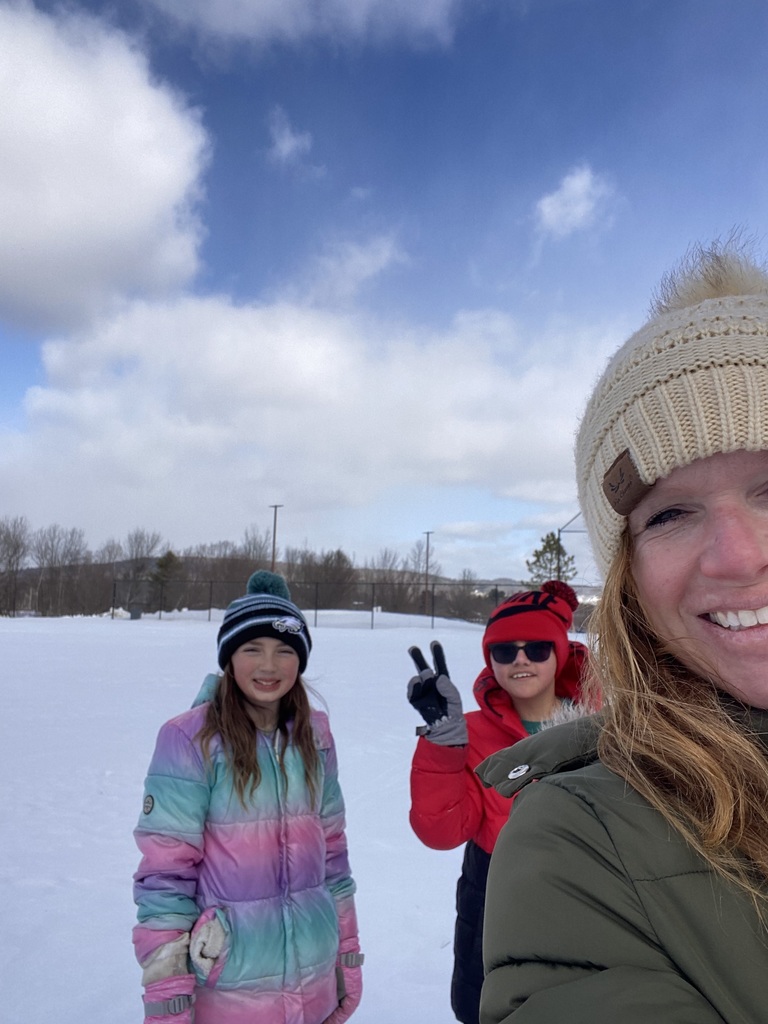
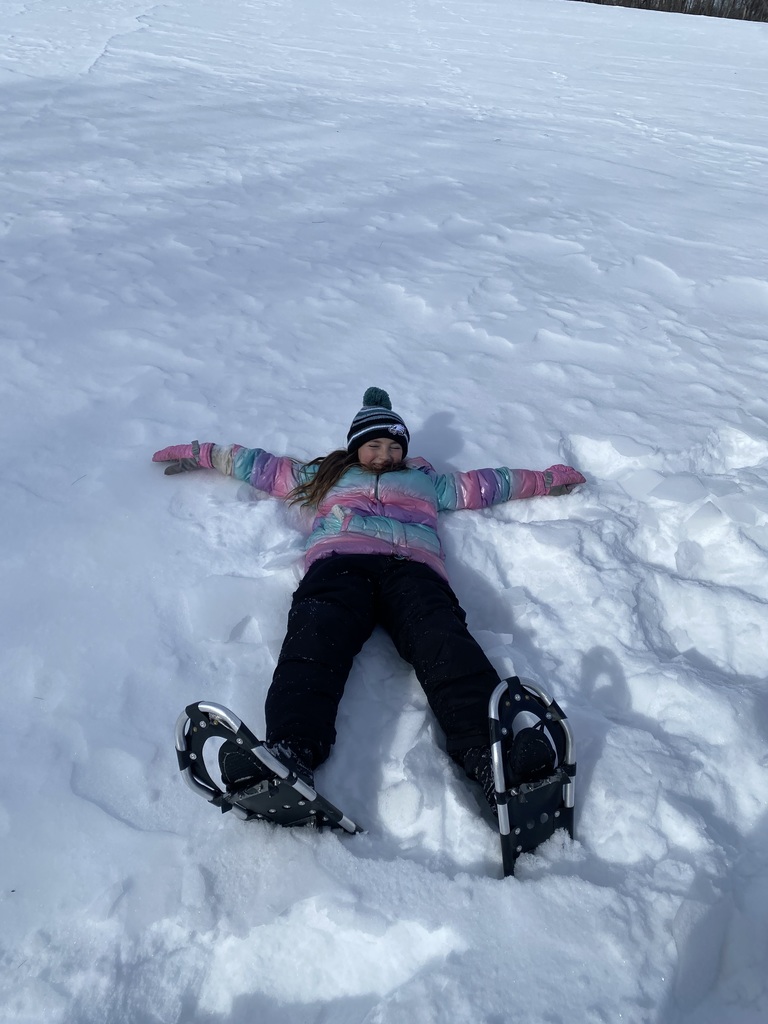
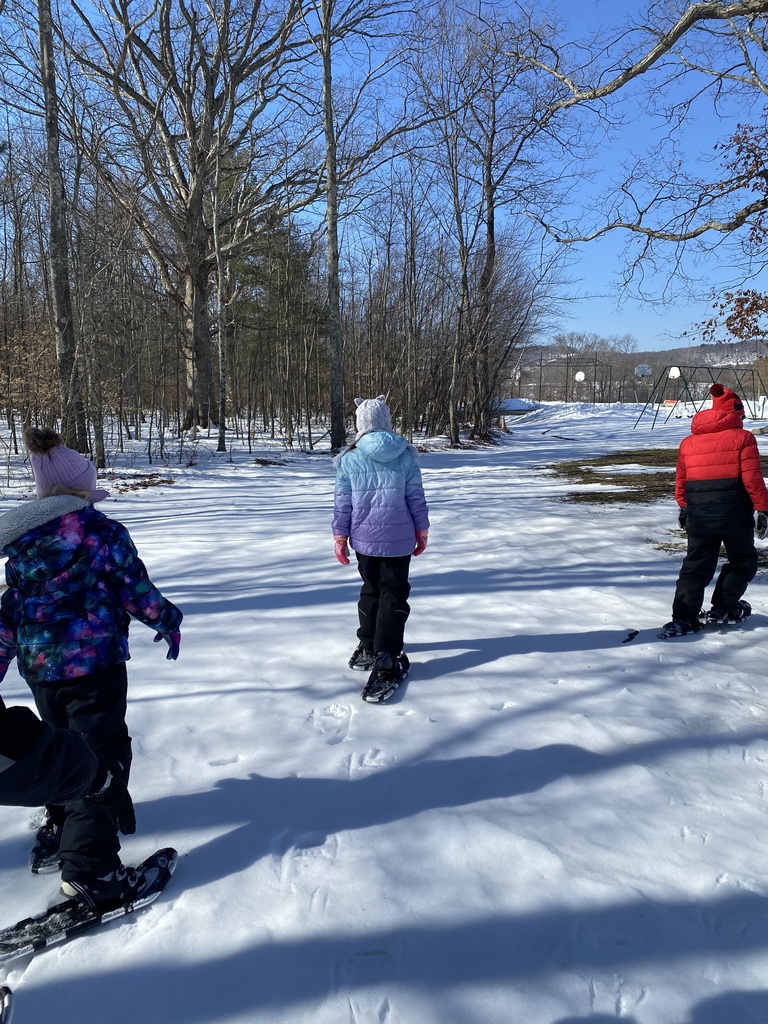
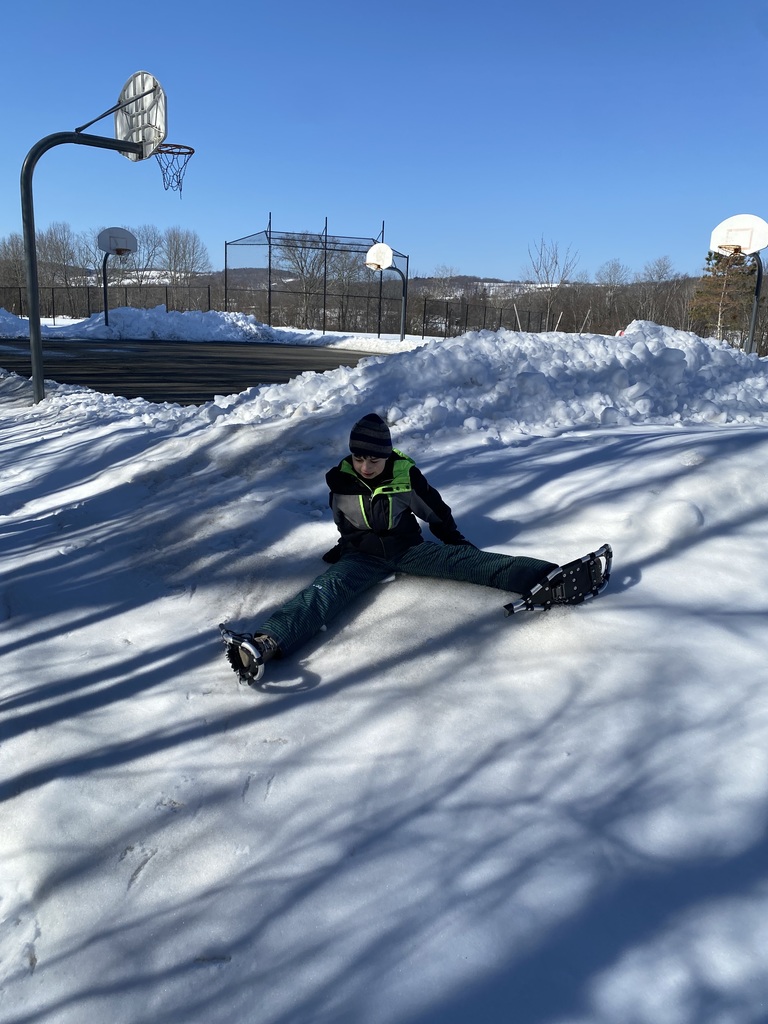
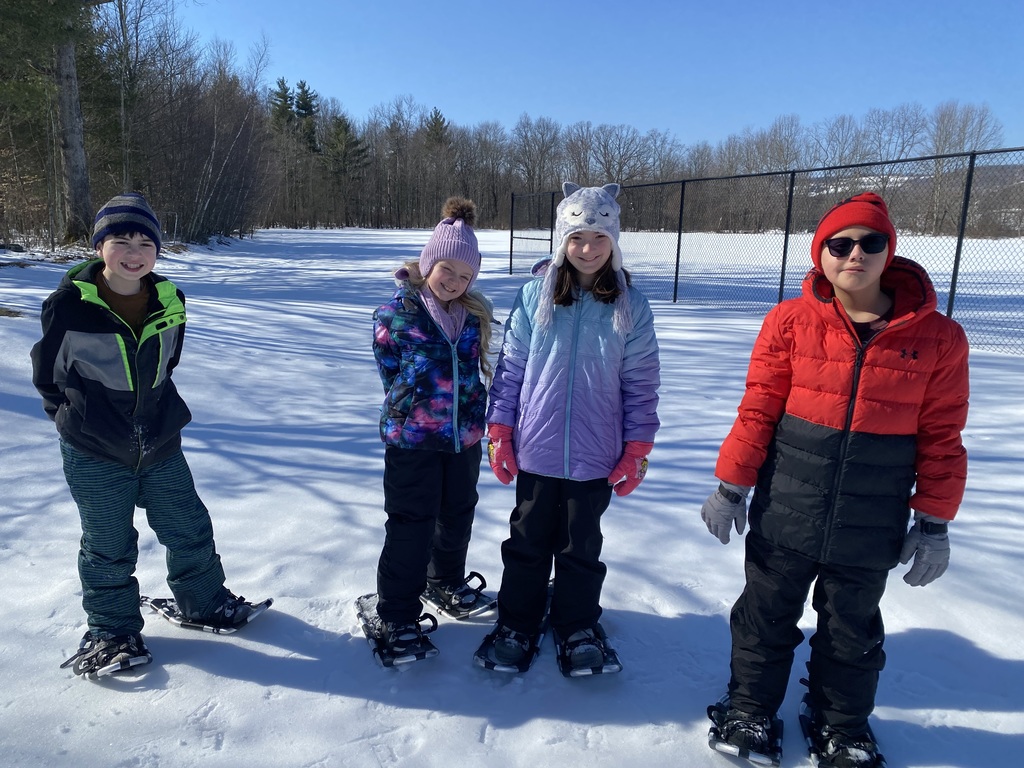
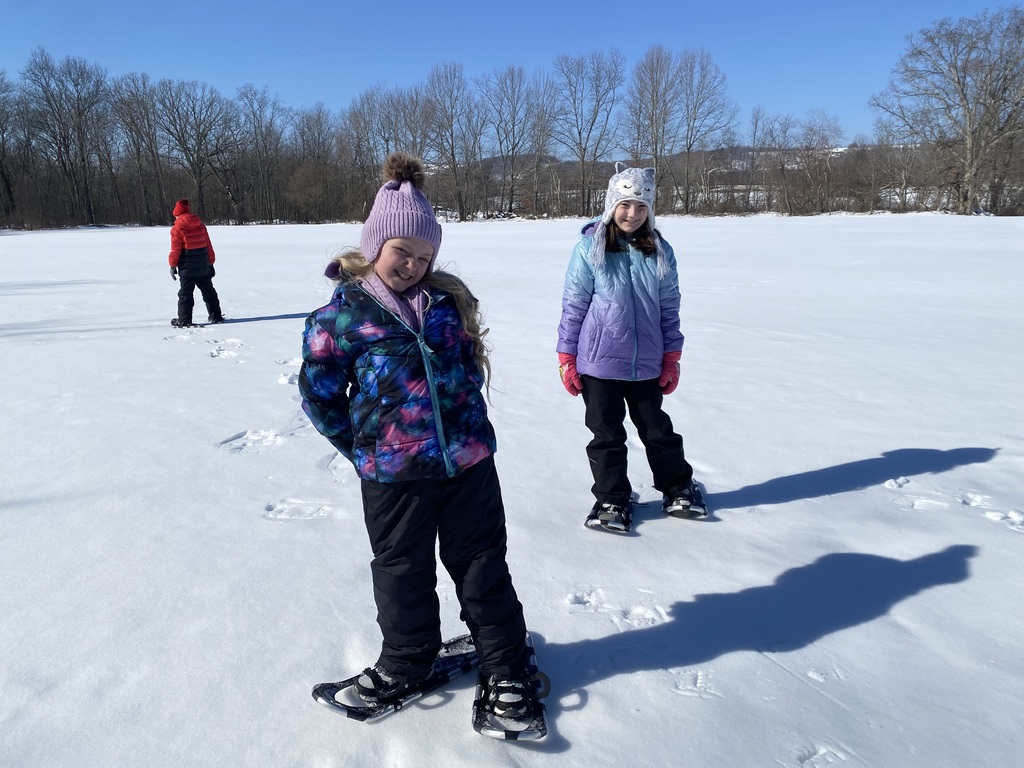
Before the snow completely melts into a memory, let’s rewind and check out Stephanie Guifre and her Otisville Physical Education students, who made the most of the massive snow we've had with some snowy outdoor fun—snowshoeing style!
Snowshoeing is an awesome physical education activity because it’s a high-energy, low-impact, full-body workout that’s great for all skill levels. It strengthens muscles, improves cardiovascular endurance, and challenges balance—all while keeping students active and engaged outdoors. It works the core and legs, and if poles are used, the upper body gets a great workout, too!
Fun fact: snowshoeing can burn up to 1,000 calories per hour…Just maybe not when it’s 75 degrees out
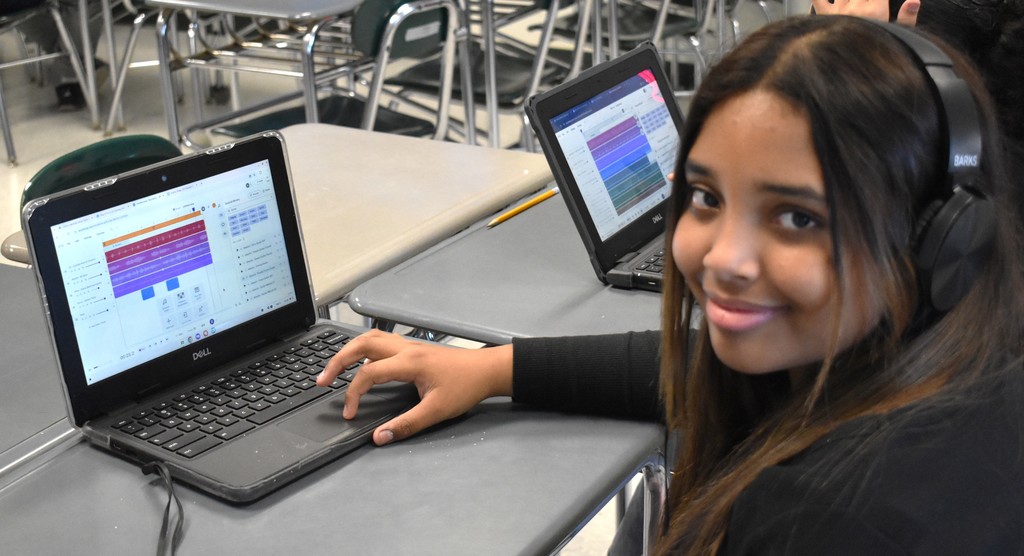
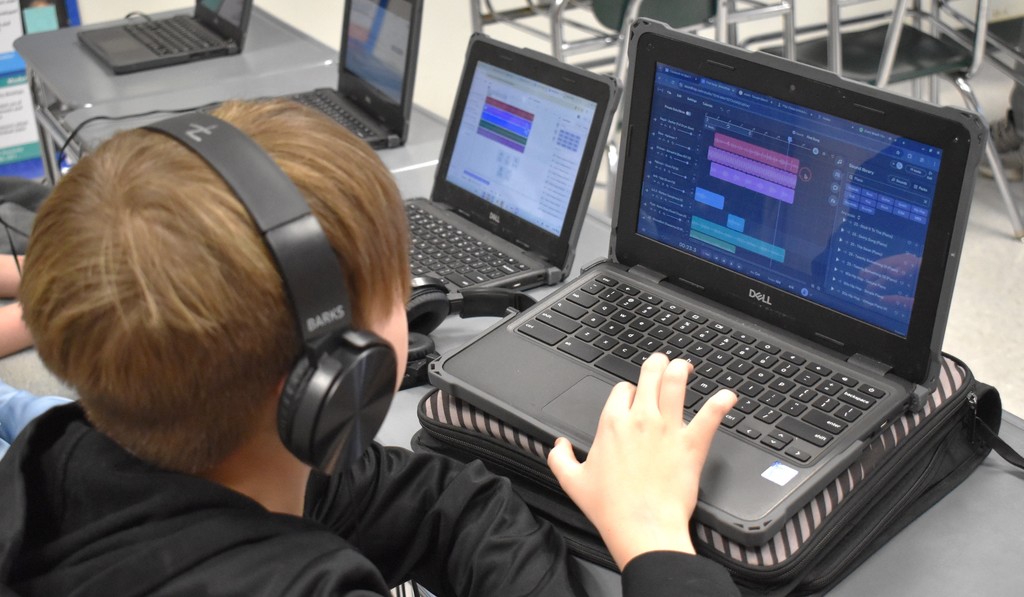
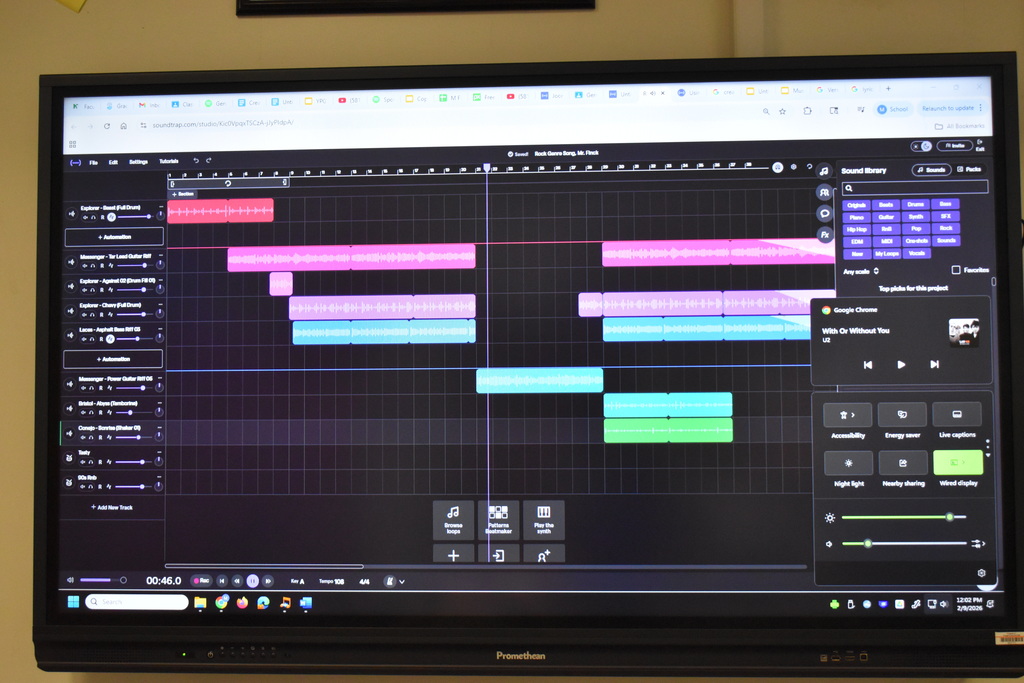
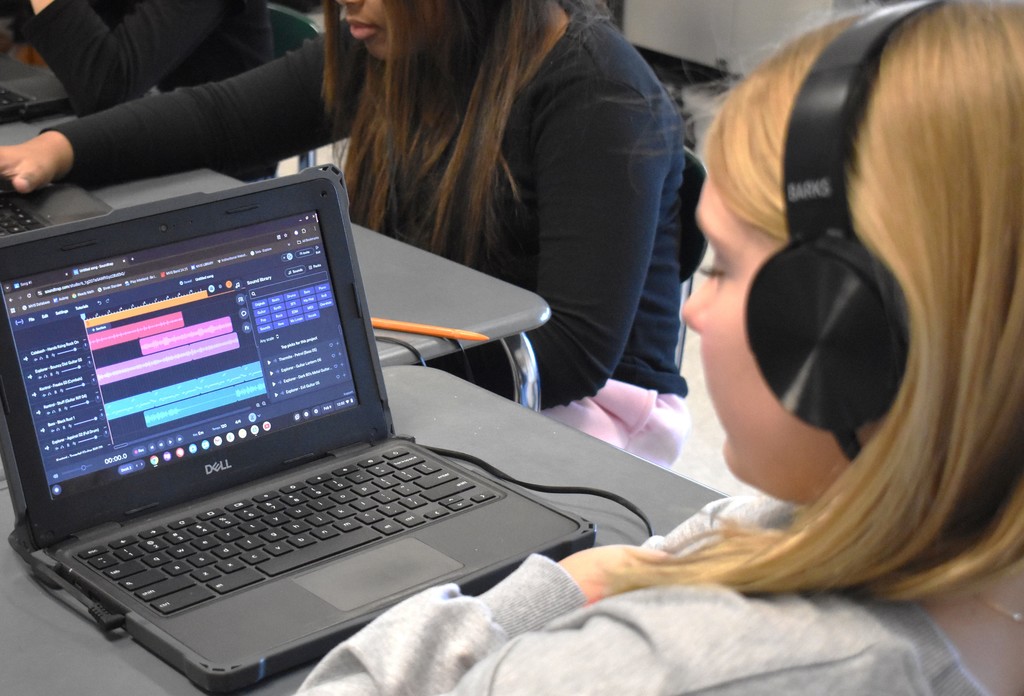
Soundtrap’s interface is intuitive, which means students can start making music quickly — even if they don’t read music or play an instrument. Students can create beats, songs, and soundscapes; record vocals or instruments; and use loops and virtual instruments and can be real creators of their own genre of music! Not only can they create their own music, they can express themselves through original lyrics, podcasts and storytelling!
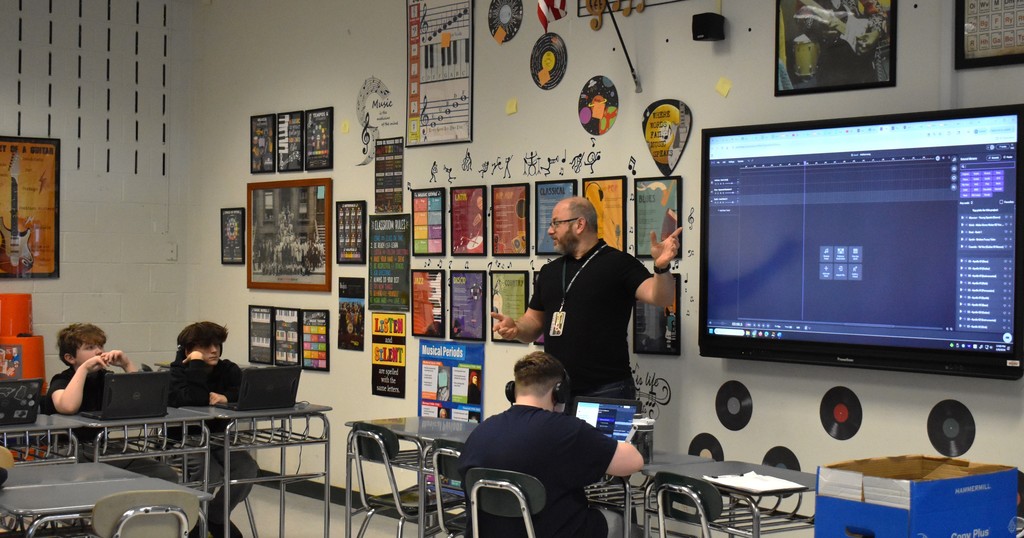
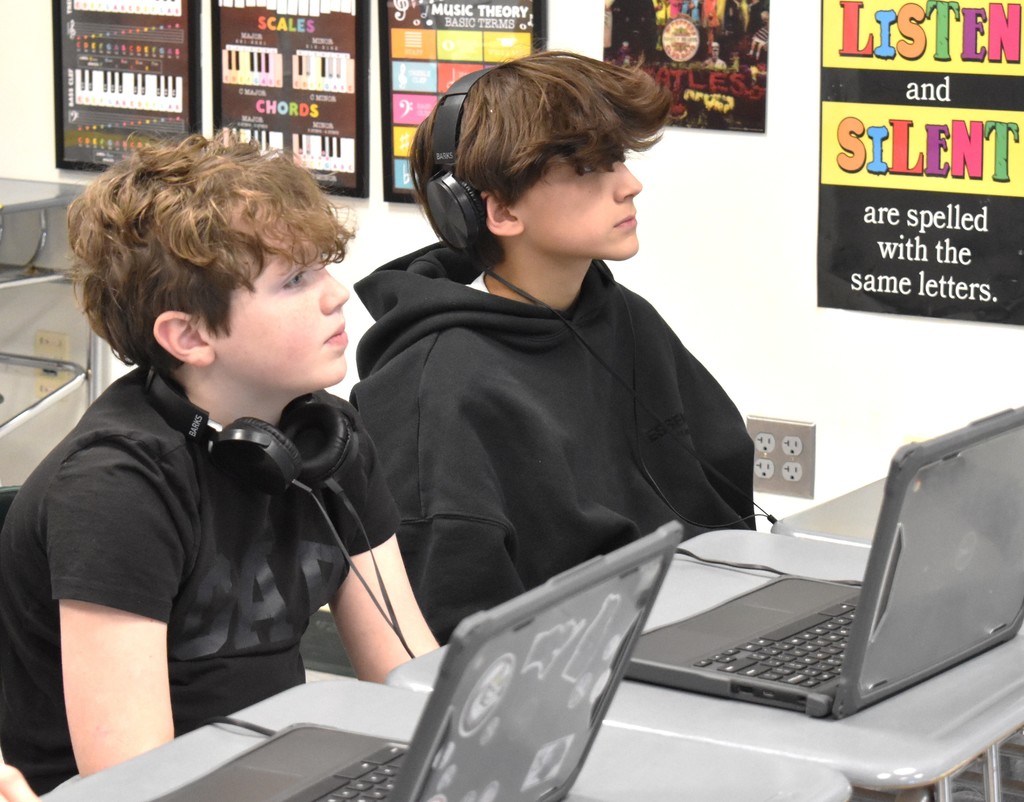
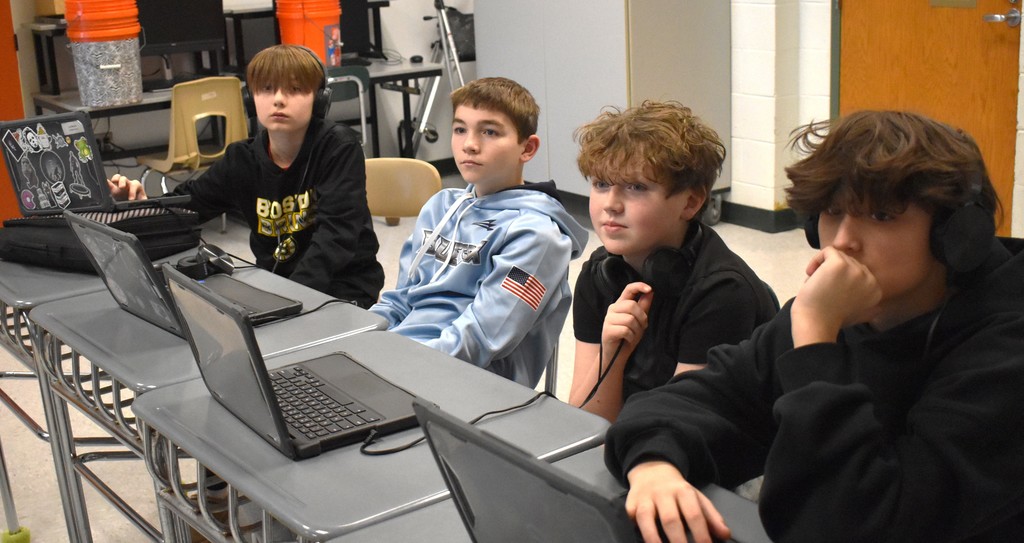
Take a peek at Matthew Finck’s sixth grade music students, who were recently working on centering the verse/chorus song structure, commonly referred to as AB form. After listening to four popular song examples, students were tasked with composing their own verse/chorus songs using Soundtrap on their Chromebooks.
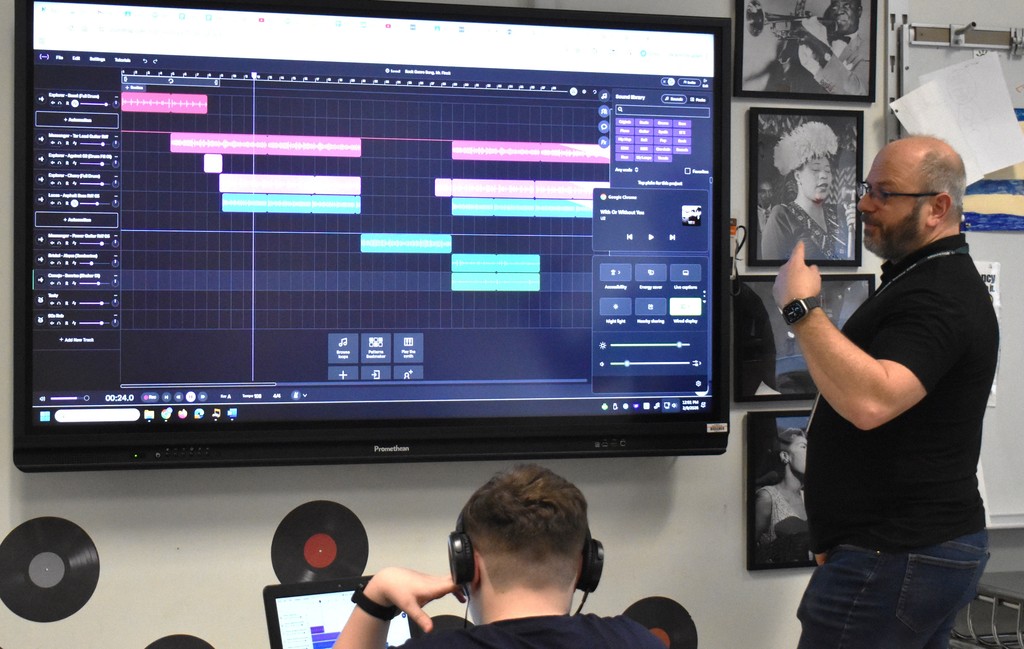
Mr. Finck demonstrated editing techniques with his Smart Board, sharing his own original music compositions using Soundtrap. Students will apply their newly acquired skills to record themselves narrating scary stories, complete with sound effects.
Soundtrap also offers students an opportunity to further refine their creativity, problem solving, listening, editing, collaboration and communication skills --- all important abilities for them to master as they advance in their academic careers!
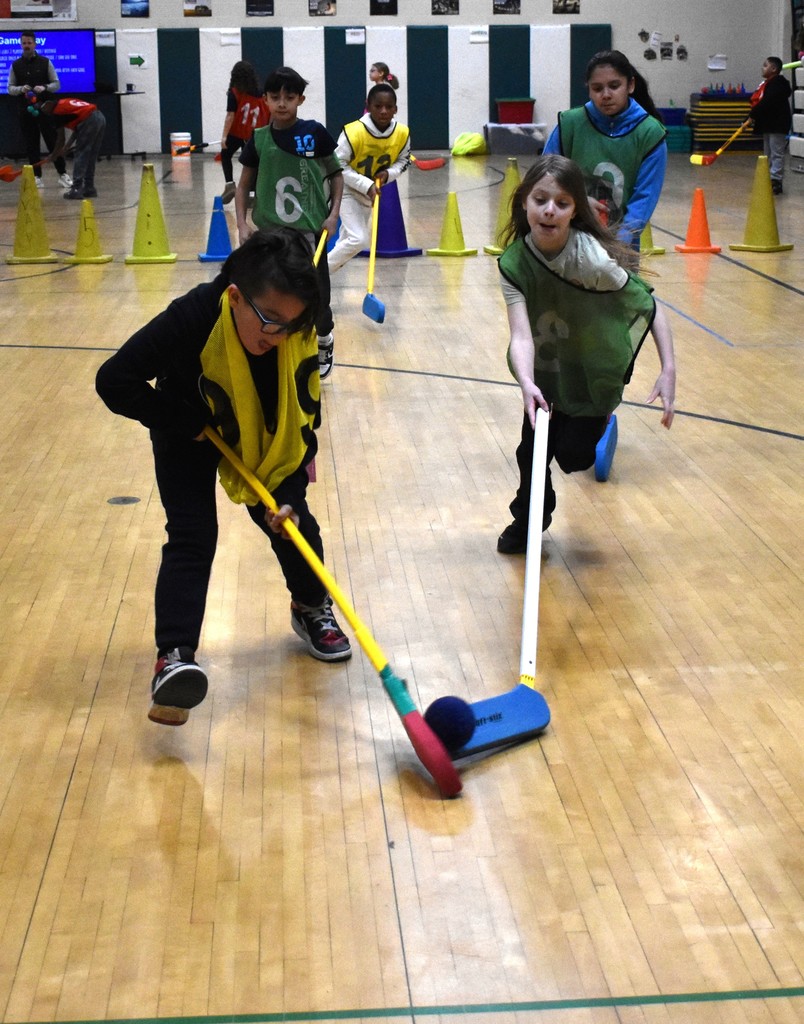
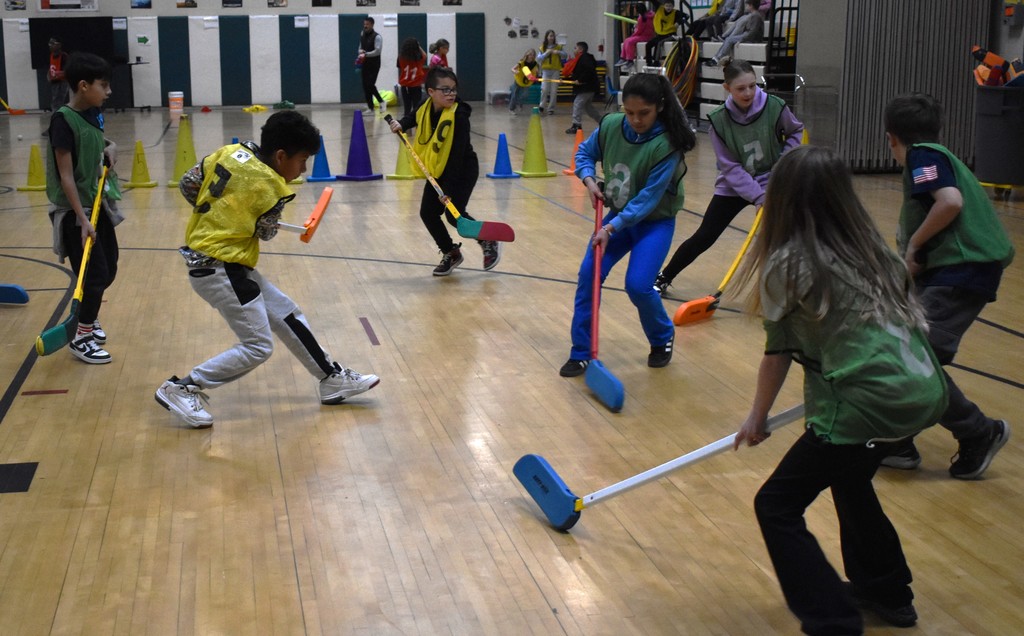
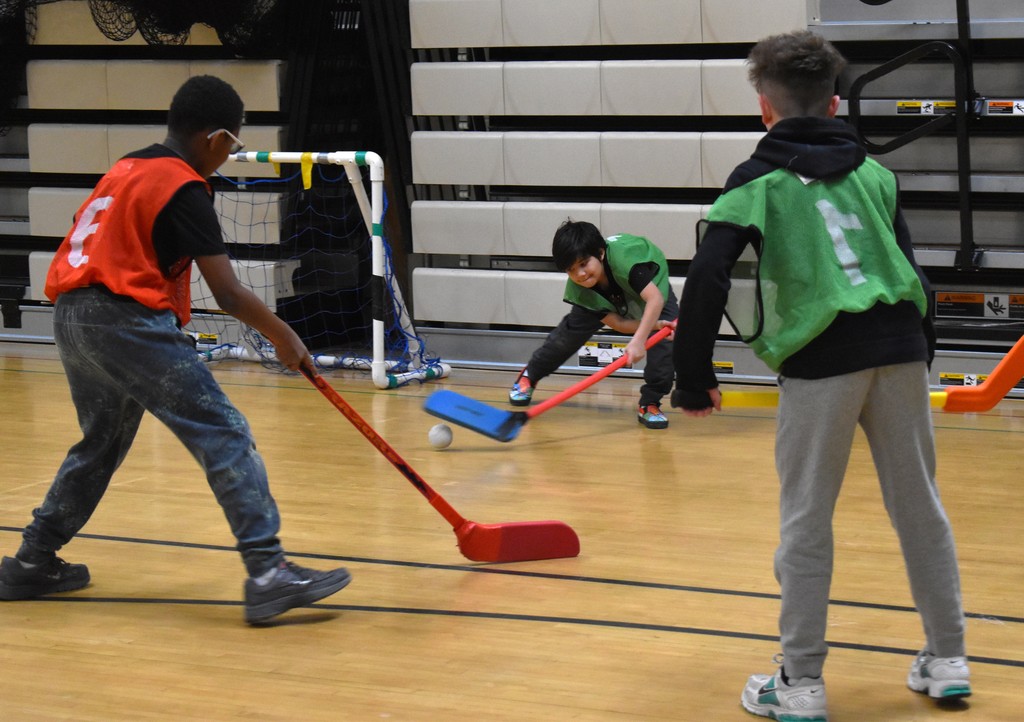
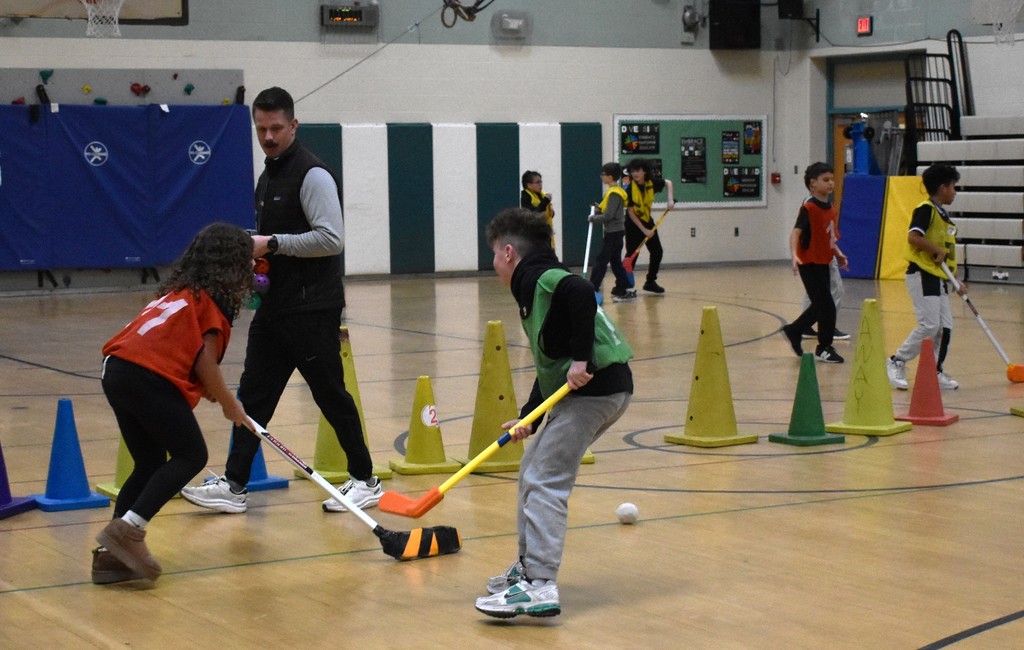
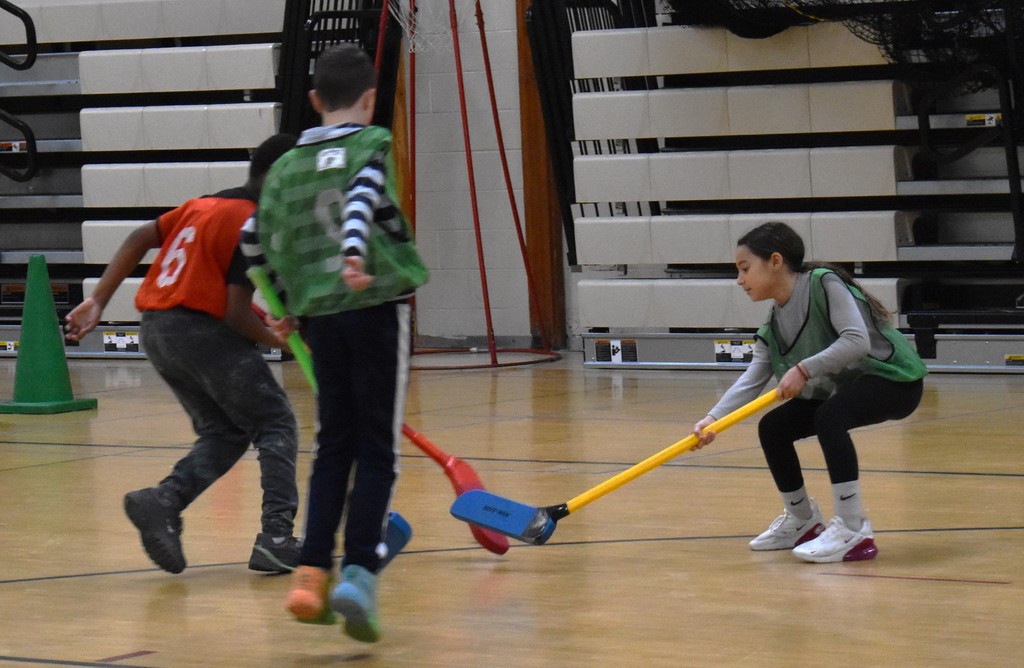
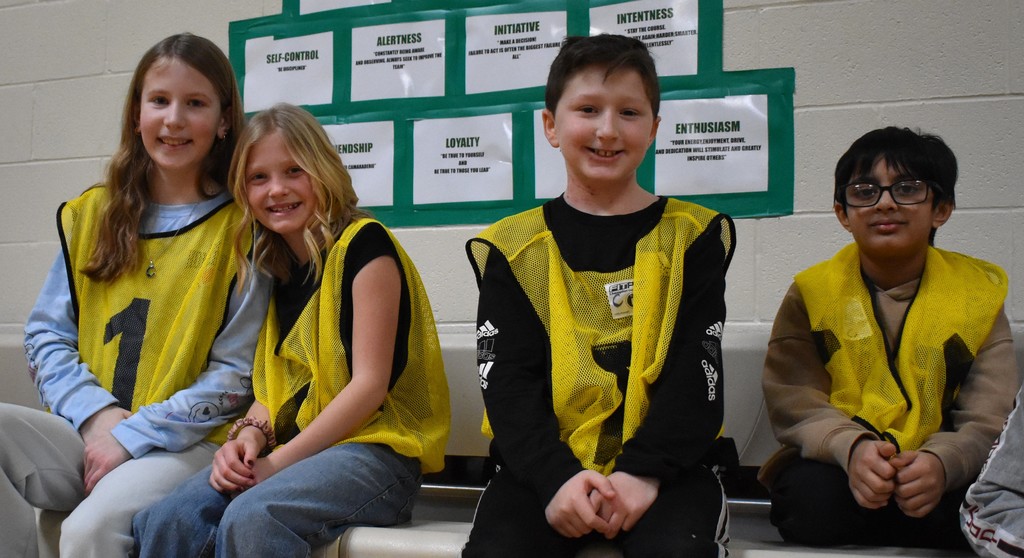
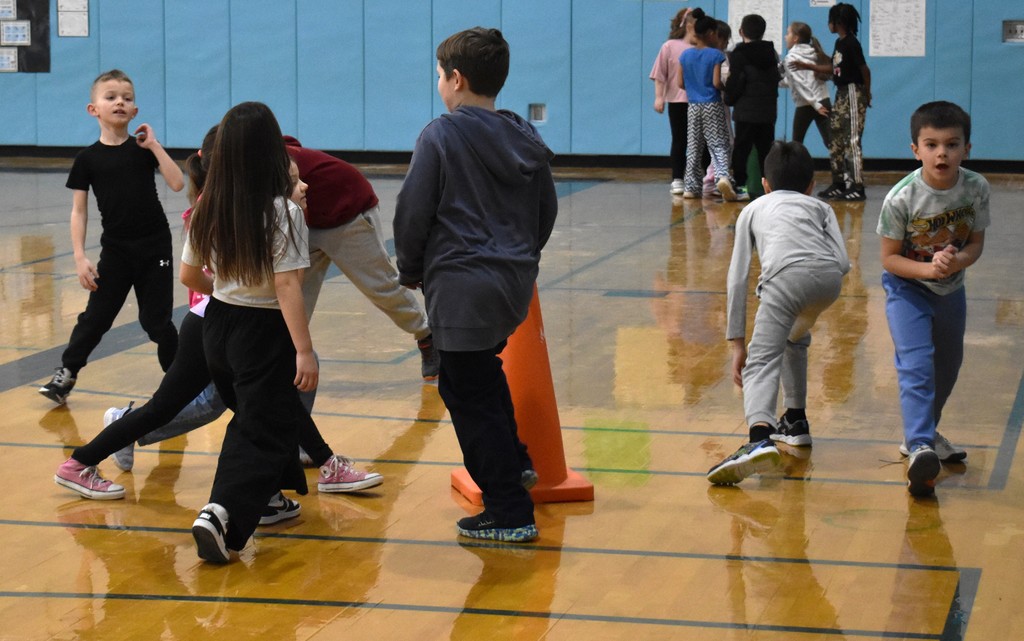
Ross Potter’s and Jonathan Sakadelis’ IS fourth-grade physical education students are enjoying zooming into action with fast and fun floor hockey games! It’s an great activity which gets hearts pumping and feet moving as students further build agility, and motor skills while promoting teamwork and sportsmanship in a fast-paced, engaging, and safe environment. Using lightweight equipment, students develop essential skills like stick handling, passing, shooting and, of course, good sportsmanship!
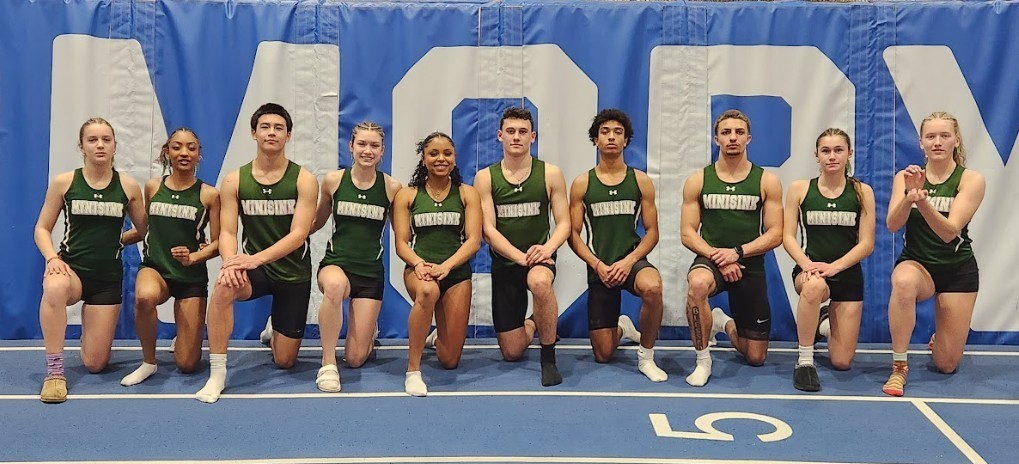
Scoring individual/team event victories which now qualify them to compete at state competition are:
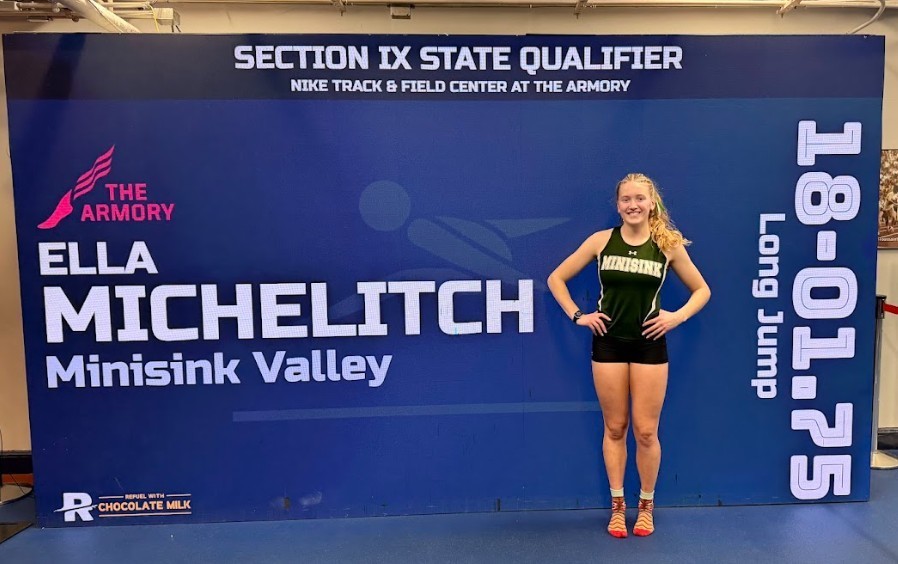
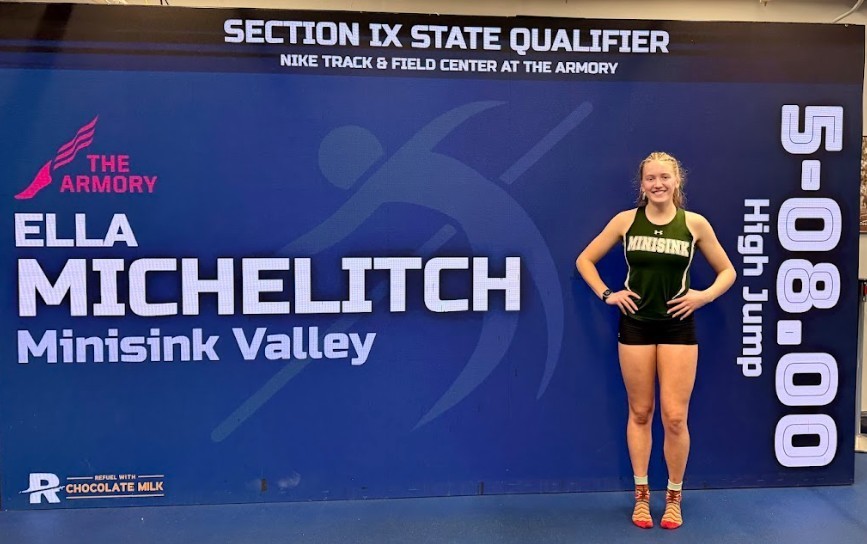
--- Ella Michelitch in the high jump with a 5' 10.5” finish. This is a school program record and ranks her No. 1 in New York State. Ella also qualified in the long jump via her runner-up finish of 18' 9.5", which is also the highest program record and places her No. 8 statewide.
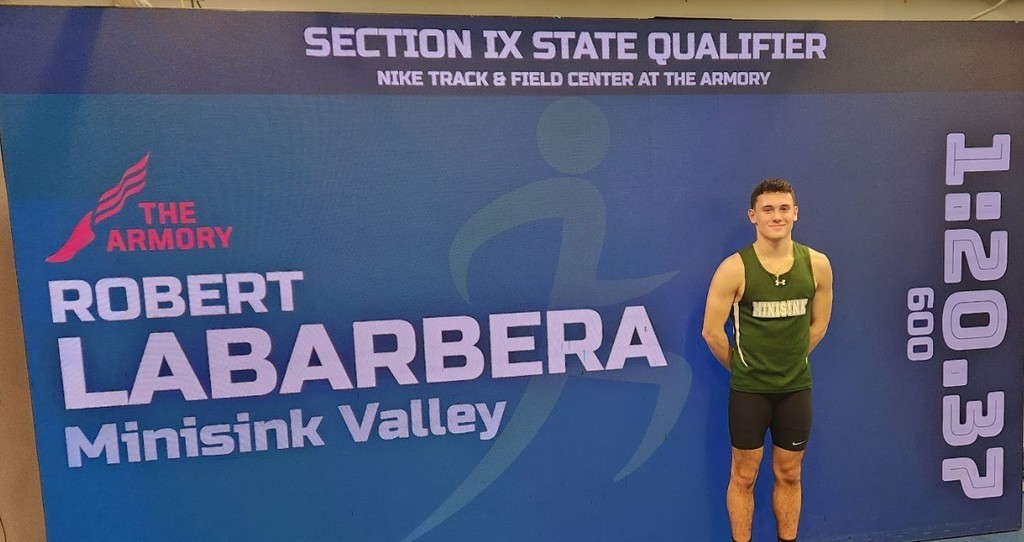
--- Robert LaBarbera in the 600 meter run, with a 1:20.37 finish. This is the second highest program record and places him as No. 2 statewide.
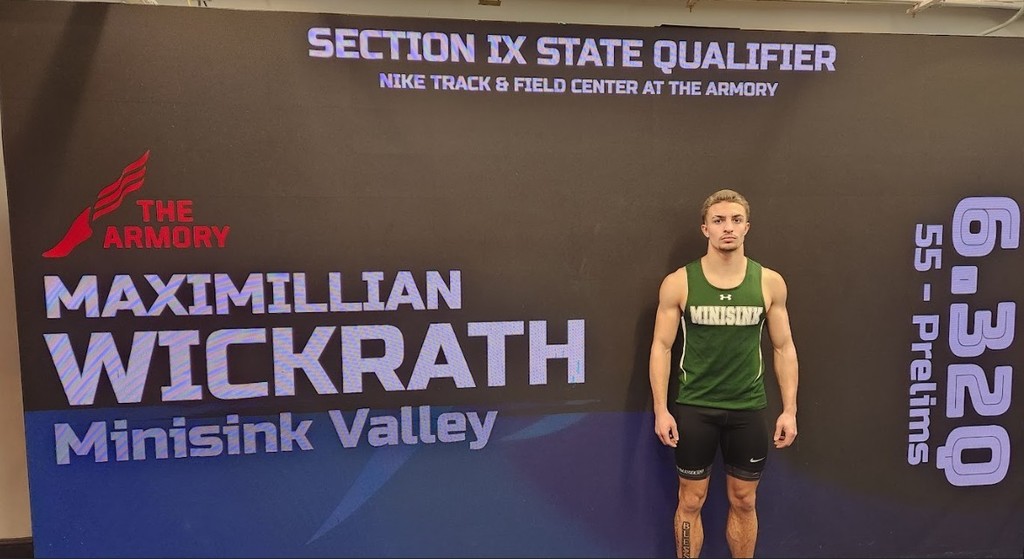
--- Maximillian Wickrath in the 55 meter dash with a :6.32 finish. This is a school program record and places him as No. 2 statewide.
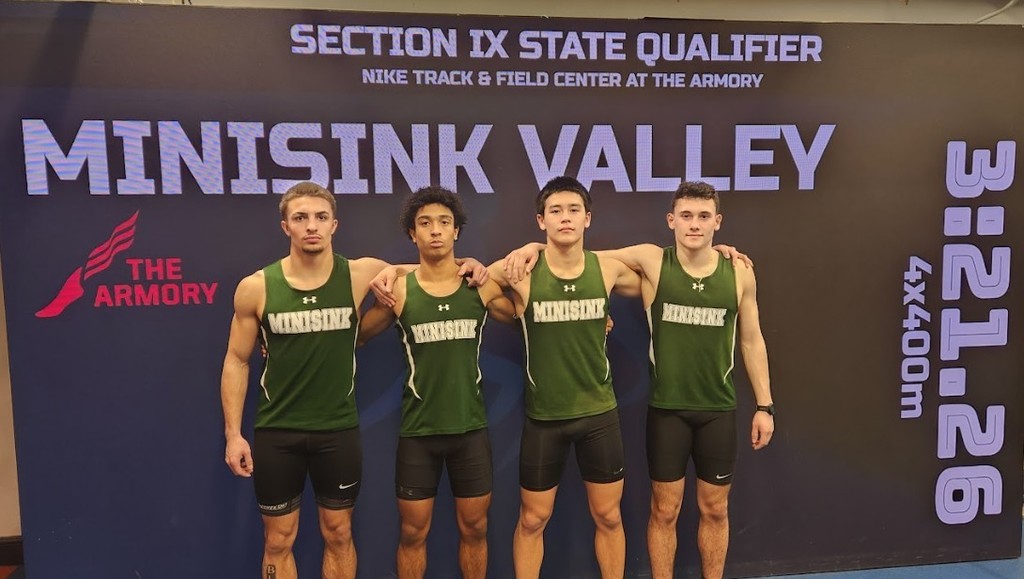
--- The boys 4x400 meter relay team of Max Wickrath, Angel Mendez, Stetson Terpak and LaBarbera outlasted Newburgh Free Academy with a 3:21.26, ranking this finish as the third highest in the school program and placing them as No. 2 statewide.
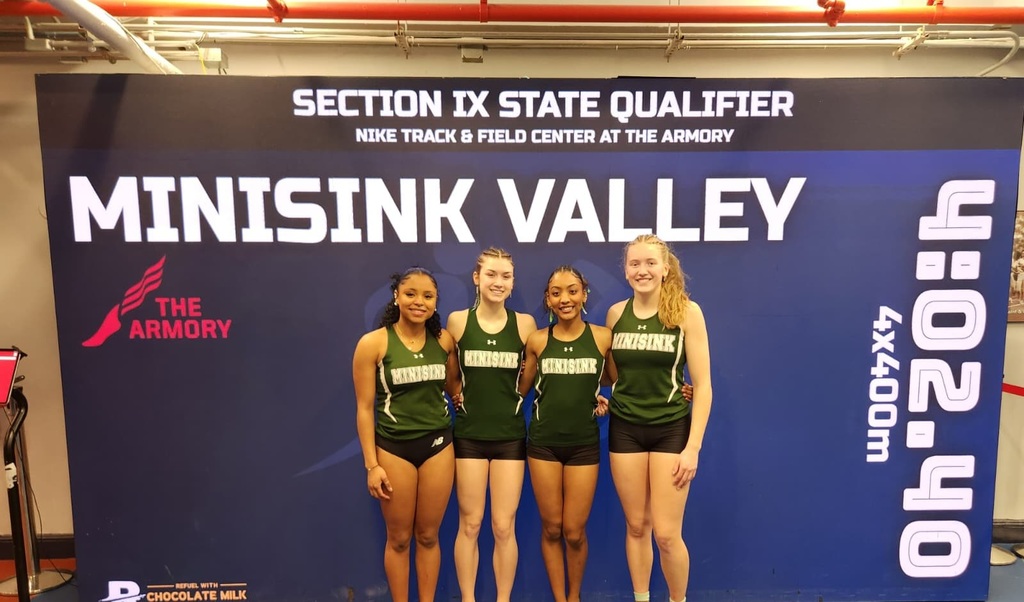
--- The girls 4x400 team of Ferrah Hill, Chloe Beck, Salma Samdaoui and Ella Michelitch advanced after a tight battle with Monroe-Woodbury and Warwick Valley with a 4:00.37 finish. This is the second highest program finish and places them as No. 10 statewide.
The 4x400 relay lineups will be filled out by alternates Jeremiah Alexis, Emma Berkshire, Lyla LaBarbera and Michael Moran.
Minisink Valley will compete against athletes representing all 11 NYSPHSAA sections for state medals, as well as qualifiers from the AIS, CHSAA and PSAL for Federation podium positions. Qualifiers in individual events and relays were selected by virtue of winning events at a section qualifying meet or having achieved a state standard performance.
The state championship will be held at the Ocean Breeze Athletic Complex in Staten Island.
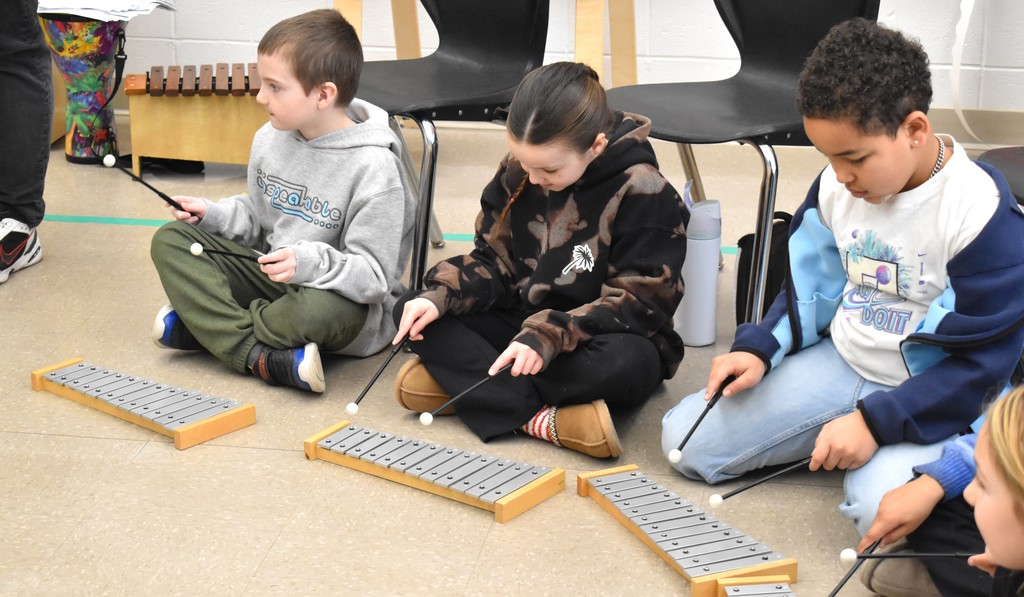
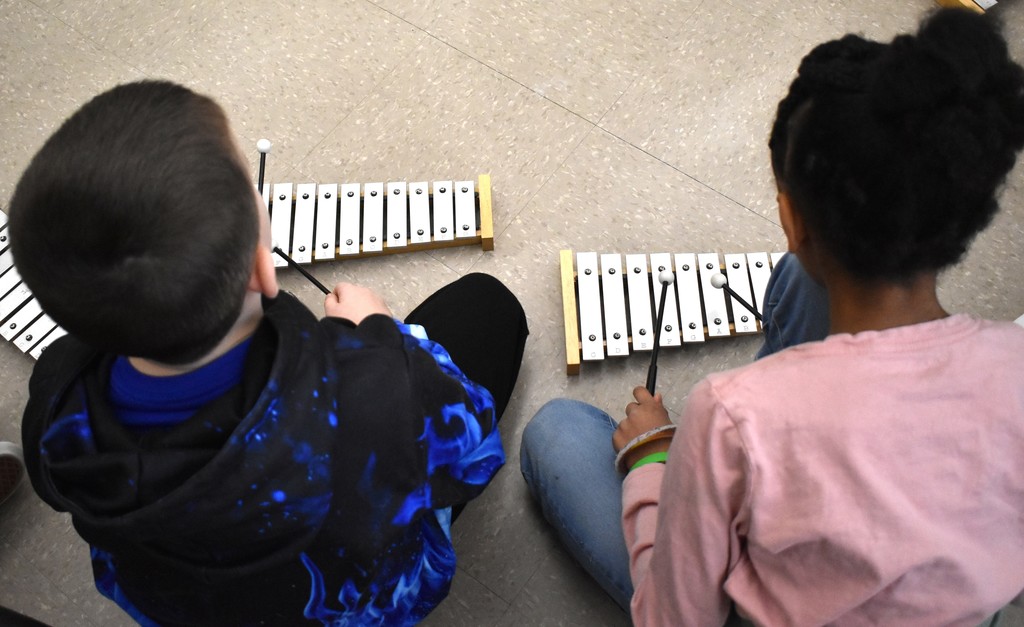
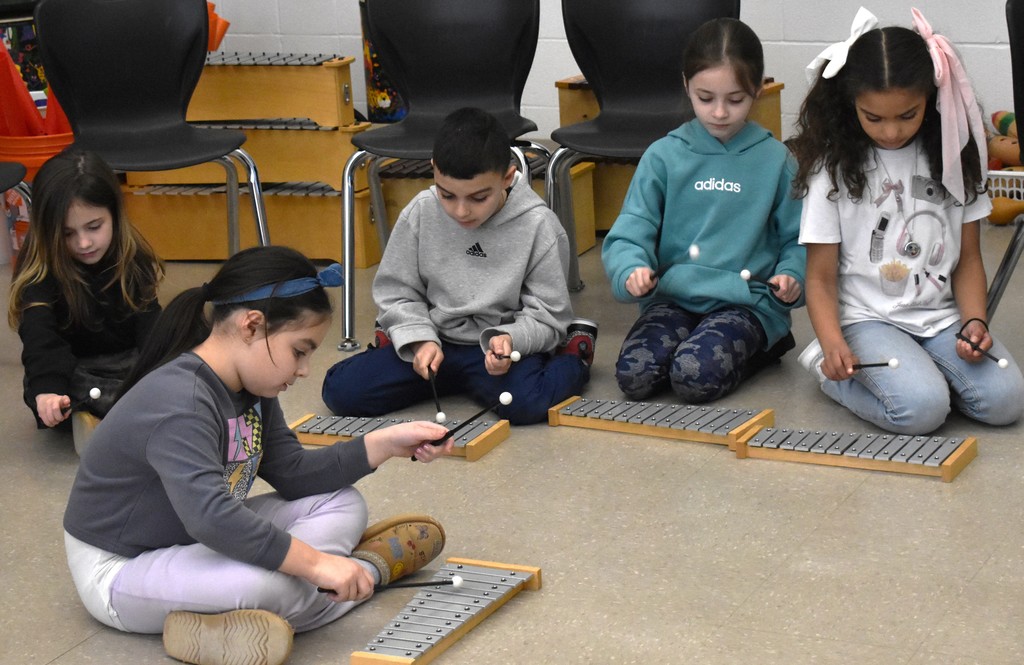
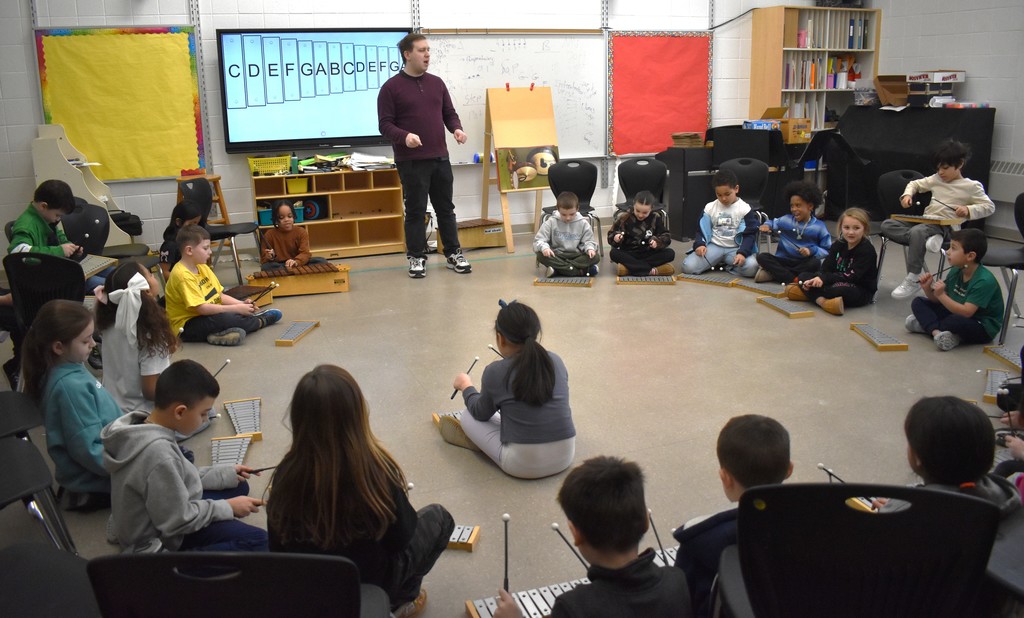
A glockenspiel is a musical instrument with shiny metal bars that you hit with small hammers (mallets) to make bright, bell-like sounds. It is a percussion instrument, often used in orchestras to sound like birds or magical bells. The name is German for "bell play," and it looks like a small piano.