
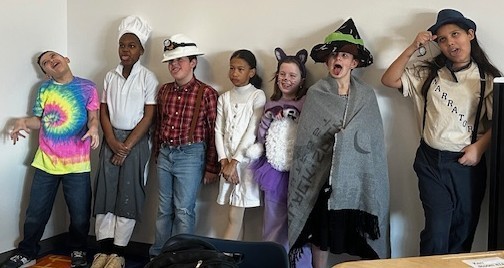
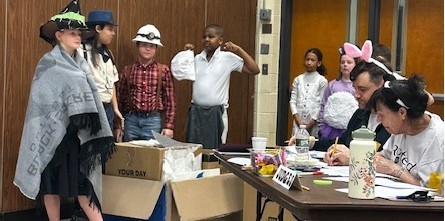
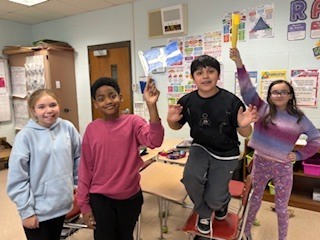
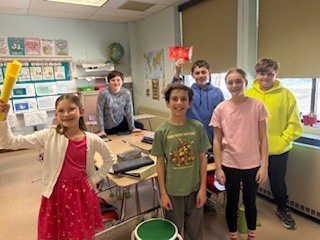
The team created and presented a humorous performance about an original tall tale. The tale included a team-created hero or heroine that performed an incredible feat, a unique explanation of how something began or came to be and a surprise for the audience. Each event was accompanied by a visual weather effect that represents an emotion! WELL-DONE, everyone!
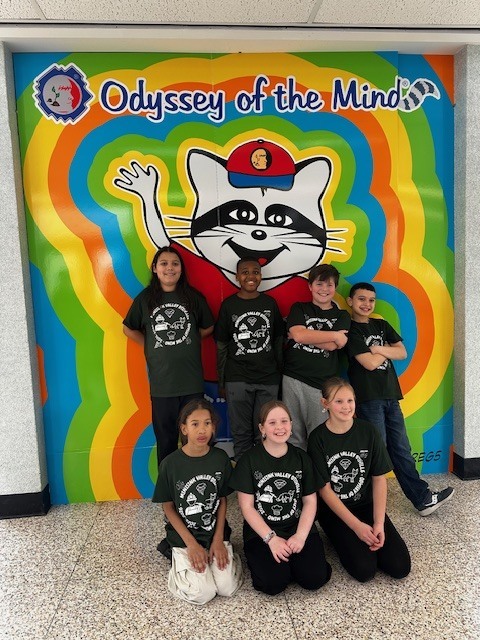
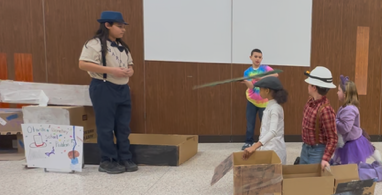
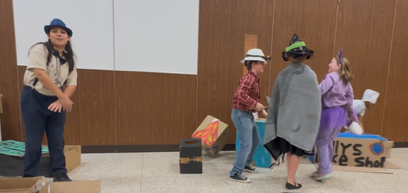
The team became conductors and engineers as they continued to design, build and operate a train vehicle. As the train traveled the course it needed to have a new car attached at each stop.
Along the route, it encountered challenges that made the train travel in different ways. After all of its cargo was picked up, the items were unloaded and assembled into a work of art. Their performance included the use of Arm & Hammer Baking Soda, a humorous conductor character and a villain character that tried to prevent the train from getting to its destination! WELL-DONE, everyone!
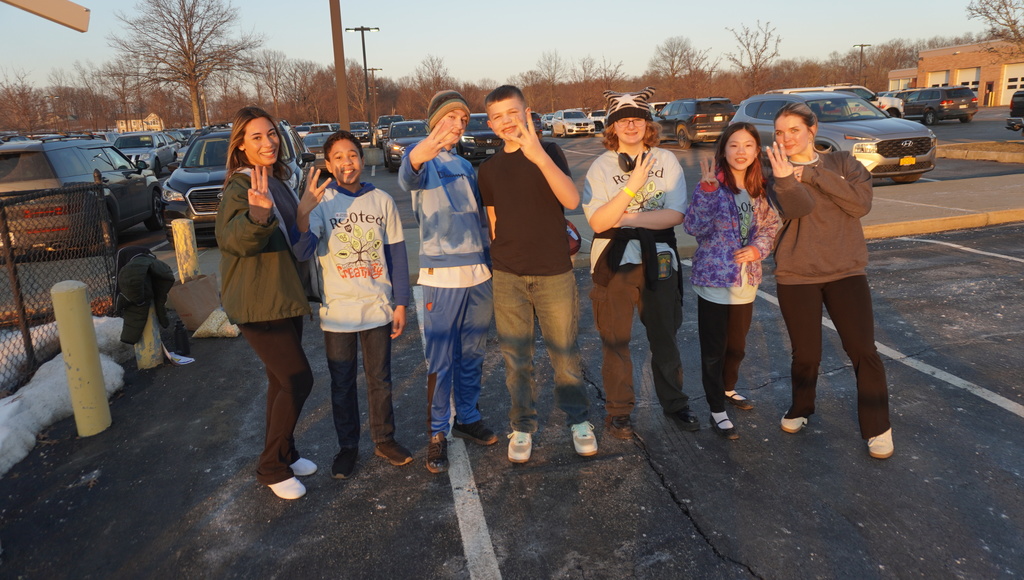
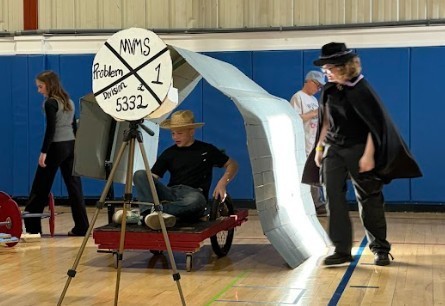
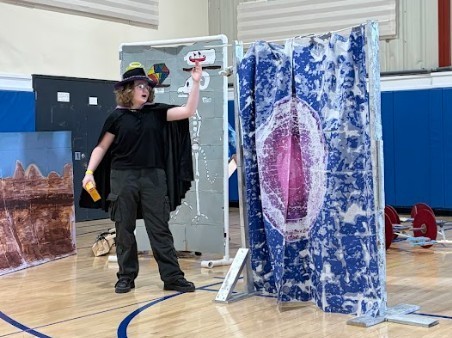
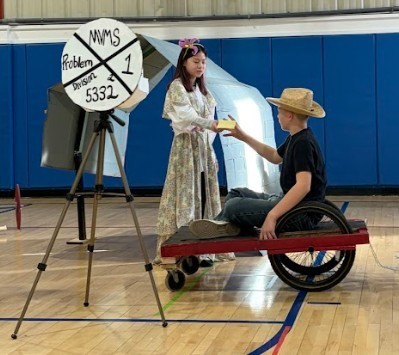
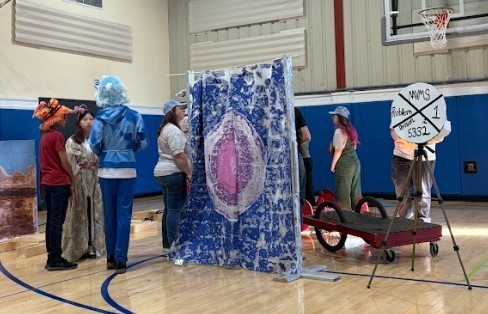
Their work is amazing! THANK YOU to the Otisville PTO for organizing and hosting this wonderful evening!
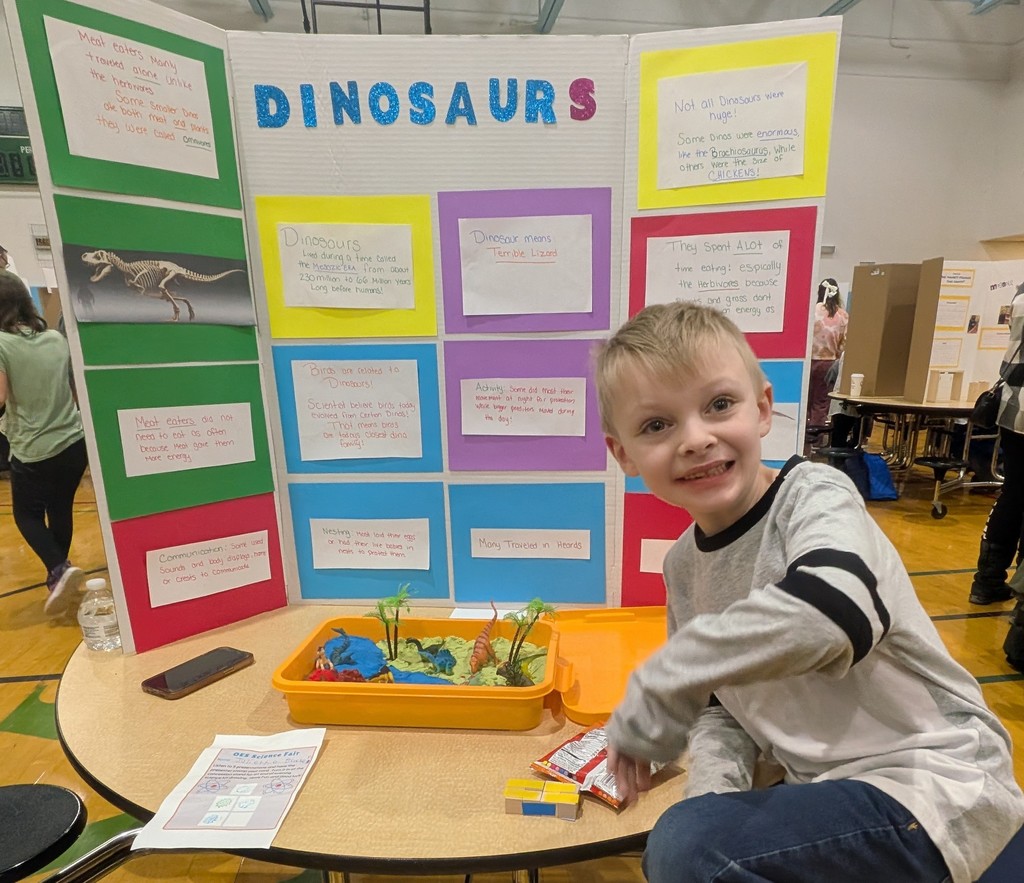
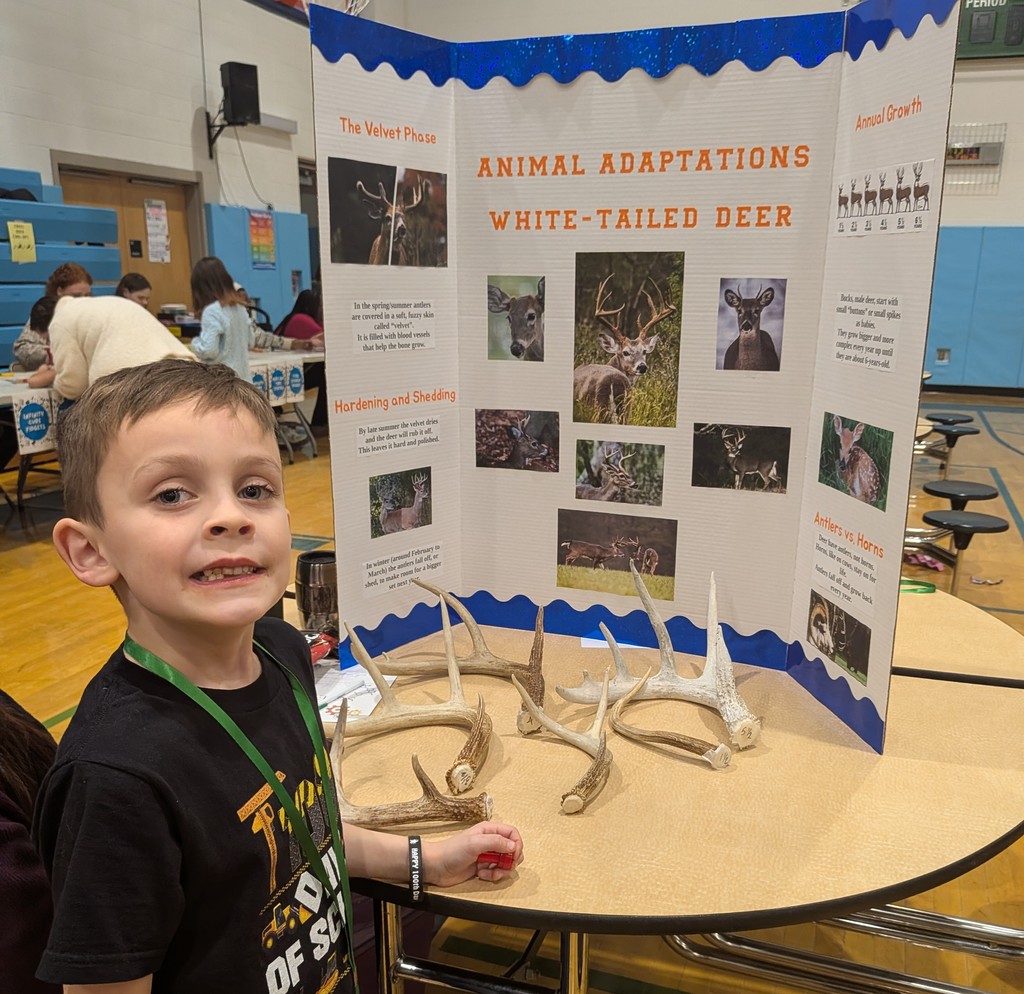
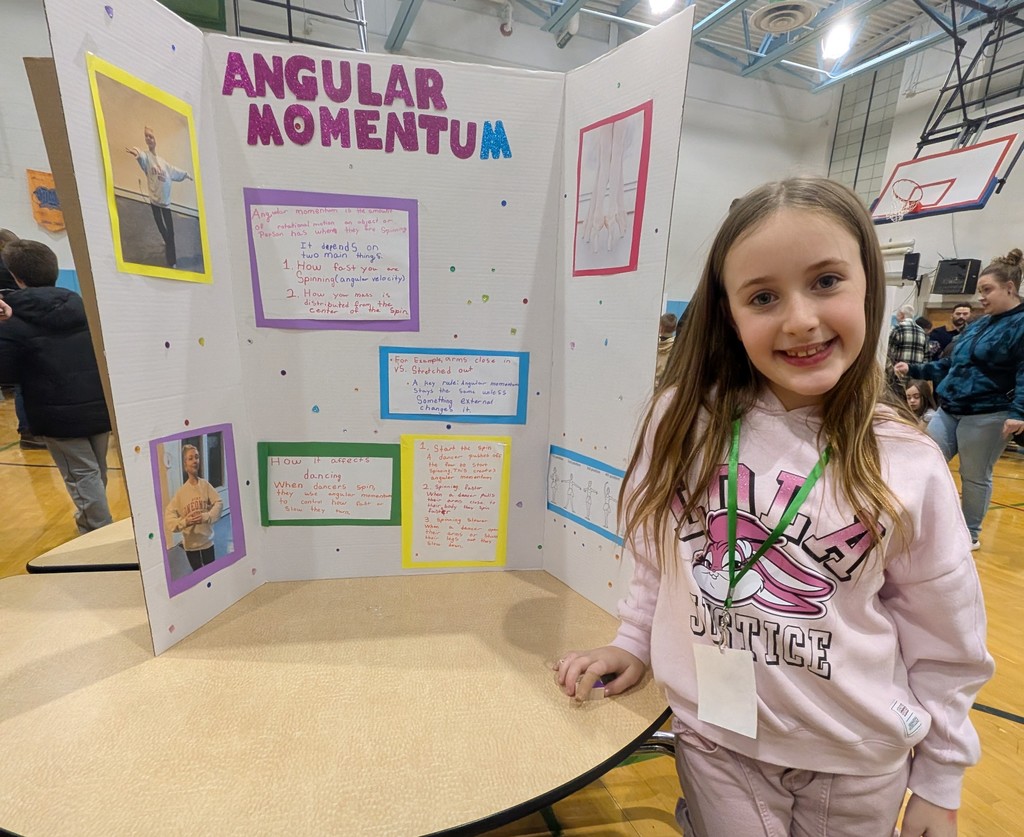
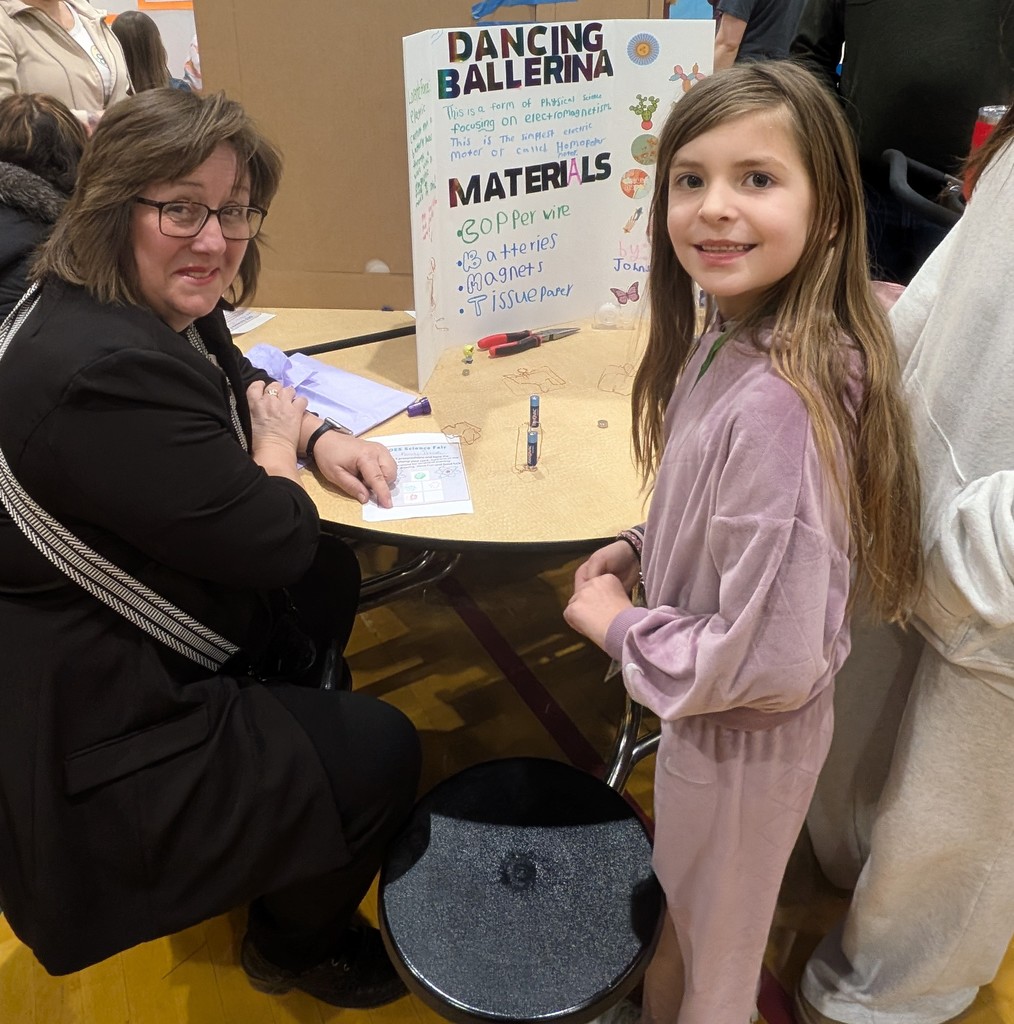
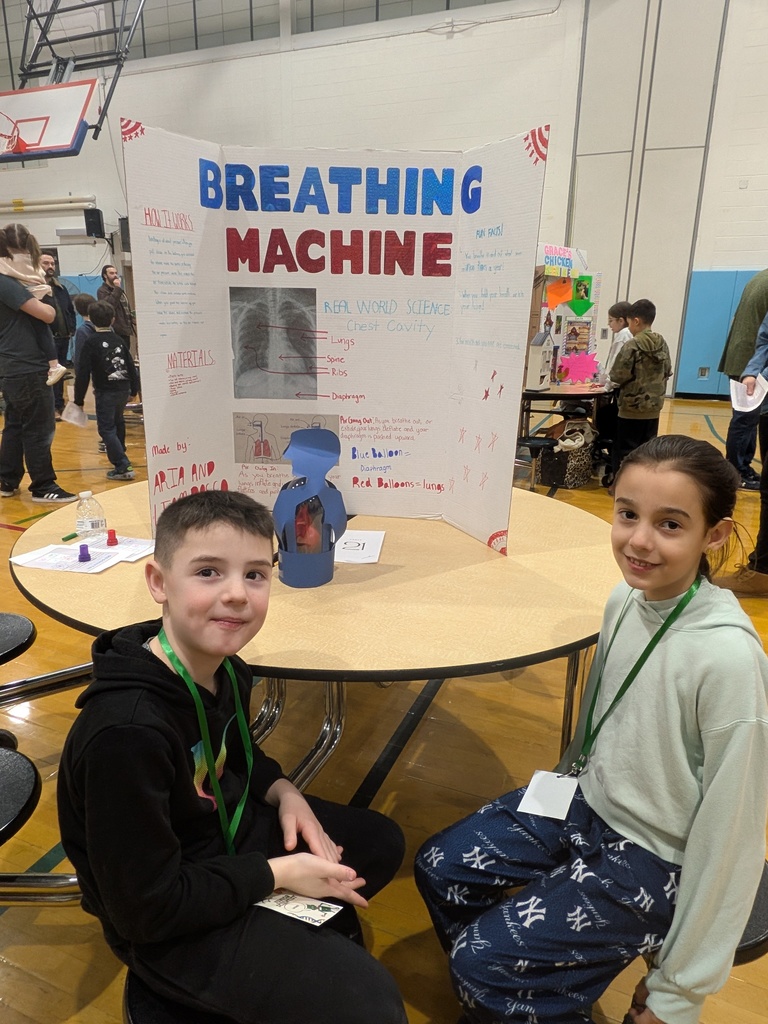
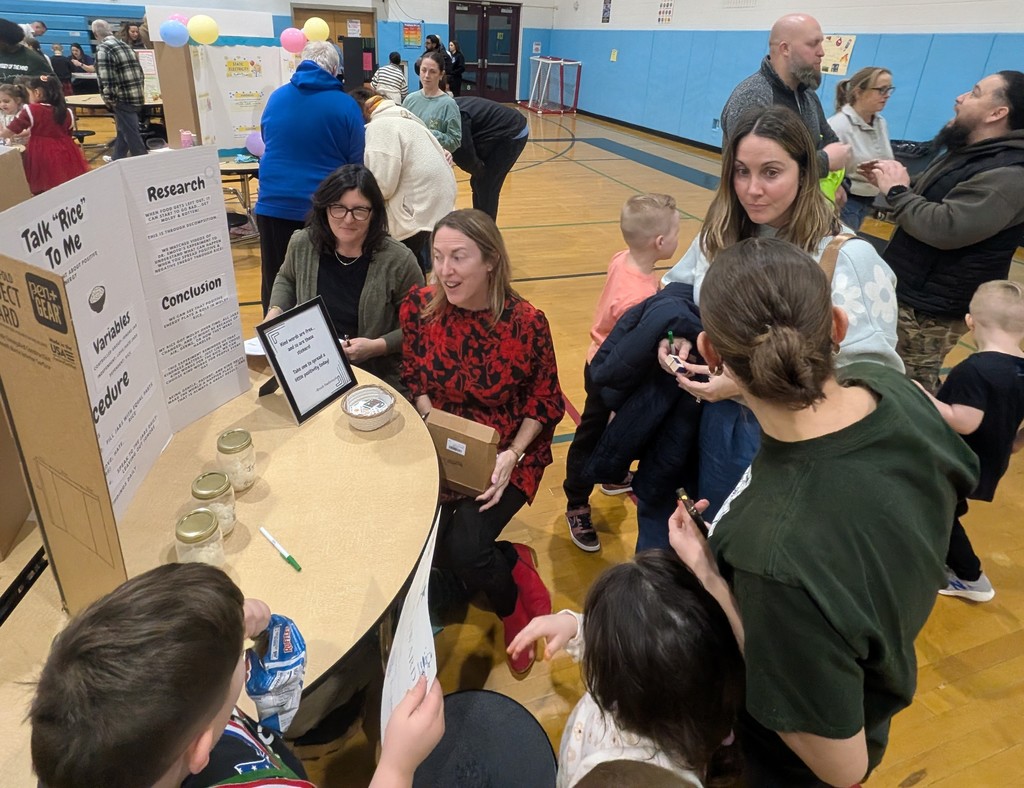
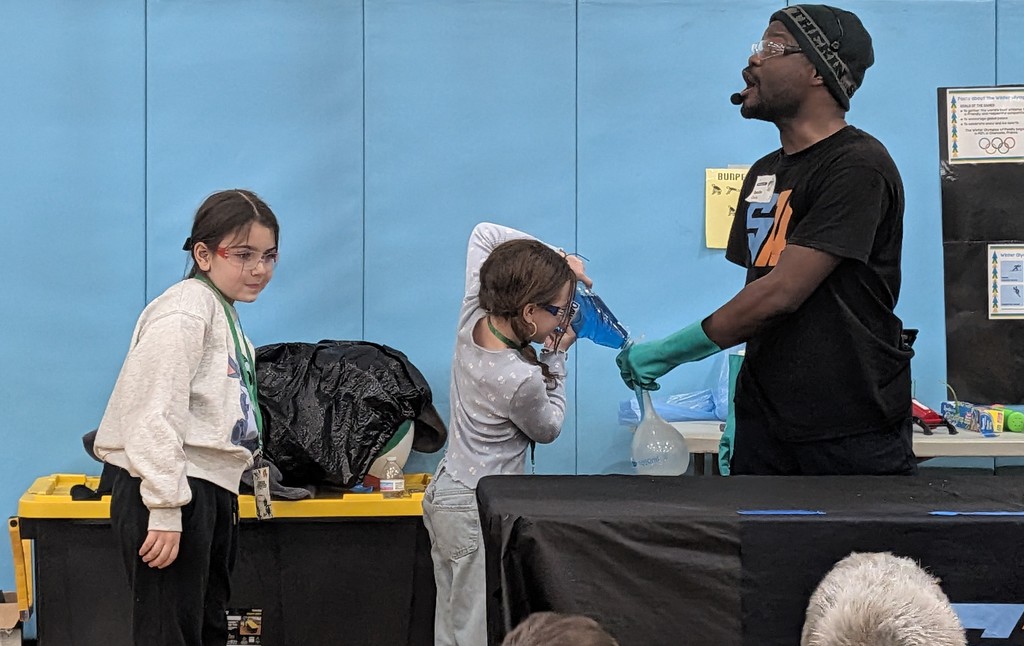
Elementary school science fairs are crucial for fostering long-term interest in STEM, building critical thinking, and developing communication skills through hands-on, self-directed projects. They allow students to explore personal passions, encouraging curiosity, resilience through trial-and-error, and the ability to apply the scientific method to real-world problems!
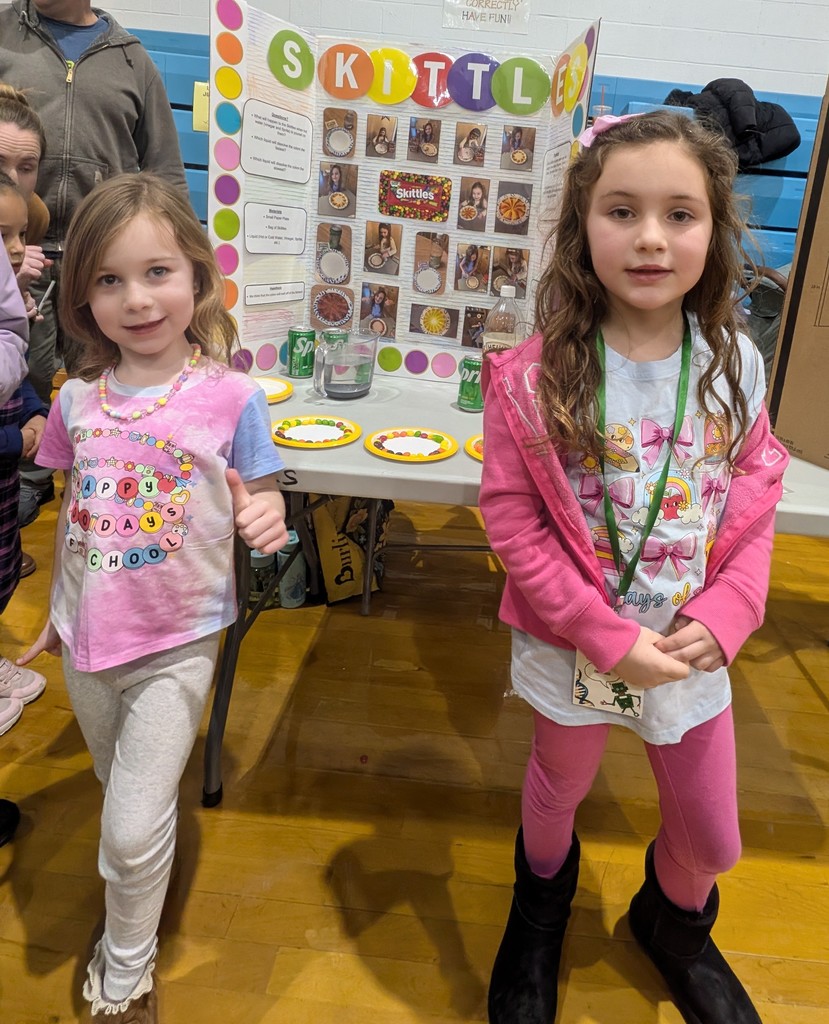
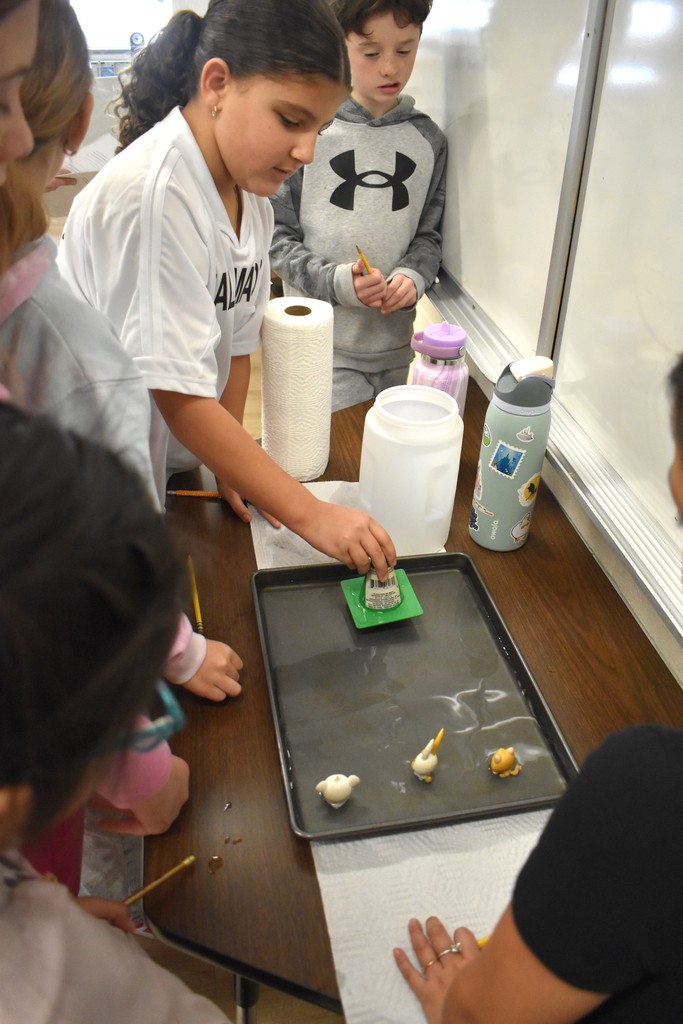
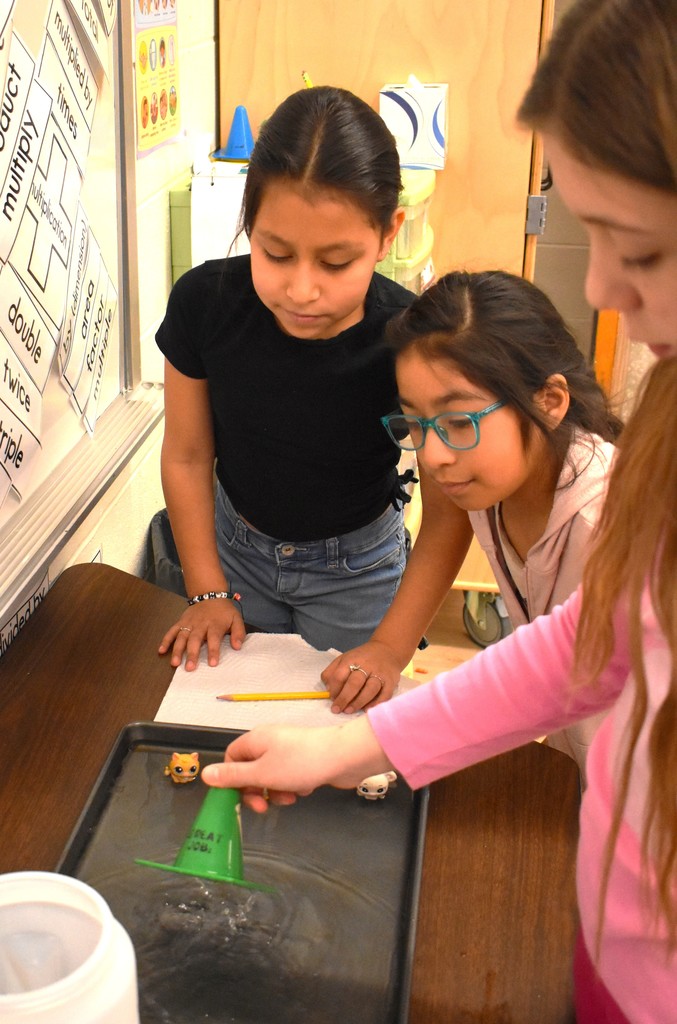
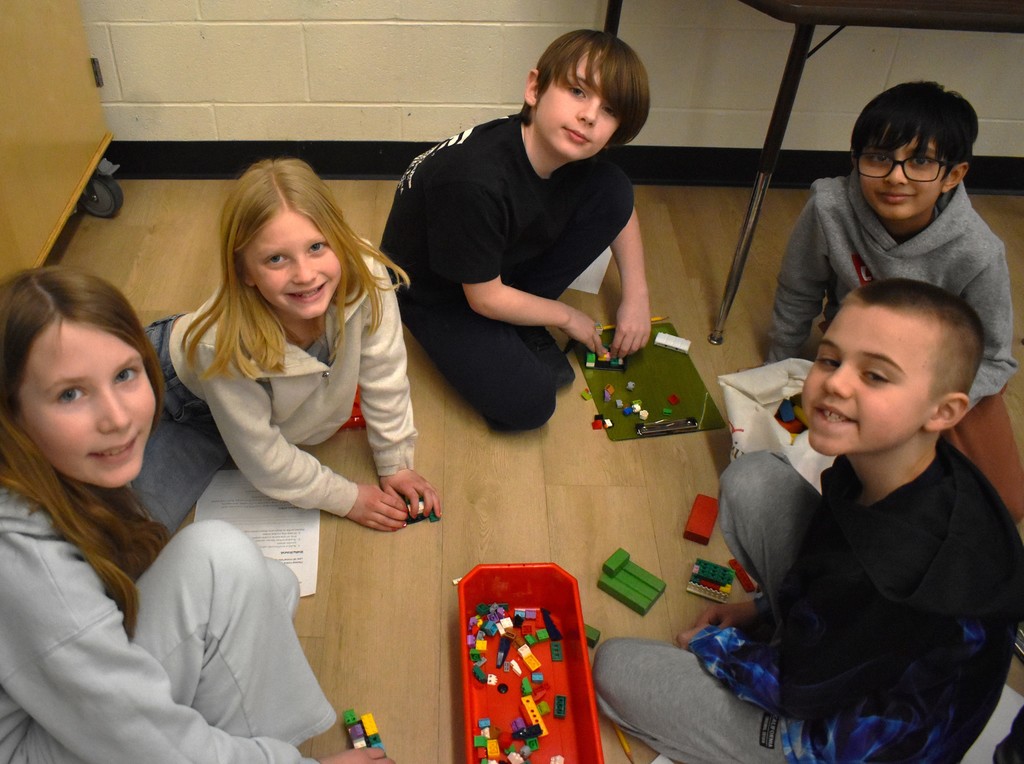
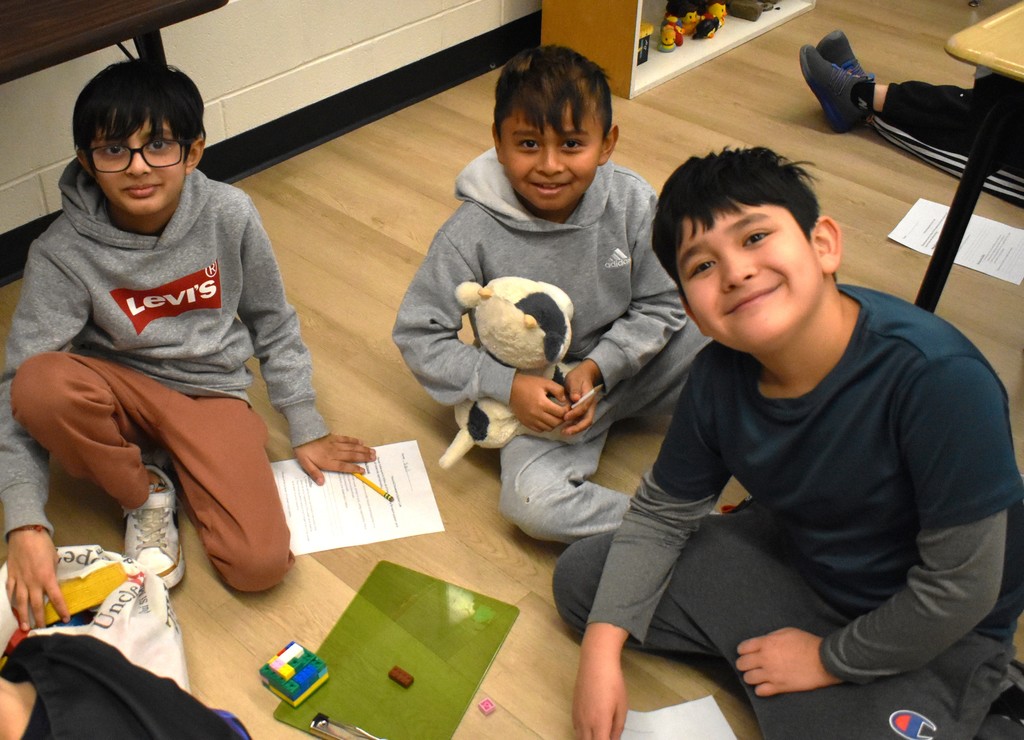
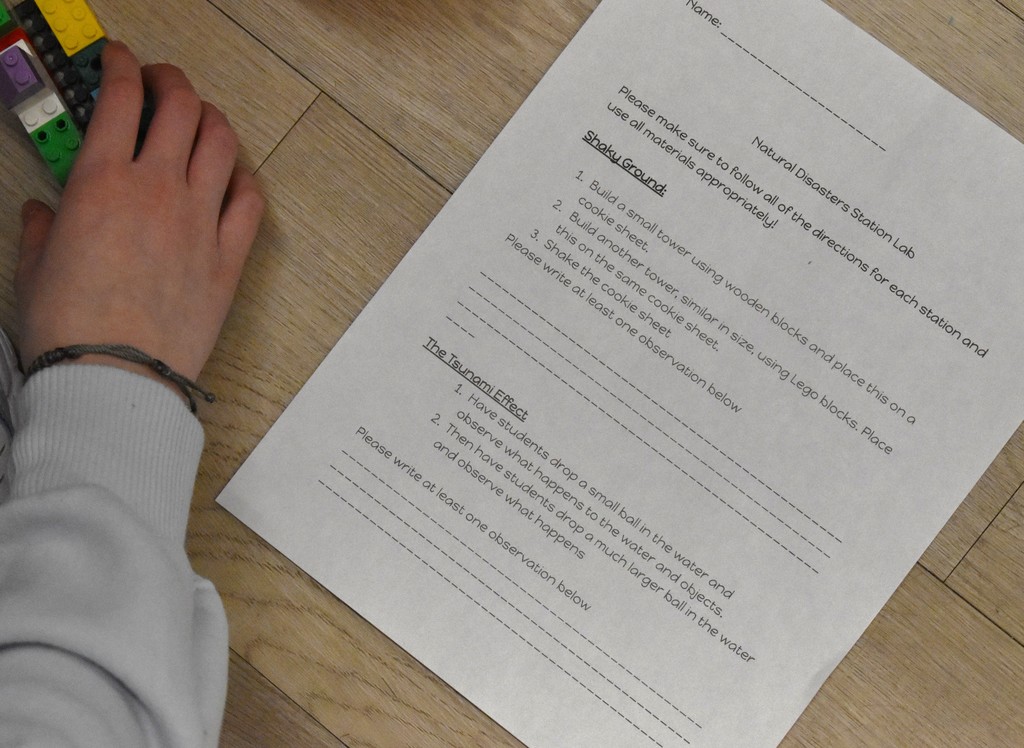
At the earthquake station, students built two towers — one with wooden blocks and one with Lego pieces — on a cookie sheet and simulated an earthquake by shaking it. They observed how different materials and building styles affect stability and how structures respond to ground movement.
At the tsunami station, students saw that by dropping a small object and then a larger object into water, waves are created and that stronger forces cause bigger impacts. Students observed how larger disturbances can move objects more dramatically, just like real tsunamis.
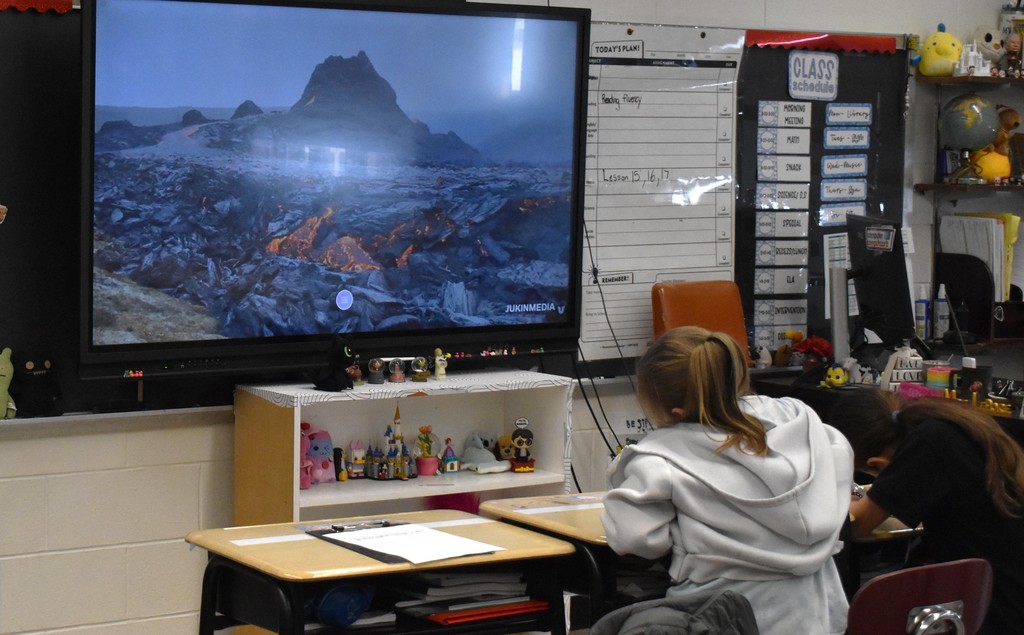
At the volcanic eruption station, students watched how volcanic eruptions can impact humans, animals, plants and the environment. From lava flows to ash clouds, they saw how eruptions can destroy habitats, affect air quality and change landscapes. Students also brainstormed solutions to help protect organisms, such as evacuation plans, protective shelters and monitoring systems.
Learning about natural disasters is crucial to transform fear into understanding, building safety and developing resilience. It helps students comprehend Earth's powerful processes, such as earthquakes, volcanoes and weather, while empowering them with knowledge for emergency preparedness and fostering empathy for those affected.
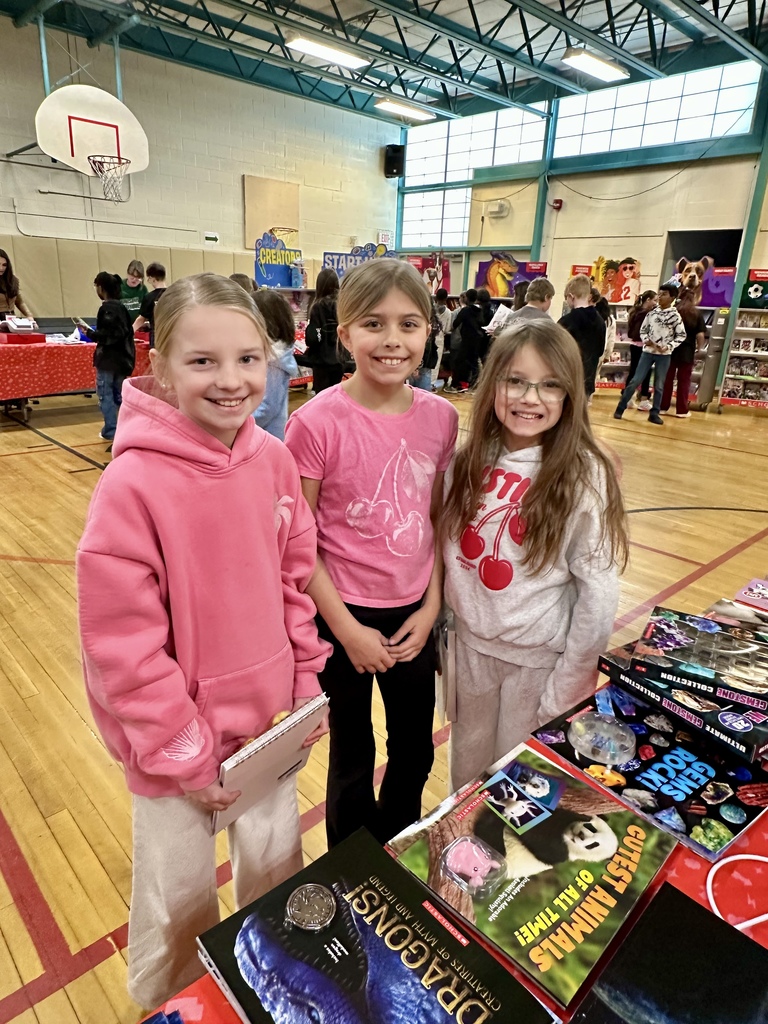
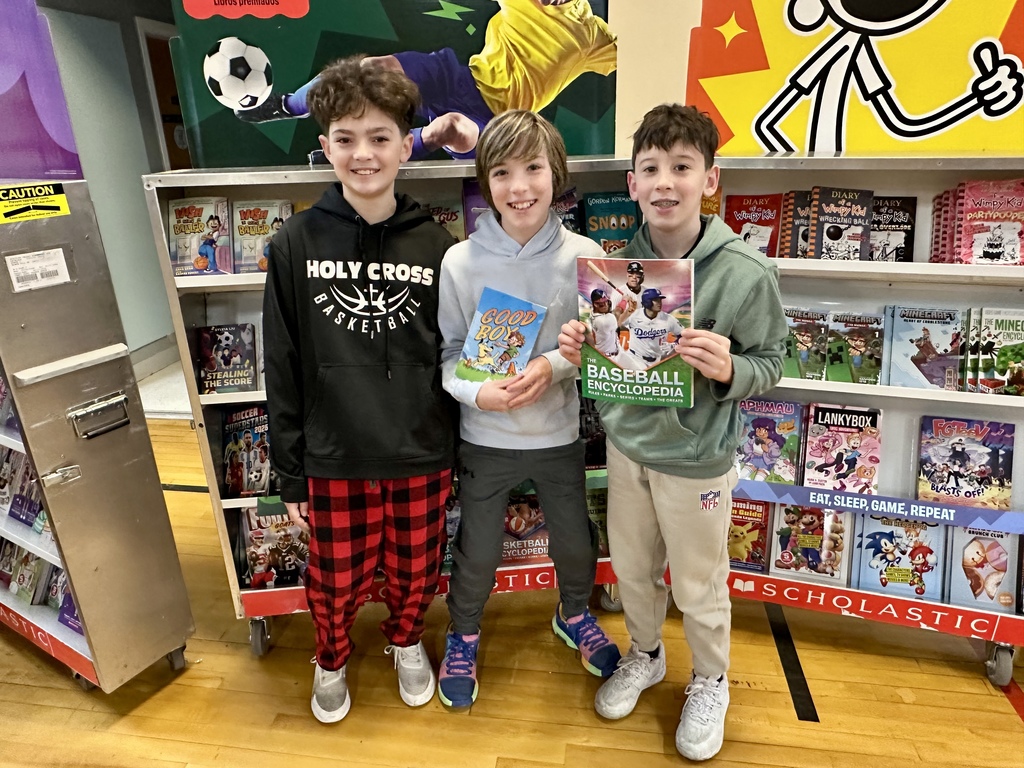
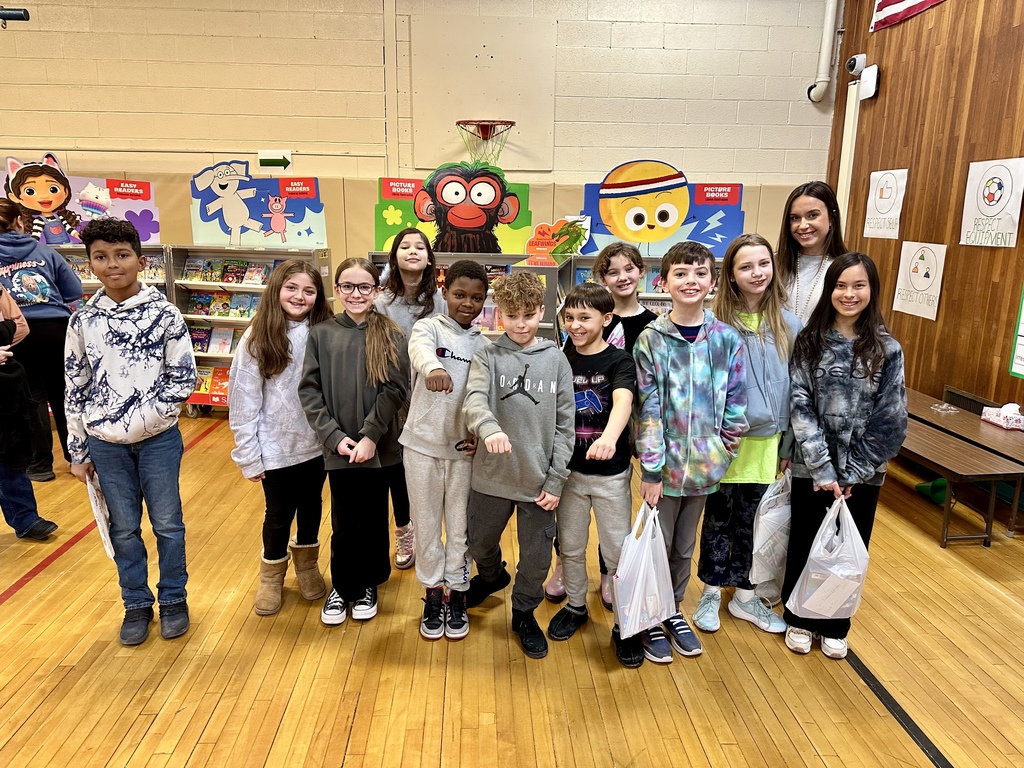
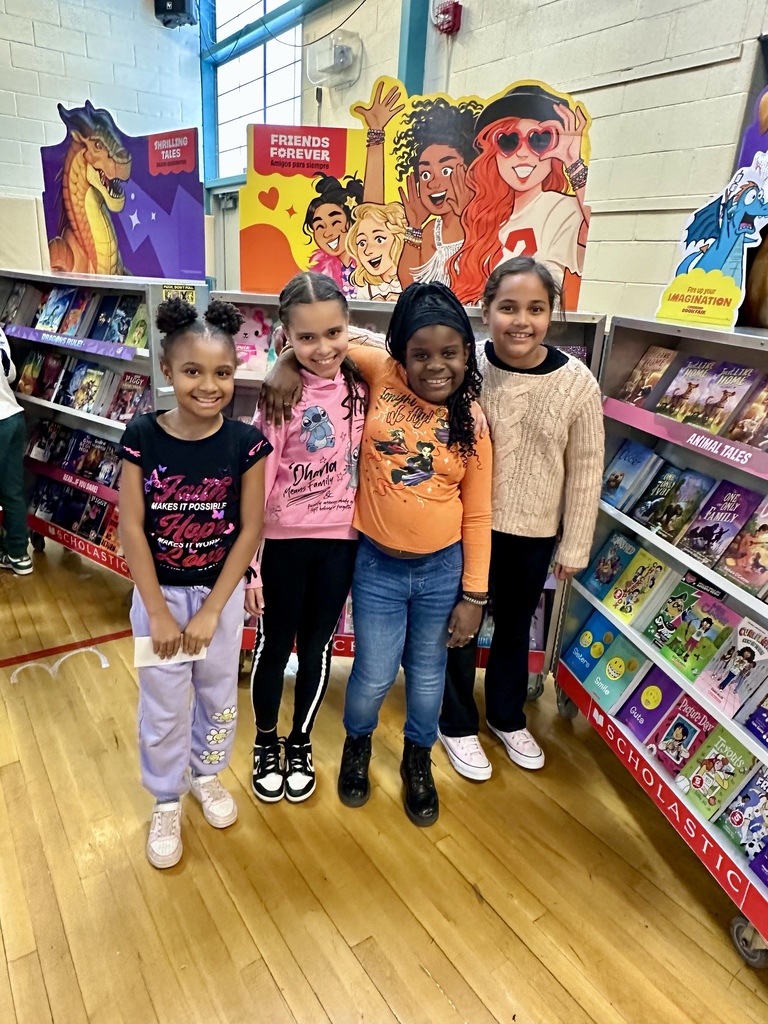
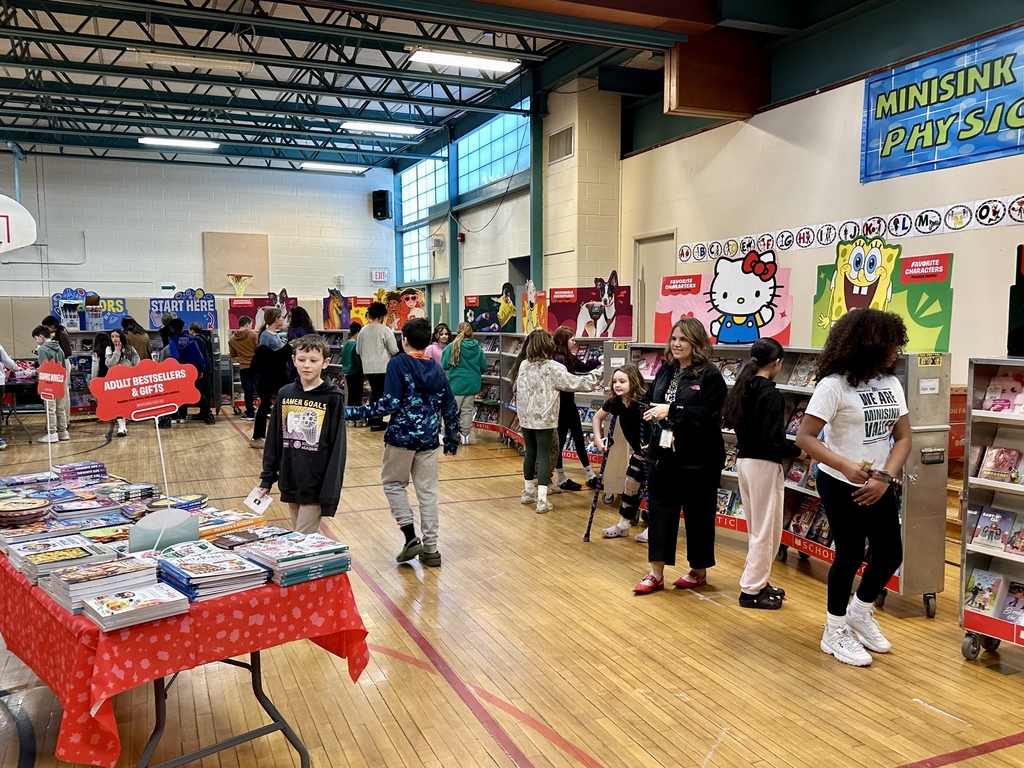
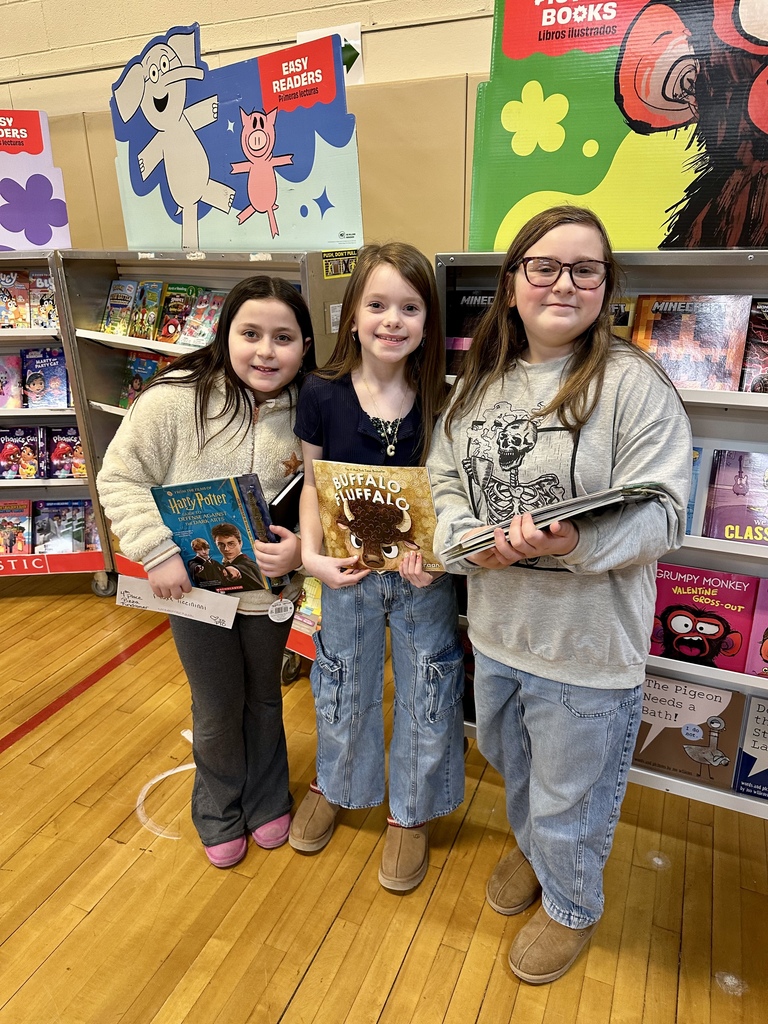
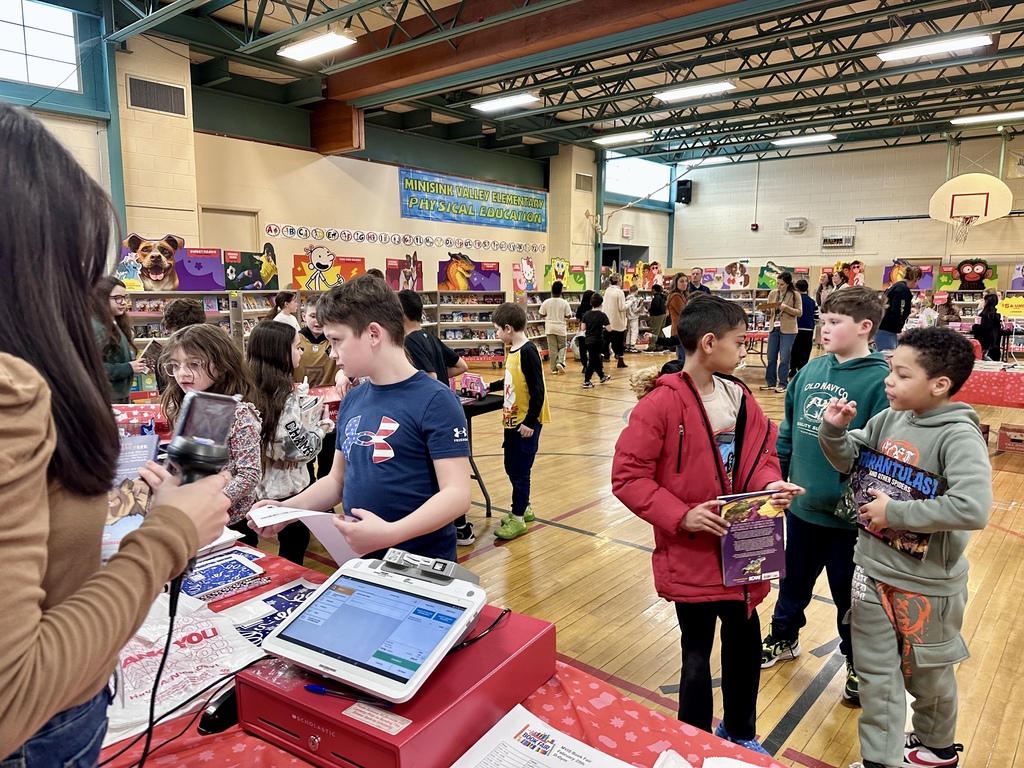
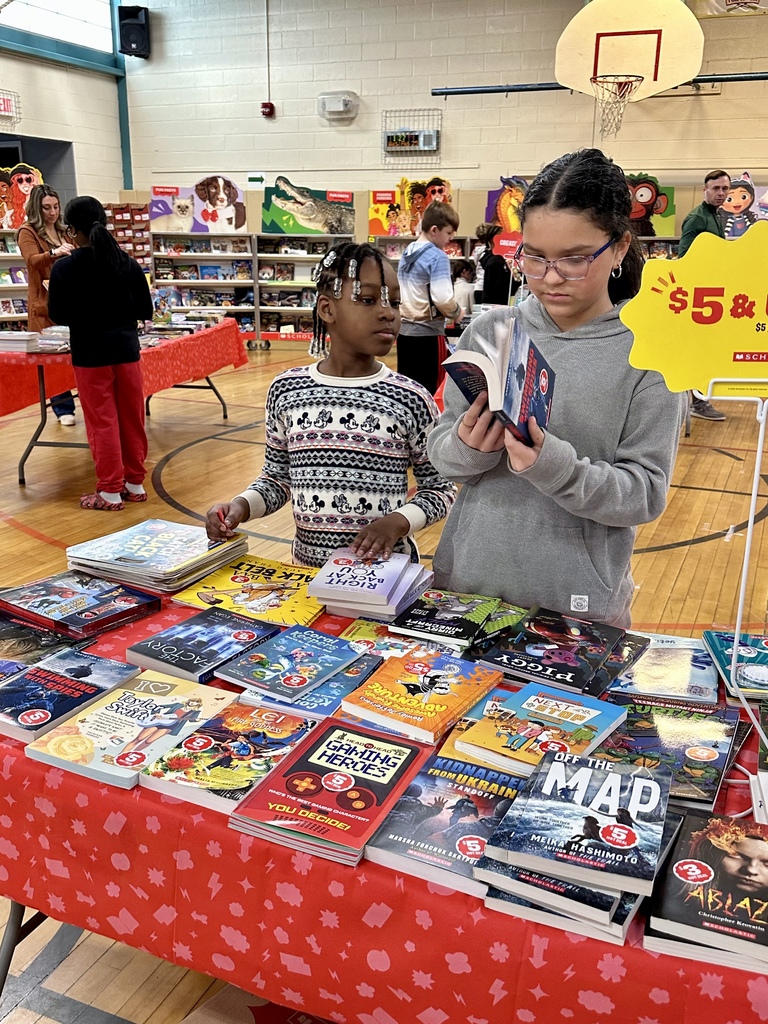
Our students absolutely LOVE Book Fairs! From flipping pages to finding “the one,” book fairs motivate students to read by offering exciting choices they can explore on their own. They also reinforce classroom learning by strengthening vocabulary, comprehension, communication and speaking skills!
Plus, every book fair visit helps students build a cozy little library at home — one book at a time!
Take a peek at this week's IS/ES Scholastic Book Fair and see our happy readers in action! Thank you to the IS/ES PTOs for all their organizational work and staffing to make the book fair days possible!
FRIDAY’S CUTENESS ALERT!
It’s the Year of the Fire Horse — a year said to bring energy, confidence and bold new beginnings!
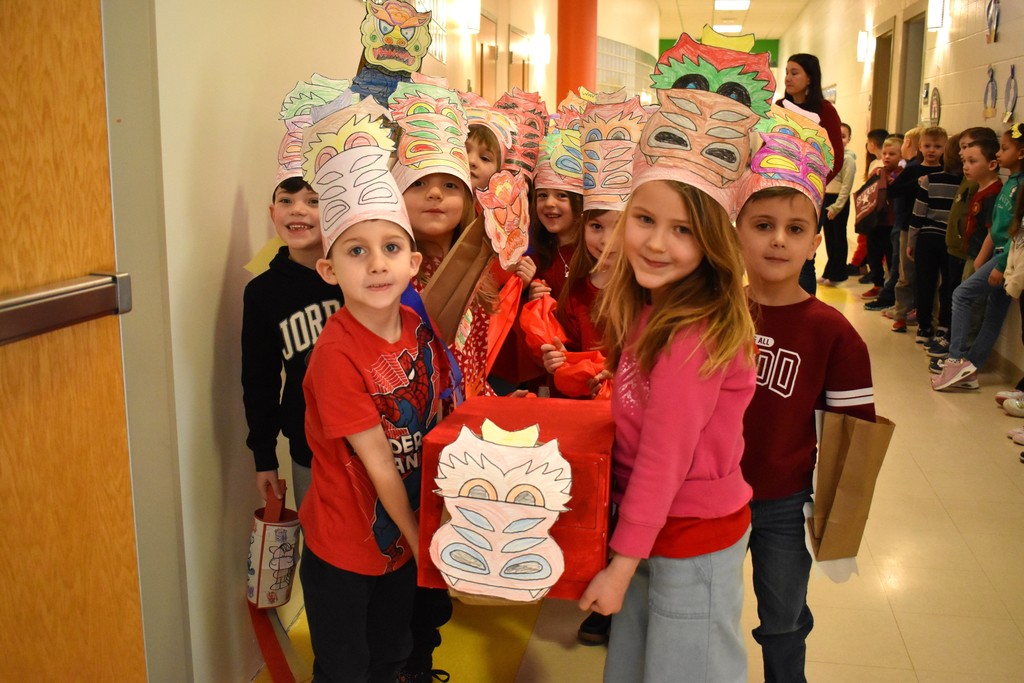
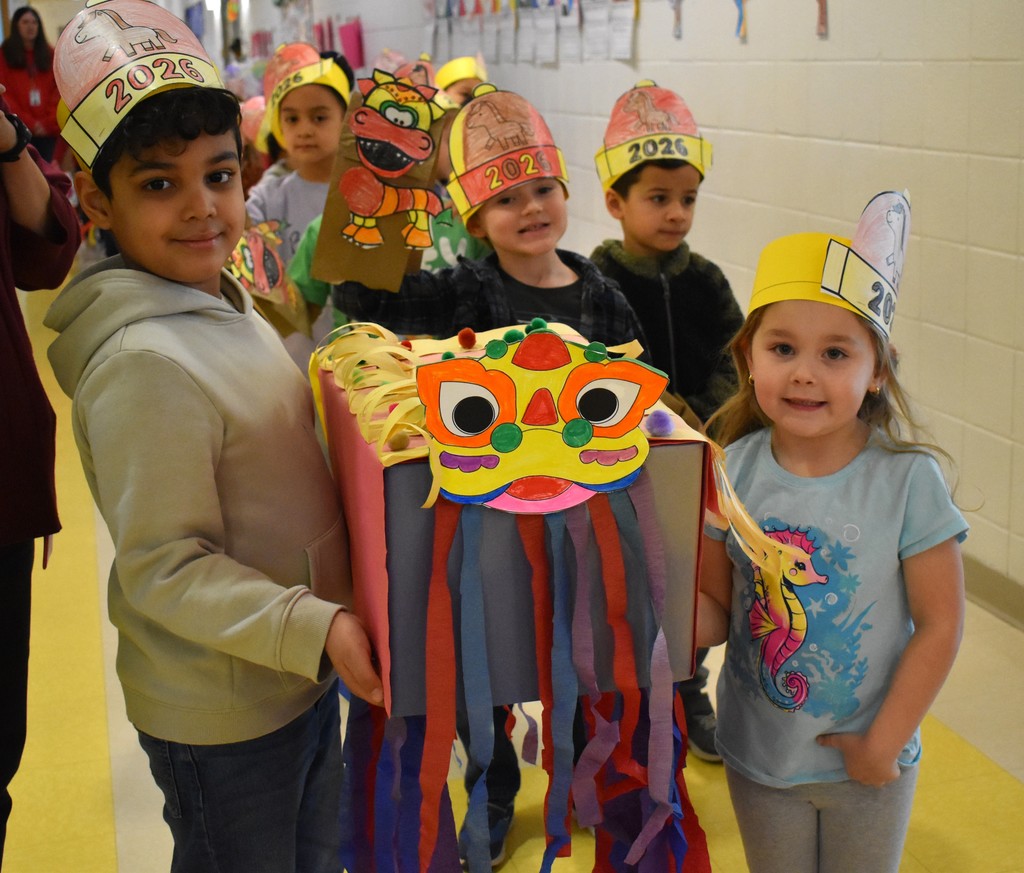
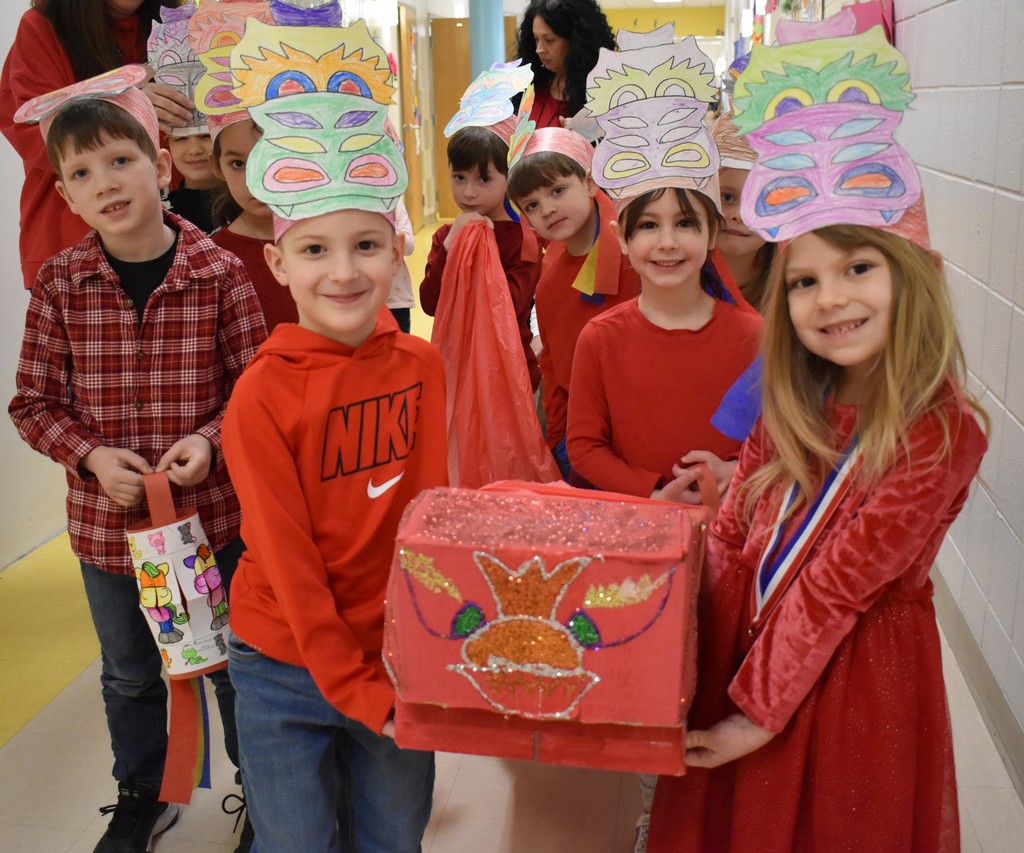
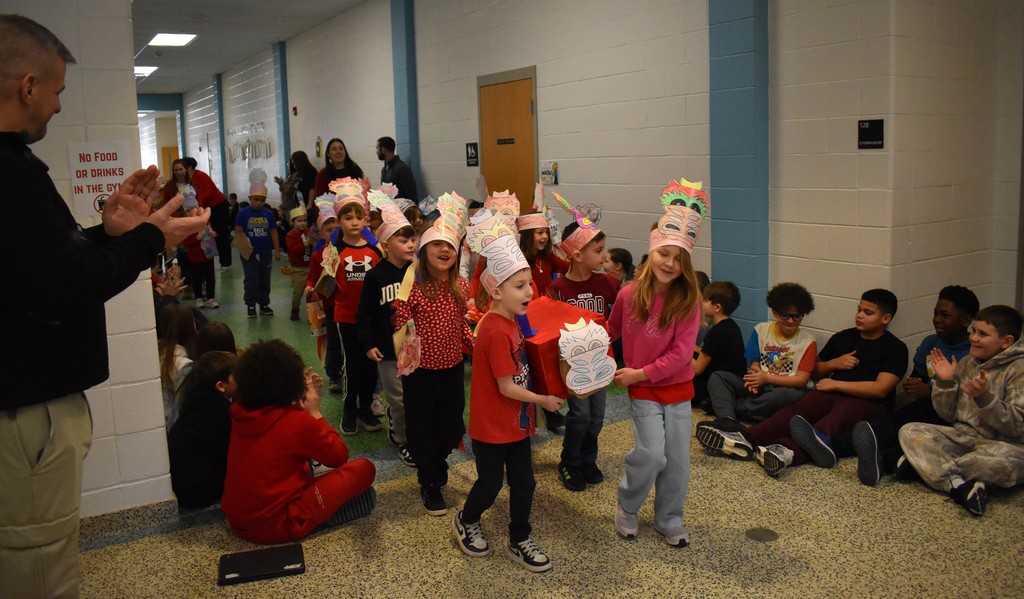
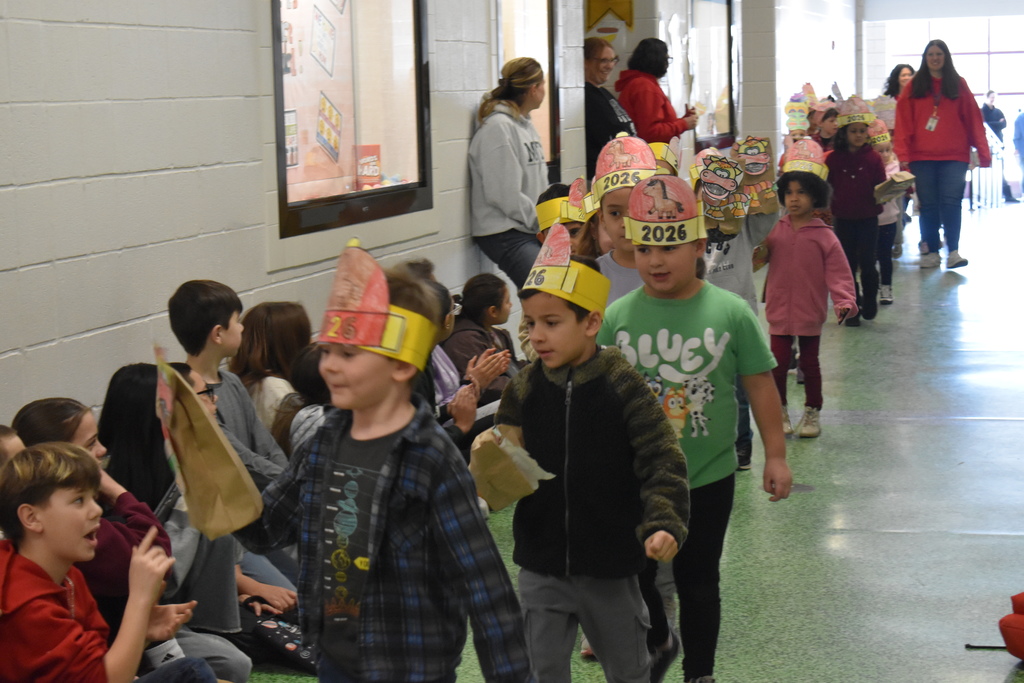
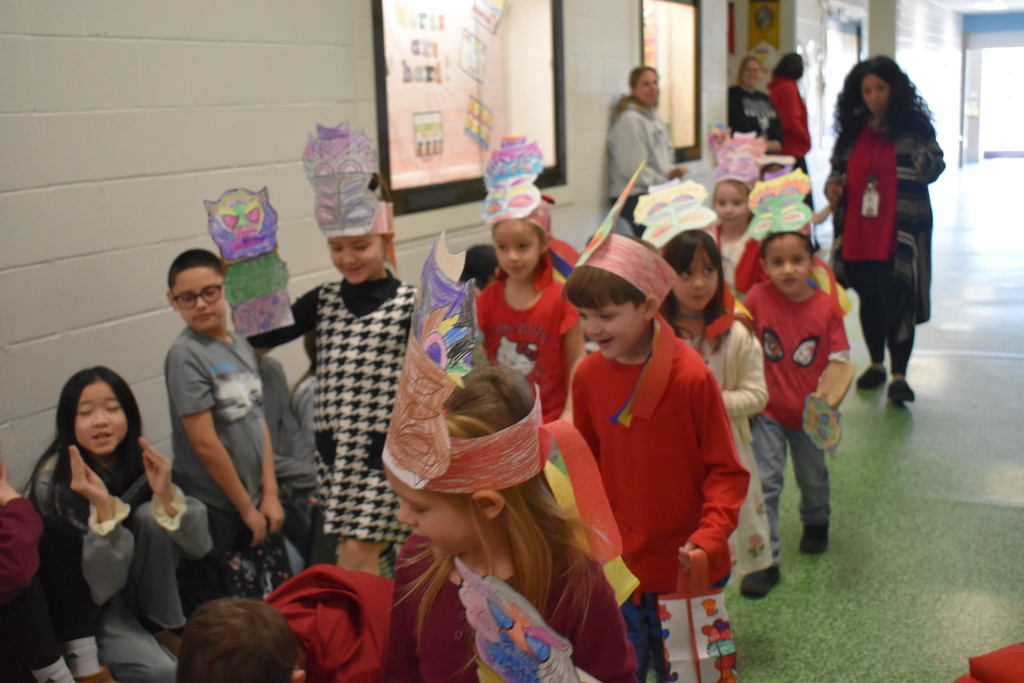
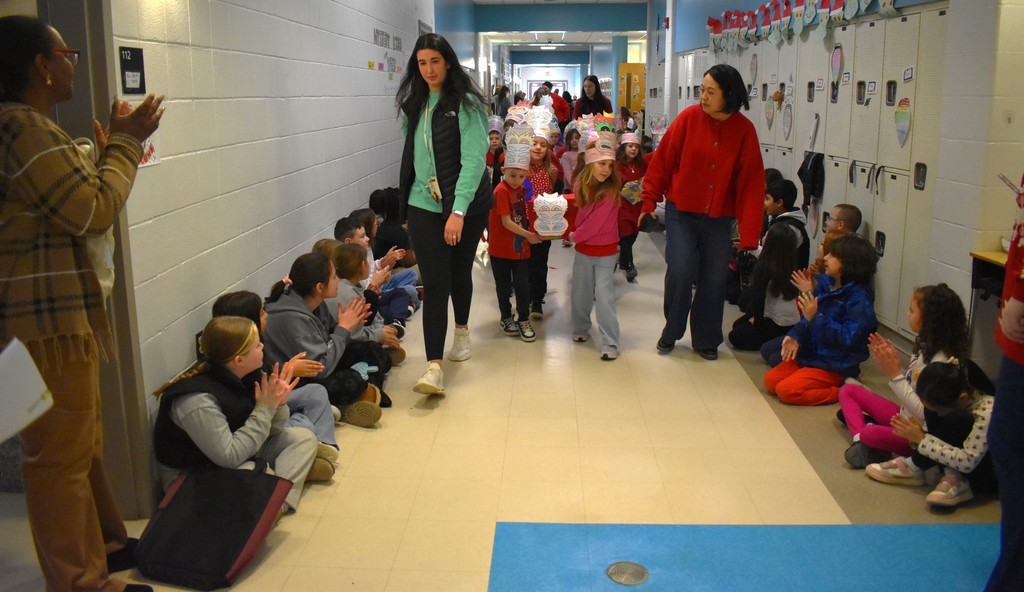
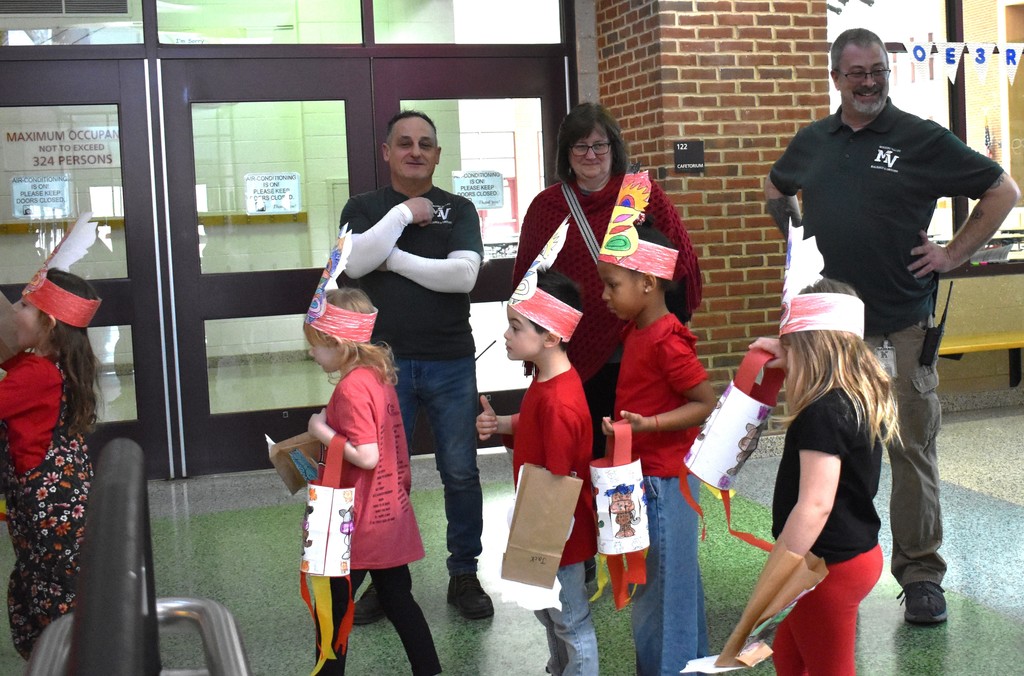
Who doesn’t love a parade? Lunar New Year festivities continue through March 3, and today, Feb. 27, the Otisville kindergarten team organized the most adorable Lunar New Year Parade!
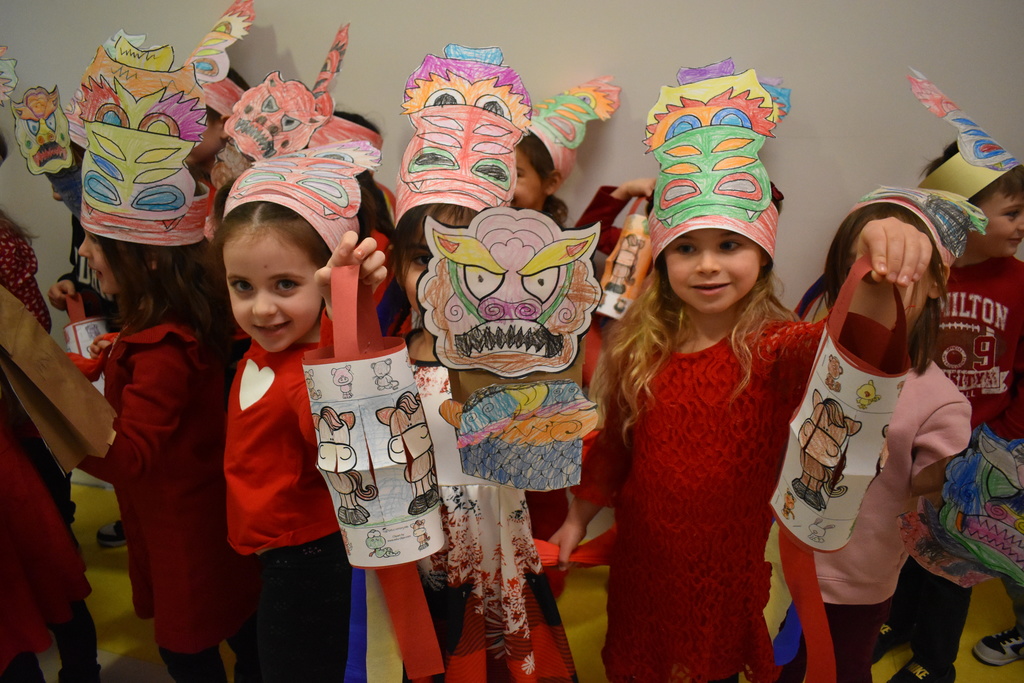
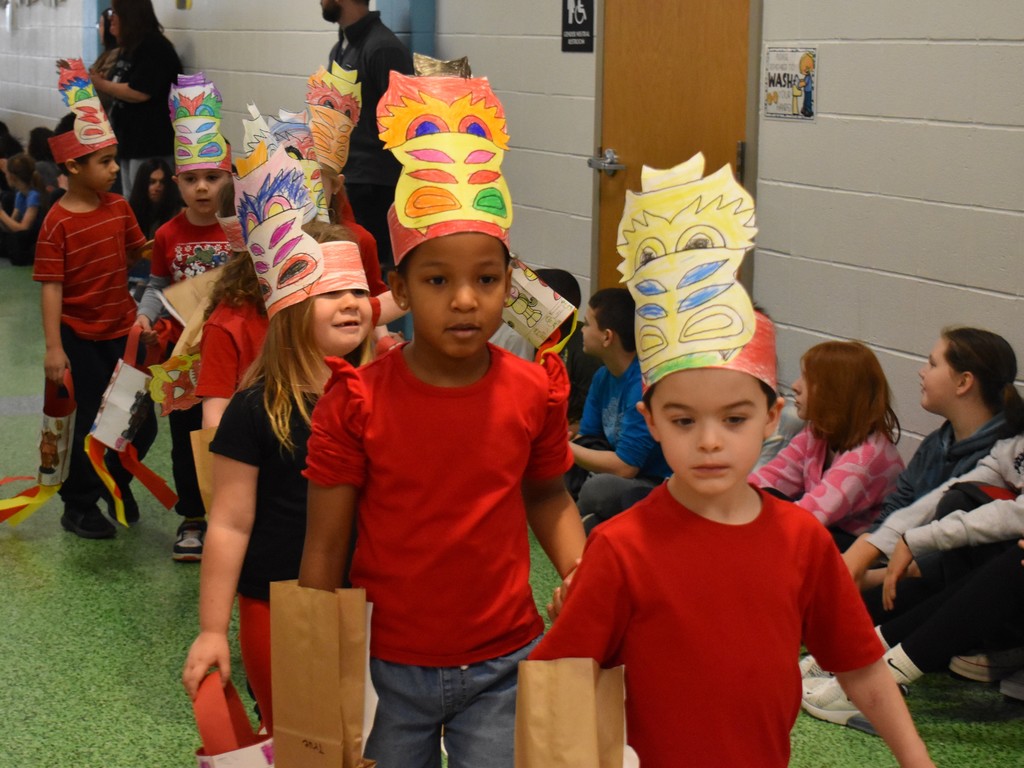
Our littlest students were dressed to impress in festive hats — many wearing red, a lucky color believed to bring good fortune and happiness — and proudly carried handmade lanterns, puppets and dragons, all important symbols of the holiday. Lanterns traditionally represent hope and brightness for the year ahead, while parades are meant to spread joy and good luck throughout the community.
As the kindergarteners paraded around the first floor, they were cheered on by older students lining the hallways, filling the school with smiles, applause, and celebration! Who do you recognize?
Dragons are central to Lunar New Year parades because they symbolize strength, wisdom, power, and good fortune. Unlike Western dragons, Chinese dragons are kind and protective, often associated with rain, water, and agricultural abundance. The dragon dance dates back hundreds of years and is performed to ward off evil spirits and invite prosperity for the new year.
It was a day full of culture, creativity, and community — and definitely one to make students smile!
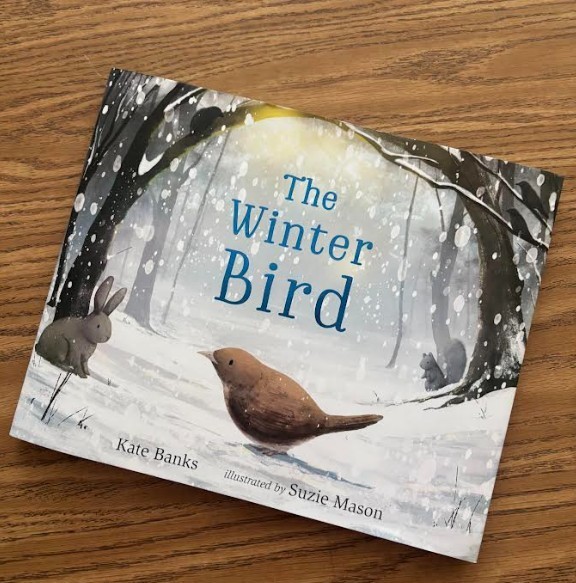
First, students listened to the read-aloud version of Kate Banks’ "The Winter Bird." It’s the story of a nightingale with a broken wing who is unable to fly south for the winter and must learn to survive with the help of forest animals. The story follows the nightingale as it experiences snow, cold and scarcity for the first time, receiving aid from a rabbit, squirrel, and owl, and ultimately discovering the beauty of winter and the strength of community before its wing heals and spring returns. It's a tale of resilience, friendship, and finding wonder in new experiences.
Students connected the story to concepts they learned in their previous “Seasons and Weather” unit, which also included a discussion about the importance of showing kindness to one another.
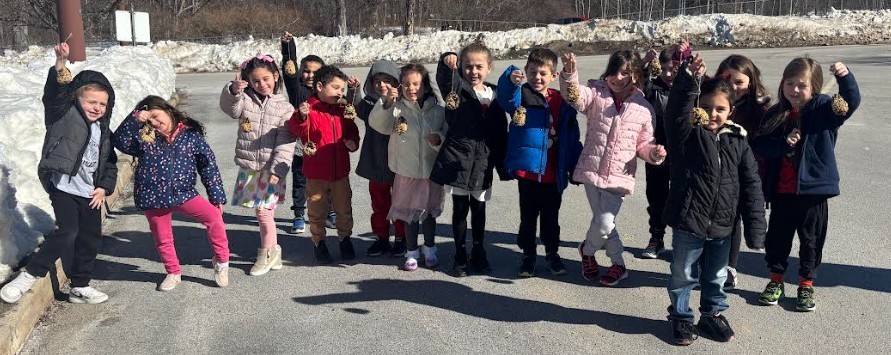
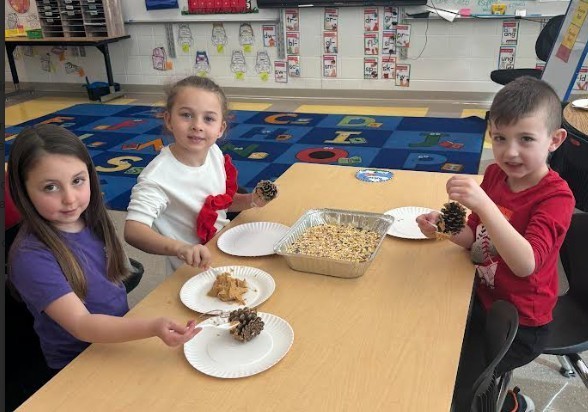
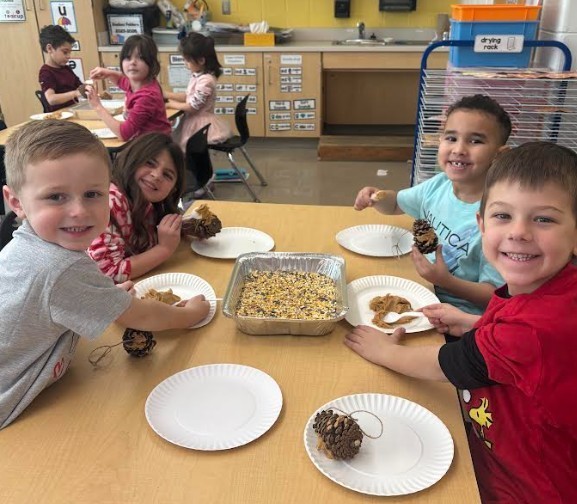
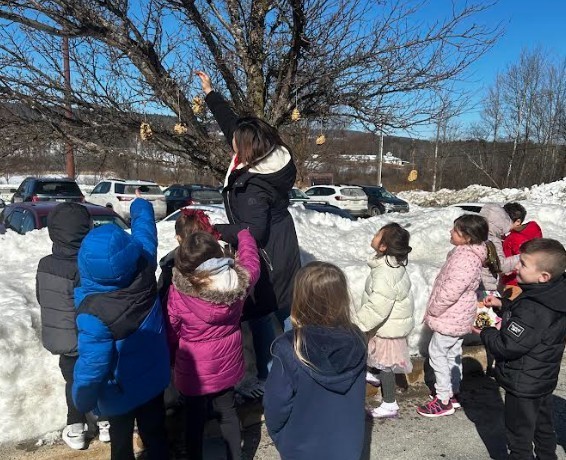
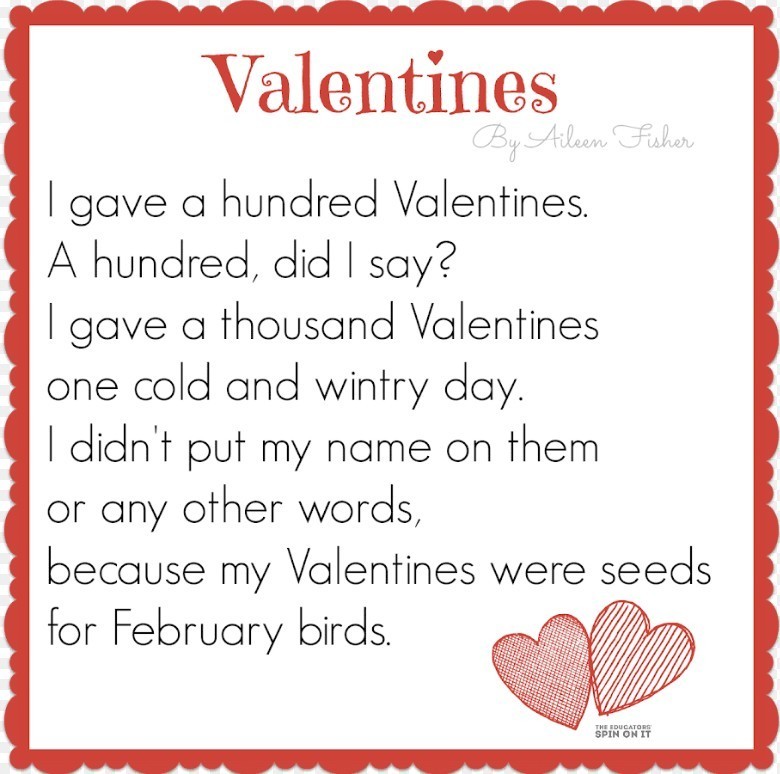
Later, students created their own bird feeders using pine cones, peanut butter and birdseed. Once completed, they bundled up to go outside where Mrs. Kahn hung their adorable bird feeders on two trees, so hungry birds would find food, which was a particularly thoughtful gesture during these recent sub-zero temperature weeks. There, she read them Aileen Fisher’s “Valentines,” a poem that describes seeds as valentines for February birds reminded them of the importance of not only being kind to each other but birds and animals.
The lesson was clear: Kindness isn’t just for friends in the classroom, but for all living things and even the smallest hands can make a big difference!
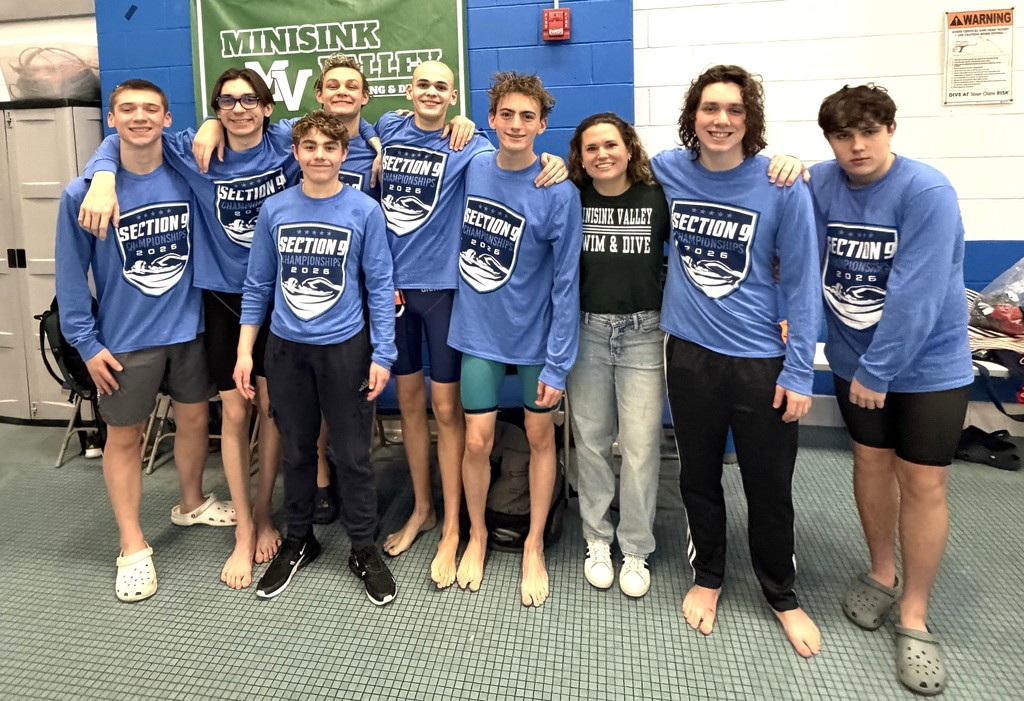
Here’s how they fared:
•Senior Owen Skinner had personal best times in the 200 IM (placed 19th) and the 100 breaststroke (placed 13th)
•Senior Caleb Decker had personal best times in the 200 free (placed 18th) and 500 free (placed 15th)
•Junior Eddie Edwards had personal best times in the 100 free (placed 16th) and 100 back (placed 8th)
•Freshman Jacob Yourman had personal best times in the 200 free (placed 14th) and 500 free (placed 16th)
•Eighth-grader Marcus Earl had personal best times in the 200 IM (placed 18th) and 100 breaststroke (placed 19th)
•Junior Vincent Galligan (100 breaststroke), sophomore William Monahan (200 and 500 free) and seventh-grader Alex Marincenko (200 free and 100 back) also participated in their first Section Championships in individual and relay events
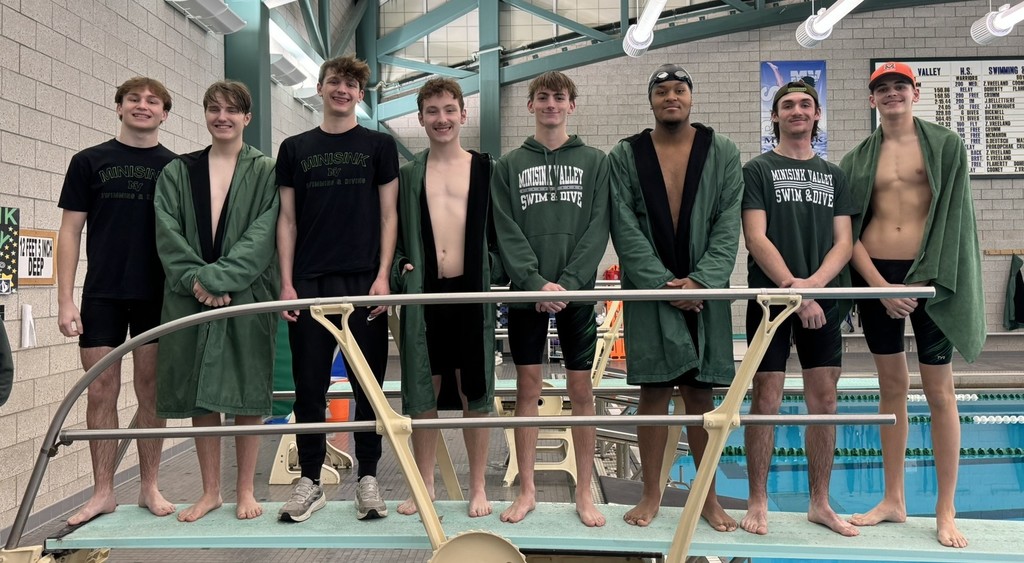
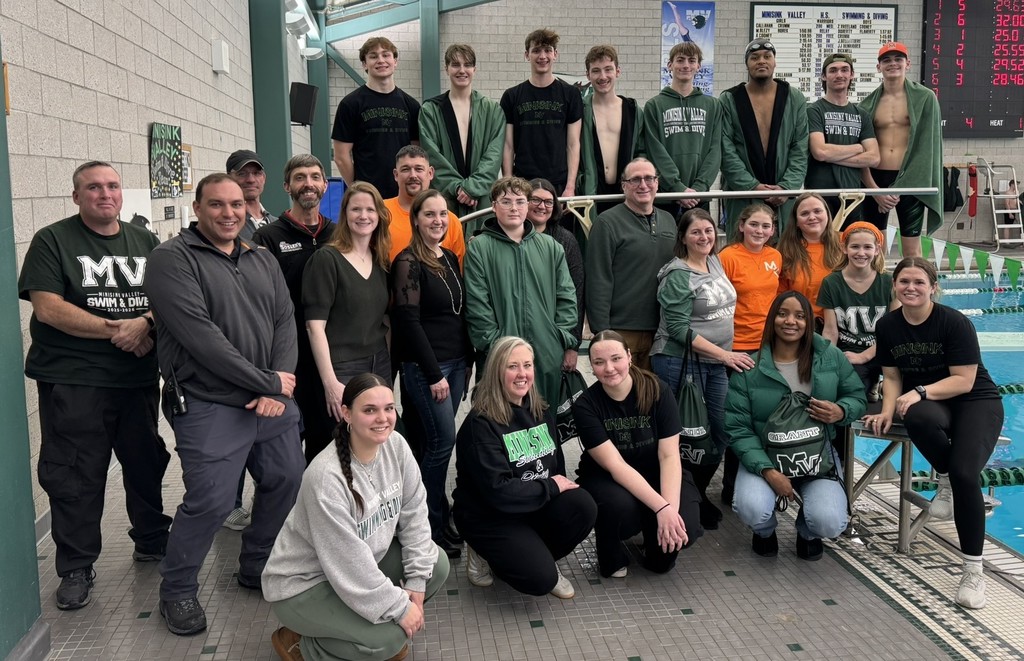
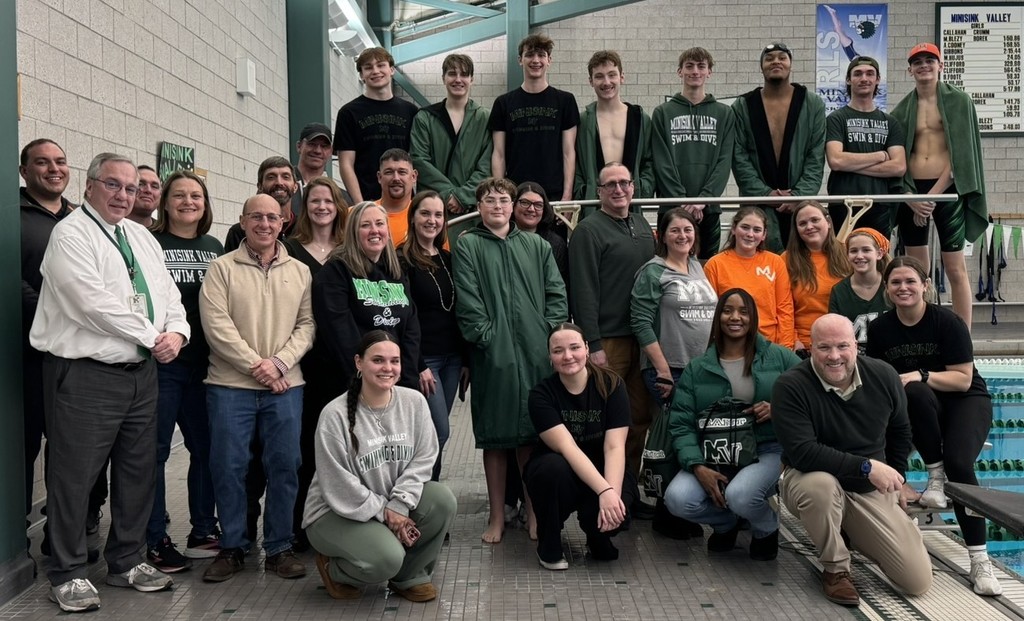
Congratulations to the senior members of the Varsity Boys Swimming and Diving team, who were honored for their many contributions to the team's success at their recent Senior Night! Good luck and best wishes to:
Cole Lamendola
Patrick Frawley
RJ Sosler
Ryan Jones
Malachi Grant
Owen Skinner
Caleb Decker
Cree Kain-Dickinson
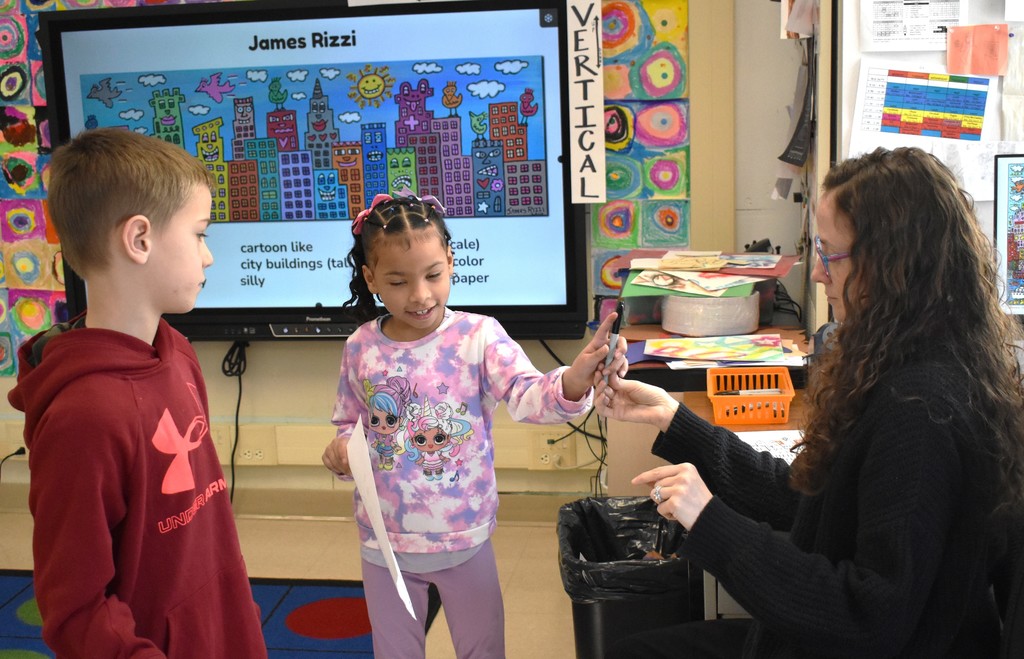
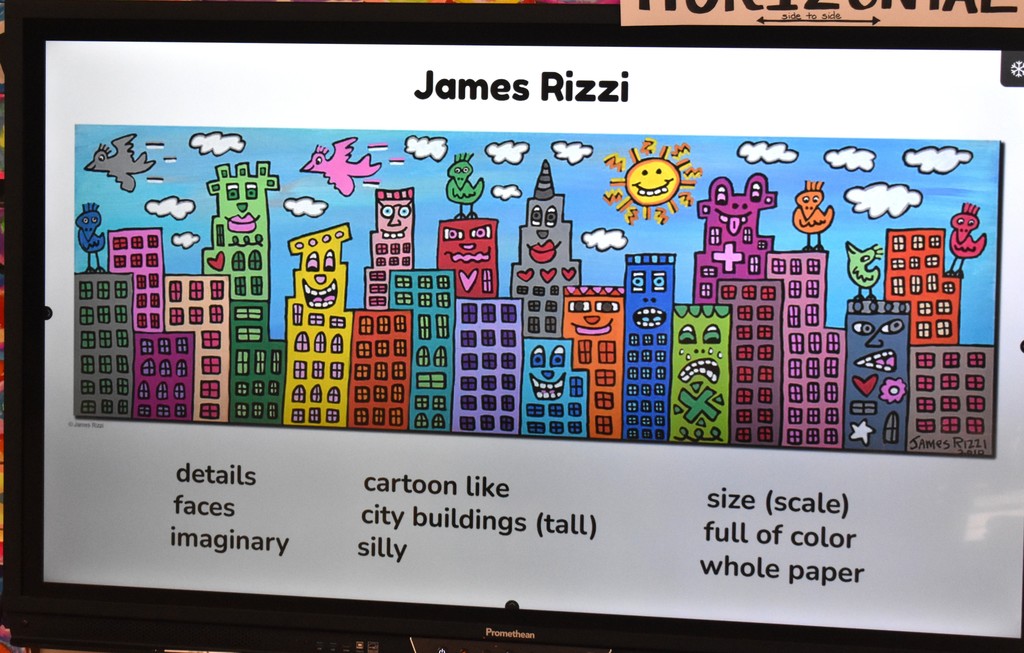
Known for his vibrant, joyful, and playfully childlike 3D artworks, Mr. Rizzi filled his bustling New York City scenes with smiling, winking, anthropomorphic buildings. He even invented his own signature 3D construction style, layering cut-out pieces from his prints to build lively, multi-dimensional works that practically pop off the page.
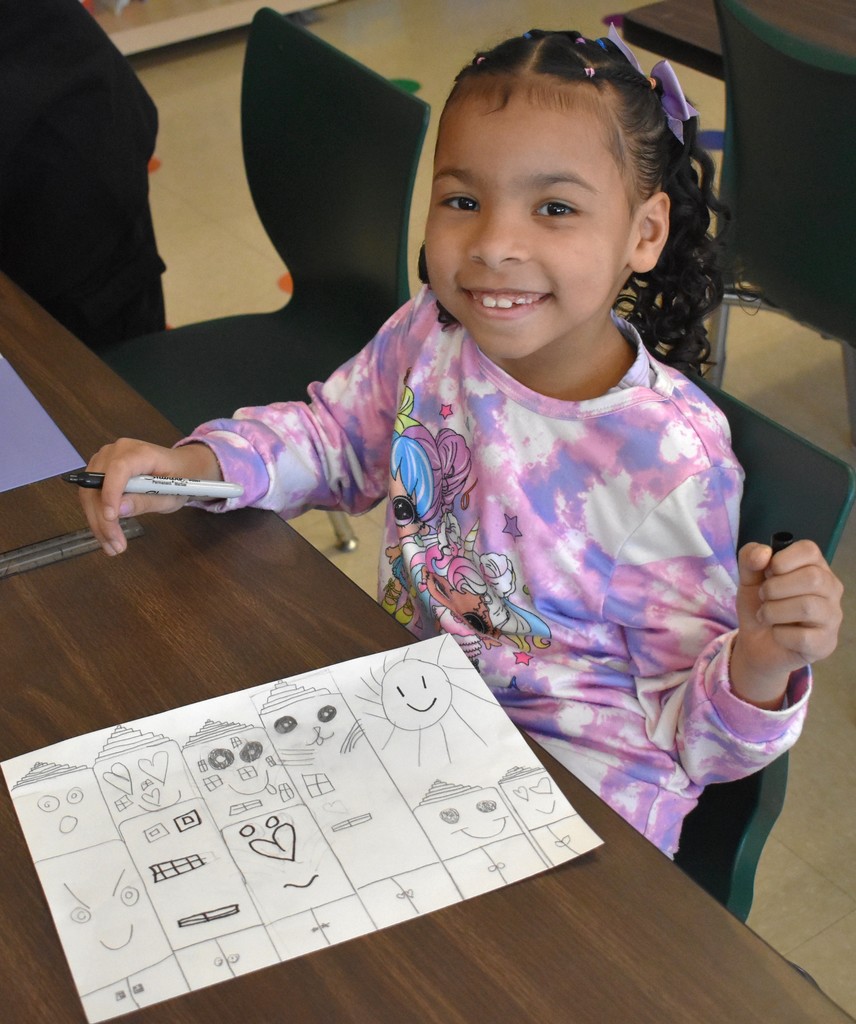
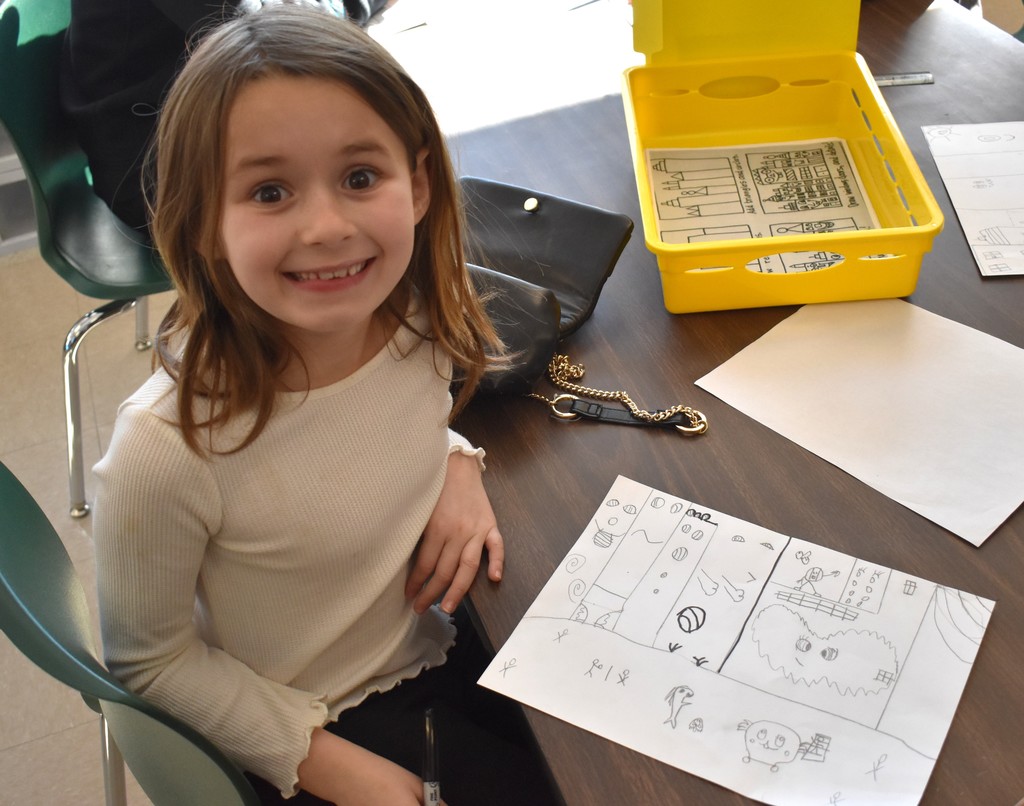
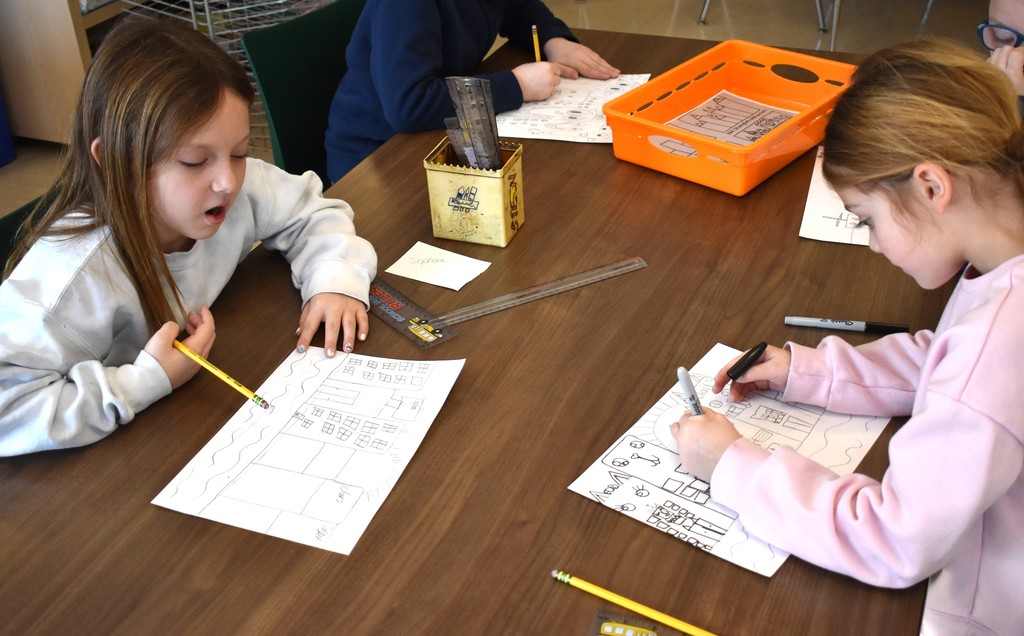
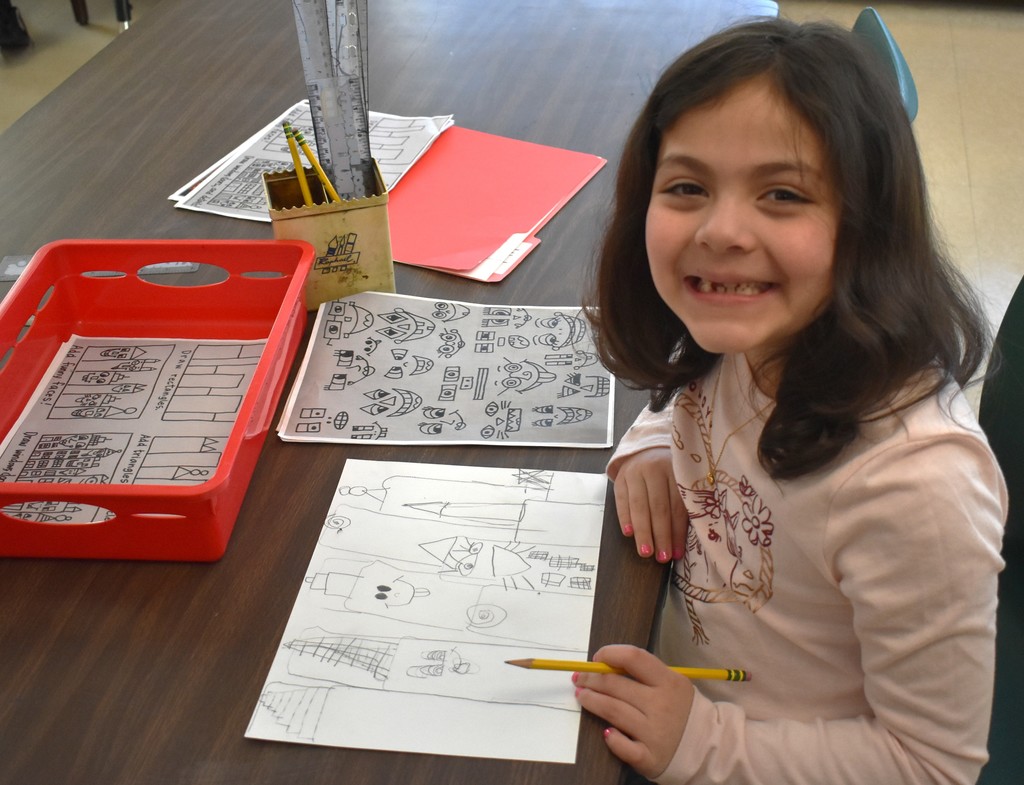
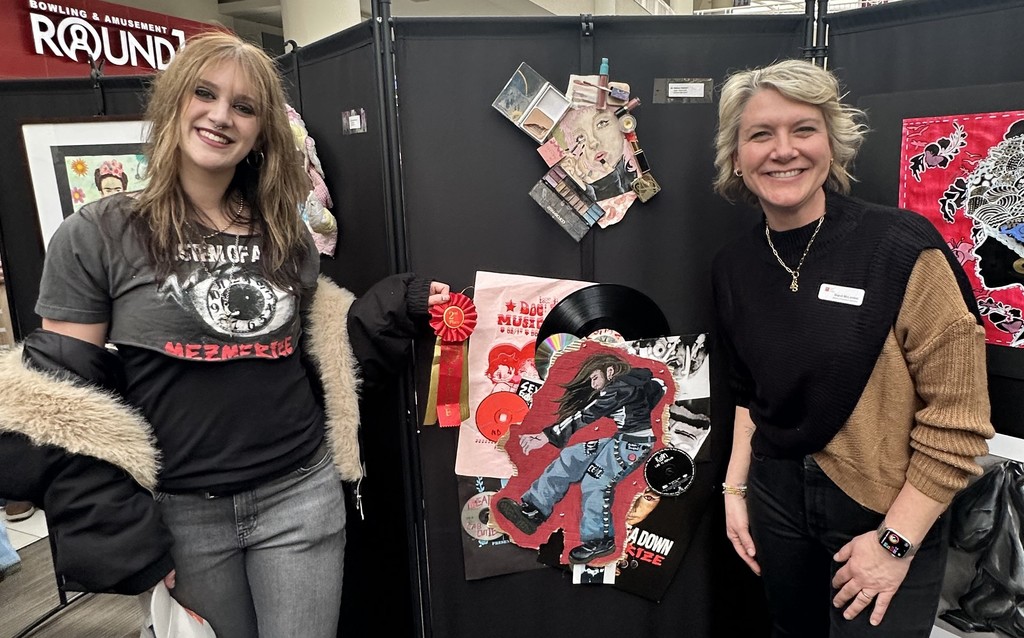
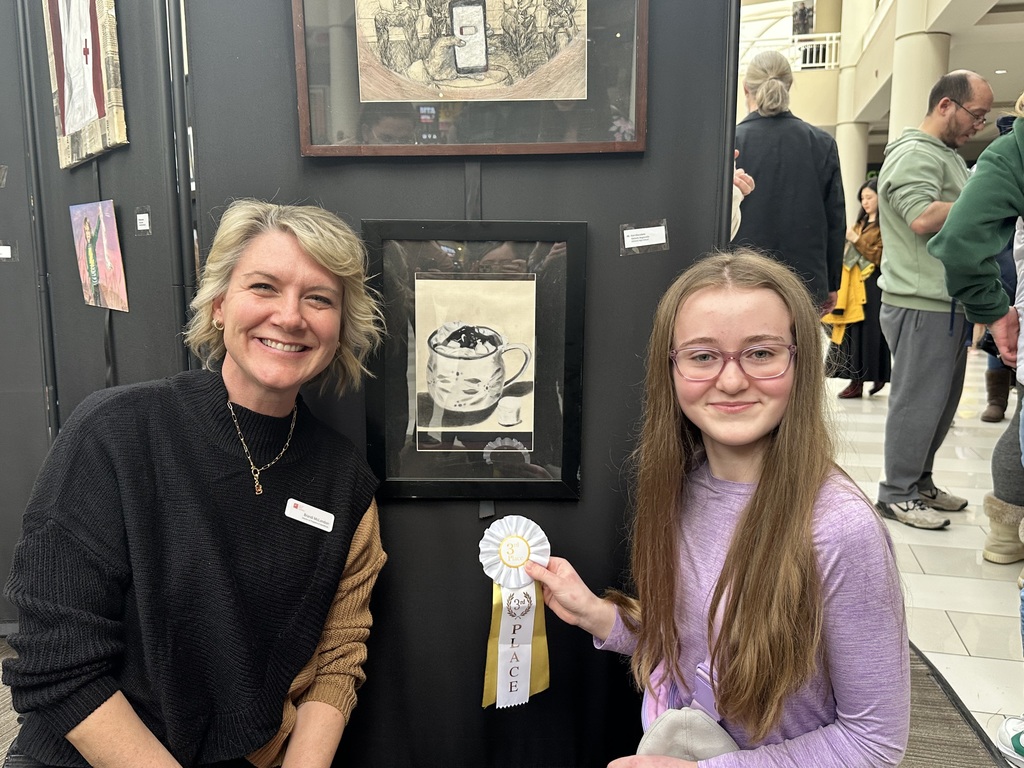
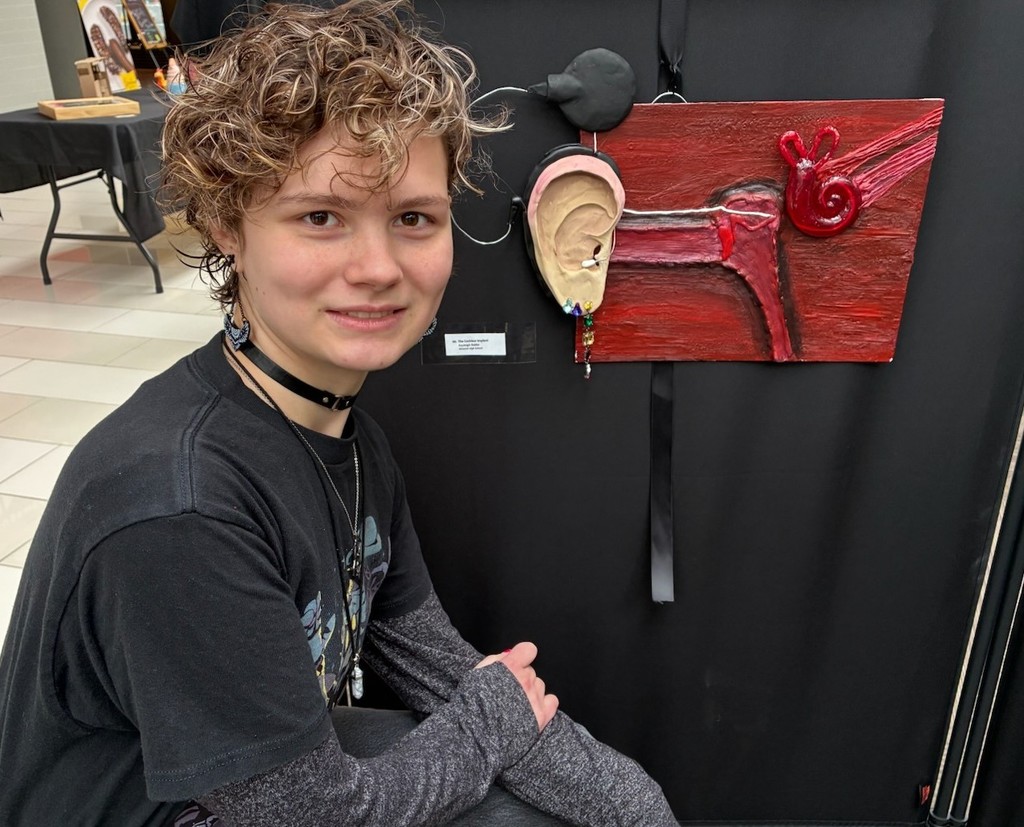
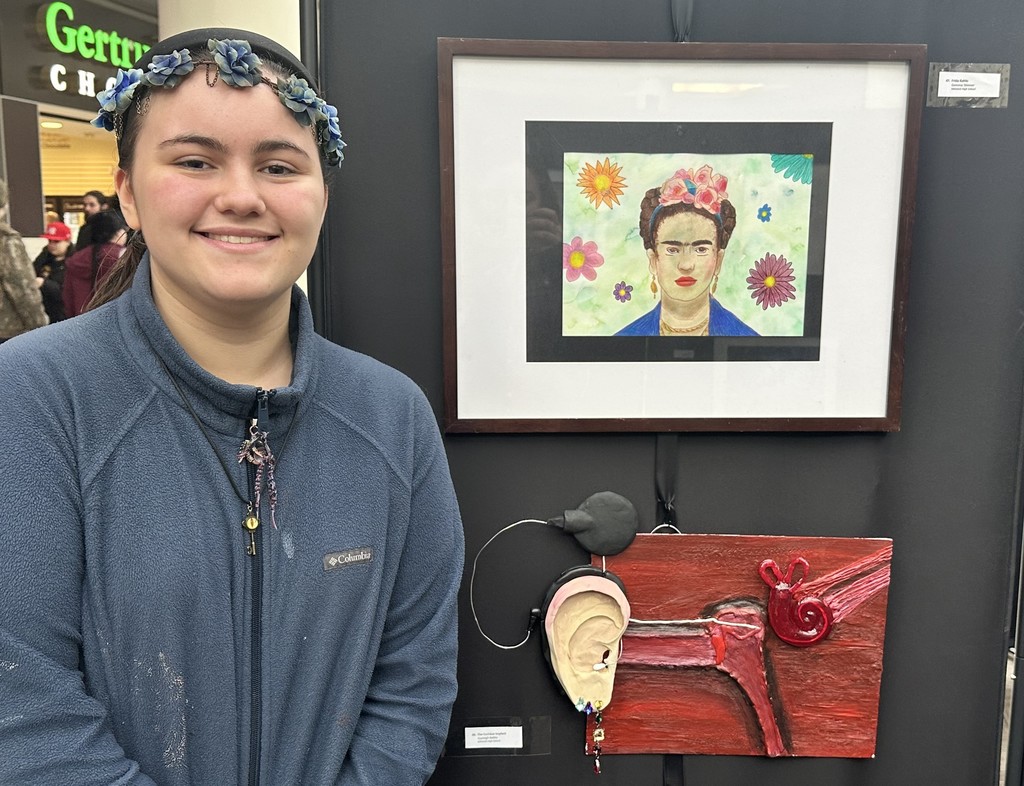
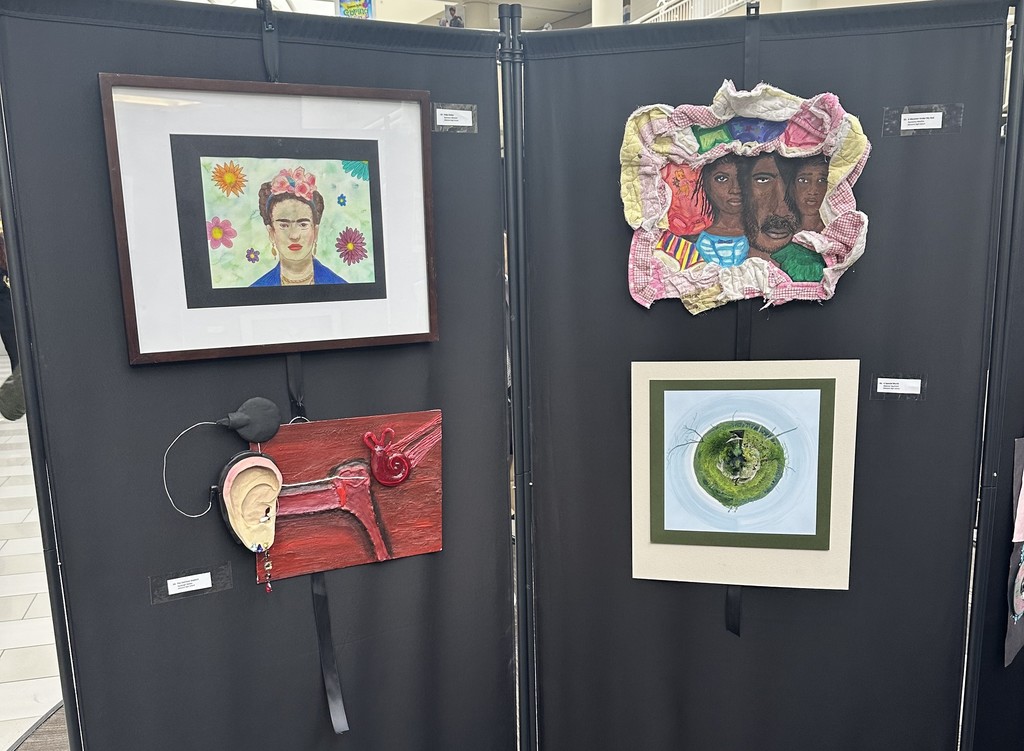
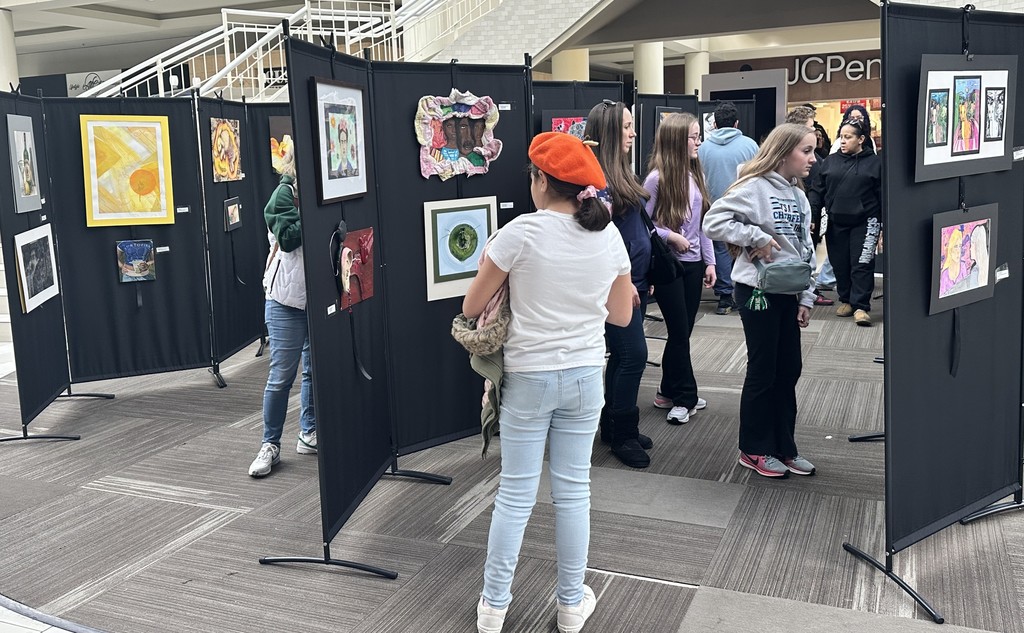
Congratulations to Senior Jenna Bartels and Freshman Melody Begnoche, who won People’s Choice Awards at the recent Orange County Arts Council’s recent “Arts build Confidence” Showcase at the Galleria at Crystal Run. Jenna won second-place and Melody won third-place! Visitors to the show were invited to participate in a free “People’s Choice” voting to select a favorite work.
Their work was among other Minisink Valley student-artists and Orange County student-artists (representing 12 Orange County high schools) on display. Jenna and seniors Lexie Giakoumis, Catalina Maidens, Kayleigh Bakke and Syemma Mathis are students in Jenna McElroy’s “AP Art” class; junior Gianna Squitieri is an “Advanced Photography” student; sophomore Gemma Skinner is a “Mixed Media” student; and Melody is “Studio Art” student.
“Arts Build Confidence is a powerful reminder of how deeply creativity supports student growth,” said Brandi McLendon, OCNY Arts director of programming and operations.
Did you know that SPAM (yes, the canned kind --- “spiced ham/shoulder pork and ham”--- not what's in your inbox) was one of the only meat products not rationed in Britain during World War II?
The result? Britain had… a lot of SPAM. Enough that people got spectacularly sick of it.
Cue the legendary British comedy troupe behind Monty Python’s Flying Circus, who created the iconic SPAM sketch—where the word is sung, shouted and repeated until it’s gloriously unbearable. From that sketch, the term “spam” was born.
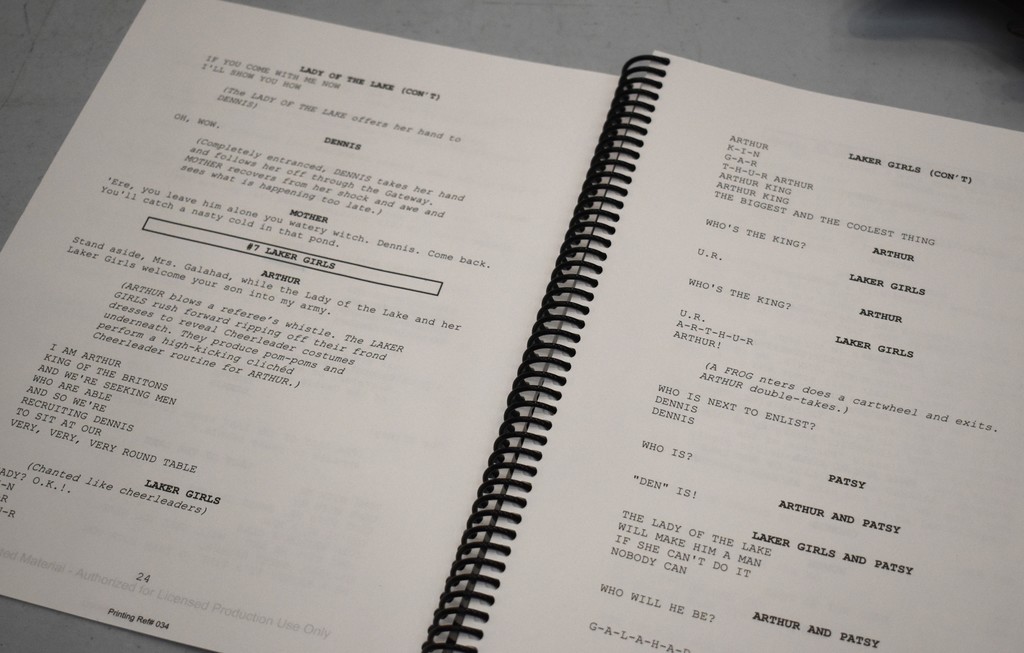
FAST FORWARD: “Spamalot” blends SPAM and Camelot in a brilliantly silly parody of the Arthurian legend. Knights, coconuts, show tunes and nonstop absurdity collide — exactly the kind of humor Monty Python does best.
What does all this mean? As rehearsals continue, it’s time to get tickets for the High School Drama Club’s production of Monty Python’s “Spamalot!”
CLICK HERE for tickets—before they’re gone (or before someone sings again). https://www.onthestage.tickets/show/minisink-valley-high-school/6960f25597c3d71059503e66/tickets#/productions-view
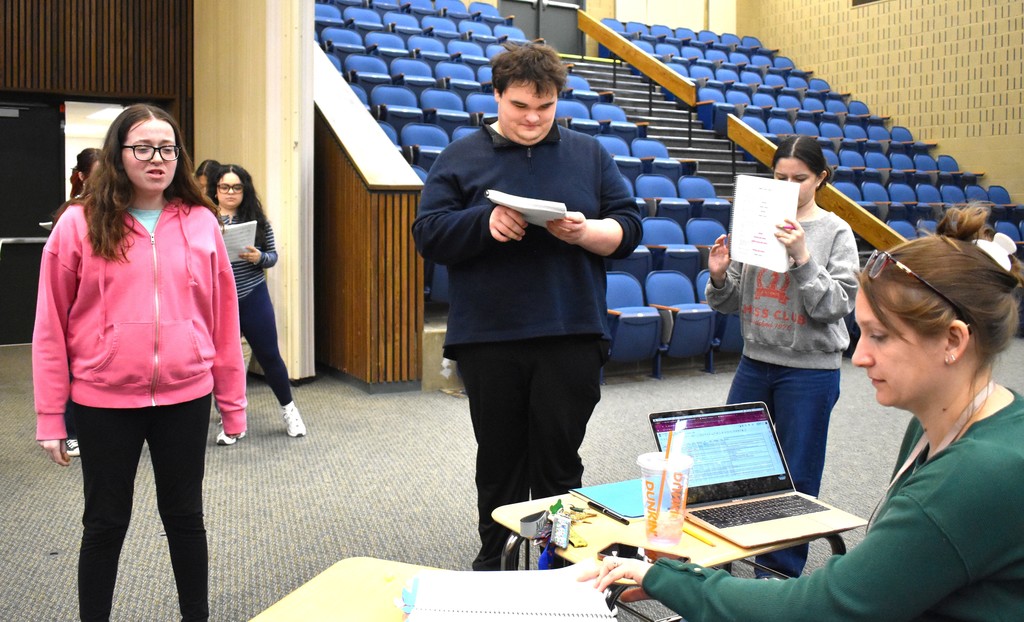
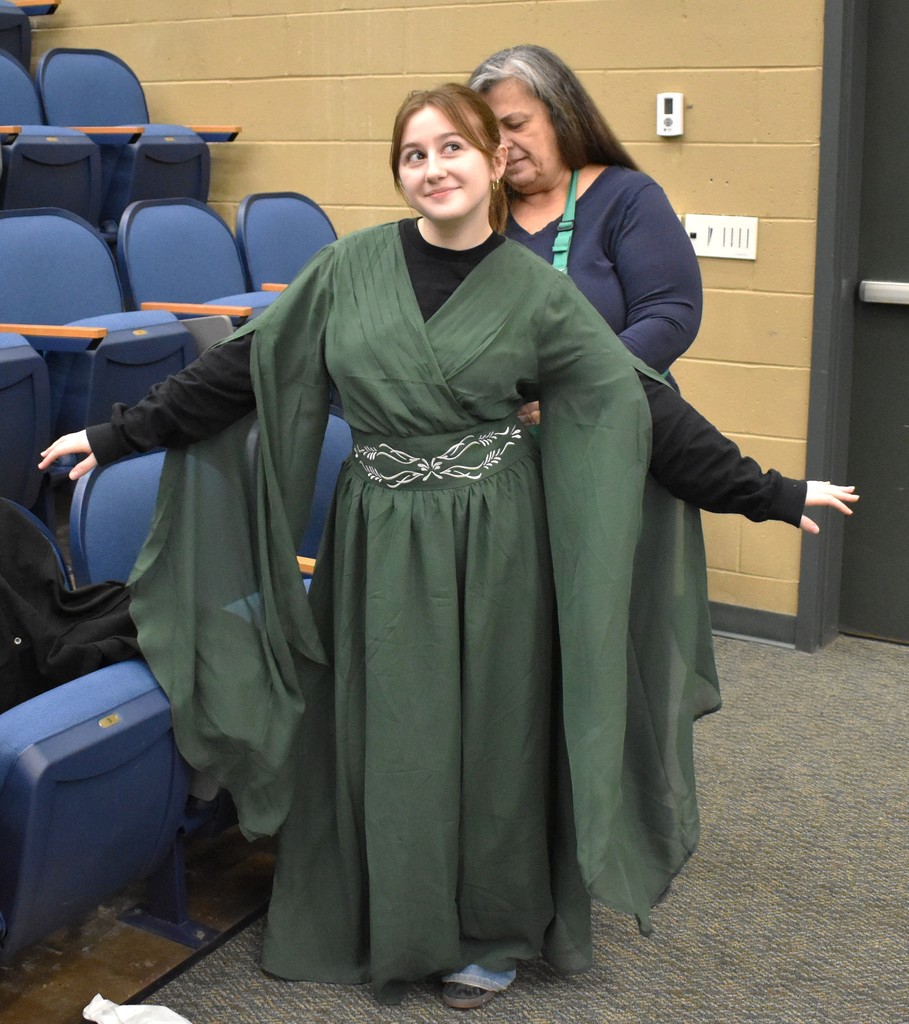
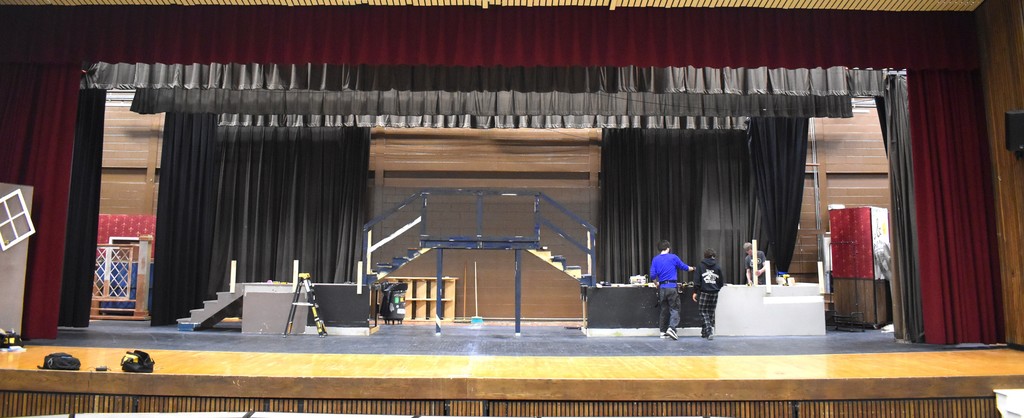
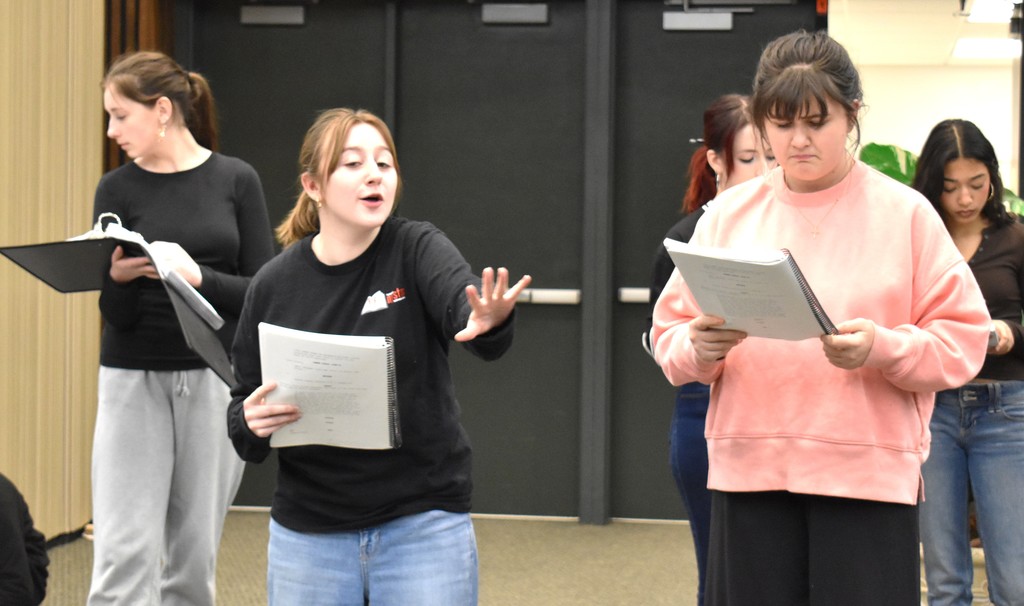
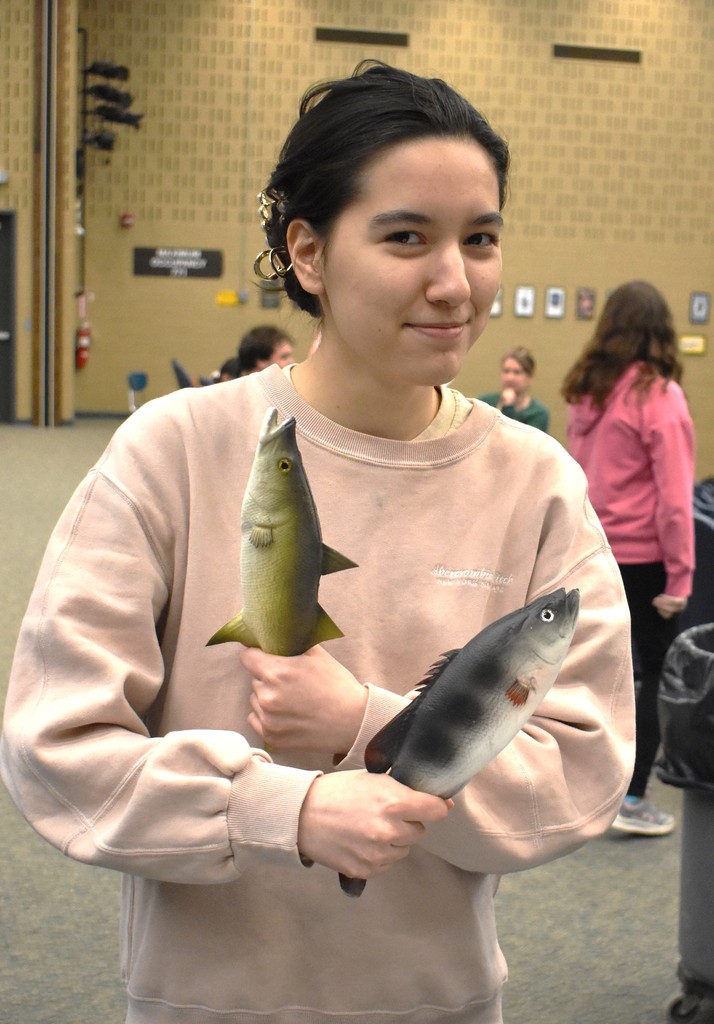
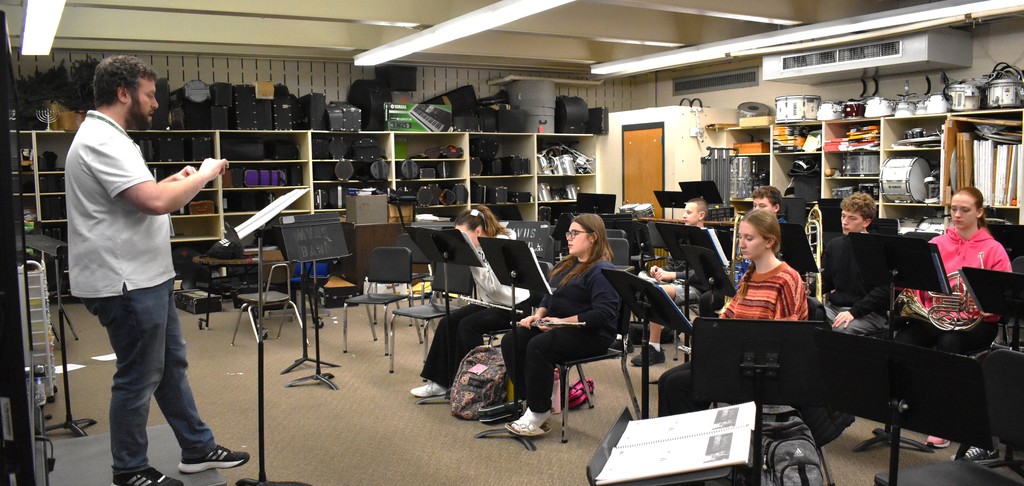
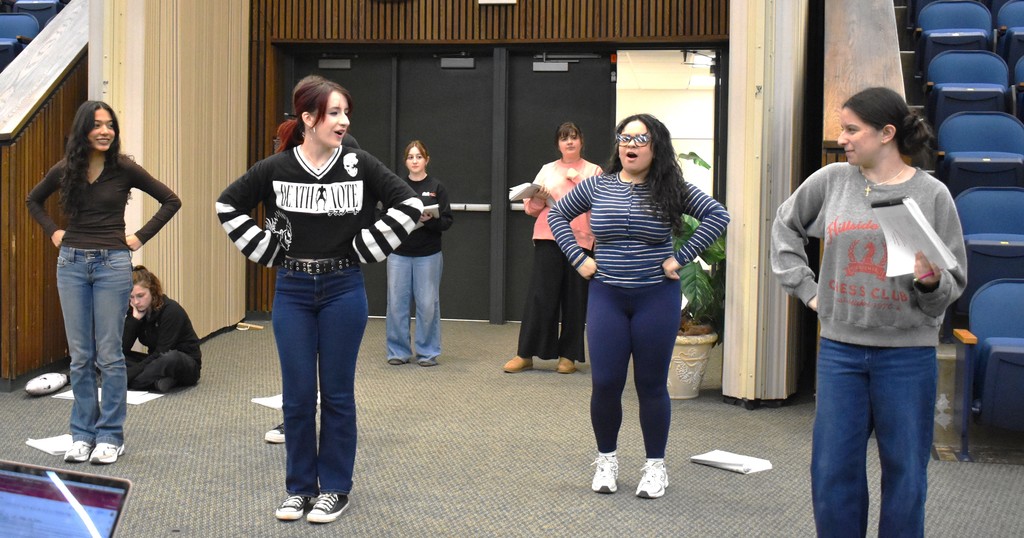
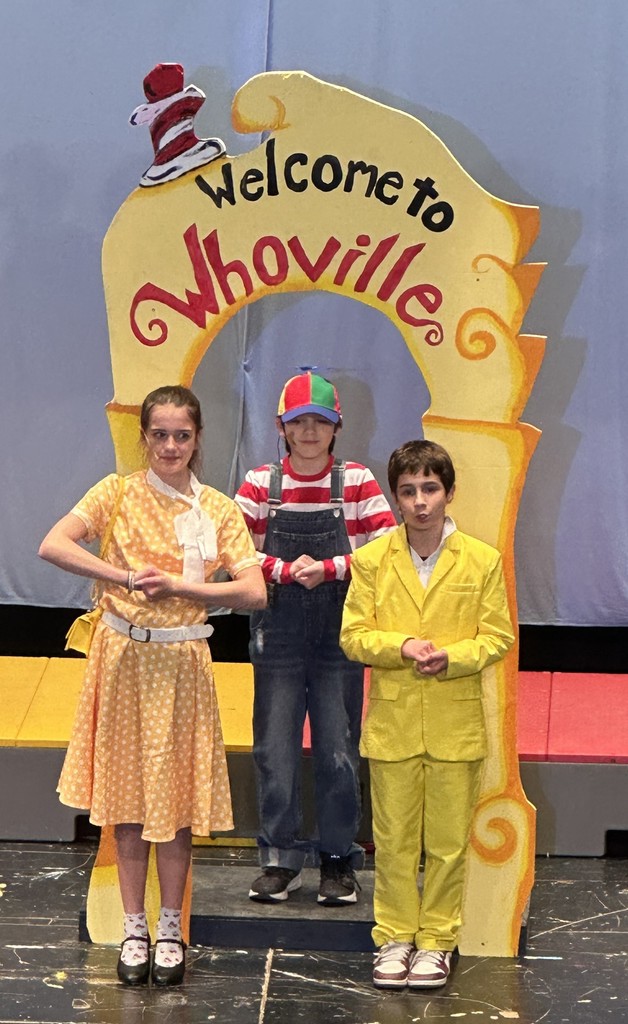
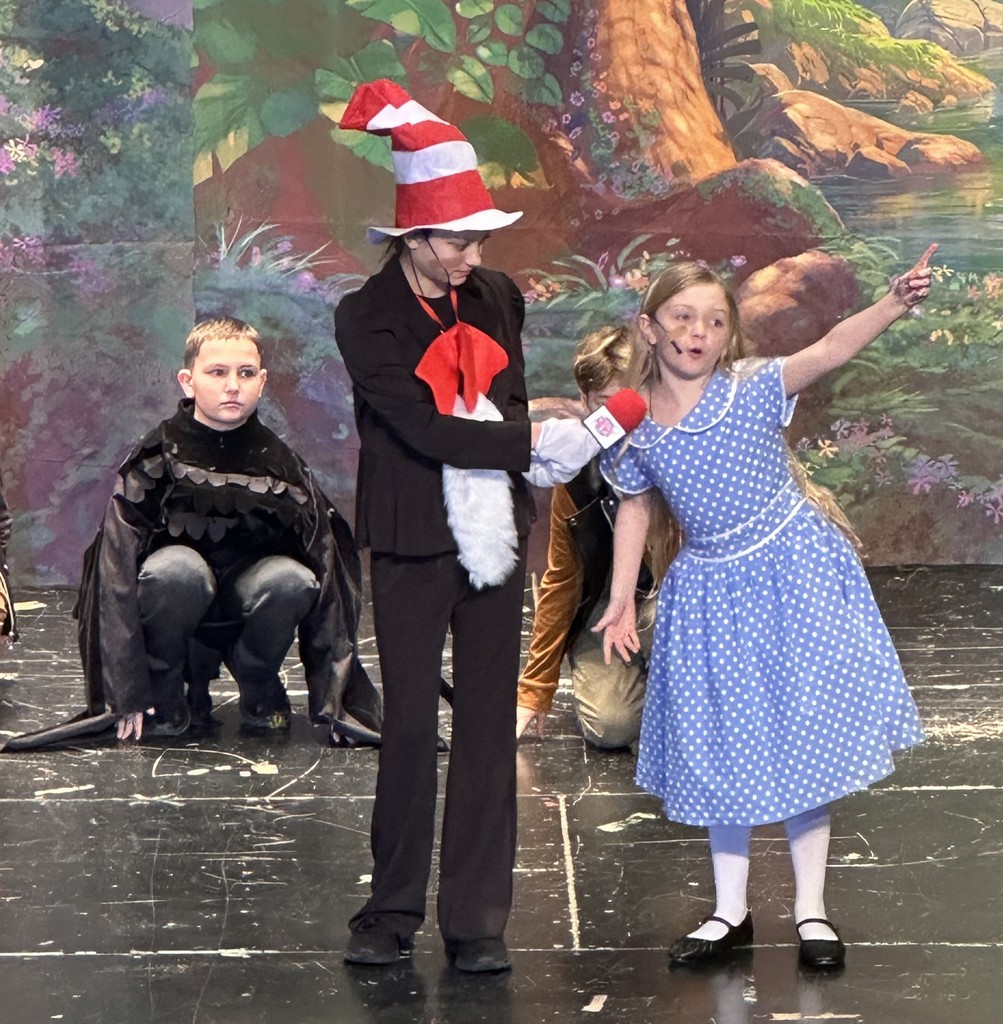
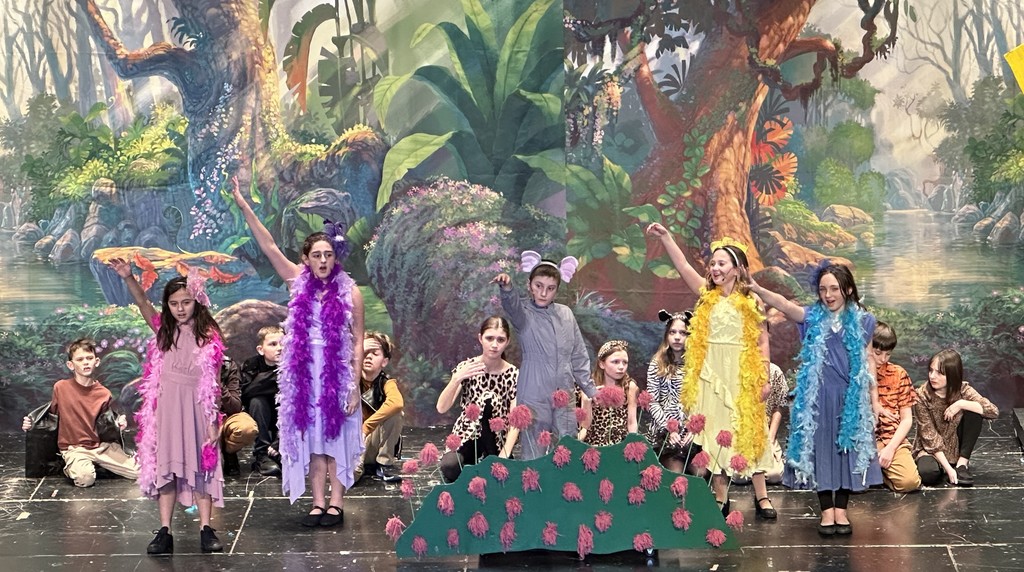
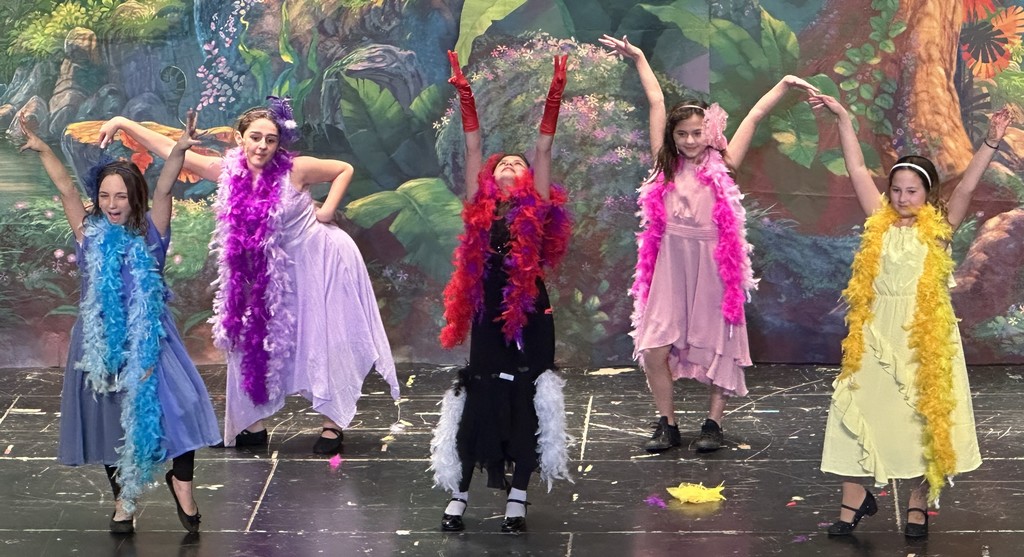
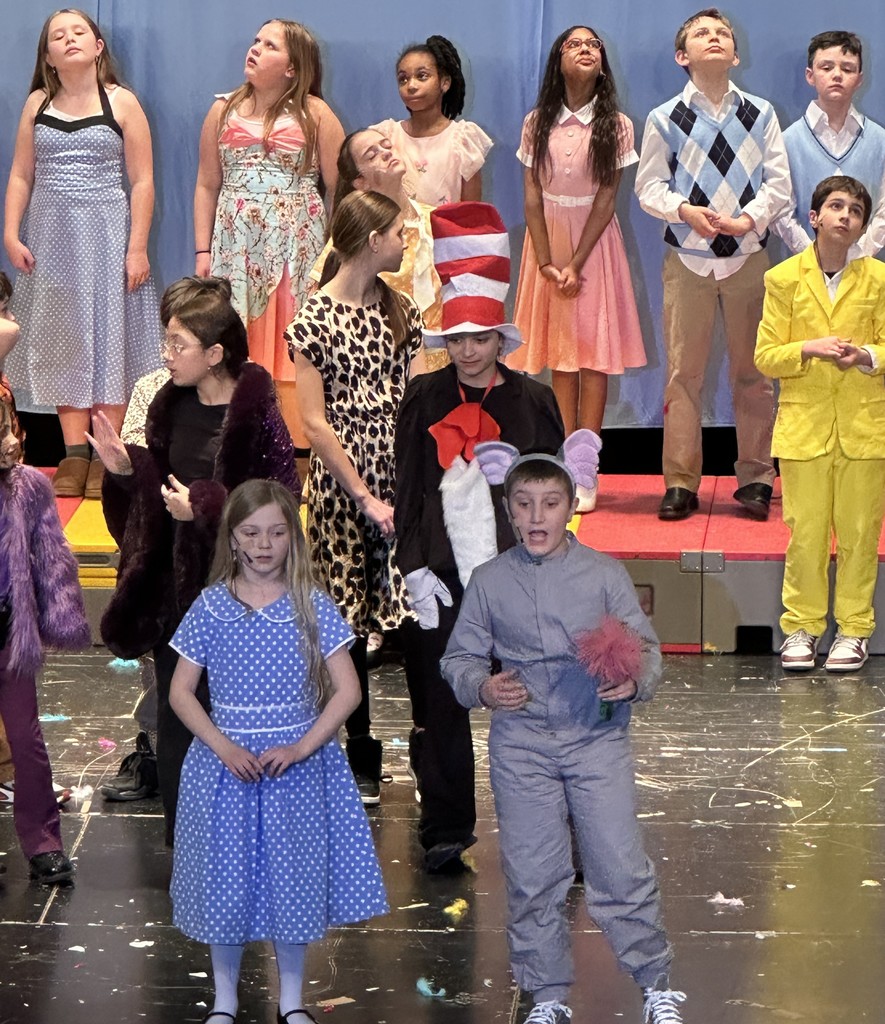
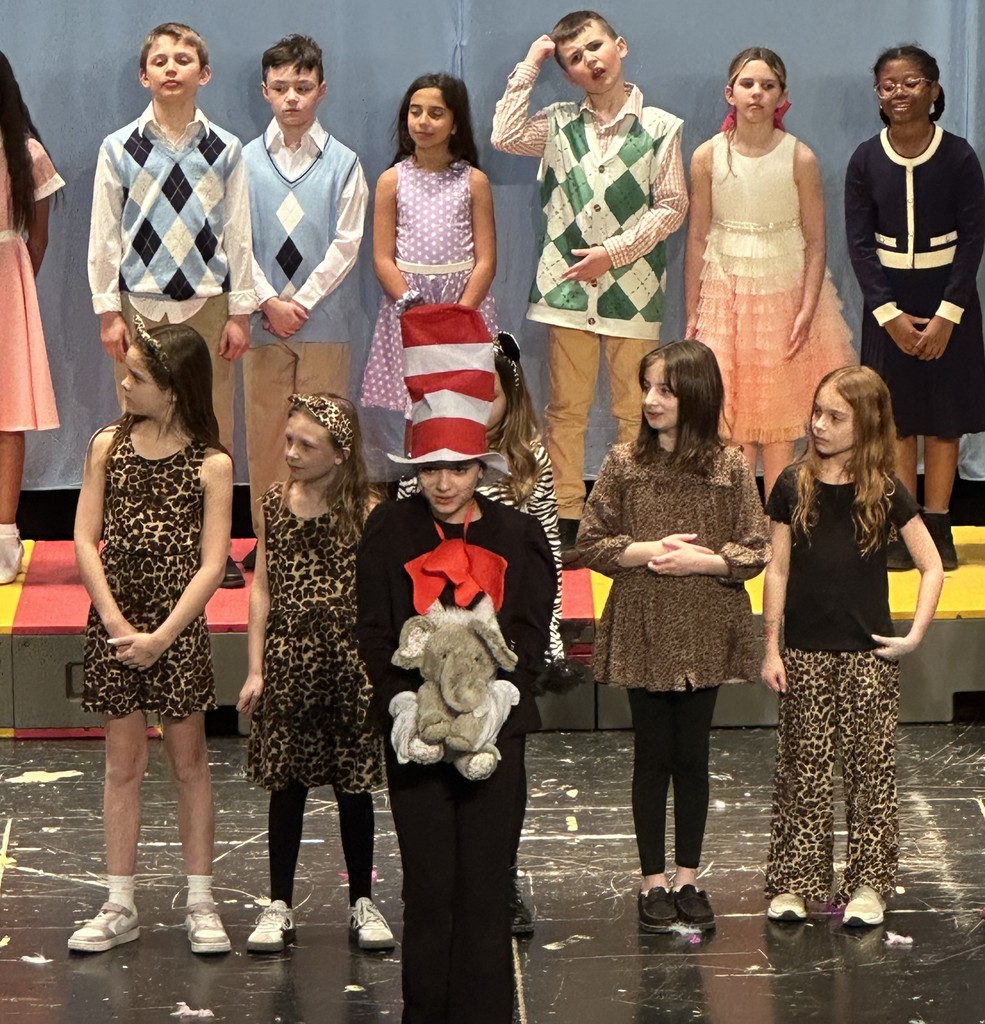
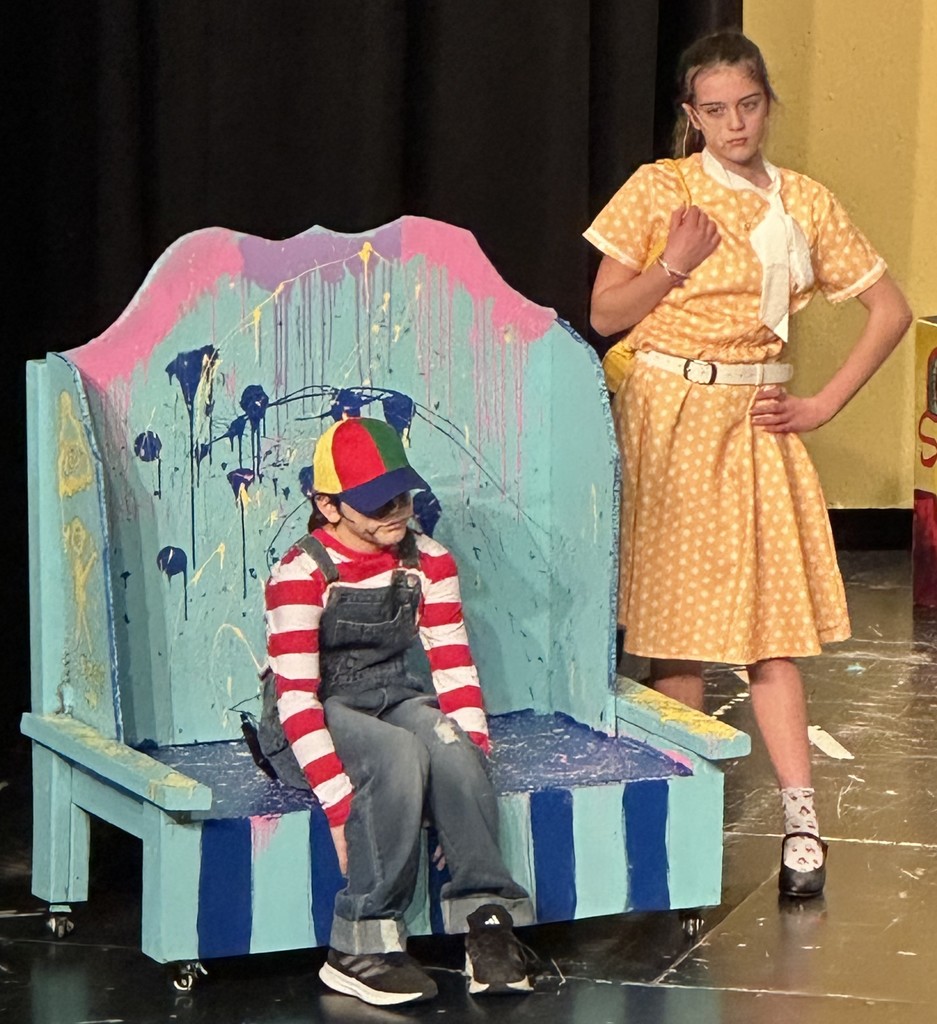
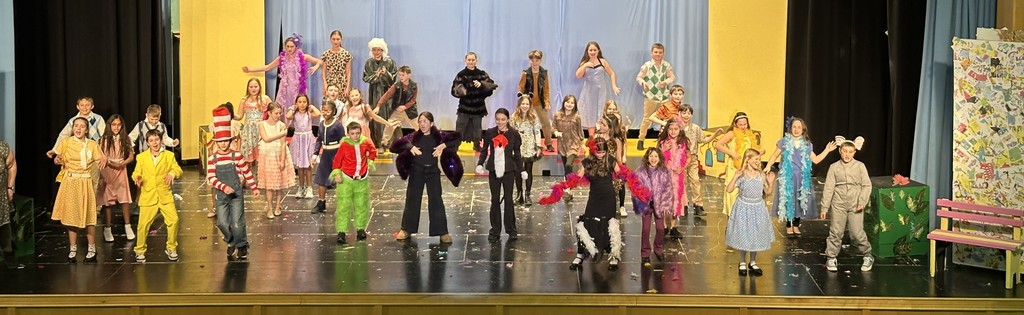
Remember, the Otisville Elementary Drama Club's performances of "Seussical JR" are coming up fast: Tuesday, March 3 and Wednesday, March 4 at 7 p.m. in the Otisville cafetorium.
FREE ADMISSION for all!
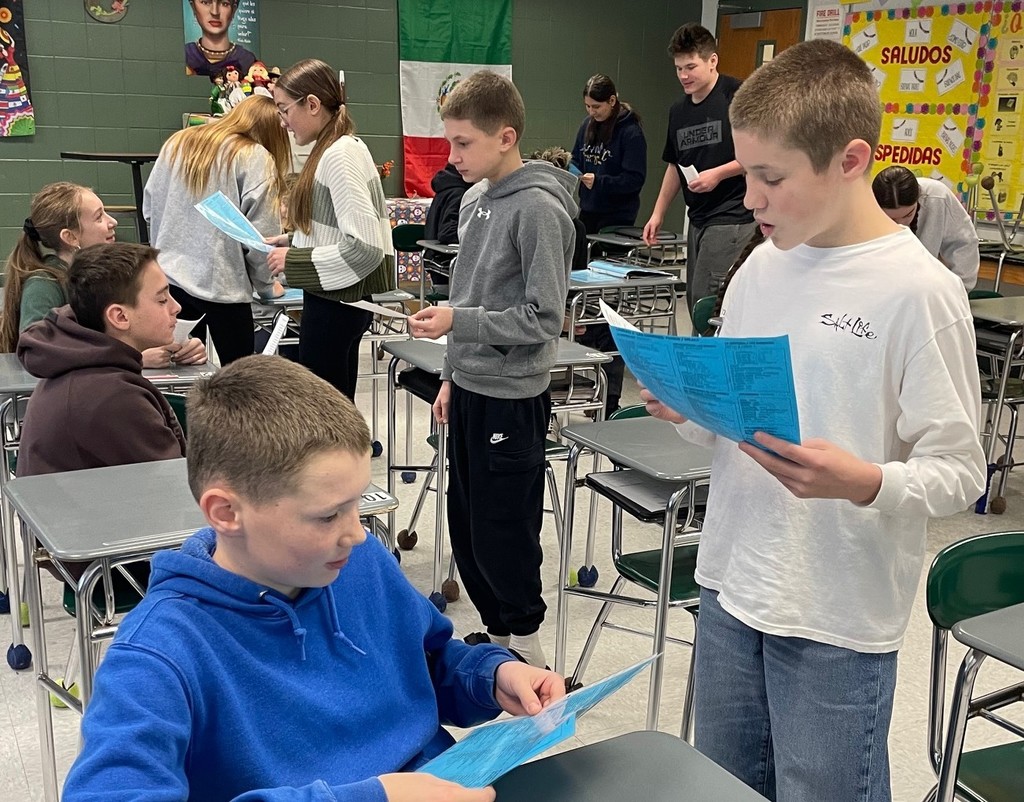
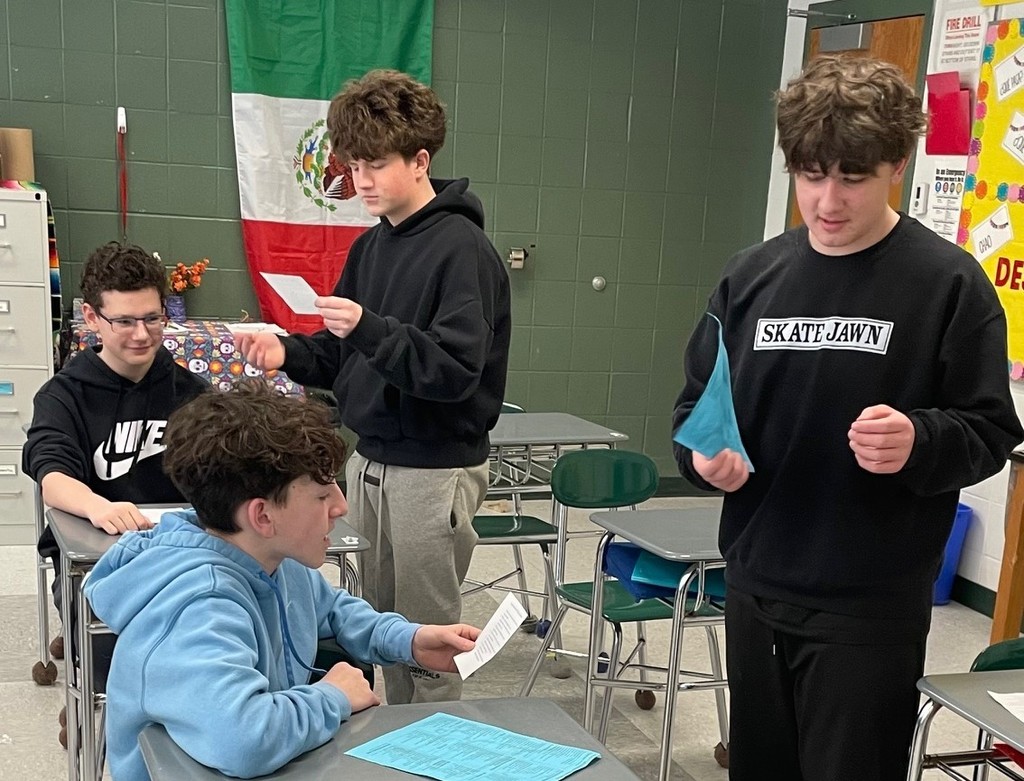
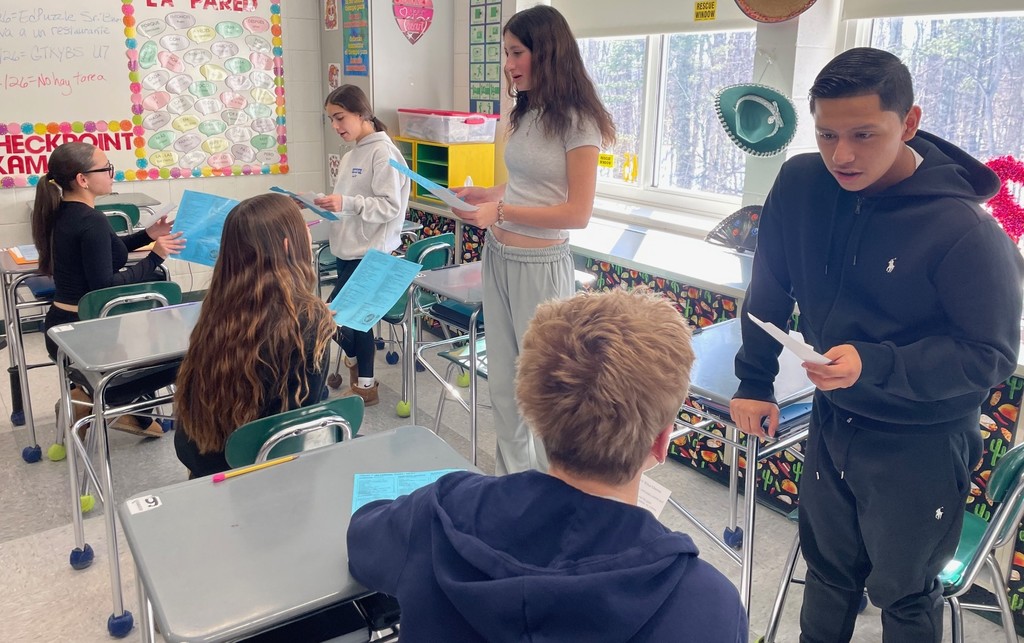
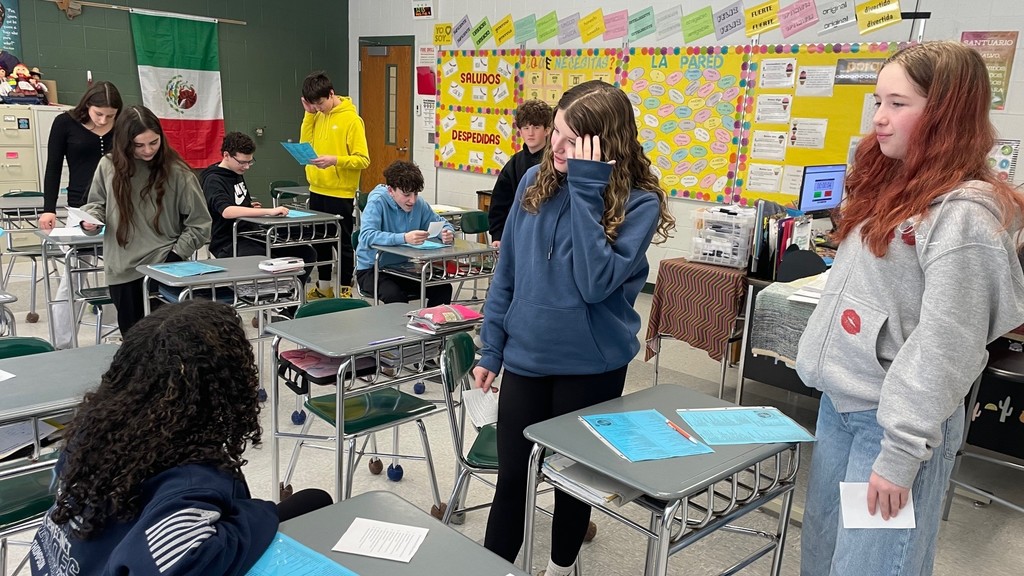
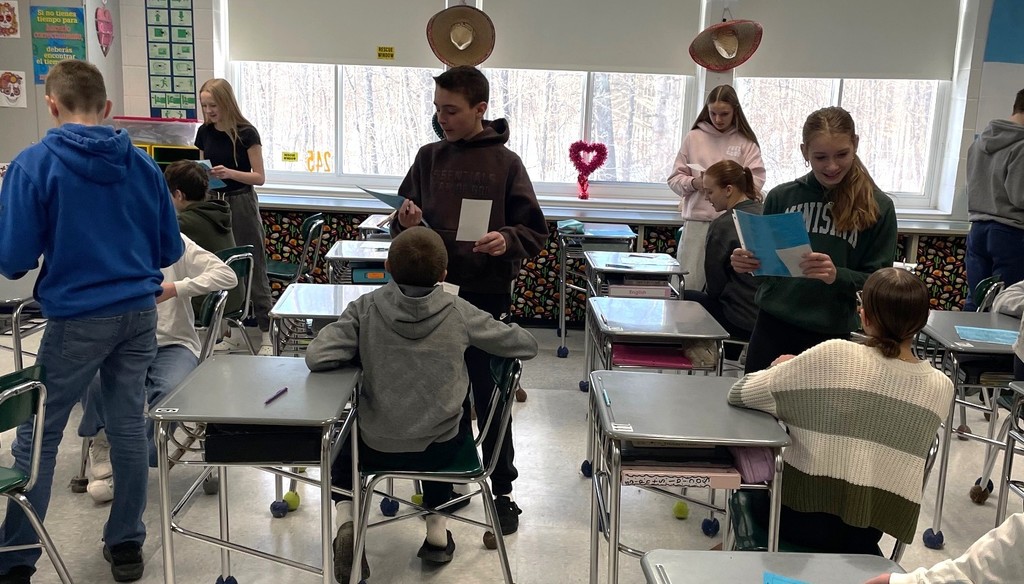
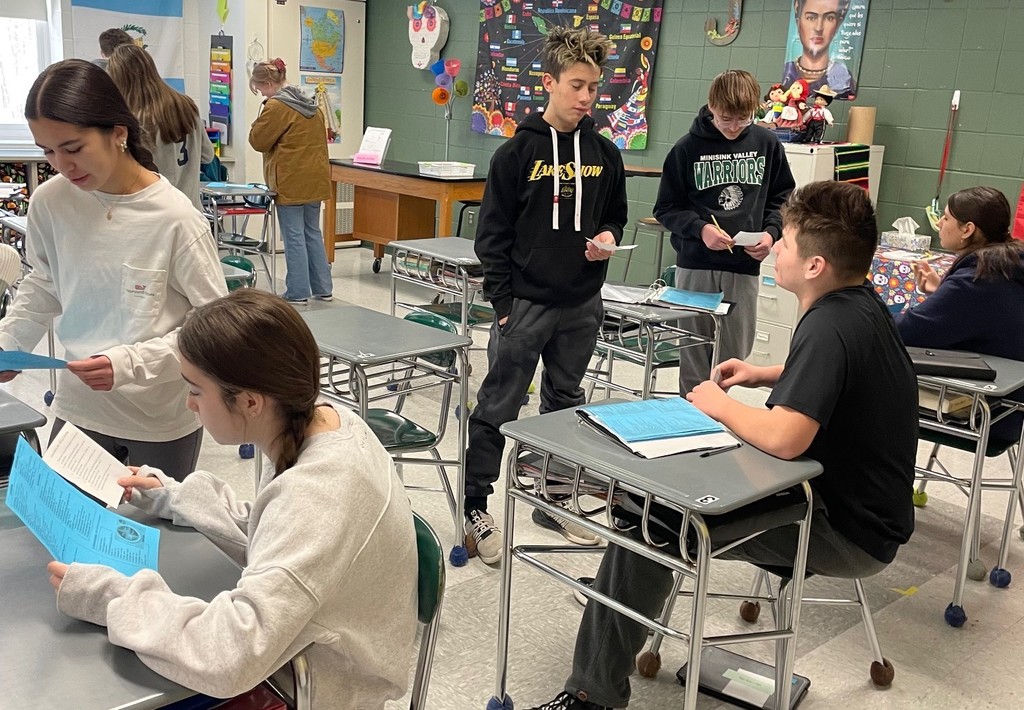
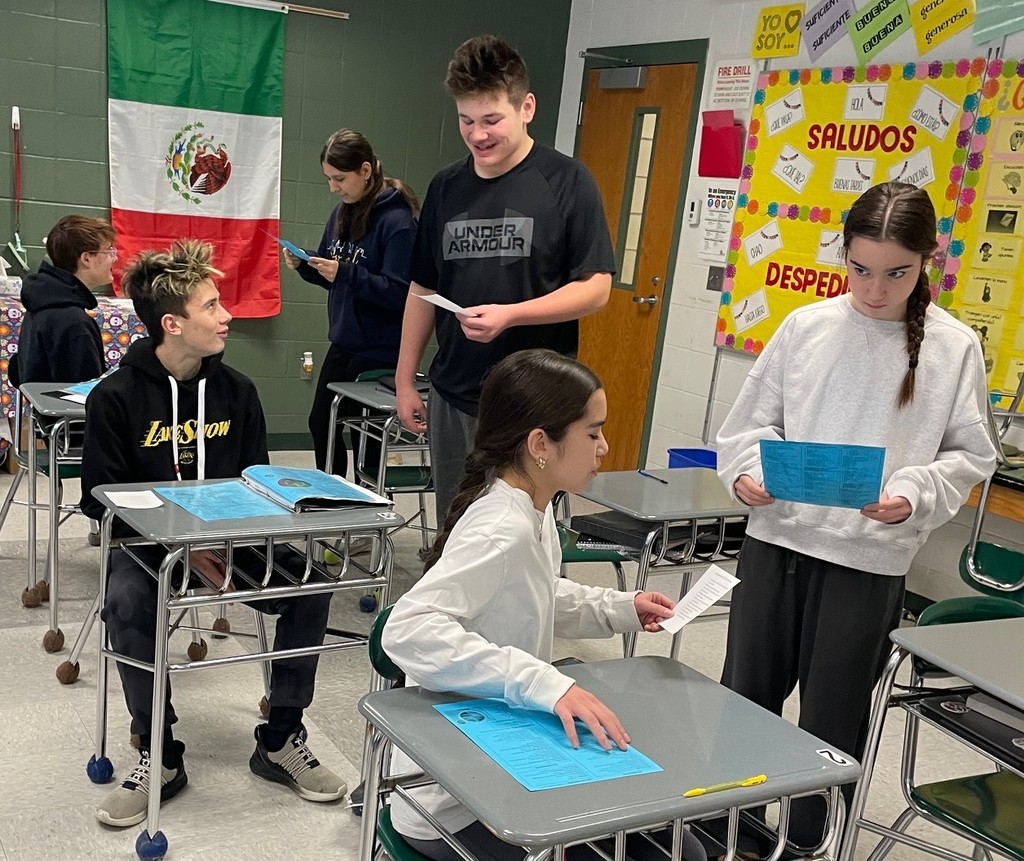
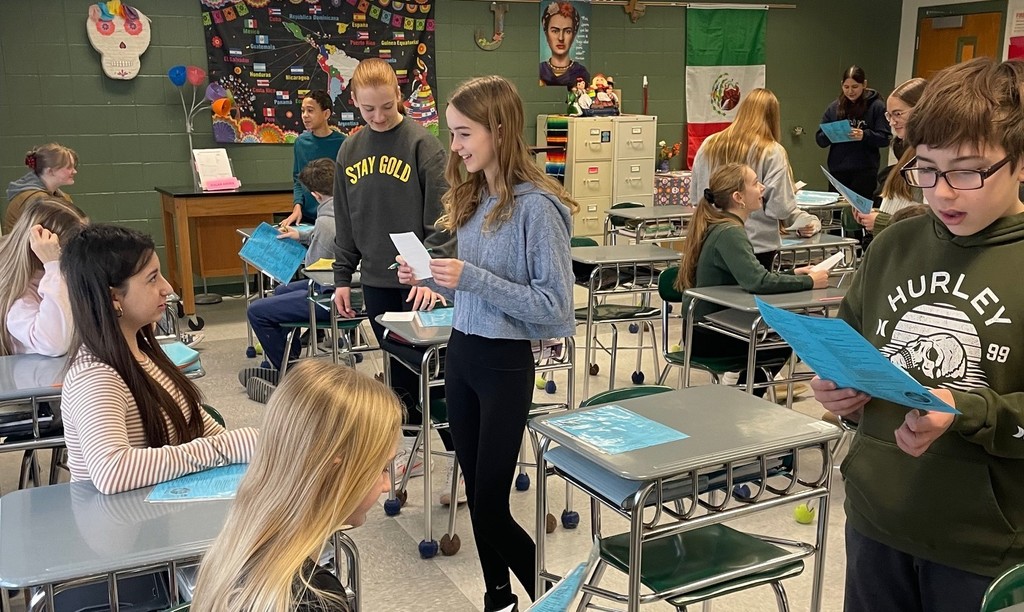
Students in Jackie Mazariegos’ eighth-grade Spanish 1 class often practice speaking with each other in Spanish. During this recent session, students were given the roles of waiter and customer. Students followed prompts for each role and had to complete in order. Then, they switched roles. The speaking activity allowed the students to practice with their vocabulary from the food unit. Bien hecho, todos!
Speaking is one of the pillars of the Spanish 1 Final Year End Exam along with listening, reading and writing. But there’s more important reasons, too: Practicing Spanish with peers is crucial because it transforms language from an abstract academic subject into a practical communication tool, fostering faster fluency and confidence. It’s also creates an immersive, low-stakes environment where students can also reduce their fear of mistakes while strengthening cognitive skills, cultural awareness and social interaction.
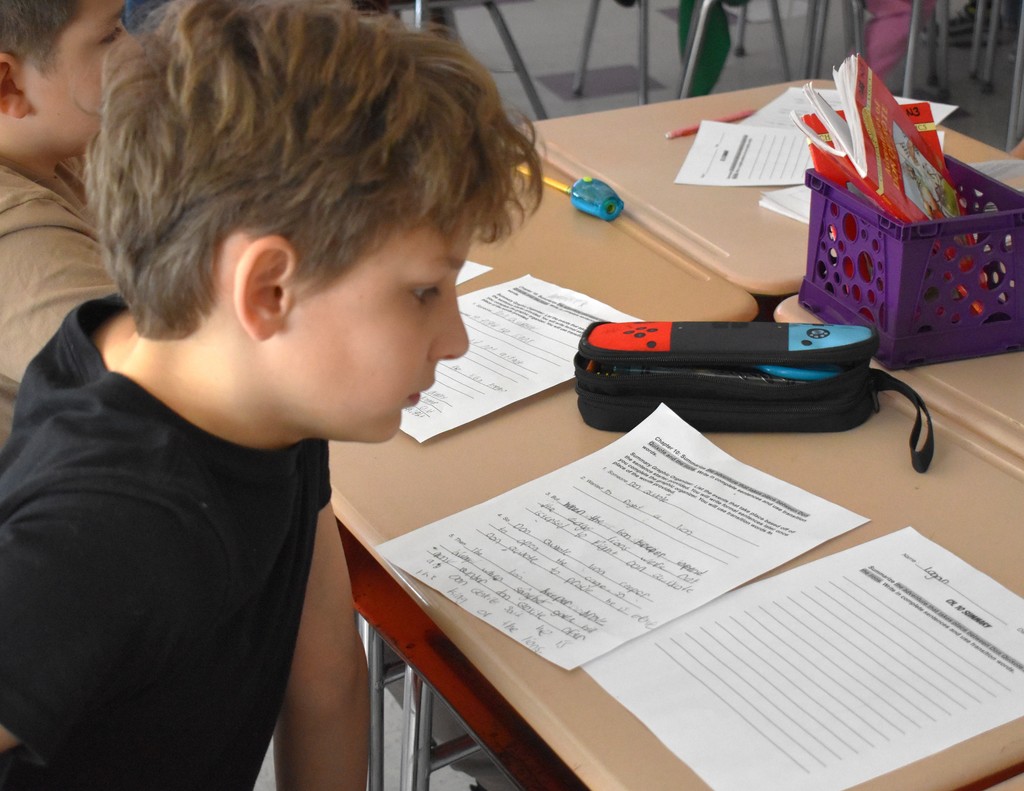
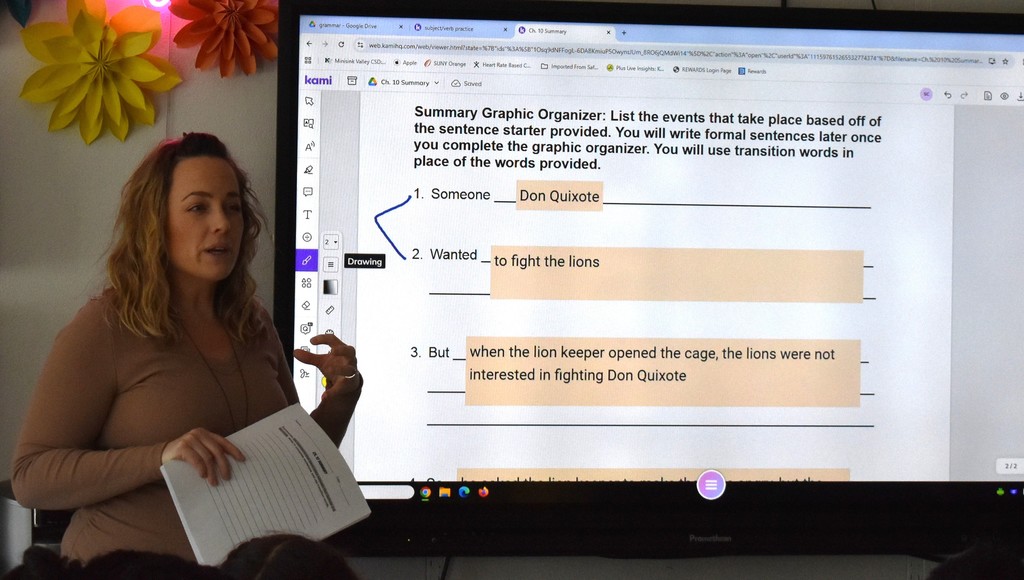
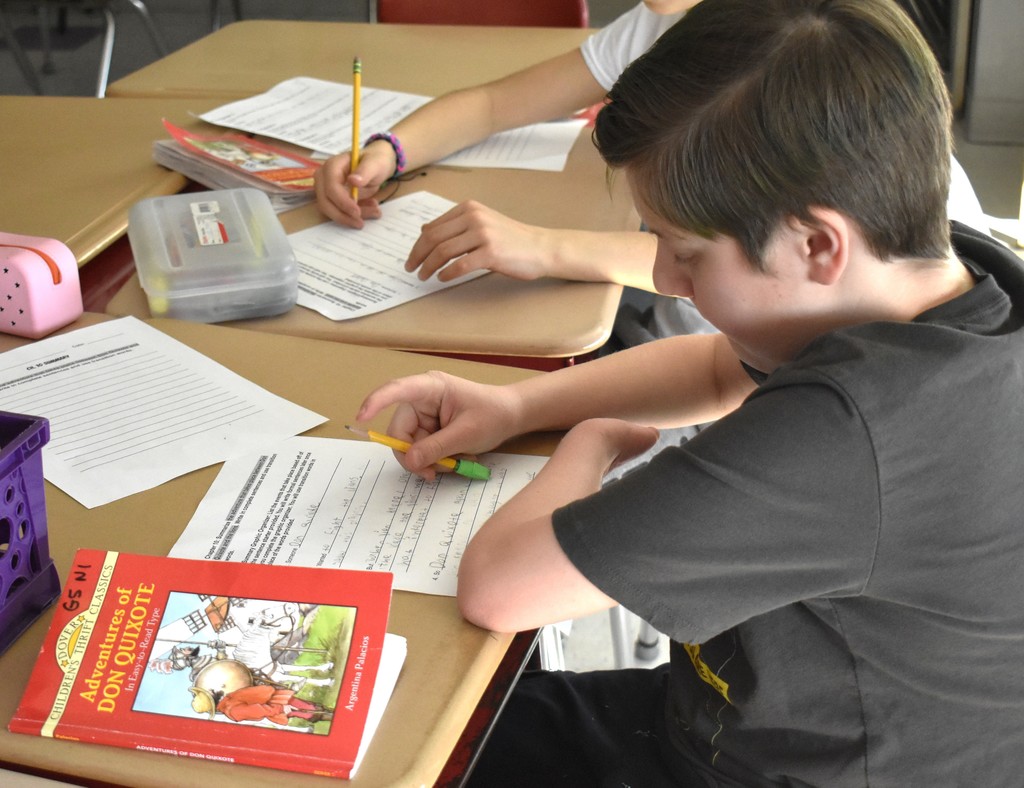
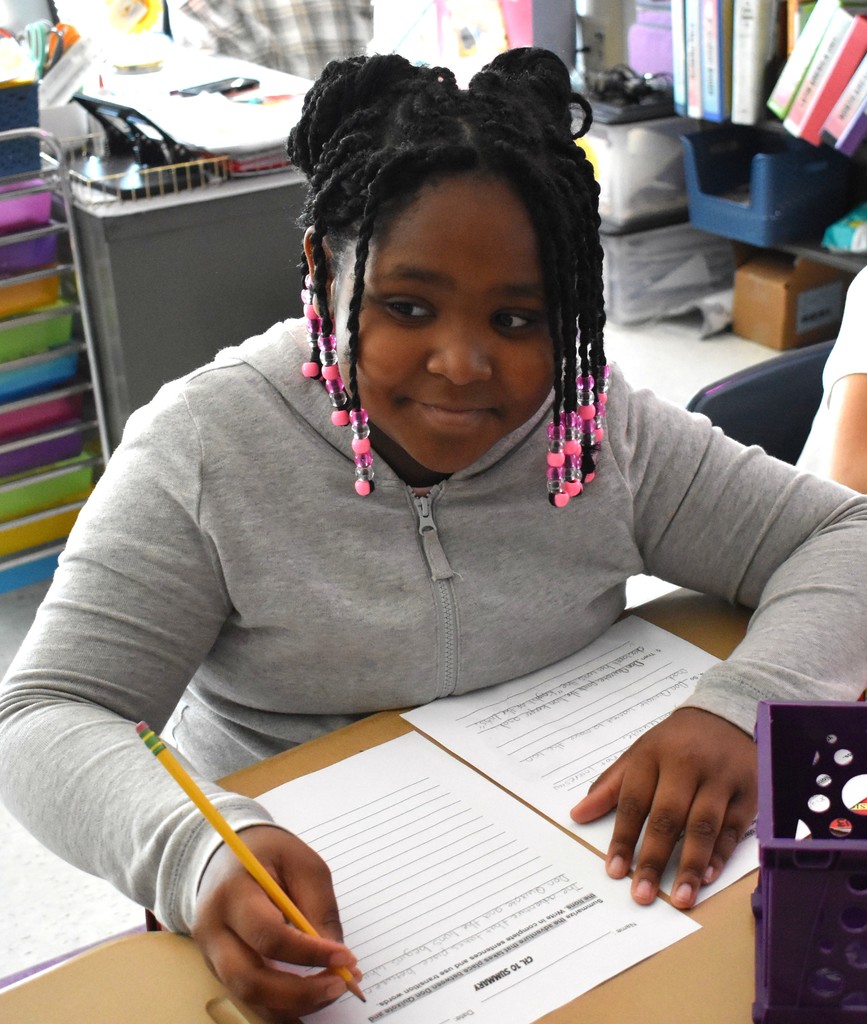
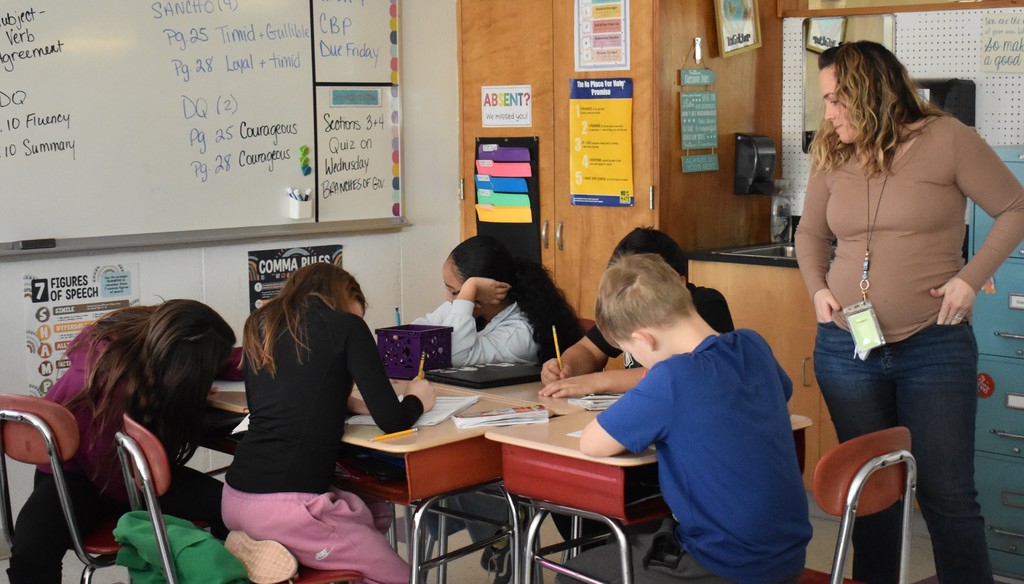
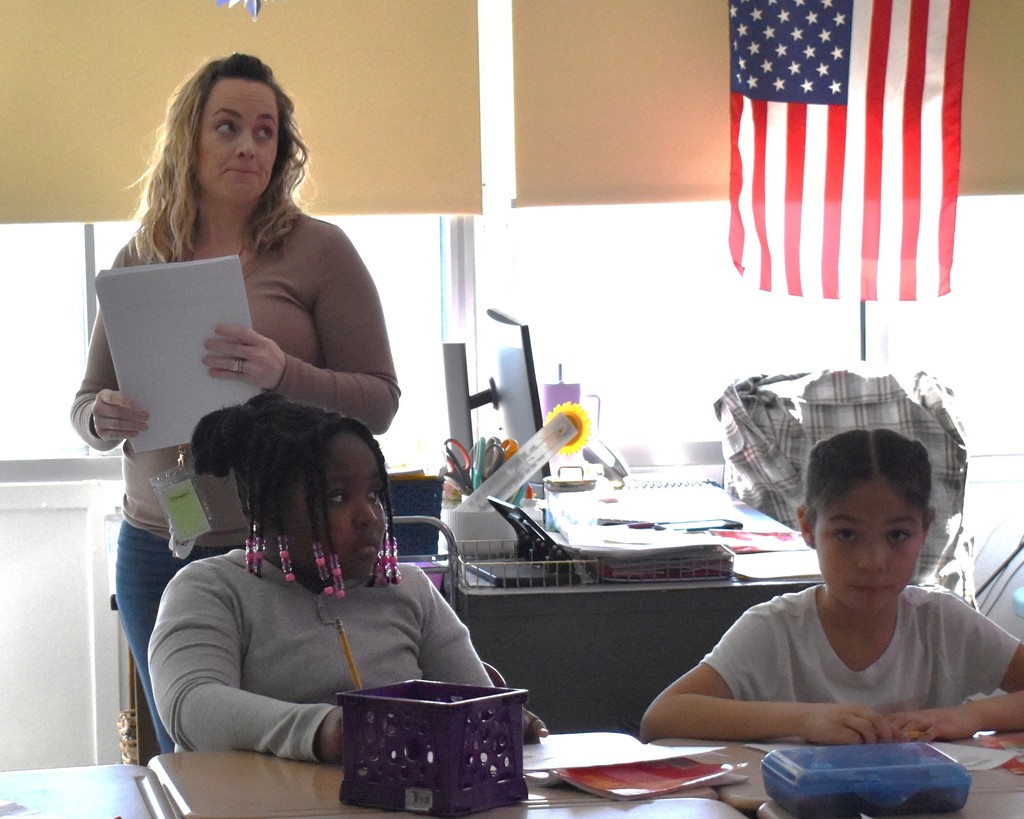
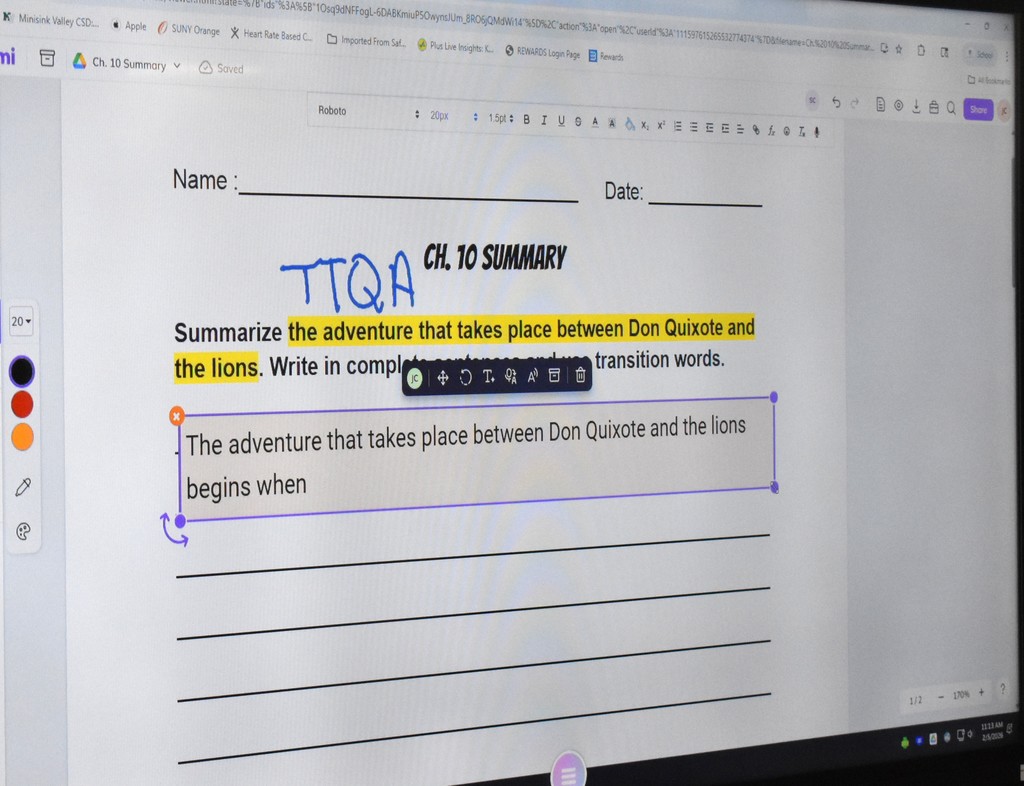
After reviewing the graphic organizer they worked on with their partners, students independently wrote a summary using appropriate transition words and phrases. This work helps students become thoughtful readers, effective writers and independent learners, not just in ELA but across all subjects! That’s because it builds several foundational literacy skills that fifth graders need for long-term academic success, including: Strengthening comprehension, developing analytical thinking, improving writing clarity and organization and more. Summarizing content is a critical skill used in science, social studies, and assessments!
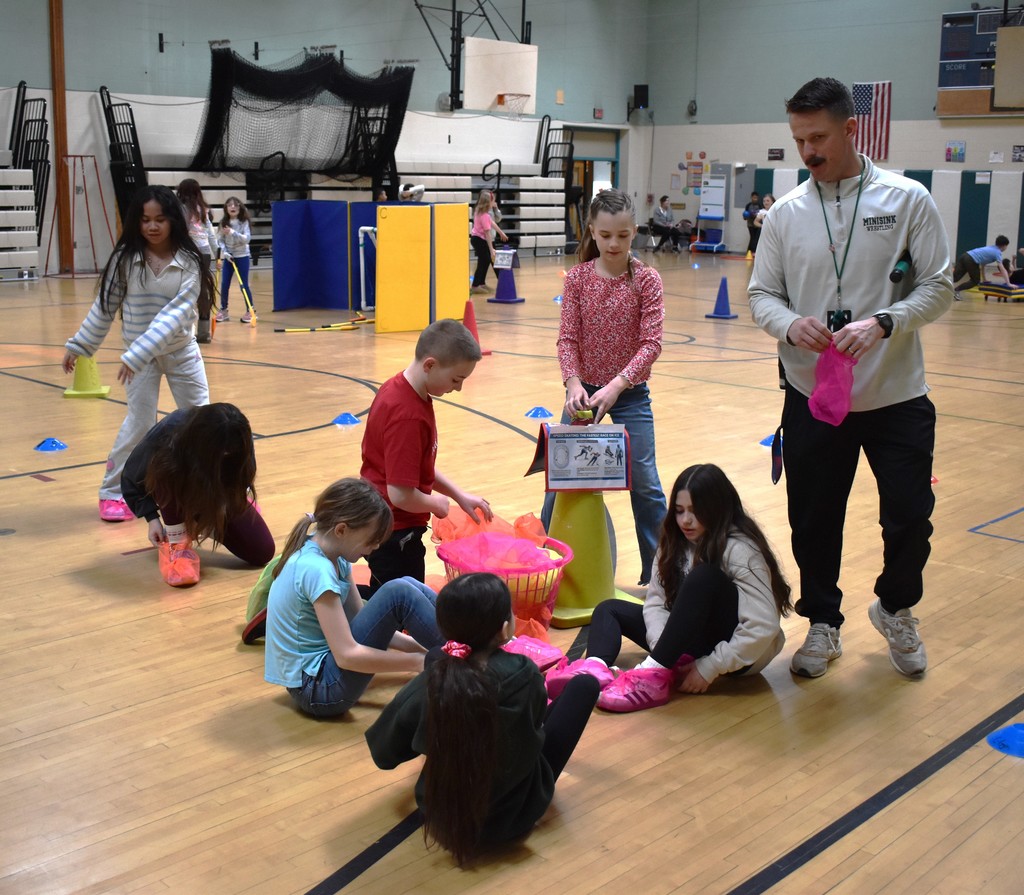
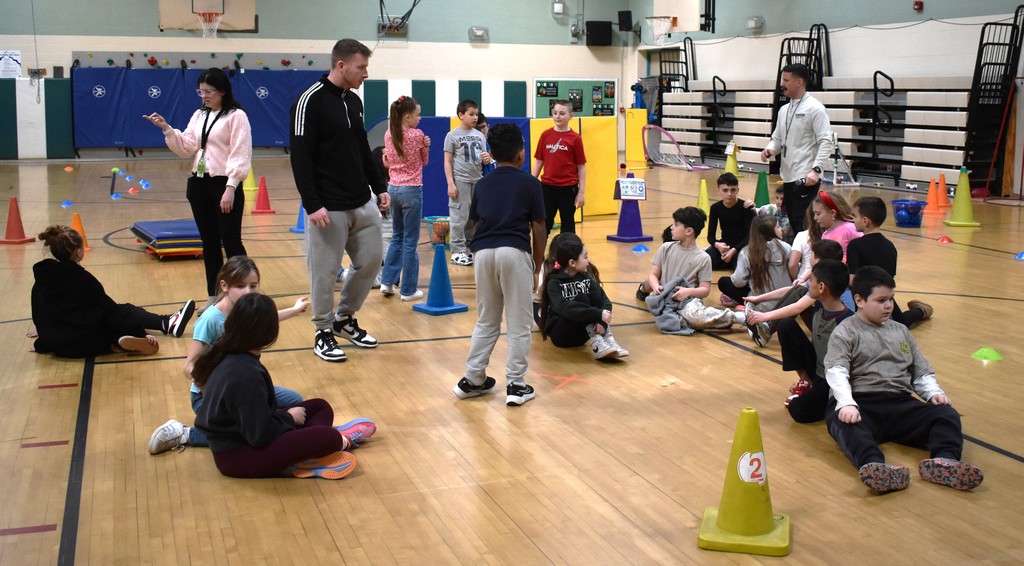
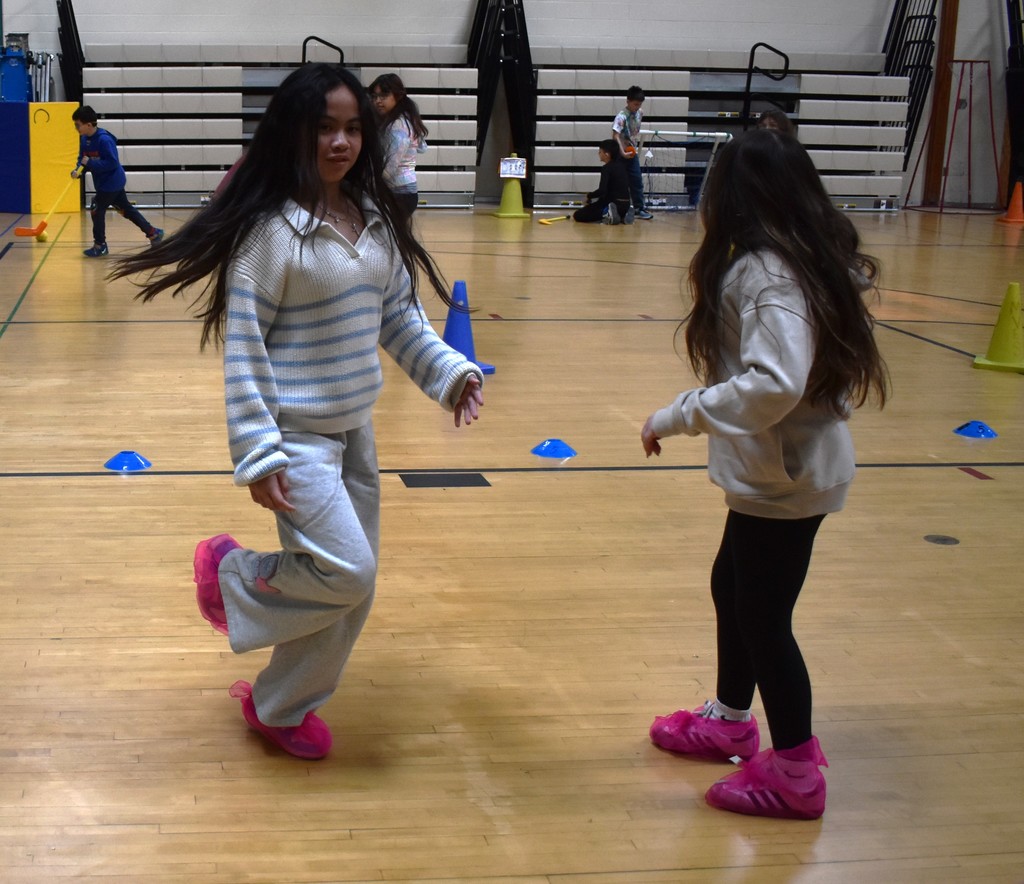
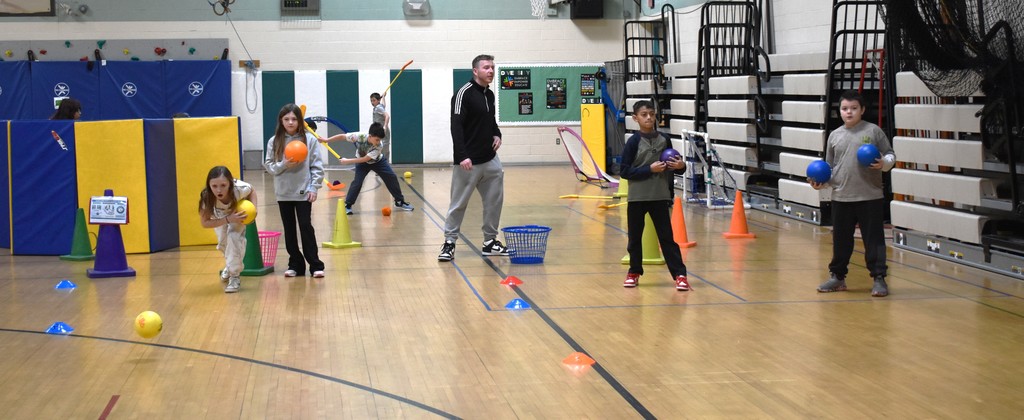
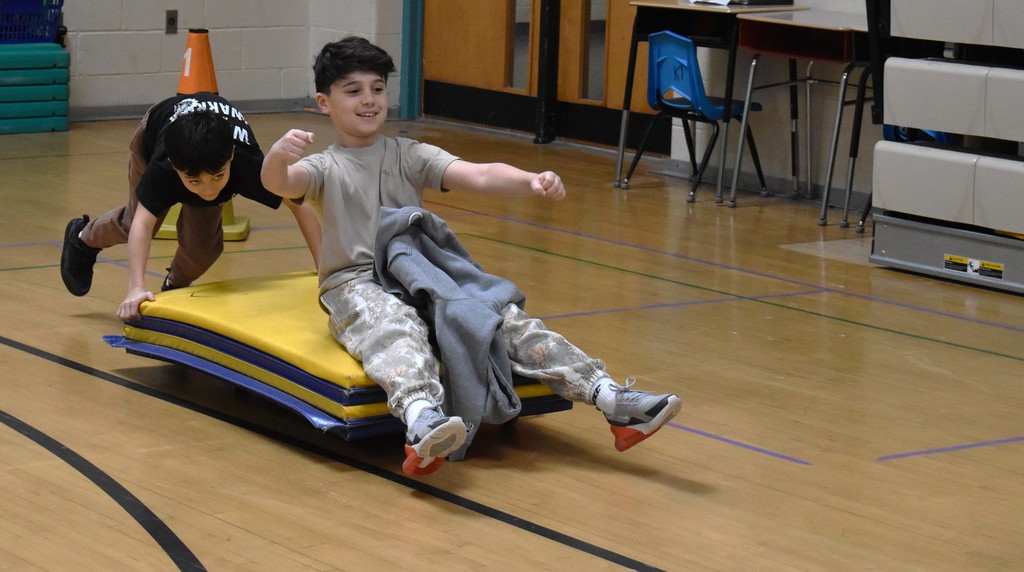
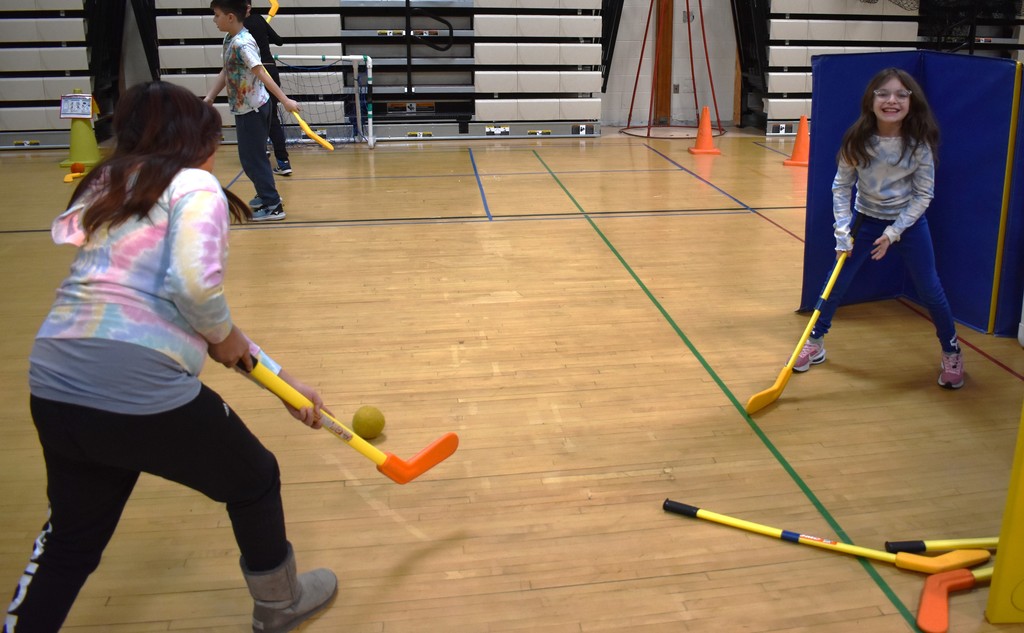
The closing ceremonies to the Milano Cortina 2026 Winter Olympics were yesterday, and many district faculty have incorporated the Olympic games into classroom activities. This included Ross Potter and Jonathan Sakadelis and their IS physical education students, who learned about different Winter Olympic events!
Their recent classes focused on four bobsledding, speed skating, curling and ice hockey stations. Students rotated through them to take part in their version of these events, and learned more about each from information cards that explained the different equipment and rules for that particular event. Take a look!
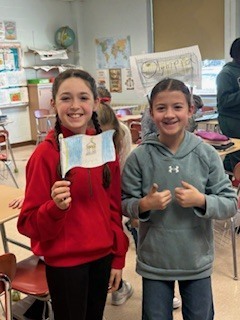
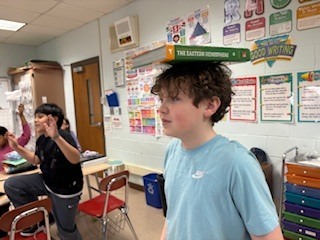
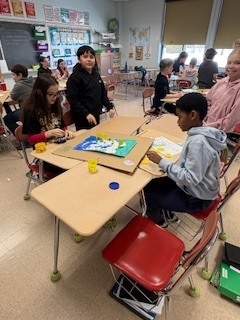
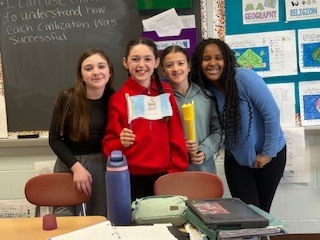
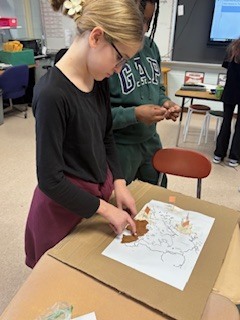
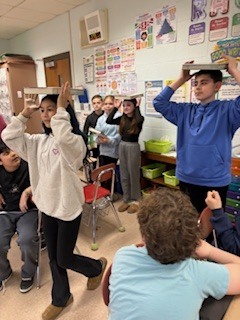
The closing ceremonies to the Milano Cortina 2026 Winter Olympics were yesterday, and many district faculty have incorporated the Olympic games into classroom activities. This included Noelle Ferguson and Jaclyn Lockett and their sixth-grade social studies students, who are currently studying Ancient Greece.
Combining hands-on geography with physical competition is a fantastic way to bring the world of Ancient Greece to life! Their recent project bridged the gap between the rugged terrain that shaped Greek city-states and the athletic culture that defined Ancient Greek spirit. Students created a 3D map to demonstrate the geography of Ancient Greece and completed in their own Classroom Olympics. Each group was given a city-state to research and create a flag representing their city states.
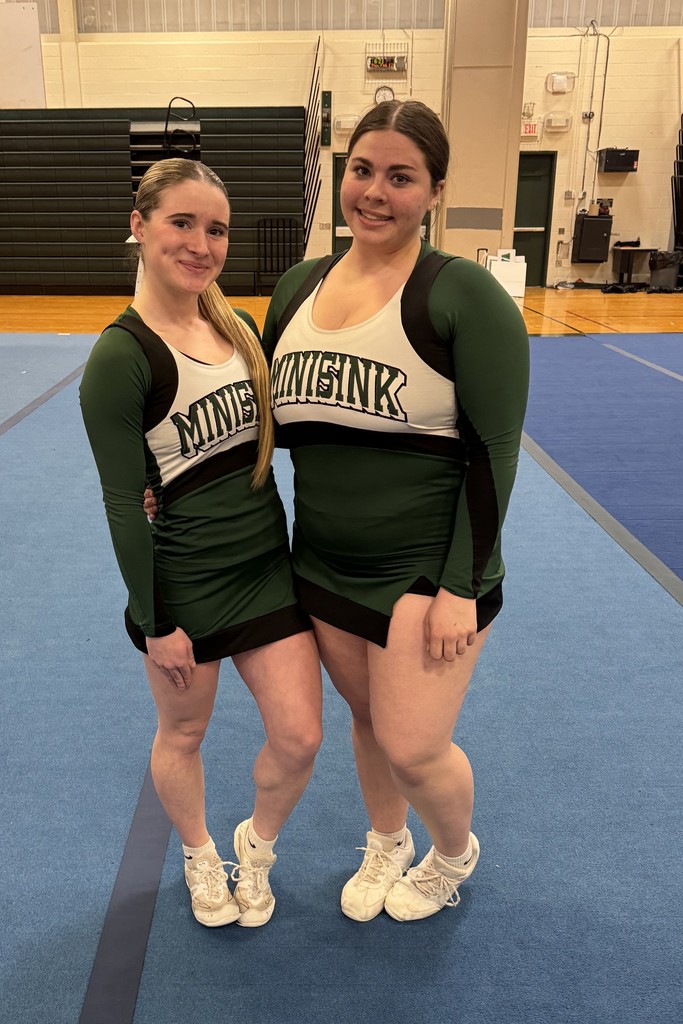
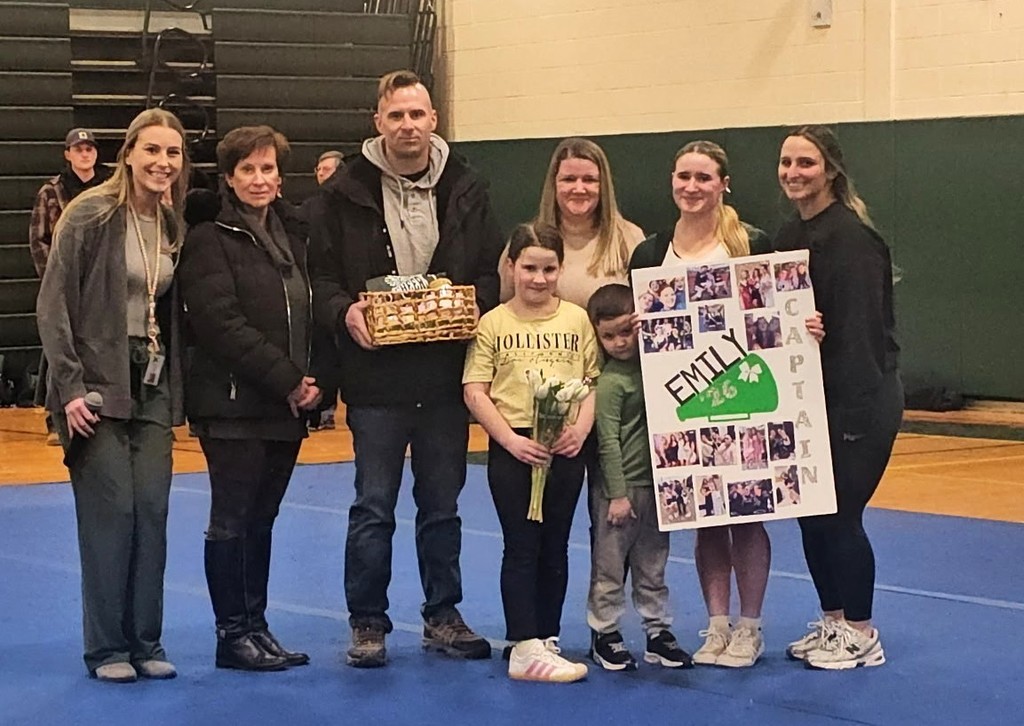
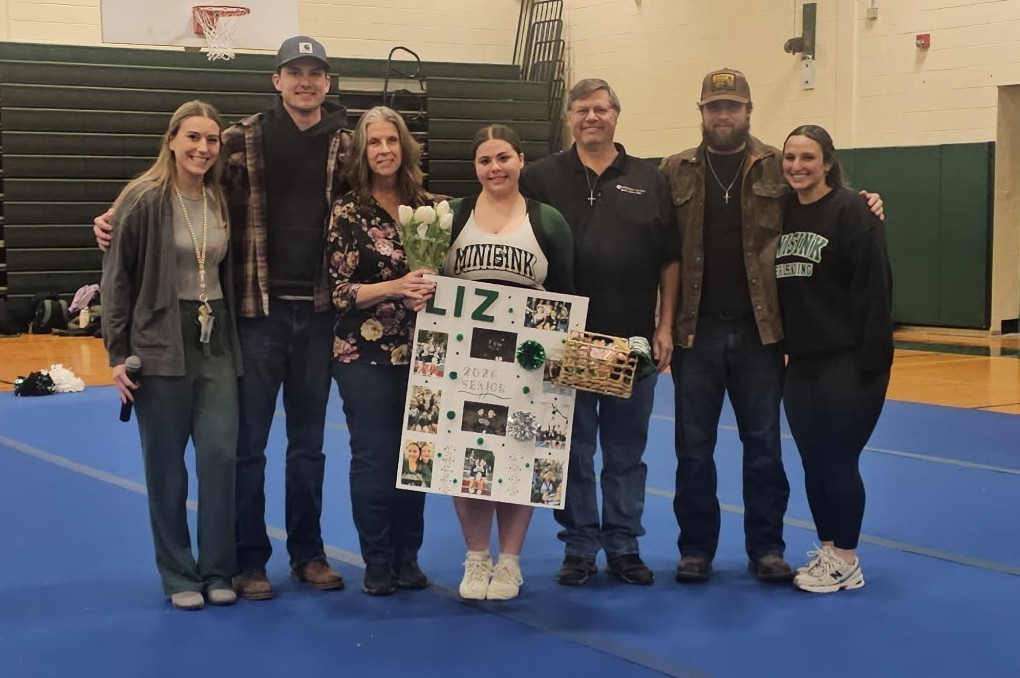
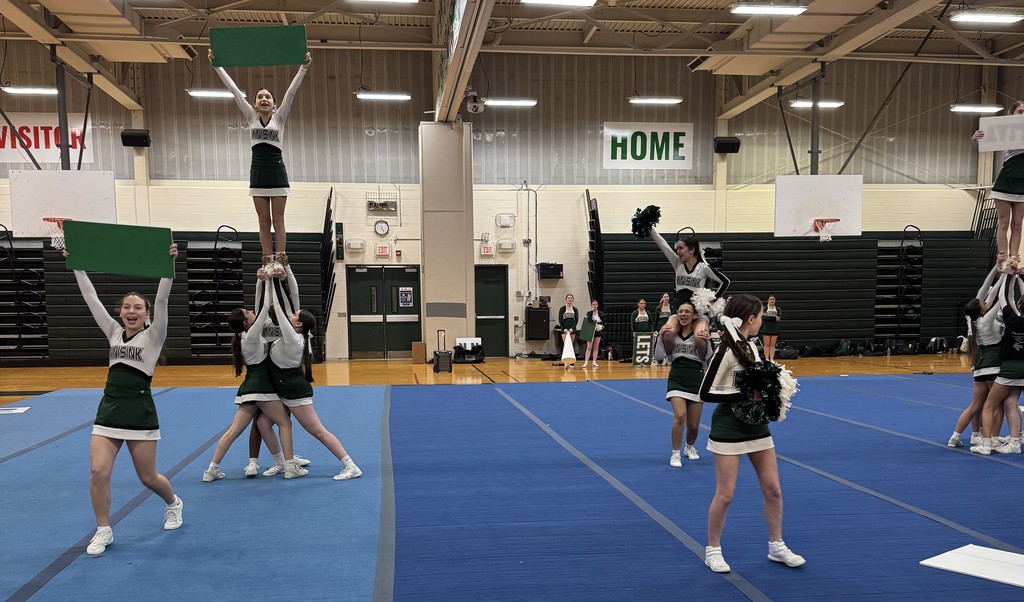
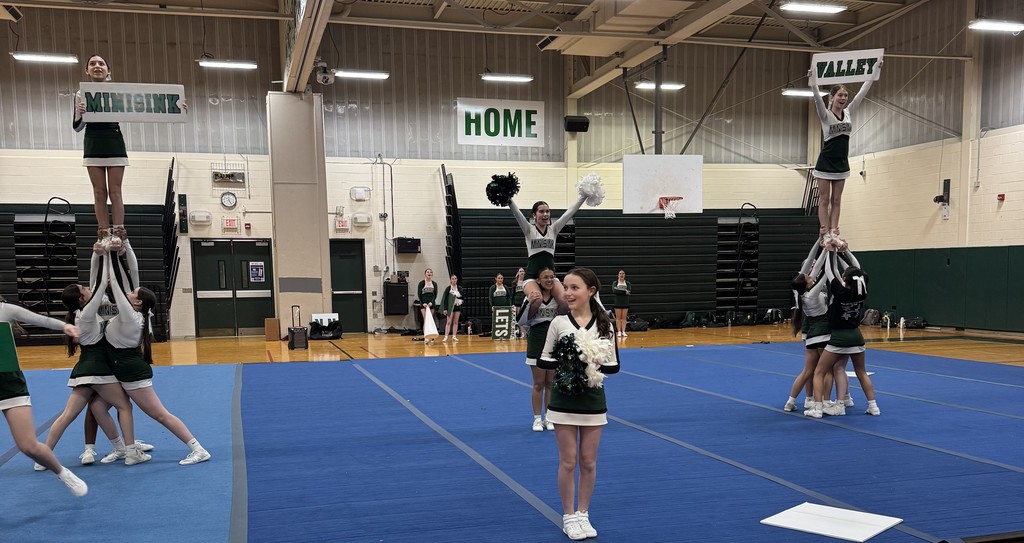
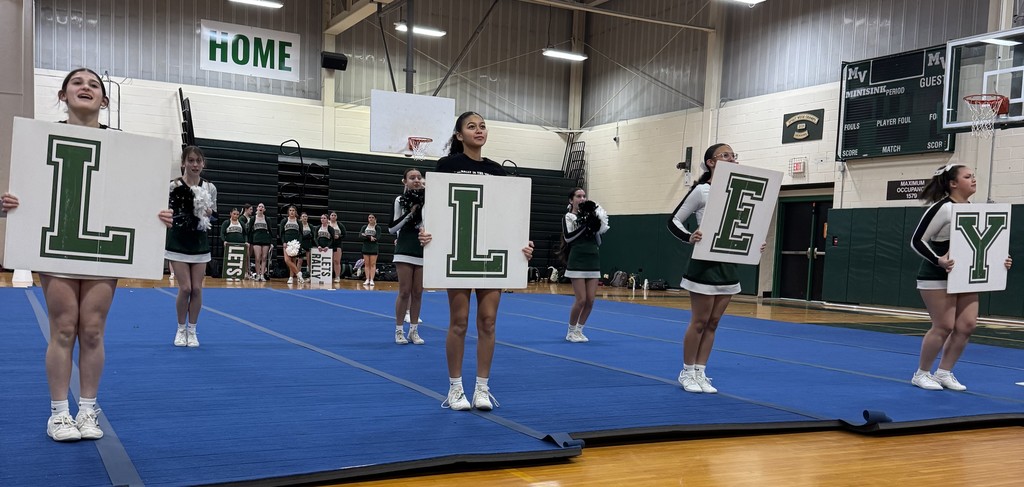
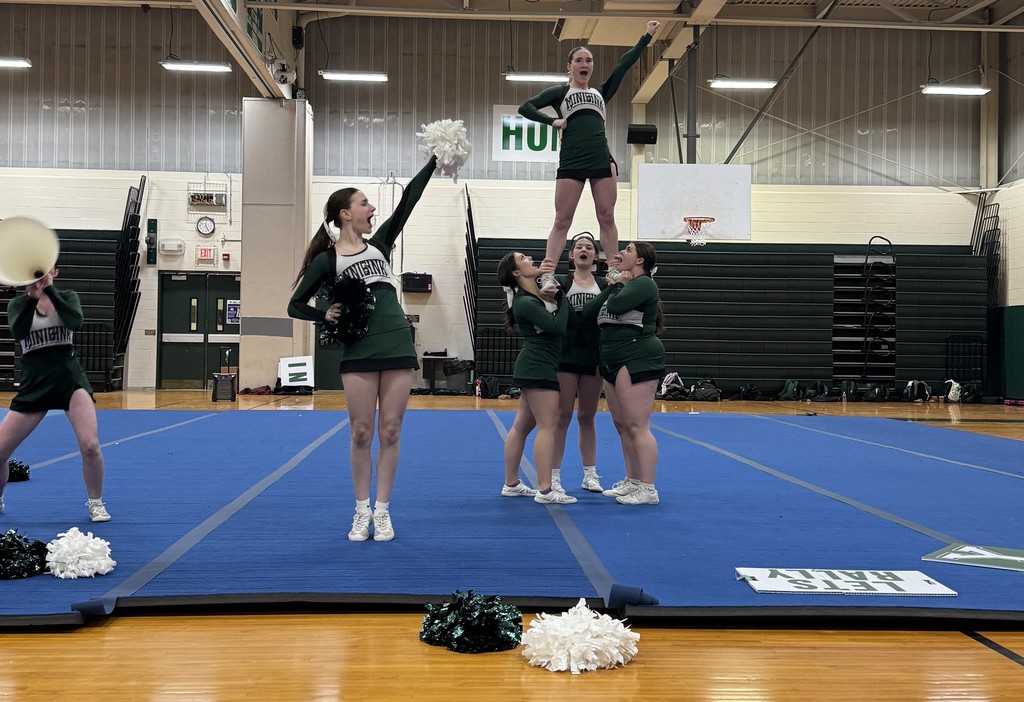
As part of the celebration, the team -- including Elizabeth and Emily --- performed for all who attended the evening!
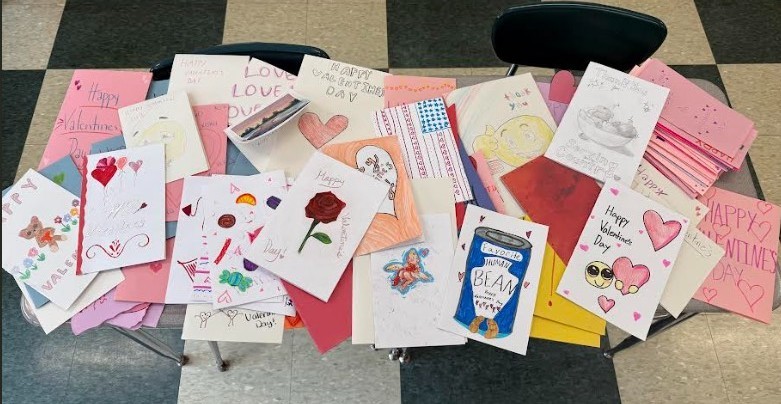
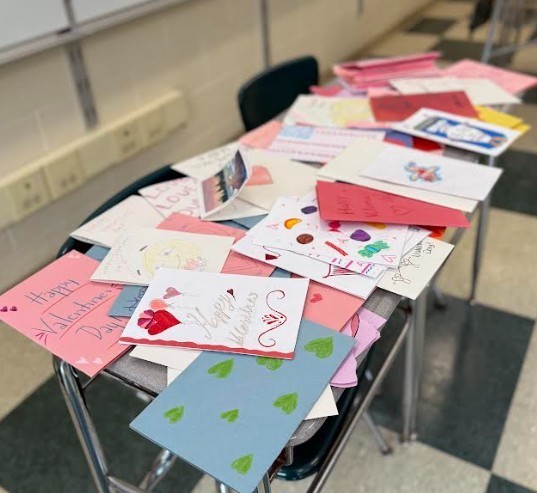
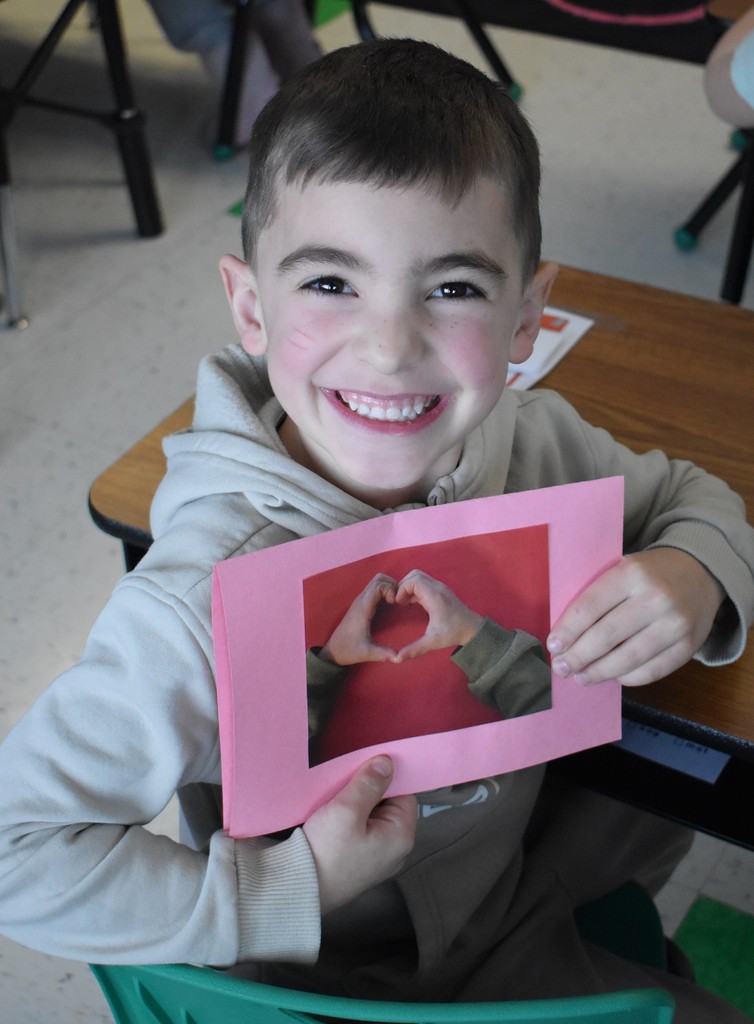
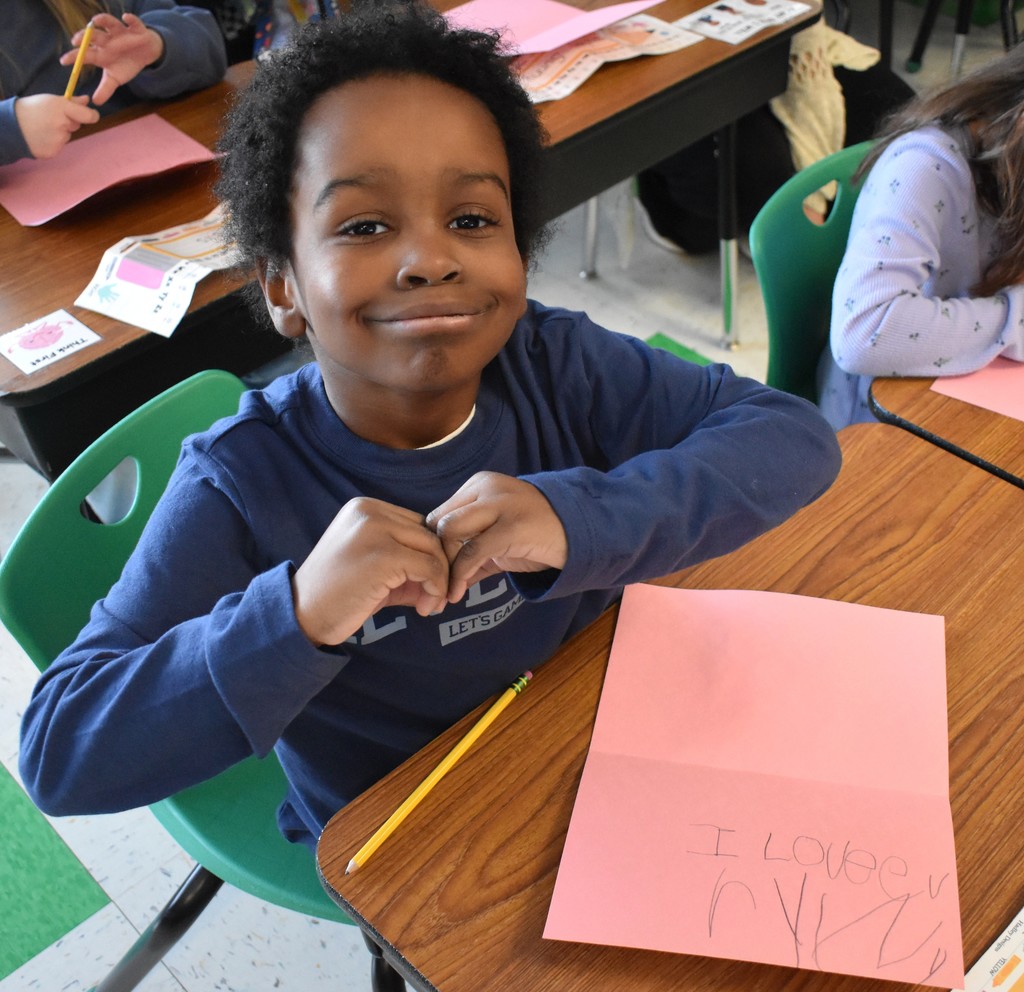
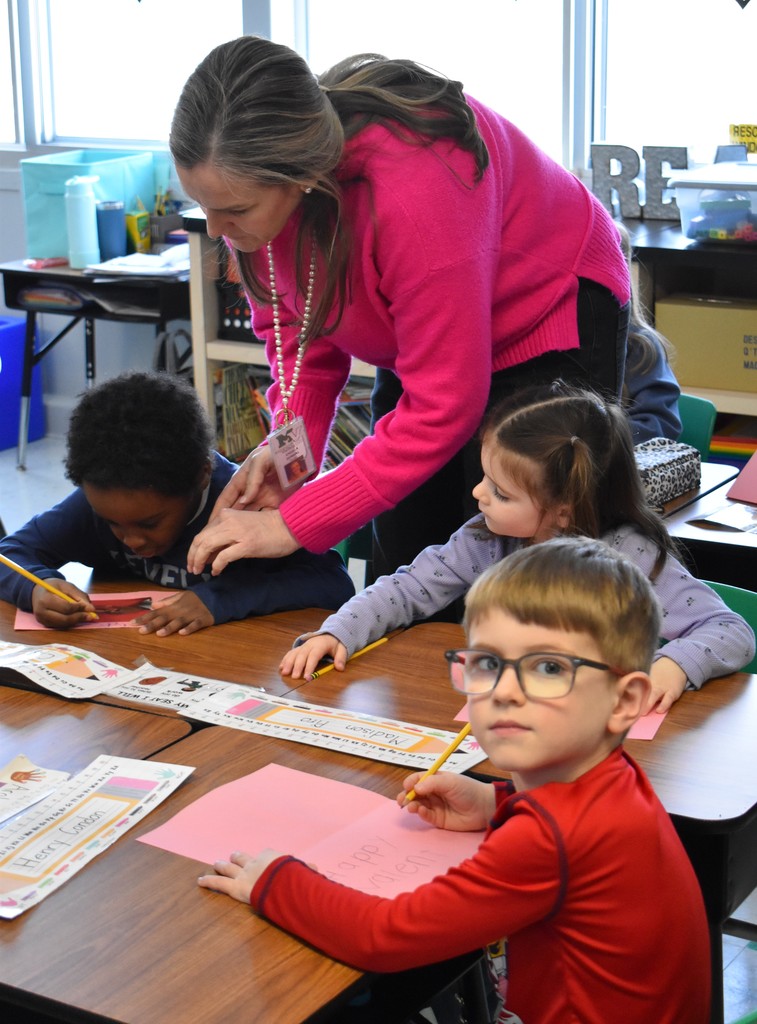
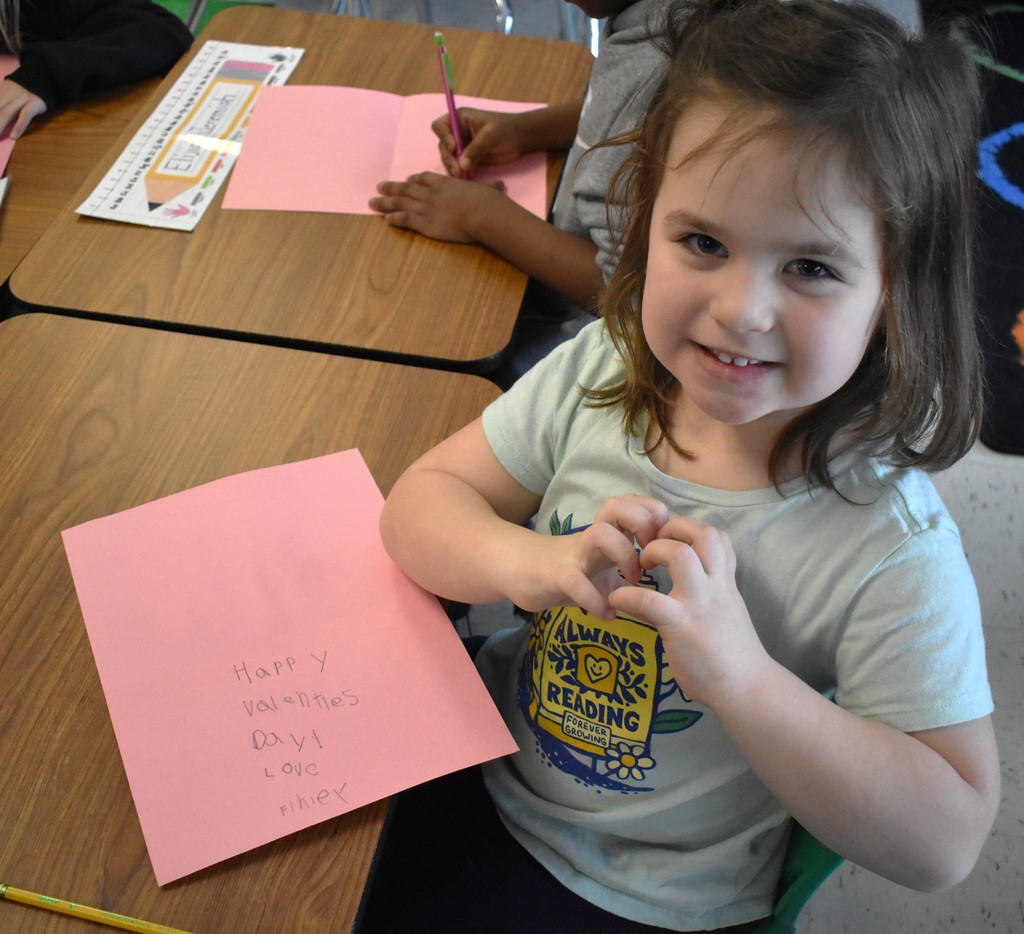
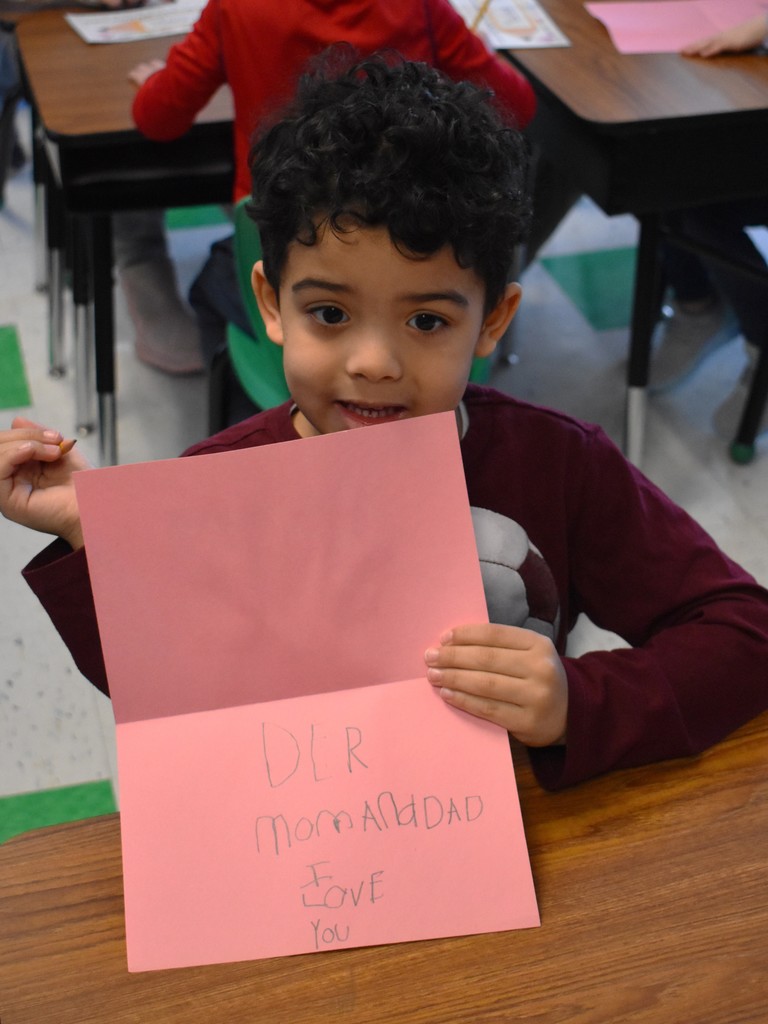
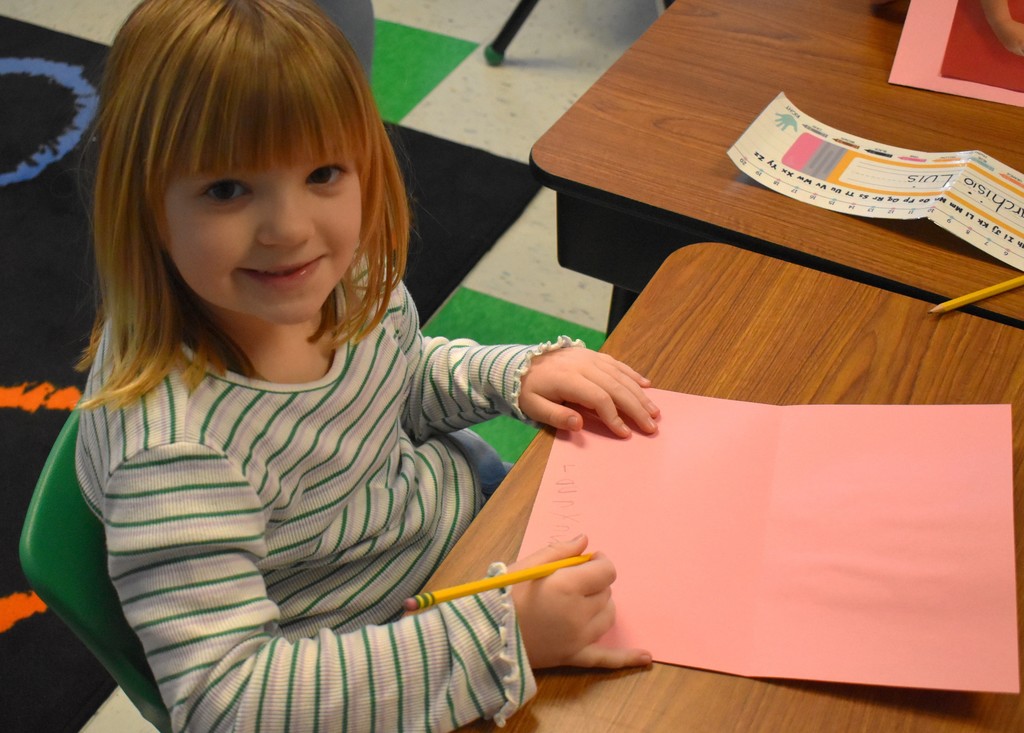
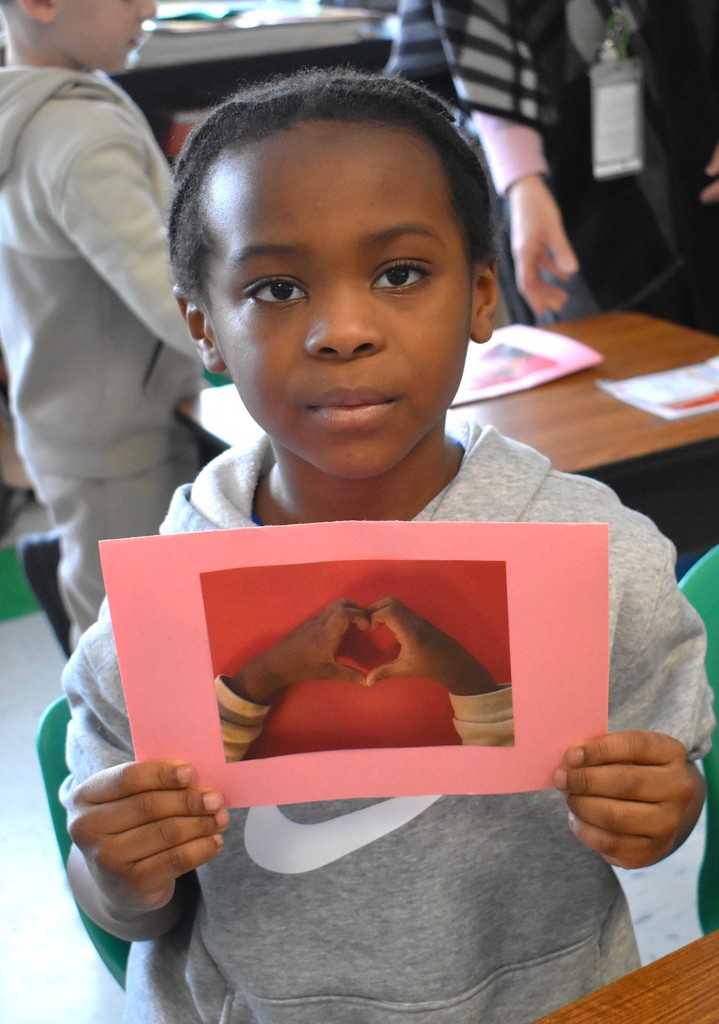
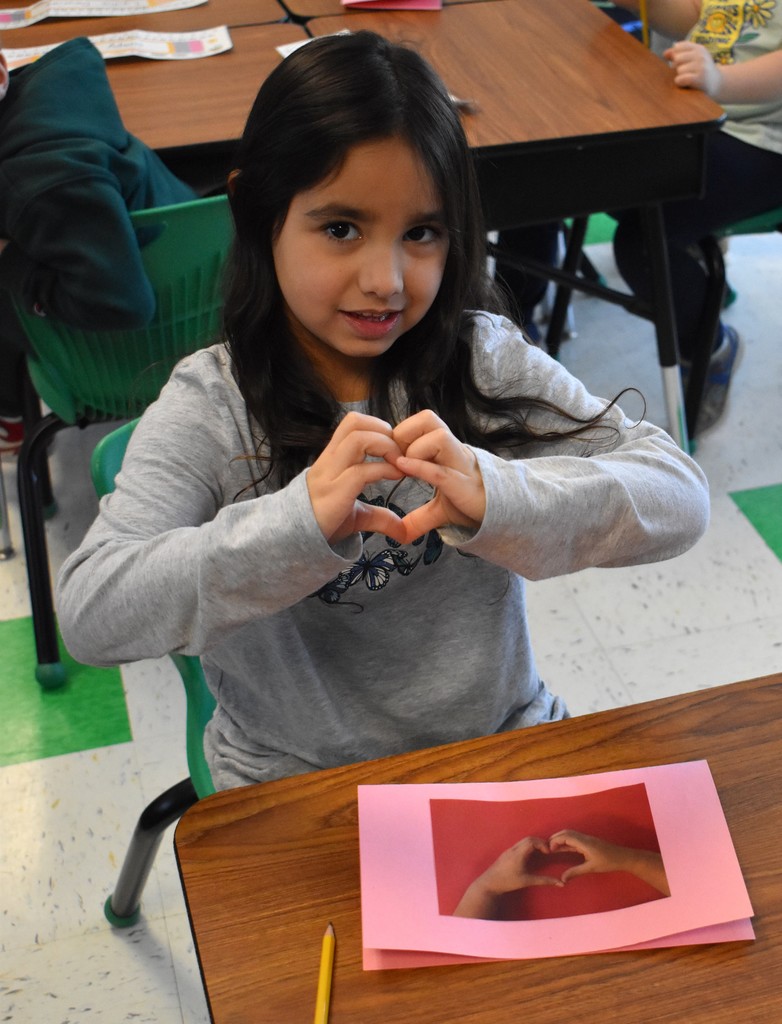
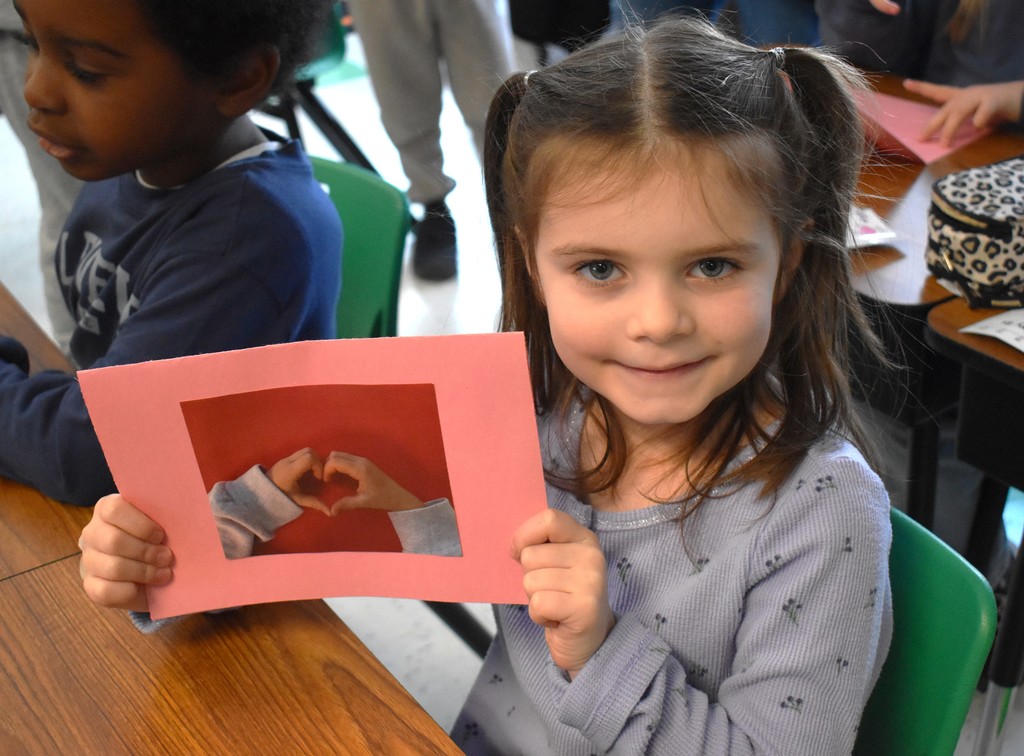
This includes Angela Dombal’s ES kindergarteners, who made wonderful Valentine cards featuring hand-heart designs and personalized messages. This art activity doubled as a meaningful ELA and penmanship lesson, too, as students were encouraged to write whatever loving thoughts they wished to share.
Many of these little writers also proudly showed off their knowledge of a new punctuation symbol they learned this week: The exclamation mark! By using it at the end of their sentences, students learned how punctuation helps writing show excitement, joy, and strong feelings — perfect for Valentine’s Day. This lesson helped connect spoken expression to written words, builds reading comprehension and encourages expressive writing as they continue to grow as confident writers.